INTERNACIONAL
Nueve huelgas de hambre en cárceles de Cuba, cinco muertes bajo custodia y Kilo 8 señalado: el mes que expone la crisis penitenciaria

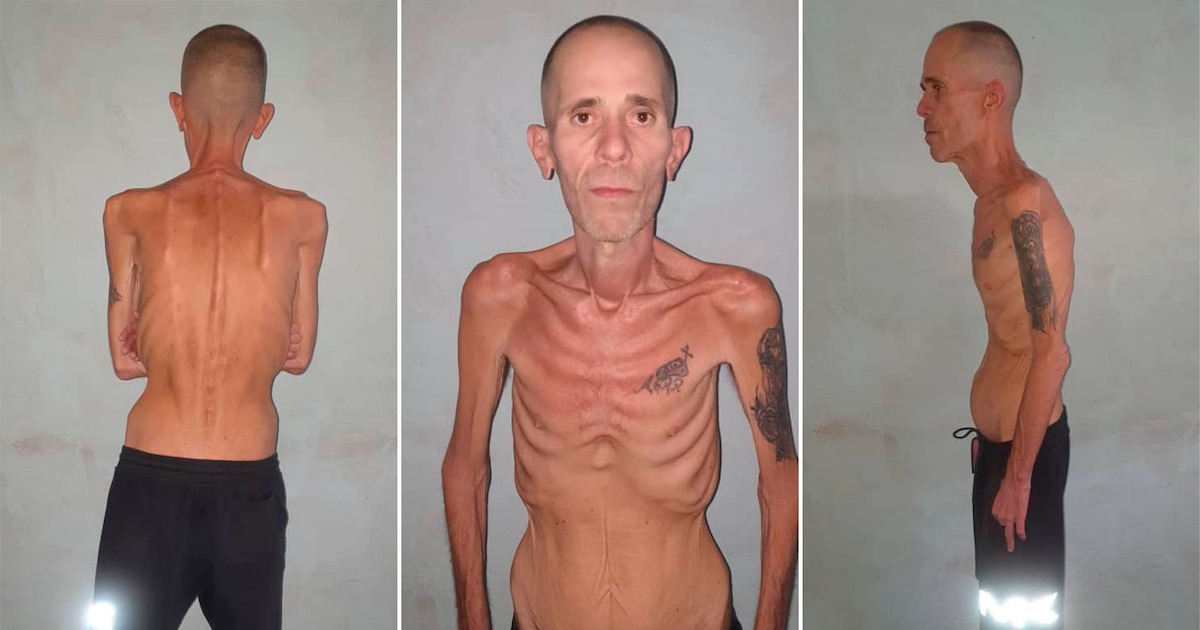
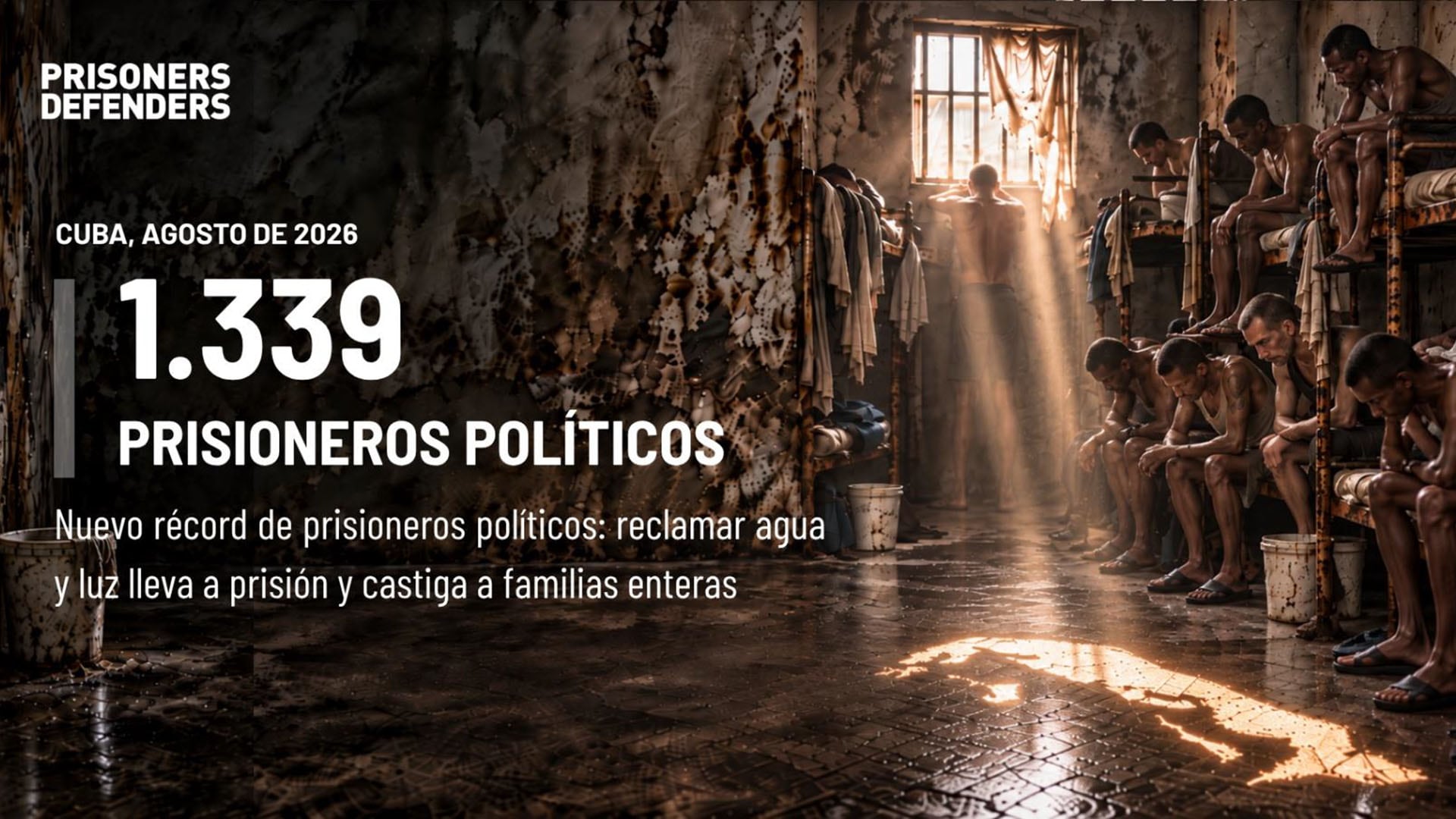
Las cárceles cubanas registraron en agosto de 2026 al menos nueve huelgas de hambre simultáneas y cinco muertes bajo custodia, según el reporte mensual de Cubalex, organización cubana de derechos humanos. Ese mismo mes, la organización identificó a la Prisión Especial Kilo 8, en Camagüey, como el establecimiento con mayor cantidad de hechos represivos del período.
El dato llega en el peor momento del sistema penitenciario cubano: Prisoners Defenders, ONG con sede en Madrid dedicada al monitoreo de presos políticos, contabilizó 1,339 presos políticos en la isla al cierre de agosto, con 463 de ellos afectados por patologías graves vinculadas a la desnutrición y los malos tratos. Es el registro más alto que la organización haya documentado desde las protestas del 11 de julio de 2021.
Kilo 8, epicentro de la represión
Más de la mitad de la población penal de Kilo 8 muestra señales de desnutrición, según Cubalex. El jefe del penal, Leonardo Suárez Reyes, fue señalado como responsable de acciones de intimidación contra quienes denuncian las condiciones internas.
Los presos políticos Ediolvis Marín Mora y Fausto René Ramos acumularon siete incidentes represivos cada uno durante agosto. Marín Mora fue amenazado de muerte por un oficial, enviado a una celda de castigo y trasladado a Kilo 7. Ramos recibió amenazas similares en el mismo penal.
Para la abogada Laritza Diversent, directora ejecutiva de Cubalex, las nueve huelgas simultáneas no son un fenómeno aislado: “Esto es directamente proporcional con la crisis del país: si se agrava el tema del acceso a la alimentación, el agua, servicios básicos, la situación dentro de las prisiones es peor. El sistema de quejas y reclamaciones que ha implementado el Estado no funciona”, dijo a Radio Martí.
Su advertencia fue directa: “A los reclusos lo único que les queda es su propio cuerpo como forma de protesta y llamar la atención. La intención no es la muerte, pero es una forma de presionar”.
La licencia extrapenal llega cuando ya no hay margen
Dos casos recientes ilustran lo que Cubalex describe como una secuencia sistemática: la autorización de libertad provisional llega cuando el estado del recluso ya es irreversible.
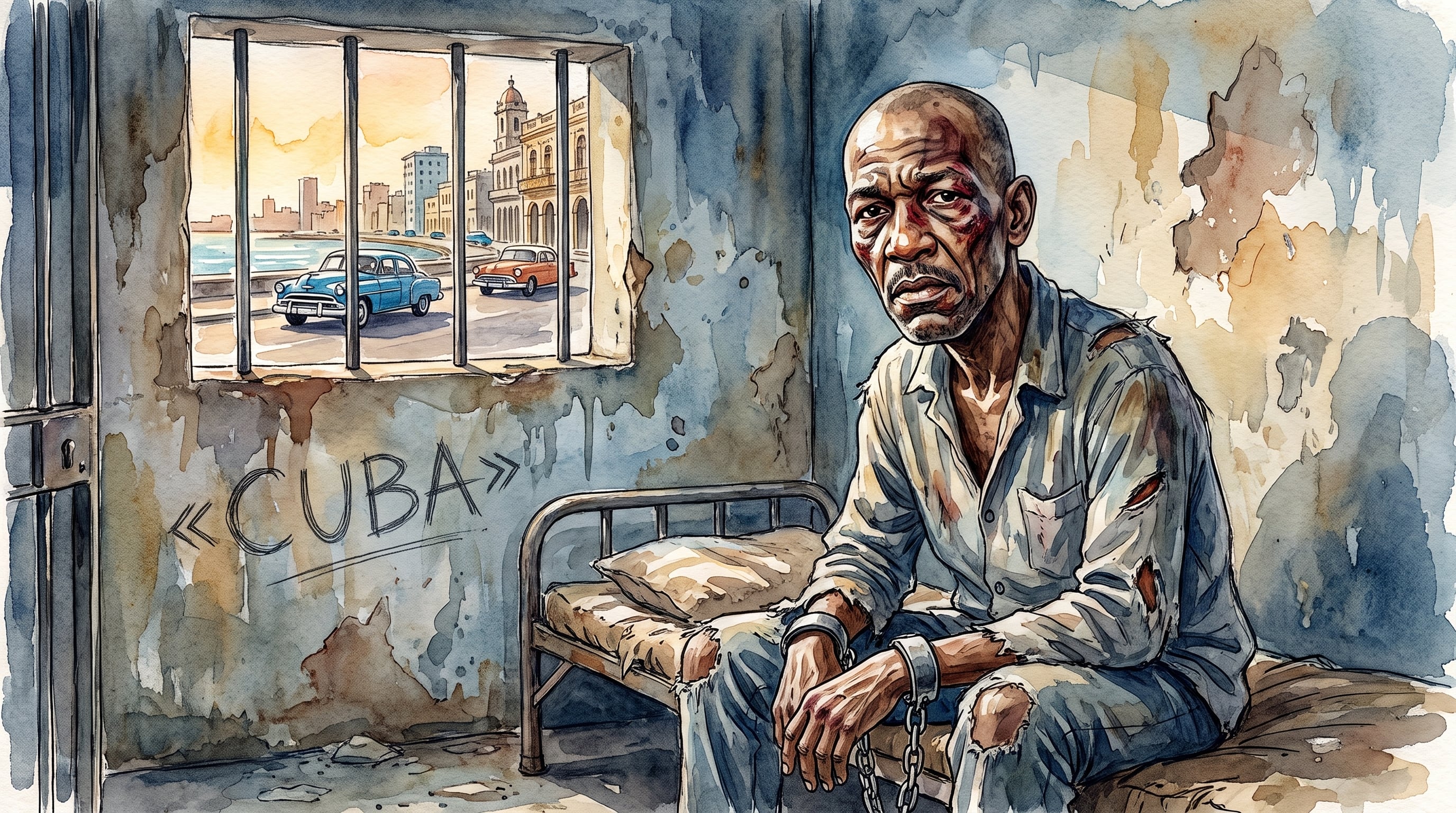
Ermis Bombu Moreira, de 52 años, falleció el 7 de mayo de 2026 en el Hospital General Docente Dr. Agostinho Neto de Guantánamo tras un coma metabólico por inanición. Las autoridades le concedieron la licencia extrapenal días antes del fallecimiento.
Yan Carlos González González murió el 7 de julio de 2025 en el hospital Arnaldo Milián Castro de Santa Clara luego de más de 40 días sin ingerir alimentos.
Cumplía una condena de 20 años por presuntos delitos de sabotaje en Villa Clara. Inició la huelga el 4 de abril de 2025, días después de conocer su sentencia, y como forma de protesta extrema también se cosió la boca y los ojos.
Su tío, Yoel González, describió a Radio Martí la confusión deliberada que rodeó la entrega del documento: “Cuando los médicos sabían que iba a morir, vinieron oficiales y me buscaron a mí para darme la extrapenal. Y como yo no tenía información de cómo estaba él dentro del hospital, como que me alegré porque era su libertad”, relató. Sobre la actitud de las autoridades fue directo: “Se perdió todo el mundo. Cuando me dieron la extrapenal lo dejaron botado”.
La Seguridad del Estado fuerza el abandono de las protestas
Cubalex documentó el caso del preso Alexander Figueroa Gutiérrez: dos funcionarios lo inmovilizaron durante una huelga de hambre, lo ataron a una cama y le introdujeron a la fuerza un pedazo de pan en la boca. Luego le tomaron fotografías para presentar la situación como si hubiera abandonado la protesta voluntariamente. Cuando el episodio trascendió, fue amenazado con una nueva causa penal.
El preso político Danisbel Labrada Morales, también en Kilo 8, inició una huelga el 4 de julio de 2026 tras ser trasladado a una celda de castigo. Tres días después fue encerrado en una celda tapiada: le retiraron la ropa y le negaron el agua potable para obligarlo a comer. Depuso la protesta el 8 de julio.
Entre 2022 y mayo de 2026, al menos ocho reclusos murieron en Cuba tras recurrir a la huelga de hambre, según el Centro de Documentación de Prisiones Cubanas (CDPC) y Cubalex: Fidencio Pérez Diéguez, Andy Reyes Cruz, Roleivis León, Bárbaro Navarrete, Kevin Caraballo, Yan Carlos González González, Maikel Ponte Herrera y Ermis Bombu Moreira.
El médico de Kilo 8: “El criterio médico era secundario”
El médico Pedro Acuña, quien trabajó en la Prisión Especial Kilo 8, confirmó a Radio Martí que durante su etapa en el sistema penitenciario no existía un protocolo médico específico para atender a los reclusos en huelga. La atención se limitaba a controlar los signos vitales y solicitar la intervención de una psicóloga.
Los traslados a un hospital civil solo ocurrían cuando el estado era ya crítico.
Acuña fue enfático sobre la cadena de mando real: “El criterio médico era secundario. Lo que prevalecía era lo que decidieran las autoridades penitenciarias y la Seguridad del Estado”.
Esa práctica contradice los estándares de la Declaración de Malta de la Asociación Médica Mundial (WMA), el Manual de Salud en Prisiones de la Organización Mundial de la Salud (OMS) y los criterios del Comité Internacional de la Cruz Roja (CICR), que coinciden en que las decisiones clínicas deben corresponder exclusivamente al personal sanitario, sin interferencias de la administración penitenciaria.
“Te someten a un brutal sistema de exterminio”
El periodista y expreso político Carlos Michael Morales Rodríguez, detenido tras las protestas del 11 de julio de 2021 y liberado en 2024, describió a Radio Martí la lógica que lo llevó a recurrir varias veces a la huelga durante su encarcelamiento.
“La situación en Cuba es que no solo te llevan a prisión por hacer uso de tus inalienables derechos humanos, sino que también te someten a un brutal sistema de exterminio y represión una vez encarcelado”, afirmó.
Morales recurrió a la huelga para detener traslados forzados de celda, para exigir atención médica, para poder visitar a su hermana enferma de cáncer y para denunciar dos golpizas en la Prisión Guamajal, en Villa Clara. Su última huelga la inició cuando fue encarcelado nuevamente, apenas 45 días después de salir de prisión, por continuar ejerciendo el periodismo independiente.
Alexander Díaz Rodríguez,preso político,Cuba,derechos humanos,desnutrición,cárceles,activista,denuncia,salud,deterioro








INTERNACIONAL
Decisión final sobre la mina de cobre debe basarse en la transparencia y en los intereses del país, señala la Cámara de Comercio panameña
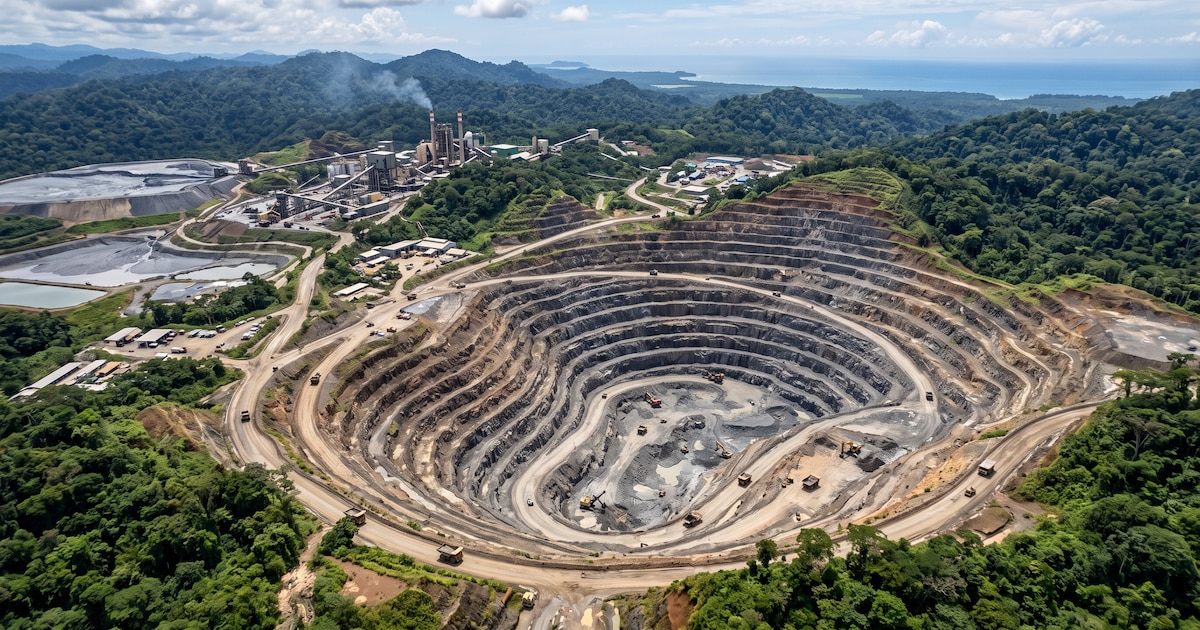
La Cámara de Comercio, Industrias y Agricultura de Panamá advirtió que un cierre del sitio minero de Donoso sin acuerdo previo podría costarle al Estado entre $2.600 y $3.400 millones a lo largo de 17 a 19 años.
El gremio empresarial difundió el cálculo tras conocer el informe final de la Comisión Interministerial que analizó el futuro del yacimiento.
A esa cifra se suman reclamaciones arbitrales por al menos $27.000 millones contra el país, todavía no reconocidas ni adjudicadas.
Remarcó que esos montos no determinan el camino a seguir, pero sí anticipan sus consecuencias para las finanzas públicas.
El documento llegó a manos del presidente de la República el 30 de septiembre, después de casi tres años de incertidumbre sobre el destino del sitio minero.
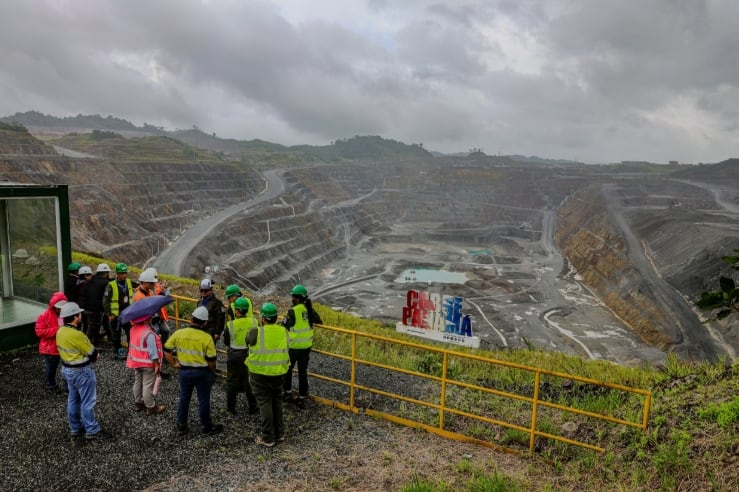
La recomendación central propone evaluar un acuerdo que resuelva los arbitrajes pendientes y habilite una puesta en marcha orientada a un cierre ordenado.
Ese cierre debería ser autofinanciado, sin prórroga y conforme al fallo de la Corte Suprema de Justicia, según detalla el informe.
La propuesta no implica un regreso al esquema operativo anterior, pero tampoco ignora las implicaciones ambientales, económicas, sociales y jurídicas de dejar el sitio indefinidamente en su estado actual.
El gremio solicitó información independiente, transparencia total y una decisión que protegiera los intereses del país sin trasladar los costos del cierre a la población panameña.
Esa postura se mantuvo desde que la Corte Suprema de Justicia emitió su sentencia sobre el caso.
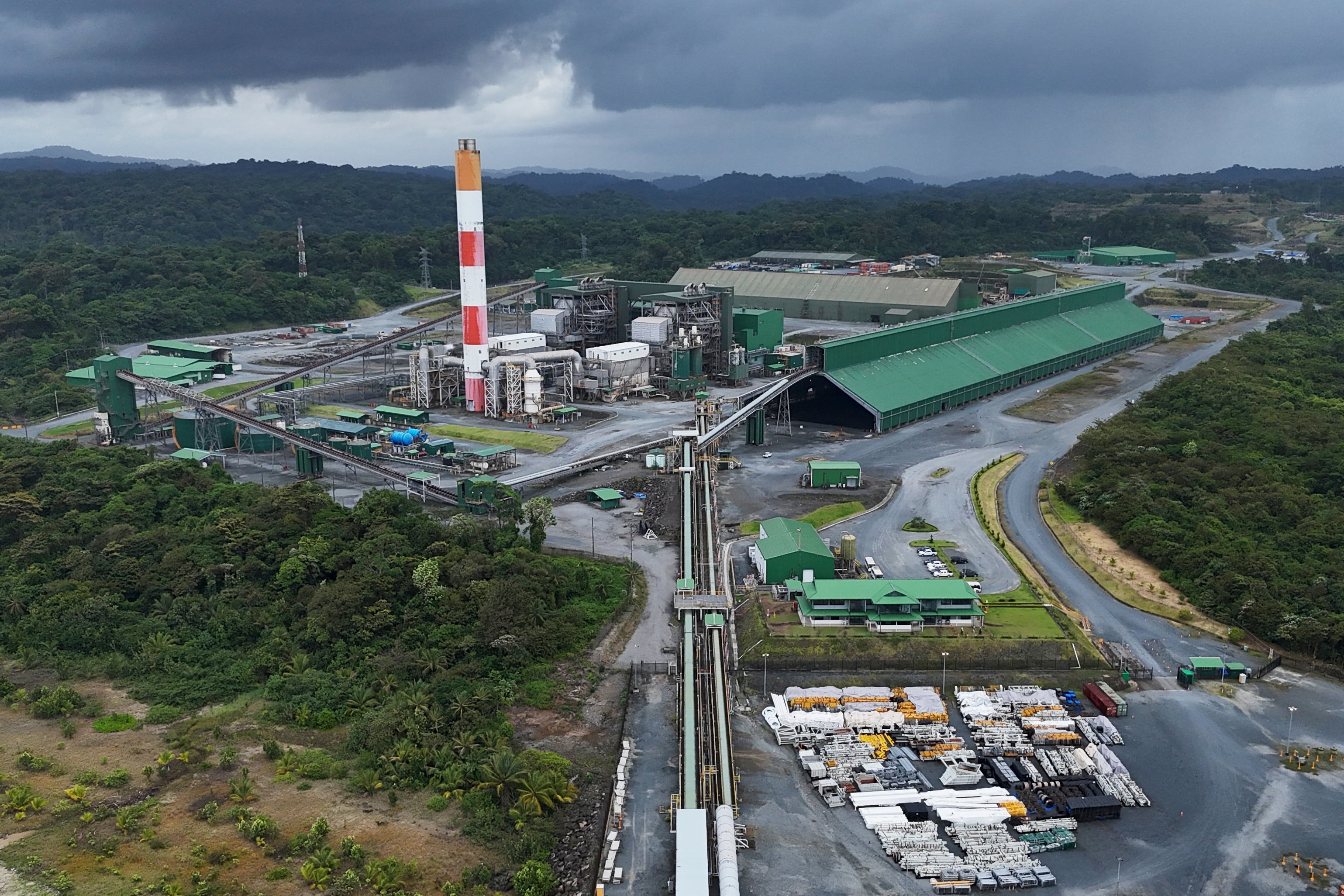
La Cámara de Comercio, Industrias y Agricultura de Panamá calificó la recomendación de la comisión como una ruta balanceada.
El organismo explicó que, si los costos del cierre terminan recayendo sobre el Estado, se comprometen recursos que también deberían destinarse a educación, salud e infraestructura.
Identificó beneficios concretos en la alternativa planteada: evitar que el cierre afecte las finanzas públicas, atender los arbitrajes en curso y ordenar la transición del sitio. Pero también señaló riesgos que exigen atención inmediata.
Entre esos riesgos, la Cámara mencionó la necesidad de una base jurídica sólida, una fecha definitiva de cierre, recursos protegidos para esa etapa y una fiscalización rigurosa e independiente.
Por esas razones, consideró razonable avanzar en la evaluación y eventual negociación de la alternativa antes de que el país tome una decisión definitiva.
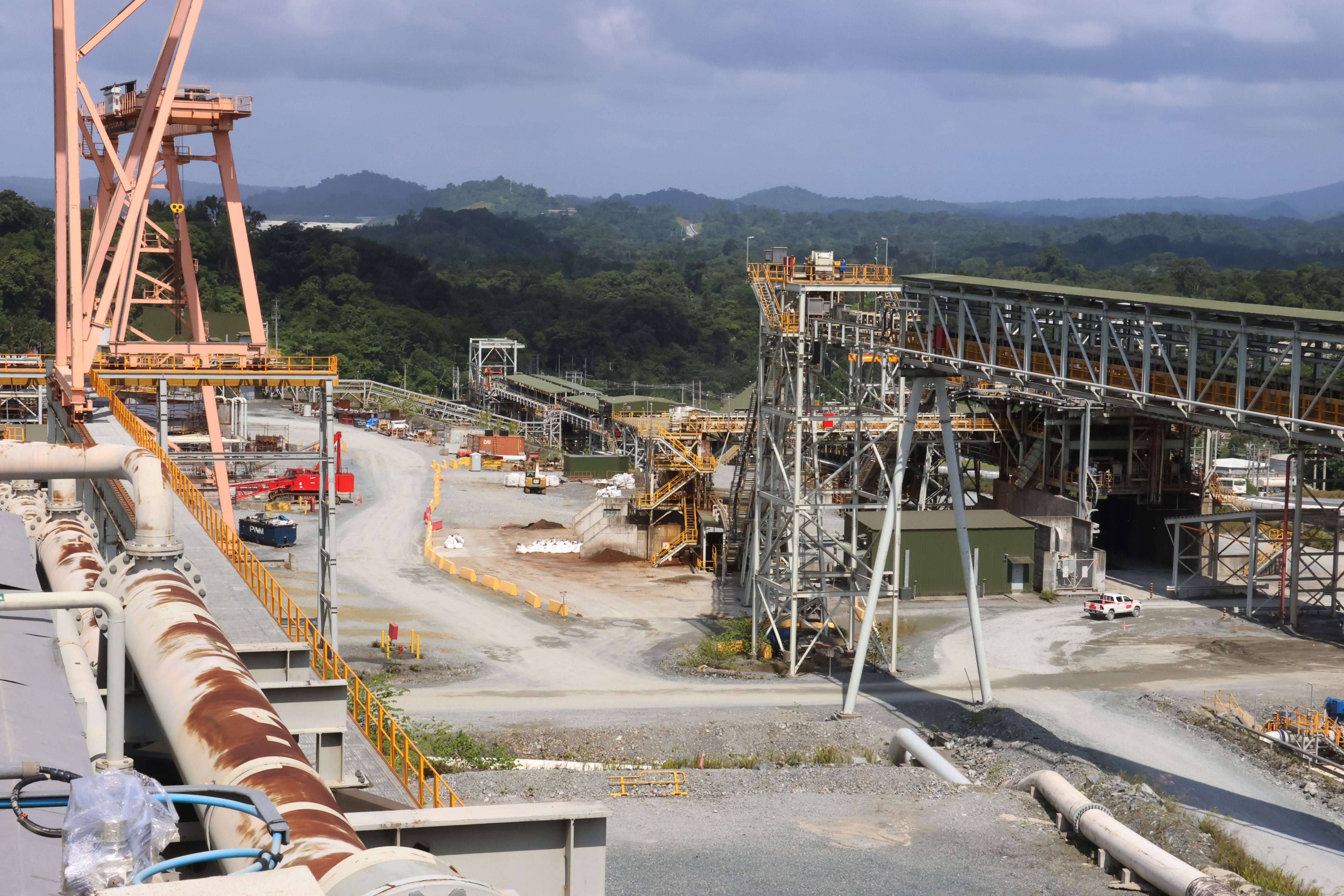
El propio informe deja varios puntos sin resolver. Entre ellos figuran la figura jurídica que adoptaría el acuerdo y su compatibilidad con el fallo judicial y con la Ley 407, además del régimen fiscal y el nivel de participación del Estado en una eventual operación.
También restan definir el alcance de cualquier operación futura, la fecha y las garantías del cierre, y los términos de la terminación de los arbitrajes. La fiscalización ambiental, la transparencia y la rendición de cuentas completan la lista de asuntos pendientes.
La Cámara de Comercio, Industrias y Agricultura de Panamá exigió además que se garanticen oportunidades concretas para las comunidades directamente impactadas por la actividad minera, los trabajadores y las empresas panameñas.
Pidió fortalecer, en paralelo, las capacidades de los municipios de la zona.
Para la institución, la transparencia no puede tratarse como un requisito aislado. Debe sostenerse desde el mandato de una eventual negociación hasta la publicación de sus términos, la fiscalización posterior y el cumplimiento de cada etapa del proceso.
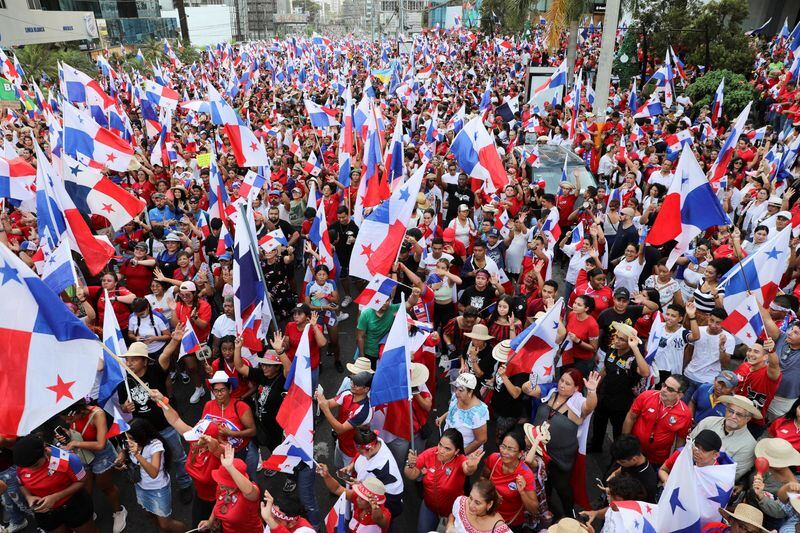
Los empresarios reafirmaron sus principios ante la decisión que se avecina: respeto al fallo y al ordenamiento jurídico, protección ambiental rigurosa y verificable, un cierre sin costo para el Estado ni para los panameños, metas claras y prioridad para las comunidades, trabajadores y empresas panameñas directamente afectadas.
La Cámara de Comercio, Industrias y Agricultura de Panamá cerró su posición con un llamado a la fiscalización ciudadana del proceso, sin renunciar al disenso ni al cuestionamiento.
El gremio sostuvo que la decisión final sobre Donoso debe ser jurídicamente sólida, ambientalmente responsable y económicamente sostenible, con capacidad de generar confianza y proteger los intereses del país.
mina de Donoso,Panamá,cobre,mina a cielo abierto,minería
INTERNACIONAL
Bolsonaro wins first round of Brazilian presidential election, as Trump-backed candidates continue red wave
NEWYou can now listen to Fox News articles!
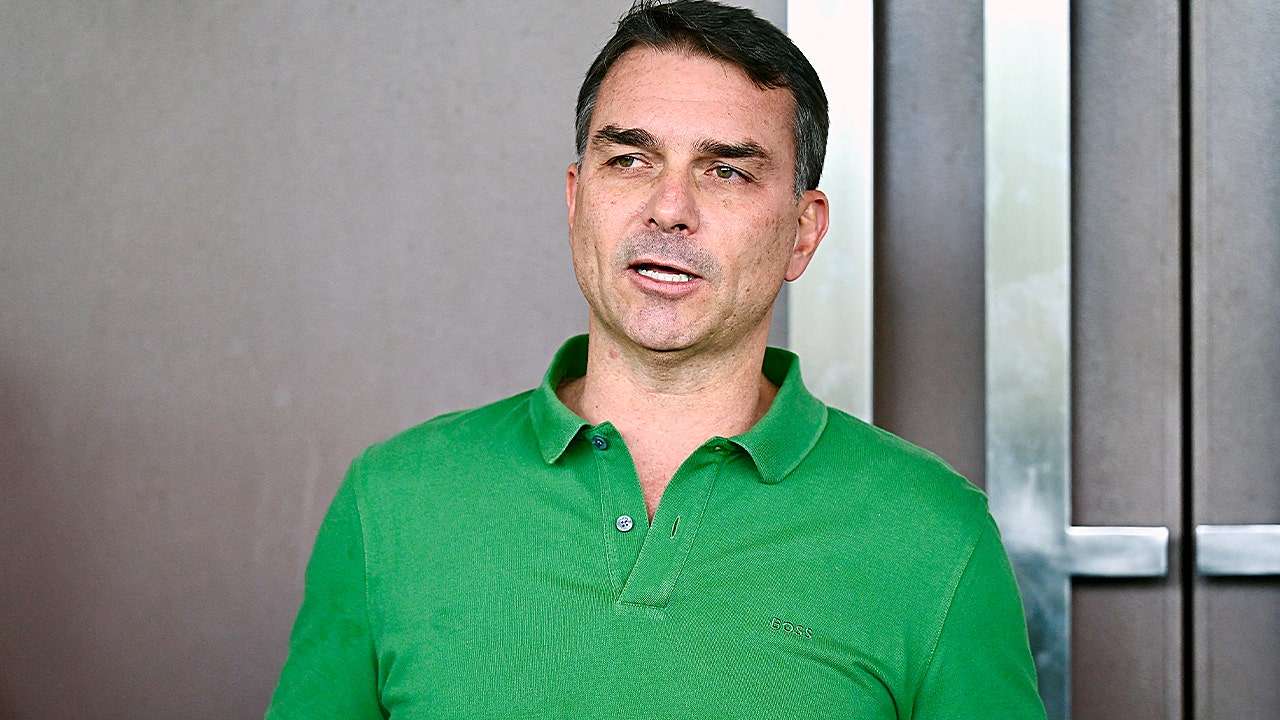
Senator Flavio Bolsonaro, son of former President Jair Bolsonaro, won the first round of the Brazilian presidential election tonight, turning in a surprisingly strong showing, and continuing a long run of wins for Latin American Trump-backed right-wing candidates.
Although the race had tightened considerably in the weeks leading up to the election, the vast majority of the polls showed incumbent President Inacio Lula da Silva with a single digit lead.
Bolsonaro will now face off against President Lula da Silva in an October 25 second round election. With 99% of the votes in, Bolsonaro led Lula 47.2% to 44.9%, in a race Lula had widely been expected to win.
LATIN AMERICA’S CONSERVATIVE SHIFT FACES ITS BIGGEST TEST YET IN BRAZIL ELECTION
Senator Flávio Bolsonaro has entered the 2026 Brazilian presidential race after father’s prison endorsement. (Evaristo Sa / AFP via Getty Images)
Tonight, the question on everyone’s mind: how could the pollsters get the results so wrong?
The epic polling failure will serve to give further ammunition to the Brazilian right and the Bolsonaro camp, which have long alleged that the nation’s leading pollsters turn in work biased in favor of Lula and his Workers Party.
The polling situation was similarly unfavorable to Jair Bolsonaro in the 2022 and 2018 elections, but relatively minor in comparison with the disparity in tonight’s electoral results.
Bolsonaro put in an incredibly strong showing in his electoral strongholds in the south of Brazil, winning the country’s three largest states by large margins:
In Sao Paulo state, the nation’s largest, Bolsonaro led Lula 52% to 38%.
In Minas Gerais, which is Brazil’s historic «bellwether state», Bolsonaro led Lula 48% to 43%, while in his stronghold of Rio de Janeiro, he bested the incumbent president 53% to 39%.
BRAZIL’S LULA INAUGURATED AS NEW PRESIDENT AFTER BOLSONARO REPORTEDLY FLED TO FLORIDA HOME OF MMA FIGHTER
Lula racked up large margins in his traditional strongholds in the Northeast, where he won vote-rich Bahia, Pernambuco, and Ceara by large margins, but it was not enough to surmount Bolsonaro’s unprecedented electoral strength in Brazil’s south.
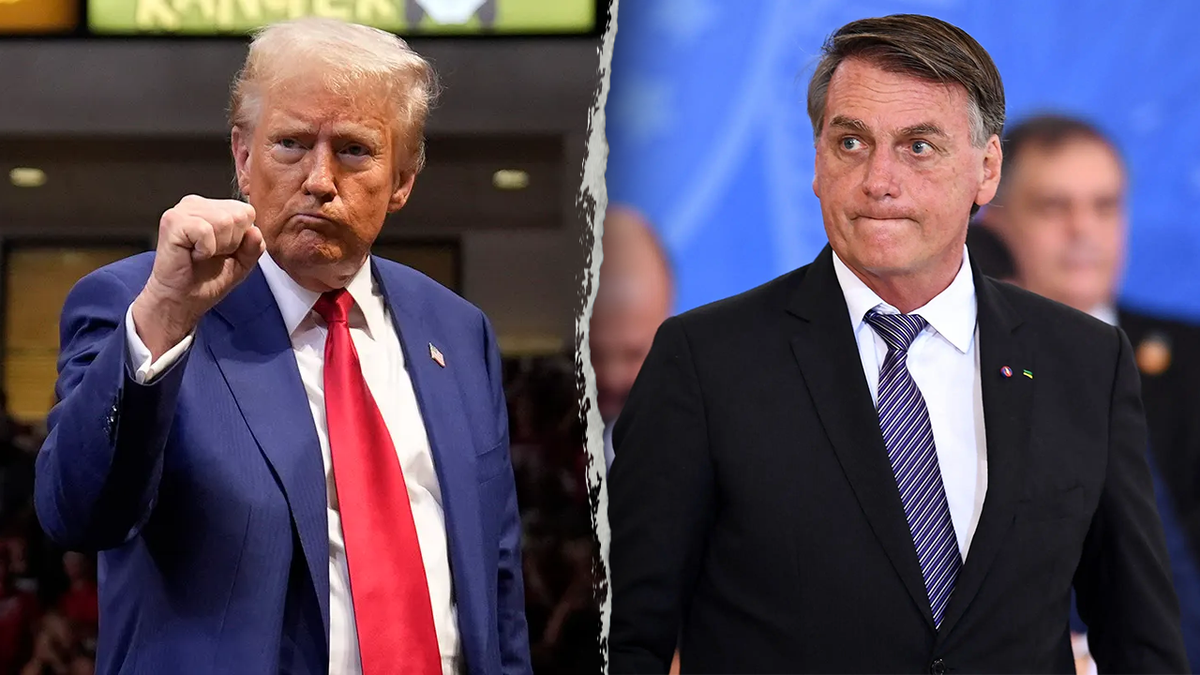
President Trump sent a letter to former Brazilian President Jair Bolsonaro calling for an immediate end to the ‘unjust’ trial against him for allegedly starting a coup. (AP Photo/Evan Vucci and Evaristo Sa/AFP via Getty Images)
Bolsonaro enjoyed a close relationship with Donald Trump through the course of the campaign, who made no secret of his intent to unceremoniously eject longtime geopolitical adversary Lula from office.
Tonight’s surprising result is merely the latest in a long string of right-wing victories across Latin America, which has recently ushered in a red wave of conservative candidates in Chile, Argentina, Peru, Ecuador, and Bolivia.
The election will undoubtedly prompt a period of soul-searching for the Brazilian left, which may be asking, «Should Lula have run at all?»
At 80 years old, with three presidential terms under his belt, and aspiring to a fourth, Lula was widely viewed as the only contender who could unite the contentious and often-fractured Brazilian left.
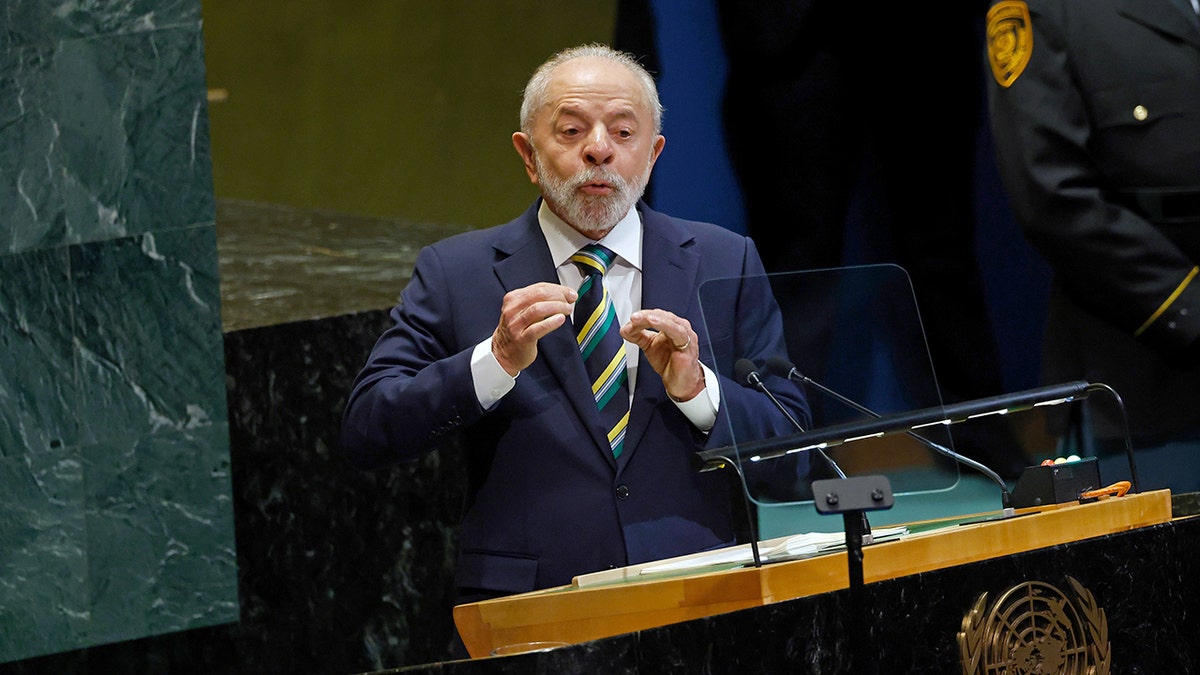
President of Brazil Luiz Inacio Lula da Silva speaks during the 80th session of the United Nations General Assembly (UNGA) at the United Nations headquarters on September 23, 2025 in New York City. World leaders convened for the 80th Session of UNGA, with this year’s theme for the annual global meeting being «Better together: 80 years and more for peace, development and human rights.» (Photo by Taylor Hill/Getty Images)
Lula’s political story marks one of the greatest comebacks in history. Once imprisoned on corruption charges, Lula was freed by the nation’s Supreme Court, and then defeated incumbent Jair Bolsonaro in a heated 2022 election by a razor-thin margin.
Famously, he pledged to serve only one term as president in 2022, and then reneged on that promise. Now, the move seems likely to backfire on him, in what will almost certainly be his last electoral campaign.
Flavio Bolsonaro will now face off against incumbent Lula in a second round election on October 25. Bolsonaro begins the race with several structural advantages.
In addition to vastly outperforming across the country, and proving the pollsters wrong, he is likely to win the vast majority of the votes of the major third-party candidates: Augusto Cury, Renan Santos, Ronaldo Caiado, and Romeu Zema.
Together, these four candidates received nearly 8% of the vote. What remains to be seen is whether any of these candidates will make an endorsement. It is suspected that Caiado and Zema will back Bolsonaro, while Cury and Santos will likely not make an endorsement.
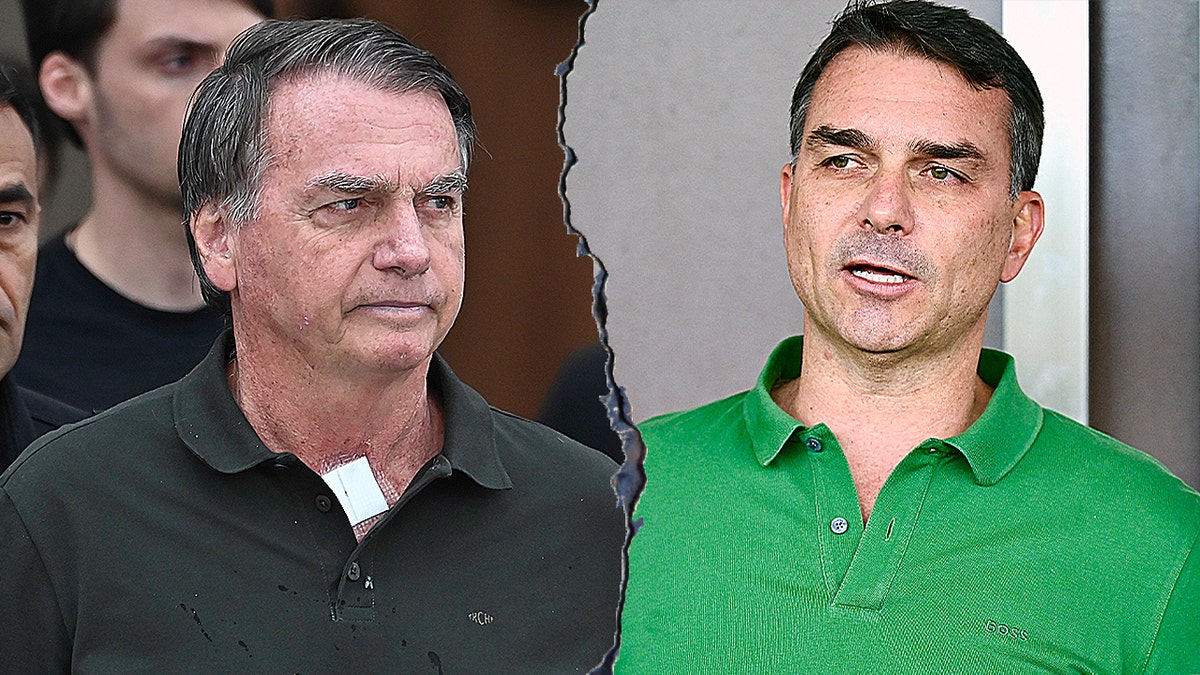
Former Brazilian President Jair Bolsonaro’s son announces biopic while brother Senator Flávio Bolsonaro enters 2026 presidential race from prison endorsement. (Ton Molina/Getty Images/ Evaristo Sa / AFP via Getty Images)
If elected, Flavio Bolsonaro is all but certain to free his father, and senior Brazilian military officers, who are currently jailed on charges of planning a coup to remain in power following the 2022 election.
The election also saw other members of the Bolsonaro family ushered into higher office: Jair Bolsonaro’s wife, Michelly, was elected senator, as was his son Carlos, while another son, Renan, was elected federal deputy.
Bolsonaro’s Liberal Party also turned in strong results in races for both chambers of Brazil’s Congress, particularly in the Senate, where they are expected to hold 29 seats, compared to just 9 for Lula’s Workers Party.
In Brazil’s lower chamber, the Liberal Party is also expected to hold the greatest number of seats, with 121, while Brazil Fe, a left-wing coalition, is on track to secure 78 seats.
Political analyst Flavio Morgenstern argued, «This election was not about Flavio Bolsonaro vs. Lula. It’s about all of freedom-loving Brazil against the Brazilian Supreme Court. People have no voice in the institutions, and all the power in Brazil is concentrated in the Supreme Court.»
The Brazilian right and the Bolsonaro family have long butted heads with the nation’s Supreme Federal Court, which is dominated by justices appointed by the Workers Party.
While Bolsonaro appears to have the wind in his sails, it is too early to count out Lula in the second round election in three weeks. Lula is renowned as a smart and effective campaigner, and still commands a powerful electoral machinery.
Yet, is winning election to an unprecedented fourth term a feat too daunting for even Lula, the great giant of the Latin American left?
brazil, south america, world
INTERNACIONAL
En poco más de dos años Panamá cuadriplica su cantidad de guardabosques para vigilar sus 124 áreas protegidas
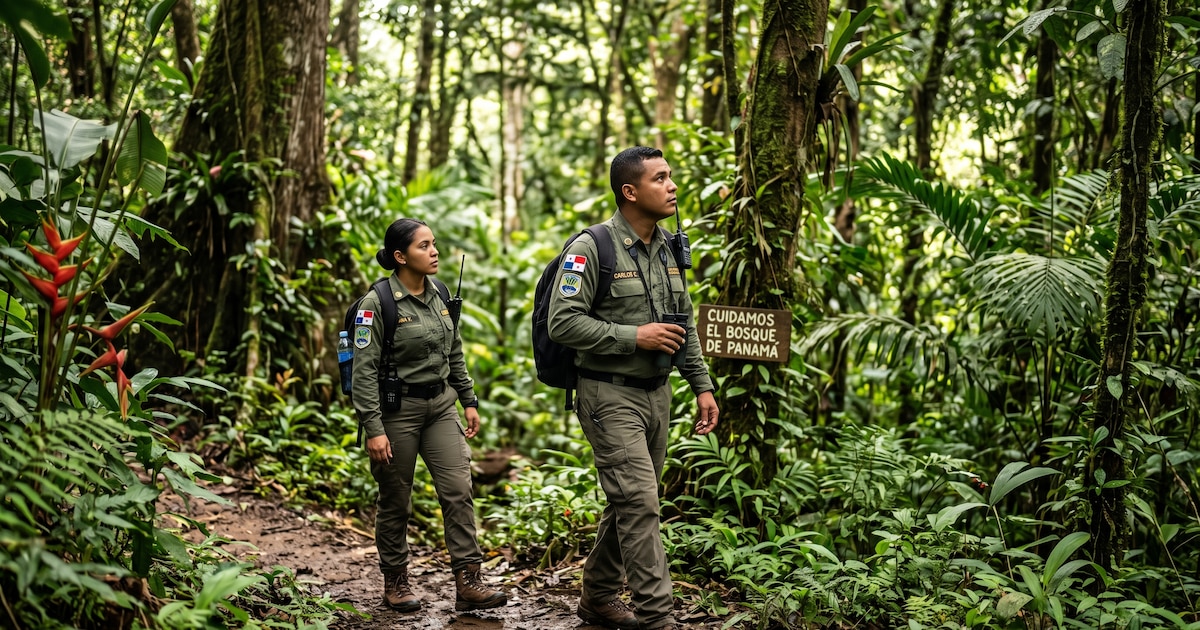
Panamá cuadruplicó su número de guardaparques activos en poco más de dos años.
La cifra pasó de 141 agentes en campo a 631 unidades operativas en 26 meses, un incremento de 490 nuevos custodios ambientales durante la actual administración.
Esta semana, 34 hombres y mujeres se sumaron a esa fuerza tras culminar su proceso de formación.
La meta oficial es alcanzar 724 guardaparques para diciembre de 2026, dentro de una estrategia que busca reforzar la vigilancia del Sistema Nacional de Áreas Protegidas en todo el territorio.
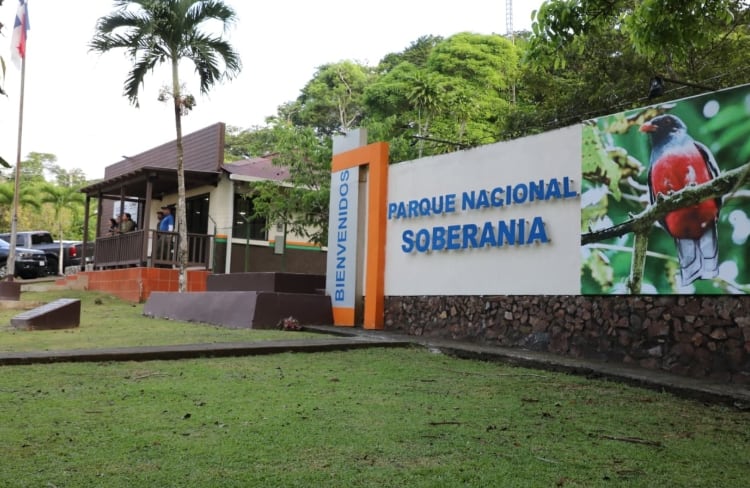
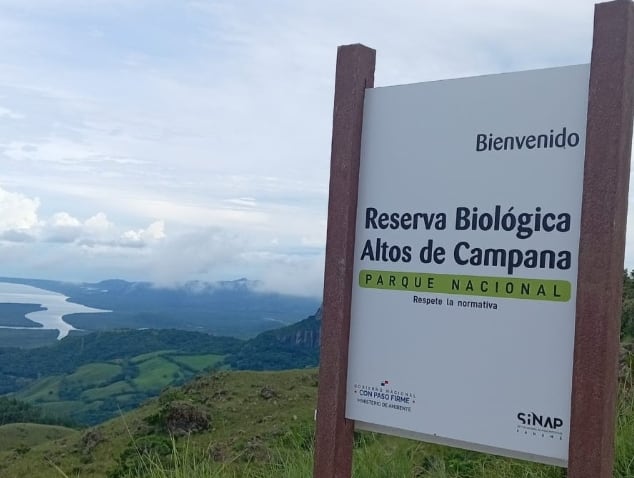
Panamá cuenta en la actualidad con 124 áreas protegidas distribuidas en su territorio. De ese total, 19 son parques nacionales, entre los que se destacan Darién y Coiba, considerados referentes mundiales por su riqueza biológica.
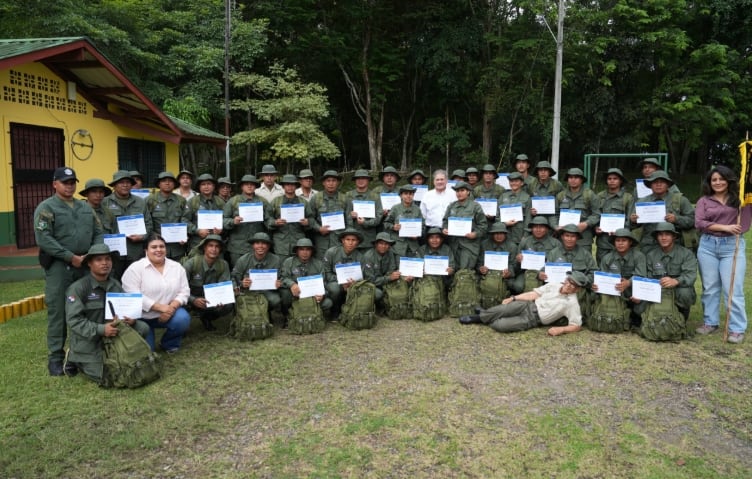
La información señala que las nuevas unidades serán destinadas a distintas áreas protegidas del país para vigilar bosques, ríos, humedales, montañas y ecosistemas marino-costeros.
La graduación forma parte del plan de fortalecimiento que impulsa el Ministerio de Ambiente (MiAmbiente) para robustecer el Sistema Nacional de Áreas Protegidas (SINAP).
El objetivo es garantizar presencia estatal permanente en los territorios de mayor valor ecológico del país.
La entidad también sumó 20 profesionales especializados, entre biólogos e ingenieros forestales, para respaldar la gestión técnica y administrativa de las áreas protegidas.
La formación continua corre a cargo de la Escuela de Guardaparques y de la Oficina de Logística y Capacitación del SINAP.
A ese esfuerzo se suma la capacitación de 25 jefes de parques nacionales y áreas protegidas en la Universidad Estatal de Colorado, orientada a liderazgo y manejo de recursos naturales.
En este proceso participaron como aliados el Instituto Nacional de Formación Profesional y Capacitación para el Desarrollo Humano, y el Servicio de Policía Ambiental, Rural y Turística.
“Hoy empieza el reto de sus vidas; hace años parecía imposible pensar en tener guardaparques con posiciones permanentes, con equipos, dignos de primer mundo, con capacitación y entrenamiento”, afirmó el ministro de Ambiente, Juan Carlos Navarro.
“Siempre hagan lo que tengan que hacer para defender el bosque. Siempre defiendan hasta el último árbol. Nunca permitan que tumben un solo árbol dentro de un parque nacional. Jamás permitan la cacería furtiva o ilegal dentro de los parques nacionales. Siempre cuiden la flora y la fauna hasta con su propia vida. Siempre sean estrictos en cumplir la ley”, manifestó
Entre los 34 nuevos guardaparques estaba Doriela Concepción, hija de un hombre que ejerció esa misma función durante varias décadas.
Para ella, la graduación cierra un anhelo que arrastraba desde la infancia. “Desde niña he sido guardiana de los bosques, cuidando la biodiversidad con mi papá. El propósito de ser guardaparques llevaba muchos años; hoy lo he logrado”, expresó la nueva guardaparque.
Reconoció que su mayor desafío será la interacción con personas que no respetan las normas ambientales.
“El mayor reto son las personas; para mí va a ser una nueva experiencia, porque me tocará cuidar de la vida marina y hay muchos problemas con las personas y hay que saber llegarles sin afectarlas”, afirmó Concepción sobre la tarea que la espera en el ámbito marino-costero.
Alfredo Valdespino, otro integrante de la nueva promoción, dijo sentirse orgulloso de la certificación recibida. Destacó especialmente el aprendizaje adquirido durante el curso especializado.
Al igual que su compañera, Valdespino identificó como principal desafío la necesidad de actuar con firmeza frente a quienes desarrollan actividades que dañan la conservación de los ecosistemas.
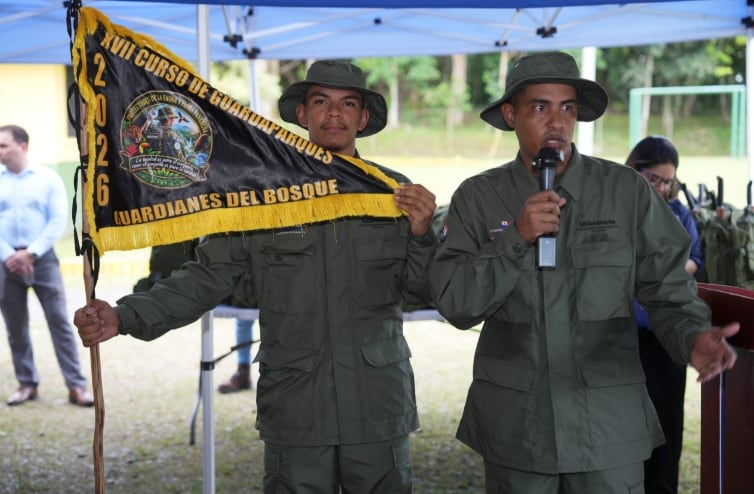
MiAmbiente proyecta además la construcción de la Escuela Nacional de Guardaparques en el Parque Nacional Camino de Cruces. La obra busca consolidar la formación de nuevas generaciones dedicadas a la defensa de los ecosistemas del país.
Con la llegada de los 34 graduados, la fuerza de vigilancia ambiental queda un paso más cerca de la meta de 724 agentes prevista para diciembre de 2026. Desde montañas, bosques, manglares y costas, ese personal quedará a cargo de la protección del patrimonio natural panameño.
guardaparques,Panamá,bosque,patrullaje,conservación ambiental

Elecciones en Brasil: Lula ganó entre los brasileños que votaron en Argentina

Decisión final sobre la mina de cobre debe basarse en la transparencia y en los intereses del país, señala la Cámara de Comercio panameña

El horóscopo de hoy: lunes 5 de octubre

Solo en Off | El puntano Abdala cumplió el sueño de ser Presidente y “superar” a Rodríguez Saá

Quirno puso en duda que Lula se presente al balotaje contra Bolsonaro: “¿Le va a regalar un triunfo contundente?”

El Gobierno celebra el triunfo de Flavio Bolsonaro y es optimista de cara al balotaje en Brasil

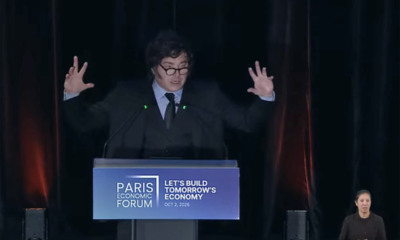
Milei volvió a dar un discurso en la Argentina Week de París y se emocionó en el cierre

Caso Mariaca: un ministro paraguayo acusó a funcionarios bolivianos de proteger al narco Sebastián Marset

Argentina Week: la francesa Total Energies anunció inversiones por cerca de USD 10.000 millones

Habló Andrea Vera, la diputada libertaria que filmó a Grabois durante su fuerte cruce en Diputados

 POLITICA2 días ago
Milei volvió a dar un discurso en la Argentina Week de París y se emocionó en el cierre
- INTERNACIONAL3 días ago
Poll: Turek, Hinson in close Iowa Senate race
- POLITICA3 días ago
Javier Milei y sus medidas, en vivo: el mandatario cargó contra la prensa y la calificó de “sicarios de la pluma”