INTERNACIONAL
Turkish grad student who co-authored anti-Israel op-ed at Tufts self-deports after legal battle with DHS

NEWYou can now listen to Fox News articles!
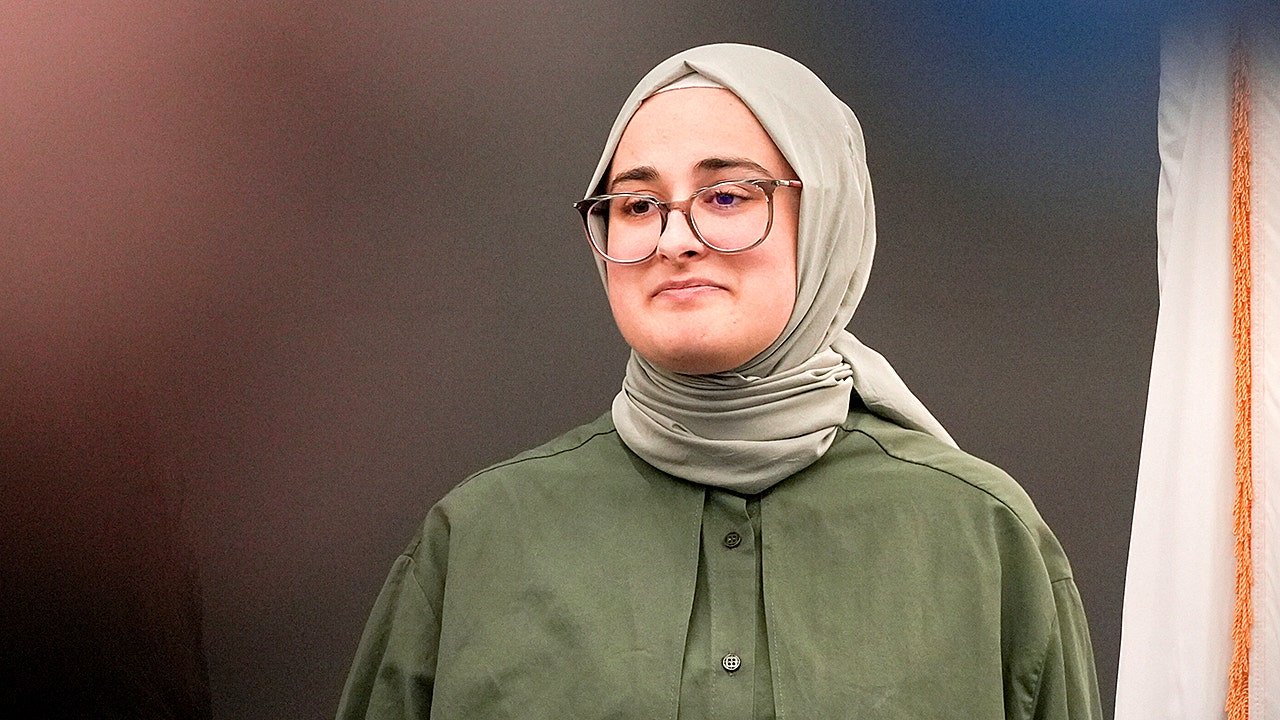
Rumeysa Ozturk, a Tufts University medical graduate student from Turkey whose charges were dropped after DHS detained her for allegedly «[engaging] in activities in support of Hamas,» has self-deported to Turkey, according to sources familiar with the matter.
Ozturk self-deported from the U.S. late Thursday night on a flight to Istanbul, Turkey, according to sources familiar.
Ozturk was detained by ICE in Somerville, Massachusetts, in March 2025, sparking a battle between the Trump administration and a federal judge over her detainment.
The Tufts graduate student was living in the U.S. under an F-1 student visa, which the Trump administration revoked around March 21, 2025. At the time her visa was revoked, Secretary of State Marco Rubio and the Trump administration were cracking down on student visas for students who were involved in protests and demonstrations regarding Israel and Palestine.
JUDGE WHO BLASTED TRUMP AS ‘AUTHORITARIAN’ BLOCKS US FROM DEPORTING PRO-PALESTINIAN CAMPUS ACTIVISTS
Secretary of State Marco Rubio attends the G7 Foreign Ministers’ Meeting at the Abbaye des Vaux de Cernay in Cernay-la-Ville, France, on March 27, 2026. (Thomas Trutschel/Photothek)
«After 13 years of dedicated study, I am very proud to have completed my Ph.D. and to return home on my own timeline,» Ozturk said in a statement. «The time stolen from me by the U.S. government belongs not just to me, but to the children and youth I have dedicated my life to advocating for. With them in mind, I am choosing to return home as planned to continue my career as a woman scholar without losing more time to the state-imposed violence and hostility I have experienced in the United States – all for nothing more than co-signing an op-ed advocating for Palestinian rights.»
Ozturk co-authored an opinion piece on March 26, 2024 that was published in Tufts Daily, a student newspaper on campus.
«Credible accusations against Israel include accounts of deliberate starvation and indiscriminate slaughter of Palestinian civilians and plausible genocide,» the op-ed read.
The authors, including Ozturk, were critical of the university’s response to anti-Israel protests, saying that the university should publicly acknowledge Palestinian suffering.
Rubio specifically referenced opinion pieces in a statement surrounding the revoking of student visas, notably after the arrest of Ozturk on March 25, 2025.
DHS SAYS COLUMBIA STUDENT TAKEN INTO CUSTODY IS ILLEGAL ALIEN WHOSE VISA WAS TERMINATED UNDER OBAMA ADMIN
«If you apply for a visa to enter the United States and be a student, and you tell us that the reason why you’re coming to the United States is not just because you want to write op-eds, but because you want to participate in movements that are involved in doing things like vandalizing universities, harassing students, taking over buildings, creating a ruckus — we’re not going to give you a visa,» Rubio said.
Trump’s Department of Justice also weighed in on Ozturk’s self-deportation.
«Attending elite colleges and universities in the United States is a privilege afforded to foreign students who respect our values and follow our laws,» a DOJ official told Fox News. «Rümeysa Öztürk chose not to abide by those simple conditions, and as a result left the United States – something the Administration sought to accomplish from the beginning. We will continue to seek the deportation of any foreign student who abuses their opportunity to study in America by engaging in vile antisemitism, harassment, or other illegal behavior.»
Following Ozturk’s arrest, she was transferred to Methuen, Mass., then Lebanon, New Hampshire, and Vermont before she was sent to the South Louisiana ICE processing facility, according to reports.
Protests erupted at Tufts and across the country over her arrest, and two months later she was released on bail.
ANTI-ISRAEL AGITATOR MAHMOUD KHALIL ONE STEP CLOSER TO DEPORTATION WITH IMMIGRATION BOARD RULING

Rumeysa Ozturk on an apple-picking trip in 2021. (AP Photo) (AP)
The legal battle continued between the Trump administration and Ozturk, who was legally represented by the American Civil Liberties Union (ACLU), until Feb. 9 when Biden-appointed Boston immigration Judge Roopal Patel terminated deportation proceedings.
Patel ruled that the Department of Homeland Security lacked the legal grounds to deport her.
«I grieve for the many human beings who do not get to see the mistreatment they have faced brought into the light,» Ozturk said in a statement released by her attorneys after the ruling. «When we openly talk about the many injustices around us, including the treatment of immigrants and others who have been targeted and thrown in for-profit ICE prisons, as well as what is happening in Gaza, true justice will prevail.»
THE US GOVERNMENT TARGETED ME FOR MY POLITICAL SPEECH. IT COULD HAPPEN TO YOU, TOO
The Trump Department of Justice fired Patel, among other immigration judges, last week.
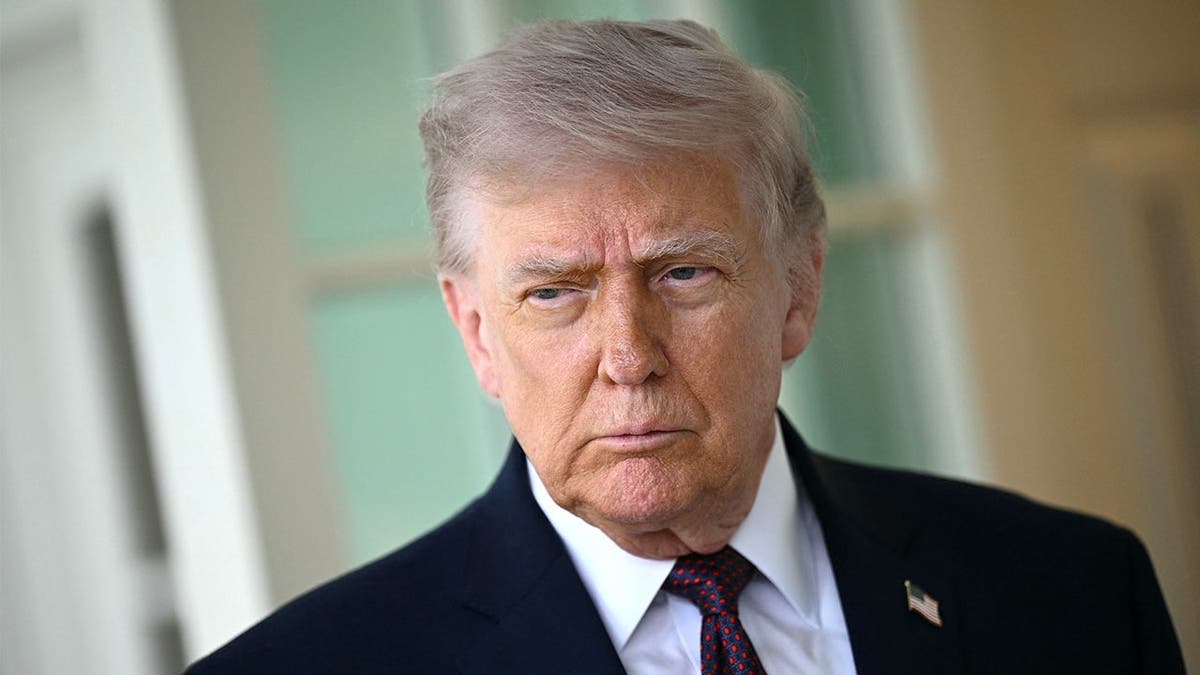
President Donald Trump spoke to reporters outside the Oval Office at the White House on April 13, in Washington, D.C., after declining to apologize for remarks criticizing Pope Leo XIV. (Brendan Smialowski/AFP via Getty Images)
Since Patel ruled as an immigration judge and not a federal Article III judge, the Trump administration and the executive branch has authority over her tenure.
The White House issued a press release on April 9, titled: «Era of Amnesty Is Over: President Trump Restores Rule of Law to Immigration Courts,» in which the administration touted «the most aggressive and successful immigration enforcement overhaul in modern history.»
CLICK HERE TO DOWNLOAD THE FOX NEWS APP
«President Trump promised to end the open borders nightmare — and he is delivering on that promise with unrelenting force. The era of catch-and-release, mass releases, and activist judicial amnesty is over,» the White House statement reads.
homeland security, deportation, amnesty, immigration, immigrant rights








INTERNACIONAL
Más de 200.000 personas huyeron de los devastadores incendios forestales en Francia y España
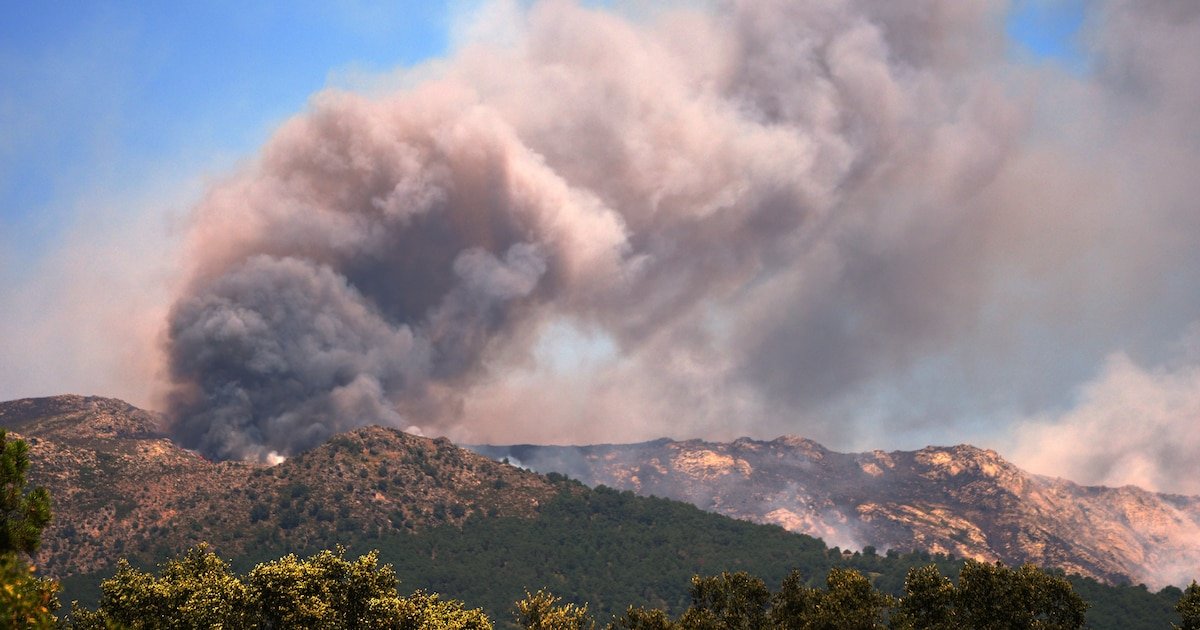
Los enormes incendios forestales obligaron el viernes a la evacuación de unas 200.000 personas en el suroeste de Francia y el centro de España, y los residentes huyeron de pueblos cercanos a Madrid y Burdeos mientras las llamas se extendían sin control.
Los bomberos y las autoridades de ambos países europeos se vieron sorprendidos por la virulencia de los incendios, avivados por las altas temperaturas y los efectos a largo plazo del cambio climático. Los bomberos españoles admitieron que los incendios fueron tan rápidos y violentos que no pudieron ser combatidos directamente. Algunas personas incluso huyeron en barco cuando las llamas arrasaron la zona turística de la costa atlántica francesa.
Según el Ministerio del Interior francés, unas 141.000 personas huyeron de sus hogares en los departamentos de Gironda y Landas. En el centro de España, 60.000 personas se vieron obligadas a abandonar sus viviendas, según el Ministerio del Interior español.
Decenas de bomberos franceses resultaron heridos, según informaron las autoridades, pero no se registraron muertes en ninguno de los dos países, a pesar de las escenas de pánico que se vivieron cuando los habitantes huyeron en coche y la policía fue de puerta en puerta pidiendo a la gente que evacuara mientras grandes columnas de humo se elevaban desde los bosques vecinos.
El ministro del Interior francés, Laurent Núñez, declaró que el gran incendio forestal que asoló amplias zonas del suroeste de Francia se dirige hacia la ciudad de Burdeos.
En declaraciones al canal de televisión francés Tf1, Núñez afirmó que el incendio forestal que horas antes había obligado a evacuar la península de Cap Ferret arrasó 140 kilómetros cuadrados, con 110.000 personas huyendo de sus hogares en la región de la Gironda.

“A media tarde supimos que, tras el cambio de dirección del viento, se había convertido en un gran incendio autosostenible, extremadamente difícil de controlar”, declaró Núñez. “Ahora se dirige hacia el este, hacia el área metropolitana de Burdeos. Vamos a reorganizar nuestra respuesta para combatirlo desde tierra e impedir que avance hacia Burdeos”.
Mientras tanto, el presidente francés, Emmanuel Macron, solicitó al primer ministro Sébastien Lecornu que active la unidad de respuesta a la crisis del Gobierno y ordenó a las fuerzas armadas que se movilicen para proporcionar el máximo refuerzo posible a los servicios civiles de emergencia.
“Este incendio, con el que llevamos tres días conviviendo y luchando aquí en Gironda, alcanzó una magnitud sin precedentes”, declaró Sophie Brocas, prefecta de Nueva Aquitania. “Para combatirlo, recibiremos refuerzos nacionales de suma importancia”.
El incendio se originó el miércoles cerca de la península de Cap Ferret, en la costa atlántica francesa, a 60 kilómetros de Burdeos. Las autoridades locales del departamento de Gironda informaron que 53 viviendas y un camping quedaron destruidos, y que 42 bomberos resultaron heridos. Alrededor de 1.500 personas que huyeron de la península llegaron por mar a la ciudad de Arcachon, algunas a bordo de pequeños taxis acuáticos y otras en embarcaciones más grandes.
“Es bastante impresionante e incluso aterrador”, dijo Laurent Moretti, residente de Arès. “Nunca antes se había producido una evacuación de esta magnitud. Lo único que esperamos es que los bomberos puedan controlarlo rápidamente».
Otro incendio forestal se desató en Landes, provocando la evacuación de 31.000 personas. Las autoridades creen que ambos incendios en Francia fueron accidentales.
El jueves ya se habían evacuado más de 20.000 personas de pueblos y centros turísticos, pero esa cifra se disparó el viernes cuando Francia y España pidieron ayuda a otros miembros de la Unión Europea.

Macron anunció que Francia recibirá refuerzos de la UE, entre ellos dos aviones de extinción de incendios Canadair croatas, dos aviones Air Tractor portugueses y dos helicópteros Black Hawk de carga pesada procedentes de la República Checa y Eslovaquia. El ministro del Interior español, Fernando Grande-Marlaska, informó que Italia y Grecia enviarán cada una dos aviones Canadair para el lanzamiento de agua, mientras que mil soldados españoles colaboraron en las labores de extinción de incendios.
El Gobierno español declaró por primera vez el estado de emergencia nacional por incendios forestales, ya que los incendios en Madrid y la cercana provincia de Ávila provocaron la evacuación de unas 60.000 personas de localidades al oeste de la capital.
“Quiero enviar un mensaje de apoyo a las miles de familias que se enfrentan a una noche difícil”, escribió en la red social X el presidente español, Pedro Sánchez, que visitará la zona devastada por el fuego el sábado. Los incendios se ven avivados por una ola de calor con temperaturas que se prevé superen los 39°C (102° F).
Dos grandes incendios cerca de Madrid se fusionaron en uno solo que, para la tarde del viernes, había arrasado rápidamente 30 kilómetros cuadrados (11,5 millas cuadradas). La presidenta regional, Isabel Díaz-Ayuso, lo calificó como el peor incendio en la historia de Madrid.

Francisco Martín, representante del gobierno central para la Comunidad de Madrid, informó que otras 20.000 personas recibieron la orden de permanecer en sus hogares. Martín indicó que podrían producirse más evacuaciones y que la prioridad ahora era proteger la localidad de San Lorenzo, donde se encuentra El Escorial, el palacio real y monasterio del siglo XVI de Felipe II.
Mientras tanto, un incendio en Ávila, a menos de dos horas al noroeste de Madrid, arrasó 90 kilómetros cuadrados. La Guardia Civil española detuvo a un hombre e investiga a otro por presuntamente haber utilizado maquinaria pesada en una zona donde estaba prohibido por riesgo de incendio. La policía cree que una chispa provocó el incendio el jueves.
“Había humo y fuego por todo el pueblo, tenía miedo. Todo era fuego y humo, la gente estaba nerviosa”, dijo Joaquín Espinosa, de 33 años, antes de que él y sus vecinos fueran evacuados del pueblo de Chapinería.
En una semana, España ha sufrido los peores incendios de su historia tanto en la región de Castilla-La Mancha como en la de Madrid.
Los bomberos seguían intentando extinguir el segundo mayor incendio de la historia de España, en la provincia de Castilla-La Mancha, cerca de Guadalajara, que había arrasado unos 320 kilómetros cuadrados (120 millas cuadradas) durante la última semana. Trece personas también perdieron la vida en un incendio en el sur de España a principios de este mes, el incendio más mortífero que se recuerda en el país en los últimos tiempos.

La ministra española para la Transición Ecológica, Sara Aagesen, afirmó que España ya vio quemarse 1.140 kilómetros cuadrados este año, más de cinco veces la superficie quemada durante la primera mitad de 2025. España experimentó temperaturas récord en los últimos veranos e incendios forestales de creciente violencia.
El analista de incendios forestales Raúl Quilez afirmó que, además del impacto del cambio climático, las zonas rurales de España se han vuelto más vulnerables a los incendios debido al abandono de las tierras de cultivo que tradicionalmente servían de zonas de protección alrededor de los pueblos. Ahora, explicó, los árboles y la maleza a menudo llegan hasta las viviendas, poniéndolas en peligro.
“Esa es la combinación perfecta para este tipo de incendios”, dijo Quilez a The Associated Press por teléfono desde Valencia, donde trabaja como analista para los bomberos regionales.
(Associated Press)
europe battles fast-moving wildfires sweeping across spain and f
NEWYou can now listen to Fox News articles!
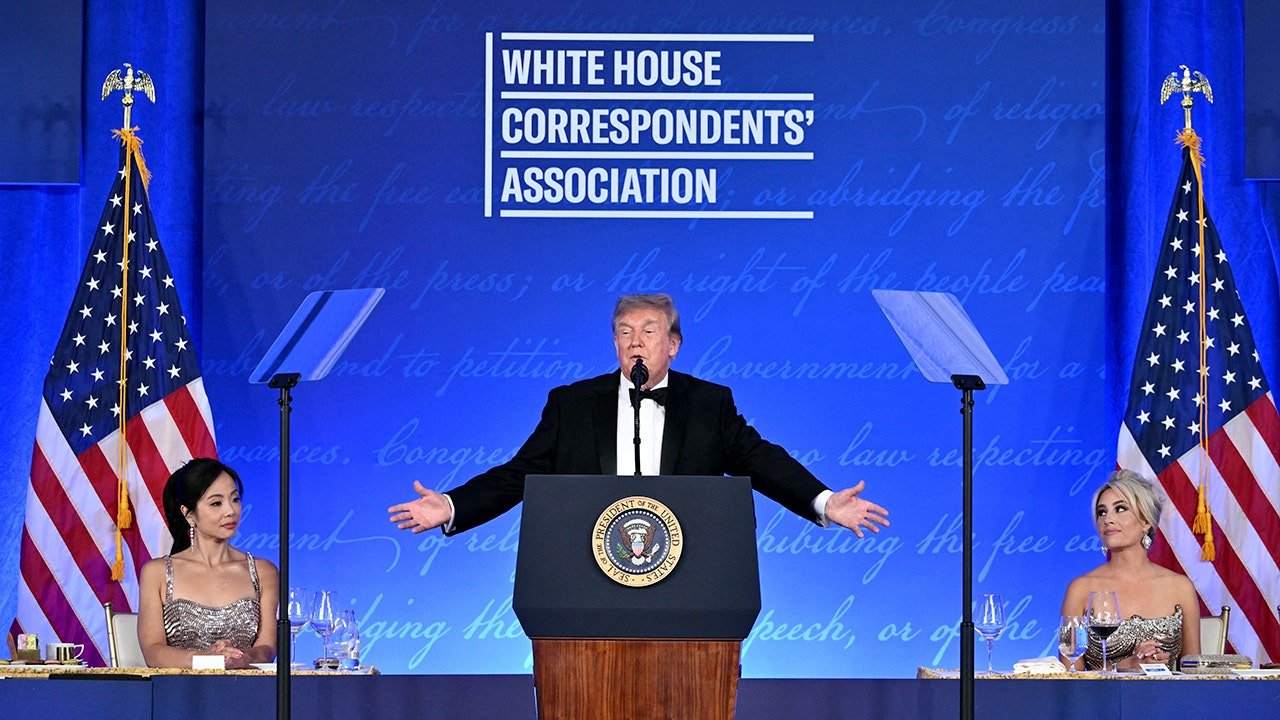
President Donald Trump struck a more conciliatory tone Friday at the rescheduled White House Correspondents’ Dinner, scrapping the combative speech he had prepared before an assassination attempt upended the annual event in April. The rewrite emphasized unity and gratitude, though the president still couldn’t resist slipping in a few familiar jabs at the press while insisting: «The show must go on.»
Trump returned to the stage just months after gunfire abruptly ended the organization’s annual banquet. An armed suspect, Cole Allen, stormed the event in what authorities say was an attempt to assassinate the president.
«The speech that I had ready just a short while. Oh, that was going to be a doozy. I was so psyched. I was going to rip people. And I don’t know, just something changed it — really for the better. But I just wouldn’t want to do that,» Trump said to a room full of journalists and government officials.
«But we’ll do a little ripping, if you don’t mind. But it is true. I said, how do we handle this is going to be a different kind of evening. And it is. And in many ways it’s a more beautiful evening, actually,» he added.
TRUMP HEADS BACK TO CORRESPONDENTS’ DINNER MONTHS AFTER GUNFIRE FORCED EVACUATION
President Donald Trump speaks during the 2026 White House Correspondents’ Association Dinner. (Mandel NGAN / AFP via Getty Images)
Trump teed up his typical walk-out song — Lee Greenwood’s «God Bless the U.S.A.» — and quickly jumped into joking about seeking a third term before striking a more serious chord as he thanked the Secret Service for its work, not only during the attack at the original Correspondents’ Dinner, but for protecting him every day.
He delivered a speech that went longer than expected, talking for an hour and four minutes.
«Just like my presidency, the second time is always better. It’s always better, and the third time will be better yet. I’m only kidding,» Trump said to some chuckles throughout the room.
The president said he could not deliver the same speech he had planned for the first dinner, «ripping» the press, but said «it was for the better» that he changed his remarks for the second time around.
COLE ALLEN INDICTED BY GRAND JURY ON FOUR CHARGES RELATED TO ALLEGED TRUMP ASSASSINATION ATTEMPT
He made various jokes aimed at not just Democrats but his own cabinet members.
«I hope that everyone finally got to enjoy their entire very delicious beef tenderloins, very special beef. And I want you all to know that Bobby Kennedy, who’s right here personally, ran over the cow and his car,» said Trump.
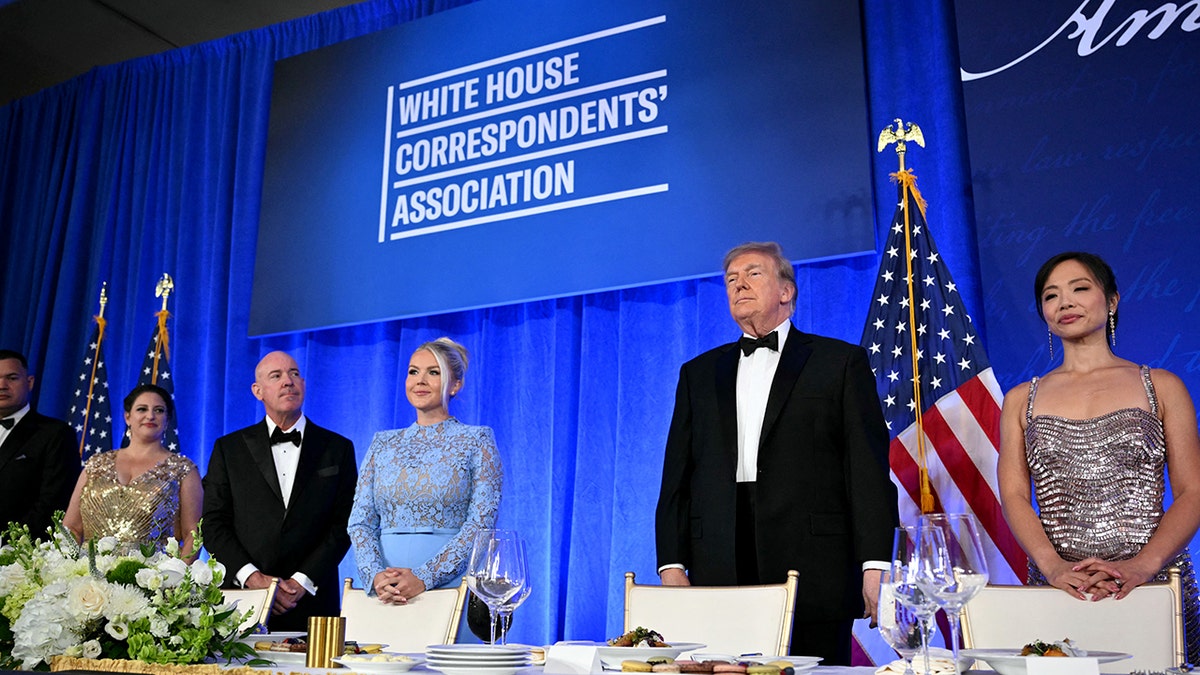
White House Press Secretary Karoline Leavitt and US President Donald Trump attend the 2026 White House Correspondents’ Association (WHCA) Dinner at the Waldorf Astoria in Washington, DC. (Mandel NGAN / AFP via Getty Images)
TRUMP HEADS BACK TO CORRESPONDENTS’ DINNER MONTHS AFTER GUNFIRE FORCED EVACUATION
He took aim at California Governor Gavin Newsom, former vice president Kamala Harris, possible 2028 presidential candidate Illinois Governor J.B. Pritzker among other Democratic lawmakers and candidates.
» You can’t have somebody like a J.B. Pritzker who I understand is not president, sadly. But, you know, some people say never used a fat word. And I know I would never call anybody fat,» said Trump.
«I have my own problems, you know, it’s not like I’m perfect, sir. In the back. Don’t call him a fat pig, okay? That’s. I’m sticking up for him. Don’t call him you. You can’t do that, sir. You can’t call J.B. Pritzker a fat pig,» said Trump.
Trump mocked Chuck Schumer’s criticism of Israel and his increasingly vocal positions on the Israel-Hamas war.
«I’m going to send him a beautiful Palestinian outfit tomorrow so he can greet Bibi Netanyahu when he comes to town next week,» joked Trump.
He used the moment to call for term limits, saying, «all joking aside, I do think we need term limits in Congress.»
«The other day, a senator I knew got a text… ‘When you get home, I want to have you immediately come up the stairs and make love to me.’ And he said, ‘I can’t do both,» joked Trump, saying that he can’t both walk upstairs and have sex—he only has enough energy for one of those activities.
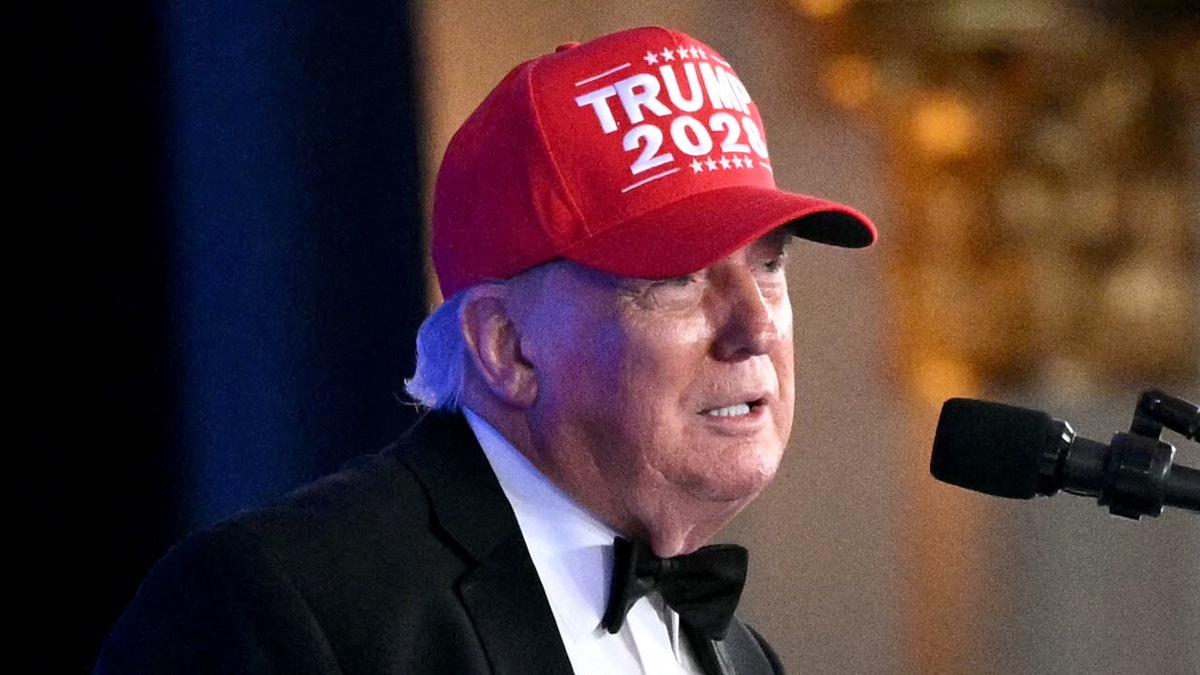
US President Donald Trump wears a «Trump 2028» hat while he speaks during the 2026 White House Correspondents’ Association (WHCA) Dinner. (Mandel NGAN / AFP via Getty Images)
The WHCA honored U.S. Secret Service Officer Victor Gonzales during Friday’s dinner in recognition of his actions in helping stop Allen from entering the ballroom.
The computer scientist from Torrance, California, traveled from Los Angeles to Washington, D.C. by Amtrak after purchasing a one-way ticket. Court filings say he sent a manifesto to family and friends shortly before the attack, describing political motivations and apologizing for his actions.
Allen has pleaded not guilty to charges including attempting to assassinate the president, discharging a firearm during a crime of violence, transporting a firearm across state lines and assaulting a federal officer with a deadly weapon.
«The attempted mass murder at the Washington Hilton, that’s what it could have been, was an assault on our democracy itself,» Trump said in his speech, which spanned from jabs at Democrats, the press and some jokes at the expense of his own Cabinet.
PHOTO OF TRUMP ASSASSINATION ATTEMPT SUSPECT COLE ALLEN IN HOTEL ROOM RELEASED AS DOJ SEEKS TO KEEP HIM JAILED
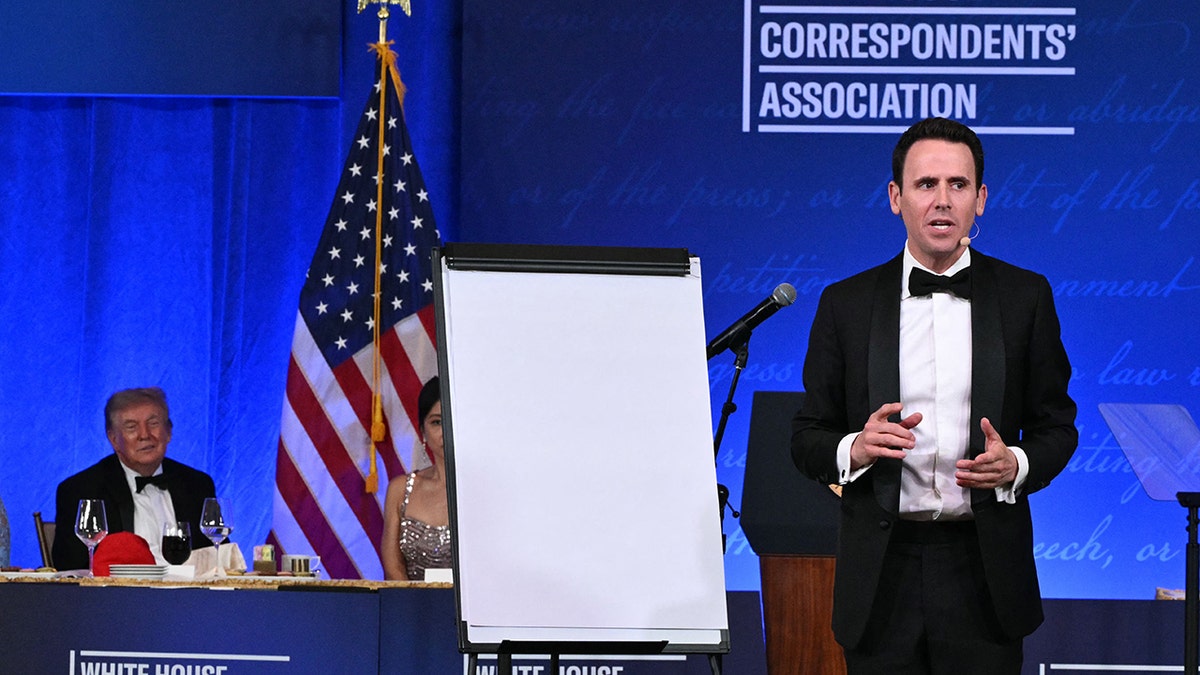
Israeli-US magician Oz «Oz the Mentalist» Pearlman performs during the 2026 White House Correspondents’ Association Dinner. (Mandel NGAN / AFP via Getty Images)
«One officer placed himself directly in harm’s way and engaged the armed suspect, even after gunfire struck his protective vest. He stayed in the fight and the attacker was stopped,» said Weijia Jiang, former WHCA president presenting the award to Gonzales.
«I know many of us have wondered. What if he hadn’t acted in that exact way? What if he had waited a few more seconds? His courage that night reflects the core values of Secret Service duty, justice, courage, honesty and loyalty, and as a commitment to safeguarding his country and community,» said Jiang.
During the speech, Trump highlighted his White House Ballroom following heat for the $200 million project, pointing to the lawsuits.
FIRST ON FOX: WHITE HOUSE REVEALS WHO’S JOINING TRUMP AT CORRESPONDENTS’ DINNER — AND WHO CAN’T ATTEND
«In light of what we went through, I think, people understand it. It’s going to be amazing, a phenomenal one of the biggest drone ports anywhere in the world,» Trump said, referencing gunfire at the first WHCA Dinner.
Trump said that he «predicts» the WHCA would use the space for future dinners.
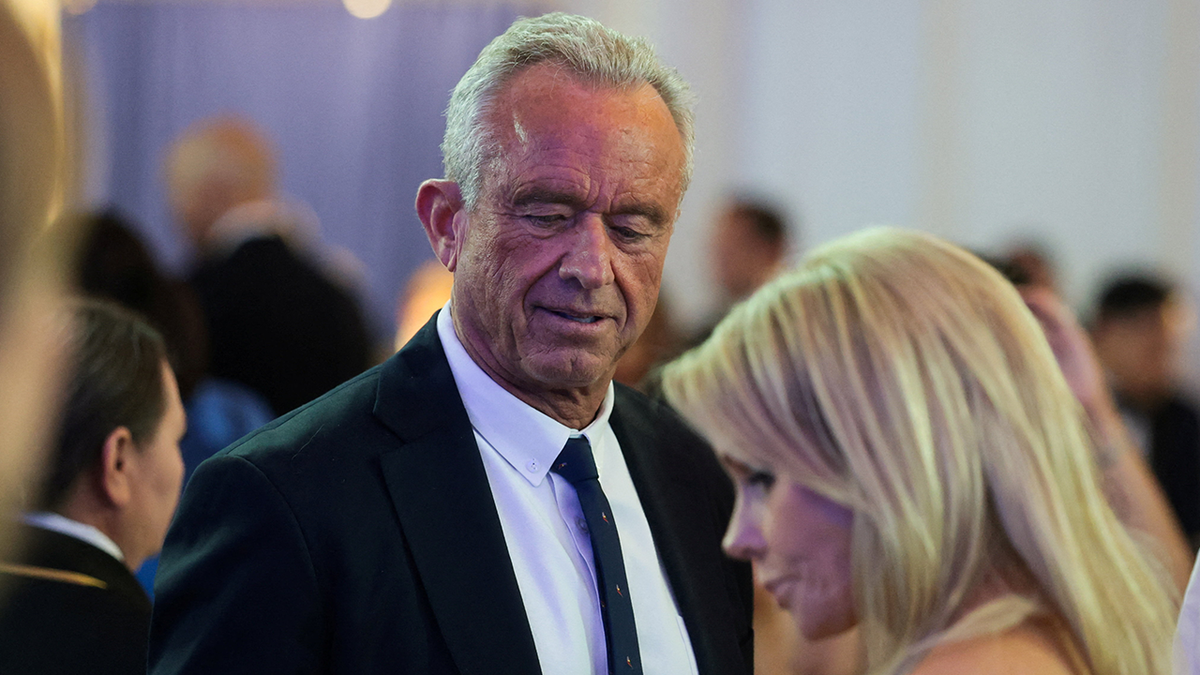
Secretary Robert F. Kennedy Jr. arrives for the White House Correspondents’ Association (WHCA) Dinner,. (REUTERS/Jonathan Ernst)
He also vowed to attemd next year’s WHCA dinner.
CLICK HERE TO DOWNLOAD THE FOX NEWS APP
«They said, ‘Would you do it next year?’ I said, ‘I will be back next year,’» Trump said. «Now, if you get really, really nasty, maybe not. I don’t know. But we’re going to be back next year.»
In his closing remarks, Trump said he has a «scoop» for the press announcing he is running for the fourth time.
He put on a red «TRUMP 2028» hat.
white house, donald trump, media
INTERNACIONAL
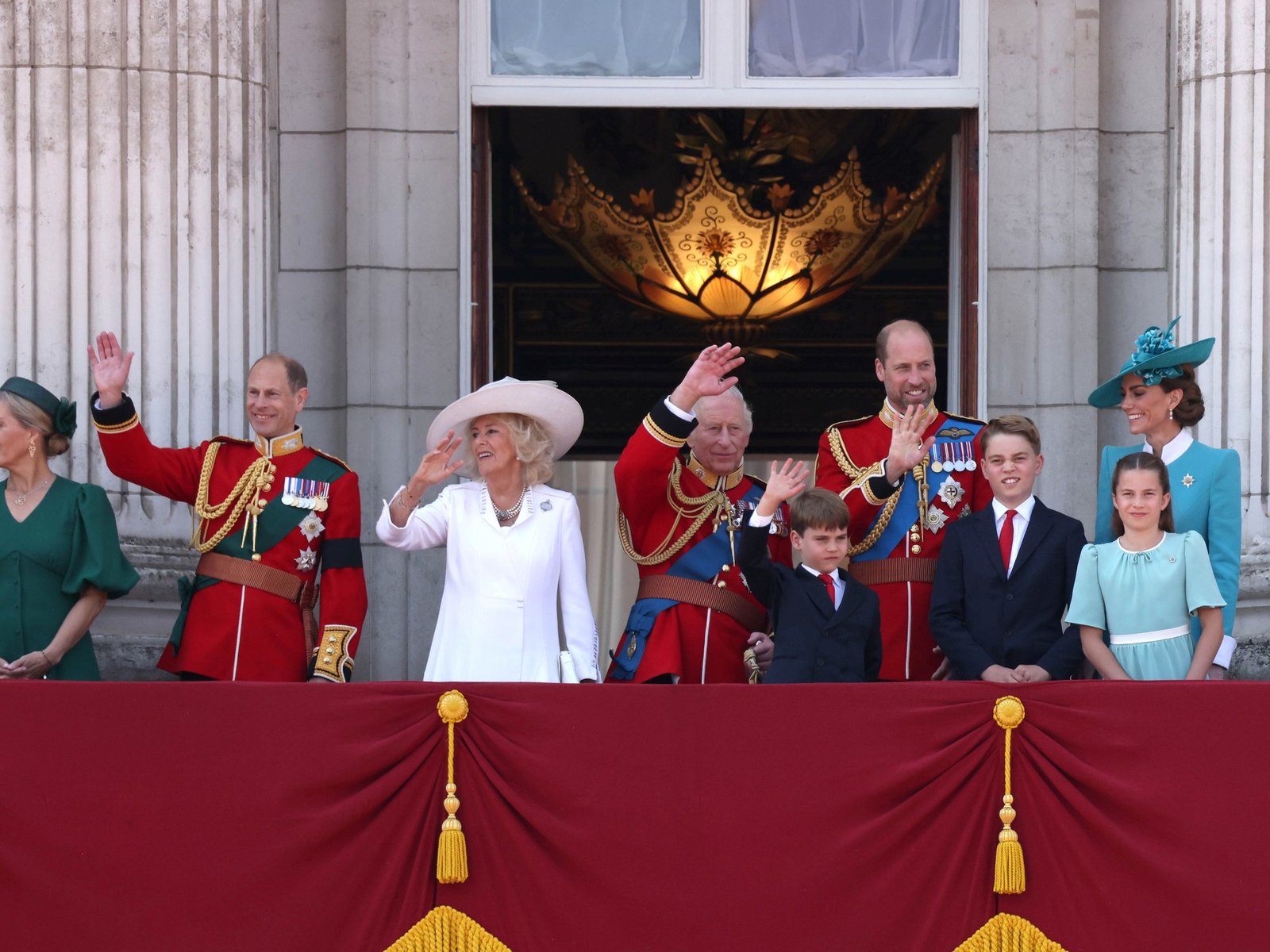
Guerra en Medio Oriente: Irán amenazó a la Familia Real británica y podría atacar una base militar en Reino Unido
¿El B-1 hizo otra escala?
Respuesta del gobierno británico
Primera vez
La advertencia de los Guardianes de la Revolución
¿Custodia para Harry?

Política y economía: el repetido imaginario del “derrame” y el arrastre del Congreso

La economía volvió a caer: qué se proyecta para lo que queda de 2026 y cuál es la apuesta del Gobierno para reactivarla

El efecto Messi sigue disparando los ingresos del Inter Miami

Pikmin Bloom detalla su siguiente Día de la Comunidad para agosto de 2026, centrado en cañas de Indias – Nintenderos

La Joaqui y Luck Ra al borde de la separación: la escandalosa crisis que vive la pareja

Tras su polémica aparición en el Mundial, Nancy Pasos viajó en business y con equipaje de lujo

Escándalo Mundial: Las presiones secretas, la amenaza de la FIFA por Malvinas y la verdad detrás del partido contra España

Jorge Berredo, general retirado de las FFAA, asumió como Secretario de Seguridad en San Isidro

Sin la anestesia mundialista, aflora la crisis del conurbano y Milei necesita reconectar con lo popular
Marc Stanley destacó el potencial de Vaca Muerta para “estabilizar la economía” y evitó hablar de política interna

 POLITICA2 días ago
Jorge Berredo, general retirado de las FFAA, asumió como Secretario de Seguridad en San Isidro
- POLITICA2 días ago
Sin la anestesia mundialista, aflora la crisis del conurbano y Milei necesita reconectar con lo popular
- POLITICA2 días ago
Marc Stanley destacó el potencial de Vaca Muerta para “estabilizar la economía” y evitó hablar de política interna