INTERNACIONAL
Tax Day is this week: Avoid these 5 common mistakes that can cost you money


NEWYou can now listen to Fox News articles!
With Tax Day arriving this week, millions of filers are rushing to submit returns—often increasing the chances of simple but costly mistakes. Even minor errors, like incorrect personal details or overlooked income, can delay refunds, trigger IRS notices, or lead to penalties that take time and money to fix.
The good news is that most of these issues are entirely avoidable with both extra attention and preparation.
Here are five common filing missteps to watch out for and how to avoid them:
1. Selecting the wrong filing status
A couple going over tax paperwork. (iStock)
Your filing status is one of the most important choices on your tax return because it helps determine your tax rate, your standard deduction and which credits you may be eligible to claim. Pick the wrong one, and you could end up paying more than you owe, getting a smaller refund or triggering delays if the IRS flags the return for review.
For many taxpayers, the confusion comes from life changes that happened during the year, like getting married or divorced, having a child, moving in with a partner, supporting an aging parent or sharing custody. Even if your situation feels straightforward, the IRS rules can be less intuitive, especially for taxpayers who aren’t sure whether they qualify as «head of household» or whether they can still file as a «qualifying surviving spouse» after a spouse has died.
BEWARE OF THESE TAX SCAMS AS THE FILING DEADLINE APPROACHES, CONGRESS WARNS
Head of household, in particular, can be costly to get wrong. It typically comes with a larger standard deduction and more favorable tax brackets than filing as single, but it has strict requirements tied to paying more than half the cost of keeping up a home and having a qualifying dependent. If you don’t meet the rules and claim it anyway, you may have to pay back tax benefits later, plus penalties and interest.
When in doubt, the IRS has an online filing-status tool, and many tax software programs will walk you through the questions to help you choose the right category.
2. Missing key deadlines

Experts say filing taxes early can protect your money and your identity. (Michael Bocchieri/Getty Images)
An extension can buy you time to file your paperwork, but it doesn’t give you extra time to pay. For most taxpayers, the IRS deadline to pay what you owe is April 15, 2026 — even if you request an extension to file later.
«Remember that even if you claim an extension, the money is owed on April 15,» said Mike Faulkender, co-chair of American Prosperity at the America First Policy Institute.
RETIRED? HERE’S WHEN THE IRS MIGHT TAKE A CLOSER LOOK AT YOUR FINANCES
Faulkender, a former Treasury official and IRS commissioner, said taxpayers who need more time should still estimate their bill and pay by the filing deadline to help avoid added costs.
«You have to actually send in a check or have the payment deducted from your account by the filing deadline,» he said.
If you can’t pay in full by April 15, pay what you can to help limit penalties and interest that accrue on top of your tax bill.
3. Leaving credits on the table

A woman preparing her tax paperwork. (iStock)
One of the biggest and most expensive tax-season mistakes is failing to claim every credit or deduction you qualify for. That can mean a smaller refund or a higher bill.
«I think the top mistake people make is not fully understanding or taking the time to really research what are all the different deductions and the ways that you can put a little bit of extra money in your pocket that are available to you,» said Bill Sweeney, senior vice president of government affairs at AARP.
WHAT TRUMP’S NEXT PICK TO LEAD THE FEDERAL RESERVE MEANS FOR YOUR WALLET
Sweeney also warned taxpayers not to rely on last year’s return as a blueprint for filing because of recent changes to the tax code from the One Big Beautiful Bill Act.
«This would be a good year, given that there are these changes to the tax code, to make sure not to assume that what you did last year will convey over to this year. Really take a fresh look at your tax situation and see if there’s money that you’re leaving on the table,» he said.
4. Filing before all your tax forms arrive
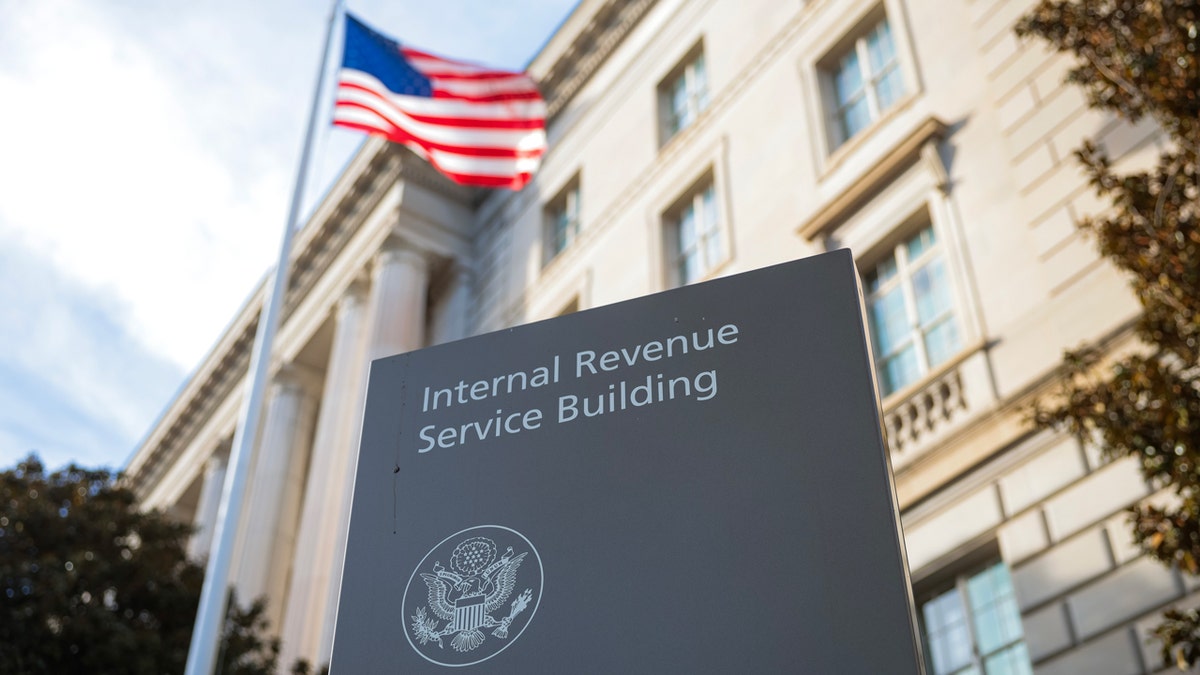
A sign for the Internal Revenue Service outside its building on Feb. 13, 2025, in Washington, D.C. (Kayla Bartkowski/Getty Images)
Timing matters when it comes to filing your taxes. Submitting your return before you’ve received all your key paperwork, like W-2s or 1099s, can lead to errors, missing income or a return you have to amend later.
Faulkender said there’s a simple way to double-check what’s been reported under your name before you file.
CLICK HERE TO DOWNLOAD THE FOX NEWS APP
«One of the things that I learned last year when I was IRS commissioner was that if you create an account on irs.gov, you can see everything that’s been filed under your tax ID,» he said.
«We’re supposed to receive all of our W-2s and our 1099 forms in the mail in January and February. But if you’re missing one, or you misplaced it, rather than requesting it again, you can actually go and see what was filed under your taxpayer identification number if you create an account on IRS.gov.»
5. Entering bank account details incorrectly
If you choose direct deposit for your refund, the IRS relies on the routing and account numbers you provide. One wrong digit can lead to delays.
If you pay what you owe by direct debit, incorrect banking details can also lead to a rejected payment and potentially result in penalties and interest.
Filing late can also cost you extra money, especially if you owe. The goal is to wait until you have what you need, then file as soon as you’re ready, without rushing prematurely.
taxes, economy, politics, congress












INTERNACIONAL
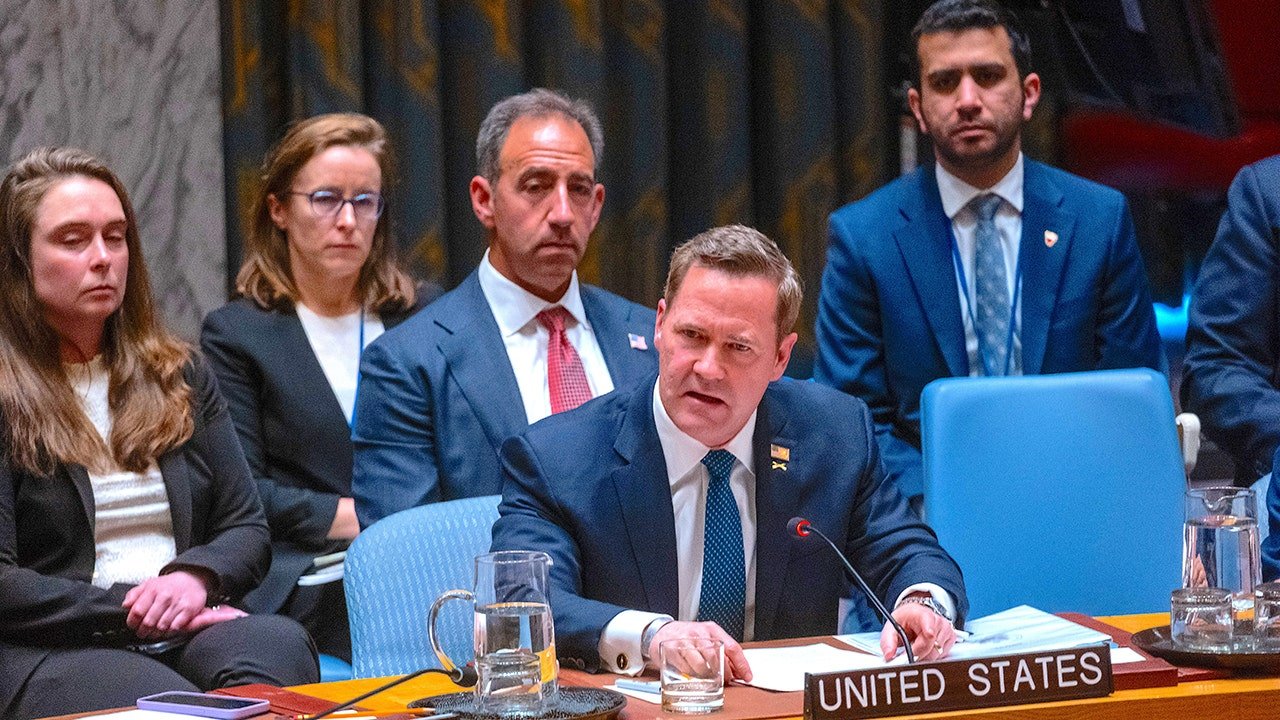
Mike Waltz says Gulf allies back Trump’s Iran pressure campaign after regional trip: ‘Zero daylight’
Dan Hoffman questions Iran’s readiness to negotiate a deal
Former CIA Chief of Station Dan Hoffman discusses the potential Iran deal, expressing doubt about its sincerity. He highlights U.S. military strikes, sanctions and blockades as key leverage points. Hoffman questions whether Iran’s recent ‘maximalist demands’ indicate a genuine desire for a breakthrough after intense pressure.
NEWYou can now listen to Fox News articles!
U.S. Ambassador to the United Nations Mike Waltz said Gulf allies are backing President Donald Trump’s blockade and economic pressure campaign against Iran, telling Fox News Digital after a trip to Bahrain, the United Arab Emirates and the United Kingdom that regional leaders believe Tehran is feeling the pain.
Waltz spoke to Fox News Digital on Thursday evening shortly after landing back in the United States, as reports of a possible deal with Iran began to emerge. He said the situation was still shifting by the hour, noting that Iran had launched another strike on Bahrain shortly after he left the region.
Waltz, the highest-level U.S. official to visit the region since the war began, said Gulf partners strongly support the administration’s efforts to keep pressure on Iran through both the blockade and Treasury Secretary Scott Bessent’s «Operation Economic Fury.»
SCOTT BESSENT SAYS IRAN UNDERSTANDS ‘BRUTE FORCE’ AS TRUMP WEIGHS OPTIONS AMID NUCLEAR STANDOFF
US Ambassador to the United Nations Mike Waltz is joined by Ambassador Jamal Fares Alrowaiei of Bahrain (left), Permanent Representative of the United Arab Emirates Mohamed Issa Abushahab,(right) and other Gulf states ambassadors as he speaks to reporters after the passing of a U.N. Security Council draft resolution on the situation with ships in the Strait of Hormuz on May 7, 2026 in New York City. (Spencer Platt/Getty Images)
«They very much support the blockade,» Waltz said, adding that allies shared with him «in a number of ways» how Bessent’s economic campaign is affecting the regime. The pressure campaign, Waltz said, is designed to squeeze Tehran while Trump continues negotiations aimed at preventing Iran from obtaining a nuclear weapon.
On Friday, an unnamed U.S. official told reporters in a briefing: «We do expect to be signing this agreement with Iran over the next few days. We assess it at 85%, but not 100%. We feel very good about the deal. We are not quite at the finish line, but we are very close»
Waltz said, «The UAE, in particular, believes that you have to keep that pressure and a very credible pressure,» he told Fox News Digital. «That’s what the Iranians understand and respond to.»
Waltz said leaders in the region validated U.S. assessments that Iran’s economy is deteriorating under the combined weight of sanctions, military pressure and isolation. He said Iran’s currency is «tanking,» foreign currency reserves are running out, inflation is continuing to rise and the regime is struggling to pay the military, government employees and police.
TRUMP’S ‘ECONOMIC FURY’ SQUEEZES IRAN — BUT CAN TEHRAN OUTLAST THE PRESSURE?

An Emirates aircraft flies past plumes of smoke from a fire near Dubai International Airport in Dubai on March 16, 2026, following missile and drone attacks across the UAE. (AFP/Getty Images)
«I think the regime is going to be increasingly desperate,» Waltz said, adding that Trump, Secretary of State Marco Rubio, Scott Bessent, Steve Witkoff and Jared Kushner would use that pressure «to their advantage.»
In the UAE, Waltz met with President Sheikh Mohammed bin Zayed and the foreign minister, describing the Emiratis as among the most active regional partners against Iran. «There is zero daylight,» Waltz said.
Waltz added the UAE has «both the capability and the will» to act, and said the Emiratis are prepared to take «short-term pain» to achieve the longer-term goal of blocking Iran from obtaining a nuclear weapon.
The UAE has been hit hard during the war. Waltz said the country had taken «by far the most missiles, the most drones, the most hits,» but had moved quickly to repair damage and restore operations.
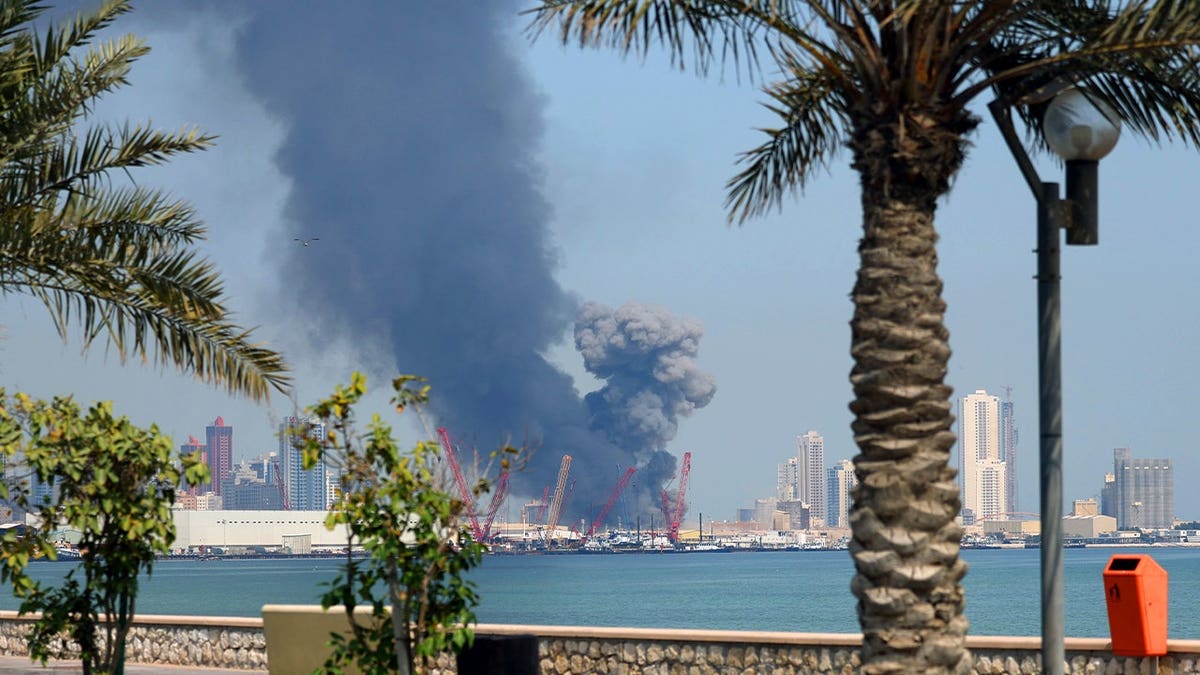
Aftermath of an Iranian missile strike on a Navy 5th Fleet installation in Bahrain is shown above. (Stringer/Anadolu via Getty Images)
Waltz also pointed to the Abraham Accords as a major factor in the UAE’s posture, saying the country’s growing partnership with Israel has become an «important shift» in the regional alignment against Iran.
Bahrain was another central stop on Waltz’s trip. The country hosts the headquarters of the U.S. Fifth Fleet and has been directly exposed to Iran’s attacks and threats around the Strait of Hormuz.
MIKE WALTZ PUSHES UN RESOLUTION TO STOP IRAN MINING KEY GLOBAL SHIPPING ROUTE
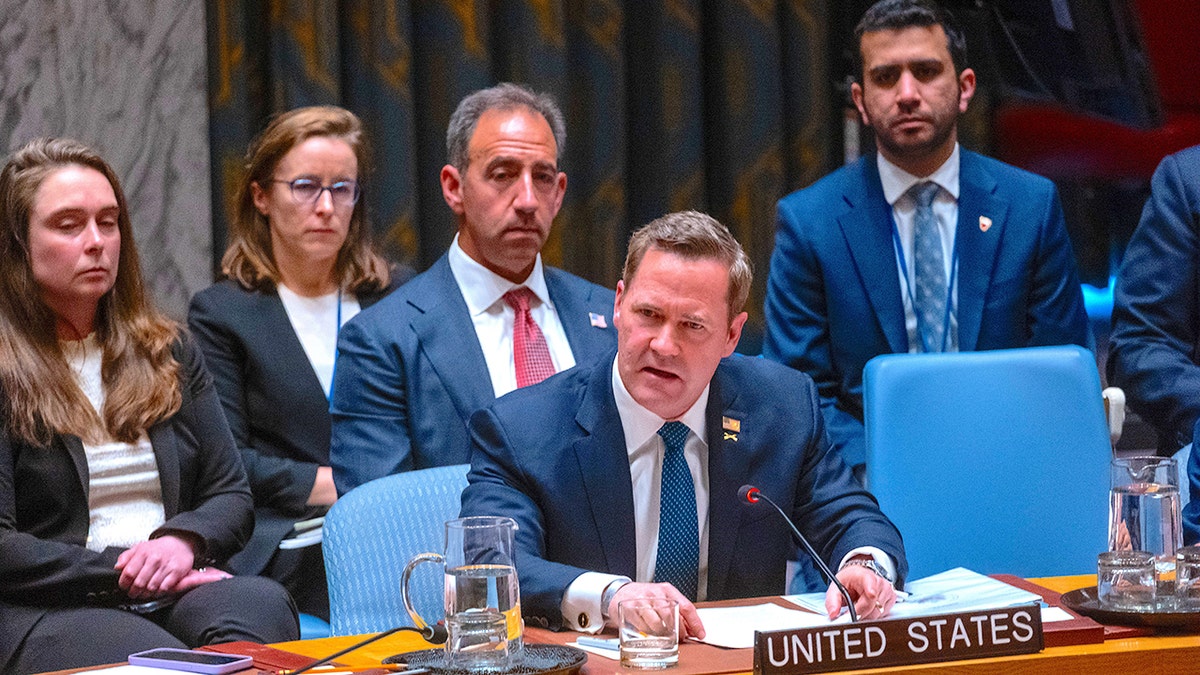
U.S. Ambassador to the United Nations Michael Waltz speaks at an emergency Security Council meeting on the situation in Iran at United Nations headquarters on Feb. 28, 2026 in New York City. (Spencer Platt/Getty Images)
«Until you go and really sit with them, you can’t appreciate what a strong ally they are,» Waltz said.
He said U.S. and allied teams in Bahrain are working with global shipping companies, local shipping officials, insurance companies and other maritime actors as the U.S. seeks to keep vessels moving through the Strait of Hormuz, one of the world’s most important energy chokepoints.
Waltz accused Iran of making a «phenomenally bad decision» by attacking its neighbors, including hotels, port facilities and energy infrastructure. During one visit to a petroleum site, he said he saw evidence that Iran had targeted fire suppression systems and first responders before striking storage tanks, in an apparent effort to maximize damage.

A billboard depicting Iran’s supreme leaders since 1979: (L to R) Ayatollahs Ruhollah Khomeini (until 1989), Ali Khamenei (until 2026), and Mojtaba Khamenei (incumbent) is displayed above a highway in Tehran on March 10, 2026. Iran marked the appointment of Ayatollah Mojtaba Khamenei to replace his father as its supreme leader on March 9, 2026. (AFP/Via Getty Images)
«The Iranians were deliberately targeting fire suppression systems,» Waltz said. «They were deliberately targeting first responders first.»
Despite the strikes, Waltz said allied air defenses have had «over a 90% success rate» in shooting down Iranian missiles and drones, with U.S. forces working «hand in glove» with Gulf partners.
CLICK HERE TO DOWNLOAD THE FOX NEWS APP
Waltz ended his trip in the United Kingdom, where he said officials have been strong partners at the U.N. Security Council on Iran. He acknowledged «hiccups» and «speed bumps» over basing and access issues, but said many of those concerns had been «smoothed over.»
«When we’re working to keep the Iranians isolated diplomatically,» Waltz said, «they’ve been very good to work with.»
war with iran, middle east, united nations, iran, sanctions
INTERNACIONAL
Cuba anuncia un gran paquete de reformas económicas para abrir el turismo, el comercio exterior y las inversiones


NEWYou can now listen to Fox News articles!
A federal judge on Friday indefinitely blocked the Trump administration’s $1.776 billion Anti-Weaponization Fund, even as another federal judge earlier this week declined to intervene after the Justice Department said the fund was no longer moving forward.
The court disputes have heightened pressure on the administration to formally dismantle the fund. While Deputy Attorney General Todd Blanche told Congress the fund would not move forward, the settlement agreement and departmental directives that created the fund have not been formally rescinded. Critics argue this leaves open the possibility that the fund could still proceed in the future.
U.S. District Judge Leonie Brinkema, a Clinton-appointed judge, extended a court order Friday preventing implementation of the fund, concluding that public assurances from administration officials were insufficient to eliminate concerns that it could later be revived.
Brinkema noted how Trump, «says he’s disappointed that something is not going forward,» suggesting this was evidence that the fund may «rear its head» at some point in the future.
JUDGE TEMPORARILY BLOCKS TRUMP DOJ’S NEARLY $2B ‘ANTI-WEAPONIZATION’ FUND
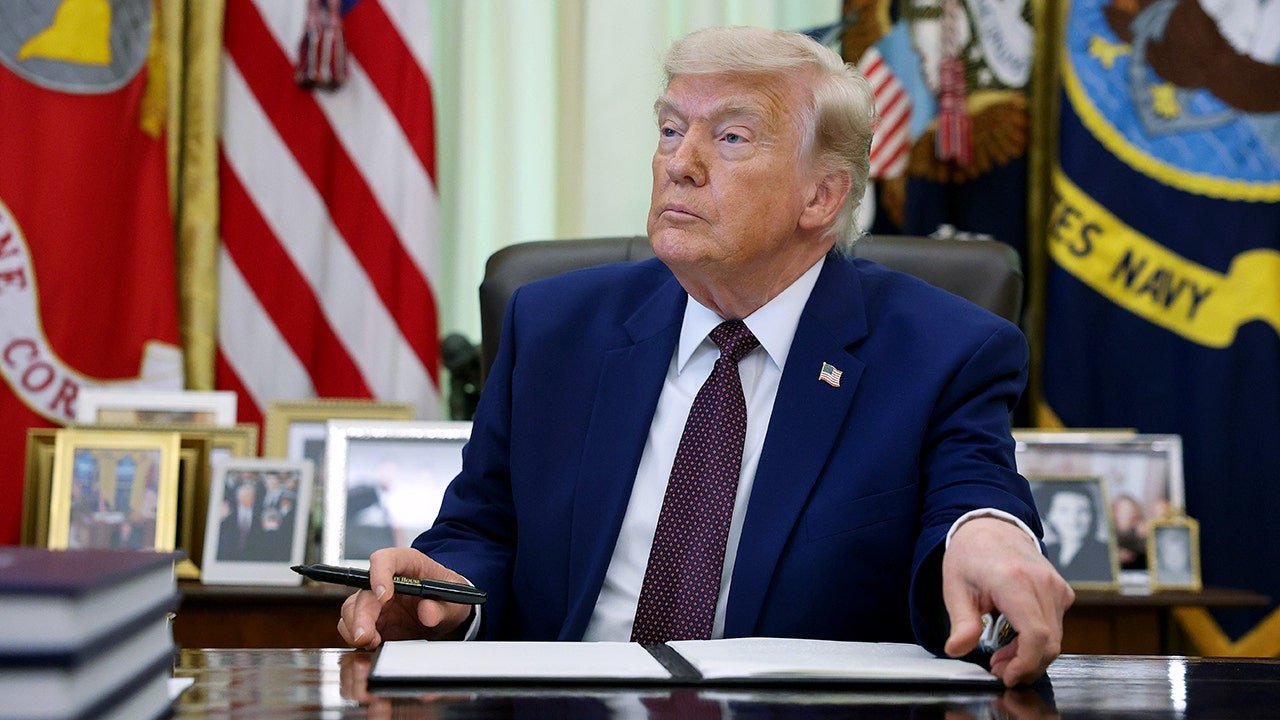
President Donald Trump signs an executive order during an event in the Oval Office of the White House in Washington, D.C., on June 3, 2026. (Kevin Dietsch/Getty Images)
Over the weekend Trump shared on «Meet the Press» that he’d like to continue with the fund.
«If it was up to me, I’d pay them the kind of money that they deserve. People have been destroyed. Lives have been destroyed,» Trump said.
Brinkema gave the Justice Department a week to put in writing that the Anti-Weaponization Fund is being terminated and will not be reinstated.
The ruling comes days after U.S. District Judge Richard Leon rejected a separate request from Citizens for Responsibility and Ethics in Washington (CREW) seeking emergency intervention, saying he was willing to rely on Justice Department representations that the fund had effectively been abandoned.
ACTING AG BLANCHE REVEALS FATE OF TRUMP’S ‘ANTI-WEAPONIZATION FUND’ UNDER PRESSURE FROM HOUSE LAWMAKERS
But Leon, a George W. Bush-appointed judge, simultaneously warned administration officials not to treat his decision as permission to revive the program.
«I give the Justice Department this warning: Don’t play possum with me,» Leon said from the bench.
Blanche announced during a hearing earlier this month that the Anti-Weaponization Fund, which was born out of President Donald Trump’s lawsuit settlement with the IRS, would not be proceeding. The fund was intended to compensate alleged victims of government «lawfare,» but its creation sparked immediate backlash from Democrats, who characterized it as a «slush fund» that could ultimately benefit Trump’s political allies and individuals charged in the Jan. 6 Capitol riot.
TRUMP ADMIN PUSHES BACK ON ‘SLUSH FUND’ ATTACKS AGAINST ANTI-WEAPONIZATION FUND AND LAYS OUT WHO QUALIFIES
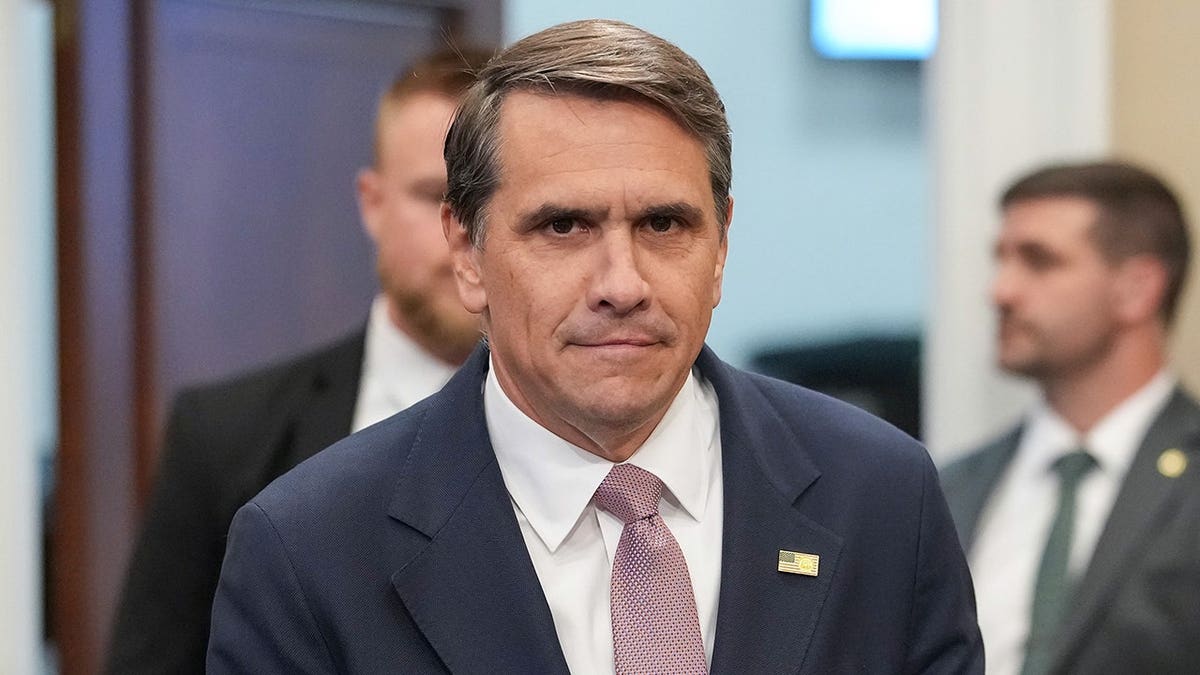
FILE – Acting U.S. Attorney General Todd Blanche was directed to obtain a certificate of pardon for Buyer. (Andrew Harnik/Getty Images)
Justice Department attorney Andrew Block argued before Leon that Blanche’s congressional testimony effectively mooted CREW’s challenge because the government had publicly committed not to move forward.
Leon repeatedly questioned why Blanche has not formally rescinded a May 18 order that established procedures for the fund in the first place, a question Block could not answer.
CREW attorney Nikhel Sus argued the settlement agreement that established the fund remains legally operative and contains upcoming deadlines requiring action.
WAY HARDER THAN IT SHOULD BE: WHY CONGRESS MAY BALK ON $1.7B COMPENSATION FUND
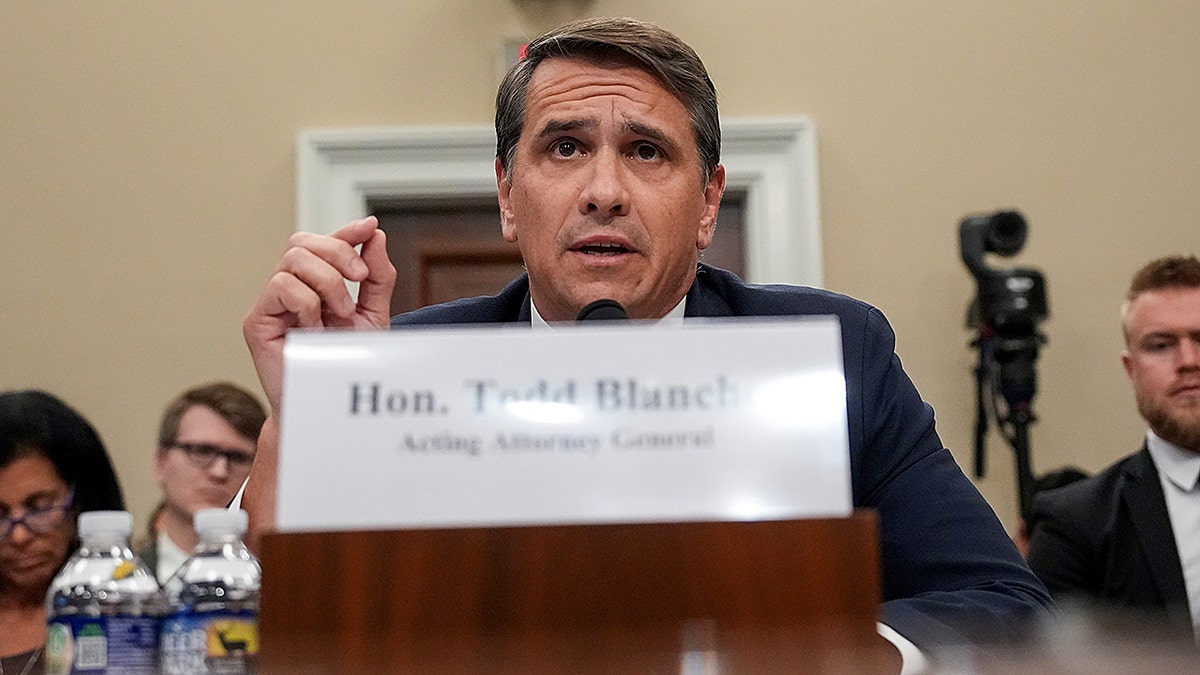
Acting U.S. Attorney General Todd Blanche testifies during a House Committee on Appropriations subcommittee hearing in the Rayburn House Office Building in Washington, D.C., on June 2, 2026. (Andrew Harnik/Getty Images)
According to Sus, a five-member board overseeing the fund must be established by June 17, while funding transfers are scheduled by July 17.
«On paper, the fund is still a legally operating entity,» Sus argued.
However, Leon ultimately accepted the government’s assurances for now that the fund is moot, but he noted that he can sanction attorneys who make false representations to the court.
CLICK HERE TO DOWNLOAD THE FOX NEWS APP
He also indicated he will continue considering CREW’s request for a preliminary injunction and suggested he could intervene if evidence emerges that the administration is attempting to revive the fund.
federal courts, federal judges, administration, congress, justice department

Maximiliano Ferraro: “Adorni ha tomado por estúpidos a todos los argentinos; es insostenible”

Gripe aviar: la Argentina vuelve a exportar carne de pollo a Chile y Perú tras superar los controles sanitarios

La tercera ceremonia del Mundial 2026, EN VIVO: Estados Unidos cerrará la fiesta de inauguraciones

Qué botella de agua es mejor para usar todos los días: metal, plástico o vidrio

Sube la presión interna contra Adorni y el Gobierno se encomienda a que la oposición no consiga los votos para la moción de censura

Revelan un explosivo dato sobre la relación de Juanita Tinelli y Bautista Cuiña tras la denuncia por violencia

La advertencia del economista más escuchado por Milei: «Si Argentina tiene éxito, va a ser cara»

“Me parece una vergüenza”: la dura crítica de Victoria Villarruel a la declaración jurada de Manuel Adorni

Manuel Adorni y su esposa decidieron acogerse al régimen de “inocencia fiscal” aunque aseguran que no declararán dólares

El salario mínimo vale menos que en 2001 y debería triplicarse para recuperar su poder de compra original

 ECONOMIA3 días ago
La advertencia del economista más escuchado por Milei: «Si Argentina tiene éxito, va a ser cara»
- POLITICA2 días ago
“Me parece una vergüenza”: la dura crítica de Victoria Villarruel a la declaración jurada de Manuel Adorni
- POLITICA2 días ago
Manuel Adorni y su esposa decidieron acogerse al régimen de “inocencia fiscal” aunque aseguran que no declararán dólares