INTERNACIONAL
Israeli strike on Hezbollah more devastating than 2024 pager attack, IDF says

NEWYou can now listen to Fox News articles!
Hezbollah, an Iran-backed terrorist group, saw its command structure across Lebanon come under what Israeli officials described as one of the most devastating blows of the war April 8.
Nearly simultaneously, explosions tore through Beirut, Lebanon, the Beqaa Valley and southern Lebanon as roughly 50 Israeli aircraft struck more than 100 Hezbollah targets.
The targets were not rocket launchers or weapons depots, according to the Israel Defense Forces (IDF), but the nerve centers of the organization — command rooms, intelligence headquarters and offices where Hezbollah commanders planned the next stage of the fight.
BROTHER OF MICHIGAN SYNAGOGUE ATTACKER WAS HEZBOLLAH TERRORIST, ISRAEL ALLEGES
The strike marked a new phase in the war between Israel and Hezbollah, which erupted March 2 after Hezbollah entered the conflict in support of Iran, one day after U.S. and Israeli strikes on Iran and the killing of Iran’s Supreme Leader, Ayatollah Ali Khamenei.
Since then, Hezbollah has fired rockets, drones and anti-tank missiles into northern Israel, while Israel has responded with widening airstrikes and a ground offensive inside southern Lebanon.
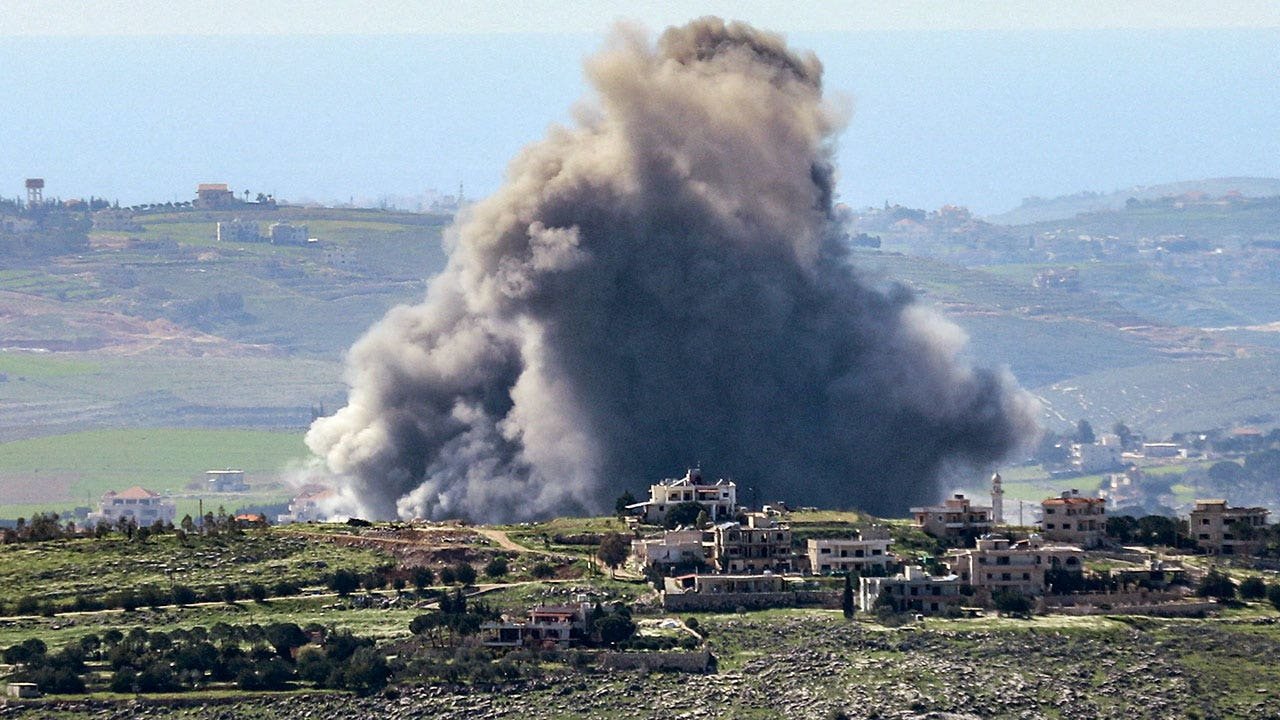
Smoke rises after Israeli strikes in Lebanon after an escalation between Hezbollah and Israel during the U.S.-Israeli conflict with Iran, as seen from Marjayoun, Lebanon, March 5, 2026. (Karamallah Daher/Reuters)
«Within only a minute, the IDF eliminated 250 Hezbollah terrorists in three areas simultaneously,» the Israeli military said in a statement, adding the assessment is still ongoing.
Lt. Col. Nadav Shoshani, an IDF spokesman, told Fox News Digital the strike was the result of weeks of intelligence work.
Israeli intelligence agencies tracked Hezbollah operatives as they moved between apartments, offices and safe houses across Lebanon.
«The timing had to do with the preparations,» Shoshani said. «There was weeks of amazing intelligence.»
Asked whether the operation showed Israel still has deep penetration inside Hezbollah despite months of war, Shoshani pointed to the scale of the attack.
«The fact that we were able to find 250 terrorists hiding in different locations in Lebanon, many of them in locations for recent weeks, eliminating them in real time, I think the capabilities speak for themselves,» he said.
Lebanese President Joseph Aoun condemned Wednesday’s strikes.
«The scale of the killing and destruction in Lebanon today is nothing short of horrific,» said United Nations Human Rights Chief Volker Türk. «Such carnage, within hours of agreeing to a ceasefire with Iran, defies belief.»
«This response will continue until the Israeli-American aggression against our country and our people ceases,» Hezbollah said in a statement.
IDF UNCOVERS HEZBOLLAH WEAPONS STASH INSIDE HOSPITAL IN LEBANON
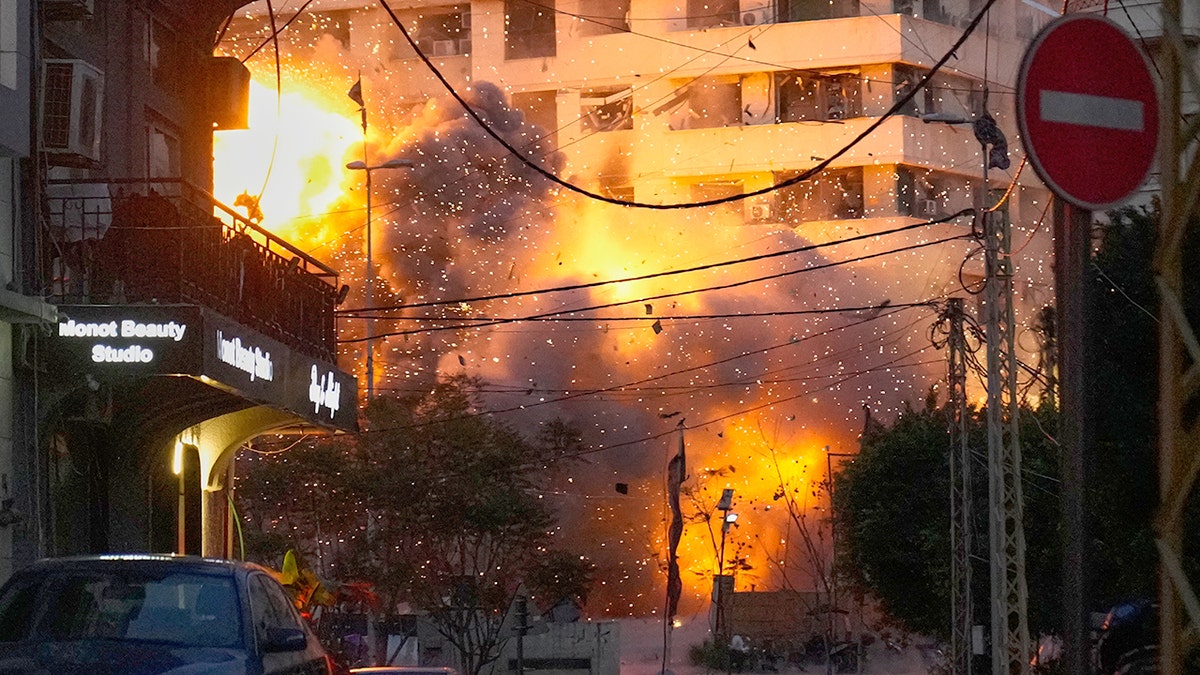
An explosion erupts from a building after an Israeli strike in central Beirut, Lebanon, March 18, 2026. (Hussein Malla/AP)
The strike drew a comparison to the «beeper» operation in September 2024, when thousands of pagers and walkie-talkies used by Hezbollah operatives exploded almost simultaneously across Lebanon and Syria in an operation widely attributed to Israel.
The blasts killed more than 40 people and wounded roughly 4,000, according to Lebanese authorities, while Hezbollah later acknowledged that about 1,500 fighters were taken out of action. The operation shattered Hezbollah’s communications network and became the benchmark in Israel for a strike that fundamentally changed the battlefield.
«The beeper had more … effective injuries. That was the purpose of it,» Shoshani said. «But both targeted hundreds of terrorists and within 60 seconds.»
Like the beeper operation, he said, the April 8 strike was intended not just to kill operatives but to throw Hezbollah into disarray.
«It was important to the aspect of creating disarray, of breaking their chain of command, breaking their command and patrol capabilities and kind of tilting the organization out of balance,» he said.
A former Israeli intelligence official, speaking on background, said the strike may not have reached the level of the beeper operation, but it appeared to hit an unusually broad layer of Hezbollah’s middle ranks.
Hezbollah remains in shock from the blow, according to the former official, even if that has not yet been reflected in a drop in its rocket fire.
But he cautioned against judging the operation only by the number of people killed.
The real measure, he said, is whether the strike changes the course of the war and leaves Hezbollah less able to operate.
The IDF said many of those killed belonged to Hezbollah’s Radwan Force, Hezbollah’s most capable and best-trained combat unit, intelligence apparatus, missile units and aerial Unit 127.
The Israeli military said most of the targets were embedded inside civilian areas.
«Most of the infrastructure that was struck was located within the heart of the civilian population,» the IDF said.
HEZBOLLAH, IRAN UNLEASH COORDINATED CLUSTER BOMB STRIKES ON ISRAEL IN MAJOR ESCALATION
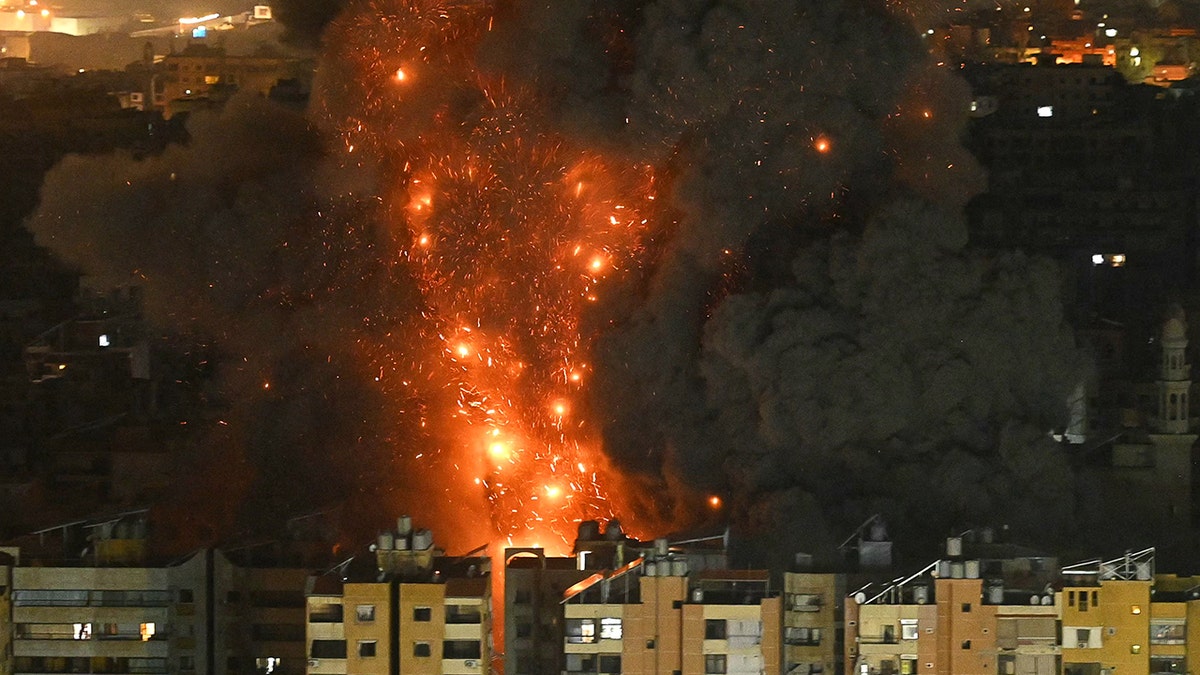
The Israeli military said most of the targets were embedded inside civilian areas. (Fadel Itani/AFP)
Shoshani said Israel warned civilians to evacuate before the strikes, but Hezbollah moved its operatives into new civilian locations.
«When we gave the warnings for areas, civilians moved out, then Hezbollah saw that they moved out and started hiding behind civilians in new locations,» he said.
Despite the blow, Israeli officials say Hezbollah remains a major threat. Shoshani said the group, which before the war possessed between 150,000 and 200,000 rockets and missiles, still has the ability to fire into Israel.
«They still are a real threat for our civilians,» he said.
CLICK HERE TO DOWNLOAD THE FOX NEWS APP
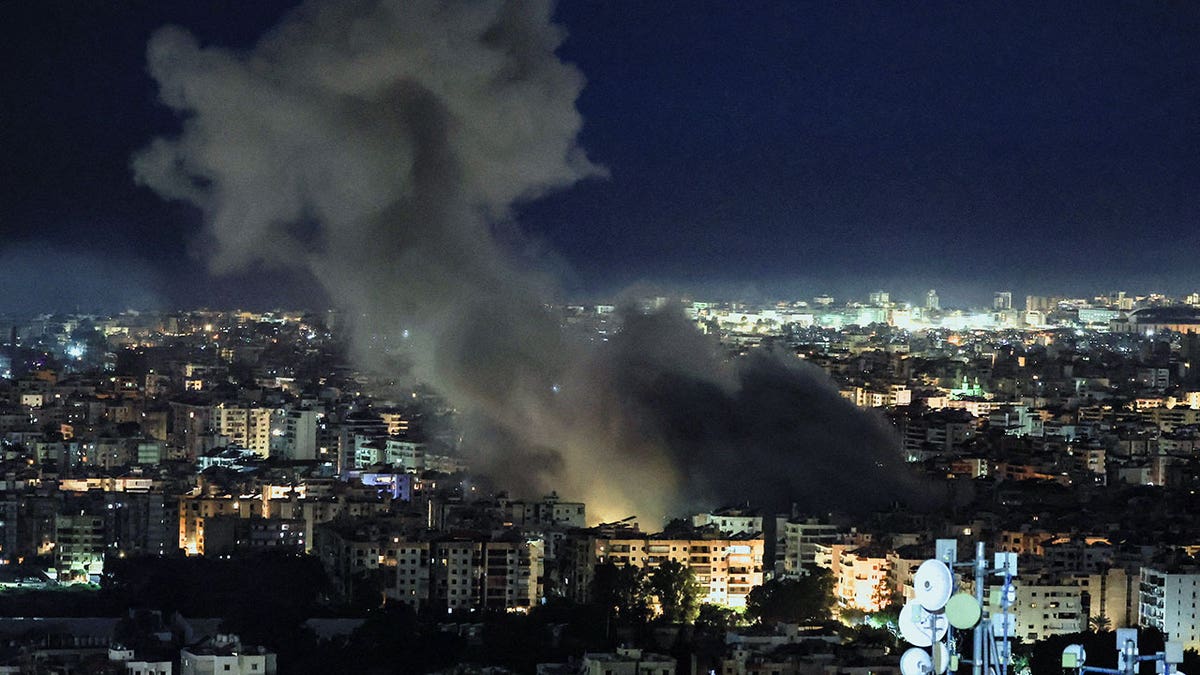
Smoke billows after strikes on Beirut’s southern suburbs, following an escalation between Hezbollah and Israel during the U.S.-Israeli conflict with Iran, as seen from Baabda, Lebanon, March 5, 2026. (Mohamed Azakir/Reuters)
The strike comes as Israel and Lebanon opened their first direct talks in more than three decades at the U.S. State Department in Washington.
Lebanese President Joseph Aoun has signaled willingness to discuss normalization and the eventual disarmament of Hezbollah, while Israeli Prime Minister Benjamin Netanyahu has insisted there will be no ceasefire until Hezbollah is dismantled and pushed back from the border.
Within hours of the diplomatic opening, Israeli warplanes again struck Lebanon and Hezbollah fired rockets into northern Israel.
Reuters contributed to this report.
israel, benjamin netanyahu, conflicts, lebanon, terrorism










INTERNACIONAL
Elecciones parciales en Inglaterra: la batalla electoral que podría terminar con Keir Starmer como primer ministro
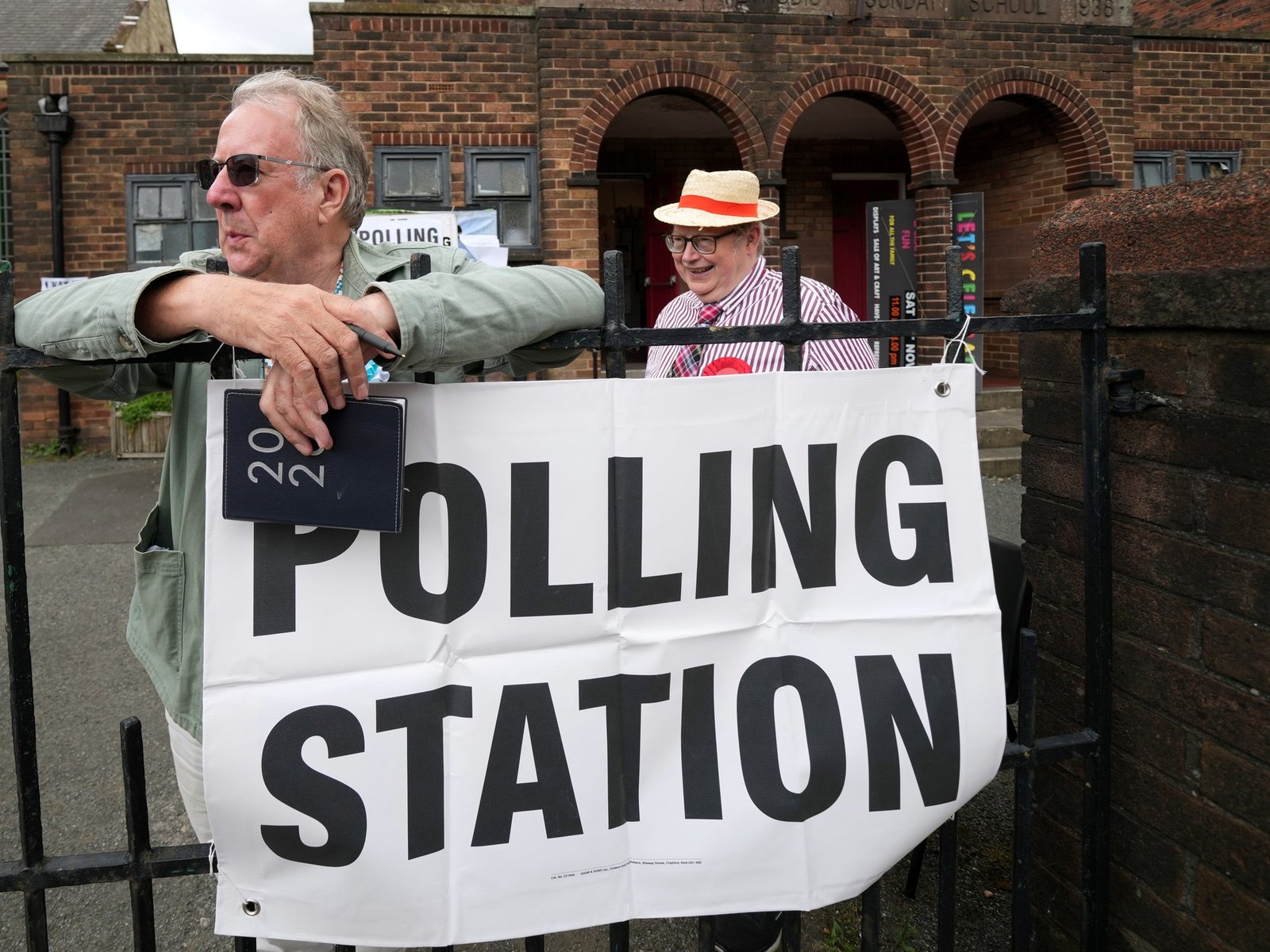
Territorio laborista y riesgos

Para cambiar la política y a Reform

Starmer le ofrece un cargo en el Gabinete
¿Una coronación?
El riesgo de la ultraderecha
Hacia la izquierda
El plan de Andy
INTERNACIONAL
From bear hugs to handshakes: How India lost its edge with Trump while Pakistan quietly gained ground
NEWYou can now listen to Fox News articles!
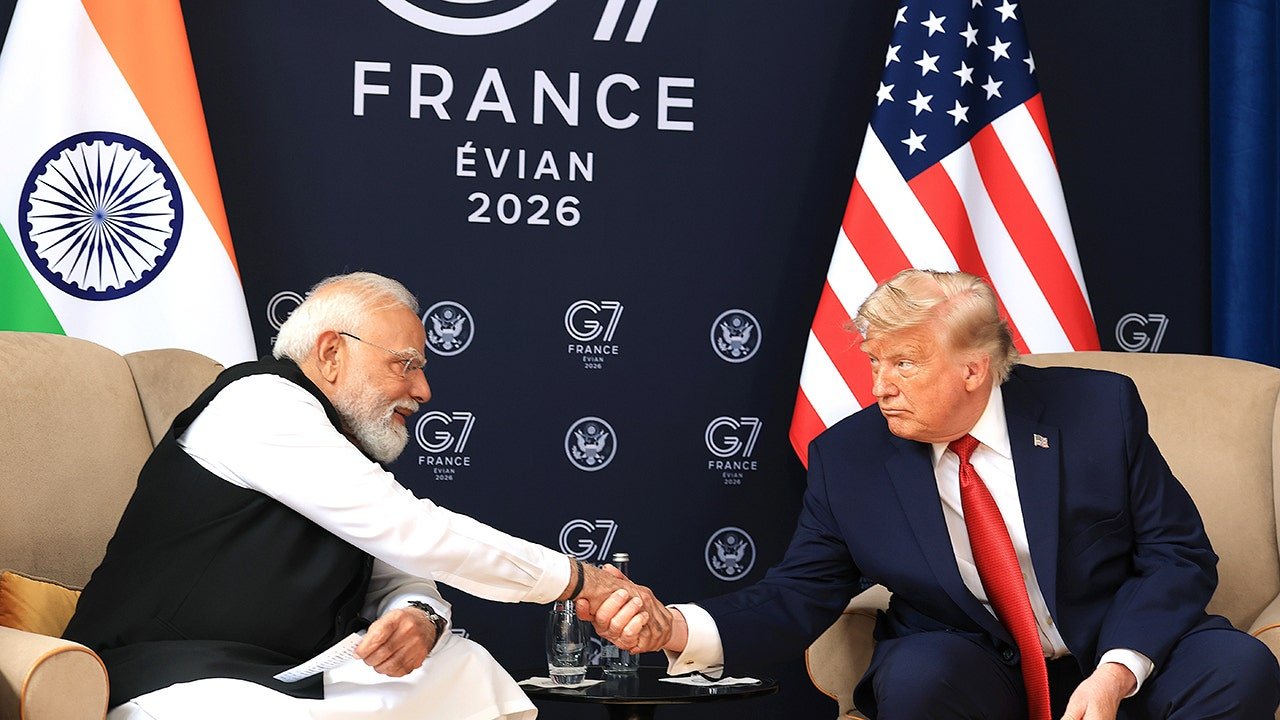
This week, President Donald Trump and Indian Prime Minister Narendra Modi came face-to-face at the G7 summit in France, their first such encounter since February 2025. Rather than his trademark bear hug, Modi greeted Trump with a smile and handshake.
Then on Wednesday, the two held a bilateral meeting. It was a friendly chat, but one that came against a backdrop of compounding tensions.
As India works at restoring its relationship with Washington, its arch-foe Pakistan has expanded its own diplomatic profile, complicating India’s campaign against its nuclear-armed rival.
COMMERCE SECRETARY HOWARD LUTNICK MAKES QUIET TRIP TO INDIA DAYS AFTER TARIFF SETBACK
President Donald Trump looks at Pakistan’s Prime Minister Shehbaz Sharif speaking following the official signing of the first phase of the Gaza ceasefire agreement between Israel and Hamas. Shariff announced his intention to nominate Trump for the Noble Peace Prize for a second time. (Evelyn Hockstein / Reuters)
For years, India built an international case against Pakistan, projecting it as an isolated or destabilizing state. This hardline stance appeared to be working, with Modi declaring to Pakistan, «India has been successful in isolating you, and we will intensify those efforts.»
But a decade later, Pakistan is rapidly emerging as a key global player in the region and beyond.
While Modi initially tried to engage Pakistan, his government’s approach eventually hardened around the mantra that «terror and talks cannot coexist.»
In Washington, India has typically been favored, with Presidents Trump, Biden, Obama and George W. Bush all making visits during their time in office.
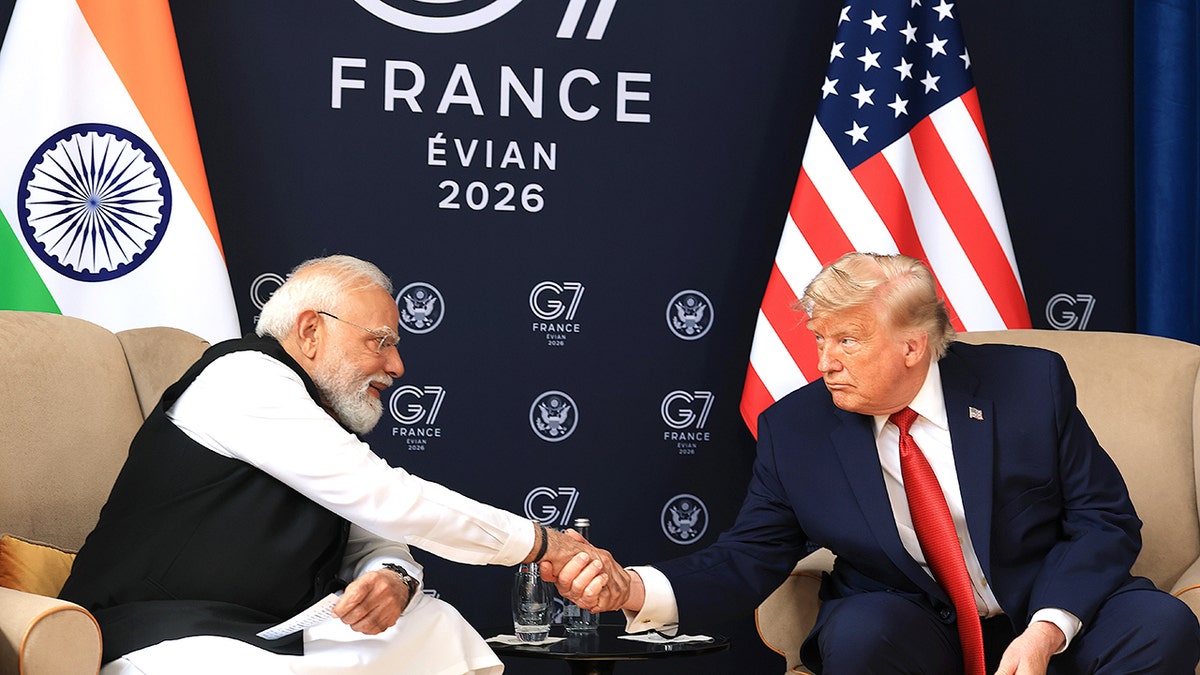
President Donald Trump (R) shakes hands with Indian Prime Minister Narendra Modi during a bilateral meeting at the G7 Summit on June 17, 2026 in Evian-les-Bains, France. (Anna Moneymaker/Getty Images)
Modi built a rapport with Trump during his first term in office and was one of the first world leaders invited to the White House after Trump’s inauguration. But over the past year, that relationship has come under strain as Islamabad quietly clawed its way back to credibility.
«India misjudged Trump in term two, banking on once friendly relations,» Sid Dubey, a visiting professor at Bennett University in India, told Fox News Digital. «They have yet to start recovering from that.»
PRESIDENT TRUMP, INDIA’S MODI TO TACKLE TRADE, TARIFF TENSIONS AT HIGH-STAKES MEETING
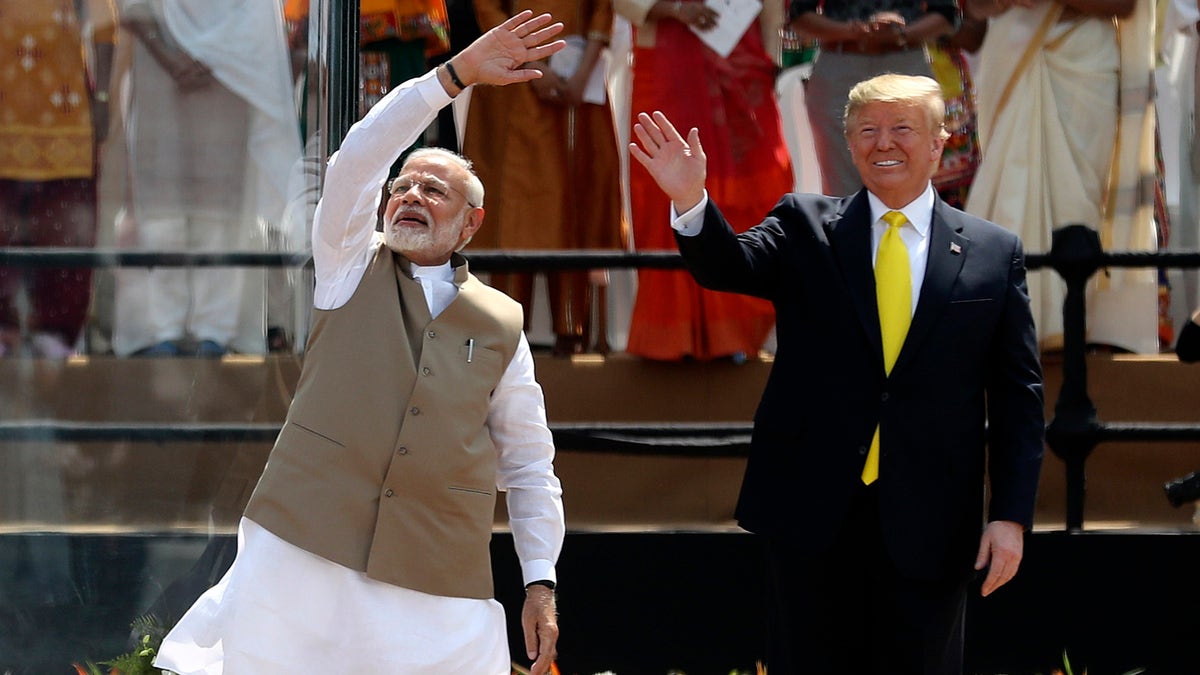
U.S. President Donald Trump and Indian Prime Minister Narendra Modi wave to the crowd at Sardar Patel Stadium in Ahmedabad, India, Monday, Feb. 24, 2020. India poured on the pageantry with a joyful, colorful welcome for President Donald Trump on Monday that kicked off a whirlwind 36-hour visit meant to reaffirm U.S.-India ties while providing enviable overseas imagery for a president in a re-election year. (AP Photo/Aijaz Rahi)
The shift first became apparent in May 2025, when President Trump announced he had secured a ceasefire between nuclear-armed India and Pakistan. The fighting had come over India-administered Kashmir and was the worst in decades.
Islamabad promptly praised Trump for ending the deadly dispute and even nominated him for a Nobel Peace Prize. New Delhi, however, rejected the claim, insisting the ceasefire was the result of direct bilateral talks with Pakistan.
The response reflected India’s long-standing sensitivity to third-party involvement in what it fiercely maintains is a bilateral dispute.
In the months that followed, frictions only deepened.
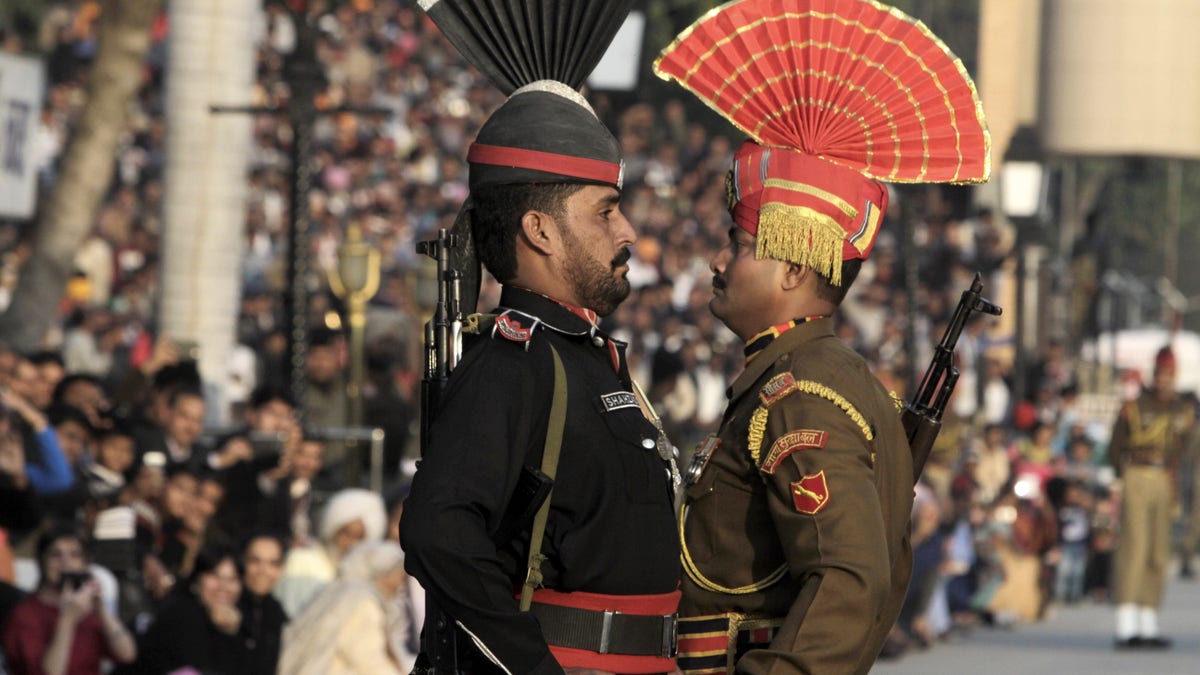
FILE — In this Jan. 11, 2013 file photo, a Pakistani Ranger in black uniform and his Indian counterpart march during a flag-off ceremony, at the joint Pakistan-India border check post of Wagah near Lahore, Pakistan. (AP Photo/K.M. Chaudary, File)
President Trump hit India with some of the steepest tariffs imposed on any major economy. Meanwhile, U.S. sanctions pressure on Russian oil rattled energy import-dependent India, while disputes over H-1B visas added further strain. Analysts say Trump’s America First agenda increasingly overshadowed the friendship Modi had cultivated during Trump’s first term.
«When Trump unfortunately said the May 2025 clash ended because of him personally, that upset India a lot, and they made that known,» Dubey said. «Then the tariffs were another slap in India’s face. Meanwhile, Pakistan took advantage, leaving India at a bit of a loss. From there, relations fell further with the Iran conflict.»
India is among the countries most indirectly affected by the strategic fallout from the Iran war, facing economic pressure and mounting energy concerns.
IRAN WAR FUELS ASIA ENERGY CRUNCH AS INDIA, JAPAN, OTHERS FEEL STRAIN
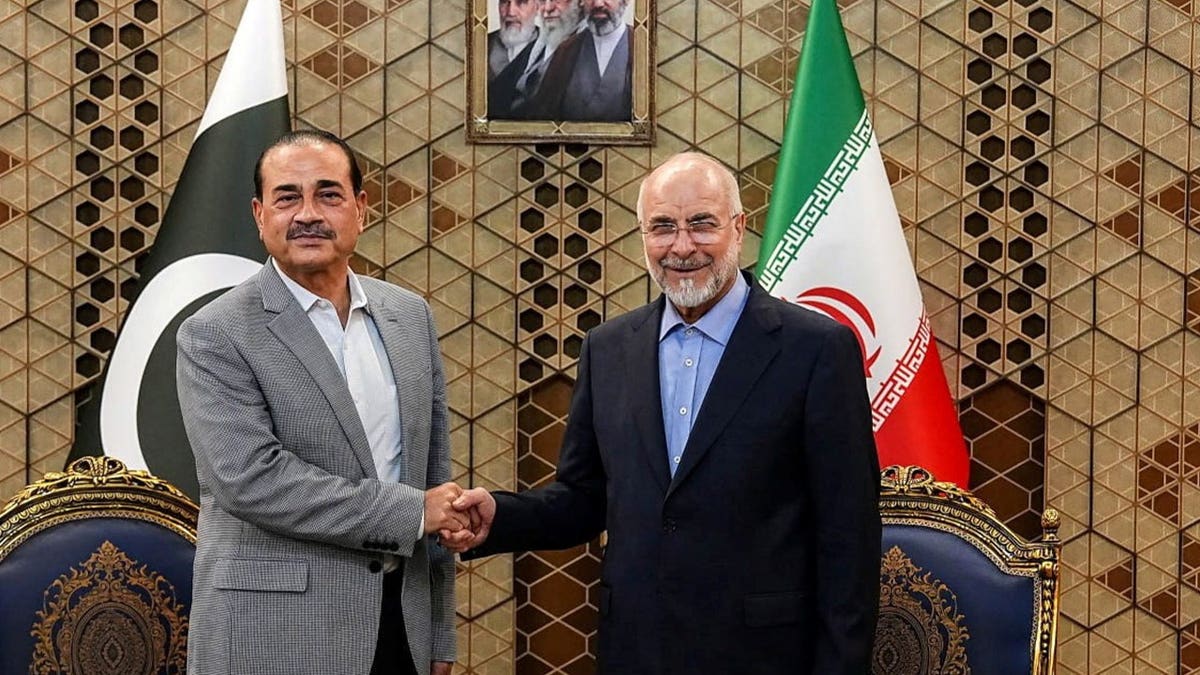
Iranian Parliament Speaker Mohammad Bagher Ghalibaf meets with chief of Defence Forces of Pakistan, Field Marshal Asim Munir, in Tehran, Iran, May 23, 2026. (Iranian Parliament Speaker Office/WANA (West Asia News Agency)/Handout via Reuters)
Last week, a U.S. strike further exacerbated tensions after three Indian seafarers became collateral damage in the conflict. They were the first and only seafarers confirmed killed as part of the U.S. blockade, sparking outrage across India.
New Delhi instantly summoned Washington’s Chargé d’Affaires Jason Meeks, expressing deep concern over the renewed attacks and arguing that its nationals were becoming casualties in a war not their own.
India also warned of the broader humanitarian, economic, and energy consequences of the conflict, which are expected to linger even as an agreement has now been reached.
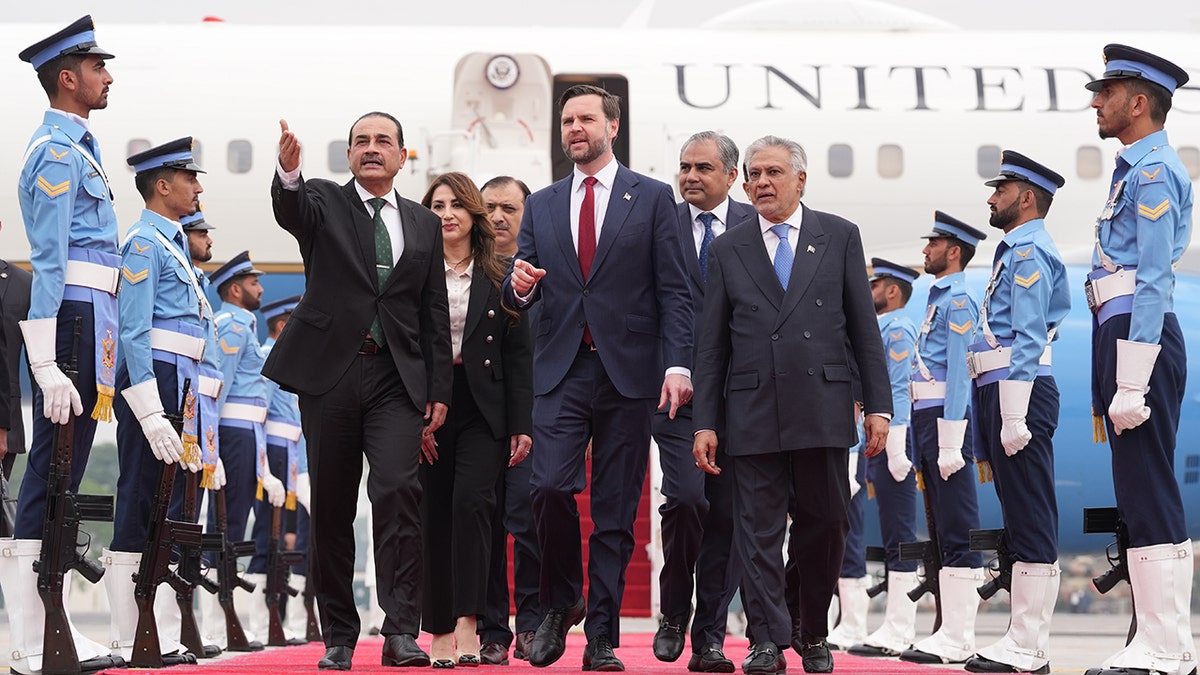
U.S. Vice President JD Vance, center, walks with Pakistan’s Chief of Defence Forces and Chief of Army Staff Field Marshall Asim Munir, left, and Pakistani Deputy Prime Minister and Foreign Minister Mohammad Ishaq Dar after arriving for talks with Iranian officials in Islamabad, Pakistan, Saturday, April 11, 2026. (Jacquelyn Martin/Pool via AP Photo)
All the while, Pakistan was gaining diplomatic visibility, finding itself in the unusual position of currying favor in Washington while maintaining deep ties with China, Iran and the Gulf states.
Pakistan’s prominent role in recent months highlighted how Islamabad has been more nimble in its diplomacy than India,» Council on Foreign Relations Senior Fellow Sadanand Dhume told Fox News Digital. «Additionally, Pakistan decisively outmaneuvered India’s quixotic bid to isolate Pakistan on the world stage.»
Regional dynamics have also been reshaped by the two rivals’ competing strategies. India has deepened its strategic partnership with the U.S. through alliances such as the Quad partnership with the U.S., Australia, and Japan and has expanded cooperation across South Asian states, including a burgeoning relationship with Afghanistan. Meanwhile, Pakistan’s growing regional relevance has been reflected in its strengthened ties with China, improved relations with regional partners like Bangladesh and expanded security cooperation with Gulf states.
RUBIO VISIT TO INDIA PUSHES DEEPER ENERGY TIES AS IRAN CONFLICT RATTLES GLOBAL OIL MARKETS
Additionally, Trump, who accused Pakistan of «deceit and lies» during his first term, has since repeatedly praised its leadership. In June 2025, the president invited Pakistan’s army chief Asim Munir to the White House for a high-profile lunch meeting.
Munir was the first Pakistani military chief who was not also president to be hosted by a U.S. president. He also led the war effort against India earlier that year.
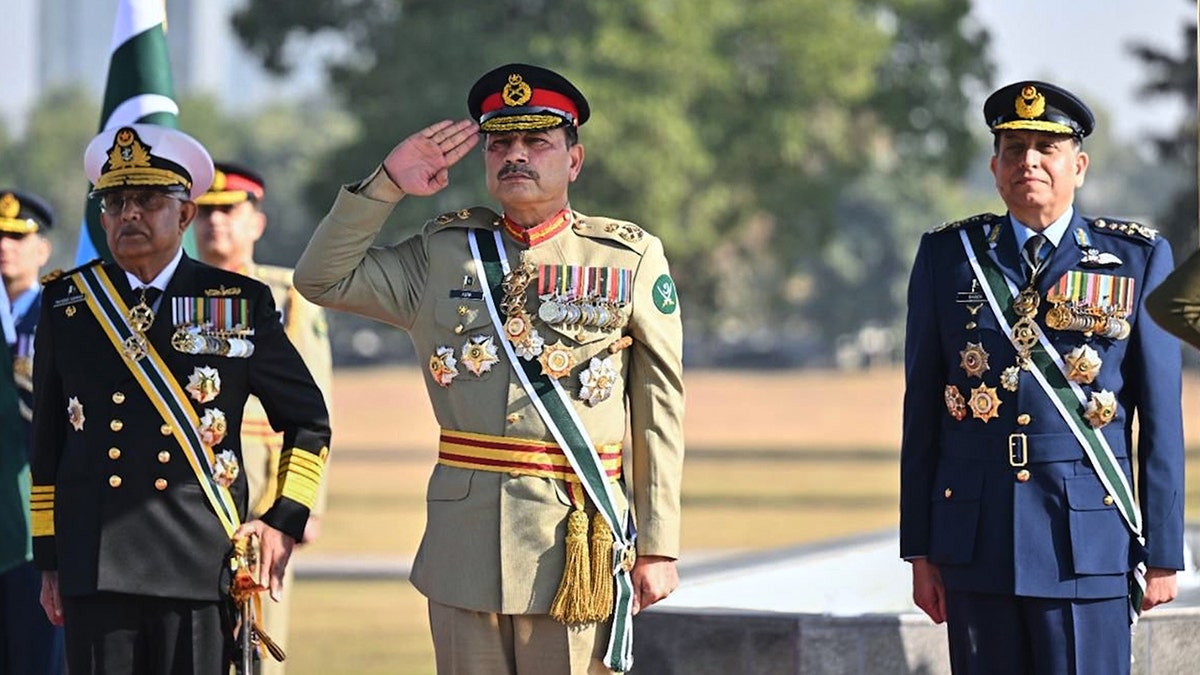
In this photo released by the Inter Services Public Relations, Pakistan’s Chief of Defense Forces and Army Chief Gen. Asim Munir, center, Pakistan Naval Chief Admiral Naveed Ashraf, left, and Pakistan Air Force Chief Air Chief Marshal Zaheer Ahmed Babar attend a guard of honor ceremony at the joint military command headquarters in Rawalpindi, Pakistan, Monday, Dec. 8, 2025. (Inter Services Public Relations via AP)
Trump described Munir as his «favorite Field Marshal» and an «exceptional human being.»
Their relationship has been further reflected in trade deals and, most recently, Pakistan’s role as a principal mediator in restoring diplomacy between the U.S. and Iran.
«India tried to make Pakistan an international pariah. Instead, Pakistan has wormed its way into Trump’s good books through a combination of concrete co-operation with the U.S. and outrageous flattery of the president, leading to Trump elevating Field Marshal Asim Munir and Prime Minister Shehbaz Sharif as heroes,» Dhume said.
India, meanwhile, has maintained close ties with Israel while generally sticking to more measured messaging.
TRUMP’S FAVORITE FIELD MARSHAL: WHO IS PAKISTAN’S POWERFUL ARMY CHIEF ASIM MUNIR WITH DEEP INTEL TIES
On June 15, upon the agreement of a deal with Iran, Modi released a statement, saying, «India hopes that the implementation of this understanding will help restore peace and stability in the region and ensure the freedom of navigation and commerce.»
«Hats off to Pakistan. They worked really hard to bring this awfully disruptive war with Iran to an end,» Dubey told Fox. «India unfortunately lost out by not seeking to be a problem solver like Pakistan. It could have played its cards better as a peacemaker, given its traditionally strong relations with Tehran.»
Still, analysts caution these are rapidly evolving dynamics. There is no guarantee that Pakistan’s current moment will last, and the tide for India could still turn.
«Pakistan’s mediation role has allowed it to substantially reset its international image. It has positioned itself as a responsible international actor rather than a rogue state responsible for both nuclear proliferation and exporting Islamic terrorism. How long this lasts depends in large measure on two things: will Pakistan find a way to remain in Trump’s good books, and will it be able to change its behavior sufficiently to convince the world that it has indeed turned over a new leaf,» Dhume told Fox News Digital.
Meanwhile, India is working to regain its position and show the U.S. it is still a reliable partner.
Marco Rubio visited India last month, his first since becoming Trump’s top diplomat last year, which was widely seen as an attempt to reset ties.
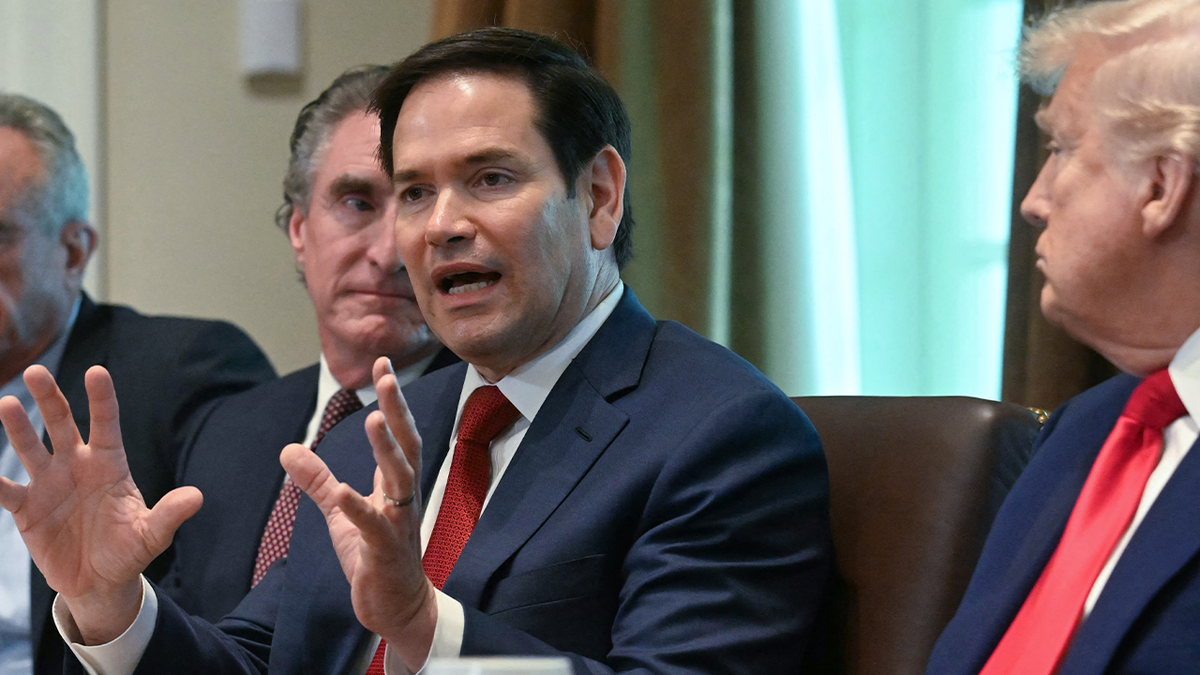
Secretary of State Marco Rubio speaks as President Donald Trump looks on during a cabinet meeting in the Cabinet Room of the White House in Washington, DC, on April 30, 2025. (JIM WATSON/AFP via Getty Images)
Trump and Modi’s G7 meeting marked another significant step.
Trump praised Modi as «calm, cool and totally killer» and said he would be traveling to India «sometime in the future.» India has been pressing Trump for a visit, potentially as part of a broader meeting involving Japan and Australia.
Trump also said the United States would defend India.
CLICK HERE TO DOWNLOAD THE FOX NEWS APP
«If anybody attacks that man, we’re going to be there,» Trump said, referring to Modi. «Now, if there’s a new leader, I’m not sure about it.»
The Pakistani and Indian governments did not respond to Fox News Digital requests for comment.
india, pakistan, world, asia world regions, donald trump
INTERNACIONAL
Planned Parenthood offered hormones but had no answers when detransitioner sought help, undercover probe finds
NEWYou can now listen to Fox News articles!
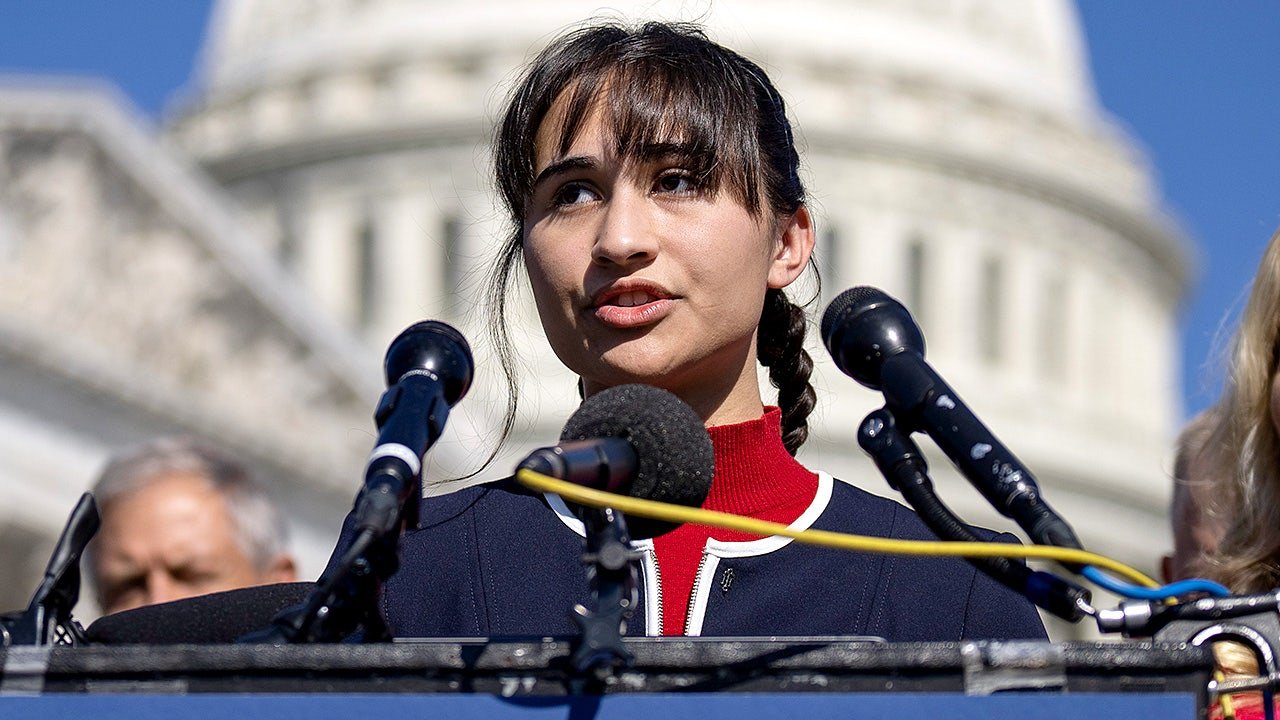
FIRST ON FOX: Detransitioner Chloe Cole says Planned Parenthood clinics across multiple states had few answers when she sought help reversing the effects of a gender transition, according to a new undercover investigation obtained by Fox News Digital.
The investigation, conducted by pro-life advocacy group Live Action in partnership with Cole, involved calls to Planned Parenthood locations in Idaho, Alaska, New York and Washington, D.C., among other jurisdictions. In the calls, Cole posed as a patient seeking information about detransitioning after previously undergoing a gender transition.
Across multiple conversations reviewed by Fox News Digital, employees described services available for patients seeking gender-affirming care but did not identify detransition-specific programs, treatment pathways or clinical resources when asked about options for individuals seeking to reverse course after transition-related medical treatment.
In one call reviewed by Fox News Digital, Cole asked whether Planned Parenthood offered services for patients attempting to stop or reverse a transition.
UNDERCOVER INVESTIGATION: PLANNED PARENTHOOD PRESCRIBING HORMONES TO MINORS WITH MINIMAL OVERSIGHT
Chloe Cole says an undercover investigation found Planned Parenthood clinics offered few answers and no clear services when she sought help detransitioning. (Drew Angerer/Getty Images)
«We only have gender-affirming care services, like for hormones, but not to detransition,» a Planned Parenthood employee told Cole.
When Cole asked whether the organization offered help addressing fertility concerns or other effects associated with prior transition-related treatment, the employee responded: «As in right now, it’s a no, I don’t think we do that type of healthcare.»
The calls form the basis of a new campaign by Live Action urging lawmakers to continue restrictions on federal funding for Planned Parenthood, which the organization says has expanded its transgender-related healthcare services in recent years.
I WAS 15 AND TRUSTED THE ‘EXPERTS’ ON GENDER CARE. TURNS OUT, THEY WERE WINGING IT

A title sign sits outside a Planned Parenthood branch in Pasadena, Calif., on May 16, 2023. (Marcio Jose Sanchez/AP Photo)
For Cole, the issue is personal.
«My name is Chloe Cole. When I was 12 years old, I began the process of trying to change my gender from female to male,» she says in the investigation video.
«At age 15, I even had both of my breasts surgically removed. But I realized that what I was doing was actually harming my body. So at age 16, I began to detransition.»
Cole said she launched the investigation because she wanted to know what resources existed for patients seeking help after regretting a transition.
«I know firsthand the pain of being pushed down the path of transition,» Cole told Fox News Digital in a statement.
«In this investigation with Live Action, I wanted to see what Planned Parenthood would do when someone came back asking for help to detransition.»
‘LOSING THEIR HEALTH’: DETRANSITIONER SOUNDS ALARM ABOUT SEX-CHANGE SURGERIES NEGATIVELY IMPACTING CHILDREN
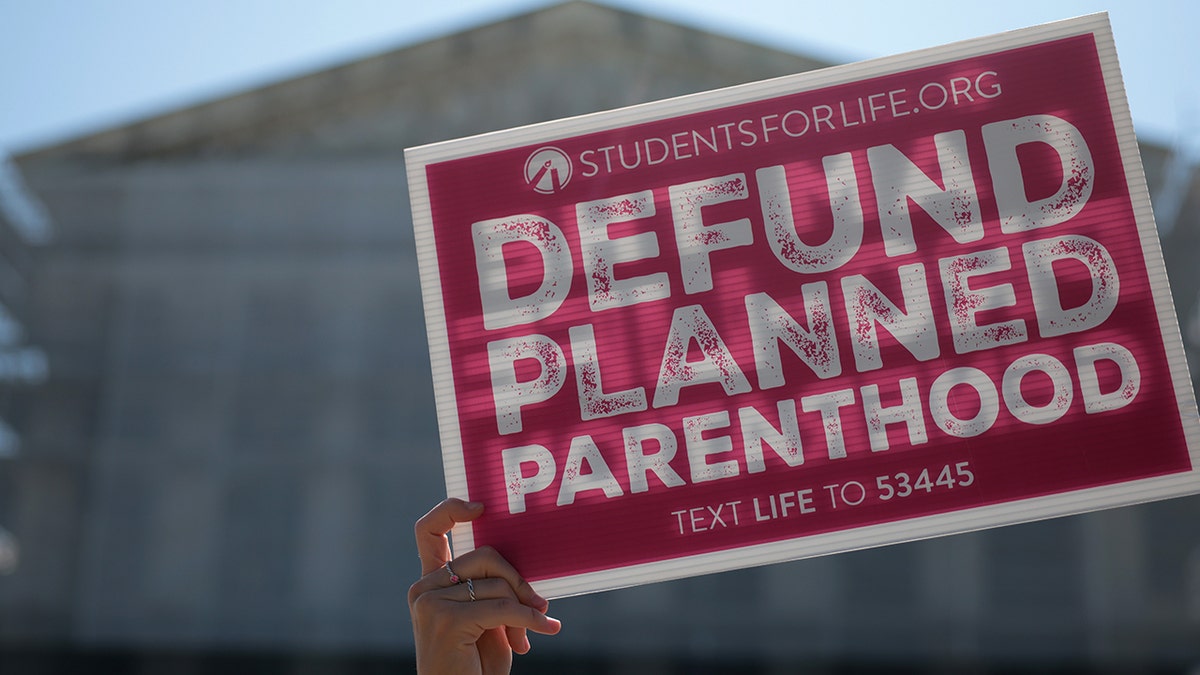
Protestors hold «Defund Planned Parenthood» signs outside the U.S. Supreme Court in Washington, D.C., on June 20, 2025. (Kayla Bartkowski/Getty Images)
«What I found was horrifying: Planned Parenthood was ready to help people start transitioning, but had no real answers, no meaningful support, and no services to help them reverse course,» she said.
During the calls, Cole raised concerns about fertility, the effects of cross-sex hormones, breast reconstruction and other questions related to detransitioning. According to the investigation, employees referred her to outside providers, said they were unfamiliar with detransition-related care or stated they were not aware of such services being offered through Planned Parenthood.
In one exchange, Cole told a Planned Parenthood employee, «I had surgery, I’ve been on the drugs, and I need help recovering the things I’ve lost,» while asking what resources might be available to patients seeking to detransition.
DETRANSITIONER TOUTS $2-MILLION LANDMARK MALPRACTICE RULING AS GOOD START, BUT ‘NOT NEARLY ENOUGH’

Chloe Cole, another well-known detransitioner, has also filed a medical malpractice lawsuit over her gender transition. (Fox News Digital)
The employee replied that Planned Parenthood could schedule an appointment with a provider but added, «I don’t think we do that type of healthcare.»
At another point during the call, a staff member said Planned Parenthood facilities typically see patients who are «getting started on gender-affirming care.»
The findings follow a separate undercover investigation reported by Fox News Digital in May that found some Planned Parenthood locations said minors as young as 16 could obtain cross-sex hormones through the organization’s informed-consent model with limited requirements for therapy or mental-health evaluations.
CHLOE COLE ACT AIMED AT BLOCKING MINORS FROM UNDERGOING LIFE-ALTERING TRANSGENDER SURGERIES, GOP LAWMAKER SAYS

Lila Rose, founder of the pro-life organization Live Action, expresses optimism for the pro-life movement despite recent legal setbacks. (Live Action)
At the time, Live Action released recordings from calls to Planned Parenthood facilities in multiple states in which employees allegedly said cross-sex hormones could be prescribed at an initial appointment.
The new investigation focuses instead on what support is available for individuals seeking to discontinue treatment or detransition.
Live Action founder and president Lila Rose said the calls revealed what she described as a one-sided system.
«Live Action’s undercover investigation with detransitioner Chloe Cole exposed Planned Parenthood’s one-way body destruction pipeline,» Rose said in a statement.
«Planned Parenthood is willing to prescribe cross-sex hormones and push vulnerable people further into dangerous so-called ‘gender-affirming care,’ but when someone comes back seeking help to detransition, Planned Parenthood has no answers, no support and no services to help reverse the damage.»
Planned Parenthood’s website states that many of its health centers provide gender-affirming care and lists services including hormone therapy, puberty blockers, surgery referrals and «transition support (social, legal).» The website does not specifically reference detransition-related services on its gender-affirming care page. Not all Planned Parenthood health centers offer the same services, according to the organization.
The organization is using the investigation as part of a broader effort urging Congress and the Trump administration to continue restricting federal funding for Planned Parenthood after current limitations expire.
According to Planned Parenthood’s most recent annual report, the organization received hundreds of millions of dollars in government reimbursements and grants while continuing to provide reproductive healthcare and other medical services nationwide.
Fox News Digital asked Planned Parenthood whether any of its health centers provide detransition-related services, referrals, counseling or medical support to patients seeking to discontinue or reverse prior gender-related medical treatment, and whether it disputes any findings contained in the investigation.
CLICK HERE TO DOWNLOAD THE FOX NEWS APP
Planned Parenthood did not immediately respond to Fox News Digital’s request for comment.
Fox News Digital’s Peter Pinedo contributed to this reporting.
surgery, health care senate, investigations, fox news investigates, womens health

El intendente de Añelo pidió a las familias que no vayan a instalarse a su ciudad: “Nos generó saturación”

Jornada financiera: el dólar subió por tercer día seguido y alcanzó su precio más alto desde febrero

Lautaro Martínez tiene DT para rato: Cristian Chivu extendió su contrato con el Inter hasta 2028

La Libertad Avanza quiere afianzar el “voto joven” y busca bajar la edad mínima para ser concejal bonaerense

El pedido de la familia de Lionel Messi en medio de los rumores y las noticias falsas sobre la salud de Jorge Messi

Elecciones parciales en Inglaterra: la batalla electoral que podría terminar con Keir Starmer como primer ministro

Patricia Bullrich: “El Presidente considera que Adorni dio una explicación razonable”

El Gobierno envía señales de que Adorni tiene las horas contadas para evitar que sesione el Senado

La secuencia del golazo de Messi para Argentina ante Argelia en el debut en el Mundial 2026 y los récords que rompió

Gaspi, reconocido streamer argentino, falleció en un accidente aéreo en Brasil

 POLITICA21 horas ago
Patricia Bullrich: “El Presidente considera que Adorni dio una explicación razonable”
- POLITICA1 día ago
El Gobierno envía señales de que Adorni tiene las horas contadas para evitar que sesione el Senado
- DEPORTE2 días ago
La secuencia del golazo de Messi para Argentina ante Argelia en el debut en el Mundial 2026 y los récords que rompió