INTERNACIONAL
Trump predicted Israel-Lebanon leaders would speak ‘tomorrow’ — Beirut shut it down as ceasefire emerges

NEWYou can now listen to Fox News articles!
President Donald Trump announced Thursday that Israel and Lebanon have agreed to a 10-day ceasefire beginning at 5 p.m. Eastern Time, in what he described as a major step toward ending weeks of fighting between Israel and Hezbollah.
Trump said he had spoken separately with Lebanese President Joseph Aoun and Israeli Prime Minister Benjamin Netanyahu and that both sides had agreed to begin formal talks aimed at reaching a broader peace agreement.
«I just had excellent conversations with the Highly Respected President Joseph Aoun, of Lebanon, and Prime Minister Bibi Netanyahu, of Israel,» Trump wrote on Truth Social Thursday.
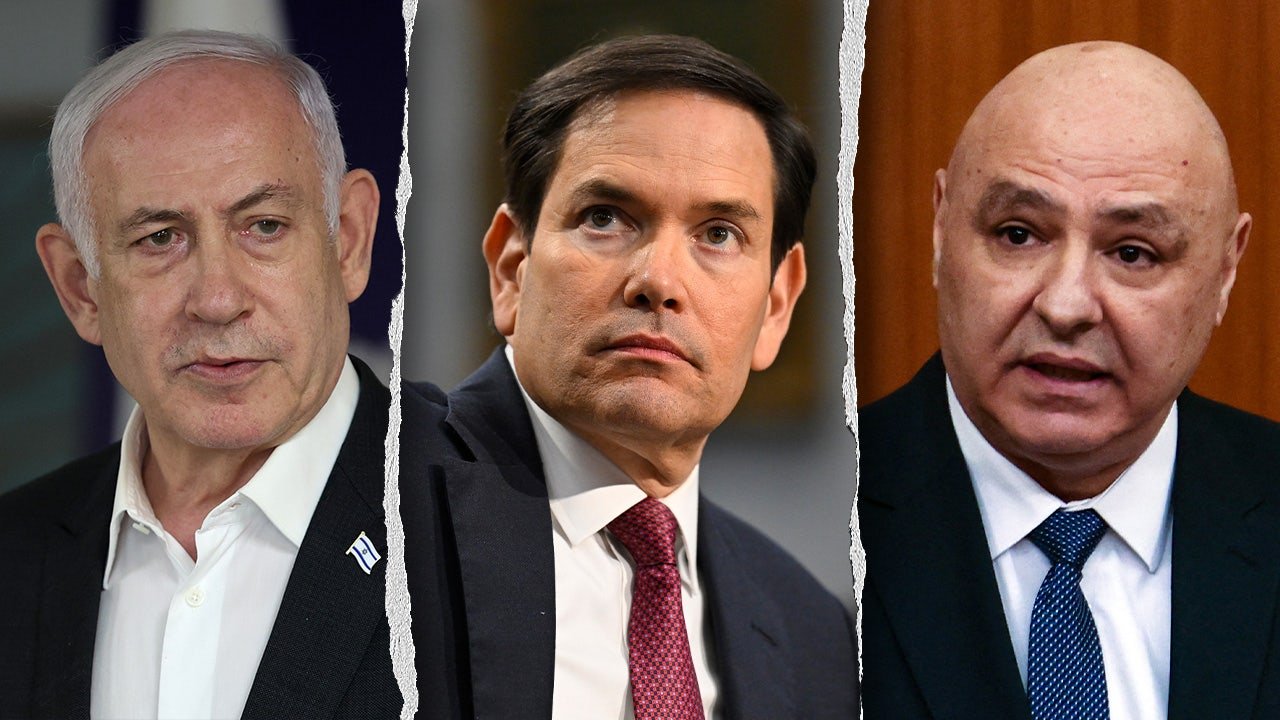
Trump said he has directed Vice President JD Vance, Secretary of State Marco Rubio and Chairman of the Joint Chiefs of Staff Gen. Dan «Razin’» Caine to work with both sides to achieve what he called a «lasting peace.»
IDF UNCOVERS HEZBOLLAH WEAPONS STASH INSIDE HOSPITAL IN LEBANON
Rescue workers search for victims at the site of an Israeli airstrike that hit a crowded neighborhood south of Beirut, Lebanon, April 5, 2026. (Hussein Malla/AP Photo)
The president later said he plans to invite Netanyahu and Aoun to the White House for what he described as the first meaningful talks between Israel and Lebanon since 1983.
«Both sides want to see PEACE, and I believe that will happen, quickly!» Trump wrote.
The announcement came after days of intense U.S. diplomacy and appeared to resolve an earlier dispute over whether Aoun would speak directly with Netanyahu.
«We are trying to create a little breathing room,» Trump wrote on Truth Social Wednesday, adding that the leaders of Israel and Lebanon had not spoken in some 34 years and saying, «It will happen tomorrow.»
Earlier Thursday, Lebanese officials had insisted that Aoun would not speak directly with Netanyahu before a ceasefire was reached.
Three Lebanese officials told Reuters that Aoun had no plans to speak with Netanyahu in the near future, and two of the officials said Lebanon’s embassy in Washington conveyed that position to the Trump administration before Aoun held a phone call with Rubio.
A senior Lebanese official later told Fox News Digital that there was intense domestic pressure inside Lebanon against further contacts with Israel while the fighting continued.
According to the official, many in Lebanon believed the government had already entered negotiations without receiving anything in return, making a ceasefire a prerequisite for any direct contact.
But shortly afterward, Lebanon’s presidency announced that Aoun had spoken directly with Trump.
According to the Lebanese presidency’s official X account, Aoun thanked Trump for his efforts to secure a ceasefire in Lebanon and achieve what it described as a lasting peace and stability that could pave the way for a broader regional peace process.
Aoun, who served as commander of Lebanon’s U.S.-backed armed forces before becoming president in 2025, said an Israeli withdrawal from southern Lebanon would be a necessary first step before Lebanese troops could fully deploy to the border region.
The diplomatic dispute comes as the White House presses for a broader deal to end the regional war that erupted after Iran-backed Hezbollah terror group entered the conflict March 2 in support of Iran.
Hezbollah’s intervention opened a new front in Lebanon just 15 months after the last major Israel-Hezbollah war.
Pakistan, which helped mediate the April 8 ceasefire between Israel and Iran, said ending the fighting in Lebanon is essential to preserving that agreement.
ISRAEL WARNS HEZBOLLAH ‘PLAYING WITH FIRE,’ PRESSES LEBANON TO ACT ON WEAPONS PLEDGE
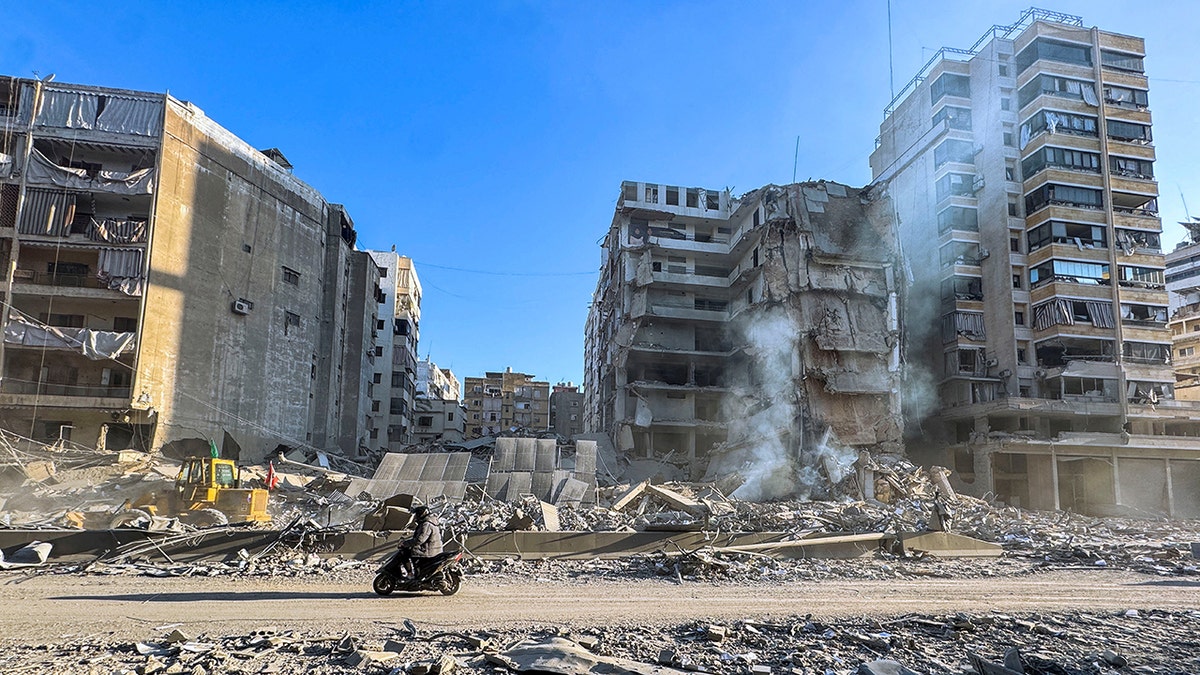
A damaged building after an Israeli strike, following renewed hostilities between Hezbollah and Israel amid the U.S.-Israeli conflict with Iran, in Beirut, Lebanon, March 6, 2026. (Stringer/Reuters)
«Peace in Lebanon is essential for peace talks,» Pakistani Foreign Ministry spokesman Tahir Andrabi said.
The Israeli security cabinet met late Wednesday to discuss a possible ceasefire in Lebanon, according to Israeli media.
Israeli officials have signaled openness to negotiations, but they are also insisting on continuing military operations until Hezbollah is pushed away from the border.
Israeli cabinet minister Gila Gamliel told Israeli media that Netanyahu had been expected to speak with Aoun «for the first time after so many years of no contact between the two countries.»
Israel and Lebanon remain formally at war and have had no direct leader-to-leader contact in decades.
The latest U.S. diplomatic push follows a rare meeting Tuesday in Washington between Lebanese Ambassador Nada Hamadeh Moawad and Israeli Ambassador Yechiel Leiter.
Those talks, held at the State Department under U.S. mediation, marked the first face-to-face discussions between senior Israeli and Lebanese officials in more than three decades.
Still, the prospect of a direct call between Netanyahu and Aoun has run into strong opposition inside Lebanon.
Hezbollah, which has opposed any contact with Israel, remains publicly against negotiations.
At the same time, Lebanon’s government has increasingly distanced itself from Hezbollah since the terror group entered the war.
The Lebanese government formally banned Hezbollah’s military activities March 2 and has spent the past year trying to disarm the Iranian-backed group without triggering a broader civil conflict.
Meanwhile, fighting intensified Thursday in southern Lebanon.
IRAN THREATENS TO END CEASEFIRE OVER HEZBOLLAH’S EXCLUSION FROM TRUCE DEAL
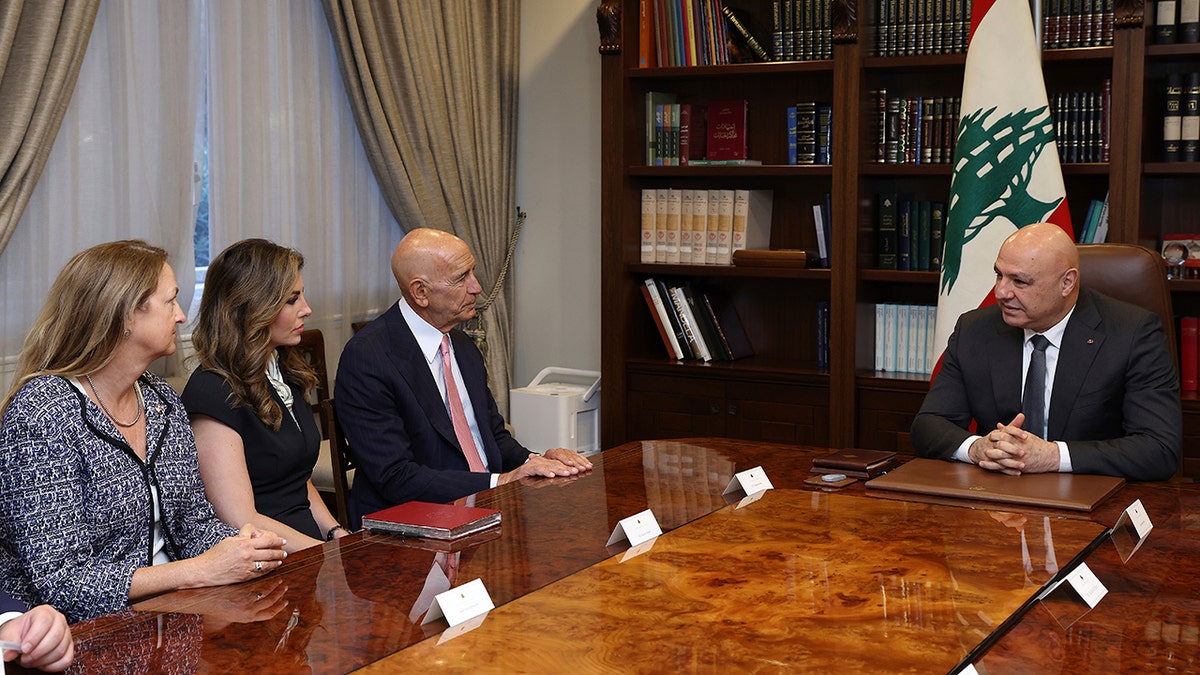
In this photo released by the Lebanese Presidency press office, Lebanese President Joseph Aoun, right, meets U.S. Ambassador to Turkey and Special Envoy to Syria Tom Barrack, third left, U.S. deputy special presidential envoy to the Middle East Morgan Ortagus, second left, and U.S. Ambassador to Lebanon Lisa A. Johnson, left, at the presidential palace in Baabda, in east of Beirut, Lebanon, Monday, Aug. 18, 2025. (Lebanese Presidency Press Office/AP)
Battles continued around the border town of Bint Jbeil, Lebanon, a longtime stronghold of Hezbollah — an Iran-backed terror group — that Israeli officials see as a key objective in the current offensive.
Netanyahu said Wednesday that Israeli forces were close to «overcoming» Hezbollah in Bint Jbeil.
The Israeli military’s immediate objective is to push Hezbollah farther from the border and prevent anti-tank missiles and other direct-fire weapons from threatening northern Israeli communities, Israel Defense Forces spokesperson Lt. Col. Nadav Shoshani said in an interview with Fox News Digital.
He said Israeli troops are now holding what the military calls «defense lines» several kilometers inside Lebanon, positions designed to keep Hezbollah gunmen and anti-tank squads from once again overlooking Israeli towns.
«We’re going to make sure we keep diminishing them,» Shoshani said.
Lebanese security officials also said an Israeli airstrike destroyed the last remaining bridge over the Litani River leading into southern Lebanon.
The strike effectively cut off nearly a tenth of the country from the rest of Lebanon after earlier Israeli attacks destroyed other crossings.
HEZBOLLAH, IRAN UNLEASH COORDINATED CLUSTER BOMB STRIKES ON ISRAEL IN MAJOR ESCALATION
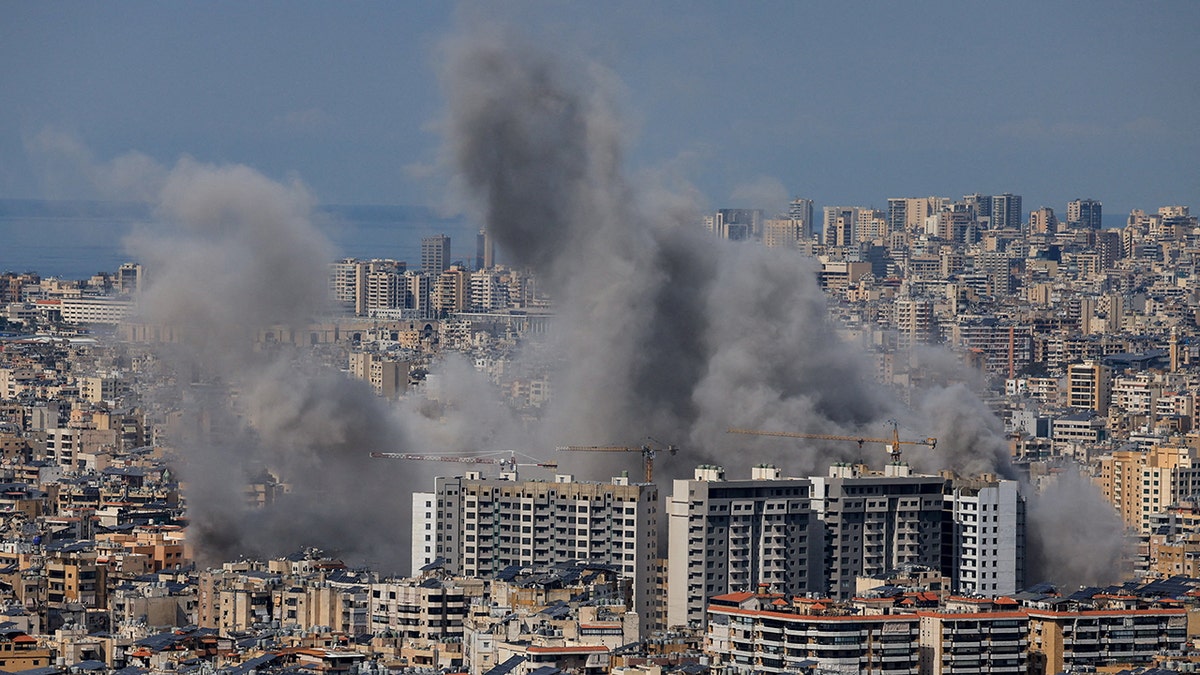
Smoke billows after reported strikes on Beirut’s southern suburbs, following an escalation between Hezbollah and Israel amid the U.S.-Israeli conflict with Iran, as seen from Baabda, Lebanon, March 6, 2026. (Mohamed Azakir/Reuters)
Israel has vowed to turn the area south of the Litani River into a «no-go zone» for Hezbollah.
Israeli military chief of staff Lt. Gen. Eyal Zamir said Wednesday that Hezbollah operatives would no longer be allowed to operate south of the river.
The Litani River, which runs roughly 20 miles north of Israel’s border, has long been viewed by Israel as the line beyond which Hezbollah forces should not be allowed to operate.
Hezbollah responded Thursday with fresh rocket fire into northern Israel.
Warning sirens sounded in several Israeli communities, sending residents into bomb shelters. There were no immediate reports of injuries.
More than 2,100 people have been killed in Lebanon since March 2 and more than 1.2 million have been displaced, according to Lebanese authorities.
Israeli officials say Hezbollah attacks have killed two Israeli civilians and 13 Israeli soldiers during the same period.
CLICK HERE TO DOWNLOAD THE FOX NEWS APP
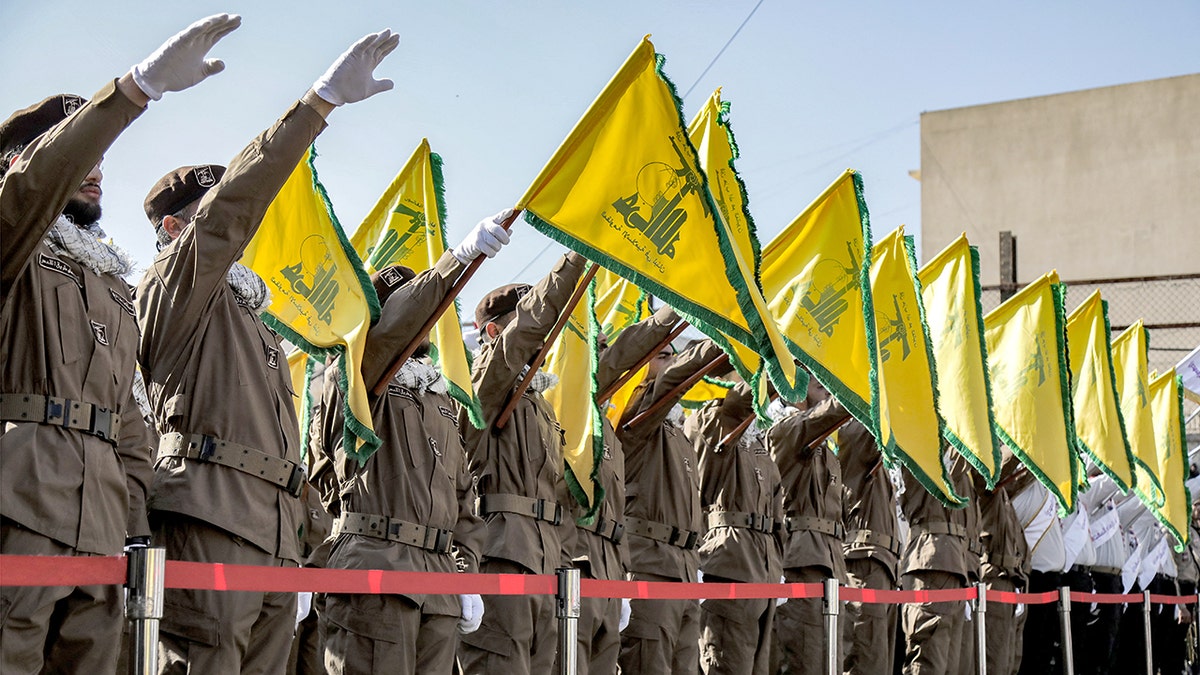
Hezbollah members salute and raise the group’s yellow flags during the funeral of their fallen comrades Ismail Baz and Mohamad Hussein Shohury, who were killed in an Israeli strike on their vehicles, in Shehabiya in south Lebanon April 17, 2024. (AFP via Getty Images)
Fox News Digital reached out to the State Department, Lebanon’s embassy in Washington and the Israeli government for comment, but did not receive responses in time for publication.
Reuters contributed to this report.
conflicts, lebanon, benjamin netanyahu, middle east foreign policy, israel, war with iran










INTERNACIONAL
Obama-appointed judge who blocked Trump birthright citizenship order strikes again, throws out visa overhaul
NEWYou can now listen to Fox News articles!
An Obama-appointed federal judge who previously blocked President Donald Trump’s birthright citizenship executive order has again dealt a major setback to the administration by striking down Trump’s $100,000 H-1B visa payment requirement and declaring the policy unlawful.
U.S. District Judge Leo Sorokin of Massachusetts ruled Monday that the Trump administration lacked the authority to impose the hefty payment on employers seeking new H-1B visas, finding that the requirement amounted to a tax that only Congress has the constitutional power to impose.
In Monday’s 42-page decision, Sorokin sided with a coalition of 20 states that challenged Trump’s September 2025 proclamation creating a new $100,000 payment requirement for employers filing petitions for foreign workers under the H-1B visa program, which allows U.S. employers to hire skilled foreign workers. Approximately 65,000 foreign workers are issued a H-1B visa each year.
TRUMP’S $100K H-1B VISA OVERHAUL COULD HIT TECH GIANTS LIKE AMAZON AND MICROSOFT HARDEST
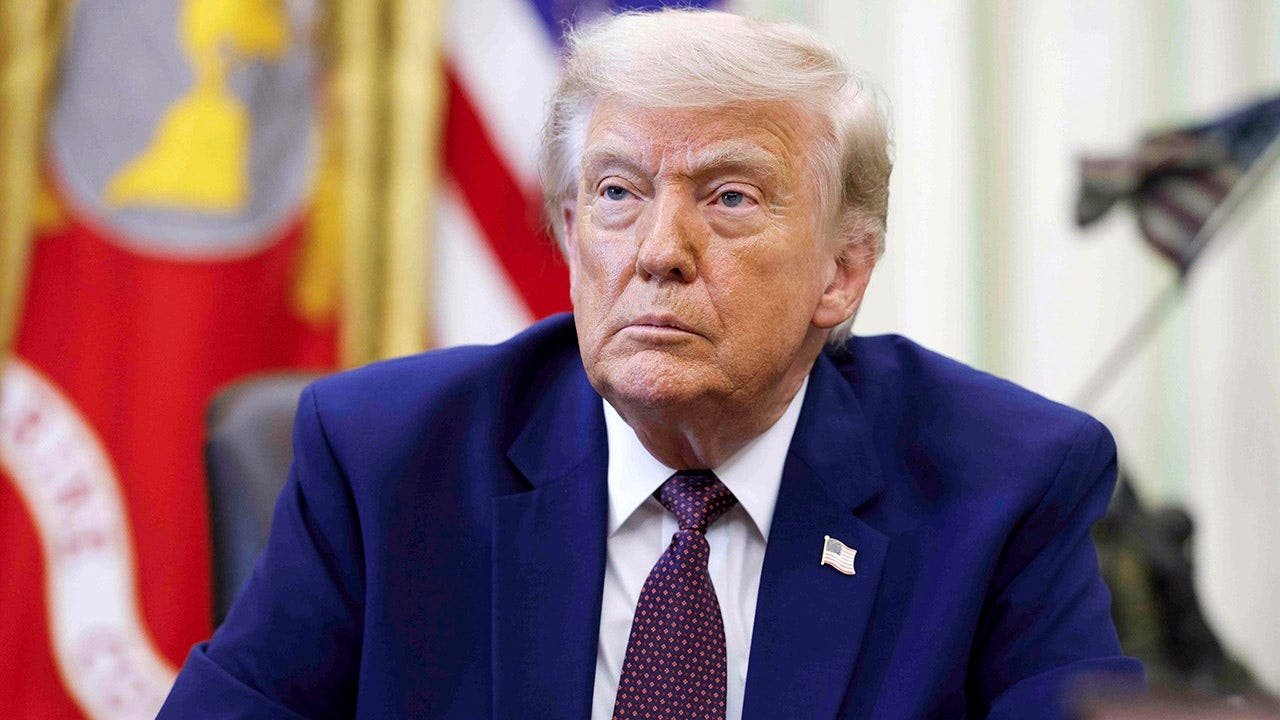
U.S. President Donald Trump during an executive order signing in the Oval Office of the White House in Washington, D.C., on Wednesday, June 3, 2026. (Shawn Thew/EPA/Bloomberg via Getty Images)
Before Trump’s proclamation, employers typically paid between $2,000 and $5,000 in filing fees to sponsor an H-1B worker, depending on the type of application and the size of the company.
The administration had argued that the measure was necessary to curb abuse of the visa system and protect American workers.
Trump’s proclamation stated that the H-1B program had been exploited to replace U.S. workers with lower-paid foreign labor and that the new payment would help address those concerns.
Sorokin rejected the administration’s legal justification, finding that the Immigration and Nationality Act gives presidents broad authority over the entry of noncitizens but does not authorize them to impose taxes.
«While the Executive has broad discretion over the admission and exclusion of aliens, … that discretion is not boundless,» Sorokin wrote, referring to previous case law.
Sorokin concluded that the payment functioned as a tax rather than a permissible immigration restriction.
TRUMP IS DOWN BUT NOT OUT IN COURT BATTLE OVER HARVARD’S FOREIGN STUDENT VISAS
«The Court finds that the Policy imposes a tax on H-1B petitions without the requisite delegation by Congress,» Sorokin wrote.
He further rejected the administration’s argument that the payment requirement was simply another immigration restriction, bluntly stating: «Taxes are not ‘restrictions.’»
Beyond the constitutional concerns, Sorokin also found that federal agencies violated the Administrative Procedure Act by implementing the policy without notice-and-comment rule making and concluded that the agencies exceeded their statutory authority.
As a remedy, Sorokin declared the policy unlawful and vacated it in its entirety.
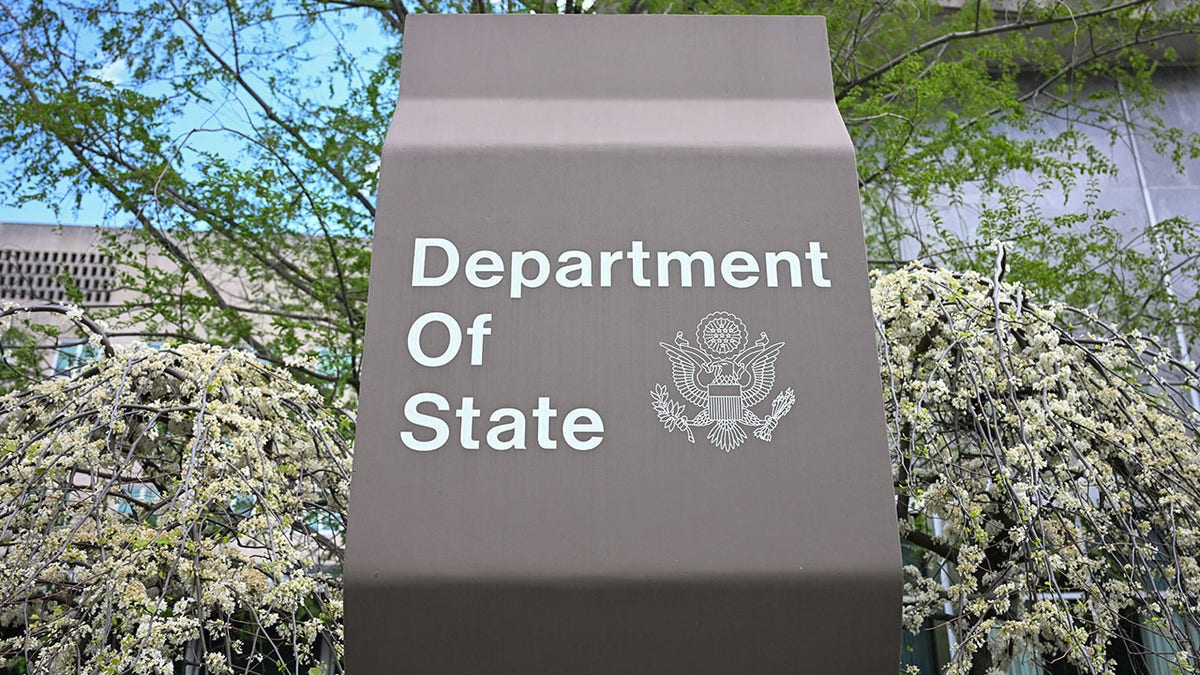
Signage for the U.S. Department of State is displayed outside its headquarters in the Foggy Bottom neighborhood of Washington, D.C., on April 15, 2025. (Jim Watson/AFP)
Sorokin, a Yale and Columbia Law School graduate, was nominated to the federal bench by President Barack Obama in 2013 and confirmed by the Senate in 2014. Last year, Sorokin was the fourth judge to issue a nationwide injunction blocking Trump’s executive order seeking to limit birthright citizenship. He ruled that the policy is likely unconstitutional under the 14th Amendment. That dispute has since reached the Supreme Court, and a ruling is expected in the coming weeks.
The administration is expected to appeal Sorokin’s decision, setting up another legal battle over the scope of presidential authority in immigration matters and the limits of executive power.
CLICK HERE TO DOWNLOAD THE FOX NEWS APP
«President Trump has clear legal authority to restrict entry of any class of aliens he determines is not in America’s best interests, and that is exactly what he did,» White House spokesperson Taylor Rogers told Fox News Digital. «The H-1B program has been abused for decades, and President Trump finally took action to fix it. A federal judge in Washington already upheld a nearly identical order, and the Administration is confident this order will be reversed on appeal.»
In a separate challenge filed in December 2025, U.S. District Judge Beryl Howell in Washington declined to block the policy after dismissing claims from the U.S. Chamber of Commerce that the additional H-1B charge violated federal immigration law.
federal courts, immigration, congress, donald trump, federal judges, taxes, politics
INTERNACIONAL
Tensión en el Báltico: la OTAN derribó un dron que ingresó al espacio aéreo de Letonia procedente de Rusia
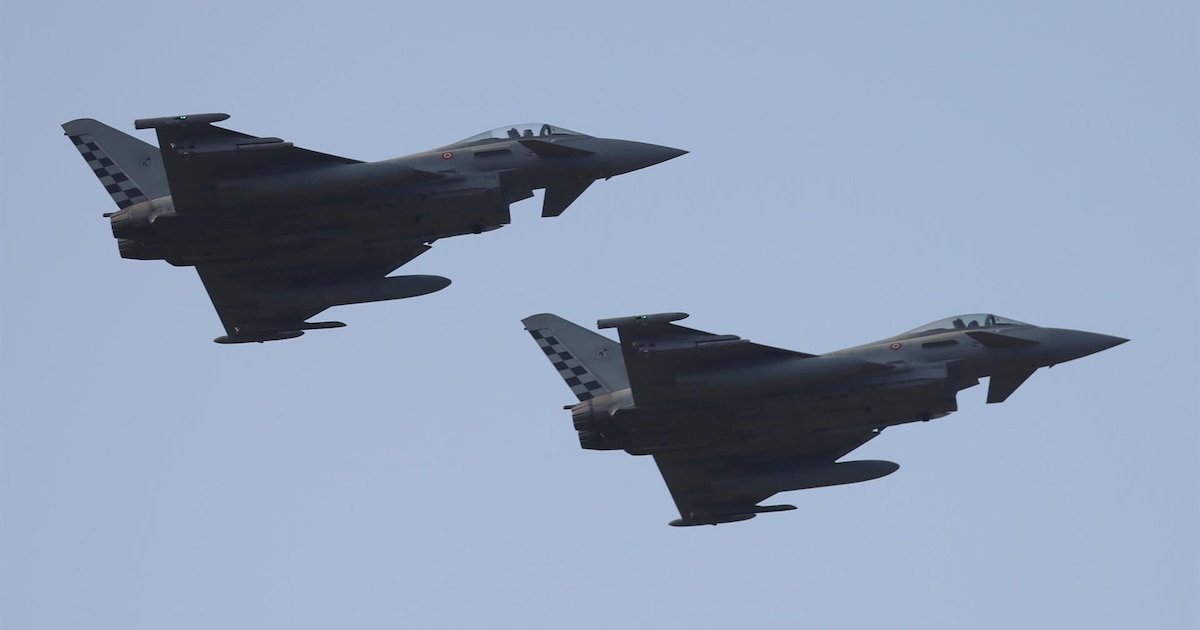
Un avión de combate francés que opera bajo mando de la OTAN derribó este lunes un dron que había penetrado en el espacio aéreo de Letonia tras aproximarse desde territorio ruso.
Según informó el ministro de Defensa letón, Raivis Melnis, la decisión de neutralizar la aeronave fue tomada por el mando de la OTAN después de evaluar la situación en la zona. El aparato fue destruido cerca de la localidad de Berzgale, a pocos kilómetros de la frontera con Rusia. Las autoridades indicaron que no hubo víctimas ni daños materiales.
De acuerdo con información oficial, los aviones despegaron desde la base aérea de Siauliai, en el norte de Lituania, y derribaron el dron alrededor de las 10:00 de la mañana, hora local.
El Ejército letón señaló que se trató de “un vehículo aéreo no tripulado extranjero que ingresó al espacio aéreo letón como resultado de la guerra electrónica rusa”.
La ministra de Relaciones Exteriores de Letonia, Baiba Braze, agradeció la actuación de las fuerzas aliadas y escribió en redes sociales: “¡Gracias a nuestros aliados franceses por derribar el dron que ingresó al espacio aéreo letón!”.
Aunque todavía no se ha precisado el modelo del dron ni se ha determinado oficialmente quién lo operaba, el incidente marca un precedente para Letonia. De acuerdo con información publicada por The Washington Post, se trata de la primera ocasión en que la OTAN ordena el derribo de un dron sobre territorio letón.

Desde el inicio de la invasión rusa de Ucrania, los gobiernos de Europa del Este han denunciado repetidos incidentes relacionados con drones, misiles y operaciones de guerra electrónica cerca de sus fronteras.
Los últimos meses han estado marcados por varios episodios similares. Estonia, Lituania y Rumania han registrado incursiones o caídas de drones en zonas próximas a Ucrania, generando respuestas de emergencia y cuestionamientos sobre la capacidad de defensa aérea de la región.
En Lituania, por ejemplo, una incursión aérea reciente provocó medidas extraordinarias de seguridad para proteger a las máximas autoridades del país. En Rumania, un dron impactó contra una zona residencial cercana a la frontera ucraniana y dejó varios heridos.
El incidente de este lunes llega además en un momento particularmente sensible para Letonia. El país viene atravesando un intenso debate sobre la seguridad nacional después de varios episodios relacionados con aeronaves no tripuladas.
La preocupación se profundizó durante el período previo a las últimas elecciones nacionales, cuando diversos drones terminaron cayendo dentro del territorio letón. Aquellos hechos derivaron en una crisis política que desembocó en cambios dentro del Gobierno y cuestionamientos a la conducción del área de defensa.
Para los países bálticos —Letonia, Estonia y Lituania— la guerra en Ucrania representa una amenaza directa debido a su proximidad geográfica con Rusia y Bielorrusia. Los tres Estados integran la OTAN desde 2004 y han impulsado una política de fuerte respaldo a Kiev desde el inicio del conflicto.

La misión aérea que permitió derribar el dron forma parte precisamente del dispositivo permanente de vigilancia que la alianza mantiene sobre el espacio aéreo báltico. Aviones de distintos países aliados rotan periódicamente para garantizar la protección de la región.
El episodio también volvió a abrir un debate estratégico dentro de Europa: cómo responder de manera eficaz al creciente uso de drones en conflictos modernos.
Según explicó The Washington Post, muchos gobiernos europeos consideran que utilizar aviones de combate y misiles de alto costo para destruir aparatos relativamente baratos plantea interrogantes sobre la sostenibilidad de estos sistemas de defensa.
Como respuesta, varios países han comenzado a invertir en nuevas tecnologías antidrones, sistemas de detección temprana y capacidades de guerra electrónica. Letonia, por ejemplo, planea desplegar más unidades especializadas a lo largo de su frontera con Rusia y Bielorrusia para interceptar amenazas de este tipo antes de que ingresen en profundidad a su territorio.
Mientras continúan los ataques con drones tanto en Ucrania como dentro de Rusia, los países de la OTAN observan con atención cualquier incidente en sus fronteras. El derribo ocurrido este lunes en Letonia refleja hasta qué punto la guerra ha ampliado sus efectos más allá del campo de batalla y se ha convertido en una preocupación permanente para la seguridad europea.
Defense,Europe,Top Pictures
INTERNACIONAL
Finland’s foreign minister says Ukraine ‘is now holding the cards’ as Russia signals talks
NEWYou can now listen to Fox News articles!
EXCLUSIVE: Finnish Foreign Minister Elina Valtonen said Ukraine has gained new leverage against Russia, arguing that Moscow’s renewed talk of negotiations comes as Kyiv has strengthened itself militarily, politically and diplomatically.
Valtonen’s comments carry particular weight because Finland is one of NATO’s newest members and now sits on the alliance’s longest border with Russia. Finland joined NATO in April 2023 after Russia’s full-scale invasion of Ukraine, ending decades of military nonalignment and transforming the country into a frontline state in Europe’s security posture.
«Ukraine certainly is now holding the cards,» Valtonen told Fox News Digital Monday in an interview at the United Nations headquarters in New York. «They have strengthened themselves immensely over the course of the past three, four months, both militarily and politically, diplomatically. And I think this opens a great window of opportunity for actually advancing the peace talks.»
UKRAINE MAKES FASTEST GAINS IN YEARS AS RUSSIA TALKS STALL, EXPLOITING CRACKS IN KREMLIN COMMAND
Finland’s Foreign Minister Elina Valtonen at the United Nations headquarters in New York, June 8, 2026. (Efrat Lachter/ Fox News Digital)
Her assessment comes as Reuters reported that Ukraine’s top military commander said Ukrainian forces had recaptured more than 600 square kilometers, or roughly 230 square miles, of territory so far in 2026, a shift after years of slow Russian gains. It also follows renewed diplomatic activity, including Zelenskyy’s stated willingness to halt fighting along current lines as a path to talks and Putin’s public rejection of a direct meeting for now.
Finland shares a roughly 820-mile border with Russia, making it one of the alliance’s most strategically exposed members.
Valtonen said Moscow has shown little willingness to make concessions and argued that the responsibility for ending the war remains with the Kremlin.
«So far, Russia hasn’t been willing to make any concessions, and essentially Russia could end the war today if they wanted to, because it was their war in the first place,» she said. «So I’m hopeful that this could be the right time to relaunch those talks.»
Peace efforts remain stalled over the same core divide that has shaped the war for years: Ukraine has called for a ceasefire and negotiations without surrendering territory, while Russia has continued to demand control over occupied Ukrainian regions. Putin said in early June there was «no point» in meeting Zelenskyy for now and repeated Moscow’s broader war aims.
Asked about U.S.-led efforts to negotiate an end to the war, Valtonen praised Washington’s role but stressed that Ukraine alone must decide whether to accept any concessions, including on territory.
«I think the U.S. involvement in this entire process has been a very good one, and it’s important that the U.S. stays engaged, because at the end of the day, it’s about freedom, it’s the future of not only Europe, but also of global peace,» she said.
ZELENSKYY SAYS US WILL ONLY GUARANTEE UKRAINE’S SECURITY IF KYIV AGREES TO GIVE UP DONBAS
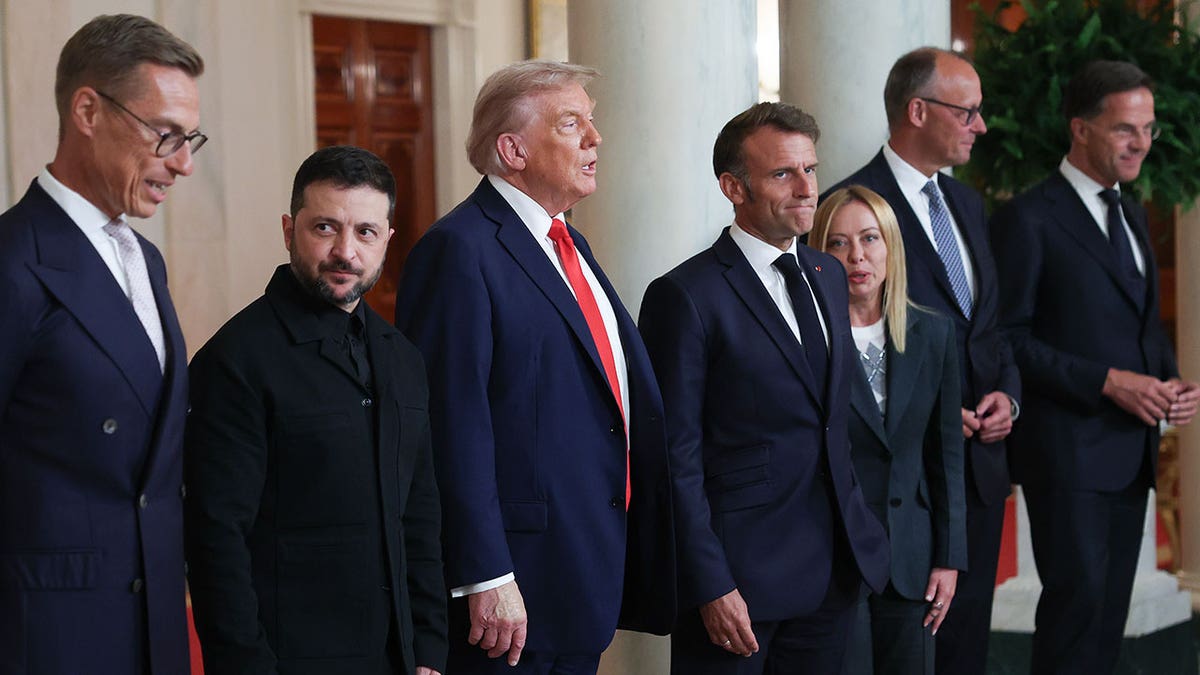
Finnish President Alexander Stubb, Ukrainian President Volodymyr Zelenskyy, U.S. President Donald Trump, French President Emmanuel Macron, Italian Prime Minister Giorgia Meloni, German Chancellor Friedrich Merz, and NATO Secretary-General Mark Rutte prepare to depart after a group photo at the White House in Washington, D.C., on Aug. 18, 2025. (Win McNamee/Getty Images)
Valtonen said Europe also needs to be part of the process because Russia’s war directly affects the continent’s security architecture.
She said any serious negotiations would require Russia to accept a full ceasefire.
«First and foremost, we would need Russia at the table willing to end the war,» Valtonen said. «And that would need to happen through a full ceasefire, because only that would open the possibility for true negotiations.»
Valtonen also credited President Donald Trump with pushing European allies to increase defense spending, saying the pressure had moved the continent in the right direction after years of imbalance inside NATO.
Finland has moved aggressively to increase defense spending. Helsinki plans to raise defense spending to 3.2% of GDP by 2030, up from 2.5% in 2025, Reuters reported in April.
WHY NATO’S DEFENSE SPENDING IMBALANCE LASTED FOR DECADES

Senior border guard officer Juho Pellinen looks at a fence marking the boundary between Finland and Russia near the Pelkola border crossing in Imatra, Finland, on Nov. 18, 2022. (Alessandro Rampazzo/AFP)
Secretary of State Marco Rubio also praised Finland and Sweden Tuesday during a Senate Foreign Relations Committee hearing, saying the two newest NATO members had strengthened the alliance by bringing «their own defense industry» and «advanced technologies.»
He called them «a great partner» and «an extraordinary partner.»
Valtonen said Finland’s approach is shaped by its own history with Moscow.
«Finland obviously has taken the Russian threat extremely seriously because we have the longest border with them,» she said. «We certainly worship our status as the happiest country in the world, i.e. democracy, the rule of law and human rights, which we hold dear as values over anything that Russia could offer.»
She also pointed to Finland’s experience in World War II, when the Soviet Union invaded Finland, as a reminder of why deterrence matters.
«The last time the Soviet Union, i.e. Russia, tried to invade us was during the Second World War,» Valtonen said. «Happily, we were able to fend them off, but of course at the massive cost to the society.»
«For us, it has been clear that if we invest in our deterrence, then that’s a signal to Russia — do not come here,» she added.
On Iran, Valtonen said Finnish President Alexander Stubb’s March comments, reported by The Guardian, that the conflict was not a NATO matter should not be understood as Europe washing its hands of the crisis.
«I don’t think our president meant that this has nothing to do with European countries or NATO allies,» Valtonen said. «I think what he probably meant more is that NATO obviously is not directly involved as an organization, which is true.»
EX-NATO AMBASSADOR WARNS US AND ALLIES MUST ‘STOP THE SNIPING’ AND UNITE TO END IRAN CONFLICT
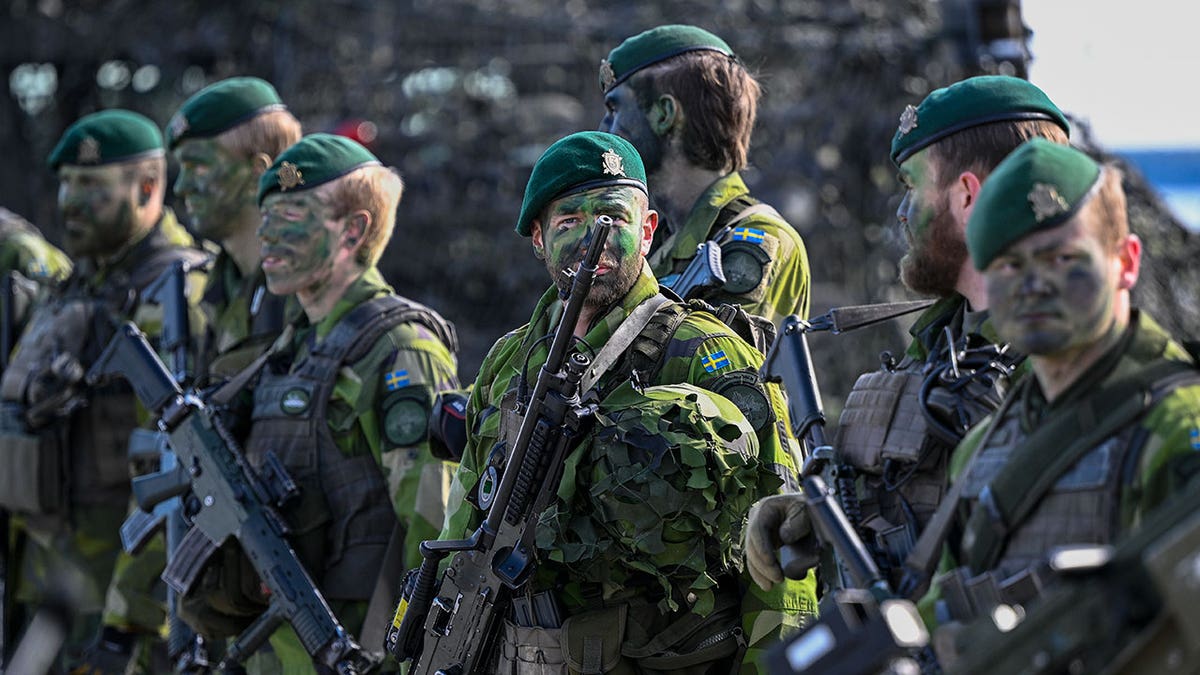
Swedish soldiers participate in the military exercise Aurora 23 at Berga naval base outside Stockholm on April 28, 2023. A Swedish parliamentary committee recommended on April 26, 2024, that Sweden increase its military budget by nearly $5 billion through 2030 to strengthen air defense and expand conscription after joining NATO. (Anders Wiklund/TT News Agency)
Her comments came after another weekend escalation in the Iran war, with Tehran launching missiles at Israel and Israel striking military targets in western and central Iran overnight. The flare-up unfolded as the U.S. and its allies continue efforts to prevent Iran from becoming a nuclear state and keep pressure on Tehran over threats to Israel and regional shipping.
The Strait of Hormuz, a critical global energy choke point, has become a central focus for Western governments after Iranian threats and restrictions on maritime traffic. Reuters reported Monday that the European Union sanctioned Iranian-linked individuals and an Islamic Revolutionary Guard Corps navy unit over threats to shipping in the strait.
«We as individual member states in Europe have definitely been helping the U.S. effort,» Valtonen said. «We don’t want to see Iran as a nuclear state. We know what kind of a threat Iran has projected towards the region, especially toward Israel.»
Valtonen added Finland has also joined efforts led by France and the United Kingdom to keep the Strait of Hormuz open once conditions allow for safe operations in the area.
«It’s so important that such straits are not weaponized by any country around the world,» Valtonen said.
Asked whether European countries had refused U.S. requests to use bases during the Iran crisis, Valtonen said Finland has no U.S. bases to shut down but argued that most European allies have supported Washington’s requests.
«Finland has been helping the U.S. through so many ways,» she said. «We don’t have any U.S. bases in Finland, so there’s nothing we can shut down.»
CLICK HERE TO DOWNLOAD THE FOX NEWS APP
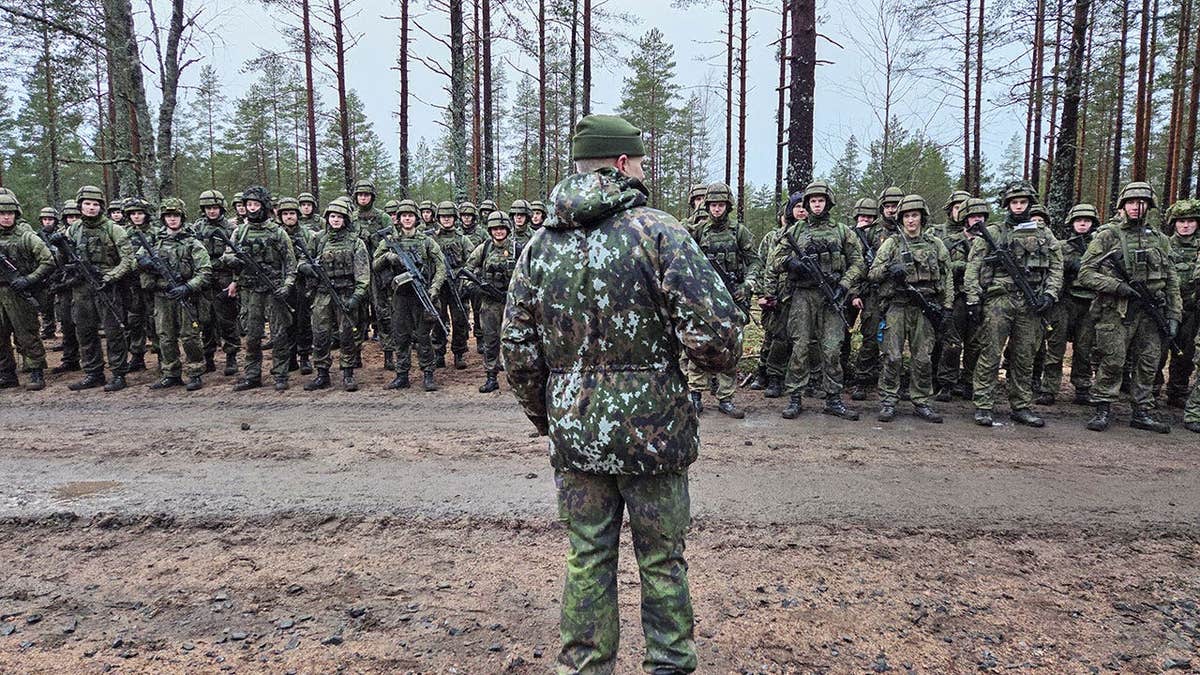
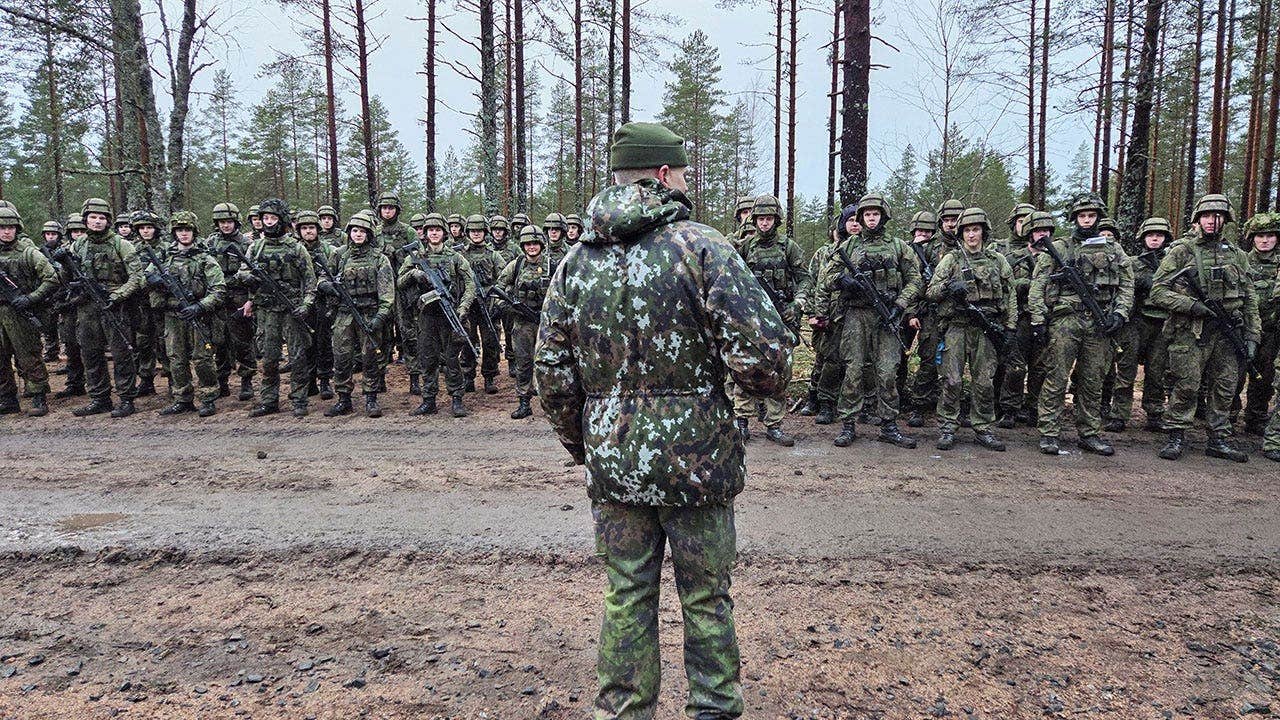
Commander of the Finnish Army Lieutenant General Pasi Valimaki addresses Finnish conscript soldiers after a military exercise at Pori Brigade in Niinisalo, Finland, Dec. 9, 2025. (Anne Kauranen/Reuters)
«But having said this, the vast majority of European countries have said yes to everything that the U.S. has asked during the past couple of months when this war effort has been ongoing, independent of the fact that, of course, we are not directly involved as countries in the war,» she added.
Valtonen said that support demonstrated NATO allies’ willingness to help Washington even when the alliance itself is not formally involved.
«I think that really shows the engagement by NATO allies in this and our willingness to help when the U.S. really needs some assistance,» she said.
nato, united nations, ukraine, military, russia

Un fallo de la Cámara Federal de Casación favorece a Alberto Fernández en el caso de los seguros

Tradicional bodega familiar de Mendoza acumula deudas por $17.000 millones con unos 10 bancos

Bomba en la Premier League: Manchester United quiere comprar al Cuti Romero después del Mundial 2026

La foto de la China Suárez al desnudo que compartió Mauro Icardi desde las Islas Maldivas: “El paraíso más lindo”

Ofensiva sindical: la CGT hizo fuertes denuncias contra el Gobierno en la OIT y las CTA se movilizan a Plaza de Mayo

Video: un hombre arrojó una bomba molotov contra el Concejo Deliberante de Berisso y terminó aprehendido

Desde Neuquén, Myriam Bregman pidió “organizar la bronca para terminar con Milei y su legado”

Cuantas reservas internacionales quieren acumular Milei y Caputo para evitar el riesgo K en 2027

Murió el Indio Solari, mítico cantante de Los Redonditos de Ricota

Senado: postergan el proyecto de propiedad privada por dudas de los bloques aliados sobre compras de tierras por extranjeros

 POLITICA2 días ago
Desde Neuquén, Myriam Bregman pidió “organizar la bronca para terminar con Milei y su legado”
- ECONOMIA2 días ago
Cuantas reservas internacionales quieren acumular Milei y Caputo para evitar el riesgo K en 2027
- POLITICA8 horas ago
Reforma laboral: qué cambia para los trabajadores con la revisión de más de 100 convenios colectivos vencidos