INTERNACIONAL
A pocas horas del fin del alto el fuego, crece la incertidumbre sobre las conversaciones entre Estados Unidos e Irán en Islamabad

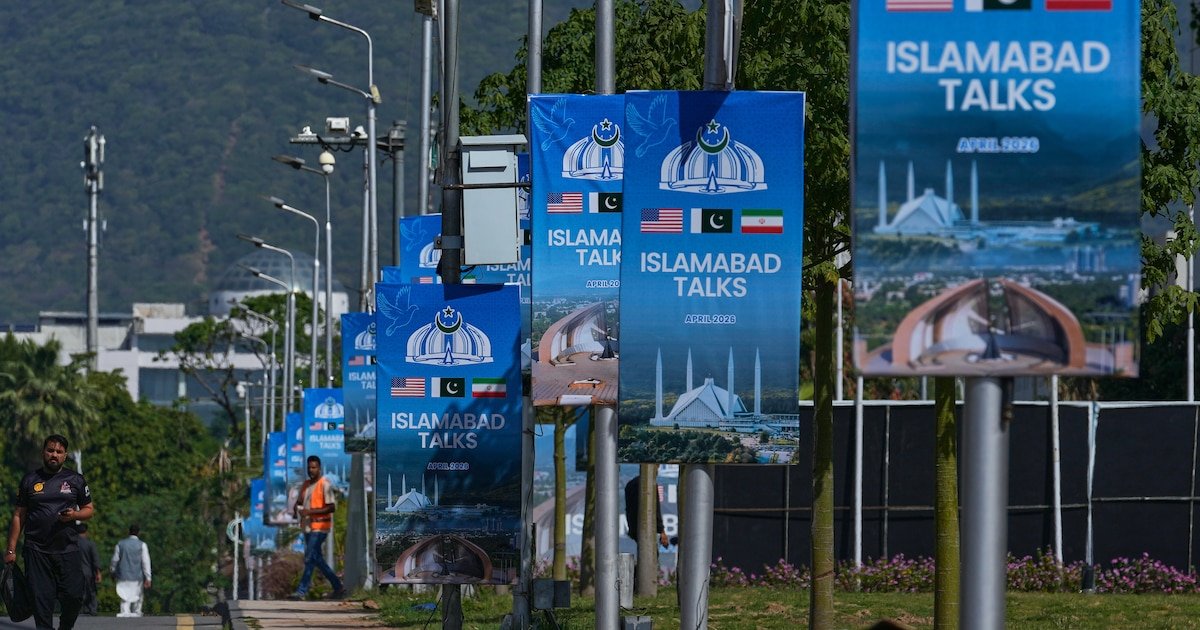
Estados Unidos e Irán cruzaron amenazas a menos de dos días del vencimiento del alto el fuego, mientras persistió la incertidumbre sobre una posible reanudación de las negociaciones en Islamabad y crecieron las advertencias de una nueva escalada militar en Medio Oriente. Una fuente confirmó a la AFP que la delegación estadounidense, encabezada nuevamente por el vicepresidente JD Vance, tenía previsto partir “pronto” hacia la capital pakistaní, aunque no precisó ni la fecha exacta ni la agenda del viaje.
El diálogo busca poner fin a la guerra en Medio Oriente que estalló el 28 de febrero tras los ataques de Israel y EEUU contra Irán, un conflicto que dejó miles de muertos, sobre todo en Irán y Líbano, y que impactó en la economía global y en los mercados energéticos.
En este contexto, el presidente de Estados Unidos, Donald Trump, volvió a endurecer su discurso sobre uno de los puntos centrales del conflicto: el programa nuclear iraní. El mandatario sostuvo el lunes por la noche qu que obtener el uranio iraní sería un proceso “largo” y “difícil” después de los ataques estadounidenses del año pasado contra instalaciones nucleares en Teherán.
“La Operación Martillo de Medianoche, en 2025, fue una aniquilación completa y total de los sitios de ‘polvo nuclear’ en Irán”, escribió Trump en Truth Social, en referencia al uranio. “Por lo tanto, sacarlo será un proceso largo y difícil”, añadió.

La declaración contrastó con la postura que había expresado el viernes, cuando prometió que el uranio iraní sería llevado a Estados Unidos “en breve” una vez que Teherán aprobara la operación. La república islámica lo desmintió el lunes y reiteró que no tenía intención de desarrollar armas nucleares.
El cambio de tono de Trump se produjo poco después de que señalara el lunes a Bloomberg que la tregua expiraba “el miércoles por la noche, hora de Washington” y que una extensión resultaba “muy improbable”. En teoría, el cese de hostilidades de dos semanas vencía en la madrugada del miércoles, hora de Teherán.
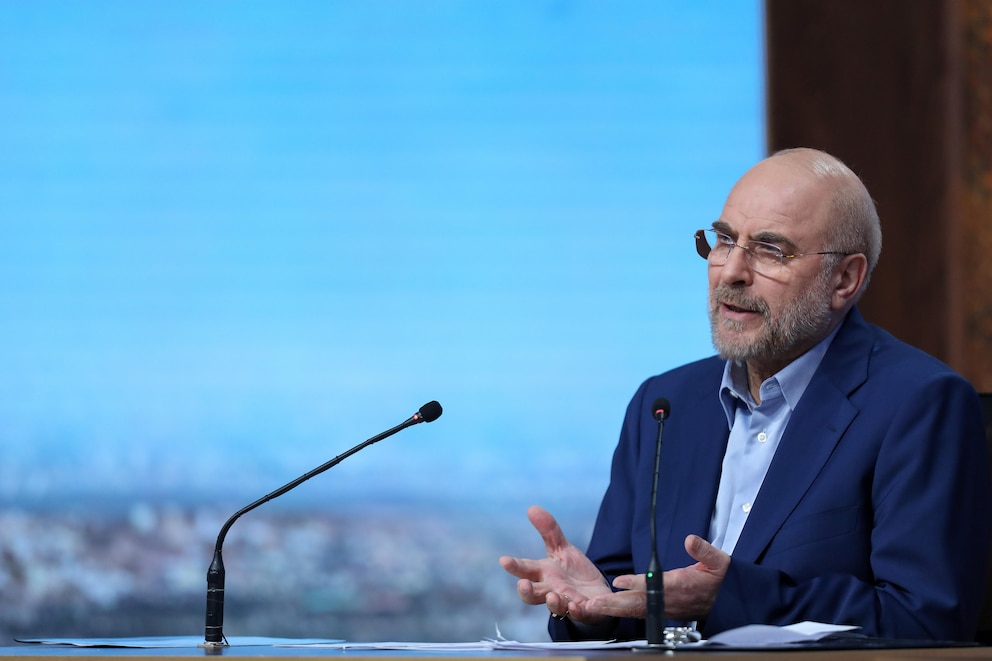
Desde Irán, la respuesta fue inmediata. El presidente del Parlamento, Mohamad Baqer Qalibaf, rechazó las presiones estadounidenses y advirtió sobre una posible reacción militar. “No aceptamos negociaciones bajo la sombra de amenazas y, en las últimas dos semanas, nos preparamos para mostrar nuevas cartas en el campo de batalla”, escribió en X.
En la misma línea, el portavoz de la Cancillería iraní, Esmail Baqai, afirmó que el país no tenía “en este momento” ningún “plan para el próximo ciclo de negociaciones y no se tomó ninguna decisión al respecto”.
Trump también elevó la presión con nuevas advertencias. Si las exigencias de Washington no se cumplían antes del fin de la tregua, “empezarán a explotar muchas bombas”, declaró al canal PBS. Además, ratificó que mantendría el bloqueo sobre los puertos iraníes “hasta que haya un ‘ACUERDO’” con Teherán.
Washington acusó a Irán de violar la tregua mediante ataques a buques en el estrecho de Ormuz, un corredor estratégico para el suministro mundial de hidrocarburos. Sin embargo, la empresa de datos marítimos Lloyd’s List Intelligence informó que “al menos 26 buques de la flota fantasma iraní eludieron el bloqueo estadounidense” desde que se instauró la semana pasada.
La tensión también se reflejó en los mercados. Tras la fuerte suba registrada el día anterior, los precios del petróleo retrocedieron este martes en Asia, aunque el foco continuó puesto sobre Ormuz. Desde China, el líder Xi Jinping reclamó estabilidad en la zona y remarcó que el paso marítimo “debe permanecer abierto”.
En Teherán, mientras tanto, la actividad cotidiana mostró señales de recuperación después de semanas de conflicto. Los principales aeropuertos reabrieron el lunes por primera vez en semanas y las cafeterías y parques volvieron a llenarse. Sin embargo, varios habitantes consultados por la AFP ofrecieron una visión más crítica sobre la situación interna.
“No hay luz al final del túnel. La economía está fatal. Están deteniendo a gente por nada”, afirmó Saghar, una mujer iraní de 39 años que pidió resguardar su apellido.

En paralelo, el frente libanés continuó bajo extrema fragilidad. Pese al alto el fuego de diez días que entró en vigor el viernes entre Israel y el grupo terrorista Hezbollah, ambas partes se acusaron de incumplir la tregua. Para el jueves quedaron previstas nuevas conversaciones a nivel de embajadores en Washington con el objetivo de avanzar hacia un acuerdo de paz.
(Con información de AFP)
North America










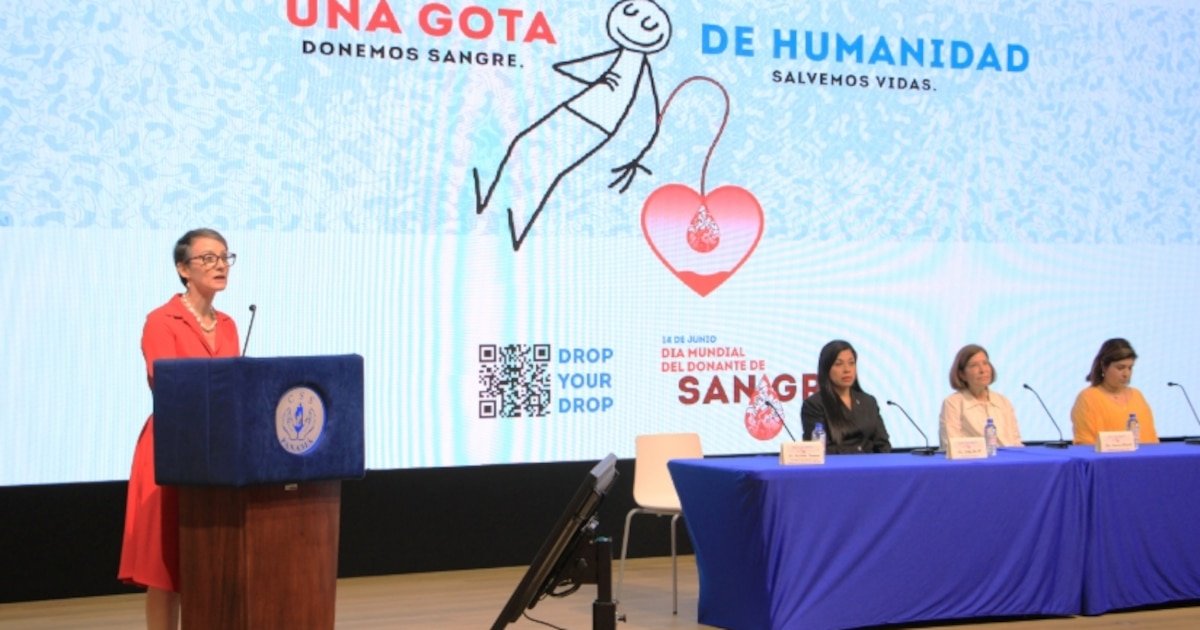
Panamá fue designada oficialmente como sede regional de la conmemoración del Día Mundial del Donante de Sangre 2026, distinción que posiciona al país como referente en los esfuerzos para fortalecer los sistemas de sangre segura y avanzar hacia modelos sustentados en la donación voluntaria, altruista y recurrente.
Cada 14 de junio se celebra el Día Mundial del Donante de Sangre, como un homenaje al nacimiento de Karl Landsteiner, el científico austríaco que descubrió los grupos sanguíneos y recibió el Premio Nobel de Fisiología o Medicina en 1930 por sus aportes fundamentales a la transfusión segura de sangre
El Ministerio de Salud, la Caja de Seguro Social y la Organización Panamericana de la Salud/Organización Mundial de la Salud (OPS/OMS) formaron una alianza orientada a fortalecer la gobernanza, el financiamiento y la coordinación de los servicios de sangre, garantizando una respuesta más eficiente y equitativa a las necesidades de la población.
Julio Arosemena, viceministro encargado de Salud, insistió en la necesidad existente de que más personas se conviertan en donantes voluntarios y periódicos, destacando que la disponibilidad de sangre segura es fundamental para la atención de emergencias, cirugías, tratamientos oncológicos y otras intervenciones médicas.
Anualmente, el país pasa por periodos en que las autoridades sanitarias deben hacer llamados a la población para que acuda a donar sangre, que en muchas ocasiones tiende a escasear.

Erika Zhong, jefa del Departamento de Medicina Transfusional y Servicios de Sangre del Ministerio de Salud, recordó que una sola unidad de sangre puede salvar hasta tres vidas adultas o hasta ocho vidas pediátricas, mediante el aprovechamiento de sus diferentes componentes.
Una nota del Ministerio de Salud indica que la especialista señaló que uno de los principales desafíos del país es reducir la dependencia de los donantes de reposición y consolidar una cultura de donación voluntaria y recurrente que garantice reservas suficientes durante todo el año.
La jefa del Departamento de Medicina Transfusional y Servicios de Sangre del Ministerio de Salud indicó que «la sangre no se puede fabricar; su disponibilidad depende exclusivamente de la solidaridad de las personas que deciden donar voluntariamente».
Durante una actividad conmemorativa del día del donante de sangre, las autoridades de salubridad coincidieron en señalar la necesidad de fortalecer la articulación entre las instituciones públicas, el sector privado y los organismos internacionales para optimizar la captación, distribución y uso de los componentes sanguíneos.
Ana Rivière-Cinnamond, representante de la OPS/OMS en Panamá, destacó la importancia de promover la donación voluntaria y recurrente como una acción capaz de salvar la vida de quienes más lo necesitan, según el Ministerio de Salud.

Destacó el lema de la campaña 2026: «Una gota de humanidad. Donemos sangre. Salvemos vidas“, un mensaje que pone en el centro la solidaridad humana y el impacto que puede generar cada donación.
La directora nacional de los Servicios de Salud de la Caja de Seguro Social, Marlin Cedeño, destacó que cada donación representa una oportunidad de vida para pacientes que requieren transfusiones debido a cirugías, accidentes o enfermedades que demandan componentes sanguíneos.
Cada unidad de sangre donada puede beneficiar hasta a tres pacientes, ya que de ella se obtienen componentes esenciales como glóbulos rojos empacados, plaquetas y plasma fresco congelado, los cuales son distribuidos según las necesidades médicas de cada paciente en los hospitales de la red institucional.
Como parte de la conmemoración, se desarrollaron jornadas simultáneas de donación voluntaria en distintos puntos del país, con el propósito de fortalecer las reservas nacionales y fomentar una cultura solidaria que contribuya a salvar vidas.
Donación de sangre,Panamá,salud,solidaridad,campaña,voluntariado,hospital,enfermeros,sangre,comunidad
INTERNACIONAL
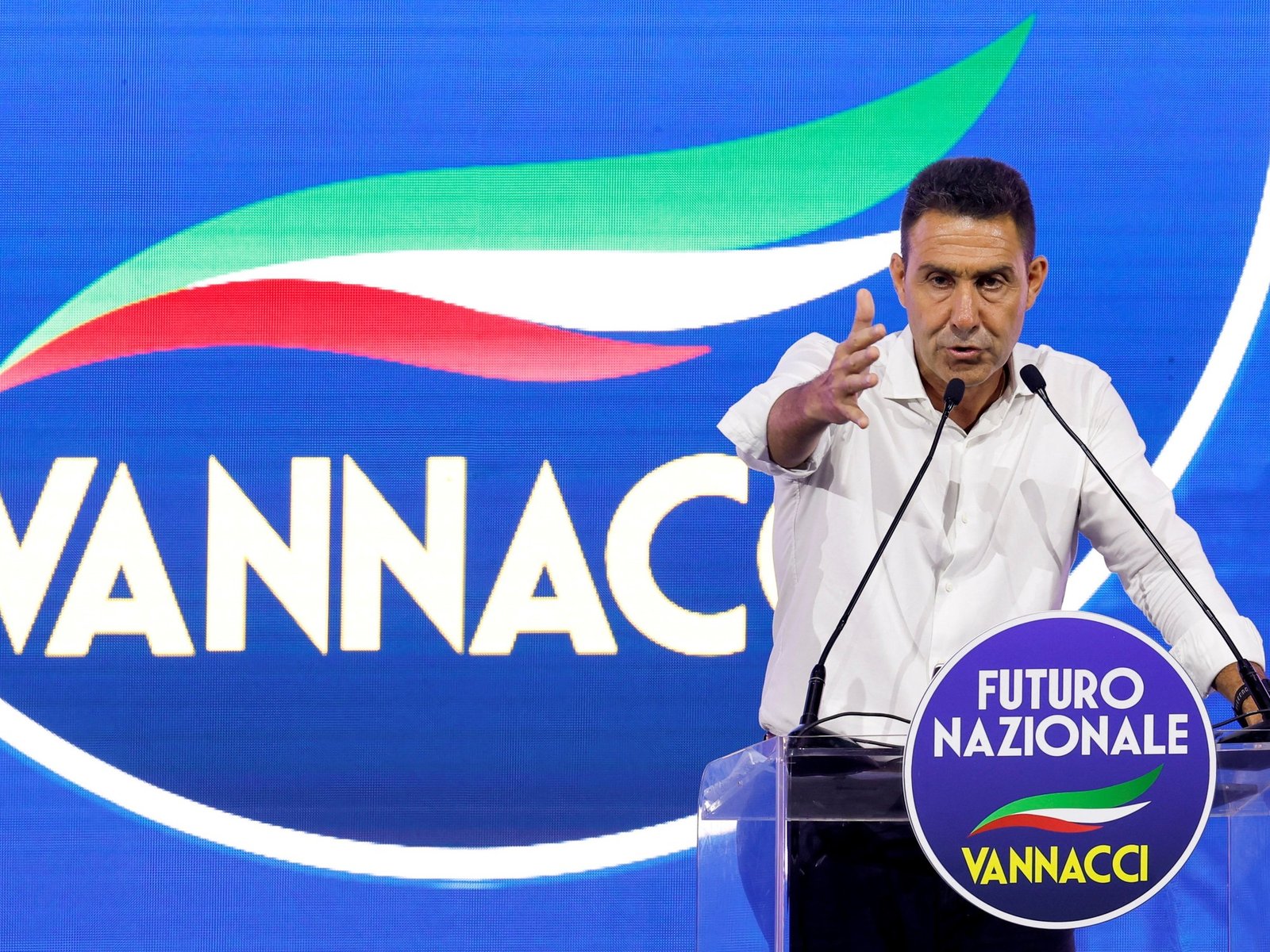
Quién es Roberto Vannacci, «Il Generale» que complica los planes políticos de la premier italiana Giorgia Meloni

INTERNACIONAL
Trump announces peace deal with Iran, declares Strait of Hormuz will reopen: ‘Let the oil flow!’
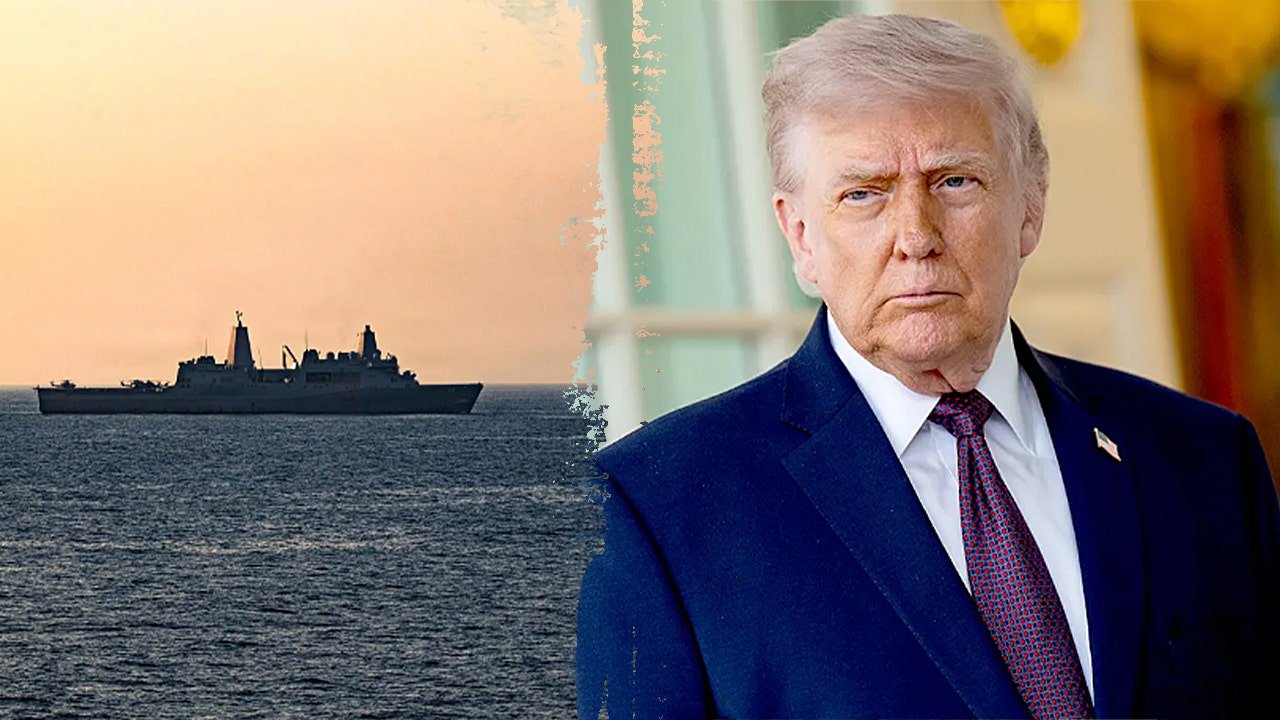
JUST IN: Trump announces Iran deal opens Strait of Hormuz, lifts naval blockade
Fox News chief foreign correspondent Trey Yingst covers President Donald Trump’s major announcement of a peace deal with Iran. Trump’s ‘Truth Social’ post details the toll-free opening of the Strait of Hormuz and removal of the U.S. naval blockade, allowing for increased oil flow. The deal aims to bring peace to the Middle East after months of conflict.
NEWYou can now listen to Fox News articles!
President Donald Trump announced Sunday that the United States and Iran have officially reached a peace agreement, marking a major diplomatic breakthrough that would reopen the Strait of Hormuz and end the U.S. naval blockade of Iranian ports.
«The Deal with the Islamic Republic of Iran is now complete,» Trump wrote in a post on Truth Social.
«Congratulations to all! I hereby fully authorize the toll free opening of the Strait of Hormuz, and, simultaneously herewith, authorize the immediate removal of the United States Naval blockade. Ships of the World, start your engines. Let the oil flow!»
Pakistani Prime Minister Shehbaz Sharif, whose country has served as a mediator, was the first to announce the peace deal, saying a signing ceremony is scheduled to take place Friday in Switzerland.
TRUMP SAYS HE’S CANCELED IRAN STRIKES, ADDS POTENTIAL DEAL-SIGNING ‘TO BE ANNOUNCED SHORTLY’
President Donald Trump speaks in the Oval Office of the White House on June 11, 2026, in Washington, D.C. (Jim Lo Scalzo/EPA/Bloomberg via Getty Images)
Trump added that the Strait of Hormuz will reopen once the parties formally sign the agreement.
«With the opening of the Strait upon the signing of the Deal on Friday, for purposes of mine removal, oil will flow on both ends again for the Region, and the World!» he said.
IRAN REVEALS 10-POINT PLAN FOR PEACE WITH THE US – HERE’S WHAT’S IN IT
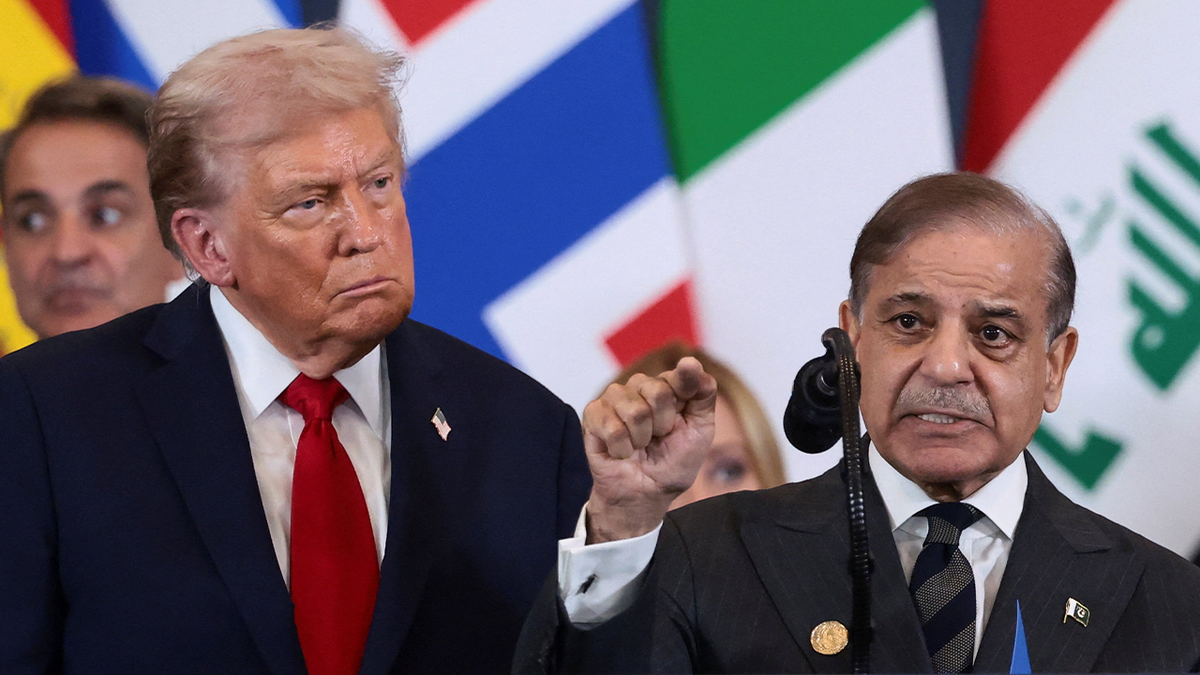
President Donald Trump looks at Pakistan’s Prime Minister Shehbaz Sharif speaking in Egypt in 2025, following the signing of the first phase of the Gaza ceasefire agreement between Israel and Hamas. (Evelyn Hockstein/Reuters)
According to Sharif, the deal includes the termination of military operations across the region, including in Lebanon, where Iran-backed terrorist proxy Hezbollah has been engaged in conflict with Israel.
«Both sides have declared the immediate and permanent termination of military operations on all fronts, including in Lebanon,» he said.
Additional details of the agreement, including any provisions related to Iran’s nuclear program, were not immediately released.
Iran’s deputy foreign minister said talks with the United States on a final and more comprehensive agreement will take place during a 60-day ceasefire period, according to Reuters.
The outlet reported that the future of Iran’s nuclear program will be addressed in upcoming negotiations. Trump has long maintained that Iran cannot be in possession of a nuclear weapon and has repeatedly vowed to prevent Tehran from developing, acquiring or obtaining one.
Trump further praised his administration for securing the agreement.
«This Great Deal will bring Peace and Security to the whole Region,» he said. «Many presidents have tried to make Peace with Iran, and all have failed before me. The Leaders of the Region have, for the first time, found a President who can help them achieve real Peace.»
Sharif also thanked the United States and Iran for their «commitment to finding a diplomatic solution to the conflict,» as well as Qatar, Saudi Arabia and Turkey for their contributions to the mediation effort.
With the agreement now in place, mediators are expected to facilitate a series of meetings this week that could lay the groundwork for technical negotiations and the official signing ceremony, Sharif said.
CLICK HERE TO DOWNLOAD THE FOX NEWS APP
The peace deal would formally end the high-stakes conflict that began on Feb. 28, which disrupted roughly 20% of global oil shipments that pass through the Strait of Hormuz and contributed to higher energy prices worldwide.
It comes roughly one year after Israel initiated massive strikes on Iran during Operation Rising Lion. The strikes sparked a 12-day conflict between the nations before Trump ordered strikes on a trio of nuclear facilities later that same month.
Fox News’ Ashley J. DiMella and Reuters contributed to this report.
conflicts, treaties, saudi arabia, iran, israel

“Luchadora incansable”: así despidió el arco político a Taty Almeyda

El horóscopo de hoy: lunes 15 de junio

Panamá es elegida como sede regional del Día Mundial del Donante de Sangre

A cuánto podría llegar el índice de inflación de junio tras el aumento del 2,1% de mayo

La firme advertencia del entrenador de Arabia Saudita a la Uruguay de Marcelo Bielsa a horas del debut en el Mundial

La Justicia evalúa una prisión domiciliaria para Lázaro Báez por sus condiciones de salud

Se viralizó un tuit en el que Adorni contaba que en 2018 le habían cortado la luz por falta de pago

“Me parece una vergüenza”: la dura crítica de Victoria Villarruel a la declaración jurada de Manuel Adorni

Jan De Nul defendió el proceso de licitación de la Hidrovía con una carta a las principales entidades vinculadas a la vía navegable

Diputados de la Coalición Cívica denunciaron penalmente a Manuel Adorni por presuntas irregularidades en sus declaraciones juradas

 ECONOMIA2 días ago
Jan De Nul defendió el proceso de licitación de la Hidrovía con una carta a las principales entidades vinculadas a la vía navegable
- POLITICA2 días ago
Diputados de la Coalición Cívica denunciaron penalmente a Manuel Adorni por presuntas irregularidades en sus declaraciones juradas
- POLITICA1 día ago
La polémica por las criptomonedas de Adorni: cómo funciona la trazabilidad y qué puede revelar una billetera