INTERNACIONAL
US drains critical missile stockpiles in Iran war as yearslong rebuild looms

NEWYou can now listen to Fox News articles!
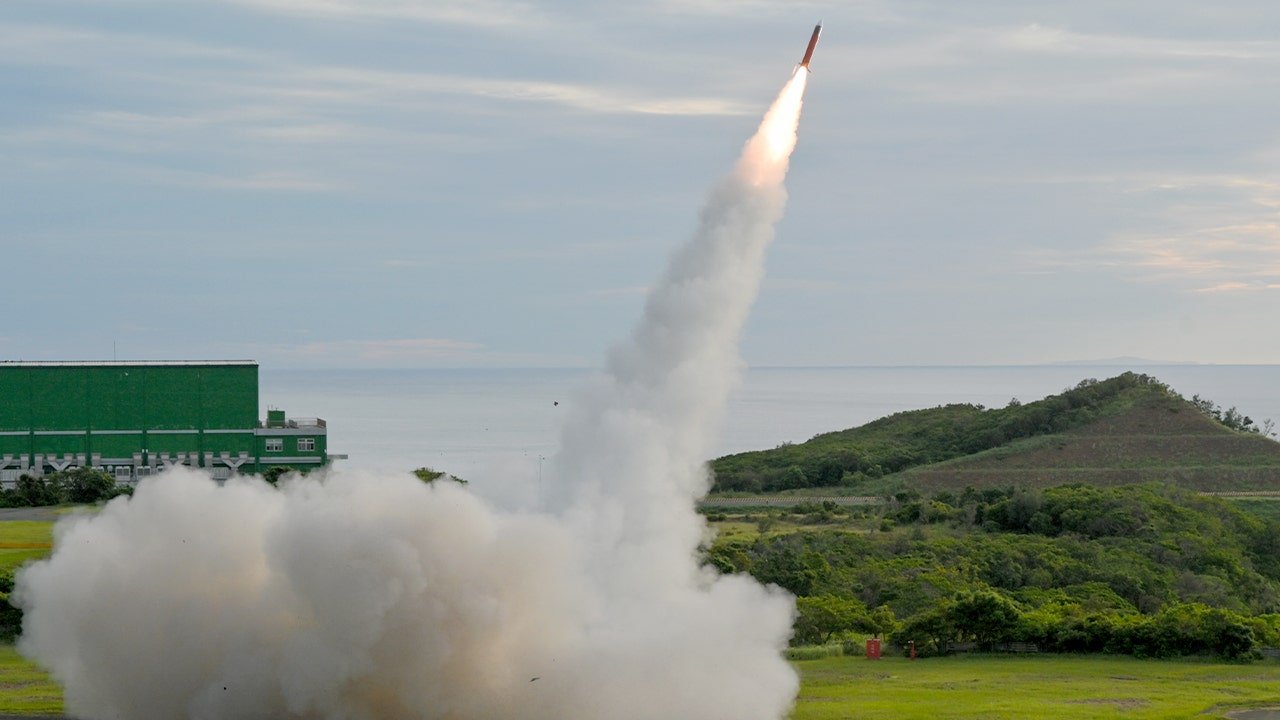
The U.S. may have burned through roughly half of its Patriot missile interceptors during the conflict with Iran, according to a new analysis, underscoring how even a campaign lasting just weeks can place heavy strain on key munitions stockpiles.
While the U.S. still has enough firepower to sustain operations in the current fight, analysts warn the greater risk lies in a future conflict against a peer adversary.
A report from the Center for Strategic and International Studies (CSIS) found that U.S. forces used large shares of several critical munitions during the 39-day air and missile campaign, including more than 850 Tomahawk cruise missiles and more than 1,000 Joint Air-to-Surface Standoff Missiles (JASSMs). Patriot interceptor use was estimated between roughly 1,060 and 1,430 missiles — more than half of the U.S. prewar inventory.
Exact U.S. munitions stockpiles are classified, and the figures in the report are estimates derived from Pentagon budget documents, historical procurement data and reported battlefield usage.
TRUMP RALLIES DEFENSE TITANS TO SURGE WEAPONS OUTPUT AS IRAN WAR RAGES
Even before the Iran war, U.S. stockpiles of key precision munitions were considered insufficient for a large-scale conflict with a peer adversary such as China. The latest drawdowns have made that gap more acute.
A future war in the Western Pacific would likely require sustained use of the same high-end missiles now being depleted, particularly for long-range strike and missile defense against a sophisticated adversary.
The U.S. may have burned through roughly half of its Patriot missile interceptors during the conflict with Iran, according to a new analysis. (Sam Yeh/AFP)
Other high-end systems were also heavily drawn down.
The U.S. is estimated to have used between 190 and 290 Terminal High Altitude Area Defense interceptors, which cost about $15.5 million each, and between 130 and 250 SM-3 interceptors, among the most expensive in the arsenal at roughly $28.7 million apiece.
The Navy’s SM-6 missile, which costs about $5.3 million per unit, also saw significant use, with estimates ranging from 190 to 370 fired.
Long-range strike weapons used in the conflict carry similarly high price tags.
Tomahawk land attack missiles cost about $2.6 million each, while JASSMs are priced at roughly $2.6 million per missile. The Army’s newer precision strike missile (PrSM), costing around $1.6 million per unit, was also used in smaller numbers, with estimates ranging from 40 to 70 fired.
Pentagon chief spokesperson Sean Parnell denied reports of stockpile shortages.
«America’s military is the most powerful in the world and has everything it needs to execute at the time and place of the President’s choosing,» he said in a statement.
«As Secretary Hegseth has highlighted numerous times, it took less than ten percent of American naval power to control the traffic going in and out of the Strait of Hormuz. Since President Trump took office, we have executed multiple successful operations across combatant commands while ensuring the U.S. military possesses a deep arsenal of capabilities to protect our people and our interests. Attempts to alarm Americans over the Department’s magazine depth are both ill-informed and dishonorable.»
A Navy official added to Fox News Digital: «The Navy is taking aggressive steps to increase our munitions stockpiles and strengthen the industrial base; as reflected in our FY27 budget request of $22.6 billion, which will fund over 4,600 all-up rounds.»
«We are significantly increasing production for our most critical systems, including the Standard Missile, Tomahawk, AMRAAM, and the PAC-3. To support this surge and provide a stable demand signal to our industry partners, we are continuing the multi-year procurements for LRASM and NSM, while initiating new multi-year contracts for the Tomahawk and Standard Missile. We are also working with the Department of War through the Munitions Acceleration Council (MAC), to synchronize efforts across the enterprise to break down barriers and speed up production.»
The Pentagon’s latest budget request underscores the urgency: The administration is seeking roughly $70 billion for munitions in fiscal year 2027 — a nearly threefold increase over current levels — as it moves to replenish stockpiles strained by recent conflicts, including Iran and Ukraine. The request includes sharp increases in purchases of key systems used in the war, including Tomahawk cruise missiles, Patriot and THAAD interceptors, and long-range strike weapons.
Iran maintains thousands of missiles and drones, according to Defense Intelligence Agency director Lt. Gen. James Adams.
«Despite significant degradation of Iranian military capabilities through coalition strikes in operation Epic Fury Tehran retains thousands of missiles and one-way attack UAV’s capable of threatening U.S. and partner forces throughout the region,» he told the House Armed Services Committee Wednesday.
IRAN’S REMAINING WEAPONS: HOW TEHRAN CAN STILL DISRUPT THE STRAIT OF HORMUZ
Despite the heavy expenditures, the U.S. retains enough munitions to sustain operations in the current conflict. The report notes that after heavy use of long-range missiles in the early phase of the campaign, U.S. forces shifted toward less expensive and more plentiful weapons, including Joint Direct Attack Munitions and other short-range systems.
The concern, analysts say, is what comes next.
Rebuilding those inventories will take years. According to the CSIS analysis, delivery timelines for many of these systems range from roughly three to more than five years, factoring in contracting delays, production lead times and manufacturing capacity limits.
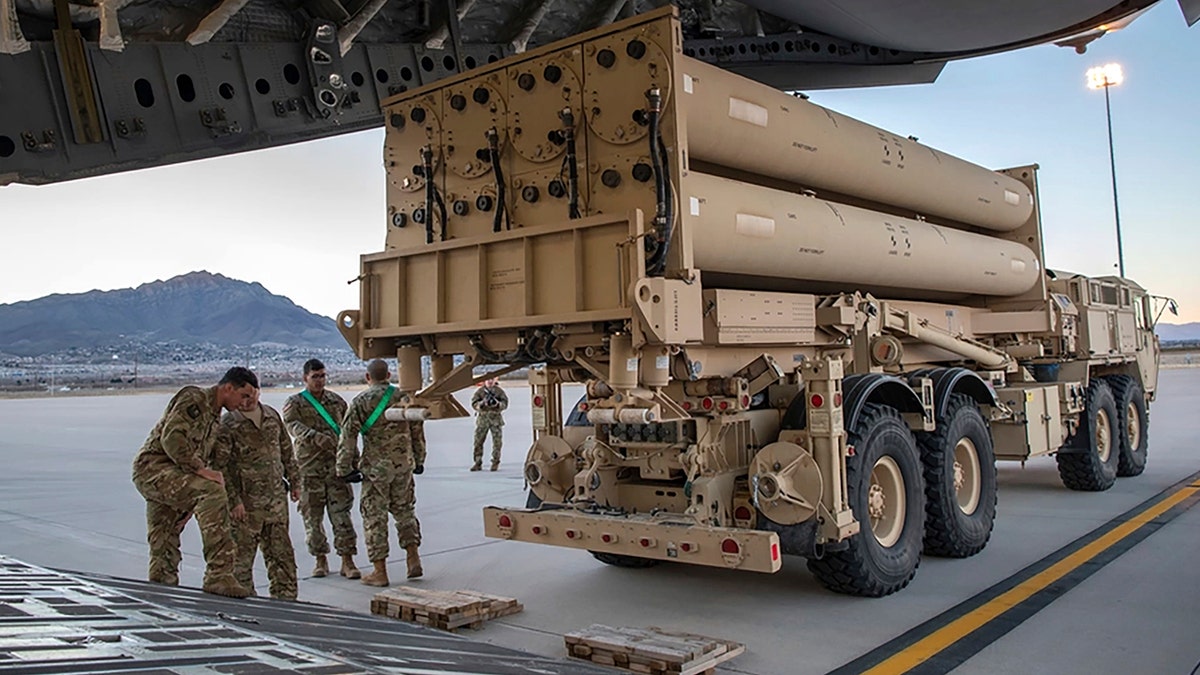
The U.S. is estimated to have used between 190 and 290 THAAD interceptors, which cost about $15.5 million each, and between 130 and 250 SM-3 interceptors, among the most expensive in the arsenal at roughly $28.7 million apiece. (Staff Sgt. Cory D. Payne/U.S. Air Force/AP)
That lag comes as global demand for the same systems continues to rise.
Patriot interceptors, for example, are in high demand among U.S. allies, including Ukraine, which has relied heavily on them for air defense. Other partners in Europe and Asia also are seeking to expand their own stockpiles, creating competition for limited production capacity.
The Trump administration has pushed to rapidly expand production of key munitions, with defense contractors planning major increases in output.
Lockheed Martin, for example, is aiming to boost Patriot interceptor production from roughly 600 per year to about 2,000 by the end of the decade, while also expanding THAAD interceptor capacity from under 100 annually to several hundred. RTX has said it will increase Tomahawk production to more than 1,000 missiles per year, a significant jump from recent levels.
But those increases will take time.
In its latest budget request for fiscal year 2027, the Pentagon is calling for a surge in munitions procurement, yet analysts caution that even with additional funding and planned production gains, the defense industrial base cannot quickly replace weapons already expended.
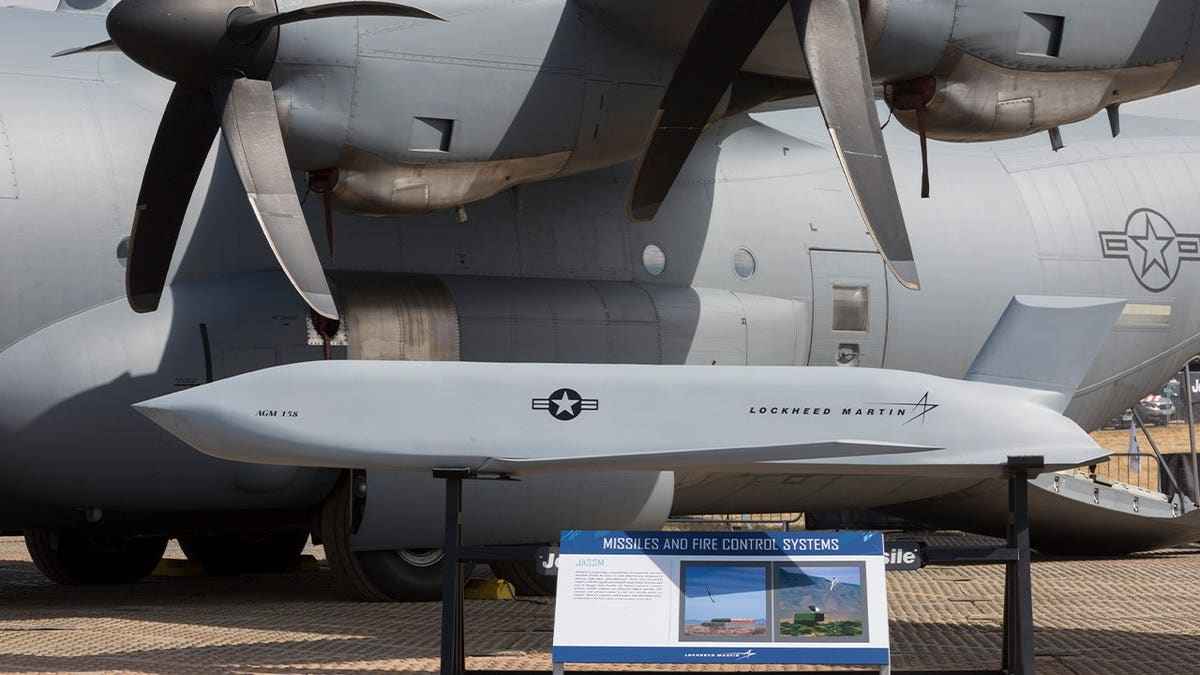
Image shows a Lockheed Martin JASSM cruise with a C-130. A report from the Center for Strategic and International Studies (CSIS) found that U.S. forces used large shares of several critical munitions during the 39-day air and missile campaign, including more than 850 Tomahawk cruise missiles and over 1,000 Joint Air-to-Surface Standoff Missiles (JASSMs). (Richard Baker / In Pictures via Getty Images)
Pentagon officials already had raised concerns about U.S. munitions stockpiles after years of military support for Ukraine.
In 2025, the Pentagon paused shipments of some air defense missiles and other weapons to Kyiv following an internal review that found certain inventories had declined too far.
The strain is already affecting U.S. allies in Europe. U.S. officials have warned that some previously contracted weapons deliveries to European countries — including in the Baltic region — could be delayed as the Iran war draws down American stockpiles.
Leaders in Estonia and Lithuania said they had been informed that delivery timelines for U.S. military equipment were shifting, with some ammunition shipments «put on hold» as Washington works through supply constraints.
One European defense official told Fox News Digital that delays could have longer-term consequences, warning that allies may begin to «rethink» future purchases of U.S. weapons if delivery timelines become unreliable.
The production bottlenecks are not new. The U.S. has faced a backlog of more than $20 billion in approved weapons sales to Taiwan, with delivery timelines for some major systems slipping by years due in part to limited industrial capacity.
During the conflict, the Pentagon moved elements of its THAAD system from South Korea to the Middle East to bolster defenses against Iranian missile attacks, according to multiple reports. The redeployment highlights the tradeoffs facing U.S. planners as they shift limited high-end air defense assets between regions.
CLICK HERE TO DOWNLOAD THE FOX NEWS APP
The result is a growing challenge for U.S. defense planners: sustaining current conflicts while preparing for a potentially larger war ahead.
Fox News has reached out to the Pentagon and relevant service branches for comment.
conflicts defense, pentagon, war with iran, spending, military












INTERNACIONAL
La Universidad de El Salvador identifica dos genotipos del virus Epstein-Barr en linfomas de Hodgkin
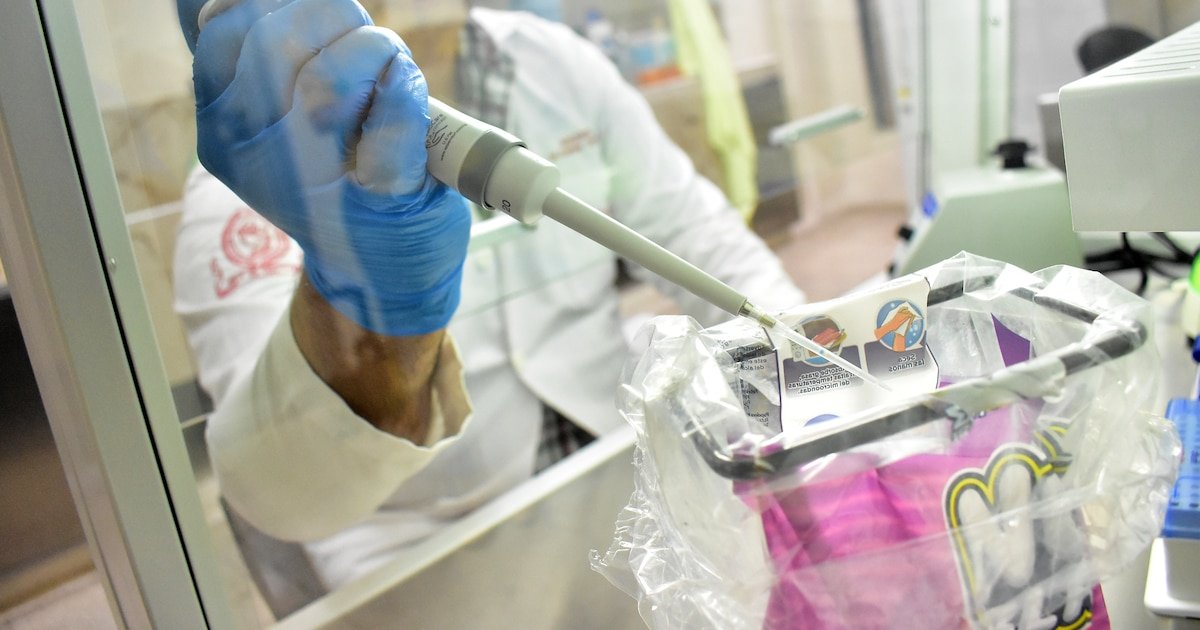
La Universidad de El Salvador (UES) confirmó la presencia de los genotipos uno y dos del virus Epstein-Barr en linfomas de Hodgkin diagnosticados en el país, un hallazgo que aporta bases para futuras investigaciones sobre el comportamiento clínico y las alternativas terapéuticas de estos tumores en la región.
La investigación, a cargo del Laboratorio de Virología de la Facultad de Medicina, pone en relieve la importancia de caracterizar a nivel molecular los tumores vinculados a este virus, que puede estar presente en más del 90% de la población mundial.
Carlos Ortega, médico y biólogo molecular experto en virología y responsable del laboratorio, explicó en entrevista con Infobae que el virus Epstein-Barr es un virus de ADN descubierto el siglo pasado a partir de su relación con tumores.
“Más del noventa por ciento de la población puede estar infectada por el virus a nivel mundial”, detalló el especialista, quien también es profesor del Departamento de Microbiología de la Facultad de Medicina.
La infección suele ser asintomática, aunque en algunos casos provoca mononucleosis infecciosa y, en menor medida, se asocia a tumores como el linfoma de Hodgkin, linfoma no Hodgkin, linfoma Burkitt y otros.
El estudio de la Universidad de El Salvador comprobó que ambos genotipos principales del virus —el tipo uno y el tipo dos— están implicados en linfomas de Hodgkin entre la población infantil salvadoreña.
Ortega explicó que “el linfoma de Hodgkin es un tumor de linfocito B, una célula clave del sistema inmune”. Cuando se produce la infección, “el virus Epstein-Barr infecta estos linfocitos y permanece latente de por vida, por factores ambientales, de inmunosupresión o genéticos, esta infección puede transformar el linfocito B y provocar el cáncer”, detalló el galeno.

El médico aclaró que, aunque la presencia del virus no explica la totalidad de los casos, sí contribuye a la inmortalización de estas células en un porcentaje importante.
“Ambos genotipos, uno y dos, son capaces de provocar la transformación del linfocito B en un linfocito anormal, lo que desemboca en el linfoma. El comportamiento clínico, epidemiológico y de pronóstico puede variar dependiendo del genotipo involucrado”, señaló Ortega.
Antes de este trabajo, en El Salvador no existían datos sobre la prevalencia de los genotipos del virus en linfomas infantiles y adultos. Según el equipo de investigación, conocer estos genotipos es clave para establecer comparaciones con otros países y avanzar hacia mejores alternativas terapéuticas.
“En nuestro país no se había demostrado cuáles eran los genotipos que estaban relacionados con los linfomas que se diagnostican, en particular el linfoma de Hodgkin”, subrayó Ortega.
El hallazgo resultó de una colaboración previa a la pandemia entre el Laboratorio de Virología y Microbiología Molecular, Facultad de Medicina de la Universidad de El Salvador, y el Laboratorio de Biología Molecular, División de Patología, del Hospital de Niños Ricardo Gutiérrez, de Buenos Aires, Argentina. Además se contó con el apoyo de la Red Iberoamericana de Linfomas-RIALCYTED.

Sobre la continuidad del estudio, el médico explicó que “el siguiente paso es analizar el comportamiento clínico de los linfomas en relación con los genotipos del virus en más casos”. Asimismo, desean investigar variantes dentro de cada genotipo y comparar la filogenia de los virus detectados en El Salvador con la de otros países, lo que podría contribuir a mejorar el diagnóstico y tratamiento de los pacientes.
“Esto permitirá una mejor caracterización de estos tumores y, en consecuencia, un mejor tratamiento. Ya existen fármacos dirigidos a proteínas del virus que transforman el linfocito B, lo que abre la puerta a la medicina de precisión”, dijo Ortega.
El galeno agregó que la Universidad de El Salvador busca contribuir a la caracterización molecular de estos tumores para facilitar el acceso a tratamientos más efectivos, aunque reconoció que el costo de los diagnósticos y tratamientos sigue siendo elevado para la mayoría de la población.
“El tratamiento del linfoma de Hodgkin puede superar miles de dólares por paciente durante todo el proceso terapéutico, ya que habitualmente se requieren varios ciclos de tratamiento y seguimiento especializado”, indicó.
En cuanto al acceso, Ortega aclaró que tanto en el sector público como privado existe la posibilidad de caracterizar muchos de estos tumores, aunque en la práctica la mayoría de la población depende del sistema público por el alto costo de los tratamientos.
Destacó que existe una fundación que colabora activamente con el Hospital Nacional de Niños Benjamín Bloom para ayudar en la terapia de los infantes con cáncer, incluido el linfoma de Hodgkin.

Sobre el cuadro clínico, el médico mencionó que “el síntoma inicial puede ser un ganglio inflamado en el cuello u otra región, a veces puede acompañarse de fiebre prolongada, sudoración nocturna, y otros síntomas inespecíficos”. El diagnóstico requiere estudios especializados y biopsia, “y los pacientes deben ser derivados al Hospital de tercer nivel”.
El especialista reiteró que solo un pequeño porcentaje de todos los infectados desarrolla linfoma u otra neoplasia relacionada con el virus, ya que influyen factores genéticos, de inmunosupresión y ambientales.
“Los fármacos usados para tratar el linfoma de Hodgkin se basan en esquemas terapéuticos bien establecidos y su utilización se fundamenta principalmente en la caracterización clínico-patológica del tumor.
No obstante, la caracterización molecular del linfoma, incluida la identificación del virus de Epstein-Barr y de sus genotipos, aporta información valiosa para comprender los mecanismos biológicos de la enfermedad, su comportamiento clínico-epidemiológico, y el desarrollo a futuro de terapias más específicas”, aseguró el galeno.
Agregó que “este conocimiento podría contribuir a optimizar el manejo de los pacientes y mejorar su pronóstico a medida que avancen las estrategias de medicina de precisión”; por ejemplo, para atacar específicamente los antígenos con función oncogénica del virus Epstein-Barr en los linfomas.
Finalmente, el especialista destacó que el avance en biología molecular tras la pandemia fortaleció la capacidad del país para caracterizar tumores y diagnosticar casos, aunque insistió en que aún falta mucho por investigar sobre la relación entre los diferentes genotipos del virus y el comportamiento clínico de los linfomas entre la población infantil del país.
ues,el salvador,medicina el salvador
INTERNACIONAL
Jeffries welcomes Democratic Socialists into the fold as critics warn party is revealing ‘exactly who it is’
NEWYou can now listen to Fox News articles!
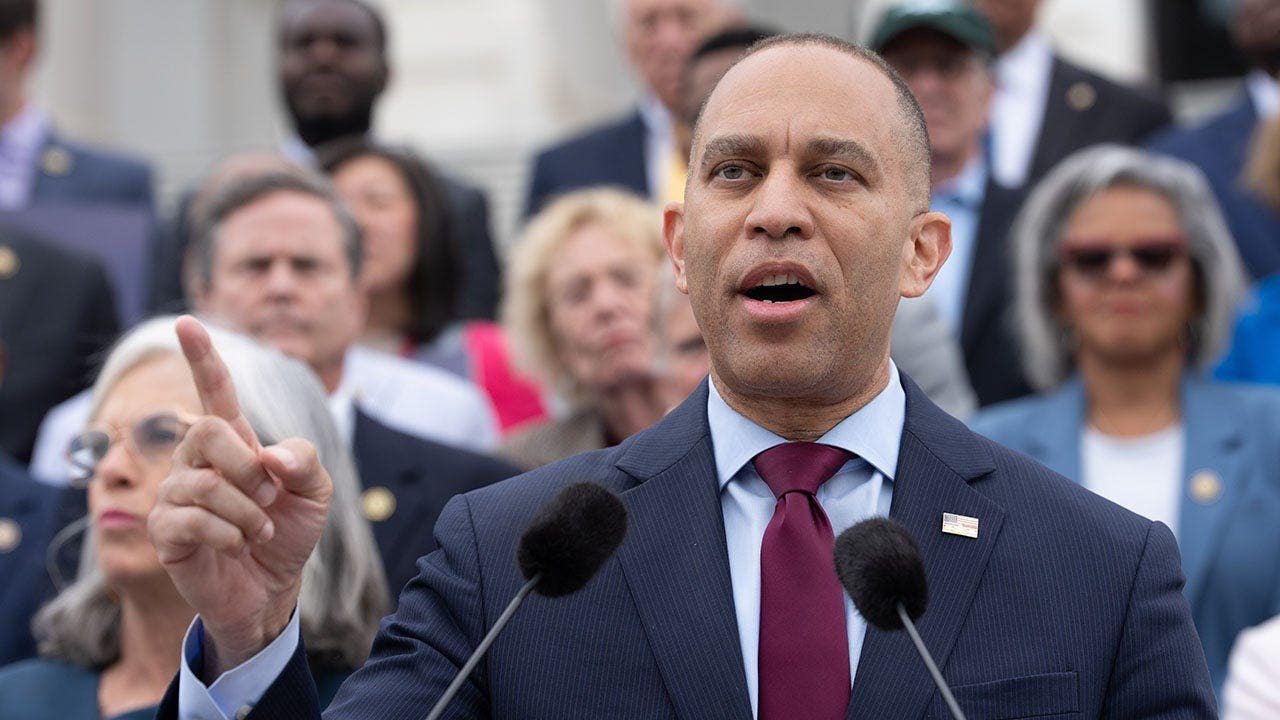
House Minority Leader Hakeem Jeffries publicly embraced a new crop of congressional nominees Saturday, including three Democratic Socialists of America-backed candidates whose primary victories have fueled fresh debate over the Democratic Party’s leftward shift ahead of the 2026 midterms.
The powerful New York lawmaker’s post highlights the challenge facing the top House Democrat as he works to unite his party ahead of the general election. If Democrats take back the House in November, Jeffries is expected to become the next speaker. That means he’ll likely be leading a Democratic caucus with more self-described Democratic Socialists than ever before. So far, more than a dozen Democratic Socialists of America-backed candidates have won or advanced in primaries across the country this election cycle.
In a post on X, Jeffries wrote, «Congratulations to our Democratic nominees,» before listing the party’s congressional candidates from across New York. Among those recognized were Brad Lander, Claire Valdez and Darializa Avila Chevalier, all of whom are affiliated with or backed by the Democratic Socialists of America and secured victories in closely watched Democratic primaries last week.
House Minority Leader Hakeem Jeffries has called Trump official Bill Pulte a «malignant clown.» (Aaron Schwartz/Bloomberg)
«From public servants to union organizers to community activists, the path is different but the work is the same,» Jeffries wrote. «We must decisively address the affordability crisis and crush far-right extremism!»
RISING SOCIALIST STARS ON TRACK TO CONGRESS: WHO ARE DARIALIZA AVILA CHEVALIER, BRAD LANDER AND CLAIRE VALDEZ?
Lander, Chevalier and Valdez all received backing from New York City Mayor Zohran Mamdani, whose endorsements helped cement the growing influence of the Democratic Party’s progressive wing in New York politics. Lander and Chevalier defeated Jeffries-endorsed incumbents Reps. Dan Goldman and Adriano Espaillat in their respective Democratic primaries. Jeffries did not endorse in the race won by Claire Valdez, which was an open seat.
Now, as Democrats turn their attention to the general election, he appears to be rallying behind the party’s nominees as they try to win back the House in November.
The candidates have also faced scrutiny over resurfaced social media posts, support for defunding the police and anti-Israel rhetoric, positions that have put them at odds with many in the Democratic Party.
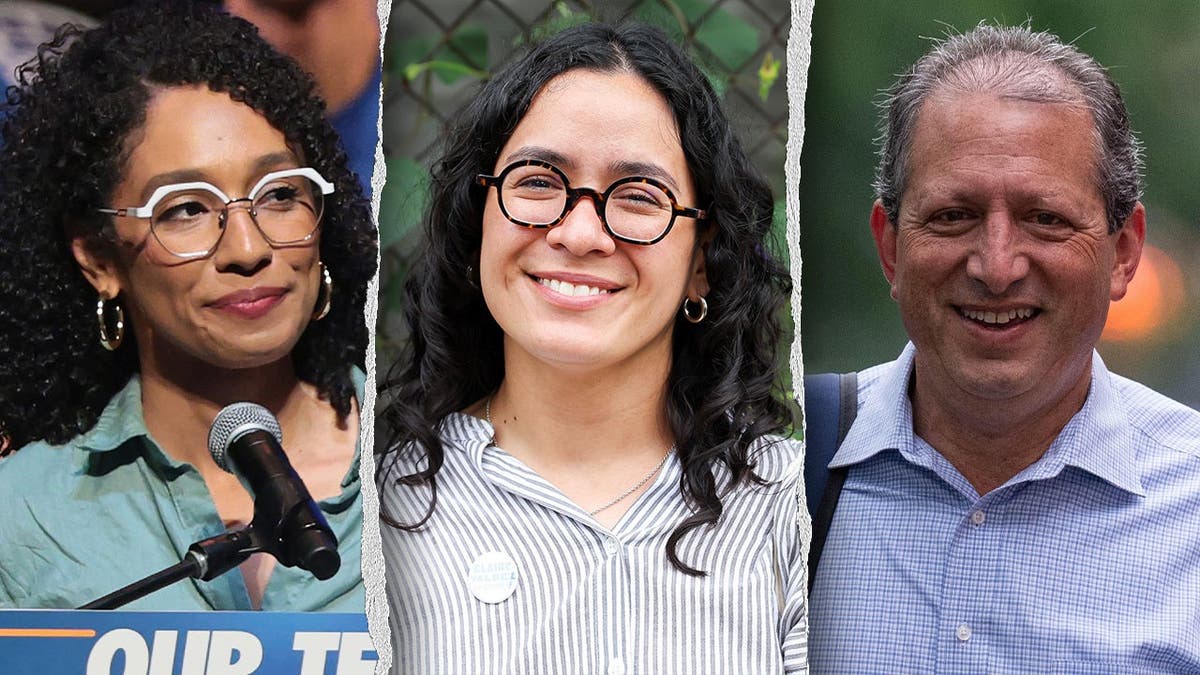
Socialist New York congressional nominees Darializa Avila Chevalier (L), Claire Valdez (C) and Brad Lander. (Michael M. Santiago/Getty Images; Michael Nagle/Bloomberg via Getty Images; Adam Gray/Bloomberg via Getty Images)
Chevalier has faced scrutiny over resurfaced social media posts, including one in which she called to «literally abolish the border.»
She has also faced renewed scrutiny over past social media posts targeting leading Democrats, including calling former President Joe Biden a «war criminal,» attacking former Vice President Kamala Harris and rebuking Sen. Bernie Sanders over Israel.
Like Chevalier, Valdez and Lander, who is Jewish, share her sentiment that Israel is committing «genocide» in Gaza.
LIBERAL MS NOW WRITER CALLS MAMDANI PRIMARY SWEEP A ‘GENUINELY SCARY NIGHT FOR NEW YORK CITY JEWS’
Jeffries’ decision to publicly congratulate the three nominees quickly drew criticism.
The Republican Jewish Coalition blasted Jeffries’ congratulatory message, warning Jewish voters that these candidates are not the Democrat «fringe» but the new faces of the party.
«To Jewish Democrats: your party is telling you EXACTLY who it is,» the Coalition wrote. «These future members of Congress, who @hakeemjeffries is welcoming with open arms, want to: Abolish prisons and borders. Defund the police. Downplay 9/11,» rattling off other serious controversies stemming from the candidates.
Jamie Metzl, a former National Security Council and State Department official and lifelong Democrat, blasted Jeffries for congratulating the nominees.
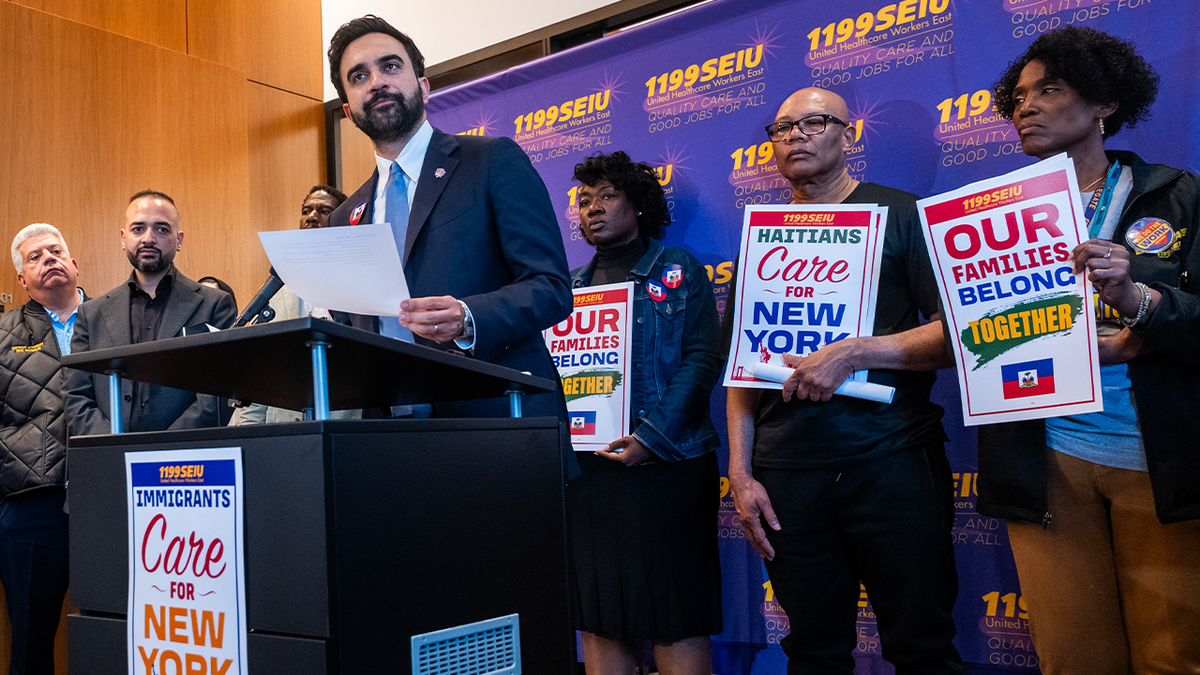
New York City Mayor Mayor Zohran Mamdani speaks at a news conference Thursday in Manhattan. (Spencer Platt/Getty Images)
«When I first read this post, I assumed it was from a spoof account. I am deeply concerned that it appears to be all too real,» Metzl wrote. «To welcome these nominees without acknowledging and criticizing their self-declared sympathies for U.S.-designated terrorist organizations, their calls to abolish the police, their stated desire to dismantle Western civilization, and their blatant anti-Americanism is to sacrifice the core principles of the Democratic Party.»
Metzl accused Jeffries of putting his bid to become House speaker ahead of the Democratic Party’s principles.
«I understand your ambition to become Speaker should Democrats retake the House, but you should not sacrifice the principles of our party to advance your own political aspirations,» Metzl wrote.
Democratic leadership has been in the hot seat this week facing questions from the media about how to reconcile support for the New York slate of socialist candidates, particularly after Valdez’s supporters were seen shouting «you’re next» at a television screen showing Jeffries on Tuesday night.
«They’re gonna eat you next Congressman – and replace you with one of their own,» conservative commentator Meghan McCain posted on X.
«This is funny,» conservative commentator Robby Starbuck posted on X. «Hakeem still doesn’t realize that the communists are going to eat him alive. Clearly not a student of history. Bless his heart.»
CLICK HERE TO DOWNLOAD THE FOX NEWS APP
In a CNN appearance on Friday, Jeffries said, «I think that what happens in a handful of primaries in one of the bluest cities in the country is not in any way indicative of what needs to happen in November, where we need to reelect every single frontline Member, common sense Democrats, authentically committed to making life better for the American people, opposing these extreme Republicans who have been nothing but a reckless rubber stamp for Donald Trump’s agenda.»
«And at the same period of time, make sure that we flip red seats blue, including in New York-17, where we have a combat veteran, incredibly patriotic American Cait Conley, who came out of a primary on Tuesday as well and is an incredibly strong candidate. She will defeat Mike Lawler in New York in November.»
ericadams, primary results, democrats, zohran mamdani, democratic party
INTERNACIONAL
RINOs y YOLOs: quiénes son los nuevos enemigos de Donald Trump dentro de su propio partido



Los argentinos frente al histórico desafío del césped: uno por uno, cómo llegan a Wimbledon

Petróleo en baja: cuál es el precio que enciende luces amarillas sobre la rentabilidad de Vaca Muerta

La Universidad de El Salvador identifica dos genotipos del virus Epstein-Barr en linfomas de Hodgkin

La trastienda de las últimas horas de Adorni en el Gobierno: discusiones y negociaciones para convencer a Milei de su salida

Ekaterina Ojeda se sumó al mundo de la moda y copió el look insignia de la China Suárez

¿Dónde ver en VIVO y ONLINE el Portugal vs Colombia por el Mundial 2026?

Desesperación y burocracia: Pacientes con cáncer denuncian esperas de más de 20 días en PAMI para recibir su medicación

Nuevos controles a las devoluciones de 30% por gastos en el exterior: cómo pedir el reembolso del dólar tarjeta ante ARCA

El CEO de Epic Games tiene claro por qué fracasan los nuevos juegos multijugador, y el culpable puedes ser tú y tus amigos

Far-left surge: Mamdani-backed candidates oust Dem establishment incumbents

 INTERNACIONAL3 días ago
Líderes mundiales ofrecieron ayuda humanitaria y equipos de rescate a Venezuela tras los devastadores terremotos
- POLITICA2 días ago
El Gobierno le ofreció asistencia humanitaria a Venezuela por los terremotos: «Acá no hay ideología que nos separe»
- INTERNACIONAL3 días ago
Unearthed video exposes vulnerable House Dem’s reversal on crucial issue impacting state