INTERNACIONAL
Fox News Poll: Modest boost in support for Iran conflict, but concerns persist


NEWYou can now listen to Fox News articles!
As the war in Iran nears the two-month mark, a new Fox News Poll shows a modest uptick in support, though voters remain divided on key aspects of the conflict – especially over its long-term consequences and U.S. safety.
The survey, released Thursday, shows support for the current military action in Iran at 45%, up from 42% support last month. A majority of 55% oppose it.
FOX NEWS POLL: 56% DOUBT WHITE HOUSE’S COMPETENCE AT MANAGING GOVERNMENT
Still, a slim majority thinks things are going well in Iran (51% well vs. 49% not well), a flip from March when voters said the action was not going well (47% vs. 52%).
FOX NEWS POLL: ECONOMIC GLOOM, TRUMP RATINGS SIGNAL TOUGH GOP MIDTERM PATH
The bump in support for the war can be mostly attributed to non-MAGA Republicans (+11 points in support), Hispanic voters (+10), men over age 45 (+8), and independents (+5).
Looking at the likely effect on security, voters still narrowly say the action will make the U.S. less safe (36% safer, 39% less safe, 25% no difference). However, this gap has narrowed since March (33%, 44%, 23% respectively).
Voters are also not convinced the costs of the war are worth it. A 57% majority believes the action will not improve U.S. safety enough to justify the problems it has created, while 43% say the short-term problems will be worth it in the long run.
Although voters across the board express skepticism, partisan differences are stark. Roughly 3 in 10 Republicans, 7 in 10 independents, and 8 in 10 Democrats, think improved safety does not justify the challenges.
The most important objectives for voters are avoiding a prolonged conflict and keeping the Strait of Hormuz open (80% say it is extremely or very important for each). Majorities also think it’s extremely or very important to end Iran’s nuclear weapons program (72%), support the people of Iran (65%) and bring about changes to Iran’s government (55%).
The top objective for Democrats and independents is avoiding a prolonged conflict, while for Republicans it’s ending Iran’s nuclear program.
Six in 10 (59%) rate the performance of the U.S. military in the conflict as excellent (32%) or good (27%), about where sentiment was last month (58% excellent/good).
More than 5 in 10 independents (53%) and 8 in 10 Republicans (81%) rate the military positively, while just 4 in 10 Democrats agree (40%).
«One of the more remarkable statistics attesting to the country’s intense polarization is that when asked about the U.S. military’s performance in Iran, by 20 percentage points Democrats rate it negatively, and it’s difficult to proffer an explanation other than those who dislike President Trump are unwilling to say anything positive about anything he touches,» says Republican pollster Daron Shaw, who works on Fox News polls with Democrat Chris Anderson.
Among those who have served in the military, support for the current action in Iran has dipped slightly (down 4 points since March), but a majority still supports it (57%), thinks things are going well (65%), rates the military positively (78% excellent/good) and half think the military action will make the U.S. safer (50%).
Trump said Tuesday the U.S. will extend its ceasefire with Iran, a day before it was set to end and amid a U.S. blockade on Iranian ports. This comes as peace talks in Pakistan involving Vice President JD Vance were delayed as Iran has not committed to participating yet. The survey was conducted April 17-20.
When asked to rate how tough Trump has been on Iran, more voters say he’s been too tough (40%), rather than not tough enough (28%) or about right (30%).
The 40% saying Trump is too tough is up from 18% in May 2019 (the last time the question was asked) – mainly driven by Democrats and independents thinking he’s too tough now.
When it comes to the president’s approach to China, however, results are reversed: 21% say he’s too tough, 40% not tough enough, and 38% about right.
More broadly, Trump’s job performance on foreign policy is underwater by 20 points (40% approve, 60% disapprove). He does slightly better on his handling of China (42%, 57%) but worse on Iran (37%, 63%).
His overall job rating sits at 42% approve and 58% disapprove, about where it was last month (41%-59%).
Some Cabinet officials are also facing headwinds in their job performance. Vance’s net approval rating is -11 points (44% approve – 55% disapprove) and down from -8 in December.
Sec. of State Rubio’s net approval rating is -12, down from -5, which is the steepest decline in the Cabinet (44% approve, 56% disapprove).
Sec. of War Hegseth’s rating ticked up 2 points to -17, but he remains the lowest rated of the three (41% approve, 58% disapprove).
Iran is not the only foreign policy issue where voters are divided. They are split on U.S. support of Israel, as 40% say it’s too supportive, another 40% about right, and 19% say not supportive enough.
At 40%, the share saying the U.S. is too supportive is the highest since 2023, up from 35% the last time the question was asked in September 2025.
Democrats under age 45 (+9 points saying too supportive since 2025) and Republicans under age 45 (+7), are increasingly more likely to feel the U.S. is too supportive of Israel. Republicans ages 45+ have the highest share of those who think support is about right (70%) while Democrats ages 45+ say too supportive (57%).
The largest share of Protestants (45%), Catholics (44%), and White Catholics (48%) say support is about right.
On Ukraine, 39% of voters say the U.S. should be doing more to support them against Russia, 26% say less and 34% feel the U.S. is doing the right amount. This is close to where sentiment has been since last summer.
One more thing…
Trump is a frequent poster on social media, and a majority of voters see these posts as instant reactions to current events (65%) rather than strategic efforts to accomplish goals (34%).
Still, the number viewing them as strategic is up 15 points since 2018, when only 19% said his tweeting had a broader purpose. At that time, 28% of Republicans felt his tweeting was strategic compared to the 52% who feel that way about his social media posts today. That compares with smaller increases among independents (+13 points) and Democrats (+4).
CLICK HERE FOR CROSSTABS AND TOPLINE
Conducted April 17-20, 2026, under the direction of Beacon Research (D) and Shaw & Company Research (R), this Fox News survey includes interviews with a sample of 1,001 registered voters randomly selected from a national voter file. Respondents spoke with live interviewers on landlines (116) and cellphones (635) or completed the survey online after receiving a text (250). Results based on the full sample have a margin of sampling error of ±3 percentage points. Sampling error for results among subgroups is higher. In addition to sampling error, question wording and order can influence results. Weights are generally applied to age, race, education, and area variables to ensure the demographics are representative of the registered voter population. Sources for developing weight targets include the most recent American Community Survey, Fox News Voter Analysis, and voter file data.
fox news poll, politics, war with iran, donald trump, marco rubio, pete hegseth, defense











INTERNACIONAL
El régimen de Irán lanzó nuevos ataques contra instalaciones militares de EEUU en Jordania, Kuwait y Bahréin
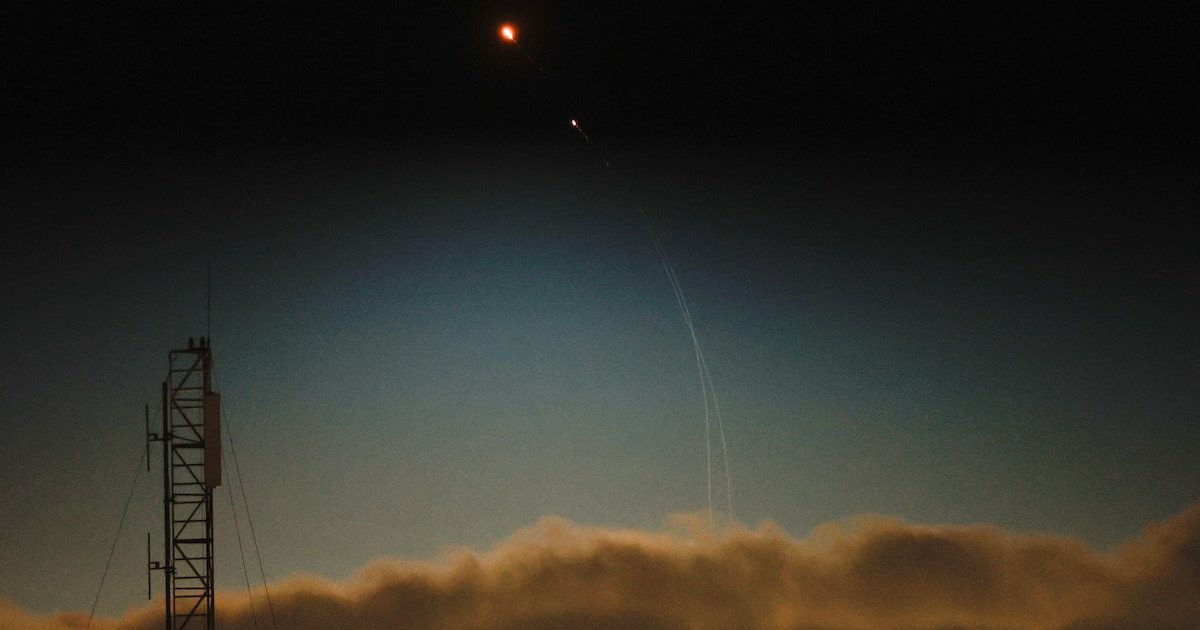
Irán atacó este martes instalaciones militares estadounidenses en Jordania, Kuwait y Bahréin y advirtió que lanzará ofensivas “más decisivas y potentes” contra Estados Unidos, en una nueva escalada del conflicto en Medio Oriente que también amenaza con extenderse al Mar Rojo tras el anuncio de los rebeldes hutíes de Yemen de bloquear los puertos de Arabia Saudita.
El ejército iraní informó que sus fuerzas alcanzaron sistemas de defensa aérea, instalaciones de radar y edificios administrativos utilizados por Estados Unidos en Kuwait y Bahréin, horas después de una nueva ronda de bombardeos estadounidenses contra objetivos iraníes.
La Guardia Revolucionaria sostuvo además que atacó e interceptó dos petroleros que, según su versión, “no cumplían con las normas” cuando intentaban atravesar el estrecho de Ormuz, uno de los principales corredores energéticos del mundo.
En un comunicado difundido por la agencia estatal IRNA, la fuerza militar iraní lanzó una nueva advertencia a Washington. “Con este barrido de radar, el enemigo debería prepararse para oleadas aún más decisivas y potentes de ataques con drones y misiles”, señaló.
La nueva ofensiva iraní llegó después de que Estados Unidos ejecutara el lunes por la noche ataques contra territorio iraní. Washington aseguró que esas operaciones estaban “diseñadas para degradar aún más las capacidades militares iraníes utilizadas para atacar el transporte marítimo comercial” en el estrecho de Ormuz.
La escalada militar se produce tras la muerte de al menos tres soldados estadounidenses en los últimos días. El presidente de Estados Unidos, Donald Trump, advirtió el lunes que Irán pagará “mucho más” por cada militar estadounidense fallecido.
Por su parte, el presidente iraní, Masoud Pezeshkian, afirmó que el conflicto ya se convirtió en “una guerra a gran escala”.
El Pentágono informó el lunes que cerca de 100 militares estadounidenses resultaron heridos desde el 7 de julio, la mayoría con conmociones cerebrales leves.
La situación también elevó la tensión en el estrecho de Ormuz. La Guardia Revolucionaria informó que dos buques cisterna que intentaban atravesar el paso marítimo “fueron alcanzados por explosiones, lo que provocó incendios masivos que los paralizaron”.
Previamente, la agencia británica de Operaciones de Comercio Marítimo (UKMTO) comunicó que un “proyectil desconocido” impactó contra un buque cisterna frente a las costas de Omán. Horas después, la organización reportó que otro petrolero en la misma zona también recibió el impacto de un proyectil.
El estrecho de Ormuz constituye una ruta estratégica para el comercio energético mundial, ya que en tiempos de paz transita por allí cerca de una quinta parte del petróleo comercializado en el planeta.
La guerra volvió a intensificarse después del fracaso del alto el fuego alcanzado en abril y del acuerdo marco negociado en junio. Tras ese colapso, Teherán restableció el bloqueo del estrecho de Ormuz y Washington respondió con un nuevo bloqueo sobre los puertos iraníes.

En paralelo, el conflicto amenaza con expandirse al Mar Rojo. Los rebeldes hutíes de Yemen, aliados de Irán, anunciaron que bloquearán los puertos saudíes, una decisión que podría afectar las exportaciones de petróleo de Arabia Saudita hacia Asia y alterar el suministro mundial de crudo.
Arabia Saudita condenó la amenaza de la organización yemení y calificó al grupo como la “milicia terrorista hutí”. Además, afirmó que “sigue apoyando al hermano pueblo yemení y a su gobierno legítimo”.
La semana pasada, fuerzas saudíes y combatientes hutíes intercambiaron disparos por primera vez en varios años, un episodio que puso bajo presión la tregua vigente desde 2022. Hasta entonces, los rebeldes se habían mantenido en gran medida al margen del conflicto abierto entre Irán, Israel y Estados Unidos desde finales de febrero.
Aunque Arabia Saudita continúa exportando millones de barriles diarios a través del puerto de Yanbu, sobre el Mar Rojo, los mercados energéticos mantienen la atención sobre una eventual interrupción de esa ruta. Los precios internacionales del petróleo subieron el lunes hasta su nivel más alto en un mes antes de moderarse durante las primeras horas del martes.
Durante los últimos meses, operadores y analistas siguieron de cerca la posibilidad de que los hutíes retomaran los ataques contra buques comerciales en el Mar Rojo y el golfo de Adén, como ocurrió durante la guerra de Gaza. El grupo, sin embargo, no precisó de qué manera aplicará el bloqueo anunciado contra los puertos saudíes.

Mientras continúan los enfrentamientos militares, permanecen abiertos algunos canales diplomáticos. El portavoz del Ministerio de Asuntos Exteriores de Irán, Esmaeil Baqaei, aseguró que los contactos con Washington por medio de mediadores siguen en marcha.
En ese contexto, el Ministerio del Interior de Pakistán informó que el ministro del Interior iraní, Eskandar Momeni, inició una visita de dos días a Islamabad, donde tiene previsto reunirse con el primer ministro Shehbaz Sharif y con el jefe del Ejército paquistaní, Asim Munir.
También este martes, el presidente del Líbano, Joseph Aoun, tiene previsto reunirse con Donald Trump en Washington en medio de la presión internacional para que Beirut avance en el desarme de Hezbolá, una de las principales condiciones planteadas por Israel para retirar sus tropas del sur del Líbano.
(Con información de AFP)
Domestic Politics,War,Middle East,Government / Politics,Military Conflicts

Analyzing Trump’s influence on GOP in primary races nationwide
President Donald Trump demonstrates an iron grip over the Republican Party’s primary races, securing victories for all his endorsed candidates in the 2026 primary season. Joe Concha notes the GOP is now the ‘MAGA party.’ Former Senator John Cornyn lost his primary to Trump-endorsed Ken Paxton in Texas, further underscoring Trump’s enduring power.
NEWYou can now listen to Fox News articles!
President Donald Trump’s immense clout over the GOP and the power of his endorsements in Republican nomination races face their latest test Tuesday, as Arizona holds primary elections.
Trump’s endorsements in a handful of key races, including in a top swing congressional district, could impact the midterm battles for the House majority and control of governors’ offices.
Trump is backing Rep. Andy Biggs, a former House Freedom Caucus chairman, for the GOP gubernatorial nomination and the chance to challenge Democratic Gov. Katie Hobbs in November.
Biggs, who is also backed by the political wing of the conservative powerhouse Turning Point USA, is considered the frontrunner in a race that also includes longtime Republican Rep. David Schweikert. Also on the ballot are concrete pumping contractor Scott Neely, who’s making his second straight run for governor, and business owner Ken Miceli.
DEMOCRACY ’26: STAY UP TO DATE WITH THE FOX NEWS ELECTION HUB
Arizona Gov. Katie Hobbs, a Democrat, is running for re-election this year. (Rebecca Noble/Getty Images)
The winner will face off in the general election with Democratic Gov. Katie Hobbs, a former Arizona Secretary of State who narrowly defeated then-GOP nominee Kari Lake four years ago. Hobbs was unopposed for re-nomination.
Down-ballot, the statewide race for the Republican attorney general nomination has become combustible as state Senate President Warren Petersen and military attorney Rodney Glassman have traded fire. The winner will challenge Democratic incumbent Kris Mayes in the general election.
In the race to succeed Schweikert in Arizona’s 1st Congressional District, which is anchored in the northeastern Phoenix suburbs, Trump is backing former Arizona Cardinals professional football player and former CBS Sports NFL analyst Jay Feely.
SIGN UP TO GET THE POLITICS NEWSLETTER
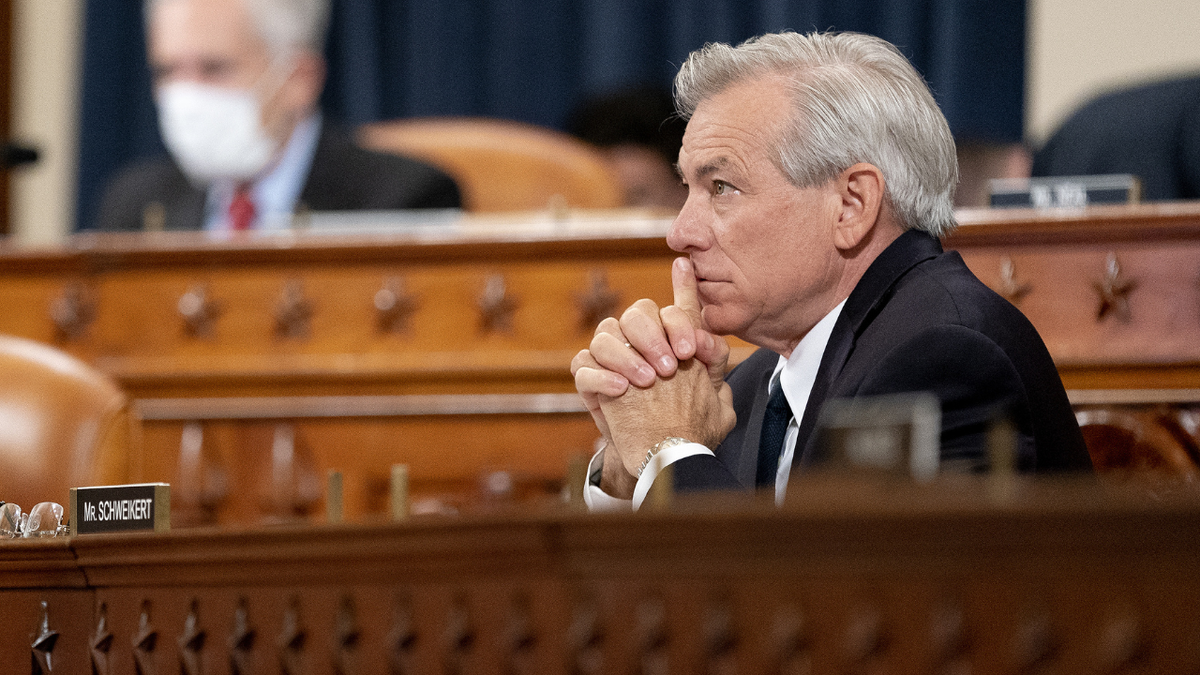
Republican Rep. David Schweikert, who represents a key swing congressional swing district, is running for the GOP gubernatorial nomination in Arizona. (Stefani Reynolds/Bloomberg/Getty Images)
Former state lawmaker Joseph Chaplik and businessman John Trobough are also running for the GOP nomination in the key swing district.
Former TV anchor Marlene Galán-Woods and former state Rep. Amish Shah are facing off in a rematch for the Democratic congressional nomination. Shah, an emergency room physician, won the 2024 faceoff.
Galán-Woods, a former Republican, has the backing of the Democratic Congressional Campaign Committee, which has big bucks to support her, as well as top Democrats Sen. Mark Kelly and former Gov. Janet Napolitano.
Rick McCartney, president and CEO of InMedia Company, and Jonathan Treble, founder of WithMe, are also on the ballot.
The midterm race in Arizona’s 1st District is one of two or three dozen across the country that will determine whether the GOP holds onto its razor-thin House majority.
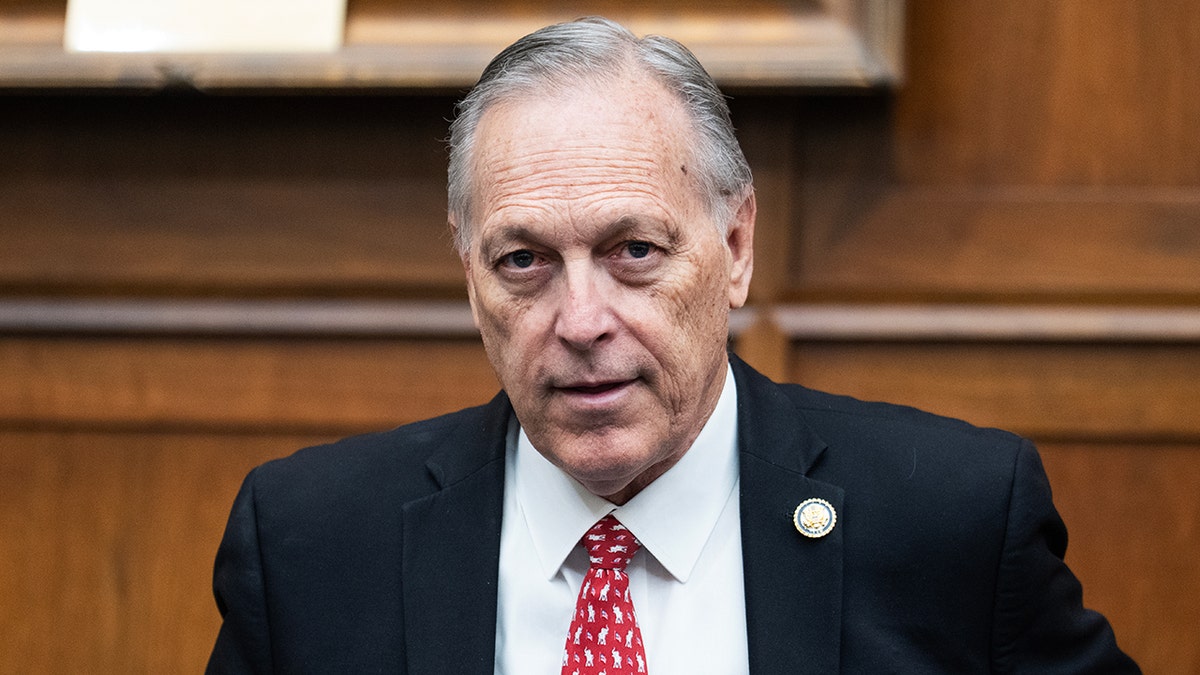
Rep. Andy Biggs of Arizona is running for the 2026 Republican gubernatorial nomination (om Williams/CQ-Roll Call, Inc via Getty Images)
In the race to replace Biggs in Arizona’s 5th District, which is located in the southeastern Phoenix suburbs, including parts of Mesa, Trump is backing former Pinal County Sheriff Mark Lamb, who is facing off with construction contractor Daniel Keenan for the GOP nomination.
Keenan has made the sexual misconduct and abuse-of-power allegations against Lamb a key part of his campaign. The Pinal County attorney last month cleared Lamb of criminal wrongdoing as it closed its investigation. And Trump, despite the controversy, reaffirmed his endorsement of Lamb earlier this month.
The winner of the Republican primary will be considered the clear favorite to succeed Biggs in the solidly red district.
The brute force of the president’s endorsement power has been on display in GOP primaries this spring and summer, with his candidates ousting incumbents he targeted in showdowns in Indiana, Kentucky and Texas, as well as the Louisiana primary.

The power of President Donald Trump’s endorsements in Republican nomination showdowns will be tested again on Tuesday in Arizona’s primary. (Mandel Ngan/AFP/Getty Images)
But Trump’s endorsement streak in statewide and congressional Republican primaries was snapped in early June when his last-minute endorsement of Republican Rep. Randy Feenstra of Iowa in the race to succeed retiring GOP Gov. Kim Reynolds wasn’t enough to propel the three-term congressman to victory.
Feenstra was narrowly edged by Zach Lahn, a businessman, farmer and former political strategist who was backed by the political wings of MAHA — the acronym for the Make America Healthy Again movement aligned with Trump’s Health Secretary Robert F. Kennedy Jr. — and Turning Point USA, the powerful conservative organization co-founded by the late Charlie Kirk.
Trump-backed candidates won two of the three top races in key GOP primary runoff elections in Georgia and Alabama last month, with the one setback coming against a billionaire businessman who shelled out over $100 million of his own money to boost his campaign.
A week later, Trump-backed first-time candidate Anthony Constantino, a businessman and former boxer, defeated Robert Smullen, a retired Marine Corps colonel and New York assemblyman who had the backing of the state party, in the upstate New York race to succeed retiring GOP Rep. Elise Stefanik.
CLICK HERE TO DOWNLOAD THE FOX NEWS APP
Meanwhile, in South Carolina’s Republican gubernatorial runoff, Trump couldn’t lose.
That’s because, besides backing Lt. Gov. Pamela Evette a few weeks earlier, he also gave a last-minute endorsement to state Attorney General Alan Wilson, who ended up winning the late June showdown in a landslide.
The president also enjoyed victory in Louisiana, where Sen. Bill Cassidy, who voted to convict Trump in his 2021 impeachment trial, was ousted as he sought re-nomination. Trump-backed Rep. Julia Letlow ended up winning the nomination in last month’s runoff election.
state and local primaries, katie hobbs, donald trump, midterm elections, politics, republicans, arizona
INTERNACIONAL
Cómo es Nido de Águila, la casa de montaña que construyeron para Hitler y que casi nunca usó: US$170 millones, un ascensor y 12 obreros muertos
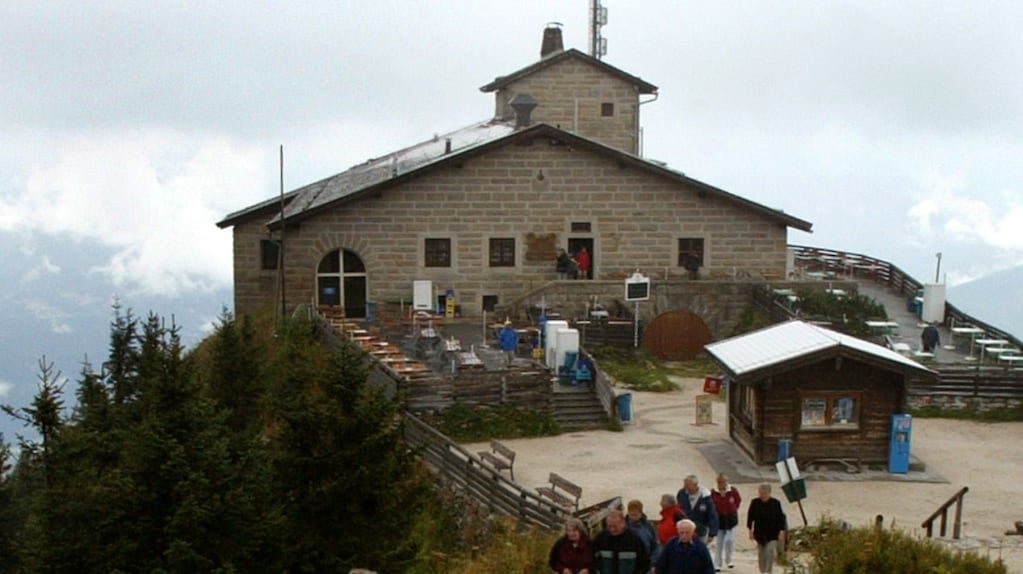
Una casa que todavía funciona como metáfora de la desmesura. El Nido del Águila (o Kehlsteinhaus). Una de las pocas construcciones que pertenecieron a Hitler, que fueron construidas para él y que aún permanecen en pie.
Fue un regalo de cumpleaños fastuoso y desproporcionado: una casa encima de una montaña, casi inaccesible, pensada como sitio de descanso del Führer. Martin Bormann, uno de los más importantes jerarcas nazis, quiso homenajear a su jefe el día que cumplía 50. El precio fue muy costoso. Más de 170 millones de dólares (a valor actual) y al menos 12 vidas de los operarios.
Leé también: La casa natal de Adolf Hitler será convertida en una comisaría
Una casa alpina en un lugar inverosímil. Lujosa, confortable, sólida pero nada excepcional. Sin embargo, su historia y el hecho de que todavía se mantenga en pie sí son extraordinarias.
Se inauguró en 1939. Contra todo pronóstico, llegaron a terminarla antes del cumpleaños de Hitler. Fue construida contra reloj. Nadie pensaba que los plazos se iban a cumplir. Pero llegar a tiempo era parte fundamental del proyecto.
Aunque oficialmente se dijo que fue un regalo del Partido Nazi, el que tuvo la idea y se encargó de todo fue Martin Bormann.
El jerarca eligió un terreno ubicado a una decena de kilómetros de Salzburgo, a 1.834 metros de altura, para construir una casa para que Hitler la utilizara en sus momentos de descanso. El Nido del Águila, la antigua residencia de Hitler en los Alpes alemanes. (Foto: Reuters)
A Bormann lo movía la necesidad de adular a su líder y también lo dificultosos de la empresa. Estaba convencido de que si llegaba en término con todas las complejidades que debió superar el proyecto, eso le haría ganar muchas posiciones en la consideración de Hitler. Parecía fascinarle la dificultad que el proyecto presentaba. Todo estaba por hacerse. Caminos para acceder a la base, perforar la montaña, llevar los materiales para la casa hasta la cumbre. El tiempo apremiaba.
Sin embargo la obra estuvo terminada puntualmente. Eso sí: el costo fue altísimo. Y no solo en lo que se refiere a lo económico. Más de una docena de obreros murieron en el proceso.
Bormann ordenó que se trabajara las 24 horas del día en varios turnos continuados. Por la noche unos precarios focos iluminaban las tareas.
La obra imposible que desafió a una montaña
Hubo que construir y asfaltar una ruta de más de 6 kilómetros, para eso se debió tallar la montaña, picar la piedra y alisar un terreno que parecía impenetrable, arreglar el sendero que por un largo trecho llevaba a la casa y disponer todo para instalar un ascensor para que Hitler llegara a la cumbre.
Eso fue lo más costoso (y también la parte de la faena que más vidas se llevó). Hubo que perforar la montaña. Hacer una cavidad dentro de ella, un túnel vertical para que pasara el ascensor.
Se construyó un teleférico para que los materiales arribaran a la cumbre. Se contrataron cientos de hombres para que acarrearan lo necesario para erigir la casa. Recibieron trato casi de esclavos debiendo soportar cargas y horarios de trabajo inhumanos.
Leé también: Del fraude del suicidio al verdadero final: las hipótesis sobre la muerte de Hitler, según su biógrafo
Se subieron bloques ya armados para acelerar los tiempos, como si se tratara de una vivienda prefabricada.
Bormann gastó una fortuna. Si el proyecto y su idea imperial ya eran caros, el apremio por llegar en fecha encareció todo mucho más.
En el pueblo se hizo popular un chiste mientras veían pasar a los obreros, a los dirigentes que controlaban el avance de los trabajos y a los contratistas llegar con sus máquinas.
Decían que era una situación similar a la de la fiebre del oro; llegaban día a día buscadores del metal precioso para que cambiara su vida. Pero que en vez de buscar oro en los cursos de agua o en las montañas solo debían ponerse debajo de una ventana. No había que encontrar oro, solo se debía esperar que Bormann lo lanzara por esa ventana.
El refugio alpino que se convirtió en el centro del poder nazi
Albert Speer escribió en sus Memorias: “Esa obra gigantesca que se realizó en la montaña, y a pesar de sus críticas ocasionales por todo aquel dispendio, era característica de la transformación que se había operado en el estilo de vida de Hitler, y también de su tendencia a aislarse más y más del resto del mundo. No se puede explicar solo por su temor a sufrir atentados, pues casi todos los días permitía que miles de personas penetraran en el recinto para expresarle su adhesión”.
Francois Poncet, el embajador francés en Alemania, fue quien bautizó esa gran obra arquitectónica, deslumbrado por la majestuosidad y por las dificultades que habían resuelto en el camino. El nombre fue adoptado de inmediato por los alemanes.
Además de su vista descomunal, uno de los principales motivos de la elección del lugar fue que el Nido del Águila se encontraba cerca del Berghof, la segunda residencia oficial de Hitler, en la que pasaba buena parte del año.
Tanto era el tiempo que Hitler pasaba allí que de lugar de descanso mutó en la sede alternativa gubernamental de Alemania. Años antes, luego de ser liberado de la prisión en 1924, Hitler alquiló una modesta casa alpina en la que descansó y se encerró a trabajar en sus siguientes pasos políticos.
Enamorado del lugar, Hitler compró la casa en 1932, según la versión oficial, con las regalías que produjeron las numerosas ediciones de Mi Lucha. Ya en 1936, esa ascética casa alpina, se transformó en una mansión de treinta habitaciones. El interior de la casa Wachenfeld, la residencia alpina que Hitler convirtió en el Berghof. (Foto: Reuters)
Para la ampliación, Hitler, cuyo fuerte no era reconocer sus limitaciones, quiso encargarse personalmente de realizar los planos. Le pidió prestado a su arquitecto y ministro Albert Speer varios implementos: mesas de dibujo, lápices, reglas y demás materiales necesarios.
Como estaba encariñado con la anterior casa la conservó, sumándole las nuevas construcciones. Este franskenstein arquitectónico tuvo que ser revisado por profesionales sin que su autor original se enterara.
Debían corregir sus errores de principiante pero también debían evitar que se diera cuenta y desatara su furia sobre ellos. Hitler decía que esa casa de montaña le proporcionaba paz interior y lo hacía pensar mejor. Allí elucubró sus discursos más importantes.
Pero no se trató solo de la ampliación monstruosa de la casa. El Berghof pasó a ser parte de algo mucho más grande, el Obersalzberg.
Ese era el nombre del complejo de viviendas y construcciones que se levantaron alrededor del Berghof. Martin Bormann, al ver la predilección del jefe por el lugar, salió a comprar todas las casas y terrenos vecinos.
El éxito fue total. Y no se trataba de que tenía grandes habilidades como negociador. Estuvieron los que aceptaron gustosos vender sus propiedades, otros se negaron pero debieron ceder ante las amenazas, algunos fueron expropiados y unos cuantos fueron lanzados de sus hogares sin indemnización alguna.
Leé también: El fallido golpe de Estado que catapultó a Adolf Hitler a la fama para someter al mundo a un sufrimiento atroz
Bormann tomó posesión, en nombre del estado alemán, de toda la zona. Evidentemente el dinero ya no surgía de los derechos de autor de Mi Lucha.
Demolió cada una de las viviendas. Tuvo también problemas con la iglesia local porque ordenó sacar todas las cruces con las que estaban marcadas las tumbas al costado del camino (una costumbre de varios siglos de antigüedad) porque el paisaje fúnebre mientras llegaba a su casa oscurecía el carácter del Führer.
Bormann, Albert Speer y Hermann Göring fueron algunos de los jerarcas que en esos terrenos construyeron viviendas cerca de la del Führer. Hacían reuniones de gabinete en ese paisaje agreste.
La zona se transformó por completo. También se levantaron hoteles de lujo, barracas para que duerman obreros y soldados, restaurantes, oficinas públicas, casas para la nueva oleada de empleados.
El Obersalzberg se había convertido en un nuevo centro del poder. Y el Nido del Águila era su corolario, la joya del nuevo poblado.
La falsa postal de Hitler que ocultaba el horror
El Berghof y también el Nido del Águila servían para brindar otra imagen de Hitler. Las fotos y filmaciones del líder en el paisaje paradisíaco, mostrándose al aire libre o en su mesa de trabajo, pretendían forjar un hombre público, un estadista sereno, firme y seguro de sí mismo.
Una falsa imagen idílica, una construcción que tapara las atrocidades que pasaban en el sistema concentracionario
Toda la zona de la Obersalzberg y el Berghof fue bombardeada después de la Segunda Guerra Mundial. Cada una de las construcciones fue destruida. Los Aliados no querían que subsistieran ni vestigios de la época nazi. Que ningún lugar se prestara para ser excusa de peregrinación y culto al régimen genocida.
Sin embargo, la ubicación en la cima de la montaña, la soledad y la complejidad para acceder a ella, debe haber hecho sentir ridículos a los generales norteamericanos cuando planearon bombardear el Nido del Águila, como hicieron con las propiedades cercanas, las que integraban el Obersalzberg. Hitler junto a su perro Blondi en el Berghof, la residencia alpina utilizada como escenario de propaganda nazi. (Foto: Reuters)
Tal vez no quisieron parecerse a los nazis con su capacidad de destrucción gratuita. Algún historiador propone otra hipótesis; sostiene que los generales norteamericanos con Dwight Eisenhower a la cabeza quedaron extasiados con la vista de El Nido del Águila y no consintieron su destrucción.
Otro factor que puede haber influido fue que a pesar de su origen, de su destino inicial, la vivienda fue utilizada en muy pocas ocasiones por Hitler, situación que a Bormann le debe haber roto el corazón.
Algunos dicen que Hitler además sufría acrofobia, y que ese temor a las alturas hizo que sólo concurriera al faraónico proyecto menos de una decena de veces.
Meses antes de su inauguración, cuando promediaba la obra, Bormann llevó a su jefe a visitarla. Todo estaba a medio hacer, era difícil tener una idea clara de cómo iba a quedar debido a la complejidad de la empresa.
Leé también: Día de la Victoria: cómo se firmó el fin de la Segunda Guerra Mundial tras la rendición de Alemania
Sin embargo, el Führer se mostró muy disgustado por el emplazamiento de la propiedad, no entendía las ventajas de que la casa estuviera tan arriba.
Los Aliados recién devolvieron El Nido del Águila a las autoridades bávaras en 1960. Durante un tiempo permaneció cerrada. Hubo muchas discusiones sobre qué destino conferirle.
En la actualidad es un restaurante con una vista única. Los beneficios económicos se destinan a organizaciones de bien público. En el mismo complejo se erigió un centro de documentación que recuerda a los visitantes las atrocidades cometidas por el nazismo.
Los turistas que acuden a esa zona de Baviera, saben que la Kehlsteinhaus o El Nido del Águila es un lugar de visita obligado.
El Nido del Águila, entre la memoria y el turismo
El acceso, como en el momento de su estreno, no es sencillo. Una opción es ir caminando por la montaña; el recorrido toma casi tres horas.
El otro es ir con auto hasta la base, tomar un colectivo hasta cerca del Nido del Águila y todavía desandar un sendero otros 20 minutos. También, todavía, se mantiene la posibilidad de ascender por el lujoso ascensor enclavado dentro de la montaña para acceder al restaurante.
El Kehlsteinhaus o Nido de Águila se mantiene en pie, sobrevivió a la destrucción de todo recuerdo nazi. Se mantiene como una edificación majestuosa, rodeada de una increíble belleza natural.
Y recuerda a cada visitante que el horror y la maravilla pueden convivir.
Nazismo, Adolf Hitler, Segunda Guerra Mundial, Alemania, Sumario

El régimen de Irán lanzó nuevos ataques contra instalaciones militares de EEUU en Jordania, Kuwait y Bahréin

El gobierno nacional oficializó un suplemento salarial por título en las Fuerzas Armadas

Lo de que Will Smith no quiso salir en Matrix ya lo sabías, pero sólo 11 años después dijo no a otra gran película de acción que hubiera cambiado su carrera

Aumento salarial para el personal del Congreso: ¿Nueva disputa entre Milei y Villarruel?

“Hoy nos toca volver con el corazón roto”: el sentido mensaje de Nicolás Otamendi tras perder la final del Mundo ante España

Los límites al esfuerzo narrativo del Gobierno

Rubio’s call to combat global funders of far-left terrorism could put Singham in crosshairs

Sismo de 7.4 sacude a Guatemala: Autoridades declaran alerta anaranjada por daños y descartan tsunami

Canales para ver EN VIVO el San Lorenzo vs. Deportivo Riestra por la Copa Argentina

Rogelio Frigerio presentó un seguro multirriesgo con un fondo de USD 1 millón para el maíz en Entre Ríos

 POLITICA23 horas ago
Sin la Copa y sin Messi en el avión, vuelve Tapia y deberá enfrentar tres frentes de tormenta tras la pausa del Mundial
- INTERNACIONAL3 días ago
Estados Unidos cambia una regla histórica del jugo de naranja vigente desde 1963 y afecta a toda la industria
- ECONOMIA3 días ago
El BCRA no para de comprar dólares, refuerza reservas y envía un contundente mensaje al mercado