INTERNACIONAL
Estados Unidos retirará 5.000 soldados de Alemania y profundiza su enfrentamiento con Europa



INTERNACIONAL
Trump-backed ‘El Tigre’ looks to crush cartels, end Colombia’s socialist era in pivotal election
NEWYou can now listen to Fox News articles!
As Colombia heads into a pivotal presidential runoff on Sunday, conservative outsider Abelardo de la Espriella is riding a wave of voter frustration over crime, cartels and economic uncertainty.
His rise comes as outgoing President Gustavo Petro faces mounting political turmoil, turning the election into a high-stakes battle over the future of one of America’s most important allies in Latin America.
De le Espriella’s campaign is built on a platform of law and order, anti-cartel crackdowns and repairing U.S.-Colombia relations as he faces leftist politician Iván Cepeda in the presidential runoff. Cepeda is from Petro’s socialist party.
COLOMBIAN PRESIDENT PETRO THREATENS MILITARY RESPONSE AFTER TRUMP WARNS COLOMBIA MAY BE NEXT TARGET
Colombia’s presidential candidate Abelardo de la Espriella, of the Defensores de la Patria party, speaks behind bulletproof glass during his closing campaign rally in Medellin, Colombia on May 24, 2026. Colombia will hold presidential elections on May 31. (Jaime Saldarriaga/AFP Via Getty Images)
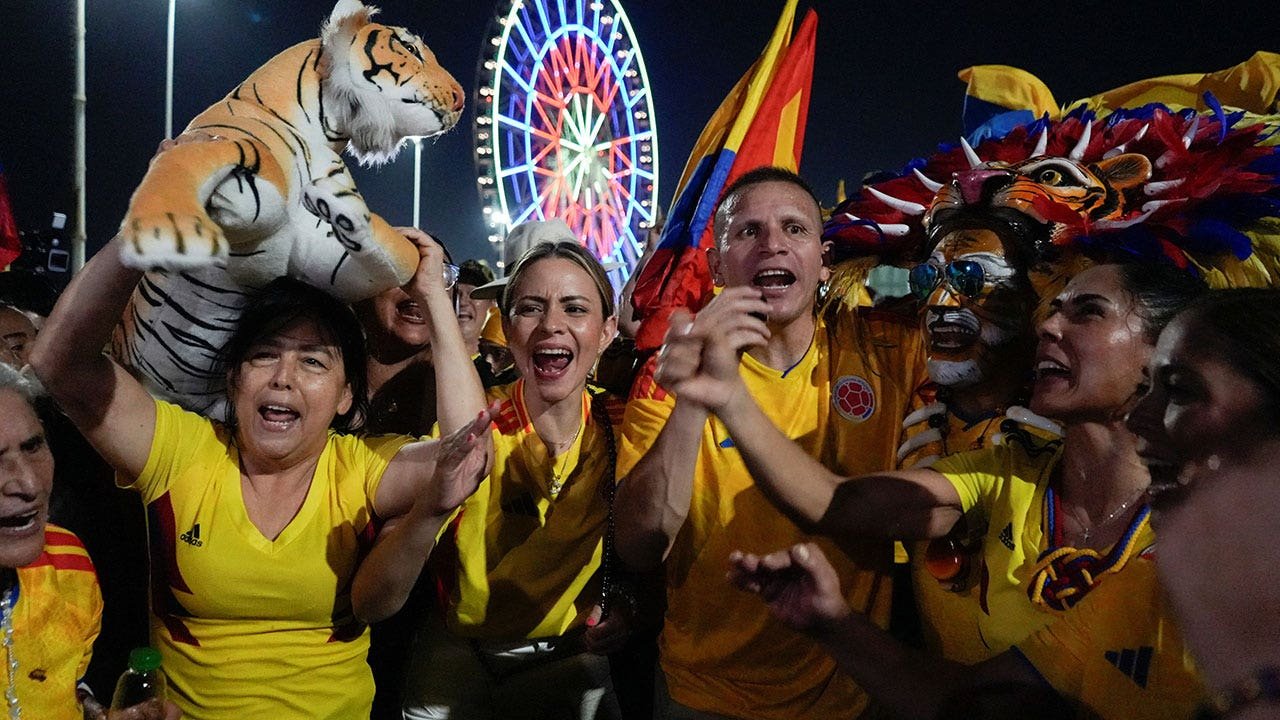
In a region increasingly defined by larger-than-life political figures, de la Espriella is known universally as «El Tigre,» and has transformed his nickname into a political movement. Campaign rallies feature tiger imagery, merchandise and slogans built around strength and fearlessness.
He has openly embraced comparisons to President Trump, presenting himself as a political outsider willing to confront entrenched elites, challenge progressive orthodoxies and restore what supporters describe as strength and order to government.

Colombia’s President Gustavo Petro delivers a speech during a troop recognition ceremony at the Jose Maria Cordova Military Cadet School in Bogota on March 11, 2025. (Raul Arboleda/AFP via Getty Images)
Earlier this week Trump endorsed him stating in part on social media that: «Colombian Presidential Candidate, «El Tigre (THE TIGER),» Abelardo de la Espriella, is a Smart, Strong, and Tough Leader, who fights tirelessly for, and loves, his Great Country and People, just like I do for the United States of America.»
Trump added, «Because of his tremendous accomplishments in life, and his political support for me, it is my Honor to give Abelardo my Complete and Total Endorsement. GET OUT AND VOTE FOR «EL TIGRE» ABELARDO DE LA ESPRIELLA — HE WILL NOT LET THE WONDERFUL PEOPLE OF COLOMBIA DOWN. It will rise to a new height of Greatness!»
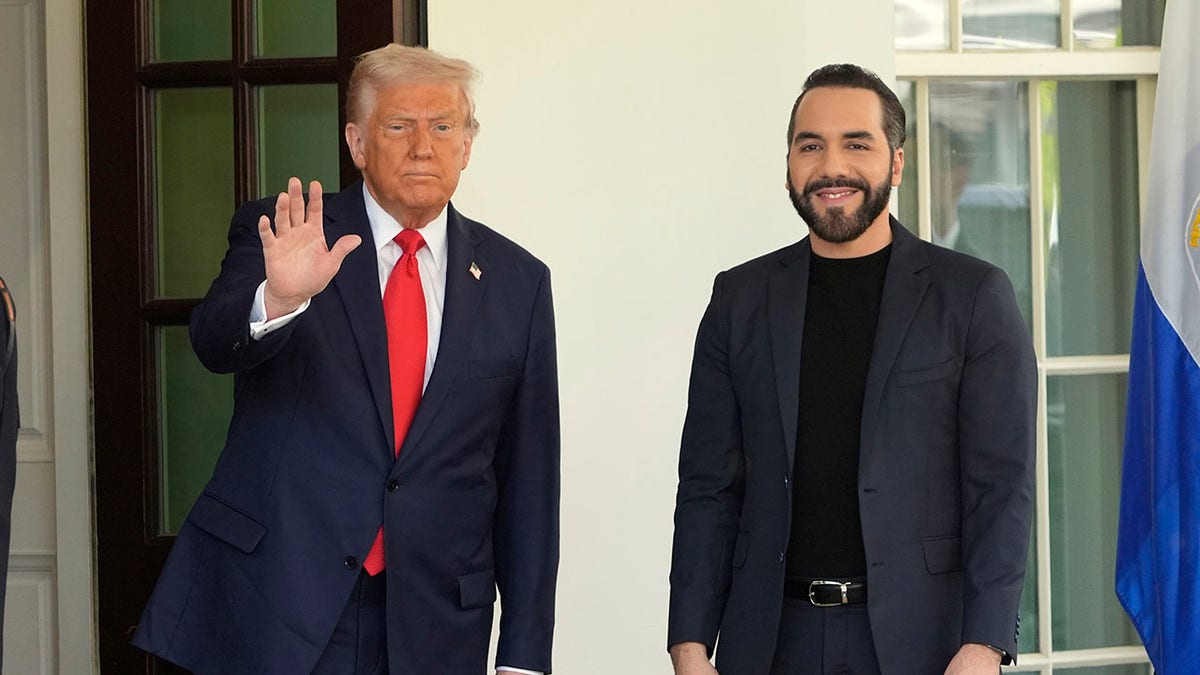
President Donald Trump, left, waves as he greets El Salvador’s President Nayib Bukele as Bukele arrives at the White House, Monday, April 14, 2025, in Washington. (AP Photo/Manuel Balce Ceneta)
TRUMP DOUBLES DOWN ON COLOMBIA CRACKDOWN, CALLS PETRO ‘LUNATIC,’ VOWS TO END ALL US PAYMENTS OVER DRUGS
Aside from the Trump comparison, he’s also been likened to El Salvador’s President Bukele. Like Bukele, he has built a political brand around toughness, disruption and public frustration with crime. His campaign rhetoric frequently emphasizes restoring state authority and defeating criminal organizations through overwhelming force.
Petro’s ally, Iván Cepeda, has pledged to continue the administration’s social and economic agenda while expanding negotiations with armed groups.
Cepeda’s campaign did not respond to a Fox News Digital request for comment on his campaign and hopes for the country.
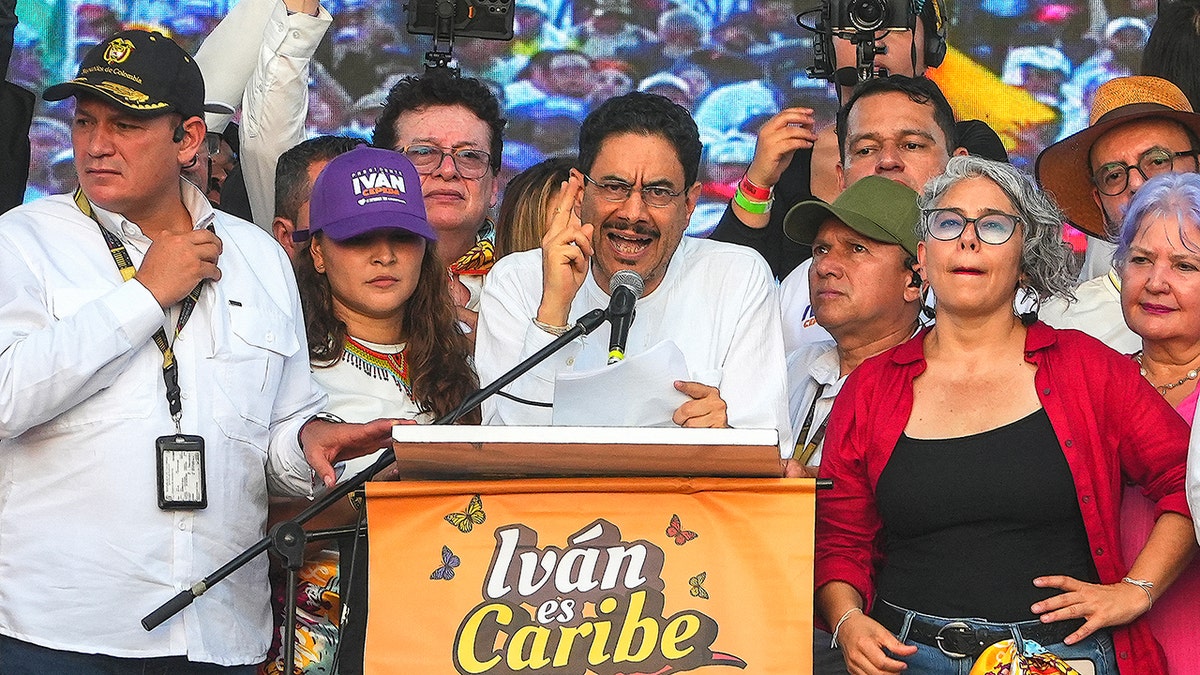
Colombia’s presidential candidate Ivan Cepeda, of the Pacto Historico party, speaks to supporters during his final campaign rally in Barranquilla, Atlantico department, Colombia on May 24, 2026. (Vanessa Romero/AFP via Getty Images)
Carlos Chacón, executive director of Instituto de Ciencia Política (ICP), a think tank in Colombia told Fox News Digital, «Colombia is torn between two models and two visions: the leftist model, which seeks to increase state intervention in the economy, a model already proven to generate fiscal deficits and economic crises; a model that prioritizes negotiations and appeasement over security, resulting in the strengthening of criminal networks nationwide; and, above all, a model whose political agenda is to alter the Constitution.»
US SANCTIONS COLOMBIAN PRESIDENT AND FAMILY OVER DRUG TRAFFICKING ALLEGATIONS
Chacón said the difference between the two candidates is clear, saying that Abelardo’s model «favors free enterprise and seeks to ensure security, regain territorial control, downsize the state, revitalize strategic sectors, and mend international relations, would be implemented entirely within the framework of the 1991 Constitution.» He added, «Abelardo has never spoken of replacing the constitutional model with an authoritarian one, as is the case with the project proposed by Petro, Cepeda.»

Colombian presidential candidate Abelardo De La Espriella of the political movement Defenders of the Homeland reacts after the results of the first round of the presidential election, in Barranquilla, Colombia May 31, 2026. (Sergio Acero/reuters )
One of the recurring themes of de la Espriella’s campaign has been rebuilding a close relationship with Washington and pursuing a more aggressive security partnership against narcotrafficking and armed groups. He has advocated U.S.-backed operations against narco-terrorist camps and stronger bilateral cooperation on security issues.
De la Espriella rise comes as the outgoing Colombian President Petro faces a battle over allegations of improper involvement in the country’s presidential election. The head of Colombia’s congressional investigative commission has proposed suspending president Petro while authorities examine allegations that he improperly intervened in the presidential campaign on behalf of his political movement.
CLICK HERE TO DOWNLOAD THE FOX NEWS APP

A supporter of Colombia’s presidential candidate for the Defensores de la Patria party, Abelardo de la Espriella, takes a selfie as she awaits his arrival to his last campaign rally in Barranquilla, Colombia, on May 23, 2026. Colombia will hold presidential elections on May 31. (Vanessa Romero/AFP via Getty Images)
The proposal has triggered fierce debate across Colombia, with supporters describing it as necessary accountability and critics arguing it exceeds constitutional authority. Petro has denied wrongdoing and remains in office.
The outcome of this election will help determine not only the future of Colombia’s security strategy, but also the trajectory of one of Washington’s most important allies in the Western Hemisphere.
colombia, foreign affairs, donald trump, south america
En las relaciones internacionales, más que promesa moral hay un cálculo continuo, que produce ajustes cuando los costos superan los beneficios o interfieren con los objetivos. En el caso de una potencia, se comete un error cuando se ignora la presencia del cálculo, error que también cometen quienes confunden lo que es solo una fase con algo permanente.
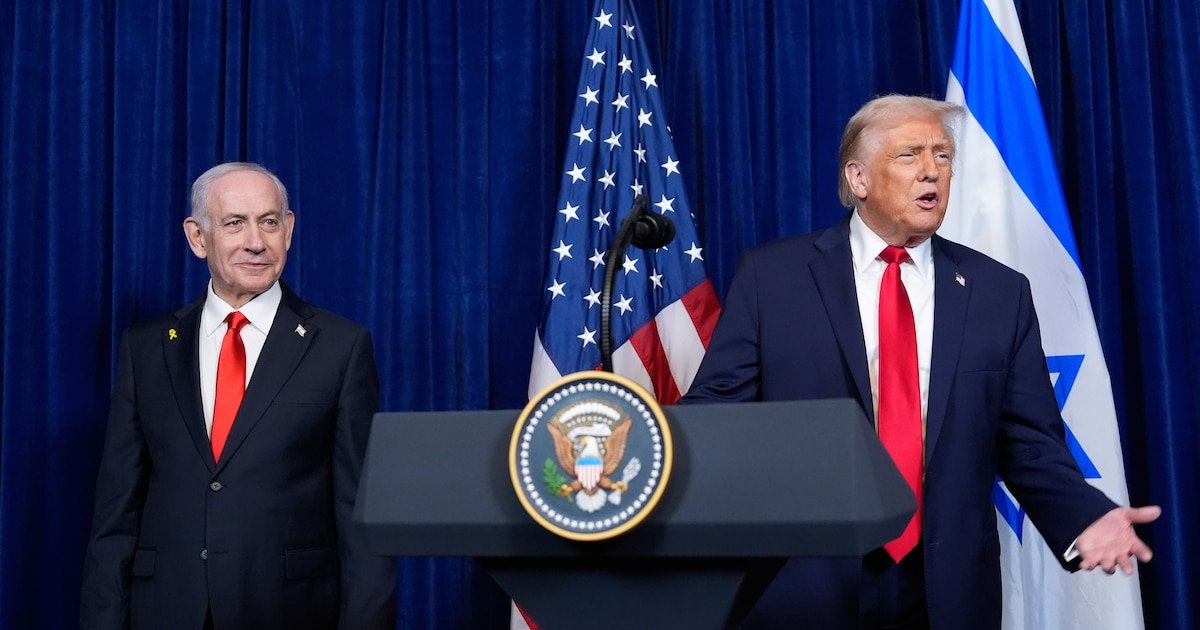
Es lo que está hoy pasando con las relaciones entre EE. UU. e Israel que aparece con problemas, por algo que hemos insistido en esta columna, la presión ejercida por una elección, la de medio término en noviembre, que hoy la Casa Blanca está perdiendo y que tendría consecuencias tales como un juicio político al presidente y el adelantamiento de la campaña presidencial del 2028.
No creo que haya habido traición, sino que operó una situación donde en periodo electoral Washington es notoriamente infiel, y a Israel y en particular, a Netanyahu le pasó algo similar a lo que tuvo lugar cuando Biden los detuvo en las puertas de la ciudad de Rafah en Gaza, motivado por una campaña presidencial que de todas maneras perdió, solo que ahora, con Trump, fue a una escala mayor, y sobre todo, inesperado, por la relación que se había establecido, un costo también ocasionado por la indebida personalización de una alianza entre Estados.
No hay duda de que el Memorándum de Entendimiento es entre malo y muy malo para Israel, cuyas demandas de seguridad no aparecen mencionadas, pero equivocadamente en Jerusalén se confundió una etapa con lo permanente. Sin embargo, creo que se va a encontrar como otras veces un acomodo, y, para que este mal momento quede atrás, hay que esperar el resultado de las elecciones que tendrán lugar en ambos países, octubre en Israel y noviembre en EE. UU.
La verdad es que la relación ha pasado siempre por etapas, solo que en los últimos dos años pareció ser la más sólida de la historia, e Israel siempre ha tenido muy clara la defensa de sus intereses estratégicos, los que todo análisis objetivo debe reconocer que difieren de los de EE. UU. como superpotencia. No es la primera vez que algo así pasa entre Israel y EE. UU. como tampoco será la última, solo que ahora hubo sorpresa por tratarse de un presidente autodefinido como proisraelí, pero también uno que cambia de opinión con frecuencia, por lo que, esta columna, más de una vez alertó que podría producirse un distanciamiento.
Israel más que ser querido, debe buscar solo ser respetado en Washington, lo que es difícil de lograr, en periodos electorales, y retiros de Vietnam, Irak o Afganistán son testigos de aquello, para perjuicio de quienes creyeron que había amistad eterna. Ello no solo se da en el caso de Trump, sino también y en forma muy notoria en J.D. Vance, quien, como probable candidato, solo piensa en seguir contando con el apoyo de Trump y en sus votantes, en una opinión pública que claramente en los demócratas ya se está alejando de Israel.
Por lo demás, nada garantiza que Irán vaya a cumplir con lo conversado y con lo que se negocie en estos 60 días, tal como no lo ha hecho con los acuerdos anteriores. De partida, la reunión que iba a tener lugar el viernes 19 fue suspendida, y al día siguiente se anunciaba que Irán se disponía “a cerrar” Ormuz, mientras que el ejército de EE. UU. declaraba que se mantenía en “alerta”. Veremos que pasa a partir de hoy en Suiza.

En el caso actual, se ha dado lo habitual en la mayoría de las guerras, donde escasea quien realmente gana y todos pierden, sea poco o mucho. De hecho, hay diversas formas de mirar lo que ha pasado, ya sea como una guerra “corta”, que se habría iniciado el 28 de febrero, o más bien sería la culminación de una confrontación ininterrumpida que se inició por parte de Irán en 1979 con la toma de la embajada de
EE. UU. o la posición que yo prefiero, explicada en un libro reciente (1) y que sitúa el inicio en el apoyo que le dio Irán a la invasión de Israel por Hamas el 7- X (2023) y que activó a todas sus milicias proxis, lo que obligó a Israel a luchar simultáneamente en 7 frentes. Es lo que ahora está culminando, aunque sea de forma inesperada.
Si de ganadores y perdedores hablamos, el gran ganador no está en quienes combatieron, sino que lo son el petróleo y el gas, que, sobre todo el primero demostró cuán central sigue siendo, no solo en la economía, sino también en el propio funcionamiento de las sociedades. Por lo mismo, un gran perdedor fue el alarmismo climático que los ha satanizado, al igual que los países que han desechado a la energía nuclear que vuelve a interesar por la necesidad existente de abundante electricidad para la IA. Es así como se ha presenciado un predominio del petróleo en las noticias y en las declaraciones de los políticos, al igual que un casi total olvido de las energías alternativas, y una pérdida de protagonismo de los activistas del medio ambiente. Es decir, tenemos presencia geopolítica y económica del petróleo para un tiempo mayor del que se suponía antes de la guerra. Ahora, tal como lo ha expresado Arabia Saudita, la prioridad la tiene la inversión en nuevos oleoductos que eviten Ormuz o en reparar los grandes daños causados por Irán.
En una región como el Medio Oriente donde triunfo y derrota no significan lo mismo que en Occidente, sin duda el sentimiento que se impone en Irán es de triunfo, toda vez que lo más importante para ellos fue que la revolución islámica sobrevivió la confrontación con la primera potencia del mundo, que ahora, a diferencia de la guerra de 12 días de 2025, buscaba el fin de esa revolución y la caída del gobierno.
En todo caso, la destrucción fue a todo nivel, ya que se quedó no solo sin marina de guerra o fuerza aérea, sino que la devastación económica fue muy grande, con gran desempleo y demolición de fábricas, actividades comerciales y un embargo de puertos que paralizó toda venta de combustible. La supervivencia del régimen fue también ayudada por aciertos propios como haber efectivamente cerrado el estrecho de Ormuz, y una descentralización de los misiles a través de todo el territorio que le dio crédito a una imagen de “resistencia”, a pesar de que cada vez dispuso de menos misiles para atacar, debido a que no pudo producir para reemplazar a los que se disparaban.
Entre los errores de EE. UU. los más llamativos fueron haber detenido su avance militar en momentos de total predominio y donde Irán mostraba la mayor debilidad desde 1979, y, sobre todo, no haber previsto la bomba económica que se estaba preparando en Ormuz con el petróleo, además que perdió disuasión ya que sus amenazas de usar la fuerza en el estrecho nunca se materializaron, lo que lo hacían aparecer como tigre de papel.
En Israel, el sentimiento es hoy de traición en la población y de enojo en militares y el gobierno, aunque es de responsabilidad propia que hasta el momento no haya conseguido el objetivo de derrota total de Hamas y Hezbolá, ambos muy degradados y a la defensiva, pero que deben sentirse envalentonados por el distanciamiento con EE. UU. y por las declaraciones que hoy están hoy saliendo de Washington, que no auguran un apoyo similar al que Trump entregó en el pasado, y un futuro que no se ve pro israelí en lo que ha dicho el vicepresidente Vance, en caso que él sea el candidato republicano, y mucho menos, en lo posibles candidatos demócratas.

Pero lo de Israel y EE. UU. es una realidad mezclada, donde es notorio el triunfalismo de la Casa Blanca por haber firmado el Memorándum, pero también el desencanto de no haber logrado objetivos principales de la actividad bélica. En todo caso, siempre hay que incorporar al análisis los logros positivos. Por ejemplo, en el caso de EE. UU. cuyo objetivo principal era el fin de la amenaza de la bomba atómica, a favor figura que los bombardeos han retrasado en muchos años a ese programa nuclear como también que, por las sanciones, Irán no dispone hoy de la posibilidad de comprar o fabricar los componentes.
En el caso de Israel, la guerra con Hamas, a pesar de haberlo degradado como amenaza, el hecho importante es que se mantiene firme en el gobierno de Gaza. Por su parte, Hezbolá no solo ha sufrido militarmente con la invasión israelí del sur de El Líbano, sino que por vez primera existen conversaciones directas entre Israel y el gobierno libanés, en que ambos concuerdan en que ese grupo terrorista debe desarmarse como también que Irán no siga interviniendo en los asuntos internos libaneses. Y aunque en la parte negativa para Israel, han sobrevivido aquellos que quieren su destrucción como Hamas, Hez bolá y la revolución islámica iraní, no hay duda de que esta última está lo suficientemente debilitada como para que no le sea posible movilizar a sus proxis, con la excepción de El Líbano. La verdad es que Irán, aunque ganó en la negociación diplomática, sufrió tal castigo militar, que hoy no da el miedo que producía antes como tampoco está en condiciones de enfrentar de igual a igual a Israel que tiene total superioridad aérea, lo que le permite entrar y salir de ese territorio sin ser interceptado.
Y aunque en el futuro no sobreviva, por ahora, a Irán su estrategia de guerra híbrida le dio resultado no solo contra EE. UU, sino también contra los países árabes, las monarquías del Golfo a las cuales bombardeó castigando fuertemente sus exportaciones de gas y petróleo, por lo que las consecuencias para esos países fue también mezclada, ya que por un lado, algunos fortalecieron la relación que tenían con Israel, notablemente en el caso de los Emiratos, pero fracasó su neutralidad, ya que de todas maneras fueron atacados por Irán.
Hoy se aprecia un nuevo mapa de alianzas en la región, por lo que, en el Golfo, aparecen tres actitudes: primero, la de Catar, que, aunque era aliado de Irán, de todas maneras, fue objetivo militar por ser un lugar donde hay bases estadounidenses, y a pesar de los ataques, junto a Pakistán y Turquía ha buscado mediar entre Washington y Teherán. Segundo, Arabia Saudita ha tenido una posición equidistante, alejándose de Israel y acercándose a Pakistán y Turquía en la búsqueda de una especie de frente sunita. Tercero, la mayor sorpresa han sido los Emiratos Árabes Unidos, no solo acercándose a Israel sino también confrontando a Irán, por lo que destaca su actitud desafiante hacia la agresión.
En todo caso, no hay duda de que primero, EE. UU. no defendió adecuadamente a sus aliados árabes del Golfo lo que también influyó en que hayan tenido diferencias en la forma de enfrentar a Teherán. En segundo lugar, seguramente el futuro cercano mostrará una fuerte preocupación de las monarquías petroleras en su defensa y sus FF. AA., ya que, a pesar de tener armamento avanzado y que sus adquisiciones de material estadounidense son muy similares a las de Israel, sin embargo, el desempeño no estuvo a la altura de ese armamento, lo que quizás refuerce el acercamiento de alguno(s) a Tel-Aviv. Por ahora, es indudable que se ha resentido la alianza tan estrecha que tenían con EE. UU., toda vez que la presencia de bases militares no sirvió para defenderlos.
Los perdedores de esta guerra también incluyen a la Autoridad Palestina, ya que su ambigüedad y su falta de condena real a la invasión de Hamas no les sirvió, toda vez que hoy el Estado Palestino no parece estar en el calendario de eventos próximos, a no ser que el distanciamiento actual de Israel y EE. UU. lleve a presionar por ese lado. Sin embargo, hoy no parece ser prioritario, salvo para Europa. En todo caso, hubo elecciones locales en Cisjordania el 25 de julio, y en solo una localidad de Gaza, Deir al Balah. La participación fue baja, ya que solo alcanzó el 53,4%, toda vez que hubo boicot de Hamas que no figuró en las listas electorales por su negativa a la solución de los dos Estados. En todo caso, eran más bien de legitimación de su presidente Abu Mazen, ya que las ultimas presidenciales se celebraron el 2005 y las últimas legislativas el 2006.

Los perdedores de la confrontación entre EE. UU. e Irán también incluyen a la ONU y a Europa que han mostrado una total irrelevancia, a pesar de la importancia de este conflicto para el mundo. Por su parte, para la lucha por quien será en definitiva la gran potencia de este siglo XXI, este conflicto ha mostrado las limitaciones de EE. UU. como superpotencia, al mismo tiempo de ilustrar sobre las insuficiencias de China, gran poder económico, pero que, en temas militares y geopolíticos, todavía se limita al Asia, fundamentalmente Taiwán, ya que todavía no desarrolla la capacidad de desplegar poder y fuerza en otras regiones del globo.
Al listado hay que agregar a las comunidades judías a través del mundo, ya que el antisemitismo-judeofobia no parece haber amainado, sobre todo, en el caso reciente de los judíos en el Reino Unido, donde Israel ha reemplazado hoy en el odio a lo que fue la religión o la “raza” en el pasado, por lo que todo indica, que seguramente los actos agresivos van a aumentar antes que disminuyan.
Entre los perdedores, hay que añadir a los ciudadanos y las mujeres de Irán, ya que no hay duda, que la supervivencia de la revolución islámica en el poder es una muy mala noticia, que perjudica toda movilización contra la tiranía, toda vez que el Memorándum que comentamos tiene un fuerte olor a impunidad a quienes asesinaron alrededor de 40.000 manifestantes en las calles. También, es una mala noticia y un retroceso para las minorías que buscaban un trato igualitario en Irán, tales como kurdos, árabes, azeríes y los habitantes del Beluchistán histórico.
Del mismo modo, la situación actual es una noticia desagradable para todos aquellos pueblos sin un Estado y que lo buscan hoy, no solo los palestinos, sino también un grupo más numeroso como son los kurdos y uno menos, pero que también busca su propio Estado o al menos autonomía en Siria, como es el caso de los drusos.
Esta guerra también ofrece lecciones para aquellas fuerzas armadas que no se han adaptado a las nuevas características, no solo la importancia de los drones, sino también que se puede sobrevivir a una ofensiva en su contra de un poder superior, tal como lo han demostrado Ucrania e Irán, a pesar de no contar hoy ninguno de los dos con aviación o marina.
Los perdedores, por ahora, también incluyen a Trump, quien ha perdido prestigio entre aquellos iraníes que creyeron en la petición que “salieran a las calles ya que ayuda iba en camino”, tal como ahora lo están expresando en las RRSS. Netanyahu también se ve perjudicado en plena campaña electoral, por el estatus que había adquirido Trump en la ciudadanía israelí, después de haber logrado la liberación de los rehenes vivos, demostrando que en el nuevo escenario podría no ser la persona adecuada para manejar esa relación clave por el distanciamiento mencionado.
Como conclusión, me parece que este Memorándum va a seguir el camino de la “Paz para Gaza”, donde aquellos hoy olvidados 20 puntos se parecen a los 14 puntos actuales, es decir, buenas intenciones que no se materializaron. En el caso de Gaza, ni Hamas se ha desarmado como tampoco se han cumplido los compromisos de inversión o tropas de pacificación que nunca van a aparecer mientras Gaza siga controlada por ese movimiento terrorista, razón adicional, por la cual un país como Israel, consciente de sus necesidades estratégicas, no va a salir del sur libanés, mientras desde allí se siga atacando a la población del norte israelí, y habría que preguntar cuál de los países que lo critican, aceptaría en sus fronteras una situación similar.

Lo que estamos viviendo confirma lo anticipado por quienes saben de guerras, que los ceses del fuego temporales tienden a transformarse en permanentes como en Corea, como también que regímenes como el de Irán no desaparecen por bombardeos desde el aire, por lo que, por último, lo malo de que EE. UU. haya terminado la guerra antes de tiempo, es que la supervivencia de la revolución islámica va a dificultar una verdadera transformación posible del medio oriente, en el sentido de una alternativa a Ormuz, donde la alianza incipiente entre árabes sunitas e Israel podría haber asegurado oleoductos y gasoductos que llevaran la producción desde las monarquías del Golfo hasta puertos israelíes, de donde podrían salir a Europa y a Asia, evitando así el chantaje iraní.
Al mantenerse la revolución islámica y ante la falta de una resolución militar, lo único seguro es que el conflicto podría reaparecer, por lo que son infundadas las ilusiones en un Memorándum que ni siquiera es expresión de un acuerdo de paz, situación que demuestra que EE. UU. sigue sin entender al medio oriente, ya que ahora ha ayudado a que Irán reedite la tradición de convertir derrotas militares en victorias políticas, tal como lo hiciera Nasser en Egipto en 1967, después de la Guerra de los 6 Días.
(1) Ricardo Israel, En Defensa de Israel, Interamerican Institute for Democracy, Amazon, 460pp, 2025
Máster y PhD en Ciencia Politica (U. de Essex), Licenciado en Derecho (U. de Barcelona), Abogado (U. de Chile), excandidato presidencial (Chile, 2013)
u.s.,us
INTERNACIONAL
Trump administration probe could upend widely used transgender youth treatment guidelines
NEWYou can now listen to Fox News articles!
The organization widely regarded as the leading authority on transgender medical treatment is facing allegations from the Federal Trade Commission that it built influential treatment guidelines for minors on evidence its own leaders privately acknowledged was limited and uncertain.
The complaint, filed in a Texas federal court by the Federal Trade Commission and the attorneys general of Alaska, Iowa, Nebraska and Texas, accuses World Professional Association for Transgender Health (WPATH) of developing and promoting guidance that healthcare providers relied upon when recommending puberty blockers, cross-sex hormones and sex-change procedures for minors.
The case could determine whether the medical guidance that shaped transgender treatment for thousands of children was built on solid evidence or agenda-driven speculation.
FTC Chairman Andrew Ferguson said the lawsuit is a consumer-protection case focused on whether families were properly informed about the risks and benefits of these treatments.
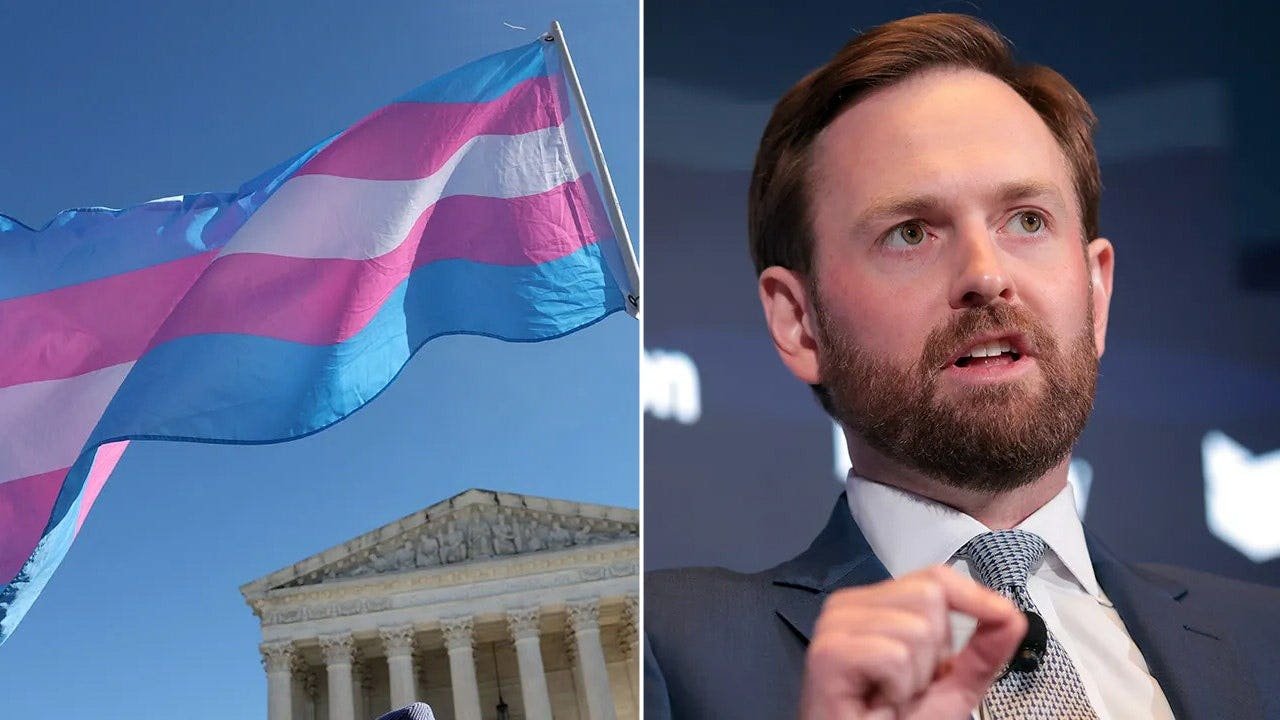
The FTC sued the World Professional Association for Transgender Health, alleging the organization misled parents and doctors about transgender medical treatments for minors. (Getty Images)
WASHINGTON POST ADMITS SCIENCE BEHIND PUBERTY BLOCKERS AND HORMONES FOR MINORS NOT CLEAR
«Children, but especially their parents, must have complete and truthful information when making decisions to purchase medical services,» Ferguson said in a statement. «For decades, the FTC has taken action against entities that make deceptive and unsubstantiated health-related claims.»
At the center of the lawsuit are allegations that WPATH publicly described its Standards of Care as evidence-based and rooted in expert consensus while some of the organization’s own leaders privately acknowledged limitations in the available evidence.
The complaint cites a 2023 strategy memo from Standards of Care 8th edition lead author Dr. Eli Coleman stating that «all of us are painfully aware that there are many gaps in research to back up our recommendations.»
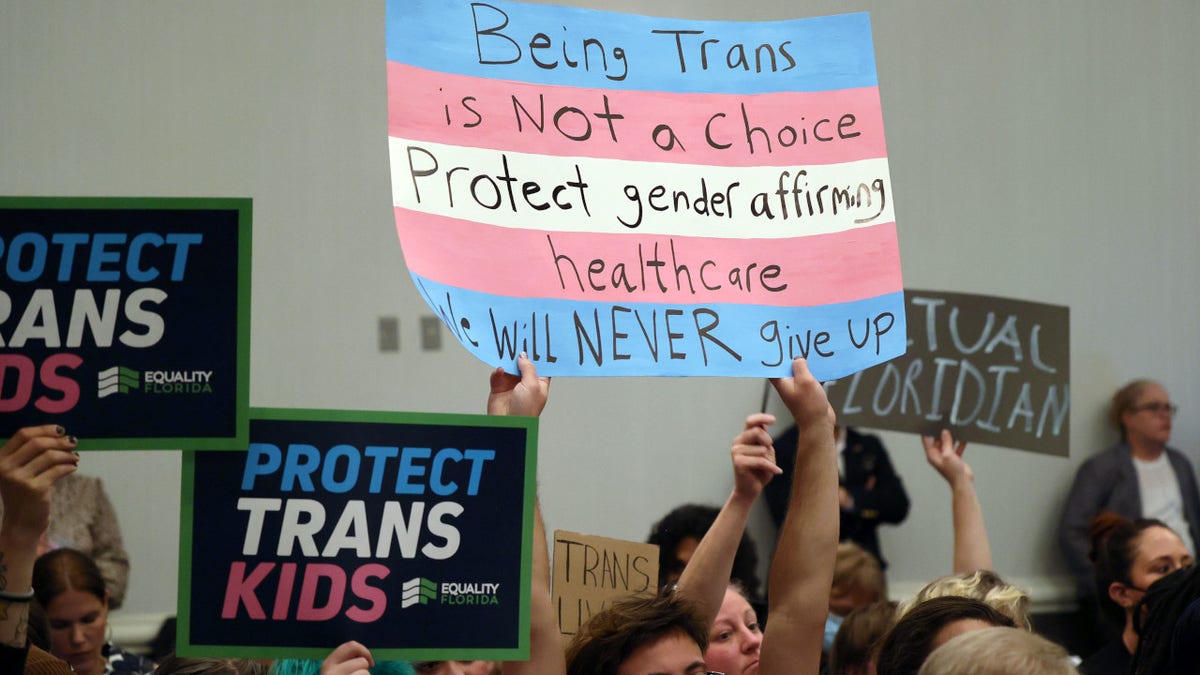
People hold signs during a joint meeting of the Florida Board of Medicine and the Florida Board of Osteopathic Medicine to establish new guidelines limiting gender-affirming care in Florida on Nov. 4, 2022. (Ricardo Ramirez Buxeda/Orlando Sentinel/Tribune News Service)
ESSAY EXPOSES CRUMBLING MEDICAL CONSENSUS ON YOUTH GENDER SURGERY
It also references comments from Dr. Amy Tishelman, lead author of the organization’s chapter on children, who acknowledged in an NPR interview that there was no established «research basis» for determining the best assessments or treatments for «transgender youth.»
Federal regulators further allege WPATH removed age minimums from its 2022 Standards of Care for procedures including breast removal surgeries without scientific justification. According to the complaint, internal discussions revealed some WPATH leaders struggled to identify evidence-based reasons supporting the change.
Kurt Miceli, chief medical officer for Do No Harm, a medical ethics advocacy organization, said the allegations raise serious questions about how the organization’s guidelines were developed.
PLASTIC SURGEON CITES ‘EMOTIONAL BLACKMAIL,’ POOR EVIDENCE IN WARNING AGAINST YOUTH GENDER SURGERIES
«The conflicts of interest that are within the standards of care are significant, and again, not brought to light, and this is part of that deception, and the concern that WPATH has sort of stated that the science is there behind pediatric medical transition when it is not.»
Federal regulators allege that many of the clinicians and surgeons who helped draft WPATH’s guidelines had financial and professional interests tied to the treatments being recommended.
«What WPATH did was stack the deck with folks who had a financial invested interest in promoting pediatric medical transition, and subsequently you get guidelines that push hormones, puberty blockers, and surgeries,» Miceli said.
GENDER DYSPHORIA TREATMENTS POSE ‘SIGNIFICANT RISKS’ TO KIDS AND TEENS, HHS REPORT REVEALS
The lawsuit argues WPATH’s influence extends far beyond its membership. Its Standards of Care have been widely cited throughout medicine and have helped shape treatment protocols, insurance coverage decisions and professional guidance across the United States.
WPATH is a co-sponsoring organization of the Endocrine Society’s widely used clinical practice guideline on gender dysphoria and gender incongruence. The American Academy of Child and Adolescent Psychiatry describes WPATH and Endocrine Society guidance as the two most widely known clinical guidelines used by providers caring for youth with gender dysphoria.
Among the most serious allegations are claims that WPATH promoted pediatric transition procedures as «lifesaving» despite insufficient evidence that such interventions reduce suicide risk.
PROGRESSIVES TRAPPED IN ‘MISINFORMATION BUBBLE’ ABOUT TRANSGENDER YOUTH TREATMENTS, ATLANTIC WRITER ADMITS
The complaint cites instances in which parents were allegedly asked whether they would «rather have a live daughter or a dead son» when considering treatment options for their children.
«When WPATH says that these are life-saving interventions, and then we hear physicians tell parents, ‘Would you rather have a dead son or a living daughter?’, and we hear that line repeated, which again is not supported by evidence by any means whatsoever,» Miceli said.
«The benefits that WPATH is claiming are there actually aren’t,» Miceli told Fox News Digital. «In fact, the benefits are a very low certainty.»
CHLOE COLE REVEALS INTENSE PRESSURE TO TRANSITION AS A MINOR, PARENTS WERE TOLD SHE’D ‘PROBABLY DIE’
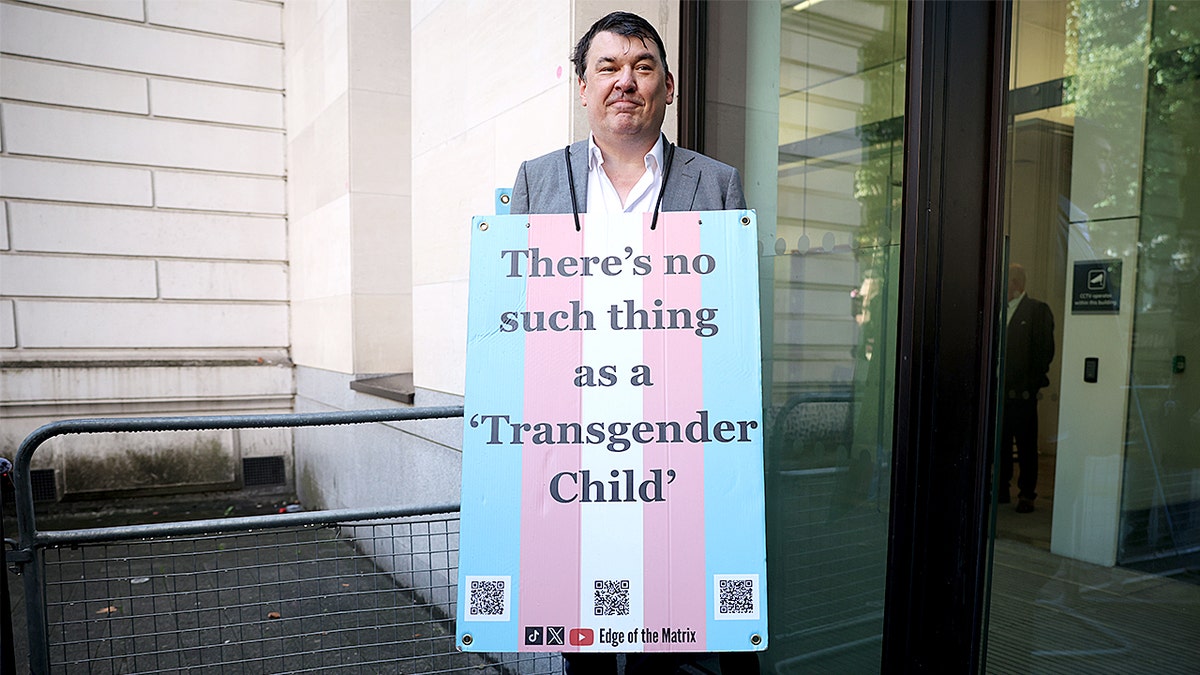
Graham Linehan poses with a placard reading «There’s no such thing as a transgender child» outside Westminster Magistrates Court in London on Sept. 4, 2025. (Dan Kitwood/Getty Images)
The complaint alleges that some minors who underwent medical transition experienced lasting complications, including chronic pain, sexual dysfunction, urinary incontinence, fertility concerns, nerve damage and ongoing psychological distress.
WPATH rejected the allegations Wednesday, calling the lawsuit politically motivated and legally flawed.
«This is the second time this year the Trump Administration has abused the authority of its agencies to interfere with Americans’ rights to seek and obtain the healthcare that should be decided between a patient and their physician,» the organization said in a statement.
PRISHA MOSLEY: DOCTORS TOOK MY BODY APART FOR GENDER ‘CARE.’ NOW THEY ADMIT IT WAS WRONG
«For more than 50 years, WPATH has been committed to developing guidelines informed by established scientific standards, expert consensus, and patient centered values.»
Miceli said the lawsuit should prompt a broader review by medical organizations that have relied on WPATH’s guidance.
CLICK HERE TO DOWNLOAD THE FOX NEWS APP
«We need the American Medical Association, the Endocrine Society, the American Academy of Pediatrics, the American Psychiatric Association—the list goes on—we need them to look at the evidence as well, and they need to do that immediately,» he said.
«The standards of care is terribly flawed, and again it has done considerable harm as a result,» Miceli continued.
health care, surgery, childrens health, medical research, parents

Trump-backed ‘El Tigre’ looks to crush cartels, end Colombia’s socialist era in pivotal election

Cómo es y cuánto cuesta el nuevo auto 0 km que llegó a la Argentina y está entre los 10 más vendidos de la región

One Piece está lleno de misterios y la madre de Luffy es uno de ellos. Eiichiro Oda ha dejado alguna pista por el camino

“Tenemos una vida más”: la dramática arenga de Beccacece tras el empate de Ecuador que lo dejó sin margen de error en el Mundial

Preocupación en el oficialismo por el impacto digital del caso Adorni y la insuficiencia del “efecto Mundial”

El logro personal de Maria Becerra tras admitir sus adicciones: “Me sentí muy avergonzada y ahora me voy rehabilitando”

Patricia Bullrich: “El Presidente considera que Adorni dio una explicación razonable”

El Gobierno envía señales de que Adorni tiene las horas contadas para evitar que sesione el Senado

El lapidario posteo de Javier Milei contra Florencia Peña por la fake news sobre la muerte del papá de Messi

Decomisan un helicóptero producto del lavado de las coimas de Odebrecht

 POLITICA3 días ago
El lapidario posteo de Javier Milei contra Florencia Peña por la fake news sobre la muerte del papá de Messi
- POLITICA15 horas ago
Difundieron videos en los que Jésica Cirio aparece junto a miles de dólares
- POLITICA3 días ago
Ramiro Marra le pidió a Milei la renuncia de Adorni en una carta abierta