INTERNACIONAL
Obama-era ‘clean energy’ solar power plant still uses fossil fuels – and kills thousands of birds annually

NEWYou can now listen to Fox News articles!
This is part 2 of a series on California’s troubled Ivanpah Solar Power Plant in the Mojave Desert.
SAN BERNARDINO, Calif. – More than a decade after it opened, an Obama-era taxpayer-backed «clean energy» solar plant in California still burns fossil fuels and kills thousands of birds each year.
The Ivanpah Solar Power Plant, a massive facility in the Mojave Desert near the California-Nevada border, uses hundreds of thousands of mirrors to reflect sunlight into three towering structures, generating intense heat to produce electricity.
But those same beams have proven deadly.
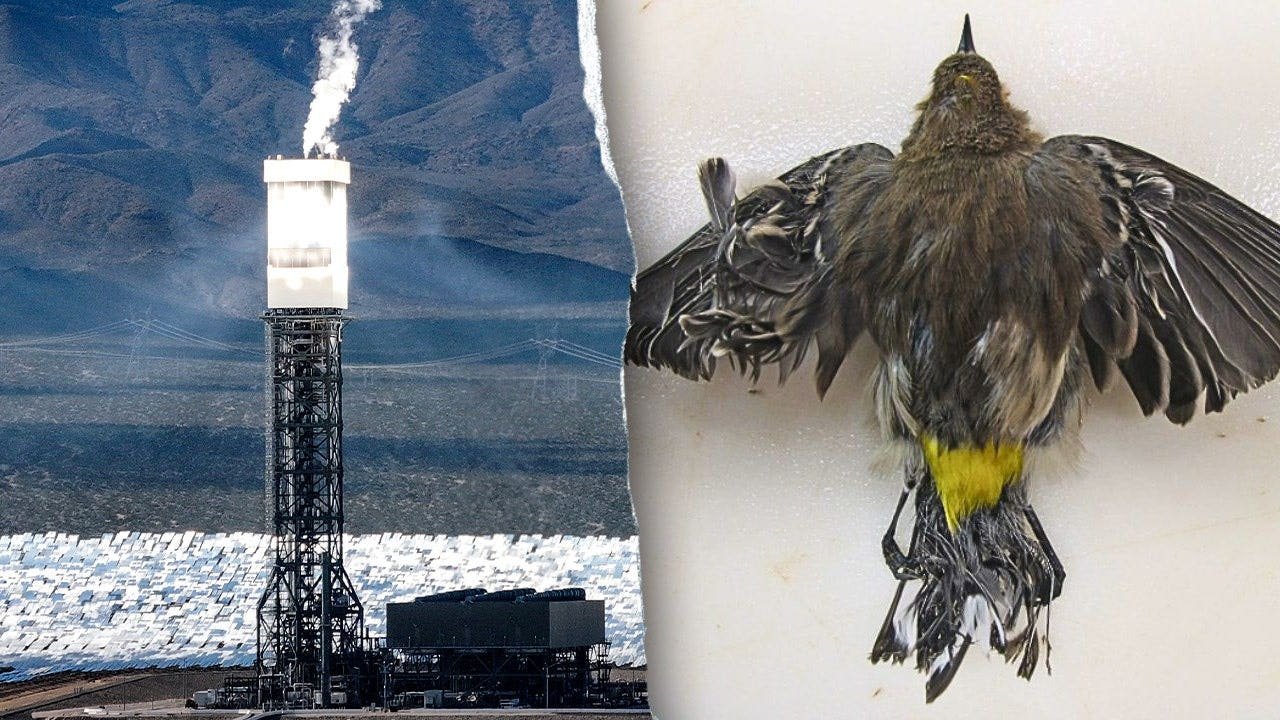
A composite image shows a tower at the Ivanpah Solar Power Plant alongside a bird found with burn injuries linked to concentrated solar heat exposure, according to federal wildlife research. (Jeff Gritchen/MediaNews Group/Orange County Register via Getty Images; U.S. Fish and Wildlife Service)
OBAMA-BACKED $2.2B GREEN ENERGY ‘BOONDOGGLE’ LEAVES TAXPAYERS ON THE HOOK
Federal researchers and monitoring reports have documented thousands of birds being killed after flying through the plant’s concentrated solar rays — a phenomenon known as «solar flux.»
The plant also relies on natural gas to start up each day – producing tens of thousands of metric tons of carbon dioxide annually – an amount comparable to the energy use of thousands of homes, raising questions about how «clean» the facility really is.
Standing near the site, its footprint is unmistakable. The towers glow intensely as beams of reflected sunlight converge at their tops, creating an almost surreal scene against the desert landscape.
Once promoted as a symbol of the future of renewable energy, Ivanpah is now drawing scrutiny over whether its environmental costs outweigh its benefits, with critics saying the project raises broader concerns about how «clean energy» is evaluated.
«If oil and gas spills a drop, literally a drop, the entire operation is shut down. And to an extent that’s a good thing,» Daniel Turner, founder of the energy advocacy group Power The Future, told Fox News Digital.
«But you label something ‘green’ or ‘clean’ and all regulations are waived.»
TRUMP’S UN SPEECH REVEALS INCONVENIENT TRUTH OF MASSIVE GREEN ENERGY COSTS
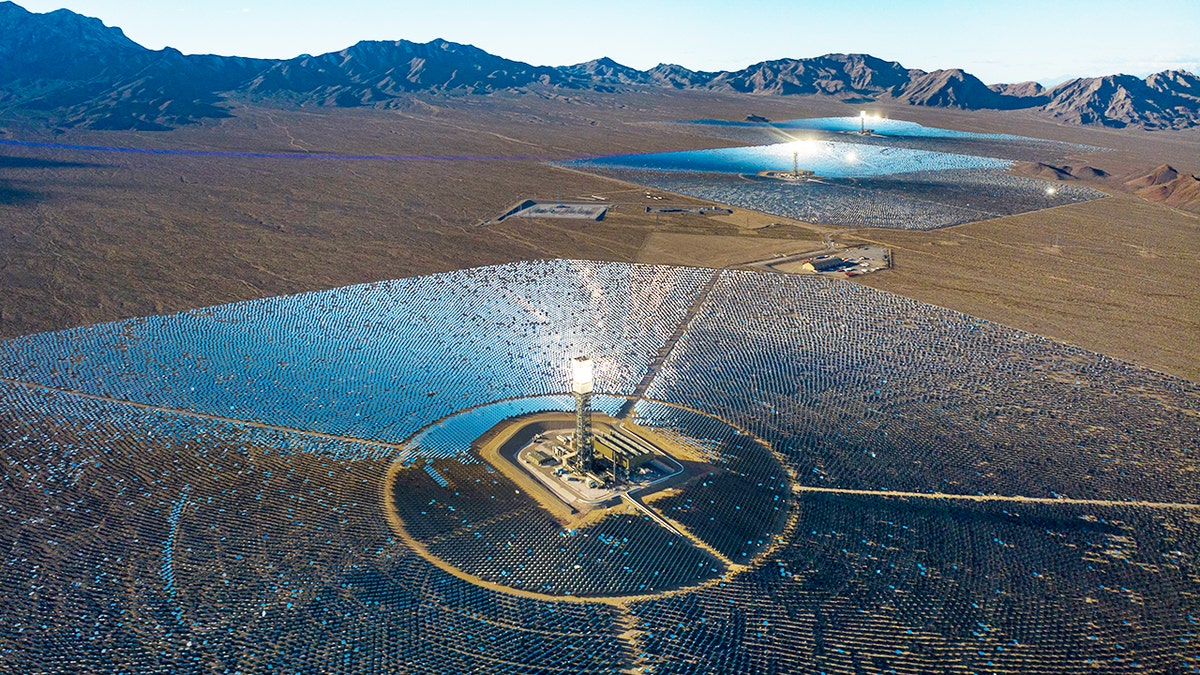
An aerial view shows the Ivanpah Solar Power Plant near the California-Nevada border, where mirrors reflect sunlight onto towers to generate electricity. (Joe Sohm/Visions of America/Universal Images Group)
Despite the documented wildlife impacts, the plant continues to operate — with California regulators declining efforts to shut it down and instead arguing it is still needed to support the power grid. Officials under both the Trump and Biden administrations have supported shutting the facility down, citing the high cost of its electricity compared to newer alternatives.
The project was built with more than $1.6 billion in federally backed loans and additional taxpayer-funded incentives, leaving hundreds of millions of dollars still outstanding — even as environmental concerns continue to mount. In addition, the U.S. Department of the Treasury provided a $539 million grant to help build the facility, covering about 30% of construction costs.
Bird deaths and wildlife impacts
The facility spans more than 4,000 acres of the Mojave Desert and uses roughly 350,000 mirrors — mounted on more than 170,000 heliostats — to reflect sunlight toward three central towers.
That same concentrated light has had unintended consequences.
Researchers say insects are drawn to the bright towers, which in turn attract birds. Some then fly through the plant’s concentrated solar beams — known as solar flux — where they can be injured or killed.
Researchers dubbed the phenomenon «streamers,» with video released by the U.S. Geological Survey showing birds trailing smoke as their feathers burn.
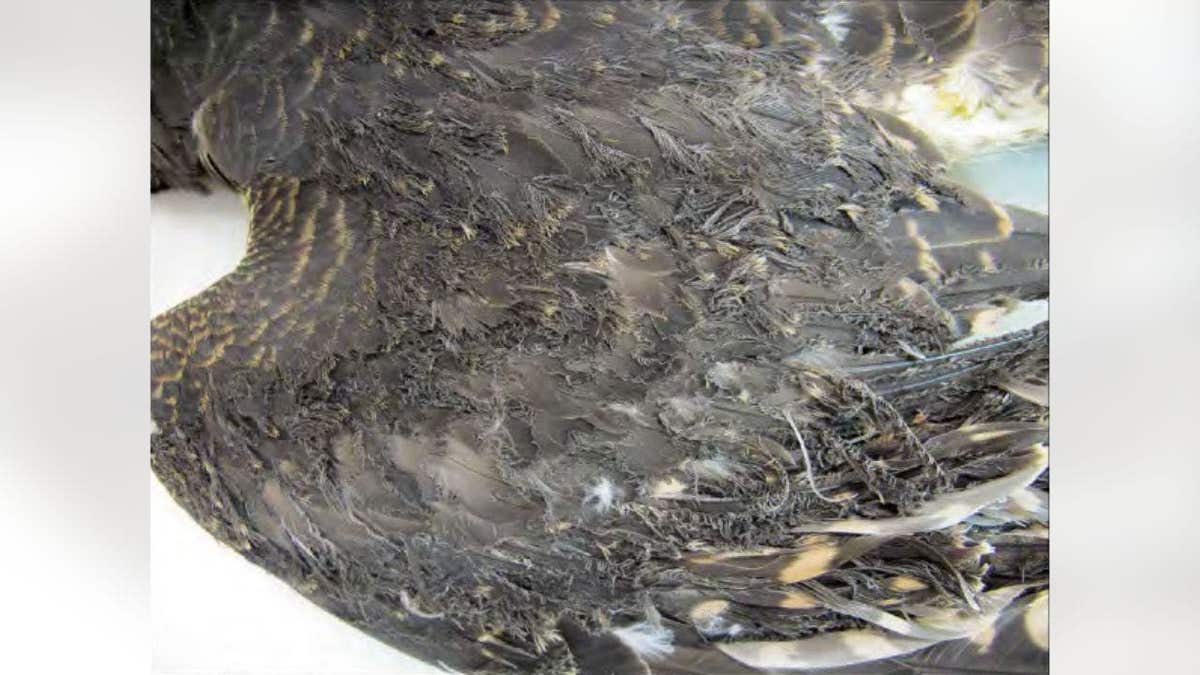
A peregrine falcon wing shows severe feather damage consistent with exposure to concentrated solar heat, according to a U.S. Fish and Wildlife Service study of the Ivanpah solar plant. (U.S. Fish and Wildlife Service)
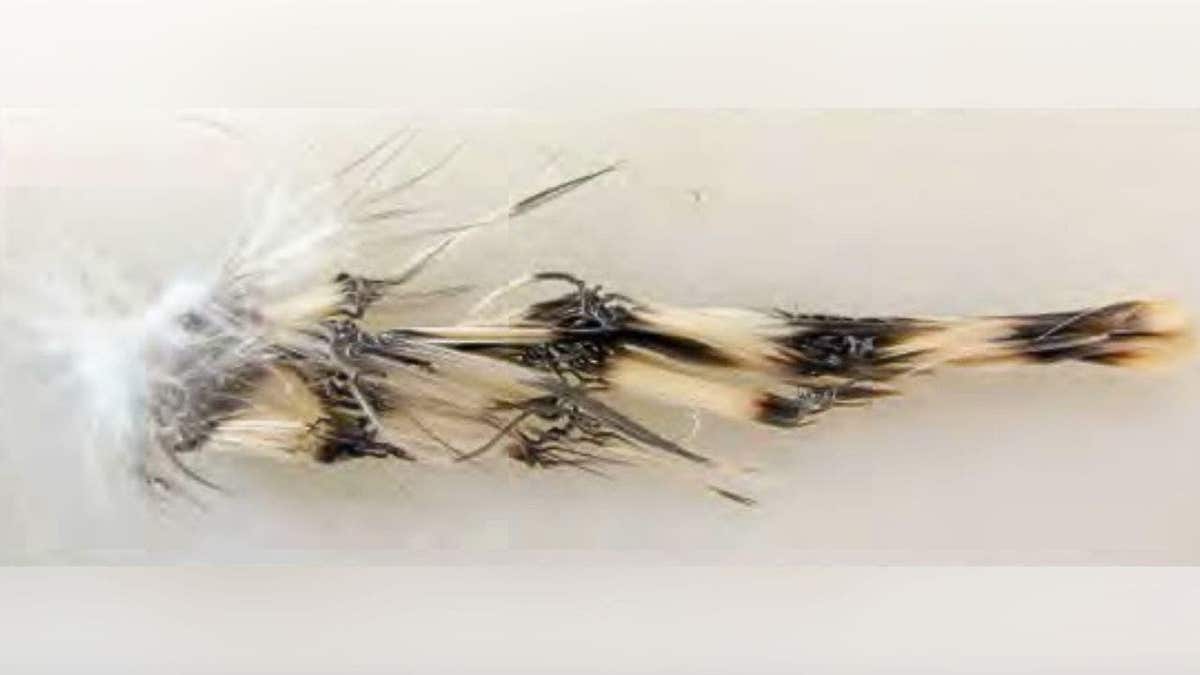
Burned feathers from a peregrine falcon show damage patterns linked to concentrated solar beams at the Ivanpah solar plant, according to federal research. (U.S. Fish and Wildlife Service)
A 2016 federal study by the U.S. Fish and Wildlife Service found evidence of birds suffering feather damage and trauma consistent with exposure to intense heat near the towers.
Monitoring reports filed with California regulators and reviewed by Fox News Digital continue to document bird and bat deaths at the site, with hundreds of birds found dead each year.
Environmental reviews conducted before construction anticipated some level of wildlife impact, including bird deaths linked to mirror collisions and concentrated solar beams, according to California Energy Commission documents.
«Bird mortality is still a significant concern at concentrated solar plants like Ivanpah,» Lewis Grove, director of wind and energy policy at the American Bird Conservancy, told Fox News Digital.
«Public estimates are that thousands of birds are killed every year by this single facility,» he said, adding that the trade-off is «generally not worth it for birds.»
CALIFORNIA’S POLITICIANS DIDN’T START THE FIRES. THEY MADE THEM WORSE
He noted that newer photovoltaic solar systems have significantly lower impacts on wildlife, underscoring how the industry has shifted away from the technology used at Ivanpah.
«The Ivanpah plant was a financial boondoggle and environmental disaster,» Julia Dowell of the Sierra Club said in a previous Fox News Digital report. She added the project «killed thousands of birds and tortoises» and showed that «not all renewable technologies are created equal.»
Habitat impact
Beyond bird deaths, the project has reshaped the surrounding desert.
The site was once considered a high-quality habitat, according to federal environmental reviews conducted before construction. Development cleared large areas of land, displacing tortoises and other wildlife and raised concerns about long-term survival.
Early monitoring reports showed dozens of protected desert tortoises went unaccounted for during initial operations — including animals held in controlled enclosures — according to California Energy Commission documents reviewed by Fox News Digital.
Critics have also questioned whether efforts to relocate tortoises away from the site have been effective.
Burning fossil fuels
The plant’s environmental footprint extends beyond wildlife.
Ivanpah relies on natural gas to start up operations each day — a requirement that has raised questions about how «clean» the facility really is.
While the original design assumed limited gas use, actual operations often require several hours of gas-burning to bring the system online. The plant also lacks large-scale energy storage, meaning it cannot generate electricity at night — a limitation newer solar projects increasingly address.

A bird feather shows curling and charring linked to concentrated solar heat exposure at the Ivanpah facility, according to a federal wildlife study. (U.S. Fish and Wildlife Service)
Project documents show the facility was originally approved to use significantly less natural gas than it ultimately required, with operators later seeking approval to increase usage by roughly 60% to maintain reliable operations, according to California Energy Commission filings reviewed by Fox News Digital.
The plant has burned natural gas to support daily startup and operations, producing roughly 25,000 to 30,000 metric tons of carbon dioxide annually — roughly equivalent to the emissions from several thousand U.S. homes.
That level of emissions is enough to place the plant under California’s cap-and-trade program, which requires major polluters to pay for their emissions — effectively placing the «solar» facility alongside traditional fossil fuel plants when it comes to emissions.
While Ivanpah produces fewer emissions than a conventional natural gas plant, its carbon footprint remains significantly higher than that of modern solar farms, which generate electricity without burning fossil fuels.
NRG Energy, which operates the facility, said in a previous statement that it remains committed to providing renewable electricity but declined to provide additional comment regarding environmental issues.
The California Energy Commission told Fox News Digital the project remains in compliance with its environmental requirements, with wildlife impacts addressed through ongoing monitoring and coordination with federal and state agencies.
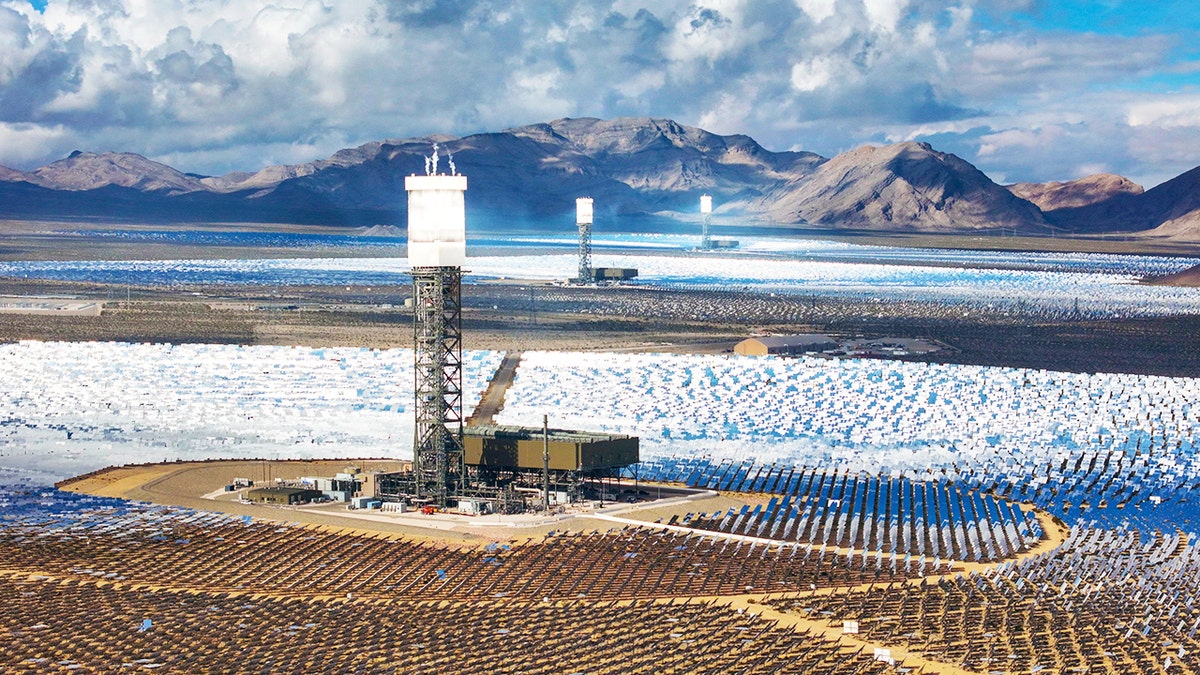
The Ivanpah Solar Power Plant in California’s Mojave Desert uses mirrors to focus sunlight onto three towers to generate electricity. (Jeff Gritchen/MediaNews Group/Orange County Register/Getty Images)
CLICK HERE TO DOWNLOAD THE FOX NEWS APP
More than a decade after it opened, Ivanpah now stands as a symbol of the trade-offs in the push for clean energy — where efforts to reduce emissions can also bring real-world environmental costs.
For now, the plant continues to operate because regulators say the power it provides is still needed — even as questions remain about its cost, environmental impact and whether it still makes sense to keep it running.
Those questions extend beyond the plant itself, raising broader concerns about how projects like Ivanpah were approved — an issue Fox News Digital will examine in the next part of this series.
energy, nevada, carbon emissions, california, birds, green economy, barack obama











INTERNACIONAL
Cuba restablece parcialmente la electricidad tras el tercer apagón nacional en seis meses
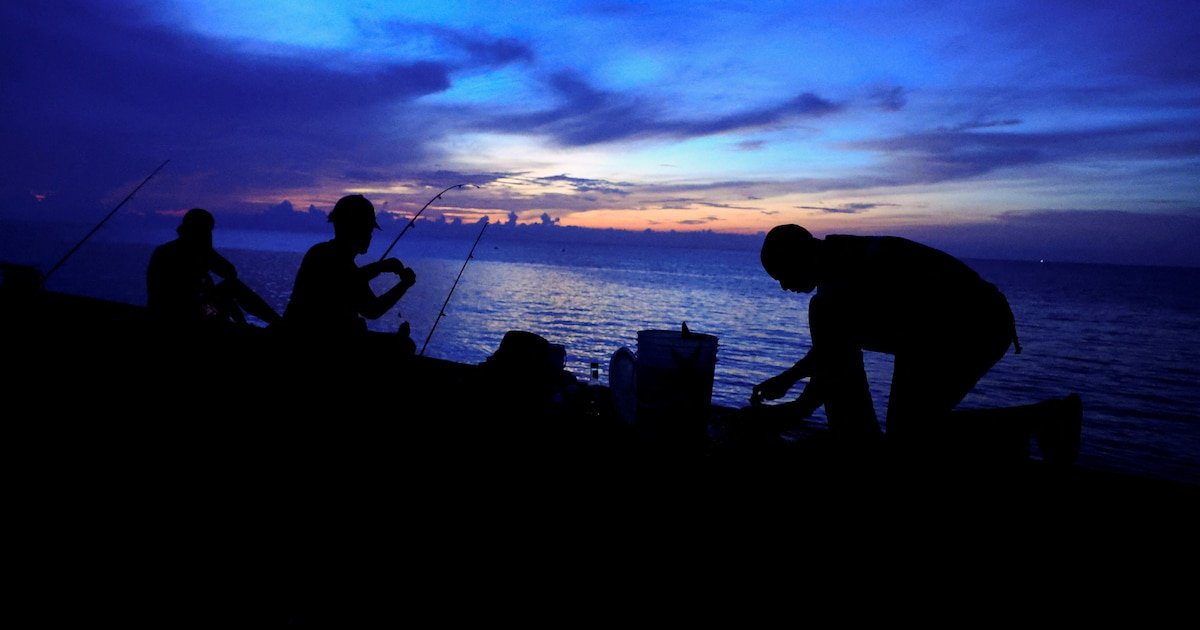
Cuba afirmó este martes haber restablecido más del 30% del suministro eléctrico en La Habana tras un nuevo apagón nacional, en un contexto de crisis energética agudizada por el bloqueo petrolero de Estados Unidos. Es el tercer apagón en los últimos seis meses y el octavo desde finales de 2024.
Según el último parte de la Empresa Eléctrica de La Habana, se han restablecido los “circuitos de distribución que benefician a 262.369 clientes (…) para el 30,4% en la ciudad”.
“El restablecimiento se realiza de forma gradual en la medida que lo permitan las condiciones”, añade la empresa, según la cual ya funcionan los servicios “vitales de salud” de 43 centros de atención médica de la capital.
La falta de combustible “complejiza indiscutiblemente el proceso de restauración” de la red eléctrica, había declarado el lunes por la noche en la televisión estatal Lázaro Guerra, director de Electricidad del Ministerio de Energía y Minas.
Miguel Díaz-Canel responsabilizó directamente a la política estadounidense de sanciones contra la isla. “Mientras EEUU trata de inducir un estallido social por asfixia, al bloquear los accesos de combustible a Cuba, la UNE (Unión Eléctrica de Cuba) se moviliza”, dijo en X.
“Es heroico lo que hacen los trabajadores eléctricos en medio de un bloqueo energético genocida”, añadió.

A mediodía del lunes, la compañía eléctrica anunció “desconexión total” del sistema que afecta a toda la isla, donde viven 9,6 millones de personas. No se precisaron las causas.
El envejecimiento del sistema eléctrico sumado al bloqueo petrolero desde enero hace que los cubanos enfrenten apagones de hasta 30 horas en la capital, y de varios días en el interior de la isla.
“Al final, teníamos tres o cuatro horas de luz al día, así que el mayor impacto ahora es que no sabes cuándo volverás a tener ese poquito de luz”, declaró a la AFP Meybol Font, una trabajadora independiente, de 51 años.
“Es agónico vivir así”, acotó la mujer.
La producción de electricidad en el país depende principalmente de siete centrales térmicas obsoletas, algunas de las cuales llevan más de 40 años en explotación y sufren averías frecuentes o deben parar para mantenimiento, así como de una red de generadores de respaldo alimentados con diésel importado.
La central eléctrica Antonio Guiteras, ubicada en el oeste de la isla y la principal del país, se encuentra paralizada desde hace varios días por una falla.
Esta central ha registrado más de 15 paralizaciones sucesivas por averías desde principios de año. Esta situación provoca cortes y racionamientos constantes, pese a un amplio programa de construcción de parques solares lanzado hace dos años.

Cuba se encuentra sumida en una fuerte crisis económica con escasez de alimentos, medicinas y una inflación galopante.
Los apagones se han intensificado desde que la administración estadounidense de Donald Trump cortó los envíos de petróleo desde Venezuela, principal proveedor de la isla, y amenazó con sanciones a otros países que le vendan combustible.
Un joven programador de 24 años que trabaja para una empresa privada de desarrollo de software en La Habana Vieja regresaba frustrado a su casa.
“No hay wifi, no hay electricidad, no podemos trabajar”, explicó a la AFP el joven, que prefirió no revelar su identidad.
Cuba solicitó para el martes una sesión especial de la Asamblea General, el principal órgano representativo de las Naciones Unidas, para abordar el tema de las sanciones estadounidenses.
En ese contexto, el canciller cubano, Bruno Rodríguez, afirmó el lunes que Washington busca impedir que la Asamblea se pronuncie sobre el impacto del bloqueo petrolero y otras sanciones impuestas a la isla.
“El gobierno de EEUU intenta impedir que la Asamblea General de la ONU se pronuncie. Presiona a gobiernos y busca coaccionar la voluntad soberana de los Estados miembros”, señaló en X Rodríguez, quien participará de la sesión del martes en la sede de la ONU en Nueva York.
Se requiere una votación de los Estados miembros para la apertura de un debate de este tipo ante la Asamblea General.
(AFP)
General Society,Human Interest,South America / Central America,Human Interest / Brights / Odd News
INTERNACIONAL
Extremist streamer declares NYC an Islamic republic with popular terror chant: ‘Mamdani’s New York’

NEWYou can now listen to Fox News articles!
A streamer who broadcasts to more than 1 million followers on a popular online platform set off a viral firestorm after invoking Mayor Zohran Mamdani’s name as he declared Islam would take over New York City.
«Allahu Akbar!» the extremist internet personality Sneako yelled amidst a group of Egypt soccer fans while drums were banged and horns were blown. Egyptian flags waved among the crowd as they chanted along.
Sneako, whose real name is Nicolas Kenn De Balinthazy, has been described as a provocateur and palled around with the online antisemitic far-right during his rise to social media stardom. Before that, he was all-in on his support for the political far-left and supported the presidential campaign of socialist Sen. Bernie Sanders, I-Vt., in 2016. He reportedly converted to Islam in 2023.
EGYPT NATIONAL TEAM MANAGER WAVES PALESTINIAN FLAG AFTER WORLD CUP WIN OVER AUSTRALIA
But Friday night, after Egypt dethroned Australia in the World Cup, he may have made his most controversial splash yet while live broadcasting on the streets of New York City on the video streaming platform Kick.
Mockingly wiping tears from his eyes, Sneak said: «Oh no, oh no. F— you!»
«This is the Islamic Republic of New York-istan,» he continued. «Islam will be in every household. Inshallah the whole world will be Muslim.»
«Welcome to Mamdani’s New York. You see this city? You see how it looks? Inshallah, your city looks just like this too,» he shouted among the crowd.
MAMDANI BLASTS ICE AGENTS, ELON MUSK AND ‘SUPREMACY’ IN AMERICA 250 SPEECH AHEAD OF JULY 4 WEEKEND
«Inshallah» is Arabic for «God willing,» and «Allahu Akbar» is Arabic for «God is great.»

Sneako attends WrestleMania After Dark Las Vegas Hall Of Fame event featuring Metro Boomin at LIV Nightclub at Fontainebleau Las Vegas on April 19, 2025 in Las Vegas, Nevada. (Photo by Gabe Ginsberg/Getty Images) (Gabe Ginsberg/Getty Images)
Mamdani is the first Muslim mayor of New York.
The clip of Sneako quickly circulated the web, garnering tens of millions of views across platforms including Instagram and X, while thousands of people slammed him for the pronouncement.
PRO-ISRAEL INFLUENCER EMILY AUSTIN SAYS ZOHRAN MAMDANI REACHED OUT TO CO-HOST FIFA EVENT
One of the sharpest replies came from Rob O’Neill, the Navy SEAL who killed Osama bin Laden in an early morning raid on the terrorist’s compound in 2011.
«These guys sound WAY different when you wake them up at 2am,» he said.
A pair of massive personalities on X, who have a history of bad blood, even teamed up to demand a harsh punishment for the streamer.
«Deport him NOW!!!» conspiracy theorist Alex Jones said in reply to the clip, which elicited a response from X owner and former Jones opponent Elon Musk.
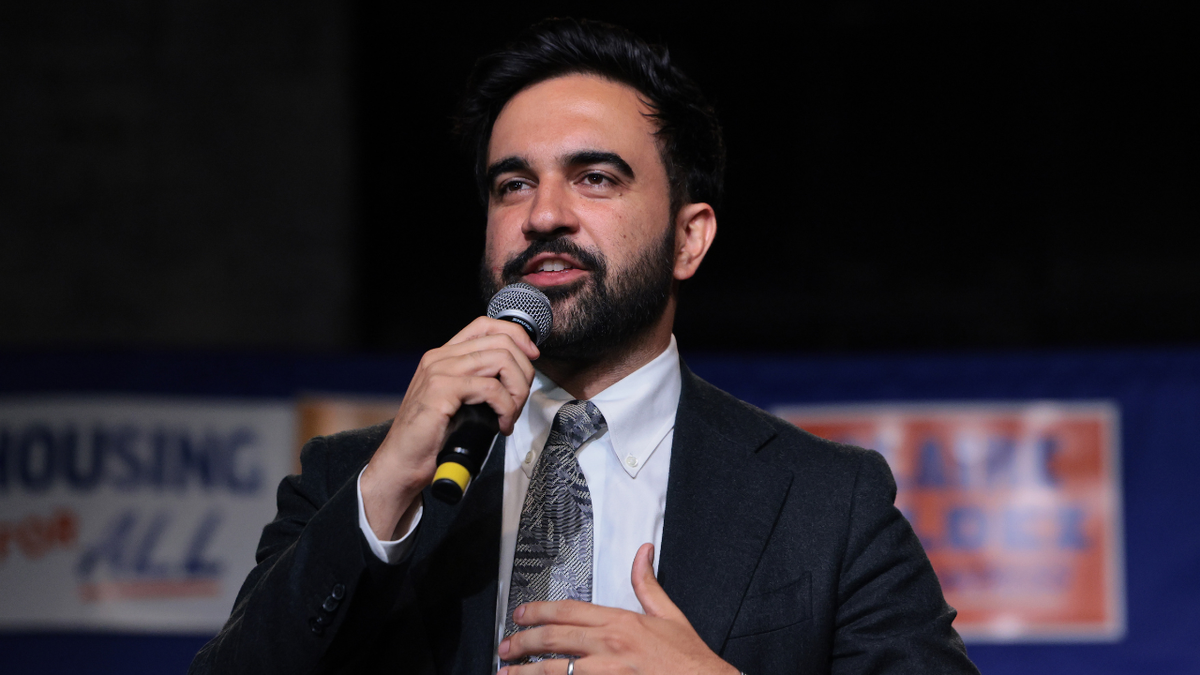
New York City Mayor Zohran Mamdani speaks during a primary-night watch party for congressional candidate Claire Valdez at 99 Scott Studio on June 23, 2026 in Brooklyn. (Michael M. Santiago/Getty Images)
«Yes,» Musk simply replied.
When Musk purchased X — then Twitter — and vowed the return of free speech to the platform, Jones had been permanently suspended. At first, Musk was hesitant to reinstate Jones given the Sandy Hook controversy that surrounded the radio show host. Eventually, however, Musk relented.
One X user labeled the streamer as a «Disgusting creature.»
«Send this dude to Iran if he hates America so much,» said another.
Sneako appeared to cryptically address the controversy in a post of his own on X Sunday night.
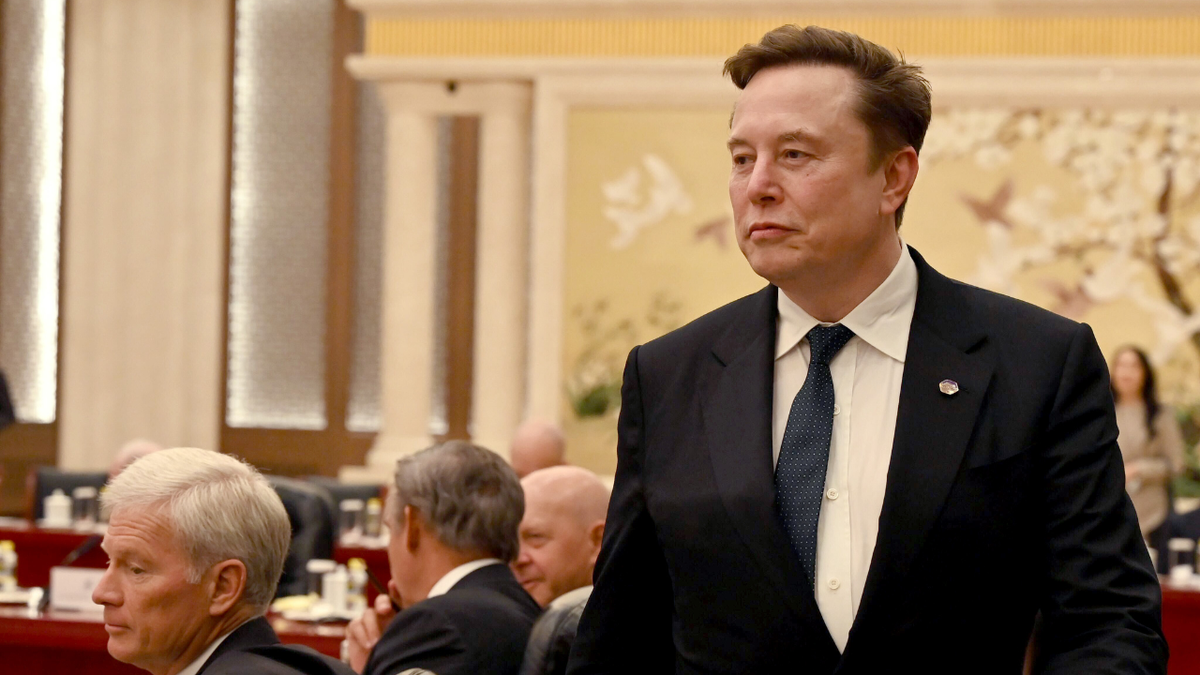
Elon Musk, the world’s richest person, arrived in Beijing aboard Air Force One as part of President Donald Trump’s delegation for talks with Chinese President Xi Jinping. (Johannes Neudecker/picture alliance/Getty Images)
«Every knee will bow,» he posted. «Every tongue confess.»
CLICK HERE TO DOWNLOAD THE FOX NEWS APP
On Monday, he took a shot at Musk for echoing Jones’ deportation post.
«Go back to Africa,» he told Musk, who is native to South African. «This is my country.»
Mamdani’s office did not return Fox News Digital’s request for comment on Sneako’s comments.
politics, elon musk, islam, zohran mamdani, new york city
INTERNACIONAL
La Justicia francesa define este martes si Marine Le Pen podrá presentarse a las elecciones presidenciales de 2027
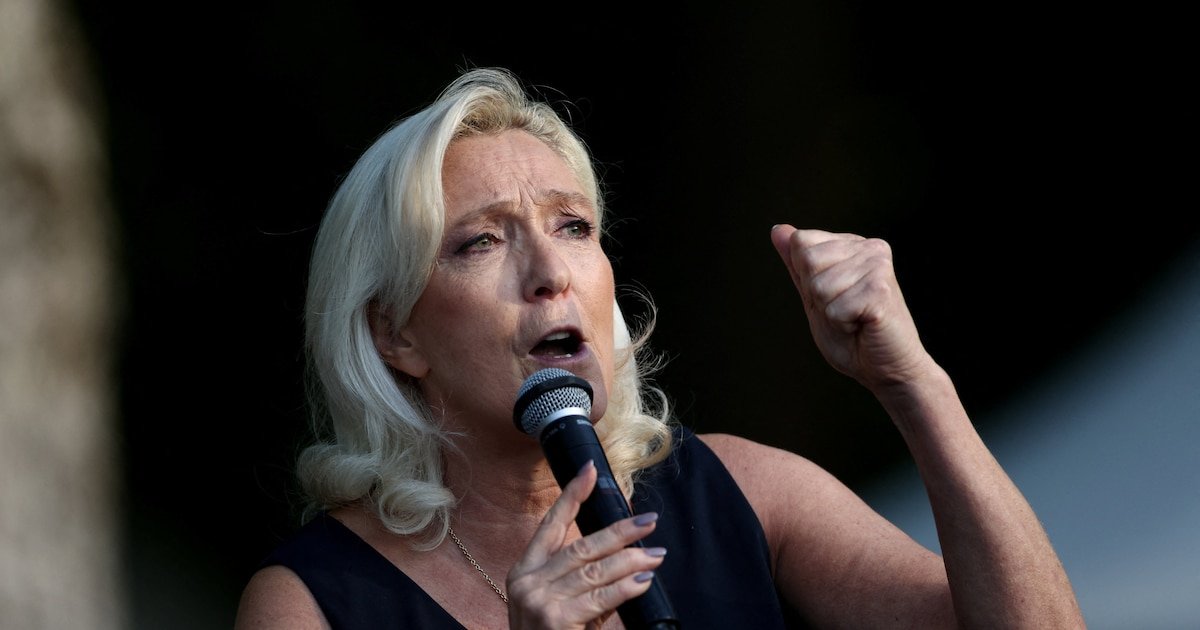
La líder de la derecha francesa, Marine Le Pen, conocerá este martes el fallo de la Corte de Apelaciones que definirá si podrá presentarse como candidata en las elecciones presidenciales de 2027, después de la condena que recibió en primera instancia por un caso de empleos ficticios en el Parlamento Europeo.
La decisión, prevista para las 13:30 hora local (11:30 GMT), determinará si el tribunal confirma la inhabilitación para ejercer cargos públicos durante cinco años que un tribunal inferior impuso a Le Pen, de 57 años, junto con una pena de prisión. Si el fallo queda firme en esos términos, la dirigente perderá la posibilidad de competir por la presidencia en unos comicios que aparecen como la mayor oportunidad de su partido para alcanzar el poder.
La sentencia también podría modificar la condena original. Entre las alternativas figura una inhabilitación de menor duración o una pena de arresto domiciliario. En ese escenario, la resolución también podría afectar la capacidad de la dirigente para desarrollar una campaña electoral.
Ante esa posibilidad, Le Pen anticipó que, si no puede competir, cederá el liderazgo de la campaña presidencial a Jordan Bardella, de 30 años, presidente de la Agrupación Nacional (RN) y principal figura emergente del partido.
Durante un acto partidario el fin de semana, la dirigente expresó su determinación de continuar con la actividad política. «Nunca nos desanimaremos, siempre lucharemos“, afirmó.
La dirigente también descartó que el proceso judicial modificara su postura frente a la contienda electoral. «No tengo miedo“, sostuvo la semana pasada. Además, agregó: ”Si puedo presentarme, lo haré, siempre que pueda hacer campaña“.

Le Pen ya compitió en tres elecciones presidenciales. Terminó tercera en los comicios de 2012 y luego accedió al balotaje frente al actual presidente Emmanuel Macron tanto en 2017 como en 2022. Como Macron no podrá buscar un nuevo mandato por el límite constitucional de dos períodos consecutivos, la elección de 2027 aparece como una oportunidad clave para la extrema derecha francesa.
El caso judicial se originó por un sistema que, según la Justicia, funcionó entre 2004 y 2016 para financiar con recursos del Parlamento Europeo a empleados del partido que desarrollaban tareas en Francia.
El tribunal de primera instancia declaró culpables a Le Pen, a otros 24 exdiputados europeos, asistentes y contadores, además de la propia Agrupación Nacional, por utilizar fondos europeos para contratar personal partidario fuera de las funciones previstas por el Parlamento Europeo.
La sentencia original también estableció una pena de cuatro años de prisión, de los cuales dos quedaron en suspenso. Tras el fallo, Le Pen calificó el proceso como una «caza de brujas» contra su partido. Posteriormente, algunos simpatizantes enviaron amenazas de muerte contra los jueces que participaron en la causa.
La dirigente, la formación política y otros diez condenados presentaron una apelación para revisar la sentencia.
Durante el juicio de apelación, Le Pen rechazó las acusaciones y negó la existencia de un mecanismo organizado para desviar recursos del Parlamento Europeo. También sostuvo que la Agrupación Nacional actuó con «completa buena fe“.

Sin embargo, la fiscalía sostuvo que la dirigente «profesionalizó» un mecanismo destinado a desviar fondos europeos que, según la acusación, comenzó de forma desordenada bajo el liderazgo de su padre, Jean-Marie Le Pen, cofundador del partido, antes de que ella asumiera la conducción de la fuerza en 2011.
Los fiscales solicitaron que la Corte mantenga la inhabilitación por cinco años y reclamaron además una condena de cuatro años de prisión, con tres años en suspenso. Si el tribunal confirma una prohibición para ejercer cargos públicos durante varios años, Le Pen no podrá competir en la primera vuelta presidencial prevista para el 18 de abril de 2027.
De igual forma, una eventual condena a un año de arresto domiciliario con tobillera electrónica también podría impedir una campaña activa y favorecer el traspaso de la candidatura a Bardella.
Las encuestas difundidas durante los últimos meses ubicaron a la extrema derecha como favorita para liderar la primera vuelta de las elecciones presidenciales, aunque mostraron resultados divididos para una eventual segunda vuelta.
Algunos sondeos otorgaron un desempeño ligeramente superior a Bardella, mientras que otros dirigentes políticos consideraron que Le Pen representa una rival de mayor experiencia.
El dirigente de izquierda Jean-Luc Mélenchon expresó esa evaluación al afirmar: «Esta mujer es muy inteligente, no está aquí por casualidad. Y si también se presenta por cuarta vez, no será una oponente a la que podamos menospreciar“.
(Con información de AFP)
Domestic,Politics,Europe,Government / Politics

Qué pueden aprender los chicos de este Mundial (y de Messi) más allá del interés por la selección

Argentina-Egipto, EN VIVO, por los octavos de final del Mundial: hora, TV, formaciones y todo lo que hay que saber

Alemania: un exguardia de un campo de concentración nazi será juzgado a los 100 años

¡Cayeron todos! En plena guerra de Icardi con Yanina Latorre, filtraron todo de la China Suárez: «Tuvo una historia con Colapinto y…»

Los mejores outlets de electrodomésticos: dónde comprar a los mejores precios de plaza

Cuba restablece parcialmente la electricidad tras el tercer apagón nacional en seis meses

El Salvador, segundo país más dependiente de importaciones alimentarias, según la Mesa por la Soberanía Alimentaria

Javier Milei y sus medidas, EN VIVO: denunciaron al Presidente por los ejercicios militares conjuntos de Argentina y EE.UU.

Guido Rodríguez renovó con Valencia: firmó hasta 2028 y algo más

La Justicia ordenó revisar la causa contra Guillermo Moreno por la manipulación de los datos del INDEC

 ECONOMIA1 día ago
La producción textil aceleró su caída y la capacidad instalada siguió entre las más bajas de la industria
- DEPORTE19 horas ago
Portugal vs España: formaciones, hora y dónde ver por tv
- POLITICA2 días ago
Fin al presidente antisistema: Milei ya tiene su “casta” y se aferra al dogma económico