INTERNACIONAL
Irán amenazó a Estados Unidos con represalias militares ante cualquier ataque contra su territorio: “Se llevarán una sorpresa”

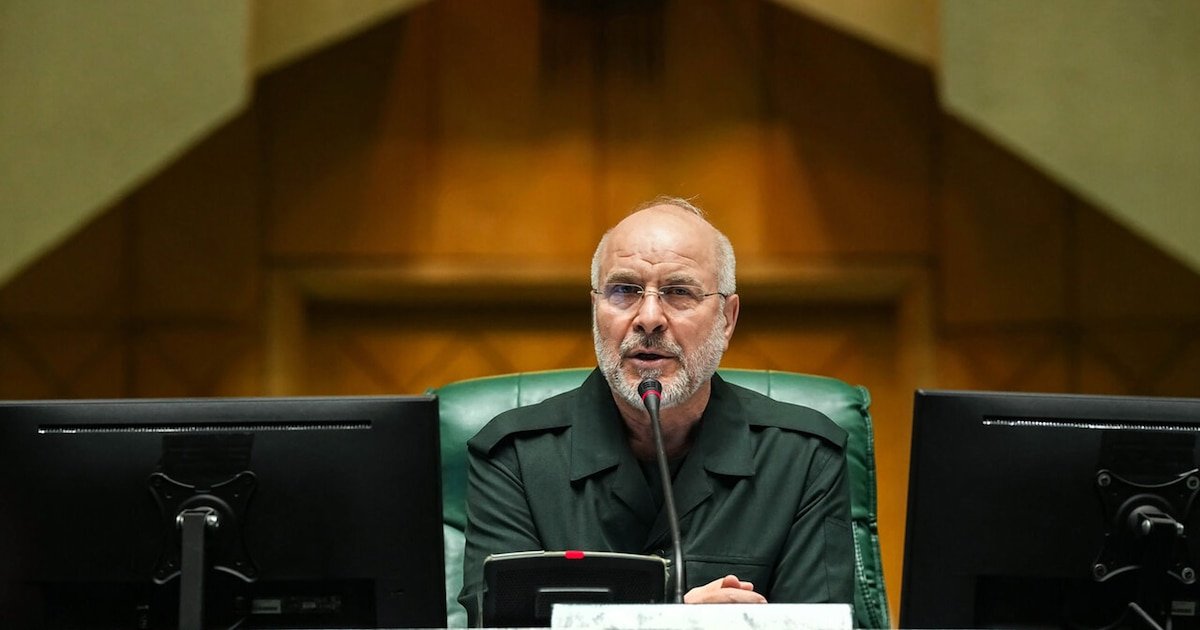
El presidente del Parlamento iraní, Mohamad Baqer Qalibaf, lanzó este lunes una nueva amenaza contra Estados Unidos y afirmó que las fuerzas armadas de Irán están preparadas para responder ante cualquier acción militar.
“Nuestras fuerzas armadas están listas para responder e infligir una lección ante cualquier agresión”, escribió el dirigente iraní en la red social X. Luego agregó: “Se llevarán una sorpresa”.
Las declaraciones se conocieron pocas horas después de que el presidente estadounidense, Donald Trump, asegurara que el alto el fuego en Medio Oriente atraviesa un momento crítico tras rechazar la última respuesta enviada por Teherán en el marco de las negociaciones para intentar frenar el conflicto regional.
Trump calificó como “TOTALMENTE INACEPTABLE” la contrapropuesta iraní presentada mediante canales diplomáticos y sostuvo que la tregua vigente desde hace más de un mes se encuentra al borde del colapso.
“El alto el fuego está conectado a soporte vital”, afirmó el mandatario estadounidense durante declaraciones a la prensa en Washington.
La escalada verbal entre ambos países volvió a generar preocupación internacional por el futuro de la estabilidad en el golfo Pérsico y por la situación en el estrecho de Ormuz, uno de los corredores marítimos más importantes del planeta para el transporte de petróleo y gas.

Según medios de propaganda de Teherán, la respuesta iraní entregada a Estados Unidos incluyó exigencias vinculadas al levantamiento de sanciones económicas, el fin del bloqueo naval estadounidense y garantías de que no habrá nuevos ataques contra territorio iraní. Además, Irán pidió el descongelamiento de activos iraníes retenidos en bancos extranjeros.
El portavoz del Ministerio de Relaciones Exteriores iraní, Esmaeil Baqaei, sostuvo que la posición de Teherán se basa en “derechos legítimos” y negó que su país haya solicitado concesiones extraordinarias. “Lo único que pedimos son los derechos legítimos de Irán”, declaró.
Las conversaciones se desarrollan en medio de un clima de máxima tensión militar en el Golfo. Irán mantiene restricciones sobre el tránsito marítimo en Ormuz y estableció mecanismos de control sobre buques que atraviesan esa ruta estratégica, utilizada normalmente por cerca del 20% del petróleo comercializado a nivel mundial.
La posibilidad de un agravamiento de la crisis impactó de inmediato en los mercados energéticos internacionales. El director ejecutivo de la petrolera saudita Aramco, Amin Nasser, afirmó que el actual shock de suministro energético “es el mayor que el mundo haya experimentado”. También advirtió que, incluso si el estrecho de Ormuz reabre rápidamente, el mercado podría tardar meses en estabilizarse.

Además de las consecuencias energéticas, organismos internacionales alertaron sobre posibles efectos humanitarios derivados de la crisis. Jorge Moreira da Silva, director ejecutivo de la Oficina de Naciones Unidas de Servicios para Proyectos (UNOPS), señaló ante la agencia AFP que existe riesgo de una emergencia alimentaria global debido a las interrupciones en el transporte de fertilizantes y productos básicos desde puertos del Golfo.
“Podríamos enfrentar una crisis que empuje a 45 millones de personas adicionales al hambre”, sostuvo el funcionario.
Mientras tanto, continúan surgiendo detalles sobre la propuesta iraní rechazada por Washington. Según informó The Wall Street Journal, citando fuentes familiarizadas con las conversaciones, Teherán planteó la posibilidad de diluir parte de su uranio altamente enriquecido y transferir otra porción a un tercer país como parte de un eventual acuerdo.
Sin embargo, el programa nuclear iraní sigue siendo uno de los principales puntos de desacuerdo entre ambas partes. Estados Unidos, Israel y varios aliados occidentales sostienen desde hace años que Irán busca desarrollar armas nucleares, acusación que el régimen iraní rechaza de forma reiterada.
El primer ministro israelí, Benjamin Netanyahu, reiteró recientemente que el conflicto no concluirá hasta que las instalaciones nucleares iraníes sean neutralizadas.
(Con información de AFP)
Domestic,Politics,North America,Government / Politics













INTERNACIONAL
El régimen iraní lanzó misiles balísticos y drones contra Jordania, Kuwait, Bahréin y Qatar tras los bombardeos de EEUU
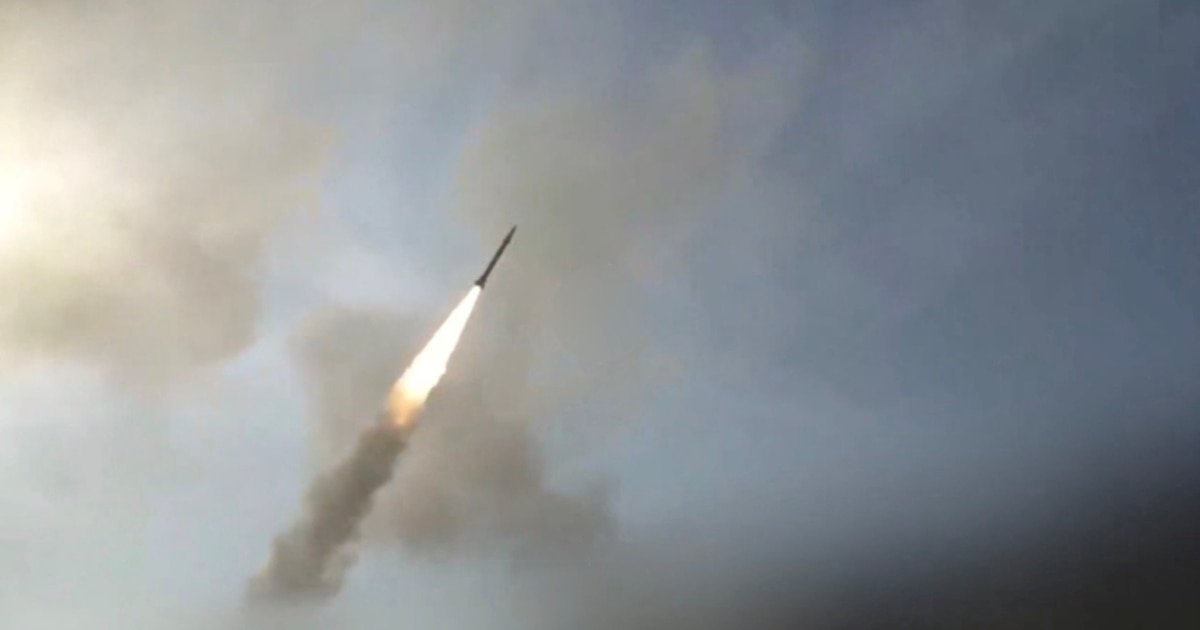
Teherán anunció el domingo el cierre del estrecho de Ormuz y lanzó misiles y drones contra Jordania, Kuwait, Bahréin y Qatar, en respuesta a los recientes bombardeos del Comando Central de Estados Unidos tras la agresión iraní a un buque mercante cuya tripulación debió abandonarlo en llamas.
De acuerdo con las autoridades locales, se activaron sirenas y se registraron explosiones en Qatar, Kuwait y Bahréin, en una escalada que descarta una vez más el acuerdo provisional firmado semanas atrás entre Washington y Teherán para poner fin a la guerra en Medio Oriente.
El Pentágono informó que atacó Irán el sábado por la noche luego de que la Guardia Revolucionaria Iraní disparara contra un portacontenedores con bandera chipriota, argumentando que navegaba por una “ruta no autorizada” en el Estrecho de Ormuz. Al cabo de varias horas, medios iraníes reportaron explosiones en Bandar Abbas, Sirik, Jask, la isla de Qeshm y la provincia de Khuzestán, fronteriza con Irak, sin que se confirmaran víctimas en el momento. Luego, se activaron las sirenas antiaéreas sobre Bahréin, mientras que Emiratos Árabes Unidos y Qatar anunciaron la interceptación de misiles. El Ministerio del Interior qatarí confirmó que tres personas, entre ellas un niño, resultaron heridas por la caída de escombros durante dichas operaciones de defensa.
Según la agencia estatal de noticias IRNA, la Guardia Revolucionaria confirmó la interceptación de un buque que desoyó instrucciones sobre la supuesta ruta autorizada del régimen. “Tras este incidente… el estrecho de Ormuz permanecerá cerrado hasta nuevo aviso y hasta que cesen las intervenciones estadounidenses en esta región”, comunicaron las autoridades iraníes.

Mientras Irán calificó el ataque al buque como “disparos de advertencia”, el ejército estadounidense afirmó que Teherán “atacó descaradamente” al portacontenedores. Según el Comando Central de Estados Unidos (CENTCOM), un miembro de la tripulación está desaparecido y el barco quedó inutilizado por incendio y daños en la sala de máquinas. La tripulación abandonó la embarcación y subió a un bote salvavidas, según la agencia marítima británica UKMTO, que ubicó el incidente a unos 17 kilómetros (10 millas) al este de Omán.
En respuesta, las autoridades estadounidenses declararon que Estados Unidos está imponiendo un alto costo al seguir menoscabando la capacidad de Irán para atacar a marineros civiles y buques comerciales. El CENTCOM indicó que se atacaron aproximadamente 140 objetivos militares iraníes durante el sábado, tras concluir la tercera ronda de ataques de la semana bajo la dirección del presidente estadounidense Donald Trump. El secretario de Defensa, Pete Hegseth, afirmó: “Irán tomó una mala decisión. Ahora pagarán las consecuencias”.
Posteriormente, la Guardia Revolucionaria Iraní anunció que respondió atacando bases estadounidenses y emplazamientos de radar en Jordania, Kuwait, Bahréin y Qatar con misiles balísticos y drones, según medios estatales iraníes.
En paralelo al anuncio del cierre del estrecho de Ormuz, el nuevo líder supremo de Irán, Mojtaba Khamenei, prometió venganza por el asesinato de su padre y predecesor, en un contexto de escalada tras las advertencias del presidente estadounidense Donald Trump. Horas antes, el mandatario norteamericano había advertido en su plataforma Truth Social que cualquier intento de atentar contra su vida provocaría que Estados Unidos “diezmara por completo” a Irán.
Mojtaba Khamenei declaró en un mensaje escrito: “La venganza es la voluntad de nuestra nación y debe llevarse a cabo inevitablemente”. “Este asunto no depende ni de mi existencia personal ni de la de otros funcionarios. Estemos presentes o no, sucederá”, agregó en su primer mensaje público desde el funeral de su padre esta semana. Según sus palabras, Irán preparó una lista de personas a atacar. Khamenei no ha sido visto en público desde antes de la guerra y, según versiones, habría resultado herido durante los ataques en los que falleció su padre.
En este escenario, Trump anunció que el alto el fuego terminó, aunque dejó abierta la posibilidad de diálogo. Mientras tanto, los mediadores internacionales han buscado una salida diplomática. La agencia de noticias iraní Tasnim reportó que una delegación de Qatar visitaba Irán para “intentar reforzar el papel de Qatar como mediador”.
(Con información de AFP)
Middle East,Military Conflicts
INTERNACIONAL
Recrudecen los ataques en Medio Oriente: EE.UU. destruyó 140 objetivos militares e Irán lanzó misiles contra cuatro países
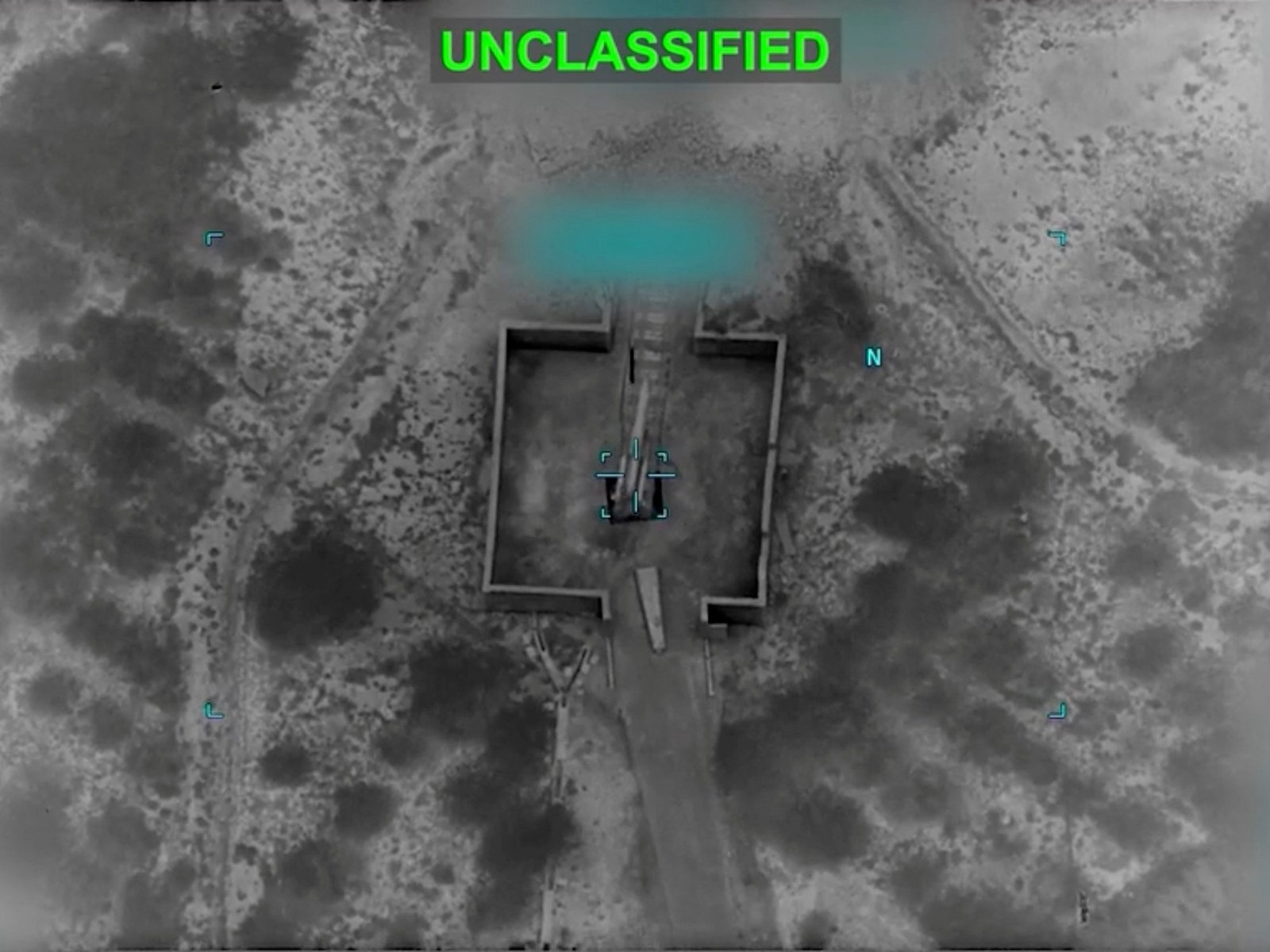
Después de que la Guardia Revolucionaria de Irán agrediera otro buque petrolero en el estrecho de Ormuz, Irán y Estados Unidos se trenzaron este sábado y domingo en nuevos ataques cruzados en otra escalada de tensión en Medio Oriente. Washington actuó contra «140 objetivos militares», en respuesta al ataque contra la embaración, y luego Teherán lanzó una misiles y drones contra Jordania, Qatar, Kuwait y Bahrein.
La Guardia Revolucionaria iraní señaló en un comunicado que atacó «con varios misiles balísticos» infraestructura e instalaciones militares clave en la base aérea estadounidense Príncipe Hassan, situada en Jordania, lo que causó la «destrucción» de su centro de mando y control, así como de los hangares de drones MQ9, según recogió la agencia Tasnim, vinculada al cuerpo.
El texto indica que el ataque tuvo lugar después de que EE. UU., «imponiendo su voluntad al gobierno del Reino de Omán», provocara el sábado por la noche «que varias embarcaciones crearan una ruta ilegal al sur del estrecho de Ormuz, lo cual fue detenido por la contundente respuesta de la Armada» iraní.
La Guardia Revolucionaria también informó de ataques en Qatar con misiles contra la base aérea estadounidense Al-Udeid, cuyos centro de mantenimiento y reparación de aviones de combate y centro de mando de esta guarnición fueron destruidos.
El Ejército de la República Islámica también reivindicó una ofensiva con «drones destructivos» contra el sistema antimisiles Patriot en Kuwait, así como contra un depósito de municiones y una estación de radar de las fuerzas estadounidenses en el mismo país.
En otra oleada de ataques con drones, Irán atacó el sistema de comunicaciones y la estación de radar del Ejército estadounidense en Bahrein.
La agencia estatal de noticias qatarí dijo anteriormente que sus fuerzas armadas habían repelido un ataque con misiles, sin confirmar la procedencia, mientras el Ministerio del Interior de Bahrein pidió a sus ciudadanos acudir al lugar seguro más cercano tras la activación de alarmas en el territorio.
La Guardia Revolucionaria iraní dijo en un comunicado que los ataques se producen después de que EE.UU. «lanzara un ataque aéreo contra varias bases costeras y antenas de telecomunicaciones en la costa sur» de Irán. Medios iraníes apuntaron anteriormente este domingo que se produjeron explosiones en diversos puntos del país, sin difundir detalles sobre víctimas o daños.
El Comando Central de EE.UU. (Centcom) informó previamente del inicio de una nueva ronda de ataques contra Irán como respuesta al bombardeo de Teherán contra un portacontenedores con bandera de Chipre que transitaba por Ormuz, con un tripulante desaparecido.
«Fuerzas del Cuerpo de la Guardia Revolucionaria Islámica» atacaron «descaradamente al M/V GFS Galaxy, un buque portacontenedores con bandera de Chipre que transitaba por el Estrecho de Ormuz. Un miembro de la tripulación civil está desaparecido y el buque no puede continuar el viaje debido a un incendio a bordo y daños significativos en la sala de máquinas», señaló el Comando Central.
«Se le brindó a Irán otra oportunidad más para demostrar su adhesión al Memorando de Entendimiento después de ser responsabilizado por ataques anteriores contra buques comerciales, pero ha fallado nuevamente», siguió el comunicado oficial de Estados Unidos.
Y concluyó: «En respuesta, Estados Unidos está imponiendo un costo elevado al continuar degradando la capacidad de Irán para atacar a marineros civiles y buques comerciales que transitan libremente por el estrecho. Los ataques se están llevando a cabo por orden del Comandante en Jefe».
El presidente del Parlamento y negociador jefe de Irán, Mohamad Baqer Qalibaf, advirtió ya en horas del domingo a Estados Unidos que «la era de los acuerdos unilaterales ha terminado», tras el recrudecimiento de los ataques cruzados entre ambos países durante la noche.
«La era de los acuerdos unilaterales ha terminado. Se lo dijimos: cumplan su palabra o paguen el precio. La realidad está llamando a la puerta«, escribió Qalibaf en una publicación en X acompañada de una imagen con el texto de un punto del memorando de entendimiento pactado entre Washington y Teherán el pasado 17 de junio que alude a la reapertura del estrecho de Ormuz, con la frase «la República Islámica de Irán tomará las medidas necesarias» subrayada.
Los dos países firmaron ese día un acuerdo para poner fin a la guerra, desbloquear el estrecho de Ormuz y abrir negociaciones sobre el programa nuclear iraní, pero el presidente estadounidense, Donald Trump, dio recientemente por terminado lo pactado, tras la reanudación de los bombardeos en Oriente Medio.
Con información de agencias
Durante millones de años, los huesos permanecieron ocultos bajo las capas rojizas de la tierra amazónica. Sobre ellos crecieron árboles, pasaron ríos, se formaron comunidades y se levantaron viviendas. Hasta que, en 2018, un deslizamiento en la ribera del río Napo removió los sedimentos y dejó expuesta una parte de un pasado que nadie esperaba encontrar allí.
El descubrimiento ocurrió en Venecia Izquierda, una comunidad de la parroquia Misahuallí, en la provincia de Napo. Robert Román, Álvaro Román y Germán Shiguango fueron los primeros en observar los fragmentos que sobresalían del terreno. Eran huesos grandes, endurecidos por el tiempo y distintos de cualquier resto animal cotidiano. En un principio no sabían que habían encontrado la evidencia del primer dinosaurio registrado en la Amazonía ecuatoriana.
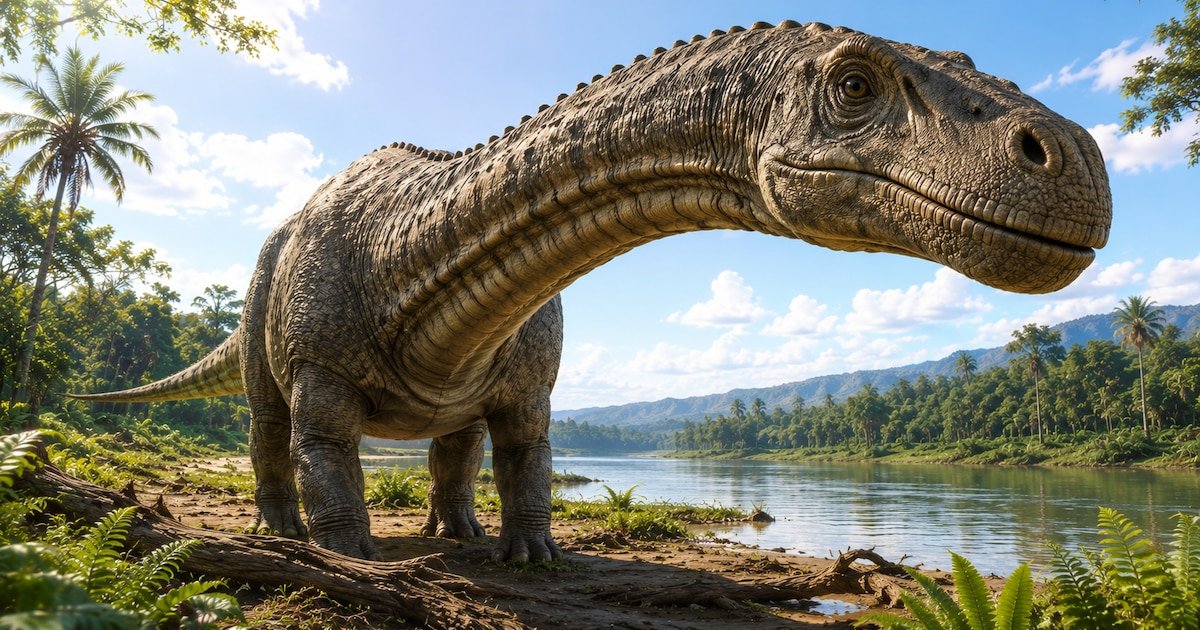
Los fósiles pertenecían a un saurópodo del grupo de los titanosaurios, dinosaurios herbívoros, cuadrúpedos y de largos cuellos y colas que habitaron diferentes regiones del planeta durante el Cretácico. La antigüedad de los restos fue estimada en aproximadamente 67 millones de años, apenas un millón de años antes de la extinción masiva que acabó con los dinosaurios no avianos.

El ejemplar recibió el nombre informal de Wakrayampi. No se trata todavía de una denominación científica, sino de una forma de identificarlo mientras continúan los análisis. El término proviene del napo-kichwa: “wakra” significa vaca y “yampi” se relaciona con iguana. La expresión evoca la imagen de un enorme reptil, un animal cuya presencia en la Amazonía ecuatoriana permaneció desconocida hasta que el suelo decidió mostrar una parte de su esqueleto.
Los investigadores recuperaron fragmentos correspondientes a la extremidad delantera del dinosaurio, entre ellos una parte del húmero y varios metacarpianos. Aunque el material es limitado, la forma y las proporciones de los huesos permitieron ubicar al animal dentro de Titanosauria, uno de los grupos de saurópodos más diversos y extendidos durante los últimos millones de años del Cretácico.
Los titanosaurios incluyeron especies de tamaños muy distintos. Algunos alcanzaron dimensiones colosales, superiores a los 25 o 30 metros de longitud, mientras otros fueron considerablemente más pequeños. En el caso de Wakrayampi, los restos disponibles no permiten calcular con precisión cuánto medía ni cuánto pesaba. Los científicos consideran, sin embargo, que pudo tratarse de un ejemplar de tamaño intermedio dentro de su grupo.

Tampoco es posible determinar todavía si los fósiles corresponden a una especie desconocida para la ciencia. Para describir formalmente una nueva especie se necesitan restos suficientemente completos, rasgos anatómicos distintivos y comparaciones detalladas con otros ejemplares encontrados en Sudamérica. Parte del material expuesto por el deslizamiento se perdió antes de que pudiera ser estudiado, por lo que cada fragmento recuperado adquirió un valor excepcional.
La investigación fue impulsada por especialistas de la Universidad Regional Amazónica Ikiam, con la participación de científicos extranjeros y el apoyo de la Fundación Azara, de Argentina. Entre los investigadores se encuentra el paleontólogo argentino Sebastián Apesteguía, reconocido por sus estudios sobre dinosaurios y otros vertebrados fósiles del continente.
El hallazgo convierte a Wakrayampi en el segundo dinosaurio identificado en Ecuador. El primero fue Yamanasaurus lojaensis, un titanosaurio cuyos restos fueron encontrados en la provincia de Loja y presentados científicamente en 2019. La identificación de ambos animales, separados por cientos de kilómetros, indica que los dinosaurios ocuparon territorios ecuatorianos mucho más amplios de lo que permitía suponer el escaso registro fósil conocido hasta ahora.

La ausencia de descubrimientos anteriores no significaba necesariamente que los dinosaurios no hubieran vivido en Ecuador. La geología del país, la vegetación abundante, la erosión, la actividad volcánica y la dificultad de acceder a determinadas zonas reducen las posibilidades de localizar fósiles. En la Amazonía, además, la cobertura vegetal esconde gran parte de las formaciones rocosas donde podrían aparecer restos.
Wakrayampi cambió esa perspectiva. Su aparición en la Cuenca Oriente demostró que los sedimentos amazónicos conservan información sobre los ecosistemas del final de la era de los dinosaurios y que las riberas de los ríos pueden convertirse en ventanas hacia ese pasado.
Hace 67 millones de años, el paisaje de Napo no se parecía al bosque tropical que cubre actualmente la región. La cordillera de los Andes todavía no había adquirido su configuración moderna y la cuenca amazónica atravesaba profundas transformaciones geológicas.

El territorio donde vivió Wakrayampi habría sido una extensa llanura costera atravesada por ríos, lagunas y humedales. El mar podía ingresar ocasionalmente sobre determinadas áreas, depositando sedimentos y modificando los ecosistemas. En esos ambientes crecían plantas que alimentaban a los grandes herbívoros y circulaban reptiles, peces, tortugas y otros animales aún poco conocidos en el registro fósil ecuatoriano.
Los huesos quedaron sepultados en sedimentos asociados con la Formación Tena, una unidad geológica compuesta principalmente por materiales depositados durante el Cretácico tardío. El enterramiento relativamente rápido y las condiciones químicas del suelo permitieron que parte del esqueleto se mineralizara y sobreviviera a la presión, el agua y los movimientos de la corteza terrestre.
Ese proceso convirtió los restos orgánicos en fósiles. Los minerales fueron ocupando progresivamente los espacios internos de los huesos hasta transformarlos en estructuras pétreas. Millones de años después, la erosión y el deslizamiento ocurrido en la ribera del Napo revirtieron parcialmente el proceso: retiraron las capas que los cubrían y los acercaron nuevamente a la superficie.

El lugar del hallazgo constituye ahora un punto de interés científico, pero también un espacio vulnerable. Los fósiles pueden deteriorarse rápidamente cuando quedan expuestos al sol, la lluvia, la humedad y la manipulación. La participación de las comunidades locales es, por esa razón, fundamental para protegerlos y alertar a las autoridades cuando aparecen nuevos restos.
La elección del nombre Wakrayampi busca reconocer esa relación. El dinosaurio no fue encontrado durante una expedición internacional ni mediante excavaciones planificadas, sino gracias a habitantes de la zona que identificaron algo extraordinario en un terreno familiar. Su descubrimiento demuestra que la paleontología no depende únicamente de laboratorios y universidades: también comienza con la observación de quienes conocen el territorio.
El potencial científico apenas empieza a explorarse. Nuevos hallazgos podrían permitir establecer la especie de Wakrayampi, reconstruir su anatomía y determinar sus vínculos con otros titanosaurios sudamericanos. También podrían aparecer dinosaurios carnívoros, tortugas, cocodrilos, peces o plantas fósiles capaces de completar la imagen del ecosistema amazónico del Cretácico.

Cada resto ayudaría además a responder preguntas más amplias: cómo se desplazaban los dinosaurios por el norte de Sudamérica, qué barreras geográficas existían, cómo cambió el clima y qué ocurrió en la región durante la extinción de hace 66 millones de años.
Por ahora, Wakrayampi permanece incompleto. No existe un cráneo, una columna articulada ni un esqueleto monumental para exhibir. Hay fragmentos, mediciones y una historia enterrada en las riberas del Napo. Pero esos pocos huesos bastaron para modificar el mapa paleontológico del Ecuador.
Bajo la selva, los cultivos y los ríos de la Amazonía todavía pueden conservarse otros gigantes. Wakrayampi fue el primero en emerger. Probablemente no será el último.

Pese a las críticas de Bullrich, Karina Milei insistirá con las listas colectoras para eliminar las PASO

Los gobernadores pagaron el aguinaldo, pero sus cuentas siguen bajo presión

“Partido con cuentas pendientes” y “una cita con Messi”: las repercusiones en Inglaterra tras la clasificación de Argentina

El fetiche de la Carta Orgánica del Banco Central

Más allá de la discusión nacional, Kicillof se aferra a las PASO para definir las candidaturas provinciales

El shutdown de Milei se activará frente al déficit y será una adaptación local del mecanismo de los Estados Unidos

Mudanza o renovación: dónde comprar muebles usados en excelente estado y ahorrar hasta 70%

Platner campaign putting ‘thumb on scale’ to influence possible replacement, Maine Dem alleges

Indian expande su presencia en Argentina con un nuevo local de 600 m² en Unicenter

El boom del oro: cuánto paga el Banco Ciudad por el gramo, las trampas de los quilates

 DEPORTE3 días ago
Contundente respaldo de la FIFA tras las críticas a los árbitros de Argentina-Egipto: “Las acusaciones infundadas no tienen cabida”
- ECONOMIA3 días ago
Shutdown en Argentina: la razón detrás de la idea de Milei de avanzar con un «apagón» del Estado
- POLITICA2 días ago
Hackearon a la AFA y enviaron correos con falsas denuncias sobre el arbitraje ante Egipto