INTERNACIONAL
El Congo elevó a 131 las muertes sospechosas por el brote de ébola en el este del país

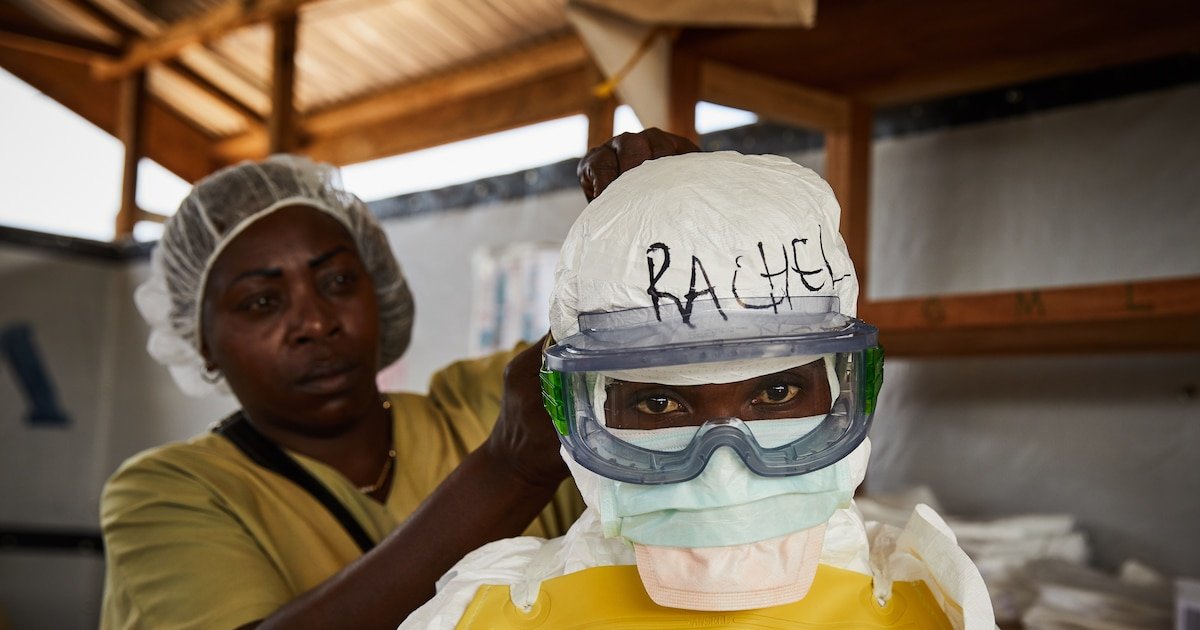
El brote de ébola en el este de la República Democrática del Congo (RDC) ha resultado en al menos 131 muertes sospechosas y 513 casos también sospechosos de la enfermedad, informó el Gobierno congoleño, que previamente había cifrado en 116 ese número de fallecidos.
“Se han registrado 513 casos sospechosos y 131 fallecimientos en las zonas afectadas”, declaró el ministro congoleño de Salud, Samuel Roger Kamba, en una rueda de prensa a última hora del lunes y recogida este martes por la agencia de noticias estatal congoleña ACP.
Kamba recalcó que se trata de “muertes sospechosas” y que “se están llevando a cabo investigaciones para determinar cuáles están realmente vinculadas a la enfermedad”.
Con base en esas cifras, “se observa que la tasa de letalidad es menor que la mortalidad asociada al ébola Zaire (variante más común en el país)”, añadió el ministro.

El brote, cuyo epicentro se sitúa en la provincia oriental de Ituri, es de la cepa Bundibugyo, cuya tasa de letalidad oscila entre el 25 y el 40%, según Médicos Sin Fronteras (MSF).
El virus comenzó a circular a finales del mes del pasado abril, y afecta a las zonas sanitarias de Mongwalu, Rwampara, Bunia y Nyankunde, en Ituri; aunque también se han descubierto casos en la vecina provincia de Kivu del Norte, concretamente, en la comuna de Katwa, en la urbe de Butembo, y en la capital provincial, Goma.
Ambas provincias también se encuentran inmersas en combates entre el Ejército congoleño y un centenar de grupos rebeldes.
Fuera de la RDC, Uganda ha confirmado dos casos en Kampala -incluido un ciudadano congoleño fallecido que se considera un caso importado- y Sudán del Sur ha detectado otro caso en el estado de Ecuatoria Occidental, cerca de la frontera con la RDC.

Se trata del decimoséptimo brote registrado en la República Democrática del Congo desde que se detectó el virus por primera vez en 1976.
La Organización Mundial de la Salud (OMS) declaró este domingo el brote como “emergencia de salud pública de importancia internacional”, lo que hizo que diferentes países africanos reforzasen los controles sanitarios y cerrasen sus fronteras, como en el caso de Ruanda.
El virus del Ébola se transmite por contacto directo con fluidos corporales de personas o animales infectados y causa fiebre hemorrágica grave, vómitos, diarrea y hemorragias internas.
Según la OMS, el virus presenta una tasa de mortalidad media de entre el 25% y el 90%.

El director general de la OMS, Tedros Adhanom, ha recalcado que “se han registrado muertes entre trabajadores sanitarios, lo que apunta a una transmisión asociada con las labores sanitarias”, al tiempo que ha recordado que “hay un movimiento significativo de población en la zona” de Ituri, marcada por la “gran inseguridad” por el repunte del conflicto desde finales de 2025.
En este sentido, ha argüido que “ante la ausencia de una vacuna, existen muchas otras medidas que los países pueden adoptar para detener la propagación de este virus y salvar vidas”, entre ellas “la comunicación de riesgos y la participación comunitaria”.
“Agradezco al Gobierno de Uganda que haya pospuesto las celebraciones del Día de los Mártires, que pueden congregar hasta dos millones de personas, debido al riesgo que representa la epidemia”, ha remarcado Tedros, quien ha reconocido que su decisión de declarar la alerta internacional el domingo sin una reunión previa del comité de emergencia no tiene precedentes.
RDC –que en diciembre de 2025 decreto el fin del último brote de ébola en el país, en este caso en Kasai– es considerado el país con más experiencia del mundo en el manejo del virus ébola, habiendo enfrentado más de una docena de brotes desde que se identificó el virus en 1976 en un doble brote que tuvo uno de sus epicentros en la localidad congoleña de Yambuku, a orillas del río Ébola, del que tomó el nombre la enfermedad.
(con información de EFE y EP)
North America













INTERNACIONAL
Vulnerable Democrats flip on women’s sports vote after opposing similar bills as midterms loom
NEWYou can now listen to Fox News articles!
Several vulnerable House Democrats are breaking with their party on men competing in women’s sports as Republicans continue to hammer the issue ahead of November’s midterm elections.
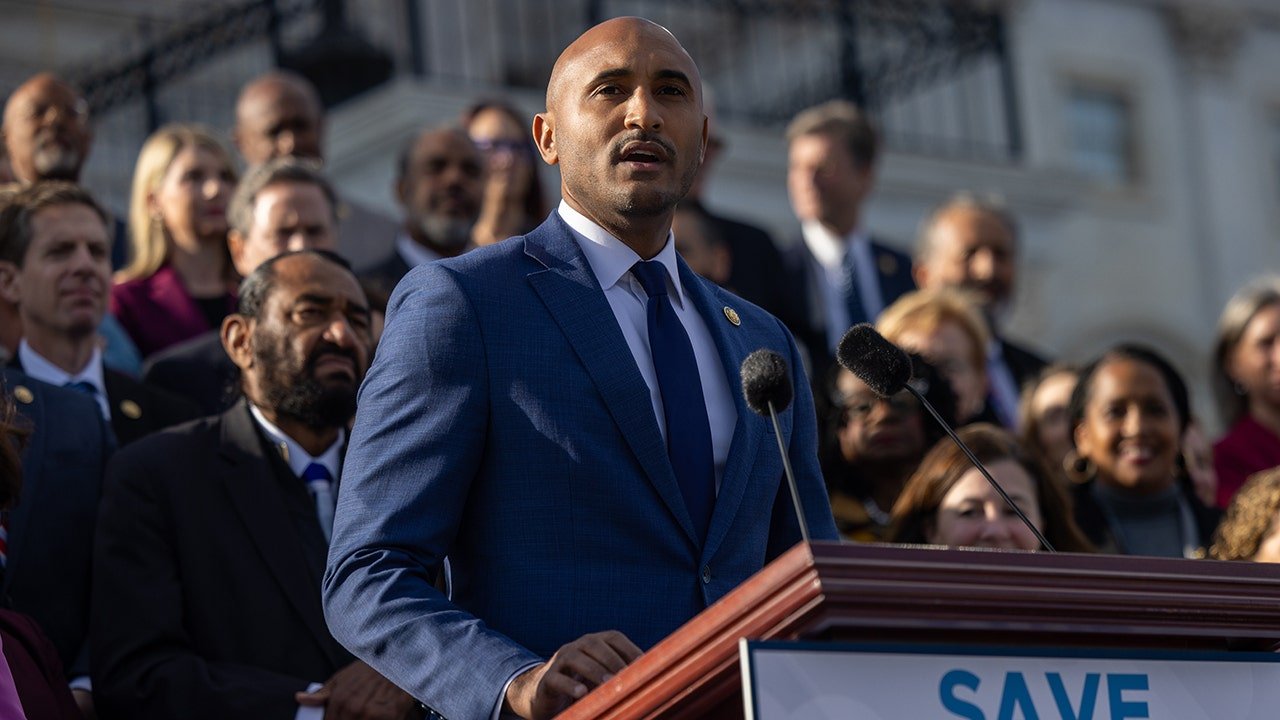
Reps. Shomari Figures and Terri Sewell, D-Ala., joined Republicans in voting for an amendment to the annual defense policy bill Tuesday that would bar biological males from participating in women’s sports in Department of War-run schools.
The vote marked a notable shift for both Alabama Democrats, who opposed similar legislation as recently as last year, and comes as Republicans’ redistricting efforts have scrambled their re-election prospects.
Figures now represents one of the GOP’s top pickup opportunities after Alabama’s newly drawn congressional map added more GOP voters to his district, dramatically increasing the difficulty of his re-election bid. The National Republican Congressional Committee (NRCC), House Republicans’ campaign arm, added the freshman lawmaker to its target list last week.
Congressman Shomari Figures, D-Ala., speaks at a press conference with other members of the House Democratic caucus in front of the U.S. Capitol in Washington, D.C., on Nov. 12, 2025. (Nathan Posner/Anadolu via Getty Images)
BLOCKBUSTER SUPREME COURT VOTING RIGHTS RULING IGNITES REDISTRICTING WAR ACROSS SOUTHERN STATES
Sewell’s Black-majority seat anchored around Birmingham remained largely unchanged, though she also bucked Democratic leadership on the amendment.
House Minority Leader Hakeem Jeffries, D-N.Y., and 202 other Democrats voted against the measure. All Republicans present voted in support.
Both lawmakers voted against the Protection of Women and Girls in Sports Act in 2025, which barred federally funded schools from allowing biological males to participate in girls’ and women’s sports.
The reversal comes as transgender issues continue to divide Democrats, with public polling showing broad opposition to transgender athletes competing in women’s sports.
A New York Times/Ipsos poll conducted in 2025 found that nearly 80% of Americans opposed biological males competing in women’s sports. Roughly seven in ten Democrats or Democrat-leaning respondents agreed, according to the survey.

Protesters against transgender athletes competing in women’s sports gathered outside the Supreme Court in Washington, D.C., on Jan. 13, 2026. (Heather Diehl/Getty Images)
DEMOCRATS STAY QUIET ON NEXT STEPS AFTER SUPREME COURT TRANSGENDER SPORTS RULING
Republicans sharply criticized the Alabama Democrats’ votes, arguing the move reflected political necessity rather than a genuine change in position.
«Out of touch Democrats Shomari Figures and Terri Sewell are desperately trying to hide their far-left views now that it’s politically expedient, but it’s too little too late,» NRCC spokesman Reilly Richardson told Fox News Digital.
«Alabamians know Figures and Sewell support Democrats’ radical agenda of allowing men to compete in women’s sports and will hold them accountable at the ballot box in November,» he continued.
Figures, however, argued his views on transgender participation in women’s sports have been consistent and pointed to a 2025 amendment vote restricting transgender athletes that he supported in a statement to Fox News Digital.
«As I have said before, I do not believe that men should be allowed to participate in women’s sports,» Figures said. «I voted against the Protection of Women and Girls in Sports Act because that bill would have created an open season for pedophiles to conduct sex checks of young girls, with no safeguards.»
Proponents of the measure disputed during floor debate that the legislation would put girls at risk.
Fox News Digital reached out to Sewell for comment.
Reps. Don Davis, D-N.C., and Henry Cuellar and Vicente Gonzalez, D-Texas, also voted with Republicans in favor of the Mace amendment.
The three Democrats, who are all vulnerable to GOP challengers, frequently cross party lines to support Republican-authored bills, though Davis voted «present» on the Protection of Women and Girls in Sports Act.
Rep. Nancy Mace, R-S.C., who sponsored the amendment, argued the measure was intended to protect women’s sports.
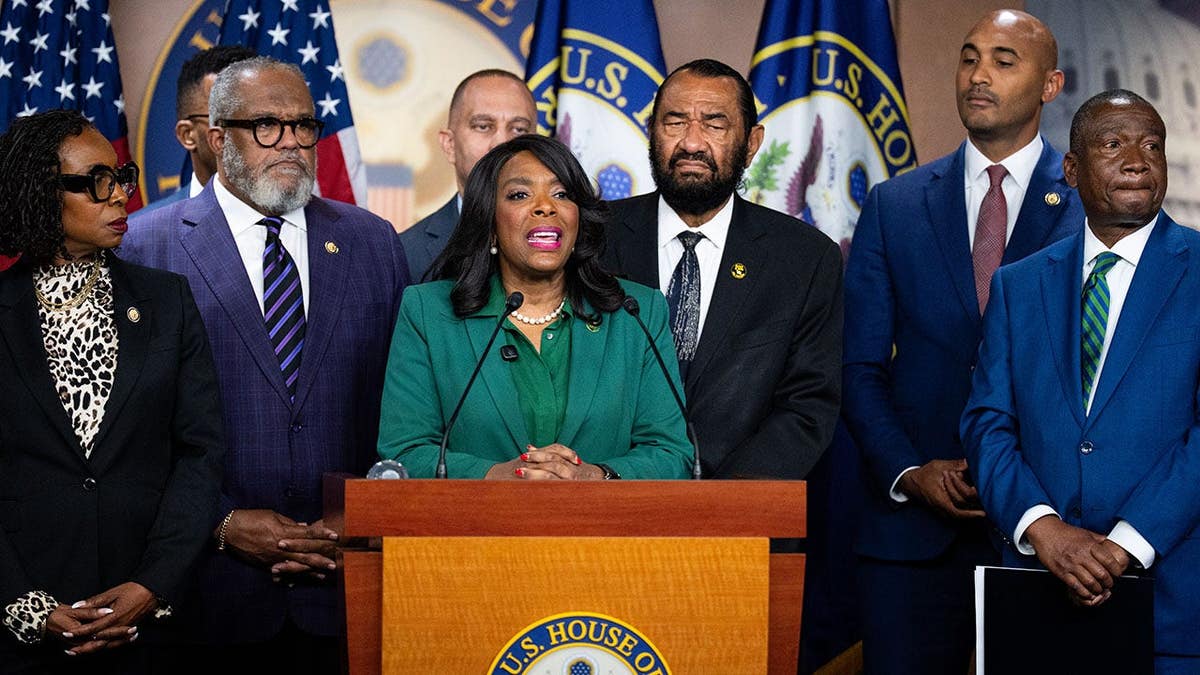
Rep. Terri Sewell, D-Ala., speaks during a Congressional Black Caucus news conference in the U.S. Capitol on the Supreme Court’s ruling in Louisiana v. Callais on Wednesday, April 29, 2026. (CQ-Roll Call, Inc via Getty Images)
CLICK HERE TO DOWNLOAD THE FOX NEWS APP
«Men are not women. Men will never become women. Yet male athletes are stealing medals, invading locker rooms, and putting girls in the hospital, all in the name of gender ideology,» Mace said Tuesday. «Our NDAA amendment would end this nonsense.»
politics, congress, house of representatives, midterm elections, democrats

George Harrison estableció un criterio claro frente al uso de las cajas de ritmos: consideraba que la tecnología dejaba de ser útil cuando la grabación perdía la sensación de músicos tocando juntos en tiempo real, según reflejan sus declaraciones y decisiones de producción.
Esta postura se evidenció durante las sesiones de grabación del segundo álbum de los Traveling Wilburys, el supergrupo integrado por Bob Dylan, Roy Orbison, Tom Petty, Jeff Lynne y el propio Harrison. Según el sitio oficial de la banda, el proceso buscó preservar una identidad de “hermandad” creativa, priorizando el trabajo conjunto por encima de la lógica industrial de la época.
En ese contexto, Harrison expresó una opinión contundente sobre el uso extendido de las cajas de ritmos en los estudios de los años 80 y 90: “Cualquiera que pueda usar esas patéticas cajas de ritmos en la medida en que lo hacen, no nota lo malas que suenan”.
El eje de su argumento fue la defensa del pulso humano, la interacción entre intérpretes y la imperfección como elementos esenciales en el resultado final.
Para Harrison, la caja de ritmos no operó como un simple reemplazo del baterista. Funcionó como un atajo que uniformaba la música y dejaba que se impusiera el “sonido” del dispositivo por encima del carácter del intérprete, según recogió el sitio Something New.
El planteo se ordenó alrededor de una idea de grabación en conjunto. Harrison valoró la convivencia de líneas rítmicas, armónicas y melódicas que se ajustan sobre la marcha, con microvariaciones que no responden a un cálculo matemático, en línea con análisis de medios internacionales especializados.
En esa lógica, el baterista no sostuvo solo el tiempo: definió respiraciones, acentos y climas. La caja de ritmos, en contraste, fijó un patrón y estabilizó lo que, para Harrison, debía conservar margen de imprevisibilidad.
Something New remarcó que el debate no fue nuevo en esas décadas, pero en su caso se volvió más visible por la coexistencia con una trayectoria marcada por la curiosidad instrumental y la incorporación de recursos no convencionales. Su frontera apareció cuando el resultado dejó de sonar a interpretación y empezó a sonar a procedimiento.
La posición de Harrison cobró relevancia por el tipo de banda en la que se expresó. Traveling Wilburys no se presentó como un proyecto de laboratorio digital, sino como una reunión de compositores e intérpretes con identidades reconocibles, según The Beatlefan Blog. De acuerdo con estos análisis, la dinámica del grupo incluyó instancias de creación con guitarras acústicas en un entorno doméstico, con un método que priorizó la espontaneidad.
En ese contexto, la discusión por las cajas de ritmos se abordó como una decisión sobre cómo debía “sentirse” una grabación. Harrison defendió una toma como ejemplo del ideal opuesto al automatismo: “Escucha ‘New Blue Moon’, que fue interpretada en vivo con cuatro guitarras acústicas y un baterista que tocó todo lo que está ahí”, señaló. Y concluyó con una evaluación directa: “¡Suena bien!”.
Esa defensa del “sonido humano” con su percepción de la música popular de fines de los 80, cuando el uso extendido de máquinas y “trucos” de producción podía empujar canciones hacia una estética publicitaria.
“Hasta Prince, que me gusta, está empezando a sonar como esos comerciales de televisión, porque cualquiera puede usar esas cajas de ritmos y cajas de trucos”, sentenció Harrison en entrevistas recogidas por Something New.

La coherencia de esa postura se reflejó en decisiones de producción y en el tipo de instrumentación que Harrison privilegió en su obra. Brainwashed (2002) fue el álbum que dejó en un estado avanzado antes de su muerte y que completaron Dhani Harrison y Jeff Lynne.
El proyecto se presentó en medios internacionales y bases de datos musicales como un trabajo terminado de manera póstuma por su entorno inmediato, respetando la idea general de lo que Harrison había empezado.
En ese marco, la defensa de instrumentos tocados por personas —batería real y guitarras acústicas, según el sitio oficial de la banda— mantuvo la misma convicción que explicó su rechazo a las cajas de ritmos: una grabación debía conservar el rastro del intérprete.
anniversary,band,beatles,editors_choice,galeria_celebs,george harrison,john lennon,musician,paul mccartney,ringo star,the beatles
INTERNACIONAL
Italy shuts down effort linked to Gaza flotilla group to track Jewish, Israeli tourists

NEWYou can now listen to Fox News articles!
Italian authorities shut down an anonymous online effort that asked the public to report the locations of Israeli tourists, Italian Jews and businesses believed to have ties to Zionism, drawing condemnation from senior government officials and Jewish leaders who compared the initiative to fascist-era persecution.
«I think we’re going back to the 1930s, to hunting Jews,» Walker Meghnagi, president of the Jewish Community of Milan, said after the Google form began circulating on social media and messaging platforms.
The questionnaire said it was intended to «map Zionist tourism,» property purchases and what it described as «Zionist neo-colonization» in Italy, according to reports. It asked users to identify Jews, Israelis and people believed to be connected to Zionism at hotels, vacation rentals, businesses and other public places.
ISRAEL, JEWS TARGETED WORLDWIDE AS WELL-FUNDED LEFTIST, ISLAMIST GROUPS JOIN FOR ‘NAKBA 78’ PROTESTS
People take part in a flash mob entitled «In the same boat» to protest the detention and treatment of activists participating in the Global Sumud Flotilla in Milan, northern Italy, on May 21, 2026. (AFP via Getty Images)
«The online mapping of so-called ‘Zionist tourism,’ rightly denounced by the president of the Jewish Community of Milan, Walker Meghnagi, is an aberrant initiative, in direct violation of fundamental human rights and the constitutional principles on which our nation is founded,» Italian Senate President Ignazio La Russa wrote in a statement, as translated to English.
«No form of cataloguing of persons on the basis of their religious belief or their connection with Israel is acceptable or justifiable. Behind all this lies a profound anti-Semitism that must be unanimously, firmly, and determinedly rejected,» he added. «We cannot remain motionless in the face of such serious facts that recall the ghosts of the past. To the Jewish Community all my closeness.»
The form was removed following the intervention of Gen. Pasquale Angelosanto, Italy’s national coordinator for the fight against antisemitism, according to Italian and Israeli media reports.
‘NOT ON OUR WATCH’: GLOBAL LAW ENFORCEMENT LEADERS UNITE IN POLAND AGAINST HATE

A view of participants in a May 21 flash mob demonstration in Milan, northern Italy, with people gathered in public space to show solidarity with detained Global Sumud Flotilla activists. (AFP via Getty Images)
«This form is intended to record cases of Zionist tourism, property purchases, and, more generally, Zionist neo-colonization in Italy,» the questionnaire stated.
It said the information collected would be received by the Global Sumud Movement, an activist network associated with flotilla efforts to reach the Gaza Strip, and would remain confidential. Respondents were asked to provide sources so the reports could be verified and used to coordinate unspecified «initiatives.»
The Global Sumud Movement denied commissioning the form or knowing about it before the controversy erupted, according to The Jerusalem Post.
«Zionism is one of the issues we work on, but we do not hunt Jews, and we know nothing about this questionnaire,» the group told the Italian newspaper La Repubblica. «We did not commission it and had not even seen it before it was taken offline.»
EXILED MUSLIM SCHOLAR WARNS FAR-LEFT–ISLAMIST ALLIANCE BEHIND ANTI-ISRAEL PROTESTS ECHOES IRAN’S RISE

Seen Oct. 2, 2025, in Piazzale Loreto in Milan, Italy, demonstrators participate in a protest supporting the Global Sumud Flotilla after its interception by the Israeli army off the Gaza coast. (Alessandro Bremec/NurPhoto)
The organization said it learned about the questionnaire through news reports and reserved the right to take further action, including issuing a formal statement.
According to La Repubblica, later sections of the form asked respondents to name locations where Jewish or Israeli visitors had been seen and to indicate whether local organizations or activist groups were already «managing the phenomenon.»
Meghnagi warned that collecting and circulating such information could encourage extremists to target Jews and Israelis.
«What is happening today shows that there are unbalanced individuals out there, and if this kind of message spreads widely enough, you are certain to find someone willing to act on it,» he said. «For this reason, mapping where Jews are is extremely serious.»
CLICK HERE TO DOWNLOAD THE FOX NEWS APP
Alessandro Morelli, an Italian deputy secretary of state, ripped the form as «abhorrent» and said those responsible should not go unpunished.
italy, anti semitism, israel, hate crime, religion, world, world politics

Las cinco bajas de Boca para el partido frente a O’Higgins

La AFA defendió a Tapia y Toviggino: “Es falso que hayan sido citados y que les hayan incautado el teléfono”

Murió un histórico dirigente de Santa Fe que estaba de viaje en Estados Unidos: la despedida del arco político

El Gobierno cambia el proyecto de Inocencia Fiscal para sumar más dólares del colchón

Roberto Ayala rompió el silencio y confirmó por qué le pegó una piña al español tras la final: “Reaccioné porque me dijo…”

Casemiro, nuevo refuerzo del Inter Miami de Messi y De Paul

Sin la Copa y sin Messi en el avión, vuelve Tapia y deberá enfrentar tres frentes de tormenta tras la pausa del Mundial

Escándalo Mundial: Las presiones secretas, la amenaza de la FIFA por Malvinas y la verdad detrás del partido contra España

Samuel L. Jackson llamó a Argentina “el país más racista del mundo”: la contundente respuesta que le dejó Bárbara Lombardo

Le ganan a la inflación: los senadores pasarán a cobrar $12 millones brutos a partir de agosto

 POLITICA2 días ago
Sin la Copa y sin Messi en el avión, vuelve Tapia y deberá enfrentar tres frentes de tormenta tras la pausa del Mundial
- DEPORTE19 horas ago
Escándalo Mundial: Las presiones secretas, la amenaza de la FIFA por Malvinas y la verdad detrás del partido contra España
- CHIMENTOS2 días ago
Samuel L. Jackson llamó a Argentina “el país más racista del mundo”: la contundente respuesta que le dejó Bárbara Lombardo