INTERNACIONAL
Elecciones en Colombia: quién es Iván Cepeda, el heredero de Gustavo Petro que busca extender el proyecto izquierdista

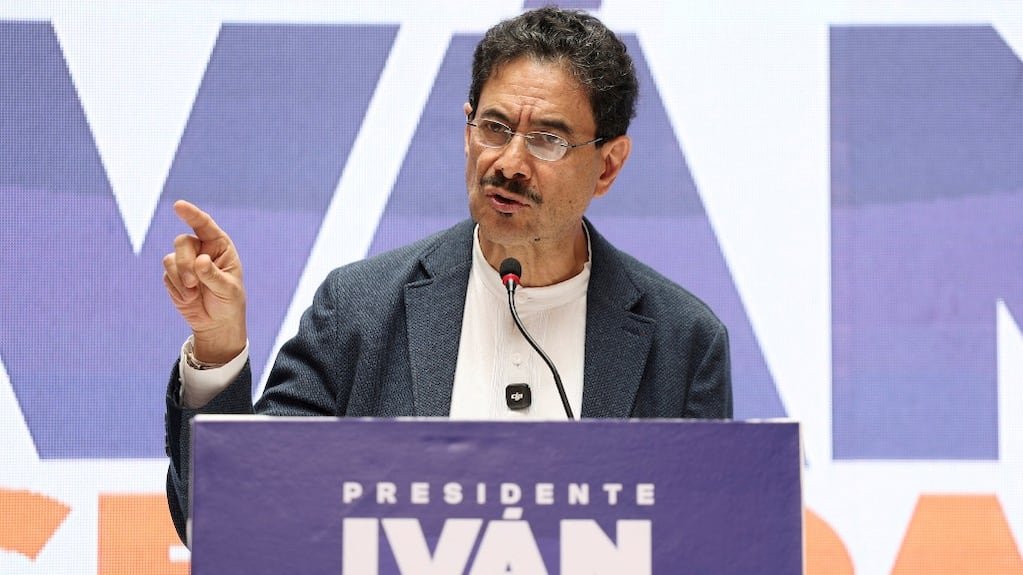
El histórico dirigente de la izquierda Iván Cepeda, heredero político del presidente Gustavo Petro, lidera las encuestas a una semana de las elecciones en Colombia del 31 de mayo, aunque todo indica que deberá enfrentar a la derecha tradicional en un balotaje el 21 de junio.
Cepeda, de 63 años, es el candidato del oficialista Pacto Histórico que buscará extender por otros cuatro años la gestión del primer gobierno izquierdista de la historia del país.
Pero una gran atomización electoral, con un total de 14 candidatos, vaticina una cerrada lucha por el poder. Petro está fuera de juego. La Constitución colombiana impide la reelección inmediata.
La última encuesta de la Corporación Miguel Maldonado Manjarrez, divulgada en los últimos días, dio a Cepeda el 35,3% de las intenciones de voto, seguido por la candidata del Centro Democrático, Paloma Valencia, con un 25,7%. El tercer postulante en disputa, el ultraderechista Abelardo de la Espriella, obtiene un 20,4%.
Pero otra encuesta de Guarumo y Ecoanalítica da en segundo lugar a de la Espriella con el 27,5% detrás de Cepeda que alcanza el 37,1%. Valencia reúne el 21,7%
Para ganar en primera vuelta, es necesario alcanzar la mitad más uno de los votos válidos.
Quién es Iván Cepeda
Cepeda es un reconocido dirigente de la izquierda colombiana y militante de derechos humanos. Además, ha sido un activo impulsor de los acuerdos de paz con los movimientos guerrilleros que azotaron el país en las útimas décadas.
Nacido en Bogotá el 24 de octubre de 1962, es hijo del histórico dirigente comunista Manuel Cepeda Vargas, asesinado por agentes del Estado en complicidad con paramilitares el 9 de agosto de 1994.
“Ha hecho su carrera política sobre el tema de la defensa de las víctimas de los crímenes de Estado y eso le ha dado una gran notoriedad”, dijo a TN el analista político Yann Basset, profesor de la Universidad de Rosario, de Bogotá. Iván Cepeda, candidato del Pacto Histórico y heredero político de Gustavo Petro. (Foto: REUTERS/Sergio Acero)
Exiliado en varias ocasiones, se graduó en filosofía en la Universidad de Sofía, en Bulgaria. A su regreso a Colombia, lideró el Movimiento Nacional de Víctimas de Crímenes del Estado (Movice).
Su activa militancia en el campo de los derechos humanos lo hizo llegar a la política. Entre 2010 y 2014 fue diputado y se desempeñó como facilitador del Acuerdo de Paz entre el gobierno y las irregulares Fuerzas Armadas Revolucionarias de Colombia (FARC) en 2016. También participó en el diálogo con el Ejército de Liberación Nacional (ELN). Actualmente es senador nacional.
Leé también: Donald Trump concentra su presión sobre el ala militar del gobierno cubano
“Cepeda se alejó un poco a lo largo de su carrera de la ortodoxia comunista de su padre para pasar a una izquierda quizás un poco más populista que representa Petro. Es un militante de izquierda muy clásico en su estilo”, dijo Basset.
Según el analista, el candidato presidencial “es alguien mucho más discreto, más serio en su forma de trabajar, pero menos elocuente y carismático que Petro“.
“Esto significa que es un heredero que tiene una gran continuidad a nivel del programa, a nivel de las ideas y de las medidas que defiende, pero con un contraste bastante importante en su estilo”, indicó.
Sus detractores ponen en duda su estado de salud para llevar adelante una eventual gestión presidencial. En los últimos años superó, con cirugías y tratamientos de quimioterapia, un diagnóstico de cáncer de colon y una lesión cancerígena en el hígado.
Qué propone Iván Cepeda
En campaña, Cepeda centró sus promesas en un plan de siete programas sociales contra la pobreza y la desigualdad que serían financiadas con acuerdos impositivos con el sector privado.
Estos planes incluyen kits escolares para estudiantes de zonas rurales y periferias urbanas, la ampliación de ayudas para personas con discapacidad, créditos flexibles para microempresas familiares y apoyo financiero a líderes sociales amenazados.
También propuso que el Estado adquiera productos en forma directa a campesinos y asociaciones rurales para eliminar intermediarios y abaratar costos. Además, dijo que buscará promover una “economía productiva, diversificada y socialmente incluyente”.
“Se da por descontado que estará en la segunda vuelta. Es el candidato que ha logrado agrupar a la izquierda gracias al apoyo de Petro y a la constitución de un partido unificado que lo eligió como su candidato en una primaria celebrada en octubre”, dijo Basset.
Colombia, Gustavo Petro










INTERNACIONAL
Europe will one day thank Trump for ‘shaking’ it out of its ‘complacency’: UK defense chief
Trump says NATO allies had a ‘bad moment’ for not helping in potential Iran war
President Donald Trump, speaking at the NATO Summit in Ankara, Turkey, criticizes Spain, Italy and the UK for not offering immediate support to the U.S. in a potential conflict with Iran. Trump describes their response as a ‘bad moment’ but later emphasizes the ‘tremendous unification’ among NATO members, expressing mutual love and respect.
NEWYou can now listen to Fox News articles!
The U.K.’s new defense secretary said Sunday that Europe will ultimately thank President Donald Trump for waking up the continent from its complacency and forcing NATO allies to take responsibility for their own security.
Speaking on Sky News, Wes Streeting also signaled a rebalancing of the U.K. government’s transatlantic stance under new Prime Minister Andy Burnham while stating that Britain continued to refuse to back U.S. offensive military action against Iran.
«The first thing you do is you don’t suck up, and… my impression is President Trump, his administration… that’s not what they’re looking for, actually,» Streeting told Sky News anchor Trevor Phillips, stating his perspective on Washington.
«He’s a straight talker. He says what he means and means what he says.»
ANDY BURNHAM TAKES OVER AS UK PRIME MINISTER, CALLS FOR ‘NEW POLITICAL MODEL’
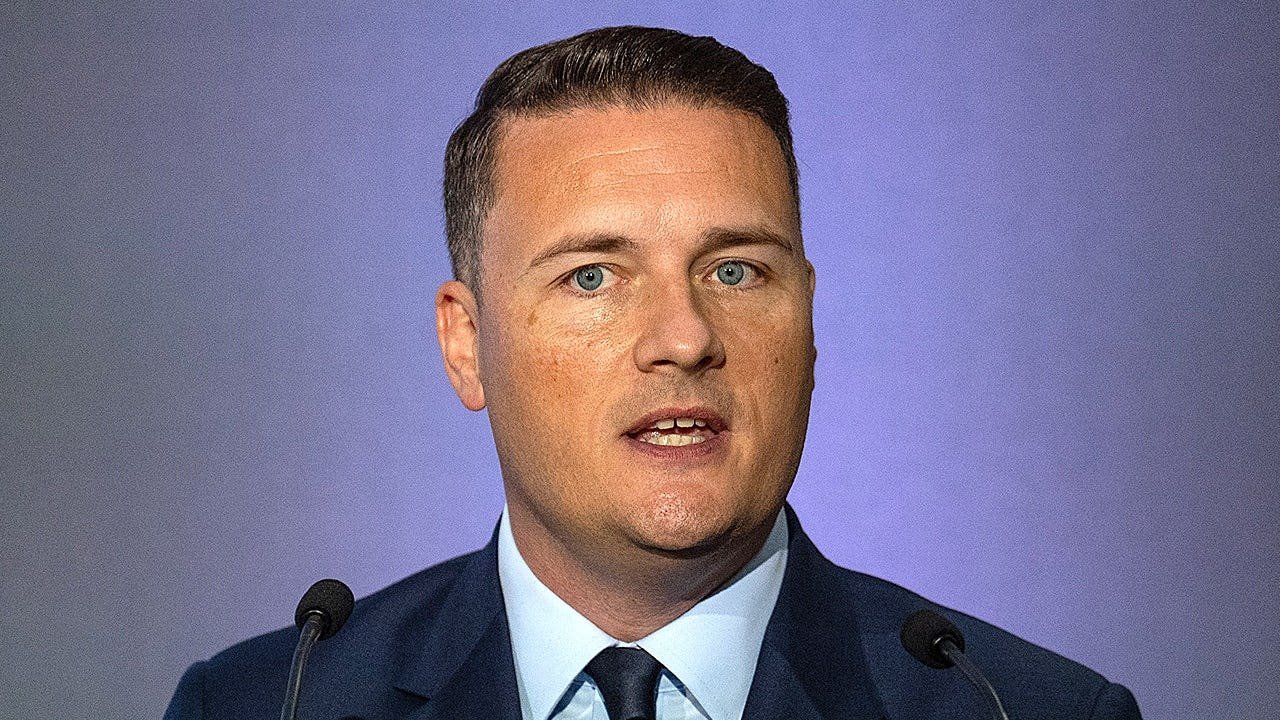
British Secretary of State for Defence Wes Streeting said that Europe will one day thank President Donald Trump for shaking Europe out of its strategic complacency and forcing NATO allies to shoulder more of their own defense. (Carl Court/Getty Images)
«I don’t know him, but I do trust the United States,» he added.
Streeting took charge of the U.K. Ministry of Defence on July 20, the same day Burnham became prime minister.
«I’ve not even been in the job a week. I’ve always been aware that the alliance between the U.S. and the U.K. is unlike any in the world, and of course, that’s historic, it’s cultural, it’s political,» Streeting said. «It’s driven by self-interest as well as mutual shared interests.»
During his first week in office, Streeting also had a call with Secretary of War Pete Hegseth to discuss maritime security in the Strait of Hormuz and broader NATO commitments.
«But just in my first week as defense secretary, I have had a unique insight into just how close and integral that relationship is when it comes to defense and security,» Streeting explained.
UK DEFENSE SHORTFALLS HIGHLIGHTED AS BRITAIN AVOIDS IRAN OFFENSIVE ROLE AMID TRUMP CRITICISM
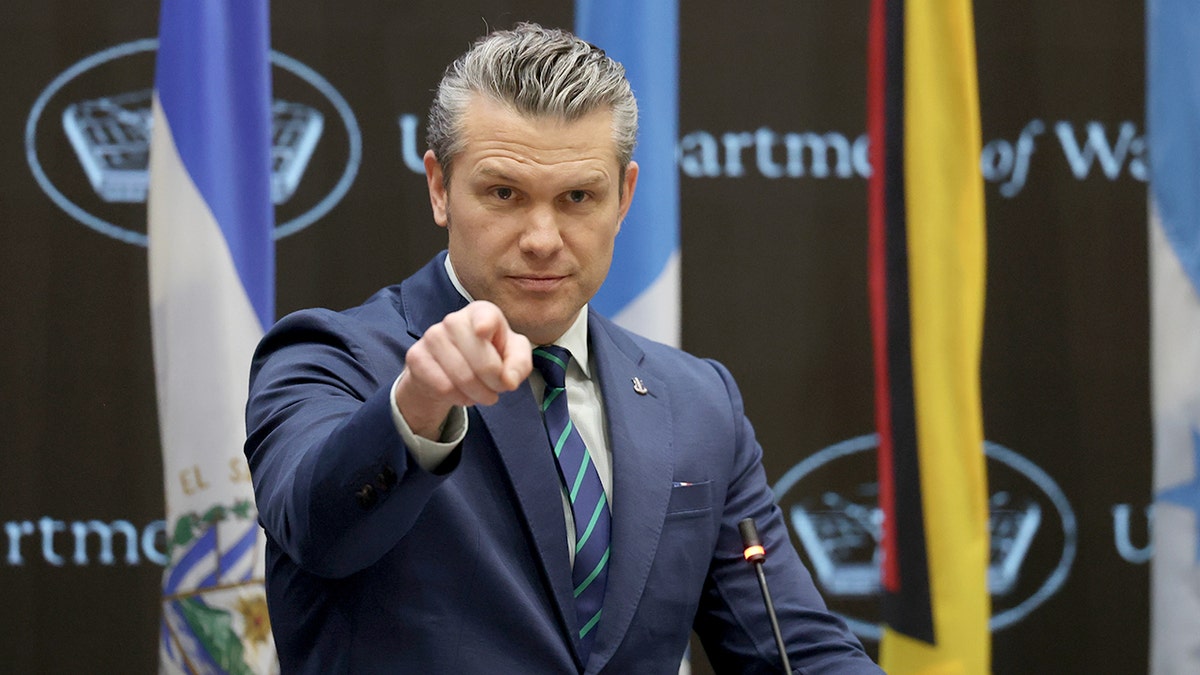
Streeting said he was «very keen and pleased» to meet with his American counterpart, War Secretary Pete Hegseth. (Joe Raedle/Getty Images)
«And it’s one of the reasons why I was very keen and pleased in the first week to meet with my U.S. counterpart, Pete Hegseth, where I was clear that we’ve not supported offensive action in Iran, and we won’t support offensive action in Iran,» he continued. «But there are plenty of things that we can and should do together when it comes to securing the Strait of Hormuz, in making sure that Iran doesn’t develop nuclear weapons, in terms of investing in our capability and NATO’s capability.»
Trump has long criticized European NATO members for failing to spend enough on defense, arguing they should shoulder a greater share of the alliance’s security burden.
WHO IS ANDY BURNHAM? THE TRUMP CRITIC SET TO BECOME THE UK’S NEXT PRIME MINISTER
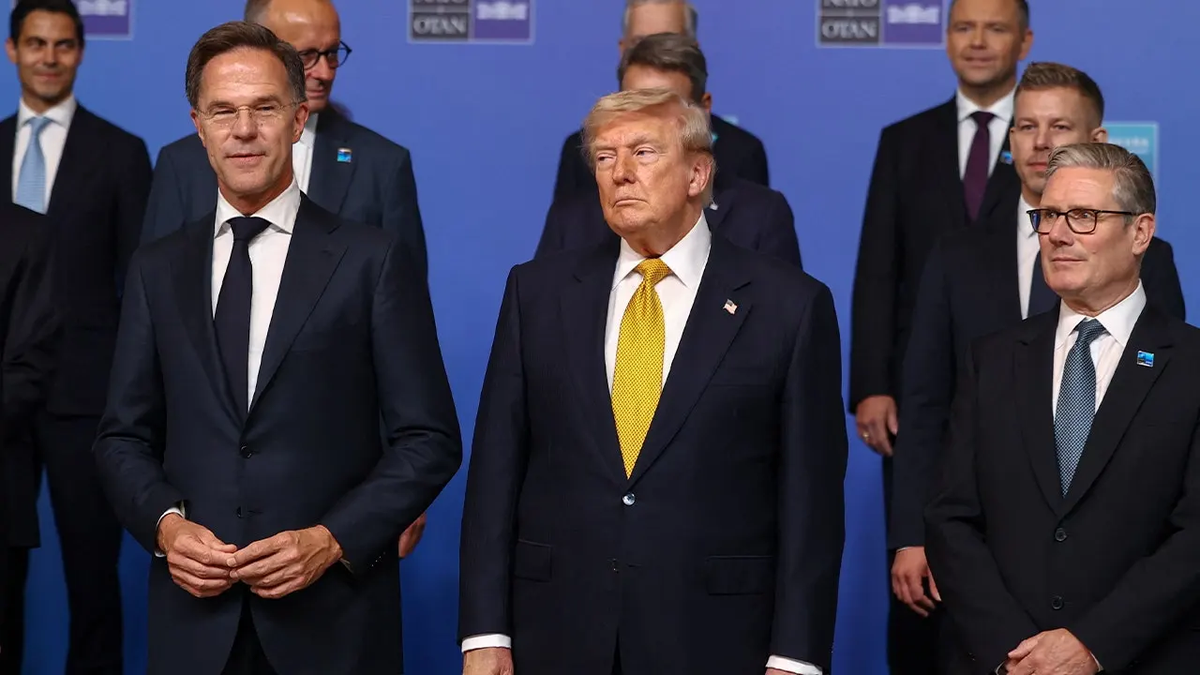
«And one of the things I’d say about President Trump specifically… we don’t always like what he says. We don’t always like his methods,» Streeting said. (Stoyan Nenov/Reuters)
At July’s NATO summit in Turkey, Trump pressed allies to follow through on their commitments to increase defense spending.
«And one of the things I’d say about President Trump specifically: we don’t always like what he says, we don’t always like his methods,» Streeting said. «But I genuinely think when this period of history is written, Europe will thank President Trump for shaking us out of our complacency and forcing us to stand on our own two feet and end the period of overreliance on the United States for defense because what he said about Europe isn’t unique to President Trump, the MAGA movement or the Republican Party.»
CLICK HERE TO DOWNLOAD THE FOX NEWS APP
«This has been a longstanding grain of U.S. frustration with Europe under Democratic and Republican presidents, and in the world we live in, it is right that we can act to secure ourselves,» he added.
Streeting also said the U.K. could «act with our allies here in Europe and, of course, work with the United States without being overly dependent to the extent that NATO and Europe has been.»
Fox News Digital has reached out to 10 Downing Street for further comment.
united kingdom, andy burnham, donald trump, pentagon, iran
INTERNACIONAL
Guerra en Oriente Medio: Estados Unidos e Irán ponen en pausa sus ataques por segundo día consecutivo
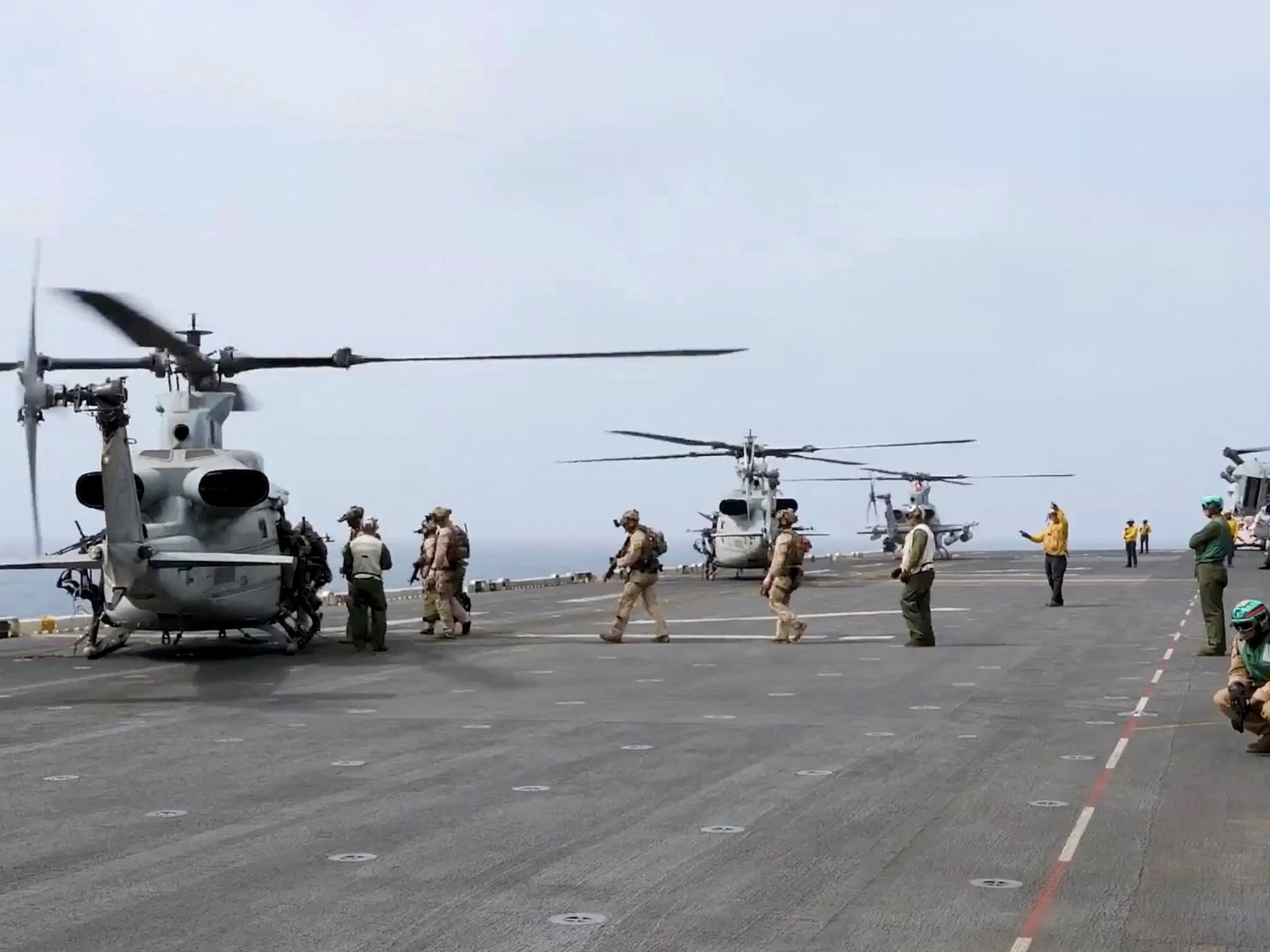
Estados Unidos pausó sus ataques contra Irán por segundo día consecutivo el domingo, y Teherán afirmó que también lo había hecho, mientras continuaban los esfuerzos para que ambos países regresen a negociaciones.
No estaba claro por qué Estados Unidos ha hecho una pausa después de atacar zonas costeras e infraestructura iraníes por casi dos semanas luego que Irán disparó contra barcos en el estrecho de Ormuz. El Pentágono no respondió a preguntas el domingo.
El presidente Donald Trump está “dando a las conversaciones algo de espacio. Les está dando un poco de margen”, dijo a Fox News Mike Waltz, el embajador estadounidense ante las Naciones Unidas. “Hemos tenido tanto a Omán como a Irán, y a varios de nuestros otros negociadores, involucrados a todos los niveles, desde los niveles más altos hasta el nivel técnico durante las últimas semanas, y particularmente en los últimos días”.
Como Estados Unidos ha detenido los ataques durante las últimas dos noches, Irán también lo ha hecho, dijo el domingo a la televisión estatal iraní el portavoz del ejército. En los últimos días, Teherán ha contraatacado a países de la región que albergan fuerzas norteamericanas y mató al menos a tres personas en una base en Jordania.
El periodo de 60 días que comenzó cuando ambos países firmaron el acuerdo provisional a mediados de junio ya está bien avanzado en su segunda mitad, y los principales asuntos que debían negociarse —en particular el programa nuclear iraní — siguen apartados mientras los mediadores intentan mantener a ambas partes dialogando.
Un funcionario regional involucrado en los esfuerzos de mediación señaló que la diplomacia estaba en marcha y que una pausa en los ataques es una “señal positiva que ayuda a los esfuerzos para desescalar”.
El funcionario indicó que ambos países quieren volver al acuerdo provisional de alto el fuego y que el arreglo que se negocia se centra en que Irán gestione el tránsito de embarcaciones por el estrecho de Ormuz con menos restricciones para los barcos. El funcionario no estaba autorizado a hablar del asunto y habló bajo condición de anonimato.
Persistían las preocupaciones sobre el transporte marítimo en el estrecho y ahora también en otra vía acuática crucial de la región, el estrecho de Bab al-Mandeb hacia el mar Rojo. Los rebeldes hutíes de Yemen, respaldados por Irán, amenazaron la semana pasada con un bloqueo del transporte marítimo saudí allí.
Los suministros energéticos y la economía mundial siguen en la balanza ya que los precios de la gasolina han vuelto a subir.
Irán reveló el domingo que seguía conversando con Omán sobre el paso seguro de los barcos por el estrecho de Ormuz, que se encuentra entre ambos países. El portavoz del Ministerio de Exteriores iraní, Esmail Baghaei, afirmó que las conversaciones habían avanzado y continuaban.
Añadió que el estatus del estrecho permanecía sin cambios. Teherán ha sostenido que el acuerdo provisional con Estados Unidos le permite, por ahora, gestionar el transporte marítimo en esa vía, y ha objetado los esfuerzos estadounidenses por respaldar una ruta a través del estrecho que pase cerca de Omán en su lugar. Antes de la guerra, el estrecho era considerado una vía acuática internacional.
El ejército estadounidense declaró el sábado que su bloqueo naval contra Irán continuaba, con una docena de barcos comerciales redirigidos, dos inutilizados y dos abordados. Las fuerzas estadounidenses “siguen altamente vigilantes, concentradas, letales y listas”, añadió.
Netanyahu dice que respalda “plenamente” los esfuerzos de Trump Mientras tanto, el primer ministro israelí Benjamin Netanyahu planea viajar a Estados Unidos y reunirse con Trump en Washington el martes, informó su oficina. La última vez que se reunieron en Washington fue en febrero, semanas antes de que lanzaran la guerra contra Irán que mató a altos dirigentes, incluido el líder supremo, el ayatolá Ali Jamenei.
El grupo libanés Hezbollah, respaldado por Irán, disparó contra Israel dos días después de que comenzara la guerra, e Israel respondió con ataques aéreos y fuerzas terrestres en el sur del Líbano. Desde entonces, Estados Unidos ha respaldado conversaciones directas históricas entre Líbano e Israel para intentar calmar ese frente y encontrar una manera de desarmar a Hezbollah.
Netanyahu dijo el domingo a Fox News que respalda “plenamente” los esfuerzos de Trump para debilitar a Irán y presionarlo para que ponga fin a su programa nuclear, y añadió: “Si puede hacerlo sin volver a un combate militar intenso, está bien. ¿Por qué no?”
El primer ministro indicó que no presentará nueva información a “nuestro buen amigo” Trump y que, en cambio, escuchará “lo que tiene en mente, porque creo que en muchos sentidos es su decisión”.
Pero Netanyahu advirtió que si Irán vuelve a atacar a Israel, de forma directa o mediante aliados armados, “cometerá un terrible error”.
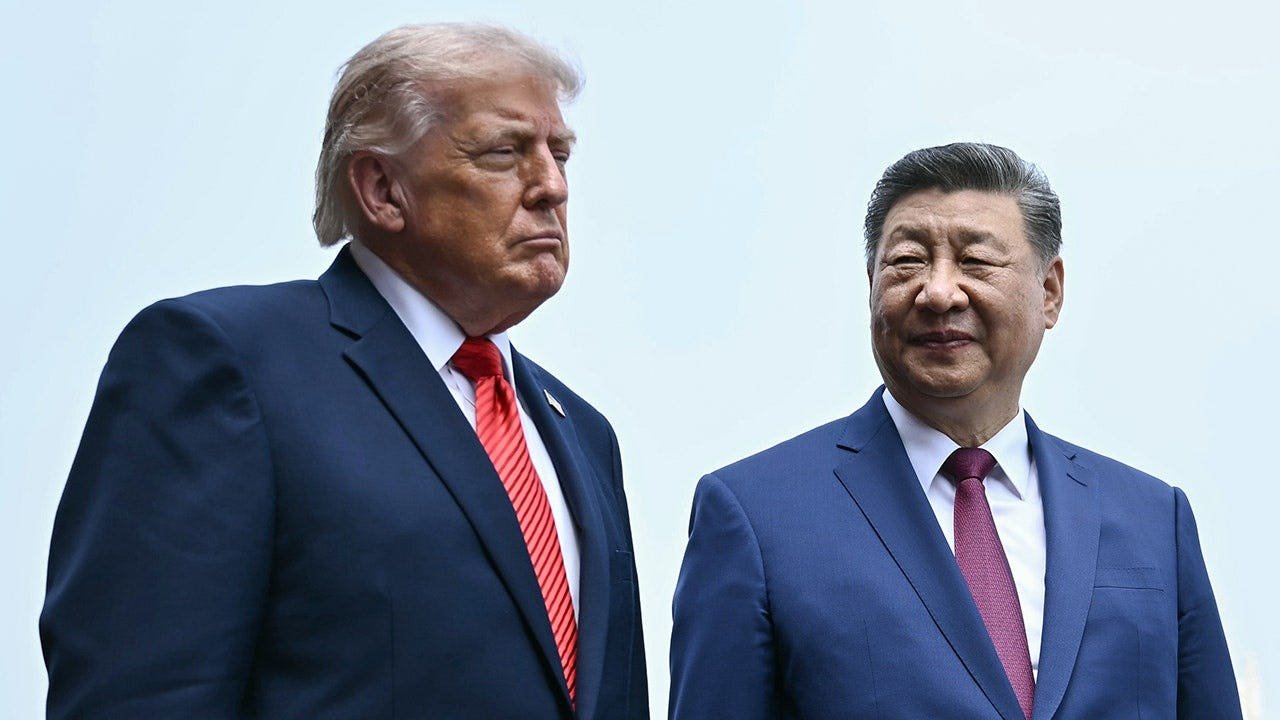
NEWYou can now listen to Fox News articles!
President Donald Trump’s address to the nation alleging Chinese interference in American elections last week has renewed interest in Beijing’s broader influence efforts in the United States.
Federal records show that a number of Chinese government entities, state-controlled media organizations and China-based companies have registered under the Foreign Agents Registration Act (FARA) to disclose operations with political implications carried out in the United States on their behalf. Lobbying Disclosure Act filings submitted to Congress by other Chinese entities, meanwhile, cover lobbying activity by companies pursuing what they say are purely commercial interests.
Those filings provide a partial public record of how Chinese interests seek to shape U.S. policy, public opinion and commercial decisions, though they do not establish the full scope of Beijing’s activity or prove Trump’s election claims.
Private entities based in China and Hong Kong, many of which have significant ties to the Chinese Communist Party, spend significant amounts of money attempting to influence America. The DOJ recorded over $20 million in FARA expenditures from these entities in 2025, with millions of dollars more being recorded in lobbying disclosures filed with Congress. Chinese government sources, over the same period, spent close to $80 million on FARA expenses.
CHINA DISMISSES TRUMP ELECTION INTERFERENCE ACCUSATIONS AS ‘ENTIRELY FABRICATED,’ THREATENS COUNTERMEASURES
Chinese President Xi Jinping speaks during an international business meeting at The Great Hall Of The People on March 28, 2025 in Beijing, China. (Ken Ishii – Pool/Getty Images)
Not every Chinese influence operation happens on the books, however.
Campus groups that the State Department has linked to the Chinese government, such as the Chinese Students and Scholars Association, do not file paperwork with the DOJ, leaving Americans in the dark regarding their operations. Additionally, any groups that fall under China’s United Front Work Department — a global network of CCP loyalists that work to advance Beijing’s interests abroad — don’t file disclosures owing to their clandestine nature.
China hawks have also argued that some powerful domestic nonprofits have significant links to the CCP, giving it yet another mechanism it can use to influence the United States.
«China is committed to promoting mutual understanding and friendship between the Chinese and American peoples and advancing exchanges and cooperation between the two countries in areas including trade, education and culture,» a spokesperson for the Chinese embassy told Fox News Digital. «China’s international exchanges and cooperation are open and transparent, with the aim of enhancing mutual understanding and achieving mutual benefit.»
«Portraying China’s normal international exchanges and cooperation as so-called ‘influence operations’ distorts facts and stigmatizes legitimate engagement,» they added.
While the true extent of China’s influence in the United States is unknown, the evidence that is available to the public paints a picture of a broad, multi-front effort to shape how Americans live and think.
‘Propaganda’
Among China’s most prevalent levers of influence is its state-run media apparatus, which academic sources and the federal government often describe as a «propaganda» operation.
Globally, the State Department estimated in 2023 that China spends «billions of dollars annually on foreign information manipulation efforts.»
Five Chinese media operations are registered as active foreign agents in the United States, DOJ records show. CCTV, Xinhua News and China Daily each have direct affiliations with the CCP, whereas Sing Tao News Corporation is privately owned but consistently takes a pro-Beijing stance in its coverage.
CCTV, which is operated by the Chinese government, runs CGTN America, China’s flagship English-language media operation. DOJ filings reviewed by Fox News Digital show that CGTN received $66.8 million in funding from CCTV between February and November 2025 — a significant chunk of China’s overall foreign influence budget.
FIRST ON FOX: POWERFUL HOUSE WAYS AND MEANS CHAIR THROWS HAMMER DOWN ON ‘FOREIGN-ALIGNED INFLUENCE NETWORK’
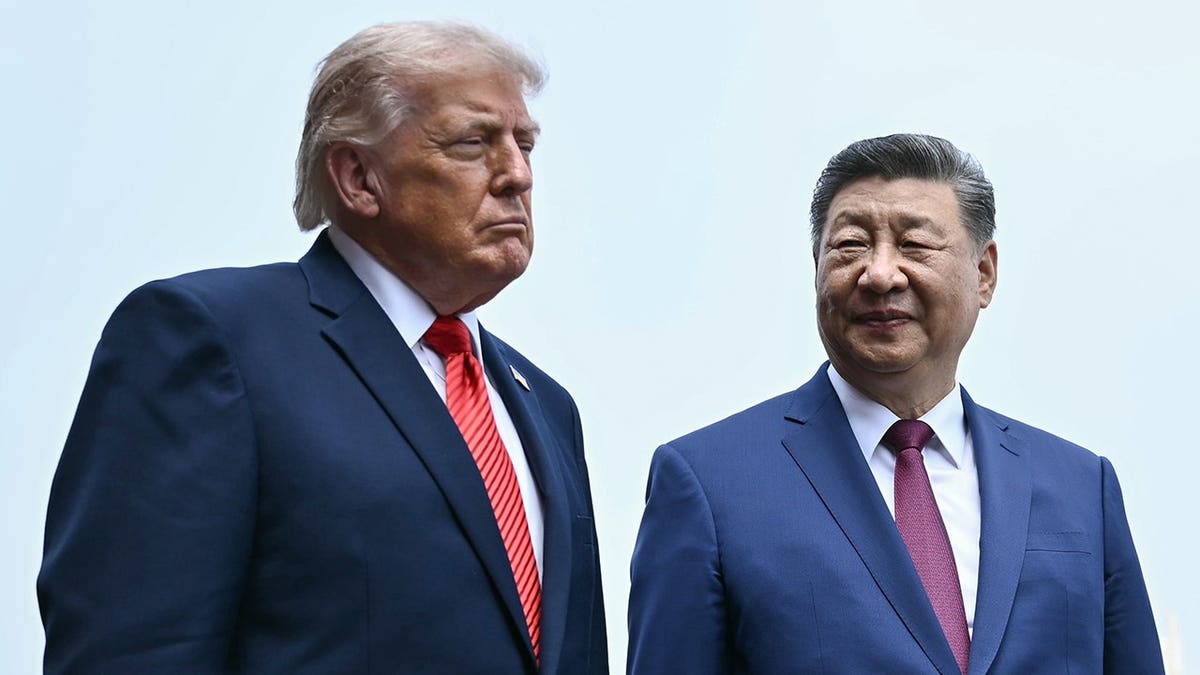
China’s President Xi Jinping (R) and US President Donald Trump visit the Temple of Heaven on May 14, 2026 in Beijing, China. (Brendan Smialowski – Pool/Getty Images)
In 2025, CGTN amplified rhetoric similar to that pushed by Democratic politicians.
The network pushed left-of-center rhetoric on issues such as climate change, racial tensions, immigration and the war in Gaza while criticizing Trump’s tariffs as well as his efforts to make Washington, D.C., safer through law enforcement and National Guard deployments. CGTN has also been eager to praise California Gov. Gavin Newsom, seen by many as one of Trump’s chief political rivals.
A 2022 academic paper published by researchers at King’s College in London argued that, despite appearances, CGTN doesn’t aim to influence voter behavior or have a strict ideological slant but rather seeks to portray America as «poorly governed, plutocratic, racist and a destabilizing international influence» in contrast to a China that is «well governed, benign, stable and a rising superpower.»
All the Chinese media operations designated as foreign agents tend to publish similar content. An appendix in one of Xinhua’s filings reveals that the federal government required it to register under FARA because the DOJ believes that it «intends to influence the American public or policy makers on relevant topics such as U.S. policy or foreign relations.»
«Chinese media outlets conduct news reporting and information dissemination in accordance with the law. Labeling outlets such as Xinhua, CGTN and China Daily as ‘propaganda tools’ or ‘foreign influence instruments’ reflects ideological bias and a Cold War mentality, rather than an objective view of international media exchanges,» the embassy spokesperson told Fox News Digital.
The China lobby
Representing the interests of Chinese companies, even those that the U.S. government warns are working on behalf of the Chinese military, is big business for American lobbyists.
Lobbying records show that dozens of American lobbyists have signed new contracts with dozens of companies partially or fully owned by Chinese entities since 2025. FARA records, meanwhile, reveal that seven Chinese companies — Huawei, BOE Technology America, Yangtze Memory Technologies, XH Smart Tech China, Hikvision, Futurewei Technologies and JinkoSolar — maintain active foreign agent registrations in the United States.
A Chinese company advocating for its own commercial interests usually files lobbying disclosures with Congress under the Lobbying Disclosure Act, whereas an organization carrying out what the federal government determines to be political, governmental or broader public-influence work for a foreign principal typically reports to the DOJ under FARA.
LAWMAKERS RAISE ALARM OVER NEVILLE ROY SINGHAM’S $278M NETWORK SPREADING CCP PROPAGANDA IN THE U.S.
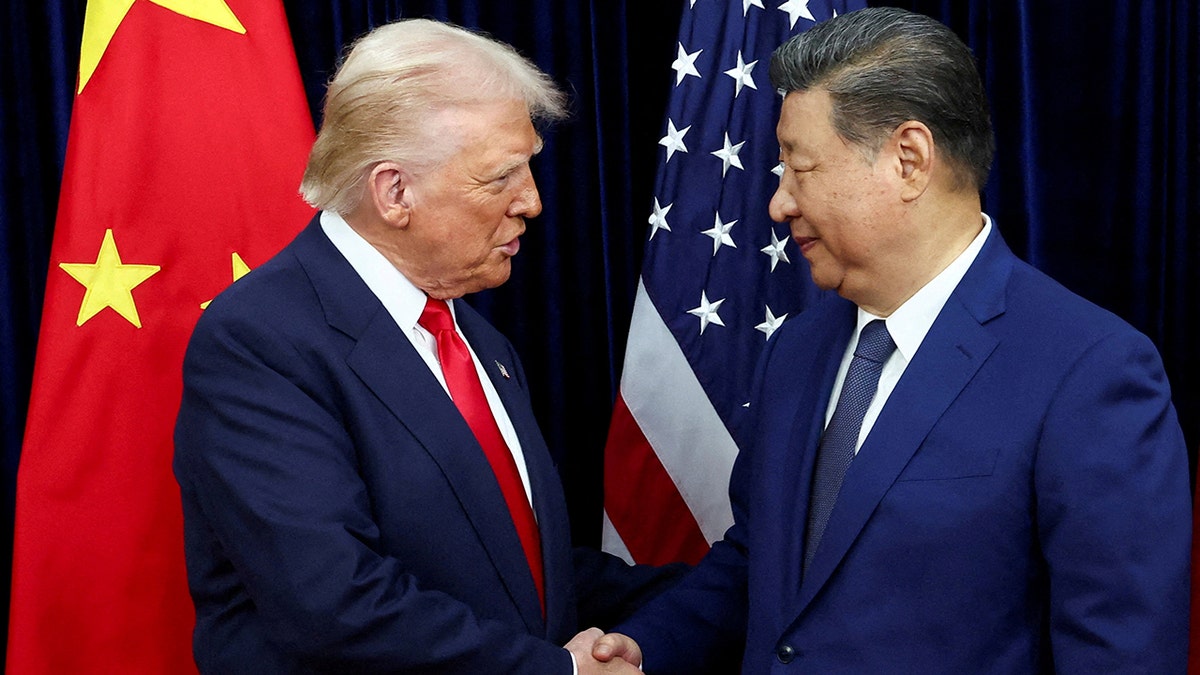
President Donald Trump shakes hands with Chinese President Xi Jinping as they hold a bilateral meeting at Gimhae International Airport, on the sidelines of the Asia-Pacific Economic Cooperation (APEC) summit, in Busan, South Korea, on Oct. 30, 2025. (Reuters/Evelyn Hockstein)
Hikvision, a partially state-owned video surveillance equipment manufacturer based in China, for instance, reports to the DOJ.
The company faces procurement, export and investment sanctions imposed by the United States government following allegations that it aided the CCP in its repression of Uyghur Muslims. It has paid American lobbyists millions to plead its case to the United States government that those restrictions should be dropped.
Since Hikvision is bound by the disclosure requirements of FARA, the public has access to the materials distributed to policymakers on its behalf, as well as information about specific policymakers they contacted, such as a slideshow presentation its lobbyists gave to Pentagon and Department of Commerce officials in October 2024.
Most of the lobbying services purchased by Chinese companies occur under the LDA, which only requires principals to disclose who they’re paying, how much they’re paying and a very basic description of what issues they’re lobbying on. Among the firms retaining American lobbyists are controversial Chinese-owned agriculture companies, major competitors with American industries, state-owned enterprises and firms that the Department of War claims are working on behalf of China’s People’s Liberation Army.
Tencent, a technology conglomerate that the Pentagon recently added to its list of «Chinese military companies,» has spent well over $10 million on lobbying expenses since 2025.
«As the Company is neither a Chinese military company nor a military-civil fusion contributor to the Chinese defense industrial base, it believes that its inclusion in the [Chinese military company] List is a mistake,» Tencent said in a statement after the Pentagon designated it as such. «The Company intends to initiate a Reconsideration Process to correct this mistake. During the process, it will engage in discussions with the U.S. Department of Defense to resolve any misunderstanding, and if necessary, will undertake legal proceedings to remove the Company from the [Chinese military company] List.»
A handful of Chinese companies, including some that have appeared on the Pentagon’s list of Chinese military companies, have even lobbied on issues related to American national security.
Some, such as Sen. Tom Cotton, have accused Chinese entities of abusing the LDA to avoid filing under FARA and complying with its stricter disclosure requirements, which would provide Americans with a fuller accounting of their activities.
Trade, tourism and development?
China, like many other countries, spends considerable funds on convincing Americans to trade with, travel to or invest in it.
The China Council for the Promotion of International Trade, for instance, receives hundreds of thousands of dollars from Beijing every six months to travel across the country to act as «the liaison between business, chamber of commerce, trade associations and organizations in China and in the United States to facilitate bilateral trade, investment and economic cooperation,» according to its FARA disclosures.
While CCPIT’s operations appear anodyne, China hawks argue that they may serve a dual purpose.
The Jamestown Foundation, for instance, asserts that CCPIT «has long been identified by the U.S. intelligence community as a united front entity supporting PRC diplomatic goals,» citing a declassified CIA memo from 1957. Sinopis, a research project associated with a Czech university, similarly argues that China uses CCPIT to forge relationships with foreign officials and business groups to ultimately advance Chinese economic and geopolitical objectives.
«Allegations concerning organizations allegedly linked to the United Front Work Department lack factual basis,» the embassy spokesperson told Fox News Digital. «In addition, the CCPIT has long been committed to promoting trade and investment cooperation between China and countries around the world and facilitating economic exchanges. Linking normal trade promotion activities to so-called geopolitical objectives is groundless.»
CLICK HERE TO DOWNLOAD THE FOX NEWS APP
Also paid by Beijing to operate in the United States are various offices encouraging Americans to visit China and soliciting investments for ventures in it.
Despite the harsh accusations levied against China, Trump has invited Chinese President Xi Jinping to visit the United States to discuss artificial intelligence and bilateral relations in September.
lobbying, national security, china, foreign affairs, politics

Santilli se refirió al cruce diplomático con Brasil por los dichos de Milei: “Que no se rasguen las vestiduras”

Los dos goles gracias al juego aéreo con los que Deportivo Riestra abrió el marcador contra Boca Juniors

El Gobierno no hará un pedido de disculpas a Lula, pese al reclamo de la diplomacia brasileña

Tres veces mayor: así aumenta el tamaño de descarga de Xenoblade Chronicles 2 en su Nintendo Switch 2 Edition – Nintenderos

Europe will one day thank Trump for ‘shaking’ it out of its ‘complacency’: UK defense chief

La Justicia ordenó obras urgentes para garantizar la seguridad vial en la Ruta 3 entre Azul y Cacharí

Jorge Berredo, general retirado de las FFAA, asumió como Secretario de Seguridad en San Isidro

Sin la anestesia mundialista, aflora la crisis del conurbano y Milei necesita reconectar con lo popular

Senado: Bullrich y Sturzenegger cierran filas para tratar de avanzar con la extranjerización de tierras
Marc Stanley destacó el potencial de Vaca Muerta para “estabilizar la economía” y evitó hablar de política interna

 INTERNACIONAL3 días ago
Dem’s stunning ideal standard for immigration detention conditions resurfaces amid Texas senate bid
- ECONOMIA2 días ago
Polémica por el proyecto que busca desregular los planes de ahorro de autos 0 km: qué podría cambiar
- ECONOMIA2 días ago
Vocero de Milei dijo que un dólar a $1.800 es «posible» y la City alerta por fin de la paz cambiaria