INTERNACIONAL
Abbott turns up heat on Talarico, Soros-backed DAs over Texas crime

NEWYou can now listen to Fox News articles!
As Democratic Senate candidate James Talarico works to brand himself as a «law and order Democrat,» Texas Gov. Greg Abbott is rolling out a sweeping public safety agenda that could force the left’s rising star to defend parts of his legislative record on crime, bail reform and policing.
Abbott, who is pushing to remove so-called «rogue» prosecutors, create a statewide prosecutor and deny bail to illegal immigrants accused of violent crimes, told Fox News Digital the proposals are necessary.
«Texas Democrats have consistently sided with criminals over the citizens they were elected to protect,» Abbott told Fox News Digital, adding, «Keeping dangerous offenders behind bars is one of the most important responsibilities of government.»
While Abbott’s proposals still need approval from lawmakers, they are already shaping a broader debate over crime and public safety in Texas ahead of midterm elections.
TRAVIS COUNTY DA FACES RENEWED ‘SOFT ON CRIME’ CRITICISM AFTER CAREER CRIMINAL CHARGED WITH MURDER
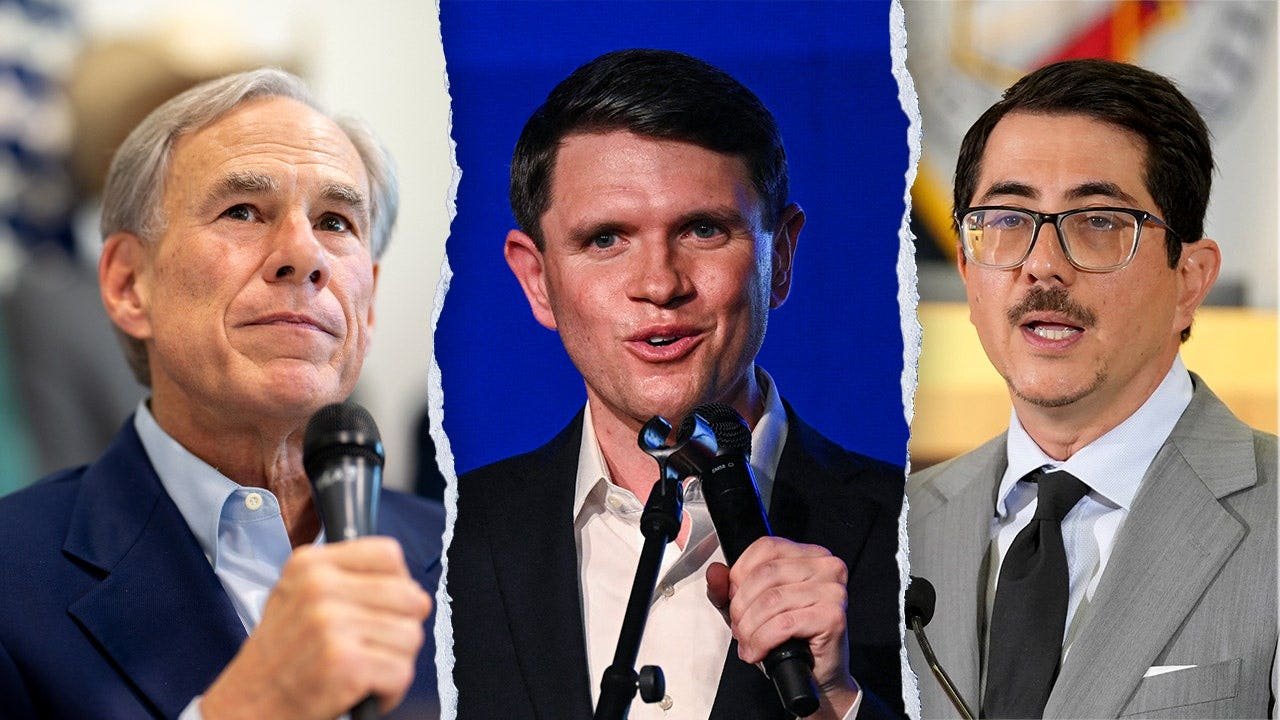
A collage of three separate news events in Texas, featuring news conferences by Travis County District Attorney Jose Garza and Governor Greg Abbott, alongside a campaign rally by U.S. Senate candidate James Talarico. (Jay Janner, Ronaldo Schemidt, Brandon Bell / The Austin American-Statesman, AFP, Getty Images)
Talarico has highlighted endorsements from law enforcement figures, including former Dallas FBI Special Agent in Charge Matthew DeSarno, to bolster his public safety record, but Abbott’s allies argue his voting record and absences from key public safety votes tell a different story.
Talarico was absent for a vote on a bill named after slain Houston preteen Jocelyn Nungaray that would have automatically denied bail to illegal immigrants charged with violent crimes. Talarico’s campaign defended the missed vote, telling Fox News Digital Talarico had an excused absence. The bill ultimately failed to pass, but Abbott is seeking to revive the measure.
Among the public safety measures Talarico voted against were House Bill 1900, which prevented Texas cities from defunding their police departments; House Bill 20, which tightened bail restrictions for violent offenders; and Senate Bill 4, which established mandatory prison sentences for human smuggling and stash house operations. Abbott later signed all three measures into law.
«James Talarico’s disastrous record on public safety is indistinguishable from the Texas Democrats who have repeatedly opposed common-sense measures to support law enforcement and keep violent criminals off the streets,» Eduardo Leal, press secretary for Abbott’s campaign, told Fox News Digital. «He’s led his Democrat colleagues to vote against legislation that prevented cities from defunding the police and twice failed to show up for votes to deny bail to illegal immigrants charged with violent crimes.»
Talarico’s campaign has pushed back on Abbott’s characterization, pointing to Talarico previously voting in favor of Abbott’s sweeping bail reform measure passed last year and voting for billions of dollars in funding for Texas law enforcement.
«This baseless attack is a flat-out lie. James opposes defunding the police, has voted to deny bail for violent criminals, supports prosecuting violent felons, and has a proven track record of sending billions of dollars to support law enforcement,» Talarico’s campaign spokesperson JT Ellis said in a statement.
But as crime continues to dominate headlines nationwide, Texas has not been immune, with Abbott blaming what he describes as soft-on-crime district attorneys for failing to hold offenders accountable. Abbott’s campaign team pointed to the release of two murder suspects in Austin on reduced bonds after Travis County District Attorney Jose Garza’s office missed the 90-day deadline for securing indictments last year. Meanwhile, Garza’s office has secured the indictments of 21 police officers over allegations of misconduct in the 2020 Black Lives Matter protests.
TEXAS AG KEN PAXTON SUED OVER NEW RULE TO REIN IN ‘ROGUE’ DAS BY ALLOWING HIM ACCESS TO THEIR CASE RECORDS
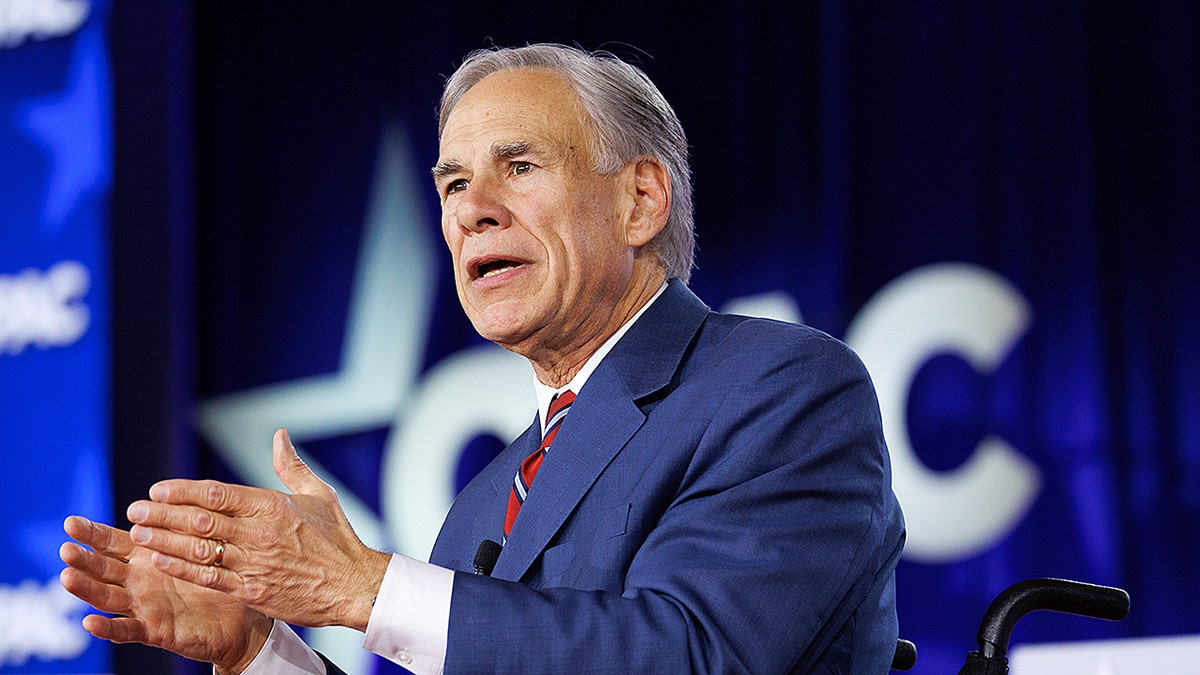
Texas Gov. Greg Abbott speaks at the Conservative Political Action Conference in Grapevine, Texas, on March 27, 2026. (Shelby Tauber / Bloomberg via Getty Images)
And in court Monday, a judge dismissed two motions targeting the Travis County District Attorney, first assistant, and several prosecutors, meaning they are no longer facing allegations of criminal wrongdoing.
Abbott’s office says concerns about district attorneys such as Garza are driving its push to create a Texas statewide prosecutor, a new office that would operate separately from the attorney general’s office and focus on prosecuting the state’s most serious crimes.
The proposal to create a Texas statewide prosecutor would require approval from the Texas Legislature, which would need to establish and fund the new office through statute. Unlike some of Abbott’s other public safety initiatives, the measure would not require a constitutional amendment.
An official from Abbott’s campaign team told Fox News Digital that creating this new office is necessary because current state statutes provide that the Attorney General’s office has no general prosecutorial authority.
Criminal prosecutions are generally handled by locally elected district and county attorneys, and the Attorney General may intervene only when authorized by statute, requested by local prosecutors, or otherwise permitted by law.
Under the proposal, if a district attorney does not pursue an indictment within 90 days, the statewide prosecutor would be authorized to intervene and take over the prosecution.
GOV ABBOTT UNVEILS NEW CAMPAIGN EXPOSING HORRIFIC DANGERS OF ILLEGAL IMMIGRATION
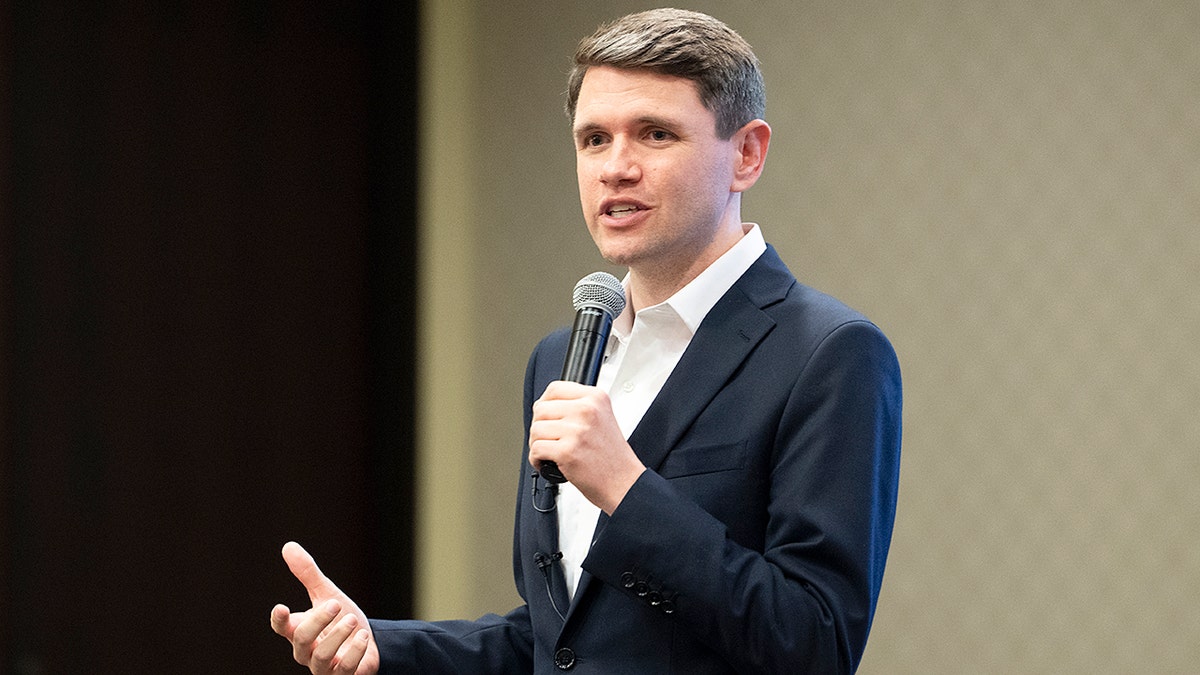
James Talarico speaks during a primary event in Texas. (PJason Fochtman/Houston Chronicle via Getty Images)
Police departments would be required to send reports involving certain serious crimes to both local district attorneys and the statewide prosecutor, enabling the office to track cases from the beginning.
Garza dubbed Abbott’s sweeping criminal justice reform proposal to be a «distraction from the Governor’s litany of failures.»
CLICK HERE TO DOWNLOAD THE FOX NEWS APP
«Under his leadership, Texans are paying more for groceries, public schools are losing funding, and too many Texans lack access to healthcare and mental healthcare,» Garza said.
Abbott’s other two legislative requests — ending bail for illegal immigrants and making it possible to impeach district attorneys — would require a statewide vote by Texans.
Last month, Abbott ordered the Texas Department of Public Safety to expand the Texas Repeat Offender Task Force from the Houston area into the Dallas-Fort Worth, San Antonio and Austin regions, saying the effort will help target violent repeat offenders and improve public safety. Since launching in October, the task force has arrested 728 repeat offenders, including 455 high-threat suspects; seized large quantities of drugs and weapons; encountered 155 known gang members; and recovered 25 stolen vehicles.
«The choice in this election is clear,» Abbott said. «Republicans will protect communities and prosecute criminals, while Democrats stand with the very people who threaten public safety.»
greg abbott, democrats elections, local, republicans, crime world, politics, texas











INTERNACIONAL
“Nos lleva el viento a lo hondo”: El último mensaje de cuatro pescadores desaparecidos nicaragüenses en Costa Rica

La fe y la desesperación se entrelazan en la comunidad costera de Quepos, luego de que las intensas labores de búsqueda y rescate dieran un giro milagroso que une a dos naciones.
El pescador Johnny Rodríguez Oporta, de nacionalidad nicaragüense pero radicado laboralmente en el pacífico costarricense, fue localizado con vida tras sobrevivir 36 horas a la deriva en altamar.
Rodríguez, originario de la localidad de Masachapa en Nicaragua, realizaba su primera faena de pesca en aguas costarricenses cuando su panga naufragó debido al fuerte oleaje provocado por la tormenta tropical Cristina.
Para mantenerse con vida frente al hambre, la intemperie y la intensa sed, tuvo que racionar al máximo sus fuerzas y se vio obligado a beber sus propios orines antes de ser rescatado el martes 9 de junio.
A pesar de la alegría por el rescate de Rodríguez, la angustia persiste en la zona. La embarcación en la que viajaba el sobreviviente naufragó de forma independiente a otra nave que aún continúa desaparecida: la lancha Roxana Dos.
En esta última embarcación viajaban cuatro tripulantes también de origen nicaragüense y vecinos de la comunidad local cuyo paradero sigue siendo un misterio desde la madrugada del pasado lunes, cuando se perdió todo contacto en aguas de Guanacaste.
El epicentro del dolor y la expectativa se concentra en el barrio El Cocal, en Quepos, específicamente en la vivienda de don Mario Baltodano, un ciudadano nicaragüense que echó raíces en Costa Rica y es el dueño de la lancha Roxana Dos.
La tragedia golpea con fuerza a esta familia, ya que tres de los cuatro desaparecidos son parientes directos de don Mario: su hijo Janier Baltodano, su hermano Ramón Baltodano (quien capitaneaba la lancha), su sobrino Abraham Ríos, y un amigo de la familia identificado como José Luis Palacios.
Marielos Núñez, costarricense y esposa del capitán Ramón Baltodano tras 17 años de matrimonio, describió el calvario que viven minuto a minuto debido a la falta de respuestas, reflejando la realidad de un hogar binacional.
A la dolorosa espera de la familia se ha sumado una preocupante situación de vulnerabilidad. Los allegados de los tripulantes de la “Roxana Dos” denunciaron públicamente que personas sin escrúpulos han intentado aprovecharse de la angustia que viven para cometer estafas y extorsiones.
Según indicaron los afectados, han estado recibiendo mensajes de desconocidos que aseguran falsamente tener información verídica sobre el paradero de los náufragos.
Incluso, en algunos de los textos les afirman con frialdad que los pescadores ya fueron encontrados sanos y salvos, pero les exigen depósitos de dinero a cambio de brindarles los supuestos detalles de su ubicación.
Al final, las familias deducen que se trata de engaños de oportunistas que juegan con el dolor ajeno, pues en realidad no saben nada sobre la lancha desaparecida.
Por su parte, don Mario Baltodano relató que logró mantener comunicación con la tripulación hasta las tres de la mañana del lunes. En ese último y dramático contacto, los tripulantes le advirtieron: “Nos lleva el viento y la corriente para mar abierto, a lo hondo”. Tras esa frase, la señal se extinguió.
Ante la enorme cantidad de llamadas y la urgencia por evadir los intentos de fraude, la familia se mantiene en constante comunicación únicamente con los canales oficiales. Adolfo Sánchez, miembro de la familia y oficial de la policía costarricense actualmente incapacitado, se ha encargado de coordinar esfuerzos con el apoyo de paramédicos y personal de aviación civil para efectuar sobrevuelos y reconocimientos en las cuadrículas marítimas.
Las operaciones de rescate se ejecutan de manera binacional, coordinando el Servicio Nacional de Guardacostas de Costa Rica con su homólogo de la Fuerza Naval de Nicaragua para cubrir un área más extensa por mar y aire.
En los recibidores de pescado de Quepos, compañeros del gremio manifestaron su profunda empatía con los Baltodano, recordando que estos pescadores nicaragüenses son parte activa de la economía local y “vienen a buscar la vida” con esfuerzo diario. La comunidad pesquera entera, unida por encima de las fronteras, permanece en oración confiando en que el milagro de Johnny Rodríguez se repita pronto con los cuatro tripulantes de la Roxana Dos y que las autoridades logren frenar el acoso de los estafadores.
INTERNACIONAL
California accused of blocking federal voter roll audit as DOJ escalates probe of election fraud claims
NEWYou can now listen to Fox News articles!
The Justice Department is escalating its clash with California over voter-roll access, accusing state officials of blocking a federal audit — though Golden State officials warn the demand threatens voter privacy and oversteps federal authority.
The dispute centers on voter roll maintenance and access to registration records, not any publicly identified allegation of impropriety in a specific California race.
«If California genuinely wants voters to trust its elections, it should open its records, not fight to keep them closed,» Assistant U.S. Attorney for the Central District of California Bill Essayli said in a lengthy post on X that included a copy of a letter U.S. Assistant Attorney General Harmeet Dhillon, who leads the DOJ office enforcing federal voting-rights laws, sent to California Secretary of State Shirley Weber last year demanding the state’s voter rolls for inspection.
«What are they afraid of?,» Essayli questioned.
MORE THAN 500,000 CALIFORNIANS DEMAND VOTING OVERHAUL, BACK ‘STRAIGHTFORWARD’ ID LAW
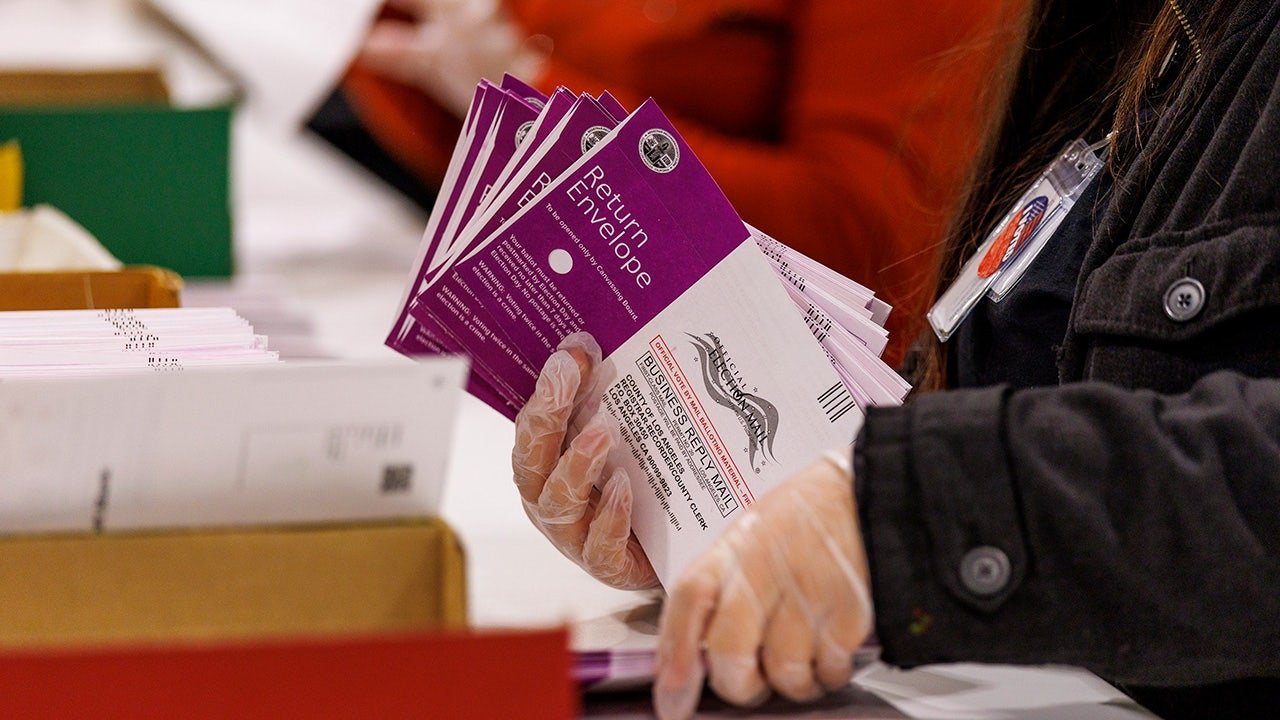
California’s rules allow certain first-time voters who do not provide a Social Security number or driver’s license when registering to verify their identity with documents including gym membership cards, employer IDs, credit or debit cards, prescription labels and insurance cards — a policy Assistant U.S. Attorney for the Central District of California Bill Essayli says warrants scrutiny. (Christina House / Los Angeles Times via Getty Images; Emily Elconin/REUTERS)
Dhillon’s letter followed an Aug. 8 response from Weber’s office raising concerns about privacy protections that could be implicated by the state voter-registration data sought by the federal government. A spokesperson from California Governor Gavin Newsom’s office told Fox News Digital that «every federal court to consider the issue has ruled U.S. DOJ’s demands violate federal law,» adding that «unlike this federal administration, we don’t do things that are illegal.»
Weber’s office offered to let DOJ inspect a redacted voter-registration database by appointment in Sacramento, arguing that satisfied their legal obligations, but Dhillon rejected that proposal and demanded an electronic copy of the statewide voter list «with all fields,» according to legal filings from the ongoing dispute taking place in the Ninth Circuit Court of Appeals.
«We also have serious concerns about how California maintains its voter rolls,» Essayli wrote in his X post, calling out California Democrats for blocking the federal audit of their voter rolls. «There are open questions about whether the state is promptly removing deceased voters, people who have moved, and individuals convicted of disqualifying felonies.»
Essayli also highlighted how California’s rules allow certain first-time voters who do not provide a Social Security number or driver’s license when registering to verify their identity with documents including gym membership cards, employer IDs, credit or debit cards, prescription labels and insurance cards — a policy his office says warrants scrutiny.
NONCITIZENS ON VOTER ROLLS IN DEMOCRAT-RUN STATE EXPOSED AS RNC CHAIR PLEDGES SECURE ELECTIONS
«On top of that, California allows third parties to collect and turn in ballots on voters’ behalf (a practice known as ballot harvesting) with few restrictions,» Essayli added. «This makes it difficult to track who actually received, completed, and submitted each ballot.»
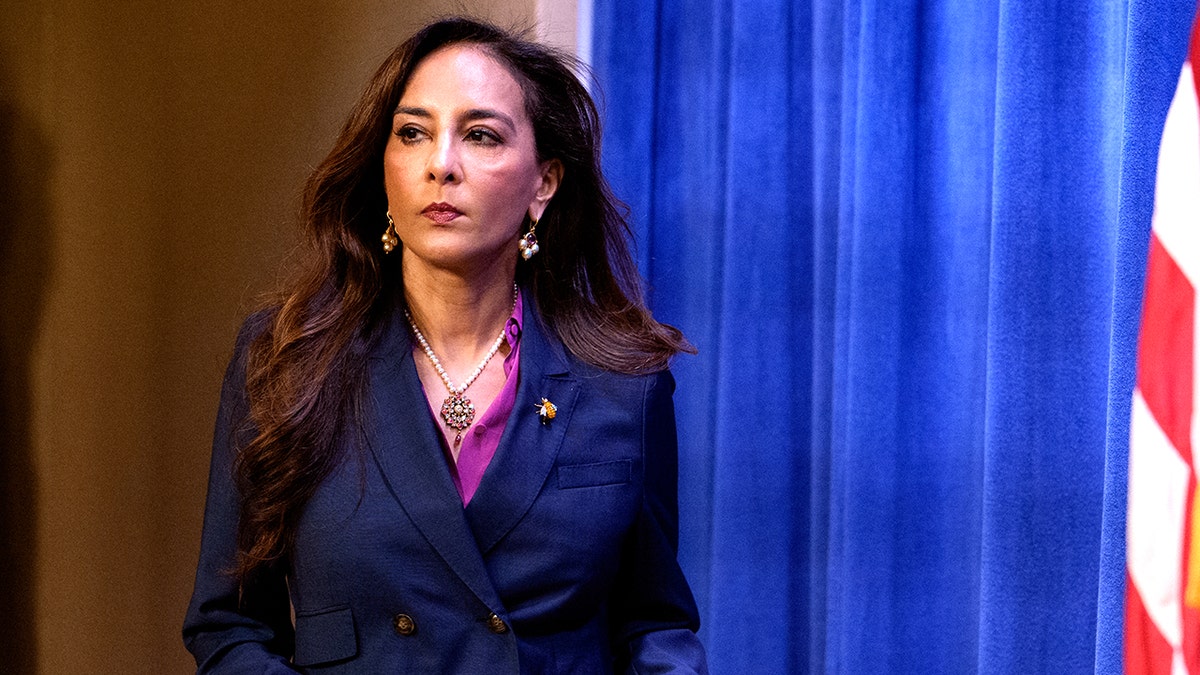
Assistant Attorney General Harmeet K. Dhillon, who leads the DOJ office that enforces federal voting-rights laws (Andrew Harnik/Getty Images)
The California Attorney General’s office pushed back on Essayli’s framing, noting that DOJ had already lost the case at the district court level and that the pending Ninth Circuit fight stems from the federal government’s appeal of that dismissal.
A U.S. District Judge dismissed the DOJ’s lawsuit in January, with the presiding judge writing that the department was seeking «an unprecedented amount of personal information» from California’s unredacted voter rolls, including names, Social Security numbers, home addresses, voting history and other sensitive information from nearly 23 million Californians. The judge also wrote that DOJ could not use federal election laws in a way that «wholly disregards the separation of powers provided for in the Constitution.»
FEDERAL JUDGE REJECTS TRUMP ADMIN LAWSUIT SEEKING MICHIGAN VOTER ROLLS
A spokesperson for Attorney General Rob Bonta’s office highlighted in a statement to Fox News Digital that the DOJ has brought approximately 30 voter roll lawsuits nationwide and has lost all eight voter roll cases that have been decided to date.
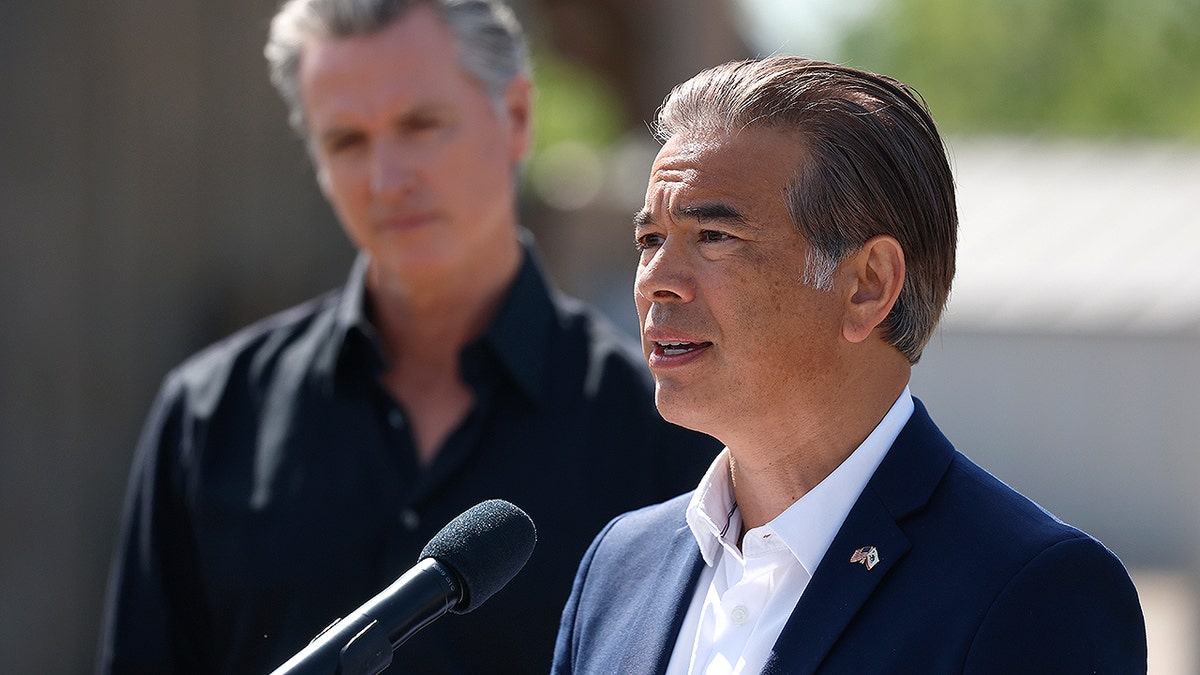
California Attorney General Rob Bonta (R) speaks as California Governor Gavin Newsom looks on during a news conference at Gemperle Orchard on April 16, 2025, in Ceres, California. (Justin Sullivan/Getty Images)
The fight for federal access to California’s voter rolls comes as voter roll maintenance has been a concern of President Donald Trump and Republicans nationally.
«If fraudsters do it right, it can be many, many more votes like this,» Illinois GOP Chairman Bob Grogan told Fox News Digital two weeks ago after a Democratic city official in his state turned herself in for allegedly using her dead mother’s name to vote. Grogan expressed particular concern with mail-in balloting, even though he did recognize its necessity in some cases.
TRUMP-APPOINTED FEDERAL JUDGE TOSSES DOJ LAWSUIT SEEKING ARIZONA VOTER DATA
«Mail ballots are especially vulnerable, which is why they should be secured, should never be mailed without a specific request from the voter, and should always be verified before they are tabulated. This case also shows how essential it is to maintain clean voter rolls,» Jason Snead, who runs the Honest Elections Project, told Fox News Digital about the Illinois case. «Had the list maintenance process been slower, it is possible this illegal vote would have been counted before the fraud was discovered. Unfortunately, too many states — particularly blue states — actively resist commonsense safeguards, which begs the question: how many other illegal votes have slipped through the system?»
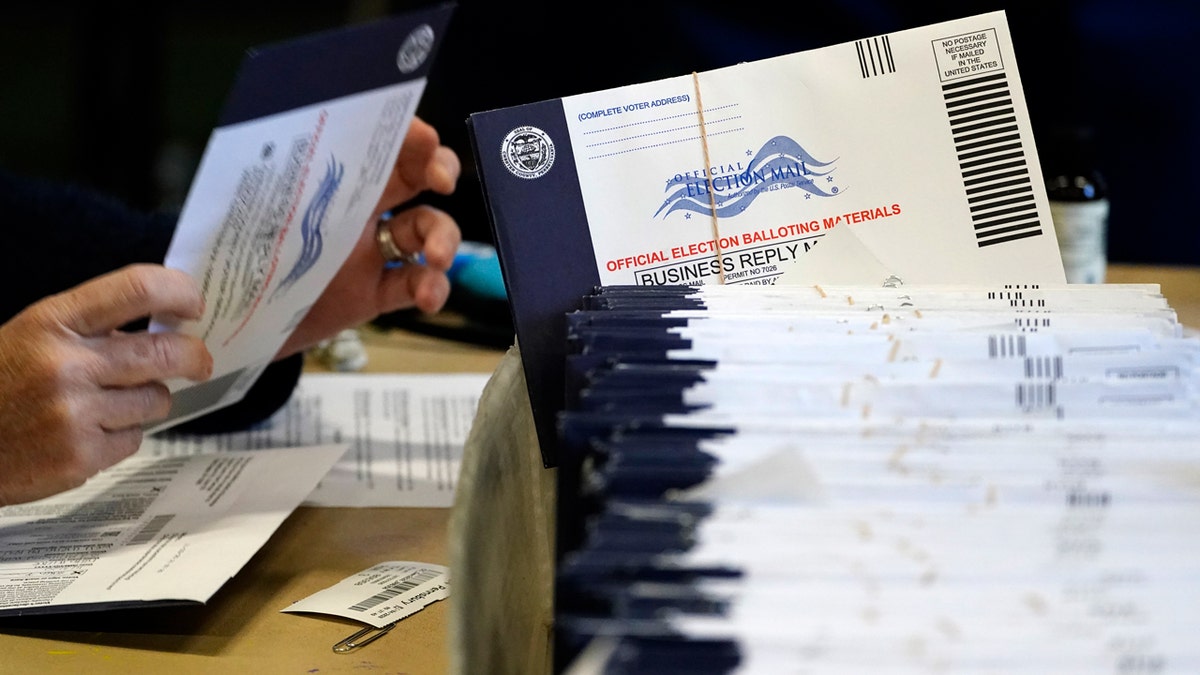
Chester County, Pennsylvania, election workers process mail-in and absentee ballots at West Chester University in West Chester on Nov. 4, 2020. (AP Photo/Matt Slocum)
Dead registrants have also fueled broader scrutiny of voter roll maintenance nationally.
North Carolina election officials said in April they identified roughly 34,000 deceased people still listed on the state’s voter rolls after a federal database comparison, while other recent local controversies have included allegations or investigations involving deceased voters appearing on registration lists or absentee-ballot records.
CLICK HERE TO DOWNLOAD THE FOX NEWS APP
Republicans have argued cases such as these show why states should be more transparent about how they maintain voter lists. RNC Chairman Joe Gruters told Fox News Digital that the New Jersey records were «eye-opening» and said the party has sought voter roll maintenance information from nearly every state.
DOJ has already pursued a similar records fight inside California, suing Orange County’s registrar last year for allegedly refusing to provide records to help remove noncitizens from its voter-registration list. At the time, Dhillon said removing noncitizens from California’s voter rolls was «critical» to ensuring the state’s rolls are accurate and that elections are conducted without fraudulent voting.
elections disputes, republicans elections, california, justice department, voter fraud concerns
INTERNACIONAL
El primer mapa global de hongos subterráneos reveló dónde está la red viva más extensa del planeta
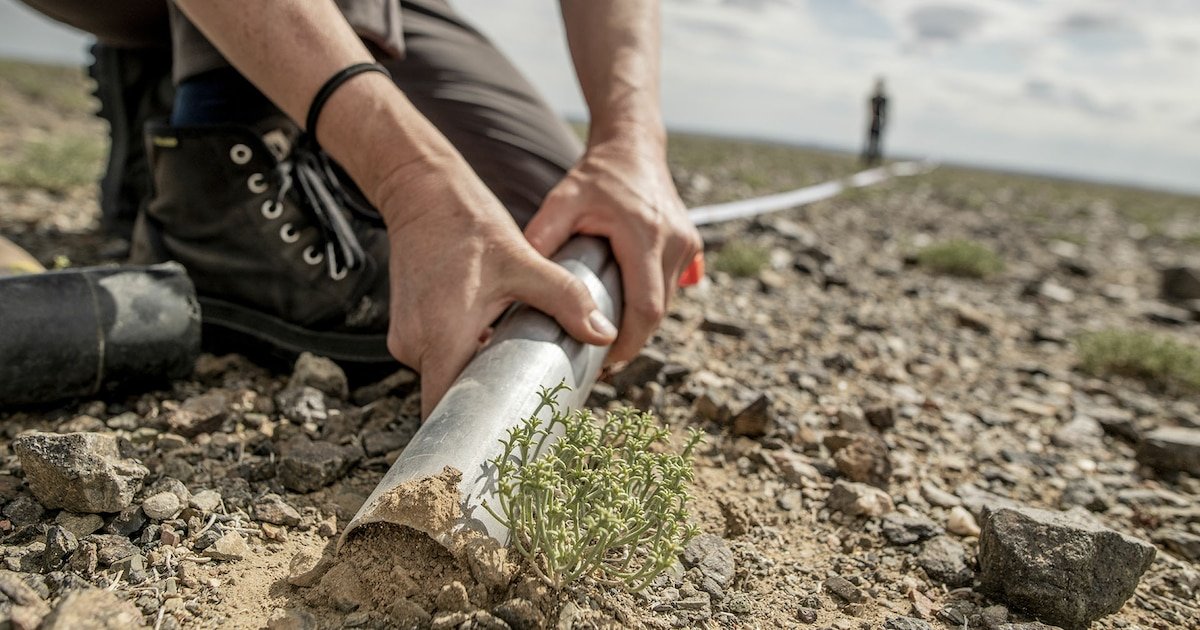
Debajo de los pies, invisible y sin hacer ruido, existe una red que conecta plantas, mueve nutrientes y ayuda a regular el clima del planeta.
Un grupo científico liderado por investigadores de los Países Bajos publicó el primer mapa global de los organismos que forman esas alianzas subterráneas con cerca del 70% de las plantas terrestres: los hongos micorrízicos arbusculares.
Los resultados del trabajo, publicado en la revista Science de la Asociación Estadounidense para el Avance de la Ciencia, cambian la forma de entender la vida bajo la tierra.
La cifra central del estudio es difícil de imaginar: los suelos superiores del mundo contienen aproximadamente 110 cuatrillones de kilómetros de redes fúngicas vivas, una distancia casi mil millones de veces mayor que la que separa la Tierra del Sol.

Esas redes están formadas por hifas, los filamentos microscópicos más finos que un cabello humano, que actúan como tuberías vivas entre las plantas y los hongos.
El trabajo fue liderado por Justin Stewart y Toby Kiers, de la Sociedad para la Protección de las Redes Subterráneas (SPUN) y la Universidad Libre de Ámsterdam, en los Países Bajos. También contaron con la colaboración de científicos de Sudáfrica, Canadá, Reino Unido, Bélgica y Estados Unidos.

Durante décadas, se sabía que esos hongos existían y que eran vitales, pero nunca había podido calcular cuántos hay ni dónde están con precisión. Las mediciones previas mezclaban distintos tipos de hongos sin distinguirlos, y los mapas globales no existían.
Esa falta de datos era un problema real: sin saber dónde están esas redes ni qué tan densas son, resultaba imposible evaluar su aporte al ciclo del carbono o diseñar políticas concretas para proteger el suelo.

La agricultura intensiva añadía otra preocupación: se sospechaba que los cultivos dañaban estas redes, pero nadie lo había medido a escala planetaria.
Los investigadores que publicaron en Science se propusieron construir un mapa por primera vez, con una resolución de un kilómetro cuadrado por punto de predicción, e identificar qué ecosistemas albergan las redes más densas y qué factores del ambiente las determinan.

Reunieron datos de más de 16.000 muestras de suelo que obtuvieron en nueve biomas distintos, desde desiertos hasta bosques tropicales.
Con esa base, entrenaron modelos de aprendizaje automático, que son sistemas informáticos que detectan patrones en grandes volúmenes de datos, para predecir la densidad de las redes en zonas sin muestras disponibles.
El paso más novedoso fue un robot de imágenes diseñado a medida, capaz de fotografiar redes fúngicas vivas con altísima velocidad y precisión.
Con ese sistema, el equipo tomó más de 300.000 mediciones del grosor de las hifas de tres especies distribuidas en todo el mundo.

Esos datos de grosor fueron la clave para calcular el peso real de las redes: aproximadamente 300 megatones de carbono almacenado en biomasa fúngica viva, una cantidad equivalente a entre cuatro y seis veces todo el carbono que contienen los cuerpos de todos los seres humanos del planeta.
Los resultados mostraron que los pastizales concentran alrededor del 40% de toda la biomasa global de estos hongos.
Zonas como los Everglades en Florida, los humedales del Sudd en Sudán del Sur y la estepa tibetana registraron las densidades más altas, un dato que llamó la atención del equipo porque los pastizales tienen menor vegetación que los bosques tropicales.
Las tierras agrícolas contaron otra historia: sus densidades de hifas fueron, en promedio, un 47,3% menores que en ecosistemas silvestres. El uso de fertilizantes con fósforo y nitrógeno reduce el incentivo de las plantas para alimentar a sus hongos, y los fungicidas los atacan directamente.

Truth & Beauty / Moritz Stefaner, Justin Stewart – SPUN
“Es difícil exagerar la importancia y la magnitud de estos hongos”, dijo Stewart. “Puede haber hasta 10 metros de red micorrízica en apenas una cucharadita de suelo”, resaltó.
Esas redes mueven hacia el interior del suelo unos 3.900 millones de toneladas de dióxido de carbono equivalente cada año, provenientes de las plantas.
“Los hongos han sido ignorados en las políticas climáticas y de conservación por demasiado tiempo”, dijo Kiers. “Ahora es el momento de cambiar esa trayectoria.”

Tras los resultados, los investigadores advirtieron que los datos de suelos profundos son escasos (apenas el 2% de la base corresponde a profundidades mayores de 50 centímetros) y que las tasas de renovación de las hifas permanecen mal documentadas.
El mapa quedó disponible para su descarga por parte de gobiernos y tomadores de decisiones, con el propósito de servir como línea de base para monitorear la salud de estas comunidades fúngicas subterráneas.

En diálogo con Infobae, José Martín Scervino, investigador independiente del Conicet que estudia las relaciones entre las comunidades de hongos y bacterias en el Instituto INIBIOMA, en Bariloche, Argentina, comentó: “Este mapa revela una enorme red biológica oculta bajo nuestros pies que hasta ahora no podíamos dimensionar”.
Los hongos micorrízicos son esenciales para la vida terrestre porque -remarcó el científico- “ayudan a las plantas a obtener nutrientes, mantienen la salud de los suelos y favorecen el almacenamiento de carbono. Saber dónde se encuentran y cómo se distribuyen nos brinda una herramienta clave para proteger ecosistemas y afrontar los desafíos ambientales del futuro”.
Scervino agregó: “Para América Latina, una región que alberga algunos de los ecosistemas más biodiversos del planeta y cuya economía depende fuertemente de los recursos naturales, esta información puede contribuir al diseño de estrategias de conservación, restauración de tierras degradadas y desarrollo de prácticas agrícolas más sostenibles”.
plantación,agricultura,árboles,filas,monocultivo,campo,paisaje,cielo,cultivos,uniformidad

“Nos lleva el viento a lo hondo”: El último mensaje de cuatro pescadores desaparecidos nicaragüenses en Costa Rica

Fuertes cuestionamientos a Adorni: la oposición pide interpelarlo y el PRO sostuvo que «no tiene ninguna justificación»

Las expensas alcanzaron un nuevo récord en CABA y ya superan los $336.000 mensuales

Betnix presenta una experiencia de apuestas online rápida y simple

Manuel Adorni desplazó a Javier Milei del centro de la conversación digital tras días de menciones negativas en redes

Cómo van a funcionar los servicios el fin de semana largo

Victoria Villarruel envió una corona de flores al funeral del Indio Solari y buscó diferenciarse del Gobierno

La advertencia del economista más escuchado por Milei: «Si Argentina tiene éxito, va a ser cara»

“Me parece una vergüenza”: la dura crítica de Victoria Villarruel a la declaración jurada de Manuel Adorni

Manuel Adorni y su esposa decidieron acogerse al régimen de “inocencia fiscal” aunque aseguran que no declararán dólares

 ECONOMIA2 días ago
La advertencia del economista más escuchado por Milei: «Si Argentina tiene éxito, va a ser cara»
- POLITICA2 días ago
“Me parece una vergüenza”: la dura crítica de Victoria Villarruel a la declaración jurada de Manuel Adorni
- POLITICA2 días ago
Manuel Adorni y su esposa decidieron acogerse al régimen de “inocencia fiscal” aunque aseguran que no declararán dólares