INTERNACIONAL
El Gobierno de Guatemala lanza un plan estatal para buscar a 45.000 desaparecidos de la guerra civil

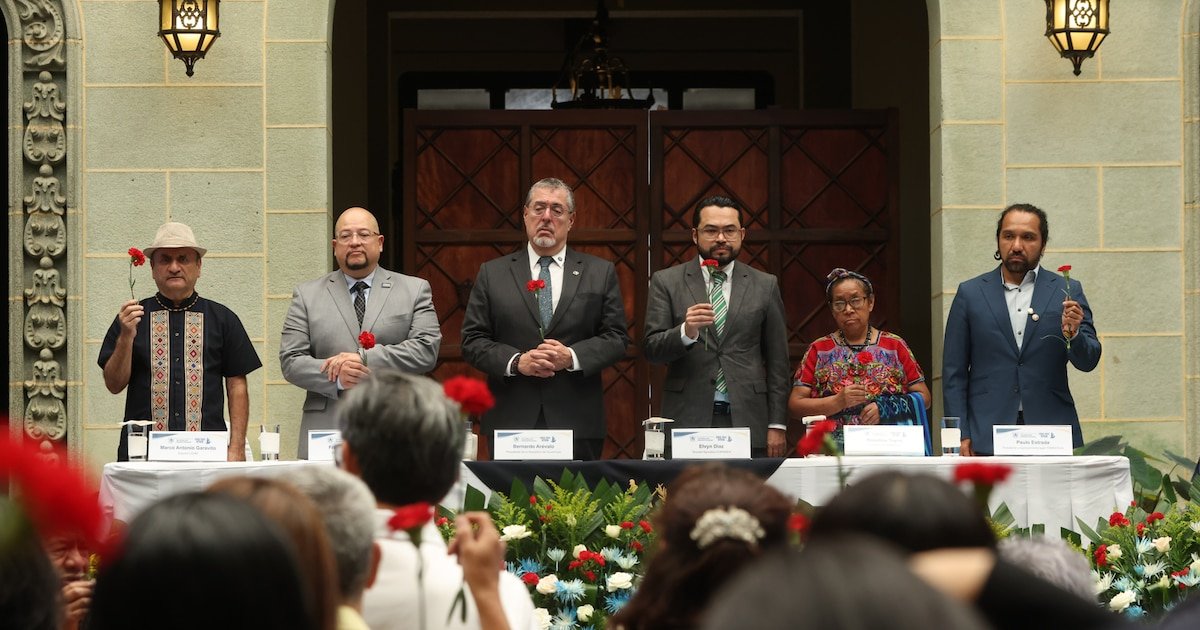
Guatemala lanzó un plan estatal para buscar a 45,000 desaparecidos de la guerra civil, una deuda abierta desde el conflicto armado interno que dejó al menos 200,000 muertos y desaparecidos entre 1960 y 1996. El presidente Bernardo Arévalo presentó el mecanismo como una vía para localizar a las víctimas con participación de autoridades, familias y organizaciones humanitarias, en un proceso que, según remarcó, no reemplaza las causas judiciales.
El programa tendrá una vigencia de 10 años y funcionará entre 2026 y 2036. El diseño incluyó 67 encuentros nacionales con la participación de 775 familiares y organizaciones de derechos humanos, y prevé además la creación de un Archivo Nacional de Memoria a partir de bases de datos dispersas que serán digitalizadas por el Poder Judicial.
Arévalo hizo el anuncio el viernes al presentar oficialmente el Mecanismo de Búsqueda Humanitaria de Personas Desaparecidas durante el Conflicto Armado Interno 2026-2036. “Iniciamos un camino para encontrar a quienes nos faltan, para sanar una herida abierta por la historia”, dijo el mandatario.
El presidente guatemalteco sostuvo además que el nuevo instrumento apunta a establecer el paradero de las víctimas mediante un trabajo coordinado. En ese marco, precisó que “no sustituye la aplicación de la justicia”.
La presentación del mecanismo reunió la promesa oficial de búsqueda con el reclamo histórico de los familiares de las víctimas. Pablo Estrada, presidente de la Asociación de Familiares de Detenidos y Desaparecidos de Guatemala, definió el anuncio como una “pequeña luz” después de décadas de búsqueda de personas cuyo “único delito fue pensar distinto”.

Estrada habló en el mismo acto en el que se oficializó el plan. Allí recordó que su organización promovió en las últimas décadas procesos de exhumación de 1.800 osamentas de “víctimas del terrorismo de Estado”, de las cuales el 30% fue identificado y entregado a sus familias.
Arévalo anunció el mecanismo; Estrada expuso el límite de los esfuerzos previos. El Gobierno promete articular instituciones y tecnología para localizar a los desaparecidos, mientras las familias piden que esa estructura permita ingresar a lugares donde hasta ahora no hubo acceso y donde sospechan que puede haber restos de víctimas.
El activista advirtió que la búsqueda “conlleva riesgos” y colocó un punto de tensión sobre la eficacia real del plan. Expresó su expectativa de que el nuevo mecanismo abra las puertas de recintos militares a los que se les negó el acceso pese a “denuncias sustentadas” de que allí “existen cementerios clandestinos”.
Ese señalamiento vincula la dimensión humanitaria del programa con una demanda concreta de acceso a información y lugares sensibles. La promesa oficial de que el mecanismo no reemplazará a la justicia convive así con un reclamo de larga data: que la búsqueda avance también sobre espacios bajo control militar.

La estrategia presentada por el Gobierno incluye el uso de inteligencia artificial para identificar patrones, recopilar macroprocesos y procesar documentación masiva del régimen militar. También prevé que el Poder Judicial digitalice y organice bases de datos dispersas para construir un Archivo Nacional de Memoria unificado.
El anuncio se produjo en el marco del aniversario del acuerdo de paz firmado con la Unidad Revolucionaria Nacional Guatemalteca. Según la presentación oficial, el plan se inscribe en la conmemoración del pacto cuya efeméride se cumplirá el 29 de diciembre.

INTERNACIONAL
H5N1 bird flu confirmed in Australia for the first time, meaning virus has now reached every continent
NEWYou can now listen to Fox News articles!
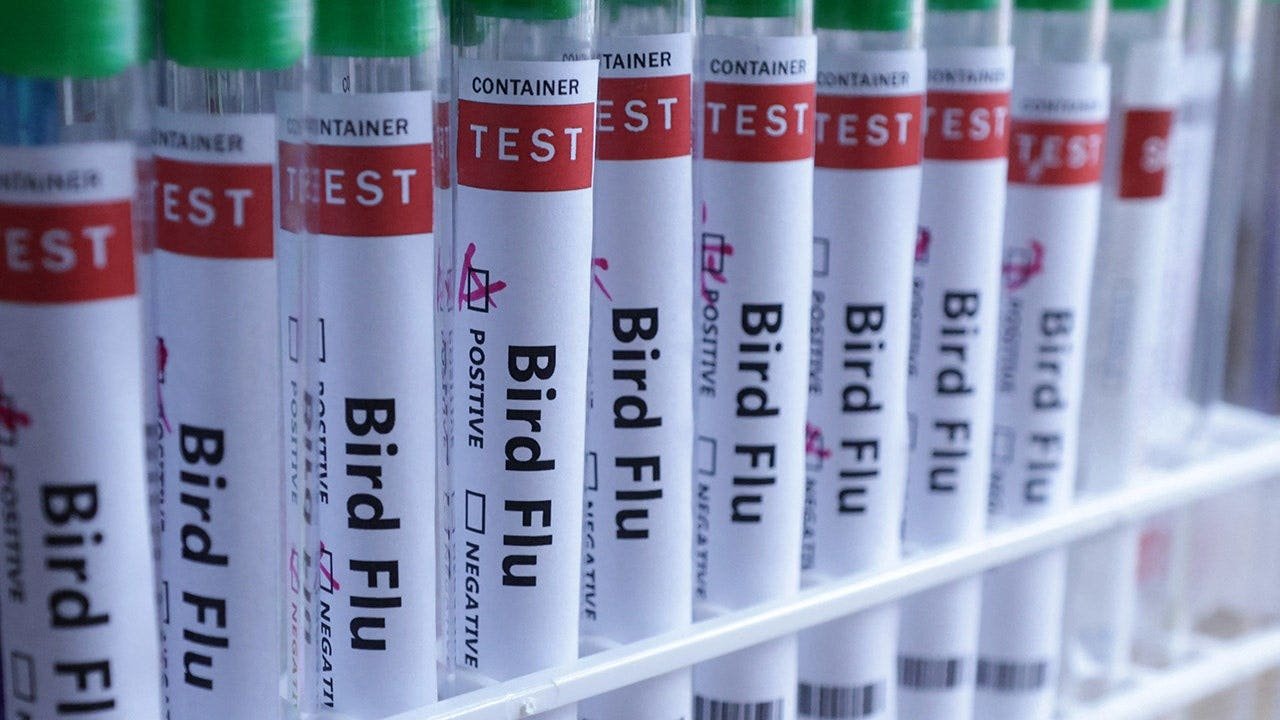
The first case of H5N1 bird flu has been confirmed in Australia, meaning the virus has now found its way to every continent.
The Australian Department of Agriculture, Fisheries and Forestry said the virus was found in a single seabird, a brown skua, near Esperance on the south coast of Western Australia, in Cape Le Grand National Park.
Australia’s Department of Primary Industries and Regional Development said it was «responding as part of a nationally coordinated plan with the Australian Department of Agriculture, Fisheries and Forestry and stakeholders across [Western Australia] to reduce the impact of this disease.»
The outbreak in the U.S. has left millions of birds dead and has caused grocery store hikes and shortages, most notably with eggs.
BIRD FLU UPTICK IN US HAS CDC ON ALERT FOR PANDEMIC ‘RED FLAGS’: REPORT
The first case of H5N1 bird flu has been confirmed in Australia, meaning the virus has now found its way to every continent. (Dado Ruvic/Reuters)
The spread to humans is rare.
«We all knew we couldn’t be bird flu-free forever,» Australia’s federal Agricultural Secretary Julie Collins said in a press conference on Saturday.
Jackie Jarvis, Western Australia’s agricultural minister, said in a press conference on Friday: «As a result of WA’s established early detection system, appropriate action was taken, including isolating the bird and collecting samples for testing.»
HUNDREDS OF WILD BIRD DEATHS REPORTED ACROSS 7 COUNTIES PROMPTING PARK CLOSURES
She added, «this shows that Australia’s and Western Australia’s preparedness measures have worked. We are pleased to see the surveillance, and reporting system working as intended, with the bird reported through to DPIRD for further investigation.»

A brown skua stands on a mossy stone on Macquarie Island, Sub Antarctic, administered by Tasmania, Australia. (Auscape/Universal Images Group)
By Saturday, Jarvis said further testing confirmed the strain that she said was consistent with bird flu found in the remote Australian territories of Heard Island and McDonald Islands near Antarctica, which devastated the wildlife there.
Last year, around 13,000 of a population of 17,000 elephant seal pups died there in just a few months after being exposed.
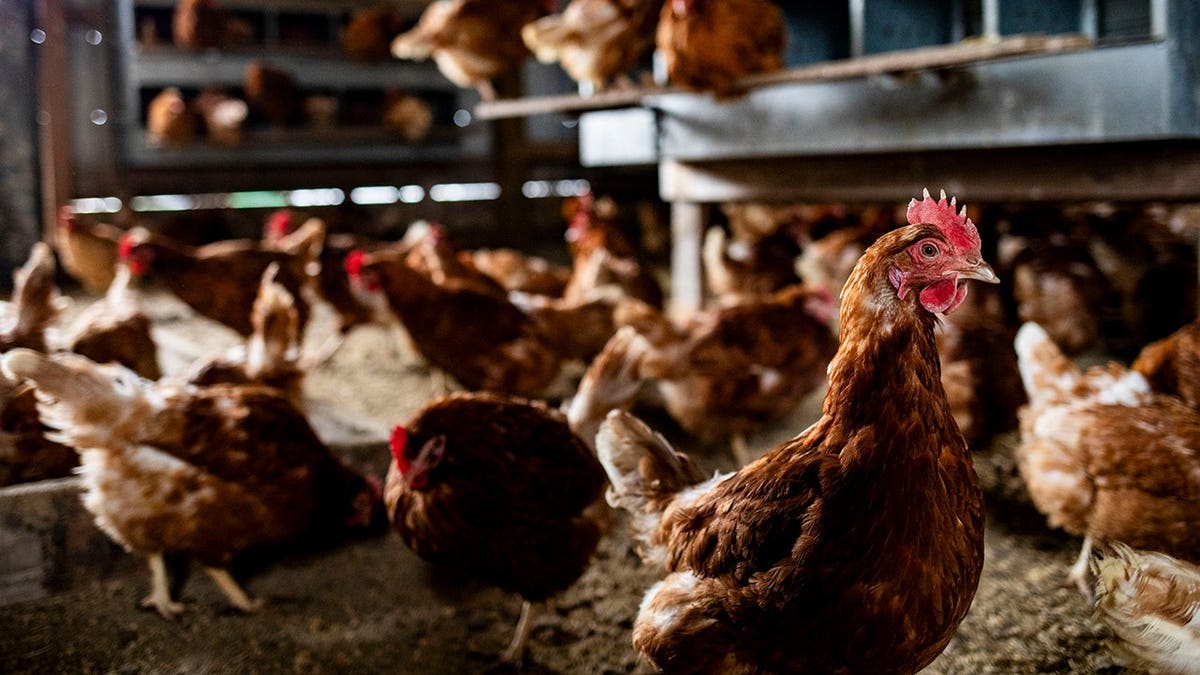
The outbreak in the U.S. has left millions of birds dead and has caused grocery store hikes and shortages, most notably with eggs. (Emily Elconin/Bloomberg via Getty Images)
The islands are wildlife sanctuaries.
CLICK HERE TO DOWNLOAD THE FOX NEWS APP
«Importantly, there have been no detections in poultry and there is no evidence of mass mortality,» Jarvis said of the mainland case.
A second case of another migratory bird is also suspected near Esperance.
Reuters contributed to this report.
bird flu, infectious disease, australia, outbreaks, birds, health, world
INTERNACIONAL
La ayuda humanitaria de Estados Unidos se reparte a cuentagotas por Cuba ante la falta de combustible en la isla
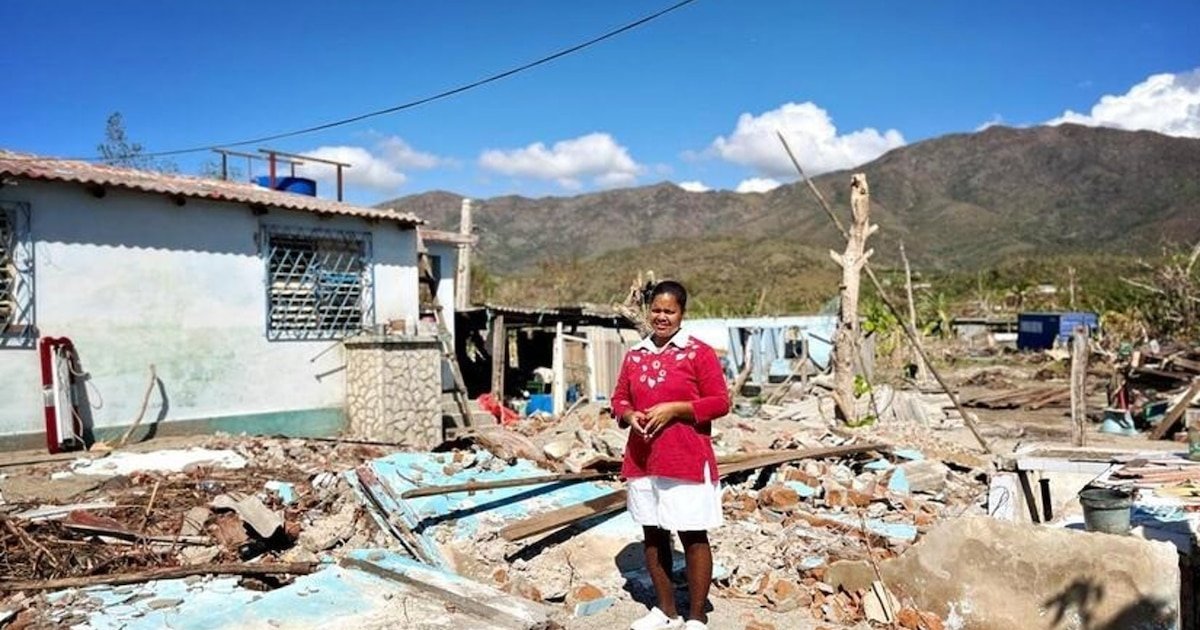
La ayuda humanitaria estadounidense llega a Cuba a través de Cáritas, organización sin fines de lucro católica que actúa como vínculo entre Washington y La Habana, en respuesta al paso del huracán Melissa en 2025 y que, hasta el día de hoy, representa un alivio tangible en un contexto de escasez que afecta a los cubanos.
Después de recibir un paquete con arroz, frijoles y productos de higiene, Teodardo Debardet cruza lentamente el barrio de Hongolosongo en su bicicleta adaptada. El paquete de suministros que recibió Debardet es parte de la distribución de casi la totalidad de los USD 3 millones enviados a principios de año, una fracción de los USD 9 millones prometidos.
En esta pequeña comunidad de Santiago de Cuba, muchos habitantes aún no han conseguido reparar los techos destruidos por el ciclón. Menos de la mitad de las casas tienen electricidad y el acceso al agua corriente es un privilegio para unos pocos.
El huracán Melissa golpeó la isla con vientos de 195 km/h en octubre de 2025, y dejó a su paso a muchas familias sin techo y destruyó servicios básicos. La situación se agrava por el bloqueo petrolero y el endurecimiento de las sanciones económicas.
Washington propuso recientemente una ayuda adicional de USD 100 millones para Cuba: USD 60 millones serían canalizados a través de Cáritas, y el resto por otras organizaciones no gubernamentales. Sin embargo, el régimen cubano aún no ha confirmado si aceptará esta nueva oferta.
En respuesta a la propuesta, el dictador Miguel Díaz-Canel expresó que levantar el embargo estadounidense sería, en sus palabras, “más útil que el envío de ayuda humanitaria”.

La distribución de los paquetes enfrenta retos logísticos importantes. “Se nos hace un poquito difícil porque tenemos que buscar transporte, conseguir combustible, ver quién nos puede acercar hasta allá”, explica Katia Simón, responsable de Cáritas en El Cobre.
Cuando escasean la gasolina y el diésel, los envíos se realizan en carretas de bueyes. La llegada de los lotes, acompañados en ocasiones por consultas médicas, sesiones de peluquería y actividades recreativas para niños, es recibida con gratitud.
Las dificultades para transportar y entregar la ayuda humanitaria persisten en toda la región oeste de Cuba. El desabastecimiento de combustible obliga a buscar alternativas rudimentarias y ralentiza la llegada de insumos básicos para los damnificados. A pesar de las carencias, la asistencia internacional permite paliar algunas necesidades esenciales de las comunidades más aisladas.
“Recibimos muy bien esta ayuda venga de donde venga (…) si es del pueblo de Estados Unidos, está bien”, afirmó Osmany Vedey, de 63 años, reflejando el sentir de muchos vecinos, en diálogo con AFP. Tras el desastre natural, la ayuda internacional llegó también desde organismos como la ONU, la Unión Europea, China, México y Venezuela. Naciones Unicdas continúa su programa de asistencia, aunque enfrenta los mismos obstáculos logísticos para alcanzar a los damnificados.
La falta de combustible también afecta al transporte en la isla. Cuba enfrenta una parálisis casi total del transporte interprovincial tras la entrada en vigor de restricciones severas el jueves. Millones de personas se ven obligadas a depender de los limitados asientos disponibles en trenes y autobuses estatales, reservados únicamente para emergencias médicas, funerales u otras situaciones críticas.

A partir de ahora, los trenes que enlazan La Habana con ciudades del este solo circularán cada 16 días, cuando antes ofrecían tres frecuencias semanales. El servicio de autobuses estatales, que anteriormente realizaba viajes diarios entre la capital y otras provincias, quedará reducido a entre una y tres salidas semanales.
La escasez dejó vacías las estaciones de servicio y convirtió la movilidad cotidiana en un desafío para la población de 9,6 millones de habitantes. Muchos recurren al uso de bicicletas ante la disminución del transporte público.
Los pasajeros que necesiten viajar deberán solicitar sus pasajes con al menos una semana de antelación y se aplicará un sistema de prioridades. El viceministro de Transporte, Luis Ladrón de Guevara, precisó que no será necesario gestionar permisos especiales para realizar estos desplazamientos.
(Con información de AFP)
Business,International Relations,Corporate Events,Diplomacy / Foreign Policy,South America / Central America
INTERNACIONAL
Biden scores temporary court victory as Trump-appointed judge delays release of Hur investigation materials
NEWYou can now listen to Fox News articles!
Former President Joe Biden has won another three weeks to block the release of audio recordings and transcripts tied to special counsel Robert Hur’s classified documents investigation after a federal judge granted a temporary injunction while a federal appeals court reviews his challenge.
The recordings stem from Biden’s interviews with Mark Zwonitzer, the ghostwriter of his 2017 memoir, «Promise Me, Dad.»
U.S. District Judge Dabney Friedrich, a Trump appointee, on Friday issued an injunction pending appeal that prevents the Justice Department from releasing the materials while the D.C. Circuit considers the case. The order came just hours after Friedrich denied Biden’s request for a preliminary injunction that would have stopped the release altogether.
The legal battle could determine whether Americans ever hear the recordings that helped shape Hur’s decision not to prosecute Biden over his handling of classified documents. The audio has been the subject of intense scrutiny because Hur raised questions about Biden’s memory in explaining why he declined to bring charges against Biden for mishandling classified documents.
GREGG JARRETT: RELEASE THE BIDEN TAPES AND LET AMERICANS HEAR THE TRUTH FOR THEMSELVES
Although the Justice Department previously released audio from Biden’s interviews with Hur, the recordings at the center of the current legal battle involve separate conversations between Biden and Zwonitzer.
Hur’s 2024 report repeatedly referenced Biden’s recorded conversations with Zwonitzer. The special counsel described some exchanges as «painfully slow» and said Biden at times struggled to recall events and relay information, observations that fueled scrutiny of the Biden’s cognitive abilities during an election year.
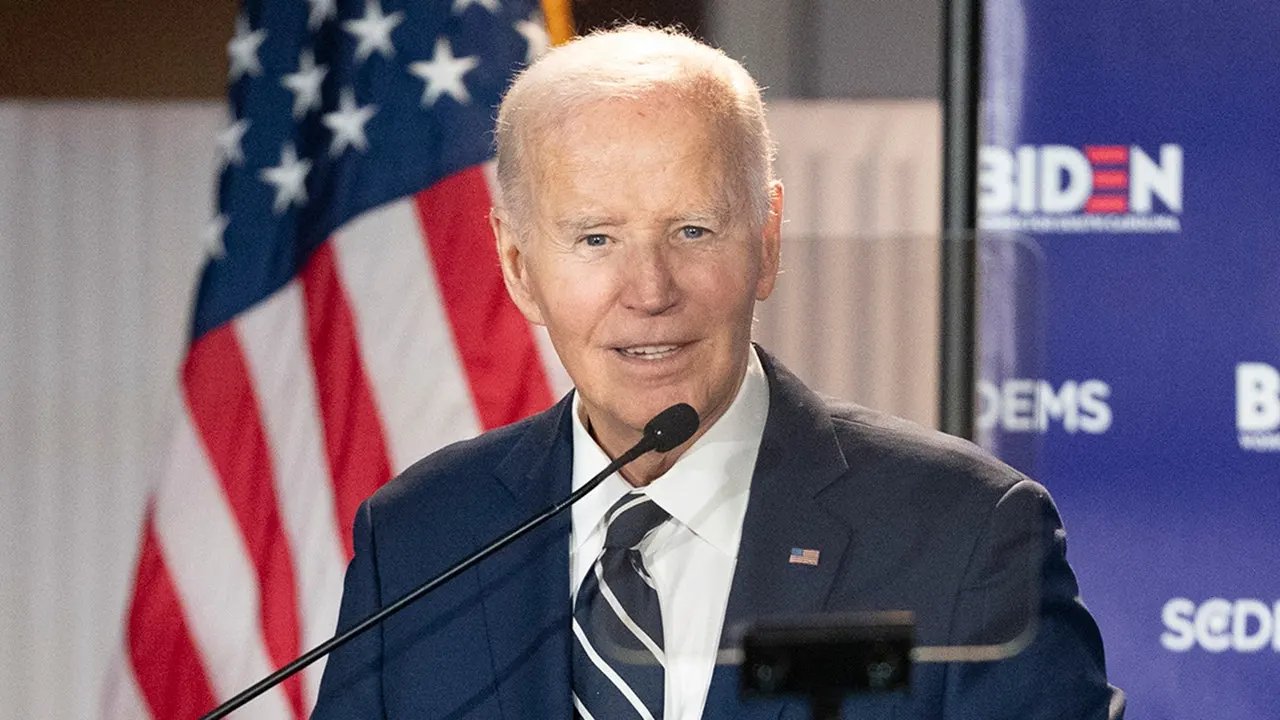
Former President Joe Biden speaks to a crowd during a fundraising event with the South Carolina Democratic Party at the Columbia Museum of Art on Feb. 27, 2026, in Columbia, S.C. (Sean Rayford/Getty Images)
The Heritage Foundation and its Oversight Project director, Mike Howell, have spent more than two years seeking the recordings and transcripts through FOIA requests.
Heritage Foundation officials have argued the public has a strong interest in reviewing the materials referenced throughout Hur’s report, particularly because the special counsel relied on the recordings in explaining his decision not to pursue criminal charges.
Biden has been fighting to keep the potentially embarrassing recordings under wraps.
CNN HOST SUGGESTS ROBERT HUR ‘UNDERSOLD’ EXTENT OF BIDEN MEMORY LAPSES DURING SPECIAL COUNSEL INTERVIEW
After Friedrich denied Biden’s motion for a preliminary injunction Friday, Biden’s legal team immediately sought emergency relief to preserve the status quo while appealing the decision.
In an emergency filing, Biden’s attorneys argued that disclosure would effectively end the case before appellate judges could review the legal questions involved. They maintained that once the recordings are released, any privacy protections would be permanently lost, and the appeal would become largely moot.
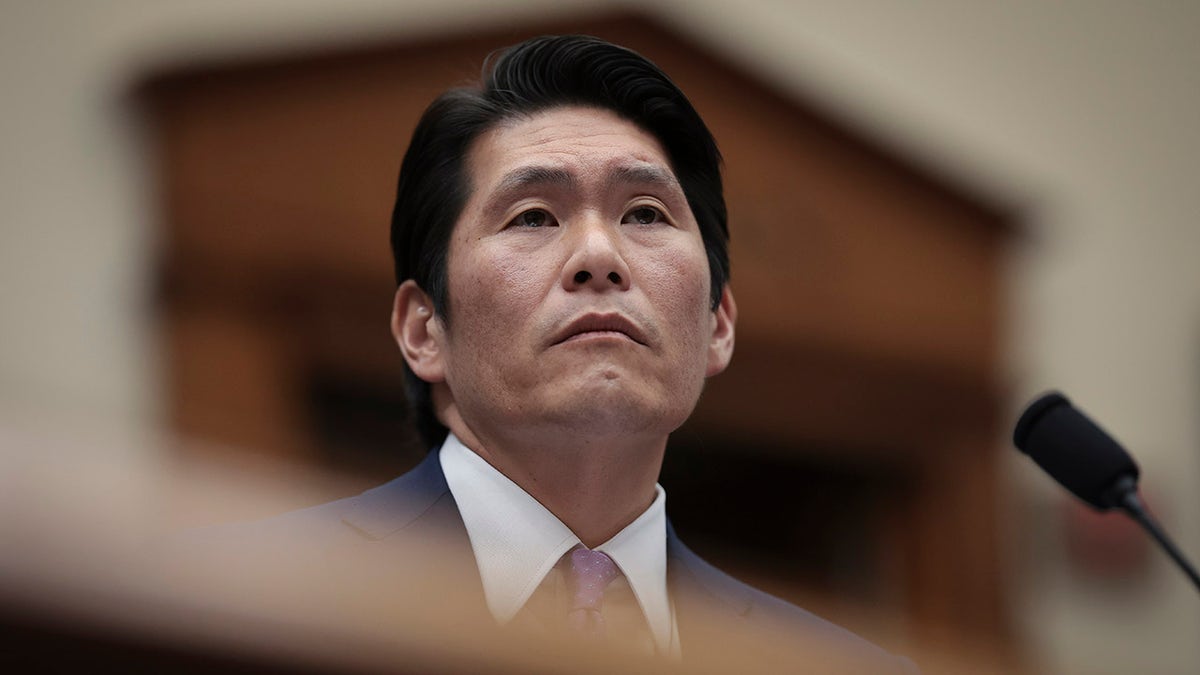
Former special counsel Robert K. Hur testifies before the House Judiciary Committee in Washington, D.C., March 12, 2024. Hur investigated President Joe Biden’s handling of classified documents and published a report with conclusions about Biden’s memory. (Win McNamee/Getty Images)
The filing also stressed that the FOIA litigation has already been pending for more than two years and argued there was no urgent public need requiring immediate disclosure of conversations that occurred roughly a decade ago between Biden and his ghostwriter. Biden’s attorneys noted that the former president is now a private citizen who neither holds nor is seeking public office.
OBAMA-APPOINTED JUDGE WITH TIES TO ANTI-TRUMP CONSPIRACY THEORY HIT WITH MISCONDUCT COMPLAINT
The Justice Department initially withheld the recordings and much of the transcript material under several FOIA exemptions. Earlier this year, however, the department reversed course and determined the records could be released with redactions after concluding that significant public interest existed in understanding evidence relied upon by Hur during his investigation.
After the Justice Department announced plans to release the recordings, Biden filed suit in May to stop the disclosure, claiming the audiotapes contain private conversations that should remain protected from public release and, if released, would be in violation of the Privacy Act.
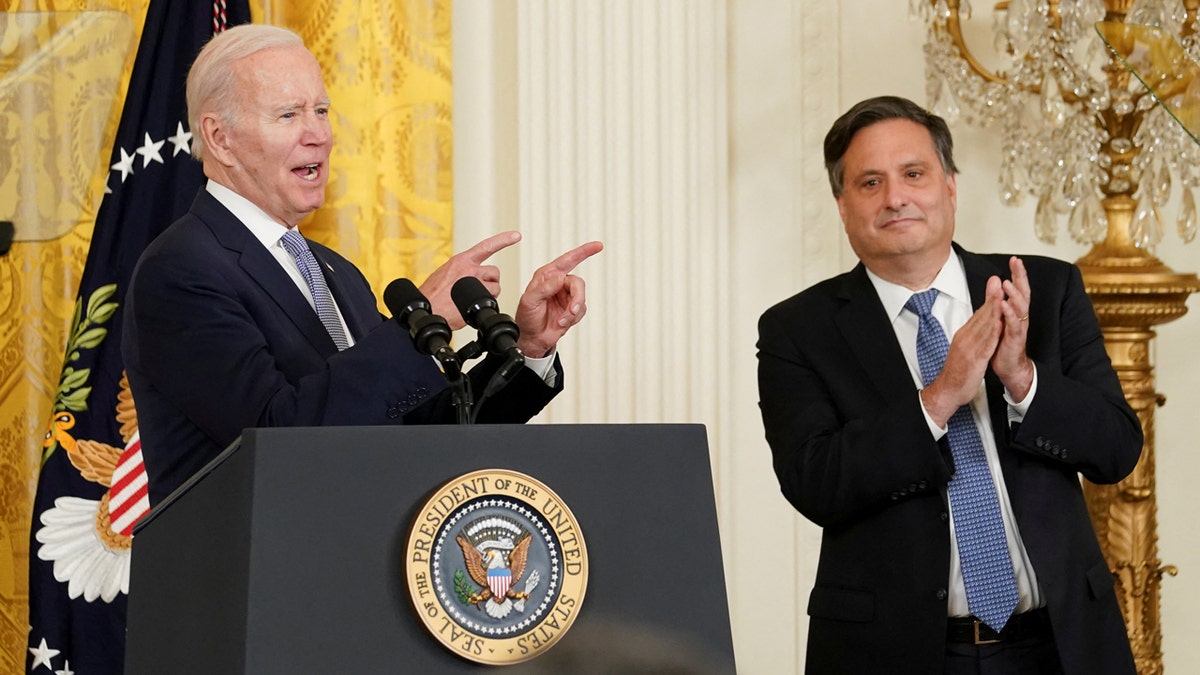
President Joe Biden speaks during an official transition event to thank Ron Klain for his work and to welcome successor Jeff Zients. (Reuters/Kevin Lamarque)
His legal team argued that the department’s decision violates the Privacy Act and constitutes arbitrary agency action under the Administrative Procedure Act.
CLICK HERE TO DOWNLOAD THE FOX NEWS APP
Leading Biden’s legal effort is Amy Jeffress, a partner at Washington-based law firm Hecker Fink and a former Justice Department national security official. Jeffress has served as the primary attorney advancing Biden’s challenge to the release of the materials and signed the recent emergency filing seeking to prevent disclosure while the appeal proceeds.
Jeffress has also drawn attention because she is married to U.S. District Judge Christopher Cooper, an Obama appointee who recently ruled against the Trump administration in a high-profile dispute involving the Kennedy Center. Cooper’s ruling prompted criticism from some Trump allies and conservative commentators who pointed to the judge’s family connection to Biden’s attorney, suggesting a conflict of interest may be at play in Cooper’s work.
in court, joe biden, how justice happens, appeals, trials

H5N1 bird flu confirmed in Australia for the first time, meaning virus has now reached every continent

Clima de Negocios: qué pasó con el mega data center de USD 25.000 millones y el otro gigante global que también mira a la Patagonia

El Gobierno apela a un debate reglamentario para poder blindar a Adorni en el Senado

Gerónimo Rauch y la noche que conquistó al público internacional en “Los Miserables”: “Me estoy preparando hace 26 años”

Malas noticias para Brasil: Se confirmó la lesión de Raphinha ¿Se pierde lo que resta del Mundial?

Julián Kanarek, asesor del ex presidente “Pepe” Mujica: “La democracia es muchísimo más profunda que un reel de Tik Tok”

Patricia Bullrich: “El Presidente considera que Adorni dio una explicación razonable”

El Gobierno envía señales de que Adorni tiene las horas contadas para evitar que sesione el Senado

GOP Gov DeWine urges Ohio to abolish the death penalty, says it is no longer a deterrent

El lapidario posteo de Javier Milei contra Florencia Peña por la fake news sobre la muerte del papá de Messi

 POLITICA2 días ago
El lapidario posteo de Javier Milei contra Florencia Peña por la fake news sobre la muerte del papá de Messi
- INTERNACIONAL3 días ago
‘Something big’: Feds reveal how relatives of suspects in foiled White House UFC plot saw warning signs
- CHIMENTOS3 días ago
La famosa periodista que traicionaron y la bajaron del Mundial a último momento: “Le jugaron sucio»