INTERNACIONAL
El dictador norcoreano Kim Jong-un prometió estrechar lazos con Xi Jinping en el marco del 105 aniversario del Partido Comunista chino

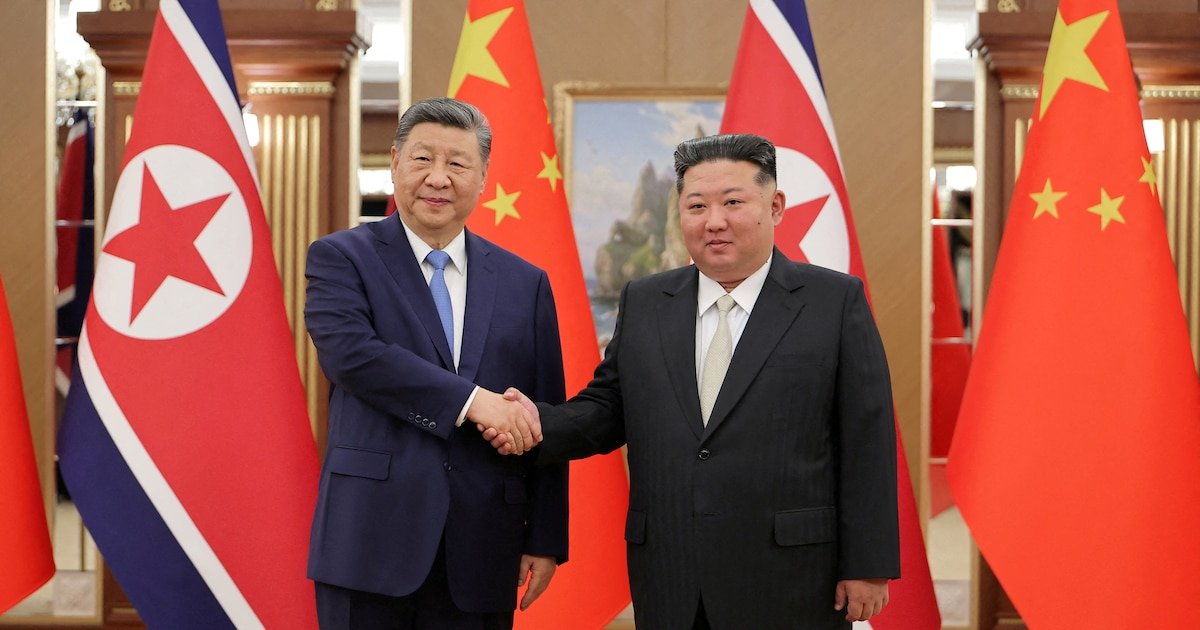
El dictador de Corea del Norte, Kim Jong-un, aseguró que fortalecerá las relaciones con China tras calificar la reciente cumbre con el líder Xi Jinping en Pyongyang como una “ocasión histórica”. El mensaje de Kim surgió en el marco del 105 aniversario de la fundación del Partido Comunista de China (PCC).
Kim subrayó que Pyongyang mantiene una postura “firme” para desarrollar de manera progresiva las relaciones bilaterales con Beijing. “Es la postura firme de nuestro Partido y de nuestro gobierno desarrollar de manera constante las relaciones de amistad entre la RPDC y China, con raíces históricas y de larga data, y con el socialismo como eje central”, expresó el líder norcoreano.
Durante la última cumbre, Kim describió el encuentro con Xi como un punto clave en la profundización de la amistad y la confianza entre ambos gobiernos. “La reciente cumbre de Pyongyang fue una ocasión histórica para profundizar la amistad y la confianza fraternales entre nosotros”, afirmó Kim, quien destacó la “voluntad inquebrantable” de ambos líderes para impulsar las relaciones tradicionales.
El líder de la dictadura norcoreana señaló además su disposición a trabajar con Xi para seguir desarrollando “las relaciones de amistad y cooperación” entre los dos países, que calificó como “el patrimonio común de los pueblos de ambos países”.
La declaración se conoce pocas semanas después de la visita de Xi a Pyongyang, donde ambos líderes acordaron un “plan de acción de gran alcance” para convertir su amistad tradicional en “la relación más poderosa y estratégica”, según los medios estatales norcoreanos. Los medios oficiales chinos informaron que Xi propuso intensificar la cooperación diplomática, policial y militar.

A pesar del acercamiento de Pyongyang a Moscú mediante el suministro de tropas y armas para la invasión de Rusia en Ucrania, el régimen chino continúa siendo el principal socio económico de Corea del Norte, representando cerca del 98% del comercio exterior norcoreano en 2024, de acuerdo con el Ministerio de Economía y Finanzas de Corea del Sur.
En medio de la creciente relación mes a mes entre Beijing y Pyongyang y la tensión en la península coreana, el gobierno de Corea del Sur anunció un ambicioso plan para formar a 500.000 “guerreros de drones” con el fin de enfrentar la amenaza militar del régimen norcoreano. La estrategia, presentada por el Ministerio de Defensa, busca transformar la doctrina y el equipamiento de las fuerzas armadas mediante la incorporación masiva de sistemas no tripulados y tecnología de fabricación nacional.
El ministro Ahn Gyu-back detalló que la capacitación alcanzará a todos los soldados de las ramas del ejército, la marina, la fuerza aérea y los marines, para que cada efectivo pueda operar drones como parte de su armamento personal. “Los drones dejarán de ser exclusivos de unidades especializadas para convertirse en herramientas universales en el campo de batalla, con la meta de que cada soldado pueda emplearlos como un segundo arma”, afirmó el funcionario.

El plan prevé la fabricación de 60.000 drones para 2029, con más de 11.000 unidades desplegadas el próximo año. El programa prioriza el uso de componentes totalmente nacionales, para reducir la dependencia de piezas importadas, especialmente de origen chino, ante las preocupaciones de seguridad tecnológica.
Como parte de la iniciativa, el gobierno acelerará la adquisición de más de 20.000 drones de bajo costo y uso desechable, además de sistemas de enjambres controlados por inteligencia artificial y municiones merodeadoras de largo alcance. Entre los desarrollos locales, destaca el K-Lucas, un sistema de ataque basado en modelos empleados en conflictos recientes en Ucrania y Oriente Medio.
(Con información de AFP)
Domestic Politics,International Relations,Asia / Pacific,Diplomacy / Foreign Policy,Government / Politics









NEWYou can now listen to Fox News articles!
The Democratic Socialists of America (DSA) are taking their political playbook nationwide.
One week after DSA-aligned candidates scored ballot-box victories over establishment-backed contenders in two congressional primaries in New York City that grabbed outsized national attention, the group scored another major upset in a deep-blue U.S. House district in Denver, Colorado.
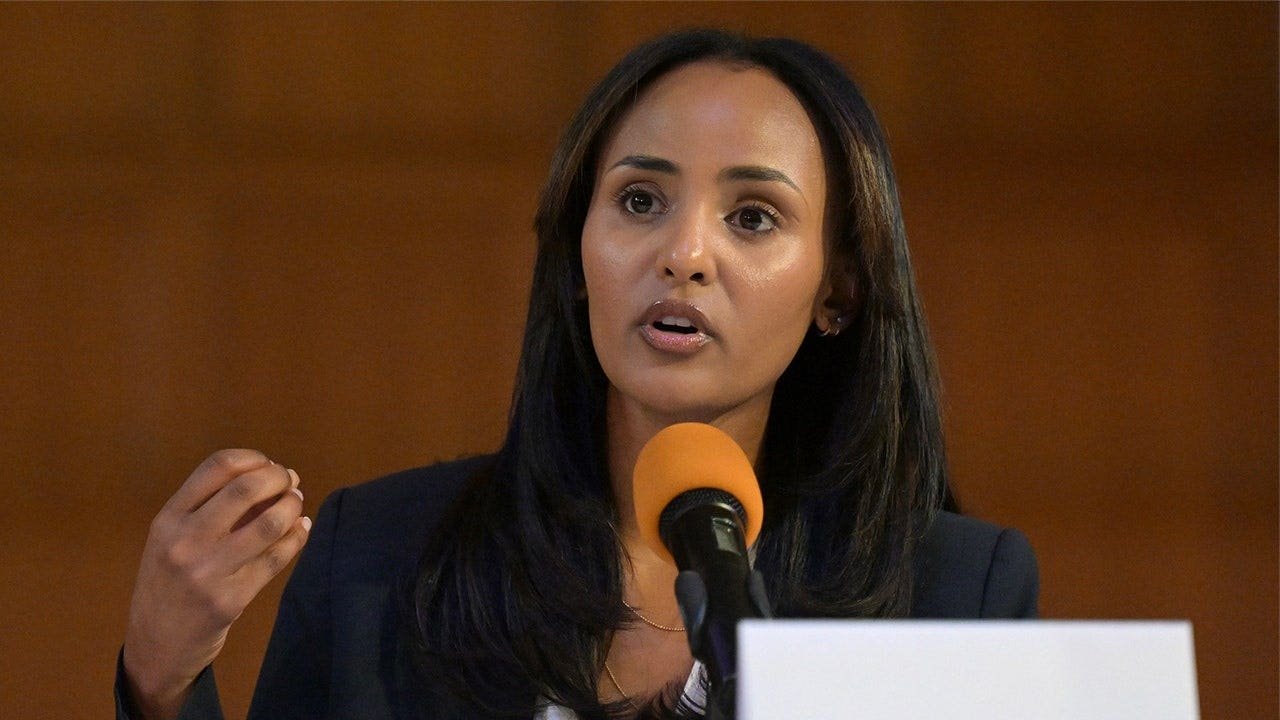
Democratic Rep. Diana DeGette, who was first elected to Congress in 1996 and took office in 1997, was defeated by DSA-backed Melat Kiros, a first-time candidate and former attorney who is 29 years old.
Kiros’ victory comes a week after Darializa Avila Chevalier, a 32-year-old progressive community organizer in New York City, ousted incumbent Democratic Rep. Adriano Espaillat, chair of the Congressional Hispanic Caucus, and state Assembly Member Claire Valdez, another DSA-aligned contender, won a congressional primary to succeed retiring Rep. Nydia Velázquez.
VICTORIES BY MAMDANI-BACKED CONGRESSIONAL CANDIDATES SPOTLIGHTS GROWING RIFT IN DEMOCRATIC PARTY
Democratic congressional candidate Melat Kiros participated in a League of Women Voters Congressional District 1 candidate forum at Montview Presbyterian Church on May 28, 2026, in Denver, Colorado. (Photo by RJ Sangosti/MediaNews Group/The Denver Post via Getty Images)
The victories by Chevalier and Valdez, who were backed by socialist New York City Mayor Zohran Mamdani, coupled with the win this week by Kiros, are further emboldening the progressive left as it takes on the center-left establishment in a high-stakes battle for the future of the Democratic Party.
Hasan Piker, the controversial, far-left streamer, at the Kiros primary night event in Denver, told Fox News, «I think progressive politics, left populism, a politics that centers the needs of the working class, can work in every district, in every state. That’s why I kept saying over and over again, it’s coming to a city near you.»
The latest DSA primary victory came in Colorado’s 1st Congressional District, a Democrat-dominated seat anchored in Denver that then-Vice President Kamala Harris carried by nearly 56 points in the 2024 election.
«Another Democratic Socialist is going to Congress!,» the DSA touted in a social media post. «Congresswoman Kiros will take the fight for a better world to D.C: to Abolish ICE, free Palestine, and win Universal Childcare and Medicare for All.»
Kiros, who lost her job as a lawyer in New York after writing an essay critical of Israel, was also supported by Justice Democrats, the nearly decade-old political group known for heavily supporting «Squad» members Reps. Alexandria Ocasio-Cortez, Ilhan Omar, Ayanna Pressley and Rashida Tlaib as they toppled entrenched incumbents in their initial elections to Congress.
DEMOCRACY ’26: STAY UP TO DATE WITH THE FOX NEWS ELECTION HUB
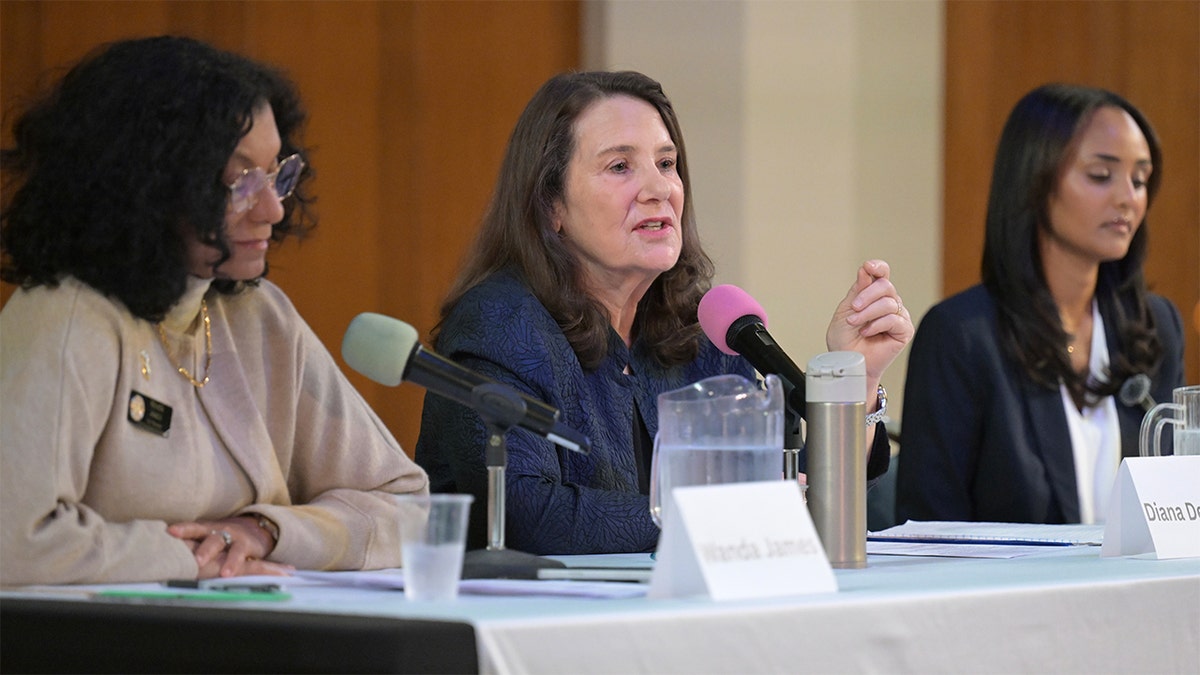
From left, Wanda James, Diana DeGette and Melat Kiros participate in a League of Women Voters Congressional District 1 candidate forum at Montview Presbyterian Church on May 28, 2026, in Denver, Colorado (Photo by RJ Sangosti/MediaNews Group/The Denver Post via Getty Images)
University of Colorado regent Wanda James, who jumped into the Democratic congressional primary in April and was described as a spoiler, finished third, in single digits.
Progressives also scored an impressive victory in the neighboring 8th Congressional District, a crucial swing seat which stretches along the I-25 corridor north of Denver.
State Rep. Manny Rutinel tallied a convincing double-digit victory over former state Rep. Shannon Bird, a more moderate candidate. Rutinel will now take on Republican Rep. Gabe Evans, who flipped the seat in the 2024 cycle.
The race is considered one of two or three dozen that will determine if the GOP holds onto its razor-thin House majority in the midterms.
Immigration was a top issue in the Democratic primary in a district where roughly 40% of the population is Latino. Rutinel criticized Bird for a vote she cast last year opposing a measure limiting cooperation between local and state law enforcement and ICE. And Rutinel was boosted by big spending from allies, including prominent Latino groups.

State Rep. Manny Rutinel won the Democratic primary in Colorado’s 8th Congressional District. (Hyoung Chang/The Denver Post)
While Rutinel has tempered his previous support for top progressive issues, including Medicare for All and opposition to fracking, Republicans viewed him as the easier general election challenger than Bird. During the primary campaign, the right spotlighted pictures of him rallying alongside Mamdani.
«Democrats have chosen a far-left, radical socialist, Mamdani-wanna-be extremist — someone who supports eliminating oil and gas, defunding law enforcement, calling farmers and ranchers horrific, and threatening the industries that power our economy,» Evans charged in a statement.
Another primary showdown highlighting the split between progressives and moderates, as well as the party’s generational divide, was the Senate nomination battle between incumbent Sen. John Hickenlooper, 74, and former state Sen. Julie Gonzales, a 43-year-old progressive.
Hickenlooper, a former Denver mayor and two-term governor, saw his once-large advantage over Gonzales, a one-time DSA member, narrow in the weeks ahead of the primary.
Hickenlooper prevailed and will now be the clear favorite in the general election against Republican state Sen. Mark Baisley, who was unopposed in his primary.
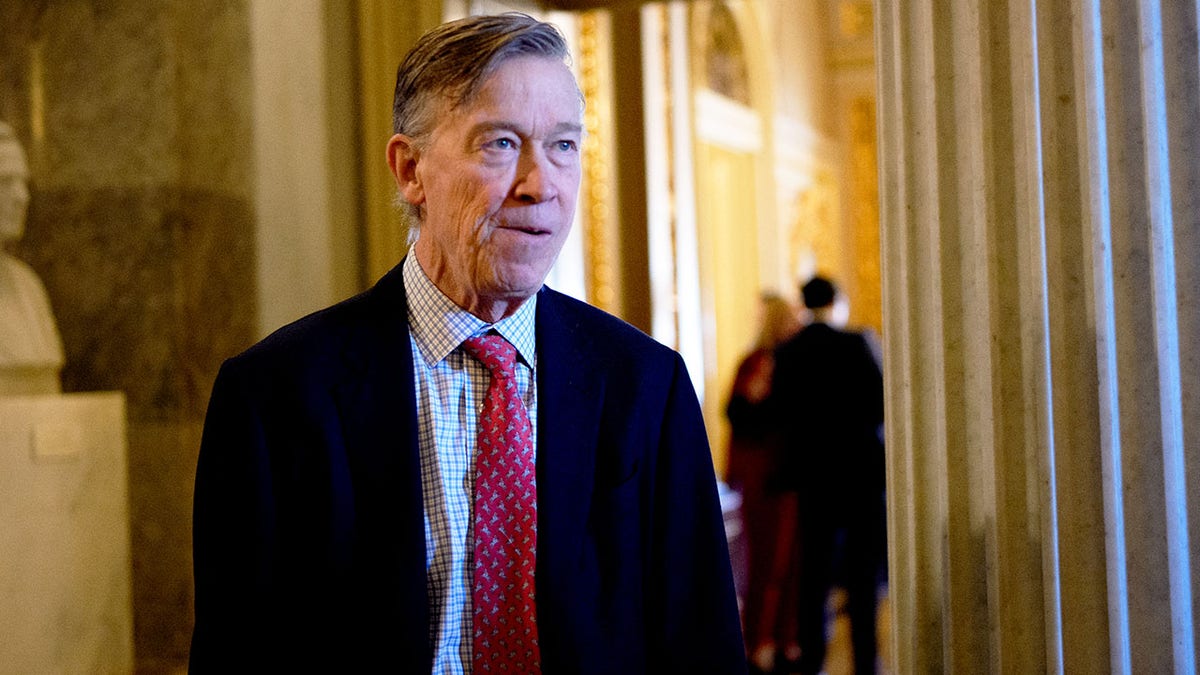
Sen. John Hickenlooper of Colorado won renomination in Tuesday’s Democratic Senate primary. (Andrew Harnik/Getty Images)
But Gonzales saw a silver lining in defeat, writing in a statement, «My heart is full, knowing that we’ve put the Democratic establishment on notice: keep taking folks like us for granted at your own peril.»
Meanwhile, state Attorney General Phil Weiser topped U.S. Sen. Michael Bennet in the expensive and combustible Democratic gubernatorial primary.
Weiser, who ran to Bennet’s left on certain issues, closed the gap with the senator as he spotlighted his efforts to take on President Donald Trump, including filing or joining dozens of lawsuits against the Trump administration as attorney general.
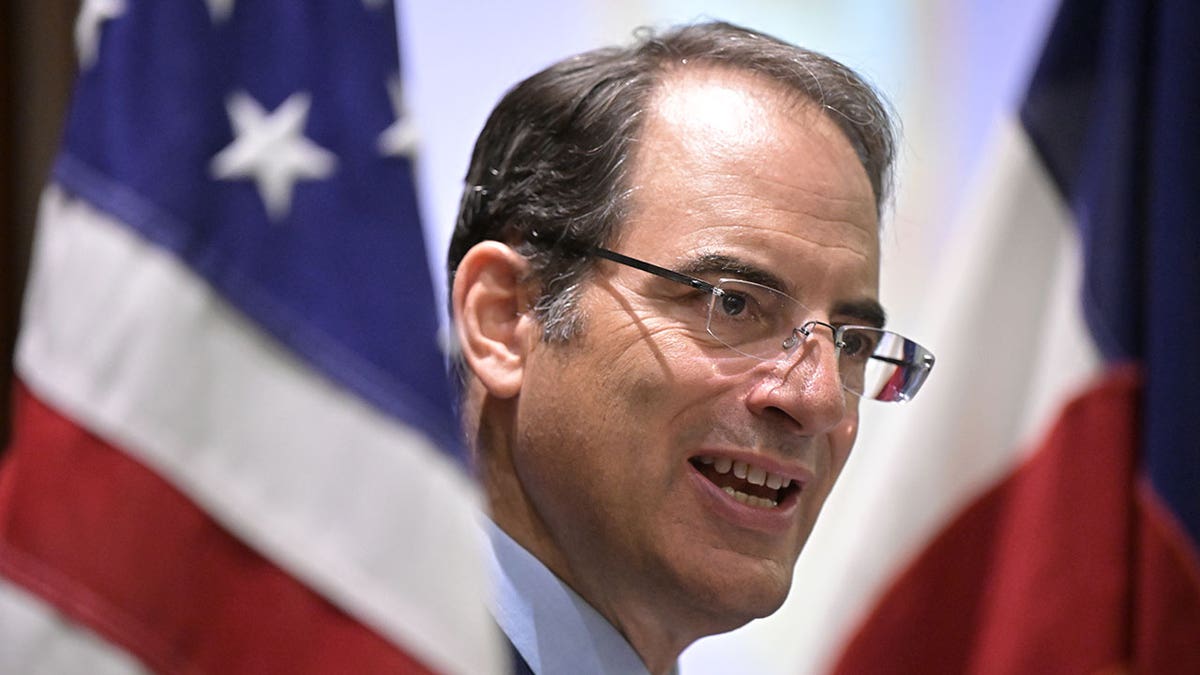
Colorado Attorney General Phil Weiser defeated U.S. Sen. Michael Bennet for the Democratic gubernatorial nomination. (Hyoung Chang/The Denver Post)
Longtime Democratic strategist Joe Caiazzo, a veteran of progressive champion Sen. Bernie Sanders’ 2016 and 2020 presidential campaigns, told Fox News Digital that «it is undeniable that progressives have built a coalition and have a message that can serve to buoy a candidate when they are an acceptable alternative to the status quo.»
CLICK HERE TO DOWNLOAD THE FOX NEWS APP
While plenty of mainstream Democrats have racked up primary victories in recent weeks, it is the far-left that’s grabbing the media spotlight. And that’s giving Republicans more ammunition as they portray all Democrats as radicals.
«The socialist takeover of the Democrat Party is no longer confined to deep-blue strongholds. The radicals are taking over battleground districts, putting must-win seats out of reach for Democrats and sinking their chances of flipping the House,» NRCC Spokesman Mike Marinella said as he pointed to Rutinel’s victory.
Fox News’ Olivia Palombo and Matthew Donnell contributed to this report
democratic party, democrats elections, elections, midterm elections, socialism, colorado
INTERNACIONAL
Sobrevivientes de los terremotos en Venezuela alertan sobre la falta de comida: “Agarramos las sobras de los militares”
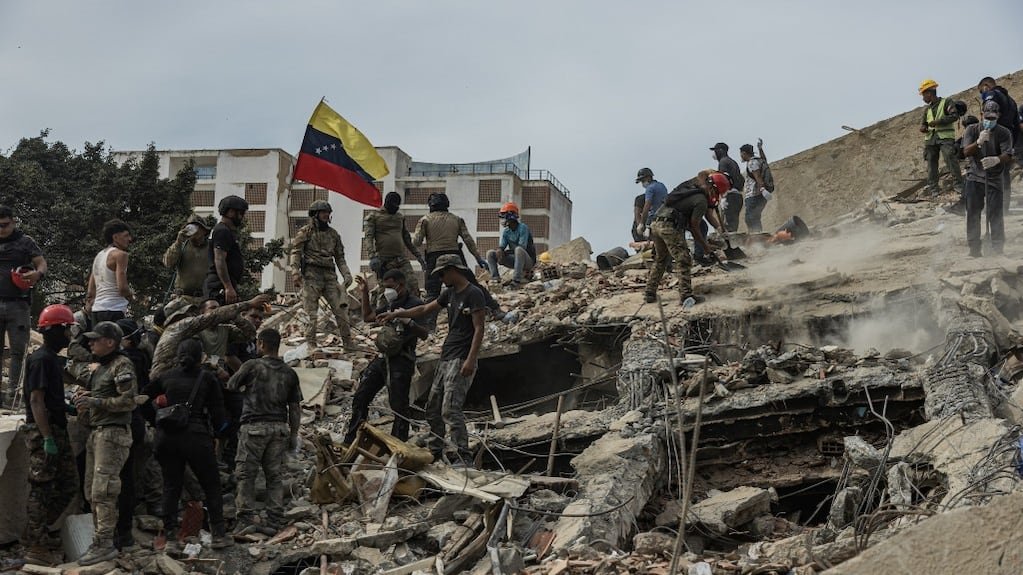
Cuando se cumplen seis días del terremoto doble que azotó varios estados de Venezuela, la atención humanitaria comienza a centrarse en la urgencia de alimento y techo. En el estado de La Guaira, la “zona cero” de la tragedia, decenas de miles de personas quedaron en la calle.
La escasez de comida es “generalizada”, los servicios básicos se paralizaron y la conectividad está interrumpida, advirtió este martes el Alto Comisionado de las Naciones Unidas para los Refugiados (ACNUR).
“Estamos durmiendo en el piso”, dijo a la AFP Jenny Tortoza en Catia la Mar, en La Guaira, donde cientos de edificios colapsaron y las esperanzas de hallar sobrevivientes se desvanecen.
La ONU estima que hay unos 50.000 desaparecidos, mientras la NASA calcula que 58.000 edificios resultaron dañados o destruidos por los terremotos de magnitud 7,2 y 7,5 del 24 de junio, de los más violentos registrados en la historia de Latinoamérica. Los rescatistas trabajan contra reloj para salvar a los sobrevivientes. La ventana de las 72 horas críticas cerró el sábado. (Fabiola Ferrero/The New York Times)
“Las tensiones comunitarias van en aumento, ya que el acceso a la ayuda sigue estando limitado”, indicó el ACNUR sobre la ira de algunas víctimas por la lenta y escasa ayuda del gobierno de este país sumido en una crisis profunda.
“Aquí dan provisiones pero a veces se matan por la comida (…), esto es como una gallera (…), ayer se entraron a golpes, es una locura”, comentó a la AFP Daniela Armas, de 18 años, suturada en un pie y temerosa de volver a su apartamento agrietado en Catia La Mar.
“La falta de organización es horrible. Al principio era todo muy bien, pero después empezó una mala organización que primero los propios militares agarraban sus cosas y después nosotros las sobras”, relató por su parte Yohana Álvarez, vendedora ambulante de 45 años en la misma zona.
La alarma por el riesgo de epidemias
Al escenario actual, se suma el riesgo de epidemias. El portavoz de la Organización Mundial de la Salud, Christian Lindmeier, advirtió de la “presión extrema” sobre los servicios de salud y el riesgo “de enfermedades prevenibles mediante vacunación, como el sarampión, la difteria y la tos ferina”.
“Faltaría más ayuda”, dice Diorjailis Escalona, médico de 23 años, quien pese a sentirse “derrumbada” ayuda como voluntaria y agradece el apoyo internacional con rescatistas, medicinas y alimentos.
Para acelerar el ingreso de equipos y suministros, los Marines estadounidenses pusieron el lunes de nuevo en operación el puerto de La Guaira, que había quedado fuera de servicio junto con el principal aeropuerto de Venezuela.

Los médicos trabajan en una morgue improvisada en el puerto de La Guaira. (Fabiola Ferrero/The New York Times)
En el área de depósitos del puerto funciona ahora una morgue improvisada, constató la AFP.
En tanto, el gobierno militarizó La Guaira e impuso el trámite de un permiso para acceder a la zona de desastre.
Un total de 27 países han movilizado cerca de 40 equipos de búsqueda y rescate, que este martes seguían escarbando entre amasijos de hierro y concreto.
Son más de 2.000 efectivos y personal junto con más de 160 perros, según Gianluca Rampolla, coordinador de Naciones Unidas en Venezuela.
La ONU, agregó, suministrará 10.000 bolsas mortuorias, aunque espera que el balance final sea inferior. Sin embargo, la ventana crítica de 72 horas para hallar sobrevivientes cerró el sábado.
La ONU calcula siete millones de damnificados y daños daños materiales por 6.700 millones de dólares, 6% del PIB del país petrolero.
Comenzó la carrera contrarreloj para recuperar a los fallecidos
Por otra parte, los dos hornos del único cementerio público de Caracas trabajan a plena capacidad y un olor a muerte se percibe en los alrededores.
Leé también: El desesperado pedido de la mamá del nene argentino que quedó atrapado entre los escombros tras los terremotos en Venezuela
Decenas de personas esperan por un turno para sus seres queridos. Entre viernes y sábado se oficiaron de 60 a 70 entierros diarios.
Un grito de “¡Mamá, te amo!” se sobrepuso al llanto y el ruido de las palas mezclando cemento.
Cuando los trabajadores comenzaron a cerrar el nicho de su sobrino, Sergio Vergara cayó de rodillas. Fue él quien lo encontró junto a toda su familia en un edificio colapsado de La Guaira.
“Fue una experiencia horrible, sacarlo a él, a sus hijos”, expresó este hombre de 42 años.
(Con información de AFP)
Venezuela, Terremoto
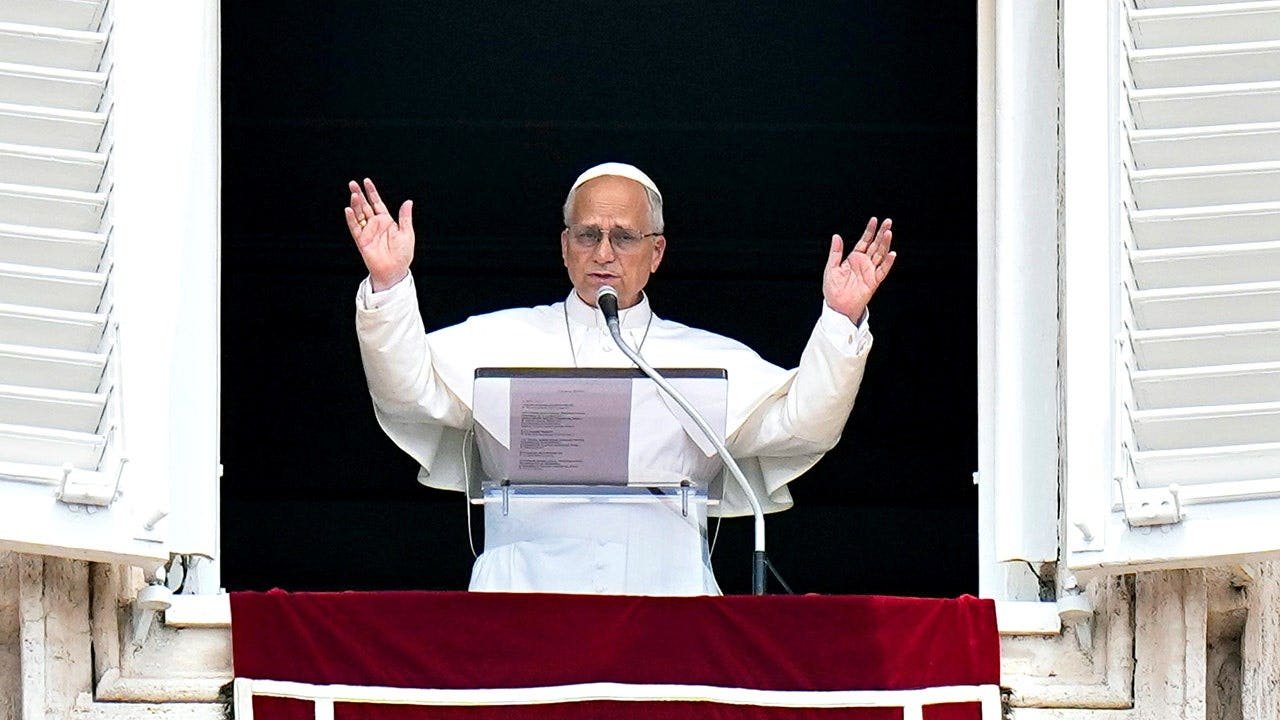
Pope Leo warns of A.I. dangers in first encyclical
Paul Gigot, Bill McGurn, and Dan Henninger discuss Pope Leo’s first encyclical warning about artificial intelligence. The Pope called for stronger government regulation, citing threats to human dignity.
NEWYou can now listen to Fox News articles!
Pope Leo XIV issued an extraordinary last-minute plea Tuesday to a breakaway traditionalist Catholic group to abandon plans to consecrate four bishops without Vatican approval, warning the move was a «sin of extreme gravity» and could deepen a decades-old split with the Church.
In a letter addressed to the Rev. Davide Pagliarani, leader of the Society of St. Pius X, Leo urged the group to reconsider before Wednesday’s planned ceremony in Econe, Switzerland, saying it would place the bishops involved outside the Church’s communion.
«I plead with you and ask you with all my heart: please turn back!» the pope wrote.
POPE LEO SENDS UNMISTAKABLE MESSAGE ON IMMIGRANTS DURING VISIT HONORING AMERICA’S FIRST SAINT
Pope Leo XIV waves during the Angelus noon prayer from the window of his studio overlooking St. Peter’s Square, at the Vatican, Monday, June 29, 2026. (AP Photo/Alessandra Tarantino)
Under church law, consecrating bishops without papal approval is considered a schismatic act and carries automatic excommunication for both the bishops being ordained and the bishop performing the ceremony.
«I urge you to consider carefully the spiritual good of the faithful, because the schismatic act you are about to undertake would deprive them of the licit, and in some cases, even valid reception of the sacraments,» Leo wrote.
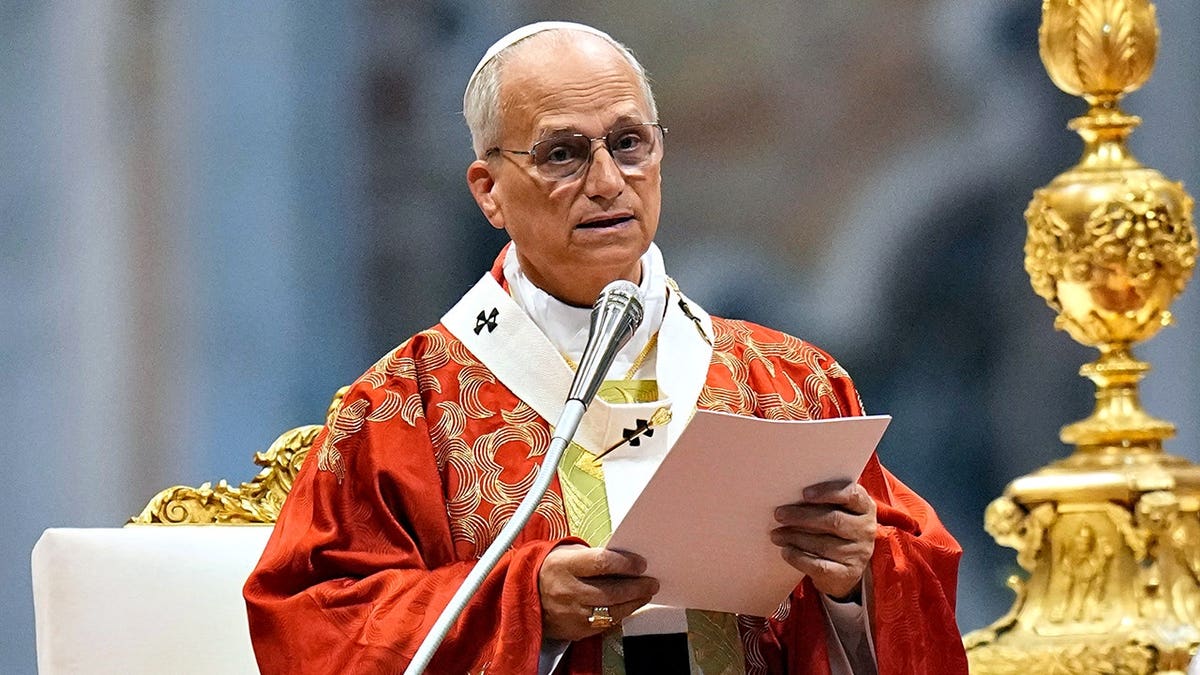
Pope Leo XIV delivers his message as he celebrates a Mass where he confers the pallium on newly appointed metropolitan archbishops, in St. Peter’s Basilica, at the Vatican, Monday, June 29, 2026. (AP Photo/Alessandra Tarantino)
The dispute marks the first major challenge of Leo’s pontificate. Since becoming pope, the American-born pontiff has emphasized healing divisions within the Church, including tensions with traditionalist Catholics who favor the old Latin Mass.
POPE LEO XIV JOKES YOUNG SPANIARDS WOULD PICK BAD BUNNY OVER HIM DURING MADRID VISIT THIS WEEKEND
The Society of St. Pius X was founded after the Second Vatican Council, rejecting many of the church’s reforms, including allowing Mass to be celebrated in local languages instead of Latin. The group has long argued that it is preserving authentic Catholic teaching.
The society defended its decision to consecrate four new bishops, saying there is a «state of necessity» requiring it to provide bishops for its faithful.
The planned ceremony echoes a similar confrontation in 1988, when the group’s founder, Archbishop Marcel Lefebvre, consecrated four bishops without papal approval. The Vatican responded by excommunicating Lefebvre and the newly ordained bishops, though those excommunications were lifted in 2009 as part of an effort to restore relations.
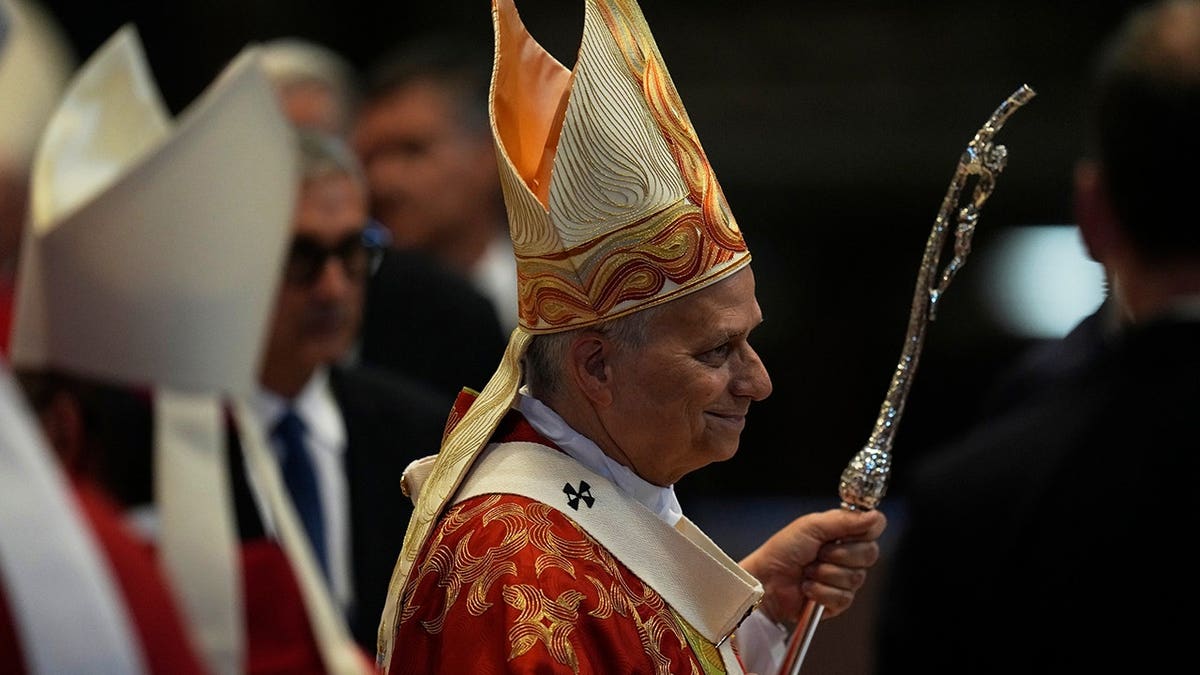
Pope Leo XIV leaves after a Mass where he conferred the pallium on the newly appointed metropolitan archbishops, in St. Peter’s Basilica, at the Vatican, Monday, June 29, 2026. (AP Photo/Alessandra Tarantino)
Despite years of dialogue with the Vatican, the SSPX remains outside the church’s formal structure.
CLICK HERE TO DOWNLOAD THE FOX NEWS APP
The society has continued to expand in recent decades, reporting hundreds of priests, seminarians and religious members across dozens of countries, making it one of the largest traditionalist movements operating outside the Catholic Church’s official authority.
The Associated Press contributed to this report.
pope leo xiv, vatican, roman catholic, religion, world

JPMorgan recomienda apostar por las acciones de dos bancos argentinos: qué tener en cuenta

Lanzaron un programa para fomentar la inclusión sociolaboral de personas en rehabilitación por consumo de drogas

DSA’s third major primary win deepens Democrats’ fight over the party’s future

Viajó durante más de dos años en un Falcon desde Ushuaia hasta Alaska para cumplir un sueño: alentar a la Selección

Este es el estudio que las personas que fuman o fumaron deberían realizarse: “Puede salvarte la vida”

Aumentos de luz y gas: publicaron los nuevos cuadros tarifarios y prorrogaron las bonificaciones por subsidios

El punto de quiebre que sentó la suerte de Manuel Adorni y los preparativos que hace el Gobierno ante su inminente salida

La bomba de Nico Occhiato tras el escándalo de Florencia Peña con Messi: “Lo más groso que pudimos haber logrado”

Cómo ganar $20 millones con Mercado Pago: el paso a paso para quienes cobran ANSES

Exigen que Adorni renuncie a su cargo en el directorio de YPF

 POLITICA3 días ago
Exigen que Adorni renuncie a su cargo en el directorio de YPF
- POLITICA3 días ago
Tras haber dejado su cargo de jefe de Gabinete, Manuel Adorni también renunciará como director de YPF
- INTERNACIONAL2 días ago
Shipping giant warns Strait of Hormuz chaos is ‘new normal’ as Tehran shifts 4M barrels