INTERNACIONAL
Insurance companies put on notice for stranding trans patients who want to reverse surgeries

Detransitioner Chloe Cole: I Was Their Experiment | The Riley Gaines Show
Riley Gaines sits down with Chloe Cole, one of the most prominent detransition advocates in the country, to discuss her experience with puberty blockers, testosterone, surgery as a minor, and her decision to detransition. Chloe shares why she believes children cannot give informed consent to life-altering medical interventions, what happened when she sought help from the doctors who treated her, and why she is now pursuing legal action against Kaiser Permanente. Riley and Chloe also discuss Planned Parenthood’s role in gender medicine, the state of campus free speech, the backlash faced by women who speak about biological reality, and Chloe’s evolving Christian faith. This conversation covers detransition, gender ideology, medical ethics, parental rights, faith, and the cultural fight over truth, childhood, and womanhood.
NEWYou can now listen to Fox News articles!
Rep. Diana Harshbarger, R-Tenn., a lawmaker with a background in pharmacy, is introducing a bill that would require health insurance companies that provide transgender procedures to also pay for detransitions and adverse effects.
Harshbarger fears that under many current plans, transitioners who consider reversing their sex-reassignment procedures are stuck with what is effectively a financial one-way door.
«It’s outrageous that a health plan can cover sex-rejecting procedures but refuse to cover the restorative care patients need to address the harm they cause. That’s not a fair deal for patients who want to restore healthy bodily function,» Harshbarger said.
MED SCHOOL DEANS COME UP EMPTY IN TENSE HEARING WHEN ASKED POINT BLANK IF MEN CAN HAVE BABIES: ‘RIDICULOUS’
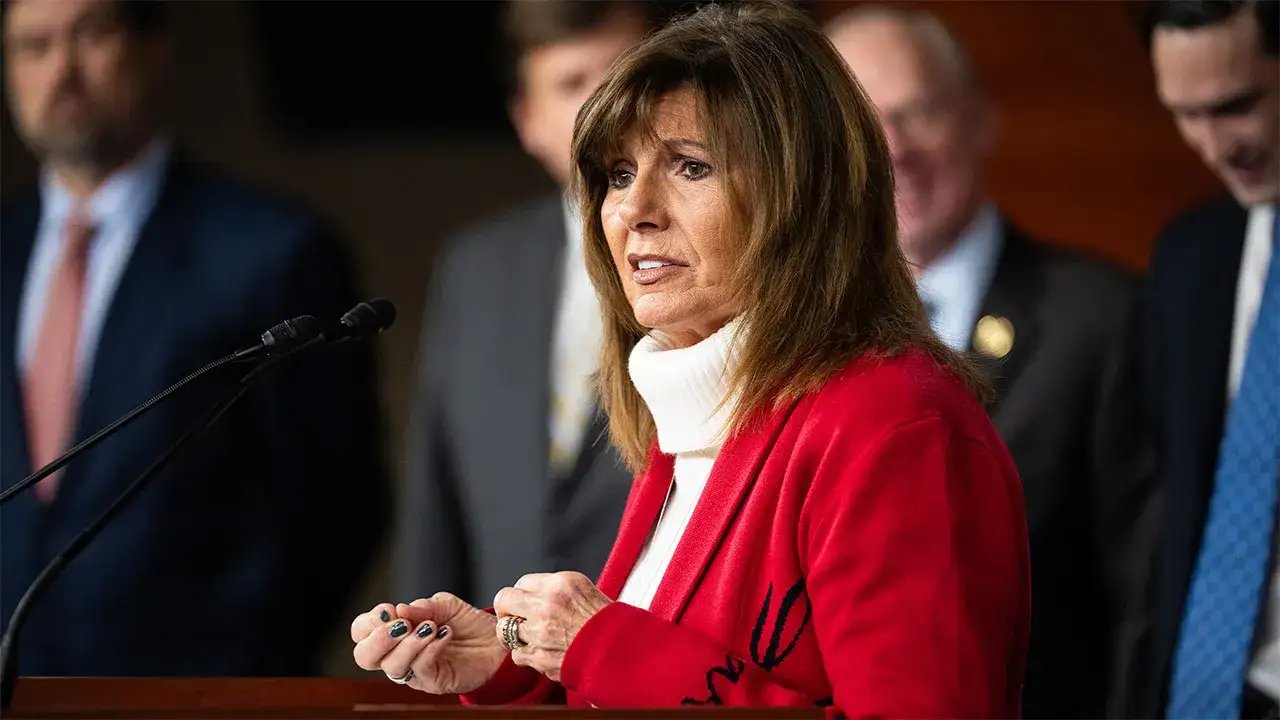
UNITED STATES – MAY 19: Rep. Diana Harshbarger, R-Tenn., speaks during the Republican Study Committee news conference to introduce a «Women’s Bill of Rights» outside the Capitol on Thursday, May 19, 2022. (Bill Clark/CQ-Roll Call, Inc via Getty Images)
Although unlikely to become law over Democratic opposition in the Senate, the bill, titled the TRUTH in Coverage Act, draws attention to a growing number of patients who have regretted sex-reassignment procedures and lawmaker concern over barriers to addressing their fallout.
It would require insurers that cover «sex-rejecting procedures» to also cover items and services needed to address the complications or adverse effects resulting from them. The bill would enact the requirement regardless of state or local laws that mandate such procedures.
If passed, the bill would go into effect Jan. 1, 2027. It has 12 cosponsors, including Rep. Buddy Carter, R-Ga., the former chairman of the Energy and Commerce Subcommittee on Health.
In its current form, Harshbarger’s bill would amend three federal statutes governing private health insurance coverage to create a uniform federal coverage requirement: the Public Health Service Act, employer-sponsored health plans and group health plans. The bill would also prevent insurers from adjusting copays, deductibles or implementing treatment limitations.
Texas Gov. Greg Abbott signed a similar bill into law last year, addressing a similar concern at the local level.
WATCH: DR. OZ SAYS NEWSOM, OTHER BLUE STATES HAVE TURNED MEDICAID FRAUD INTO A ‘FEATURE’
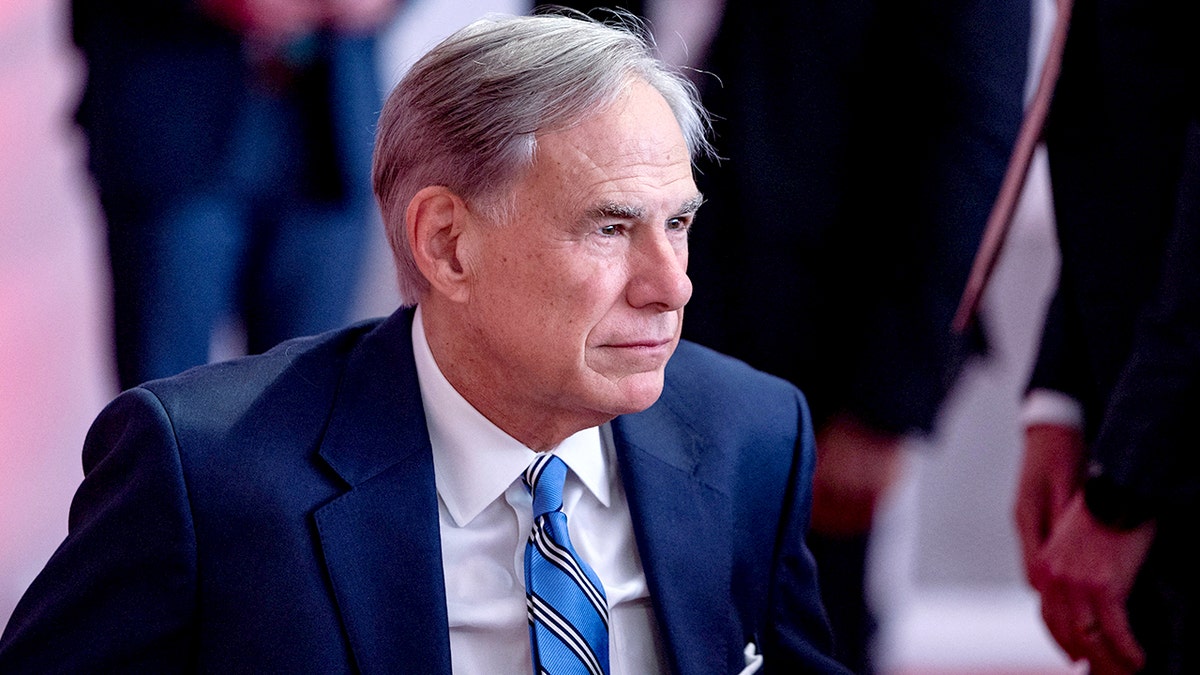
Texas Gov. Greg Abbott arrives during a press conference for Eli Lilly and Company in Houston, Texas, on Sept. 23, 2025. (Antranik Tavitian/Reuters)
Senate Bill 1257, sponsored by Texas Sen. Bryan Hughes, published a statement with the Texas Senate Research Senate, arguing the need for his bill.
«Many of these individuals require extensive medical care to manage or reverse the effects of previous treatments, yet they are frequently denied insurance coverage, leading to insurmountable out-of-pocket expenses. Without this coverage, patients face significant health risks, including hormone imbalances, surgical complications, and psychological distress,» Hughes wrote.
According to the National Library of Medicine, it’s difficult to determine exactly how many detransitions there are or at what point someone would be considered a detransitioner. Researchers noted that stopping hormones, reversing surgeries or changing legal documents could all be triggers for what it means to begin the detransition process.
By casting a wide net and including adverse effects, Harshbarger’s bill would circumvent those technicalities.
«Patients should never be abandoned after undergoing life-altering, harmful medical interventions once reality sets in,» Harshbarger said.
TALARICO CAMPAIGNS WITH SURGEON WHO OPERATED ON TRANSGENDER MINORS: ‘WOLF IN SHEEP’S CLOTHING’
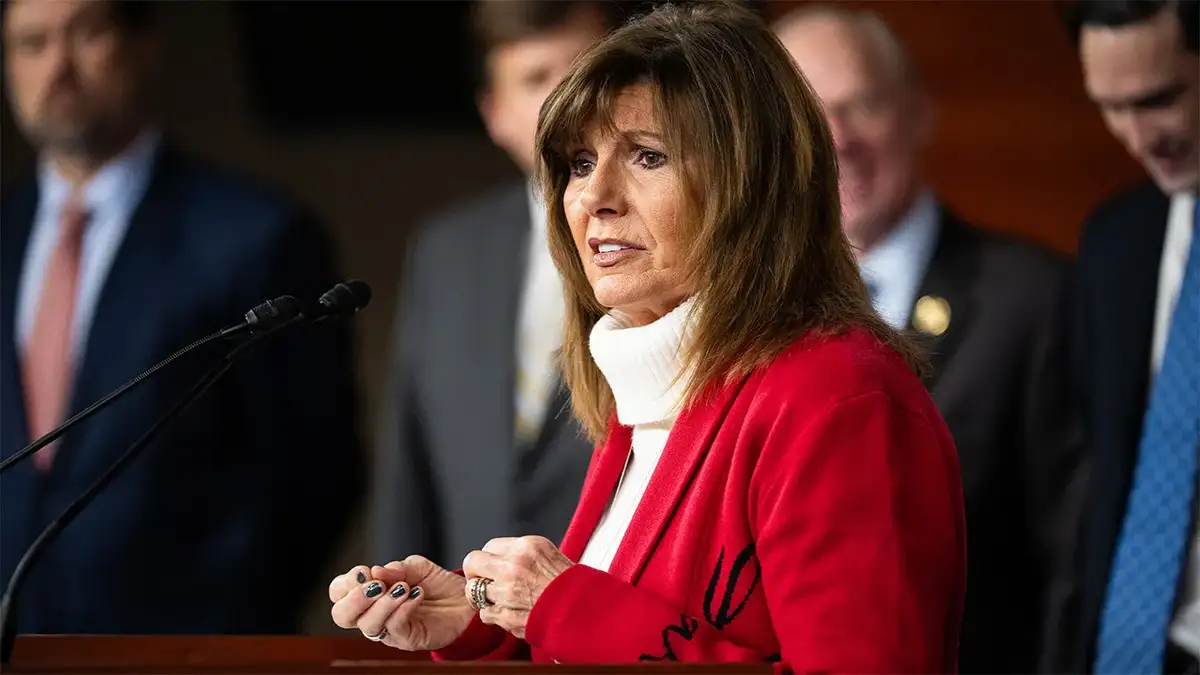
Rep. Diana Harshbarger, R-Tenn., speaks during the news conference on Thursday, Jan. 23, 2025. (Bill Clark/CQ-Roll Call, Inc via Getty Images)
CLICK HERE TO DOWNLOAD THE FOX NEWS APP
«As a pharmacist, I’ve seen insurance companies find every excuse in the book to avoid paying for the care patients actually need. My TRUTH in Coverage Act restores fairness, promotes transparency and ensures patients aren’t left paying the price for care their insurance should cover.»
It’s unclear when and if Harshbarger’s bill would reach the House floor for a vote.
health, health care, health care healthy living, congress, politics










INTERNACIONAL
Key Trump agency puts top universities in crosshairs over alleged race-based dorm programs
NEWYou can now listen to Fox News articles!
The Trump administration is opening civil-rights investigations into the University of Connecticut and the University of Minnesota after receiving complaints alleging the schools are operating dorm programs that may be steering students into campus housing services based on race.
The complaints, filed by the Equal Protection Project and obtained by Fox News Digital, accuse UConn of operating three allegedly discriminatory housing programs — ScHOLA²RS House, BSOUL House and La Comunidad Intelectual — promoted toward Black male, Black female and Hispanic students. A separate complaint against the University of Minnesota Twin Cities names four programs — Huntley House, Charlotte’s Home, CASA SOL and Tsev Hmoob — that allegedly are promoted toward Black male, Black female, Hispanic and Hmong American students.
According to the Department of Housing and Urban Development (HUD), the programs potentially violate the Fair Housing Act, Title VI of the Civil Rights Act of 1964 and constitutional equal-protection guarantees by steering students toward or away from dormitory housing programs – which also include student support services – based on race, color or national origin, even when the universities say the programs are «open to all.»
UNEARTHED RECORDS REVEAL DEM MAYOR SOUGHT TAX HIKE TO FUND DEI ROLE AHEAD OF KEY HOUSE RACE
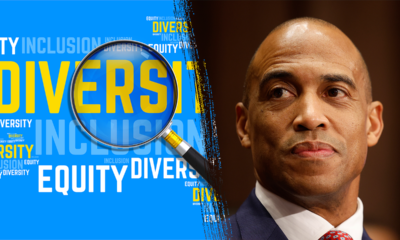
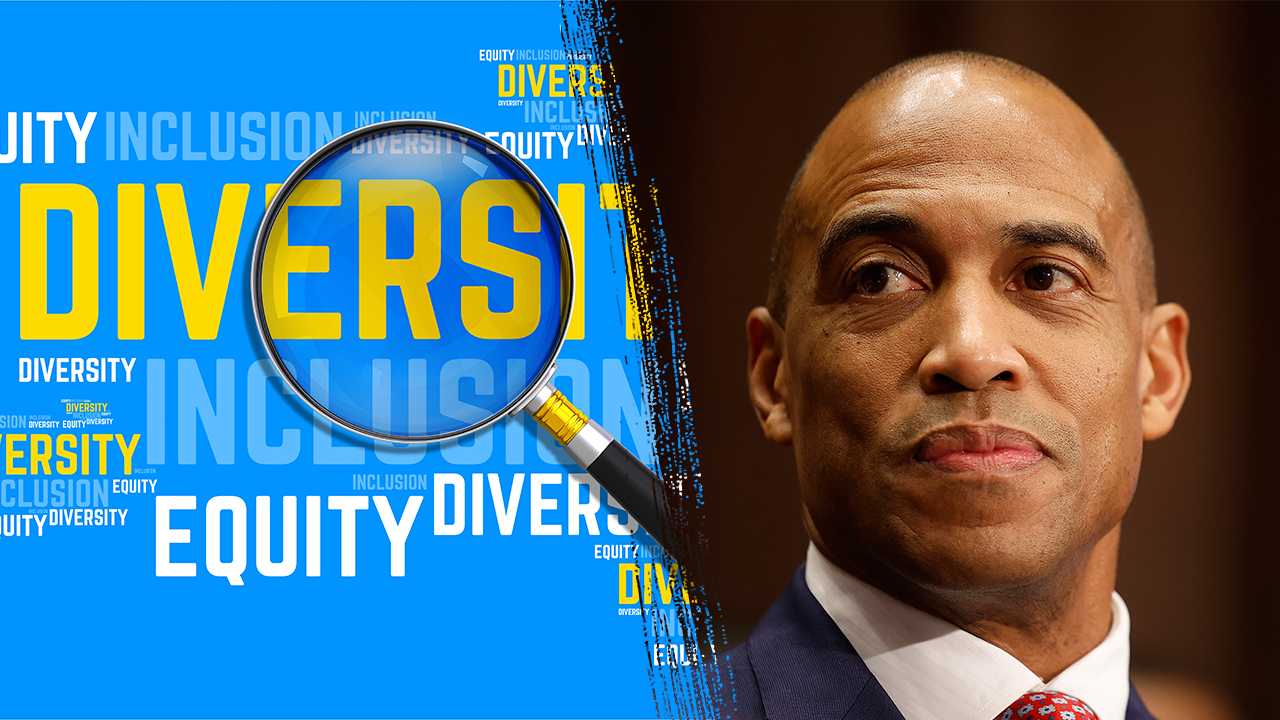
Department of Housing and Urban Development (HUD) Secretary Scott Turner said his agency will move to an English-only model following President Donald Trump’s executive order designating English as the official language of the United States. (GETTY IMAGES/FOX NEWS)
«Unlawful discrimination cannot be allowed to poison American communities or separate members of our next generation —especially in college and university housing,» Secretary Scott Turner said in a statement to Fox News Digital. «Every student has the right to learn and live in an educational environment free from illegal and divisive DEI. Unlike the Biden Administration, the Trump Administration does not play favorites. Every American deserves the law’s protection, and any institution of higher education that engages in unlawful housing discrimination will be held accountable.»
Both universities denied engaging in discriminatory housing practices.
A University of Minnesota spokesperson told Fox News Digital the school wasn’t aware of the probe from HUD’s Office of Fair Housing and Equal Opportunity, but argued the school’s programs are compliant with «federal regulations, guidelines and anti-discrimination laws.» HUD confirmed to Fox News Digital it sent notice of the investigation to the university ahead of publication.
«The University’s Living Learning Communities are open to all students, regardless of race or ethnicity, which is clearly stated on our website,» the spokesperson said. «The University is diligent in its compliance with federal regulations, guidelines and anti-discrimination laws.»
HUD LAUNCHES CIVIL RIGHTS INVESTIGATION INTO BOSTON’S DEI HOUSING POLICIES OVER ALLEGED RACIAL DISCRIMINATION
However, the Equal Protection Project’s complaint cited by HUD appeared to anticipate UMN’s defense, arguing that the school’s «open to all» disclaimer does not resolve the alleged problem because the university still «expressly defines and markets» the residential communities around race or ethnicity.
«Such perfunctory non-discrimination language does not cure the racial steering violation,» the complaint says.

The Washington Ave. bridge on the campus of the University of Minnesota in Minneapolis, Minnesota on April 2, 2022. (Photo by Kirby Lee/Getty Images)
The complaint points to UMN materials describing Huntley House as a community «designed for Black men,» Charlotte’s House as «designed for Black women,» CASA SOL as «designed for Latinx students» and Tsev Hmoob as «designed for Hmong American students,» all of which provide housing and programmatic benefits including peer mentoring, academic support, community events and shared residential space for selected students.
The complaint also alleges UMN added its «open to all» language to at least three of the programs sometime after March 17, 2026, based on internet archive history, and argues that the late-added disclaimer does not cure the alleged violation. Instead, the complaint says, the added language suggests the university was aware its race-based descriptions and opens them to legal liability.
MED SCHOOL DEANS COME UP EMPTY IN TENSE HEARING WHEN ASKED POINT BLANK IF MEN CAN HAVE BABIES: ‘RIDICULOUS’
Meanwhile, UConn also denied discriminating in campus housing.
«UConn does not discriminate on the basis of race, gender, or any other aspect of identity, including in our on-campus housing,» a university spokesperson told Fox News Digital.
«UConn is home to nearly 20 different interdisciplinary living and learning communities within on-campus housing, all of which are organized around students who may have similar interests, backgrounds, or academic pursuits, including the three that were specifically named,» the spokesperson continued. «However, these communities are open to all students and no student is denied access to these communities based on their identity.»
But the Equal Protection Project complaint cited by HUD in conjunction with its new probe argues that UConn’s housing programs, which also offer student support services, may still amount to unlawful racial steering even if students outside the named groups are not formally barred.
UConn’s housing descriptions for ScHOLA²RS House, BSOUL House and La Comunidad Intelectual, the complaint alleged, have been promoted in a manner that could signal to other students that the housing programs are not intended for them. The complaint points specifically to the schools’ promotional materials and social media posts, arguing the housing the programs’ titles, descriptions and imagery are likely to steer non-Black or non-Hispanic students away from applying, regardless of whether UConn intended to discriminate.

The University of Connecticut, Hartford campus on April 1, 2026. (Ryan Caron King/Connecticut Public via Getty Images)
CLICK HERE TO DOWNLOAD THE FOX NEWS APP
«This information steers individuals (‘ordinary readers’) towards and away from dormitory housing based on these preferences in violation of the FHA,» the complaint against UConn states, adding that the allegation holds «even if UConn in fact has no discriminatory intent.»
The complaint highlights how UConn’s learning communities allow students to live together while participating in shared academic courses, mentoring and co-curricular programming, and says the named programs also promote support including academic and social or emotional support, research opportunities, professional development, seminar courses, events and shared community space.
«When parents entrust their children to universities, they expect these institutions to cultivate independent thinkers who will engage with life’s permanent questions, pursue truth, beauty, and goodness, and carry forward the great intellectual, moral, and cultural inheritance of Western civilization,» Assistant Secretary for Fair Housing and Equal Opportunity Craig Trainor told Fox News Digital.
«Too often, however, these young Americans arrive on campus only to be steered toward racially segregated housing arrangements that divide students, create unequal experiences, and betray the core principles of a classical liberal education,» he concluded. «We will fully investigate the allegations against the University of Connecticut and the University of Minnesota to determine if they are, in fact, violating the Fair Housing Act and Title VI of the Civil Rights Act of 1964.»
dei, college, housing, individual rights, investigations, politics, executive

Si me preguntan, digo que soy más argentina que el Obelisco. Soy argentina, fuera del país me reconocen en la calle otros argentinos, yo los reconozco a ellos. Kolesnicov, me llamo. Patricia Kolesnicov: no es un apellido diaguita. Ni coya. Ni guaraní. Ni, bueno, español.
Hace un tiempo, con compañeros periodistas teníamos una regla: si aparecía en algún cable que venía del extranjero un apellido como el mío y un nombre en castellano, había que sospechar que ahí había un argentino. Acertamos varias veces.
Soy argentinísima y, en las fiestas, cocino pastrón con arroz turco. El pastrón es una delicia de los judíos de Europa del Este. El arroz turco es lo que acá conocemos como “pilav” y es oriental: porque soy argentina, judía y en parte de Europa del Este pero allá atrás hay también bisabuelos turcos. Se mezclaron en Buenos Aires, claro.
Dicho esto: por el pasillo llegan otros olores. Mi vecina, de familia italiana, nos mata con la salsa. Pero, ¿qué otros apellidos tiene detrás, cuántas historias? Si mi mezcla fueron judíos rusos y turcos, ¿cómo fue la de mi vecina?

Pienso apellidos argentinos: Pueyrredón, Menem, Quispe, Sato, Sturzenegger, Rossi, Tavares, O’Donnell, García, Kim, Kicillof, Mamani., Pien, Ndiaye. ¿Sigo? ¿Cuál es menos argentino? En este país, los apellidos tienen fecha de llegada: tarde o temprano, a nadie le llaman la atención.
Soy argentinísima y voy a lo de mi argentinísima amiga Sánchez que hace.. bagna cauda. En el supermercado chino de la otra cuadra me atiende una verdulera de Cochabamba -Bolivia- y mientras las dos compramos tomates, hablo con otro vecino, un joven coreano, que acaba de apoyar en el suelo su bolsa de carbón: habrá asado el día del partido, me dice. Y hay que prepararse. Frente al televisor, mi compañera de facultad de apellido francés insulta de una manera que hubiera puesto colorada a mi abuela. Y no en francés, justamente.
Entre aproximadamente 1870 y 1914 llegaron a la Argentina unos 5,9 millones de inmigrantes, de los cuales más de la mitad se radicó definitivamente. En el censo de 1914, casi el 30% de la población había nacido en el extranjero, una de las proporciones más altas del mundo. En la ciudad de Buenos Aires, los extranjeros rondaban el 50 %.
No fue casualidad todo esto: en el plan de Juan Bautista Alberdi, cuando se estaba imaginando el país en el siglo XIX, decía claro “Gobernar es poblar”. Él no pensaba, sin embargo, en poblar a mansalva, era selectivo: “Poblar es civilizar cuando se puebla con gente civilizada, es decir, con pobladores de la Europa civilizada . ( . . .) Pero poblar no es civilizar, sino embrutecer, cuando se puebla con chinos y con indios de Asia y con negros de África” . Por eso la Constitución nacional sigue teniendo, en su artículo 25, una directiva: favorecer la inmigración europea.

Mala suerte, Alberdi. Vinimos, de todos lados. Vinimos los pobres, los perseguidos, los que nadie quería, aquellos a quienes la Revolución Industrial había dejado sin trabajo, aquellos que escapamos de los pogroms, aquellos que huimos de la guerra, aquellos a quienes el ejército entró a buscarnos a casa, aquellos que buscábamos una vida mejor porque la que teníamos no estaba bien. Nadie se va a vivir a otro país si nada en la libertad, la seguridad y la abundancia., Nadie se va a otro lugar del mundo por pasear, nadie deja su casa, su forma de hablar, nadie se va a jugar de visitante por los lindos paisajes: ni en el siglo XIX ni ahora.
Ahora, digo, que vinieron tantos venezolanos, que endulzan el español rioplatense con su castellano, que hacen que las arepas -¿y los tequeños?- se empiecen a hacer un lugar en los menúes porteños. Sus apellidos suelen ser españoles: en las listas no se ven.
Durante el Mundial, se nos dijo “racistas”. Por favor: los negros que llegaron como esclavos -los trajeron aquellos europeos, ¿no?- perdieron sus apellidos, en general, y fueron bautizados como sus amos. Algunos fueron a la guerra de la Triple Alianza como soldados, algunos murieron en la fiebre amarilla porque vivían en los barrios pobres donde la epidemia pegó más fuerte. Spoiler: nadie sale rico de la esclavitud. ¿Dónde están? Las historias familiares -y las caras que nos cruzamos en las calles- muestran una historia que quedó escondida tras el relato de la argentina blanca: nos mezclamos, otra vez. Y, también la ola migratoria enorme, de Europa. No la Europa que quería Alberdi, pero la tez más o menos clara.

A principios de siglo llegaron también los japoneses. Y los caboverdianos. En los 70 y 80, chinos y coreanos. Más africanos vinieron desde los 90: de Senegal, de Ghana, de Nigeria. Sus apellidos todavía “se ven”, mientras que Messi, Menem, Mac Allister ya se perciben, simplemente, como argentinos. Algunos apellidos todavía nos llaman la atención. Otros dejaron de hacerlo. Quizá dentro de cincuenta años ocurra lo mismo con Kim o Ndiaye. Y, junto a los apellidos de quienes llegaron, siguen estando los de quienes nunca tuvieron que llegar: Quispe, Mamani, Catrileo. Porque la historia argentina no empezó con los barcos.
Basta recorrer una guía telefónica —o, hoy, un padrón electoral o una red social— para leer una historia de la Argentina. Los apellidos cuentan la conquista española, la supervivencia de pueblos originarios como los mapuches y los andinos, la gran inmigración italiana y española de fines del siglo XIX, la llegada de judíos, sirio-libaneses, armenios y galeses, las corrientes japonesas, coreanas y chinas del siglo XX y las migraciones africanas y latinoamericanas más recientes. Pero también cuentan silencios: los apellidos africanos que la esclavitud borró y muchos apellidos indígenas que fueron reemplazados por otros, castellanos. Más que un catálogo de orígenes, el mapa de los apellidos argentinos es una síntesis de cinco siglos de conquistas, migraciones, mezclas e integraciones.
Al final, “Kolesnicov”, no habla tanto sobre mí como sobre un camino que, también, es la historia del mundo. No se castellanizó, no hizo falta ni me obligaron. Si alguien me pregunta un nombre argentino, le doy este: Patricia Kolesnicov. Y sí, el pastrón queda espectacular con tapa de asado: la mezcla también es argentina.
Cabo Verde,Argentina,Mundial,festejo,fútbol,celebración,comunidad,deporte,aficionados,España
NEWYou can now listen to Fox News articles!
UNITED NATIONS — The Democratic Republic of Congo does not view growing American involvement in its critical-minerals industry as a contest with China, the country’s foreign minister told Fox News Digital, arguing that Kinshasa needs multiple partners to transform its vast natural wealth into prosperity for its people.
«I don’t like talking about competition. I like talking about complementarity,» Foreign Minister Thérèse Kayikwamba Wagner said in an exclusive interview at the United Nations.
CHINA’S GRIP ON RARE-EARTH MAGNETS COULD CRUSH US DRONE INDUSTRY BEFORE IT GROWS
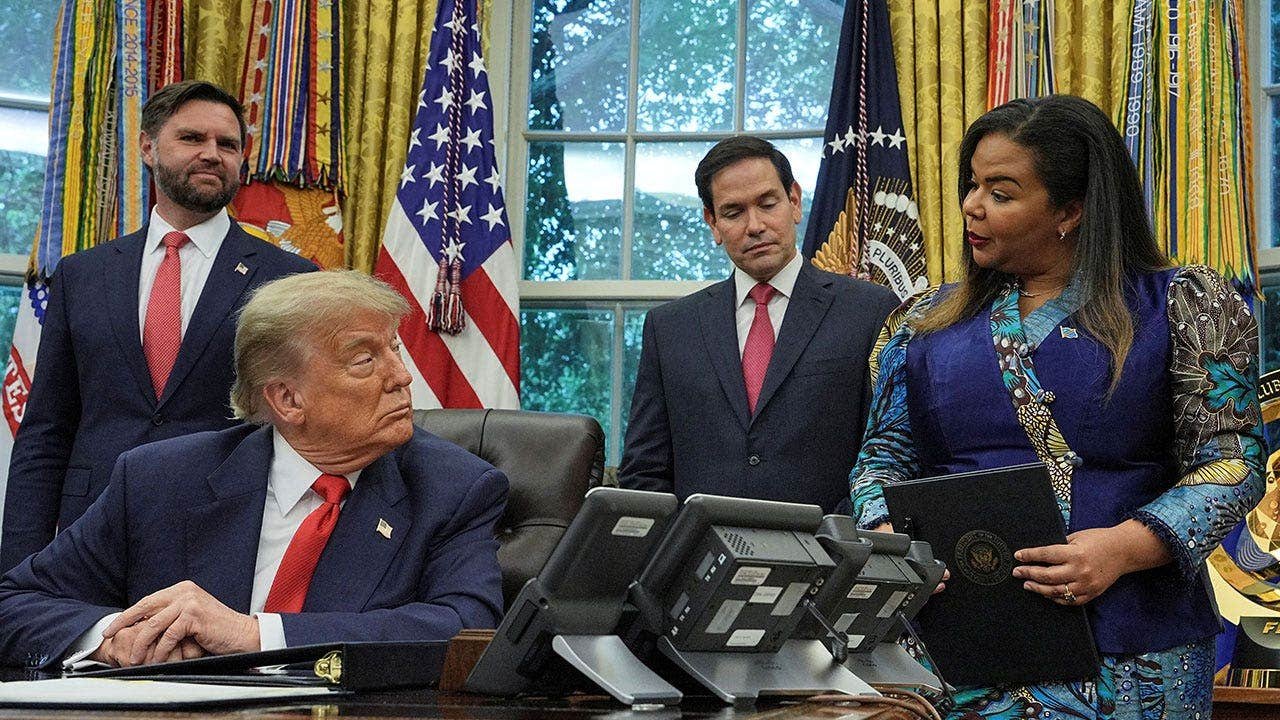
U.S. President Donald Trump, Secretary of State Marco Rubio and Vice President JD Vance meet Democratic Republic of the Congo’s Foreign Minister Therese Kayikwamba Wagner and Rwanda’s Foreign Minister Olivier Nduhungirehe (not pictured) in the Oval Office at the White House in Washington D.C., June 27, 2025. (Ken Cedeno/Reuters)
«A country as big as the USA, but also a country as big as the DRC and as big as China, they do not develop just with one single partner,» she added. «They develop with different partnerships that respond to different needs and that bring different expertise to the table.»
The comments come as the Trump administration seeks to increase American access to Congo’s copper, cobalt, lithium, gold and other strategic resources, while reducing U.S. reliance on mineral supply chains dominated by China.
A strategic partnership signed by Washington and Kinshasa on Dec. 4, 2025, calls for increased economic cooperation, investment and the development of secure and transparent critical-mineral supply chains. The agreement accompanied a broader regional framework linking economic integration to efforts to end decades of conflict between Congo and Rwanda.
TRUMP ADMIN BACKS BOLIVIA STATE OF EMERGENCY AS LEFTIST EX-LEADER’S LOYALISTS FRACTURE NATION

Excavators and drillers at work in an open pit at Tenke Fungurume, a copper and cobalt mine 110 km (68 miles) northwest of Lubumbashi in Congo’s copper-producing south, January 29, 2013. (REUTERS/Jonny Hogg/File Photo)
A separate arrangement involving DR Congo’s state mining company Gécamines and commodities trader Mercuria could give U.S. buyers priority access to some copper and cobalt supplies, Reuters reported on Dec. 5, 2025. The U.S. International Development Finance Corporation also expressed interest in taking a strategic stake in the partnership.
Kayikwamba Wagner said relations between the U.S. and DR Congo were taking «a more concrete shape» based on mutual economic interests.
She said Kinshasa welcomed «more U.S. interests in the DRC» that could help the country turn its mineral wealth into «tangible transformations for the lives of Congolese,» while also delivering benefits to American partners.
Speaking separately at a high-level U.N. meeting on critical minerals Tuesday, Kayikwamba Wagner warned that the global shift toward clean energy must not reproduce an economic model in which raw materials leave Africa while processing, technology and most of the profits remain elsewhere.
«The global energy transition must not become another extractive transition,» she said. «If it merely replaces one form of dependency with another, it will have fallen short of its promise.»
She called for foreign partnerships to support local processing, infrastructure, technology transfers, research, industrialization and access to financing — not simply secure supplies of raw materials.
CHILL COMING FROM TRUMP’S SUMMIT WITH XI IS PROOF OF A NEW COLD WAR WITH CHINA

M23 rebels stand with their weapons in Kibumba, in the eastern of Democratic Republic of Congo, Dec. 23, 2022. M23, a rebel group with alleged links to Rwanda, has seized Rubaya, a mining town in eastern Congo known for producing a key mineral used in smartphones, the group said Thursday, May 2, 2024, in a statement. (AP Photo/Moses Sawasawa)
The minerals push is closely connected to the U.S.-mediated peace process between the DRC and Rwanda. The countries initially signed a peace agreement in Washington on June 27, 2025, before Presidents Félix Tshisekedi and Paul Kagame reaffirmed the deal and signed related economic agreements on Dec. 4. The framework was intended both to reduce fighting and attract Western investment to a region rich in cobalt, copper, tantalum and other minerals.
Kayikwamba Wagner acknowledged that the agreement had not ended the violence, but said Washington’s willingness to impose consequences for violations showed that the process remained meaningful.
«This is a 30-year conflict we’re dealing with,» she said. «It’s not going to happen overnight.»
She praised the administration for sanctioning the Rwanda Defense Force and senior Rwandan officials over what the Treasury Department described as their support for the M23 rebel group. Treasury said in March that the RDF had supported, trained and fought alongside M23 as it seized territory and strategic mining locations in eastern Congo. Rwanda has repeatedly denied supporting M23.
«I find it encouraging to see that we have with us a partner that is not willing to give up at the first obstacle,» Kayikwamba Wagner said.
She was in New York as the DRC, which holds the Security Council presidency for July, elevated the connection between natural resources, armed conflict and sexual violence.
Kayikwamba Wagner said rape and other forms of conflict-related sexual violence had risen sharply in areas held by M23 and Rwandan forces, affecting women and girls as well as men and boys.
Victims in occupied areas, she said, often lack access to courts, healthcare or other avenues for redress.
«This is also one of the reasons why we continue to be mobilized against this illegal occupation of eastern DRC,» she said, arguing that restoring state authority was essential to providing survivors with justice and medical care.
CLICK HERE TO DOWNLOAD THE FOX NEWS APP

President Donald Trump arrives for a signing ceremony with Rwanda’s President Paul Kagame and Democratic Republic of Congo President Felix-Antoine Tshisekedi at the Donald J. Trump Institute of Peace, Thursday, Dec. 4, 2025, in Washington. (AP Photo/Evan Vucci)
In her U.N. remarks, she cited the Rubaya mining area, which is under M23 control and supplies a significant share of global tantalum demand. She said U.N. experts estimated that at least 1,400 tons of coltan were smuggled into Rwanda during the first year after the mines were seized, generating approximately $800,000 per month for the armed group.
The Treasury department imposed additional sanctions on June 25 against a network it accused of working with M23 to smuggle minerals from eastern Congo into Rwanda, saying the action was intended to support the Washington peace framework and improve transparency in regional mineral supply chains.
world, united nations, foreign affairs, geopolitics, emerging economies

La Cámara de Casación rechazó el pedido de prisión domiciliaria de Lázaro Báez

Key Trump agency puts top universities in crosshairs over alleged race-based dorm programs

El Banco Central aceleró la compra de dólares: suma más de USD 1.000 millones en la semana

LLA se impuso en la negociación por un lugar en el Consejo de la Magistratura bonaerense y va por la Corte

Mauro Icardi se va del Galatasaray: el futbolista argentino no renovará contrato con el club turco

Horacio Sanguinetti, una vida consagrada al desarrollo de la cultura y la educación

El álbum de las vacaciones soñadas de Darío Barassi con su familia: “Ibiza, nos vas enamorando”

El petróleo sube más de 3% tras la reanudación de los ataques de EEUU contra Irán y la amenaza de cierre del estrecho de Ormuz

Operativo Reelección 2027: Los 8 Cambios Urgentes que Javier Milei Debe Implementar para Asegurar su Continuidad

Mitch McConnell breaks silence on mystery hospitalization after Graham’s death

 ECONOMIA3 días ago
Aumentó 900% la cantidad de repartidores de plataforma en los últimos 6 años
- DEPORTE14 horas ago
El machete del arquero inglés en una botella que sorprendió a Messi tras el triunfo: el dardo de un ayudante de Scaloni a Inglaterra
- ECONOMIA3 días ago
Expertos recomiendan en qué acciones, CEDEARs y bonos invertir