INTERNACIONAL
Fauci privately took credit for COVID-19 lockdowns despite public denial, newly exposed diary entries reveal

NEWYou can now listen to Fox News articles!
Despite denying on multiple occasions during and after the COVID-19 pandemic that he personally recommended lockdowns, excerpts revealed from Dr. Anthony Fauci’s private diary prove a clear contradiction.
In a March 15, 2020, entry in the diary, which begins with «BIG DAY!» written in red letters, Fauci, then the director of the National Institute of Allergy and Infectious Disease (NIAID) recalled a striking conversation he had with then-New York City Mayor Bill de Blasio.
«I spoke with Bill de Blasio (Mayor – NYC) and convinced him based on what I was saying publicly and my conversation tonight to close the NYC schools (he had already decided based on what I was saying on TV),» Fauci revealed in his private notes.
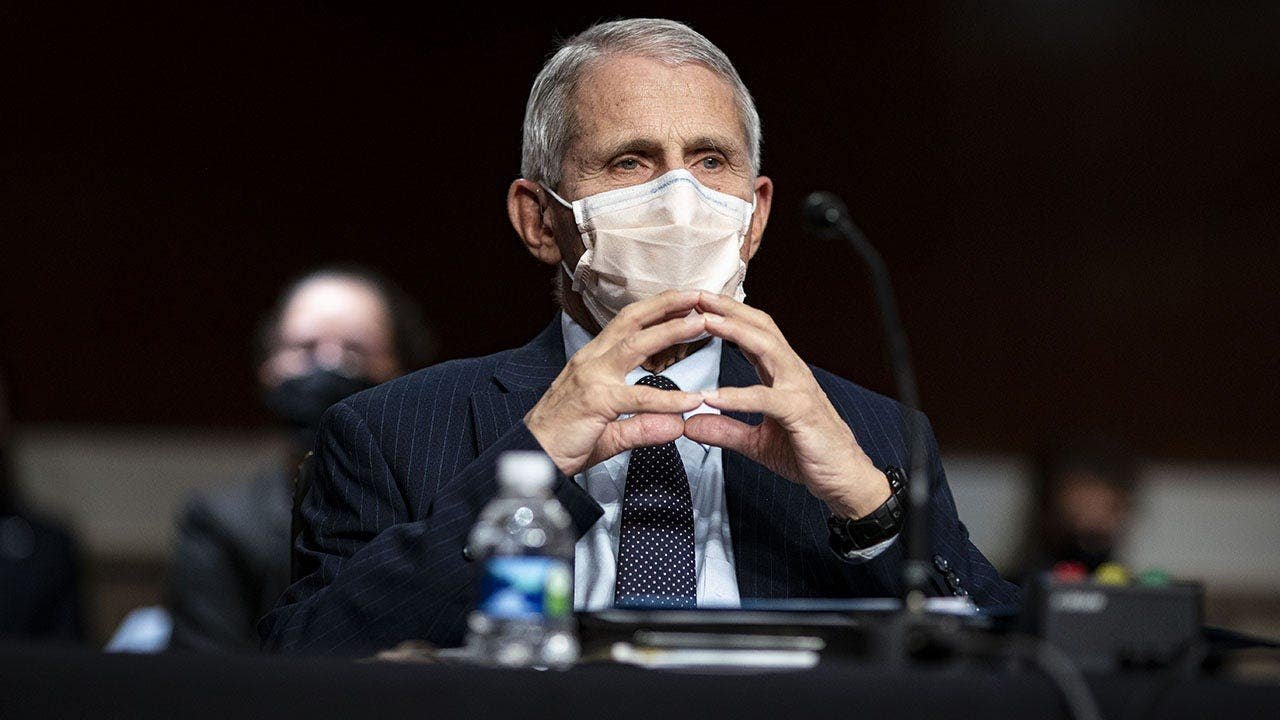
National Institute of Allergy and Infectious Diseases Director Anthony Fauci testifies before the Senate Health, Education, Labor and Pensions Committee about the COVID-19 response in Washington, D.C., on Nov. 4, 2021. (Chip Somodevilla/Getty Images)
FAUCI’S NEWLY RELEASED COVID DIARIES REVEAL BIZARRE FIXATION ON FAME AS PANDEMIC DEATHS MOUNTED
«I had a similar call with Ann O’Leary, the [Chief of Staff] of Gov. Gavin Newsom of California,» this particular entry went on. «Ann said that based on my TV appearances today and yesterday, the Governor has decided to close the schools in California as well as the bars and restaurants.»
But seven months later, on an Oct. 16, 2022 interview with ABC News’ Jonathan Karl, Fauci denied any involvement in inspiring lockdowns.
«Let’s go back and look at the transcript. We said we should try as best as we possibly can to keep the children in school,» Fauci said. «Nobody plays that clip.»
«They always come back and say, ‘Fauci was responsible for shutting schools down.’ I had nothing to do [with it]!» he insisted at the time.
EXPOSED FAUCI DIARY SHOWS HE ESTIMATED COVID-19 DEATH RATE TO BE MUCH LOWER THAN WHAT HE TOLD CONGRESS
In 2022 he told The Hill that he «didn’t recommend locking anything down,» clearly going against his own privately recorded entries.
In January 9, 2024, years after the end of lockdowns ended, Fauci testified the same thing before the House Oversight Committee.
«I did not close the schools,» he said, according to the hearing transcript. And it became the widespread situation where I became a political target.»

Dr. Anthony Fauci, director of the National Institute of Allergy and Infectious Diseases, throws out the ceremonial first pitch prior to the game between the New York Yankees and the Washington Nationals at Nationals Park on July 23, 2020, in Washington, D.C. (Getty Images)
Fauci recommended to government leaders lockdown measures besides just closing schools, which he would also later deny.
INSIDE FAUCI’S PRIVATE DIARY: WHAT HE WROTE ABOUT TRUMP, TV PERSONALITIES AND CELEBRITIES
In the March 15, 2020, diary entry, Fauci, once the nation’s leading infectious disease expert, said he directed de Blasio to close the city’s bars.
«I went on to tell him he should close the bars and restaurants in NYC. He said that he would base this on my recommendation,» Fauci wrote.
Five days later, he said he told the mayor to close all of New York City.
«Also, had phone call with Major de Blasio who wants to go to ‘shelter in place for the entire city.[‘] He is asking my advice since Gov. Cuomo is pushing back. I advised DeBlasio [sic] to go ahead and do it. I will try to speak with Cuomo,» the entry said.
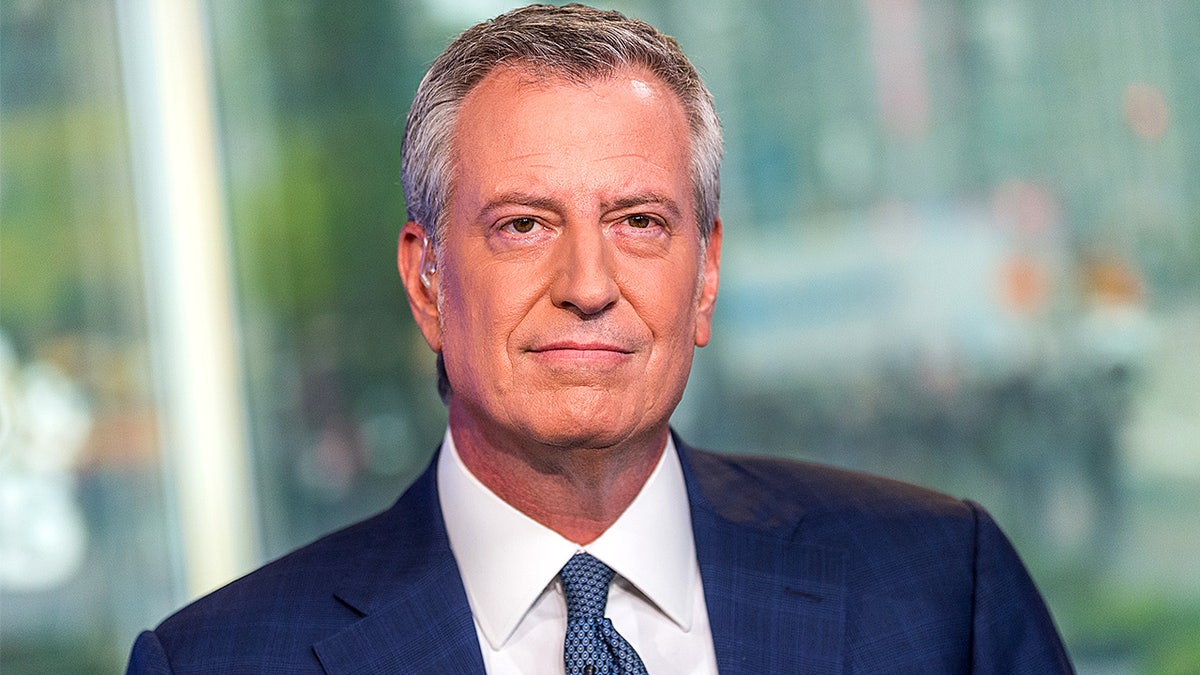
2020 Democratic presidential candidate and New York City Mayor Bill de Blasio visits FOX Business Network’s «Bulls & Bears» in New York City on Aug. 13, 2019. (Steven Ferdman/Getty Images)
On March 29, 2020, Fauci recounted a tense meeting with President Donald Trump, who he described as «incorrigible.»
The goal of the meeting was to get the president to extend lockdowns after the initial «15 days to stop the spread» period, which began on March 16 of 2020 — about a month after the first case of COVID-19 was recorded in the U.S.
«At the end of the day it was a good outcome since we convinced him to go with 30 day (sic) instead of ending the mitigation prematurely, which I feel would be a disaster,» Fauci said.
In a November 28, 2020, diary entry, he recalled lending support to a Los Angeles County health official who wanted to lock the county down.
«Got call last night from Mark Ghaly (Deputy Director for Community Health for the LA County Dept of Health Services). He has called me several times for advice,» the diary says. «Frantic call saying that they are surging in LA County and very soon hospital beds will be overrun. He wants to do a 3 weeks shutdown of the city to ‘stop the surge’ and wants my support since there is a large pushback to locking down. I agreed to support him.»
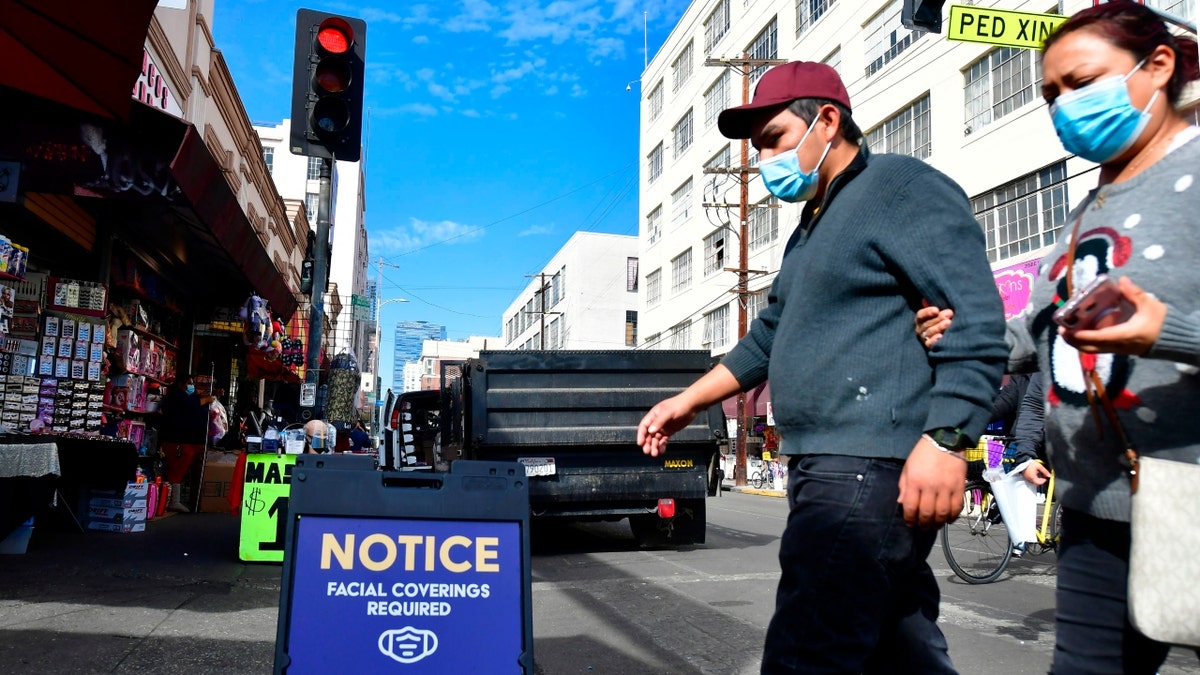
A signboard reminds people of the face covering requirement as pedestrians wear facemasks due to the coronavirus in Los Angeles, California on November 12, 2020. – European and world leaders on November 12, 2020 insisted that when Covid-19 vaccines are launched they should be made a available to everyone, under an international project which still needs $28 billion of funding. (Photo by Frederic J. BROWN / AFP) ((Photo by FREDERIC J. BROWN/AFP via Getty Images))
But again in 2022, when he joined The Hill’s «Rising» podcast, Fauci denied responsibility for lockdowns.
«Well, you know, again, first of all, I didn’t recommend locking anything down,» he claimed. «You’re asking me questions. You’re talking about the CDC is the public health agency that uses their epidemiologists and their science-based approach to make recommendations…»
CLICK HERE TO DOWNLOAD THE FOX NEWS APP
Despite his own denials, Fauci himself told CBS news in the midst of the 2020 chaos that he was behind the lockdowns.
«When it became clear that we had community spread in the country, with a few cases of community spread — this was way before there was a major explosion like we saw in the northeastern corridor driven by New York City metropolitan area — I recommended to the president that we shut the country down,» he said on Oct. 7, 2020.
anthony fauci, bill de blasio, politics, new york city, los angeles, coronavirus











INTERNACIONAL
La maniobra de Mamdani contra Netanyahu fue un desperdicio de su talento y de nuestro tiempo
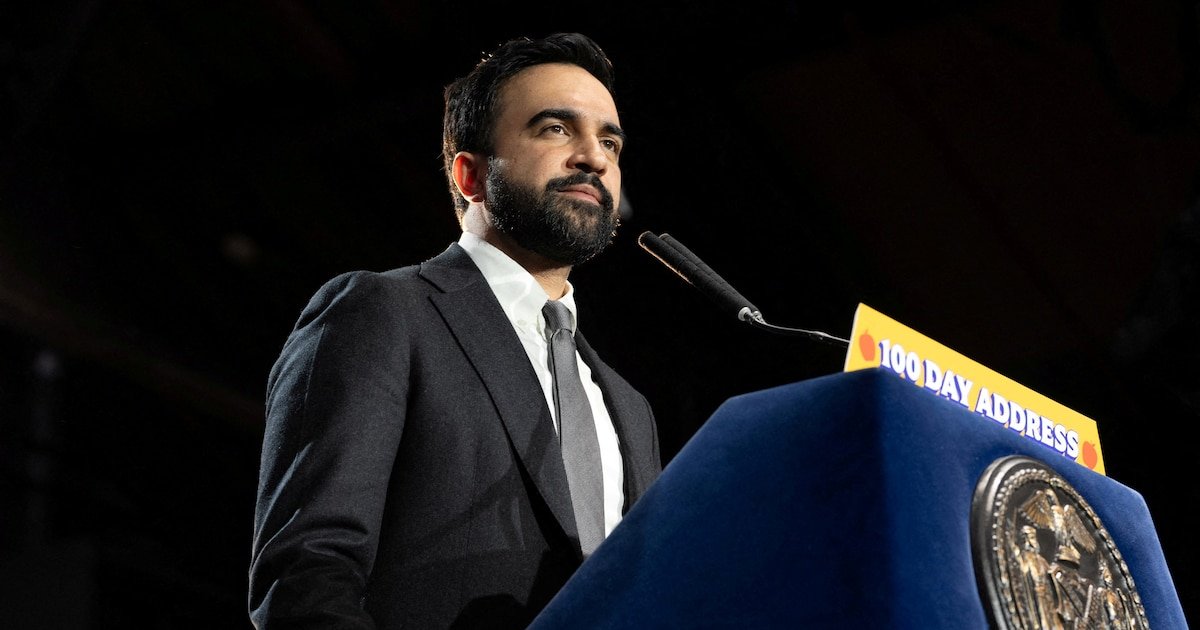
No sé qué clase de alcalde de Nueva York será Zohran Mamdani, pero ya ha demostrado ser una verdadera decepción como estadista. Nueva York es la única ciudad del mundo donde al menos 750.000 judíos y 750.000 musulmanes conviven. En lugar de ser un constructor de puentes constructivos entre ellos, Mamdani, el primer alcalde musulmán de la ciudad, ha optado por destruirlos, utilizando el conflicto israelí-palestino como arma. Es un desperdicio de un talento político verdaderamente carismático.
Consideremos la reciente maniobra de Mamdani: amenazar con arrestar al primer ministro israelí Benjamin Netanyahu cuando visite Nueva York para la cumbre de las Naciones Unidas en septiembre. La Corte Penal Internacional emitió una orden de arresto contra Netanyahu en 2024, alegando que cometió crímenes de lesa humanidad en Gaza. Aunque Mamdani finalmente reconoció que la ciudad no tenía tal autoridad legal —y en su lugar pidió al gobierno federal que ejecutara la orden judicial días antes de la visita del líder israelí a Washington—, este era precisamente el tipo de argumento que Netanyahu utilizará en su campaña para ser reelegido el 27 de octubre. Podría escribir yo mismo el anuncio de campaña de Bibi: «El único lugar seguro para los judíos es Israel. Basta con ver lo que está pasando en Nueva York. El único líder que puede proteger a los israelíes soy yo: Bibi».
En mi opinión, las posturas extremas de Mamdani y Netanyahu son dos caras de la misma moneda: Bibi no reconoce el derecho del pueblo palestino a la autodeterminación en su patria nacional y cree que solo Israel debería gobernar el territorio que se extiende desde el mar Mediterráneo hasta el río Jordán. Pero los palestinos son un pueblo —más de siete millones de ellos viven en ese territorio— y no van a desaparecer ni a renunciar a su derecho a la autodeterminación, por más que Bibi y sus seguidores propaguen ideas contrarias. Lo que Bibi realmente está proponiendo es una guerra eterna entre israelíes y palestinos. Hoy permite que los colonos en Cisjordania arrasen las aldeas palestinas, y cuando estos se resisten, su gobierno lo tacha de terrorismo.
Mamdani tampoco aboga por una solución de dos Estados. Argumenta que los judíos no tienen derecho a la autodeterminación en un Estado propio: un Estado judío en su patria bíblica, en esa misma región que se extiende desde el mar Mediterráneo hasta el río Jordán. Pero más de siete millones de judíos también viven en ese territorio, y ellos tampoco se irán ni renunciarán a su derecho a un Estado judío, digan lo que digan Mamdani y otros socialistas democráticos. Por lo tanto, también están promoviendo, en la práctica, una guerra eterna.
¿Y si Mamdani realmente quisiera ser un puente entre israelíes y palestinos, un papel para el que posee la capacidad y el talento únicos? Si lo hiciera, declararía su intención de que, el día que Bibi llegara a Nueva York para la Asamblea General de la ONU, convocaría un seminario en su oficina e invitaría a expertos israelíes, palestinos, árabes, musulmanes y judíos a debatir la única solución justa y estable: cómo forjar dos estados separados para los dos pueblos que habitan la zona entre el río y el mar.
Invitaría a representantes saudíes a hablar sobre la Iniciativa de Paz Árabe, lanzada en esta columna en 2002 por el príncipe heredero saudí, Abdullah bin Abdul Aziz al-Saud. Invitaría a Bill Clinton, Barack Obama y George W. Bush a exponer sus respectivos planes para dos estados para dos pueblos. Invitaría a líderes palestinos como Salam Fayyad, ex primer ministro de la Autoridad Palestina, quien tanto contribuyó durante su mandato a la creación de instituciones palestinas para un estado palestino junto a Israel, a debatir cómo reactivar ese esfuerzo en la actualidad.
Y lo más importante, invitaría a representantes de organizaciones judeoárabes que buscan forjar dos estados para dos pueblos, como las Iniciativas Abraham. No debe confundirse con los Acuerdos de Abraham; se trata de una organización israelí que trabaja por la reconciliación entre ciudadanos palestinos y judíos de Israel. (He donado dinero a este grupo). Invitaría a representantes de EcoPeace Middle East, una organización israelí-palestina-jordana dedicada a impulsar la reconciliación mediante proyectos ambientales conjuntos. (También he donado dinero a esta organización). Asimismo, invitaría al nuevo partido israelí Un Lugar para Todos, fundado antes de las próximas elecciones con una lista conjunta de palestinos y judíos israelíes, liderado por Rula Daoud y Alon-Lee Green.
En un ensayo publicado en Haaretz, Green explicó que el nuevo partido «no es un partido judío (con una representación árabe simbólica) ni un partido árabe (con una representación judía simbólica), sino un partido árabe-judío conjunto». Su objetivo es construir «una paz que ponga fin a la ocupación y establezca un Estado palestino independiente, junto al Estado de Israel».
Por último, para darle un toque de glamour, podría invitar a la actriz Natalie Portman. Me impresionó mucho el discurso que pronunció en una reciente recaudación de fondos en línea para A Place for Us All. Según un reportaje de Haaretz, Portman “enfatizó su identidad como mujer judía y ciudadana israelí, señalando que su padre nació y se crio en Israel y que siente un profundo amor, como muchos de ustedes, por la gente de esta región —toda la gente de esta región—, por la tierra y por el futuro”.
Como Portman les dijo a los simpatizantes del partido: “Lucharon por el regreso de los rehenes. Se opusieron a la guerra de aniquilación y defendieron a los niños de Gaza. Exigieron calles más seguras, salarios más justos… El sistema quiere hacernos creer que esto es imposible, que una verdadera colaboración es imposible. Quieren minimizar lo que estos increíbles líderes están haciendo ahora mismo y les aterra lo que representa este movimiento”.
Así suena un liderazgo constructivo. El movimiento «Un Lugar para Todos» aún se encuentra muy por debajo del umbral necesario para obtener un escaño en la Knéset. Pero apenas está comenzando. Si prefiere una versión más pragmática de este mensaje, visite el sitio web de Comandantes por la Seguridad de Israel, que reúne a casi 600 coroneles y generales retirados del ejército israelí, así como a veteranos del Mossad, el Shin Bet (Seguridad Interna), la policía y el cuerpo diplomático, todos comprometidos con la oposición a la anexión israelí de Cisjordania y con la búsqueda de una solución de dos Estados.
Imagínese si Mamdani, en lugar de realizar una maniobra inútil como considerar públicamente el arresto de Netanyahu, convocara a todos estos defensores israelíes, palestinos, árabes y estadounidenses de dos Estados para dos pueblos y luego invitara a Netanyahu a dirigirse a ellos. Que sea Bibi quien diga: «No, no quiero tener nada que ver con los defensores israelíes, palestinos, árabes y estadounidenses de dos Estados para dos pueblos».
Al menos, transmitiría a los votantes israelíes de centro-derecha, centro e izquierda el mensaje de que el mundo no los odia, que el alcalde de Nueva York no los persigue y que lo único que la comunidad internacional desea es que israelíes y palestinos sean socios constructivos, dispuestos a explorar la única alternativa realista a una guerra interminable.
No tengo ni idea de si serviría de algo. Pero sé con certeza que lo que Mamdani está haciendo es simplemente ganar votantes para Netanyahu entre los israelíes que creen que Bibi es su único protector, que su postura intransigente es su única salvación.
Si eso es lo que Mamdani pretende ahora con su plataforma —echar más leña al fuego que ya arde con fuerza—, es un desperdicio de su talento, de su cargo, de su energía y de nuestro tiempo.
© The New York Times 2026.
North America
NEWYou can now listen to Fox News articles!
For nearly six years, American conservationist Morad Tahbaz lived in what he described as hell inside Iran’s prison system. The worst four months were spent completely alone in a small cell, beneath a bright light that never went dark.
Tahbaz was held in Ward 2A of Iran’s Evin Prison, which he described as a high-security detention facility controlled by the intelligence branch of Iran’s Islamic Revolutionary Guard Corps.
He was allowed out only twice a day for about 10 minutes and was forced to wear a blindfold whenever he left, Tahbaz told Fox News Digital. His weekly call with his wife lasted only a few minutes and was monitored so closely that an official interrupted whenever he spoke in English.
«This is probably the harshest and toughest imprisonment that any prisoner will go through,» Tahbaz, who was finally released in September 2023, told Fox News Digital of the Islamic Revolutionary Guard Corps intelligence detention facility inside Iran’s Evin Prison.
WHO IS AHMAD VAHIDI? IRAN’S NEW IRGC CHIEF TIED TO GLOBAL ATTACKS AND ‘DEATH TO AMERICA’ IDEOLOGY
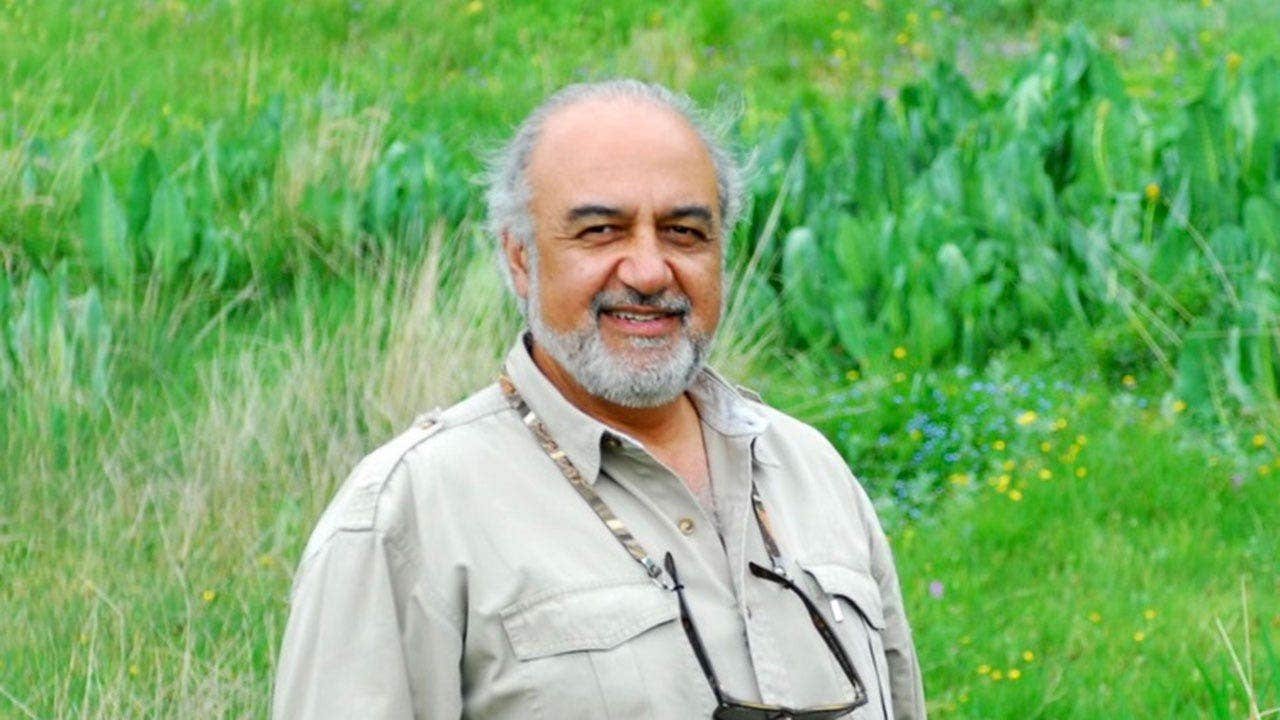
Morad Tahbaz, an Iranian American conservationist, in Golestan National Park, Iran. Tahbaz spent nearly six years in Iran’s Evin Prison before being released with four other Americans in September 2023. (Morad Tahbaz)
Tahbaz was living and working in Iran as a conservationist when authorities arrested him alongside several colleagues in January 2018. He had co-founded the Persian Wildlife Heritage Foundation, which worked to protect endangered species including the Asiatic cheetah and Persian leopard.
One of the accusations leveled against him, Tahbaz said, was that he had trained lizards to spy on Iranian military installations for Israel.
«You can’t make this stuff up,» Tahbaz said in the Zoom interview with Fox News Digital. «It just gives you an idea of the kind of narrative that this regime comes up with. They’ll come up with anything.»
What began with interrogations in January 2018 turned into nearly six years of imprisonment for the Iranian American conservationist.
Now free and back in his home in the U.S., Tahbaz fears the war between the United States and Iran could make the Americans still held by Iran both more vulnerable and more valuable as negotiating assets.
«I do think the strikes in Iran will have an impact on the hostages’ situation and their circumstances,» he said.
TRUMP SAYS IRAN WILL PAY — WHAT IT TAKES TO END THE WAR REMAINS UNCLEAR
Morad Tahbaz reunites with his family following his release from Iran in September 2023. (Morad Tahnaz)
Tahbaz said he spent his first two years inside the Islamic Revolutionary Guard Corps intelligence facility at Evin.
After his conviction, Tahbaz was transferred into the general prison population. He said his cellmates ranged from suspected ISIS members to former Iranian government ministers.
The isolation and physical conditions were accompanied by constant uncertainty.
«The uncertainty when you are a hostage is not like you think at the end of your sentence they’ll necessarily let you go,» Tahbaz said. «They’ll just come up with another charge to keep you there for as long as you’re of value to them.»
Tahbaz was released Sept. 18, 2023, with four other Americans in a Qatar-mediated agreement between Washington and Iran. The exchange also involved five Iranians held by the United States and the transfer of $6 billion in previously frozen Iranian funds into a restricted account for humanitarian transactions.
The negotiation brought Tahbaz home, but he believes Western governments have failed to establish consequences strong enough to stop Iran from detaining more foreign and dual nationals.
«This business of hostage-taking has been going on essentially since the beginning of the revolution,» he said.
LAWYER FOR AMERICAN DETAINED IN IRAN SAYS HOSTAGE DEAL IS ‘EASIEST PROBLEM ON THE TABLE’ FOR BOTH SIDES
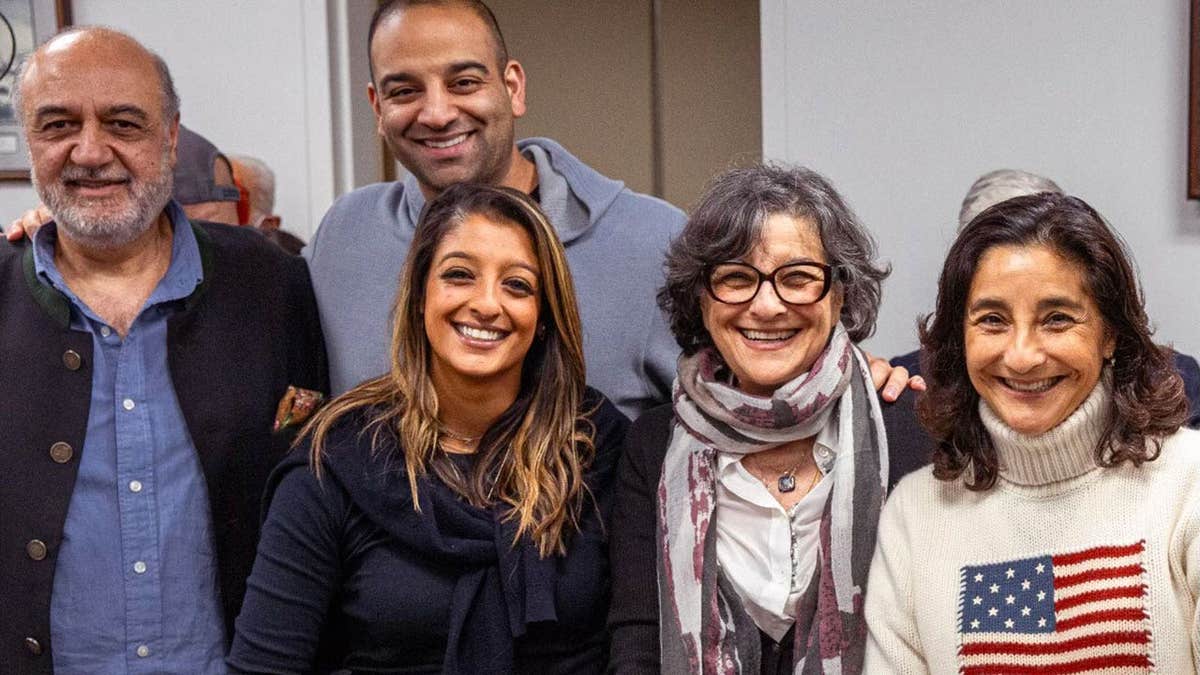
Freed hostage Morad Tahbaz surrounded by his family just after landing in the U.S., September 2023. (Morad Tahbaz)
«It will continue, in my opinion, as long as there is no deterrence,» Tahbaz added. «None of the Western governments, in reality, have done anything significant about stopping this practice.»
The issue returned to the forefront in July with the release of Dena Karari, a 53-year-old Iranian American from California.
Karari had been unable to leave Iran since December 2024 after authorities confiscated her passports. Her attorney said she faced allegations of espionage and collaboration with a hostile state. President Donald Trump announced in July that she had been allowed to leave and called the decision a «gesture of goodwill.»
Karari was not continuously imprisoned, according to reporting about her case, but she remained under an exit ban and was repeatedly interrogated.
Her release offered relief during a widening conflict, but Tahbaz said dual nationals remain particularly vulnerable because Iran does not recognize their foreign citizenship.
«Iran doesn’t recognize any other nationality other than the Iranian,» he said.
Authorities can develop a national-security case, secure a sentence and then preserve the prisoner for use in future negotiations, Tahbaz said.
«You’re condemned and they pass sentence and you’re in the system, and now you are a bargaining chip,» he said.
The precise number of Americans currently imprisoned or prevented from leaving Iran remains unclear.
Reuters reported in March that at least six U.S. citizens or permanent residents were detained in Iran, including journalist Reza Valizadeh, businessman Kamran Hekmati and U.S. permanent resident Shahab Dalili.
Valizadeh, a former Radio Farda journalist, was sentenced to 10 years for allegedly collaborating with a hostile government. Hekmati was sentenced to two years for having visited Israel more than a decade earlier, according to his family. Dalili, who was arrested after traveling to Iran for his father’s funeral, was sentenced to 10 years for allegedly cooperating with a hostile government.
Advocates warned that escalating strikes could increase the risk that detainees would be harmed or used as leverage.
The State Department formally designated Hekmati, who has bladder cancer, as wrongfully detained in March.
Tahbaz said he believes three Americans remain in custody, although that number could not be independently confirmed. Some cases are deliberately kept private because families fear publicity could increase the danger to detainees.
His concerns about the current war are rooted in how Iranian interrogators responded to tensions with Washington during his own imprisonment.
«When I was taken in in January of 2018, and it was right at the beginning of the first Trump administration, the amount of frustration and anger at the rollback of the JCPOA at that time, I mean, it was thrown into my face just about every day of my interrogation in some way, shape or form,» Tahbaz said, referring to a 2015 nuclear deal, the Joint Comprehensive Plan of Action.
The United States formally withdrew from the 2015 nuclear agreement, known as the Joint Comprehensive Plan of Action, in May 2018, several months after Tahbaz’s arrest.
Tahbaz believes the current conflict could similarly be transferred onto prisoners who have no control over decisions made in Washington.
«It definitely will worsen the case of prisoners in custody and those who may be just under surveillance or potential hostages,» he said.
US ‘LOCKED AND LOADED’ FOR ‘MUCH HIGHER’ STRIKES IF IRAN TALKS FAIL AS TRUMP PAUSES HORMUZ OPS
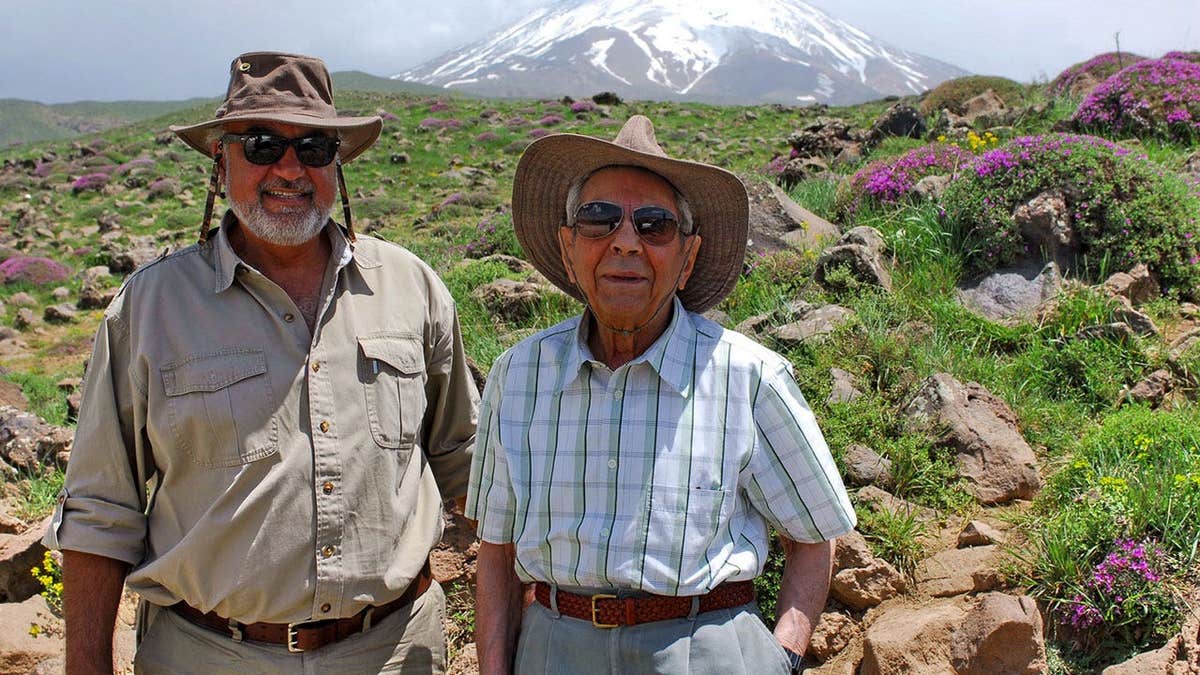
Morad Tahbaz with Eskandar Firouz, the founding head of Iran’s Department of the Environment, at Lar National Park in Iran. Firouz, who was imprisoned for six years following the 1979 revolution, died several years after the photo was taken. (Morad Tahbaz)
He described prisoners as one more source of leverage in Iran’s broader confrontation with the United States.
«You’re seeing that playing out even with the war, this tit for tat, you do this, we’ll do that,» he said.
«The hostages are, you know, just a commodity from Iran’s perspective, to be used at the right time.»
Tahbaz’s experience with the Islamic Revolutionary Guard Corps also shapes his analysis of the struggle unfolding inside Iran.
He stressed that he is not a political analyst and described his conclusions as personal assessments based on his experience and conversations with contacts familiar with the country.
Tahbaz said he believes competing interests within the Revolutionary Guard are fighting to preserve their political and economic power.
He pointed specifically to Khatam al-Anbiya, the Islamic Revolutionary Guard Corps’ engineering and construction conglomerate. Tahbaz argued that sanctions have benefited powerful IRGC-linked entities by forcing oil sales, imports and money transfers into opaque black and gray markets.
«They have created a huge franchise for themselves because of these sanctions,» he said.
«They don’t want to see the sanctions go away, because they will lose their franchise, if you will. They will lose their power, their control over the money and everything that goes along with it.»
He said ordinary Iranians have suffered most from the resulting economic isolation and wartime conditions.
«The people who are hurt most by all of this are the people of Iran,» Tahbaz said. «They’re unfortunately taking the brunt of all of these in their daily lives.»
Tahbaz predicted Iranians would eventually return to the streets, but said many had lost confidence that Western governments would intervene to help remove the regime.
«I’m sure they’ll be back on the streets,» he said. «But I think this notion that the Western states are going to step in and help them overthrow this regime, that went out the window.»
Tahbaz said many Iranians had previously been strongly sympathetic toward the United States and initially hoped the conflict might end the Islamic Republic. That characterization reflects his assessment and conversations and could not be independently quantified.
He believes any future political movement will have to develop primarily inside Iran rather than being directed by opposition groups abroad.
«There’s a lot of hatred and anger just boiling there,» Tahbaz said. «So it will boil up and over again without a doubt. The question is when, how, but it will happen again.»
Tahbaz is recounting his imprisonment in his new book, «Green Parrots: A Memoir of Survival in Iran’s Evin Prison,» scheduled for publication Sept. 29. The publisher says the book describes how he relied on skills developed while tracking endangered wildlife to survive nearly six years in Evin, including solitary confinement.
His release illustrates the contradiction confronting governments trying to recover their citizens: negotiations can bring individual prisoners home, but Tahbaz believes the broader practice will continue unless Iran faces meaningful deterrence for taking them.
CLICK HERE TO DOWNLOAD THE FOX NEWS APP
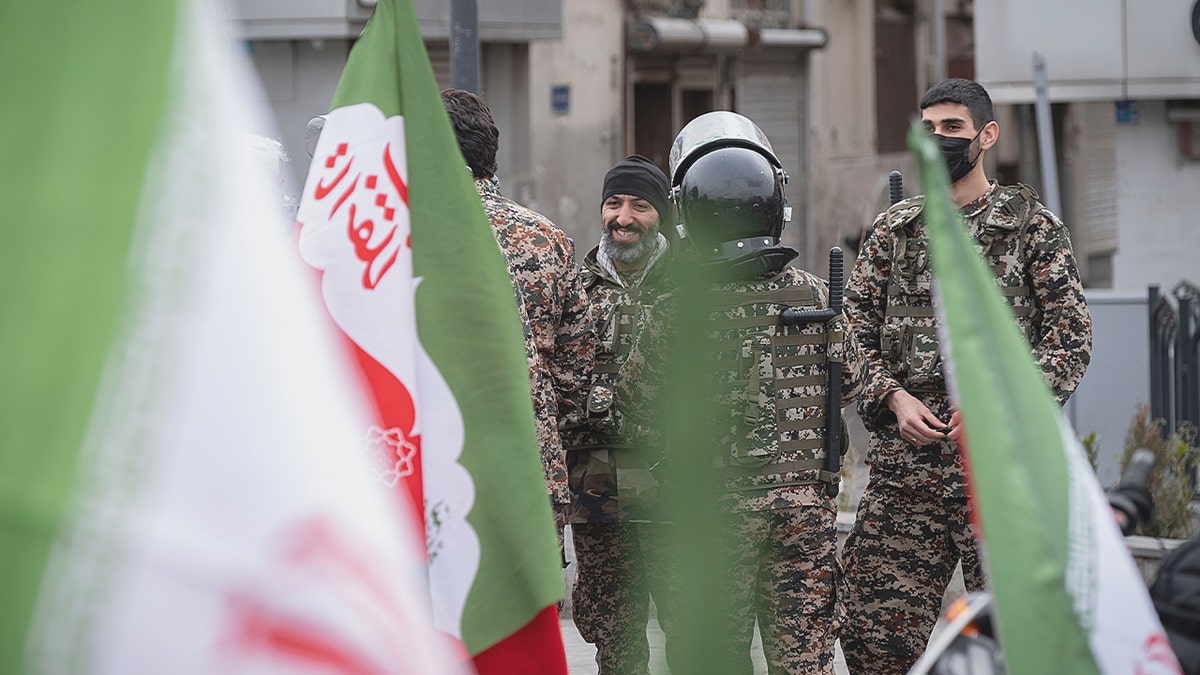
Military members of the Islamic Revolutionary Guard Corps (IRGC) in western Tehran, Iran (Morteza Nikoubazl/NurPhoto via Getty Images)
He survived because governments ultimately negotiated for his freedom.
His warning is that as the war intensifies, the Americans still held in Iran could become more valuable to Tehran at precisely the moment their circumstances become more dangerous.
war with iran, national security, human rights, world, iran
INTERNACIONAL
Costa Rica figura entre los 10 mejores destinos del mundo para que la Generación Z viaje en 2026
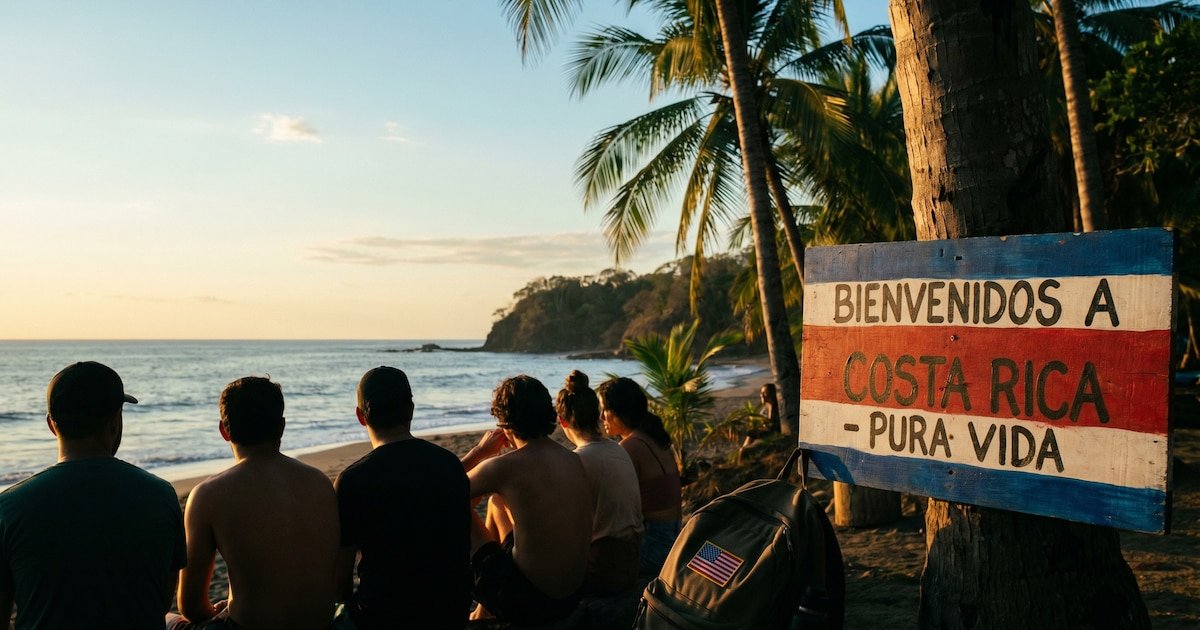
Costa Rica fue incluida entre los 10 mejores destinos para que la Generación Z viaje en 2026, de acuerdo con una selección publicada por la revista especializada Travel + Leisure. El país destaca por ofrecer una combinación de aventura, naturaleza y descanso, características que, según expertos en turismo, responden a las nuevas preferencias de los viajeros jóvenes.
La publicación señala que los integrantes de la Generación Z (nacidos entre 1997 y 2012) están dejando atrás los destinos más populares en redes sociales para buscar experiencias auténticas, lugares menos concurridos y mayor contacto con la cultura y la naturaleza.
Según el informe What the Future Report 2026, de la plataforma Kayak, el 69 % de los viajeros de esta generación quiere conocer destinos completamente nuevos, mientras que el 84 % prefiere visitar zonas rurales o ciudades pequeñas en lugar de los grandes centros turísticos.
Para elaborar el listado, Travel + Leisure consultó a especialistas del sector turístico, entre ellos Tara Cappel, fundadora de FTLO Travel, empresa que organiza viajes grupales para personas de entre 25 y 39 años.
“Costa Rica es la combinación perfecta entre una aventura en la selva y unas vacaciones relajadas frente al mar”, afirmó Cappel al explicar por qué el país forma parte de la clasificación.
La experta destacó que el territorio costarricense ofrece una amplia variedad de experiencias en distancias relativamente cortas. Entre ellas mencionó la posibilidad de recorrer el volcán Arenal, caminar por los bosques nubosos de Monteverde y observar especies como monos, perezosos e iguanas en el Parque Nacional Manuel Antonio.
En la costa del Pacífico también recomendó destinos como Nosara para practicar surf, las playas de Santa Teresa para quienes buscan un ambiente relajado, Tamarindo para disfrutar de los atardeceres y la Península Papagayo para quienes prefieren hospedarse en complejos turísticos de lujo.
El artículo destaca que este tipo de experiencias conectan con una tendencia creciente entre los viajeros jóvenes, quienes priorizan las actividades al aire libre, el turismo sostenible y el contacto con comunidades locales por encima de los itinerarios tradicionales.

La publicación también señala que, aunque los clásicos viajes de verano por Europa continúan siendo populares, cada vez más jóvenes buscan lugares menos saturados por el turismo masivo y con propuestas diferentes.
En ese contexto, Costa Rica comparte el listado con destinos de América, Europa, Asia y África que ofrecen experiencias auténticas y alejadas de las multitudes.
Los diez destinos recomendados por Travel + Leisure para la Generación Z son:
- Dominica.
- Belice.
- Marruecos.
- Austin, Texas (Estados Unidos).
- Vietnam.
- Cerdeña, Italia.
- La Paz, México.
- Costa Rica.
- Hilo, Hawái (Estados Unidos).
- Punta Gorda, Florida (Estados Unidos).
Además de Costa Rica, la revista destacó a Belice por su barrera de coral y ruinas mayas; Vietnam por su gastronomía, historia y paisajes; Marruecos por sus ciudades, mercados y experiencias culturales; y Cerdeña por sus playas y menor afluencia de turistas en comparación con otros destinos italianos.

Los expertos consultados coinciden en que la Generación Z busca viajes que les permitan vivir experiencias únicas, descubrir lugares poco conocidos y alejarse de los circuitos turísticos tradicionales.
La tendencia también responde a un mayor interés por destinos donde sea posible combinar aventura, bienestar, naturaleza y cultura, además de opciones que resulten más accesibles económicamente.
En ese escenario, Costa Rica continúa consolidándose como uno de los destinos preferidos para el turismo de naturaleza, gracias a su biodiversidad, parques nacionales, playas y actividades al aire libre, elementos que la revista considera especialmente atractivos para los viajeros jóvenes que buscan experiencias memorables más allá de los destinos más populares del mundo.
costa rica,atardecer,playa,turismo,pacífico,cartel

Amigos digitales con IA, la nueva amenaza para la salud mental de los adolescentes

Fauci privately took credit for COVID-19 lockdowns despite public denial, newly exposed diary entries reveal

El plan del Gobierno para el segundo semestre: reformas, acuerdos con provincias y la reelección de Milei

Canales para ver el Deportivo Riestra vs. Boca Juniors por el Torneo Clausura

Caputo aplica su lema «comprá dólares, campeón», sobrecumple meta del FMI y aumenta poderío del BCRA

La maniobra de Mamdani contra Netanyahu fue un desperdicio de su talento y de nuestro tiempo

Vocero de Milei dijo que un dólar a $1.800 es «posible» y la City alerta por fin de la paz cambiaria

Polémica por el proyecto que busca desregular los planes de ahorro de autos 0 km: qué podría cambiar

Convivencia pacífica o tensión administrada: el PRO define cómo pararse frente al gobierno de Milei rumbo a 2027

Crisis entre Milei y Lula: la trama política, personal y geopolítica detrás del mayor choque diplomático entre Argentina y Brasil

 POLITICA1 día ago
Crisis entre Milei y Lula: la trama política, personal y geopolítica detrás del mayor choque diplomático entre Argentina y Brasil
- POLITICA2 días ago
Cuentapropismo emocional en lo profundo del conurbano
- SOCIEDAD2 días ago
San Isidro: la ballena que quedó varada en un banco de arena murió pese al operativo de rescate