INTERNACIONAL
Australia obligará a las grandes compañías de gas a reservar combustible para evitar la escasez de energía

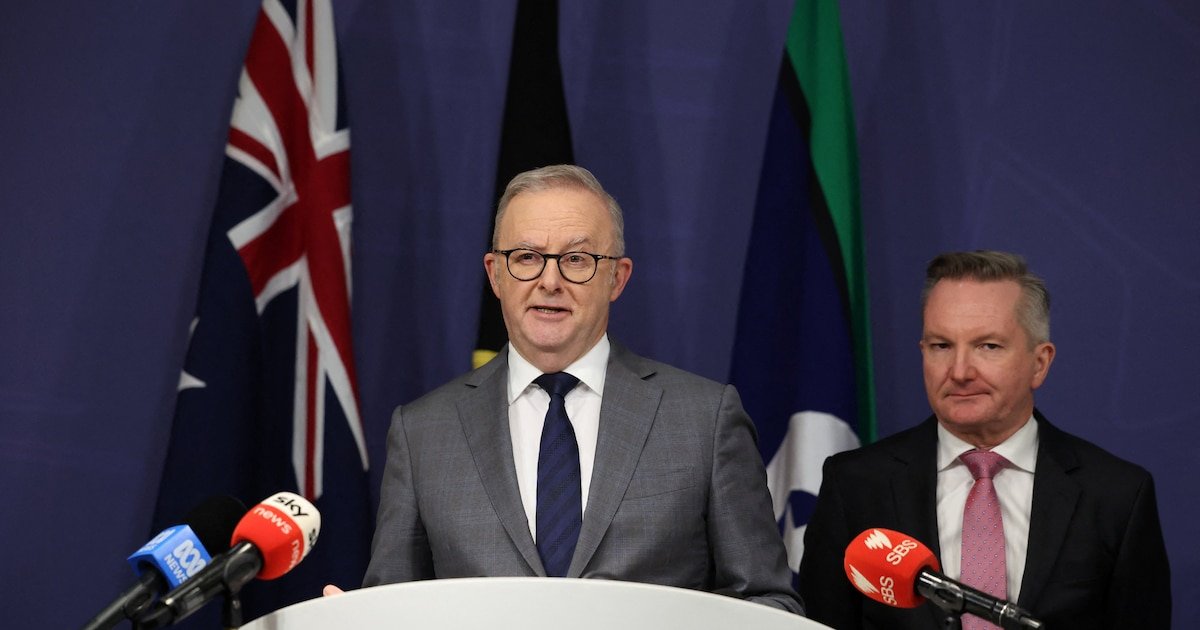
Australia obligará a las principales compañías de gas a reservar el 20% de sus exportaciones para el consumo interno, con el fin de evitar la escasez de energía y la suba de precios ante la volatilidad de los mercados energéticos globales por la guerra en Medio Oriente.
El ministro de Energía, Chris Bowen, anunció la nueva medida del Gobierno, el cual enfrenta una fuerte demanda internacional debido a la crisis generada por el conflicto.
“Hemos estado actuando para proteger a los australianos de las crisis energéticas mundiales invirtiendo en energías renovables fiables y de propiedad estatal, y manteniendo en tierra firme una mayor cantidad del gas que necesitamos”, declaró Bowen a la prensa.
Australia es uno de los mayores exportadores mundiales de gas natural licuado (GNL), una fuente de combustible clave en Asia. Según la Asociación Asiática de Gas Natural y Energía, alrededor del 40% del GNL que consume Japón proviene de Australia. El país también es el principal proveedor de GNL para Singapur, cubriendo más del 30 % de sus necesidades.
Bowen intentó disipar inquietudes respecto a un posible impacto negativo en los socios comerciales por la nueva medida: “No modificaremos ningún contrato existente. Hemos consultado estrechamente con nuestros socios comerciales para garantizar que se entienda en todo el mundo que Australia siempre será un proveedor fiable de energía”.

La administración del primer ministro Anthony Albanese aprobará leyes para que el sistema de reservas entre en vigor a partir de julio de 2027. Australia, debido a su aislamiento geográfico y a que solo cuenta con dos refinerías de petróleo, se encuentra especialmente expuesta a interrupciones en el suministro global de combustibles.
Las principales compañías de gas australianas —Shell, Chevron y Woodside— obtuvieron grandes beneficios vendiendo GNL en el extranjero. Los críticos presionaron al gobierno para aumentar los impuestos a estas exportaciones, una propuesta que Canberra rechazó la semana pasada.
Ante la paralización de una quinta parte de los envíos mundiales de combustible por el cierre efectivo del estrecho de Ormuz por parte del régimen iraní, Australia implementó medidas para reforzar su seguridad energética. Albanese anunció el miércoles la creación de una reserva nacional de combustible de mil millones de litros.
El jefe de Gobierno afirmó que la reserva nacional de combustible de propiedad estatal reforzará el suministro a largo plazo de diésel y combustible de aviación con la medida. “Nuestra prioridad número uno sigue siendo proteger a Australia de los peores efectos de esta crisis”, aseguró Albanese.
Las medidas concretas se detallarán la próxima semana, cuando el gobierno presente su presupuesto anual. Australia era uno de los pocos miembros de la Agencia Internacional de Energía (AEI) que no contaba con una reserva nacional, recordó el ministro de Energía, Chris Bowen.

El país, geográficamente aislado y con solo dos refinerías, es especialmente vulnerable a cualquier interrupción en el suministro energético. Al igual que otras naciones de Asia y el Pacífico Sur, Australia depende en gran medida del petróleo que se transporta a través del estrecho de Ormuz, actualmente bloqueado de facto por el régimen persa desde el inicio de la guerra en febrero.
Los precios mundiales del petróleo cayeron el miércoles después de que el presidente estadounidense, Donald Trump, generara expectativas de un posible fin de la guerra con Irán.
(Con información de AFP)
Business,Domestic Politics,Asia / Pacific,Corporate Events,Government / Politics












NEWYou can now listen to Fox News articles!
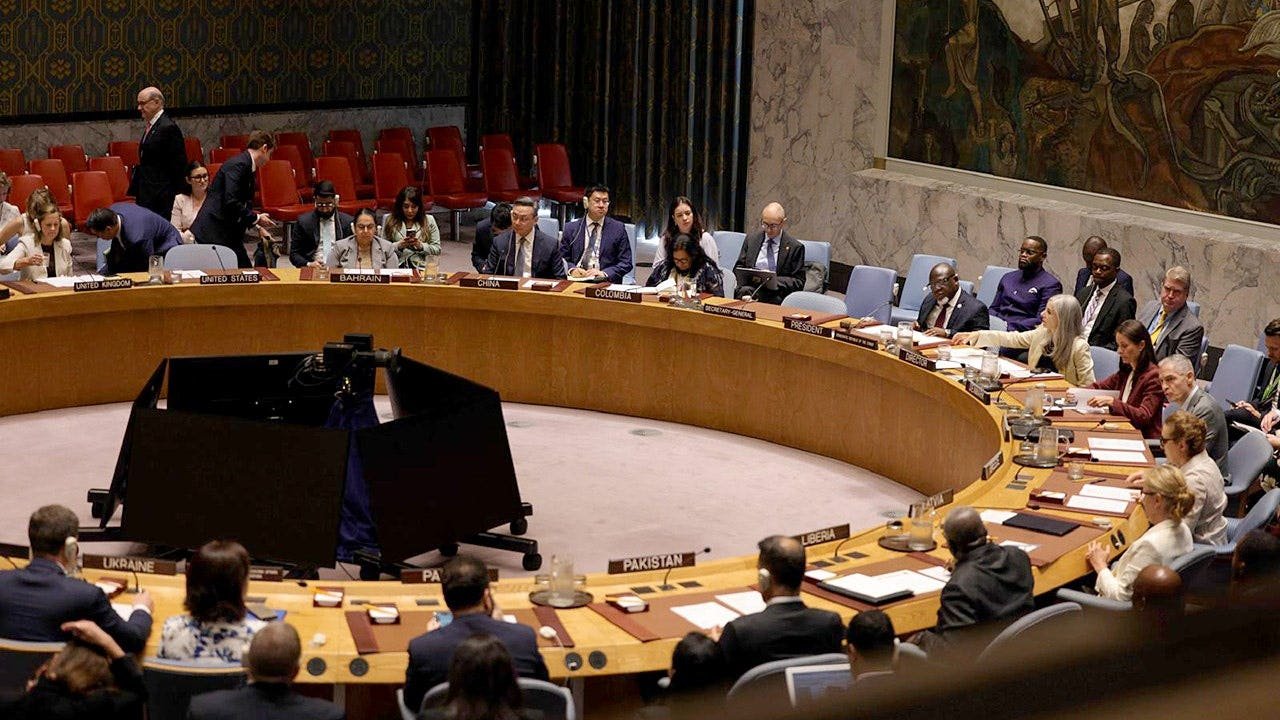
The United States dramatically walked out as France addressed the United Nations (U.N.) Security Council Monday, escalating an extraordinary clash between the longtime allies after Paris claimed America was no longer a «beacon of human rights.»
The U.S. delegation left the chamber as French Ambassador Jérôme Bonnafont delivered remarks during a Security Council meeting on Ukraine, days after France’s U.N. mission in Geneva accused Washington of standing alongside North Korea, Nicaragua, Mali and Russia following a vote on the U.N.’s human rights chief.
Deputy U.S. Ambassador Dan Negrea accused France of «disingenuous grandstanding» and warned that American diplomats would continue walking out during French statements until Paris renounces what he called its «condescending and disrespectful rhetoric.»
TRUMP ADMINISTRATION TOUTS MORE THAN $1B IN UN BUDGET CUTS AS REFORM PUSH GAINS MOMENTUM
Deputy U.S. Ambassador to the United Nations Dan Negrea leaves the Security Council chamber as French Ambassador Jérôme Bonnafont speaks. ( U.S. Mission to the United Nations)
«Today, I remind them that it is the United States that remains the beacon of liberty for the world,» Negrea told the council. «As such, we will not be affording them the benefit of listening to their politicized drivel until they renounce their condescending and disrespectful rhetoric and behave in a manner commensurate with their seat on this council.»
The clash matters because the United States and France are among the world’s oldest allies, dating back to French support for the American Revolution, and today remain NATO partners and permanent members of the U.N. Security Council. Their cooperation is central to Western policy on Ukraine, European security and sanctions enforcement.
A French diplomat told Fox News Digital that the dispute should not be interpreted as a broader rupture between the longtime allies. «Differences in how we assess a vote do not call into question the quality of our relations or our ability to work together,» the diplomat said.
Israel’s U.N. Ambassador Danny Danon backed Washington’s response and sharply criticized France.
«I think the behavior of France is shameful,» Danon told Fox News Digital Tuesday. «The U.S. is demonstrating moral clarity, standing for the real values of the U.N.»
Danon accused France and other European countries of supporting voices within the United Nations that undermine rather than advance human rights. «It’s about time to reform the U.N., and I want to thank the U.S. for showing leadership on that issue,» he said.
The confrontation marked a significant escalation from the unusually personal social media exchange that erupted after the General Assembly approved a second four-year term for U.N. High Commissioner for Human Rights Volker Türk.
Türk, an Austrian diplomat who has served as U.N. high commissioner for human rights since 2022, has drawn criticism from the United States and outside watchdogs over what they describe as uneven scrutiny of democracies and authoritarian governments. A 2024 analysis by UN Watch found that, among public country criticisms initiated by Türk or his office, he criticized the United States more often than China, North Korea, Cuba, Saudi Arabia and Qatar combined, while issuing no such criticism of several repressive governments during the period reviewed.
Türk’s supporters, including France and the European Union, argue that his willingness to criticize powerful democracies reflects the independence and universality required of the U.N.’s top human rights official.
France’s Geneva mission had declared that the United States was no longer a human rights leader and claimed «the world no longer listens to it» after Washington joined nine other countries in voting against Türk’s extension.
IRAN SECURES UN ROLE WITH BACKING FROM UK, FRANCE, CANADA, AUSTRALIA AS US STANDS ALONE

French Ambassador to the UN Jérôme Bonnafont (2L) and French President Emmanuel Macron (C) arrive for a United Nations Summit on Palestinians at U.N. headquarters during the United Nations General Assembly (UNGA) in New York on Sept. 22, 2025. (Ludovic MARIN / AFP via Getty Images)
U.S. Ambassador Mike Waltz responded by accusing France of backing an official who lectures democracies while «cozying up to the world’s worst oppressors.»
Negrea went further Monday, invoking the history of the U.S.-French alliance and saying Washington had stood beside France whenever its freedom was threatened.
The United States had tolerated France’s «grandstanding» out of «a sense of camaraderie and mutual respect,» he said, but would no longer remain silent in the face of what he described as feigned French «moral outrage.»
Bonnafont did not directly address the walkout when he spoke again at the end of the meeting. Instead, he invoked the countries’ historic ties, noting that France helped the United States secure its independence and participated in celebrations marking America’s 250th anniversary. «This is the spirit of the relationship between France and the United States,» he said, before reaffirming France’s commitment to the U.N.’s work on peace, development and human rights.
AMERICANS ARE NOT GIVING UP ON NATO, BUT THEY EXPECT EUROPE TO DO ITS SHARE
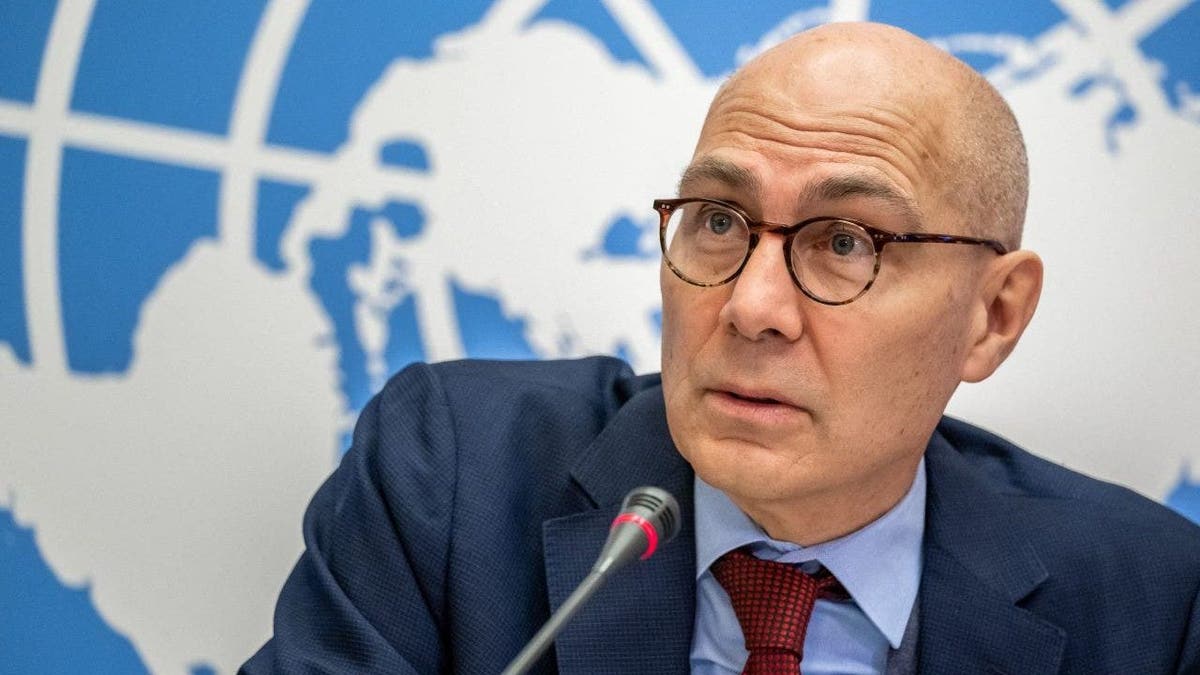
High Commissioner for Human Rights Volker Turk delivers a press conference at the UN Offices in Geneva on December 9, 2022. (FABRICE COFFRINI / AFP) (Photo by FABRICE COFFRINI/AFP via Getty Images))
«The United Nations was created with the goal of working towards international peace and security, human rights and development,» Bonnafont said, adding that France would continue working to protect the institution’s independence and its ability to serve human rights and peace.
The dispute began after the General Assembly voted 144-10, with 13 abstentions, to extend Türk’s tenure through October 2030.
The United States had unsuccessfully sought an additional week for consultations, arguing that the vote was being rushed even though Türk’s current term does not expire until Oct. 11.
CLICK HERE TO DOWNLOAD THE FOX NEWS APP
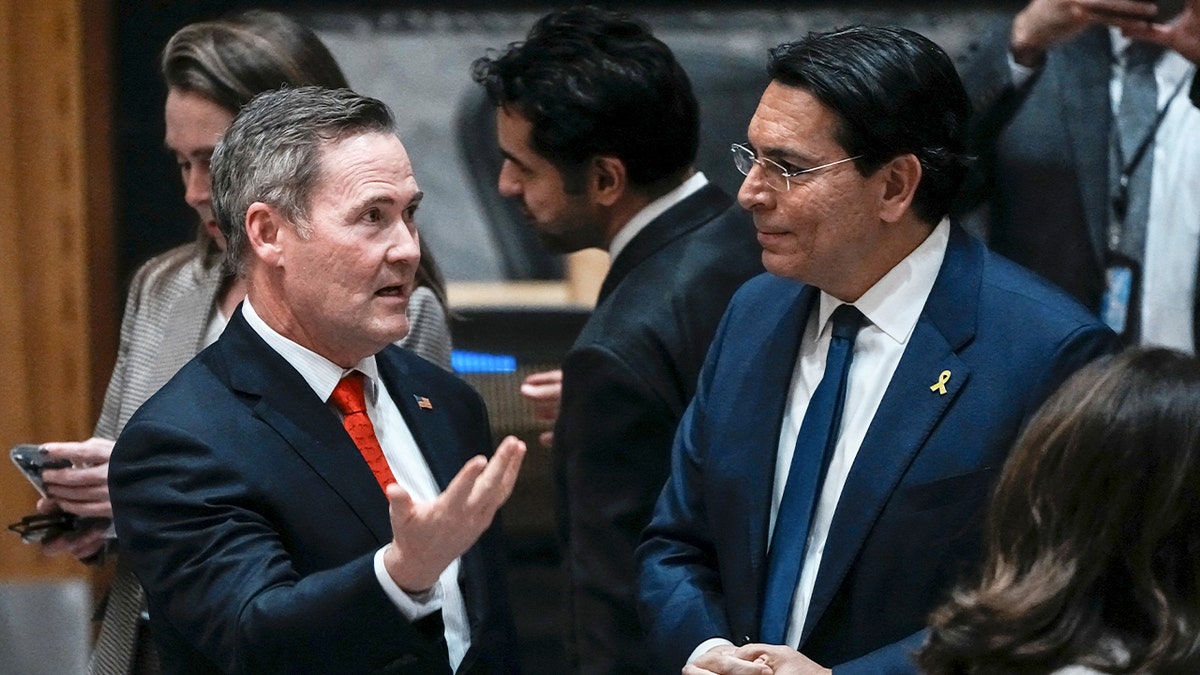
U.S. Ambassador to United Nations Michael Waltz speaks with Israel’s Ambassador to the United Nations Danny Danon before a meeting of the United Nations Security Council to consider a U.S. proposal for a U.N. mandate to establish an international stabilization force in Gaza, at U.N. headquarters in New York City, Nov. 17, 2025. (Eduardo Munoz/Reuters)
Washington also objected to Türk’s record. U.S. officials have accused him of disproportionately criticizing democracies, including the United States and Israel, while failing to confront authoritarian governments with the same urgency.
united nations, security council, france, world
INTERNACIONAL
Comprar una casa es cada vez más difícil: ventas de viviendas nuevas caen a su nivel más bajo desde 2017 en Estados Unidos

Las ventas de viviendas nuevas en Estados Unidos disminuyeron a su nivel más bajo desde 2017 durante junio de 2026, afectando a compradores, constructores y al conjunto del sector inmobiliario, de acuerdo con datos oficiales del U.S. Census Bureau. La caída se registró pese a una leve mejora en la asequibilidad por precios medianos más bajos, y revela la persistencia de problemas de acceso a la vivienda para amplios sectores de la población.
Según el informe publicado el 24 de julio por el U.S. Census Bureau, el ritmo anualizado ajustado estacionalmente de ventas de viviendas nuevas en junio fue de 628.000 unidades, un incremento marginal del 1,6% respecto a mayo, pero un retroceso del 5,6% frente a junio de 2025. The Street y la National Association of Home Builders (NAHB) confirmaron que el primer semestre de 2026 es el más débil desde 2017 para este segmento del mercado, pese a los incentivos y ajustes en los precios de venta.
El contexto inmobiliario estadounidense está marcado por el impacto de las tasas hipotecarias elevadas y la desaceleración en la formación de nuevos hogares. Tras el auge registrado durante la pandemia, la demanda se ha moderado y la oferta de viviendas aún no logra equilibrar las necesidades de la población, según análisis de Zillow, la NAHB y reportes de Newsweek.
La disminución en la venta de casas nuevas responde a una combinación de factores macroeconómicos y sociales. Uno de los principales es la evolución de las tasas de interés hipotecarias, que han vuelto menos accesible el financiamiento para la compra de viviendas. Según datos de Redfin citados por Newsweek, la tasa promedio fija a 30 años se ubicó en 6,55% para la semana terminada el 19 de julio, el nivel más alto en 11 meses.
A esto se suma la ralentización en la creación de nuevos hogares. La Reserva Federal reportó que el 49% de los adultos estadounidenses menores de 30 años vive con al menos uno de sus padres, cifra que ha crecido 12 puntos porcentuales desde 2019. Además, el 47% de este grupo ha recibido ayuda económica externa para cubrir gastos relacionados con la vivienda, lo que retrasa la independencia y la demanda de casas nuevas.
El economista sénior de Zillow, Orphe Divounguy, señaló que “las dificultades de asequibilidad y el aumento de los costos de vida están retrasando la independencia de los adultos jóvenes y, en consecuencia, la formación de nuevos hogares”, según declaraciones recogidas por Newsweek.

El U.S. Census Bureau informó que en junio de 2026, el precio mediano de venta de viviendas nuevas fue de 398.300 dólares, lo que representa una baja del 2,7% respecto a junio de 2025. El precio promedio descendió a 475.400 dólares, una disminución interanual del 6,5%. Estas cifras reflejan la estrategia de los constructores de ajustar los valores para incentivar la compra, aunque la demanda se mantiene contenida.
El inventario de viviendas nuevas alcanzó las 485.000 unidades, prácticamente sin variación frente a mayo y una caída del 3,2% en comparación con el año anterior. La NAHB indicó que “más constructores están optando por pausar la actividad, y los permisos, los inicios de obra y las viviendas en construcción muestran descensos”, lo que podría afectar la oferta futura de casas nuevas si la demanda repunta.
El comportamiento regional muestra diferencias notables en el mercado de viviendas nuevas. Según la National Association of Home Builders, durante el primer semestre de 2026 las ventas aumentaron un 2,6% en el Medio Oeste, pero disminuyeron un 4,7% en el Noreste, un 4,9% en el Sur y un 10,1% en el Oeste.
La mayor concentración de inventario y nuevas construcciones se observa en regiones con mayor disponibilidad de terrenos y regulaciones más flexibles, como el Sur y la zona conocida como Sun Belt. Por el contrario, las áreas metropolitanas costeras, donde la demanda es más alta, siguen enfrentando restricciones por falta de suelo y normativas más estrictas, según la NAHB y Newsweek.

Las tasas hipotecarias influyen de forma directa sobre la capacidad de compra de los hogares estadounidenses. Durante las últimas semanas, el incremento de las tasas, que alcanzaron su máximo en casi un año, ha reducido la cantidad de compradores calificados y ha frenado las transacciones. Redfin reportó una caída del 1,3% en las ventas pendientes de viviendas existentes durante las cuatro semanas previas al 19 de julio.
El entorno macroeconómico, caracterizado por una inflación persistente y menor dinamismo laboral, complica aún más el acceso al crédito hipotecario. “Las tasas hipotecarias más altas, la contratación más lenta y la inflación todavía elevada están desincentivando la formación de nuevos hogares”, declaró Divounguy, de acuerdo con Newsweek.
¿Qué medidas adoptan los constructores ante la baja demanda?
Ante la desaceleración en las ventas, los constructores de viviendas han optado por ofrecer incentivos como descuentos en los precios y acuerdos para reducir las tasas hipotecarias de los compradores. Sin embargo, el aumento de los costos de materiales y la incertidumbre sobre la evolución del mercado han provocado una reducción en la solicitud de permisos y en el inicio de nuevas obras.
La NAHB alertó que la decisión de pausar nuevos proyectos podría agravar el déficit de viviendas asequibles, estimado en 4,7 millones de unidades. “Un exceso de casas terminadas y en construcción dificulta la viabilidad de nuevos proyectos”, señaló la asociación en su último reporte mensual. El ajuste en la producción busca evitar una sobreoferta que presione aún más los precios a la baja y reduzca los márgenes de ganancia de las empresas constructoras.

Para los compradores, la reducción de precios no ha compensado completamente el encarecimiento de los préstamos hipotecarios ni el aumento de otros gastos asociados, como los impuestos a la propiedad y los seguros. Las condiciones actuales han obligado a muchos potenciales compradores a posponer la decisión de adquirir una vivienda y, en muchos casos, a permanecer en alquiler o compartir vivienda con familiares.
Por su parte, los vendedores enfrentan el dilema de aceptar menores precios de venta o retirar sus propiedades del mercado en espera de mejores condiciones. Según The Street, “el menor dinamismo obliga a reconsiderar las expectativas de precio o a esperar un entorno más favorable”.
El impacto también se extiende a los constructores, quienes deben gestionar un inventario creciente y márgenes de beneficio reducidos, al tiempo que ajustan su estrategia de producción para el resto del año.
El futuro del mercado inmobiliario estadounidense dependerá de la evolución de las tasas hipotecarias, la recuperación del empleo y la evolución de la inflación. Mientras la oferta de viviendas sigue siendo insuficiente en varias regiones, especialmente en las zonas costeras, la mayor parte de la nueva construcción se concentra en áreas donde la tierra es más abundante y las regulaciones más flexibles.
Informes institucionales y análisis sectoriales coinciden en que el equilibrio entre oferta y demanda requerirá tanto ajustes en las políticas de vivienda como una mejora en las condiciones de acceso al crédito. El reto para los próximos meses será evitar un retroceso mayor en la construcción, que podría acentuar el déficit habitacional en el mediano plazo.
bienes raíces,Estados Unidos,vivienda,venta,suburbano,desaceleración económica
INTERNACIONAL
Trump’s evolving China rhetoric raises eyebrows over TikTok strategy amid scorching election meddling warning
NEWYou can now listen to Fox News articles!
President Donald Trump is striking a noticeably softer tone toward China just days after delivering a public address to the nation accusing Beijing of «sinister election meddling.»
The fresh set of accusations levied on July 16 raised new questions about the Trump administration’s posture towards China, especially as it moves to keep TikTok operating in the U.S. while warning against the hostility of the world power against America.
«President Trump just told the nation that China tried to influence the 2020 election and weaken his presidency. During that same year, the intelligence community identified TikTok as a primary vector of CCP influence in the United States,» Hudson Institute Senior Fellow Michael Sobolik, who specializes in U.S.–China relations, told Fox News Digital.
«Beijing still controls the algorithm, which means that the very dangers Trump raised persist today,» Sobolik added.
TRUMP’S ELECTION INTEGRITY SPEECH: 7 TAKEAWAYS EVERY AMERICAN SHOULD KNOW
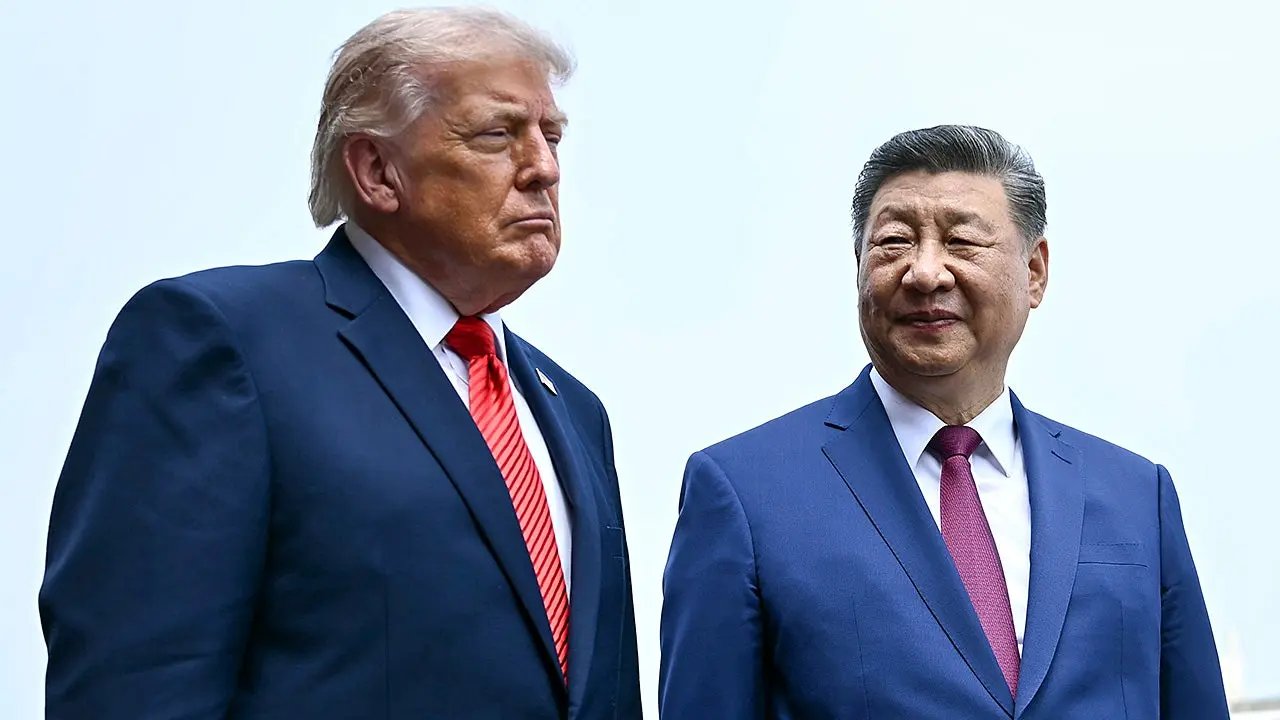
President Donald Trump and President Xi Jinping prepare for a key summit in May. (Andrew Caballero-Reynolds/Getty Images)
Trump has long taken a hard line on China, using tariffs, trade pressure and national security warnings to frame Beijing as one of America’s chief adversaries.
In his recent address to the nation, the president accused the Chinese Communist Party (CCP) of running a «sinister» campaign to interfere in U.S. elections and influence Americans and undermine his presidency.
Yet just five days later, on July 21, Trump suggested «China is maybe a little bit different today.» It struck a softer tone that falls more in line with the president’s backing of a deal to keep TikTok operating in the U.S., despite seeking during his first term and at the start of his second to force the app out over national security concerns.
«The CCP hasn’t changed. Xi Jinping hasn’t changed. But President Trump has,» Soblik detailed.
«He’s much more conciliatory toward China in his second term than he was in his first. He risks telegraphing significant weakness to Xi by letting China off the hook.»
Trump downplayed Beijing’s past election interference, suggesting both countries engage in similar tactics and indicating he was more focused on future negotiations than revisiting China’s actions.
TRUMP’S UPBEAT CHINA MESSAGE COLLIDES WITH DEEPENING BEIJING RIVALRY
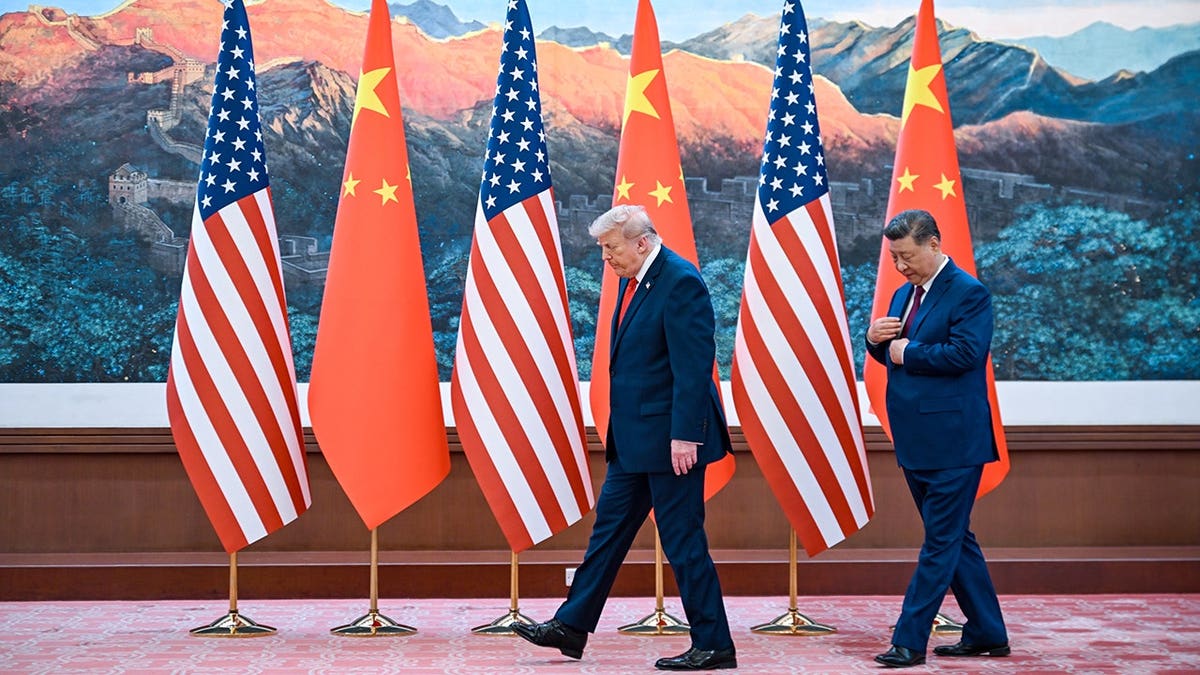
Chinese President Xi Jinping, right, and U.S. President Donald Trump meet at the Great Hall of the People in Beijing. (Kenny Holston/Pool Photo via AP)
«It took place a long time ago. I think China is maybe a little bit different today than it was then,» Trump conceded.
«But look there, they do things and we do things to them. I’ll be honest — do we do things to them too? It’s not a one-way street, but we’ll be talking to them,» said Trump when speaking about Chinese election meddling days after his «free and fair elections» televised remarks.
Sobolik argued the softened rhetoric could embolden Beijing to continue attempts to influence U.S. politics in the future.
In his first term, Trump sought to ban TikTok, saying it posed a national security risk. Then, during his second term, Trump joined the app, and in recent weeks so have his top cabinet members.
«President Trump has saved TikTok for its millions of American users — yet another promise made, promise kept,» White House spokesperson Olivia Wales told Fox News Digital. «With the new TikTok under the control of U.S. investors, Americans can continue to enjoy TikTok with their data fully protected.»
TikTok’s ownership deal was reconstructed at the beginning of this year to have majority U.S.-ownership while still giving Chinese technology company ByteDance a 19.9% stake – 0.01% below the threshold required under U.S. law.
CHILL COMING FROM TRUMP’S SUMMIT WITH XI IS PROOF OF A NEW COLD WAR WITH CHINA
While the app is based in the U.S., Sobolik said that TikTok’s algorithm remains under ByteDance’s control via a licensing regime.
«The fact that it’s training on U.S. data stored on servers in America doesn’t change the fundamental reality that a Chinese Communist Party-controlled company still controls the algorithm itself,» said Sobolik. «The administration hasn’t directly addressed the possibility that Beijing could calibrate the app’s algorithm in concerning ways.»
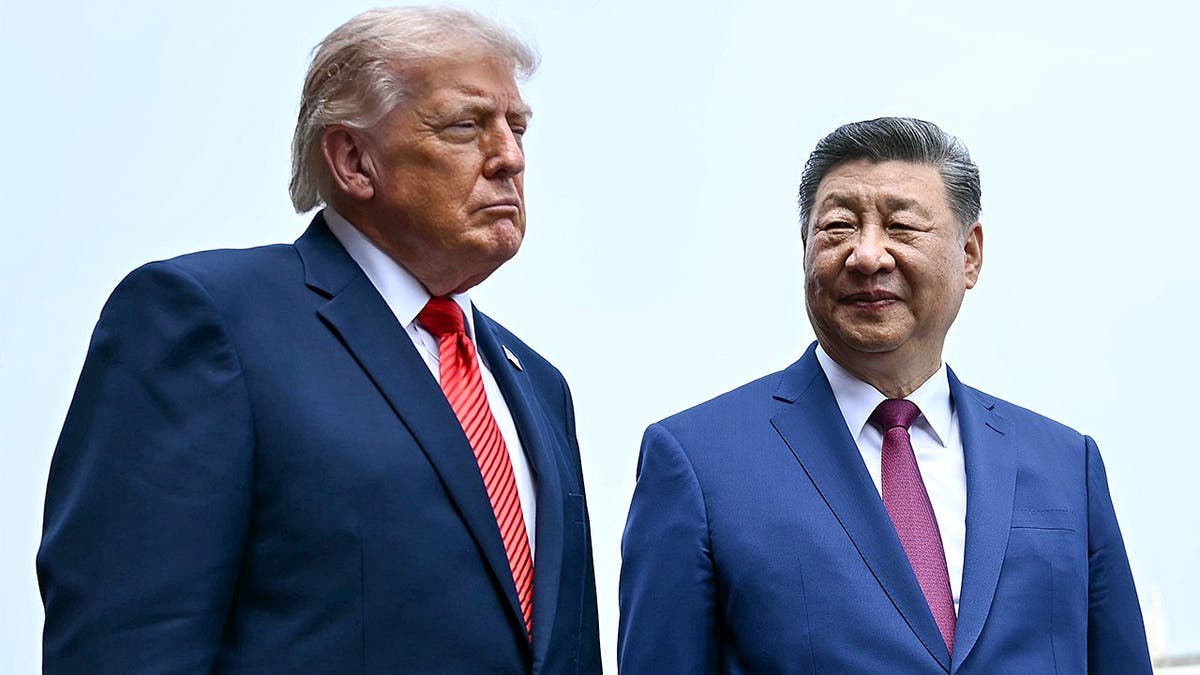
Chinese President Xi Jinping and President Donald Trump visited the Temple of Heaven on May 14, 2026, in Beijing, China, during a high-level summit between the two leaders. Xi warned that mishandling the issue of Taiwan could push the United States and China toward «conflict.» (Brendan Smialowski – Pool/Getty Images)
Trump visited China in May for a high-stakes summit with President Xi Jinping on several of the biggest pressure points in the U.S.-China relationship — from trade and Taiwan to AI and human rights. Those meetings appeared to end without firm public breakthroughs.
In his final meeting with Xi at the summit, Trump touted what he called «fantastic trade deals.»
Sobolik said Trump «wants what he’s always wanted with China,» which is a trade deal.
CLICK HERE TO DOWNLOAD THE FOX NEWS APP
«He needs to think broader and bigger. Economic competition is one part of the larger new cold war that’s playing out between Washington and Beijing,» he said.
Sobolik said Trump is placing too much emphasis on trade while overlooking other important areas of competition with China.
«Xi will have the advantage,» he added.
Trump said Xi will be visiting the U.S. on Sept. 24, with artificial intelligence expected to be a key topic during their talks.
white house, xi jinping, national security, china, donald trump, politics

Teresa García, sobre la estrategia del PJ para habilitar otra candidatura de Cristina Kirchner: “Es quien mejor visualiza los tiempos que vienen”

Láctea histórica entra en fase de venta y sus empleados buscan quedarse con la planta

WATCH: US envoy defends walkout during France’s ‘condescending’ remarks, vows boycott

Qué puede decidir y qué no el Comité de la ONU al que recurrirá Cristina Kirchner por la condena de la causa Vialidad

Lanús visitará a Cienciano en la altura de Cuzco en busca de avanzar a octavos de la Sudamericana: hora, TV y probables formaciones

Mora Godoy pasó por Infobae en Vivo y contó que le enseñó a bailar tango a Kristalina Georgieva: “Aprendió en diez minutos”

Crisis entre Milei y Lula: la trama política, personal y geopolítica detrás del mayor choque diplomático entre Argentina y Brasil

Cuentapropismo emocional en lo profundo del conurbano

San Isidro: la ballena que quedó varada en un banco de arena murió pese al operativo de rescate

Joaquín Furriel contó cómo fue ver la final del Mundial con su novia española: “Una situación incómoda”

 POLITICA2 días ago
Crisis entre Milei y Lula: la trama política, personal y geopolítica detrás del mayor choque diplomático entre Argentina y Brasil
- SOCIEDAD3 días ago
San Isidro: la ballena que quedó varada en un banco de arena murió pese al operativo de rescate
- POLITICA3 días ago
Milei cruzó al aire a De Mendiguren, exministro de Duhalde: “Vos, sí, ladrón”