INTERNACIONAL
Could Narges Mohammadi unite Iran’s opposition? Husband says imprisoned Nobel laureate still fighting

Where’s the Opposition in Iran to Oust Regime?
David Asman and Jonathan Schanzer analyze the ongoing US military campaign in Iran, Operation Epic Fury, where CENTCOM reports over 10,000 targets struck. They discuss the decimation of Iranian regime leadership and the surprising reluctance of European allies to fully support President Trump’s aggressive strategy, citing past diplomatic disputes and potential economic pressure. The segment also explores the challenges of an internal opposition movement amid severe human rights abuses.
NEWYou can now listen to Fox News articles!
EXCLUSIVE: As Iran’s opposition struggles to find a unifying figure amid war, repression and near-total internet blackouts, the husband of jailed Nobel Peace Prize laureate and Iranian human rights activist Narges Mohammadi says his wife remains physically battered but politically unbroken, even as she sits in prison after what he describes as a brutal arrest and beating.
«Narges is a human rights activist and an advocate for civil society,» her husband, Taghi Rahmani, told Fox News Digital in an exclusive interview from Europe in exile. «In mobilizing society, and in organizing and shaping civil institutions, she is an active and courageous woman.»
At a moment when Iran’s ruling establishment is reeling from the aftermath of U.S. and Israeli strikes, a fragile ceasefire, economic collapse and intensified crackdowns, Mohammadi’s name is emerging in a new light: Not only as a global symbol of resistance, but potentially as one of the few opposition figures whose legitimacy comes from suffering inside the system rather than exile, dynasty or factional politics.
INSIDE TEHRAN AFTER STRIKES: IRANIAN WOMAN DESCRIBES FEAR, CHECKPOINTS AND PEOPLE USED AS ‘HUMAN SHIELDS’
Mohammadi, awarded the 2023 Nobel Peace Prize while imprisoned, has spent decades as one of Iran’s most prominent women’s rights and human rights activists.
Trained as an engineer and later a journalist, she served as vice president of the Defenders of Human Rights Center, founded by fellow Nobel laureate Shirin Ebadi and became internationally known for campaigning against compulsory hijab laws, solitary confinement, prisoner abuse and the death penalty.
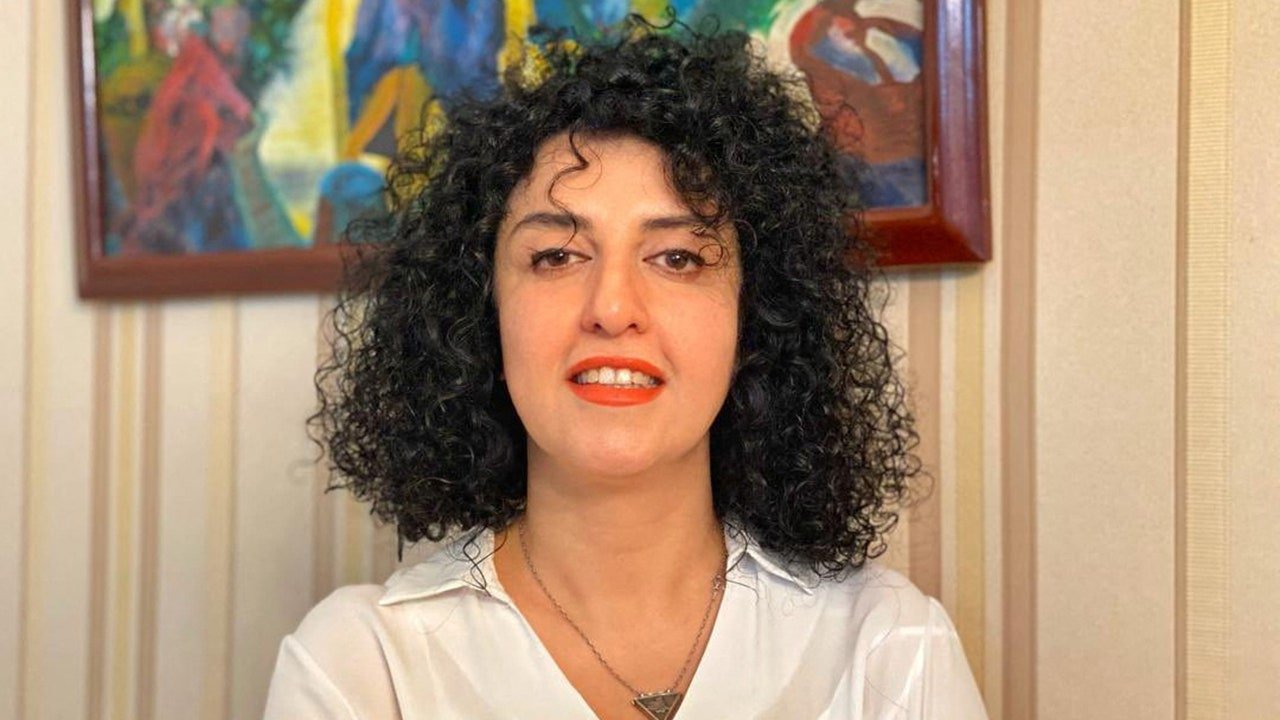
Narges Mohammadi, Iranian human rights activist and vice president of the Defenders of Human Rights Center, poses for a portrait in an undated photo. (Reuters)
Now, according to her husband, her condition has worsened dramatically.
«Narges is currently detained in Zanjan prison,» he said. «She was arrested in Mashhad during the month of Dey (around January) and was severely beaten. During her arrest, she received numerous blows, resulting in severe injuries to her chest, head, body and lungs.»
Rahmani said prison medical authorities determined she should be transferred for treatment under her own physician’s supervision in Iran, but that Iran’s Ministry of Intelligence is refusing the transfer and insisting she remain in Zanjan.
«Spiritually and mentally, Narges remains steadfast,» he said. «She believes the Islamic Republic is not desirable for the Iranian people, and advocates for a system based on freedom, human rights and open relations with the world. Physically, however, she has sustained severe trauma and urgently requires medical attention.»
Rahmani said the last time he spoke with his wife was the night before she left for Mashhad, Iran, where she was later arrested.
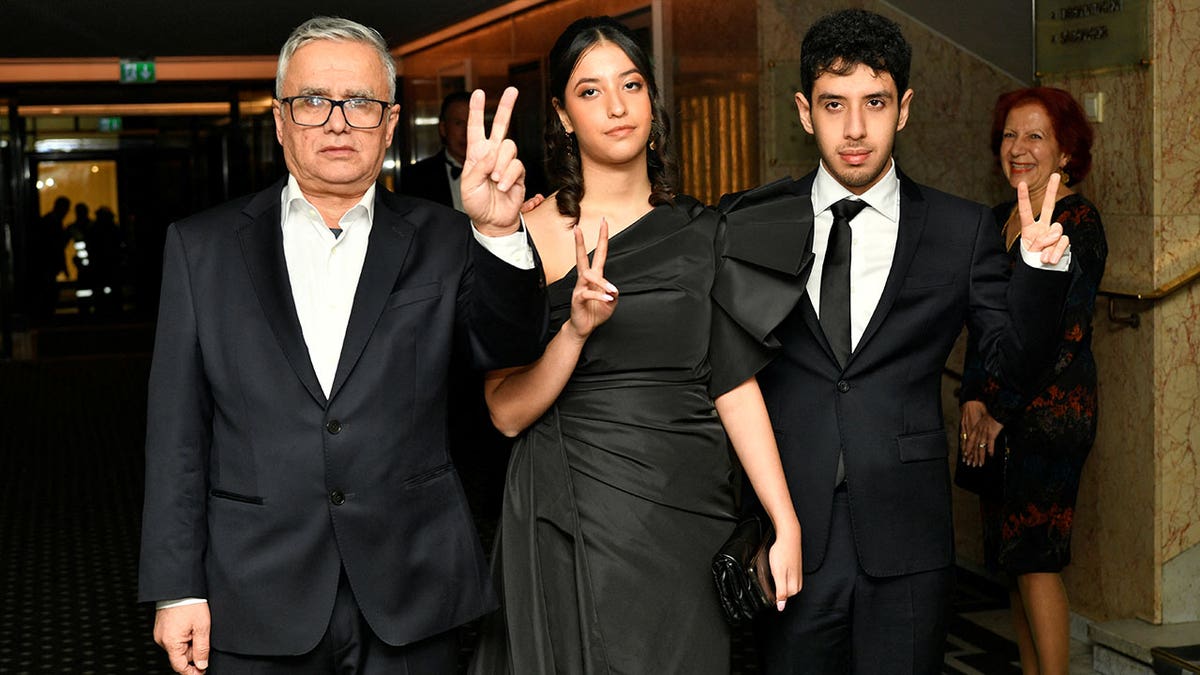
The Nobel banquet at the Grand Hotel in Oslo on Sunday, in connection with the awarding of the Nobel Peace Prize 2023. Peace Prize winner Narges Mohammadi is imprisoned in Iran and is therefore represented by her children Ali and Kiana Rahmani and her spouse Taghi Rahmani, in Oslo, Norway Dec. 10, 2023. (NTB/Rodrigo Freitas via Reuters)
His account offers a rare inside look into the life of one of Iran’s most internationally recognized dissidents at a moment when questions over who could realistically lead opposition to the regime are intensifying.
«We hear a great deal about the Iranian opposition, yet media in the free world often lack a precise definition and a full understanding of what the Iranian opposition actually is,» Iranian anti-regime activist Maryam Shariatmadari told Fox News Digital.
Shariatmadari, one of the most recognizable faces of Iran’s «Girls of Revolution Street» movement, a wave of anti-regime protests that began in 2017 when Iranian women publicly removed their hijabs and stood in defiance of the country’s mandatory veiling laws, was sentenced to prison in 2018 after publicly removing her hijab in protest.
WHAT’S NEXT FOR IRAN’S TERROR ARMY, THE IRGC, AFTER DEVASTATING MILITARY SETBACKS?
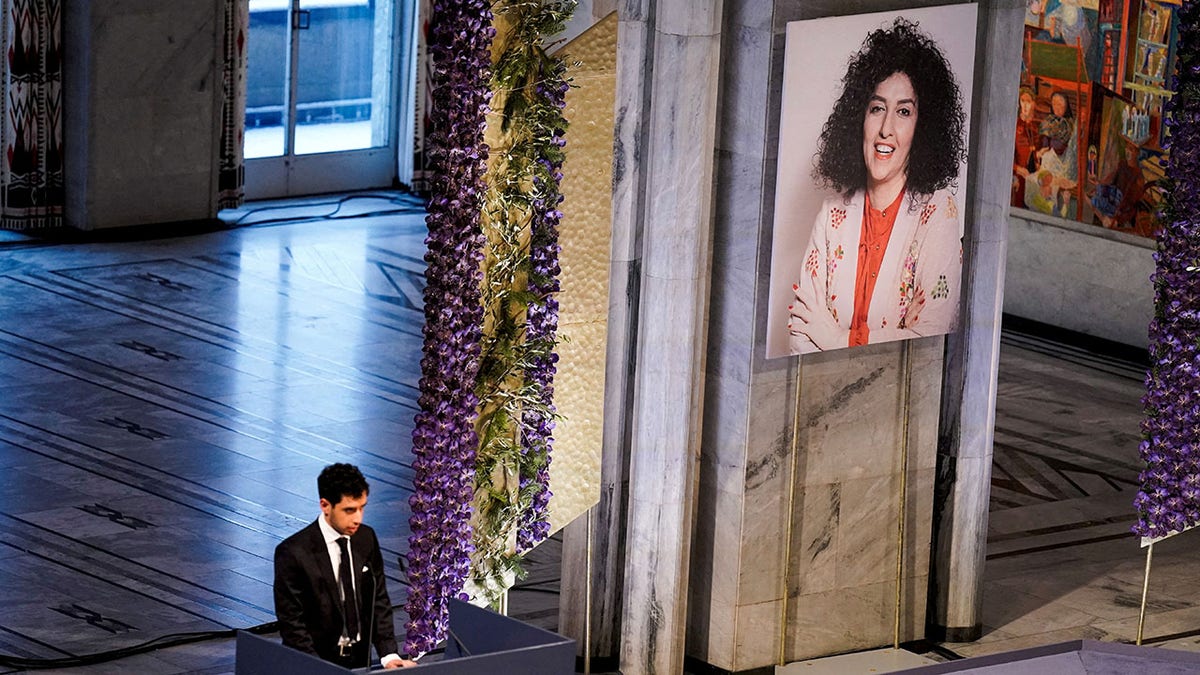
Ali Rahmani, son of imprisoned Iranian human rights activist Narges Mohammadi, speaks after receiving the Nobel Peace Prize 2023 on her behalf at Oslo City Hall in Norway. (Fredrik Varfjell/NTB)
According to Shariatmadari, one camp consists of Iranians who view the 1979 Islamic Revolution itself as the foundational national disaster, believing Iran’s trajectory was derailed when the Shah fell. The second includes former revolutionaries, reformists, communist factions and groups such as the Mujahedin-e Khalq (MEK), many of whom emerged from or once supported the revolutionary system before later opposing it.
«The first group considers the 1979 revolution a disaster and seeks a return to Iran’s previous path,» she said, while the second includes «those who participated in the revolution but later became opposition figures after being excluded from power.»
That distinction, she argues, helps explain why Reza Pahlavi, the exiled son of Iran’s last shah, remains uniquely recognizable among many anti-regime Iranians despite spending decades outside the country.
Lisa Daftari, foreign policy analyst and editor-in-chief of The Foreign Desk news platform, told Fox News Digital, «Inside Iran, Pahlavi remains one of the only opposition figures with broad name recognition, and his message clearly resonated during the January protests, which is why his name still carries weight for many Iranians both inside the country and in the diaspora.»
Pahlavi himself sharpened that message Friday after a series of European appearances, accusing both European politicians and journalists of ignoring the scale of Iranian suffering.
«I spent the past several weeks traveling across Europe, speaking to members of parliaments, governments, and the press,» Pahlavi said in a video statement on his official X account. «My visit had one objective: to give a voice to the millions of Iranians held hostage by the Islamic Republic … But I can now say with confidence that silencing, that censorship is not just happening at the hands of the regime in Iran, but by the international and particularly the European media.»
EXILED IRANIAN CROWN PRINCE REVEALS 6-STEP PLAN TO EXERT PRESSURE ON TEHRAN’S REGIME

Iran’s Reza Pahlavi, exiled son of Shah Reza Pahlavi, is protected by security after he was attacked with a red fluid, following a news conference in Berlin, Germany, April 23, 2026. (Markus Schreiber/The Associated Press )
He went on to condemn what he described as European indifference to the mass killing of protesters and political executions, saying that across two press conferences in Stockholm and Berlin attended by more than 150 journalists, «not a single one» asked about the tens of thousands he says were killed during January’s crackdown or the political prisoners facing execution.
«Whether or not Europe stands with us … I will fight for my people and my country,» Pahlavi said. «We will fight until Iran is free.»
Still, even some supporters acknowledge why the administration has hesitated to openly embrace him as a transitional figure.
Daftari warned that overt Western backing could backfire by making him appear externally imposed rather than domestically legitimized.
«The Trump administration’s decision not to more openly embrace him as a transitional figure likely reflects several factors: a deep wariness of making regime change the explicit end goal or appearing to engineer it after Iraq and Afghanistan, concern that overt U.S. backing could put an even bigger target on his back and a strategy that is currently focused less on anointing a successor and more on degrading the regime’s capacity to threaten its own people, the region and the United States,» she said.
If Pahlavi represents dynastic memory and explicit regime-change politics, Mohammadi represents something profoundly different.
AS AIRSTRIKES RAIN DOWN ON THE IRANIAN REGIME, CAN A FRACTURED OPPOSITION UNITE TO LEAD IF IT FALLS?
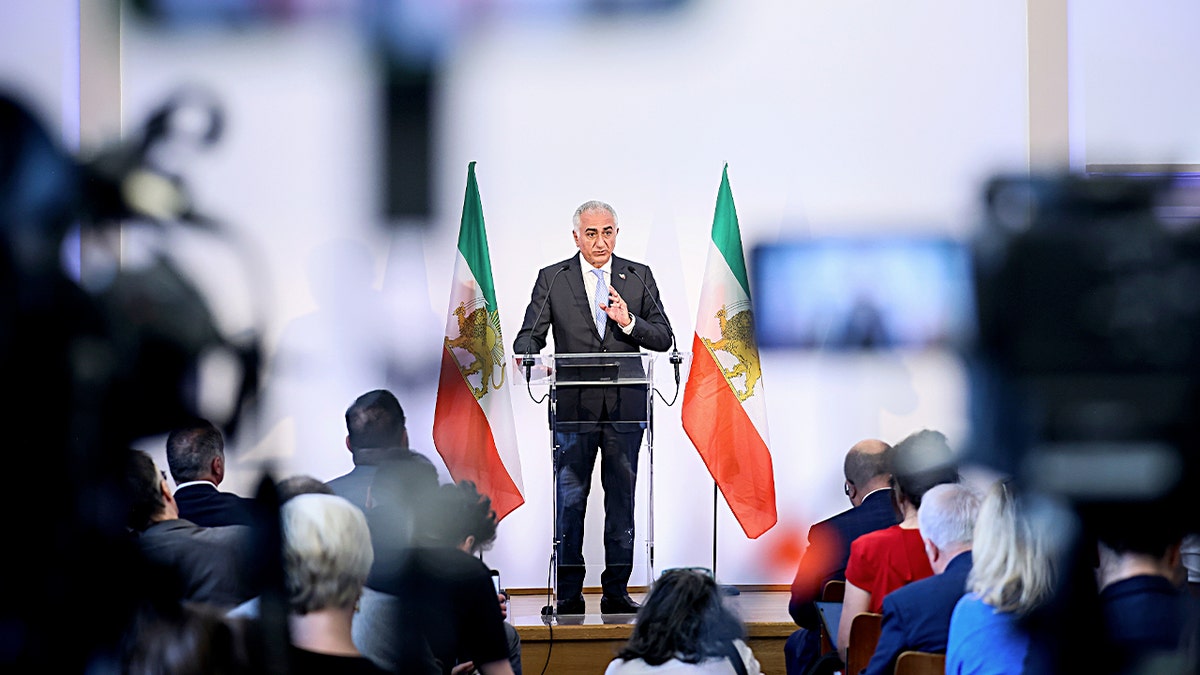
Reza Pahlavi, son of Iran’s former Shah Mohammad Reza Pahlavi, speaks during a press conference in Paris June 23, 2025. (Thomas Padilla/AP)
Mohammadi’s place within that landscape is distinct due to her unique kind of legitimacy at a time when many Iranians are searching not only for opposition to the regime, but for a figure who embodies endurance under it.
For now, however, Rahmani warns that Iran’s domestic conditions may make any mass uprising extraordinarily difficult.
«As you know, war serves as an excuse to suppress domestic forces within a country,» he said. «This war has now increased the intensity of the regime’s actions against the opposition.»
He argued that despite internal divisions, the Islamic Revolutionary Guard Corps has effectively consolidated power, militarized the streets and severely weakened civil society.
«The Islamic Republic has practically taken control of the streets during wartime and has severely weakened Iran’s civil society, which is the guarantor of democracy. In our opinion, this war, under these conditions, is not to the benefit of Iran, nor to the benefit of the Iranian people.»
CLICK HERE TO DOWNLOAD THE FOX NEWS APP

A picture of Nobel Peace Prize winner Narges Mohammadi on the wall of the Grand Hotel in central Oslo before the Nobel banquet, in connection with the awarding of the Nobel Peace Prize 2023, in Oslo, Norway, Dec. 10, 2023. (NTB/Javad Parsa via Reuters)
That may be the defining challenge for Iran’s opposition today: not simply finding a leader, but surviving long enough under extraordinary repression for one to emerge.
Whether Mohammadi can become that figure remains uncertain. But from prison, her husband says, she has not stopped believing Iran’s future can be different.
The Iranian mission to the United Nations did not respond to a request for comment in time for publication.
war with iran, ali khamenei, persecutions, human rights, iran








INTERNACIONAL
Donald Trump amenazó con atacar un complejo nuclear subterráneo en Irán: “No hemos terminado en absoluto”
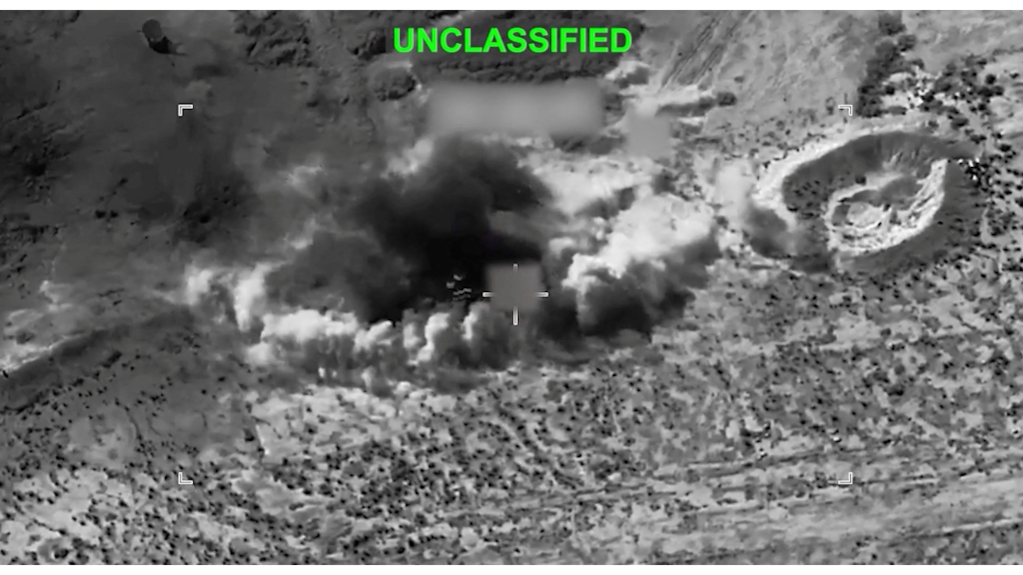
En medio de una intensificación de los ataques en Medio Oriente, el presidente estadounidense, Donald Trump, declaró este martes que “no ha terminado en absoluto” su campaña contra Irán y amenazó con golpear un complejo nuclear subterráneo en el país persa.
“Si nos fuéramos ahora, a Irán le llevaría 20, 25 años reconstruir. Pero no hemos terminado en absoluto”, afirmó durante un intercambio con periodistas en el Despacho Oval de la Casa Blanca.
El madatario estadounidense advirtió que el próximo objetivo militar podría ser un complejo nuclear subterráneo conocido como Montaña Pickaxe.
Se trata de una instalación nuclear enterrada a gran profundidad cerca de Natanz, en el centro de Irán, donde los servicios de inteligencia occidentales sospechan que Irán está construyendo una planta de enriquecimiento no declarada.
“Vamos a golpear esa zona muy pronto, y con mucha fuerza”, dijo Trump. Además, señaló que normalmente no anunciaría blancos militares, pero “no hay nada que (los iraníes) puedan hacer al respecto”.
Trump estimó que a Irán le llevaría más de 20 años reconstruir los daños actuales en declaraciones a periodistas durante una reunión en la Casa Blanca con el presidente libanés Joseph Aoun.
Irán intensifica sus ataques en Medio Oriente
En tanto, dos semanas después de la reanudación de las hostilidades con Estados Unidos, Irán intensificó sus ataques en Oriente Medio en una guerra total, según Teherán, que amenaza con extenderse al mar Rojo.
Si la república islámica ya controla el estratégico estrecho de Ormuz, sus aliados en Yemen, los rebeldes hutíes, afirmaron que quieren bloquear la navegación desde y hacia puertos sauditas en el mar Rojo.
Los rebeldes hutíes son armados por Irán (Foto: EFE)
Durante la guerra en Gaza, los rebeldes hutíes, que controlan amplias zonas de Yemen, ya perturbaron gravemente el tráfico marítimo mundial con lanzamientos de drones y misiles contra buques que pasaban por esa zona.
El lunes, anunciaron un “bloqueo marítimo contra el enemigo saudita criminal”, aliado de Estados Unidos.
Leé también: Quién es el nuevo líder de Hamas: sobrevivió a tres intentos de asesinato y fue clave para negociar el alto el fuego con Israel
No está claro cómo los rebeldes de Yemen pueden implementar este cerco contra uno de los principales productores mundiales de petróleo, que cuenta con sus puertos en el mar Rojo para esquivar el bloqueo iraní de Ormuz.
Trump también amenazó este martes a los hutíes y afirmó que si avanzan en el cerco se encargará de ellos.
“Ya lo saben, lo hemos hecho antes con los hutíes, y hace tiempo que no sabemos nada de ellos desde que tomamos las medidas que tomamos en su momento”, afirmó.
Los expertos también alertan de una posible perturbación de la navegación en el estrecho de Bab el Mandeb, en la costa sur de Yemen, que da acceso al mar Rojo y es vía de paso hacia el canal de Suez y el Mediterráneo.
Tras el anuncio, los precios del petróleo alcanzaron el lunes su nivel más alto desde hacía un mes y, aunque el martes bajaron ligeramente, el barril de Brent sigue sobre 90 dólares.
Irán atacó Jordania, Baréin y Kuwait
En el otro extremo de la península de Arabia, las tensiones en torno al control de Ormuz condujeron a la reanudación el 7 de julio de las hostilidades entre Irán y Estados Unidos.
Los bombardeos alcanzaron niveles sin precedentes desde el primer alto el fuego acordado en abril y reforzado a mediados de junio por un protocolo de acuerdo que debía conducir al final de la guerra.
Como ya hizo al comienzo de los bombardeos israelo-estadounidenses el 28 de febrero, Irán respondió con ataques a aliados de Washington en el Golfo y Oriente Medio como Siria, Jordania o Irak.
En las últimas 24 horas, Jordania, Baréin y Kuwait denunciaron ataques con drones y misiles iraníes.
“El enemigo deberá prepararse para olas de drones y ataques de misiles aún más decisivos y poderosos”, afirmaron el martes la Guardia Revolucionaria Islámica.
Este ejército ideológico de Irán aseguró que sus fuerzas habían destruido sistemas de defensa antiaérea e instalaciones de radares en Baréin y Kuwait.
En este segundo país, las autoridades pidieron a la población que racione el uso de aire acondicionado después de denunciar que Teherán había atacado instalaciones de desalinización y centrales eléctricas.
(Con información de AFP)
Irán, Donald Trump
INTERNACIONAL
Se advierte a los viajeros que un error al hacer la maleta podría costar hasta 10 años de prisión y multas de USD 15.000
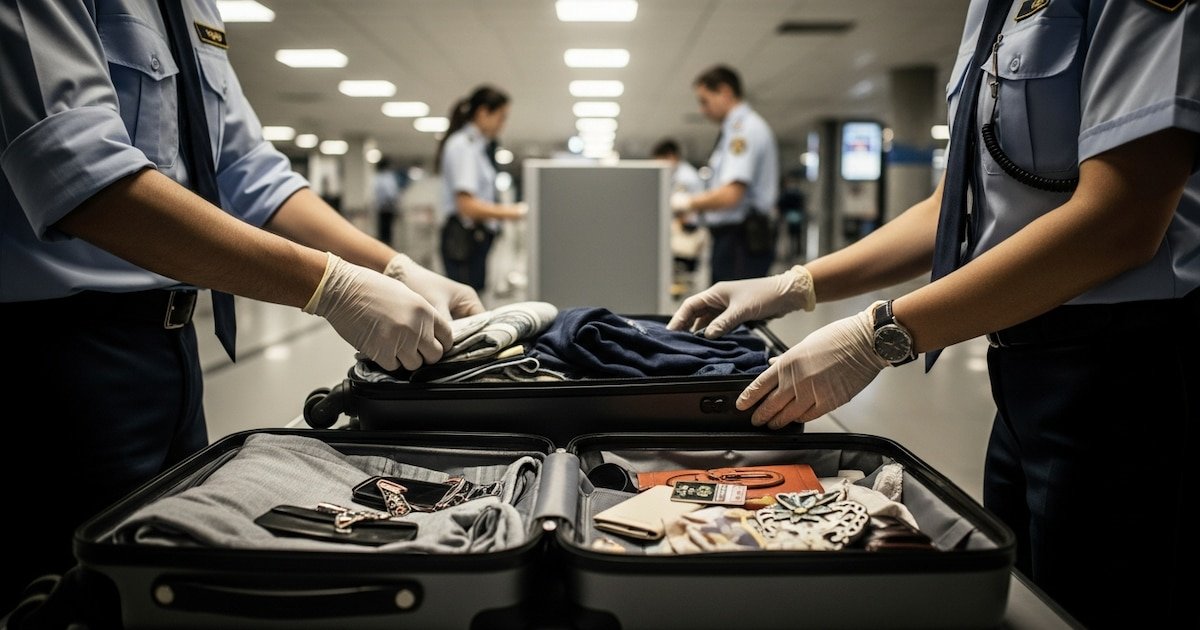
El gobierno de Tailandia implementó nuevas sanciones que contemplan hasta 10 años de prisión y multas de 500.000 baht (unos 15.000 dólares estadounidenses) para quienes intenten ingresar o sacar productos de cannabis a través de los aeropuertos del país sin autorización. Esta norma, vigente desde junio de 2026, afecta a turistas internacionales, residentes y ciudadanos tailandeses, según fuentes oficiales consultadas por Fox News y la Embajada de Estados Unidos en Tailandia. Las embajadas de varios países advierten a sus ciudadanos sobre los riesgos legales y recomiendan revisar la legislación local antes de viajar.
De acuerdo con la Embajada de Estados Unidos en Tailandia, la nueva política responde a un refuerzo de los controles aduaneros tras el aumento de intentos de contrabando y tráfico de cannabis en vuelos internacionales. Las penas incluyen privación de libertad y sanciones económicas significativas, sin excepción por cantidades pequeñas o uso personal. Fox News y medios tailandeses reportan que la normativa prohíbe expresamente el traslado internacional de cannabis sin permisos oficiales, incluso si el producto es legal en el país de origen del viajero.
El endurecimiento de la ley tailandesa se produce tras la despenalización de la posesión de cannabis para consumo interno en 2022. Las autoridades locales justifican la medida por el incremento de incautaciones y el desvío de productos derivados hacia otros mercados, según comunicados del gobierno de Tailandia.
¿Qué consecuencias legales enfrenta un turista que transporta cannabis en Tailandia?
Las consecuencias legales para quienes transportan cannabis en los aeropuertos de Tailandia son claras: hasta 10 años de prisión y multas que pueden llegar a los 500.000 baht, equivalentes a aproximadamente 15.000 dólares estadounidenses. La Embajada de Estados Unidos en Tailandia advierte que la normativa se aplica sin distinción a residentes, extranjeros, turistas y pasajeros en tránsito. El decomiso inmediato del producto y la apertura de un proceso penal son las acciones iniciales ante la detección de cannabis en el equipaje, de acuerdo con el Departamento de Aduanas de Tailandia.
Según declaraciones recogidas por Fox News, “el hecho de portar cannabis, aunque sea en cantidades mínimas o con prescripción médica, no exime de responsabilidad penal en Tailandia”. Los controles en los principales aeropuertos internacionales incluyen inspecciones con rayos X, perros adiestrados y cooperación entre policías migratorias y organismos de aduanas. Las autoridades tailandesas han incrementado la vigilancia en respuesta a recientes incautaciones en otros países de la región, como Hong Kong e Indonesia.

¿Por qué Tailandia endureció las leyes sobre el cannabis en fronteras?
El endurecimiento de la legislación sobre cannabis en las fronteras de Tailandia responde a dos factores principales: el aumento del tráfico internacional y la necesidad de alinearse con las recomendaciones de organismos internacionales en materia de control de estupefacientes. Según información oficial, las incautaciones de cannabis en aeropuertos se multiplicaron tras la despenalización interna de la planta en 2022. El Ministerio de Salud Pública de Tailandia, citado por The Diplomat, destaca que la normativa busca evitar que los productos legales en Tailandia terminen en países donde el cannabis sigue siendo ilegal o está sujeto a controles estrictos.
Las autoridades tailandesas subrayan que, aunque el consumo y la posesión de cannabis para uso personal son legales en el país desde 2022, la exportación y la importación de cualquier derivado siguen prohibidas sin autorización expresa. “El hecho de que la posesión se haya despenalizado no significa que su traslado a través de fronteras esté permitido”, advierte la Embajada de Estados Unidos en Tailandia. El gobierno tailandés ha reforzado los controles y endurecido las penas tras varios incidentes en los que grandes cantidades de cannabis fueron incautadas en vuelos internacionales.
¿Qué diferencias existen entre la ley tailandesa y la de otros países respecto al cannabis?
La principal diferencia entre la ley tailandesa y la de otros países radica en la severidad de las penas y la aplicación estricta en los controles de frontera. Mientras que en países como Estados Unidos o Canadá la posesión de cannabis puede estar permitida en ciertos estados o bajo prescripción médica, en Tailandia cualquier intento de cruzar la frontera con productos derivados, aunque sean legales en el país de origen, constituye un delito penal.
Según Fox News, “cuando se viaja a otra jurisdicción, se está sujeto a sus leyes”. El caso de la deportista estadounidense Brittney Griner en Rusia, quien fue detenida por portar aceite de cannabis, es citado como ejemplo de la aplicación estricta de las normativas antidrogas fuera de Estados Unidos. Las embajadas de países occidentales, como Estados Unidos, Australia y varios de la Unión Europea, han reiterado que la legalidad en el país de residencia no tiene validez en el destino y recomiendan consultar la legislación local antes de viajar.

¿Qué productos de cannabis están prohibidos en Tailandia y cuáles son las excepciones?
En Tailandia, están prohibidos todos los productos de cannabis que se trasladen a través de las fronteras, incluyendo flores, aceites, comestibles, extractos y medicamentos, salvo que se cuente con un permiso oficial específico. Las excepciones son mínimas y solo aplican para importadores o exportadores autorizados por el Ministerio de Salud Pública y la Dirección General de Aduanas del país.
De acuerdo con el comunicado oficial de la Embajada de Estados Unidos en Tailandia, “la falta de dicho permiso puede derivar en una condena de hasta 10 años de prisión y una multa máxima de 500.000 baht”. El transporte de semillas y plantas también está prohibido sin licencia. Las autoridades recomiendan no llevar ningún producto de cannabis, aunque esté recetado para uso medicinal, ya que las leyes tailandesas no reconocen las recetas extranjeras.
Las embajadas de Estados Unidos, Canadá y países de la Unión Europea han intensificado las advertencias a sus ciudadanos sobre los riesgos de portar cannabis al viajar a Tailandia. Las recomendaciones incluyen:
- Revisar a fondo el equipaje antes de viajar para asegurarse de no transportar productos de cannabis, ni siquiera por accidente.
- Consultar la legislación tailandesa en fuentes oficiales, como la página web de la Embajada de Estados Unidos en Tailandia y el Ministerio de Salud Pública.
- No confiar en la validez de recetas médicas emitidas en otros países.
- No portar productos de cannabis, aunque sean para uso personal, terapéutico o recreativo.
La Administración de Seguridad del Transporte (TSA) de Estados Unidos recuerda que, aunque la posesión de cannabis medicinal puede estar permitida en vuelos internos bajo ciertas condiciones, cualquier cruce de fronteras internacionales implica la aplicación de las leyes del país de destino, según reportó Fox News.

¿Qué deben saber los viajeros antes de volar a Tailandia o hacer escala en el país?
Los viajeros que planean visitar Tailandia o hacer escala en sus aeropuertos deben informarse sobre la normativa vigente. Es fundamental vaciar mochilas, bolsos y maletas de cualquier producto de cannabis, incluidos comestibles, aceites, flores, semillas y medicamentos. Las autoridades de Tailandia y la Embajada de Estados Unidos subrayan que la ignorancia de la ley no exime de responsabilidad penal.
En caso de detención por portar cannabis, el proceso penal incluye la detención provisional, el decomiso inmediato del producto y el inicio de una investigación judicial. Las penas se aplican incluso si la cantidad es pequeña o si el viajero no tenía intención de infringir la ley, según medios tailandeses.
¿Qué impacto tiene esta normativa para turistas, residentes extranjeros y tailandeses?
La entrada en vigor de la nueva normativa impacta de manera directa en turistas internacionales, residentes extranjeros y ciudadanos tailandeses que viajan fuera del país. La medida busca desalentar el tráfico y el contrabando, reforzando la imagen de Tailandia como un destino con regulación estricta en materia de drogas. Las autoridades prevén mantener los controles en aeropuertos y aumentar la cooperación internacional con organismos de seguridad y aduanas.
El endurecimiento de la legislación tailandesa sobre el cannabis en aeropuertos se mantendrá vigente y será objeto de revisiones periódicas para adaptarse a la evolución de los flujos turísticos y a las demandas de la comunidad internacional, según comunicados del Ministerio de Salud Pública y de la Embajada de Estados Unidos en el país.
aduanas,equipaje,inspección,aeropuerto,control fronterizo
NEWYou can now listen to Fox News articles!
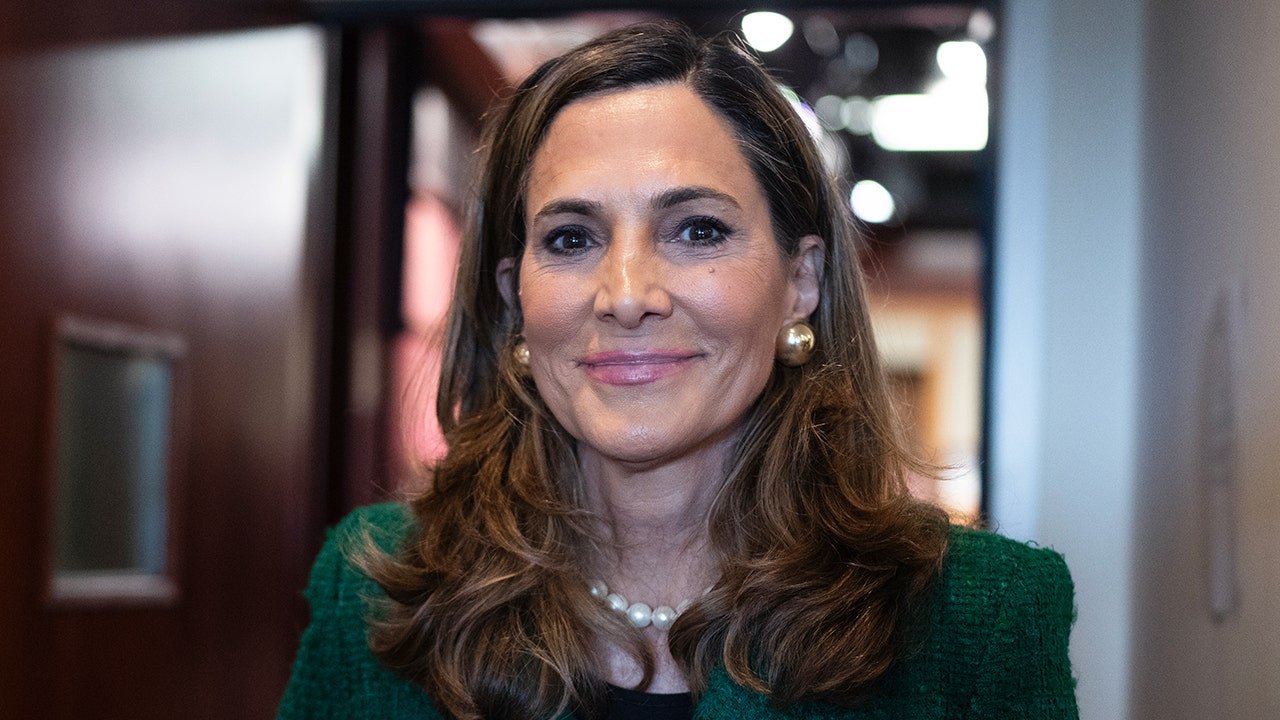
Republican Rep. María Elvira Salazar of Florida stated in a Monday social media post that «After Cuba, Nicaragua is next.»
The Central American nation’s president, Daniel Ortega, said on Sunday, «There won’t be any more elections here for them to try to seize the government and seize power,» according to Reuters. «The days when parties backed by the Yankees (United States) and the Somocistas would return to power are over – never again,» he said, according to the outlet.
In her Monday post on X, Salazar said, «Daniel Ortega just announced that Nicaragua will no longer hold elections. When a communist dictator knows the people would vote him out, he takes away their vote. Repression, fear, and force become the only way to stay in power. The Ortega-Murillo regime has declared war on the Nicaraguan people’s right to choose their own future.»
Ortega’s wife Rosario Murillo is co-president, reports indicate.
«The United States must stand unequivocally with the people of Nicaragua, increase the pressure on this despicable regime, and ensure that those responsible for its crimes are held accountable. After Cuba, Nicaragua is next,» Salazar added in the post.
NICARAGUA’S ORTEGA SAYS COUNTRY WILL ‘NEVER AGAIN’ HOLD ELECTIONS, SHUTTING OUT OPPOSITION
Rep. María Elvira Salazar, R-Fla., leaves a news conference in the U.S. Capitol on developments regarding Cuba including the indictment of former Cuban President Raul Castro, on Wednesday, May 20, 2026. (Tom Williams/CQ-Roll Call, Inc via Getty Images)
The U.S. snatched Venezuela’s Nicolás Maduro and his wife out of Venezuela and transported them back to the U.S. earlier this year.
The U.S. later launched a war against the Islamic Republic of Iran in conjunction with Israel.
And then during a speech in March, U.S. President Donald Trump said «Cuba’s next.»
US MILITARY HITS IRAN IN PUSH TO DEGRADE REGIME’S ABILITY TO TARGET SHIPS IN STRAIT OF HORMUZ
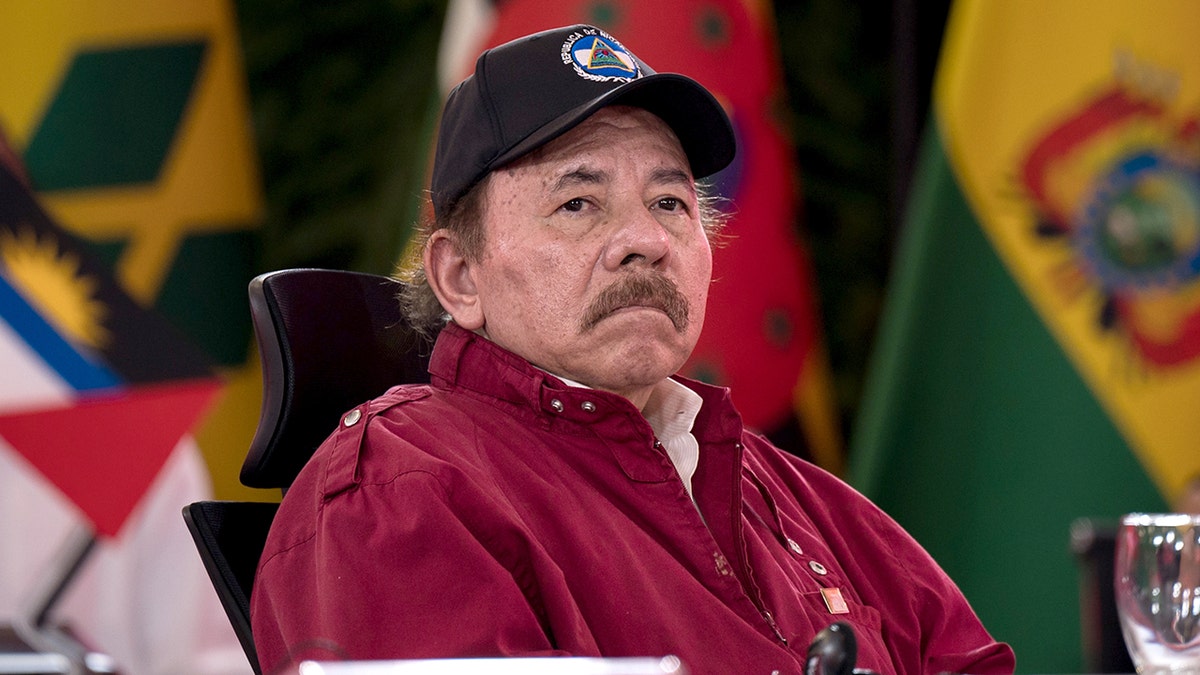
Daniel Ortega, Nicaragua’s president, during the 23rd States of the Bolivarian Alliance for the Peoples of Our America – People’s Trade Treaty (ALBA-TCP) Summit at Miraflores Palace in Caracas, Venezuela, on Wednesday, April 24, 2024. (Gaby Oraa/Bloomberg via Getty Images)
Fox News Digital reached out to Salazar’s office on Tuesday to ask more about her comment suggesting that «After Cuba, Nicaragua is next.»
The congresswoman said in a Tuesday post on X, «One by one, the dictators of the last era are answering for their crimes. Maduro sleeps in a cell in New York. The Ayatollah is dead. Raúl Castro is under indictment. Daniel Ortega, whose regime killed more than 300 peaceful protesters in 2018, jailed opposition candidates before elections, exiled priests, stripped hundreds of Nicaraguans of their citizenship, and has now abolished elections altogether, still sits in Managua. Communist dictators don’t fear losing elections. They fear having them. His day will come.»
U.S. Secretary of State Marco Rubio said in a Tuesday statement, «Daniel Ortega’s declaration that under his family’s dictatorship Nicaragua will never again hold elections lays bare their true authoritarian nature. Daniel Ortega and Rosario Murillo have abandoned even the pretense of popular consent.
CUBA BUILT COVERT NETWORK INSIDE AMERICA THROUGH SPIES, ACTIVISTS AND UNIVERSITIES, STATE DEPT ALLEGES
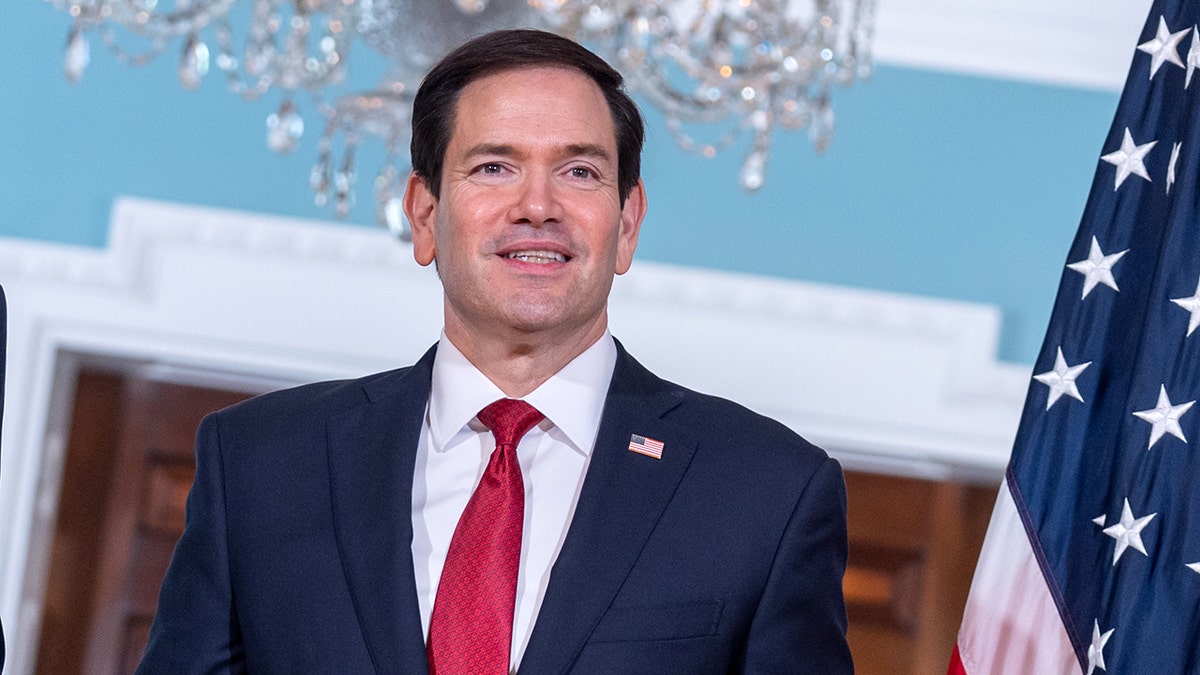
U.S. Secretary of State Marco Rubio greets Jordanian Deputy Prime Minister and Foreign Minister Ayman Safadi ahead of their bilateral meeting at the U.S. State Department in Washington, D.C., United States, on July 14, 2026. (Mehmet Eser/Anadolu via Getty Images)
CLICK HERE TO DOWNLOAD THE FOX NEWS APP
«The Nicaraguan people have the right to choose their own leaders through democratic elections. The United States calls on the international community to join forces to demonstrate to the Murillo-Ortega dictatorship that it cannot expect to maintain business as usual with other nations when it is thwarting the basic tenets of our democratic hemisphere,» Rubio asserted.
politics, central america, republicans, world, donald trump

Anthony Taylor cuelga el silbato a los 47 años

Tras la mesa política, el Gobierno confirmó que Milei presentará la reforma del BCRA: se haría por cadena nacional

Donald Trump amenazó con atacar un complejo nuclear subterráneo en Irán: “No hemos terminado en absoluto”

Contradicciones en el Gobierno por el manejo de la comunicación oficial durante el tramo final del Mundial

El dólar tuvo una leve baja tras cuatro ruedas consecutivas de subas

Oriana Sabatini abrió el álbum íntimo de su boda con Paulo Dybala en su segundo aniversario

Sin la Copa y sin Messi en el avión, vuelve Tapia y deberá enfrentar tres frentes de tormenta tras la pausa del Mundial

Alan Faena concretó una venta récord de un penthouse de su proyecto sobre el río Miami: cuánto pagaron por la propiedad de casi 1.400 m2

Tras meses de tensión, el PRO y La Libertad Avanza volvieron a reunirse para coordinar la estrategia parlamentaria

Flamengo se suma a la puja por Thiago Almada: la impactante oferta que haría para comprar su pase

 POLITICA1 día ago
Sin la Copa y sin Messi en el avión, vuelve Tapia y deberá enfrentar tres frentes de tormenta tras la pausa del Mundial
- DEPORTE3 días ago
La tabla de títulos de los campeones de la Copa del Mundo y el listado de las selecciones más ganadoras de la historia
- POLITICA3 días ago
Milei esperará la final en la tranquilidad de Olivos: el mameluco de YPF y la decisión pospartido