INTERNACIONAL
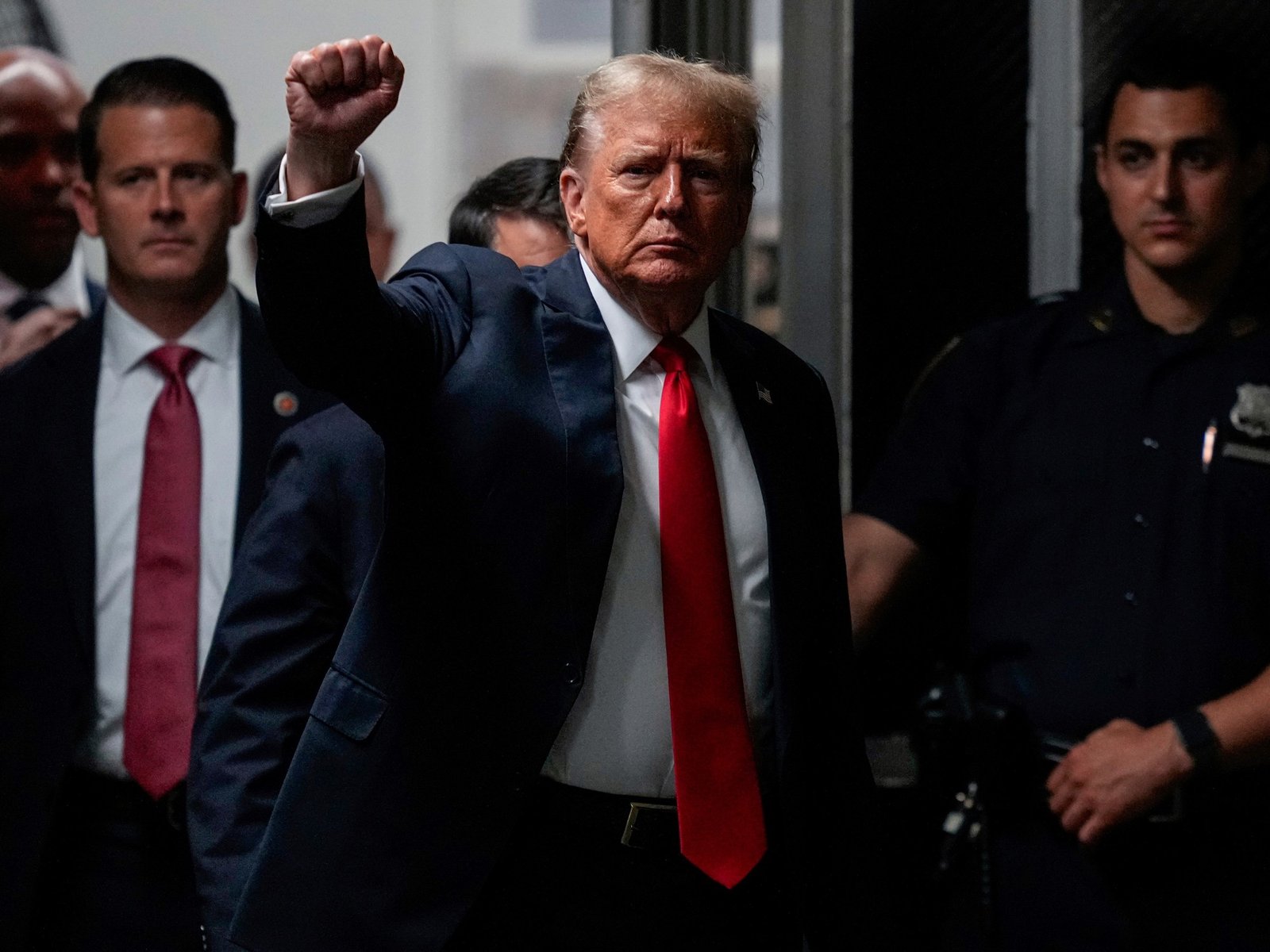
Donald Trump le ordenó a la Marina de Estados Unidos bloquear el estrecho de Ormuz y volvió a amenazar con destruir Irán en un día: «Volarán al infierno»


INTERNACIONAL
EN VIVO | Los libaneses regresan al sur del país, pero Israel advierte: “Las operaciones contra Hezbollah aún no han sido completadas”
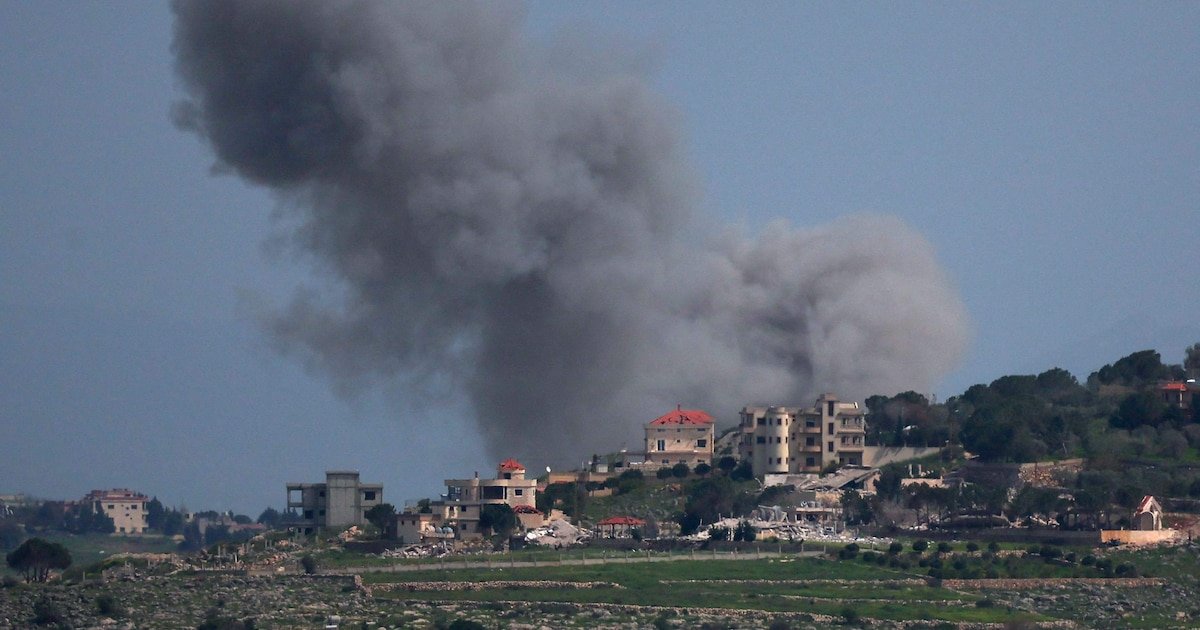
Familias se apresuran a recuperar la vida cotidiana y reconstruir sus hogares, pero la tensión militar que provoca la presencia del grupo terrorista y el drama humanitario condicionan la tregua al sur del río Litani
Luego de la entrada en vigor del alto al fuego entre Israel y Líbano, el presidente de Estados Unidos, Donald Trump, manifestó su confianza en la posibilidad de alcanzar un acuerdo el próximo fin de semana para poner fin a la guerra con Irán e instó al grupo terrorista Hezbollah, aliado del régimen persa, a cesar las hostilidades en la zona de conflicto.
El mandatario estadounidense indicó que existe la posibilidad de extender el alto el fuego de dos semanas con Teherán, aunque consideró que tal vez no será necesario, ya que la administración iraní estaría interesado en alcanzar un acuerdo. “Vamos a ver qué pasa. Pero creo que estamos muy cerca de llegar a un acuerdo con Irán”, declaró.
Desde el bando persa, el portavoz del Ministerio de Exteriores iraní, Ismail Bagaei, celebró el cese de hostilidades de 10 días, aunque elevó la tensión sobre los riesgos del acuerdo entre EEUU e Iran ya que exigió la retirada de las fuerzas israelíes del sur de Líbano. En dicha región, luego de que el ejército de Israel combatiera contra Hezbollah, los libaneses se impacientan por regresar a sus hogares, según reportes del canal libanés Al-Mayadeen, afiliado al grupo armado.
A continuación, la cobertura minuto a minuto:
El régimen de Irán rechazó un alto el fuego temporal y pidió poner fin a la guerra en toda la región
El régimen de Irán rechazó un arreglo basado en un alto el fuego temporal con Estados Unidos y exigió buscar el fin definitivo de la guerra en toda la región, incluyendo Líbano y el mar Rojo, dijo en Turquía el viceministro de Exteriores iraní, Saeed Khatibzadeh.
Los libaneses regresan al sur del país, pero Israel advierte: “Las operaciones contra Hezbollah aún no han sido completadas”
Familias se apresuran a recuperar la vida cotidiana y reconstruir sus hogares, pero la tensión militar que provoca la presencia del grupo terrorista y el drama humanitario condicionan la tregua al sur del río Litani

Miles de desplazados han iniciado el retorno de desplazados al sur de Líbano y a los suburbios meridionales de Beirut tras la entrada en vigor de una tregua de diez días, según informó AFP. Sin embargo, el ministro de Defensa de Israel, Israel Katz, advirtió que quienes regresan al área al sur del río Litani podrían verse obligados a abandonarla de nuevo si Hezbollah no respeta el acuerdo de tregua, ya que las operaciones militares contra el grupo aún no han finalizado.
Hamas celebró el alto el fuego en Líbano
El grupo terrorista Hamas celebró la entrada en vigor de un alto el fuego de 10 días en el Líbano, y felicitó a Hezbollah por su lucha contra “la ocupación” israelí que, aseguró, sufre también el pueblo palestino.
“El Movimiento de Resistencia Islámica (Hamas) celebra el acuerdo de alto el fuego en el Líbano, fruto de la firmeza del pueblo libanés y de los sacrificios de su valiente resistencia”, dijo Hamas en un comunicado.
Y añadió que tanto los ataques israelíes contra el Líbano como el pueblo palestino, en Gaza y Cisjordania ocupadas, forman parte “de un único proyecto” mediante el cual Israel busca imponer su “hegemonía por la fuerza”.
“Saludamos al pueblo libanés y a su resistencia, especialmente a Hezbollah, por esta heroica firmeza que ha marcado un hito significativo en la lucha contra la ocupación”, añadió.
Israel afirmó que la operación militar contra Hezbollah “aún no ha concluido”
El ministro de Defensa israelí declaró que la campaña contra el grupo terrorista Hezbollah aún no ha concluido, apenas unas horas después de que entrara en vigor un alto el fuego de 10 días en el Líbano.
“La operación terrestre en el Líbano y los ataques contra Hezbollah han logrado importantes avances, pero aún no han concluido”, afirmó el ministro de Defensa, Israel Katz, en un comunicado.
También advirtió que los miles de civiles libaneses desplazados que regresaban a sus hogares tras la entrada en vigor del alto el fuego, podrían enfrentarse nuevamente a una evacuación del sur del país, devastado por la guerra, si se reanudaran los combates.
“Si se reanudan los combates, los residentes que regresen a la zona de seguridad deberán ser evacuados para permitir la finalización de la misión”, declaró Katz, advirtiendo que las fuerzas armadas aún no habían concluido sus operaciones contra Hezbollah.

Kenia redujo a la mitad el IVA sobre el combustible frente al impacto de la guerra en Irán
El presidente de Kenia, William Ruto, aprobó la reducción a la mitad del IVA sobre el combustible, del 16 al 8%, para hacer frente a la subida de precios provocada por la guerra en Medio Oriente y el cierre del estrecho de Ormuz.
“Hemos dado este paso urgente y necesario porque un aumento en el costo del combustible tiene un efecto dominó en los bienes y servicios de consumo”, afirmó Ruto en su cuenta de la red social X tras firmar el Proyecto de Ley de Modificación del Impuesto al Valor Añadido de 2026.
Aunque esta reducción estará en vigor durante 90 días, Ruto informó que fue incluida una disposición que permite extender esta medida en caso de que el conflicto continúe afectando a los precios del petróleo.
“Haremos todo lo posible para amortiguar a los kenianos de los choques económicos derivados del conflicto en Oriente Medio”, añadió.
El régimen chino espera que se mantenga de forma “responsable” el alto el fuego en Medio Oriente
El régimen chino instó a las partes implicadas en el conflicto en Medio Oriente a que mantengan, con una actitud responsable, el impulso del alto el fuego y de las negociaciones, después de que se lograra un acuerdo de cese de hostilidades entre Israel y Líbano.
El portavoz de la Cancillería china Guo Jiakun declaró en una rueda de prensa que China “acoge con satisfacción todos los esfuerzos que contribuyan a un alto el fuego y al cese de las hostilidades”.
Guo hizo un llamamiento al mantenimiento de los acuerdos que han frenado los ataques en la región, así como a que las partes involucradas resuelvan sus disputas “por vías políticas y diplomáticas”.
El vocero también hizo referencia a la situación de inestabilidad energética global, derivada del cierre del estrecho de Ormuz desde el inicio del conflicto, y afirmó que “la prioridad urgente es evitar por todos los medios que se reanuden las hostilidades y prevenir que la inestabilidad cause un mayor impacto en la seguridad energética” mundial.
Francia y Reino Unido serán anfitriones de una cumbre internacional que buscará impulsar la reapertura del estrecho de Ormuz
La cumbre en París, con la ausencia de Estados Unidos e Irán, reúne a decenas de estados de Medio Oriente con el fin de acordar mecanismos militares que permitan aliviar el paso marítimo, una de las rutas energéticas más transitadas en el mundo

Los líderes de Francia y el Reino Unido convocaron para este viernes en París a decenas de países con el objetivo de impulsar planes para reabrir el estrecho de Ormuz, una vía clave para el comercio petrolero que permanece bloqueada debido al conflicto entre Estados Unidos y el régimen iraní.
Afirman que Turquía, Pakistán, Egipto y Arabia Saudita discutirán formas de poner fin a la guerra con Irán
De acuerdo a lo informado por una fuente diplomática turca, los ministros de Asuntos Exteriores de Turquía, Pakistán, Egipto y Arabia Saudita se reunirán hoy en el marco de un foro diplomático en la provincia turca de Antalya, al sur del país, para debatir cuestiones regionales, incluida la guerra con Irán.
“Se prevé que la reunión incluya debates sobre el desarrollo de soluciones regionales a problemas regionales, en particular la guerra entre Estados Unidos, Israel e Irán, en el marco de un enfoque de apropiación regional”, afirmó la fuente.
Ministros de los cuatro países celebraron dos reuniones en marzo como parte de los esfuerzos para negociar el fin de la guerra con Irán. Turquía, país vecino de Irán y miembro de la OTAN, ha mantenido un estrecho contacto con Estados Unidos, Irán y el mediador Pakistán.
El primer ministro de Pakistán celebró el alto el fuego en Líbano
El primer ministro de Pakistán, Shehbaz Sharif, celebró el anuncio del alto el fuego en el Líbano y expresó su esperanza de que la medida conduzca a una paz duradera. En una publicación en X, destacó que el cese de hostilidades fue posible gracias a los esfuerzos diplomáticos “audaces” liderados por el presidente estadounidense Donald Trump.
Sharif aseguró que Islamabad continuará respaldando las iniciativas orientadas a lograr una paz estable en la región.
El primer ministro paquistaní realiza una gira regional y llegó el jueves a Qatar para dialogar con líderes en el marco de los esfuerzos diplomáticos que buscan una nueva ronda de negociaciones entre Estados Unidos e Irán para poner fin a la guerra. El viaje incluye paradas previas en Arabia Saudita y próximas reuniones en Turquía.
El bloqueo de internet en Irán lleva 49 días y la conectividad solo alcanza el 2%
El bloqueo de internet en Irán alcanzó este viernes 49 días, con una conectividad que permanece en torno al 2% de los niveles normales, según reportó el monitor de internet NetBlocks.
La organización detalló que la interrupción se ha prolongado durante aproximadamente 1.152 horas y que solo se ha registrado acceso parcial para algunos usuarios, incluyendo la página principal de búsqueda de Google.
Irán atraviesa uno de los cortes de internet a nivel nacional más extensos de la historia, con una conectividad reducida a una mínima fracción de los valores habituales durante la actual crisis.

War,Middle East,Military Conflicts

Emmanuel Macron pushes back against Trump’s NATO criticism
Matt Finn reports on global efforts to reopen the Strait of Hormuz as French President Emmanuel Macron criticizes NATO alliances. General Jack Keane analyzes escalating tensions after reported U.S. airstrikes collapse an Iranian bridge.
NEWYou can now listen to Fox News articles!
As British Prime Minister Keir Starmer and French President Emmanuel Macron convene a summit Friday on the future of the Strait of Hormuz, the two leaders are pushing a European-led plan to reopen the vital shipping lane after the war, without U.S. leadership.
The proposal envisions a post-conflict naval mission made up of Britain, France and other «non-belligerent» countries that would deploy only after fighting ends. Unlike President Donald Trump’s current strategy of blockading Iranian ports with U.S. naval power, the Anglo-French initiative is intended to be separate from the warring parties and focused on restoring commercial shipping.
A senior European official insisted the initiative is not meant to go around Washington, telling Fox News Digital that Paris began discussing a future maritime mission «from day one» of the conflict and is now formalizing those plans jointly with London.
NATO CHIEF SIGNALS ALLIES MAY ACT ON HORMUZ, WARNS OF ‘UNHEALTHY CODEPENDENCE’ ON US
Starmer and Macron are two chiefs of state partners in the European «Coalition of the Willing» in the ongoing Ukraine-Russia War. (Tom Nicholson/Getty Images)
Macron and Starmer are expected to host a summit to advance what both governments describe as a «coordinated, independent, multinational plan» to reopen the Strait of Hormuz once the fighting ends.
«France and the United Kingdom will also host a conference in Paris this Friday, bringing together by video conference non-belligerent countries ready to contribute, alongside us, to a multilateral and purely defensive mission aimed at restoring freedom of navigation in the strait when security conditions allow,» Macron wrote on X.
Starmer similarly described the effort as a «coordinated, independent, multinational plan to safeguard international shipping when the conflict ends,» saying Britain had already convened more than 40 nations around the initiative, Reuters reported. Washington was not part of those earlier talks.
The European senior official said the proposed force would be «strictly defensive» and would only deploy after active fighting and bombardment have ended, with the goal of restoring normal shipping rather than enforcing a wartime corridor.
«What we want in the end is no blockade, no toll, no nothing that blocks the fluidity of what is going through the Strait of Hormuz,» the official told Fox News Digital, while stressing that Iran remains «the first problem.»
The official also rejected suggestions that Paris and London are trying to sideline the Trump administration, saying the U.S. has been kept informed and that there is extensive coordination with Washington even if the emerging mission is currently limited to «non-belligerent» countries.
WATCH: EX-NATO CHIEF DRAWS RED LINE AS TRUMP FUMES ALLIANCE ABANDONED US DURING IRAN WAR
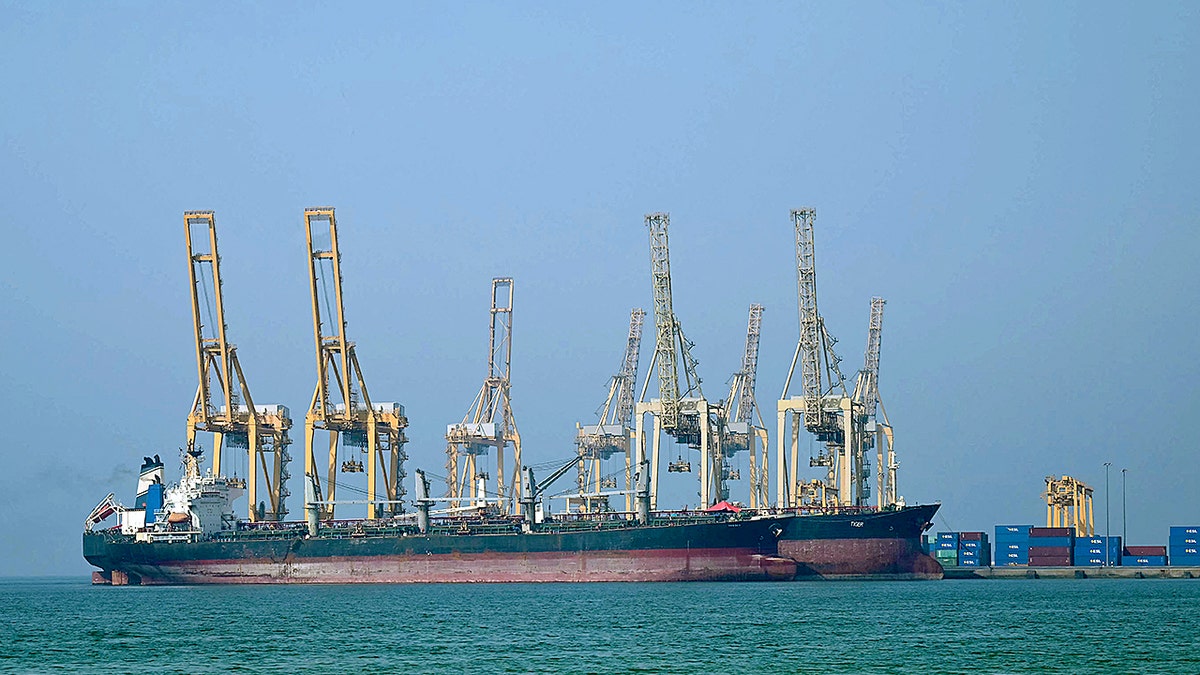
Iran seized two foreign oil tankers in the Persian Gulf on Thursday, allegedly carrying 1 million liters of smuggled fuel. (Giuseppe Cacace/AFP)
«We’re coordinating a lot with them,» the official said, adding that the goal is to create a framework that can operate once the conflict is over.
Macron has repeatedly emphasized that France’s envisioned mission would be «strictly defensive» and ruled out escorting ships while «bombings» are ongoing. French Foreign Minister Jean-Noël Barrot said «several dozen countries» already had participated in preparatory discussions led by military chiefs of staff, and that any future mission would also require coordination with Gulf coastal states, according to Reuters.
The Anglo-French initiative comes as Trump has taken a far more aggressive approach, ordering the U.S. Navy to blockade Iranian ports and continue operations aimed at securing the strategic waterway after ceasefire talks between the U.S. and Iran collapsed in Pakistan.
Critics argue that without American military power, the European proposal risks being largely symbolic.
PAKISTANI GENERAL SAYS IRAN DIPLOMACY STILL ‘ALIVE, DESPITE US BLOCKADE, FAILED TALKS
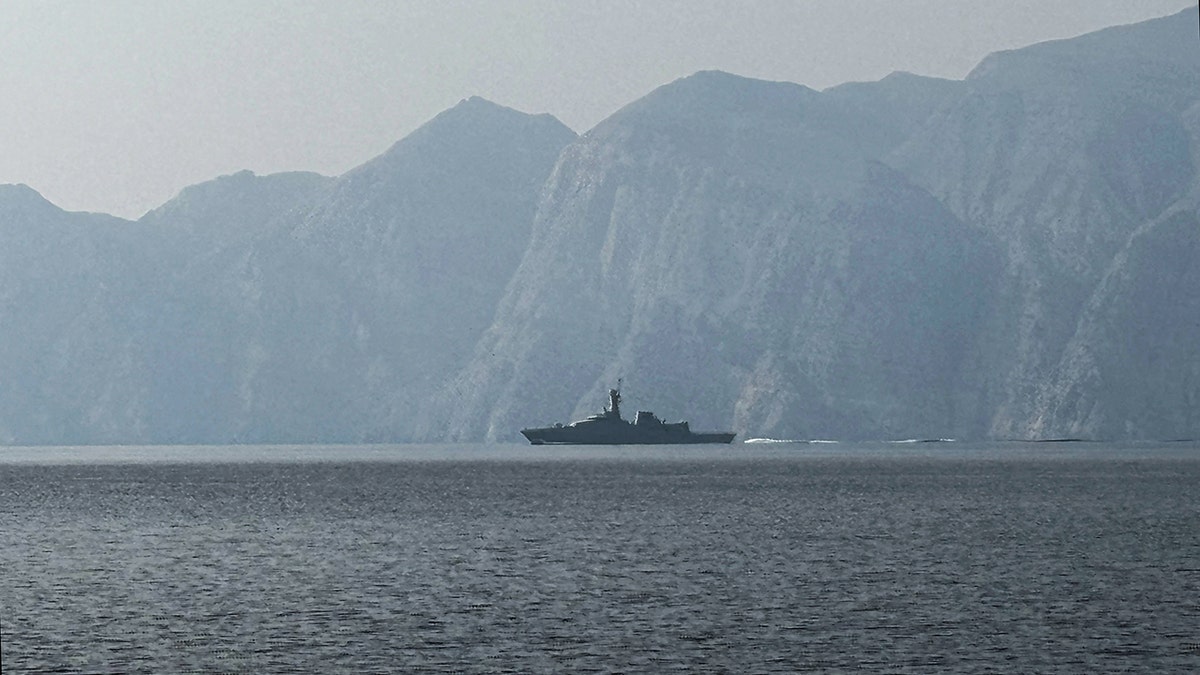
A navy vessel is seen sailing in the Strait of Hormuz, a vital waterway through which much of the world’s oil and gas passes on March 1, 2026. (Sahar Al Attar/AFP)
Britain and France are overstating what they can realistically achieve, The Henry Jackson Society analyst Barak Seener said.
«Britain and France are playing at being relevant as so-called ‘Middle Powers’ in international affairs,» Seener told Fox News Digital.
«Keir Starmer’s assertion ‘We’re not getting dragged into the war’ disguises the embarrassing fact that the Royal Navy is facing a hollowed out crisis, causing the initiative to be ‘strictly defensive’,» he said.
«France’s navy is also facing structural and budgetary pressures that strain its ability to conduct high-tempo operations.»
«It is laughable that a European coalition of ‘non-belligerent’ countries that are only willing to engage once hostilities have ended can even speak of protecting its shipping lanes,» Seener added.
CLICK HERE TO DOWNLOAD THE FOX NEWS APP
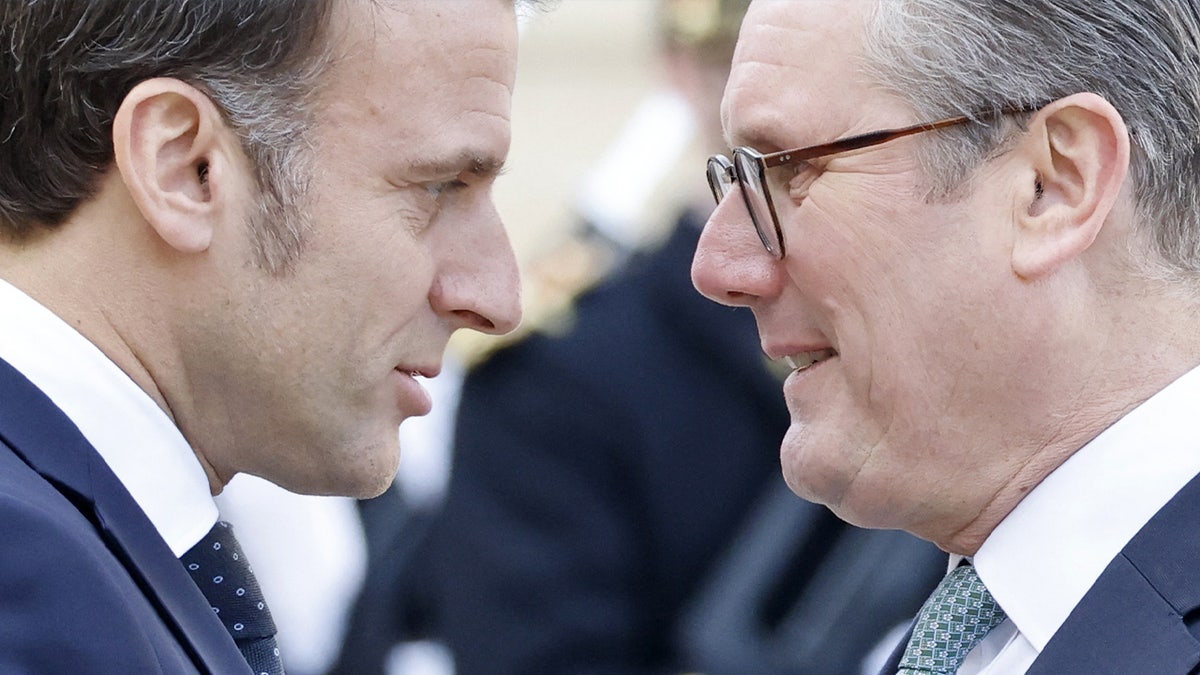
TOPSHOT – France’s President Emmanuel Macron welcomes Britain’s Prime Minister Keir Starmer before an informal summit of European leaders to discuss the situation in Ukraine and European security at The Elysee Presidential Palace in Paris on February 17, 2025. European leaders were due to meet in Paris on February 17, 2025 to address Washington’s shock policy shift on the war in Ukraine, as Britain declared itself ready to dispatch peacekeeping troops to Ukraine. (Photo by Ludovic MARIN / AFP) (Photo by LUDOVIC MARIN/AFP via Getty Images) (Ludovic Marin/AFP)
«Ultimately, the U.S.’s deployment of hard power, consisting of carrier strike groups and fighter aircraft to blockade Iranian ports and clear mines from the Strait of Hormuz, can protect shipping lanes.»
The U.K. government and the White House did not reply to Fox News Digital’s request for comment before publication.
war with iran, us navy, france, emmanuel macron, iran, united kingdom
INTERNACIONAL
House punts Trump spy powers extension after conservatives block deal, forcing end-of-month showdown
NEWYou can now listen to Fox News articles!
President Donald Trump’s push to extend the government’s controversial warrantless surveillance powers suffered a minor setback early Friday morning after a group of conservative lawmakers rejected a compromise deal that would have extended the program for five years while incorporating some minor reforms intended to appease GOP privacy hawks.
Shortly before 2 a.m. Friday, the House of Representatives approved a two-week extension of Section 702 of the Foreign Intelligence Surveillance Act (FISA), giving lawmakers until April 30 to reach a deal.
House Speaker Mike Johnson, R-La., voiced confidence that his conference can come to an agreement by the end of the month.
«We were very close tonight. There’s some nuances with the language and some questions that need to be answered and we’ll get it done. The extension allows us the time to do that,» he said.
JOHNSON FACES GOP REVOLT OVER WARRANTLESS SURVEILLANCE POWERS AHEAD OF KEY VOTE
President Donald Trump answers questions from reporters after signing an executive order in the Oval Office of the White House Tuesday, March 31, 2026, in Washington. (AP Photo/Alex Brandon)
The short-term FISA extension came together after House GOP leadership was forced to scrap an initial 18-month extension of the program due to opposition from conservatives, who want more privacy guardrails added to the program.
GOP privacy hawks also shot down a compromise agreement that would have extended the surveillance law until 2031 while adding more stringent criminal penalties for violations of FISA searches.
The Section 702 authority allows the government to spy on foreign nationals abroad even when those communications involve Americans. Both conservatives and progressives have pushed for a requirement that would force officials to obtain a warrant before reviewing Americans’ data.
House GOP leadership had been racing this week to renew the surveillance law before the April 20 deadline. When their desired approach ran into conservative opposition on the House floor, they settled for a two-week extension.
The Senate could pass the short-term extension by unanimous consent as early as Friday.
«What we’re trying to do is thread the needle of ensuring that we have this essential tool to keep Americans safe but also safeguard constitutional rights and making sure that the abuses of FISA in the past are no longer possible,» Johnson said early Friday morning.
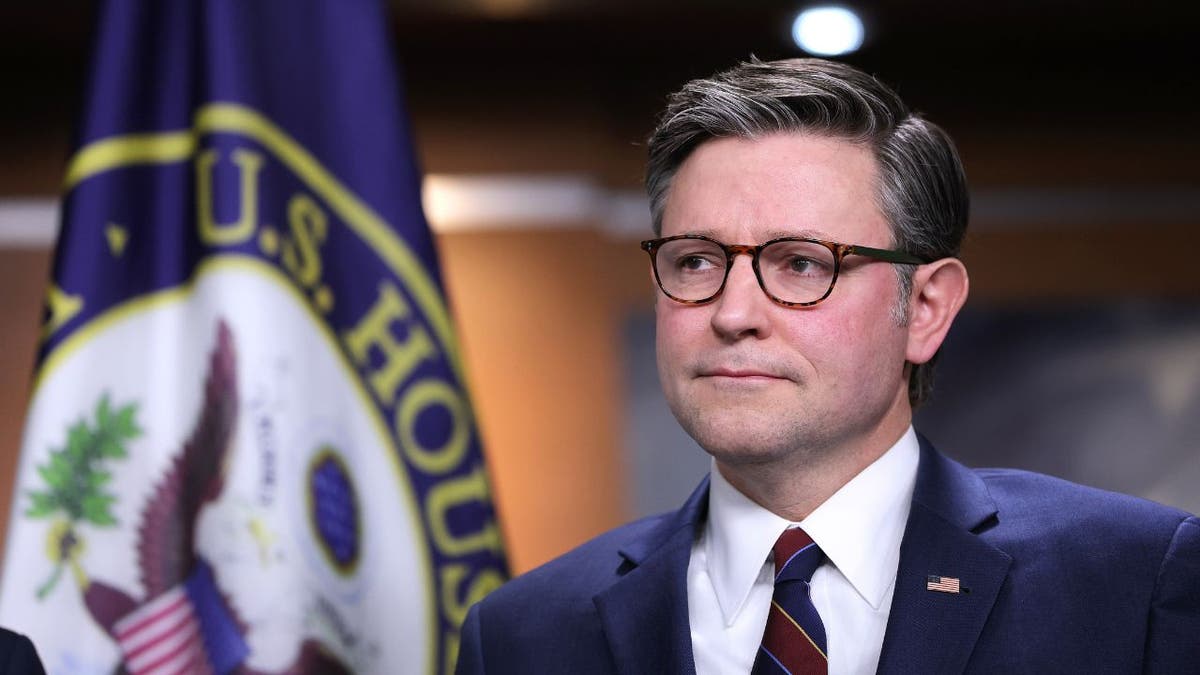
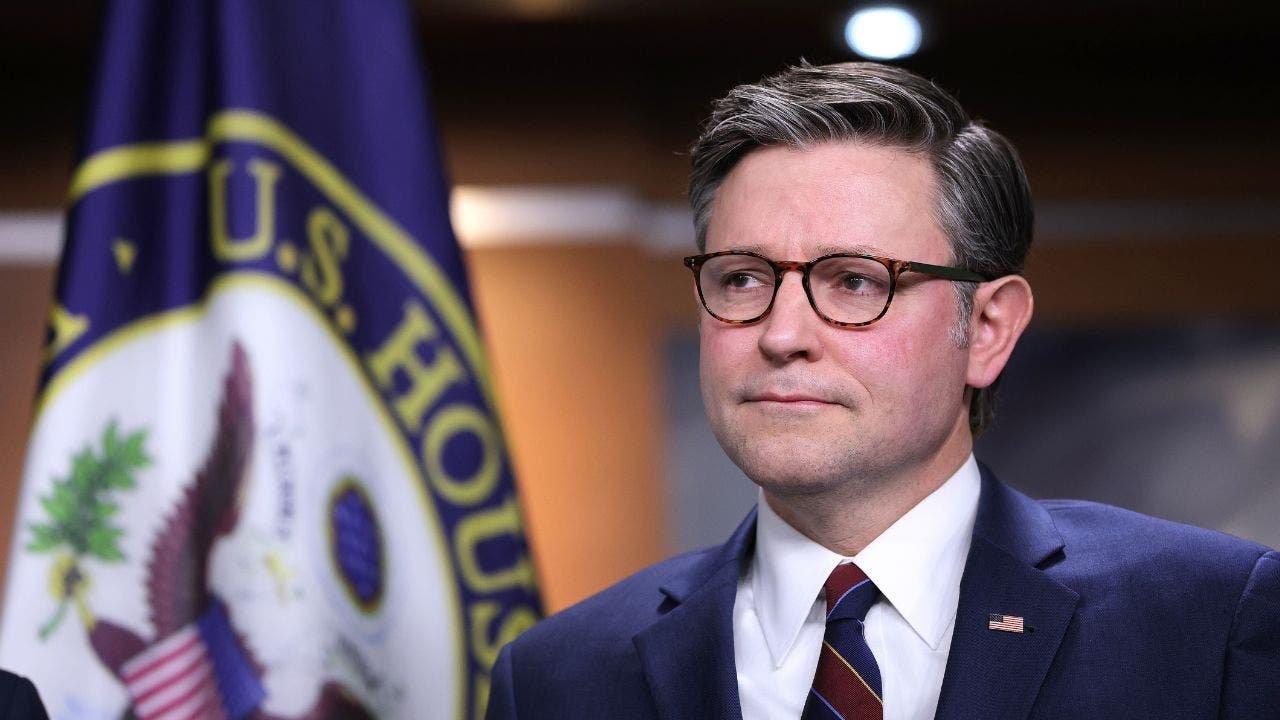
House Speaker Mike Johnson attends a news conference following a House Republican Conference meeting at the U.S. Capitol on Jan. 13, 2026, in Washington, D.C. (Kevin Dietsch/Getty Images)
The speaker could spare just two GOP defections during the test votes assuming all members are present and voting. Though many Democrats were supportive of a clean FISA reauthorization bill, Johnson could not count on their support during the procedural votes because they typically vote along party lines.
The Trump administration has argued the spying authority must be renewed to prevent potential terrorist attacks on the homeland and that it would be reckless to let the program lapse amid conflict with Iran.
«There’s a lot at stake,» CIA Director John Ratcliffe told Fox News during a visit to Capitol Hill in an effort to sell GOP holdouts on a clean extension.
Joint Chiefs of Staff Chairman Gen. Dan Caine sent a letter, obtained by Fox News Digital, to Capitol Hill offices touting the surveillance tool’s importance for national security. Trump also publicly urged Republicans to «UNIFY» behind his desired approach of a clean extension on Truth Social.
ODNI SENDS CRIMINAL REFERRALS TO DOJ FOR EX-IG, WHISTLEBLOWER TIED TO TRUMP IMPEACHMENT
House GOP leadership’s and the Trump administration’s lobbying for a clean FISA extension absent reforms proved to be a tough sell among some conservatives. Despite the high-profile pressure campaign, GOP privacy hawks remained insistent on including a warrant requirement, which they argued would better protect Americans’ data.
«We understand and agree with the president that we need 702 authority to go after bad guys abroad,» Rep. Chip Roy, R-Texas, told reporters. «We’re fighting for greater protections, whether it’s this administration or future administrations to ensure citizens have protections.»
«The folks who are saying we want these reforms within FISA, we mean what we say, and that’s not something that we’re going to sidestep,» Rep. Lauren Boebert, R-Colo., said Thursday.
«We’re always threatened … that something very bad is going to happen, people will die if we don’t reauthorize 702,» Boebert continued. «But many men and women, thousands have died for the Fourth Amendment, and I’m going to continue to stand up and protect that Fourth Amendment right for all American citizens.»
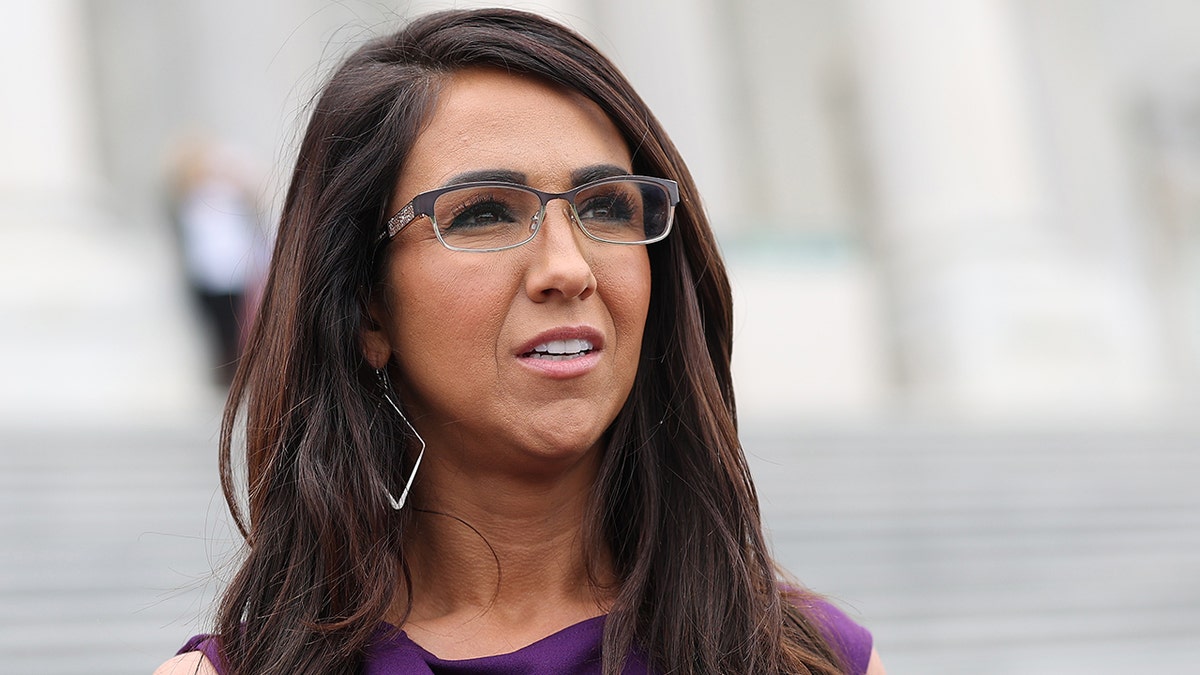
Rep. Lauren Boebert, R-Colo., speaks with reporters as she leaves the U.S. Capitol for the weekend on May 17, 2024, in Washington, D.C. (Kevin Dietsch/Getty Images)
Democrats also slammed the compromise deal early Friday morning for being drafted at the eleventh hour and argued the warrant requirement included in the since-rejected FISA deal is effectively toothless.
«This simply says they may seek a warrant. They don’t have to. They may seek a warrant,» Rep. Jamie Raskin, D-Md., said, referring to the FBI. «In other words, this provision is meaningless. It just returns us to exactly where we were.»
Despite a swath of GOP holdouts, fewer Republicans opposed a clean extension of the 702 program than during previous legislative fights over the spying law.
CLICK HERE TO DOWNLOAD THE FOX NEWS APP
Rep. Jim Jordan, R-Ohio, a FISA skeptic, backed a straight reauthorization, citing more than five dozen reforms that Congress made to the program in 2024.
«2026 is not 2024 and a short-term clean extension of the 702 part of FISA law is an acceptable outcome for the situation that we find ourselves in,» Jordan said Tuesday.
House GOP leadership argued that failure is not an option in preventing a reauthorization lapse for the FISA program.
«This is an essential tool for national security,» Johnson told Fox News on Wednesday. «We cannot allow it to expire, and we won’t.»
Fox News’ Kelly Phares contributed to this report.
house of representatives politics, congress, mike johnson, white house, counter terrorism, privacy

¿Dónde ver EN VIVO y ONLINE el Racing vs. Botafogo, por la Copa Sudamericana?

Roxette homenajeó a Los Redonditos de Ricota durante su show en Argentina

Aumento salarial para trabajadores gastronómicos y hoteleros: cómo quedaron los sueldos básicos

EN VIVO | Los libaneses regresan al sur del país, pero Israel advierte: “Las operaciones contra Hezbollah aún no han sido completadas”

Pichetto: “Hay un rumor de que quieren intervenir el PJ para poner a un pastor que da vueltas por EE.UU.”

Mauricio Macri arranca una gira por el interior del país para reconstruir al PRO y diferenciarse del Gobierno

Martín Menem admitió que el informe de gestión de Manuel Adorni “va a ser picante” y anticipó: “Compren pochoclos”

Adorni también hipotecó su departamento anterior: otras dos mujeres le prestaron 100.000 dólares

El mensaje que le mandó la escribana de Adorni a una de las testigos en la causa por enriquecimiento ilícito

¡Eso no se puede! Sol Abraham rompió el aislamiento antes del intercambio de Gran Hermano: qué hizo

 ECONOMIA2 días ago
El Gobierno debe $5,6 billones a proveedores, obras sociales, transportes y PAMI por caída ingresos
- INTERNACIONAL3 días ago
El origen de los anillos de Saturno: cómo una antigua luna pudo cambiar la historia del planeta para siempre
- POLITICA3 días ago
Después de conocerse la inflación de marzo, Milei culpó a la guerra y prometió una mejora: «Tarde o temprano las cosas van a estar bien»