
INTERNACIONAL
Elecciones en Colombia: más de 41 millones de votantes deciden entre la continuidad de la izquierda o un giro a la derecha dura


En un clima de creciente violencia y extrema polarización, los colombianos celebran este domingo unas reñidas elecciones presidenciales entre la continuidad de la izquierda o un giro a la derecha tradicional o dura.
Los sondeos vaticinan que tres candidatos, sobre un total de 11 aspirantes, lucharán por llegar al balotaje previsto para el 21 de junio.
Ellos son Iván Cepeda, de 63 años, candidato del izquierdista Pacto Histórico y heredero del presidente Gustavo Petro; Paloma Valencia, de 48, postulante del derechista Centro Democrático; y el “outsider” del ultraderechista partido Defensores de la Patria, Abelardo de la Espriella, de 47, admirador de Javier Milei y Nayib Bukele.
Otros ocho postulantes de izquierda, derecha e independientes no aparecen con posibilidades reales en las encuestas.
Cepeda lidera los sondeos, seguido de cerca por De la Espriella. Valencia se ubica en tercer lugar. Pero ninguno de ellos alcanzaría el 50% más uno de los votos válidos para ser electos en primera vuelta.
“Hay mucha incertidumbre. El campo está abierto. Hay tres candidaturas fuertes. Cepeda y De la Espriella están con un empate técnico, pero no sabemos qué puede pasar con Valencia, que cuenta con el apoyo de un partido tradicional que puede movilizar el voto el domingo”, dijo a TN la analista política Eugenie Richard, docente de la Universidad Externado de Colombia.
Creciente violencia y polarización
Más de 41 millones de colombianos están habilitados para votar este domingo. Solo elegirán al presidente y su vice. Los comicios parlamentarios se celebraron en marzo. La izquierda emergió como la primera minoría en un Congreso fragmentado y sin mayorías dominantes.
Petro, el primer presidente de izquierda del país, no puede aspirar a una reelección consecutiva, prohibida por la Constitución.
Iván Cepeda, candidato del Pacto Historico, en el cierre de campaña en Bogotá. (Foto: Luisa González/REUTERS)
Las elecciones se celebran en un marco de violencia armada creciente vinculada a la guerrilla y al narcotráfico que obligó a desplegar 248.000 policías y militares para custodiar el proceso electoral. Ese será el gran reto del futuro presidente.
“Hay regiones del país con problemas de seguridad serios. Ha sido bastante complejo en algunas zonas donde sectores armados están haciendo campaña por uno u otro bando. La situación ha sido bastante tensa en estos ultimos días”, dijo a TN el analista Carlos Moreno, docente de la Pontificia Universidad Javeriana de Bogotá.
Se estima que hay 27.000 hombres en armas y 16 zonas en disputa territorial entre las disidencias de las Fuerzas Armadas Revolucionarias de Colombia (FARC), el Ejército de Liberación Nacional (ELN), grupos paramilitares y organizaciones criminales y del narcotráfico.
Leé también: El Estado Islámico busca reorganizar sus fuerzas en Siria: emboscadas, guerra de guerrillas y asesinatos
En los últimos meses se registraron atentados, enfrentamientos, ataques con drones y hasta el asesinato del precandidato presidencial de la derecha tradicional Miguel Uribe Turbay, baleado en plena calle en Bogotá el pasado 7 de junio. Tras dos meses de agonía, murió el 11 de agosto.
“La violencia será uno de los temas urgentes del futuro gobierno. En los últimos cuatro años organizaciones nacionales y locales se han fortalecido y en algunas ciudades la violencia ha recrudecido. El nuevo presidente deberá administrar el tema seguridad para ver de qué manera contrarrestar a estas organizaciones armadas”, dijo Moreno.
Paloma Valencia, candidata del Centro Democrático. (Foto: Luisa González/REUTERS)

Para Richard, “el clima es bastante tenso». Y señaló: “La Misión de Observación Electoral alertó que hay muchas zonas del país con injerencia de la guerrilla y de grupos armados”.
Pero Colombia también enfrenta otros problemas. El próximo gobierno enfrentará un déficit fiscal de casi el 7% del PBI y una deuda pública que supera el 64% del producto bruto interno. Además, el sistema de la salud está en crisis por un grave desfinanciamiento, según denuncian actores del sector.
Leé también: Balotaje en Perú: quién es Roberto Sánchez, el candidato que quiere devolverle el poder a la izquierda
“Muchas clínicas y hospitales están cerrando o no prestan todos los servicios porque no cuentan con una adecuada financiación. Los recursos no alcanzan para conseguir fármacos. Muchas personas no están tomando las medicinas requeridas o, en el peor de los casos, no están siendo atendidas por el sistema de salud”, afirmó Moreno.
En ese escenario, al candidato de Petro le costará doblegar a cualquier rival, sea de derecha tradicional o dura, en un eventual balotaje, según vaticinan las encuestas.
“Estamos en un momento de polarización extrema”, resumió Richard.
Abelardo de la Espriella en un acto de campaña en Bogotá. (Foto: Nathalia Angarita/REUTERS)

La irrupción de un “outsider” como De la Espriella es la marca más visible de esa confrontación política. Este abogado, empresario y creador digital se hizo conocido en su país por sus exabruptos y sus propuestas radicales.
En 2017, en un artículo de opinión publicado en El Heraldo de Barranquilla, titulado “Muerte al tirano”, pidió asesinar a Nicolás Maduro. Paradójicamente, entonces era abogado de Alex Saab, el operador financiero colombiano-venezolano considerado “testaferro” del expresidente venezolano.
Desde entondes construyó una carrera mediática que lo instaló finalmente en la escena política como fuerte opositor a Petro. Su plan es claro: como admirador de Javier Milei y Donald Trump, agitó un discurso antisistema y de libertad económica que daría un giro radical a cuatro años de gobierno de izquierda frente a la “tibieza” de la derecha tradicional representada por Paloma Valencia.
Colombia, Iván Cepeda, Abelardo de la Espriella











INTERNACIONAL
Un cohete cayó en la Luna: la NASA y SpaceX esperan la luz solar para confirmar el impacto
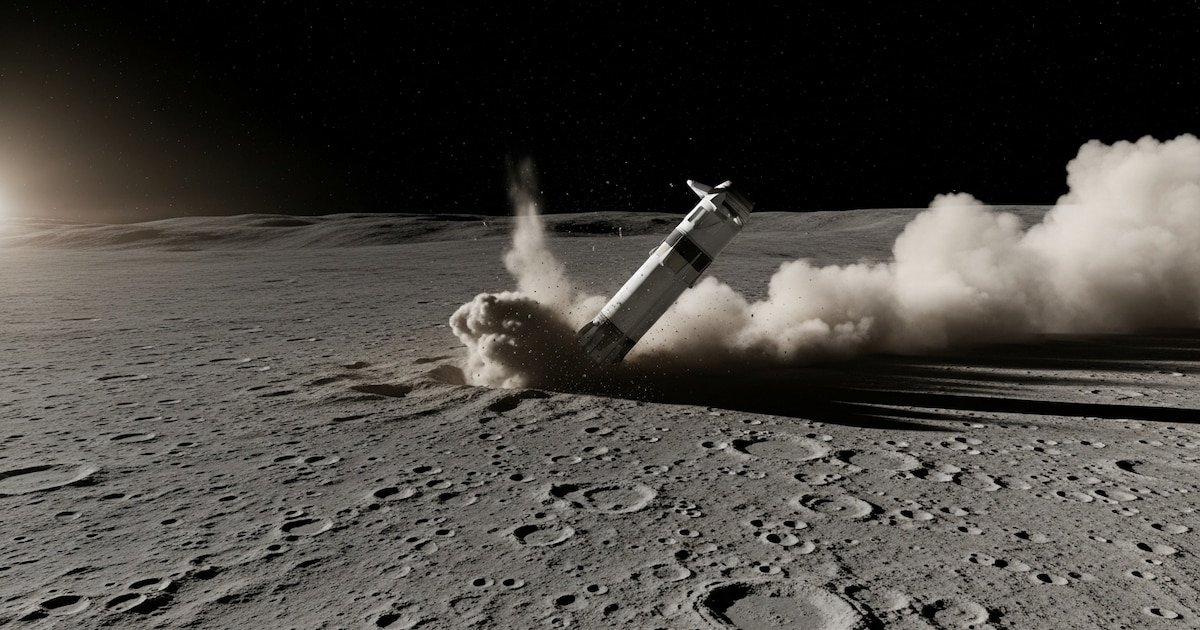
Esta madrugada se esperaba que un fragmento de cuatro toneladas del cohete Falcon 9 de SpaceX impactó la superficie lunar a 8700 kilómetros por hora, aunque todavía no hay confirmación oficial.
El objeto, equivalente en tamaño a un edificio, era la segunda etapa del cohete Falcon 9 que lanzó el 15 de enero de 2025, el módulo lunar Blue Ghost de Firefly Aerospace (Texas) y Resilience de Ispace (Tokio). Blue Ghost logró un alunizaje exitoso en marzo de 2025, mientras que Resilience no aterrizó de forma segura.
Ahora, tanto la NASA y la comunidad astronómica mundial buscan comprobar el choque que según sus cálculos sucedió a las las 6:35 GMT (3:35 hora Argentina, 1:35 hora de Colombia y Perú y 00.35 de México). El impacto tuvo lugar en la cara visible de la Luna, pero cerca del límite entre el día y la noche, lo que dificultó la visión en vivo.

“Lo que ha sucedido es, esencialmente, que una combinación de actividad solar y fuerzas gravitatorias la han puesto en una trayectoria hacia la Luna”, señaló Julianna Scheiman, directora de los programas científicos de la NASA y Dragon de SpaceX, al explicar que la pieza espacial no tenía combustible ni para regresar a la Tierra y desintegrarse en la atmósfera ni para escapar al espacio exterior fuera de la influencia gravitatoria de ambos cuerpos celestes.
Los cálculos anticipaban un choque en la región cercana a los bordes visibles del satélite. La velocidad y la masa del objeto permitieron a los científicos predecir un cráter de aproximadamente 18 metros de ancho y cuatro de profundidad, acompañado por una columna de regolito y escombros que se extendería varios kilómetros.
Sin embargo, aunque la luz solar debía iluminar la pluma de polvo, la propia ubicación y las condiciones lumínicas dificultaron la captura directa del fenómeno desde nuestro planeta.

La expectativa en la comunidad científica es alta. Equipos de astrónomos profesionales y aficionados organizaron campañas de observación utilizando telescopios y cámaras de alta sensibilidad, con la esperanza de registrar el destello inicial del impacto y la evolución de la nube de material eyectado. Pero el choque ocurrió en una región compleja para la observación terrestre.
La Luna, sin atmósfera ni viento, conserva durante milenios las marcas de cada intervención humana, lo que vuelve crucial la documentación fotográfica y científica de estos eventos.
“Esto puede tener cierto interés científico, probablemente menor, y podemos aprender algunas cosas de ello”, reconoció Bill Gray, creador de un software utilizado para rastreo astronómico. La NASA confirmó que buscará oportunidades para obtener imágenes del lugar antes y después del impacto, tarea que recae también en los satélites que orbitan la Luna.

El orbitador surcoreano Danuri y el Lunar Reconnaissance Orbiter (LRO) de la NASA fueron programados para tomar registros detallados, con el objetivo de analizar la formación del cráter y la dispersión del material superficial.
El doctor en astronomía Matt Bothwell de la Universidad de Cambridge explicó que los datos más valiosos surgirán cuando “un satélite orbital lunar pase por el lugar del impacto” y se logren comparar imágenes previas y posteriores a la colisión. Según Bothwell, “la gran recompensa por el impacto del cohete de SpaceX contra la Luna se verá en aproximadamente una semana”.
Hasta el momento, ninguna imagen en tiempo real pudo confirmar visualmente la colisión, lo que desafía la inmediatez habitual en la divulgación científica y obliga a confiar en la precisión de los instrumentos automáticos y en los registros indirectos.

La ausencia de imágenes en vivo no reduce la relevancia del experimento. El Falcon 9, lanzado con el propósito de impulsar módulos lunares, agotó su combustible y, al no poder maniobrar, se integró a la lista de desechos espaciales que circulan entre la Tierra y la Luna. La segunda etapa del cohete, al contrario de lo que ocurre con lanzamientos a órbita baja que regresan a la atmósfera y se desintegran, quedó a la deriva. Solo cuando la actividad solar y las fuerzas gravitatorias alteraron su curso, se confirmó una trayectoria de impacto lunar.
La NASA detalló que el análisis del cráter y del material expulsado permitirá “comprender mejor los impactos artificiales y sus implicaciones para la exploración espacial”. El portavoz de la agencia, Jimi Russell, precisó que “el impacto no supone ningún peligro para la Tierra y los científicos de la NASA planean recopilar datos lunares del suceso y perfeccionar las técnicas para rastrear objetos en el espacio”.
La información recolectada ayudará a mejorar los modelos que describen la formación de cráteres, el comportamiento del regolito y la dispersión de polvo, factores clave para planificar futuras misiones tripuladas y proteger equipamiento e infraestructura en la superficie lunar.

El impacto del Falcon 9 fue seguido con atención por la comunidad internacional, no solo por su valor como experimento controlado, sino por el debate que despierta sobre la acumulación de basura espacial y la gobernanza del entorno lunar. La colisión, aunque no representa un peligro inmediato, ilustra cómo la exploración y el uso comercial del espacio generan nuevos desafíos para la administración responsable de los cuerpos celestes.
El evento fue posible solo porque los astrónomos lograron, este año, rastrear la trayectoria de la etapa superior del cohete y confirmar que terminaría en la Luna. Este nivel de seguimiento, aún incipiente para la mayoría de los objetos espaciales, resulta fundamental para evitar colisiones no planificadas y para anticipar los riesgos que enfrenta la infraestructura científica y humana en el satélite.
A diferencia de los impactos naturales de meteoritos, donde las variables suelen ser inciertas, la colisión del Falcon 9 ofrece a los científicos información exacta sobre el peso, la velocidad y el ángulo de entrada. Todo ello permite ajustar modelos informáticos y obtener parámetros precisos sobre el brillo del impacto, la forma y el tamaño del cráter y la cantidad de regolito desplazado.

(NASA/GSFC/Arizona State University)
Las simulaciones previas estimaban un cráter de 20 metros de diámetro y una pluma de polvo elevándose varios kilómetros. Parte de ese material volvería a la superficie en segundos, pero algunos fragmentos más ligeros podrían permanecer suspendidos durante minutos, iluminados por la luz solar, aunque fuera del alcance de la vista humana sin equipamiento especializado.
El interés de la comunidad astronómica por el evento no se limita a su carácter científico. El Dr. Bothwell lo describió como “un pequeño y curioso experimento en la Luna”, pero advirtió que el espacio “se está llenando cada vez más de basura espacial: objetos fabricados por el hombre que orbitan alrededor de la Tierra”.
La preocupación por la acumulación de desechos es compartida por expertos y agencias: “Dentro de unas décadas, podría ser muy difícil superar la órbita terrestre debido a la gran cantidad de objetos en el espacio. Se trata de basura espacial, y sin duda deberíamos preocuparnos por ello”, subrayó Bothwell.

– EFE/EPA/CRISTOBAL HERRERA-ULASHKEVICH
La gestión de estos residuos, que ya circulan en gran número alrededor de la Tierra y la Luna, exige coordinación internacional. El control y rastreo de etapas de cohetes y otros fragmentos se vuelve urgente ante el incremento de misiones comerciales y científicas.
La posibilidad de que un accidente afecte experimentos, equipos o incluso bases lunares en el futuro realza la importancia de perfeccionar las técnicas de monitoreo y de diseñar rutas seguras de eliminación para misiones de alta energía.
El estudio de este impacto artificial servirá para perfeccionar las herramientas de observación y las estrategias de protección, a medida que la exploración lunar avance hacia una presencia humana más sostenida.

En este contexto, la colaboración global y la transparencia en la gestión de información serán esenciales para preservar tanto el valor científico como el patrimonio cultural y ambiental de la Luna.
La colisión del Falcon 9 inaugura una etapa donde la ciencia, la tecnología y la diplomacia deben avanzar juntas. El desafío será garantizar que el progreso en la exploración lunar no comprometa la seguridad de futuras misiones ni el legado que la humanidad deja en su único satélite natural.
Mientras la comunidad espera los registros de los satélites y la llegada de imágenes claras del cráter, el episodio deja una lección: cada nueva huella en la Luna es indeleble y cada intervención abre preguntas que trascienden la ciencia, involucrando ética, derecho y cooperación internacional.
SpaceX,Luna
INTERNACIONAL
WATCH: Smithsonian director admits she sees history as ‘tool’ of ‘social justice’ in resurfaced 2025 clip
NEWYou can now listen to Fox News articles!
After an explosive series of congressional hearings on alleged woke «ideological capture» at the Smithsonian, a resurfaced video of a presentation by National Museum of American History Director Anthea Hartig shows her calling «history as a practice» a «prime tool of social justice.»
In a series of July hearings on Capitol Hill, Hartig defended the Smithsonian’s record of objectivity and nonpartisanship. However, in a resurfaced presentation to University of California, Los Angeles students in February 2025, Hartig described «a number of ways in which your National Museum of American History is taking an equity-based, justice forward, community driven and necessarily humble approach to public history and to service.»
Later in her presentation, Hartig asserted that the «United States’ long and violent racial history continues to be present in our reckoning, if you will.»
She said that «redress in the form of reparation, of course, goes beyond acknowledgement of wrongdoing; it should leverage responsibility, it should think about the act of correction, as we pursue restorative justice and, for us [on the call], restorative justice through history.»
TRUMP V. SMITHSONIAN: A TIMELINE OF HOW THE WHITE HOUSE FIGHT OVER ‘WOKE’ HISTORY UNFOLDED
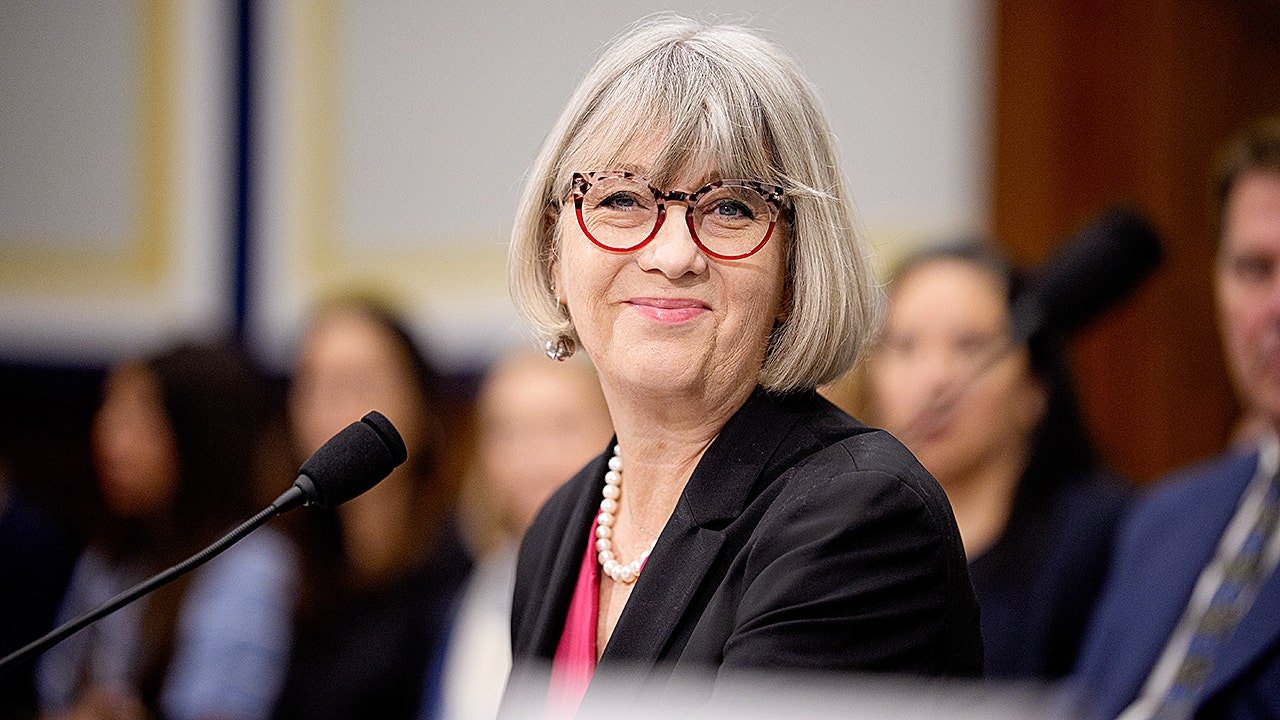
From left, Anthea Hartig, director of the Smithsonian Institution’s National Museum of American History, Mike Gonzalez, Angeles T. Arredondo E Pluribus Unum Senior Fellow, The Heritage Foundation, and Matthew Spalding, professor in constitutional government and dean of Hillsdale College’s Van Andel Graduate School of Government, testify during the House Oversight and Government Reform Delivering on Government Efficiency Subcommittee hearing titled «Rewriting American History: Examining the Smithsonian’s Efforts to Reshape the Past,» in Rayburn building on Tuesday, July 21, 2026. (Tom Williams/CQ-Roll Call, Inc via Getty Images)
During her testimony on Capitol Hill last month, Hartig stated: «Our work is governed by the Smithsonian standards of scholarship, accuracy, independence and nonpartisanship.» She said, «the museum does not take sides in America’s political debates,» but instead, «We preserve and document the evidence of American life in all of its breadth, so that the public can encounter the past and draw their own conclusions.»
However, in her presentation to UCLA, she asserted that «history as a practice … is for me a prime tool of social justice.»
Hartig began her talk with a land acknowledgement and a slide showing a picture of an American flag defaced with words that appeared to read «Defund the Police.» Her caption said the photo was from a Black Lives Matter protest in Washington, D.C., in 2020. Another photo Hartig showed later in the presentation depicted a protester holding a sign that read, «America loving you is complicated.»
She remarked that the museum opened in 1964 as «this kind of Cold War, you know, ‘We’re going to be the best and most technologically advanced country in the nation, and we’re going to show everyone how we did that’ … We clearly have moved away from that.»
TRUMP ORDERS SIGNS OUTSIDE SMITHSONIAN MUSEUM AMID ROW OVER ITS DEPICTION OF AMERICAN HISTORY
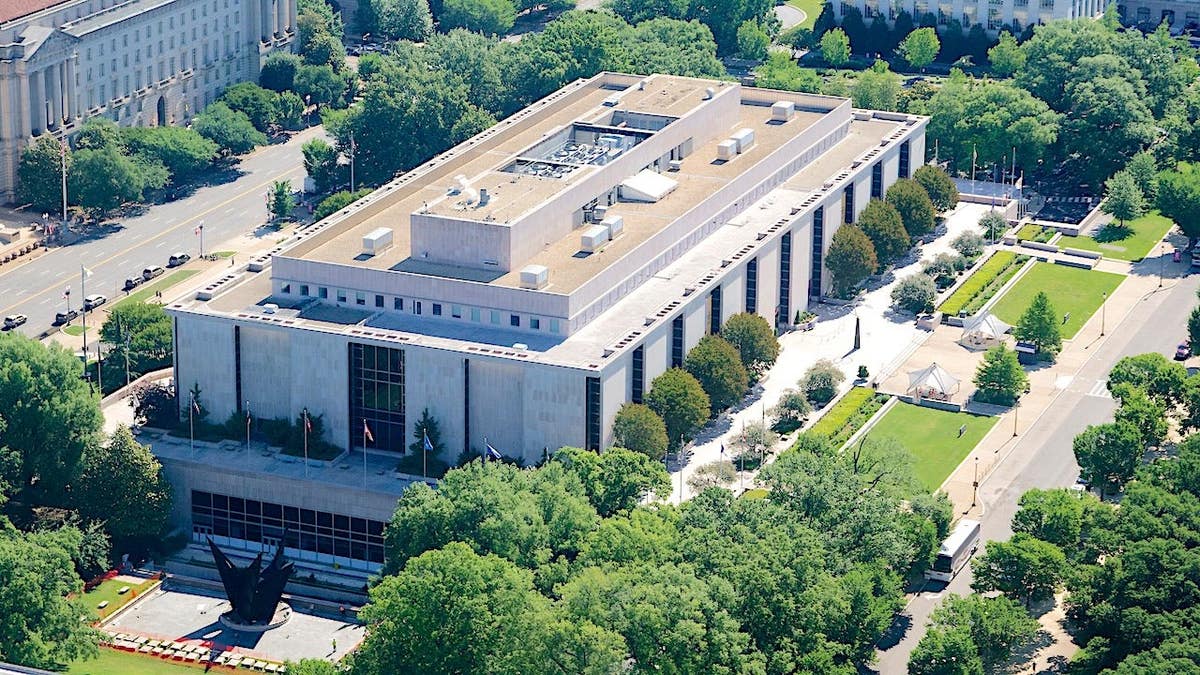
The Smithsonian’s National Museum of American History is being called out for being «ideologically captured» and presenting woke revisionist history on the weekend of America’s 250th birthday. (Kevin Carter)
Instead, Hartig highlighted what she called the museum’s «bold new vision» to become the «most accessible, inclusive, relevant, and sustainable public history institution in the country.» This, the vision states, will allow the museum to «serve an audience that reflects the full racial, class, gender, ethnic, and geographic demographics of the United States.»
To this end, Hartig said the museum «joined a very collaborative Smithsonian-wide collecting effort around Black Lives Matter … to document and preserve and share objects focused on Black Lives Matter to show the history of the movement starting in 2012.»
She shared a picture of protest signs outside the White House from the summer of 2020 and spoke highly of «these phenomenal, ephemeral statements, signs … expressing that kind of very heartfelt and incredibly poignant [message].»
Hartig also praised an anti-ICE organization called «Tsuru for Solidarity» as a «truly remarkable group,» highlighting its collaboration with the Black Lives Matter movement.
According to its website, Tsuru for Solidarity is a «nonviolent, direct action project of Japanese American social justice advocates and allies working to end detention sites and support directly impacted immigrant and refugee communities that are being targeted by racist, inhumane immigration policies.» Its website also states, «We stand on the moral authority of Japanese Americans who suffered the atrocities and legacy of U.S. concentration camps during WWII and we say, ‘Stop Repeating History!’»
FORMER DEMOCRATIC STAFFERS, DEI LEADERS SHAPE SMITHSONIAN LEADERSHIP AMID POLITICAL FIRESTORM
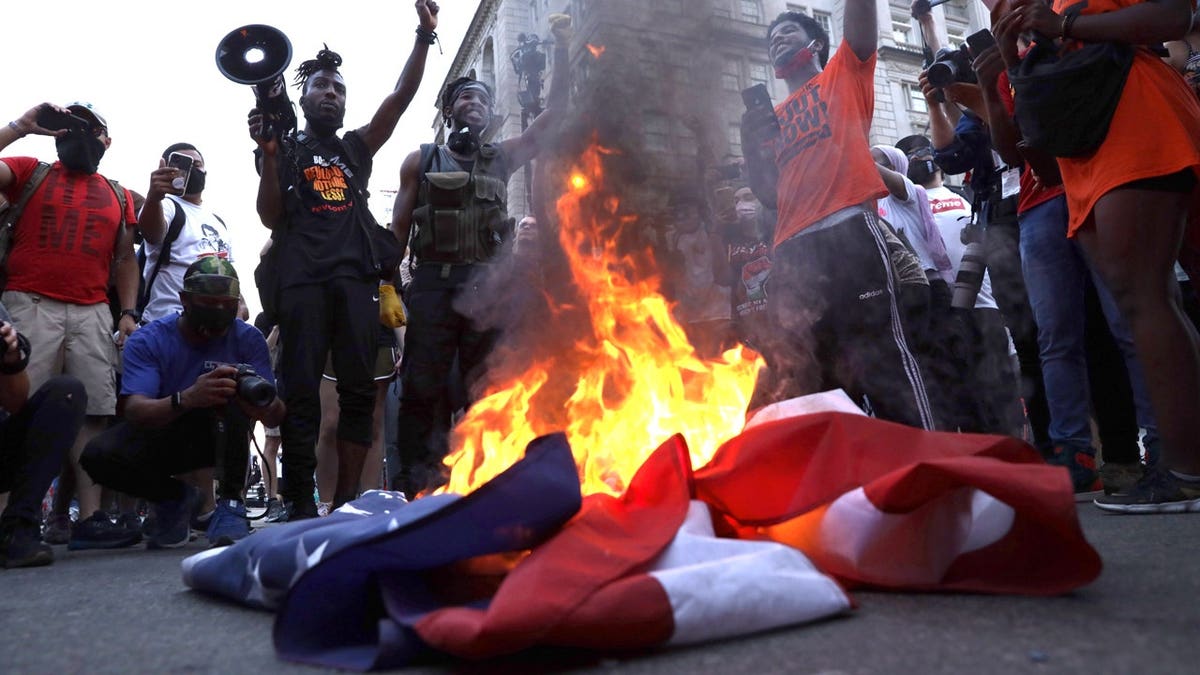
Activists burn a U.S. flag at Black Lives Matter Plaza near the White House July 4, 2020, in Washington, D.C. (Alex Wong/Getty Images)
Besides the Black Lives Matter initiative, Hartig said the museum is pursuing a «proactive multilingual strategy to support language justice.»
She explained that «the idea, of course, [is] that everyone has the right to communicate in the language in which they feel most comfortable to be understood and to understand.»
To this end, she said that since the fall of 2019, «all exhibitions and signage and digital projects will be at least bilingual in English and Spanish and a number of them in more languages depending on the project and communities of origin.»
Hartig asserted, «We’re under attack for speaking complicated truths» and urged students to «raise your voices and speak them together.»
She said, «It continues to grow resolute in my mind, [history] is the key that unlocks the mysteries of humanity, of meaning, of place, of conquest, of love, power, authority and self.»
SIGN UP TO GET THE POLITICS NEWSLETTER
«We are tellers of stories and seekers of truths, hopefully embracers of nuance, ambassadors of empathy and defenders of inalienable rights,» she said.
Fox News Digital reached out to the National Museum of American History, the Smithsonian Institution, Black Lives Matter and Tsuru for Solidarity for comment.
smithsonian, woke, history, museums exhibits, us protests
INTERNACIONAL
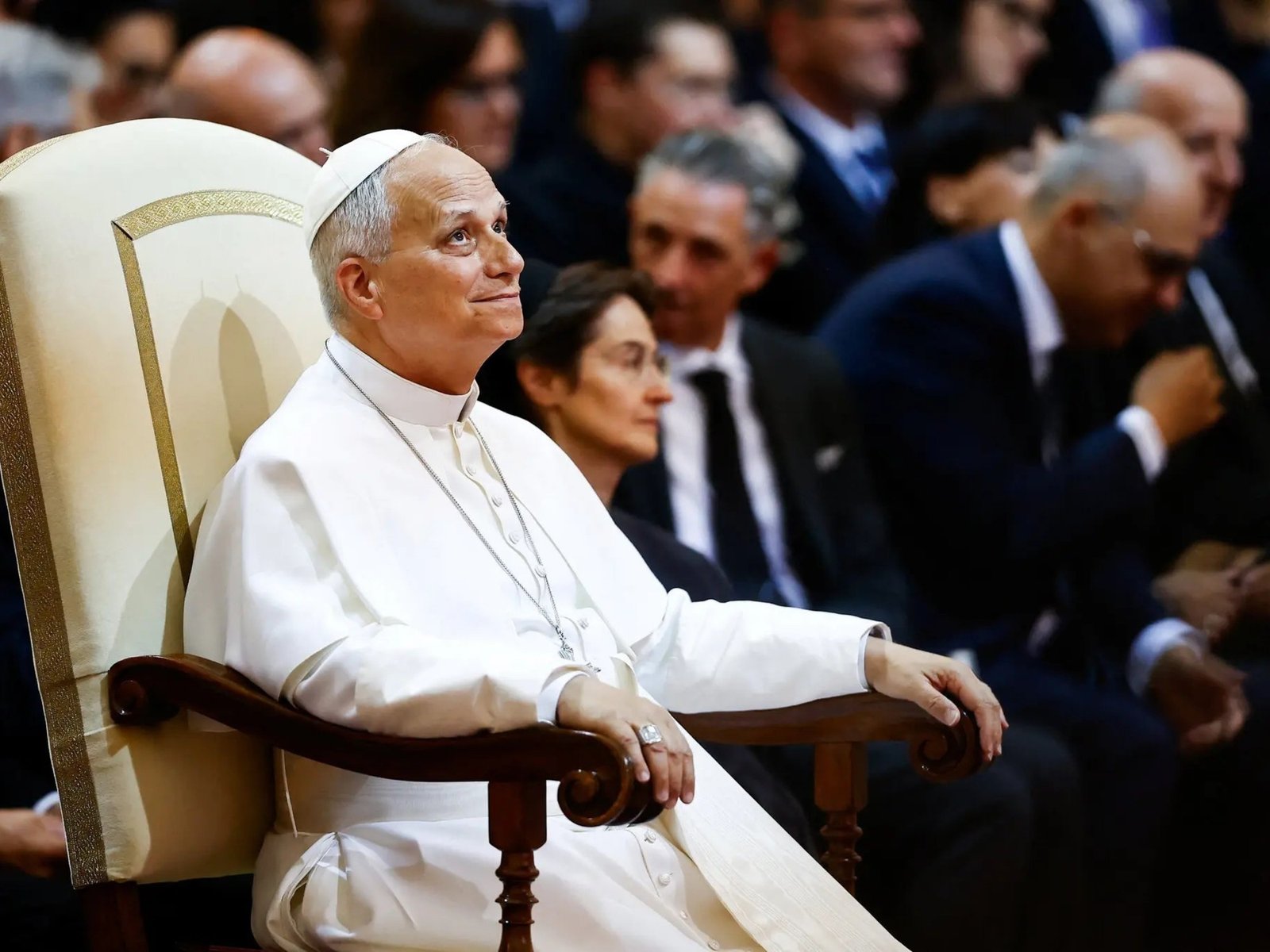
El papa León XIV visitará la Argentina en noviembre: estará en Buenos Aires, Córdoba y Luján
El mensaje de la Iglesia argentina
La última visita de un Papa a la Argentina

La negativa de Francisco y los desencuentros con Milei

Crisis diplomática: por pedido del gobierno de Lula, el embajador argentino se va de Brasil

Un cohete cayó en la Luna: la NASA y SpaceX esperan la luz solar para confirmar el impacto

295 millones para el Hull City: diez veces más que el campeón de Italia

Quirno contó por qué el Papa visitará Buenos Aires, Córdoba y Luján y no otras ciudades

Ex Potenciar Trabajo de ANSES: quiénes cobran el plan de $78.000 en agosto y cuándo se paga

Milei celebró el viaje del papa León XIV a la Argentina: “Una visita histórica para todos los argentinos”

“Vamos a acelerar con todo”: el objetivo del Gobierno por las reformas y la agenda electoral de cara al 2027

Javier Milei cruzó a Victoria Villarruel y elevó la tensión: “Es una opositora, replica los argumentos kirchneristas”

Reelecciones indefinidas: el oficialismo bonaerense niega que busque ampliar la Legislatura como parte de una reforma política para beneficiar a los intendentes

¡Chau Luck Ra! La salida de soltera de La Joaqui, muy bien acompañada, a días de su separación
-
 POLITICA2 días ago
Javier Milei cruzó a Victoria Villarruel y elevó la tensión: “Es una opositora, replica los argumentos kirchneristas”
-
 POLITICA3 días ago
Reelecciones indefinidas: el oficialismo bonaerense niega que busque ampliar la Legislatura como parte de una reforma política para beneficiar a los intendentes
-
 CHIMENTOS3 días ago
¡Chau Luck Ra! La salida de soltera de La Joaqui, muy bien acompañada, a días de su separación