INTERNACIONAL
Estados Unidos aumentó la presión sobre Cuba y sancionó a altos funcionarios

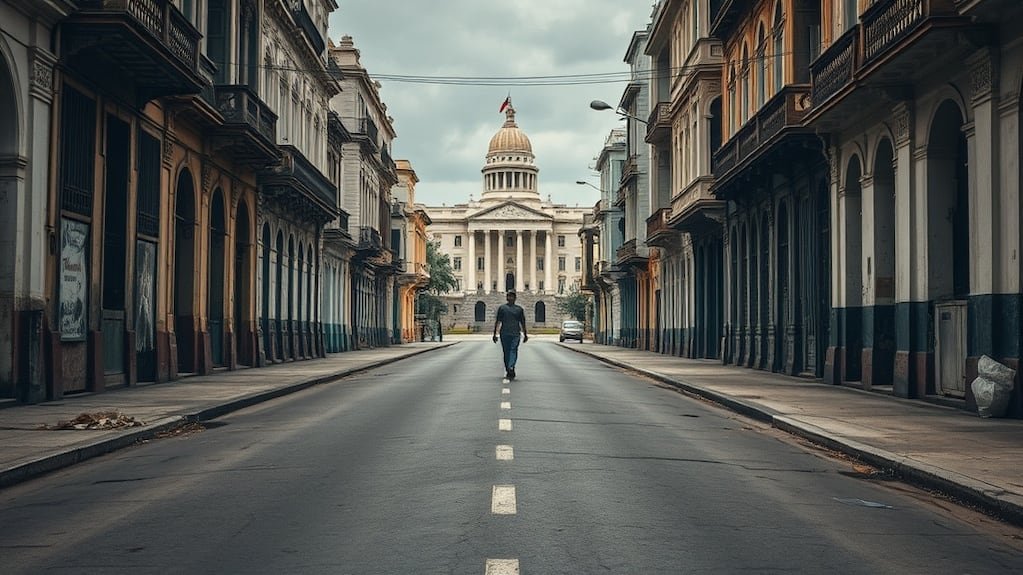
El gobierno de Donald Trump intensificó el lunes su campaña de presión contra el gobierno de Cuba, al imponer sanciones a tres organismos gubernamentales y a 11 altos cargos. Entre los sancionados figuran tres generales y funcionarios del partido comunista vinculados al aparato de seguridad cubano.
Dichas sanciones, normalmente utilizadas contra acusados de narcotráfico, violación de los derechos humanos y terrorismo, congelan los bienes y las cuentas bancarias que puedan tener en Estados Unidos.
Aunque es poco probable que alguno de los cubanos objeto de las sanciones tenga activos en Estados Unidos, la medida supone una importante escalada en la campaña del gobierno de Trump para obligar al gobierno comunista a revisar su sistema económico y político.
“Actores alineados con el régimen, como los designados hoy, son responsables del sufrimiento del pueblo cubano, del fracaso de la economía cubana y de la explotación de Cuba para operaciones de inteligencia extranjera, militares y terroristas”, dijo el secretario de Estado Marco Rubio en un comunicado. “Las designaciones de hoy restringen aún más la capacidad del régimen cubano para suprimir la voluntad del pueblo cubano”.
La medida siguió a una oleada anterior de sanciones que presionaron a algunas empresas extranjeras que hacían negocios en Cuba para que se retiraran de la isla, lo que podría desencadenar una cascada de dificultades económicas peores.
Tras una orden ejecutiva dictada este mes para dificultar los negocios en la isla, Hapag-Lloyd, naviera alemana, y CMA CGM, naviera francesa, suspendieron las reservas hacia y desde Cuba. Algunos analistas consideraron especialmente perjudicial la retirada de las navieras, ya que suministraban a la isla productos muy necesarios.
Una empresa minera canadiense, Sherritt International Corporation, también anunció que abandonaba sus empresas conjuntas con Cuba.
El gobierno cubano no respondió a las solicitudes de comentarios.
Entre los altos cargos cubanos afectados por las nuevas sanciones el lunes se encontraban el presidente de la Asamblea Nacional, así como los ministros de Comunicaciones, Energía y Minas y Justicia. También fueron nombradas varias personas que trabajaban para las fuerzas armadas, entre ellas el viceministro de Defensa y tres generales, así como el Ministerio del Interior, la Policía Nacional Revolucionaria y la Dirección de Inteligencia.
John Kavulich, presidente del Consejo Económico y Comercial EE.UU.-Cuba, organización privada no partidista que sigue la política comercial de Washington, dijo que las sanciones eran importantes debido a los altos cargos que ocupan las personas señaladas.
“Desde el punto de vista óptico, es significativo porque se añade a la cartera que el gobierno de Trump está desarrollando para –esperemos, desde su perspectiva– utilizarla como herramienta de negociación”, dijo Kavulich.
Leé también: Cuba advirtió que responderá a un eventual ataque de EE.UU. y anticipó: “Podría provocar un baño de sangre”
El gobierno de Trump ha estado asestando a Cuba repetidos golpes destinados a paralizar el gobierno comunista que dirige el país desde 1959. Cuba prácticamente no ha recibido petróleo este año después de que el gobierno de Trump bloqueara los envíos de petróleo de Venezuela, la principal fuente de la isla, y bloqueara casi todas las demás entregas de combustible extranjero.
La escasez de petróleo ha sumido al país en prolongados apagones. Incluso La Habana, la capital, está ahora sin electricidad hasta 22 horas al día.
“Para Cuba, esto es feo”, dijo Kavulich. “Y se está poniendo más feo”.
El gobierno también ha estado realizando vuelos de vigilancia alrededor de la isla. La semana pasada, el director de la CIA, John Ratcliffe, visitó la isla y exigió que Cuba cerrara los puestos de escucha chinos y rusos que alberga.
El miércoles, se espera que el Departamento de Justicia estadounidense anuncie una acusación penal contra Raúl Castro, exministro de Defensa y expresidente, por haber ordenado el derribo de dos aviones civiles en 1996. Murieron cuatro personas.
Miguel Díaz-Canel sucedió a Raúl Castro en la Presidencia de Cuba. (Imagen de archivo)
Estados Unidos y Cuba han mantenido negociaciones secretas en las que Washington ha exigido ciertos cambios, entre ellos una apertura económica y una indemnización para las personas cuyas propiedades fueron confiscadas por el gobierno hace décadas.
El presidente Miguel Díaz-Canel ha calificado la serie de acciones estadounidenses de “crimen internacional”.
“Cuba no representa una amenaza, ni tiene planes o intenciones agresivas contra ningún país”, escribió en X. “Cuba, que ya sufre una agresión multidimensional de EE.UU., sí tiene el derecho absoluto y legítimo a defenderse de una arremetida bélica”.
Miguel Cossio, director ejecutivo del Museo Americano de la Diáspora Cubana, en el sur de Florida, dijo que los objetivos de las sanciones parecían haber sido cuidadosamente seleccionados.
El museo, junto con la Foundation for Human Rights in Cuba, preparó un dossier que se hará público el martes con una lista recomendada de decenas de funcionarios cubanos que, según afirman, han participado en actos de represión, procesamientos por motivos políticos, corrupción y otros delitos que deberían hacerles merecedores de sanciones.
“No los escogen por gusto”, dijo Cossio. “Son la élite de la cúpula, quienes realmente dirigen el gobierno y forman parte de la estructura de espionaje y represión”.
*Por Frances Robles, una reportera del Times que cubre América Latina y el Caribe; lleva más de 25 años informando sobre la región.
The New York Times, cuba, Estados Unidos









INTERNACIONAL
Donald Trump amenazó con atacar un complejo nuclear subterráneo en Irán: “No hemos terminado en absoluto”
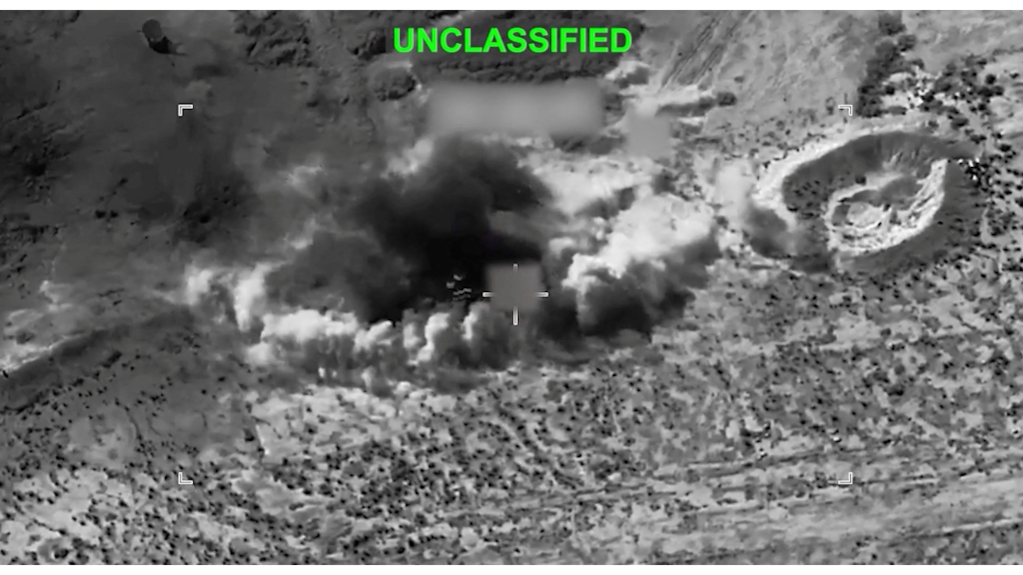
En medio de una intensificación de los ataques en Medio Oriente, el presidente estadounidense, Donald Trump, declaró este martes que “no ha terminado en absoluto” su campaña contra Irán y amenazó con golpear un complejo nuclear subterráneo en el país persa.
“Si nos fuéramos ahora, a Irán le llevaría 20, 25 años reconstruir. Pero no hemos terminado en absoluto”, afirmó durante un intercambio con periodistas en el Despacho Oval de la Casa Blanca.
El madatario estadounidense advirtió que el próximo objetivo militar podría ser un complejo nuclear subterráneo conocido como Montaña Pickaxe.
Se trata de una instalación nuclear enterrada a gran profundidad cerca de Natanz, en el centro de Irán, donde los servicios de inteligencia occidentales sospechan que Irán está construyendo una planta de enriquecimiento no declarada.
“Vamos a golpear esa zona muy pronto, y con mucha fuerza”, dijo Trump. Además, señaló que normalmente no anunciaría blancos militares, pero “no hay nada que (los iraníes) puedan hacer al respecto”.
Trump estimó que a Irán le llevaría más de 20 años reconstruir los daños actuales en declaraciones a periodistas durante una reunión en la Casa Blanca con el presidente libanés Joseph Aoun.
Irán intensifica sus ataques en Medio Oriente
En tanto, dos semanas después de la reanudación de las hostilidades con Estados Unidos, Irán intensificó sus ataques en Oriente Medio en una guerra total, según Teherán, que amenaza con extenderse al mar Rojo.
Si la república islámica ya controla el estratégico estrecho de Ormuz, sus aliados en Yemen, los rebeldes hutíes, afirmaron que quieren bloquear la navegación desde y hacia puertos sauditas en el mar Rojo.
Los rebeldes hutíes son armados por Irán (Foto: EFE)
Durante la guerra en Gaza, los rebeldes hutíes, que controlan amplias zonas de Yemen, ya perturbaron gravemente el tráfico marítimo mundial con lanzamientos de drones y misiles contra buques que pasaban por esa zona.
El lunes, anunciaron un “bloqueo marítimo contra el enemigo saudita criminal”, aliado de Estados Unidos.
Leé también: Quién es el nuevo líder de Hamas: sobrevivió a tres intentos de asesinato y fue clave para negociar el alto el fuego con Israel
No está claro cómo los rebeldes de Yemen pueden implementar este cerco contra uno de los principales productores mundiales de petróleo, que cuenta con sus puertos en el mar Rojo para esquivar el bloqueo iraní de Ormuz.
Trump también amenazó este martes a los hutíes y afirmó que si avanzan en el cerco se encargará de ellos.
“Ya lo saben, lo hemos hecho antes con los hutíes, y hace tiempo que no sabemos nada de ellos desde que tomamos las medidas que tomamos en su momento”, afirmó.
Los expertos también alertan de una posible perturbación de la navegación en el estrecho de Bab el Mandeb, en la costa sur de Yemen, que da acceso al mar Rojo y es vía de paso hacia el canal de Suez y el Mediterráneo.
Tras el anuncio, los precios del petróleo alcanzaron el lunes su nivel más alto desde hacía un mes y, aunque el martes bajaron ligeramente, el barril de Brent sigue sobre 90 dólares.
Irán atacó Jordania, Baréin y Kuwait
En el otro extremo de la península de Arabia, las tensiones en torno al control de Ormuz condujeron a la reanudación el 7 de julio de las hostilidades entre Irán y Estados Unidos.
Los bombardeos alcanzaron niveles sin precedentes desde el primer alto el fuego acordado en abril y reforzado a mediados de junio por un protocolo de acuerdo que debía conducir al final de la guerra.
Como ya hizo al comienzo de los bombardeos israelo-estadounidenses el 28 de febrero, Irán respondió con ataques a aliados de Washington en el Golfo y Oriente Medio como Siria, Jordania o Irak.
En las últimas 24 horas, Jordania, Baréin y Kuwait denunciaron ataques con drones y misiles iraníes.
“El enemigo deberá prepararse para olas de drones y ataques de misiles aún más decisivos y poderosos”, afirmaron el martes la Guardia Revolucionaria Islámica.
Este ejército ideológico de Irán aseguró que sus fuerzas habían destruido sistemas de defensa antiaérea e instalaciones de radares en Baréin y Kuwait.
En este segundo país, las autoridades pidieron a la población que racione el uso de aire acondicionado después de denunciar que Teherán había atacado instalaciones de desalinización y centrales eléctricas.
(Con información de AFP)
Irán, Donald Trump
INTERNACIONAL
Se advierte a los viajeros que un error al hacer la maleta podría costar hasta 10 años de prisión y multas de USD 15.000
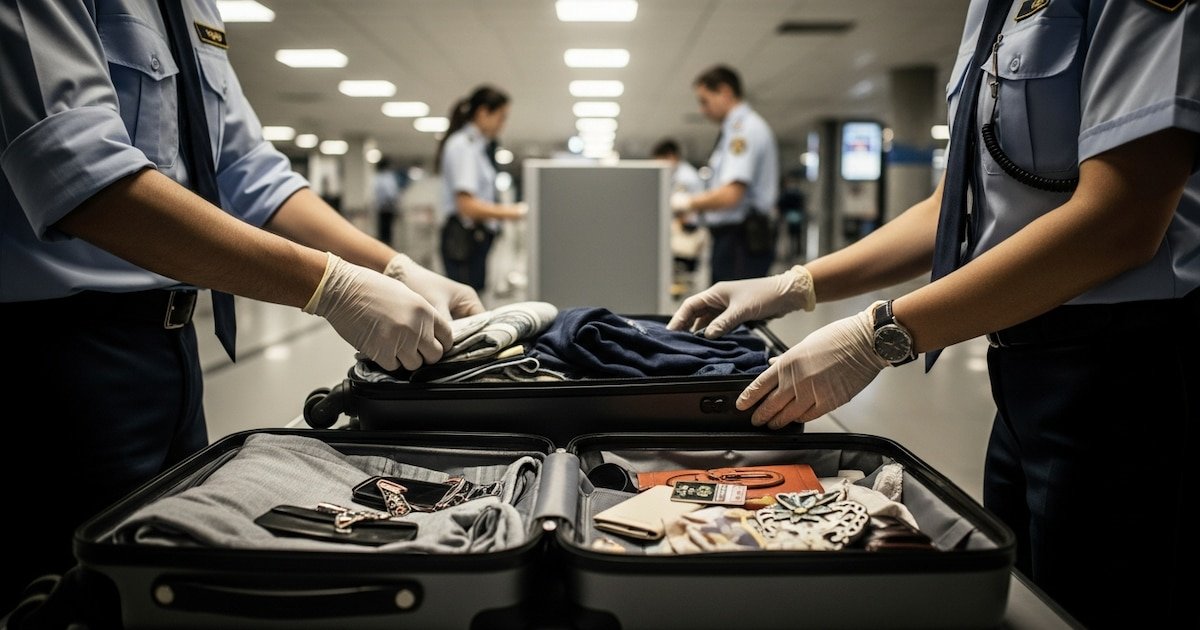
El gobierno de Tailandia implementó nuevas sanciones que contemplan hasta 10 años de prisión y multas de 500.000 baht (unos 15.000 dólares estadounidenses) para quienes intenten ingresar o sacar productos de cannabis a través de los aeropuertos del país sin autorización. Esta norma, vigente desde junio de 2026, afecta a turistas internacionales, residentes y ciudadanos tailandeses, según fuentes oficiales consultadas por Fox News y la Embajada de Estados Unidos en Tailandia. Las embajadas de varios países advierten a sus ciudadanos sobre los riesgos legales y recomiendan revisar la legislación local antes de viajar.
De acuerdo con la Embajada de Estados Unidos en Tailandia, la nueva política responde a un refuerzo de los controles aduaneros tras el aumento de intentos de contrabando y tráfico de cannabis en vuelos internacionales. Las penas incluyen privación de libertad y sanciones económicas significativas, sin excepción por cantidades pequeñas o uso personal. Fox News y medios tailandeses reportan que la normativa prohíbe expresamente el traslado internacional de cannabis sin permisos oficiales, incluso si el producto es legal en el país de origen del viajero.
El endurecimiento de la ley tailandesa se produce tras la despenalización de la posesión de cannabis para consumo interno en 2022. Las autoridades locales justifican la medida por el incremento de incautaciones y el desvío de productos derivados hacia otros mercados, según comunicados del gobierno de Tailandia.
¿Qué consecuencias legales enfrenta un turista que transporta cannabis en Tailandia?
Las consecuencias legales para quienes transportan cannabis en los aeropuertos de Tailandia son claras: hasta 10 años de prisión y multas que pueden llegar a los 500.000 baht, equivalentes a aproximadamente 15.000 dólares estadounidenses. La Embajada de Estados Unidos en Tailandia advierte que la normativa se aplica sin distinción a residentes, extranjeros, turistas y pasajeros en tránsito. El decomiso inmediato del producto y la apertura de un proceso penal son las acciones iniciales ante la detección de cannabis en el equipaje, de acuerdo con el Departamento de Aduanas de Tailandia.
Según declaraciones recogidas por Fox News, “el hecho de portar cannabis, aunque sea en cantidades mínimas o con prescripción médica, no exime de responsabilidad penal en Tailandia”. Los controles en los principales aeropuertos internacionales incluyen inspecciones con rayos X, perros adiestrados y cooperación entre policías migratorias y organismos de aduanas. Las autoridades tailandesas han incrementado la vigilancia en respuesta a recientes incautaciones en otros países de la región, como Hong Kong e Indonesia.

¿Por qué Tailandia endureció las leyes sobre el cannabis en fronteras?
El endurecimiento de la legislación sobre cannabis en las fronteras de Tailandia responde a dos factores principales: el aumento del tráfico internacional y la necesidad de alinearse con las recomendaciones de organismos internacionales en materia de control de estupefacientes. Según información oficial, las incautaciones de cannabis en aeropuertos se multiplicaron tras la despenalización interna de la planta en 2022. El Ministerio de Salud Pública de Tailandia, citado por The Diplomat, destaca que la normativa busca evitar que los productos legales en Tailandia terminen en países donde el cannabis sigue siendo ilegal o está sujeto a controles estrictos.
Las autoridades tailandesas subrayan que, aunque el consumo y la posesión de cannabis para uso personal son legales en el país desde 2022, la exportación y la importación de cualquier derivado siguen prohibidas sin autorización expresa. “El hecho de que la posesión se haya despenalizado no significa que su traslado a través de fronteras esté permitido”, advierte la Embajada de Estados Unidos en Tailandia. El gobierno tailandés ha reforzado los controles y endurecido las penas tras varios incidentes en los que grandes cantidades de cannabis fueron incautadas en vuelos internacionales.
¿Qué diferencias existen entre la ley tailandesa y la de otros países respecto al cannabis?
La principal diferencia entre la ley tailandesa y la de otros países radica en la severidad de las penas y la aplicación estricta en los controles de frontera. Mientras que en países como Estados Unidos o Canadá la posesión de cannabis puede estar permitida en ciertos estados o bajo prescripción médica, en Tailandia cualquier intento de cruzar la frontera con productos derivados, aunque sean legales en el país de origen, constituye un delito penal.
Según Fox News, “cuando se viaja a otra jurisdicción, se está sujeto a sus leyes”. El caso de la deportista estadounidense Brittney Griner en Rusia, quien fue detenida por portar aceite de cannabis, es citado como ejemplo de la aplicación estricta de las normativas antidrogas fuera de Estados Unidos. Las embajadas de países occidentales, como Estados Unidos, Australia y varios de la Unión Europea, han reiterado que la legalidad en el país de residencia no tiene validez en el destino y recomiendan consultar la legislación local antes de viajar.

¿Qué productos de cannabis están prohibidos en Tailandia y cuáles son las excepciones?
En Tailandia, están prohibidos todos los productos de cannabis que se trasladen a través de las fronteras, incluyendo flores, aceites, comestibles, extractos y medicamentos, salvo que se cuente con un permiso oficial específico. Las excepciones son mínimas y solo aplican para importadores o exportadores autorizados por el Ministerio de Salud Pública y la Dirección General de Aduanas del país.
De acuerdo con el comunicado oficial de la Embajada de Estados Unidos en Tailandia, “la falta de dicho permiso puede derivar en una condena de hasta 10 años de prisión y una multa máxima de 500.000 baht”. El transporte de semillas y plantas también está prohibido sin licencia. Las autoridades recomiendan no llevar ningún producto de cannabis, aunque esté recetado para uso medicinal, ya que las leyes tailandesas no reconocen las recetas extranjeras.
Las embajadas de Estados Unidos, Canadá y países de la Unión Europea han intensificado las advertencias a sus ciudadanos sobre los riesgos de portar cannabis al viajar a Tailandia. Las recomendaciones incluyen:
- Revisar a fondo el equipaje antes de viajar para asegurarse de no transportar productos de cannabis, ni siquiera por accidente.
- Consultar la legislación tailandesa en fuentes oficiales, como la página web de la Embajada de Estados Unidos en Tailandia y el Ministerio de Salud Pública.
- No confiar en la validez de recetas médicas emitidas en otros países.
- No portar productos de cannabis, aunque sean para uso personal, terapéutico o recreativo.
La Administración de Seguridad del Transporte (TSA) de Estados Unidos recuerda que, aunque la posesión de cannabis medicinal puede estar permitida en vuelos internos bajo ciertas condiciones, cualquier cruce de fronteras internacionales implica la aplicación de las leyes del país de destino, según reportó Fox News.

¿Qué deben saber los viajeros antes de volar a Tailandia o hacer escala en el país?
Los viajeros que planean visitar Tailandia o hacer escala en sus aeropuertos deben informarse sobre la normativa vigente. Es fundamental vaciar mochilas, bolsos y maletas de cualquier producto de cannabis, incluidos comestibles, aceites, flores, semillas y medicamentos. Las autoridades de Tailandia y la Embajada de Estados Unidos subrayan que la ignorancia de la ley no exime de responsabilidad penal.
En caso de detención por portar cannabis, el proceso penal incluye la detención provisional, el decomiso inmediato del producto y el inicio de una investigación judicial. Las penas se aplican incluso si la cantidad es pequeña o si el viajero no tenía intención de infringir la ley, según medios tailandeses.
¿Qué impacto tiene esta normativa para turistas, residentes extranjeros y tailandeses?
La entrada en vigor de la nueva normativa impacta de manera directa en turistas internacionales, residentes extranjeros y ciudadanos tailandeses que viajan fuera del país. La medida busca desalentar el tráfico y el contrabando, reforzando la imagen de Tailandia como un destino con regulación estricta en materia de drogas. Las autoridades prevén mantener los controles en aeropuertos y aumentar la cooperación internacional con organismos de seguridad y aduanas.
El endurecimiento de la legislación tailandesa sobre el cannabis en aeropuertos se mantendrá vigente y será objeto de revisiones periódicas para adaptarse a la evolución de los flujos turísticos y a las demandas de la comunidad internacional, según comunicados del Ministerio de Salud Pública y de la Embajada de Estados Unidos en el país.
aduanas,equipaje,inspección,aeropuerto,control fronterizo
NEWYou can now listen to Fox News articles!
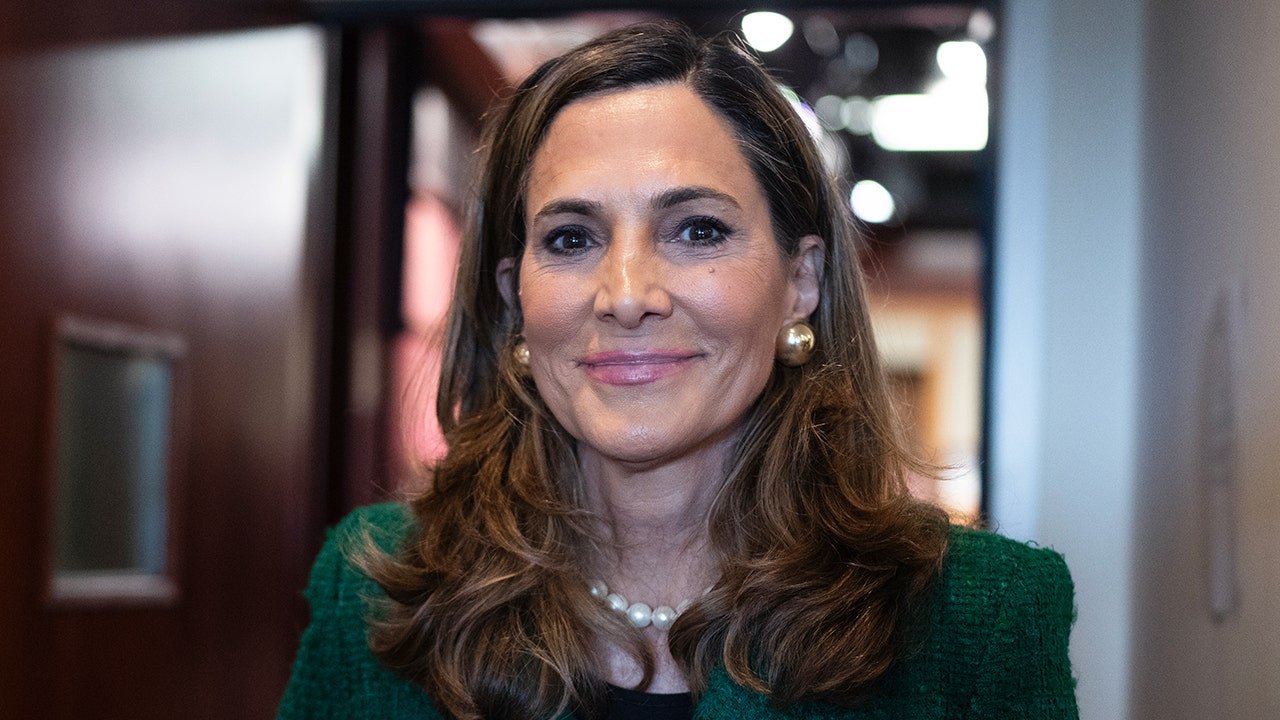
Republican Rep. María Elvira Salazar of Florida stated in a Monday social media post that «After Cuba, Nicaragua is next.»
The Central American nation’s president, Daniel Ortega, said on Sunday, «There won’t be any more elections here for them to try to seize the government and seize power,» according to Reuters. «The days when parties backed by the Yankees (United States) and the Somocistas would return to power are over – never again,» he said, according to the outlet.
In her Monday post on X, Salazar said, «Daniel Ortega just announced that Nicaragua will no longer hold elections. When a communist dictator knows the people would vote him out, he takes away their vote. Repression, fear, and force become the only way to stay in power. The Ortega-Murillo regime has declared war on the Nicaraguan people’s right to choose their own future.»
Ortega’s wife Rosario Murillo is co-president, reports indicate.
«The United States must stand unequivocally with the people of Nicaragua, increase the pressure on this despicable regime, and ensure that those responsible for its crimes are held accountable. After Cuba, Nicaragua is next,» Salazar added in the post.
NICARAGUA’S ORTEGA SAYS COUNTRY WILL ‘NEVER AGAIN’ HOLD ELECTIONS, SHUTTING OUT OPPOSITION
Rep. María Elvira Salazar, R-Fla., leaves a news conference in the U.S. Capitol on developments regarding Cuba including the indictment of former Cuban President Raul Castro, on Wednesday, May 20, 2026. (Tom Williams/CQ-Roll Call, Inc via Getty Images)
The U.S. snatched Venezuela’s Nicolás Maduro and his wife out of Venezuela and transported them back to the U.S. earlier this year.
The U.S. later launched a war against the Islamic Republic of Iran in conjunction with Israel.
And then during a speech in March, U.S. President Donald Trump said «Cuba’s next.»
US MILITARY HITS IRAN IN PUSH TO DEGRADE REGIME’S ABILITY TO TARGET SHIPS IN STRAIT OF HORMUZ
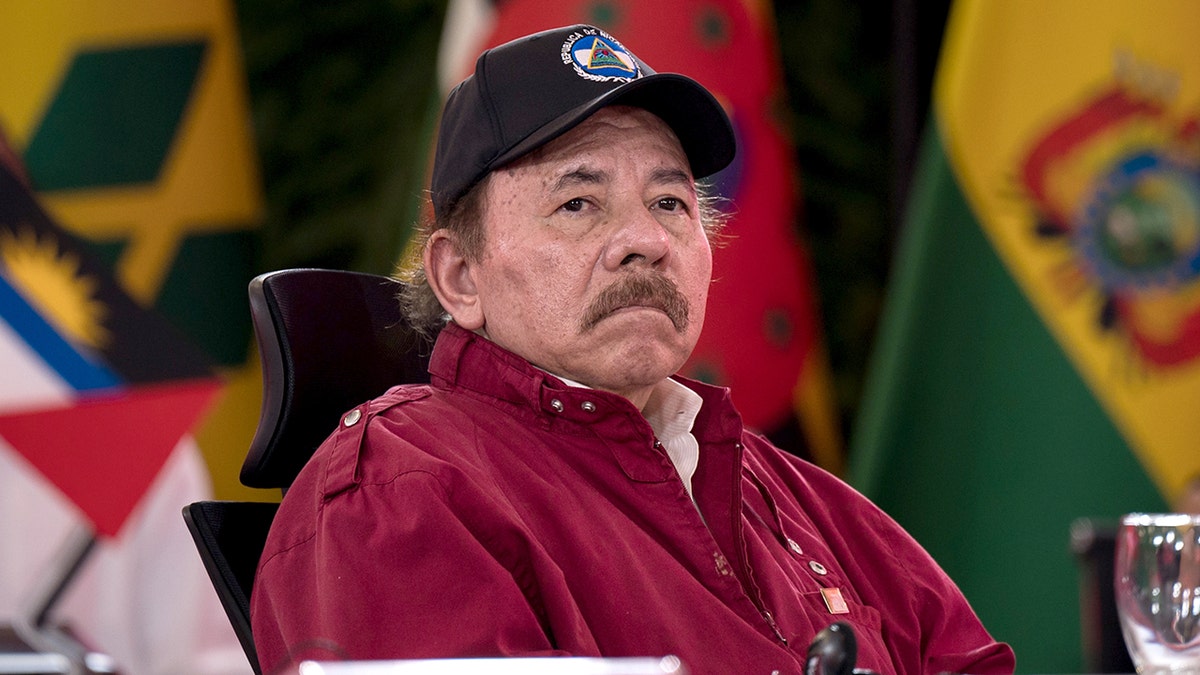
Daniel Ortega, Nicaragua’s president, during the 23rd States of the Bolivarian Alliance for the Peoples of Our America – People’s Trade Treaty (ALBA-TCP) Summit at Miraflores Palace in Caracas, Venezuela, on Wednesday, April 24, 2024. (Gaby Oraa/Bloomberg via Getty Images)
Fox News Digital reached out to Salazar’s office on Tuesday to ask more about her comment suggesting that «After Cuba, Nicaragua is next.»
The congresswoman said in a Tuesday post on X, «One by one, the dictators of the last era are answering for their crimes. Maduro sleeps in a cell in New York. The Ayatollah is dead. Raúl Castro is under indictment. Daniel Ortega, whose regime killed more than 300 peaceful protesters in 2018, jailed opposition candidates before elections, exiled priests, stripped hundreds of Nicaraguans of their citizenship, and has now abolished elections altogether, still sits in Managua. Communist dictators don’t fear losing elections. They fear having them. His day will come.»
U.S. Secretary of State Marco Rubio said in a Tuesday statement, «Daniel Ortega’s declaration that under his family’s dictatorship Nicaragua will never again hold elections lays bare their true authoritarian nature. Daniel Ortega and Rosario Murillo have abandoned even the pretense of popular consent.
CUBA BUILT COVERT NETWORK INSIDE AMERICA THROUGH SPIES, ACTIVISTS AND UNIVERSITIES, STATE DEPT ALLEGES
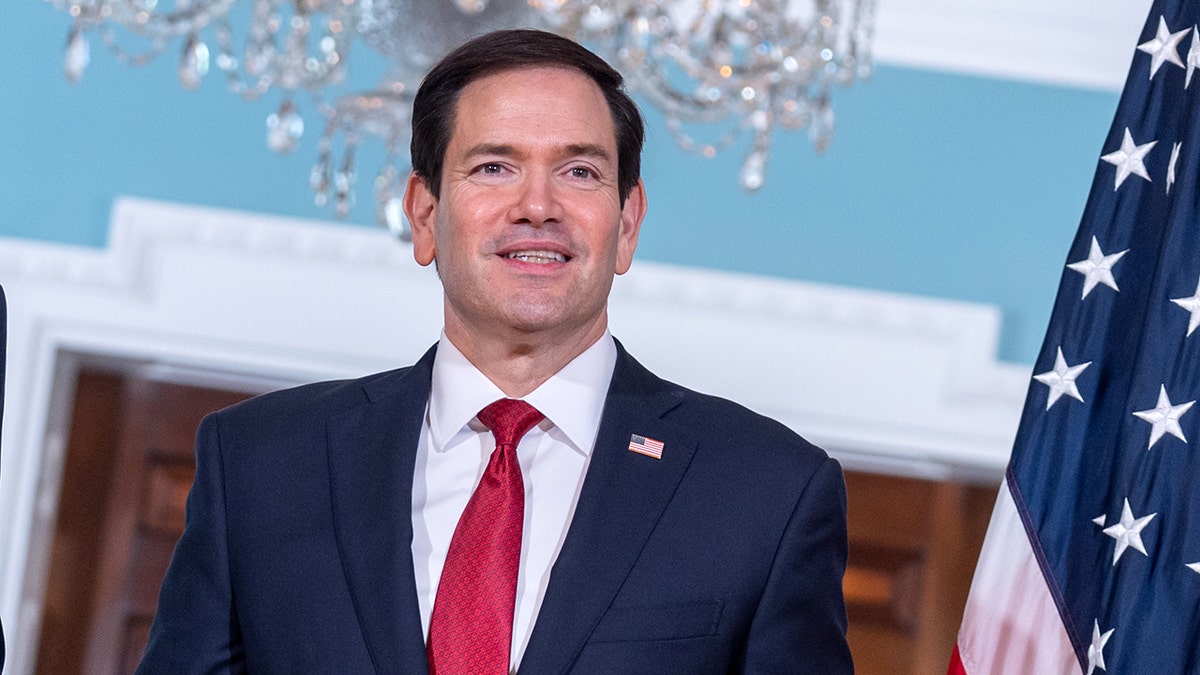
U.S. Secretary of State Marco Rubio greets Jordanian Deputy Prime Minister and Foreign Minister Ayman Safadi ahead of their bilateral meeting at the U.S. State Department in Washington, D.C., United States, on July 14, 2026. (Mehmet Eser/Anadolu via Getty Images)
CLICK HERE TO DOWNLOAD THE FOX NEWS APP
«The Nicaraguan people have the right to choose their own leaders through democratic elections. The United States calls on the international community to join forces to demonstrate to the Murillo-Ortega dictatorship that it cannot expect to maintain business as usual with other nations when it is thwarting the basic tenets of our democratic hemisphere,» Rubio asserted.
politics, central america, republicans, world, donald trump

Anthony Taylor cuelga el silbato a los 47 años

Tras la mesa política, el Gobierno confirmó que Milei presentará la reforma del BCRA: se haría por cadena nacional

Donald Trump amenazó con atacar un complejo nuclear subterráneo en Irán: “No hemos terminado en absoluto”

Contradicciones en el Gobierno por el manejo de la comunicación oficial durante el tramo final del Mundial

El dólar tuvo una leve baja tras cuatro ruedas consecutivas de subas

Oriana Sabatini abrió el álbum íntimo de su boda con Paulo Dybala en su segundo aniversario

Sin la Copa y sin Messi en el avión, vuelve Tapia y deberá enfrentar tres frentes de tormenta tras la pausa del Mundial

Alan Faena concretó una venta récord de un penthouse de su proyecto sobre el río Miami: cuánto pagaron por la propiedad de casi 1.400 m2

Tras meses de tensión, el PRO y La Libertad Avanza volvieron a reunirse para coordinar la estrategia parlamentaria

Flamengo se suma a la puja por Thiago Almada: la impactante oferta que haría para comprar su pase

 POLITICA1 día ago
Sin la Copa y sin Messi en el avión, vuelve Tapia y deberá enfrentar tres frentes de tormenta tras la pausa del Mundial
- DEPORTE3 días ago
La tabla de títulos de los campeones de la Copa del Mundo y el listado de las selecciones más ganadoras de la historia
- POLITICA3 días ago
Milei esperará la final en la tranquilidad de Olivos: el mameluco de YPF y la decisión pospartido