INTERNACIONAL
Estados Unidos revisa posibles cambios en la resolución de la ONU contra los ataques de Irán y el bloqueo en Ormuz

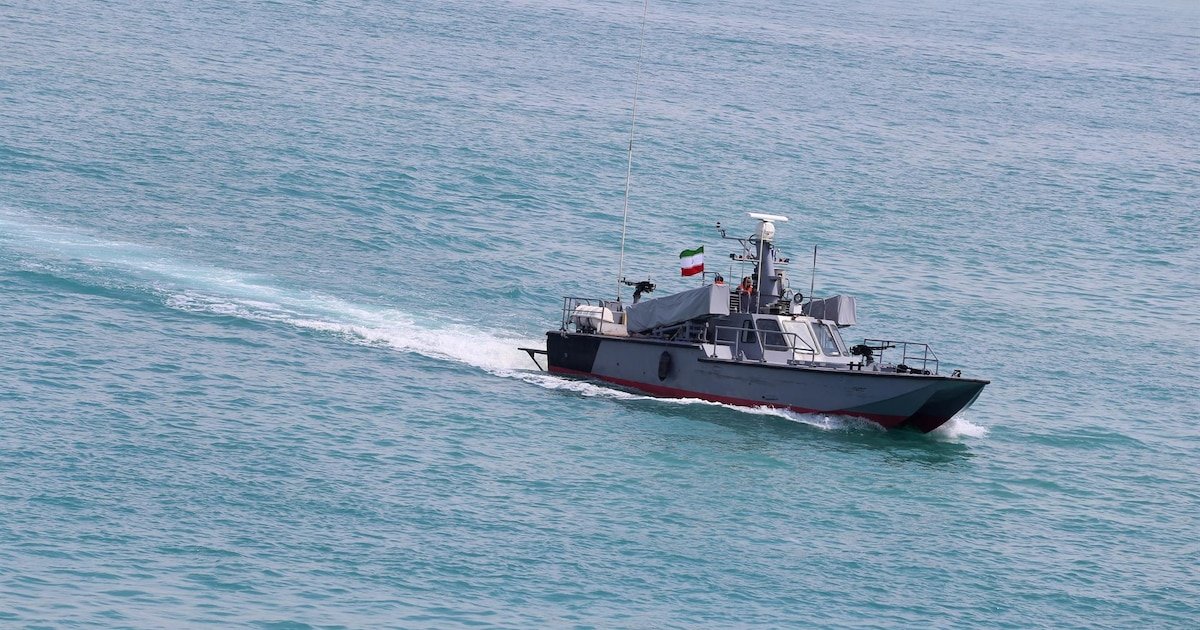
Estados Unidos revisó su propuesta de resolución ante el Consejo de Seguridad de la Organización de las Naciones Unidas (ONU) para exigir al régimen de Irán el cese de los ataques en Medio Oriente y la actividad minera en el estrecho de Ormuz, aunque diplomáticos consideran poco probable que los cambios eviten vetos de China y Rusia.
El borrador actualizado, distribuido a los miembros del Consejo el jueves por la tarde y al cual la agencia Reuters tuvo acceso, eliminó una cláusula que invocaba el Capítulo VII de la Carta de las Naciones Unidas, el cual habilita al órgano a imponer sanciones o autorizar acciones militares.
Sin embargo, el texto mantiene un tono firme contra Teherán y estipula que, en caso de incumplimiento, el Consejo “se reuniría de nuevo para considerar medidas efectivas… incluidas medidas de sanción, con el fin de garantizar la libertad de navegación en la zona”.
Un eventual veto chino colocaría un manto de tensión para Estados Unidos antes del viaje del presidente Donald Trump a China la próxima semana, donde la guerra con Irán figura como uno de los principales temas de la agenda bilateral que debatirán ambos líderes mundiales.
Hasta el momento, no fue definida la fecha para la votación de la resolución en el Consejo de Seguridad. Aunque el texto no autoriza explícitamente el uso de la fuerza, tampoco lo descarta y “reafirma el derecho de los Estados miembros… a defender sus buques de ataques y amenazas, incluidas aquellas que menoscaban los derechos y libertades de navegación”.

Desde Washington, el secretario de Estado de Estados Unidos, Marco Rubio, calificó el martes la resolución propuesta por su país ante la ONU, como una prueba de la utilidad de las Naciones Unidas. Rubio instó a China y Rusia a no ejercer nuevamente el derecho de veto.
El Consejo inició el martes conversaciones a puerta cerrada sobre el texto redactado por Estados Unidos junto con Bahréin, Arabia Saudí, Emiratos Árabes Unidos, Kuwait y Qatar. De ser aprobada, la resolución podría derivar en sanciones contra Irán y, potencialmente, autorizar el uso de la fuerza si Teherán no cesa los ataques y amenazas contra el transporte marítimo comercial.
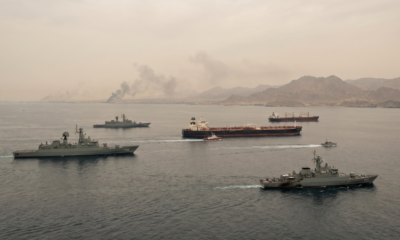
Los recientes enfrentamientos registrados evidenciaron la magnitud de la disputa entre Estados Unidos e Irán por el control del estrecho de Ormuz, una vía estratégica para la energía y el comercio mundial. La situación ha puesto en riesgo una frágil tregua de cuatro semanas y ha intensificado los bloqueos marítimos rivales.
Las fuerzas de Estados Unidos inutilizaron el viernes los buques M/T Sea Star III y M/T Sevda antes de que ambas embarcaciones pudieran ingresar a un puerto iraní en el Golfo de Omán, en el marco del bloqueo impuesto por Washington. El Comando Central de Estados Unidos (CENTCOM) aplicó medidas de bloqueo contra estos dos petroleros de bandera iraní, que navegaban sin carga y pretendían arribar a Irán.
Un caza F/A-18 Super Hornet del portaaviones USS George H.W. Bush atacó ambos buques con municiones de precisión dirigidas a las chimeneas, impidiendo así su ingreso al país.
Una resolución anterior impulsada por Bahréin y respaldada por Estados Unidos, que apuntaba a legitimar acciones militares contra Irán, fue rechazada el mes pasado por el doble veto de Rusia y China en el Consejo de Seguridad.
El nuevo borrador evita un lenguaje que autorice de forma explícita el uso de la fuerza, aunque mantiene su base en el Capítulo VII de la Carta de las Naciones Unidas, que permite al Consejo imponer desde sanciones hasta acciones militares.
En paralelo a la pulseada diplomática en la ONU, el presidente de Estados Unidos, Donald Trump, declaró que espera una respuesta de Irán a la propuesta más reciente de Washington para alcanzar un acuerdo que ponga fin a la guerra en Medio Oriente.
“Supuestamente recibiré una carta esta noche (viernes), así que veremos qué pasa”, afirmó Trump ante periodistas en la Casa Blanca. Consultado sobre la posibilidad de un retraso deliberado por parte de Teherán, el mandatario respondió: “Pronto lo sabremos”.
El mandatario advirtió que, si no se concreta el acuerdo, su administración considerará “un camino diferente”. Trump también indicó que Pakistán, mediador en el proceso, solicitó a Estados Unidos no abandonar la vía negociadora.
(Con información de Reuters)
Business,Asia / Pacific,Corporate Events











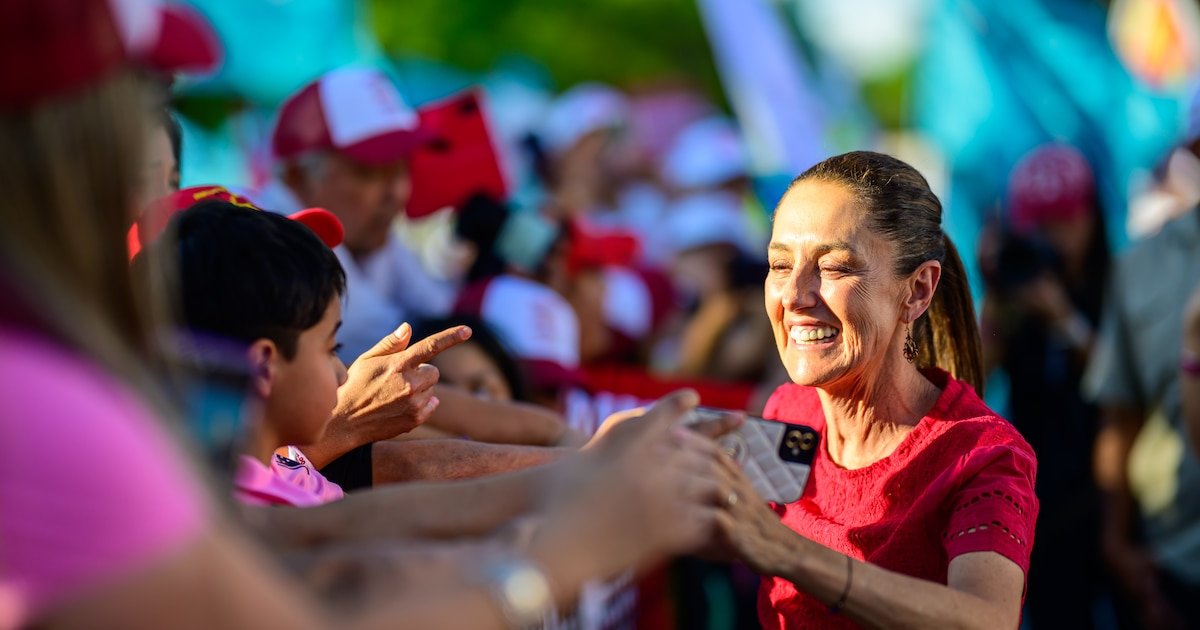
Ser claudista en Nuevo León es y debe ser una forma de gobernar y de vivir el servicio público.
Así, cuando muchas personas me preguntan por qué me defino como claudista mi respuesta siempre es la misma: porque creo que Nuevo León necesita un gobierno capaz e inteligente que produzca prosperidad y, al mismo tiempo, tenga las políticas públicas para compartirla.
Nos urge un gobierno claudista, uno que impulse la inversión, fortalezca a las empresas, genere empleos bien pagados y convierta ese crecimiento en seguridad, educación, cultura, infraestructura y oportunidades para todos y, especialmente, para todas. Eso es ser claudista en Nuevo León.
Ser claudista es impulsar, con lealtad, trabajo bien hecho y con resultados medibles, el Proyecto de Nación que encabeza la Presidenta de México, la Dra. Claudia Sheinbaum Pardo.
Ser claudista es hacer realidad el Plan México. No verlo como un documento del Gobierno Federal, sino como una manera de gobernar desde lo local. Y yo he demostrado, con contundencia, que la Segunda Etapa de la Cuarta Transformación en Nuevo León sí puede tener acento norteño: atraer inversión, generar empleo, fortalecer las finanzas públicas y convertir ese crecimiento en seguridad, educación, cultura, deporte y oportunidades.
Los resultados hablan por sí mismos. En la Capital de la Transformación logré atraer más de 5 mil millones de dólares en inversión, generar más de 20 mil empleos de calidad y tener una de las 5 policías más confiables de México con una certificación internacional básicamente única, al mismo tiempo que se echaron a andar profundos programas sociales, ambientales, de apoyo al adulto mayor, a la mujer y a las futuras generaciones.
Con la 4TNorteña mostramos que un gobierno honesto, cercano y capaz puede convertirse en el mejor aliado de quienes quieren invertir, producir y generar bienestar. Y lo hicimos siguiendo, AL PIE DE LA LETRA, las directrices de buen gobierno de la presidenta, desde el crecimiento equitativo hasta la reducción de trámites, la digitalización y una estrategia nacional de seguridad que exige coordinación real.
Ser claudista también es creer en el Capitalismo Social Norteño donde el Estado no sustituya a los empresarios, sino el Estado los convoque a construir prosperidad compartida.
Los buenos empresarios no son adversarios de la Transformación; son aliados para crear empleos, innovar y fortalecer la soberanía económica y política del país. Esa es una de las grandes lecciones que nos ha dado la Presidenta y que nadie puede disputar.
Cuando la inversión llega, llegan los empleos; cuando hay empleos, hay mejores ingresos; cuando hay mejores ingresos, las familias viven mejor y el gobierno local tiene más capacidad para invertir en seguridad, salud, educación e infraestructura y poner su parte para que la Presidenta continue con la digna y absoluta defensa de la Soberanía Nacional.
Por eso estoy convencido de que el mejor camino para enfrentar los grandes desafíos de Nuevo León es la adopción integral del proyecto que encabeza la Presidenta Claudia Sheinbaum Pardo. Punto.
Ser claudista es, especialmente, construir una Mayoría Norteña, una articulada desde Morena. Una mayoría social que convoque a empresarios, trabajadores, universidades, jóvenes, mujeres y sociedad civil alrededor de un mismo objetivo: que nadie se quede atrás y que el crecimiento llegue a cada rincón de nuestro estado y para que la transformación eche raíces fuertes e irreversibles.
Hay otra razón por la que soy claudista. Porque creo que el desarrollo integral y humanista de un estado se mide, sobre todo, por las oportunidades que ofrece a sus mujeres. Ser claudista es construir un Nuevo León donde una madre trabajadora no tenga que escoger entre cuidar a sus hijos o salir adelante; donde una joven pueda estudiar, emprender y cumplir sus sueños; donde una abuela viva con tranquilidad y dignidad después de toda una vida de trabajo; y donde cada niña crezca sabiendo que no hay un solo espacio de la sociedad que le esté vedado por el hecho de ser mujer.
Ser claudista de verdad en Nuevo León es combatir la contaminación con innovación y una industria más limpia; enfrentar la inseguridad con inteligencia y oportunidades; resolver la escasez de agua con planeación e infraestructura; y garantizar igualdad de oportunidades, de empleo de prosperidad para mujeres y hombres. Ser claudista es entender que el crecimiento económico solo perdura cuando fortalece el tejido social y mejora la vida cotidiana de las familias, los jóvenes y los adultos mayores. Y esa es la esencia de la 4T Norteña.
Por eso insisto siempre: Nuevo León no necesita elegir entre crecimiento económico y justicia social. Necesita ambas cosas al mismo tiempo. Necesita producir más, innovar más y atraer más inversión, pero también compartir mejor esa prosperidad. Necesita, en una palabra: ser claudista. Yo lo soy.
*El autor es Alcalde, con licencia, del Municipio de General Escobedo, Nuevo León, México.
INTERNACIONAL
Zelensky se reúne en París con la Coalición de los Voluntarios para reforzar la asistencia a Ucrania y aumentar la presión sobre Rusia
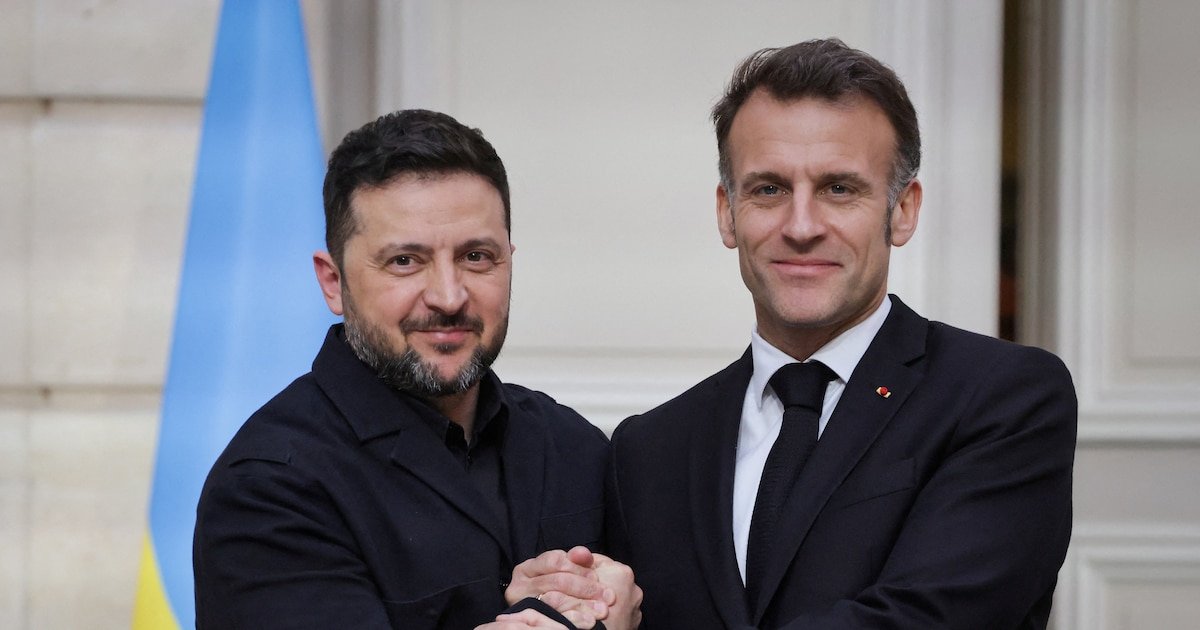
El presidente de Ucrania, Volodímir Zelensky, participará este lunes en París de una cumbre de la Coalición de los Voluntarios, donde más de 25 jefes de Estado y de Gobierno reafirmarán su respaldo a Kiev, analizarán nuevas medidas de asistencia militar y buscarán aumentar la presión sobre Rusia para alcanzar un alto el fuego e impulsar nuevas negociaciones de paz, según informó la Presidencia francesa.
El encuentro, organizado por Francia y el Reino Unido, tendrá lugar un día antes de la celebración de la fiesta nacional francesa del 14 de julio. Tras la cumbre, Zelensky y otros líderes asistirán al tradicional desfile militar en los Campos Elíseos, que este año pondrá el foco en el apoyo internacional a Ucrania, indicó el Palacio del Elíseo.
La Presidencia francesa sostuvo que la reunión se desarrolla en un momento de “renovada convergencia y unidad transatlántica” y también de “evoluciones más favorables sobre el terreno” para Ucrania.
Un asesor del presidente Emmanuel Macron afirmó que la reunión permitirá consolidar ese impulso político y enviar un mensaje a Moscú. En ese sentido, aseguró: “Demostrar que los partidarios de Ucrania siguen plenamente comprometidos con el pueblo ucraniano, que no existe absolutamente ningún signo de fatiga y que Rusia no puede contar con que aparezca esa fatiga”.
La Coalición de los Voluntarios nació por iniciativa de Francia y el Reino Unido con el objetivo de coordinar el respaldo militar a Ucrania tras la invasión rusa a gran escala. Desde su creación en febrero de 2025, el grupo celebró más de quince reuniones para coordinar asistencia militar y diseñar un marco de garantías de seguridad para Kiev.

El 6 de enero, con la presencia de enviados estadounidenses, los miembros de la coalición aprobaron la Declaración de París, que establece garantías de seguridad destinadas a proteger a Ucrania frente a un nuevo ataque ruso y prevé mecanismos para supervisar un eventual alto el fuego.
Uno de los principales anuncios previstos para la cumbre será la declaración oficial de que la Fuerza Multinacional para Ucrania está preparada para desplegarse una vez que termine el conflicto. Funcionarios franceses explicaron que ese contingente solo actuará cuando cesen los combates.
Los dirigentes también centrarán sus conversaciones en la cooperación para fortalecer la defensa aérea y antimisiles ucraniana. El programa incluye iniciativas para impulsar la producción bajo licencia de armamento dentro de Ucrania y la planificación de futuros ejercicios militares conjuntos, según adelantó Macron.
Aunque Estados Unidos no integra formalmente la Coalición de los Voluntarios y descartó el envío de tropas terrestres, Washington participaría en la supervisión de un eventual alto el fuego, según el esquema presentado por los aliados.
Por su parte, Francia, el Reino Unido y España expresaron su disposición a desplegar tropas cuando finalice la guerra. Moscú rechazó esa posibilidad y advirtió que cualquier fuerza militar extranjera constituirá un “objetivo legítimo”.
Las conversaciones se desarrollarán mientras un cese de las hostilidades todavía parece lejano debido a que los enfrentamientos continúan en distintos frentes.

En las últimas semanas, las defensas aéreas ucranianas enfrentaron una fuerte presión por los repetidos ataques rusos con misiles balísticos. Esa situación impulsó nuevos pedidos de Kiev para obtener sistemas adicionales de defensa antiaérea.
Este mes, Washington autorizó a Ucrania la fabricación de sistemas de defensa aérea Patriot de diseño estadounidense, capaces de interceptar misiles balísticos. Sin embargo, las autoridades señalaron que la producción podría tardar varios meses antes de comenzar.
En los últimos días, Zelensky reiteró su solicitud de recibir más ayuda militar de los países aliados para reforzar la capacidad defensiva de Ucrania frente a la invasión rusa, que transita su quinto año.
En paralelo, el presidente de Estados Unidos, Donald Trump, dio señales de un mayor respaldo a Kiev durante la reciente cumbre del G7 celebrada en Francia y en la reunión de la OTAN realizada esta semana en Turquía. Además, Washington avanzó la semana pasada con un proyecto de ley de apoyo bipartidista dirigido contra los países que compran energía rusa, una iniciativa que podría aumentar la presión económica sobre Moscú.
(Con información de AFP)
International,Relations,Diplomacy / Foreign Policy,Europe
INTERNACIONAL
La guerra con Rusia: renunció la primera ministra de Ucrania y Zelenski anuncia más cambios en el gobierno
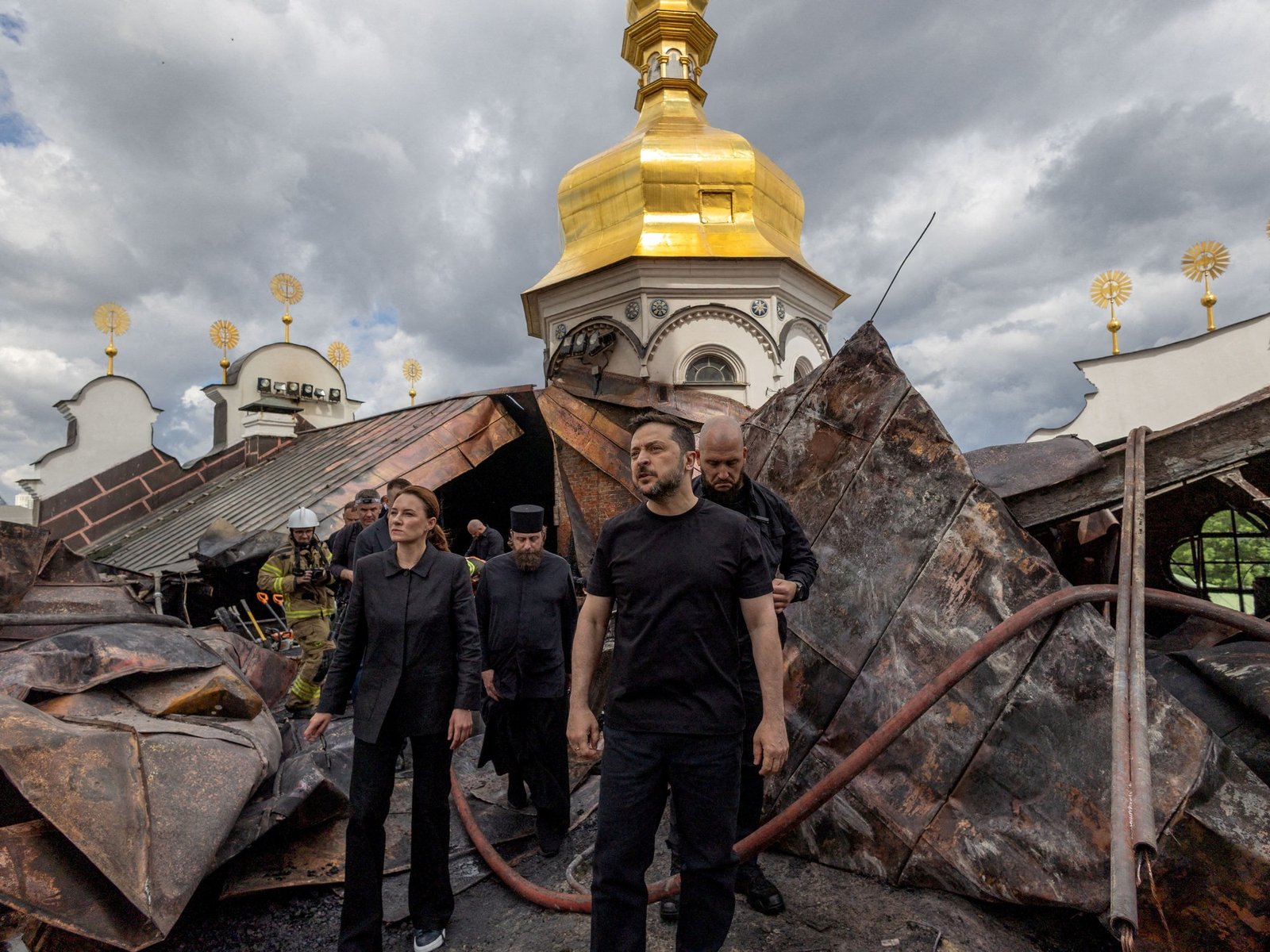
La primera ministra ucraniana Yulia Svyrydenko renunció este domingo mientras el presidente Volodymir Zelenski anunciaba nuevos cambios en el gobierno.
En una declaración en redes sociales, Svyrydenko declaró que estaba “orgullosa de haber tenido el honor de liderar el gobierno durante uno de los períodos más difíciles en la historia moderna de Ucrania”. Añadió que habló de los “próximos pasos” con Zelenski, pero no proporcionó más detalles.
“Estoy lista para servir al Estado ucraniano y llevar a cabo cada tarea destinada a fortalecer la posición de Ucrania, defender nuestros intereses nacionales y acercar una paz justa”, dijo.
Svyrydenko, exministra de Economía, fue nombrada primera ministra en julio de 2025 a los 39 años después de desempeñar un papel principal en la obtención de un acuerdo sobre minerales con Estados Unidos, considerado una forma importante de vincular los intereses norteamericanos con la seguridad de Ucrania.
Zelenski anunció la renuncia de la primera ministra en una publicación en la que dijo que Ucrania estaba “cambiando su estrategia política”.
Indicó que ofreció a Svyrydenko la oportunidad de liderar “una nueva e importante área” en las relaciones de Ucrania con un socio internacional clave.
“Cada área prioritaria de la política exterior será asignada a una persona específica con una experiencia sustancial que sea capaz de implementar lo que acordamos a nivel de líderes y lo que el pueblo ucraniano espera”, señaló Zelenski, al describir la inminente reorganización. Agregó que habrá cambios entre los altos rangos de las agencias policiales del país.
Zelenski se reunió con una serie de altos funcionarios tras el anuncio, entre ellos el ministro de Energía Denys Shmyhal, el ministro del Interior Ihor Klymenko y el ministro de Defensa Mykhailo Fedorov.
La reforma, que Zelenski aún no ha explicado en detalle, sería la cuarta gran reorganización de su gobierno desde el inicio de la invasión rusa.
Zelenski, que ha permanecido en el cargo bajo la ley marcial porque las elecciones en tiempos de guerra están prohibidas, ha reorganizado periódicamente su gobierno en un esfuerzo por aportar un nuevo impulso a su administración.
Un ataque ucraniano en el suroeste de Rusia mató a una persona e hirió a otras tres, informaron funcionarios locales el domingo, mientras las fuerzas de Kiev continuaban bombardeando las instalaciones petroleras de Rusia.
El jefe de la región rusa de Samara, el gobernador Vyacheslav Fedorishchev, indicó que entre los heridos había un niño. Viviendas y edificios de apartamentos, agregó, resultaron dañados en el ataque, al igual que un “sitio industrial” no especificado.
Medios rusos informaron que el objetivo del ataque fue la refinería de petróleo de Syzran, y muchos compartieron imágenes que parecían mostrar columnas de humo negro elevándose sobre el lugar. La refinería, que pertenece al gigante del petróleo y el gas Rosneft y se encuentra a unos 800 kilómetros (500 millas) al este de la frontera, ha sido un objetivo repetido de las fuerzas de Kiev.
Mientras tanto, el gobernador de la región rusa de Rostov, Yuri Slyusar, indicó que un petrolero había resultado dañado en un ataque con drones en el canal marítimo Azov-mar Negro. El barco estaba vacío y no hay amenaza de un derrame de petróleo, afirmó Slyusar.
Los ataques con drones de Ucrania contra refinerías de petróleo y otra infraestructura en toda Rusia han desencadenado una crisis generalizada de combustible, con escasez de gasolina y racionamiento en múltiples regiones, y esperas de horas en las estaciones de servicio para repostar. Moscú ha respondido intensificando sus bombardeos sobre Kiev y otras ciudades, lo que deja en evidencia la vulnerabilidad de Ucrania ante ataques con misiles balísticos.
Zelenski ha descrito los ataques contra la infraestructura energética de Rusia como parte de la campaña de Kiev de “sanciones de largo alcance”, llevada a cabo en respuesta a la negativa de Moscú a detener su invasión de cuatro años contra su vecino.
Mientras tanto, el Ministerio ruso de Defensa informó el domingo que había atacado los puertos de Odesa y Chornomorsk, en la región ucraniana de Odesa. Funcionarios ucranianos aún no habían hecho comentarios sobre esas afirmaciones.

Causa ARSAT: la Justicia indagará este lunes a Facundo Leal por presuntas coimas durante su paso por la función pública

ANSES: quiénes cobran hoy, lunes 13 de julio de 2026

El histórico talismán que pidió usar Argentina para enfrentar a Inglaterra por el pase a la final del Mundial

Caso Kueider: la Justicia paraguaya podría dar a conocer su veredicto este lunes

¡También gana afuera de la cancha! El amor entre el jugador de la Selección que cambió el partido contra Suiza y la influencer top: guiños en redes y regalos

Imagen reveladora: Nico Paz mostró la prueba del pico de estrés que sufrió durante la clasificación a la semifinal del Mundial

“Hablame bien”: el tenso cruce de Lionel Messi con el árbitro en la victoria de Argentina ante Suiza en el Mundial

Contundente respaldo de la FIFA tras las críticas a los árbitros de Argentina-Egipto: “Las acusaciones infundadas no tienen cabida”

Hackearon a la AFA y enviaron correos con falsas denuncias sobre el arbitraje ante Egipto

Shutdown en Argentina: la razón detrás de la idea de Milei de avanzar con un «apagón» del Estado

 DEPORTE1 día ago
“Hablame bien”: el tenso cruce de Lionel Messi con el árbitro en la victoria de Argentina ante Suiza en el Mundial
- POLITICA3 días ago
Hackearon a la AFA y enviaron correos con falsas denuncias sobre el arbitraje ante Egipto
- ECONOMIA10 horas ago
El petróleo sube más de 3% tras la reanudación de los ataques de EEUU contra Irán y la amenaza de cierre del estrecho de Ormuz