INTERNACIONAL
Israel eliminó a Khathar Jmazi, jefe de la infraestructura de transferencias de fondos de Hamas en la Franja de Gaza

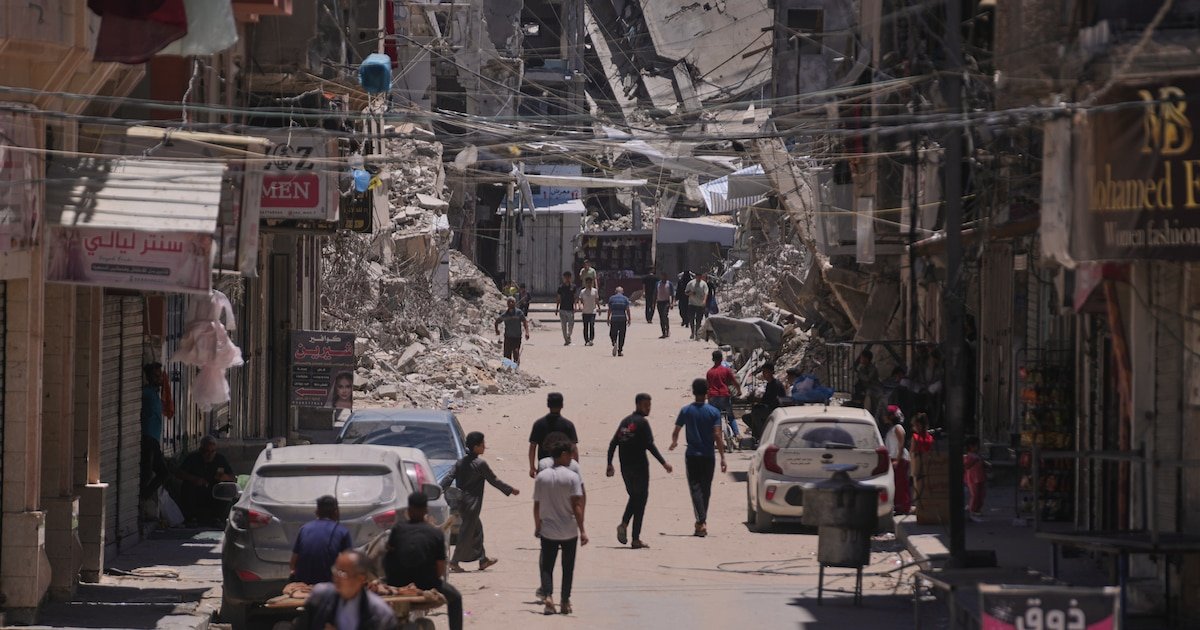
Las Fuerzas de Defensa de Israel (FDI) y el Shin Bet reportaron la eliminación de Khathar Jmazi, jefe de la infraestructura de transferencias de fondos de Hamas en la Franja de Gaza, y de su subjefe, Mohammad Khraizin. Ambos eran considerados operadores clave en el financiamiento de la organización.
Según la información oficial, el ataque se produjo hace dos días en el norte del enclave, donde ambos gestionaban la transferencia de decenas de millones de dólares a la rama militar de Hamas a través de una red de cambistas distribuidos en toda la región. Estos fondos se destinaban al pago de salarios para combatientes y a la ejecución de operaciones terroristas contra las fuerzas de las FDI y civiles en Israel.
Las autoridades israelíes destacaron que la eliminación de Jmazi y Khraizin se suma a la de otros responsables del ámbito económico de Hamas, como Fares Mansouraoui e Ihab Khreis, quienes fueron abatidos en el último año.
Hasta el momento, las FDI no publicaron imágenes de la ofensiva contra los dos terroristas claves en el financiamiento de Hamas en la Franja de Gaza. Sin embargo, difundieron una imagen donde se logra divisar el rostro del jefe y subjefe del esquema.

El domingo, las FDI también habían atacado la sede principal de la Policía Naval de Hamas en la zona de Khan Yunis. “Dicha sede se utilizaba para planificar y ejecutar complots terroristas contra las FDI y el Estado de Israel. El ataque causó la muerte de varios terroristas que operaban en ella, entre ellos Ismail Allaham, comandante de una célula del brazo militar de Hamas”, precisó el Ejército israelí.
En paralelo a las recientes ofensivas, las conversaciones entre las facciones palestinas y los mediadores internacionales en El Cairo, orientadas a alcanzar un acuerdo permanente que ponga fin a la guerra en Gaza, permanecen estancadas debido al desacuerdo sobre la entrega de armas por parte de Hamas.
Fuentes palestinas informaron el martes a la agencia AFP que los contactos avanzan en un contexto de “visiones claramente divergentes”, con la cuestión del armamento como principal obstáculo.
La ronda de diálogo, iniciada el sábado, reúne a las principales facciones armadas de Gaza —entre ellas Hamas y la Yihad Islámica— y permitió alcanzar un principio de acuerdo: los grupos armados cederían parte de su arsenal a una entidad palestina ad hoc aún sin conformar. Delegaciones presentes reconocieron que esta fórmula buscaba destrabar las negociaciones bloqueadas desde hace meses, aunque la propuesta enfrenta pocas posibilidades de prosperar ante la exigencia de Israel de una desmilitarización completa del territorio, empezando por Hamas.
Un segundo funcionario palestino consultado por AFP señaló que existen “avances”, pero remarcó que el armamento constituye “uno de los asuntos más controvertidos en discusión” y atribuyó la responsabilidad de los próximos pasos a Israel y a los mediadores —Egipto, Qatar y Turquía—. Las facciones palestinas insisten en condicionar cualquier desarme a una “retirada completa israelí de la Franja”, condición que el plan vigente descarta a corto plazo.

El marco de las discusiones es el plan de 20 puntos presentado por el presidente Donald Trump y avalado por el Consejo de Seguridad de la ONU. El texto contempla una retirada total de las tropas israelíes únicamente a largo plazo. Mientras tanto, Israel incrementó su presencia militar en el territorio: al entrar en vigor el alto el fuego, en octubre de 2025, controlaba cerca del 53% de la Franja; en mayo de este año, el primer ministro Benjamin Netanyahu reconoció que esa cifra subió al 60% y ordenó avanzar hasta el 70%.
Los bombardeos israelíes siguen produciéndose casi a diario, a pesar de la existencia de una tregua formal. Cada parte responsabiliza a la otra por el bloqueo: Hamas acusa a Israel de incumplir los compromisos humanitarios, mientras que el gobierno israelí subordina cualquier avance al desarme previo e incondicional del movimiento islamista.
conflicto oriente próximo israel palestina,daños materiales,destrucción,el ejercito israelí entra en el norte de la franja de gaza,escombro,militares













NEWYou can now listen to Fox News articles!
Rep. Tom Kean Jr. (R-N.J.) and former Senate Majority Leader Mitch McConnell (R-Ky.) have a lot in common.
Both have long spells of absences from Capitol Hill due to health.
Kean was out for months this winter and spring. But until he returned in June, no one knew exactly what was going on. Neither Kean nor his office or family said a word about why the congressman was AWOL.
Upon his return, Kean announced he endured a lengthy hospital stay for depression.
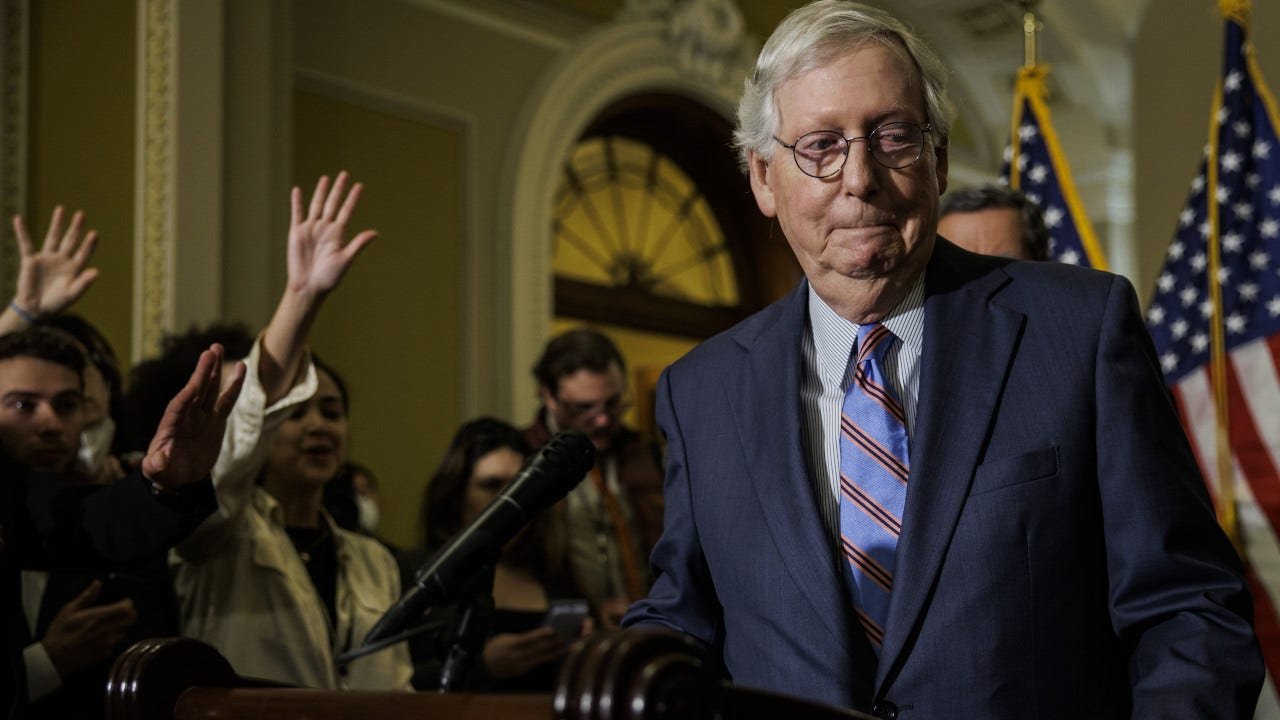
U.S. Senator Mitch McConnell released a statement to his constituents regarding his hospitalization and recovery on July 12, 2026. (Office of Senator Mitch McConnell)
McConnell’s absence is similarly cryptic.
His office simply declared in June that the Kentucky Republican was hospitalized and receiving «excellent care.»
Yet it took weeks to learn that McConnell was hospitalized for a fall and then pneumonia.
The dearth of information fueled conspiracy theories about whether McConnell was even alive. It prompted a letter of inquiry from Kentucky Gov. Andy Beshear (D) as to the senator’s well-being.
He told SiriusXM he hadn’t «heard a thing. Not an email. Not a letter. Not a call.»
But that’s not where the similarities between Kean and McConnell end.
During Kean’s absence, hardly a day went by when someone didn’t ask me about how they could potentially fill his seat. The same has gone on with McConnell for the past month-and-a-half.
There’s conjecture about whether their respective state’s governors, or even the House or Senate could declare their seats vacant since they haven’t shown up «for work.» The American electorate is angry right now.
Prices are up. They’re disenchanted with politics.
At the very least, they want to know that the people they elected are on the job. And if they’re not, voters believe they’re entitled to explanations from those who serve them.
WATCH: LAWMAKERS REVEAL WHERE THEY STAND ON CONGRESSIONAL TERM LIMITS AFTER RECENT HEALTH SCARES
No one received timely clarity from either Kean or McConnell.
Which brings us to why some constituents think there should be a mechanism to remove lawmakers who are infirm or out for prolonged periods of time.
It’s not that easy.
Here are the constitutional qualifications for someone to serve in the House, according to Article I, Section 2: «No person shall be a Representative who shall not have attained to the age of twenty-five years, and been seven Years a Citizen of the United States, and who shall not, when elected, be an Inhabitant of that State in which he shall be chosen.»
The Senate mandates are similar, as dictated by Article I, Section 3 of the Constitution:
«No person shall be a Senator who shall not have attained to the age of thirty years, and been nine years, a Citizen of the United States, and who shall not, when elected, be an Inhabitant of that State for which he shall be chosen.»
Article I, Section 5 of the Constitution declares that «Each House shall be the judge of the elections, returns and qualifications of its own Members.» It goes on to say that «with the Concurrence of two thirds, expel a Member.»
So, the Constitution is clear about the requirements to join the House or Senate.
It also grants both bodies the agility to decline to seat someone and even remove them from office.
But despite granting those authorities to Congress, the Constitution is silent on why the House or Senate might not seat someone. And, the Constitution is vague on reasons to expel a lawmaker.
That’s why we must rely on the standard established in Article I, Section 3 on qualifications of House and Senate members.
It says nothing about health. It says nothing about mental capacity. It says nothing about attendance or dereliction of duty.
It just determines the minimum criteria for people to serve in Congress. And if either the House or Senate decides they don’t want you here, they can either bar you at the door or kick you out.
Besides the House and Senate expelling someone, a governor must declare a seat vacant. And there’s nothing anyone can do to force someone to step aside.
The late Sen. Carter Glass (D-Va.) of Glass-Steagall fame, if you know banking law, fell ill in 1942. He was absent from the Senate for four years before dying. Glass rejected entreaties for him to resign.
The late Sen. Karl Mundt (R-S.D.) suffered a stroke in 1969 and couldn’t speak. Mundt’s wife nixed calls by Senate Republicans, demanding he resign. Mundt remained in office until early 1973, when his term expired.
Other lawmakers have missed swaths of time due to illness over the years prior to Kean and McConnell.
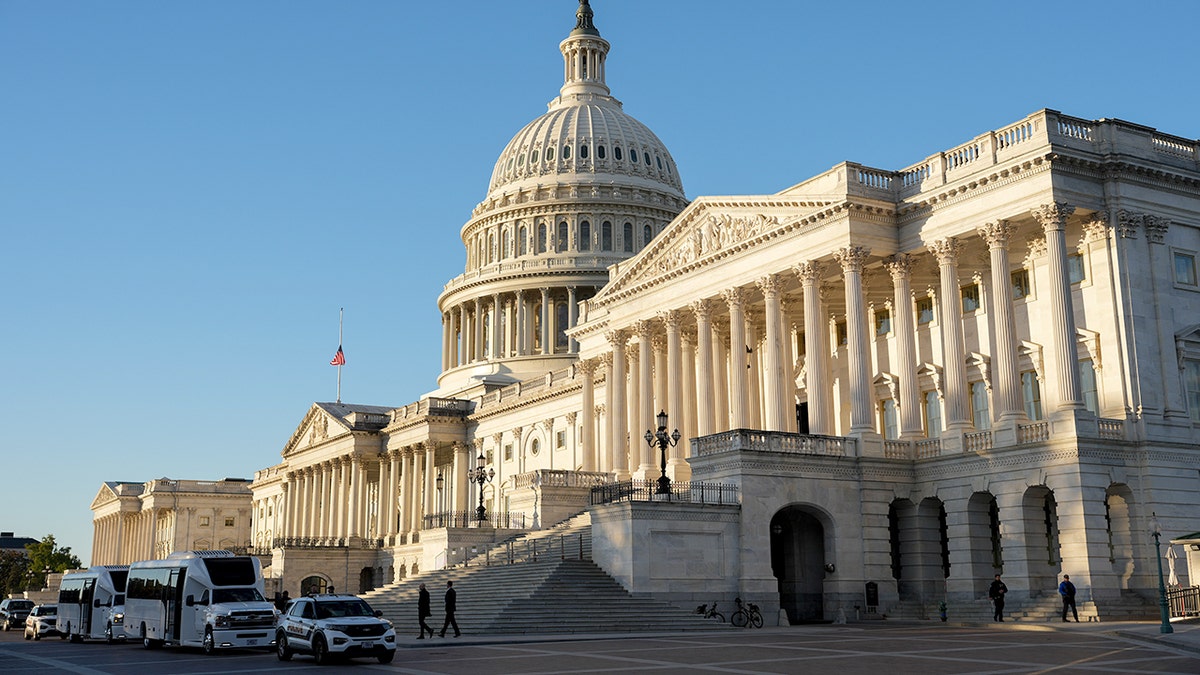
The U.S. Capitol building in Washington, D.C. (Eric Lee/Bloomberg via Getty Images)
The late Rep. Lane Evans (D-Ill.) was absent for extended periods, suffering from Parkinson’s Disease in the 1990s and 2000s.
Former Sen. Mark Kirk (R-Ill.) suffered a stroke in 2012. He missed more than a year before returning to the Senate.
House Majority Leader Steve Scalise (R-La.) missed several months after he was shot in 2017 at the GOP Congressional baseball practice.
Sen. John Fetterman (D-Pa.) was away for a couple of months after battling depression shortly after he joined the Senate in 2023.
These are just a few instances of lawmakers missing chunks of time because of illnesses.
There is only one instance in recent history where the House or Senate took action because of someone’s bad health.
On October 31, 1980, the late Rep. Gladys Noon Spellman (D-Md.) suffered a heart attack.
Voters re-elected Spellman a few days later. But Spellman fell into a coma, and she was unable to take the oath of office when the new Congress convened in January 1981.
Regardless, the House took the extraordinary step of voting to pay her – even though she wasn’t a Member. It was obvious that the Maryland Democrat would never be well enough again to assume office. The House then voted to declare her seat vacant, compelling Maryland to hold a special election.
So, the House didn’t remove Spellman because of her being incapacitated.
She wasn’t a Member at that stage. But, under Article I, Section 5 of the Constitution, the House asserted its authority to «be the judge of the elections, returns and qualifications of its own Members.»
It deemed that Spellman was not qualified.
The former President of the Maryland Senate then ran for the seat and won the special election. That’s how former House Majority Leader Steny Hoyer (D-Md.) came to Congress.
Spellman lived until 1988, never regaining consciousness.
LINDSEY GRAHAM’S FINAL ACT REVERBERATES IN SENATE AS SISTER IS URGED TO ‘KEEP PEDALING’
Just before the Senate swore-in Sen. Darline Graham (R-S.C.) last week, I received a call from someone asking if she was a «full senator.» I answered in the affirmative.
Either you are or you aren’t.
You can vote. You can serve on committees. You can speak on the Senate floor. You have an office in the Capitol complex. It doesn’t matter how you got there. Darline Graham was a senator – via an appointment after the death of her late brother, Sen. Lindsey Graham (R-S.C.)
The Senate granted Graham the same committee assignments as her brother. That’s when someone asked if she could vote on the Judiciary Committee.
Same answer. She is a senator.
South Carolina Gov. Henry McMaster (R) has appointed her to at least serve out the balance of Lindsey’s term, which expires in January.
Darline Graham is now running for the full term which begins in January. But she must first make it through a primary – and potentially a runoff – in order to secure the Republican nomination. Then win the full term in November.
Note that we talked about McMaster appointing Darline Graham to the Senate. All but four states allow the appointment of senators. However, the Constitution bars appointment to the House.
So if a House member dies or resigns, the state must fill the seat via a special election. That’s why some House seats sit vacant for protracted periods.
Lindsey Graham’s seat was vacant barely two days before McMaster tapped the late senator’s sister to step in.
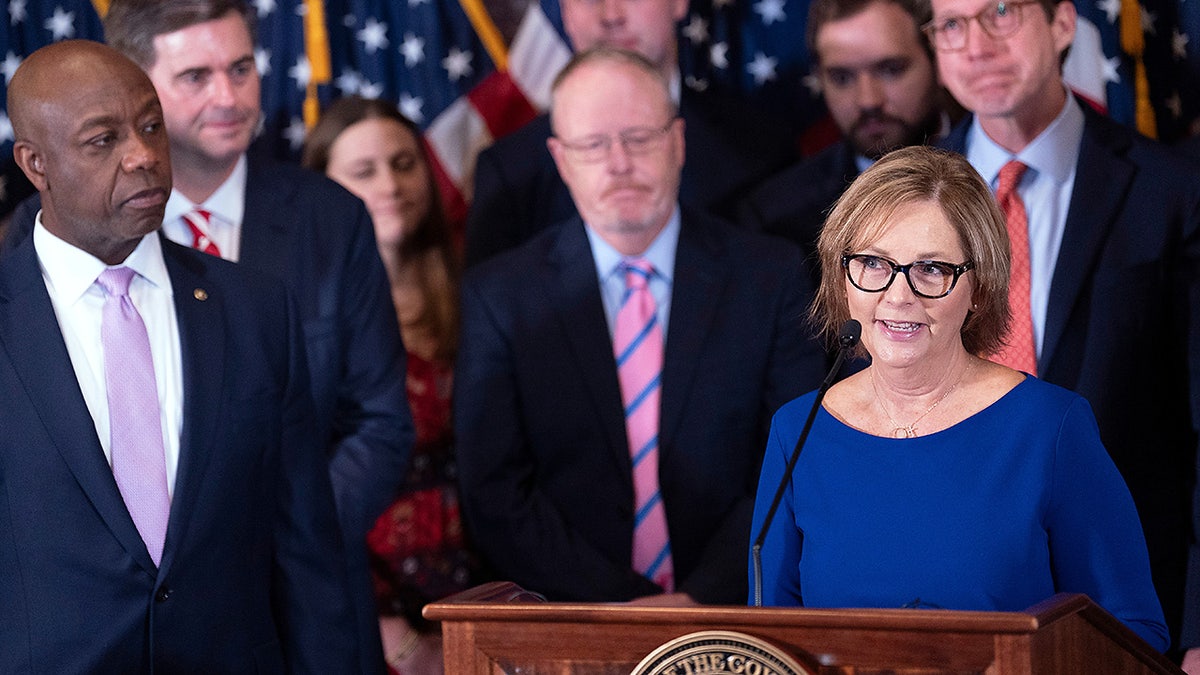
Newly-appointed U.S. interim Senator Darline Graham Nordone, right, with Sen. Tim Scott, R-S.C., left, speaks during a press conference announcing her appointment to fill the vacancy created by the passing of her brother, U.S. Sen. Lindsey Graham, at the statehouse Monday, July 13, 2026, in Columbia, S.C. (Sean Rayford/AP Photo)
This is why Republicans have such a tenuous hold on the House right now.
There are currently 431 members. The breakdown is 218 Republicans, 212 Democrats and one Independent who teams up with the GOP. Extended absences by Kean — and to a lesser degree, Rep. Neal Dunn (R-Fla.) because of a major heart condition — made it hard for the GOP majority to operate.
Resignations or deaths could really alter the balance of power.
But once someone is in a House or Senate seat, they’re in. There’s no succession plan for health.
Average Americans suggest that they would lose their jobs if they didn’t show up for work. Even with a serious health condition.
CLICK HERE TO DOWNLOAD THE FOX NEWS APP
But the same thing happens in Congress. Every two or six years. People vote for the House and Senate.
Those lawmakers may in fact lose their jobs. But it might just take a very long time.
congress, mitch mcconnell, lindsey graham, law
INTERNACIONAL
Los incendios avanzan sin control en España y Francia: hay más de 170.000 evacuados y miles de hectáreas arrasadas
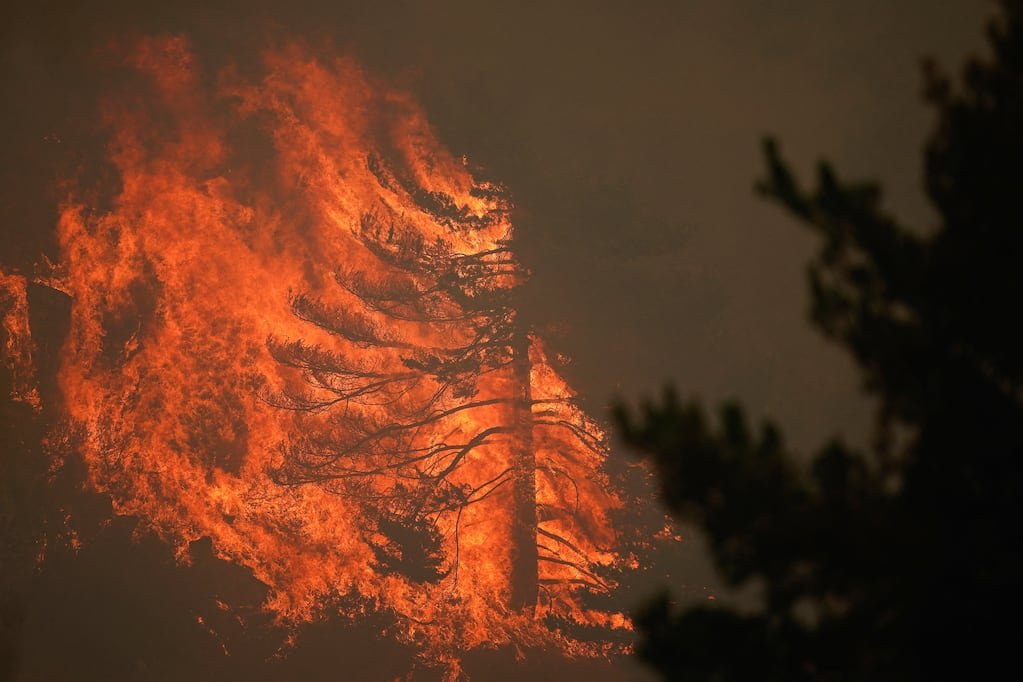
Los incendios forestales que afectan a España y Francia continúan fuera de control y obligaron a evacuar a más de 170.000 personas entre ambos países, en medio de una intensa ola de calor, fuertes vientos y condiciones extremas que dificultan el trabajo de los equipos de emergencia.
La situación más delicada en España se concentra en el oeste de la Comunidad de Madrid, donde las autoridades reconocieron este viernes que el incendio atraviesa su fase más crítica.
“El incendio sigue creciendo”, advirtió el consejero de Medio Ambiente de la Comunidad de Madrid, Carlos Novillo, quien sostuvo que el fuego se encuentra en su “momento álgido” y que está “ya fuera de capacidad de extinción”.
Según explicó el funcionario desde el puesto de mando de las operaciones, la evolución del incendio declarado en la vecina provincia de Ávila tomó una dirección más al norte de la prevista, un cambio que, por el momento, reduce el riesgo de que ambos focos terminen uniéndose y formen un frente de fuego todavía más devastador. Un hidroavión arroja agua sobre un incendio en Europa, el 24 de julio de 2026. (AP Foto/Caroline Blumberg)
Horas antes, la presidenta de la Comunidad de Madrid, Isabel Díaz Ayuso, había calificado el episodio como “el peor incendio de la historia” de la región.
Además, Díaz Ayuso informó que al menos 63.000 personas debieron ser evacuadas o se encontraban confinadas en la región de Madrid.
“Tenemos una situación adversa. El viento, la temperatura y el grado de humedad no nos facilitan la tarea”, afirmó el ministro del Interior español, Fernando Grande-Marlaska, durante una recorrida por el centro de operaciones.
Las llamas afectan especialmente a municipios residenciales rodeados por montes y áreas boscosas, donde la vegetación seca actúa como combustible. En Aldea del Fresno, uno de los pueblos completamente evacuados, el concejal Félix Hernández resumió la magnitud de la emergencia: “Tengo 53 años y he visto incendios importantes, pero nunca uno tan grande como este”.
Leé también: Trump amenazó a la Unión Europea con más aranceles por la multa a Google: “Pagará un precio muy alto”
La investigación sobre el origen de algunos focos también avanza. La Guardia Civil confirmó la detención de una persona y que otra está siendo investigada por su presunta responsabilidad en el incendio registrado en Castilla y León.
En lo que va de 2026, España ya perdió cerca de 130.000 hectáreas por incendios forestales, una cifra que refleja la intensidad de la temporada, aunque todavía inferior a las aproximadamente 393.000 hectáreas quemadas durante todo 2025.
Francia también está bajo una emergencia sin precedentes
La situación tampoco da respiro al otro lado de los Pirineos. En el suroeste de Francia, los incendios forestales obligaron a evacuar a unas 110.000 personas, mientras las llamas ya arrasaron alrededor de 14.000 hectáreas.
La región más comprometida se encuentra en torno a Burdeos, una de las principales ciudades del país y centro de una reconocida zona vitivinícola. Residentes y turistas debieron abandonar la península de Cap Ferret tanto por carretera como en embarcaciones, en plena temporada alta de vacaciones.

Bomberos combaten las llamas en la zona de Le Porge, en Gironda, en Francia (Foto: Reuters)
El ministro del Interior francés, Laurent Nuñez, aseguró que las autoridades “harán todo lo posible para proteger” la ciudad de Burdeos y anunció la convocatoria urgente de una célula interministerial de crisis para coordinar la respuesta.
Los departamentos de Gironda y Las Landas concentran los mayores esfuerzos de los equipos de emergencia, mientras miles de personas permanecen alojadas en centros de evacuación.
Entre ellas está Maria Lalanne, una mujer de 90 años que debió abandonar su vivienda durante la noche y llegó a un polideportivo habilitado como refugio sin sus lentes ni su audífono. “No sé cuánto va a durar esto. No sé qué pasó con mi casa”, relató, todavía conmocionada.
Los incendios de este año ya convirtieron a 2026 en el segundo con mayor superficie quemada en la Unión Europea desde que comenzaron los registros satelitales hace dos décadas, según datos del Sistema Europeo de Información sobre Incendios Forestales (EFFIS). Solo en Francia, más de 50.000 hectáreas fueron consumidas por el fuego desde enero, casi el triple de la superficie afectada durante el mismo período del año pasado.
En este contexto, especialistas del grupo World Weather Attribution difundieron un estudio que concluye que el cambio climático, impulsado principalmente por la quema de combustibles fósiles como petróleo, carbón y gas, está intensificando la sequía y favoreciendo la aparición de incendios cada vez más extensos, intensos y difíciles de controlar en buena parte de Europa.
Incendios, Francia, España
INTERNACIONAL
ICC prosecutor whose Netanyahu warrant fueled Mamdani arrest threat is fired over sexual misconduct
NEWYou can now listen to Fox News articles!
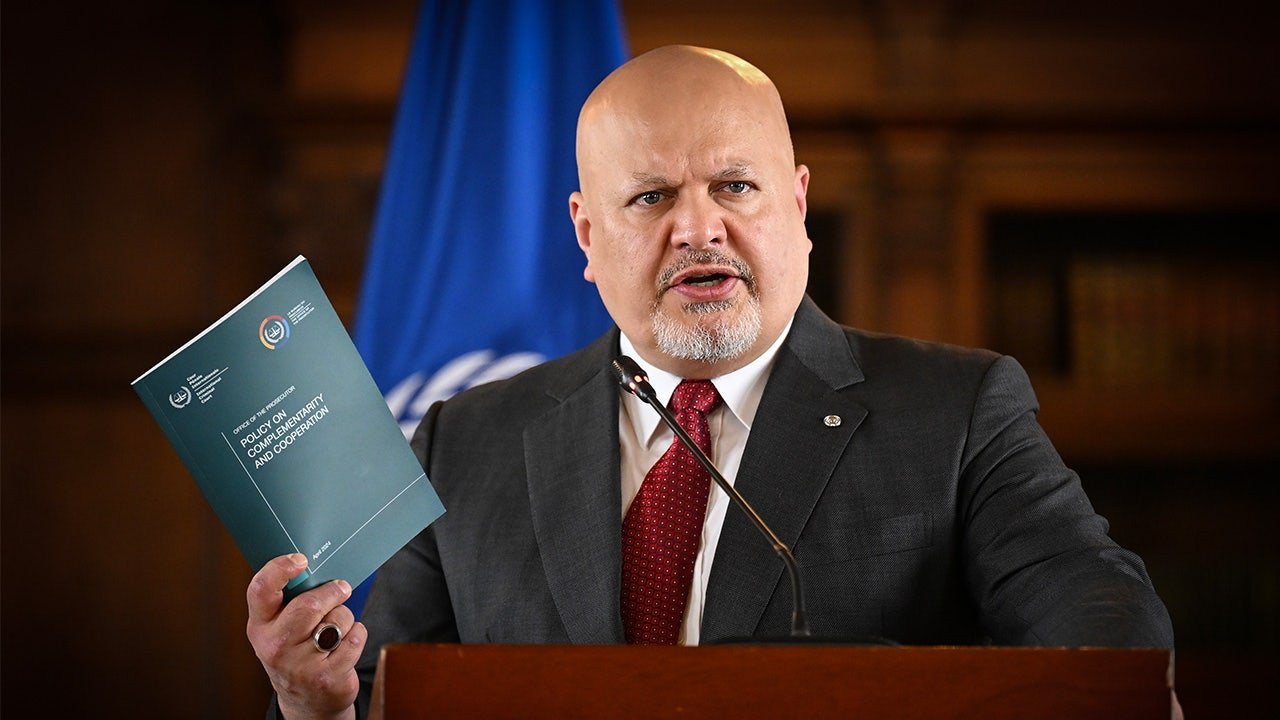
The International Criminal Court prosecutor whose arrest warrant against Israeli Prime Minister Benjamin Netanyahu became central to New York Mayor Zohran Mamdani’s threat to arrest the Israeli leader was dismissed Friday after member states voted to remove him over sexual misconduct allegations.
Karim Khan, the ICC’s chief prosecutor, was removed after a vote by the Assembly of States Parties, the court’s 125-member governing body, following disciplinary proceedings tied to allegations involving a junior female staffer in his office. Khan has denied wrongdoing.
The decision marked the first time in the ICC’s history that a sitting chief prosecutor has been removed from office. Khan’s removal comes days after Secretary of State Marco Rubio launched a U.S. campaign to «dismantle» the ICC, accusing the court of threatening American sovereignty.
MAMDANI GOES BACK ON CAMPAIGN PROMISE, SAYS NYC CAN’T ARREST NETANYAHU
Karim Khan is the ICC’s chief prosecutor. (Getty Images)
Khan became one of the world’s most controversial prosecutors after pursuing ICC arrest warrants for Netanyahu and former Israeli Defense Minister Yoav Gallant over Israel’s war against Hamas in Gaza. The ICC issued the warrants in November 2024, prompting fierce condemnation from Israel and the United States, neither of which is a member of the court.
The warrants also became a flashpoint in New York politics after Mamdani repeatedly invoked the ICC case against Netanyahu. Mamdani said during his campaign that he would seek to arrest Netanyahu if the Israeli prime minister came to New York, and later acknowledged as mayor that the city lacks authority to enforce the warrant while calling on the federal government to do so.
The ICC, based in The Hague in Holland, is a permanent international court created under the Rome Statute to prosecute individuals accused of genocide, war crimes, crimes against humanity and the crime of aggression when national courts are unable or unwilling to act.
WORLD COURT PROSECUTOR WHO WENT AFTER NETANYAHU FOR WAR CRIMES SUSPENDED OVER SEXUAL MISCONDUCT
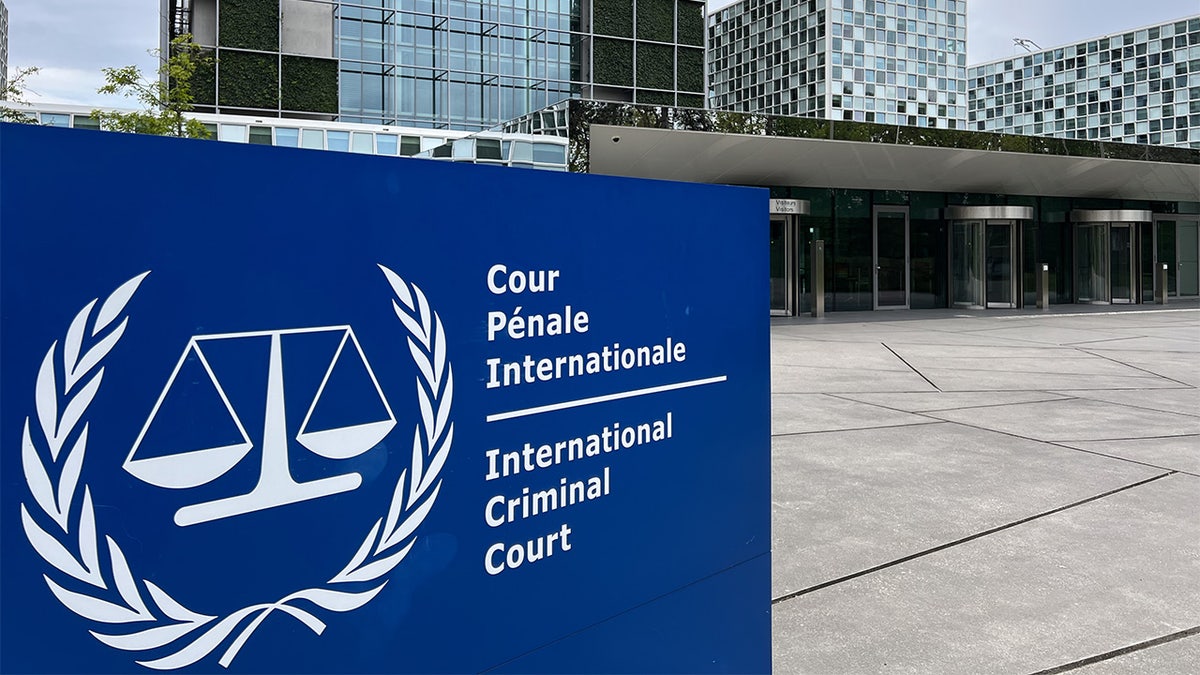
A general view of the International Criminal Court (ICC) building in The Hague, Netherlands on April 30, 2024. ((Photo by Selman Aksunger/Anadolu via Getty Images))
The allegations against Khan have triggered a crisis for the court. Reuters reported that 82 of the ICC’s 125 member states voted in favor of his removal, exceeding the absolute majority required. Khan had previously stepped aside in May 2025 while a U.N. oversight investigation was underway and was suspended in June 2026 pending the final vote.
The Associated Press reported that the court’s oversight body found Khan had committed «serious misconduct.» The case involved allegations from a female aide who said Khan engaged in nonconsensual sexual conduct. Khan’s lawyers have denied the allegations and called the removal process legally flawed and unsupported by evidence.
The woman, identified only as Sarah, went public in a CNN interview last week. «There is no way for something to be consensual when you have such a power disparity,» she told CNN.
Khan’s legal team rejected the vote and said he would challenge the decision. Tayab Ali, partner at Bindmans LLP and head of Khan’s legal team, said in a statement that the Assembly of States Parties had disregarded due process concerns raised publicly by more than 180 nongovernmental organizations and senior international lawyers.
«The decision is unsupported by any lawful or properly reasoned finding that Mr Khan KC committed misconduct or breached his duties as Prosecutor,» Ali said. «He has denied the allegations from the outset and continues to do so.» Ali said the allegations were investigated for more than a year by the U.N. Office of Internal Oversight Services and argued that «there is not a single finding of misconduct, including sexual misconduct, anywhere in the OIOS report.» He also said a three-judge panel unanimously determined in March 2026 that the factual findings made by OIOS did not establish misconduct or breach of duty by Khan.
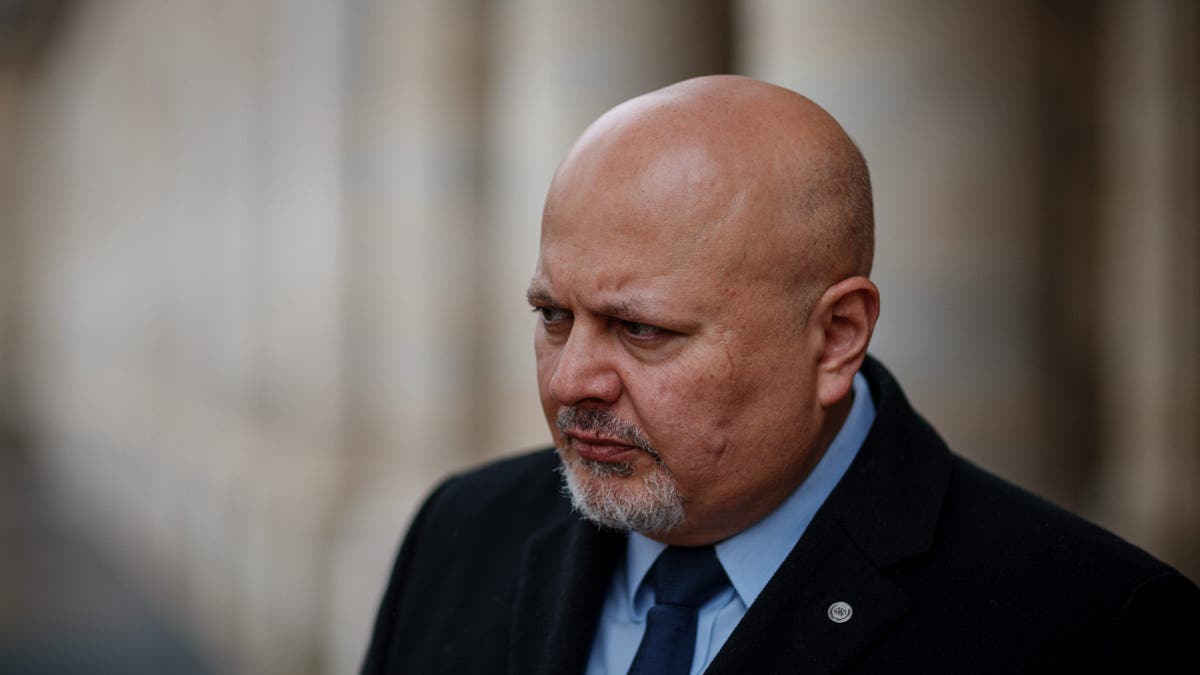
International Criminal Court Prosecutor Karim Khan poses during an interview with AFP at the Cour d’Honneur of the Palais Royal in Paris on February 7, 2024. The prosecutor of the International Criminal Court (ICC) wants to prosecute «environmental crimes» without changing the court’s statute, because environmental damage is often the cause or consequence of war crimes or crimes against humanity that the ICC can already judge, Karim Khan announced on February 7, 2024, in an interview with AFP. Dimitar Dilkoff/AFP via Getty Images (Dimitar Dilkoff/AFP via Getty Images)
Khan’s lawyers accused the Assembly of States Parties of removing him through a politically driven and procedurally unfair process, saying Khan and his lawyers were not allowed to make formal submissions to the Assembly before the vote.
«The Prosecutor of this Court has been removed by an executive vote while under sanctions and while the Court is under immense political pressure,» Ali said.
Ali said Khan «will challenge the lawfulness and fairness of the decision through all available legal mechanisms.»
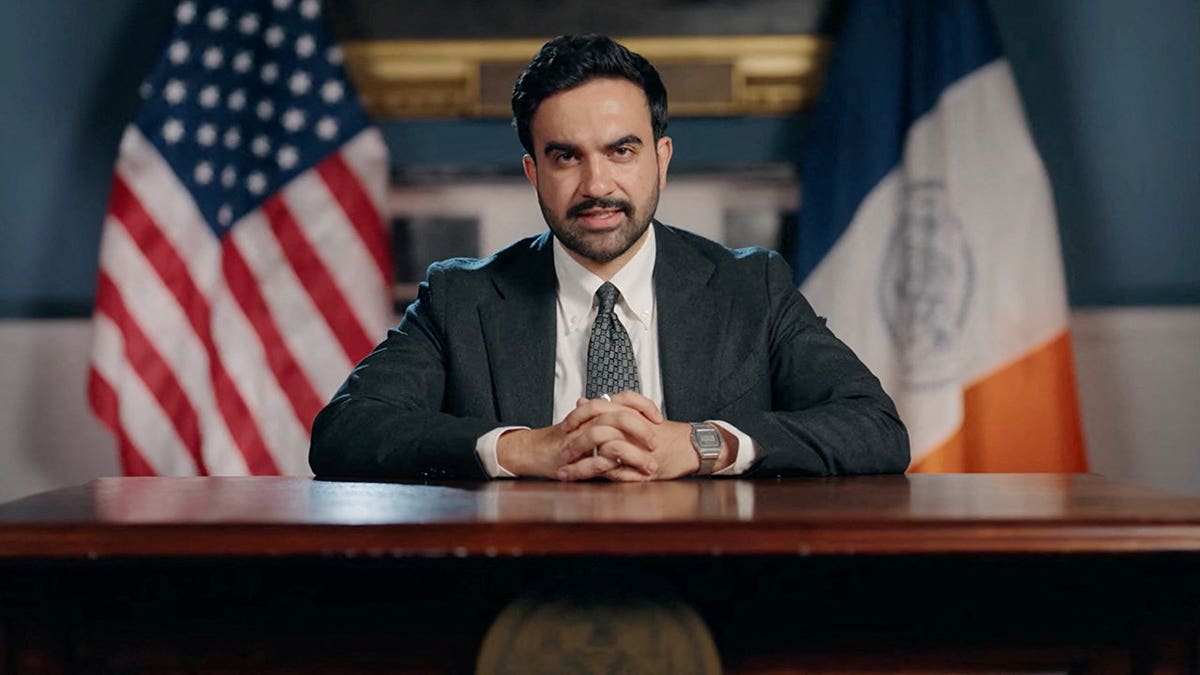
New York City Mayor Zohran Mamdani speaks about Israeli Prime Minister Benjamin Netanyahu in a still image taken from handout video released on July 21, 2026. (Reuters)
Israeli officials argued Friday that Khan’s removal undermined the legitimacy of the ICC’s actions against Netanyahu.
Israeli Ambassador to the United Nations Danny Danon told Fox News Digital that Khan believed «by launching a political witch hunt against Israel and issuing a politically-motivated arrest warrant against Prime Minister Netanyahu, the world would ignore the grave sexual misconduct allegations against him.»
«He was wrong,» Danon said. «He sought to scapegoat Israel in an attempt to divert attention from his own misconduct. The international community rejected that cynical attempt today.»
NETANYAHU FIRES BACK AT NYC MAYOR MAMDANI’S VOW TO ENFORCE ‘BOGUS ARREST WARRANT’
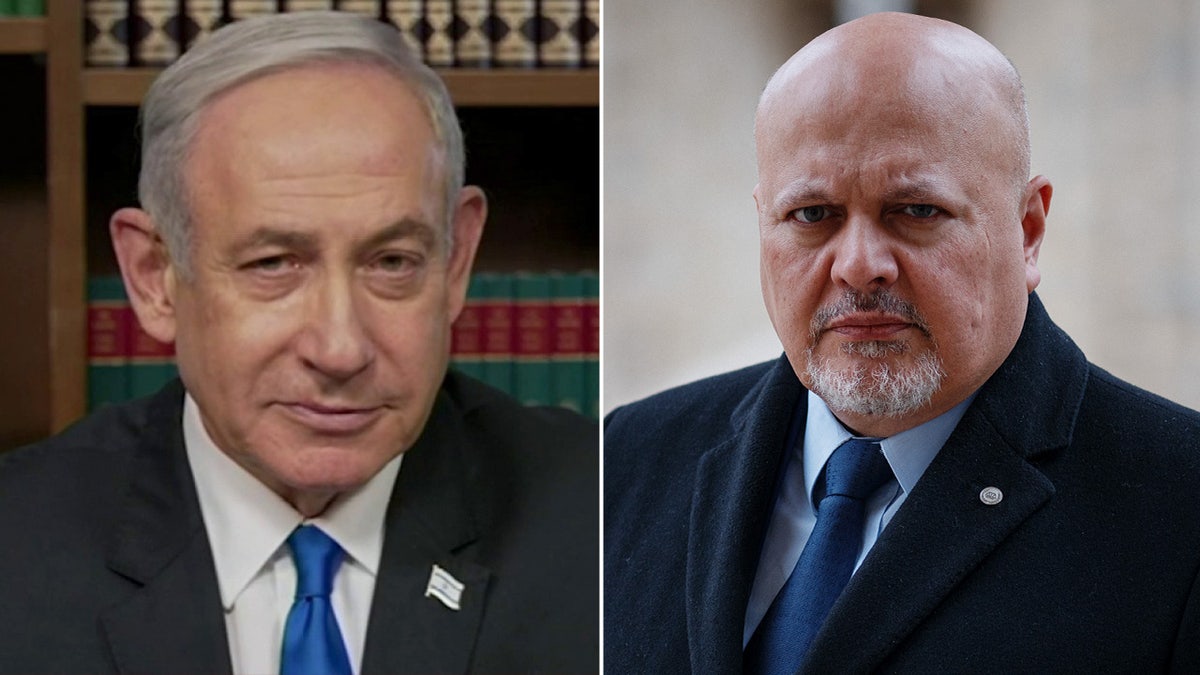
Israeli Prime Minister Benjamin Netanyahu (left) and ICC chief prosecutor Karim Khan (right).
Danon added, «The attacks against Israel, which were intended to distract from his disgraceful conduct, did not save Karim Khan, and they will not help Zohran Mamdani either.»
Anne Bayefsky, president of Human Rights Voices and director of the Touro Institute on Human Rights and the Holocaust, told Fox News Digital that Khan’s fall should not be viewed as an isolated scandal. «He unexpectedly requested arrest warrants for Israel’s prime minister and defense minister within weeks of discovering his sexual deviancy had been revealed. He accused his victim of being a Mossad agent. He and his lawyers constantly repeated the refrain that Israelis were behind the accusations.»
Bayefsky claimed that Khan’s conduct has damaged the ICC itself. «Now there is a massive campaign to save the ICC from Khan. On this logic, Khan’s anti-Israel fanaticism never tainted his investigation of Israel, his arrest warrant request against Israelis, his submissions to the ICC Court, the evidence he placed before the Court, or the analysis and conclusions of the ICC Court that placed their trust in him when they decided to grant his warrant requests.»
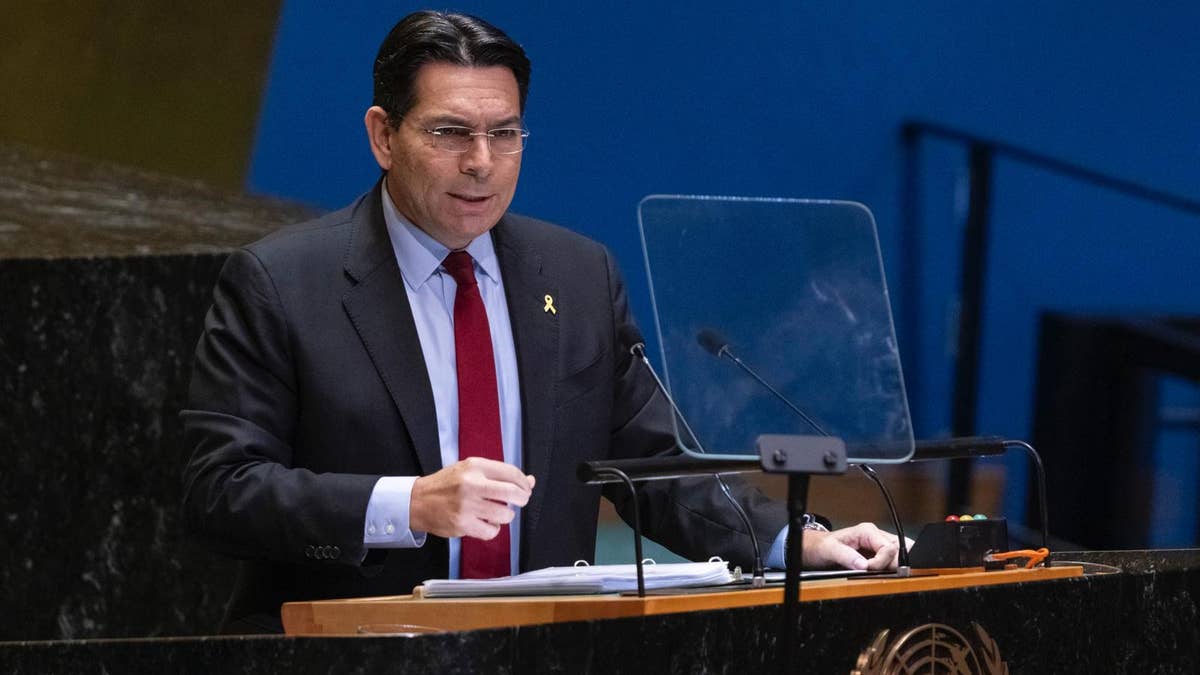
Israel’s U.N. Ambassador Danny Danon speaking at the General Assembly. (U.N. Photo/ Eskinder Debebe)
CLICK HERE TO DOWNLOAD THE FOX NEWS APP
The ICC has not said Khan’s removal affects the Netanyahu and Gallant warrants, which were issued by judges after Khan’s request.
Requests sent to Khan’s office for comment were not answered by the time of publication.
benjamin netanyahu, anti semitism, national security, zohran mamdani, international law

El Gobierno niega una suba del dólar, luego de la polémica por los dichos de Ravier

Lionel Messi les dio un objeto muy personal a toda la Selección en el vestuario tras la final y una esposa lo mostró

Kicillof pidió por las reelecciones indefinidas de intendentes: cómo es el proyecto que impulsa el oficialismo y qué chances tiene de tratarse

El once titular de River Plate para enfrentar a Barracas Central

La izquierda convoca a una protesta por la visita de la jefa del FMI

Succession: Why Congress has no clear plan when lawmakers can’t serve

Escándalo Mundial: Las presiones secretas, la amenaza de la FIFA por Malvinas y la verdad detrás del partido contra España

Samuel L. Jackson llamó a Argentina “el país más racista del mundo”: la contundente respuesta que le dejó Bárbara Lombardo

Jorge Berredo, general retirado de las FFAA, asumió como Secretario de Seguridad en San Isidro

Sin la anestesia mundialista, aflora la crisis del conurbano y Milei necesita reconectar con lo popular

 DEPORTE3 días ago
Escándalo Mundial: Las presiones secretas, la amenaza de la FIFA por Malvinas y la verdad detrás del partido contra España
- POLITICA2 días ago
Jorge Berredo, general retirado de las FFAA, asumió como Secretario de Seguridad en San Isidro
- POLITICA2 días ago
Sin la anestesia mundialista, aflora la crisis del conurbano y Milei necesita reconectar con lo popular