
INTERNACIONAL
La ex pareja del narco uruguayo Marset escribió una carta a mano desde prisión: “¿Dónde están mis derechos?”


La madre de los hijos del narcotraficante Sebastián Marset, Gianina García Troche, está presa en Paraguay, mientras avanzan sobre ella investigaciones sobre narcotráfico. Está en un penal de máxima seguridad, en el que pasa 22 horas dentro de una celda y sin comunicación con el mundo exterior. Tiene dos horas por día para salir a un patio enrejado, que le llaman “gallinero”. Detrás de las rejas, García Troche se muestra preocupada por su salud mental.
La uruguaya fue detenida en julio de 2024 en el aeropuerto de Barajas, un año y medio antes de que fuera arrestado y enviado a Estados Unidos el padre de sus hijos.
La acusada ha buscado distintos medios para criticar las condiciones de reclusión en las que está. A fines del año pasado, después de haber sido internada en terapia intensiva, se filmó desde la prisión y contó que tenía el cuerpo lleno de hematomas y que atravesó por varias convulsiones. La semana pasada volvió a expresarse, en este caso a través de una carta escrita a mano.
La imputada eligió a la periodista Patricia Martín, de la radio Carve uruguaya, para hacer lo que llamó un “descargo”.

La ex pareja de Marset contó que está en una cárcel de máxima seguridad. “Yo soy todavía procesada, y no debería de estar en una cárcel con el régimen cerrado especial”, escribió a mano.
La mujer está en este centro de reclusión desde febrero; antes había pasado por la prisión militar de Viñas Cué. El operativo de traslado hacia el Centro Penitenciario de Reinserción Social “Martín Mendoza” fue polémico porque la uruguaya se resistió a ser trasladada y “en todo momento” amenazó al personal.
“Están cometiendo un gran error, ustedes no saben las consecuencias de esto, se van a arrepentir y los voy a mandar a matar a todos, mi esposo tomará represalias y habrá consecuencias”, dijo la ex pareja de Marset, esa vez, mientras era trasladada.

Pero, volviendo a la carta actual, García Troche volvió a alertar sobre su estado: “Tengo problema de salud, que cada día está empeorando. Hay estudios que lo demuestran, no me permiten visitas con mis hijos, están violando sus derechos…”.
“Soy madre de cuatro hijos pequeños. Ellos necesitan del abrazo de su madre; ¿dónde están los derechos del niño? ¿Dónde está mi embajada? ¿Dónde están mis derechos?”, escribió la mujer en la carta enviada a una periodista.
Luego García Troche contó cómo es su día a día en la prisión. “Paso 22 horas en mi celda, porque dos tengo derecho a salir en otra celda más grande con techo enrejado, que es compartido con los hombres”, relató. Ese lugar en el que pueden pasar hasta dos horas por día es conocido como “gallinero”.

La imputada hace referencia a que está en una cárcel de hombres, aunque en realidad fue trasladada al pabellón de mujeres del penal.
Son 11 las presas que están alojadas allí. Según señaló García Troche en el texto, la mayoría de ellas son madres y ninguna sabe “sus situaciones”.
“¿Dónde están las verdaderas mujeres peligrosas? Esas mujeres que matan a sus hijos, que mandan violar a sus hijos, ¿dónde están?”, se preguntó García Troche en su misiva. “Están disfrutando acá al lado, en la cárcel de mujeres, que se llama Comple. Ahí trabajan, estudian, ven a sus hijos. ¿Y nosotras? ¿Yo?”, insistió.
Gianina García Troche, la madre de los hijos de Marset, denuncia que tiene el cuerpo lleno de hematomas y que está con una vía en la prisión (tiktok @gianina.garcia.tr)
García Troche explicó que no se podía arriesgar a hacer un video para no perder la “única llamada” que tiene permitida cada 15 días, que es de una hora y que aprovecha para comunicarse con sus hijos.
“Hoy alzo mi voz a través de esta carta. Es muy fácil juzgarme, cuando ni un juez me ha condenado”, escribió.
García Troche aseguró en octubre de 2025 que no está más en pareja con Marset y que es simplemente la madre de sus cuatro hijos.
García Troche está presa en Paraguay mientras avanzan las investigaciones sobre narcotráfico y lavado de activos.

La decisión de trasladar a García Troche la tomó la jueza Montanía tras un historial de conductas agresivas en prisión. Según NPY, en diciembre la magistrada le prohibió visitas familiares por mal comportamiento, estableciendo un precedente sobre la preocupación por la seguridad de quienes la custodian en contextos de alto riesgo.
Cuando publicó el video en TikTok, la uruguaya dijo que tenía hematomas por todo el cuerpo, que tuvo varias convulsiones y también contó que Marset es el amor de su vida.
García Troche,Marset,Paraguay,cárcel,traslado,custodia,seguridad,narcotráfico,justicia












INTERNACIONAL
Buses Alegres: estas son algunas de las opciones que ofrece El Salvador para hacer turismo en estas vacaciones de agosto

Durante las vacaciones de agosto, el Instituto Salvadoreño de Turismo (ISTU) ha puesto en marcha una serie de opciones para quienes buscan destinos turísticos accesibles desde San Salvador.
A través del programa de Buses Alegres ofrece viajes organizados hacia algunos de los parques y sitios recreativos más visitados del país, con salidas programadas y tarifas asequibles para todos los interesados.
El programa Buses Alegres está diseñado para facilitar la visita a diferentes parques administrados por el ISTU, permitiendo a las familias y visitantes disfrutar de recorridos seguros y coordinados durante el periodo vacacional.
La oferta incluye destinos variados y precios que oscilan entre los seis y los diez dólares, cubriendo únicamente el transporte de ida y vuelta, según información difundida por la institución en su sitio web.
La agenda de agosto contempla salidas diarias a partir desde el 2 hasta el 9, con destinos que incluyen parques acuáticos, playas y rutas de montaña.
Para este día, el destino fue la Playa Los Almendros con un precio de 10 dólares. Para mañana, 5 de agosto los Buses Alegres irán al Parque Recreativo Apulo por un costo de 6 dólares.

Las siguientes fechas abarcan otras atracciones gestionadas por el ISTU. El 6 de agosto los buses parten hacia Cerro Verde con un costo de 8 dólares, el 7 de agosto la excursión será a Ichanmichen por 6 dólares, mientras que el 8 de agosto el destino será fuera del circuito administrado por la institución, específicamente hacia la Ruta de Las Flores, con un costo de 8 dólares, y el 9 de agosto el viaje será hacia la Costa del Sol también por un monto de 8 dólares.
Estas tarifas incluyen el traslado de ida y regreso, aunque el precio no contempla la entrada a los parques, la cual debe ser pagada por separado al llegar.
El punto de partida para todas las excursiones está ubicado en el parqueo del Parque Infantil de Diversiones, con acceso vehicular en la intersección de Alameda Juan Pablo II y Diagonal Universitaria. La hora de salida está fijada a las 6:30 de la mañana, permitiendo aprovechar al máximo el día en el destino turístico elegido.
El parqueo tiene un costo adicional de un dólar por vehículo, facilitando la llegada de quienes utilizan transporte propio antes de abordar los buses.
El programa de Buses Alegres establece que los viajes están sujetos a posibles cambios, recomendando a los interesados reservar su asiento con antelación.
Las reservaciones pueden realizarse a través del número telefónico 7517-9169 en horario de lunes a viernes, de 7:30 de la mañana a 3:30 de la tarde. Esta medida busca garantizar la disponibilidad de cupos y evitar contratiempos el día del viaje.

Los parques recreativos forman parte de la red de espacios que administra el ISTU, institución encargada de promover el turismo interno y el acceso a zonas naturales y de esparcimiento. Entre ellos destacan destinos como Amapulapa, conocido por sus piscinas y áreas verdes; y Walter Thilo Deininger, que ofrecen senderos y contacto directo con la naturaleza.
Otros destinos incluidos en los recorridos, como Cerro Verde, permiten el contacto con zonas de montaña y vistas panorámicas de la región occidental del país. Por su parte, la Ruta de Las Flores representa una alternativa para quienes se interesan en el turismo cultural y gastronómico, recorriendo pueblos emblemáticos de la zona. Ichanmichen y Apulo complementan la oferta con infraestructuras para el descanso y actividades acuáticas.
El Instituto Salvadoreño de Turismo mantiene de este modo su apuesta por acercar a la población a los principales atractivos turísticos del país, facilitando la movilidad y promoviendo el disfrute de las vacaciones de agosto en familia o con amigos. Para quienes buscan opciones accesibles y organizadas, los Buses Alegres representan una alternativa consolidada dentro del calendario turístico salvadoreño.
corresponsal:Desde San Salvador, El Salvador
INTERNACIONAL
Is this Trump’s last ‘last chance’? Ceaseless string of broken ceasefires fuels doubt over Iran deal
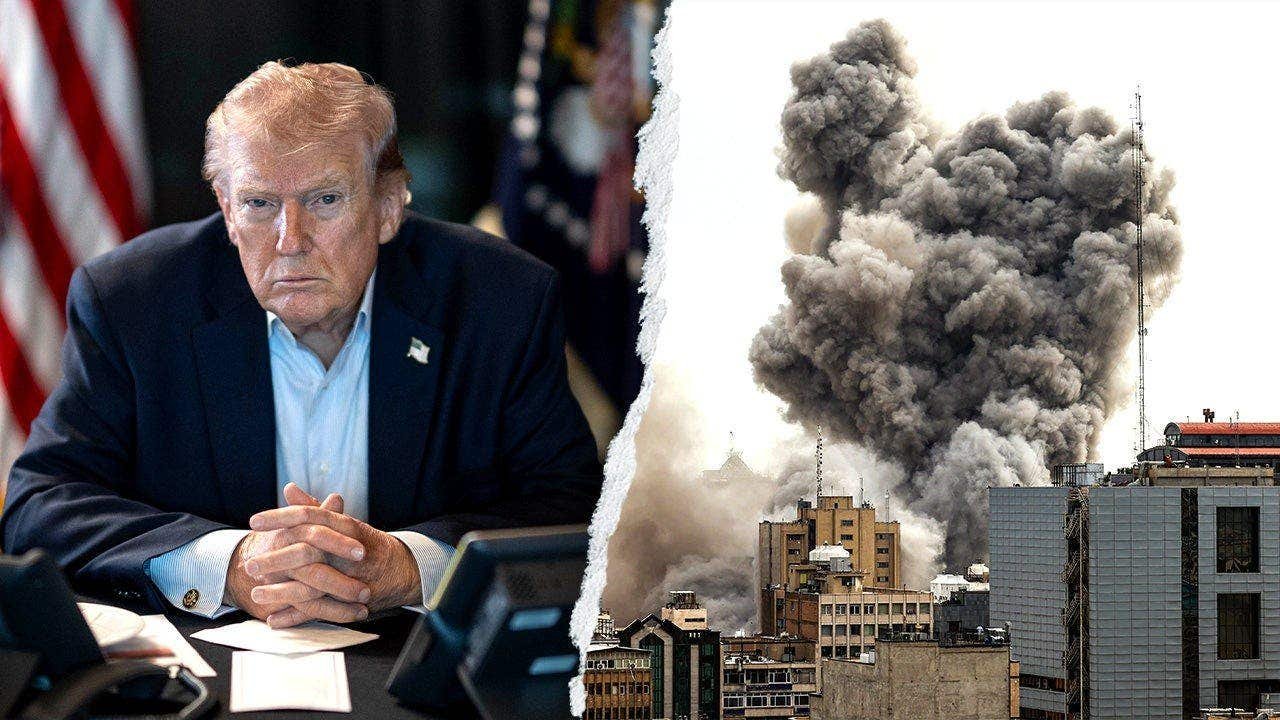
Trump warns Iran talks are ‘last chance’ to reach deal
President Donald Trump declares that negotiations with Iran represent their ‘last chance’ to secure a deal before facing total surrender. Reporting from Tel Aviv, Trey Yingst details how U.S. forces are prepared to strictly enforce blockades in the Strait of Hormuz. Bipartisan lawmakers watch closely as military tensions escalate in the region.
NEWYou can now listen to Fox News articles!
President Donald Trump is warning Iran that it has one last chance to make a deal, even as Tehran denies the negotiations Trump says persuaded him to hold off on a major U.S. attack.
The clash has left the status of the diplomatic effort unclear. Trump says indirect talks could reopen the Strait of Hormuz and eventually address Iran’s nuclear program, while Tehran acknowledges only limited discussions with Oman and has not publicly embraced the broader deal Trump has described.
«There’s certainly an element of posturing involved,» Ali Vaez, deputy program director for the Middle East at International Crisis Group, told Fox News Digital. «While there are no ‘talks’ in the sense of U.S. and Iranian officials sitting at the same venue exchanging proposals and counter-offers, engagement appears ongoing.»
Trump said diplomacy persuaded him to call off a planned attack on Iran that he described as the biggest since World War II. Over the weekend, he said Iran and several Middle Eastern countries had asked for more time to finalize an agreement reopening Hormuz and addressing Tehran’s nuclear program.
TRUMP WARNS IRAN FIGHTING ISN’T OVER AS HE VOWS US WILL ‘WIN’ AS TALKS FADE
President Donald Trump speaks during a meeting about military families, in the Oval Office of the White House, Monday, Aug. 3, 2026, in Washington. (AP Photo/Alex Brandon)
Iranian Foreign Ministry spokesman Esmail Baghaei said, however, that Tehran was neither holding talks with the United States nor expecting an American delegation. He described the Oman discussions as a bilateral effort to establish a temporary shipping corridor through the Strait.
Trump, in response, accused Iran’s leadership of being «unbelievably duplicitous.»
«They ask for a meeting, some would say ‘beg,’ talks begin, with more scheduled in the immediate future, and they say, openly and proudly, that they’re not having any discussions,» Trump wrote Monday on Truth Social.
Later that afternoon, Trump called the talks Iran’s «last chance» to avoid an escalation in U.S. strikes. He said negotiators would first seek to reopen the Strait, then turn to Tehran’s nuclear program.
«The first phase is the opening of the straits. The second phase will be the denuclearization,» Trump said in the Oval Office. «And that will take a little while.»
Trump said reporters could learn more about the negotiations «today or tomorrow.» Iran has not publicly endorsed either phase of his plan.
Saudi Arabia and other Gulf allies have urged Trump to hold off on the planned attack, fearing more Iranian reprisals against their territory. Jonathan Schanzer, executive director of the Foundation for Defense of Democracies, said those concerns have complicated Trump’s next move.
«He’d like to be able to walk away with a win. The Iranians are not allowing him to do that,» Schanzer told Fox News Digital. «There is not a clear path ahead for him at this moment.»
US OFFICIAL SAYS JD VANCE MADE ‘GREAT PROGRESS’ IN IRAN TALKS, CALLS SNUB REPORTS ‘FOREIGN PROPAGANDA’
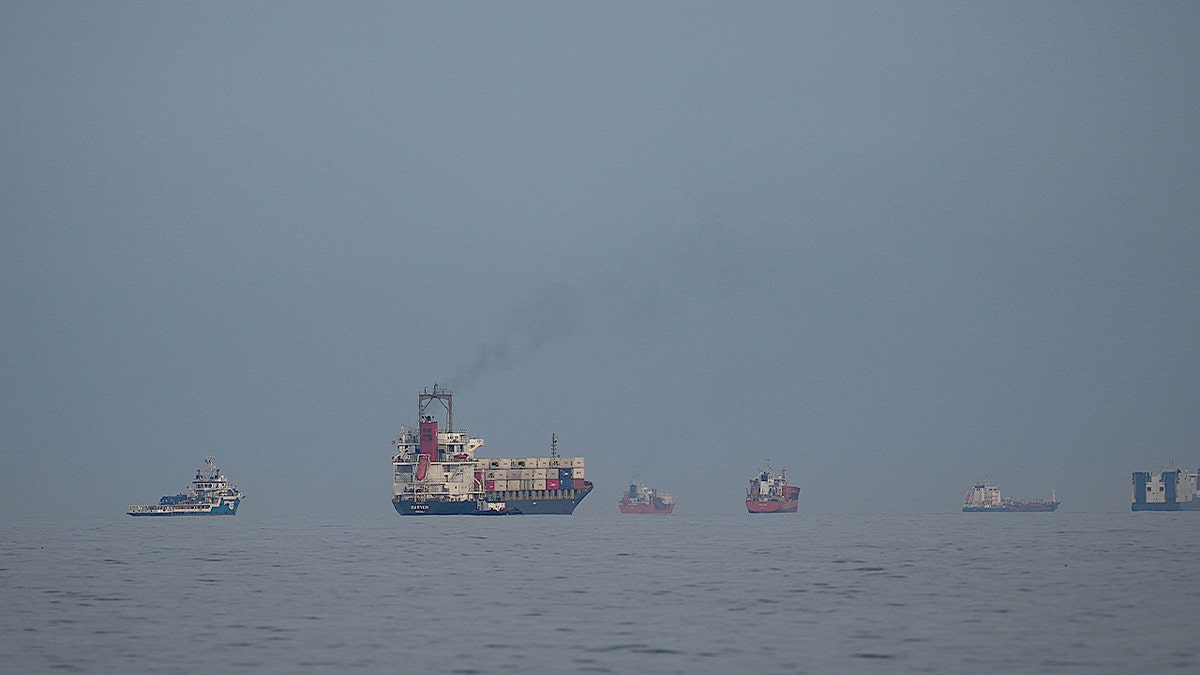
Oil tankers and cargo ships line up in the Strait of Hormuz as seen from Khor Fakkan, United Arab Emirates, Wednesday, March 11, 2026. (AP Photo/Altaf Qadri)
A June memorandum also opened with promises of a broader settlement. The United States and Iran signed it to halt fighting, lift the U.S. blockade and reopen the Strait.
Shipping became the first test of the June memorandum, and it quickly exposed how far apart Washington and Tehran remained. Each side had its own plan for restoring commercial traffic through the Strait. When U.S. officials accused Iran of firing on commercial vessels days later, American strikes followed. Tehran said Washington had tried to force through a new shipping arrangement without its consent.
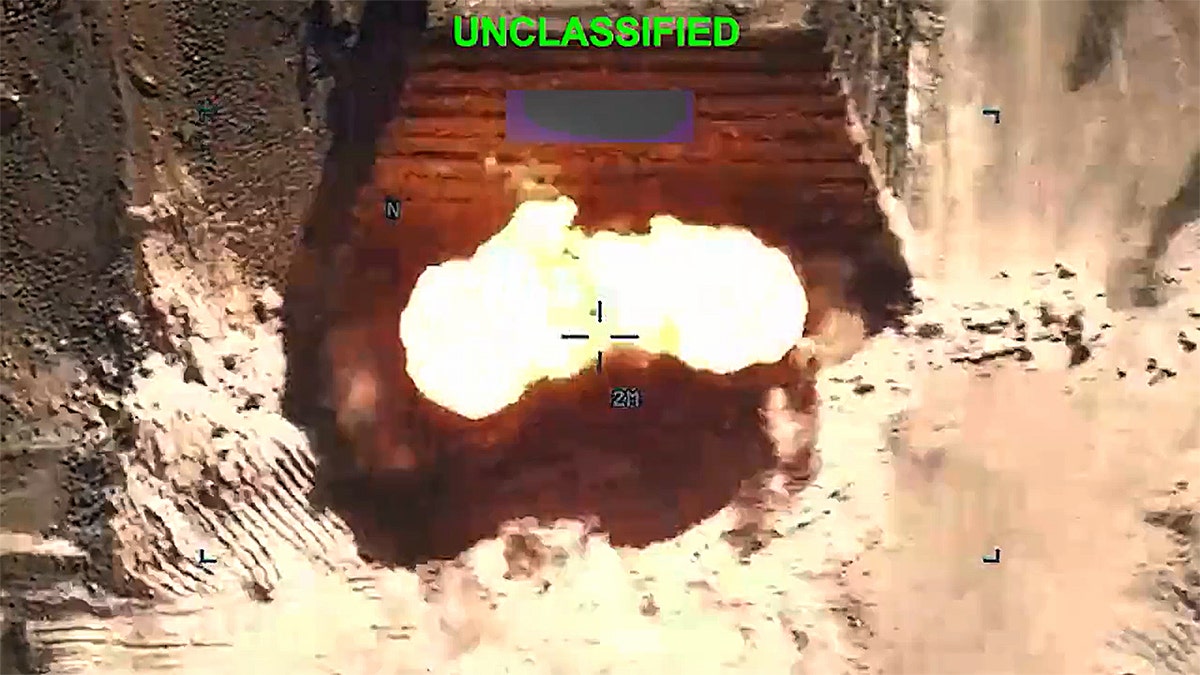
Image shows a US strike on Iran. (US Central Command)
Negotiators never bridged that divide. Trump declared the ceasefire over in early July and expanded the U.S. air campaign. Iran answered with missile and drone attacks on American positions and regional partners.
That fighting set up another, shorter pause at the end of the month. Trump said mediators had asked the U.S. to hold fire, an arrangement Iran said it would match. Within days, Iranian missiles targeted U.S. forces in Jordan and the conflict spread again.
Brief breaks have become a feature of the conflict, which Schanzer described as a «ceasefire war.»
«It is a war that is punctuated by short bouts of calm, only to see conflict return,» Schanzer said.
Even if Oman succeeds in opening a temporary route, it would settle only the immediate question of how ships move through the Strait. Trump wants that step to lead into negotiations over Iran’s nuclear program, a sequence Tehran has yet to publicly embrace. As long as Iran can still threaten traffic and Washington can maintain its blockade and prepare further strikes, each side may decide it can wait the other out rather than make the concessions needed to end the war.
«Fundamentally, both sides know that the status quo is a recipe for continued military and economic attrition without a clear endgame,» Vaez said.
war with iran, donald trump, middle east, geopolitics, iran, national security
INTERNACIONAL
Investigan suicidios en el palacio de Matignon: tres muertes y denuncias de abuso en la sede del primer ministro francés
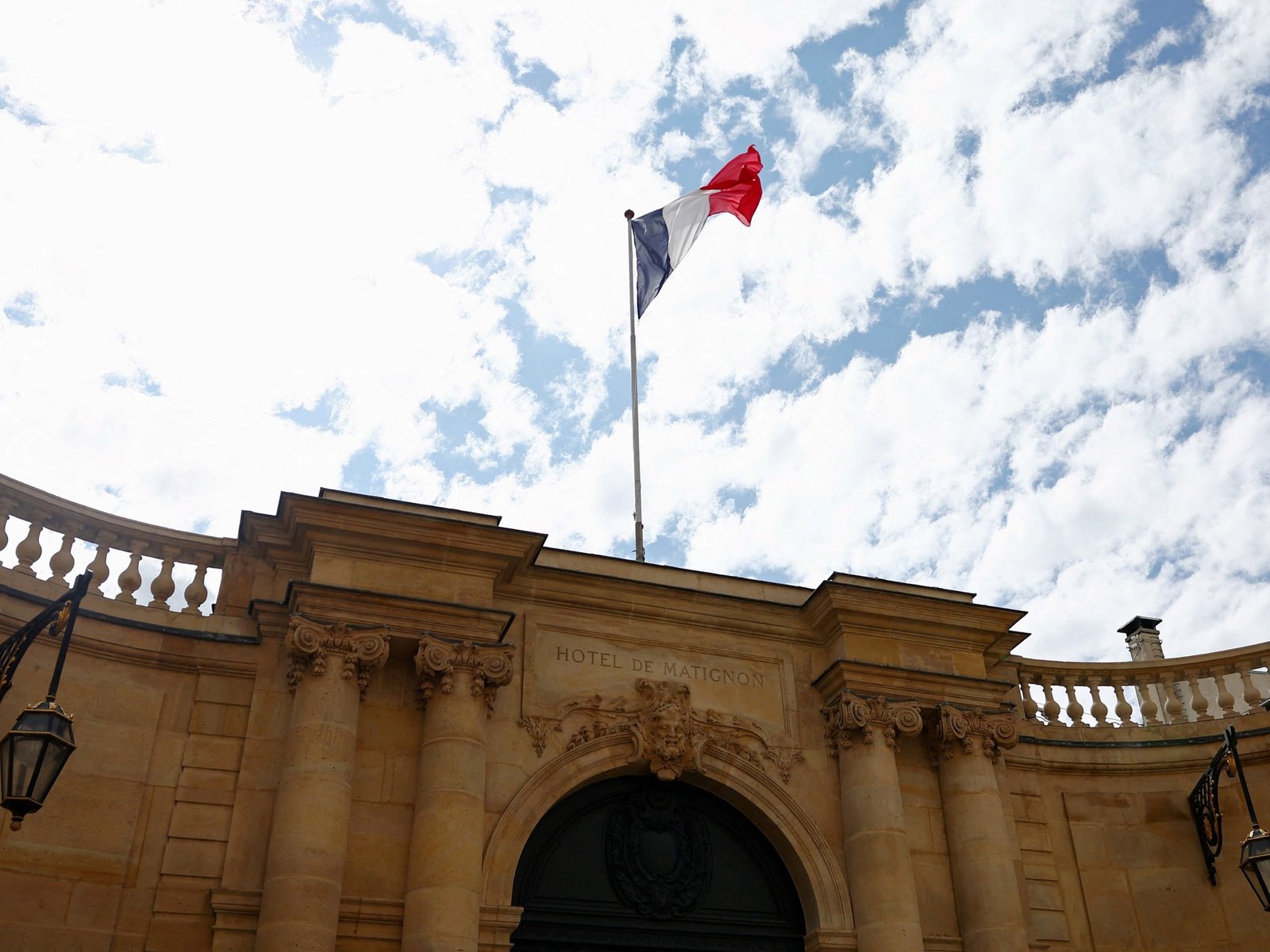
Cuando Francia se encuentra de vacaciones, una investigación sobre suicidios se ha abierto en el palacio de Matignon, la oficina y residencia del primer ministro francés, Sébastien Lecornu.
Se ha iniciado una investigación tras registrarse tres muertes y un intento de suicidio, mientras los funcionarios denuncian «un ambiente laboral cada vez más deteriorado y tóxico», en medio de una crisis política.
Sébastien Lecornu es el quinto primer ministro de Francia desde enero de 2024. Canceló sus vacaciones a causa de los incendios.
Tres muertes y un intento de suicidio han llevado a la fiscalía a investigar presuntos casos de acoso en la administración del primer ministro francés.
La Fiscalía de París confirmó la apertura de una investigación penal por «acoso psicológico», tras la denuncia de una empleada que afirmó haber intentado quitarse la vida. Esta acción se produjo después de dos suicidios registrados este año, así como de una muerte sospechosa en un baño de las oficinas.
Unos 3.500 funcionarios integran la administración, con sede en el Hôtel de Matignon —la residencia oficial del primer ministro en la margen izquierda de París— y en otras oficinas de la capital. Dependen jerárquicamente de Sébastien Lecornu, un político de centro, exministro de las Fuerzas Armadas, nombrado por el presidente Macron en septiembre como quinto primer ministro de Francia desde enero de 2024.
El Hôtel de Matignon es la residencia oficial del primer ministro francés. Allí vive y trabaja.
«Laura», empleada del departamento de correspondencia de Matignon, declaró a los fiscales que había intentado quitarse la vida debido al estrés provocado por un entorno laboral tóxico. En primavera, un viajero logró retenerla justo cuando estaba a punto de arrojarse a las vías del tren, según explicó su abogada, Christelle Mazza.
La denuncia penal presentada por Laura, que alude a una «situación de presunto acoso psicológico institucional», se produjo tras la muerte de un compañero en una estación de las afueras y el fallecimiento de otro en su domicilio, señaló Mazza.
La funcionaria afirmó que el ambiente laboral se había deteriorado con la sucesión de nuevos equipos del primer ministro, desde que Macron perdió su mayoría de centroderecha tras convocar elecciones anticipadas en 2024.
«Las pruebas que figuran en el expediente dejan claro que los servicios del primer ministro se han visto profundamente desestabilizados, especialmente desde la disolución de la Asamblea Nacional», escribió la abogada a los fiscales.
El personal es objeto de humillaciones, comentarios denigrantes y un aislamiento creciente, que incluye el traslado a una oficina en el sótano, señaló.
Laura fue «hecha sentir invisible», excluida de reuniones y objeto de «burlas y vilipendio, como en el acoso escolar», declaró Mazza a la emisora de radio France Inter.
«Tenemos que adaptarnos a las nuevas exigencias del nuevo jefe», comentó a la cadena de radio —equivalente francés a la BBC Radio 4— un miembro del personal de Matignon.
«Estamos presenciando comportamientos inaceptables, con una competencia feroz entre empleados«, dijo Mazza. «Hay que pisotear a los demás para progresar. Los puestos son muy codiciados, sobre todo en un entorno laboral político. Para los funcionarios, esto conduce a una pérdida total de referencias».
La administración de Matignon está llevando a cabo una investigación interna sobre los fallecimientos de miembros del personal. Su directora, Laure Marion, se ha reunido con representantes sindicales para abordar las condiciones laborales. «La prevención de los riesgos psicosociales es nuestra máxima prioridad», declaró su oficina de prensa.
En su reportaje, France Inter señaló que la denuncia presentada ante la fiscalía resultaba «muy inusual, si no inédita, en un departamento donde la discreción es primordial».
En las últimas dos décadas, los gobiernos han reconocido que ciertos sectores del Estado, en particular la policía civil y la gendarmería militar, se han visto afectados por elevadas tasas de suicidio. Esta situación ha dado lugar a numerosas investigaciones parlamentarias y a la creación de planes institucionales de prevención.

El ministro Mahiques aseguró que el Gobierno ya envió 203 pliegos judiciales al Senado

“Nos vemos allí el 15 de agosto”. Así debaten miles de marroquíes en Facebook y WhatsApp si habrá una nueva entrada masiva a Ceuta

el desafío del desarrollo argentino», un reflexivo debate sobre las elites locales en base al estudio de una Universidad de Suiza

La llamativa carta que Papu Gómez publicó en sus redes sociales: “Todo pasa”

Patricia Bullrich anuncia cambios a la ley de tierras para conseguir su aprobación

Fentanilo mortal: la Justicia detuvo a las dos ex funcionarias encargadas de los máximos organismos de control sobre medicamentos

“Vamos a acelerar con todo”: el objetivo del Gobierno por las reformas y la agenda electoral de cara al 2027

Reelecciones indefinidas: el oficialismo bonaerense niega que busque ampliar la Legislatura como parte de una reforma política para beneficiar a los intendentes

Javier Milei cruzó a Victoria Villarruel y elevó la tensión: “Es una opositora, replica los argumentos kirchneristas”

¡Chau Luck Ra! La salida de soltera de La Joaqui, muy bien acompañada, a días de su separación
-
 POLITICA2 días ago
“Vamos a acelerar con todo”: el objetivo del Gobierno por las reformas y la agenda electoral de cara al 2027
-
 POLITICA2 días ago
Reelecciones indefinidas: el oficialismo bonaerense niega que busque ampliar la Legislatura como parte de una reforma política para beneficiar a los intendentes
-
 POLITICA21 horas ago
Javier Milei cruzó a Victoria Villarruel y elevó la tensión: “Es una opositora, replica los argumentos kirchneristas”