
INTERNACIONAL
Meet Analilia Mejia, the Sanders-AOC backed progressive who just won election to Congress

NEWYou can now listen to Fox News articles!
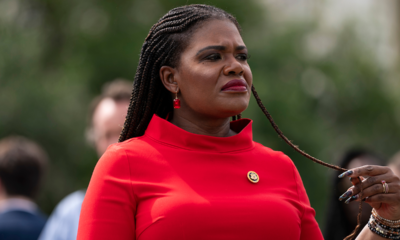
Analilia Mejia, a one-time labor organizer backed by progressive champions Sen. Bernie Sanders of Vermont and Rep. Alexandria Ocasio-Cortez of New York, is headed to Congress.
Mejia, running on a platform that emphasized Medicare for All, a $25 minimum wage with the first $40,000 tax-free, a wealth tax, abolishing ICE and holding President Donald Trump and his administration accountable, convincingly defeated Republican candidate Joe Hathaway in Thursday’s special election in New Jersey’s 11th Congressional District.
With her nearly 20-point victory, Mejia will fill the final eight months of the term of Gov. Mikie Sherrill, the more moderate Democratic representative who stepped down from Congress in November after winning New Jersey’s gubernatorial election.
Mejia, who is likely to align herself with the so-called «Squad» of younger, diverse and progressive House Democrats, called herself the «sassy new member of Congress» in her victory speech.
DEMOCRACY ’26: STAY UP TO DATE WITH THE FOX NEWS ELECTION HUB
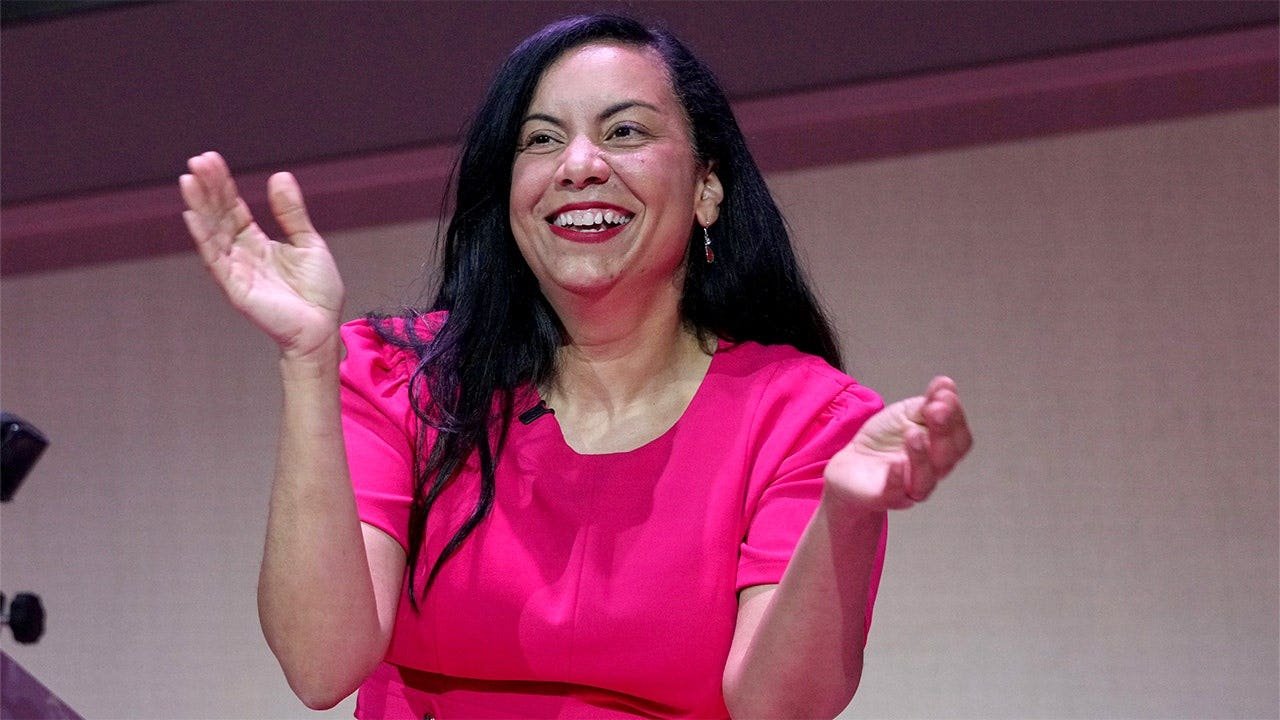
Analilia Mejia smiles as she gestures to supporters after winning New Jersey’s 11th Congressional District special election, Thursday, April 16, 2026, in Montclair, N.J. (Frank Franklin II/AP Photo)
The special election came as the GOP clings to a fragile House majority. Republicans would have relished the opportunity to pick up the seat, but they faced a steep uphill climb to flip the suburban district Sherrill won by 15 points in her 2024 re-election and carried by roughly the same margin in last year’s gubernatorial election.
Hathaway, a former Randolph Township mayor and current council member who was unopposed for the GOP congressional nomination, aimed to paint Mejia as too far to the left for the district. He told Fox News Digital the choice for voters was «between a common sense, practical independent leader who’s gotten things done at the local level in New Jersey and knows the issues, contrasted with someone who’s running on pure ideology, far left-wing ideology, Squad-backed ideology.»
«I think we have the right math, the right bipartisan coalition to come together to win this thing on April 16,» an optimistic Hathaway predicted.
But Hathaway came up far short, given the rough political climate facing Republicans and the traditional headwinds for the party in power.
THIS PROGRESSIVE ORGANIZER WINS SPECIAL ELECTION, EARNING TICKET TO CONGRESS
Mejia, on Thursday night, pushed back against the claims she’s a radical.
«My opponent has spent his whole campaign calling me names and saying my ideas are too radical. But we know, that is a mind trick, on brand for a spin doctor, but easily countered if you just open your eyes,» Mejia said. «It is not radical to say that one of the wealthiest nations in the world should do more to protect the health of its people.»
Here’s a closer look at Mejia and where she stands on the issues.
Who is Analilia Mejia
Mejia was born in New Jersey and is the daughter of Colombian and Dominican immigrants.
After working as a union organizer, Mejia served as national political director on the 2020 Sanders presidential campaign. She later worked in the Department of Labor in former President Joe Biden’s administration.
Mejia pulled off an upset in the February Democratic primary, narrowly edging out a more moderate rival, former Rep. Tom Malinowski, in a field of 11 candidates. While Mejia was the clear choice of the party’s left flank, the rest of the field divided the moderate and center-left vote.
Besides the backing of Sanders and Ocasio-Cortez, Mejia was also endorsed by other top progressive leaders, including Sen. Elizabeth Warren of Massachusetts and Reps. Ro Khanna of California, Ayanna Pressley of Massachusetts and Pramila Jayapal of Washington state, the former chair of the Congressional Progressive Caucus.
PROGRESSIVES NOTCH ANOTHER WIN OVER DEMOCRATIC MODERATES AS SANDERS-AOC ALLY NEARS CONGRESS
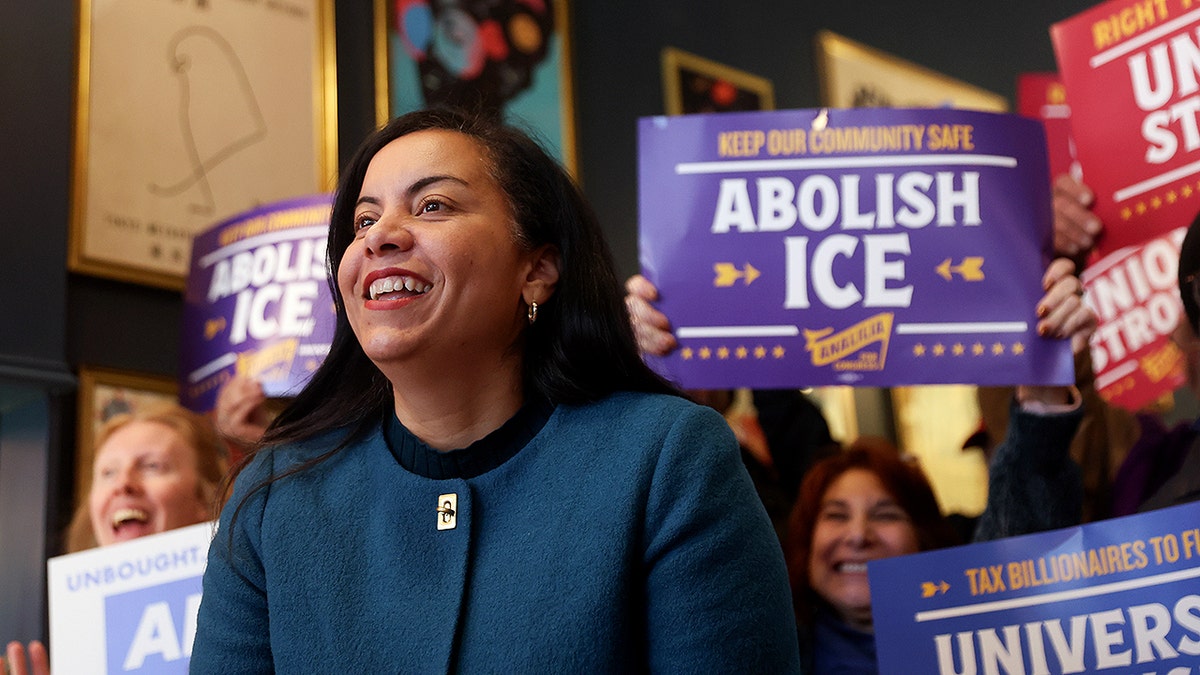
Analilia Mejia secured the Democratic Party nomination in a special election to find out who will take over newly-elected New Jersey Gov. Mikie Sherrill’s vacant House seat. (Heather Khalifa/Bloomberg via Getty Images)
Mejia’s nomination victory was another big boost for the left against the establishment since now-New York City Mayor Zohran Mamdani, a democratic socialist, sent shock waves across the nation with his Democratic primary victory in June 2025.
Immigration
Mejia repeatedly took aim at Trump’s unprecedented crackdown on illegal immigration and called for scrapping Immigration and Customs Enforcement (ICE), the federal agency most visible in the aggressive tactics used in the administration’s massive deportation effort.
REPUBLICAN SEEKS BLUE-STATE BREAKTHROUGH, DISTANCES FROM TRUMP WHILE TAKING AIM AT ‘SOCIALIST’
«I say abolish ICE now,» Mejia said on the campaign trail. «You can’t reform it. It’s not fixable. Get it out.»
After her primary victory, Mejia gave credit to her stance on immigration in the wake of backlash against the Trump administration following the January fatal shootings in Minnesota by federal agents of two U.S. citizens protesting immigration operations.
«I think the fact that I was bold and unafraid to speak the truth was incredibly important,» she told reporters. «I think voters feel that they want to have a representative that actually represents them, and they cannot watch what’s happening in Minnesota, what happened in Chicago, what happened in California, what happened in Morristown across this district.»
Supreme Court
Mejia, like many on the left, has railed against rulings by the conservative-dominated Supreme Court.
«The Supreme Court has been captured by right-wing radicals who care more about doing Trump’s bidding than the rule of law,» Mejia charged on her campaign website.
She supported «articles of impeachment against Justices Thomas and Alito» for what she says is «their corruption and conflicts of interest.»
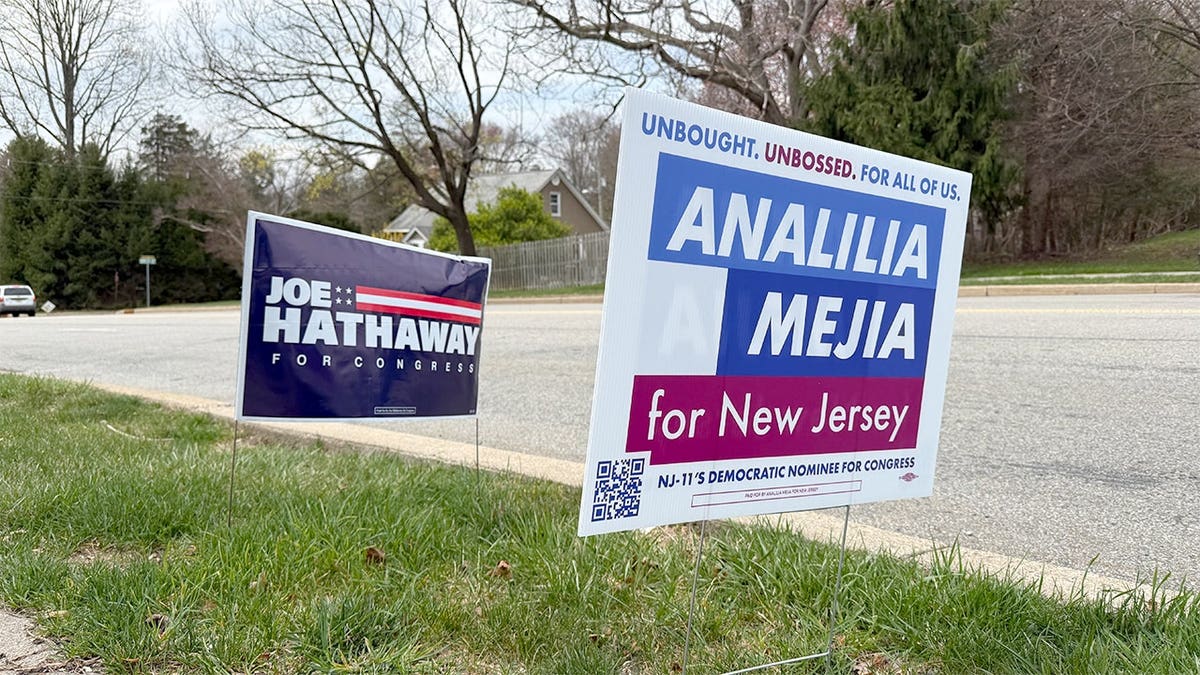
Campaign signs for Republican candidate Joe Hathaway and Democrat Analilia Mejia in the NJ-11 special congressional election, in Randolph, New Jersey on April 13, 2026 (Paul Steinhauser/Fox News)
Mejia also backed «term limits for newly appointed Supreme Court justices, a binding code of ethics with real enforcement for all federal judges.»
And Mejia said she would support «expanding the courts if necessary to restore balance.»
Student Loan Debt
On her campaign website, Mejia stated, «We’re going to cancel all student loan debt.»
And she pledges that she’ll «fight to make college tuition free at community colleges and trade schools for everyone.»
Taxes and Minimum Wage
As part of her «economy for everyone agenda,» Mejia argued, «If you work 40 hours a week, you should make at least $40,000 a year, and you shouldn’t pay a dime in federal taxes on that first $40,000.»
And she highlighted that she helped lead the fight in New Jersey to «win the $15 minimum wage.»
«With the cost of living rising every day, it’s time to raise the minimum wage at the national level to $25/hour,» Mejia emphasized on the campaign trail.
Israel
Malinowski, an assistant secretary of state in former President Barack Obama’s administration who later represented a neighboring congressional district in northern New Jersey from 2018 to 2022 before losing re-election, was considered the front-runner in the Democratic nomination race heading into primary day.
But Malinowski was the target of a slew of attack ads put out by a group affiliated with the American Israel Public Affairs Committee (AIPAC), which opposed Malinowski because he said he supports conditions on aid to Israel.
The AIPAC-aligned super PAC United Democracy Project dished out more than $2.3 million to take aim at Malinowski, even though AIPAC had previously supported Malinowski in his past congressional elections.
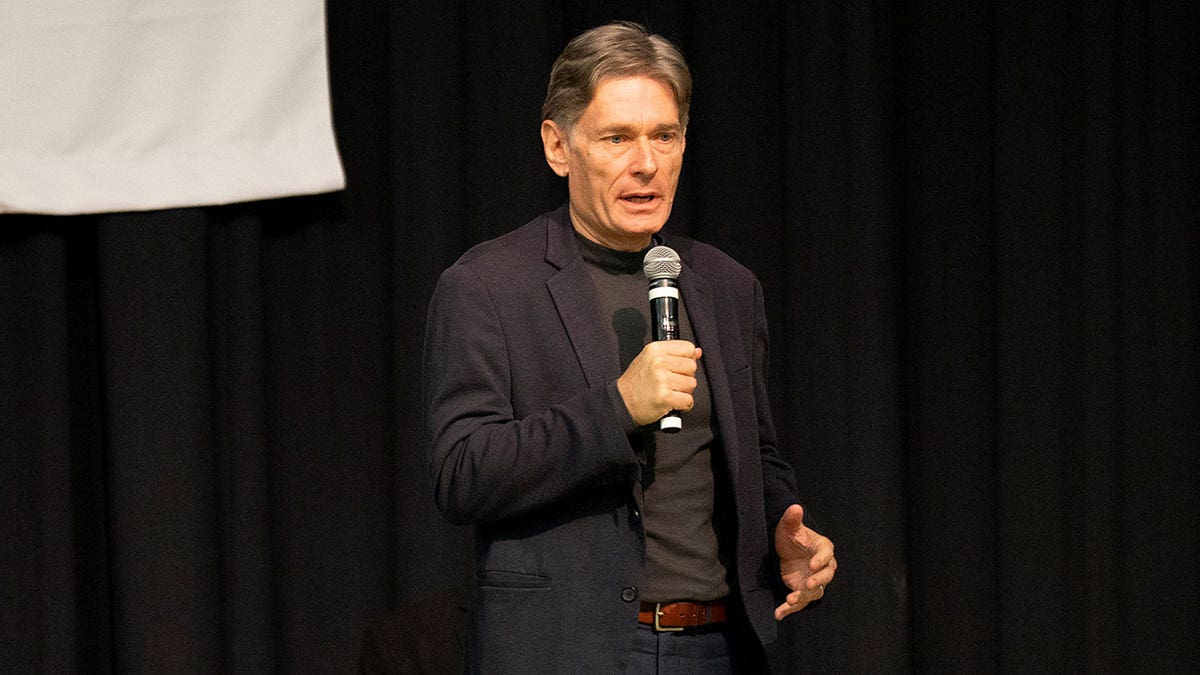
Jan 15, 2026; Caldwell, NJ, USA; Tom Malinowski during a meet and greet hosted by The League of Women Voters at Caldwell University with the candidates running for the Democratic nomination to fill the Congressional seat vacated by Gov. Mikie Sherrill. (Michael Karas/USA TODAY NETWORK)
But the AIPAC strategy backfired, because Mejia is much tougher on Israel than Malinowski.
Mejia was the only candidate in the race who raised her hand at a forum in January when asked if they agreed with human rights groups who charge Israel has committed genocide against Palestinians in its war with Hamas in Gaza.
Jewish voters make up a key part of the district’s electorate, and Hathaway, in the only debate in the general election, claimed Mejia was antisemitic, noting she has said Israel committed genocide in Gaza.
«She blamed Israel for the attacks by Hamas on Oct. 7,» Hathaway said. «I think Jewish individuals across this district, Republican or Democrat, are very afraid of this kind of rhetoric.»
Mejia pledged to «protect the rights of Jewish constituents» and said her criticism of Israel’s actions in Gaza should not be conflated with antisemitism.
In a statement to Fox News Digital, Mejia said, «Joe Hathaway’s inability to distinguish between criticism of a government or government official and bigotry is troubling and disgusting in equal measure.»
Mejia last week wrote that she was «honored» after being endorsed by the liberal pro-Israel political group J Street PAC. But her acceptance of the endorsement triggered pushback on the left, with the North Jersey Democratic Socialists of America calling her move a «heel turn.»
Hathaway told Fox News Digital, «I’ve spoken to more members of the Jewish community who have told me they’ve never voted for a Republican in their life, who are going to vote for me in this race. I mean, that shows you where the Jewish community is on the importance of this race and how they are not aligned with Mejia … and her platform.»
CLICK HERE TO DOWNLOAD THE FOX NEWS APP
It appears Hathaway was right: Some towns with heavy Jewish populations swung significantly to the right in Thursday’s election.
But it wasn’t nearly enough to help Hathaway blunt Mejia’s overall support.
bernie sanders, alexandria ocasio cortez, pramila jayapal, mikie sherrill, the squad












INTERNACIONAL
Investigan suicidios en el palacio de Matignon: tres muertes y denuncias de abuso en la sede del primer ministro francés

Cuando Francia se encuentra de vacaciones, una investigación sobre suicidios se ha abierto en el palacio de Matignon, la oficina y residencia del primer ministro francés, Sébastien Lecornu.
Se ha iniciado una investigación tras registrarse tres muertes y un intento de suicidio, mientras los funcionarios denuncian «un ambiente laboral cada vez más deteriorado y tóxico», en medio de una crisis política.
Sébastien Lecornu es el quinto primer ministro de Francia desde enero de 2024. Canceló sus vacaciones a causa de los incendios.
Tres muertes y un intento de suicidio han llevado a la fiscalía a investigar presuntos casos de acoso en la administración del primer ministro francés.
La Fiscalía de París confirmó la apertura de una investigación penal por «acoso psicológico», tras la denuncia de una empleada que afirmó haber intentado quitarse la vida. Esta acción se produjo después de dos suicidios registrados este año, así como de una muerte sospechosa en un baño de las oficinas.
Unos 3.500 funcionarios integran la administración, con sede en el Hôtel de Matignon —la residencia oficial del primer ministro en la margen izquierda de París— y en otras oficinas de la capital. Dependen jerárquicamente de Sébastien Lecornu, un político de centro, exministro de las Fuerzas Armadas, nombrado por el presidente Macron en septiembre como quinto primer ministro de Francia desde enero de 2024.
El Hôtel de Matignon es la residencia oficial del primer ministro francés. Allí vive y trabaja.
«Laura», empleada del departamento de correspondencia de Matignon, declaró a los fiscales que había intentado quitarse la vida debido al estrés provocado por un entorno laboral tóxico. En primavera, un viajero logró retenerla justo cuando estaba a punto de arrojarse a las vías del tren, según explicó su abogada, Christelle Mazza.
La denuncia penal presentada por Laura, que alude a una «situación de presunto acoso psicológico institucional», se produjo tras la muerte de un compañero en una estación de las afueras y el fallecimiento de otro en su domicilio, señaló Mazza.
La funcionaria afirmó que el ambiente laboral se había deteriorado con la sucesión de nuevos equipos del primer ministro, desde que Macron perdió su mayoría de centroderecha tras convocar elecciones anticipadas en 2024.
«Las pruebas que figuran en el expediente dejan claro que los servicios del primer ministro se han visto profundamente desestabilizados, especialmente desde la disolución de la Asamblea Nacional», escribió la abogada a los fiscales.
El personal es objeto de humillaciones, comentarios denigrantes y un aislamiento creciente, que incluye el traslado a una oficina en el sótano, señaló.
Laura fue «hecha sentir invisible», excluida de reuniones y objeto de «burlas y vilipendio, como en el acoso escolar», declaró Mazza a la emisora de radio France Inter.
«Tenemos que adaptarnos a las nuevas exigencias del nuevo jefe», comentó a la cadena de radio —equivalente francés a la BBC Radio 4— un miembro del personal de Matignon.
«Estamos presenciando comportamientos inaceptables, con una competencia feroz entre empleados«, dijo Mazza. «Hay que pisotear a los demás para progresar. Los puestos son muy codiciados, sobre todo en un entorno laboral político. Para los funcionarios, esto conduce a una pérdida total de referencias».
La administración de Matignon está llevando a cabo una investigación interna sobre los fallecimientos de miembros del personal. Su directora, Laure Marion, se ha reunido con representantes sindicales para abordar las condiciones laborales. «La prevención de los riesgos psicosociales es nuestra máxima prioridad», declaró su oficina de prensa.
En su reportaje, France Inter señaló que la denuncia presentada ante la fiscalía resultaba «muy inusual, si no inédita, en un departamento donde la discreción es primordial».
En las últimas dos décadas, los gobiernos han reconocido que ciertos sectores del Estado, en particular la policía civil y la gendarmería militar, se han visto afectados por elevadas tasas de suicidio. Esta situación ha dado lugar a numerosas investigaciones parlamentarias y a la creación de planes institucionales de prevención.

NEWYou can now listen to Fox News articles!
FIRST ON FOX: The U.S. Army is teaming up with an artificial intelligence (AI) company to build an AI «brain» for military robots that can think, understand their surroundings and continue missions even after losing contact with human operators as the race for AI dominance intensifies.
Working with the Army Research Laboratory, defense AI company EdgeRunner AI has developed an onboard AI system that allows military robots to function in the battlefield without relying on cloud computing or an internet connection in environments where connectivity is lost.
«We like to think of robots as the next frontier of AI,» EdgeRunner AI founder and CEO Tyler Saltsman told Fox News Digital.
«Think of them as a very far-out edge device, kind of like a cell phone, a tablet or a laptop. But now what we can do is we can put a brain, or a neural network, right on that robot so that robots can have context when they’re on a mission helping the warfighter.»
CHINA IS BUILDING AN AI WAR MACHINE. WASHINGTON MUST WAKE UP BEFORE IT’S TOO LATE
EdgeRunner AI founder and CEO Tyler Saltsman told Fox News Digital about the company’s work with the U.S. Army to develop an AI «brain» for the next generation of military robots. (Fox News Digital/EdgeRunner AI)
The partnership comes as the U.S. and China race to integrate AI into their militaries, with both countries viewing AI as critical to maintaining a technological edge in future conflicts.
Saltsman said it’s important for the U.S. to stay ahead in the global AI race, calling China’s dominance in drone manufacturing «problematic.»
«Whether or not China’s ahead of us is debatable, but if China is, it’s not by much,» he said.
Saltsman said today’s AI is «too generalized,» which is why his company is developing technology built for specific military missions.
«Warfighters don’t need 19th-century poetry,» he said. «They need specific intelligence to his or her occupation in order to make better decisions in the heat of battle and that can increase the probability of winning the fight.»
Working alongside aerial drones, the AI is designed to help robots «problem solve through different routes» while detecting explosives, carrying ammunition, scouting routes and reporting enemy activity.
UKRAINE’S BATTLEFIELD IS TRANSFORMING THE FUTURE OF NATO

Saltsman said the technology remains in the «development phase» and gives military robots the ability to understand what they see, not just detect it. (EdgeRunner AI)
«As you combine them together, you get a much better clarity of the battlefield and increased situational awareness,» he said.
When communications are cut off, Saltsman said the military will need autonomous systems that can continue making decisions on their own.
«You can have a human pilot that controls the ground robot or the drone in the air,» he said. «But then if they were to be jammed by a radar jammer and lose connectivity, then the neural network on that robot can still continue the mission and still aid the warfighter.»
Saltsman argued the military «can’t rely on internet access in war,» warning that depending on systems like SpaceX’s Starlink could add a «risk» to missions.
«The problem with Starlink is if you use it, you’re effectively showing the enemy where you are, so you might as well be wearing a beacon on you saying, ‘Hey, here’s where I’m located,’» he said.
INSIDE CHINA’S AI ‘WOLF PACK’ DRONES BUILT WITH TAIWAN CONFLICT IN MIND

U.S. Army soldiers stand near an armored military vehicle on the outskirts of Rumaylan in Syria’s northeastern Hasakeh province, bordering Turkey, on March 27, 2023. (Delil Souleiman/AFP via Getty Images)
Pointing to the Russia-Ukraine war, Saltsman said the success of drones has sparked a new push for autonomous ground robots.
«As drones have become ubiquitous, now ground robots are like the next thing and then eventually humanoid robots so robots that move and look like humans,» he said.
Despite the push to advance military AI, Saltsman said safety can’t take a back seat and that the technology is built using «transparent» datasets to «understand the biases» of the AI.
«That’s another thing that differentiates us,» he said. «One of the problems is how to use AI safely, how to put guardrails around it and how to understand it.»
While the technology remains in the «development phase,» Saltsman said the breakthrough gives robots the ability to understand what they see, not just detect it.
«You can put computer vision models on robots so they can see, but if they don’t understand the context of what they’re seeing, they’re not useful and that’s what we’re solving for.»
politics, us army, artificial intelligence, robots, tech
INTERNACIONAL
¡Histórico! Kevin Mejía conquista el oro y hace vibrar a Honduras en Santo Domingo 2026
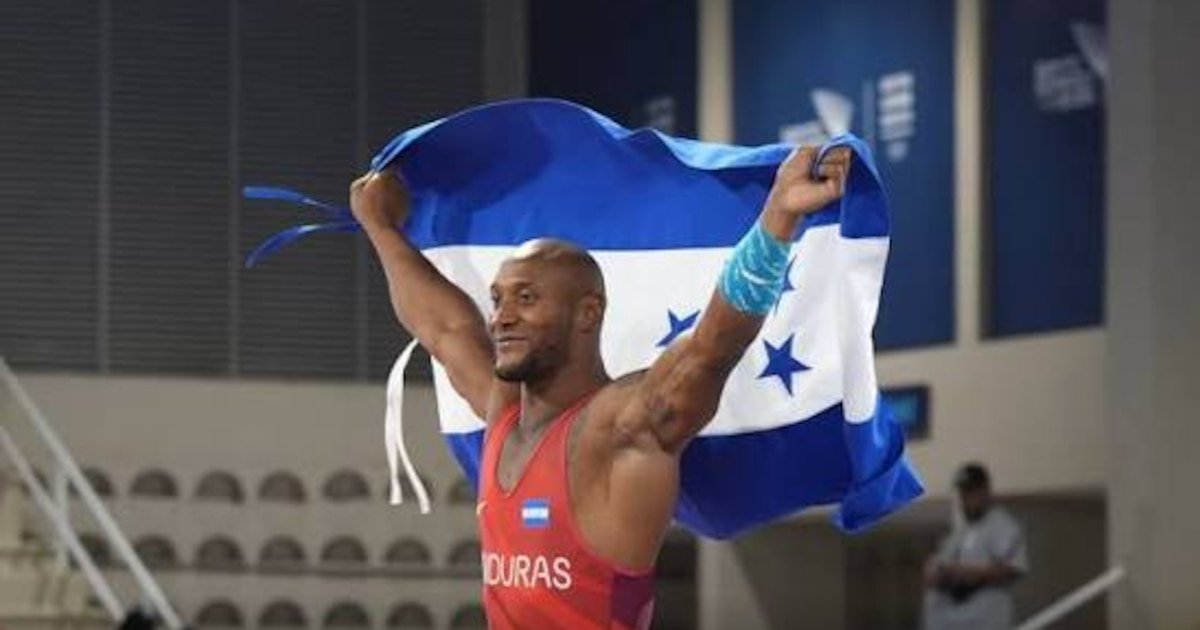
Kevin Mejía ganó la medalla de oro en lucha grecorromana, en la división de 97 kilogramos, y le dio a Honduras su primer oro en los Juegos Centroamericanos y del Caribe Santo Domingo 2026.
El luchador hondureño firmó un torneo sólido desde sus primeros combates. En el camino hacia la final superó al mexicano Dorian Trejo y al cubano Gabriel Rosillo, dos de los favoritos de la competencia.
La conquista tiene un valor especial para el deporte hondureño, ya que convierte a Kevin Mejía en el primer atleta del país en alcanzar una medalla de oro en lucha grecorromana en este evento regional. Además, representa el primer oro para Honduras en la presente edición de los Juegos.
Nacido el 5 de mayo de 1995 en Tela, departamento de Atlántida, Kevin Mejía ha construido una de las carreras más exitosas del deporte hondureño. Segundo de cinco hermanos, encontró en la lucha grecorromana el camino para convertirse en uno de los atletas más destacados del país.
Su desarrollo deportivo dio un salto en 2011, cuando ingresó al Centro de Alto Rendimiento del Comité Olímpico Hondureño. Ese mismo año comenzó a mostrar su potencial al conquistar una medalla de bronce en el Campeonato Mundial Juvenil de Lucha, disputado en Hungría.
Desde entonces, su crecimiento ha sido constante. En 2015 logró una medalla de plata en los Juegos Panamericanos, con lo que se convirtió en el primer hondureño en obtener una presea individual de ese color en la competencia. Además, fue el único medallista nacional en aquella edición.
Su trayectoria continuó con la incorporación al club alemán SC-Oberlsbach en 2016, experiencia que le permitió competir al más alto nivel internacional y seguir acumulando resultados.

Entre sus mayores conquistas figuran la plata en 2018 en los Juegos Centroamericanos y del Caribe, el bronce en los Juegos Panamericanos de Lima 2019 y otro tercer lugar en el Gran Premio de Francia en 2020.
Uno de los momentos más importantes de su carrera llegó en 2021, cuando se proclamó campeón del Campeonato Panamericano de Lucha y se convirtió en el primer hondureño en alcanzar ese título continental.
En 2023 volvió a confirmar su protagonismo al conquistar el oro en los Juegos Deportivos Centroamericanos y sumar dos medallas de bronce en los Juegos Centroamericanos y del Caribe. Ese mismo año también obtuvo otra medalla de bronce en los Juegos Panamericanos y volvió a ser el único representante hondureño que logró subir al podio.
Kevin Mejía también marcó un precedente para Honduras rumbo a los Juegos Olímpicos de París 2024. Su clasificación directa mediante el Torneo Clasificatorio Olímpico Panamericano lo convirtió en el primer luchador hondureño en conseguir el boleto olímpico por mérito deportivo, sin depender de una plaza de reasignación.

Durante la ceremonia inaugural fue designado coabanderado de la delegación nacional, un reconocimiento reservado para los atletas más destacados del país. Aunque su participación olímpica terminó en la primera ronda frente al uzbeko Rustam Assakalov, su clasificación ya representaba un logro para el deporte hondureño.
A sus 31 años, Kevin Mejía continúa ampliando un palmarés que lo ubica entre los deportistas más exitosos que ha tenido Honduras. Su disciplina, constancia y capacidad para competir frente a las principales potencias de la lucha grecorromana lo han convertido en un referente para las nuevas generaciones.
Con la medalla de oro obtenida en Santo Domingo 2026, el atleta volvió a colocar el nombre de Honduras en la élite del deporte regional.
Corresponsal:Desde Tegucigalpa, Honduras

El Gobierno reúne a la mesa política para destrabar la Ley de Tierras y ordenar la agenda del Congreso

Un senador santafesino subió a sus redes un video manejando en una ruta con un mate y mirando su celular

Investigan suicidios en el palacio de Matignon: tres muertes y denuncias de abuso en la sede del primer ministro francés

Cómo leer el nuevo recibo de sueldo que están empezando a implementar las empresas como resultado de la reforma laboral

Paro en los puertos: el Gobierno defendió la desregulación del sector y advirtió que aplicará sanciones

Arthur Melo convence a Spalletti en la Juventus

“Vamos a acelerar con todo”: el objetivo del Gobierno por las reformas y la agenda electoral de cara al 2027

Reelecciones indefinidas: el oficialismo bonaerense niega que busque ampliar la Legislatura como parte de una reforma política para beneficiar a los intendentes

Javier Milei cruzó a Victoria Villarruel y elevó la tensión: “Es una opositora, replica los argumentos kirchneristas”

¡Chau Luck Ra! La salida de soltera de La Joaqui, muy bien acompañada, a días de su separación
-
 POLITICA2 días ago
“Vamos a acelerar con todo”: el objetivo del Gobierno por las reformas y la agenda electoral de cara al 2027
-
 POLITICA2 días ago
Reelecciones indefinidas: el oficialismo bonaerense niega que busque ampliar la Legislatura como parte de una reforma política para beneficiar a los intendentes
-
 POLITICA19 horas ago
Javier Milei cruzó a Victoria Villarruel y elevó la tensión: “Es una opositora, replica los argumentos kirchneristas”