INTERNACIONAL
Una IA encontró algo nuevo dentro de un virus: los científicos lo tuvieron delante 5 años y no lo vieron


El miércoles 23 de septiembre, Anthropic anunció que Claude, su modelo de inteligencia artificial, identificó un sistema de enzimas desconocido en el ADN de bacteriófagos, los virus que infectan bacterias. Junto al gen de la enzima hay una hilera de secuencias repetidas que recuerda a CRISPR, la herramienta que hoy sostiene la edición genética en medicina.
Nadie sabe todavía qué hace. La compañía lo bautizó ART, por transcriptasas inversas asociadas a arreglos: enzimas que copian ARN en ADN, acompañadas de un gen socio y de esa fila de repeticiones. Solo un puñado de sistemas conocidos reúne esos tres rasgos, y todos cortan, copian o pegan ADN.
La tentación es leerlo como fuerza bruta. Es un error: el cuello de botella de la biología ya no es el dato, es quién lo mira.
Los números invitan a la lectura equivocada. Según la versión previa del estudio, publicada sin revisión de pares, 949 sesiones de agentes trabajaron 21,5 horas sin intervención humana, consumieron 215,6 millones de tokens (las unidades de texto que procesa un modelo) y recorrieron 1.940 millones de grupos de proteínas.
El sistema estaba en un genoma publicado hace cinco años

El genoma del fago MarsHill, aislado en criaderos de cerdos de Estados Unidos, se publicó en septiembre de 2021 en Journal of Virology, con la firma de Abby Korn, Jason Gill y otros dos autores. Según el estudio de Anthropic, ese trabajo identificó la enzima y propuso un ARN asociado, pero no describió las repeticiones ni el gen socio.
Otros laboratorios estudiaron fagos de la misma familia en 2022 y 2023. Un trabajo de 2023 sobre el fago DC4 anotó que todos los fagos gigantes de estafilococo analizados codifican una transcriptasa inversa. La enzima estaba catalogada. La fila de repeticiones que la acompaña, no. Hagan la cuenta: cinco años a la vista.
Claude la encontró leyendo el ADN crudo, sin programas que las marcaran. El registro de la sesión conserva la reacción del agente, traducida del inglés: “Puedo ver a simple vista” un arreglo de repeticiones en tándem. Después contó las copias, midió la distancia entre ellas y buscó en la literatura científica antes de enviar el informe a los investigadores.
La máquina encuentra cuando lee, no cuando delega

El estudio trae una prueba que sostiene esa idea. Anthropic les pidió a siete de sus modelos que describieran el sistema a partir de las mismas secuencias. Con el ADN pegado en la consulta, los cuatro más capaces detectaron las repeticiones en al menos el 90% de los intentos.
Con los mismos datos en archivos y un arsenal de herramientas de análisis, la detección llegó a caer al 32% en uno de ellos. En el 39% de esos intentos, el modelo nunca leyó un tramo de ADN lo bastante largo para ver más de una repetición.
Más herramientas no significaron más atención. Significaron menos.
La compañía tiene un hallazgo, no una receta
Feng Zhang, uno de los pioneros de CRISPR y profesor del MIT y del Broad Institute, el centro de investigación genómica que esa universidad comparte con Harvard, leyó el borrador antes de su publicación. Calificó la identificación de esos arreglos como “genuinamente intrigante” y dijo que merece más investigación.

Esta misma semana, un equipo con investigadores de Stanford publicó en bioRxiv, el repositorio de estudios de biología sin revisión de pares, arreglos parecidos junto a otra familia de enzimas, hallados con un modelo entrenado solo con ADN. La naturaleza inventó esta arquitectura más de una vez, y dos grupos la vieron casi al mismo tiempo.
Dario Amodei, director ejecutivo de Anthropic, escribió en X que se trata, como mínimo, de un trabajo del que habría estado orgulloso como estudiante de doctorado.
A mi lectura, la frase tiene contexto: la compañía montó un laboratorio propio en el área de la Bahía de San Francisco y necesita demostrar que su modelo sirve para hacer ciencia, no solo para programar.
Hay dos datos que esa demostración no resuelve. Anthropic repitió la búsqueda diez veces más, con el mismo sistema y las mismas instrucciones, y ninguna corrida encontró las repeticiones. El propio estudio admite que no probó que la enzima esté activa ni qué hace el sistema para el virus.
Los genomas se acumulan más rápido de lo que cualquier laboratorio puede leerlos. El que tenga más mirada por hora va a firmar los próximos descubrimientos, sepa o no para qué sirven.
Anthropic,biología molecular,ADN,laboratorio











INTERNACIONAL
Cambios en la comunicación de la Casa Blanca: quién es Katie Zacharia, la nueva vocera de Trump
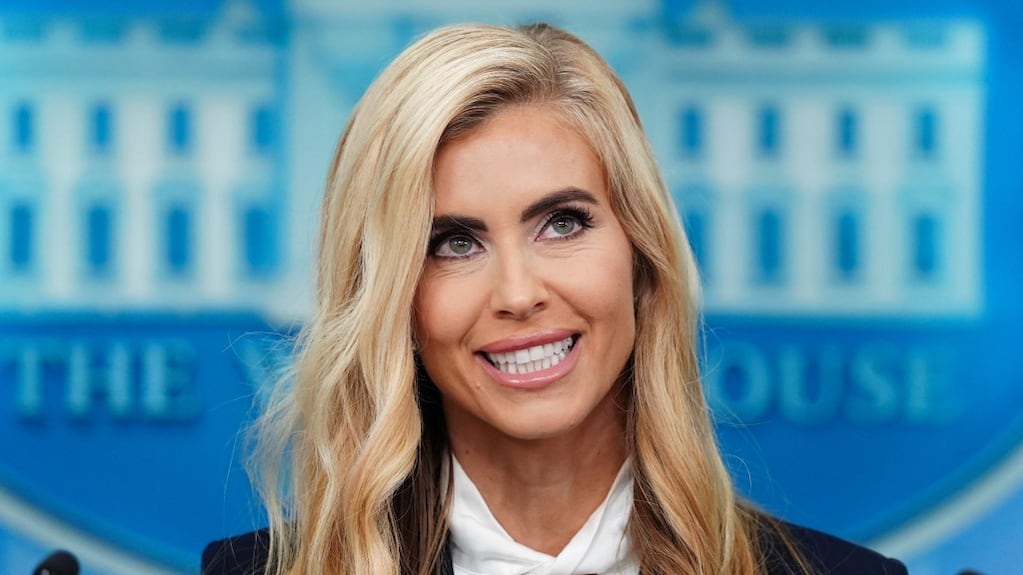
Katie Zacharia se estrenó este martes como nueva portavoz de la Casa Blanca con su primera rueda de prensa desde que el presidente estadounidense, Donald Trump, la nombró en reemplazo de Karoline Leavitt, quien dejó el cargo en agosto para dedicar más tiempo a su familia.
Zacharia sorprendió con una comparecencia inusualmente breve, de 14 minutos y solo tres preguntas, pero en la que dio una noticia: el cese de la embajadora estadounidense en Grecia, Kimberly Guilfoyle, salpicada por varios escándalos.
”Me siento muy honrada de trabajar para el presidente Trump y el pueblo estadounidense como nueva secretaria de Prensa de la Casa Blanca. Quiero agradecer al presidente Trump por la confianza que ha depositado en mí. Hacía mucho tiempo que quería trabajar para él«, dijo la nueva vocera al abrir la rueda de prensa.
La portavoz se mostró visiblemente nerviosa y recurrió en varias ocasiones a sus notas, en contraste con la seguridad y agilidad de su antecesora.
Quién es Katie Zacharia
Abogada de formación y madre de cuatro hijos, Zacharia era hasta su nombramiento asesora de comunicación de Trump Media, la matriz de Truth Social, la red social fundada por el presidente republicano después de que Twitter suspendiera su cuenta tras el asalto al Capitolio en 2021.
También trabajó brevemente como portavoz del Departamento de Seguridad Nacional durante la gestión de Kristi Noem. Además, fue comentarista en medios conservadores como Fox News y Newsmax.
En su primera jornada ya recibió críticas porque no supo aclarar, ante preguntas de la prensa, dónde aprobó el examen de licencia para ejercer como abogada. Está casada con el productor cinematográfico Tyler Zacharia, que trabajó en películas como ‘Silence’ y ‘The Irishman’, ambas dirigidas por Martin Scorsese.
Durante la rueda de prensa, los nervios le jugaron una mala pasada: se refirió a su esposo como “mi presidente”, un lapsus que después le causó risa. “Me pareció que lo hizo excelente; lo hizo muy bien”, declaró Trump al ser preguntado sobre el desempeño de Zacharia.
Unidos
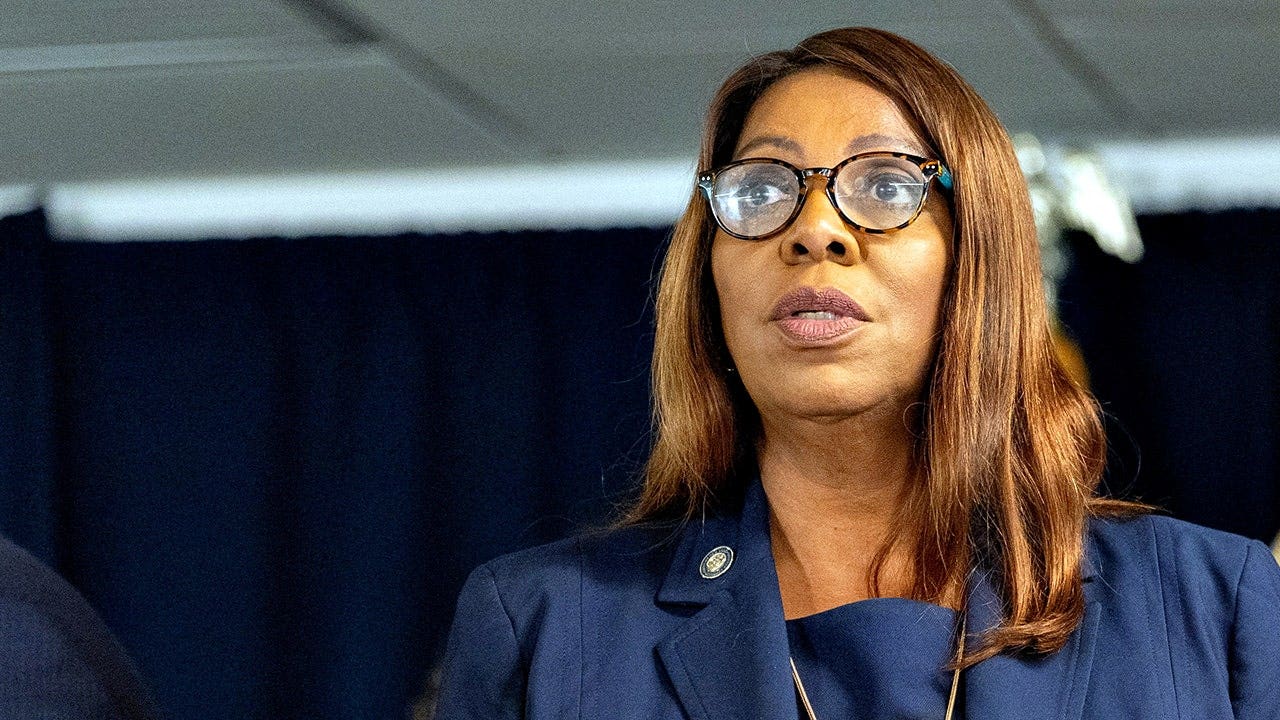
New York Attorney General Letitia James has pledged a full and fair investigation into the Cornell 7 gang rape allegations, years after she faced accusations that she ignored warnings of sexual misconduct against her former chief of staff and allowed him to «quietly resign» while allegedly keeping his accuser in the dark.
The claims stemmed from a 2022 lawsuit filed by James’ former deputy press secretary, Sofia Quintanar. A New York judge dismissed the claims against James personally and the Attorney General’s Office in February 2025. The decision was upheld by an appellate court in May 2026.
Those allegations against James have received new attention after New York Democratic Gov. Kathy Hochul appointed James as special prosecutor to investigate an alleged gang rape at a fraternity house associated with Cornell University in October 2024.
«Kathy Hochul lost faith in the local DA’s handling of the Cornell sexual assault case. So she picked Letitia James. Did you read Sofia Quintanar’s lawsuit, Governor?» Sam Antar, a fraud investigator based in New York wrote on X.
CORNELL SEXUAL ASSAULT CASE REVIVES SCRUTINY OF A LITTLE-KNOWN NEW YORK LAW ON INTOXICATED VICTIMS
«You’re entitled to question the DA’s handling of Cornell,» Antar continued. «We’re entitled to question James’s handling of her own aide and your choice of James to restore public confidence.»
James is already facing calls to recuse herself from the case after an attorney for one of the defendants pointed to social media posts she made days before her appointment that appeared to take the alleged victim’s side.
«What this young woman has been forced to endure is horrific and unacceptable,» James posted on X on Sept. 28. «I’m holding her in my heart and in my prayers. To her, and to all survivors: you’re not alone. We stand with you.»
Andrew Miltenberg, an attorney representing accused student Gillio Lopes, filed a court petition on Oct. 7 requesting James to be removed from the case. Miltenberg argued that James’ remarks raised concerns about whether she could independently evaluate the evidence and determine whether criminal charges were warranted.
«New York Attorney General Letitia James has always taken these matters seriously and followed the facts and the law,» a spokesperson for James told Digital.
Former federal prosecutor Neama Rahmani told Digital that James’ public comments could complicate her investigation.
«It is problematic for a prosecutor like Tish James to be commenting on a case publicly before the investigation is concluded,» Rahmani said.
«And the problem is, if you file criminal charges, whether it’s through a complaint or a grand jury indictment, that may taint the potential jury pool in a criminal case,» he added.
Rahmani acknowledged that James likely did not anticipate being appointed when she made the remarks but said defense attorneys could still raise concerns about her involvement.
Hochul has defended her decision to appoint James.
«I have every confidence in our Attorney General to do what she has always done: look at the facts, examine the record and draw the proper conclusions,» Hochul said during an Oct. 2 news conference. «That’s exactly what’s going to happen in this case.»
James also pledged in an Oct. 1 statement that her office would be «guided by the facts and the law.»
«The Governor has entrusted my office with this investigation, and we do not take that responsibility lightly,» James said.
But others, in addition to Antar, say New Yorkers shouldn’t move on from the previous allegations raised against James by her former employee.
«What about justice for former staffer Sofia Quintanar?» Lattina Brown posted on X. «She spoke out about sexual harassment and NY AG Letitia James had this woman blacklisted in the entire state of NY. The Dems turned their backs on this poor woman. Where is the support for the Hispanic woman?»
The litigation centered on James’ handling of misconduct allegations involving her longtime chief of staff, Ibrahim Khan, whom Quintanar accused of forcibly kissing her at a Brooklyn political fundraiser in November 2021.
INSIDE EXPLOSIVE CORNELL RAPE ALLEGATIONS: 7 MEN ACCUSED, CONFLICTING ACCOUNTS AND A POLITICAL FIRESTORM
In her lawsuit, Quintanar accused James of overlooking warning signs about Khan’s conduct and protecting him from the fallout after the accusations surfaced.
Her lawsuit claimed Khan was allowed to omit his «unlawful conduct» from his resignation statement and accused James of making «misleading statements» to the press about his whereabouts during the investigation. Quintanar also alleged she was not kept updated on the investigation.
The complaint pointed to earlier accusations involving Angel Dubose, a former employee who claimed she was drugged and sexually assaulted at a 2014 holiday party while James served as New York City’s public advocate.
The lawsuit referenced a 2017 New York Post article linking Khan to the alleged assault. However, the newspaper later removed the report after learning that Dubose could not recall who attacked her and had never identified Khan as the perpetrator, The New York Times reported.
James said she referred Dubose’s allegations to law enforcement and other agencies after learning of them in 2017. The Manhattan district attorney’s office and New York City’s Department of Investigation later closed their investigations without filing charges.
James described those allegations as «unsubstantiated» in a December 2022 NY1 interview.
James’ office said it first learned of Quintanar’s allegations against Khan on Oct. 2, 2022, directed him to work remotely the following day and hired an outside law firm to investigate on Oct. 4.
However, the lawsuit was not dismissed entirely. The appellate court allowed a federal civil rights claim against Khan to proceed and revived retaliation claims against Khan and James’ re-election campaign.
The investigation substantiated the allegations against Khan, who resigned in November 2022.
Those claims centered on allegations that Khan blocked Quintanar from obtaining a campaign job after she rejected his sexual advances.
In May 2026, an appellate court upheld the dismissal of Quintanar’s claims against James and the Attorney General’s Office, finding that the lawsuit failed to sufficiently show James knew about Khan’s alleged misconduct.
SIGN UP TO GET THE POLITICS NEWSLETTER
Digital reached out to attorneys for Khan and Quintanar for comment.
politics, controversies state and local, kathy hochul, college, new york, state and local
INTERNACIONAL
Roberto Kury: “Seguridad, inversión y comercio son los tres pilares de la política exterior de Ecuador”
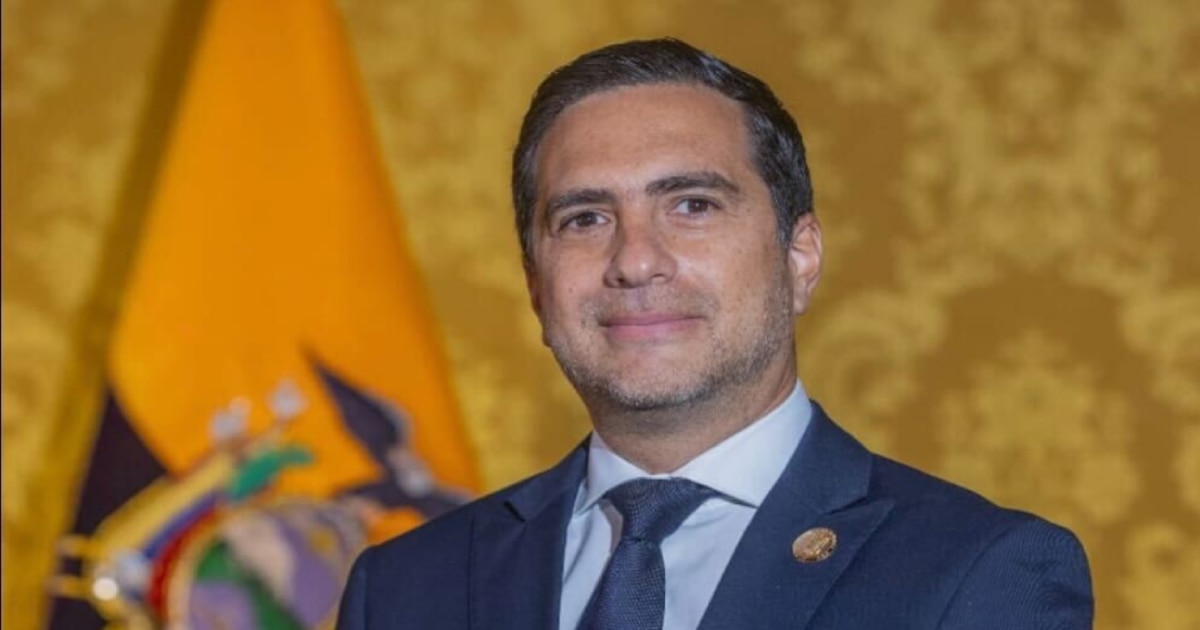
Kury, exejecutivo del sector de las telecomunicaciones y exministro de Telecomunicaciones, lideró la transformación digital de Ecuador antes de hacerse cargo de la política exterior del país.
Usted asumió recientemente el liderazgo de la política exterior de Ecuador. ¿Cuáles son las tres prioridades internacionales que desea definir durante su gestión?
Desde que asumí esta responsabilidad, bajo el liderazgo del presidente Daniel Noboa, he impulsado una diplomacia activa porque estoy convencido de que nuestra presencia internacional, dentro del marco y en cumplimiento de la política exterior, debe traducirse en resultados para los ecuatorianos. En este sentido, mi administración tiene tres prioridades claras:
Seguridad: Fortalecer la cooperación internacional para abordar, de manera coordinada, las amenazas transnacionales que afectan a Ecuador, en particular el crimen organizado, el narcotráfico, el tráfico de armas, la trata de personas, la minería ilegal, el lavado de dinero y otras formas de delincuencia transnacional. Esto implica profundizar la cooperación bilateral, regional y multilateral en materia de seguridad, defensa, inteligencia, justicia y control fronterizo.
Comercio e Inversión: Utilizamos la política exterior como herramienta para el crecimiento y la creación de oportunidades para Ecuador, mediante la diversificación de mercados, el aprovechamiento de los acuerdos comerciales existentes, la negociación de nuevos acuerdos, la apertura de nuevos mercados y la atracción de inversión extranjera. Nuestro objetivo es que nuestras relaciones internacionales se traduzcan en mayores oportunidades para los sectores productivos y generen empleo y desarrollo para el país.
Posicionamiento multilateral. Fortalecer la presencia e influencia de Ecuador en organizaciones y foros internacionales, posicionando activamente nuestros intereses nacionales y contribuyendo a los debates y acuerdos sobre paz y seguridad, derechos humanos y desarrollo sostenible.
En resumen, nuestra política exterior tendrá tres prioridades claras: seguridad para proteger a Ecuador y a su pueblo, comercio e inversión para generar oportunidades y empleo, y compromiso multilateral para defender y proyectar nuestros intereses nacionales a nivel mundial.
Ecuador enfrenta actualmente importantes desafíos de seguridad y sustanciales oportunidades económicas. ¿Cómo le gustaría que la política exterior contribuyera de manera más directa a la seguridad, la inversión y el crecimiento económico?
La política exterior debe ser una herramienta concreta al servicio de las prioridades nacionales. En materia de seguridad, buscamos profundizar la cooperación con nuestros socios para combatir conjuntamente el crimen organizado transnacional, fortalecer nuestras capacidades institucionales y promover una mayor coordinación regional y global. La seguridad es, además, una condición esencial para generar confianza, atraer inversiones y garantizar oportunidades de desarrollo para los ecuatorianos.
En el ámbito económico, nuestra diplomacia debe abrir puertas para Ecuador: expandir mercados, atraer inversión productiva, facilitar el comercio y promover alianzas que generen empleo, innovación y crecimiento. Queremos proyectar al país como un socio confiable, estable y abierto al mundo, capaz de transformar sus relaciones internacionales en resultados concretos para sus ciudadanos. Seguridad y desarrollo económico no son agendas separadas: un Ecuador más seguro es también un Ecuador más competitivo con mayores oportunidades de prosperidad.
Nos estamos moviendo en esa dirección. En materia de seguridad, hemos fortalecido la coordinación con socios y organizaciones internacionales para enfrentar el crimen organizado transnacional. En el ámbito económico, hemos logrado nuevos acuerdos con socios estratégicos como Estados Unidos, la Unión Europea y Canadá. Esto se complementa con avances con los Emiratos Árabes Unidos y Corea del Sur, así como con progresos concretos para mejorar el acceso al mercado de nuestros productos en países como Japón, Marruecos, India, Panamá y la República Dominicana. Estos son ejemplos de una política exterior orientada a generar resultados concretos en seguridad, inversión, comercio y oportunidades para Ecuador.
Ecuador ha fortalecido significativamente su relación con Estados Unidos. ¿Cómo sería una alianza estratégica a largo plazo entre Ecuador y Estados Unidos, más allá de la agenda de seguridad inmediata?
El gobierno del presidente Daniel Noboa ha lanzado una ofensiva frontal contra el crimen organizado transnacional y el narcotráfico, para lo cual cuenta con el firme apoyo de Estados Unidos. El presidente Noboa está convencido de que solo consolidando la seguridad y la estabilidad será posible lograr una prosperidad sostenible para los ecuatorianos y, al mismo tiempo, fortalecer la confianza de los socios internacionales en el país. Esta prosperidad se traduce en mayores oportunidades de empleo, acceso a la educación y mejores condiciones de vida para la población.
En este contexto, Ecuador ha estado construyendo una alianza estratégica con Estados Unidos, reflejada en la firma del Marco para Asegurar el Suministro en la Minería y Procesamiento de Minerales Críticos y Elementos de Tierras Raras (febrero de 2026), el Acuerdo Comercial Recíproco (marzo de 2026) y el Memorando de Entendimiento sobre Cooperación en Energía Nuclear (abril de 2026), un instrumento que constituye un paso preliminar hacia la negociación de un Acuerdo de Cooperación en Energía Nuclear para Uso Civil (Acuerdo 123).
Además, Ecuador fue declarado elegible para la Corporación del Desafío del Milenio (MCC), un estatus que puede traducirse en subvenciones no reembolsables a gran escala, generalmente entre 300 y 500 millones de dólares, destinadas a financiar proyectos que eliminen las limitaciones al crecimiento económico.
Ecuador avanza simultáneamente en el fortalecimiento de sus indicadores macroeconómicos y capacidades internas, así como en la consolidación de la confianza de sus socios estratégicos, con el objetivo de crear condiciones favorables para atraer inversiones, impulsar el crecimiento económico y generar oportunidades reales de desarrollo para su población.
El crimen organizado, el narcotráfico, la minería ilegal y el lavado de dinero operan cada vez más a través de las fronteras. ¿Necesita Latinoamérica una arquitectura de seguridad regional mucho más sólida? ¿Qué papel podría desempeñar Ecuador en su construcción?
El crimen organizado transnacional es un fenómeno que trasciende las fronteras nacionales, amenaza la estabilidad democrática y busca socavar la paz y la seguridad mediante la violencia y la corrupción. Hemos priorizado la cooperación y la coordinación internacionales en diversas áreas, como el control fronterizo, la inteligencia financiera y fiscal, el control migratorio y el intercambio de información, entre otras.
Ecuador ha estado trabajando de manera efectiva y coherente en la construcción de una arquitectura de seguridad regional y subregional, entre otras cosas, a través de su participación en los siguientes mecanismos:
- Comunidad Andina (PAR – GAN)
- Escudo de las Américas
- Compromiso regional de Santiago contra la delincuencia organizada transnacional
En el marco de la Comunidad Andina, Ecuador, junto con los demás países de la subregión, adoptó la Decisión 922, un hito histórico que dio origen al Grupo de Alto Nivel (GAN) como órgano político y operativo. Este grupo estableció el Plan de Acción Resolutivo (PAR), orientado a combatir de manera integral diversos fenómenos delictivos que afectan a nuestros países, como la minería ilegal, el tráfico de armas, el lavado de dinero, la trata de personas y el narcotráfico, entre otros. Este plan se estructura en torno a cuatro pilares, trece medidas y noventa y seis acciones concretas para combatir la delincuencia organizada transnacional.
Además, Ecuador participa en el Compromiso Regional de Santiago contra la Delincuencia Organizada Transnacional, que emitió una Declaración Política el 28 de mayo de 2016 con el objetivo de fortalecer la coordinación y la cooperación regionales para combatir conjuntamente la delincuencia organizada transnacional. Los siguientes países forman parte del Compromiso Regional de Santiago: Argentina, Bolivia, Chile, Ecuador, Paraguay, Perú y Uruguay.
Ecuador participa en la iniciativa “ Escudo de las Américas ”, promovida por Estados Unidos, que busca fortalecer la cooperación hemisférica contra el crimen organizado transnacional, en particular el narcotráfico, los cárteles de la droga y otras economías ilícitas que afectan la seguridad de los países de América. Los países miembros son: Argentina, Bolivia, Chile, Colombia, Costa Rica, República Dominicana, Ecuador, El Salvador, Guyana, Honduras, Panamá, Paraguay, Perú, Trinidad y Tobago y Estados Unidos. El 22 de septiembre de 2016, en el marco de la Asamblea General de las Naciones Unidas, se celebró una Cumbre de Jefes de Estado de la Iniciativa en su sede de Nueva York, en la que el Presidente de la República representó a Ecuador. En la reunión, se adoptó una Declaración Conjunta que incluye sanciones contra grupos del crimen organizado, como la congelación de activos, restricciones migratorias y responsabilidad penal para quienes les brinden apoyo. También se incluyó una lista de 25 organizaciones criminales que Estados Unidos propone designar como Organizaciones Terroristas Extranjeras y Terroristas Globales Especialmente Designados. Ecuador avanza en el análisis para su posible designación y, como socio clave en esta iniciativa, busca fortalecer la cooperación en las áreas de seguridad, economía y multilateralismo.
En términos más generales, ¿cómo debería ser la relación de Ecuador con América Latina? ¿Ve usted una oportunidad para una agenda regional más pragmática centrada en el comercio, la inversión, la infraestructura y la seguridad, en lugar de las divisiones políticas?
La lógica de una política exterior pragmática permite conciliar la defensa de los principios del derecho internacional con la necesidad de interactuar de manera soberana, sobre la base de intereses compartidos con otros países de la región, haciendo hincapié en la construcción de acuerdos y alianzas estratégicas que promuevan el desarrollo económico y social de Ecuador.
Ecuador es un país convencido de los beneficios de la integración latinoamericana y, por lo tanto, seguiremos profundizando el comercio intrarregional y ampliando su alcance, asegurando que la integración económica no se limite al intercambio de bienes, sino que incorpore plenamente el comercio de servicios y nuevas oportunidades para la integración productiva. Para ello, es fundamental seguir fortaleciendo las cadenas de producción, facilitar el movimiento de bienes y servicios y crear mejores condiciones para la participación de las PYMES, que constituyen una parte fundamental de nuestro tejido empresarial.
Hemos apoyado los esfuerzos latinoamericanos encaminados a fortalecer la integración física y la conectividad regional, reconociendo el papel de la infraestructura como elemento fundamental para facilitar el comercio, promover la integración de las cadenas de producción y reducir las brechas entre los países de la región, a través del desarrollo de estudios, sistemas de información y mecanismos de facilitación en el marco de ALADI (Asociación Latinoamericana para la Integración).
Europa
Europa ya es un socio comercial y de inversión importante para Ecuador. Con el nuevo Acuerdo UE-Ecuador para la Facilitación de Inversiones Sostenibles, ¿qué sectores podrían impulsar la siguiente fase de la inversión europea en el país?
Una vez firmado y en vigor el Acuerdo, Ecuador podrá impulsar la inversión europea en sectores estratégicos para su transformación productiva, como la digitalización, la agricultura, el transporte, la logística, la manufactura y las materias primas sostenibles, con especial énfasis en las energías renovables y la transición energética. Ecuador cuenta con un importante potencial sin explotar en este ámbito, que se alinea directamente con las prioridades europeas de descarbonización, seguridad energética e infraestructura sostenible, así como con la estrategia Global Gateway.
El Acuerdo tiene como objetivo simplificar los procedimientos, aumentar la transparencia y la previsibilidad para los inversores, y facilitar las inversiones sostenibles en los sectores clave de interés del país, con el potencial de generar empleo, transferencia de tecnología y nuevas capacidades productivas.
Ecuador también ha alcanzado un hito regional al ser el primer y, hasta ahora, único país de América Latina en concluir las negociaciones de un Acuerdo sobre Facilitación de Inversiones Sostenibles (AFIS) con la Unión Europea. Las negociaciones concluyeron el 23 de enero de 2026 y, el 11 de septiembre, la Comisión Europea presentó la propuesta al Consejo para su firma y conclusión. Posteriormente, el Acuerdo requerirá la aprobación del Parlamento Europeo para completar el proceso europeo antes de su entrada en vigor.
Más allá del comercio, ¿en qué áreas le gustaría profundizar la relación estratégica con Europa: seguridad, tecnología, energía, infraestructuras críticas, educación o cooperación digital?
La relación entre Ecuador y Europa es cada vez más integral. El comercio y la inversión son pilares fundamentales.
Sin duda, la seguridad es una prioridad fundamental. El crimen organizado es transnacional, y las respuestas también deben serlo. Actualmente, Ecuador y la Unión Europea cooperan en la lucha contra el narcotráfico, el blanqueo de capitales, el crimen organizado transnacional, la seguridad portuaria y aeroportuaria, la gestión de fronteras y el intercambio de información. Programas como EUFORT-EC, SERPAZ, COLIBRI, EL PAcCTO 2.0, EUROFRONT y SEACOP V demuestran que ya existe una plataforma sólida para profundizar esta relación.
El Acuerdo de Cooperación con Europol, en vigor desde el 8 de abril de 2026, representa un avance cualitativo significativo, ya que fortalece el intercambio de información y la cooperación contra la delincuencia organizada transnacional. Para Ecuador, esto confirma que Europa no es solo un socio económico, sino también un socio estratégico en materia de seguridad.
Un segundo ámbito es la tecnología y la cooperación digital. Nos interesa impulsar la ciberseguridad, la protección de datos, la interoperabilidad de sistemas, el intercambio seguro de información y la aplicación de nuevas tecnologías a la administración pública y la seguridad. Ecuador ya ha avanzado en este sentido con sistemas de gestión migratoria que incorporan biometría, puertas electrónicas y mecanismos de verificación mediante bases de datos nacionales e internacionales.
También vemos un margen considerable para fortalecer la seguridad y la resiliencia de la infraestructura estratégica, en particular puertos, aeropuertos, fronteras y cadenas logísticas. El objetivo no es solo proteger a Ecuador: fortalecer nuestras capacidades contra el crimen organizado también contribuye a enfrentar amenazas transnacionales que afectan directamente a Europa.
Finalmente, nos interesa que esta cooperación genere capacidades a largo plazo: transferencia de tecnología, formación especializada, fortalecimiento institucional e intercambio de conocimientos. La relación entre Ecuador y Europa debe evolucionar hacia una verdadera alianza estratégica, basada no solo en intereses económicos, sino también en la seguridad, la innovación, la resiliencia y la confianza mutua.
La exención de visado para viajar al espacio Schengen sigue siendo un objetivo importante para Ecuador. ¿Qué prioridad tiene para su gobierno y qué se necesita para impulsar este proceso?
Es una prioridad de la política exterior de Ecuador en nuestra relación con la Unión Europea y sus Estados miembros. No se trata solo de facilitar la movilidad de nuestros ciudadanos, sino también de reciprocidad, integración y equidad dentro de una relación que se ha profundizado considerablemente en los últimos años.
Ecuador ha logrado avances concretos en las principales áreas consideradas por la política de visados europea. Contamos con pasaportes biométricos que cumplen con las normas de la OACI; participamos en su Directorio Público de Claves; otorgamos entrada sin visado a nacionales de todos los Estados miembros de la Unión Europea; hemos modernizado nuestro sistema de gestión migratoria mediante biometría, puertas electrónicas y mecanismos de verificación que utilizan bases de datos nacionales e internacionales; contamos con mecanismos de readmisión y no aplicamos programas de ciudadanía por inversión.
Además, cabe destacar un hecho particularmente significativo: nuestro Acuerdo de Cooperación con Europol, que refuerza el intercambio de información y la cooperación contra la delincuencia organizada transnacional, está en vigor desde el 8 de abril de 2026. Esto demuestra el nivel de confianza alcanzado entre Ecuador y la Unión Europea en un ámbito especialmente sensible.
También existe un elemento de coherencia regional que no se puede ignorar: Ecuador es el único de los trece países costeros del Pacífico en América cuyos ciudadanos aún no cuentan con la exención de visado Schengen.
Por lo tanto, consideramos necesaria una evaluación objetiva y actualizada de la situación de Ecuador. No pedimos que se rebajen los estándares europeos; lo que buscamos es demostrar que el país ha fortalecido su capacidad para cumplirlos.
Sabemos que el proceso requiere una propuesta de la Comisión Europea y, posteriormente, la participación del Parlamento Europeo y del Consejo. Por ello, trabajamos simultáneamente con las instituciones europeas, los Estados miembros y el Parlamento Europeo, incluso a través de la diplomacia parlamentaria. Nuestro objetivo es mantener este tema en el más alto nivel del diálogo político con la Unión Europea y avanzar hacia una decisión basada en la realidad actual de Ecuador.
Ecuador también está profundizando sus relaciones con socios como los Emiratos Árabes Unidos y Japón, al tiempo que mantiene importantes lazos económicos con China. ¿Cómo se posiciona Ecuador en un entorno geopolítico cada vez más competitivo sin verse obligado a elegir entre las grandes potencias?
Hemos optado por una política exterior pragmática, abierta y orientada a resultados, que busca ampliar las oportunidades, diversificar nuestros socios y preservar nuestra capacidad de decisión. Los intereses nacionales y la capacidad de cada relación para contribuir al desarrollo, la seguridad y el bienestar de los ecuatorianos guían nuestras acciones.
El comercio y la inversión son buenos ejemplos de esta visión. Con los Emiratos Árabes Unidos, firmamos el Acuerdo Integral de Asociación Económica (CEPA) el 1 de marzo de 2026, que abre nuevas perspectivas para el comercio y la inversión. Con China, seguimos aprovechando las oportunidades que ofrece el Tratado de Libre Comercio vigente desde mayo de 2024, con resultados significativos: entre enero y julio de 2026, las exportaciones ecuatorianas no petroleras a ese mercado alcanzaron los 4.374 millones de dólares, un incremento del 29% en comparación con el mismo período de 2025. Además, con Japón, estamos construyendo una relación económica más profunda: la Segunda Reunión del Comité Económico y Comercial Ecuador-Japón, celebrada en Quito el 30 de septiembre, nos permitió avanzar hacia un posible Acuerdo de Asociación Económica.
Al mismo tiempo, trabajamos para asegurar que estas relaciones trasciendan el ámbito comercial. Con los Emiratos Árabes Unidos, por ejemplo, existe una agenda cada vez más centrada en la seguridad, la tecnología y la inversión. Para Ecuador, es prioritario fortalecer sus capacidades para combatir el narcotráfico, la minería ilegal y el crimen organizado mediante la incorporación de más tecnología e inteligencia. Asimismo, el interés de las empresas emiratíes en sectores estratégicos demuestra el potencial para atraer capital, tecnología y nuevas capacidades productivas.
En resumen, Ecuador no busca alianzas exclusivas. Buscamos socios. Queremos mantener abiertas todas las puertas que generen oportunidades para el país, diversifiquen nuestros mercados, atraigan inversiones y fortalezcan nuestra seguridad. En un panorama internacional cada vez más competitivo, nuestra mejor posición es entablar relaciones soberanas y constructivas, siempre priorizando a Ecuador y sus intereses en nuestras decisiones.
Usted llega al Ministerio de Relaciones Exteriores tras liderar la agenda digital y de telecomunicaciones de Ecuador. ¿Considera que la tecnología, la IA y la transformación digital se convertirán en instrumentos de la política exterior ecuatoriana, tanto para atraer inversiones como para forjar nuevas alianzas internacionales?
Sí. Para Ecuador, la tecnología, la inteligencia artificial y la transformación digital deben proyectarse como instrumentos de política exterior y competitividad económica, capaces de atraer inversión, tecnología y conocimiento. El país avanza en la construcción de una agenda digital integral y ha dado un paso fundamental: la publicación de la Estrategia para la Promoción del Desarrollo y el Uso Ético y Responsable de la Inteligencia Artificial en Ecuador, que establece la hoja de ruta 2025-2029 y articula la gobernanza de la IA en torno a principios como la transparencia, la supervisión humana, la protección de los derechos, la seguridad y la inclusión.
La IA también se considera un factor clave para el crecimiento en sectores estratégicos como la energía, la logística, la infraestructura portuaria y la conectividad.
Desde la perspectiva de la política exterior, el objetivo es transformar estos avances en una plataforma para atraer inversiones tecnológicas y construir alianzas internacionales con gobiernos, organizaciones multilaterales y empresas que contribuyan con infraestructura digital, innovación, capacitación y transferencia de tecnología.
Ecuador cuenta con un marco normativo basado en la Ley Orgánica para la Transformación Digital y Audiovisual y la Ley Orgánica de Protección de Datos Personales. Desde mayo de 2016, Ecuador es el tercer país de América Latina y el Caribe en contar con una ley marco de ciberseguridad aprobada por su legislatura.
De cara a los próximos cinco años, ¿qué posición le gustaría que ocupara Ecuador a nivel internacional, tanto en América como a nivel mundial?
Hoy debemos crear las condiciones para un futuro mejor. Por ello, trabajamos para generar las condiciones que el Ecuador del futuro requiere, fortaleciendo la cooperación con la comunidad internacional en materia de seguridad mediante alianzas bilaterales, regionales y hemisféricas que nos permitan mejorar nuestra capacidad para combatir la delincuencia organizada transnacional y los delitos conexos.
Estamos trabajando para que Ecuador sea un país cada vez más atractivo para la inversión extranjera, desarrollando un marco legal que facilite dichas inversiones en nuestro país e impulse el comercio. Esto también requiere consolidar la capacidad de generación de energía, por lo que nos estamos enfocando en abordar este tema para garantizar que se pueda satisfacer la demanda energética futura.
En cinco años, Ecuador será una sociedad segura, educada y emprendedora que producirá y prosperará junto con el país. Contará con una economía estable, respaldada por una mayor seguridad e instituciones sólidas, éticas y capaces. Aspiramos a que el Ecuador del futuro cuente con inversiones en sectores clave de nuestra economía, como energía, agricultura, logística, infraestructura y telecomunicaciones, además del crecimiento constante de nuestras exportaciones y la diversificación de nuestros mercados.
Aspiramos a que Ecuador, en un plazo de cinco años, se convierta en un referente en América y en el mundo sobre cómo una nación puede prosperar superando adversidades como el flagelo del crimen organizado transnacional.

Día de la Lealtad: el PJ llega plagado de guerrillas internas y con una grieta cada vez más profunda

Shakira compartió una foto junto a Antonio de la Rúa tras reunirse en Madrid: “Ha marcado un antes y un después”

Alan Lescano: «Una victoria importante, pero nada está cerrado», la roja que se pudo «haber evitado» y el deseo de jugar en el Maracaná :: Olé

Los datos de casi nueve millones de daneses, ¿expuestos por usar la contraseña 123456?

Javier Milei y sus medidas, EN VIVO: el Gobierno celebró el número de la inflación y dijo: “Es el camino”

Causa Cuadernos: declararon agentes de inteligencia en una audiencia que se hizo a puertas cerradas y sin transmisión oficial

Carlos Tevez busca juntar a Cristiano Ronaldo y Leo Messi en su partido de despedida

Régimen Penal Juvenil: la Defensoría Oficial busca que la Justicia porteña revise la baja de la edad de imputabilidad

Democrats are changing their transgender message. Republicans say they’re just flip-flopping

El dramático accidente que sufrió Sarah, la hija de Barby Franco y Burlando, con apenas dos años: “Se abrió la cabeza”

 CHIMENTOS3 días ago
Andrea Rincón recordó el quiebre de su amistad con Julieta Ortega: «No se remontó»
- ECONOMIA3 días ago
Anticipan más crédito y mayor flujo en acciones con reforma del mercado de capitales
- POLITICA3 días ago
La controversia por la ley de Tierras avivó las diferencias internas en la Corte Suprema