INTERNACIONAL
Una mujer denunció haber sido secuestrada y nadie le creyó: años después, su agresor fue condenado

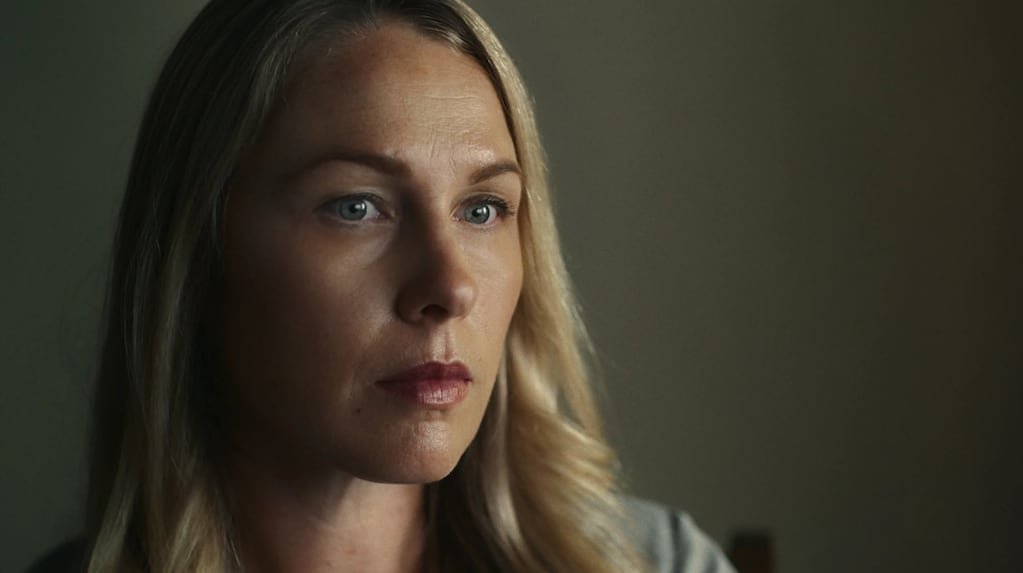
Durante dos días, Denise Huskins, una mujer estadounidense de 29 años, estuvo desaparecida. Su pareja, Aaron Quinn, denunció a la policía que un hombre había entrado a su casa por la fuerza durante la noche, los había drogado y a ella la había secuestrado. Sin embargo, nadie le creyó.
Los agentes lo interrogaron durante horas, lo trataron como sospechoso y cuando la mujer reapareció con vida, se reforzó una hipótesis inesperada: que todo había sido un montaje.
El caso, que ocurrió en marzo de 2015 en California, se convirtió en uno de los ejemplos más resonantes de errores en investigaciones policiales. La historia, que fue comparada públicamente con la película Perdida de David Fincher, terminó meses después con un giro: el secuestro había sido real y el responsable fue condenado a 40 años de prisión.
Un secuestro y una denuncia ignorada
Denise Huskins y Aaron Quinn eran dos jóvenes fisioterapeutas que vivían en California y llevaban menos de un año de relación cuando ocurrió el hecho. No tenían exposición pública ni antecedentes, pero en 2015 sus nombres empezaron a circular en todos los medios de Estados Unidos.
En la madrugada del 23 de marzo de ese año, un hombre ingresó a la casa de Quinn, en la localidad de Vallejo, mientras la pareja dormía. Según se reconstruyó después, el intruso los despertó cerca de las 3 de la mañana y les dio una serie de órdenes precisas.
El sospechoso obligó a Huskins a atar a Quinn con precintos y utilizó un método que llamó la atención de los investigadores: les colocó antiparras de natación cubiertas para impedirles ver y auriculares con mensajes grabados, con los que simulaba la presencia de varias personas. También los obligó a tomar un sedante bajo amenaza.
Antes de irse, se llevó a Denise y le indicó a Aaron que se trataba de un secuestro por rescate de 17.000 dólares. También le dijo que no debía contactar a la policía.
Horas después, cuando el joven logró recuperarse parcialmente, llamó al 911 por recomendación de su hermano, que trabajaba en el FBI. Para ese momento, ya habían pasado cerca de nueve horas desde el secuestro.
Dos días más tarde, el 25 de marzo, Huskins reapareció en Huntington Beach, a más de 600 kilómetros de donde residía. Estaba viva, pero el caso recién empezaba. Denise Huskins fue secuestrada mientras dormía en la casa de su pareja, Aaron Quinn. (Foto: People)
Desde el primer momento, la policía puso en duda la versión de Quinn, ya que cuestionaron la demora con la que realizó la denuncia y señalaron inconsistencias en su relato. Por este motivo, fue trasladado a una comisaría, donde permaneció cerca de 18 horas siendo interrogado, casi un día entero. Durante ese proceso, le realizaron una prueba de polígrafo y le indicaron que había fallado, aunque más tarde se supo que el resultado había sido inconcluso.
Lejos de considerar a la pareja como víctimas, los investigadores comenzaron a tratarlos como sospechosos y a delinear una hipótesis polémica. Esa postura se consolidó cuando Huskins apareció con vida.
En una conferencia de prensa, las autoridades aseguraron que el secuestro no había existido y que todo se trataba de un fraude. Además, los acusaron de haber desviado recursos policiales y generar alarma en la comunidad. En ese contexto, se instaló la comparación con la película Perdida, en donde la protagonista finge su desaparición para vengarse de su marido que le fue infiel.
Mientras tanto, Huskins comenzaba a contar lo ocurrido durante el cautivero y denunció que había sido abusada sexualmente en dos oportunidades. A su vez, sostuvo que su agresor había grabado los ataques y que la había amenazado con difundir el material si hablaba.
Denise contó también que el hombre le hizo creer que formaba parte de una organización criminal más grande. Al momento de su liberación, todavía estaba bajo los efectos de sedantes y manifestó que tenía miedo de represalias. A pesar de la denuncia de la pareja, las autoridades sostuvieron que todo se trataba de una farsa. (Foto: People)
El giro en la investigación llegó meses después, a partir de un hecho que ocurrió en otra ciudad. El 5 de junio de 2015 en Dublin, California, un hombre intentó ingresar a una casa durante la madrugada. La pareja que vivía allí logró resistir y el agresor escapó, pero dejó evidencia clave: un celular y otros objetos similares a los utilizados en el secuestro de Denise Huskins.
La agente Misty Carausu, que investigaba el caso, analizó esos elementos y logró rastear el teléfono, lo que permitió identificar a un sospechoso: Matthew Muller. Al profundizar en el caso, detectó similitudes con el secuestro de Huskins y dio aviso a otras agencias. Poco después, el FBI encontró en la casa de Muller pruebas que lo vinculaban directamente, incluida la notebook de Quinn.
El juicio
El principal sospechoso, Matthew Muller, era un exinfante de la Marina de EE. UU. y abogado graduado en Harvard. Durante la investigación, se determinó que había actuado solo y que había utilizado grabaciones de audio para simular la presencia de otros cómplices, lo que explicaba parte del relato inicial de las víctimas.
En septiembre de 2016, Muller se declaró culpable del secuestro de Denise Huskins. En su declaración, admitió haber utilizado sedantes, dispositivos para impedir la visión y grabaciones para llevar adelante el plan. Matthew Muller, el agresor que secuestró a Denise Huskins y abusó de ella en dos oportunidades. (Foto: LA Times)
Además del cargo federal, también enfrentó acusaciones estatales por violación, robo y allanamiento. En un primer momento fue considerado no apto para ser juzgado por cuestiones de salud mental, pero años después, en 2022, fue declarado competente y volvió a declararse culpable de esos delitos.
El proceso judicial permitió confirmar que el secuestro había sido real y que la versión sostenida inicialmente por la policía era incorrecta.
Finalmente, Matthew Muller fue condenado a 40 años de prisión por el secuestro de Huskins. Con el avance de las causas adicionales, su responsabilidad quedó completamente acreditada.
Luego de la resolución judicial, Huskins y Quinn iniciaron acciones legales contra la ciudad de Vallejo. Denunciaron difamación, detención ilegal y daños emocionales, al sostener que habían sido tratados como sospechosos sin pruebas y por haber sido expuestos públicamente.
Leé también: Un conflicto amoroso, una venganza y un ritual: el caso de la mujer que será ejecutada por un aberrante crimen
En 2018, llegaron a un acuerdo con la ciudad por 2,5 millones de dólares. Las autoridades reconocieron errores en el manejo del caso y ofrecieron disculpas públicas.
Con el paso de los años, la pareja reconstruyó su vida: se casaron, formaron una familia y decidieron contar su historia en la serie documental American Nightmare, que repasa lo ocurrido y expone las fallas de la policía en la investigación.
Estados Unidos, secuestro, denuncia











INTERNACIONAL
Costa Rica confirmó nueve nidos activos de jabirú y el nacimiento de 19 pichones en 2026

La población del jabirú, considerada una de las aves más emblemáticas y amenazadas de los humedales costarricenses, mostró señales alentadoras durante la temporada reproductiva de 2026. El más reciente monitoreo nacional realizado por la Universidad Estatal a Distancia (UNED) confirmó la existencia de nueve nidos activos y el nacimiento de 19 pichones, datos que permiten evaluar el estado de conservación de la especie y orientar futuras acciones de protección.
El estudio también estimó una población mínima de 148 jabirúes (Jabiru mycteria) durante el periodo reproductivo, cifra obtenida a partir de la revisión de los sitios históricos de anidación y de conteos simultáneos efectuados en las principales zonas donde habita la especie, específicamente en las cuencas de los ríos Tempisque y Frío.
Los resultados forman parte del proyecto de investigación “Ecología y conservación del jabirú en Costa Rica”, iniciativa que la UNED desarrolla desde hace más de tres décadas y que se ha convertido en el seguimiento científico más prolongado sobre esta especie en el país.
De acuerdo con el investigador y profesor de la UNED, Johnny Villarreal Orias, cada temporada reproductiva aporta información clave para conocer el estado de la población y medir el éxito de las parejas reproductoras.
“La presencia de nueve nidos activos y el nacimiento de 19 pichones son indicadores que nos permiten evaluar el éxito reproductivo de la especie y comprender mejor su comportamiento en los humedales costarricenses”, explicó el especialista.

El monitoreo anual combina dos estrategias complementarias. La primera corresponde a la denominada Expedición Jabirú, que consiste en recorrer durante febrero todos los nidos registrados históricamente para verificar cuáles permanecen activos durante la temporada reproductiva.
La segunda metodología se basa en conteos simultáneos realizados el primer sábado de marzo y abril en lagunas y puntos estratégicos de observación ubicados en las cuencas de los ríos Tempisque y Frío.
Según Villarreal, la combinación de ambos métodos permite conocer no solo cuántas parejas lograron reproducirse exitosamente, sino también estimar el tamaño de la población presente en Costa Rica durante cada temporada.
Este seguimiento científico ha permitido construir una base de datos de gran valor para comprender la dinámica poblacional del jabirú, una especie cuya presencia está estrechamente ligada a la salud de los humedales.
Además de la población reproductora, los investigadores identificaron un fenómeno que evidencia la importancia regional de los humedales costarricenses.
Durante el mes de mayo registraron la llegada temporal de cerca de 100 jabirúes no reproductores que utilizaron la Laguna Jicote, en la cuenca del río Tempisque, como sitio de alimentación y descanso durante la época seca.
Las aves permanecieron únicamente algunos días antes de abandonar nuevamente el territorio nacional, comportamiento que, según los especialistas, confirma que Costa Rica funciona como un refugio temporal para ejemplares provenientes de otras regiones.
“La llegada de estos individuos demuestra que los humedales costarricenses tienen un valor ecológico que trasciende nuestras fronteras. No solo albergan a la población reproductora, sino que también funcionan como refugio temporal para jabirúes provenientes de otras regiones”, indicó Villarreal.
Para los investigadores, este movimiento temporal resalta la importancia de mantener en buen estado los ecosistemas acuáticos del norte del país, ya que cumplen un papel fundamental dentro de las rutas utilizadas por la especie.

El proyecto de monitoreo del jabirú supera ya los 30 años de trabajo continuo, convirtiéndose en una referencia para la conservación de esta ave en Costa Rica.
Gracias a este seguimiento, los científicos han determinado que más del 75 % de los nidos se encuentran dentro de propiedades privadas, una realidad que convierte a los propietarios de fincas en actores fundamentales para garantizar la supervivencia de la especie.
La colaboración entre instituciones, comunidades y dueños de terrenos ha permitido proteger árboles utilizados para la anidación y reducir algunas amenazas que enfrentan estas aves.
Sin embargo, los especialistas advierten que todavía existen riesgos importantes para la conservación del jabirú. Entre ellos destacan la pérdida y degradación de humedales, la tala de árboles donde construyen sus nidos, los incendios forestales, el turismo irresponsable en zonas de reproducción y los efectos asociados al cambio climático.
Los investigadores enfatizan que el jabirú funciona como un indicador del estado de salud de los humedales, por lo que proteger sus sitios de reproducción también significa conservar ecosistemas esenciales para cientos de especies de flora y fauna.
Los resultados del monitoreo de 2026 refuerzan la necesidad de mantener programas científicos de largo plazo y fortalecer las acciones de conservación en los humedales costarricenses, considerados uno de los patrimonios naturales más importantes del país. La continuidad de estos esfuerzos permitirá conocer la evolución de la población del jabirú y generar información clave para la toma de decisiones orientadas a proteger una especie emblemática cuya supervivencia depende, en gran medida, de la conservación de los ecosistemas donde habita.
corresponsal:Desde San José, Costa Rica
INTERNACIONAL
Fauci privately took credit for COVID-19 lockdowns despite public denial, newly exposed diary entries reveal
NEWYou can now listen to Fox News articles!
Despite denying on multiple occasions during and after the COVID-19 pandemic that he personally recommended lockdowns, excerpts revealed from Dr. Anthony Fauci’s private diary prove a clear contradiction.
In a March 15, 2020, entry in the diary, which begins with «BIG DAY!» written in red letters, Fauci, then the director of the National Institute of Allergy and Infectious Disease (NIAID) recalled a striking conversation he had with then-New York City Mayor Bill de Blasio.
«I spoke with Bill de Blasio (Mayor – NYC) and convinced him based on what I was saying publicly and my conversation tonight to close the NYC schools (he had already decided based on what I was saying on TV),» Fauci revealed in his private notes.
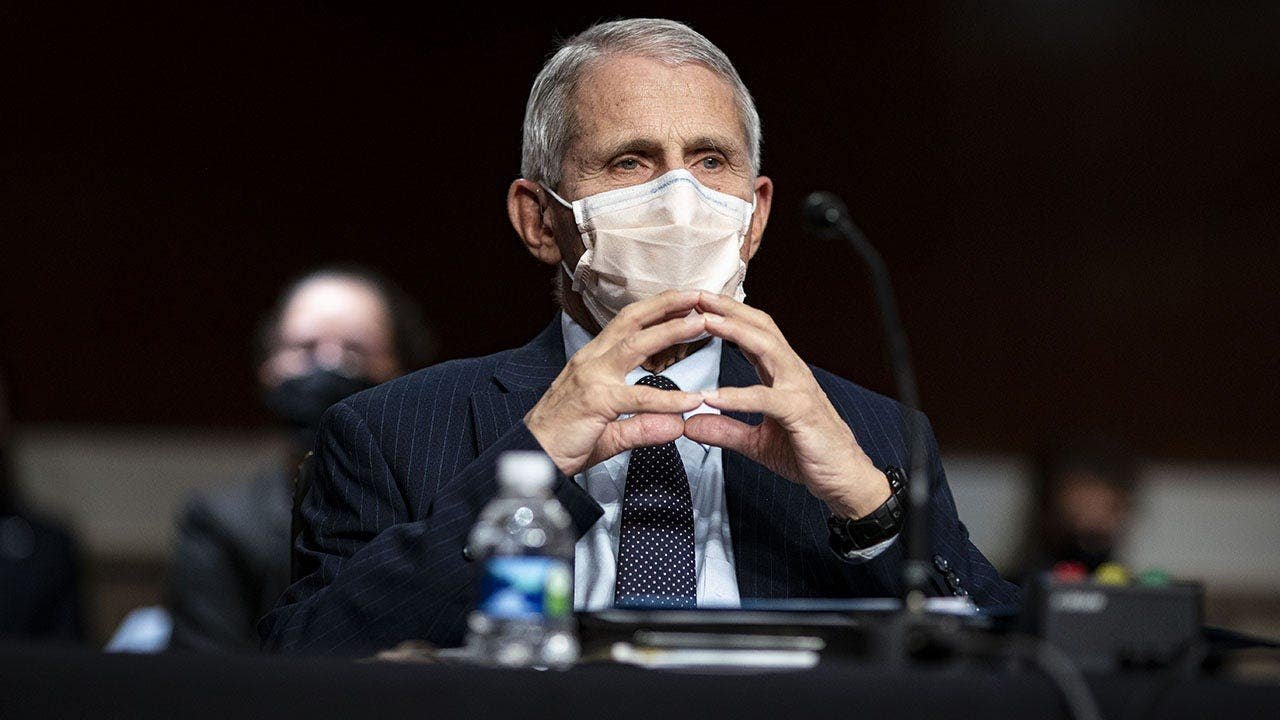
National Institute of Allergy and Infectious Diseases Director Anthony Fauci testifies before the Senate Health, Education, Labor and Pensions Committee about the COVID-19 response in Washington, D.C., on Nov. 4, 2021. (Chip Somodevilla/Getty Images)
FAUCI’S NEWLY RELEASED COVID DIARIES REVEAL BIZARRE FIXATION ON FAME AS PANDEMIC DEATHS MOUNTED
«I had a similar call with Ann O’Leary, the [Chief of Staff] of Gov. Gavin Newsom of California,» this particular entry went on. «Ann said that based on my TV appearances today and yesterday, the Governor has decided to close the schools in California as well as the bars and restaurants.»
But seven months later, on an Oct. 16, 2022 interview with ABC News’ Jonathan Karl, Fauci denied any involvement in inspiring lockdowns.
«Let’s go back and look at the transcript. We said we should try as best as we possibly can to keep the children in school,» Fauci said. «Nobody plays that clip.»
«They always come back and say, ‘Fauci was responsible for shutting schools down.’ I had nothing to do [with it]!» he insisted at the time.
EXPOSED FAUCI DIARY SHOWS HE ESTIMATED COVID-19 DEATH RATE TO BE MUCH LOWER THAN WHAT HE TOLD CONGRESS
In 2022 he told The Hill that he «didn’t recommend locking anything down,» clearly going against his own privately recorded entries.
In January 9, 2024, years after the end of lockdowns ended, Fauci testified the same thing before the House Oversight Committee.
«I did not close the schools,» he said, according to the hearing transcript. And it became the widespread situation where I became a political target.»

Dr. Anthony Fauci, director of the National Institute of Allergy and Infectious Diseases, throws out the ceremonial first pitch prior to the game between the New York Yankees and the Washington Nationals at Nationals Park on July 23, 2020, in Washington, D.C. (Getty Images)
Fauci recommended to government leaders lockdown measures besides just closing schools, which he would also later deny.
INSIDE FAUCI’S PRIVATE DIARY: WHAT HE WROTE ABOUT TRUMP, TV PERSONALITIES AND CELEBRITIES
In the March 15, 2020, diary entry, Fauci, once the nation’s leading infectious disease expert, said he directed de Blasio to close the city’s bars.
«I went on to tell him he should close the bars and restaurants in NYC. He said that he would base this on my recommendation,» Fauci wrote.
Five days later, he said he told the mayor to close all of New York City.
«Also, had phone call with Major de Blasio who wants to go to ‘shelter in place for the entire city.[‘] He is asking my advice since Gov. Cuomo is pushing back. I advised DeBlasio [sic] to go ahead and do it. I will try to speak with Cuomo,» the entry said.
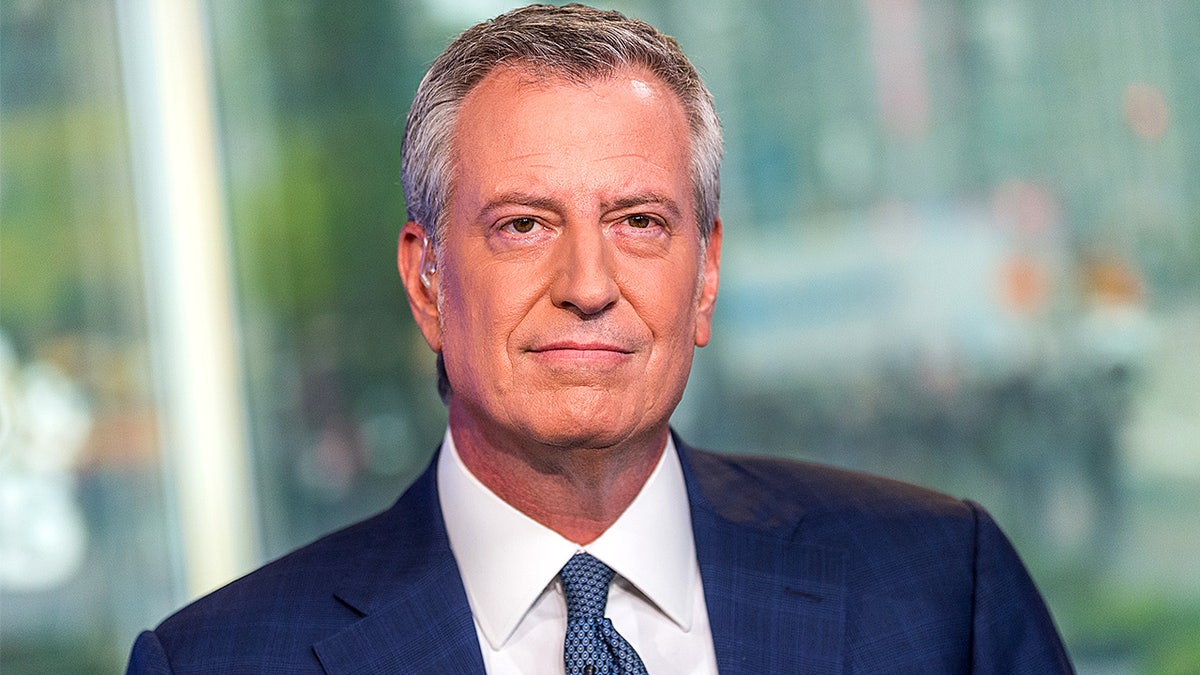
2020 Democratic presidential candidate and New York City Mayor Bill de Blasio visits FOX Business Network’s «Bulls & Bears» in New York City on Aug. 13, 2019. (Steven Ferdman/Getty Images)
On March 29, 2020, Fauci recounted a tense meeting with President Donald Trump, who he described as «incorrigible.»
The goal of the meeting was to get the president to extend lockdowns after the initial «15 days to stop the spread» period, which began on March 16 of 2020 — about a month after the first case of COVID-19 was recorded in the U.S.
«At the end of the day it was a good outcome since we convinced him to go with 30 day (sic) instead of ending the mitigation prematurely, which I feel would be a disaster,» Fauci said.
In a November 28, 2020, diary entry, he recalled lending support to a Los Angeles County health official who wanted to lock the county down.
«Got call last night from Mark Ghaly (Deputy Director for Community Health for the LA County Dept of Health Services). He has called me several times for advice,» the diary says. «Frantic call saying that they are surging in LA County and very soon hospital beds will be overrun. He wants to do a 3 weeks shutdown of the city to ‘stop the surge’ and wants my support since there is a large pushback to locking down. I agreed to support him.»
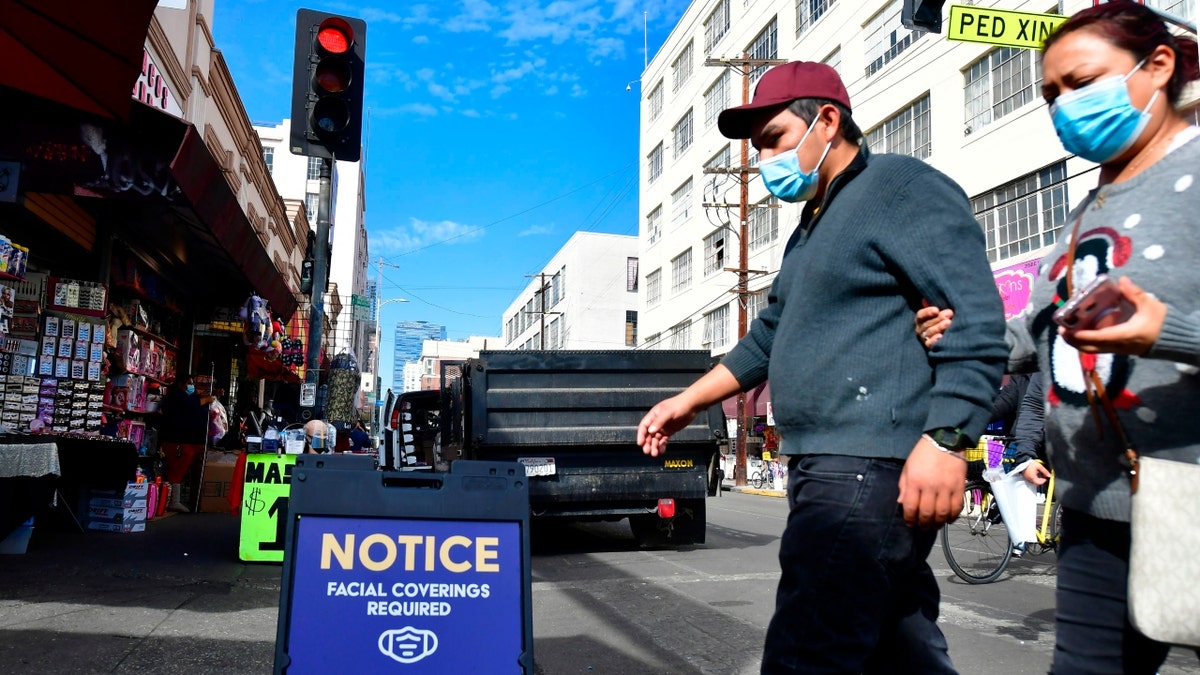
A signboard reminds people of the face covering requirement as pedestrians wear facemasks due to the coronavirus in Los Angeles, California on November 12, 2020. – European and world leaders on November 12, 2020 insisted that when Covid-19 vaccines are launched they should be made a available to everyone, under an international project which still needs $28 billion of funding. (Photo by Frederic J. BROWN / AFP) ((Photo by FREDERIC J. BROWN/AFP via Getty Images))
But again in 2022, when he joined The Hill’s «Rising» podcast, Fauci denied responsibility for lockdowns.
«Well, you know, again, first of all, I didn’t recommend locking anything down,» he claimed. «You’re asking me questions. You’re talking about the CDC is the public health agency that uses their epidemiologists and their science-based approach to make recommendations…»
CLICK HERE TO DOWNLOAD THE FOX NEWS APP
Despite his own denials, Fauci himself told CBS news in the midst of the 2020 chaos that he was behind the lockdowns.
«When it became clear that we had community spread in the country, with a few cases of community spread — this was way before there was a major explosion like we saw in the northeastern corridor driven by New York City metropolitan area — I recommended to the president that we shut the country down,» he said on Oct. 7, 2020.
anthony fauci, bill de blasio, politics, new york city, los angeles, coronavirus
INTERNACIONAL
La maniobra de Mamdani contra Netanyahu fue un desperdicio de su talento y de nuestro tiempo
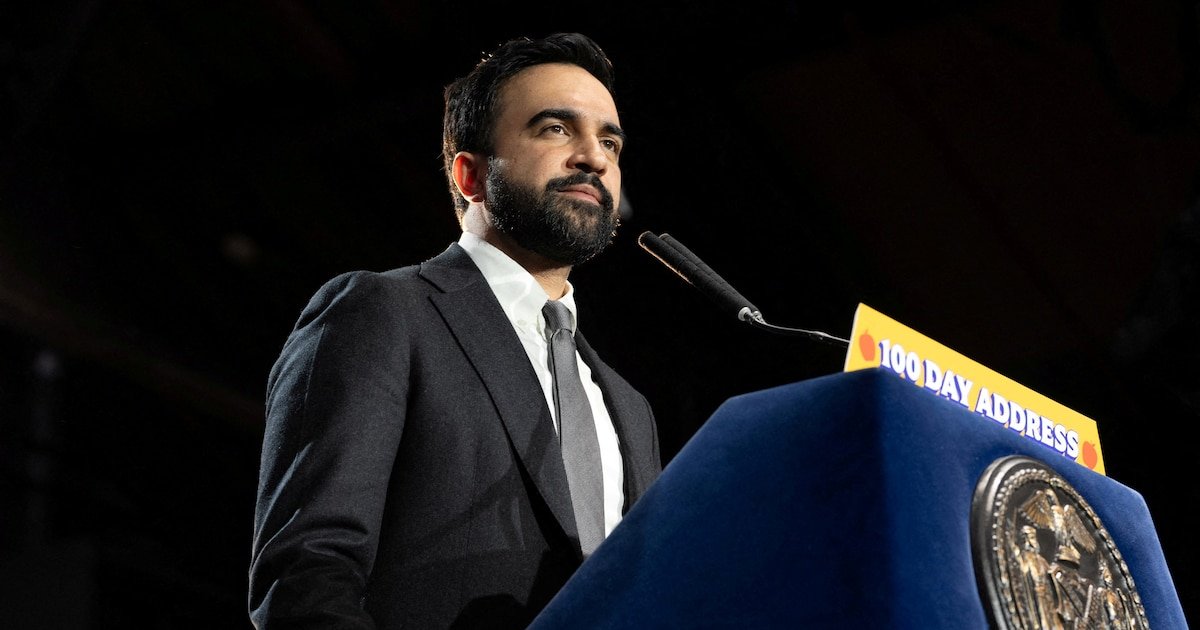
No sé qué clase de alcalde de Nueva York será Zohran Mamdani, pero ya ha demostrado ser una verdadera decepción como estadista. Nueva York es la única ciudad del mundo donde al menos 750.000 judíos y 750.000 musulmanes conviven. En lugar de ser un constructor de puentes constructivos entre ellos, Mamdani, el primer alcalde musulmán de la ciudad, ha optado por destruirlos, utilizando el conflicto israelí-palestino como arma. Es un desperdicio de un talento político verdaderamente carismático.
Consideremos la reciente maniobra de Mamdani: amenazar con arrestar al primer ministro israelí Benjamin Netanyahu cuando visite Nueva York para la cumbre de las Naciones Unidas en septiembre. La Corte Penal Internacional emitió una orden de arresto contra Netanyahu en 2024, alegando que cometió crímenes de lesa humanidad en Gaza. Aunque Mamdani finalmente reconoció que la ciudad no tenía tal autoridad legal —y en su lugar pidió al gobierno federal que ejecutara la orden judicial días antes de la visita del líder israelí a Washington—, este era precisamente el tipo de argumento que Netanyahu utilizará en su campaña para ser reelegido el 27 de octubre. Podría escribir yo mismo el anuncio de campaña de Bibi: «El único lugar seguro para los judíos es Israel. Basta con ver lo que está pasando en Nueva York. El único líder que puede proteger a los israelíes soy yo: Bibi».
En mi opinión, las posturas extremas de Mamdani y Netanyahu son dos caras de la misma moneda: Bibi no reconoce el derecho del pueblo palestino a la autodeterminación en su patria nacional y cree que solo Israel debería gobernar el territorio que se extiende desde el mar Mediterráneo hasta el río Jordán. Pero los palestinos son un pueblo —más de siete millones de ellos viven en ese territorio— y no van a desaparecer ni a renunciar a su derecho a la autodeterminación, por más que Bibi y sus seguidores propaguen ideas contrarias. Lo que Bibi realmente está proponiendo es una guerra eterna entre israelíes y palestinos. Hoy permite que los colonos en Cisjordania arrasen las aldeas palestinas, y cuando estos se resisten, su gobierno lo tacha de terrorismo.
Mamdani tampoco aboga por una solución de dos Estados. Argumenta que los judíos no tienen derecho a la autodeterminación en un Estado propio: un Estado judío en su patria bíblica, en esa misma región que se extiende desde el mar Mediterráneo hasta el río Jordán. Pero más de siete millones de judíos también viven en ese territorio, y ellos tampoco se irán ni renunciarán a su derecho a un Estado judío, digan lo que digan Mamdani y otros socialistas democráticos. Por lo tanto, también están promoviendo, en la práctica, una guerra eterna.
¿Y si Mamdani realmente quisiera ser un puente entre israelíes y palestinos, un papel para el que posee la capacidad y el talento únicos? Si lo hiciera, declararía su intención de que, el día que Bibi llegara a Nueva York para la Asamblea General de la ONU, convocaría un seminario en su oficina e invitaría a expertos israelíes, palestinos, árabes, musulmanes y judíos a debatir la única solución justa y estable: cómo forjar dos estados separados para los dos pueblos que habitan la zona entre el río y el mar.
Invitaría a representantes saudíes a hablar sobre la Iniciativa de Paz Árabe, lanzada en esta columna en 2002 por el príncipe heredero saudí, Abdullah bin Abdul Aziz al-Saud. Invitaría a Bill Clinton, Barack Obama y George W. Bush a exponer sus respectivos planes para dos estados para dos pueblos. Invitaría a líderes palestinos como Salam Fayyad, ex primer ministro de la Autoridad Palestina, quien tanto contribuyó durante su mandato a la creación de instituciones palestinas para un estado palestino junto a Israel, a debatir cómo reactivar ese esfuerzo en la actualidad.
Y lo más importante, invitaría a representantes de organizaciones judeoárabes que buscan forjar dos estados para dos pueblos, como las Iniciativas Abraham. No debe confundirse con los Acuerdos de Abraham; se trata de una organización israelí que trabaja por la reconciliación entre ciudadanos palestinos y judíos de Israel. (He donado dinero a este grupo). Invitaría a representantes de EcoPeace Middle East, una organización israelí-palestina-jordana dedicada a impulsar la reconciliación mediante proyectos ambientales conjuntos. (También he donado dinero a esta organización). Asimismo, invitaría al nuevo partido israelí Un Lugar para Todos, fundado antes de las próximas elecciones con una lista conjunta de palestinos y judíos israelíes, liderado por Rula Daoud y Alon-Lee Green.
En un ensayo publicado en Haaretz, Green explicó que el nuevo partido «no es un partido judío (con una representación árabe simbólica) ni un partido árabe (con una representación judía simbólica), sino un partido árabe-judío conjunto». Su objetivo es construir «una paz que ponga fin a la ocupación y establezca un Estado palestino independiente, junto al Estado de Israel».
Por último, para darle un toque de glamour, podría invitar a la actriz Natalie Portman. Me impresionó mucho el discurso que pronunció en una reciente recaudación de fondos en línea para A Place for Us All. Según un reportaje de Haaretz, Portman “enfatizó su identidad como mujer judía y ciudadana israelí, señalando que su padre nació y se crio en Israel y que siente un profundo amor, como muchos de ustedes, por la gente de esta región —toda la gente de esta región—, por la tierra y por el futuro”.
Como Portman les dijo a los simpatizantes del partido: “Lucharon por el regreso de los rehenes. Se opusieron a la guerra de aniquilación y defendieron a los niños de Gaza. Exigieron calles más seguras, salarios más justos… El sistema quiere hacernos creer que esto es imposible, que una verdadera colaboración es imposible. Quieren minimizar lo que estos increíbles líderes están haciendo ahora mismo y les aterra lo que representa este movimiento”.
Así suena un liderazgo constructivo. El movimiento «Un Lugar para Todos» aún se encuentra muy por debajo del umbral necesario para obtener un escaño en la Knéset. Pero apenas está comenzando. Si prefiere una versión más pragmática de este mensaje, visite el sitio web de Comandantes por la Seguridad de Israel, que reúne a casi 600 coroneles y generales retirados del ejército israelí, así como a veteranos del Mossad, el Shin Bet (Seguridad Interna), la policía y el cuerpo diplomático, todos comprometidos con la oposición a la anexión israelí de Cisjordania y con la búsqueda de una solución de dos Estados.
Imagínese si Mamdani, en lugar de realizar una maniobra inútil como considerar públicamente el arresto de Netanyahu, convocara a todos estos defensores israelíes, palestinos, árabes y estadounidenses de dos Estados para dos pueblos y luego invitara a Netanyahu a dirigirse a ellos. Que sea Bibi quien diga: «No, no quiero tener nada que ver con los defensores israelíes, palestinos, árabes y estadounidenses de dos Estados para dos pueblos».
Al menos, transmitiría a los votantes israelíes de centro-derecha, centro e izquierda el mensaje de que el mundo no los odia, que el alcalde de Nueva York no los persigue y que lo único que la comunidad internacional desea es que israelíes y palestinos sean socios constructivos, dispuestos a explorar la única alternativa realista a una guerra interminable.
No tengo ni idea de si serviría de algo. Pero sé con certeza que lo que Mamdani está haciendo es simplemente ganar votantes para Netanyahu entre los israelíes que creen que Bibi es su único protector, que su postura intransigente es su única salvación.
Si eso es lo que Mamdani pretende ahora con su plataforma —echar más leña al fuego que ya arde con fuerza—, es un desperdicio de su talento, de su cargo, de su energía y de nuestro tiempo.
© The New York Times 2026.
North America

El Gobierno monitorea el precio del petróleo y busca contener el impacto en la inflación

Error confirmado: no era roja a Embolo en Argentina-Suiza

La bomba detrás de la fiesta clandestina de Manu Urcera con amigos y varias mujeres a escondidas de Nicole Neumann: “Iba a pasar”

Qué gremios cobran con aumento en agosto 2026 tras las últimas paritarias

La Fundación Pensar alertó que la estabilización económica ya no alcanza para revertir el deterioro social

Presiones a FIFA e Infantino para que detallen sus negocios con Donald Trump

Vocero de Milei dijo que un dólar a $1.800 es «posible» y la City alerta por fin de la paz cambiaria

Polémica por el proyecto que busca desregular los planes de ahorro de autos 0 km: qué podría cambiar

Convivencia pacífica o tensión administrada: el PRO define cómo pararse frente al gobierno de Milei rumbo a 2027

Crisis entre Milei y Lula: la trama política, personal y geopolítica detrás del mayor choque diplomático entre Argentina y Brasil

 POLITICA1 día ago
Crisis entre Milei y Lula: la trama política, personal y geopolítica detrás del mayor choque diplomático entre Argentina y Brasil
- POLITICA2 días ago
Cuentapropismo emocional en lo profundo del conurbano
- SOCIEDAD2 días ago
San Isidro: la ballena que quedó varada en un banco de arena murió pese al operativo de rescate