
INTERNACIONAL
US drains critical missile stockpiles in Iran war as yearslong rebuild looms

NEWYou can now listen to Fox News articles!
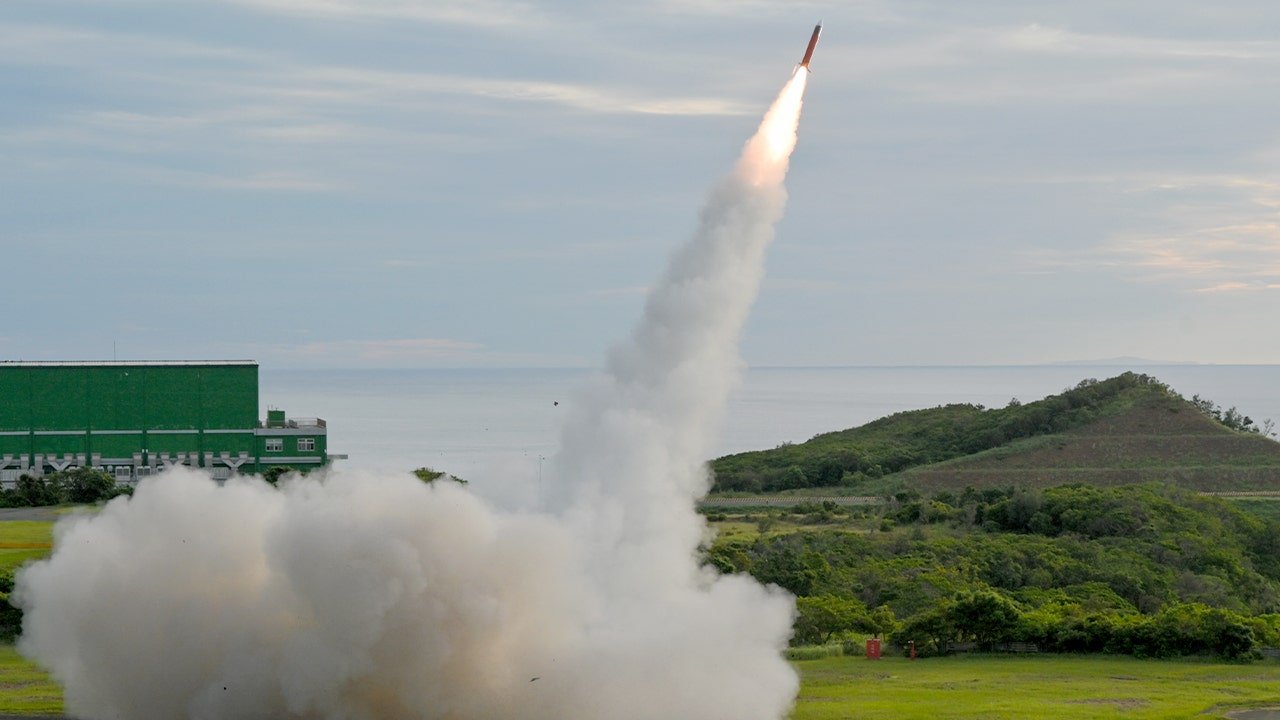
The U.S. may have burned through roughly half of its Patriot missile interceptors during the conflict with Iran, according to a new analysis, underscoring how even a campaign lasting just weeks can place heavy strain on key munitions stockpiles.
While the U.S. still has enough firepower to sustain operations in the current fight, analysts warn the greater risk lies in a future conflict against a peer adversary.
A report from the Center for Strategic and International Studies (CSIS) found that U.S. forces used large shares of several critical munitions during the 39-day air and missile campaign, including more than 850 Tomahawk cruise missiles and more than 1,000 Joint Air-to-Surface Standoff Missiles (JASSMs). Patriot interceptor use was estimated between roughly 1,060 and 1,430 missiles — more than half of the U.S. prewar inventory.
Exact U.S. munitions stockpiles are classified, and the figures in the report are estimates derived from Pentagon budget documents, historical procurement data and reported battlefield usage.
TRUMP RALLIES DEFENSE TITANS TO SURGE WEAPONS OUTPUT AS IRAN WAR RAGES
Even before the Iran war, U.S. stockpiles of key precision munitions were considered insufficient for a large-scale conflict with a peer adversary such as China. The latest drawdowns have made that gap more acute.
A future war in the Western Pacific would likely require sustained use of the same high-end missiles now being depleted, particularly for long-range strike and missile defense against a sophisticated adversary.
The U.S. may have burned through roughly half of its Patriot missile interceptors during the conflict with Iran, according to a new analysis. (Sam Yeh/AFP)
Other high-end systems were also heavily drawn down.
The U.S. is estimated to have used between 190 and 290 Terminal High Altitude Area Defense interceptors, which cost about $15.5 million each, and between 130 and 250 SM-3 interceptors, among the most expensive in the arsenal at roughly $28.7 million apiece.
The Navy’s SM-6 missile, which costs about $5.3 million per unit, also saw significant use, with estimates ranging from 190 to 370 fired.
Long-range strike weapons used in the conflict carry similarly high price tags.
Tomahawk land attack missiles cost about $2.6 million each, while JASSMs are priced at roughly $2.6 million per missile. The Army’s newer precision strike missile (PrSM), costing around $1.6 million per unit, was also used in smaller numbers, with estimates ranging from 40 to 70 fired.
Pentagon chief spokesperson Sean Parnell denied reports of stockpile shortages.
«America’s military is the most powerful in the world and has everything it needs to execute at the time and place of the President’s choosing,» he said in a statement.
«As Secretary Hegseth has highlighted numerous times, it took less than ten percent of American naval power to control the traffic going in and out of the Strait of Hormuz. Since President Trump took office, we have executed multiple successful operations across combatant commands while ensuring the U.S. military possesses a deep arsenal of capabilities to protect our people and our interests. Attempts to alarm Americans over the Department’s magazine depth are both ill-informed and dishonorable.»
A Navy official added to Fox News Digital: «The Navy is taking aggressive steps to increase our munitions stockpiles and strengthen the industrial base; as reflected in our FY27 budget request of $22.6 billion, which will fund over 4,600 all-up rounds.»
«We are significantly increasing production for our most critical systems, including the Standard Missile, Tomahawk, AMRAAM, and the PAC-3. To support this surge and provide a stable demand signal to our industry partners, we are continuing the multi-year procurements for LRASM and NSM, while initiating new multi-year contracts for the Tomahawk and Standard Missile. We are also working with the Department of War through the Munitions Acceleration Council (MAC), to synchronize efforts across the enterprise to break down barriers and speed up production.»
The Pentagon’s latest budget request underscores the urgency: The administration is seeking roughly $70 billion for munitions in fiscal year 2027 — a nearly threefold increase over current levels — as it moves to replenish stockpiles strained by recent conflicts, including Iran and Ukraine. The request includes sharp increases in purchases of key systems used in the war, including Tomahawk cruise missiles, Patriot and THAAD interceptors, and long-range strike weapons.
Iran maintains thousands of missiles and drones, according to Defense Intelligence Agency director Lt. Gen. James Adams.
«Despite significant degradation of Iranian military capabilities through coalition strikes in operation Epic Fury Tehran retains thousands of missiles and one-way attack UAV’s capable of threatening U.S. and partner forces throughout the region,» he told the House Armed Services Committee Wednesday.
IRAN’S REMAINING WEAPONS: HOW TEHRAN CAN STILL DISRUPT THE STRAIT OF HORMUZ
Despite the heavy expenditures, the U.S. retains enough munitions to sustain operations in the current conflict. The report notes that after heavy use of long-range missiles in the early phase of the campaign, U.S. forces shifted toward less expensive and more plentiful weapons, including Joint Direct Attack Munitions and other short-range systems.
The concern, analysts say, is what comes next.
Rebuilding those inventories will take years. According to the CSIS analysis, delivery timelines for many of these systems range from roughly three to more than five years, factoring in contracting delays, production lead times and manufacturing capacity limits.
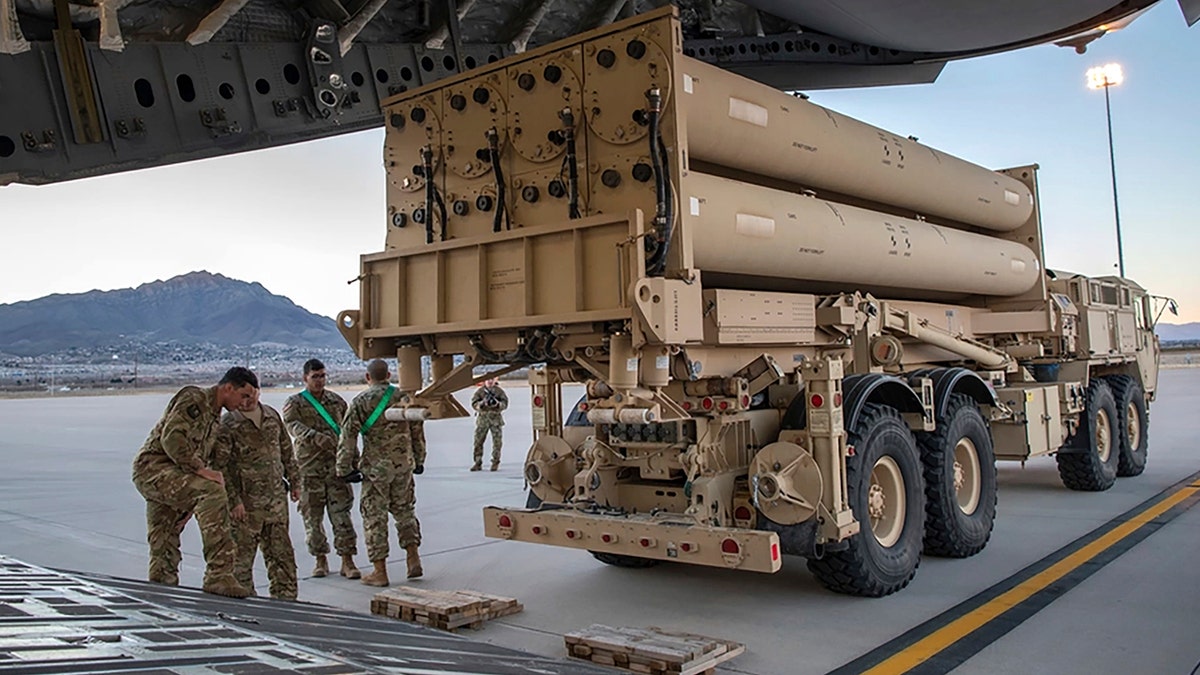
The U.S. is estimated to have used between 190 and 290 THAAD interceptors, which cost about $15.5 million each, and between 130 and 250 SM-3 interceptors, among the most expensive in the arsenal at roughly $28.7 million apiece. (Staff Sgt. Cory D. Payne/U.S. Air Force/AP)
That lag comes as global demand for the same systems continues to rise.
Patriot interceptors, for example, are in high demand among U.S. allies, including Ukraine, which has relied heavily on them for air defense. Other partners in Europe and Asia also are seeking to expand their own stockpiles, creating competition for limited production capacity.
The Trump administration has pushed to rapidly expand production of key munitions, with defense contractors planning major increases in output.
Lockheed Martin, for example, is aiming to boost Patriot interceptor production from roughly 600 per year to about 2,000 by the end of the decade, while also expanding THAAD interceptor capacity from under 100 annually to several hundred. RTX has said it will increase Tomahawk production to more than 1,000 missiles per year, a significant jump from recent levels.
But those increases will take time.
In its latest budget request for fiscal year 2027, the Pentagon is calling for a surge in munitions procurement, yet analysts caution that even with additional funding and planned production gains, the defense industrial base cannot quickly replace weapons already expended.
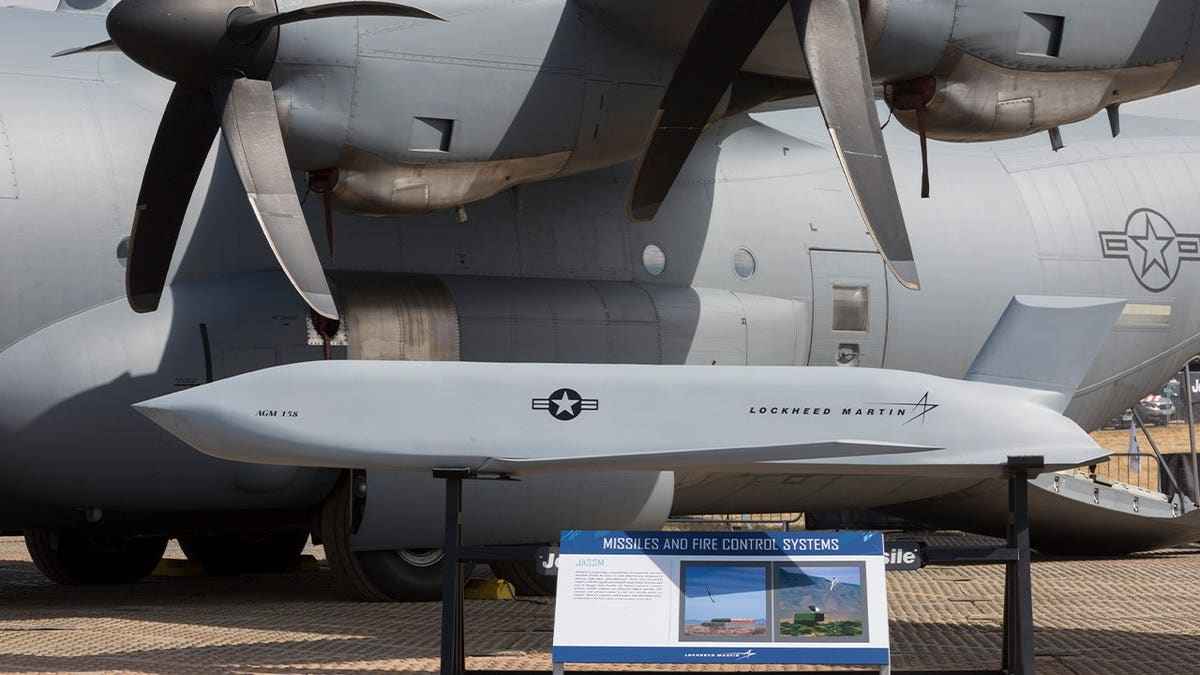
Image shows a Lockheed Martin JASSM cruise with a C-130. A report from the Center for Strategic and International Studies (CSIS) found that U.S. forces used large shares of several critical munitions during the 39-day air and missile campaign, including more than 850 Tomahawk cruise missiles and over 1,000 Joint Air-to-Surface Standoff Missiles (JASSMs). (Richard Baker / In Pictures via Getty Images)
Pentagon officials already had raised concerns about U.S. munitions stockpiles after years of military support for Ukraine.
In 2025, the Pentagon paused shipments of some air defense missiles and other weapons to Kyiv following an internal review that found certain inventories had declined too far.
The strain is already affecting U.S. allies in Europe. U.S. officials have warned that some previously contracted weapons deliveries to European countries — including in the Baltic region — could be delayed as the Iran war draws down American stockpiles.
Leaders in Estonia and Lithuania said they had been informed that delivery timelines for U.S. military equipment were shifting, with some ammunition shipments «put on hold» as Washington works through supply constraints.
One European defense official told Fox News Digital that delays could have longer-term consequences, warning that allies may begin to «rethink» future purchases of U.S. weapons if delivery timelines become unreliable.
The production bottlenecks are not new. The U.S. has faced a backlog of more than $20 billion in approved weapons sales to Taiwan, with delivery timelines for some major systems slipping by years due in part to limited industrial capacity.
During the conflict, the Pentagon moved elements of its THAAD system from South Korea to the Middle East to bolster defenses against Iranian missile attacks, according to multiple reports. The redeployment highlights the tradeoffs facing U.S. planners as they shift limited high-end air defense assets between regions.
CLICK HERE TO DOWNLOAD THE FOX NEWS APP
The result is a growing challenge for U.S. defense planners: sustaining current conflicts while preparing for a potentially larger war ahead.
Fox News has reached out to the Pentagon and relevant service branches for comment.
conflicts defense, pentagon, war with iran, spending, military










INTERNACIONAL
Fiscalía pide 396 años de prisión para extesorero del Banco Nacional de Costa Rica acusado de sustraer ₡3,293 millones (USD 7.3 millones)
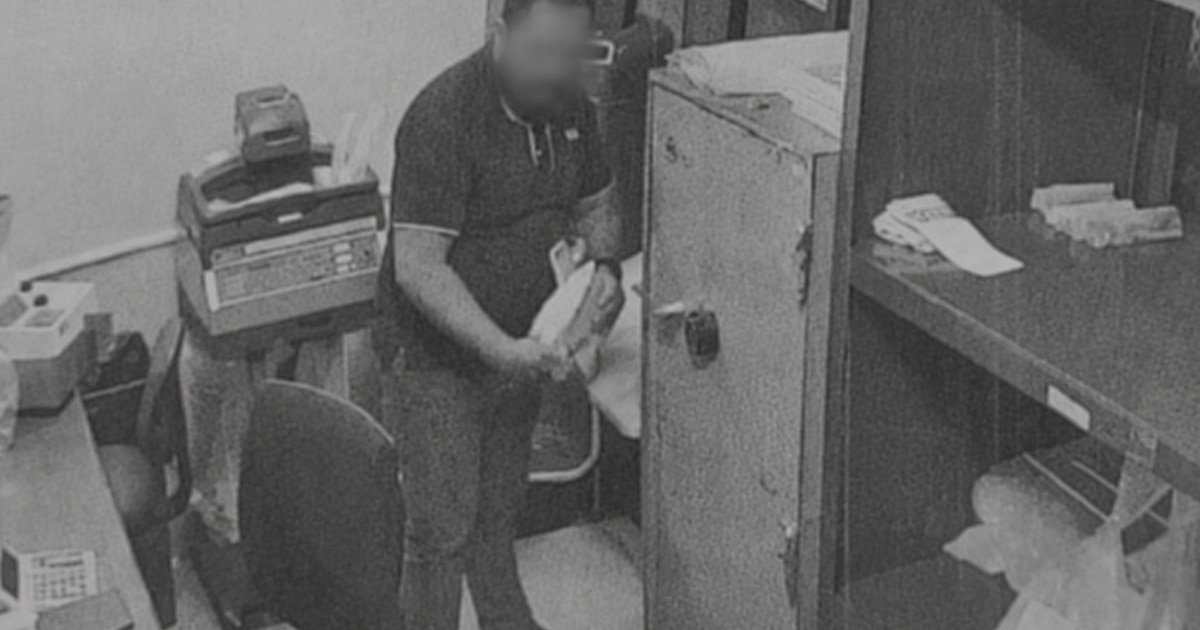
El juicio contra Ricardo Olivas Valle, extesorero del Banco Nacional de Costa Rica (BNCR), entró en su etapa final con la solicitud de la Fiscalía de una condena que suma 396 años de prisión por el supuesto desfalco de ₡3,293 millones (USD 7.3 millones) sustraídos de las bóvedas de la sede central de la entidad, en San José.
La Fiscalía Adjunta de Probidad, Transparencia y Anticorrupción (Fapta) inició la presentación de sus conclusiones ante el Tribunal Penal, donde expondrá por qué considera que el exfuncionario es responsable de los hechos que se le atribuyen y solicitará formalmente la pena de cárcel.
Olivas Valle enfrenta una acusación por 33 delitos de peculado, uno por cada extracción de dinero que, según el Ministerio Público, habría realizado entre 2021 y 2023 aprovechando los últimos minutos de la jornada laboral y los momentos de menor vigilancia dentro de la institución.
De acuerdo con la investigación, las sustracciones ocurrían principalmente entre las 4:16 p. m. y las 5:29 p. m., cuando el movimiento dentro de las instalaciones disminuía. La Fiscalía sostiene que el extesorero aprovechaba supuestos fallos en los controles internos para retirar millones de colones de las bóvedas.
Durante el juicio fueron analizadas decenas de grabaciones de seguridad que, según la acusación, muestran al exfuncionario colocando fajos de billetes en sobres de manila amarillos para luego salir de la entidad pasando por los controles de seguridad.

El caso fue denominado “Gallo Tapado” por el Organismo de Investigación Judicial (OIJ) y la Fiscalía debido al presunto mecanismo utilizado para ocultar el origen del dinero.
Según la tesis acusatoria, Olivas habría utilizado parte de los fondos sustraídos para comprar diariamente grandes cantidades de fracciones y billetes de lotería de la Junta de Protección Social (JPS). Cuando resultaba ganador, el dinero era depositado en sus cuentas bancarias, lo que habría permitido introducir los recursos al sistema financiero aparentando que provenían de una fuente legítima.
Durante los allanamientos realizados en su vivienda, las autoridades encontraron cerca de 3,000 fracciones de lotería, como parte de las evidencias incorporadas al expediente judicial.
El Ministerio Público sostiene que la prueba presentada durante el debate demuestra la participación del exfuncionario en las extracciones de dinero y solicitó una condena acumulada de 396 años.
Sin embargo, aunque la sumatoria de penas supera ampliamente la normativa nacional, la eventual sentencia deberá ajustarse al límite máximo establecido por la legislación costarricense, que actualmente es de 36 años de prisión.
Además de la Fiscalía, en el proceso participan como partes acusadoras la Procuraduría General de la República y el Banco Nacional, institución que reclama los recursos supuestamente sustraídos.
Durante su declaración ante el Tribunal, Olivas Valle reconoció que tuvo problemas relacionados con los juegos de azar, aunque afirmó que su adicción estaba limitada a la compra de lotería.
“Tuve adicción a los juegos, en algún momento, a la lotería solamente”, declaró el exfuncionario, quien aseguró que tras ingresar a prisión en 2023 su problema estaba relacionado únicamente con “ganas de jugar”.
El extesorero negó que su conducta estuviera vinculada con otros tipos de apuestas y afirmó que compraba principalmente tiempos y monazos, mientras que la lotería la adquiría en menor cantidad.

La investigación también reveló presuntas debilidades en los mecanismos de supervisión interna del Banco Nacional.
Según la acusación, desde 2019 no se realizaban arqueos físicos exhaustivos en las bóvedas, situación que habría permitido que las supuestas sustracciones continuaran durante varios años sin ser detectadas.
Además de Olivas Valle, otras personas fueron incluidas en investigaciones separadas por posibles omisiones, incumplimiento de deberes o encubrimiento. Entre ellas figuran supervisores, contadores, personal de seguridad y exdirectivos jurídicos de la entidad.
El juicio continuará con la etapa de conclusiones de las partes y posteriormente el Tribunal Penal deberá definir la responsabilidad del exfuncionario y la eventual sentencia.
INTERNACIONAL
Nigeria’s largest rescue operation frees 308 hostages held by militants in Kwara State
NEWYou can now listen to Fox News articles!
Victims held for six months in captivity at the hands of jihadi kidnappers in Nigeria detailed on Friday the harrowing conditions they were kept in after being liberated in what Nigerian officials are calling the largest rescue operation in the country’s history.
Nigerian forces rescued at least 308 victims from captivity in the past week, with the bulk of the victims coming from two distinct groups. 163 of the victims were taken from the Woro community in Nigeria’s Kwara State in a Feb. 3 raid that saw their jihadi kidnappers kill an additional 160 people in the Woro village.
The victims told the Associated Press that they believed they had been taken as punishment for refusing to accept and acquiesce to the religious preachings of the jihadis.
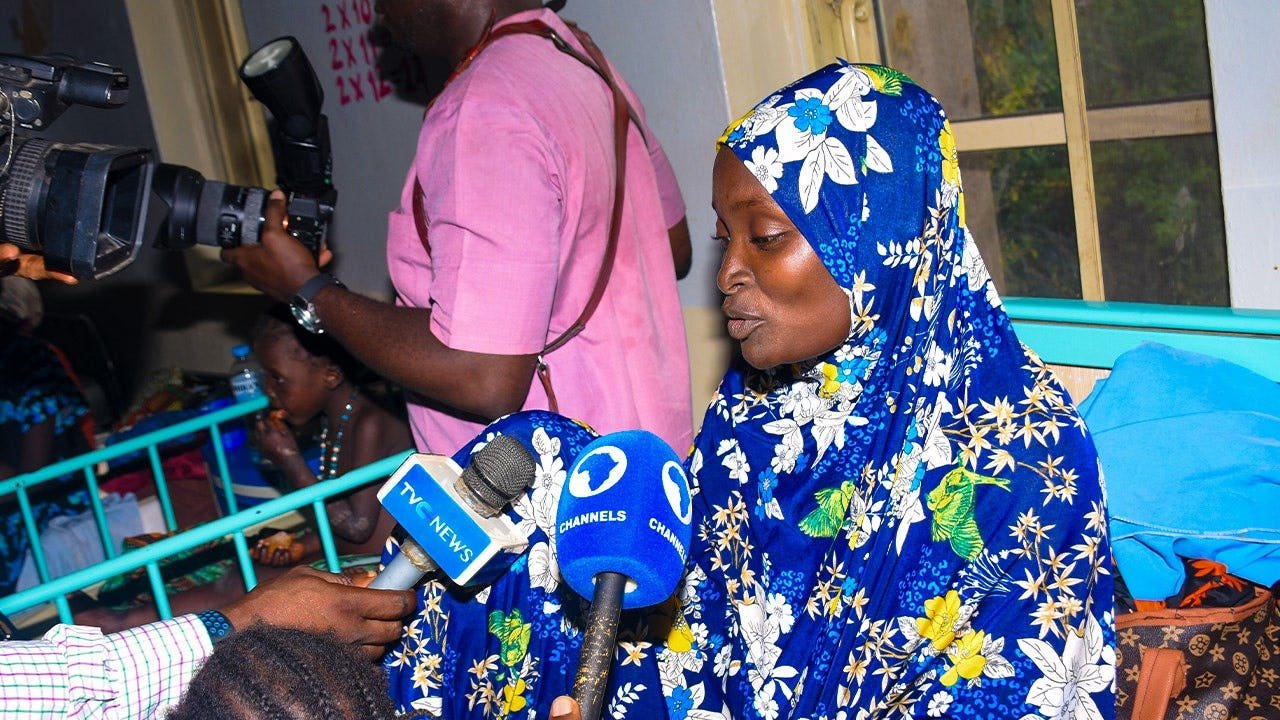
One woman, Hauwa Saliu, told the outlet that her captors constantly asked the victims if they had accepted jihad yet.
NIGERIAN PASTOR HIGHLIGHTED BY TRUMP SAYS HE’S NEXT AFTER MILITIA KILLS HIS RELATIVES
Hauwa Saliu, a woman who is among those rescued by Nigerian forces this week, about six months after being abducted by militants in February, speaks to journalist as she receives medical attention at a hospital in Ilorin, Nigeria, Friday, Aug. 7, 2026. (AP Photo/Abubakar Khadijat)
«We prayed to God to help us go back home, but it never really crossed our minds that we were going to go back home,» she told the outlet.
Another victim, Amira Saliu, described the conditions in which the women and children were being kept, explaining that they were held in a forest near a river, and forced to put out fires and hide when they heard helicopters nearby.
FREED HOSTAGE ROM BRASLAVSKI DETAILS ABUSE, STARVATION DURING 738 DAYS IN GAZA CAPTIVITY
Saliu, a nurse, also explained how she had to help 10 women give birth with no medical equipment or sanitary gloves.
«I had no choice but to use my bare hands,» she told the outlet.
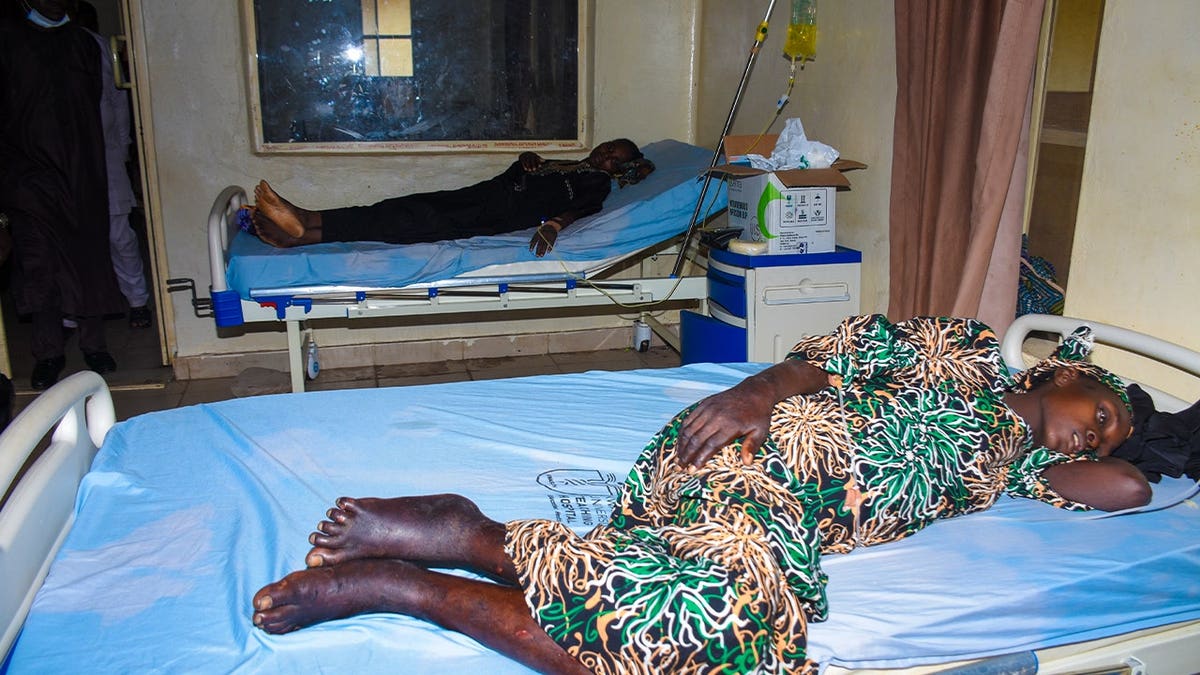
Women who were rescued after being held in a forest after they were abducted from the Woro community by gunmen in February receive medical attention at a hospital in Ilorin, Nigeria, Friday, Aug. 7, 2026. (AP Photo/Abubakar Khadijat)
Mary Ishaya, 44, told the outlet that the captives often went days without food and had to bury other captives who had died.
«I still cannot find the right words to describe what has happened to us. We saw death and suffering,» she said.

A woman who was rescued after being held in a forest after being abducted from the Woro community by gunmen in February receives medical attention at a hospital in Ilorin, Nigeria, Friday, Aug. 7, 2026. (AP Photo/Abubakar Khadijat)
The governor of Kwara State, AbdulRahman AbdulRasaq, told reporters during a news conference that 46 victims were being treated at a hospital.
«This is indeed, indeed a very sad situation. We’ve not yet come to terms with it. We’re still assessing the situation. As you can see, it’s just kids … children and women that are here today,» he said. «It’s truly a shame that this has happened.»
COULD THIS AFRICAN NATION BECOME TRUMP’S NEXT TERROR TARGET AS JIHADISTS CLOSE IN ON POWER?
The incident highlights the ongoing tensions between Nigeria’s militant Islamic insurgency in the north and the country’s large Christian population, who make up roughly 45% of Nigeria’s citizens.
On Christmas Day, President Donald Trump, in coordination with Nigeria’s government, authorized precision missile strikes on Islamic State-affiliated groups in northern Nigeria, citing the need to protect the country’s Christians.

US launches strike against ISIS in Nigeria. (Department of War via X)
The U.S. followed up in May, launching coordinated joint military action that reportedly resulted in the death of senior Islamic State leader Abu Bakr al-Mainuk.
The Associated Press contributed to this report.
islam, africa, counter terrorism, terrorism, world, human rights
NEWYou can now listen to Fox News articles!
Shannon Taylor, now the Democratic nominee in the race for Virginia’s First Congressional district, once endorsed progressive prosecutorial blueprints, advocating for less incarceration and more diversity as a Henrico County commonwealth attorney — some of the same «Democratic values» that ended in tragedy in other parts of Virginia.
Shortly after coming into the role in 2012, Taylor fired seven prosecutors under her.
«I stated publicly that the office needs to have more diversity and I’m going to keep to that public statement,» Taylor said in an interview ahead of the firings.
Her track record is sparking criticism that she used her role to prioritize ideological and political views at the expense of public safety. It’s also clashing with portrayals from her campaign, highlighting her work as a tough-on-crime figure as she looks to win over a Republican-leaning district.
FORMER PROSECUTOR WHO ACCUSED TRUMP OF WEAPONIZING DOJ WINS DEM PRIMARY
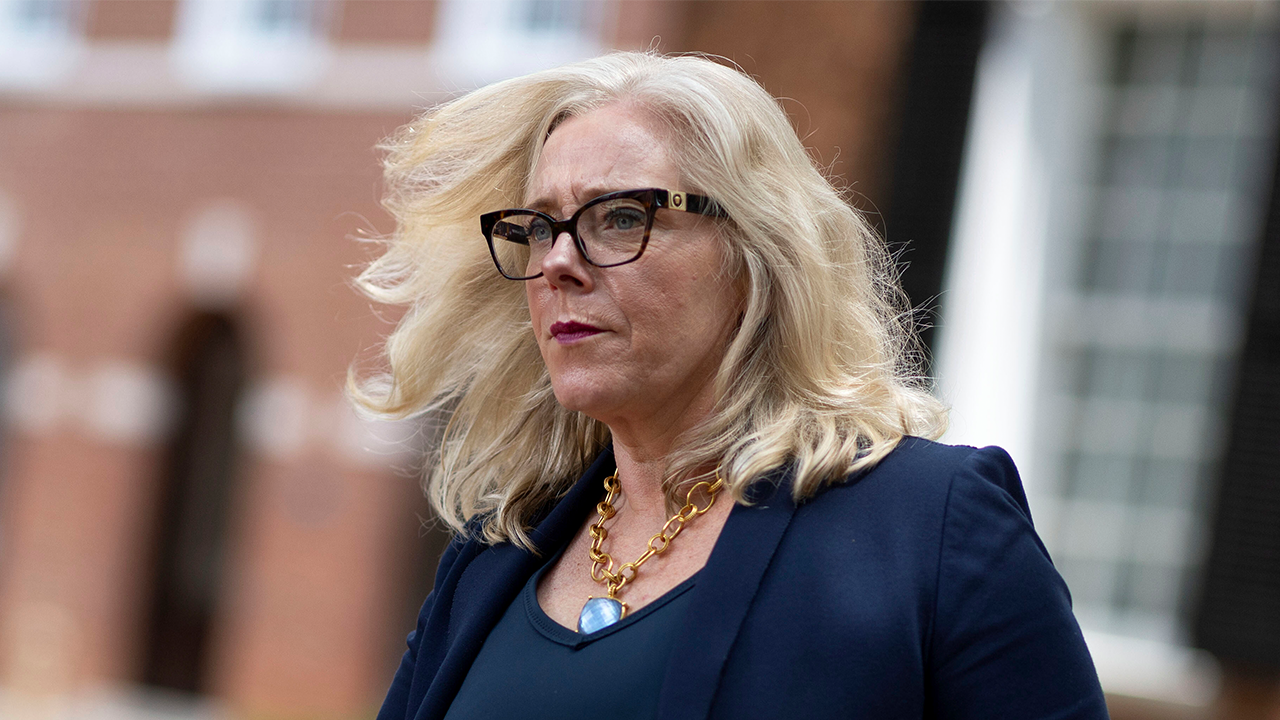
Shannon Taylor, attorney for Henrico County Commonwealth, exits the Albemarle County Circuit Court in Charlottesville, Va., Tuesday, June 4, 2024. (AP Photo/Ryan M. Kelly, File)
Taylor highlighted her work as she topped a crowded field of Democratic candidates vying to challenge Republican incumbent Rep. Rob Wittman, R-Va.
«As Henrico’s top prosecutor for the last 14 years, Shannon has tried thousands of cases and put violent criminals, drug traffickers and abusers behind bars,» Taylor states on her campaign website. «She has a record of shutting down fraudsters trying to take advantage of working families and locking up violent criminals who threaten our safety.»
But that hasn’t always been the appearance she’s given.
After her seven firings, Taylor faced blowback for trying to hire a woman named Misty Whitehead as a police oversight prosecutor. However, before the role could be made official, social media posts from Whitehead surfaced that seemingly showed a pattern of attacking police.
Taylor faced backlash from the town’s county manager over her selected candidate.
«A county manager can’t tell a commonwealth’s attorney who to hire, but he can recommend whether or not local funds are included to supplement that salary. And in this case, I absolutely will not do it under any circumstances,» County Manager John Vithoulkas said at the time.
Whitehead had a history of voicing concerns about police behavior and social justice that raised concerns for at least one county official, according to local reports.
Taylor defended her pick, telling local outlets that she believed the posts were «thoughtful analysis of the current events we are all living through.»
Taylor also has ties to similarly-minded prosecutors in other counties — some of which entered the public eye recently due to tragic circumstances.
SPANBERGER’S ICE ROLLBACK TO BLAME FOR TODDLER KILLING, VIRGINIA ‘HOTBED’ OF ILLEGAL IMMIGRANT CRIME: DHS
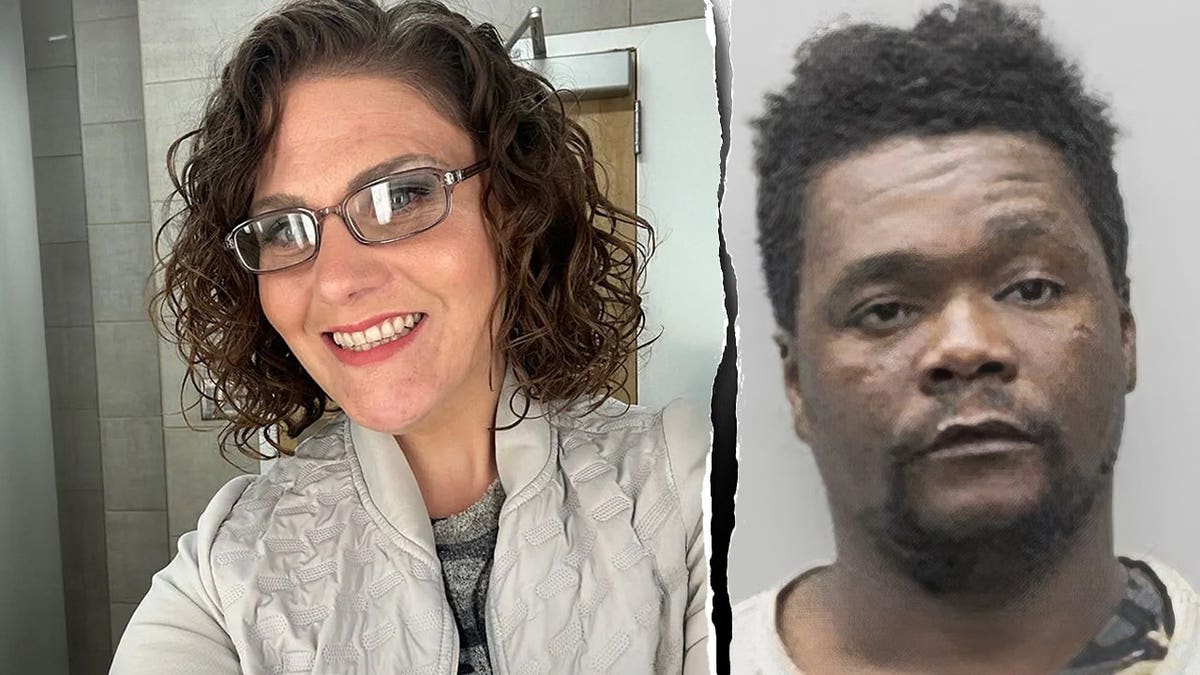
Abdul Jalloh, 32, is accused of killing Stephanie Minter, 41, at a bus stop in Virginia. (Fox 5 DC)
In Fairfax County, Virginia, news broke that Abdul Jalloh, a 32-year-old illegal alien from Sierra Leone, stabbed a Virginia resident to death at a bus stop despite over 30 prior arrests and a known tendency for violent behavior.
Jalloh’s criminal record included charges of rape, malicious wounding, assault, drug possession, identity theft, trespassing, larceny and firing a weapon.
Even so, prosecutor Steve Descano had dropped many of them, prompting concern and outrage from lawmakers.
«You dismissed the case, and it’s shameful,» Rep. Brad Knott, R-N.C. said at a hearing where Descano was summoned to Congress to explain a series of similar cases.
Knott had been highlighting one such instance involving a child predator.
«When you dismiss a case, what happens to that defendant? He walks free. A disgusting, perverted individual preying on children, that you dismissed,» Knott said.
Long before Descano’s time in the spotlight, Taylor had endorsed Descano, supporting his bid to become county prosecutor in 2019, citing shared outlooks.
«I am excited to endorse Steve Descano for Fairfax County’s Commonwealth’s Attorney because I know he will prioritize the same Democratic values we all share, making Fairfax a safe and just place for everyone and I am looking forward to working with him,» Taylor wrote.
Taylor and Descano would go on to champion their shared values in a 2021 letter to the Biden Administration.
In it, the two joined 100 other district and county attorneys in championing a set of «21 principles for the 21st-Century prosecutor.» The authors claimed that «tough on crime policies» had been «anathema to justice,» championed an end to mandatory minimums and three-strike laws, advocated for taking immigration status into consideration when negotiating sentences and plea deals, and opposed calling rapists «rapists,» drug dealers «drug dealers,» and convicted criminals «felons» or «inmates.»
«A number of elected reform-minded prosecutors are boldly redefining what it means to be a prosecutor,» the letter states.
OKLAHOMA TEEN ACCUSED OF RAPING TWO GIRLS WALKS FREE; DA FURIOUSLY CALLS IN FEDS: ‘MADE MY BLOOD BOIL’
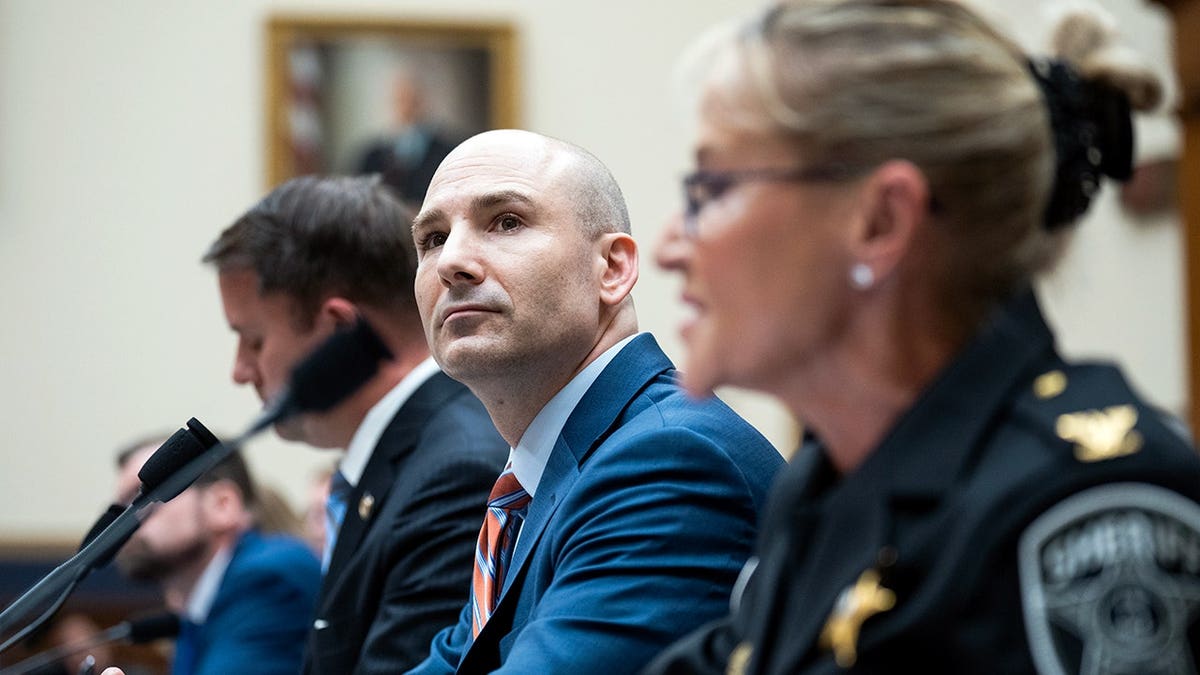
Fairfax County Commonwealth’s Attorney Steve Descano, left, and Fairfax County Sheriff Stacey Ann Kincaid, right, testify before Congress. (Tom Williams/Getty Images)
At least one Republican onlooker blasted Taylor’s record.
«She spent her time reshaping the prosecutor’s office around identity politics, pushing a far-left agenda that put woke activism ahead of public safety, and fighting to turn Virginia into a far-left hellscape,» Emma Hall, a spokesperson for the Republican National Committee (RNC), said in a statement to Fox News Digital.
«Instead of prosecuting criminals and making Virginia safer, DEI queen Shannon Taylor chose to be a diversity, equity, and inclusion consultant.»
Having secured the Democratic nomination, Taylor now heads to the general election on Nov. 3. Wittman, the district’s incumbent, last won re-election in 2024 in a 56.3% to 43.5% victory over Democratic challenger Leslie Mehta, an attorney.
state and local, politics, immigration, crime world

La mañana a pura complicidad de la China Suárez y Mauro Icardi: “Confía en mí”

El Gobierno, en racha de costos políticos: mala praxis y cerrazón ideológica

Murió Jorge Messi, en vivo: la resolución de la AFA para los partidos de todas las categorías del fútbol argentino

Deltarune lanza esta críptica web oficial de su Capítulo 7B – Nintenderos

Fiscalía pide 396 años de prisión para extesorero del Banco Nacional de Costa Rica acusado de sustraer ₡3,293 millones (USD 7.3 millones)

Semana financiera: las acciones argentinas cayeron hasta 10% en Wall Street y el riesgo país subió a un máximo en dos meses

La oposición cuestionó a Benegas Lynch por su empresa para vender campos a extranjeros y el senador libertario se defendió

Dólar hoy en vivo: a cuánto se negocian todas las cotizaciones minuto a minuto este miércoles 5 de agosto

Brasil retira a su embajador en la Argentina: qué consecuencias tiene la medida diplomática

Las centrales obreras y los movimientos sociales anunciaron dos días de conflicto callejero
-
 POLITICA2 días ago
La oposición cuestionó a Benegas Lynch por su empresa para vender campos a extranjeros y el senador libertario se defendió
-
 POLITICA3 días ago
Las centrales obreras y los movimientos sociales anunciaron dos días de conflicto callejero
-

 POLITICA2 días ago
El mapa de cortes por la movilización al Congreso contra la modificación a la "Ley de Tierras"