
INTERNACIONAL
Who is Ahmad Vahidi? Iran’s new IRGC chief tied to global attacks and ‘Death to America’ ideology

NEWYou can now listen to Fox News articles!
As President Donald Trump’s deadline for Iran to decide whether to extend a two-week ceasefire between the countries approaches, attention is increasingly turning not to Iran’s president, Masoud Pezeshkian, but to a shadowy Revolutionary Guard commander with a long record of terror, repression and hardline ideology.
Ahmad Vahidi, recently elevated to the top of the Islamic Revolutionary Guard Corps, the elite paramilitary force within Iran’s military, is emerging as one of the most powerful men in Iran and, according to analysts, one of the key figures likely deciding whether Tehran resumes fighting or continues talks.
«By any standard, Vahidi is considered a radical even within the regime’s hardline elite, and his rise is a warning that Tehran’s war machine now calls the shots,» Lisa Daftari, foreign policy analyst and journalist, told Fox News Digital.
«Putting someone with such a bloody and murderous record at the top of the Revolutionary Guard Corps confirms that the regime is not moderating under pressure. On the contrary,» Daftari added, «it is doubling down on men whose careers are built on hostage‑taking, assassinations, and domestic repression. By any standard, Vahidi is considered a radical even within the regime’s hardline elite, and his rise is a warning that Tehran’s war machine now calls the shots.»
TRUMP’S APOCALYPTIC IRAN WARNING RAISES STAKES FOR SWEEPING US STRIKE THREAT
Why it matters: Analysts say Vahidi’s rise could shape whether Iran moves toward peace or deeper conflict. For the U.S., that means heightened risks to troops, allies and global stability if a hardline figure with a history tied to terror networks is now helping call the shots in Iran.
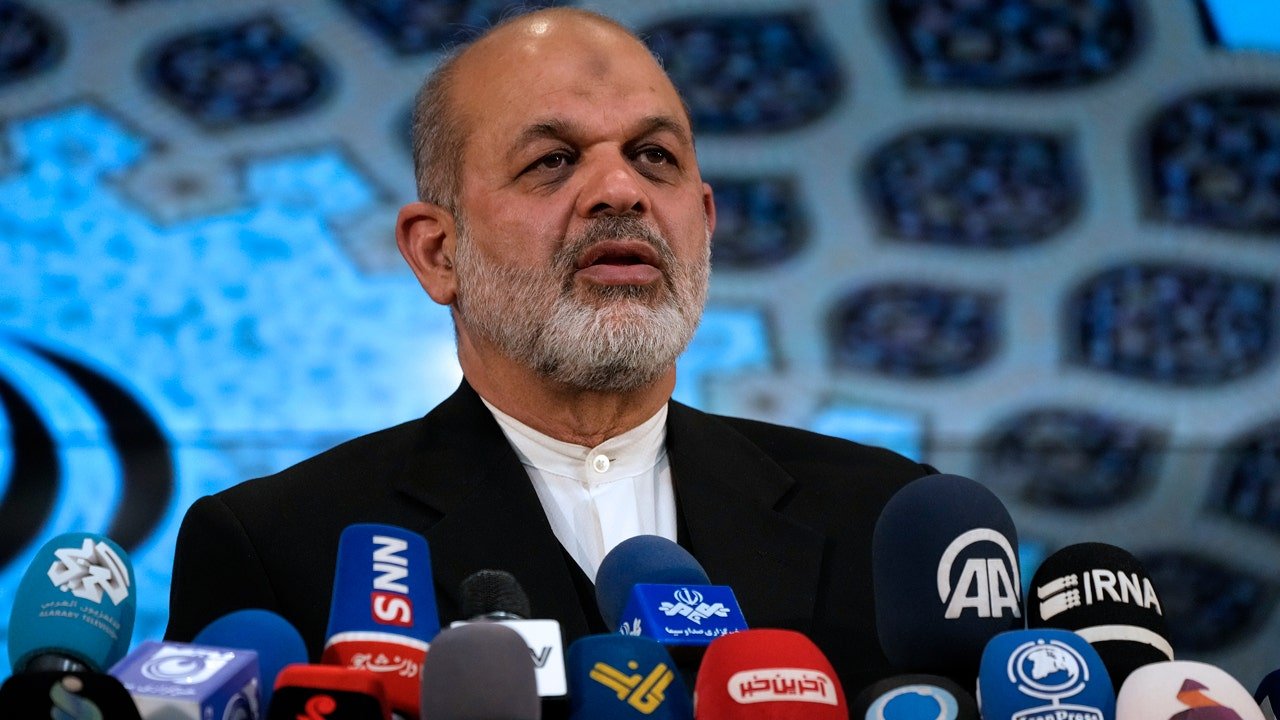
Ahmad Vahidi, recently elevated to the top of the Islamic Revolutionary Guard Corps, the elite paramilitary force within Iran’s military, is emerging as one of the most powerful men in Iran. (Morteza Nikoubazl/NurPhoto)
Power increasingly concentrated outside formal institutions
Vahidi’s rise comes at a moment when Iran’s formal political institutions appear weaker than ever.
Experts describe the Islamic Republic today as a system in which informal networks and personal relationships matter more than official titles.
Behnam Ben Taleblu, senior fellow at the Foundation for Defense of Democracies, described Iran as «a system of men, not laws, but one whose success rested on institutionalizing their power,» where decisions increasingly flow through Revolutionary Guard figures rather than the civilian government.
Beni Sabti, an Iran expert at Israel’s Institute for National Security Studies, said Vahidi may now be even more influential than parliamentary speaker Mohammad Bagher Ghalibaf or even Supreme Leader Ali Khamenei’s son, Mojtaba Khamenei.
«In my view, he is more dominant right now, even if they are coordinated. This is not a time for internal competition,» Sabti said, adding that Vahidi is the only one who meets the new supreme leader face-to-face.
VANCE EN ROUTE TO PAKISTAN FOR HIGH-STAKES IRAN TALKS AS ‘FRAGILE’ CEASEFIRE TEETERS
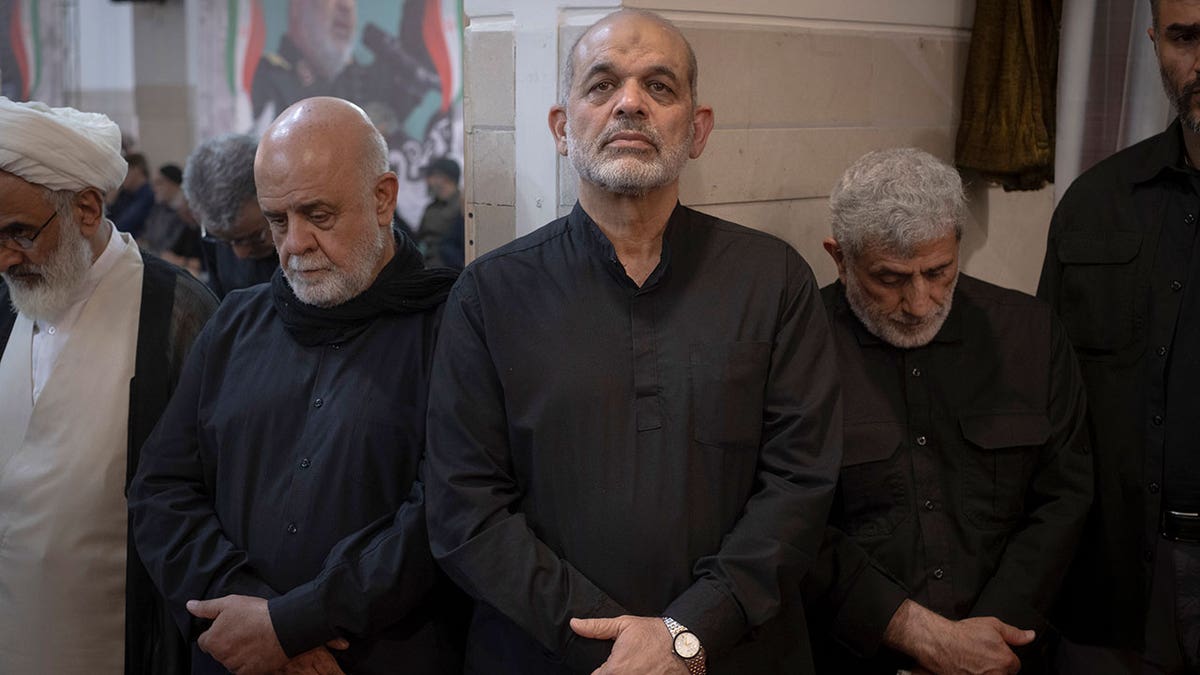
Long before the world knew the name Qassem Soleimani, Vahidi was one of the men who helped build the infrastructure of Iran’s overseas terror operations. (Morteza Nikoubazl/Nur Photo)
He previously led the Quds Force before Qassem Soleimani
Long before the world knew the name Qassem Soleimani, the longtime commander of Iran’s elite Quds Force who was killed in a 2020 U.S. drone strike, Vahidi was one of the men who helped build the infrastructure of Iran’s overseas terror operations.
He served as commander of the Quds Force in the 1990s, before Soleimani took over the elite unit responsible for foreign operations, covert action and support for proxy groups.
Analysts say Vahidi played a central role in building Iran’s network of terrorist allies across the Middle East, particularly in Lebanon.
«Ahmad Vahidi is the embodiment of the Islamic Republic’s most militant wing,» Daftari told Fox News Digital. «As Qassem Soleimani’s predecessor at the Quds Force, he helped build Tehran’s terror infrastructure abroad.»
Sabti said Vahidi was part of the original generation of Iranian operatives who forged ties with militant groups in Lebanon before and after the 1979 Islamic Revolution.
Some accounts suggest he trained in camps linked to Palestinian and Lebanese factions in southern Lebanon, helping lay the foundation for Iran’s alliance with Hezbollah, an Iran-backed terror group, in Lebanon.
Vahidi has been linked by analysts and Western governments to some of the deadliest attacks carried out by Iranian-backed networks over the past four decades.
As the commander of the Quds Force from 1988 to 1998, he has been connected to the 1983 Beirut barracks bombing that killed 241 U.S. service members, the 1996 Khobar Towers attack in Saudi Arabia, and a 2008 attack on the U.S. Embassy in Yemen.
VANCE WARNS IRAN WILL ‘FIND OUT’ TRUMP IS ‘NOT ONE TO MESS AROUND’ IF CEASEFIRE DEAL FALLS APART
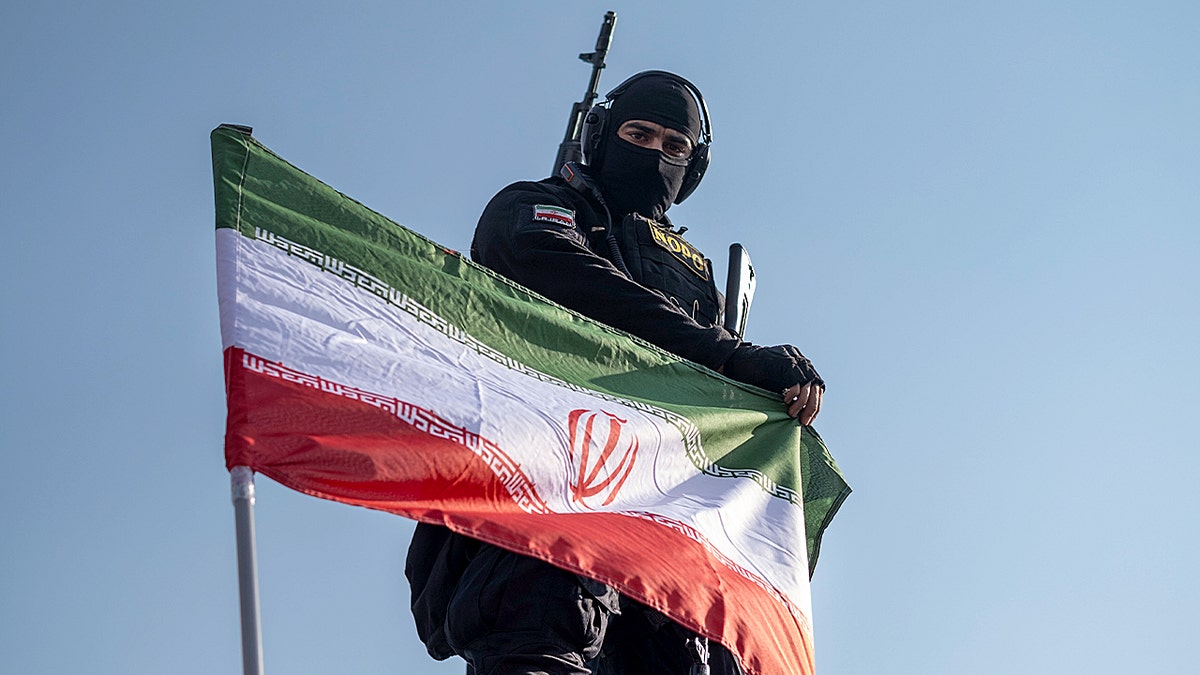
Iran Supreme Leader Ayatollah Mojtaba Khamenei receives protection from elite NOPO force following his father’s assassination in U.S.-Israel attack on Tehran compound Feb. 28. (Morteza Nikoubazl/NurPhoto)
One of the world’s most wanted Iranian officials
Daftari noted that Vahidi «has been implicated by Argentine prosecutors in the 1994 bombing of the AMIA (Asociación Mutual Israelita Argentina) Jewish community center in Buenos Aires.» Eighty-five people were killed in the bombing.
Argentine investigators and courts have also linked Vahidi to the 1992 bombing of the Israeli Embassy in Buenos Aires, although the Interpol red notice against him is specifically for his alleged role in the 1994 AMIA bombing.
In April, Argentina renewed attention on him after its President Javier Milei’s government designated the entire Islamic Revolutionary Guard Corps a terrorist organization and singled out Vahidi by name.
In announcing the move, the Argentine government said that red notices remained in place for several Iranian officials, «among them former Defense Minister Ahmad Vahidi, who was recently appointed to lead the IRGC.»
Vahidi is under multiple layers of sanctions by both the United States and the European Union. The sanctions significantly restrict his ability to travel, move money or do business internationally.
Washington first sanctioned him in 2010 for links to Iran’s nuclear and missile programs. Vahidi was redesignated in 2022 for «being an official of the Government of Iran and being responsible for or complicit in, or responsible for ordering, controlling, or otherwise directing, the commission of serious human rights abuses against persons in Iran or Iranian citizens or residents, or the family members of the foregoing, on or after June 12, 2009, regardless of whether such abuses occurred in Iran.»
He was redesignated by the United States in 2022 under Executive Order 13553 after Mahsa Amini’s death, when he served as interior minister and oversaw the regime’s response to nationwide protests.
Vahidi was sanctioned for orchestrating internet blackouts and directing Iran’s Law Enforcement Command, known as NAJA, during the crackdown, according to the U.S. Treasury.
The European Union first sanctioned him in 2008, and imposed parallel sanctions in 2022 over the use of live ammunition, arbitrary detention of protesters and journalists, and the violent suppression of demonstrations.
Human rights groups accused Iranian authorities of using live fire, mass arrests and torture against protesters, which resulted in more than 30,000 deaths.
Yigal Carmon, founder and president of the Middle East Media Research Institute (MEMRI) warned, «Under his leadership, more such crimes are to be expected in the West against both Jews and non-Jews.»
PAKISTANI GENERAL SAYS IRAN DIPLOMACY STILL ‘ALIVE, DESPITE US BLOCKADE, FAILED TALKS
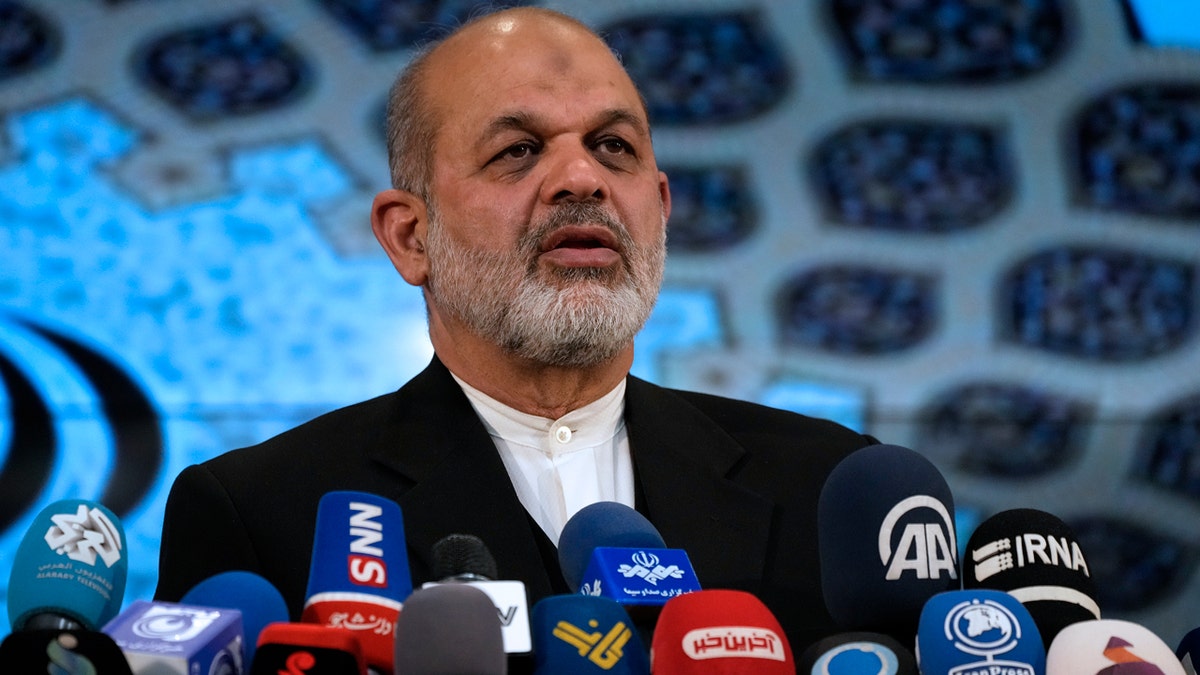
Iran’s Interior Minister Ahmad Vahidi briefs the media on elections in Tehran, Iran, March 4, 2024. Argentina sought the arrest of Vahidi on April 23, 2024, over his alleged involvement in the deadly 1994 bombing of Buenos Aires Jewish community center. (Vahid Salemi/AP)
Analysts say he represents the regime’s most radical faction
Experts say Vahidi is not merely another hardliner, but one of the most extreme figures even within Iran’s already radical ruling elite.
Sabti is warning that Vahidi’s growing influence could make Tehran less likely to agree to a genuine ceasefire.
«He brings even more radicalization into the system and may not want to stop the war, because it serves the interests of the Revolutionary Guards to continue,» Sabti said.
One of the biggest concerns surrounding Vahidi is that even if Iran agrees to a ceasefire, he may see it only as an opportunity to regroup.
That concern has taken on new urgency as Trump’s deadline approaches.
CLICK HERE TO DOWNLOAD THE FOX NEWS APP
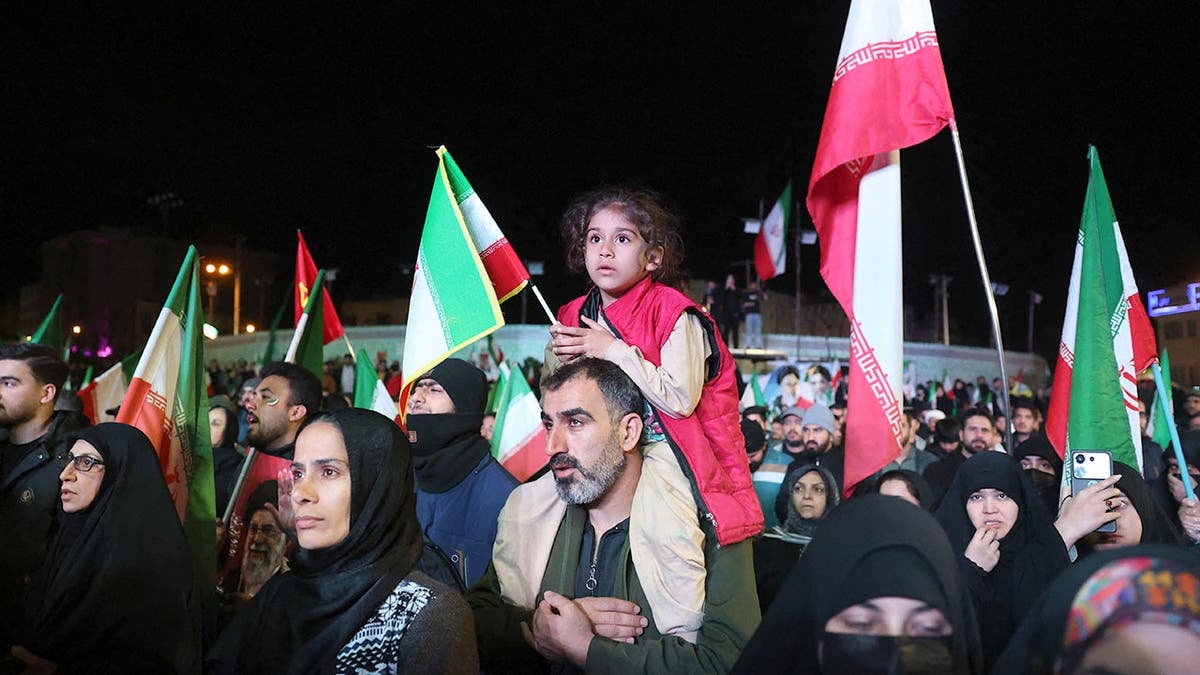
Iranians react after a ceasefire announcement at the Enqelab square, in Tehran, on April 8, 2026. The United States and Iran agreed to a two-week ceasefire Tuesday barely an hour before U.S. President Donald Trump’s deadline to obliterate the rival country was set to expire, with Tehran to temporarily reopen the vital Strait of Hormuz. (AFP via Getty Images)
If Vahidi is indeed the man increasingly calling the shots in Iran, analysts say the key question is not whether Iran wants a ceasefire, but whether the Revolutionary Guard commander believes continued confrontation better serves his interests.
Carmon said, «Trusting him is a grave mistake. He belongs to the hard ‘DEATH TO AMERICA’ corps.»
Iran’s mission to the United Nations declined to comment.
war with iran, mojtaba khamenei, middle east foreign policy, ali khamenei, terrorism, iran










INTERNACIONAL
Mamdani repeatedly sidesteps questions on reported plan to revive tax hikes on wealthy New Yorkers
NEWYou can now listen to Fox News articles!
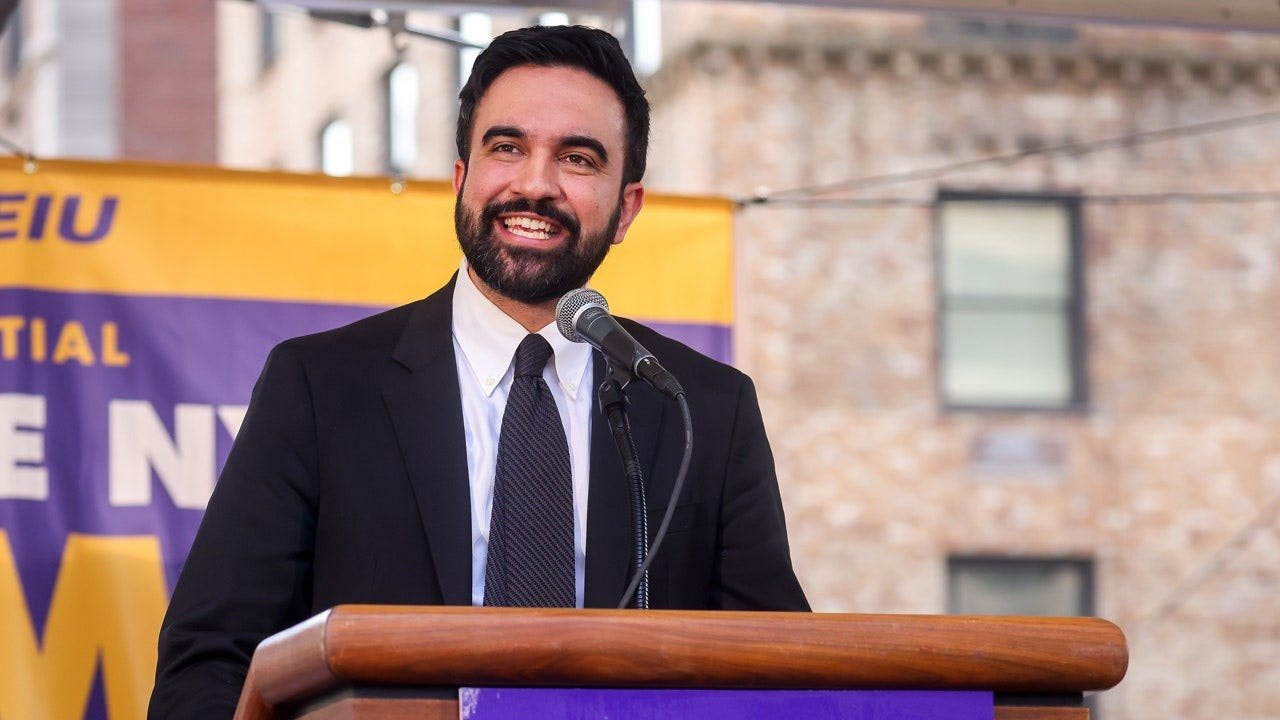
New York City democratic socialist Mayor Zohran Mamdani repeatedly sidestepped questions Thursday about reported plans to launch a public pressure campaign this fall pushing tax hikes on wealthy New Yorkers and corporations.
Mamdani reportedly plans to build public support after Labor Day for similar proposals that Gov. Kathy Hochul previously rejected in early 2026. The reported push is expected ahead of the New York Legislature’s return to Albany in January 2027 and Hochul’s re-election campaign this fall, according to The New York Post.
During an interview with Fox 5 New York, Mamdani repeatedly declined to answer questions about the potential campaign before later saying such discussions would only come after the November election.
Asked whether he had spoken with Hochul about the reported campaign, Mamdani did not answer directly, instead using the opportunity to tout the opening of 2,000 free child care seats for New Yorkers through their policy efforts.
NYC MAYOR MAMDANI CALLS THREAT OF RICH PEOPLE LEAVING NYC OVER TAXES ‘IMAGINED’
Mayor Zohran Mamdani speaks to reporters about the city’s finances during a news conference in New York, Tuesday, Feb. 17, 2026. (Seth Wenig/AP Photo)
«The governor and I are in constant communication and, frankly, I appreciate her partnership because if it wasn’t for the governor, then we wouldn’t have been able to stand together to announce that we had more than 5,000 New Yorkers come forward to apply for these 2,000 free child care seats,» he said. «And I’m so excited about that, and the fact that we’re going to expand to 12,000, and the work that’s still to come.»
The reporter then pressed Mamdani on whether the Democratic Socialists of America would join the potential campaign this fall, but he again declined to answer directly, saying his focus remains on the present.
BERNIE SANDERS, DSA REVEAL DEMANDS FOR DEM PARTY AFTER SOCIALISTS SWEEP NEW YORK ELECTIONS
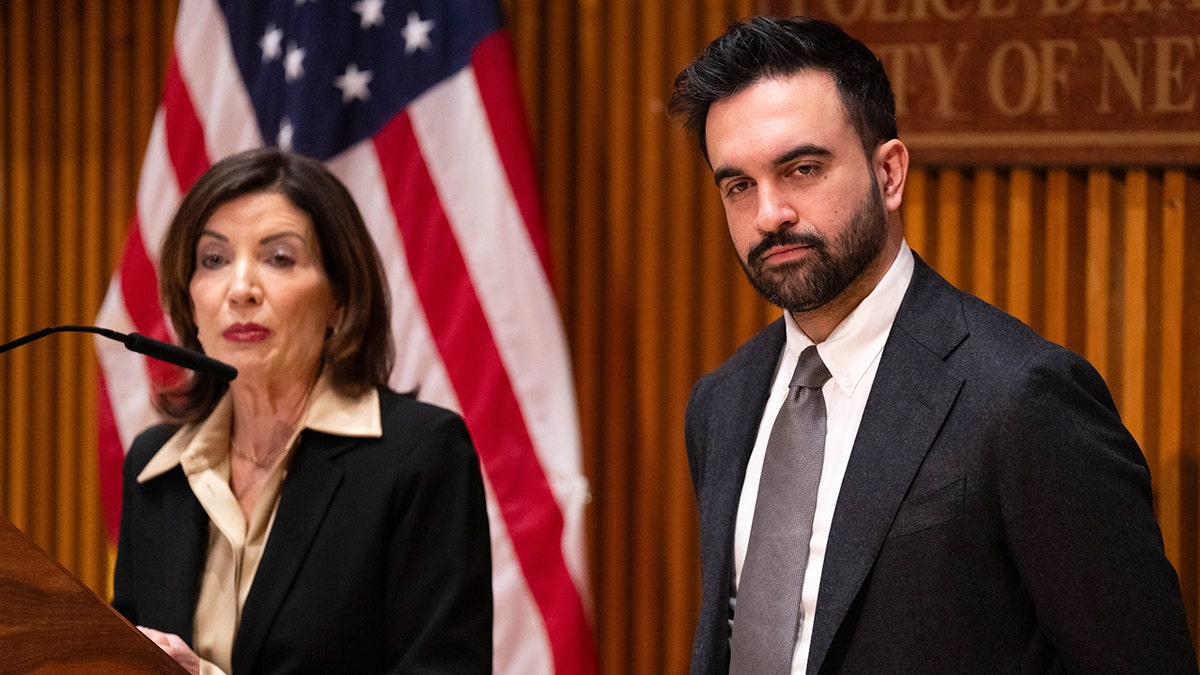
Kathy Hochul, governor of New York, left, and Zohran Mamdani, mayor of New York, speak during an announcement in New York, US, on Tuesday, Jan. 6, 2026. (Adam Gray/Bloomberg via Getty Images)
«My focus right now is where we are, which is August, and ensuring that everything that we’re doing is keeping New Yorkers safe amidst a heat wave and preparing for the school year,» Mamdani said. «A lot of the conversation about what comes after November, I think, is a conversation for what comes after November.»
«So you don’t plan to launch a campaign to tax the rich before the November election?» the reporter asked.
«The conversations I’ve been having with the governor and with my team are about the here and now and there will always be time for the conversations that come after that,» Mamdani said.
MAMDANI EXTENDS DEADLINE FOR NYC HOMEOWNERS TO SEEK EXEMPTION FROM NEW PIED-À-TERRE TAX
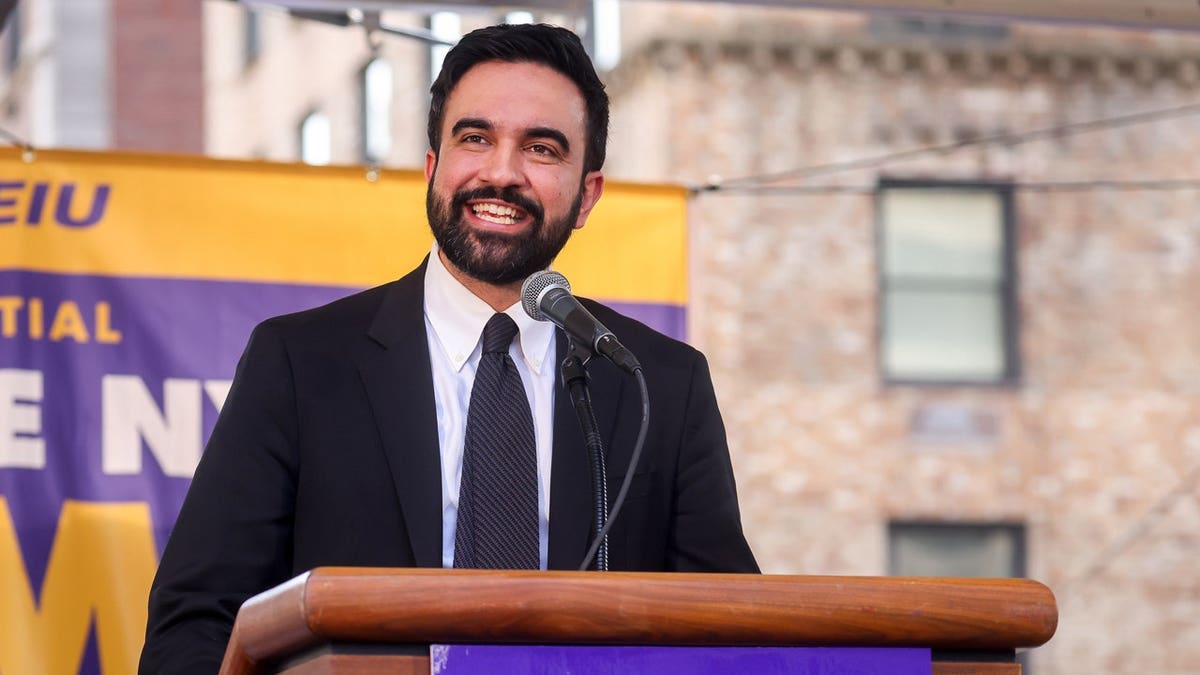
New York City Mayor Zohran Mamdani previously backed a proposal to tax luxury second homes owned by non-residents, targeting ultra-wealthy property owners. (Michael Nagle/Bloomberg via Getty Images)
The reported campaign would revive a previous push by Mamdani to close the city’s multibillion-dollar budget gap through tax increases, a proposal Hochul previously rejected. Mamdani’s earlier plan called for raising the city’s personal income tax rate on filers earning $1 million or more, a move he projected could generate roughly $3 billion annually, while also increasing corporate tax rates.
As an alternative, Hochul and Mamdani jointly advanced the state’s first pied-à-terre tax, an annual surcharge on certain high-value second homes, which passed in May 2026. State and city officials have projected the measure could raise about $500 million annually.
Mamdani also said his May 2026 executive budget closed what his administration described as an inherited $12 billion budget gap, crediting aggressive savings, new investments, his partnership with Albany and new tax revenue, including the pied-à-terre tax.
Mamdani’s office did not immediately respond to a request for comment from Fox News Digital.
zohran mamdani, new york city, elections state and local, taxes, kathy hochul
INTERNACIONAL
Fiscalía prepara escrito de acusación para audiencia intermedia y cierra investigación contra exvicepresidente panameño José Gabriel “Gaby” Carrizo
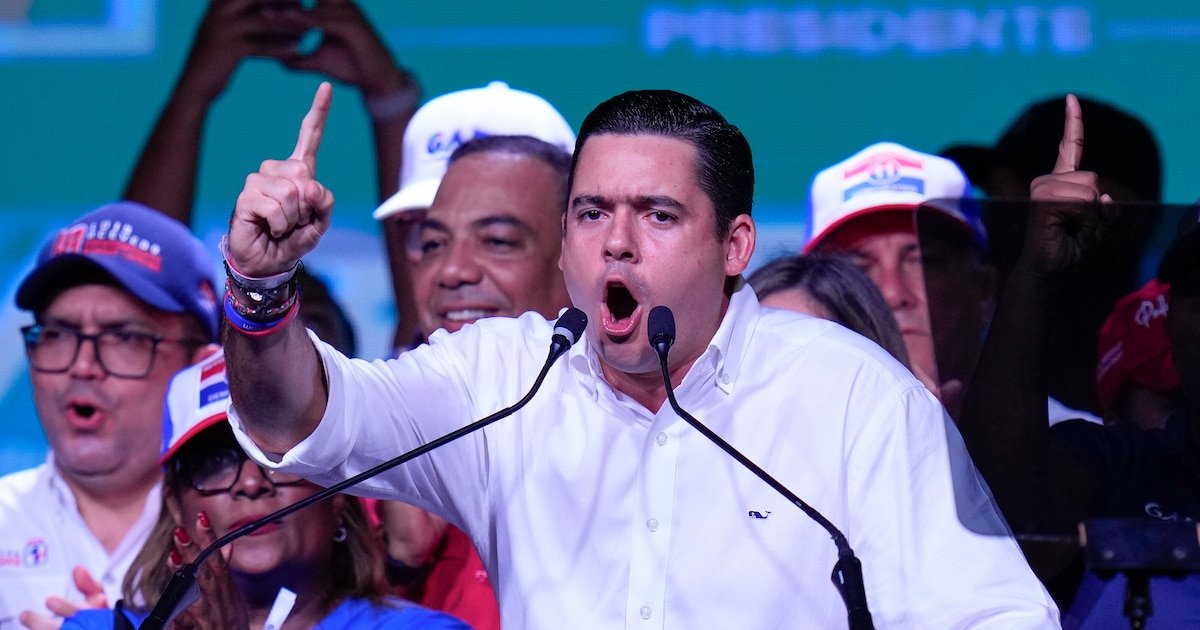
El Ministerio Público de Panamá se encuentra en la etapa decisiva del caso contra José Gabriel “Gaby” Carrizo, exvicepresidente de la República (2019-2024) y excandidato presidencial.
El proceso, que investiga el presunto delito de enriquecimiento injustificado agravado, avanza tras el cierre formal de la investigación, lo que obliga a la Fiscalía Anticorrupción a presentar un escrito de acusación para su revisión judicial.
La defensa de Carrizo, representada por el abogado Víctor Orobio, confirmó a TVN que había recibido la notificación oficial sobre el cierre de la investigación.
“Ya nos notificaron del cierre de la investigación. Estamos esperando la presentación del escrito de acusación y de la fecha de la audiencia intermedia”, detalló Orobio.
El cierre de la investigación responde a la expiración del plazo legal para las pesquisas, después de que los tribunales rechazaran la solicitud fiscal de extender el periodo bajo la figura de “investigación compleja”.

Por tanto, la Fiscalía Anticorrupción debe ahora solicitar formalmente la audiencia y presentar el escrito de acusación, en el que se expondrán los hechos, la calificación jurídica y las pruebas reunidas.
Posteriormente, la defensa tendrá la oportunidad de contestar e introducir sus propias pruebas para la audiencia intermedia.
La causa se originó tras un informe de la Contraloría General de la República, que identificó un supuesto incremento patrimonial injustificado de Carrizo por $1,9 millones durante su gestión pública.
Como consecuencia, el contralor Anel “Bolo” Flores dispuso en noviembre de 2025 el secuestro de bienes y cuentas bancarias pertenecientes al exvicepresidente hasta por $1,3 millones.
El secuestro de bienes, anunciado públicamente el 6 de noviembre, se implementó, según se dijo, como medida cautelar para asegurar fondos en caso de una eventual condena y resarcimiento al Estado panameño.

La decisión de la Contraloría, bajo la gestión de Flores, intensificó la presión sobre Carrizo, quien ya era objeto de dos investigaciones distintas por presuntas irregularidades durante su periodo como vicepresidente entre 2019 y 2024.
La intervención de la Contraloría en este caso marcó la segunda ocasión en la que se aplica una medida similar contra un miembro de alto perfil del Partido Revolucionario Democrático (PRD).
Esta reiteración provocó en su momento especulaciones y aumentó la controversia pública sobre la transparencia y la gestión de los recursos estatales.
El presunto enriquecimiento injustificado constituye una infracción que afecta de manera directa la confianza ciudadana en las instituciones públicas.
Las autoridades buscan determinar si Carrizo obtuvo ventajas económicas ilícitas aprovechando su cargo, un aspecto central para la integridad de la función pública.

La medida de secuestro de bienes tiene como finalidad principal garantizar la posibilidad de reparación al Estado en caso de condena. Los bienes afectados permanecerán bajo custodia judicial hasta que se resuelva el caso en las instancias correspondientes.
El caso de Carrizo se suma a una cadena de escándalos que han sacudido el escenario político panameño, profundizando el malestar social y la desconfianza en la administración pública.
La lucha contra la corrupción se impone como un reto permanente para Panamá, que requiere acciones decididas de todos los sectores para fortalecer el Estado de derecho y la gobernabilidad.
El desenlace del proceso judicial contra el exvicepresidente será determinante para definir el alcance real de la política anticorrupción en el país y marcará un precedente sobre la responsabilidad de los altos funcionarios en la gestión de los recursos públicos.
INTERNACIONAL
Trump-backed incumbent loses primary after super PAC bankrolled by Dems meddled in race
NEWYou can now listen to Fox News articles!
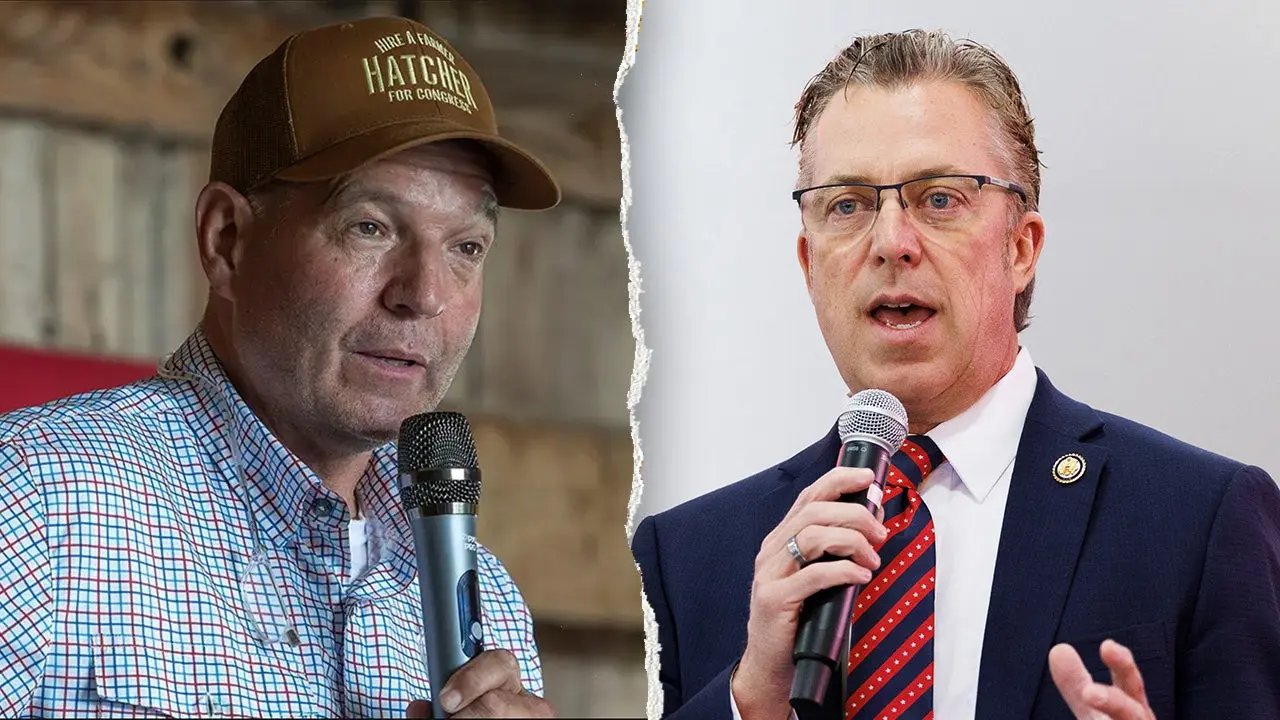
Rep. Andy Ogles, R-Tenn., was defeated in a primary challenge on Thursday evening by Republican challenger Charlie Hatcher, a farmer and the state’s former commissioner of agriculture.
Although the primary was far from a top-watched contest coming into the 2026 primaries, it served as a microcosm of larger forces at play in the Republican Party. From a break in endorsements between President Donald Trump and Tennessee’s Republican Governor Bill Lee to millions being pumped into the district over environmental policy, the race attracted attention well beyond its borders.
The Invest in Tomorrow Coalition super PAC had spent roughly $2 million opposing Ogles and supporting Hatcher. The group has raised $6.7 million this year, making Ogles a sizable portion of their spending this cycle.
TOP TRUMP ALLY WARNS SUPER PAC BANKROLLED BY DEM BILLIONAIRE IS MEDDLING IN GOP PRIMARY
Charlie Hatcher, Republican candidate for Congress, left, pictured next to incumbent Rep. Andy Ogles, R-Tenn., right. (USA TODAY Network via Reuters Connect; Brett Carlsen/Getty Images)
The way that Ogles sees it, it’s an attempt to show Republicans what happens when lawmakers attempt to claw back government funding for renewable energy sources.
Like many other Republicans, Ogles has called to scale back renewable energy investments made under the Biden Administration.
«When you have a group spending roughly $2 million in a Republican primary, that tells you how much money they’re making off of government subsidies, and they’re upset that the government welfare has been taken away from them,» Ogles told Fox News Digital in an interview.
A Fox News Digital review of FEC filings discovered that the super PAC is bankrolled by Chris Larsen, the California-based billionaire chairman of Ripple, a financial technology company that, according to its website, offers crypto solutions for businesses.
Larsen is also a frequent Democratic donor, having contributed $5,444,975 to support Kamala Harris’s failed presidential campaign.
More than just his opposition to government-backed renewable energy initiatives, Ogles thinks it’s his proximity to Trump that has made him a target.
«It’s because I’m close to the president. It is because I am outspoken. And quite frankly, it is because I speak plainly on these issues,» Ogles said.
GOP GOVERNOR ENDORSES CANDIDATE CHALLENGING TRUMP-BACKED CONGRESSMAN IN REPUBLICAN US HOUSE PRIMARY
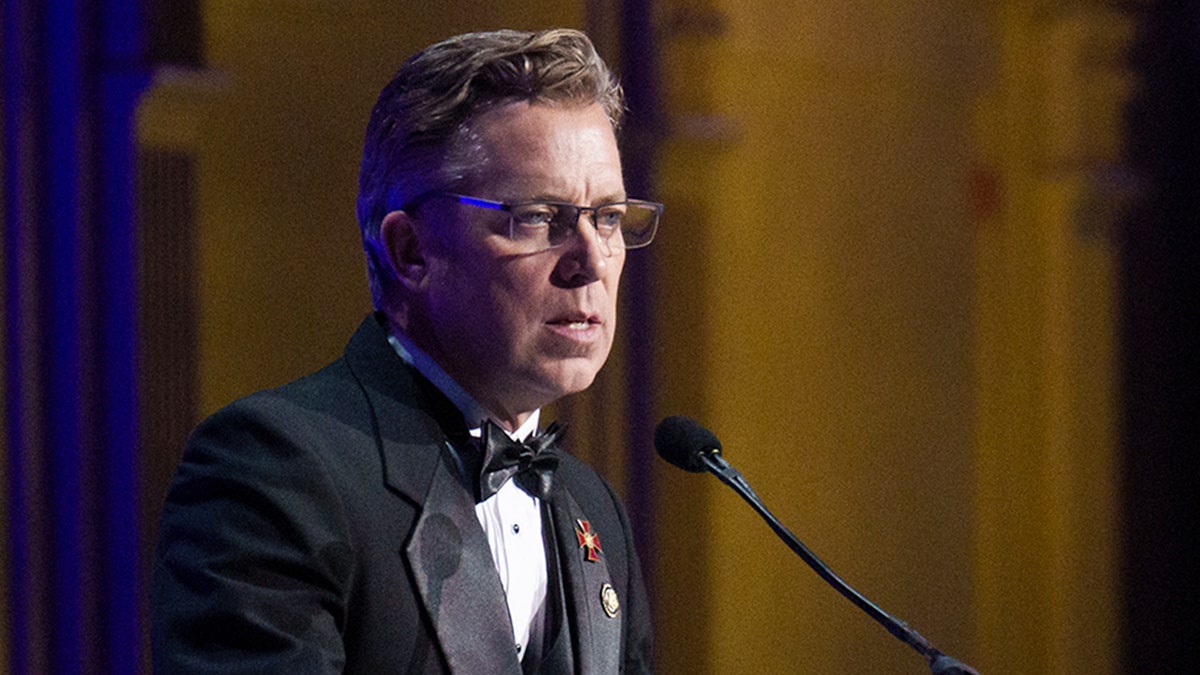
Rep. Andy Ogles (R-TN) addresses the New York Young Republican Club’s 113th Annual Gala at Cipriani Wall Street on December 13, 2025 in New York City. (Adam Gray/Getty Images)
For his own part, Hatcher, a fifth-generation Tennessee dairy farmer, has pitched himself as someone unencumbered by the political scene and ensnaring interests.
«I think there’s something missing in Washington. There’s a lack of farmer common sense. There’s a lack of work ethic. One of my strengths is problem-solving, looking for solutions, looking for collaborations and supporting the Trump Administration and Speaker Johnson on their agenda,» Hatcher said in a campaign video.
Notably, Tennessee’s Republican governor put his weight behind Hatcher late on Tuesday evening, citing a personal relationship between them.
«He served as my commissioner of agriculture; I know Charlie. I know his conservative values and how much he loves our country. Charlie has stood with President Trump since day one,» Lee said in a video.
Trump, who has endorsed Ogles, reaffirmed his support for the conservative firebrand ahead of the primary.
«Andy will be really enshrined as one of the best congressmen that you’ll ever see. He’s just fantastic,» Trump said. «Andy has always been there when we needed him and when I needed him. He’s been a great help. He’s been a source of inspiration to a lot of people in Congress,» Trump said in a post to Truth Social earlier this year.
TENNESSEE PASSES NEW CONGRESSIONAL MAP LIKELY TO FLIP FINAL DEM SEAT AS PROTESTS ERUPT INSIDE CAPITOL
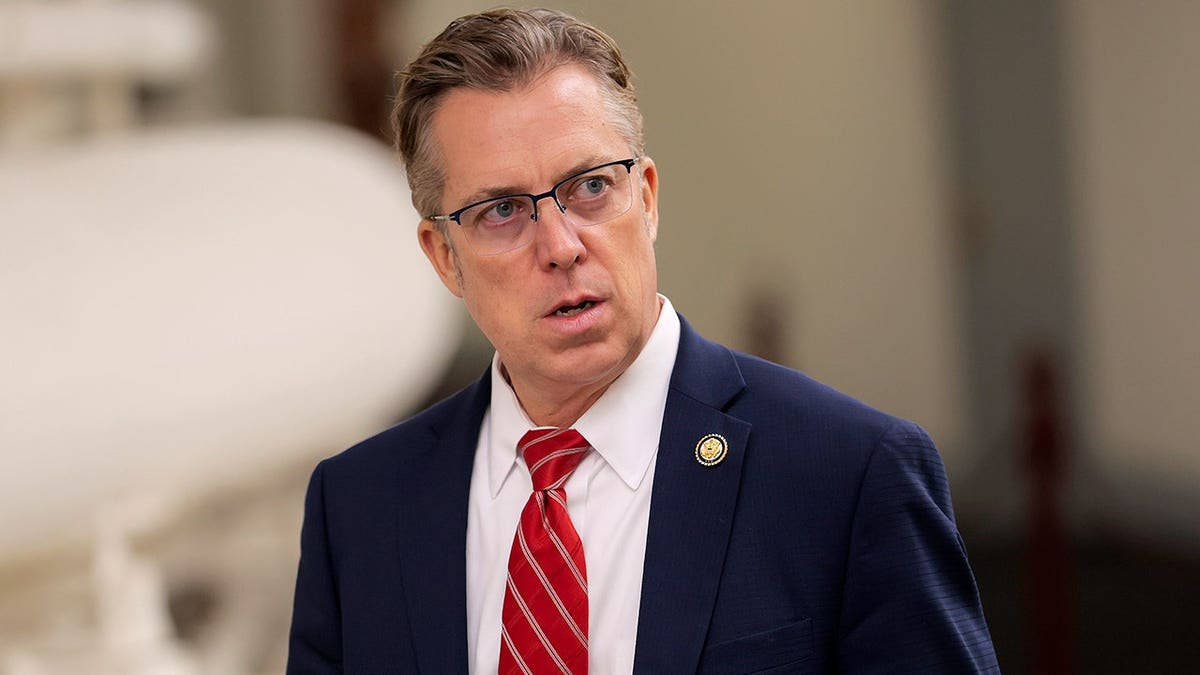
Rep. Andy Ogles, R-Tenn., walks through the U.S. Capitol on February 03, 2026 in Washington, D.C. (Heather Diehl/Getty Images)
Having captured the Republican nomination, Hatcher now advances to a general election he’s heavily favored to win on Nov. 3. He won re-election in 2024 in a 56.9% to 39.5% victory over Maryam Abolfazli.
politics, campaigning, tennessee

Wild Blue Skies, juego inspirado en Star Fox, y más títulos se han confirmado para Nintendo Switch / Nintendo Switch 2 – Nintenderos

La crisis política de Misiones se trasladó al Senado y podría complicar al Gobierno nacional

Mamdani repeatedly sidesteps questions on reported plan to revive tax hikes on wealthy New Yorkers

La Corte Suprema rechazó los planteos de una comunidad Mapuche y habilitó avanzar con desalojos en Villa La Angostura

Independiente Rivadavia vs Estudiantes (RC): formaciones, hora y dónde ver por tv

El nuevo nuncio apostólico inició su actividad con una misa en la Catedral y un mensaje del Papa

Javier Milei cruzó a Victoria Villarruel y elevó la tensión: “Es una opositora, replica los argumentos kirchneristas”

Dólar hoy en vivo: a cuánto se negocian todas las cotizaciones minuto a minuto este miércoles 5 de agosto

La oposición cuestionó a Benegas Lynch por su empresa para vender campos a extranjeros y el senador libertario se defendió

Inédito boicot a un decreto para bajar costos portuarios: el Gobierno envió intimaciones con Prefectura
-
 ECONOMIA2 días ago
Dólar hoy en vivo: a cuánto se negocian todas las cotizaciones minuto a minuto este miércoles 5 de agosto
-
 POLITICA7 horas ago
La oposición cuestionó a Benegas Lynch por su empresa para vender campos a extranjeros y el senador libertario se defendió
-

 POLITICA2 días ago
Brasil retira a su embajador en la Argentina: qué consecuencias tiene la medida diplomática