INTERNACIONAL
‘Smart decision’: Swalwell’s resignation spurs praise from both parties after bombshell allegations emerge

NEWYou can now listen to Fox News articles!
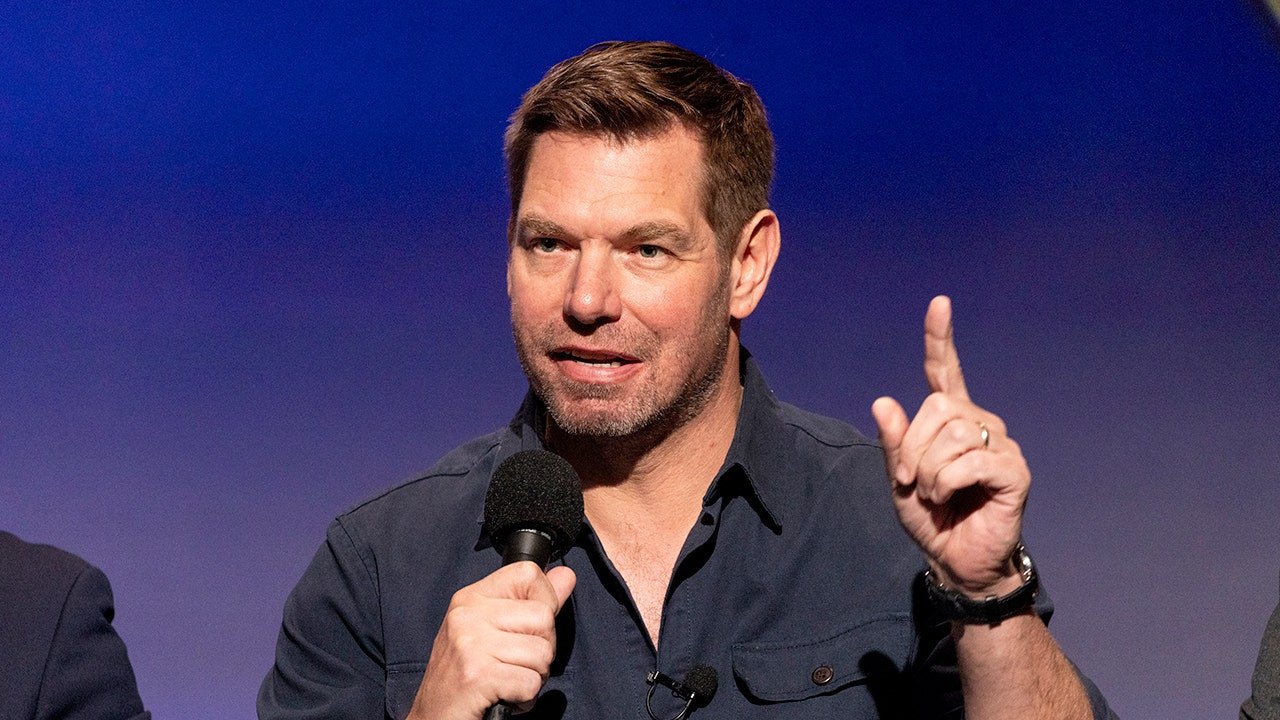
Rep. Eric Swalwell, D-Calif., announced he was planning to resign from Congress following sexual misconduct allegations, leading top Senate Democrats like Sen. Elizabeth Warren, D-Mass., to praise the decision.
Meanwhile, Republicans are questioning how much top Democrats knew before the final ball dropped Monday with Swalwell’s resignation, which came just days after he suspended his California gubernatorial campaign.
Swalwell said Monday that he was «deeply sorry» to his family, staff and constituents for his «mistakes,» but stood headstrong in calling the sexual misconduct and abuse allegations against him «false.»
«I am aware of efforts to bring an immediate expulsion vote against me and other members,» Swalwell said in his announcement. «Expelling anyone from Congress without due process, within days of an allegation being made, is wrong. But, it’s also wrong for my constituents to have me distracted from my duties. Therefore, I plan to resign my seat in Congress.»
SWALWELL CAMPAIGN SETS OFF ALARM BELLS AFTER ACCEPTING $25K DONATION FROM CCP-TIED LAWYER: ‘OUTRAGEOUS’
Sen. Elizabeth Warren, a Democrat from Massachusetts, speaks during a Senate Armed Services Committee confirmation hearing in Washington, Jan. 14, 2025. (Al Drago/Bloomberg via Getty Images)
«It was a good decision,» added Sen. Peter Welch, D-Vt., when asked about Swalwell’s resignation. «You don’t have to be a rocket science to figure that out. It’s terrible – what has been alleged.»
Sen. Alex Padilla, D-Calif., reportedly told CNN that he thought Swalwell made the right decision.
Swalwell’s decision to resign keeps Democrats from having to vote on a contentious resolution to expel Swalwell, which was expected to happen if he had not resigned.
«With a criminal investigation in the works, the move will avoid the need to answer questions immediately in an ethics investigation that might present legal dangers,» George Washington University professor and Fox News legal analyst Jonathan Turley pointed out. «Few defense attorneys would relish a client responding to an open-ended ethics investigation when the outcome seems likely expulsion.»
When asked whether she had requested Swalwell resign, Pelosi reportedly responded, «Oh, I think that was his decision. I think it’s a smart decision to make,» according to Politico reporter Riley Rogerson.
Furthermore, when asked whether she had any previous idea about the sexual misconduct allegations, Pelosi responded, «none whatsoever,» Rogerson also noted. Sen. Ruben Gallego, D-Ariz., a longtime friend and colleague of Arizona who faced heat for defending him, said minutes before Swalwell’s resignation that he «had no knowledge of the allegations of assault, harassment, and predatory behavior against Eric Swalwell.»
‘USEFUL PUPPET’: ERIC SWALWELL IN THE HOT SEAT AFTER TRAVELING TO DOHA ON SEVERAL QATAR-SPONSORED TRIPS
Warren, who ran against Swalwell during the pairs’ bids for the presidency, said she is «glad that [Swalwell] will be gone,» adding that «people who are in positions of power and authority over others need to be held accountable when they take advantage of that position.»
Within an hour after Swalwell’s announcement that he would resign, one of Swalwell’s colleagues in the House of Representatives, Rep. Tony Gonzalez, R-Texas, followed suit and resigned as well amid similar allegations of sexual improprieties.
«There is a season for everything and God has a plan for us all. When Congress returns tomorrow, I will file my retirement from office. It has been my privilege to serve the great people of Texas,» Gonzales said.
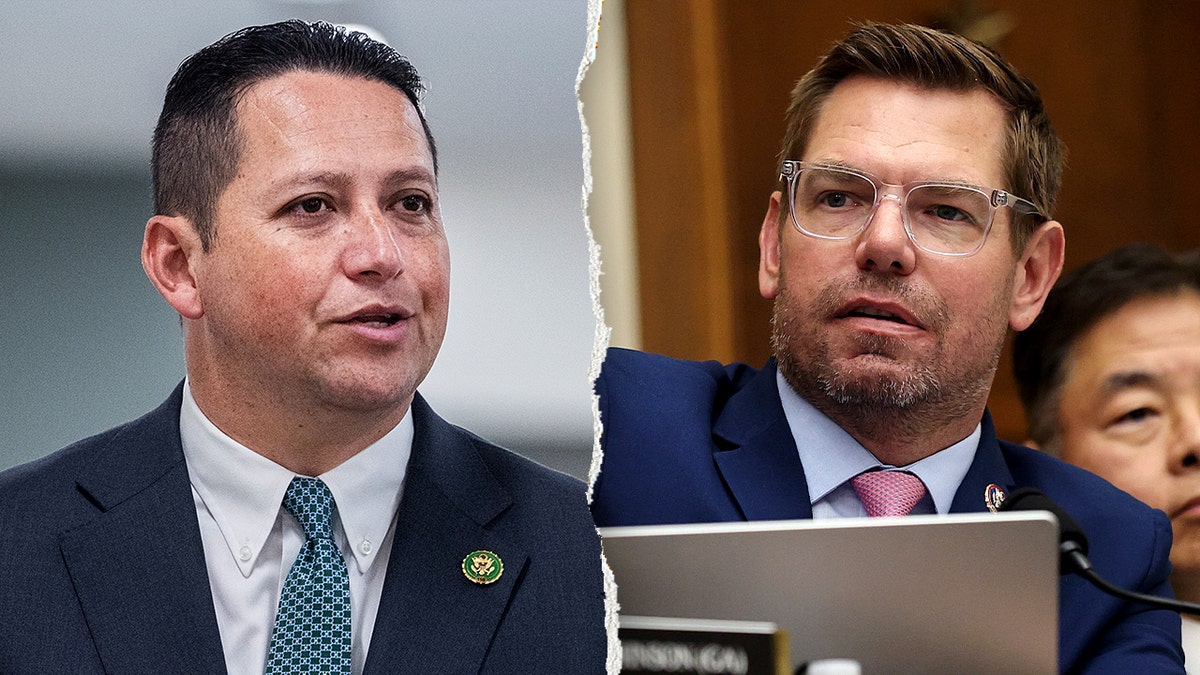
Reps. Tony Gonzales, R-Texas, and Eric Swalwell, D-Calif., have both been embroiled in sexual misconduct allegations from accusers. (Tom Williams/CQ-Roll Call, Inc; Photo by Win McNamee/Getty Images )
Gonzalez last month said he would not run for reelection, so it is uncertain what may change. If Gonzalez and Swalwell left tomorrow, the slim margin in the House between Republicans and Democrats would not change.
Republican reactions to Swalwell’s resignation Monday mirrored the praise from Democrats. Republican frontrunner in the California gubernatorial race Steve Hilton also slammed «career politicians» for letting Swalwell «get away with it.»
«Of course Eric Swalwell had to drop out of the California governor’s race. The question is, why was he ever in it, knowing he had all this going on?» Hilton told Fox News Digital.
«First smart thing he’s done,» said Rep. Nancy Mace, R-S.C., who added that Gonzales «needs to follow his lead» right before he actually did.
«Eric, you did the right thing by resigning. However, don’t you dare say there weren’t grounds for your expulsion, because there absolutely were,» Rep. Anna Paulina Luna, R-Fla., said after Swalwell’s announcement he would be resigning. «He made the correct decision, but there still needs to be a full-fledged criminal investigation. Based on what I’m hearing, he may go to jail.»

Rep Swalwell plays basketball in pool during 2025 government shutdown. (Eric Swalwell via X)
CLICK HERE TO GET THE FOX NEWS APP
Other Republicans questioned how much Democrats knew before the allegations of sexual misconduct became public against Swalwell.
«The mainstream media doesn’t attack a Democrat unless it helps a separate Democrat. It’s axiomatic. The Swalwell episode proves that in technicolor,» John Ashbrook, a co-host of the «Ruthless» podcast told Fox News Digital. «If he wasn’t jeopardizing their party’s ability to hold the California Governor’s mansion, none of them would have said a word.»
«Eric Swalwell should’ve been removed from Congress long ago, yet Democrats rallied around him over and over even after it was shown he was compromised by a Chinese spy,» added Republican strategist Mark Bednar, who has worked for former Speaker Kevin McCarthy and current Transportation Secretary and former Congressman Sean Duffy. «The real questions for Democrats close to him are what did they know, when did they know it, and will they question then-Speaker Pelosi’s judgment regarding Swalwell’s committee assignments?»
Hilton echoed Bednar’s questions about how much top Democrats knew.
«Machine politicians and unions that endorsed Swalwell and threw money at him — they knew about his past. It was an open secret on Capitol Hill and Sacramento. Nancy Pelosi, Adam Schiff, the teacher unions, SEIU — they are all totally full of it with their fake outrage and condemnation,» Hilton told Fox News Digital. «California is ruled by a corrupt Democrat elite that is collapsing into chaos, sleaze and scandal. That’s why the Swalwell stand-ins that they send to run against me in the general election, whether it’s Katie Porter or Tom Steyer, will be no better.»
eric swalwell, congress, house of representatives politics, democrats senate, democratic party, politics











NEWYou can now listen to Fox News articles!
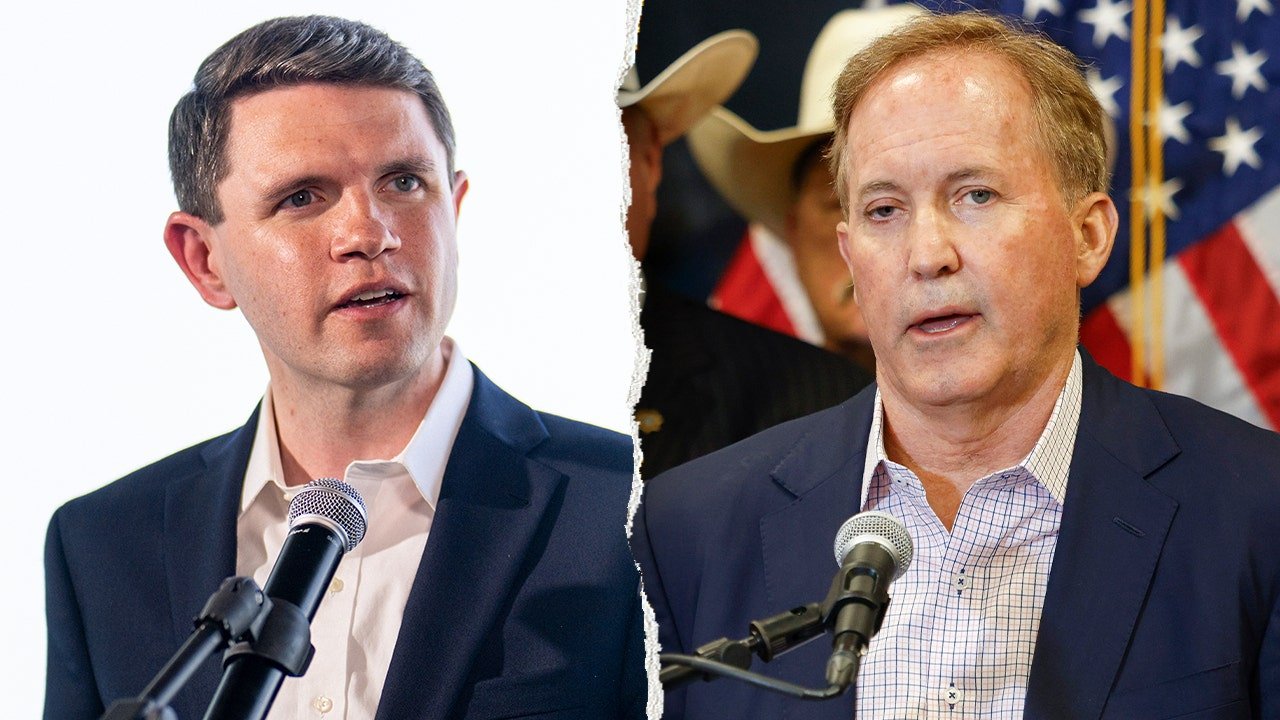
President Donald Trump won the Lone Star state by nearly 14 percentage points in 2024, but a new Fox News Poll of Texas registered voters suggests this year’s Senate race is far less settled. Republican Senate candidate Ken Paxton has yet to fully unify the GOP, despite the president’s endorsement in the GOP primary against incumbent Senator John Cornyn.
In addition, more voters are concerned Paxton lacks the character to serve than worry Democratic challenger James Talarico is too extreme, and more Democrats than Republicans are extremely motivated to vote (by 7 points) and extremely interested in the midterms (by 6).
Those dynamics give Talarico a 3-point edge over Paxton (51% vs. 48%) in the Senate contest (within the survey’s margin of sampling error).
Talarico’s advantage in the horserace grows to 6 points among both extremely motivated and extremely interested voters (53% vs. 47% in each group).
Most independents (68%) and virtually all Democrats support Talarico (98%), while fewer Republicans are unified behind Paxton (89%).
In part, that’s because one quarter of non-MAGA Republicans back Talarico (24%).
Paxton is the choice among White evangelical Christians, White men without a college degree, rural voters, regular worship attenders, men, and voters ages 65+.
Some of Talarico’s best groups are Black voters, moderates, voters under age 30, Hispanic voters, women, and voters with a college degree.
FOX NEWS POLL: DEMOCRATIC ENTHUSIASM SHAPES NORTH CAROLINA SENATE RACE
«Although Paxton dominated Cornyn in the GOP primary, that bruising contest left scars,» says Republican pollster Daron Shaw, who conducts Fox News polls with Democrat Chris Anderson. «He has considerable work to do with non-MAGA Republicans and independents, and that undoubtedly requires aggressively tying Talarico to the Democratic Party’s far left.»
By a 12-point margin, more voters are concerned Paxton lacks the character to serve as a senator than believe Talarico is too extreme (59% vs. 47%).
Twice as many Republicans are concerned about Paxton’s character as Democrats are that Talarico is too extreme (36% vs. 17%).
FOX NEWS POLL: COOL YOUR SERVERS! VOTERS REJECT DATA CENTERS
Still, about 8 in 10 Paxton and Talarico supporters say their backing is more about where the candidates stand on the issues than who they are as people.
Trump received a 55% favorable vs. 44% unfavorable rating in the 2024 Texas Fox News Voter Analysis (FNVA) election survey. Today, those numbers have flipped: 45% favorable vs. 54% unfavorable, for a -9 net negative rating.
Paxton garners a -6 net personal rating, 45% favorable vs. 51% unfavorable, while Talarico is in positive territory by 6 points, 49% vs. 43%.
Talarico is more popular than the Democratic Party while the GOP edges out Paxton.
While both parties are viewed negatively, the GOP is underwater by only 2 points (48% favorable vs. 50% unfavorable), compared with the Democratic Party at -9 (45% vs. 54%).
Despite Texas being a border state, nearly 4 in 10 say inflation will be the most important issue to their Senate vote, while 2 in 10 say immigration, and 1 in 10 say healthcare, political divisions, and unemployment.
By more than a 2-to-1 margin, Texas voters say they are falling behind financially rather than getting ahead (35% vs. 16%). Half are holding steady.
In the governor’s race, incumbent Republican Gov. Greg Abbott is favored by 1-point over Democrat Gina Hinojosa.
Part of Abbott’s edge comes from a touch more crossover support: 12% of Talarico supporters back Abbott, while 9% of Paxton supporters back Hinojosa.
Hinojosa has the advantage among extremely motivated (+6) and extremely interested voters (+5).
Abbott has a net positive personal rating by a single point (50% favorable vs. 49% unfavorable). Hinojosa is in positive territory by 11 points (45% vs. 34%), although nearly 1 in 5 are unable to rate her.
Texas last elected a Democratic governor in 1990 (Ann Richards), a Democratic Senator in 1988 (Lloyd Bentsen), and a Democratic presidential candidate in 1976 (Jimmy Carter).
A closer look at the Hispanic electorate
Hispanic voters say their Senate pick will be driven by inflation, as roughly 4 in 10 say it will be the most important issue to their vote and another 4 in 10 say they’re falling behind financially. This mostly matches views among all Texas voters.
And as is the case with voters overall, there is an enthusiasm gap, as more Hispanic Democrats than Hispanic Republicans are interested and motivated to vote in the midterms.
Overall, Hispanic voters prefer Talarico by 18 points (59% vs. 41%).
Some 9% of Hispanic GOP voters crossover to support Talarico while 5% of Hispanic Democrats favor Paxton.
In 2024, Trump topped former Vice President Kamala Harris among Hispanic voters in Texas by 1 point, according to the Texas FNVA survey (49% Harris vs. 50% Trump).
By 20 points, more Hispanic voters are concerned that Paxton lacks the character to serve as senator than feel Talarico is too extreme (61% concerned vs. 41%).
For the governor’s race, Hispanic voters back Hinojosa by 16 points in the new survey. By comparison, they preferred Beto O’Rourke over Abbott by 14 points in 2022.
More than half of Hispanic voters view Talarico (57% favorable), Hinojosa (53%), and the Democratic Party (53%) positively, while more than half have negative views of Paxton (56% unfavorable), Abbott (56%), Trump (61%), and the Republican Party (59%).
Conducted July 23-27, 2026, under the direction of Beacon Research (D) and Shaw & Company Research (R), this Fox News survey includes interviews with a sample of 1,006 Texas registered voters randomly selected from a statewide voter file. Respondents spoke with live interviewers on landlines (72) and cellphones (681) or completed the survey online after receiving a text (253). Results based on the full sample have a margin of sampling error of ±3 percentage points. The survey includes an oversample of 296 Hispanic voters, bringing the sample size for that subgroup to 556 (±4). Sampling error for results among subgroups is higher. In addition to sampling errors, question wording and order can influence results. Weights are generally applied to age, race, education, and area variables to ensure the demographics are representative of the registered voter population. Sources for developing weight targets include the most recent American Community Survey, Fox News Voter Analysis, and voter file data.
fox news poll, politics, elections, texas, congress, senate
INTERNACIONAL
Más de un mes después del doble terremoto, Venezuela inició la demolición de edificios inestables en La Guaira
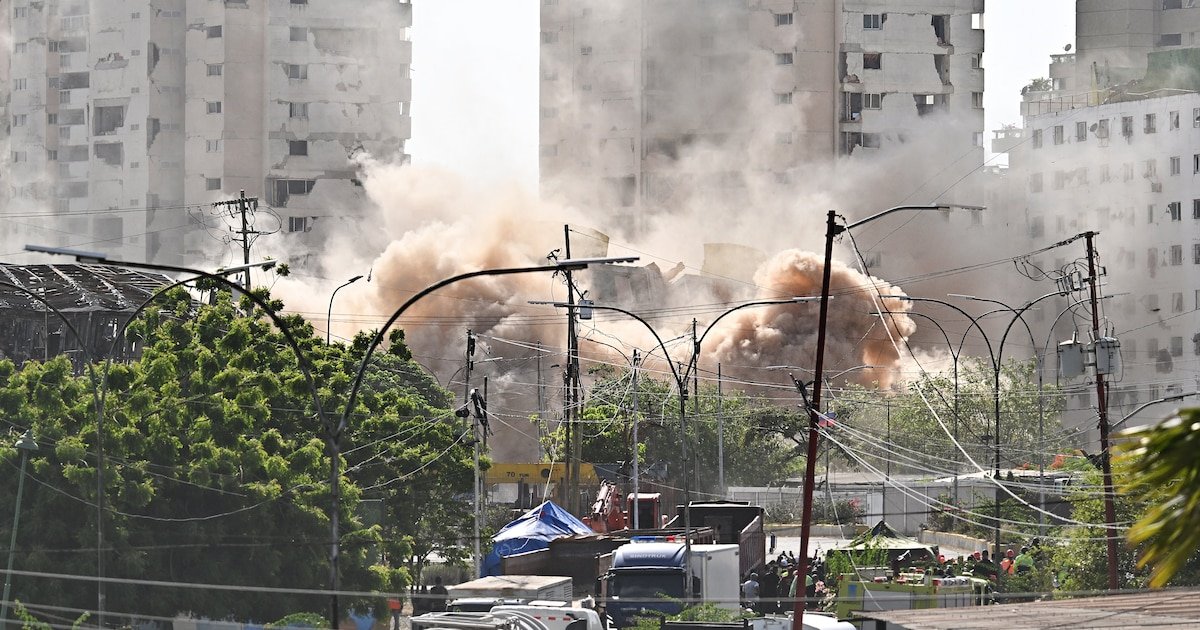
Este video documenta una demolición controlada en La Guaira, Venezuela. Una torre residencial de 12 pisos, afectada por los dobles terremotos del 24 de junio, es reducida a escombros. La estructura, que presentaba un colapso parcial y una inclinación peligrosa, fue demolida como medida de seguridad.
Más de un mes después del doble terremoto que devastó el estado venezolano de La Guaira, una torre residencial de 12 pisos fue reducida a escombros mediante una demolición controlada, en la primera operación de este tipo sobre edificios considerados inestables tras los sismos del 24 de junio.
La estructura, que había sufrido un colapso parcial y presentaba una inclinación peligrosa hacia una zona vial, fue rodeada por equipos de seguridad antes de la detonación. La intervención busca eliminar riesgos para las personas que viven o circulan cerca de los inmuebles afectados, mientras continúan las labores de recuperación en una de las zonas más golpeadas por la emergencia.
El derribo generó una fuerte explosión que fue escuchada por habitantes cercanos. Yenith Salcedo, una residente de 66 años, relató que recibió una advertencia a través de un mensaje comunitario antes de la operación y decidió salir de su vivienda ante la posibilidad de nuevos movimientos o detonaciones.
“Sentí horrible cuando escuché la explosión”, contó la mujer. “Agarré mi bolso para poder salir de aquí, hacia la playa, y esperar por si había otra explosión”.
La demolición ocurrió en medio de una situación todavía marcada por la incertidumbre para decenas de familias que permanecen cerca de los edificios destruidos esperando información sobre sus seres queridos. Equipos de rescate y allegados continúan revisando zonas de escombros en busca de personas desaparecidas.
El ministro de Transporte, Francisco Garcés, había señalado previamente que las estructuras no serían demolidas mientras existieran posibilidades de encontrar víctimas o realizar rescates.
“No se va a demoler ninguna estructura mientras haya víctimas por encontrar o personas por recuperar”, afirmó.
Según los balances oficiales, los terremotos del 24 de junio provocaron más de 5.500 fallecidos, cerca de 17.000 heridos y dejaron cientos de construcciones con daños. En La Guaira, la región más afectada, fueron reportados 190 edificios colapsados y otros 856 con afectaciones de distinta gravedad.

En sectores como Caraballeda, donde varios edificios quedaron destruidos, familiares de víctimas permanecen instalados en campamentos improvisados cerca de las zonas de búsqueda. Para muchos, la recuperación de los cuerpos es un paso necesario para iniciar el proceso de duelo.
Juan Sánchez, de 42 años, logró encontrar el cuerpo de su madre, pero continúa esperando la recuperación del de su sobrino entre los restos de un edificio residencial.
“Estamos enfocados en conseguir a nuestros familiares para darles cristiana sepultura y que descansen en un sitio digno”, explicó.
Sánchez aseguró que permanecer cerca de los escombros dificulta procesar la tragedia.
“Para poder procesarlo tenemos que enfrentar esta realidad primero, y para enfrentarla hay que salir de ella; mientras estemos acá no podemos”, señaló.

Una situación similar atraviesa Alejandra Padrón, de 39 años, quien permanece cerca de un edificio donde cree que quedó atrapado su tío. La mujer afirmó que seguirá en el lugar hasta obtener respuestas.
“Él sabe que yo no lo he dejado solo y que no voy a regresar a mi casa sin llevármelo”, expresó.
Especialistas advierten que la espera prolongada para recuperar los cuerpos puede retrasar el proceso de duelo de los familiares. Clara Astorga, presidenta de la Federación de Psicólogos de Venezuela, explicó que la entrega de los restos permite iniciar una etapa de despedida y aceptación.
Equipos humanitarios que trabajan en la zona también brindan apoyo emocional a los afectados. Guy Shrayer, responsable de una misión internacional de asistencia, afirmó que muchas personas siguen atrapadas en el momento traumático porque aún esperan encontrar a sus familiares.

“Estas personas vivieron quizás la tragedia más grande de sus vidas, pero lo que sí podemos hacer es acompañarlos, hablar un poco con ellos e intentar estar presentes”, explicó.
La demolición de edificios inestables representa una nueva fase en la recuperación de La Guaira, aunque para muchas familias el desastre continúa abierto mientras esperan cerrar la búsqueda de sus seres queridos.
demolición,terremoto,edificio,La Guaira,Venezuela,infraestructura
INTERNACIONAL
Con una inversión de 10.000 millones de euros, Europa abre un agujero de 64 kilómetros bajo los Alpes para unir Italia con Austria
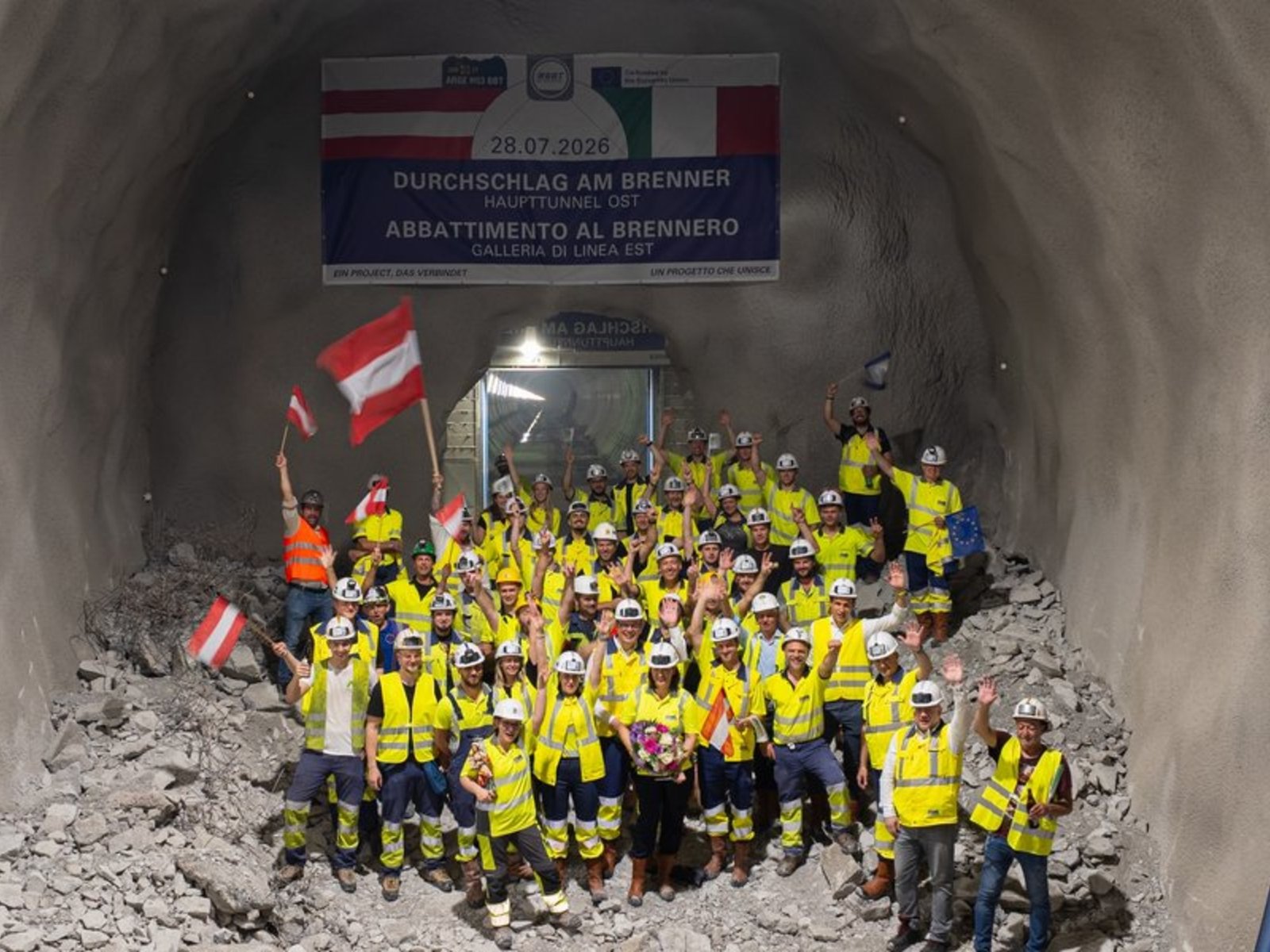
Austria, Italia y la Comisión Europea celebraron este martes bajo tierra la conexión, a 1.400 metros de profundidad bajo el paso del Brennero, en los Alpes, de los túneles de 64 kilómetros que construían desde hace años desde la ciudad austríaca de Innsbruck y la italiana de Fortezza.
La obra es la mayor infraestructura en construcción en Europa ahora mismo y, pese a los años de retraso que acumula (el primer proyecto esperaba ver el paso de los trenes en 2016 y difícilmente pasarán esta década) es un hito técnico que debe facilitar el transporte de personas y mercancías desde Italia hacia el centro del continente sin bordear los Alpes o tener que pasar por puertos de montaña. Cuando esté en funcionamiento será la mayor conexión ferroviaria subterránea del planeta.
A las 10:35 del martes las obras de los dos lados se encontraron con una precisión exquisita pues los técnicos hablan de “centímetros” de desvío tras decenas de kilómetros excavados. En el acto participaron la primera ministra italiana Giorgia Meloni, su homólogo austríaco Christian Stocker y el comisario europeo de Comercio Apostolos Tzitzikostas.
Austríacos e italianos crearon una empresa pública binacional para enfrentar el proyecto (BBT SE). Pero decidieron emplear dos métodos diferentes para horadar las montañas. Desde el lado austríaco las empresas implicadas usaron métodos de voladura de rocas convencionales. Desde el lado italiano se utilizaron máquinas tuneladoras. La obra tiene en realidad dos túneles, uno de ida y otro de vuelta. Al estilo del túnel que cruza entre Francia y Reino Unido bajo el Canal de la Mancha. Las dos vías están conectadas por pasillos de evacuación cada 350 metros.
Pese a los retrasos, que cuando empiecen a circular los trenes acumularán unos 15 años, desde Bruselas se ve como un éxito porque va a desatascar el transporte ferroviario y por carretera entre Italia y el centro del continente. Millones de camiones cruzan cada año por pasos de montaña o por el paso sobre el Brennero, donde una autopista de montaña cruza entre los dos países.
El problema es que por ahí no pueden cruzar trenes con mucha carga. La nueva conexión bajo tierra permitirá desviar ahí buena parte del transporte de mercancías. Además, habrá conexiones ferroviarias de alta velocidad para pasajeros a 250 kilómetros por ahora que unirán las ciudades austríacas (y más al norte las alemanas) con las ciudades del norte de Italia.
La obra seguirá en los próximos años para poner el revestimiento definitivo a los túneles, instalar las vías férreas, electrificarlo, instalar los sistemas de ventilación y de extracción de humos y poner detectores de incendios.
Los retrasos elevan los costos. Un informe del Tribunal de Cuentas europeo, del pasado mes de enero, certificó que el coste ha subido un 40% desde la última estimación (de 2019) para pasar a unos 8.500 millones de euros. Sumando los accesos desde Austria e Italia y las nuevas conexiones con las líneas férreas de los dos países, el costo total se irá a entre 10.000 y 11.000 millones de euros. La financiación se divide a partes iguales entre la Comisión Europea y los gobiernos de Italia y Austria.
A pesar de esta colaboración entre Viena y Roma, los países están litigando en los tribunales europeos por las restricciones que Austria aplica a la circulación por carretera desde Italia. Austria alega medidas técnicas, como prohibiciones nocturnas e invernales, pero a nadie se le escapa que son medidas para intentar evitar el paso de inmigrantes desde Italia.
La decisión del Tribunal de Justicia de la Unión Europea se espera favorable a Italia, pues las conclusiones del abogado general (trabaja para el tribunal y sus informes son casi siempre tenidos en cuenta por los jueces) aseguran que la mayoría de las restricciones austríacas son ilegales.
La puesta en marcha del túnel del Brennero permitirá aumentar el tráfico ferroviario de los 260 trenes diarios a más de 650 trenes. Y, sobre todo, sacar de la carretera a más de 1,2 millones de camiones al año. El trayecto Innsbruck-Forteza pasará de 80 minutos (por el paso montañoso del Brennero) a 25 minutos (por el futuro túnel).
Esta obra es una de las principales del corredor Escandinavia-Mediterráneo, el eje que debe atravesar a altas velocidades ferroviarias desde Finlandia hasta el sur de Italia y que tendrá un desvío importante que recorrerá el sur de Francia y la costa española.

Fox News Poll: GOP divisions shape Texas Senate race

Más de un mes después del doble terremoto, Venezuela inició la demolición de edificios inestables en La Guaira

Un mensaje breve y críticas a la política por el “saqueo” del Banco Central: así será la cadena nacional de Javier Milei

Huracán visita a Independiente Rivadavia en el cierre de la segunda fecha del Torneo Clausura

El Banco Central aceleró la compra de reservas y el dólar oficial volvió a caer

Tras dos meses prófuga, detuvieron a la exfuncionaria de Morón acusada de integrar una banda narco

Crisis entre Milei y Lula: la trama política, personal y geopolítica detrás del mayor choque diplomático entre Argentina y Brasil

La pelea con Lula y el verdadero desafío que enfrenta Milei

San Isidro: la ballena que quedó varada en un banco de arena murió pese al operativo de rescate

Cómo manejar en el hielo y la nieve: técnicas y precauciones para usar el auto en la montaña en vacaciones de invierno

 POLITICA2 días ago
La pelea con Lula y el verdadero desafío que enfrenta Milei
- ECONOMIA2 días ago
Cómo manejar en el hielo y la nieve: técnicas y precauciones para usar el auto en la montaña en vacaciones de invierno
- ECONOMIA2 días ago
El BCRA cortó la racha de compra y en el mercado vuelan rumores de maniobras para frenar al dólar