INTERNACIONAL
Trump squeezed between Israel and Turkey as Netanyahu, Erdogan escalate feud

NEWYou can now listen to Fox News articles!
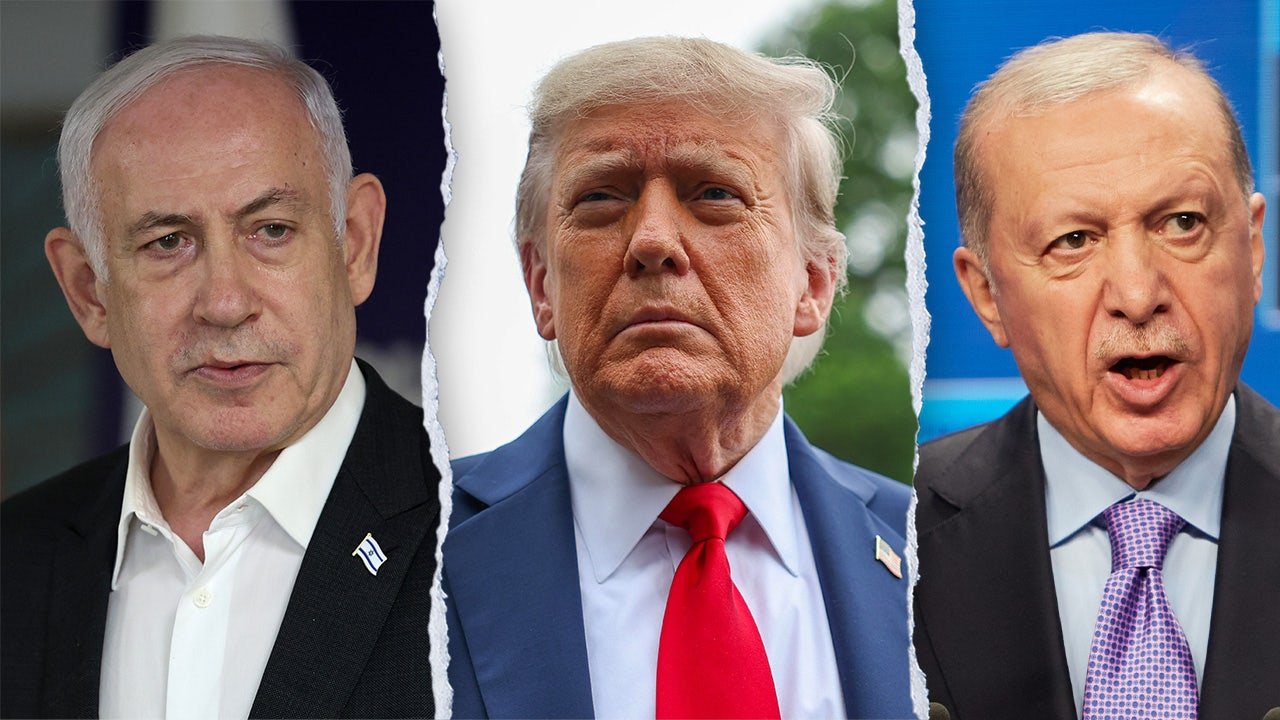
Tensions between Israel and Turkey are escalating sharply, with a war of words between Israeli Prime Minister Benjamin Netanyahu and Turkish President Recep Tayyip Erdoğan reaching new heights and placing President Donald Trump in an increasingly delicate position between the two sides as tension escalates.
The latest flare-up underscores a broader geopolitical clash about Iran, Gaza and regional influence, even as Washington attempts to maintain cooperation with both sides.
Turkey’s Foreign Minister Hakan Fidan accused Israel of deliberately seeking a new adversary following its confrontation with Iran, saying the Israeli government is attempting to portray Ankara as its next enemy.
«After Iran, Israel cannot live without an enemy,» Fidan said in a televised interview with the state-run Anadolu news agency. «We see that not only Netanyahu’s administration but also some figures in the opposition — though not all — are seeking to declare Turkey the new enemy,» he said.
TURKEY’S NATO ROLE UNDER SCRUTINY AMID NEW REPORT ON HAMAS, MUSLIM BROTHERHOOD TIES
Turkish President Tayyip Erdogan speaks during a rally in solidarity with Palestinians in Gaza, amid the ongoing conflict between Israel and the Palestinian Islamist group Hamas, in Istanbul, Turkey, October 28, 2023. (Dilara Senkaya/Reuters)
The rhetoric reflects a sharp deterioration in relations that have been strained since Hamas’s Oct. 7, 2023, attack and the war in Gaza, but have now escalated into direct confrontation between the two leaders.
Netanyahu, in remarks posted on X Saturday, accused Erdogan of siding with Iran and its proxies, writing that Israel «will continue to fight Iran’s terror regime… unlike Erdogan who accommodates them and massacred his own Kurdish citizens.»
Erdogan has intensified his criticism of Israel’s military campaign, accusing its leadership of war crimes and backing international legal action against Israeli officials.
In one of the most incendiary exchanges, Turkey’s Foreign Ministry issued a statement claiming, «Netanyahu, who has been described as the Hitler of our time due to the crimes he has committed, is a well-known figure with a clear track record. An arrest warrant has been issued against Netanyahu by the International Criminal Court on charges of war crimes and crimes against humanity. Under Netanyahu’s administration, Israel is facing proceedings before the International Court of Justice on charges of genocide.»
The escalation has not been limited to rhetoric. Erdogan previously has suggested Turkey could take more assertive military action in the region, referencing past interventions, remarks that have raised alarms in Israel.
Israeli officials have responded forcefully.
Defense Minister Israel Katz has dismissed Erdogan’s threats as bluster, while officials warn that Turkey’s regional posture, particularly its engagement in Syria, is being closely monitored.
For both leaders, analysts say, the escalation also serves domestic goals. For Trump, the situation presents a growing challenge.
The administration relies on Israel as a central partner in confronting Iran, while also depending on Turkey, a NATO ally, for regional diplomacy and mediation efforts tied to ceasefire negotiations and broader Middle East strategy.
That balancing act has become increasingly difficult as tensions between Jerusalem and Ankara intensify.
ISRAEL UNMASKS IRAN-DIRECTED HAMAS CASH NETWORK IN TURKEY AS ANKARA PUSHES FOR GAZA ROLE

Pro-Palestinian demonstrators take part in a protest against Israel, as the conflict between Israel and Hamas continues, near the Israeli Consulate in Istanbul, Turkey, October 18, 2023. (Umit Bektas/Reuters)
Gönül Tol, senior fellow at the Middle East Institute and author of «Erdogan’s War: A Strongman’s Struggle at Home and in Syria,» told Fox News Digital, «The Trump administration has played a role in making sure the two countries do not clash in Syria. How Turkey and Israel are managing their differences in Syria, where stakes are high for Erdogan, is telling. But this doesn’t mean the two will try to undermine each other’s interests from the eastern Mediterranean to Levant to Horn of Africa.»
«I think for both leaders, Netanyahu and Erdogan, escalating rhetoric serves a domestic purpose,» Gönül added, «Anti-Israeli and pro-Palestinian sentiment in Turkey is very strong. At a time when Erdogan is struggling to resolve the country’s growing economic problems, responding to Netanyahu’s statements harshly scores points domestically and burnishes his strong leader image. But I do not think this rhetoric will turn into direct military clashes between the countries. Despite their military presence and clashing interests, Turkey and Israel have a quiet understanding where each accepts the other’s sphere of influence in the country and try to deconflict.»
In a policy webinar hosted by the Jerusalem Institute for Strategy and Security, Turkish academic Hüseyin Bağcı argued that Turkey’s ties with Washington limit the likelihood of direct conflict.
«The Turkish state is not interested in fighting with Israel because the Turkish government has very good relations with the United States of America,» he said. «You cannot be good with America and then be in conflict with Israel.»
TRUMP FACES MIDDLE EAST TEST AS NETANYAHU BALKS AT ERDOGAN’S GAZA TROOP HOPES
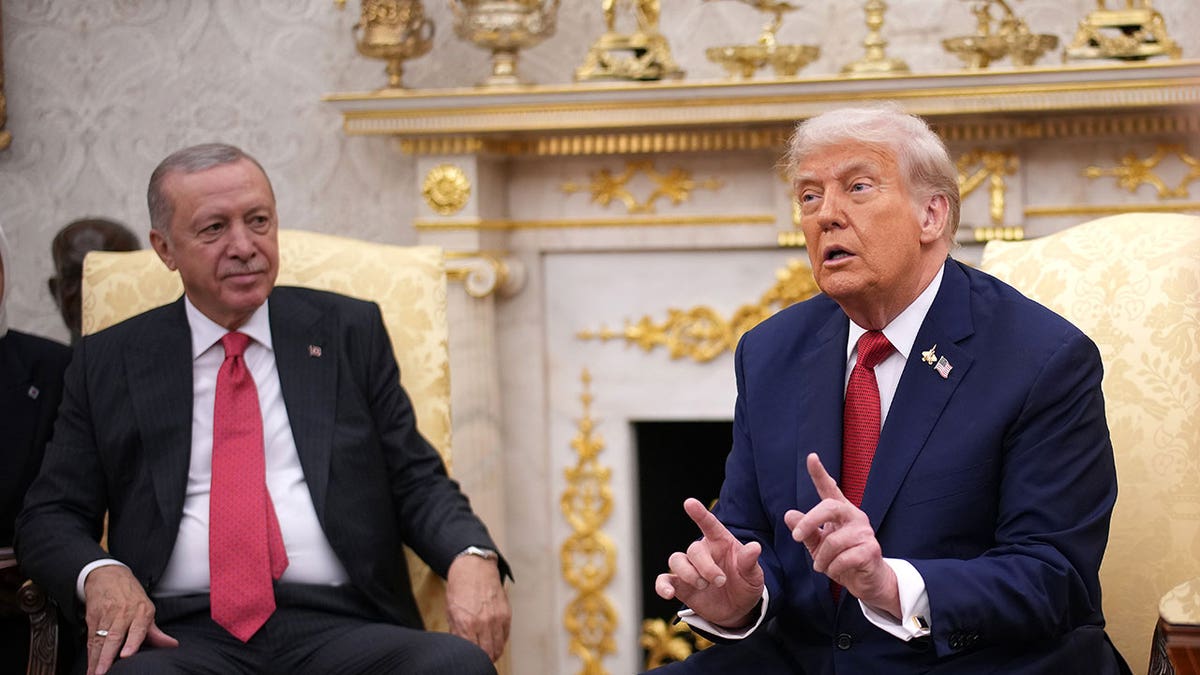
U.S. President Donald Trump (R) delivers remarks during a meeting with President of Turkey Recep Tayyip Erdogan in the Oval Office at the White House on Sept. 25, 2025, in Washington, D.C. (Andrew Harnik/Getty Images)
From the Israeli perspective, however, concerns center on actions rather than rhetoric.
Retired Israeli strategist Gabi Siboni said Turkey’s behavior in Syria is shaping threat perceptions.
«I don’t know what Erdogan thinks. I know what he does, and I see what we see in our area,» Siboni said in the webinar, adding, «There are true security concerns when we’re talking about what is happening in Syria. … Israel is not going to accept any type of military entrenchment of foreign actors.»
Bağcı maintained that the tensions are largely political.
«There is no structural conflict between Israel and Turkey,» he said. «The rhetoric is political … but the geography and the interests remain.»
The tensions are also being fueled by renewed friction over Gaza-bound aid flotillas, a long-standing flash point in Israel–Turkey relations.
A new Turkish-linked flotilla departed from Barcelona Monday, raising concerns in Israel about a repeat of past confrontations. The issue carries deep historical weight: in 2010, Israeli commandos boarded the Gaza flotilla raid, in which 10 were killed, triggering a years-long diplomatic rupture between the two countries.
CLICK HERE TO DOWNLOAD THE FOX NEWS APP
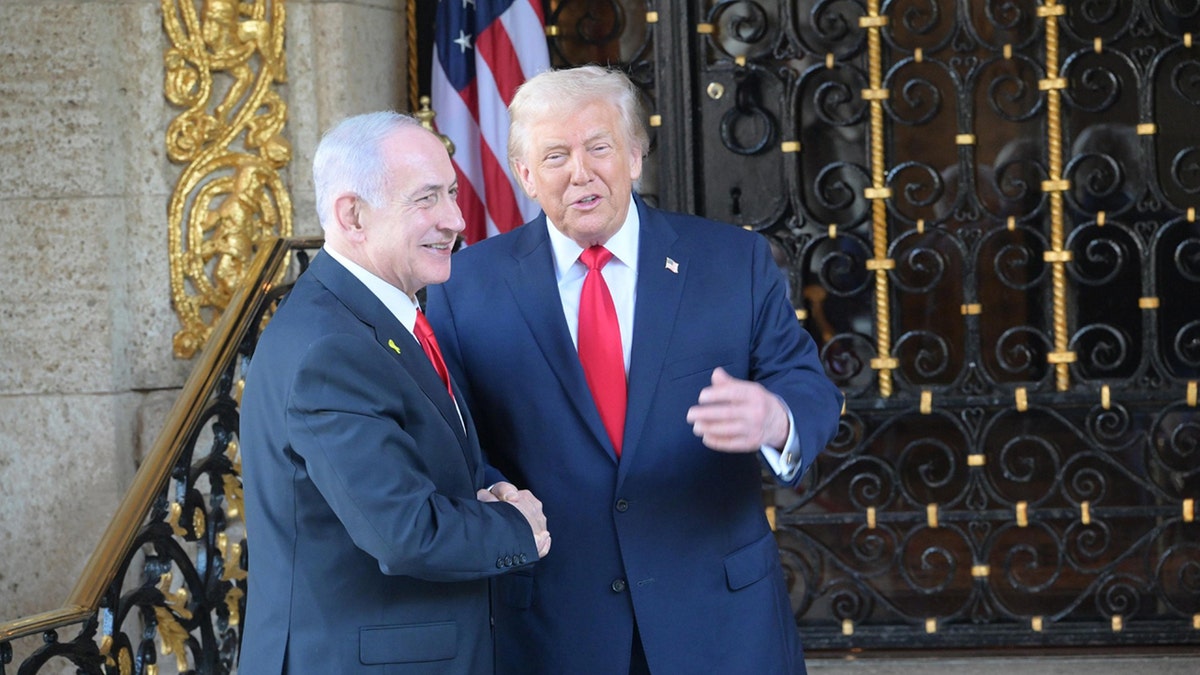
President Donald Trump hosts Israeli Prime Minister Benjamin Netanyahu at Mar-a-Lago on Dec. 29, 2025, with talks addressing Iran’s renewed threats and potential progress on the next phase of the Gaza peace framework. (Israel Government Press Office)
Recent reports that Turkish prosecutors are seeking prison sentences for Israeli officials, including Benjamin Netanyahu, over flotilla-related incidents have further escalated tensions, reinforcing how unresolved grievances continue to inflame the current crisis.
While the confrontation remains largely rhetorical for now, the sharp escalation in language, and the competing interests driving it, highlight the fragility of the regional landscape and the limits of Washington’s ability to keep both sides aligned.
Fox News Digital reached out to the Turkish Embassy in Washington, the Israeli Prime Minister’s Office and the White House but did not receive a response in time for publication.
benjamin netanyahu, turkey, iran, israel, hamas








INTERNACIONAL
Interna en el régimen iraní: el líder supremo se oponía al acuerdo con Estados Unidos impulsado por el presidente Pezeshkian
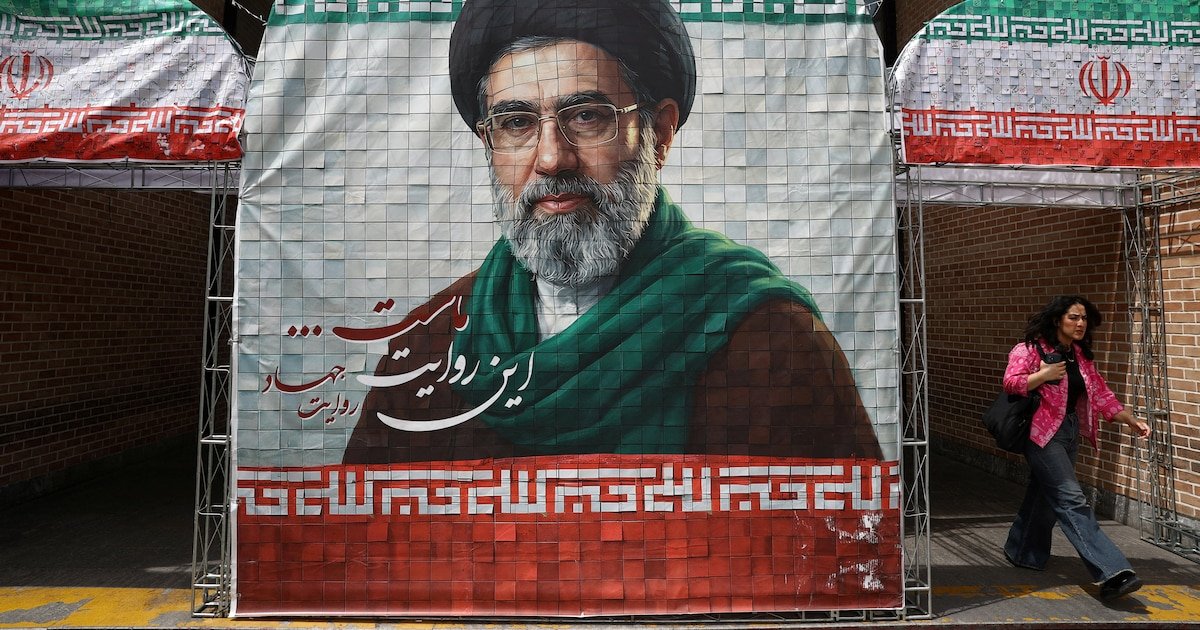
La firma del acuerdo entre Irán y Estados Unidos para poner fin a la guerra en Medio Oriente dejó al descubierto diferencias en la cúpula del régimen iraní. El líder supremo, Mojtaba Khamenei, reconoció este jueves que no compartía la estrategia que condujo al entendimiento con Washington y que terminó autorizándolo únicamente después de recibir garantías del presidente Masud Pezeshkian y del Consejo Supremo de Seguridad Nacional.
La declaración representa una inusual admisión pública de desacuerdo dentro de las estructuras de mando de la República Islámica en un momento clave, apenas un día después de que los presidentes Donald Trump y Pezeshkian formalizaran el memorando que abrió una etapa de negociaciones para cerrar definitivamente el conflicto.
En un mensaje dirigido a la población iraní, Khamenei explicó que inicialmente no respaldaba el acuerdo alcanzado con Estados Unidos.
“Yo, por principio, tenía una opinión diferente”, afirmó. Sin embargo, sostuvo que decidió dar luz verde al proceso después de que el mandatario iraní y los máximos responsables de seguridad asumieran compromisos concretos para proteger los intereses nacionales.
Según relató, Pezeshkian le garantizó personalmente que Irán no aceptaría condiciones que considerara perjudiciales durante las conversaciones con Washington.
“Si la parte estadounidense intentaba plantear exigencias excesivas, no se sometería”, indicó el líder supremo al describir las garantías que recibió antes de otorgar su consentimiento.

Lejos de presentar el acuerdo como un acercamiento político a Washington, Khamenei buscó marcar distancia y transmitir que el régimen seguirá considerando a Estados Unidos como un adversario estratégico.
“Las negociaciones presenciales futuras no implicarán la aceptación de la postura del enemigo”, afirmó.
Khamenei también aprovechó el mensaje para cuestionar directamente a Donald Trump. Según su versión, fue la Casa Blanca la que presionó para concretar el entendimiento después de meses de enfrentamientos.
“Fue el presidente estadounidense quien, en un acto de desesperación, utilizó toda clase de presión para lograrlo”, sostuvo.
Las declaraciones muestran un intento de equilibrar dos mensajes distintos dentro de Irán. Por un lado, respaldar una decisión adoptada por el gobierno y los organismos de seguridad. Por otro, evitar que el acuerdo sea interpretado por los sectores más duros del régimen como una concesión política ante Washington.
La intervención de Khamenei también tuvo relevancia porque se trata de su primera reacción pública sobre el pacto desde que asumió el cargo en marzo, tras la muerte de su padre, el ayatollah Ali Khamenei, durante los ataques estadounidenses e israelíes del 28 de febrero que desencadenaron la guerra regional.
Desde entonces, el nuevo líder supremo no ha realizado apariciones públicas y se ha limitado a difundir mensajes a través de los canales oficiales del Estado.

El memorando firmado por Estados Unidos e Irán establece el cese permanente de las operaciones militares, contempla compromisos relacionados con la situación en el Líbano y prevé la reapertura del estrecho de Ormuz para el tránsito marítimo internacional.
El documento también abrió un período de 60 días destinado a negociar un acuerdo definitivo sobre el programa nuclear iraní y el levantamiento de sanciones económicas.
Esas futuras conversaciones constituyen uno de los puntos más sensibles para Teherán. Aunque el memorando contempla negociaciones sobre cuestiones nucleares, Khamenei dejó claro que no considera que el proceso implique una modificación de la postura estratégica de la República Islámica frente a Estados Unidos.
La firma del acuerdo puso fin a la guerra, pero también dejó expuestas las tensiones entre quienes consideran necesario avanzar en una negociación con Washington y quienes continúan viendo ese camino con desconfianza.
(Con información de Reuters, AFP, EFE y Europa Press)
Middle East
INTERNACIONAL
Dems raked in millions from employees at firms newly identified as ‘Chinese military companies’
NEWYou can now listen to Fox News articles!
Democrats, among them some of the most recognizable names in politics, have accepted millions of dollars in campaign contributions from top employees at firms the Pentagon recently designated as «Chinese military companies» operating in the U.S.
The Department of War on June 8 designated Alibaba, Baidu and BYD as «Chinese military companies,» meaning that the three firms, in the eyes of the U.S. government, are providing assistance to the People’s Liberation Army through its military-civil fusion strategy or other means. Senior employees at these companies, including executives, have donated roughly $2.6 million to Democratic political committees since 2020, a Fox News Digital review of campaign finance filings has found.
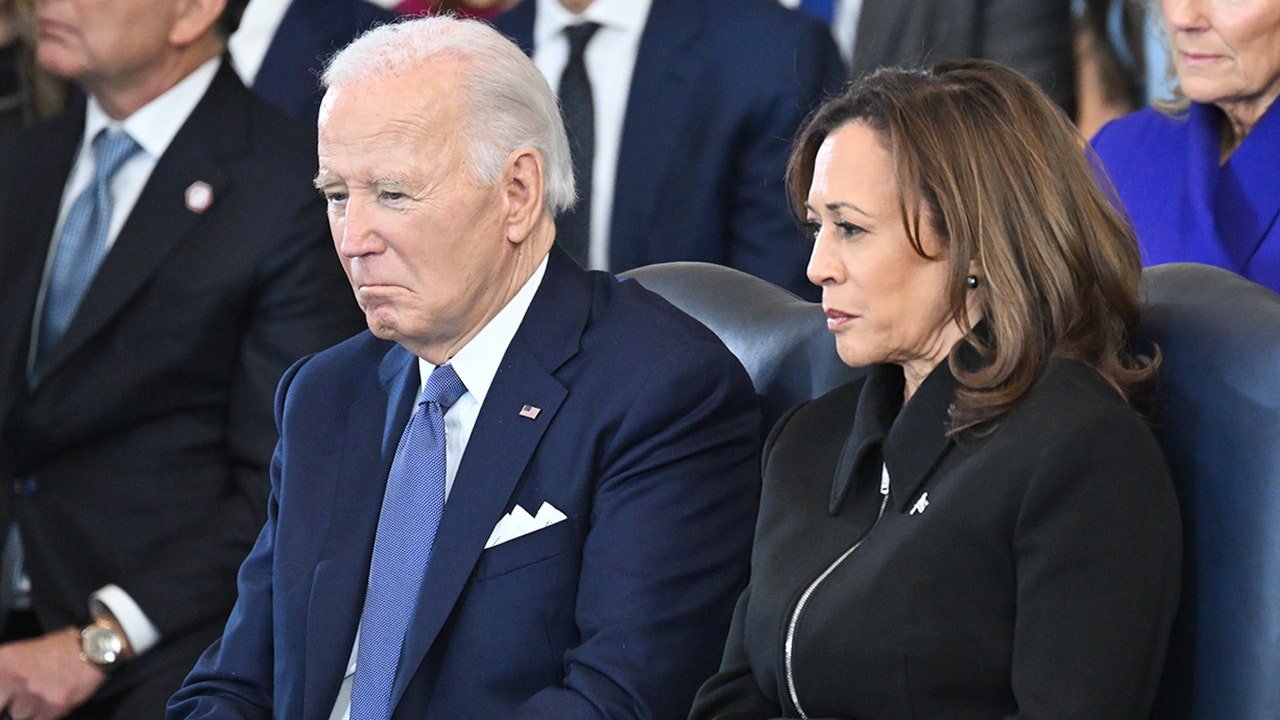
Notable individuals and organizations that received contributions from top staffers at these firms include Sen. Adam Schiff, Rep. Nancy Pelosi, former President Joe Biden, Gov. Gavin Newsom, former Vice President Kamala Harris and the Democratic National Committee.
Donors to Democratic committees from the trio of firms include executives, top-level lawyers, lobbyists and, to a much lesser extent, rank-and-file employees working in areas such as engineering or management. The staffers made some contributions to Republicans as well, though the overall sum was far lower than what Democrats received.
PLATNER’S ANTI-CORPORATE CRUSADE HITS AWKWARD SNAG AS RECEIPTS TELL ANOTHER STORY
Rep. Nancy Pelosi speaks to members of the media after a classified briefing on TikTok at the U.S. Capitol in Washington, D.C., on March 12, 2024. (Graeme Sloan/Bloomberg via Getty Images)
The review included direct contributions, earmarked contributions and donations to joint-fundraising committees reported in campaign finance filings. It did not identify corporate donations from Alibaba, Baidu or BYD to the federal committees.
«American politicians should no longer accept campaign cash from any Chinese companies. Politicians who have been taking campaign cash from companies like Baidu, Alibaba and BYD now realize they were supported by blacklisted Chinese Military Companies,» Michael Lucci, CEO of the national security organization State Armor, told Fox News Digital. «The reason the Pentagon’s list of sanctioned CCP companies keeps expanding is because the Chinese Communist Party imposes a ‘civil-military fusion’ mandate upon all Chinese companies, forcing them to assist in modernizing China’s military with the goal of defeating America.»
«They all end up working to support the PLA. They should all be cut off from U.S. politics,» he added.
The Pentagon’s Chinese military company designation via its 1260H list does not function as a traditional sanction, as Americans can continue to do business with the company.
Biden-linked committees and joint fundraising vehicles were by far the biggest beneficiaries of the funds, taking in roughly $850,000 from employees at the trio of firms between 2020 and 2024. The DNC, meanwhile, had a haul of around $500,000 while Harris-linked committees brought in roughly $140,000.
TOP CALIFORNIA DEM RUNNING FOR OFFICE TIED TO CHINESE SCHOOL ACCUSED OF US DIPLOMA SCANDAL
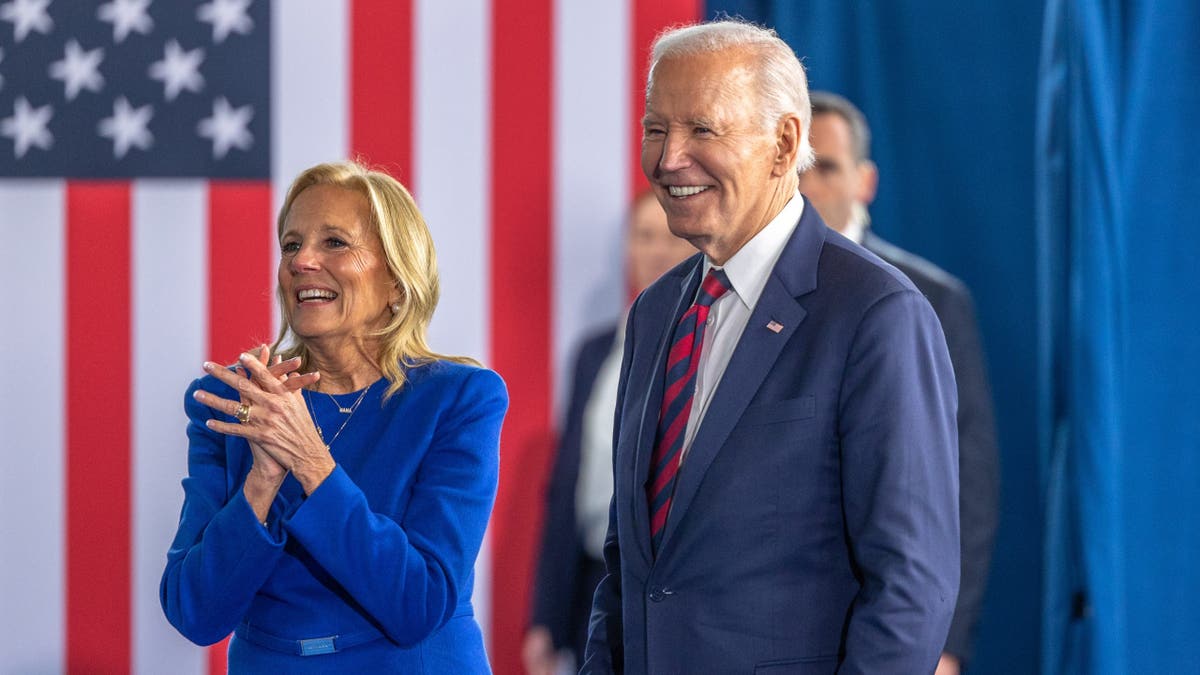
Former first lady Dr. Jill Biden gave an update on former President Joe Biden’s cancer on Saturday, saying that the 83-year-old will live with cancer for the rest of his life, he maintains a busy schedule but has slowed down. (Grant Baldwin/Getty Images)
Various state Democratic parties also received five-figure support from employees at Baidu, BYD and Alibaba. Newsom, per state campaign finance records, accepted $50,000 from an executive at BYD, an electric-vehicle manufacturer that his administration later awarded a contract.
Fox News Digital reached the offices of Biden, Harris, Schiff, Pelosi, Newsom and the DNC on Sunday for comment and has not heard back as of publishing.
Pentagon officials are legally required to release a list of what it determines to be Chinese military companies every year. The first such list was released in June 2021 under President Joe Biden.
The Pentagon’s 1260H list identifies Chinese companies the Defense Department says are «Chinese military companies» operating directly or indirectly in the United States. Required by the 2021 National Defense Authorization Act, the list is intended to warn U.S. businesses and investors about firms tied to China’s military-civil fusion strategy, though inclusion does not automatically trigger sanctions.
New defense laws, however, have given the list more bite in recent years.
The Pentagon will be barred from directly contracting with companies on the list starting June 30 and is currently banned from contracting with companies who lobby on behalf 1260H-listed firms. In 2027, the ban will be expanded to prevent indirect procurement of goods manufactured by Chinese military companies through supply chain intermediaries.
WALL STREET BANKS HELPED CHINESE MILITARY-LINKED FIRM RAISE BILLIONS DESPITE RED FLAGS, LAWMAKERS FIND
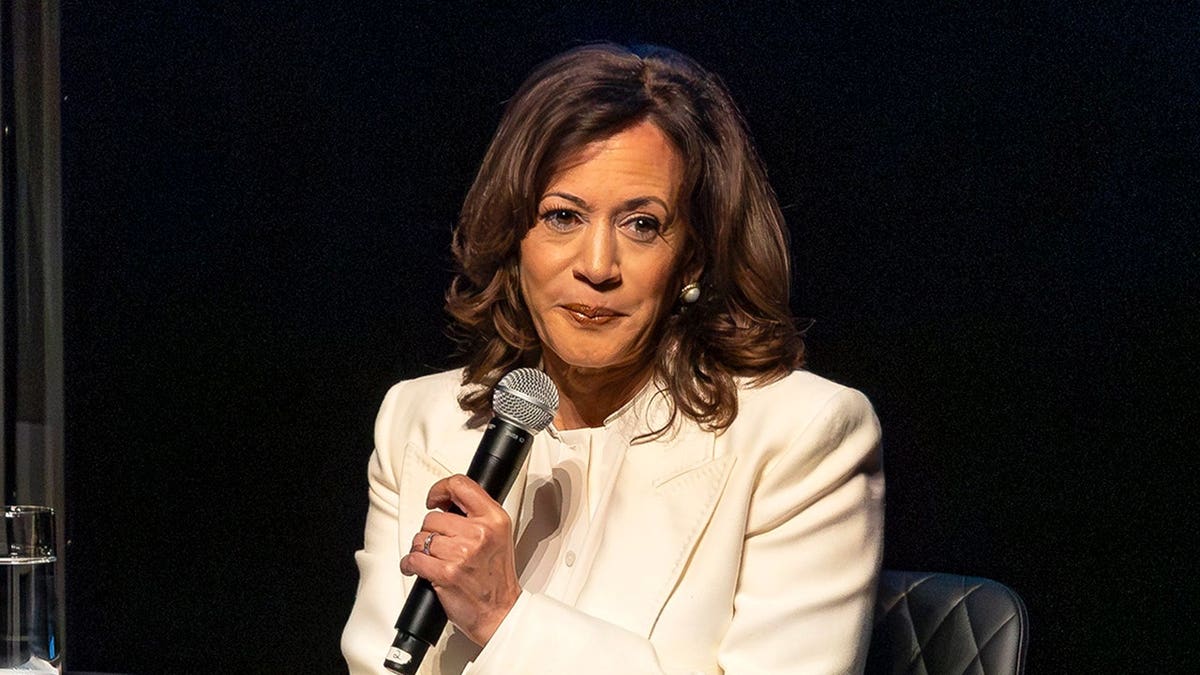
Former U.S. Vice President Kamala Harris speaks during her «107 Days» book tour at the Ziff Ballet Opera House at the Adrienne Arsht Center for the Performing Arts on Thursday, Nov. 20, 2025, in downtown Miami. (Matias J. Ocner/Miami Herald/Tribune News Service via Getty Images)
While Alibaba, Baidu and BYD only recently earned formal designations as Chinese military companies, their links to the CCP have been widely reported for years.
The Wall Street Journal, for instance, reported in 2017 that Alibaba was assisting the Chinese government in its surveillance efforts against dissidents, and Chinese state media reported in 2018 that the firm had a large CCP presence within it. Some sources within the company told Reuters in 2019 that the firm had developed an app designed specifically to increase ideological alignment with Chinese President Xi Jinping.
Alibaba, however, has come out strongly against its inclusion on the Pentagon’s list of Chinese military companies.
NATIONAL SECURITY EXPERTS RAISE CONCERNS AFTER MICROSOFT PROGRAM EXPOSED AS POSSIBLE AVENUE FOR CHINESE SPYING
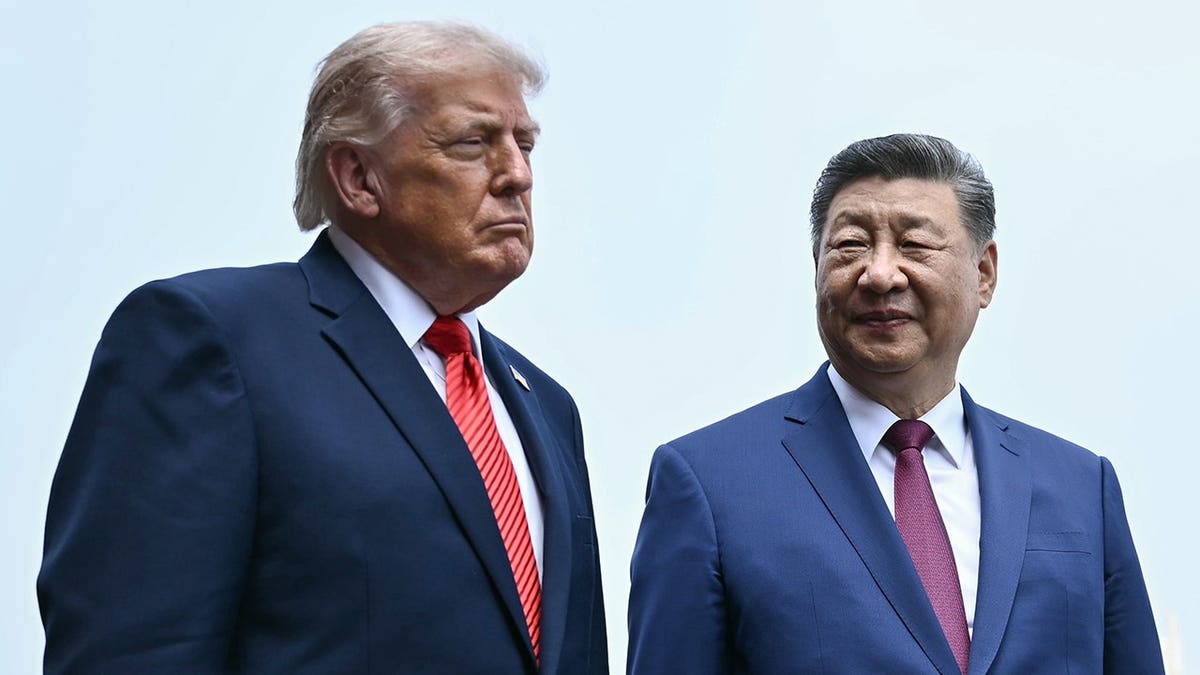
President Donald Trump and Chinese President Xi Jinping represent the world’s two most powerful economies. (Brendan Smialowski – Pool/Getty Images)
«There’s no basis to conclude that Alibaba should be placed on the Section 1260H List,» a company spokeswoman told Fox News Digital. «Alibaba is not a Chinese military company nor part of any military-civil fusion strategy. We will take all available legal action against attempts to misrepresent our company.»
That statement also appears in a Securities and Exchange Commission filing made by Alibaba shortly after it was added to the Pentagon’s list.
«Inclusion in the CMC List will not affect the Group’s ability to conduct business as usual in the United States or anywhere in the world because the Group does not do business related to U.S. military procurement,» the SEC filing adds. «The CMC List does not impose any other export controls or sanctions, nor does it prohibit any persons (other than the U.S. Department of Defense) from business dealings with the Group or transacting in the securities of the Company.»
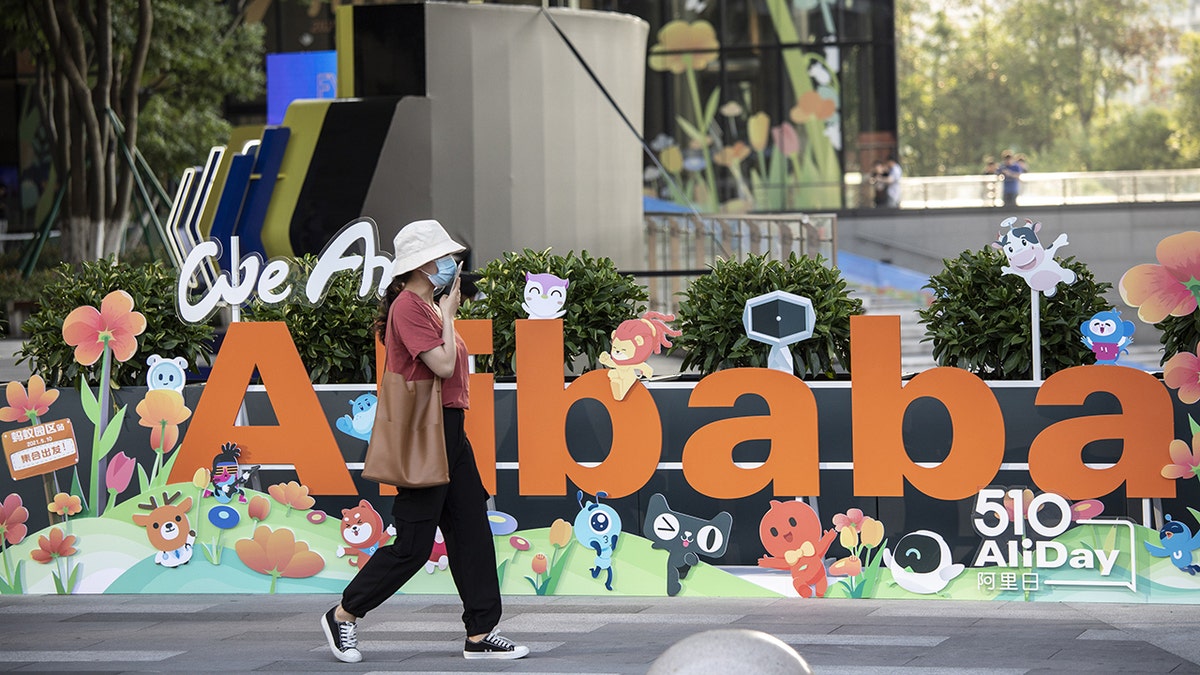
A person walks past a sign at Alibaba Group Holding Ltd. headquarters in Hangzhou, China, on May 8, 2021. Alibaba is scheduled to report fourth-quarter results on May 13. (Qilai Shen/Bloomberg)
RICKETTS, FETTERMAN TEAM UP FOR CRACKDOWN ON CHINA’S ATTEMPTS TO PURCHASE US FARMLAND
As early as 2015, outlets like Bloomberg News were reporting that the Chinese government was heavily subsidizing BYD. Wang Chuanfu, the founder and CEO of the firm, is a member of the Chinese Communist Party and an ally of Xi.
BYD did not respond to a request for comment when reached by Fox News Digital on Monday.
In Baidu’s case, China’s Ministry of Science and Technology named the company as part of the country’s «national team» for AI development in 2017, with it later appointed by the CCP’s National Development and Reform Commission to lead China’s first national lab on deep learning technologies, according to state media. The firm, which primarily operates a search engine, reportedly assists the Chinese government in carrying out censorship.
«We categorically reject the inclusion of Baidu on the list, and there is no credible justification for adding Baidu to the list,» a Baidu spokesperson told Fox News Digital «The suggestion that Baidu is a military company is entirely baseless. We will not hesitate to use all options available to us to have the company removed from the list.»
CLICK HERE TO DOWNLOAD THE FOX NEWS APP
The Pentagon has defended its additions to the list.
«After the Department conducted its due diligence, it identified 188 entities that meet the statutory requirement for inclusion on the most recent 1260H List,» a Department of War spokesperson told Fox News Digital.
joe biden, pentagon, fund raising, xi jinping, democrats senate
INTERNACIONAL
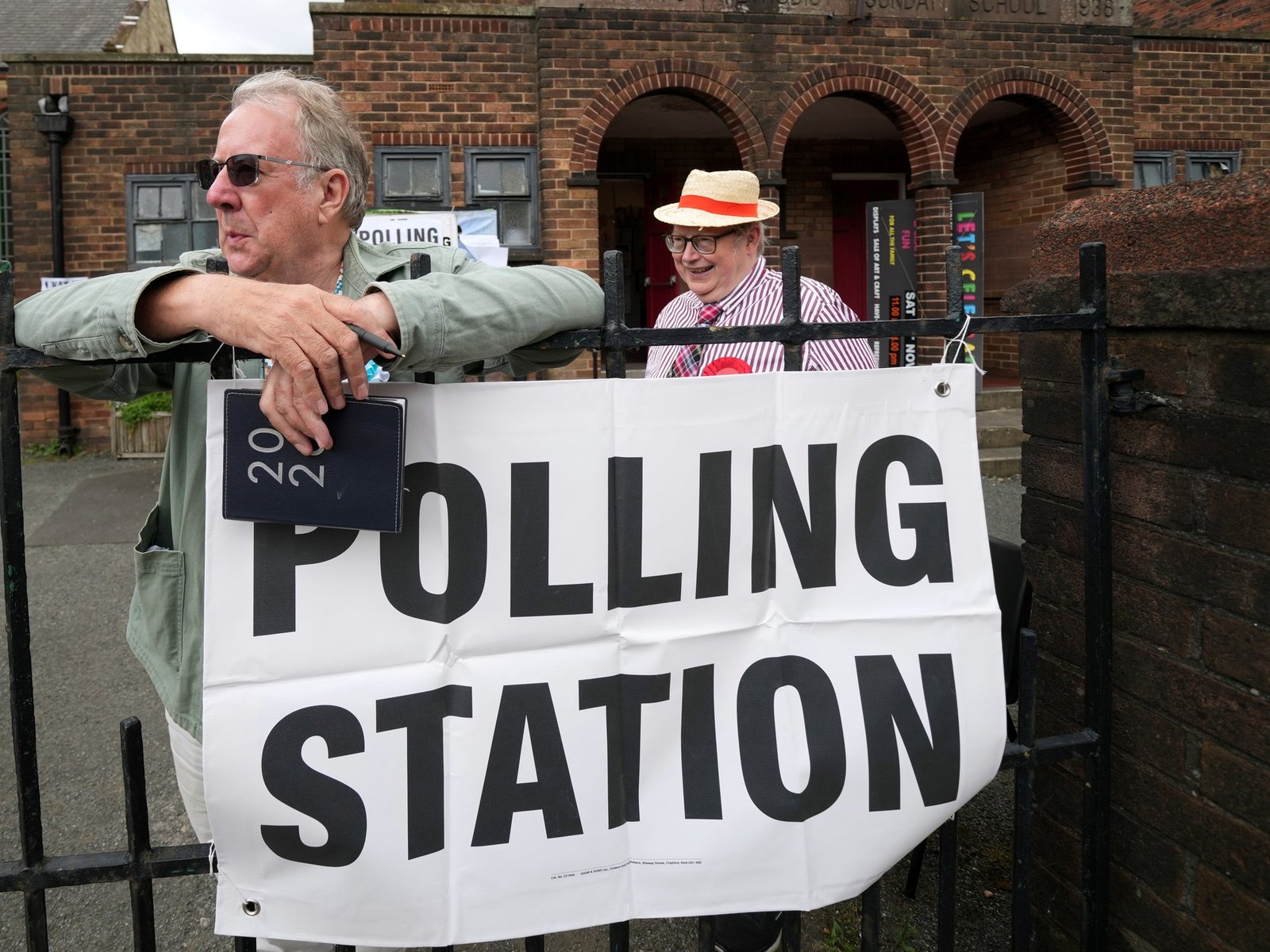
Elecciones parciales en Inglaterra: la batalla electoral que podría terminar con Keir Starmer como primer ministro
Territorio laborista y riesgos

Para cambiar la política y a Reform

Starmer le ofrece un cargo en el Gabinete
¿Una coronación?
El riesgo de la ultraderecha
Hacia la izquierda
El plan de Andy

Interna en el régimen iraní: el líder supremo se oponía al acuerdo con Estados Unidos impulsado por el presidente Pezeshkian

EN VIVO: la selección argentina se entrenará a cuatro días del partido ante Austria en el Mundial 2026

Carta abierta de Ramiro Marra al Presidente para que eche a Adorni: “Este cambio es más grande que cualquiera de nosotros”

Nicole Neumann vaticinó el 3-0 de Argentina y lanzó su propia cábala mundialista

Un estudio de Harvard siguió a cientos de personas durante 80 años y llegó a una conclusión clave sobre la felicidad

Ramiro Marra le pidió a Milei la renuncia de Adorni en una carta abierta

Patricia Bullrich: “El Presidente considera que Adorni dio una explicación razonable”

El Gobierno envía señales de que Adorni tiene las horas contadas para evitar que sesione el Senado

La secuencia del golazo de Messi para Argentina ante Argelia en el debut en el Mundial 2026 y los récords que rompió

Gaspi, reconocido streamer argentino, falleció en un accidente aéreo en Brasil

 POLITICA22 horas ago
Patricia Bullrich: “El Presidente considera que Adorni dio una explicación razonable”
- POLITICA1 día ago
El Gobierno envía señales de que Adorni tiene las horas contadas para evitar que sesione el Senado
- DEPORTE2 días ago
La secuencia del golazo de Messi para Argentina ante Argelia en el debut en el Mundial 2026 y los récords que rompió