INTERNACIONAL
Gobierno de Honduras refuerza estrategias para dinamizar el sector industrial

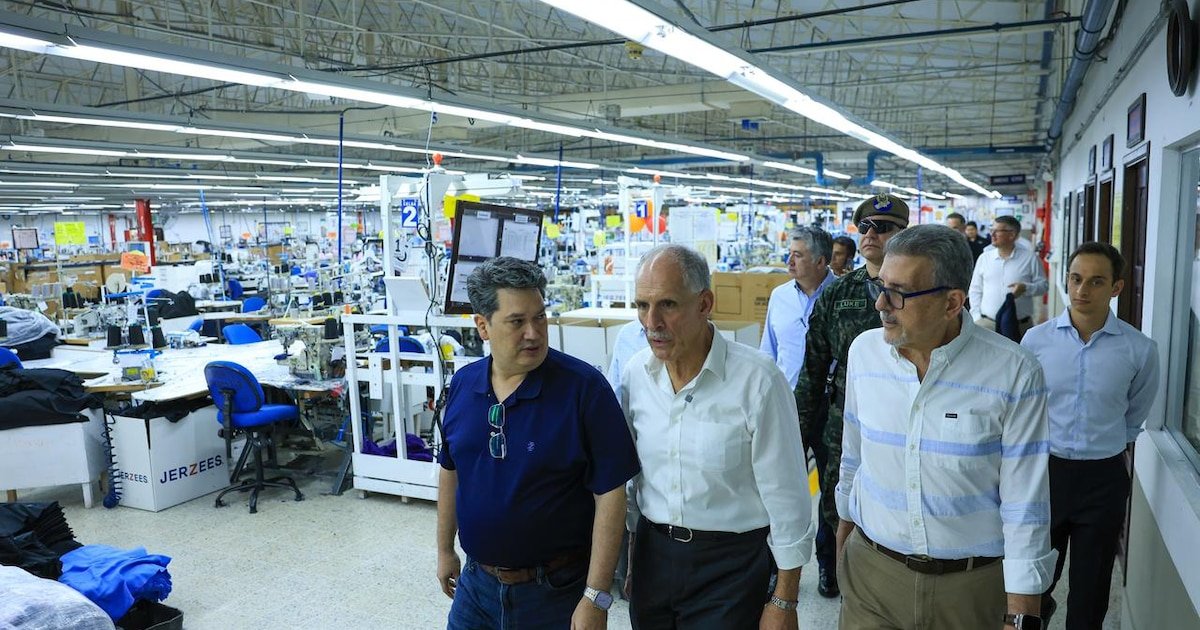
El presidente de Honduras Nasry Asfura llevó a cabo este domingo un recorrido por la Zona Industrial de Procesamiento El Porvenir, situada en el municipio de El Progreso, departamento de Yoro, como parte de actividades orientadas a observar el comportamiento del sector industrial y dialogar con actores clave de la economía nacional. Esta zona industrial figura entre las principales plataformas productivas del norte del país, albergando empresas de manufactura, confección textil, metalurgia y otros sectores productivos, que impulsan la generación de empleo formal y el dinamismo económico regional.
Durante la visita, el mandatario inspeccionó instalaciones industriales para conocer distintos procesos de producción y analizar aspectos relacionados con la logística, la capacidad instalada y la operación diaria de las empresas. También dialogó con trabajadores y ejecutivos sobre el desarrollo de las actividades productivas en el parque industrial.
Los representantes empresariales destacaron que El Progreso cuenta con condiciones favorables para la actividad industrial, como disponibilidad de mano de obra calificada y una ubicación geográfica estratégica que facilita la conexión con corredores logísticos y centros de distribución en la zona norte del país. Este entorno no solo fortalece la creación de empleo, sino que también influye en la migración de hondureños hacia Estados Unidos.

Otro aspecto abordado durante la jornada fue la trayectoria industrial de El Progreso, ciudad que históricamente ha concentrado actividades productivas, especialmente en los sectores textil y de manufactura ligera. Este desarrollo ha permitido la formación de un capital humano con experiencia en estas áreas.
Por su parte, Asfura indicó que el Gobierno mantiene una agenda enfocada en facilitar procesos vinculados a la inversión y en promover la generación de empleo mediante el fortalecimiento de sectores productivos.
A la visita asistieron además representantes del sector privado y equipos técnicos, quienes intercambiaron puntos de vista con autoridades sobre el entorno empresarial, los desafíos actuales y las oportunidades de crecimiento para la industria nacional.
Actualmente, Asfura afirma que su gobierno busca integrar los mecanismos necesarios para que Honduras aumente la inversión nacional y atraiga mercados internacionales, particularmente en el sector maquilador. Señala que estos esfuerzos buscan trazar una hoja de ruta para la generación de empleo, tanto a nivel nacional como en otros mercados, además de fortalecer las actividades comerciales.

El recorrido permitió evidenciar tanto las capacidades instaladas en el parque industrial como las perspectivas del sector en un entorno económico influenciado por cambios en las cadenas globales de suministro y la reconfiguración de mercados.
El Progreso, por su ubicación estratégica y tradición manufacturera, se mantiene como un punto de relevancia dentro del mapa industrial hondureño, con potencial para atraer inversiones y ampliar su base productiva.
El contexto global de reconfiguración de cadenas de suministro abre oportunidades para que Honduras profundice su integración en mercados internacionales y amplíe su base productiva, aprovechando su ubicación estratégica y tradición manufacturera, impulsando reformas orientadas a mejorar la competitividad, reducir la burocracia para la apertura de empresas y fortalecer la certeza jurídica para inversionistas, incluyendo el regreso de Honduras al Centro Internacional de Arreglo de Diferencias Relativas a Inversiones (CIADI) del Banco Mundial, tras la salida durante el gobierno anterior.

INTERNACIONAL
Kevin O’Leary warns China is winning the AI race because U.S. states are slowing data center production
NEWYou can now listen to Fox News articles!
As data center projects continue to get shut down across the country, «Shark Tank» star Kevin O’Leary and other investors are warning that the facilities are needed to compete with China in the artificial intelligence race.
Data centers are at the forefront of the continued development of AI, serving as the hardware for the large amount of electricity and infrastructure needed to improve response time and data storage. But opponents cite utility costs to local residents and environmental concerns in their efforts to block development of new centers.
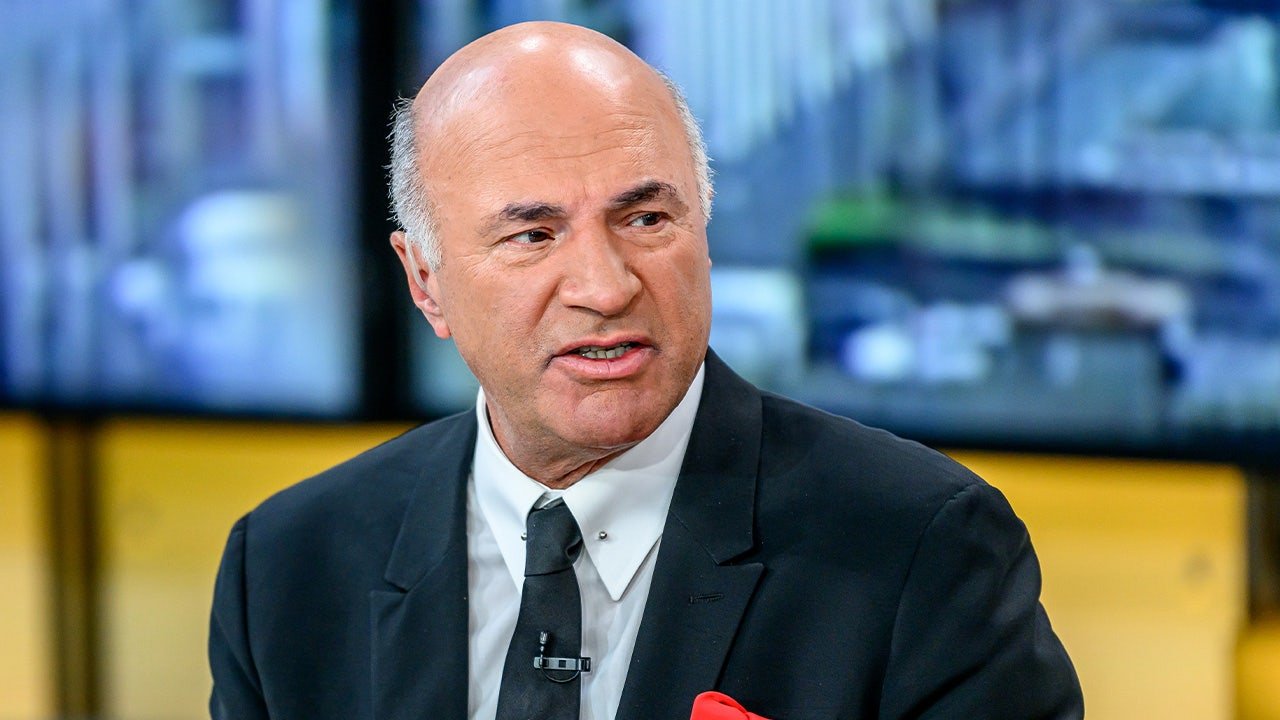
Kevin O’Leary visits the set of «Outnumbered» at Fox News Channel Studios in New York City on April 18, 2024. (Roy Rochlin/Getty Images)
«If everybody talks about data centers, too much heat, too much noise, too much water, all that, that was 20 years ago,» O’Leary told Fox News Digital. «Today’s technology is completely different in terms of the heat profile, in terms the water profile, in terms how big these buildings have to be and where they have to be, because we’ve got air-cooled technology and obviously the chip technology’s advanced.»
TRUMP SAYS EVERY AI PLANT BEING BUILT IN US WILL BE SELF-SUSTAINING WITH THEIR OWN ELECTRICITY
O’Leary said China is focused on improving its power grid, which is needed in order to support the massive electricity demands of running a data center. He noted that data centers can function using varied energy sources.
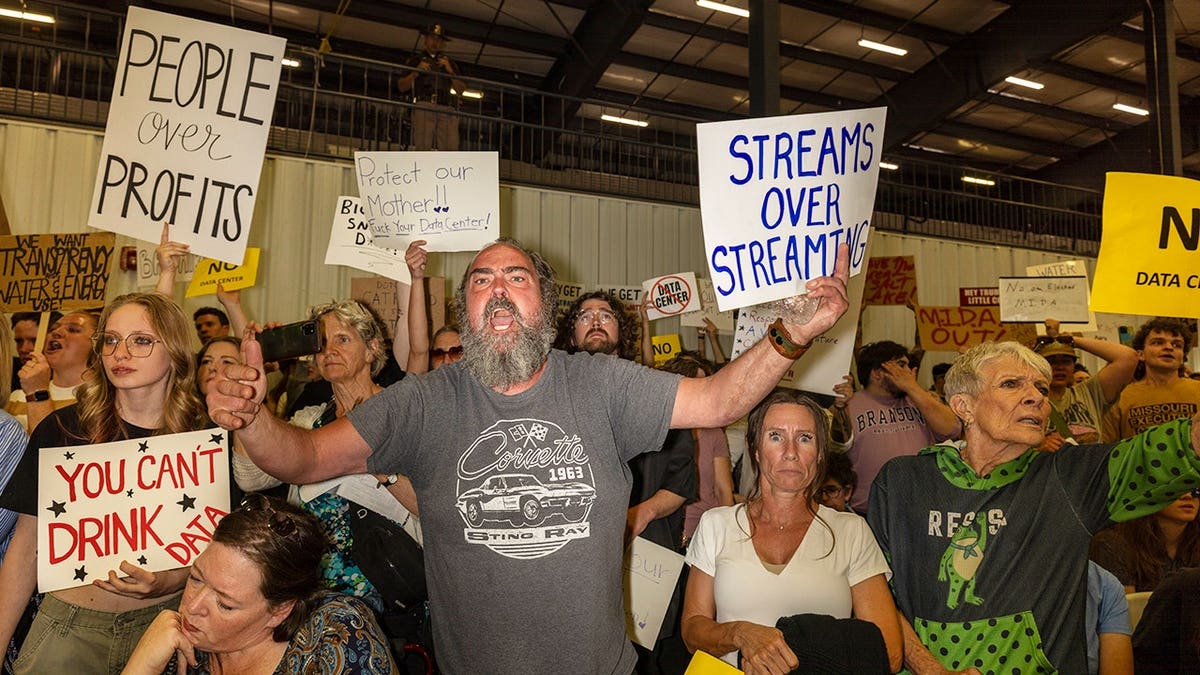
Protesters react as the Box Elder County Commission approves a large AI data center project in Tremonton, Utah, on May 4, 2026. Activists opposed the proposed 40,000-acre development over concerns about water use, energy demand and environmental impact. (Natalie Behring/Getty Images)
«Most of it is coming from burning nat[ural] gas, which is very clean now, with turbines,» he said. «Hopefully nuclear power one day, some solar, some battery, all of it together. I think the key is that they’re beating us because they’re getting more power sooner, and then they’re building these data centers to train their own AI. The country that has the best AI will have the best economy and the best defense, the best military, and win all the wars because it’s going robotically.»
REPORT: CHINESE PROPAGANDA, SINGHAM NETWORK, FOREIGN DARK MONEY LINKED TO CAMPAIGNS AGAINST DATA CENTERS
President Donald Trump has pushed hard for new data center production. Last July, he signed an executive order titled «Accelerating Federal Permitting of Data Center Infrastructure» which directed agencies to reduce the regulatory burdens that have been slowing data center development.
Earlier this week, Fox News Digital obtained a letter to Acting Attorney General Todd Blanche from Sen. Tom Cotton, R-Ark., calling for federal investigators to examine whether foreign actors are attempting to shape U.S. public opinion and policy against data centers and AI development as Washington and Beijing compete for dominance in artificial intelligence.

Sen. Tom Cotton, R-Ark., arrives for a vote in the U.S. Capitol on April 30, 2025, stating the war with Iran will continue for weeks as the U.S. limits their offensive capabilities. (Bill Clark/CQ-Roll Call, Inc via Getty Images)
«Recent reports show that Communist China is attempting to influence our policy and public opinion on data centers. The reason is obvious: They want to kneecap our processing power to win the AI race,» Cotton told Fox News Digital.
SEN BERNIE SANDERS: ARTIFICIAL INTELLIGENCE IS COMING FOR THE WORKING CLASS. WE MUST FIGHT BACK
Despite the push to put U.S. production ahead of Beijing, some liberals in Congress have been reluctant to get on board with data center development. In March, Sen. Bernie Sanders, I-Vt., and Rep. Alexandria Ocasio-Cortez, D-N.Y., introduced the Intelligence (AI) Data Center Moratorium Act.
«Congress has a moral obligation to stand with the American people and stop the expansion of these data centers until we have a framework to adequately address the existential harm AI poses to our society,» Ocasio-Cortez said in a statement about the legislation. «We must choose humanity over profit.»
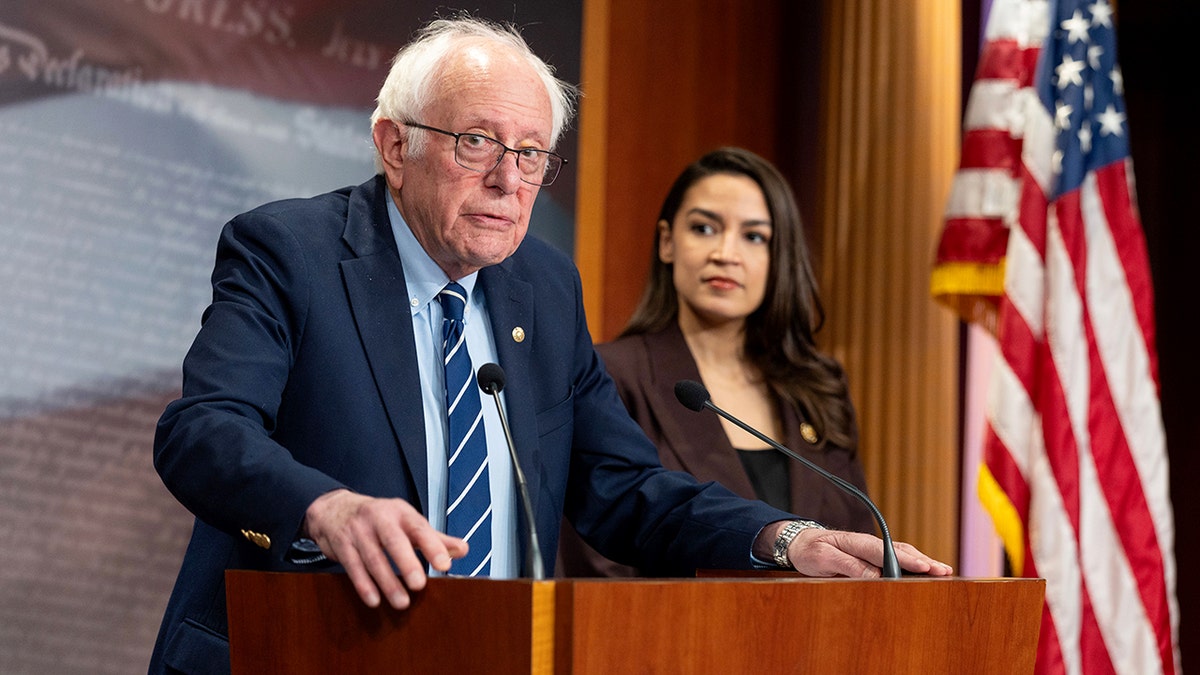
Sen. Bernie Sanders and Rep. Alexandria Ocasio-Cortez hold a press conference at the U.S. Capitol in Washington, D.C., on March 25, 2026, to announce the Artificial Intelligence Data Center Moratorium Act. (Tasos Katopodis/Getty Images)
But some experts tie data center production to economic gains, saying that the jobs created from the facilities benefit communities and local economies.
STEVE FORBES: THE AI COLD WAR HAS BEGUN AND AMERICA CANNOT AFFORD TO LOSE
«In the first six months Trump was in office, over 90% of all economic growth came from new computer and AI investment, and much of it came from data centers,» Judge Glock, director of research and a senior fellow at the Manhattan Institute, told Fox News Digital. «Without continued growth in data centers, we would have higher unemployment and lower incomes. Data centers also bring big gains to local communities.»
Leading voices in AI also noted China’s ability to construct data centers at a much faster rate than the U.S. Last November, Nvidia CEO Jensen Huang said the communist country’s building capabilities far exceed that of the U.S.
«If you want to build a data center here in the United States, from breaking ground to standing up an AI supercomputer is probably about three years… they can build a hospital in a weekend.»
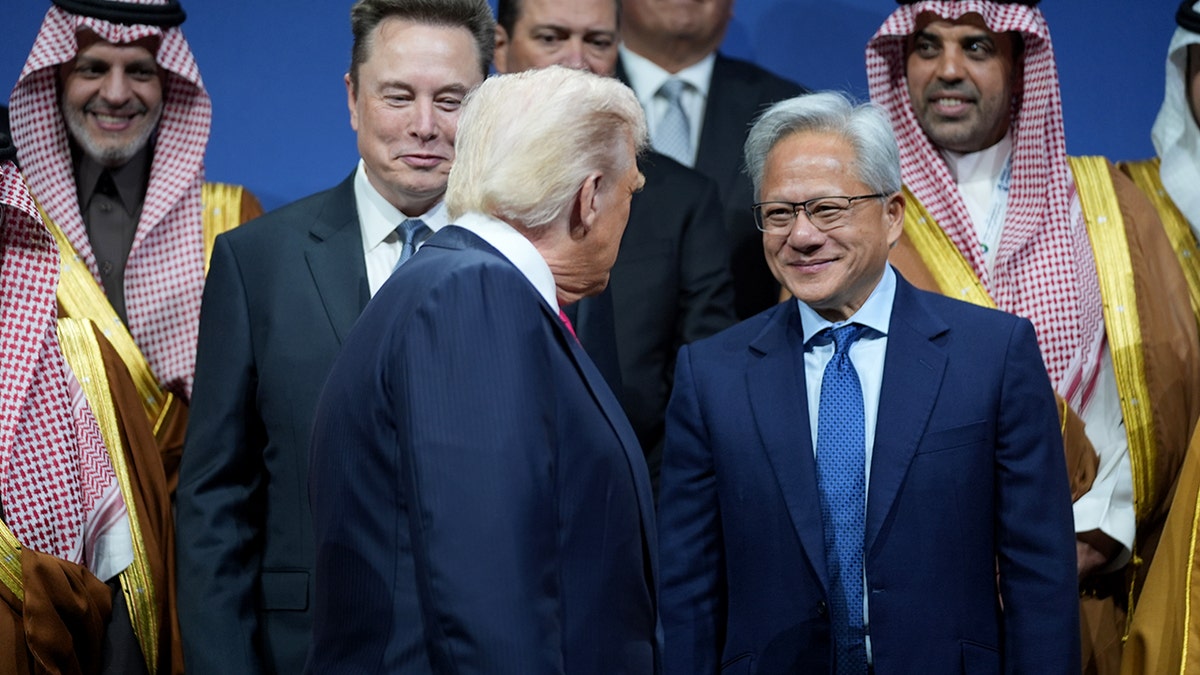
President Donald Trump speaks with Elon Musk and Nvidia CEO Jensen Huang during the Saudi Investment Forum at the Kennedy Center in Washington on Nov. 19, 2025. (Evan Vucci/AP)
O’Leary said the competition with China should alarm Americans, adding that if the U.S. falls too far behind, Beijing could gain the ability to devastate the U.S. economy and national security.
CLICK HERE TO DOWNLOAD THE FOX NEWS APP
While production capabilities are in question, widespread data shows that the U.S. currently has a significantly higher number of functional data centers already built compared to the number reported in China.
According to Statista, the U.S. has more than 4,000 facilities as of April, while China has just over 300 — fewer than the United Kingdom and Germany. Still, O’Leary warned that China could outpace the U.S. over the long term if the U.S. slows development.
infrastructure across america, artificial intelligence, congress, kevin oleary, economy
INTERNACIONAL
Bloqueos en Bolivia: por qué paralizar las carreteras es una herramienta de presión política
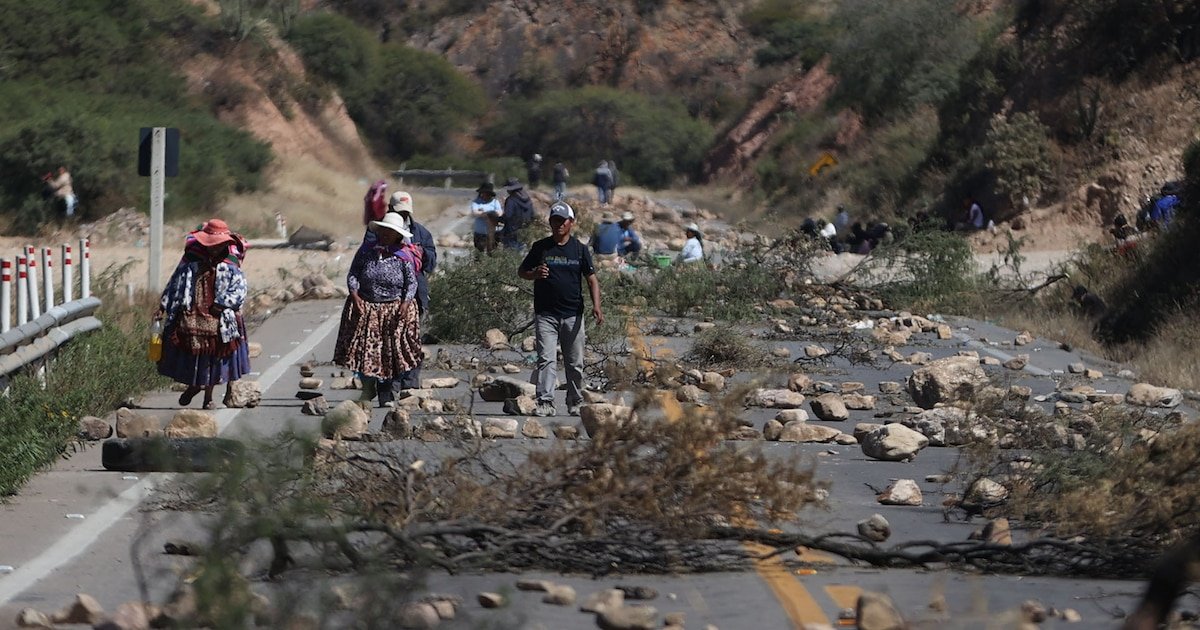
Las principales carreteras de Bolivia están cortadas desde hace más de 45 días por personas que exigen la renuncia del presidente Rodrigo Paz, a quien acusan de traición y de gobernar de manera excluyente en contra de sus intereses.
Aunque el conflicto actual destaca por ser el más prolongado y extendido de los últimos años, el bloqueo de caminos está lejos de ser una medida de presión aislada en la política boliviana. De hecho, fueron la segunda forma de manifestación más recurrente en 2025, solo detrás de las “declaratorias de emergencia”.
Según datos de la Defensoría del Pueblo, el año pasado se registraron 841 hechos de conflictividad en el país, de los cuales 180 se tradujeron en bloqueos, la mayoría motivados por conflictos políticos derivados del proceso electoral y la debacle financiera que atraviesa el país.
Los piquetes actuales han profundizado la crisis y han generado pérdidas millonarias para sectores estratégicos como el transporte, la industria y el turismo. En La Paz, la sede de Gobierno, la población ha experimentado no solo escasez de alimentos y de combustible a causa del cierre de sus vías de acceso, sino también interrupciones en el transporte público, la suspensión de las clases escolares presenciales y la cancelación temporal de algunos servicios médicos por falta de oxígeno.

Ese escenario convulso puso sobre la mesa el debate sobre la legitimidad de los cortes de caminos como una herramienta de lucha política.
“Todo bloqueo es criminal porque atenta contra los derechos de las personas”, manifestó el diputado Carlos Alarcón, quien presentó un proyecto de ley para penalizar los piquetes. La norma, que está trabada en una comisión de la Asamblea Legislativa, plantea sancionar a quienes corten carreteras con penas que van de 3 a 20 años de cárcel.
El diputado justifica su proyecto porque “se afectan los derechos más básicos y elementales, no solo al libre tránsito sino también a la salud, la educación, el trabajo y la alimentación (…) de personas inocentes que no tienen nada que ver con los reclamos de los bloqueadores”. En entrevista con Infobae, Alarcón señaló que “no se puede corregir lo que se considera una injusticia con una injusticia mayor contra el conjunto de la población”.
Para la socióloga Luciana Jáuregui, más allá del debate sobre la criminalización de las protestas, es necesario comprender el origen de este mecanismo de acción política y las tensiones sociales que lo alimentan.

Jáuregui sostiene que en Bolivia existe una “contradicción estructural” entre la conformación institucional y las organizaciones comunitarias que no están representadas en el Estado. “Las protestas se originan en ese desacople”, señala y explica que las causas tienen que ver con una crisis de mediación institucional, la desigualdad económica histórica y una exclusión simbólica de las poblaciones rurales.
Los sectores que recurren a los bloqueos como medida de presión señalan que es la única manera de ser escuchados. “No hay otra forma de lucha sindical”, afirmó en entrevista con Infobae David Mamani, ex dirigente de la Federación de Campesinos de La Paz Túpac Katari, una de las cuales se manifiesta actualmente contra el Gobierno. “Cuando acudimos a una huelga de hambre, nadie la toma en cuenta. Si hacemos una marcha de protesta, no pasa nada. Todo es chiste para los gobernantes. Entonces, ¿cómo podemos lograr hacernos escuchar?”, justificó.
Los bloqueos prolongados revelan el nivel de organización social que tienen las poblaciones campesinas. La forma de sostener más de seis semanas en las calles es mediante turnos de rotación y la toma de decisiones de manera unánime. “Nadie nos da dinero, es una gran mentira que alguien esté financiando esta movilización, no hay nada de eso”, afirmó sobre las versiones que vinculan las protestas con dinero externo y de organizaciones ilícitas.

El dirigente campesino es consciente del daño colateral de la medida de presión y afirma que toda protesta tiene “causa y efectos”. Aún así, considera que su demanda es justa y que si la administración de Rodrigo Paz no hubiera incumplido sus promesas de campaña, ellos no estarían hoy en las calles. “Estamos en las carreteras porque el Gobierno ha ojo cerrado ha ejecutado decretos anticampesinos”, afirmó.
Sin embargo, los bloqueos como herramienta de lucha política trascienden a las organizaciones campesinas. En los últimos años, las clases medias impulsadas por las instituciones cívicas de Santa Cruz también hicieron bloqueos en vías urbanas -con dinámicas diferentes y bajo la modalidad de “paro cívico”-, para exigir desde la renuncia de Evo Morales en 2019 hasta la realización de un censo de población y vivienda en 2022.
Jáuregui explica que estos conflictos suelen estallar en una sociedad dividida y con intereses antagónicos cuando una de las partes no controla los recursos institucionales y económicos del Estado. “Eso sucede en los dos casos (…) cuando no existen canales de ejercicio de poder, se recurre a la calle”, apunta la analista que ve en las instituciones bolivianas un “Estado parcial” que no logra reflejar “la estructura plural de poder que existe en la sociedad”.

Estas diferencias se traducen también en la forma en la que se miran las protestas: mientras unos consideran los bloqueos una medida de presión legítima para obtener beneficios colectivos, otros creen que es un atentado cruel contra los derechos fundamentales.
“¿Cuánto tiempo más nos falta sufrir? ¿Qué quieren? ¿Qué comencemos a robarnos entre nosotros para dar de comer a nuestros hijos? Tanto bloqueo, bloqueo, bloqueo no es justo; nosotros solo queremos trabajar”, manifestó entre lágrimas una mujer comerciante de La Paz, a la que ya no le llegan productos ni clientes. “Nosotros no estamos a favor de nadie, lo único que queremos es poder vender tranquilas”, agregó.
Aunque el diputado Alarcón defiende su proyecto de ley “antibloqueos” como una norma constitutiva de un nuevo ordenamiento social y garantiza los otros métodos de protesta reconocidos en la Constitución Política del Estado —marchas, huelgas, mítines, etc.—, el dirigente Mamani anuncia una “absoluta” resistencia a la aprobación de esa norma.
Esta pulseada latente revela un problema más profundo: la dificultad de una sociedad fragmentada para construir consensos mínimos que le permitan dirimir sus diferencias por vías institucionales.
Civil Conflict,Demonstrations,Riots,South America / Central America,Civil Unrest
INTERNACIONAL
Israel–Hezbollah ceasefire becomes first test of Trump Iran framework after talks delay
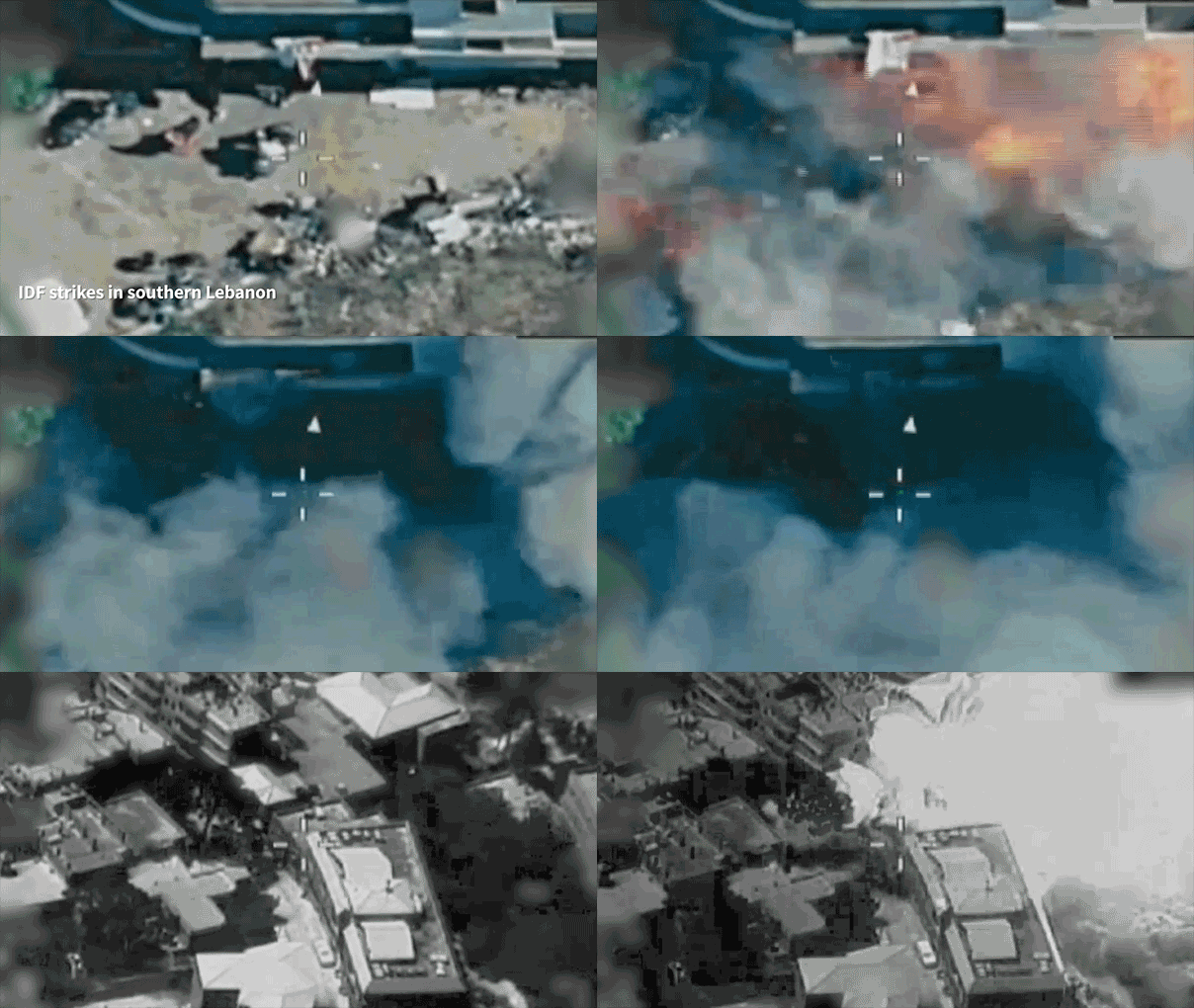
NEWYou can now listen to Fox News articles!
A U.S.-backed ceasefire between Israel and Iran-backed terror group Hezbollah was set to take effect Friday afternoon, as Washington tried to salvage a broader regional framework with Iran after talks scheduled for Switzerland were abruptly postponed.
The Israel–Hezbollah ceasefire was set to take effect 9 a.m. Eastern Time/4 p.m. local time, both a senior U.S. and an Israeli official told Fox News Digital, but whether the ceasefire formally took effect remains disputed.
The White House has not publicly commented on whether the ceasefire has formally taken effect.
A Hezbollah spokesperson told Fox News Digital that the group would abide by the ceasefire if Israel does, but «reserves the right to respond» to any violation. The spokesperson said Hezbollah did not yet view the ceasefire as having taken effect, claiming Israel was still carrying out strikes in southern Lebanon more than an hour after it was supposed to begin.
ISRAEL MOVES TOWARDS CEASEFIRE DEAL WITH HEZBOLLAH: REPORTS
Prime Minister Benjamin Netanyahu posted a video after the 4 p.m. local start time that he said showed Israel Defense Forces striking Hezbollah targets in Lebanon. It is unclear when those reported strikes took place, and Fox News Digital could not independently verify their timing.
«As I instructed – the IDF struck powerfully 150 Hezbollah targets in Lebanon and eliminated dozens of terrorists,» he wrote on X.
IDF spokesperson Effie Defrin said Hezbollah had killed four Israeli soldiers in overnight strikes early Friday.
An airplane flies as smoke rises after an Israeli strike on Beirut’s southern suburbs amid escalating tensions between Hezbollah and Israel on March 6, 2026. (Khalil Ashawi/Reuters)
Still, an Israeli official said Israel intends to honor the ceasefire agreement.
«If Hezbollah doesn’t shoot, we won’t shoot. If they shoot — we will respond,» the official told Fox News Digital.
The agreement came after negotiations between the U.S. and Iran scheduled to take place this weekend in Switzerland were abruptly postponed. The White House has not publicly provided a reason for the delay.
Trump has expressed increasing frustration with Netanyahu over the conflict with Hezbollah in Lebanon.
«Bibi has to be more responsible with respect to Lebanon,» Trump said to reporters Tuesday at the G7 conference in France. «Too many people are being killed, and you don’t have to knock down an apartment house every time you’re looking for somebody, because there are a lot of people in those apartment houses, and they’re not all Hezbollah, that I can tell you.»
«I’m not saying they shouldn’t protect themselves,» he added Wednesday during separate remarks to reporters. «I’m saying when two drones are shot into the desert and drop harmlessly, you don’t have to knock down buildings in Beirut. They could behave better, and frankly, they could do a better job.»
Hezbollah is an Iran-backed Shiite militant group and political movement based in Lebanon that the U.S. has designated as a foreign terrorist organization. Its conflict with Israel dates back decades, but the latest fighting has centered on Hezbollah rocket and drone attacks from Lebanon and Israeli strikes aimed at pushing the group back from the border and protecting northern Israeli communities.
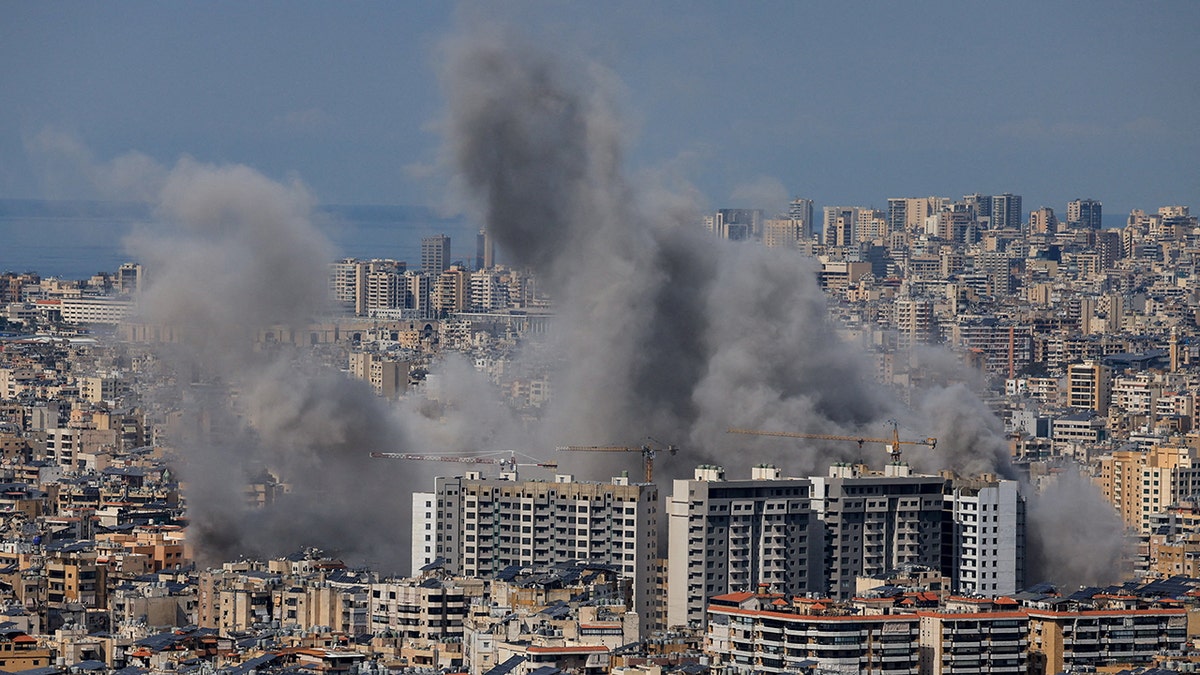
Smoke billows over Beirut’s southern suburbs following reported strikes amid escalating conflict involving Hezbollah and Israel, as seen from Baabda, Lebanon, on March 6, 2026. (Mohamed Azakir/Reuters)
«As the Vice President said at his press conference, the plans for the upcoming technical talks have not been finalized, and the U.S. delegation has been prepared to depart at the first available opportunity,» a White House spokesperson told Fox News Digital. «But the logistics of these negotiations have never been simple or predictable. As of now the Vice President is not departing tonight. We will let you know as soon as we have a concrete update about next steps.»
The Iranian foreign ministry on Friday denied reports claiming Iran had once again closed the Strait of Hormuz.
«The Armed Forces of the Islamic Republic of Iran have taken the necessary measures to ensure the safe passage of commercial ships through the Strait of Hormuz, in accordance with the Memorandum of Understanding on the End of the War dated 18 June 1405, and shipping is underway in this route,» foreign ministry spokesperson Esmail Baghaei said in a statement posted to Telegram.
A separate Iranian official told Fox News Digital Friday that traffic was moving «slowly» through the strait due to mine-clearing operations.
HORMUZ CHOKE POINT PERSISTS AS IRAN HALTS OIL TRAFFIC DESPITE TRUMP CEASEFIRE
U.S. officials have described the memorandum signed Wednesday as a 60-day framework for negotiations toward a final agreement largely focused on Iran’s nuclear program.
They have said any U.S. force withdrawal from areas near Iran would be tied to a final deal, not required immediately under the initial agreement.
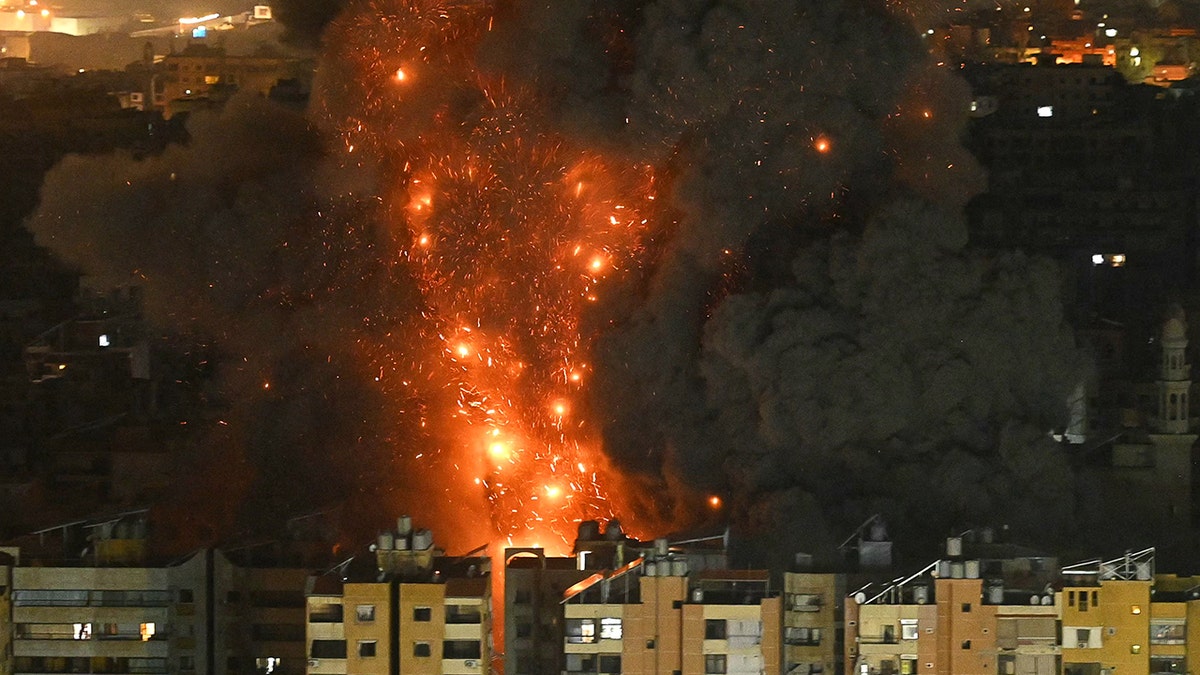
A fireball rises from the site of an Israeli airstrike targeting an area in Beirut’s southern suburbs overnight on March 10 to 11, 2026. (Fadel itani / AFP via Getty Images)
The agreement also declared the «immediate and permanent termination of military operations on all fronts, including in Lebanon,» according to U.S. officials.
CLICK HERE TO DOWNLOAD THE FOX NEWS APP
U.S. officials have said the memorandum also includes immediate oil sanctions waivers for Iran, an end to Iranian threats to the Strait of Hormuz and a process for lifting the U.S. blockade, and future talks over Iran’s nuclear program, including the fate of its enriched uranium stockpile.
Fox News Digital reached out to the Pentagon, Israeli Prime Minister’s Office and Iranian Foreign Ministry for additional comment and had not received responses by publication.
middle east, lebanon, treaties, iran, israel

La visita de una campeona del mundo y una scout de la MLS a la Argentina: el profundo debate sobre las mujeres en el fútbol

Qué pasará con Adorni en el Senado, cómo ser armó la foto del Gabinete en Rosario y la encuesta que preocupa a la Rosada

“No vengan”: una provincia se encuentra en estado de alerta por la migración masiva y asegura que no sobran trabajos

El horóscopo de hoy: sábado 20 de junio

Kevin O’Leary warns China is winning the AI race because U.S. states are slowing data center production

Amin Momahed Omar será el árbitro de Argentina vs Austria por el Mundial 2026

Patricia Bullrich: “El Presidente considera que Adorni dio una explicación razonable”

El Gobierno envía señales de que Adorni tiene las horas contadas para evitar que sesione el Senado

La secuencia del golazo de Messi para Argentina ante Argelia en el debut en el Mundial 2026 y los récords que rompió

GOP Gov DeWine urges Ohio to abolish the death penalty, says it is no longer a deterrent

 POLITICA2 días ago
Patricia Bullrich: “El Presidente considera que Adorni dio una explicación razonable”
- POLITICA3 días ago
El Gobierno envía señales de que Adorni tiene las horas contadas para evitar que sesione el Senado
- INTERNACIONAL3 días ago
Octavio Paz, escritor mexicano: “Sin libertad la democracia es despotismo, sin democracia la libertad es quimera”