INTERNACIONAL
Donald Trump afirmó que la recuperación del uranio iraní “será un proceso largo y difícil”

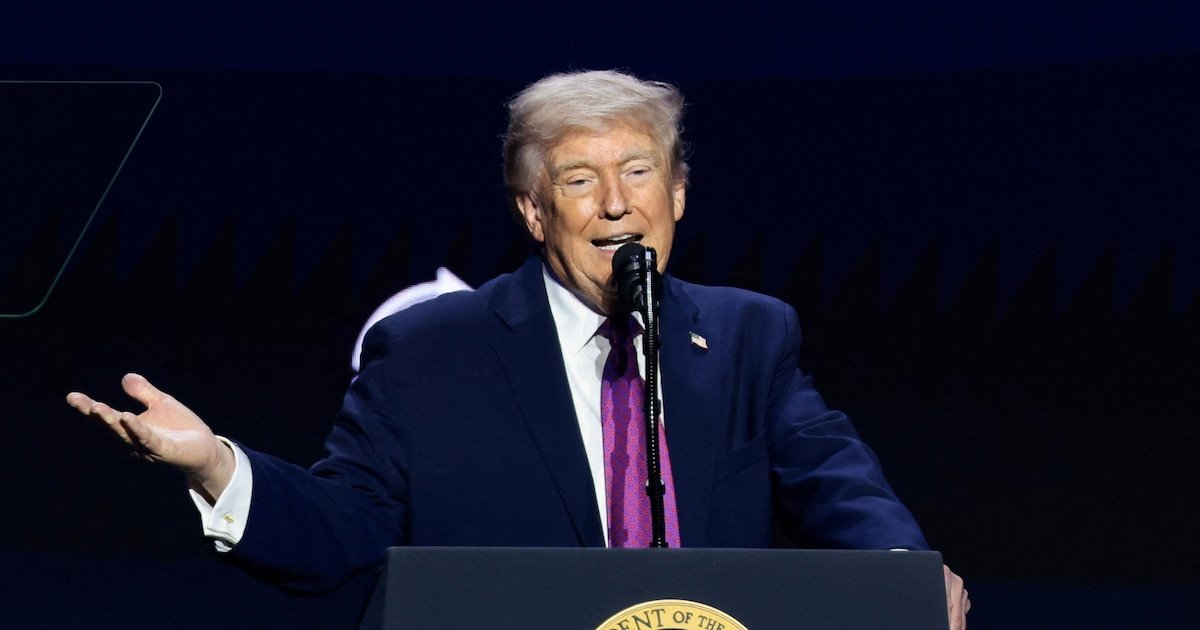
El presidente de Estados Unidos, Donald Trump, afirmó el lunes por la noche que la obtención de uranio desde Irán será “un proceso largo y difícil”, al insistir en que los ataques estadounidenses del año pasado destruyeron por completo las instalaciones nucleares alcanzadas en territorio iraní.
“La Operación Midnight Hammer fue una obliteración completa y total de los sitios de polvo nuclear en Irán”, escribió Trump en su plataforma Truth Social. Luego agregó: “Por lo tanto, extraerlo será un proceso largo y difícil”.
El mandatario reiteró así la posición de la Casa Blanca respecto del alcance de la ofensiva militar lanzada contra objetivos nucleares iraníes. Trump suele utilizar la expresión “polvo nuclear” para referirse a las reservas de uranio enriquecido que, según Washington, Teherán acumuló con el objetivo de desarrollar una bomba atómica. En otras oportunidades, también empleó ese término para describir el material residual que quedó tras los bombardeos estadounidenses sobre las instalaciones nucleares iraníes en junio del año pasado.
Previamente, Trump sostuvo que las reservas de uranio enriquecido de Irán finalmente pasarán a territorio estadounidense, una afirmación que contrastó con la postura oficial de Teherán. La cancillería iraní negó esos planes y mantuvo su rechazo a cualquier transferencia del material nuclear fuera del país.
Estados Unidos e Israel lanzaron ataques conjuntos el 28 de febrero con el objetivo de eliminar lo que el gobierno israelí definió como “la amenaza existencial” que representa el programa nuclear de la república islámica. De acuerdo con funcionarios israelíes, Irán intensificó sus esfuerzos para obtener un arma atómica tras el fin de la guerra de 12 días del año pasado, conflicto que incluyó bombardeos estadounidenses sobre tres instalaciones nucleares, entre ellas una planta de enriquecimiento.

Las declaraciones de Trump surgieron en medio de la incertidumbre sobre la continuidad de las conversaciones entre Washington y Teherán. Desde Irán, voceros oficiales señalaron que aún no se definió la participación en una nueva ronda de diálogo y cuestionaron la postura estadounidense en el marco del actual cese de hostilidades.
En paralelo, el presidente estadounidense advirtió sobre la posibilidad de una nueva escalada militar si fracasan las negociaciones. “Si no hay un acuerdo, empezarán a caer muchas bombas”, expresó en otra intervención, al referirse al escenario posterior al vencimiento del alto el fuego.
El proceso diplomático se desarrolla en un contexto marcado por la persistencia de tensiones militares, restricciones comerciales y disputas en torno al programa nuclear iraní. Uno de los puntos centrales de la negociación continúa siendo el destino del uranio enriquecido en poder de Teherán, mientras ambas partes mantienen acusaciones cruzadas por presuntos incumplimientos.
La Casa Blanca informó que la próxima delegación estadounidense estará encabezada por el vicepresidente JD Vance, acompañado por el enviado especial para Medio Oriente, Steve Witkoff, y por Jared Kushner. La administración estadounidense busca avanzar hacia un nuevo entendimiento que, según su postura oficial, impida de manera definitiva cualquier desarrollo nuclear con fines militares.

En Teherán, el clima interno muestra señales de desgaste tras meses de conflicto y de incertidumbre económica. La falta de avances concretos en la negociación mantiene la atención de la comunidad internacional, que sigue de cerca la evolución del diálogo entre ambos gobiernos y el futuro del programa nuclear iraní.
Domestic Politics,Religion,North America,Government / Politics,Religion / Belief










INTERNACIONAL
Major dispute to threaten Trump’s Iran deal over billions in frozen Tehran funds: expert
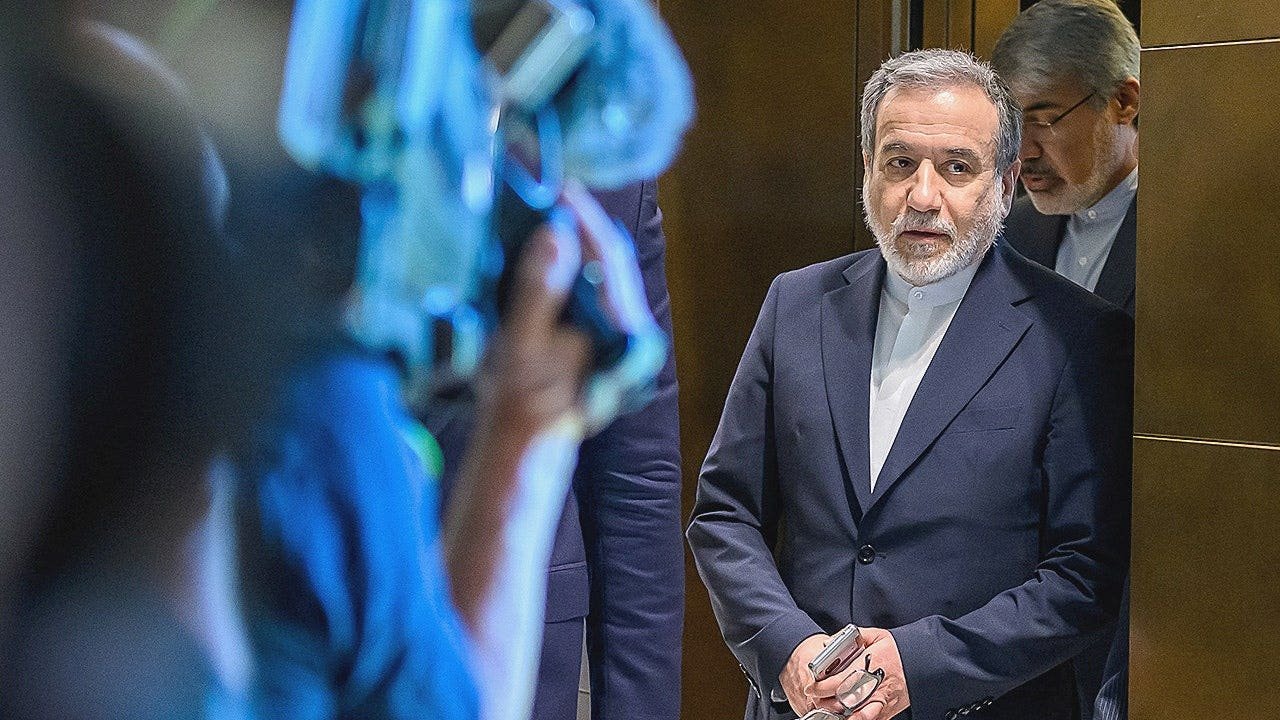
NEWYou can now listen to Fox News articles!
As U.S. and Iranian negotiators met in Switzerland on Sunday, a regional analyst warned that a dispute over billions in potentially unfrozen Iranian assets could quickly test the durability of a fledgling interim agreement.
The disagreement is emerging, they say, as Washington and Tehran begin implementing the memorandum of understanding signed June 17, with negotiators holding the first round of talks at Bürgenstock, near Lucerne, Switzerland.
According to Iran International, President Masoud Pezeshkian had signaled Tehran’s expectations early Sunday, saying, «$6 billion of our funds in Qatar will be returned. Trump, who tried to deny Iran its rights, acknowledged them in his recent speech.»
The dispute traces back to discussions at the G7 summit in Évian-les-Bains, France, where world leaders debated the issue.
TRUMP DEFENDS WAR DEAL IN MARATHON PRESSER, USING SEMANTICS ON WHY IRAN IS GETTING $300 BILLION
As U.S.-Iran talks opened Sunday in Switzerland, a dispute over who controls and monitors billions of dollars in potentially unfrozen Iranian assets emerged. (Fabrice Coffrini/Pool via REUTERS)
«We have taken their money, it isn’t our money, it is their money, and we froze it,» President Donald Trump said. «At a certain point in time, I guess we’re going to have to give it back.»
He also stressed that any access to the funds remains strictly conditional, writing on Truth Social that Iran would receive «not ten cents» during the 60-day negotiation period if it failed to uphold its commitments.
«There are effectively two competing narratives about the frozen funds,» Alex Vatanka, a senior fellow at the Middle East Institute, told Fox News Digital.
«Releasing frozen assets is not simply an economic question. It is one of the central political tests of trust between Tehran and Washington and will likely become one of the first major implementation disputes in the weeks ahead,» Vatanka added.
Paragraph 11 of the MOU framework states that the United States «undertakes to make fully available» restricted and frozen Iranian funds.
However, the agreement ties any release of funds to a step-by-step process based on compliance, rather than granting immediate, unrestricted access.
BIDEN ADMIN EXTENDS $10B IRAN SANCTIONS WAIVER 2 DAYS AFTER TRUMP ELECTION WIN
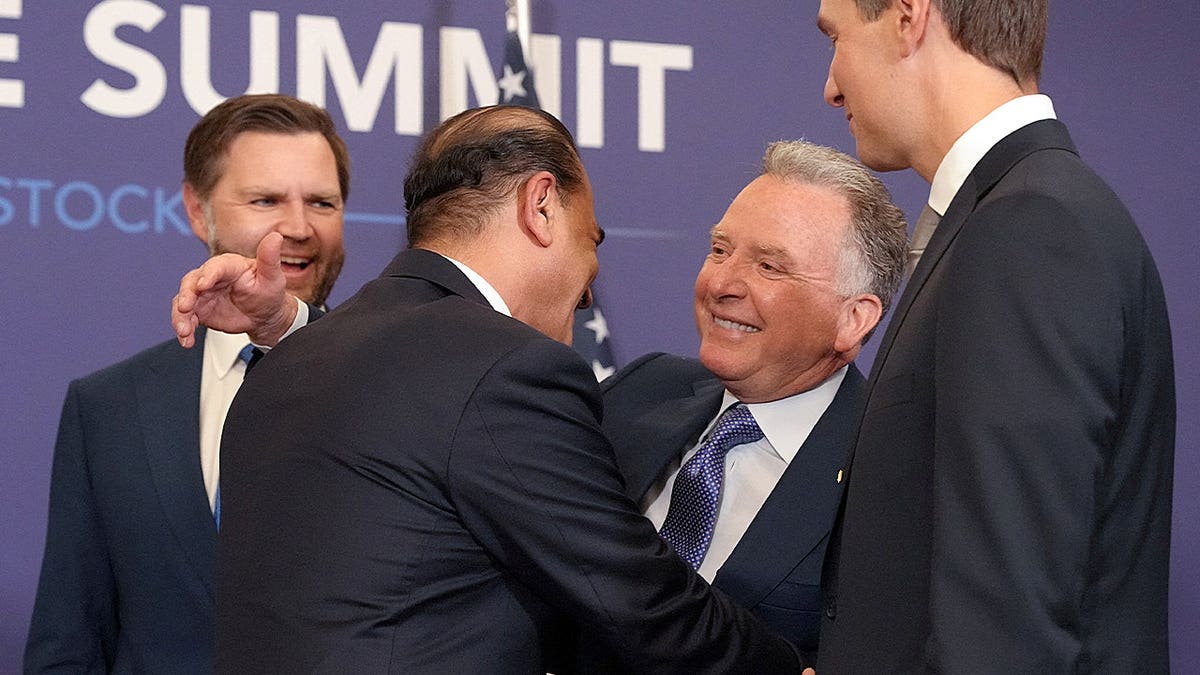
The U.S. delegation, including Steve Witkoff, JD Vance and Jared Kushner, arrived in Switzerland on Sunday. (Nathan Howard/Pool/REUTERS)
«First, there remains considerable uncertainty over the total amount of Iranian assets frozen abroad,» Vatanka said.
«Iranian officials often speak of more than $100 billion, while Western estimates range higher. The immediate negotiations, however, appear focused on securing access to roughly $24 billion to $25 billion as an initial tranche.»
Iran’s frozen assets are widely estimated at between $100 billion and $120 billion and held under sanctions and financial restrictions in countries including China, India, Iraq and South Korea, according to reporting by the Wall Street Journal.
Vatanka said the central dispute extends beyond the size of the payout.
«The real dispute is not simply about how much money Iran receives, but who ultimately controls how it is spent.»
«Iranian officials are emphasizing sovereignty over the funds, while the United States is trying to preserve leverage by attaching conditions to their use,» he added as talks got underway Sunday.
In a statement on X, Qatar’s Foreign Ministry said the talks are aimed at reaching a comprehensive and lasting agreement covering all elements of the framework.
Spokesman Majed bin Mohammed Al Ansari said technical teams were negotiating the final deal while oversight groups would monitor implementation and track progress.
The U.S. and Qatar are exploring a mechanism to channel an initial $6 billion toward humanitarian purchases, including food and medicine, according to reports.
US ECONOMIC CHOKEHOLD ON IRAN REACHES PEAK LEVERAGE AS COLLAPSE RISKS EMERGE
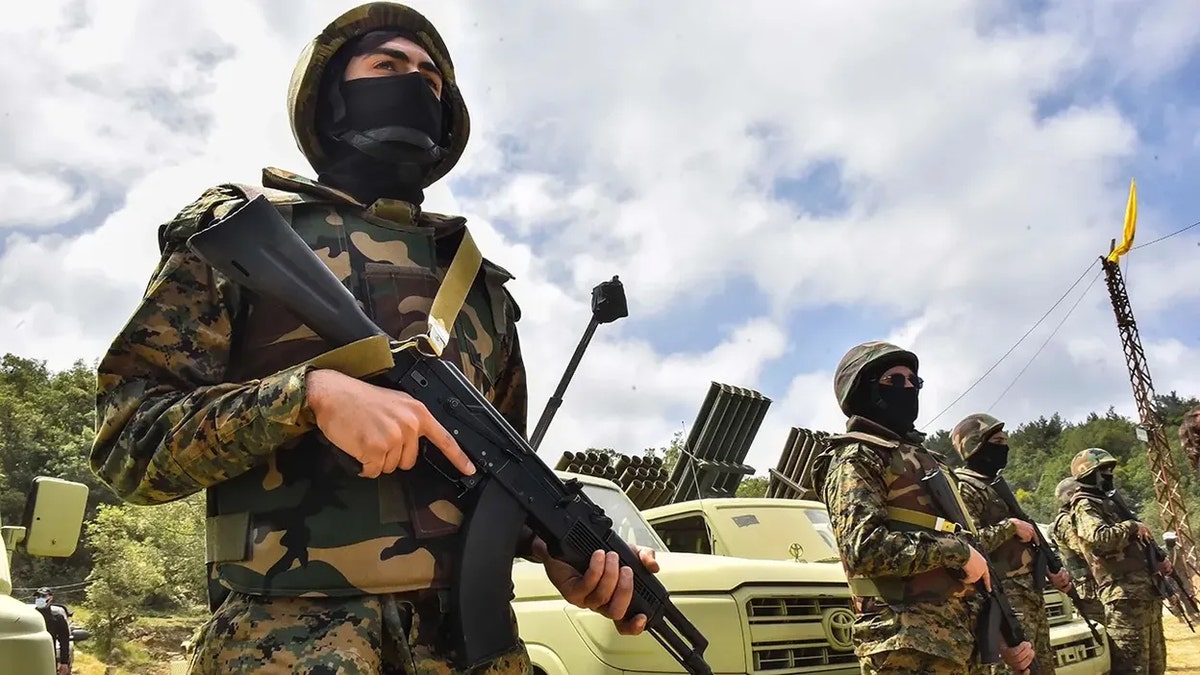
Hezbollah terrorists holding rifles are shown in this image. A «terrorist network» funded and operated by Hezbollah and Iran was foiled in the United Arab Emirates, according to a report. (Fadel Itani/NurPhoto via Getty Images)
However, Western intelligence officials remain concerned that unfrozen funds could be diverted to regional conflicts rather than domestic development projects.
Reuters reported that Iran has already signaled to Hezbollah that increased financial support could resume if Tehran’s cash flow improves.
«This issue also has an important regional dimension,» Vatanka said. «Iran has pledged to direct a portion of those reconstruction funds toward supporting its weakened proxy network in Lebanon.»
«The United States has insisted that Iran cannot use any unfrozen assets to fund terrorist organizations, warning that access to the funds would be revoked if Tehran violates the terms of the agreement,» he added.
Vatanka said the two sides also remain divided over the broader purpose of the agreement.
«Tehran is presenting the roughly $25 billion as money that will be released gradually and invested in rebuilding the country’s infrastructure, with officials talking about roads, airports, transport corridors and projects that visibly benefit ordinary Iranians.»
CLICK HERE TO DOWNLOAD THE FOX NEWS APP
«Washington, however, appears to be describing something much narrower,» Vatanka added.
«U.S. officials have indicated they want the funds released through controlled mechanisms, primarily for humanitarian and other approved civilian purchases, rather than giving Tehran unrestricted access.»
conflicts, counter terrorism, war with iran, iran, sanctions
INTERNACIONAL
Elecciones en Colombia: un triunfo ajustado que deja a Abelardo De la Espriella con un poder limitado

La primera batalla terminó. Pero vendrán otras desde este mismo lunes y, más aún, desde el 7 de agosto, cuando Gustavo Petro termine su mandato y deje su oficina en la Casa de Nariño a su adversario y ahora sucesor, quien deberá mostrar gran cintura política en los cuatro años de gobierno que tiene por delante.
Abelardo De la Espriella, un abogado y empresario que llega a la presidencia sin experiencia en puestos políticos, no la tendrá fácil. Se encontrará con un camino sinuoso y plagado de obstáculos para manejar las riendas de este país de más de 53 millones de habitantes, con una historia de violencia, desigualdades, una enorme diversidad social y que enfrenta ahora serios desafíos económicos y de seguridad, entre otros.
El futuro presidente recibe un país partido en dos. Y deberá tener bien claro que su victoria no le da vía libre para hacer realidad sus promesas de campaña. Su margen de maniobra será bien ajustado y encontrará frenos en el Parlamento y en la Justicia para poder implementar algunas de sus propuestas más polémicas, especialmente en temas de seguridad.
Gran parte de los votos que recibió no fueron por convicción o adhesión ciega, sino más bien por rechazo a la opción contraria. Son muchos aquí los que han elegido por lo que creían “menos malo” y no le darán un apoyo sin condiciones.
“No va a ser una transición tranquila”, vaticinó el analista y columnista político Héctor Riveros, en diálogo con Clarín. El nuevo presidente enfrentará resistencias, y luego de una campaña que se basó en los discursos encendidos, acusaciones y golpes de efecto más que en propuestas concretas, es incierto por ahora de qué manera encarará la tarea de gobernar.
“Es posible que encuentre resistencia en las calles. No porque el gobierno vaya a convocar a manifestaciones, pero se han visto en las últimas semanas grupos de jóvenes, militantes de izquierda, que han salido espontáneamente a protestar contra De la Espriella. Y es posible que veamos más protestas en estos días”, señaló el experto.
El analista político Carlos Augusto Chacón, director ejecutivo del Instituto de Ciencia Política Hernán Echavarría Olózaga, coincide. “Va a ser una transición difícil. Es posible que Petro desconozca los resultados, como hizo en la primera vuelta”, afirmó.
Los retos para el próximo gobierno no son simples. El país atraviesa su peor ola de violencia en la última década. Esta campaña quedó marcada desde el comienzo por el asesinato a tiros del candidato presidencia Miguel Uribe Turbay, en junio del año pasado, y de una serie de ataques con bombas y drones explosivos.
Las autoridades contabilizaron 14.780 homicidios el año pasado, la cifra más alta desde 2015. Las extorsiones también se han disparado a 13.417 casos en 2025, más del doble de las registradas una década atrás.
En este contexto, De la Espriella se presentó como el abanderado del orden, el único capaz de devolver la seguridad al país. Pero el camino que plantea para lograr ese objetivo es resistido por una porción importante de la población y la clase política.
EL LEÓN Y EL TIGRE RUGEN EN LATINOAMÉRICA…!!!
Felicito enormemente a @ABDELAESPRIELLA por su histórica victoria en Colombia.
Hoy la mayoría de los colombianos eligieron el camino de la libertad económica, la prosperidad, la seguridad implacable y decirle BASTA al crimen…
— Javier Milei (@JMilei) June 21, 2026
Por ejemplo, prevé cortar de cuajo con los fracasados esfuerzos de diálogo con los grupos armados en cambio combatirlos con “la fuerza de las armas”. Además, promete construir “mega cárceles”, inspiradas en las del presidente salvadoreño Nayib Bukele, para criminales y narcotraficantes.
Para terminar con la producción de cocaína, quiere fumigar con herbicidas biológicos los plantíos de hoja de coca. Además, adhiere a la política antidrogas de Donald Trump, incluyendo los bombardeos a embarcaciones que presuntamente trafican drogas.
Pero el futuro presidente deberá lograr consensos y negociar con un Parlamento dividido, donde las fuerzas políticas están fragmentadas y pondrán seguramente un freno a su plan de gobierno.
De la Espriella tendrá a su favor que la derecha aparece como el bloque ideológico más numeroso del Congreso. Así, ya cuenta con una base legislativa propia gracias al respaldo de Salvación Nacional, partido de ultraderecha que obtuvo cuatro escaños en el Senado en las elecciones legislativas de marzo. Y se suman los respaldos que ha recibido para la segunda vuelta de dirigentes y sectores de partidos tradicionales.
Pero tendrá en frente a una oposición de izquierda fortalecida respecto al actual Congreso, y de manera inevitable tendrá que consensuar apoyos, en especial para las medidas más polémicas que ha presentado en temas de seguridad.
De la Espriella también promete medidas drásticas para reducir el inmenso déficit fiscal del país, que se amplió en los últimos años por las políticas sociales de Petro, que logró reducir la pobreza y la desigualdad a costa de un enorme endeudamiento.
El mandatario electo admira la política de la “motosierra” de Javier Milei y ha prometido un ajuste feroz. Queda por ver qué margen tendrá para implementar sus propuestas. Es claro que su gobierno comienza debilitado, con una firme oposición por delante y un futuro vidrioso.
INTERNACIONAL
Top GOP group pumps $37M into fight on key issue dominating midterm races: ‘Much more to come’
NEWYou can now listen to Fox News articles!
America Action Network (AAN), a conservative nonprofit advocacy group associated with House Speaker Mike Johnson, R-La., has surpassed $37 million in messaging on cost-of-living issues, according to its leadership.
«The cost of living is the No. 1 issue on the minds of working families right now. American Action Network invested $37 million, highlighting how conservative policies deliver real relief,» Chris Winkelman, AAN’s president, said in a statement to Fox News Digital.
The renewed spending further solidifies affordability as a key issue that is expected to play a pivotal role in the 2026 midterms.
While inflation has risen in recent months, AAN believes Republicans can continue to press the affordability message as an effective way to reach voters and have highlighted the issue in several ads, narrowing in on the work Republicans have done through Trump’s signature One Big Beautiful Bill.
PENCE LAUNCHES GOP MESSAGING BLITZ ON ‘ONE BIG BEAUTIFUL BILL’ AHEAD OF MIDTERMS
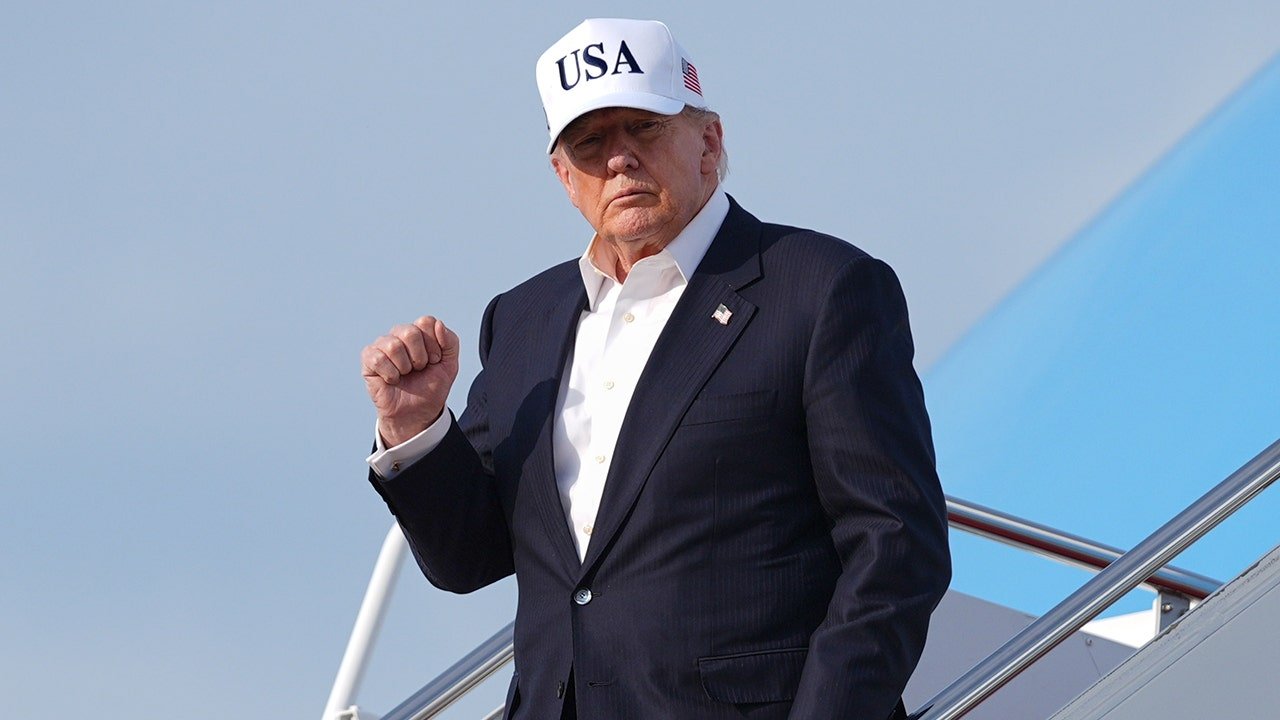
President Donald Trump arrives at Joint Base Andrews, Md., on Air Force One on May 15, 2026, returning from Beijing where he met with China’s President Xi Jinping. (Mark Schiefelbein/AP)
The group has been advancing messaging on the bill since it was passed in July 2025.
«The American comeback is here. President Trump and House Republicans are delivering for the American people, keeping their promises and delivering the change they demanded. Giving working families the tax cut ever, cutting taxes on tips and overtime and strengthening our border,» an ad states.
«It’s a new America.»
A recent Fox News poll shows 58% of voters view cost of living as their top economic worry, up from 50% of voters in Fox’s February poll.
Democrats have also targeted affordability, pointing to President Donald Trump’s promises of lowering everyday costs that have run into hurdles amid the fallout of the war in Iran and higher gas prices. Inflation rose 4.2% in May, according to the Bureau of Labor Statistics, a data point House Minority Leader Hakeem Jeffries, D-N.Y., has repeatedly pointed out.
GAS SURGE TIED TO IRAN CONFLICT HITS SWING STATES, TESTING TRUMP’S LOW-PRICE PITCH
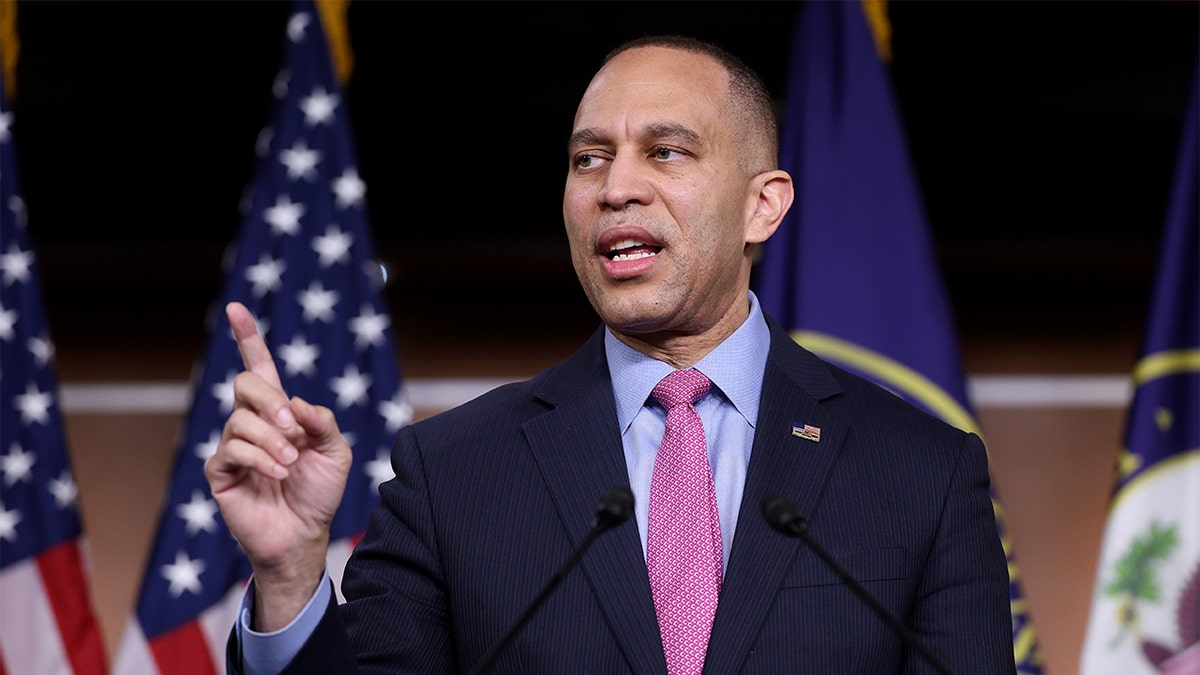
House Minority Leader Hakeem Jeffries speaks at a news conference on Department of Homeland Security funding at the U.S. Capitol in Washington, D.C., on Feb. 4, 2026. (Kevin Dietsch/Getty Images)
«Inflation just hit a 3-year high, gas prices are out of control and life under Donald Trump is unaffordable,» Jeffries said in a recent post to X.
Even so, AAN and other Republican groups have blasted Democrats for opposing relief measures included in the Big Beautiful Bill, noting that, if successful, their opposition would have likely led to widespread tax increases.
That’s the view of Richard Hudson, the chairman of the National Republican Congressional Committee (NRCC).
«House Democrats continue proving they’re out of touch with the concerns of everyday Americans. Republicans are focused on affordability, public safety and securing the border, while Democrats remain captive to the far-left agenda that’s failing working families,» Hudson said.
In one $3 million ad blitz in Florida, Virginia’s 2nd Congressional District and Washington State, AAN slammed Democrats in those areas.
«Marie Gluesenkamp Perez must have a short memory. She clearly forgot about us when she voted for the largest tax hike in American history. Perez voted against giving more money to hardworking Washington families,» the ad states in one example.
VULNERABLE DEMOCRATS HAMMERED WITH SCATHING AD HANDCUFFING THEM TO MAMDANI, JEFFRIES

A man shops in a supermarket while checking his phone for low prices amid inflation. (iStock)
CLICK HERE TO DOWNLOAD THE FOX NEWS APP
The group hinted that, even with the $37 million that’s already been spent, its efforts aren’t finished.
«Keep an eye out — we have much more to come later this summer,» Winkelman said.
midterm elections, inflation, congress, republicans elections, bills

Major dispute to threaten Trump’s Iran deal over billions in frozen Tehran funds: expert

La revelación de la esposa de Raphinha tras la lesión del delantero que encendió las alarmas en Brasil: “Estaba llorando”

Jorge Brito: “Argentina puede convertirse en un hub global de energía e inteligencia artificial”

El conmovedor recuerdo de la China Suárez por el Día del Padre: “Yo le voy a regalar el corazón”

Elecciones en Colombia: un triunfo ajustado que deja a Abelardo De la Espriella con un poder limitado

Noruega vs Senegal: formaciones, hora y dónde ver por tv

LA DOBLE VARA ZURDA: Militantes K prefieren el pasado dictatorial y los excesos de Maradona antes que el éxito limpio de Messi

El lapidario posteo de Javier Milei contra Florencia Peña por la fake news sobre la muerte del papá de Messi

Difundieron videos en los que Jésica Cirio aparece junto a miles de dólares

Un concejal peronista de Entre Ríos atacó a golpes a un intendente durante una sesión del Concejo Deliberante

 POLITICA10 horas ago
LA DOBLE VARA ZURDA: Militantes K prefieren el pasado dictatorial y los excesos de Maradona antes que el éxito limpio de Messi
- POLITICA1 día ago
Difundieron videos en los que Jésica Cirio aparece junto a miles de dólares
- POLITICA15 horas ago
Preocupación en el oficialismo por el impacto digital del caso Adorni y la insuficiencia del “efecto Mundial”