INTERNACIONAL
DOJ says Southern Poverty Law Center funneled $3M+ to white supremacist and extremist groups like the KKK

NEWYou can now listen to Fox News articles!
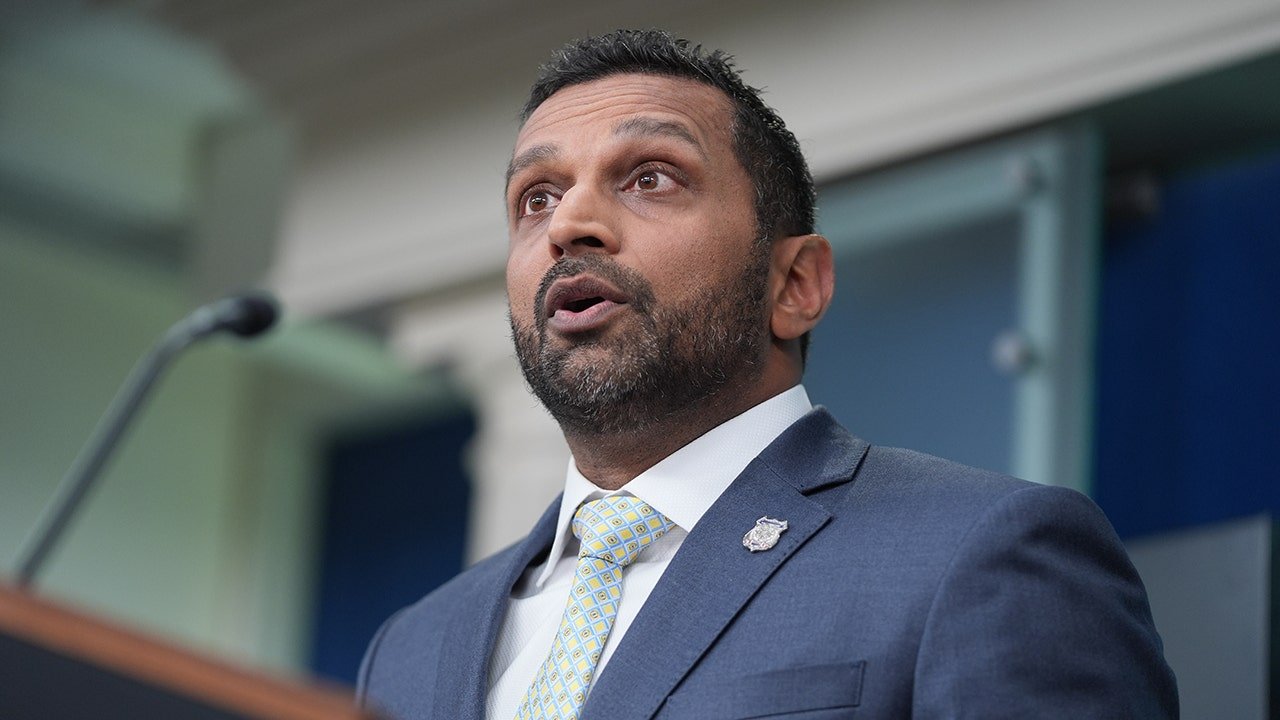
FBI Director Kash Patel and Acting Attorney General Todd Blanche announced a sweeping indictment Tuesday against the Southern Poverty Law Center (SPLC), accusing the far-left nonprofit of fraudulently paying members of extremist groups like the Ku Klux Klan.
A grand jury in the Middle District of Alabama returned an 11-count indictment charging the SPLC with six counts of wire fraud, four counts of bank fraud, and one count of conspiracy to commit money laundering, according to the Justice Department (DOJ). Between 2014 and 2023, according to the DOJ, the SPLC «secretly funneled» more than $3 million in donations to at least eight individuals associated with violent extremist groups, including the Ku Klux Klan, United Klans of America, the Nationalist Socialist Movement, Unite the Right, Aryan Nations affiliated Sadistic Souls Motorcycle Club, and more.
According to Blanche, the SPLC paid members of these extremist groups so it could create a «work product that reported on these activities.»
LEFT-WING GROUP CHASES PROOF OF KASH PATEL’S ALLEGED ‘EXCESSIVE DRINKING’ AS DEMS EYE FBI DIRECTOR’S OUSTER
«To that end, [SPLC] was doing the exact opposite of what it told its donors it was doing – not dismantling extremism but funding it,» Blanche said Tuesday during the press conference announcing the indictment.
Acting Attorney General Todd Blanche was pointed in his remarks at his first news conference Tuesday at the Department of Justice about the Trump administration’s anti-fraud efforts. (Tom Williams/CQ Roll Call)
The SPLC is a longstanding left-wing nonprofit that claims to fight white supremacy and racial hatred by reporting on extremist groups and conducting research to inform law enforcement about them with the goal of dismantling the groups. SPLC’s CEO, Bryan Fair, addressed the probe in a video message posted online, arguing the Trump administration has «made no secret who they want to protect and who they want to destroy.»
«We are reviewing the charges,» a subsequent statement from Fair sent to Fox News Digital added. «However, after today’s Department of Justice press conference, we are outraged by the false allegations levied against SPLC – an organization that for 55 years has stood as a beacon of hope fighting white supremacy and various forms of injustice to create a multi-racial democracy where we can all live and thrive. Taking on violent hate and extremist groups is among the most dangerous work there is, and we believe it is also among the most important work we do. To be clear, this program saved lives.»
«The actions by the DOJ will not shake our resolve to fight for justice and ensure the promise of the Civil Rights movement becomes a reality for all,» Fair continued in his comment to Fox News Digital. «SPLC will vigorously defend ourselves, our staff and our work; we will continue to fight hate; and we will continue to envision and create a safer and more just world.»
DEMS’ ‘DELAY TACTIC’ TO ‘MALIGN’ PATEL AND STALL FBI CONFIRMATION DISMISSED AS ‘BASELESS’ BY TOP SENATE LEADER
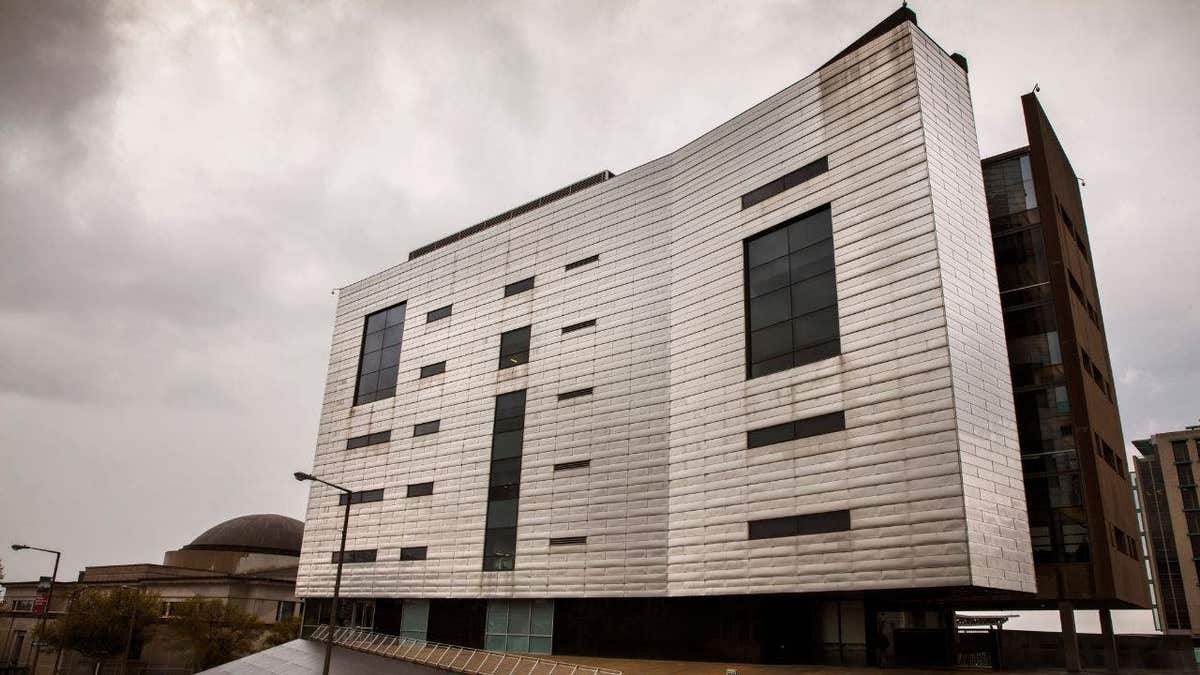
The Southern Poverty Law Center (SPLC) building seen in March 2020 in Montgomery, Alabama. (Barry Lewis/InPictures via Getty Images)
But Patel and Blanche on Tuesday accused the SPLC of conducting «widespread, decade-long, multimillion dollar fraud» funneling money to the very groups it claims to combat.
The complete list of these groups, according to a Justice Department press release, includes the Ku Klux Klan, United Klans of America, Unite the Right, National Alliance, the National Socialist Movement, Aryan Nations affiliated Sadistic Souls Motorcycle Club, National Socialist Party of America (American Nazi Party), and the American Front.
Blanche and Patel also argued Tuesday that the SPLC tried to hide its payments to groups the SPLC told its donors it was trying to combat, leading to several of the charges in the indictment.
«They set up shell companies and entities around America so that the financial institutions that we rely on as everyday Americans were deceived in believing that money was not coming from the Southern Poverty Law Center in the perpetration of this scheme and fraud, but rather fictitious entities,» Patel argued during the press conference. «They stood up to perpetuate this ongoing fraud. This is a serious and egregious violation of a group that purported to dismantle violent extremist groups, but in turn actually only fueled that hatred.»
For example, the SPLC was paying roughly $270,000 to a member of the leadership group that planned the Unite the Right protests in Charlottesville, Virginia, in 2017, that resulted in the death of one person and injured dozens more.
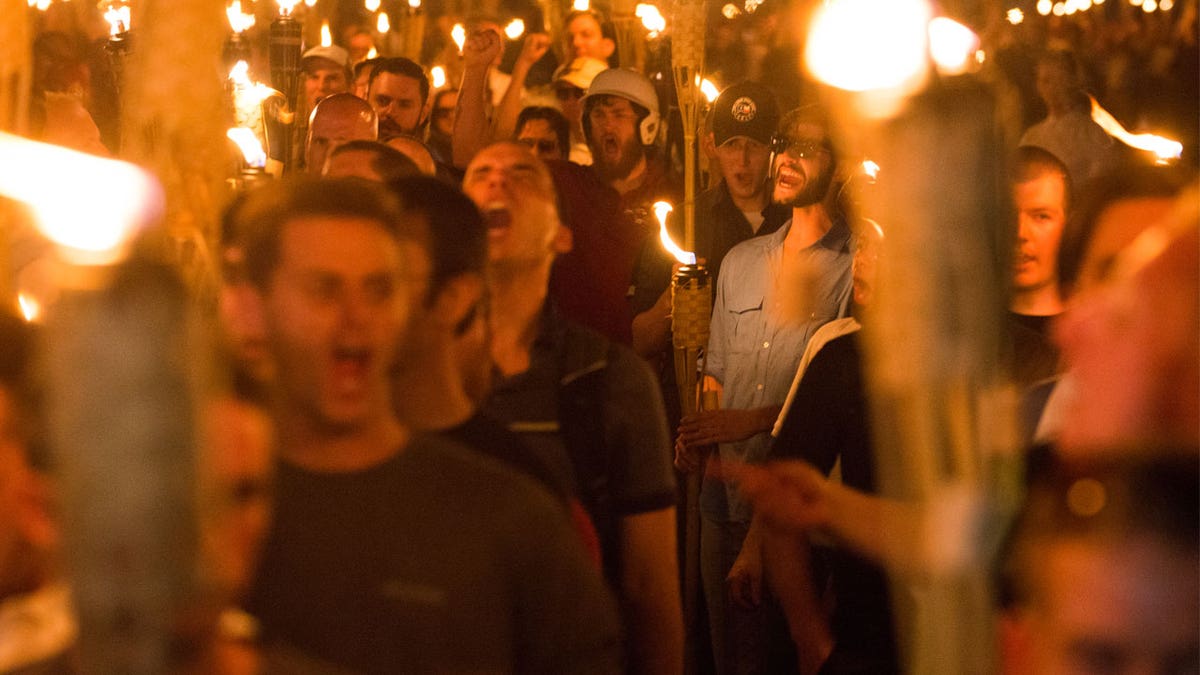
Neo Nazis, Alt-Right, and White Supremacists gather the night before the ‘Unite the Right’ rally in Charlottesville, VA. (Zach D Roberts/NurPhoto via Getty Images)
CLICK HERE TO DOWNLOAD THE FOX NEWS APP
Another individual, embedded in a neo-Nazi organization, was reportedly paid $1 million to steal more than two dozen boxes of the hate group’s documents.
«This is an important case brought by President Trump’s administration, and we’re thankful to the president for his leadership and funding of not just the FBI and DOJ, but his commitment to go out there and wipe out fraud, and conspiracy, and waste and abuse wherever it occurs, including the Southern Poverty Law Center,» Patel said Tuesday.
fbi, kash patel, politics, justice department, national security, homeland security










INTERNACIONAL
Trump says vandals used chemicals to damage newly renovated reflecting pool near Lincoln Memorial
NEWYou can now listen to Fox News articles!
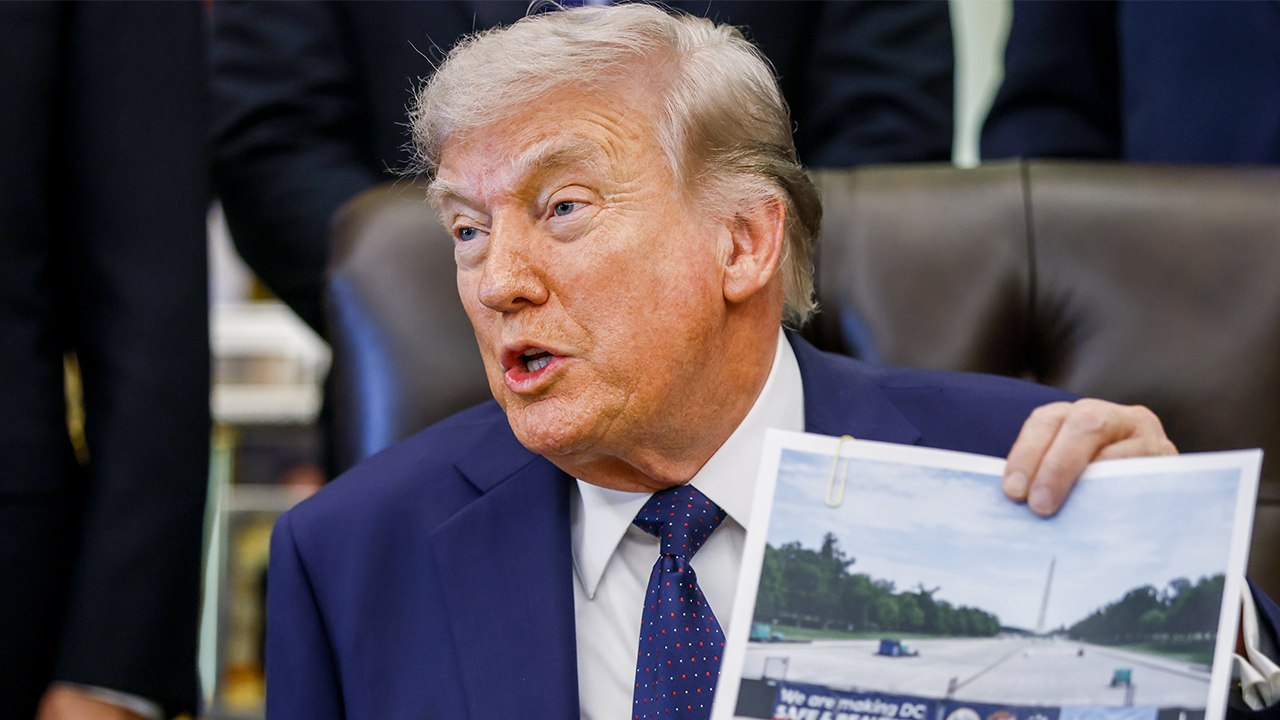
President Donald Trump on Friday said vandals damaged the recently renovated reflecting pool near the Lincoln Memorial, adding that authorities are investigating the incident.
Trump’s comments come as the recently renovated reflecting pool faces scrutiny over peeling paint and algae growth just weeks after a $14.8 million restoration project was completed.
«Things are really looking good in our Nation’s Capital, and add to that the fact that when I became President, Crime was rampant, and now, Washington, D.C., is one of the Safest Cities anywhere in the United States,» Trump wrote on Truth Social.
«However, we’ve had some real problems with Vandalism at the beautiful Reflecting Pool, which sits between The Washington Monument and The Lincoln Memorial,» he continued.
WHITE HOUSE BLASTS WASHINGTON POST’S CLAIM REFLECTING POOL ‘LOOKS ALMOST THE SAME’ AFTER TRUMP RENOVATIONS
National Guard members walk past a National Park Service employee using a vacuum to clean the Lincoln Memorial Reflecting Pool, Friday, June 19, 2026, in Washington. (AP Photo/Mark Schiefelbein)
«Just like three days ago, they destroyed the grass outside of the Pool, they’ve also done everything possible to hurt the inside surface that was just installed.»
Trump accused vandals of damaging the grounds surrounding the reflecting pool and said they used chemicals to damage the pool’s newly installed surface.
«No different than the chemicals that were used on the National Mall, they used something similar in the Reflecting Pool to try to destroy and demean our beautiful work,» he said.
DIRT BIKES, ATVS DRIVEN AROUND WORLD WAR II MEMORIAL IN WASHINGTON, DC: VIDEO
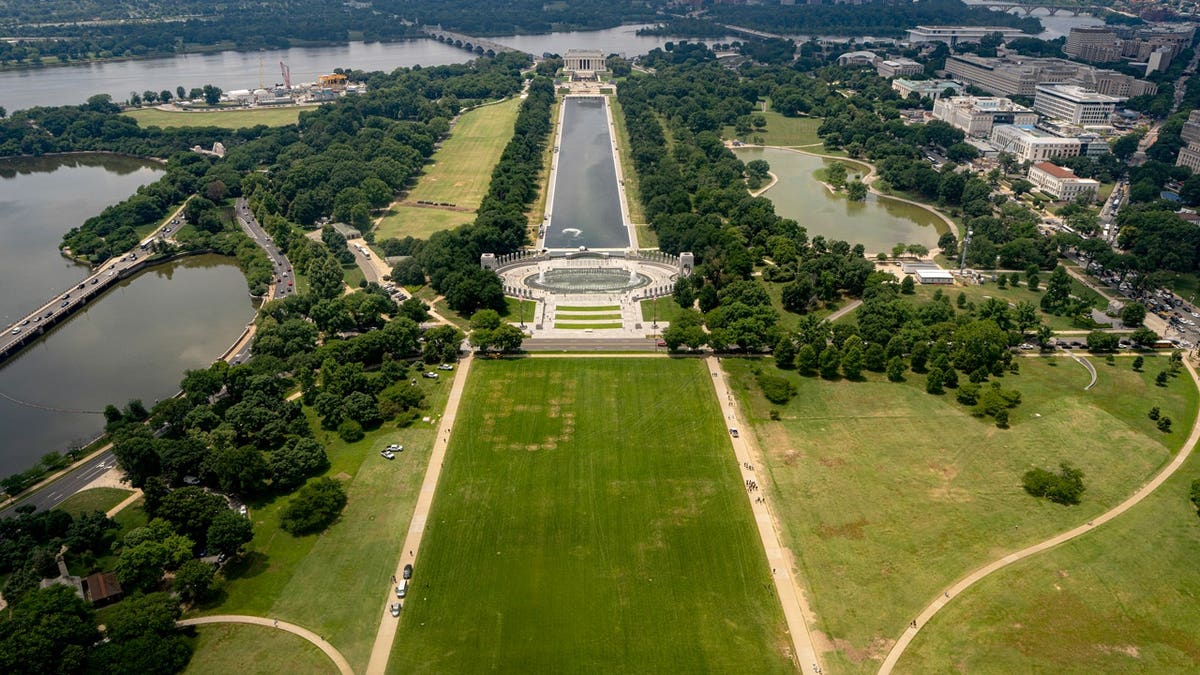
The numbers «86 47» on the National Mall between the Washington Monument and the World War II Memorial. (Al Drago/Bloomberg via Getty Images)
Trump’s comments come about a week after a large «86 47» message appeared to be etched into the grass near the National Mall between the Washington Monument and the World War II Memorial.
Administration officials previously characterized the message as threatening, arguing that «86» is sometimes used as slang for removing or getting rid of something, while «47» refers to Trump as the nation’s 47th president.
Trump announced on June 6 that the $14.8 million restoration project at the historic reflecting pool had been completed. Days later, however, algae appeared throughout the pool, masking portions of the newly restored «American flag blue» bottom.
WATCH: TRUMP REVEALS FLASHY NEW COLOR FOR NATIONAL MALL’S REFLECTING POOL MAKEOVER

Algae growth appeared in the Reflecting Pool weeks after a $14.8 million restoration project was completed. (Chip Somodevilla/Getty Images)
This week, the National Park Service and contractors deployed chemicals and ozone nanobubbles to help mitigate the algae growth.
Workers also used a swimming pool-style vacuum system to remove algae from the bottom of the pool.
«There are no harmful side effects to marine life or to the environment,» the park service said in a statement this week.
TRUMP WORKING TO CLEAN ‘FILTHY’ LINCOLN MEMORIAL REFLECTING POOL, BLAMES BIDEN FOR MAINTENANCE DELAYS
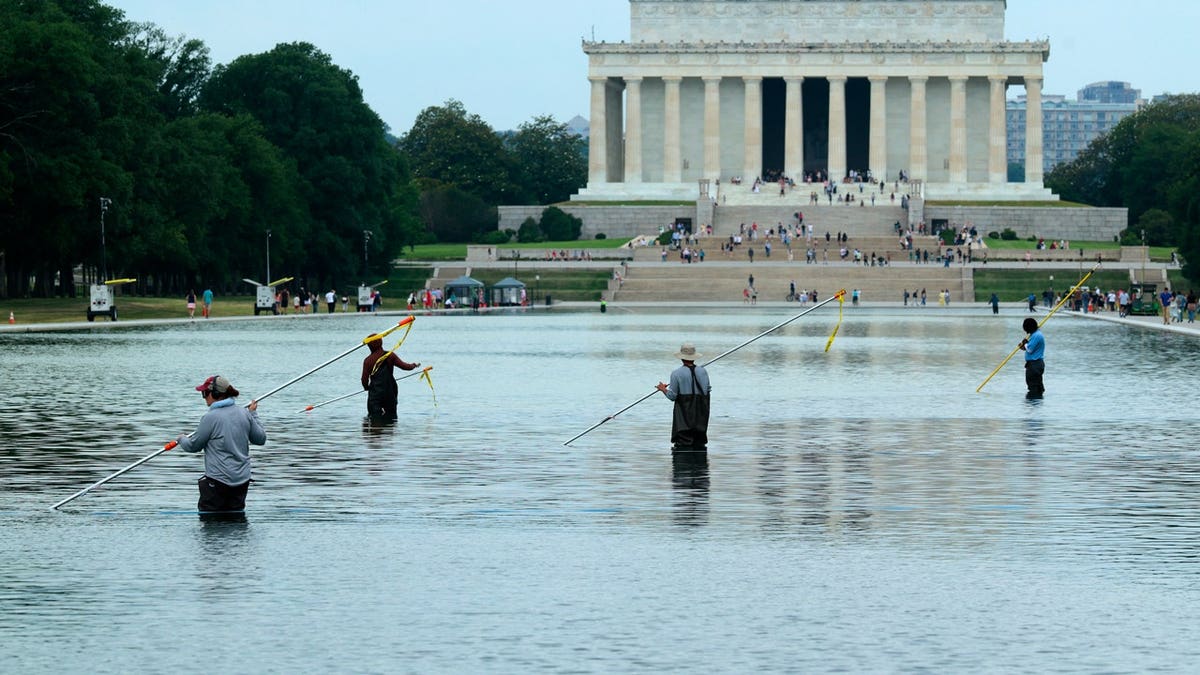
National Park Service employees and contractors use vacuums to remove green algae from the bottom of the Lincoln Memorial Reflecting Pool on June 18, 2026 in Washington, DC. (Chip Somodevilla/Getty Images)
Trump said most of the algae had been removed and that the vandalized area would be repaired by next week.
«The algae is 75% gone, and the condition will soon be completely remedied, and the area that was vandalized, fortunately, is just a small area of damage, and will be fixed early next week,» Trump said.
He also said law enforcement is actively investigating the alleged vandalism. Images posted on social media Friday showed National Guard personnel and U.S. Park Police officers patrolling the area.

Paint peels from the bottom of the Lincoln Memorial Reflecting Pool. (REUTERS/Annabelle Gordon)
Videos posted on social media also appeared to show people gathered near the Reflecting Pool criticizing the renovation project and celebrating the algae growth.
CLICK HERE TO DOWNLOAD THE FOX NEWS APP
Fox News Digital has reached out to the White House for comment.
The Associated Press contributed to this report.
washington dc, white house, investigations, vandalism
INTERNACIONAL
Irán y Estados Unidos definieron una hoja de ruta para intentar cerrar un acuerdo en 60 días
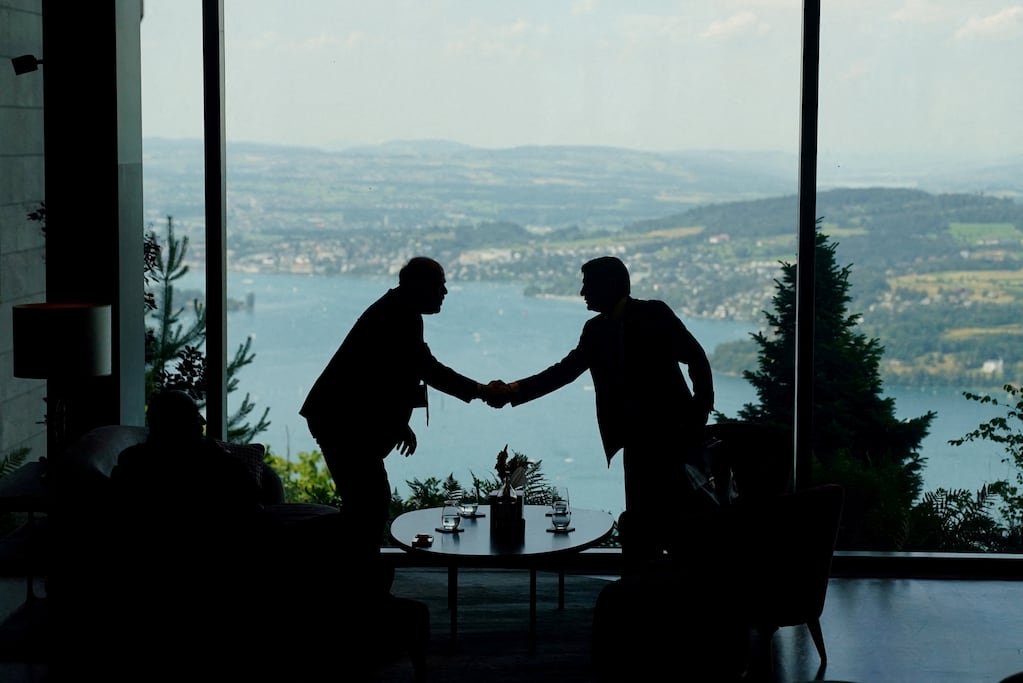
Irán y Estados Unidos definieron en Burgenstock, Suiza, una hoja de ruta para intentar alcanzar en un plazo de 60 días un acuerdo que permita poner fin al conflicto en Oriente Medio. La información fue anunciada en un comunicado conjunto por Pakistán y Catar, los países mediadores, tras la primera ronda de discusiones entre ambas partes.
Según el comunicado difundido por los mediadores, el Comité de Alto Nivel acordó “una hoja de ruta para alcanzar un pacto final en 60 días”, con el objetivo de ordenar los próximos pasos de la negociación.
El estrecho de Ormuz, una vía clave para el transporte mundial de petróleo, quedó en el centro de la tensión entre Irán y Estados Unidos. (Foto: Amirhosein Khorgooi/ISNA vía AP).
El texto también señaló que el entendimiento alcanzado “sienta las bases para el inicio inmediato de nuevas conversaciones técnicas” orientadas a avanzar en una salida diplomática al conflicto.
El anuncio fue emitido por Pakistán y Catar al cierre de la primera ronda de conversaciones entre representantes de Irán y Estados Unidos en la localidad suiza de Burgenstock.
Líbano, el primer punto de tensión en la negociación
Uno de los principales avances anunciados por los mediadores fue la creación de una “célula de desconflicto” para abordar la situación militar en Líbano. Según el comunicado de Pakistán y Catar, ese mecanismo incluirá al gobierno libanés y buscará “garantizar el cumplimiento de la terminación de las operaciones militares en Líbano”.
Sin embargo, todavía no está claro si esa instancia alcanzará para frenar los enfrentamientos entre Hezbollah, el grupo político-paramilitar respaldado por Irán, e Israel. El gobierno israelí sostiene que debe conservar libertad de acción para atacar a milicianos que lanzan ataques hacia el norte de su territorio, mientras Hezbollah se niega a detener sus operaciones si Israel no se compromete a retirarse. Líbano quedó como uno de los puntos más sensibles de la negociación entre Irán y Estados Unidos por los combates entre Israel y Hezbollah. (Foto: REUTERS/Stringer).
Estados Unidos no realizó comentarios de inmediato sobre el resultado de la reunión. Irán, en cambio, destacó la mediación de Pakistán y Catar.
El ministro de Relaciones Exteriores iraní, Abbas Araghchi, escribió en X que la “incansable mediación pakistaní y qatarí ha logrado un gran progreso para poner fin a la guerra en Líbano”. También sostuvo que la primera “prueba real” será comprobar si la célula de desconflicto logra detener los combates.
Una negociación marcada por amenazas cruzadas
El inicio de las conversaciones estuvo atravesado por un fuerte intercambio entre Washington y Teherán. El presidente estadounidense, Donald Trump, advirtió en redes sociales que Irán debía frenar “inmediatamente” a sus aliados en Líbano.
“Irán debe detener inmediatamente a sus esbirros altamente pagados en Líbano de causar problemas”, escribió Trump. Y agregó: “Si no lo hacen, volveremos a golpear a Irán muy duro, como lo hicimos la semana pasada, ¡sólo que más duro!”.

Donald Trump endureció el tono contra Irán y advirtió que podría ordenar nuevos ataques si no frenan los combates en Líbano. (Foto: Reuters)
La respuesta llegó desde Teherán. El principal negociador iraní, Mohammad Bagher Qalibaf, contestó en X: “Mejor que sean cuidadosos con sus declaraciones”. Y advirtió: “Nuestras fuerzas armadas están preparadas para responderles de una manera diferente. Ellos pueden seguir hablando, pero somos nosotros quienes actuamos”.
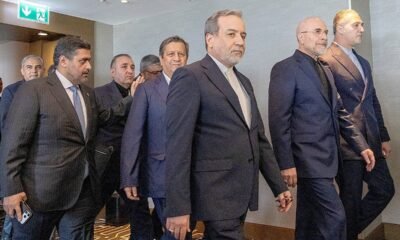
Pese al cruce, las delegaciones mantuvieron una reunión de alrededor de 80 minutos, según medios estatales iraníes. Por Estados Unidos participaron el vicepresidente JD Vance, Steve Witkoff y Jared Kushner, yerno de Trump. Del lado iraní estuvieron Qalibaf y Araghchi.
Ormuz, sanciones y programa nuclear: los otros ejes del acuerdo
Las conversaciones abren una carrera diplomática de 60 días con impacto potencial en la seguridad regional y en la economía global. Uno de los puntos más delicados es el estrecho de Ormuz, una vía clave para los envíos internacionales de energía.
Irán insistió en que había cerrado nuevamente el paso durante el fin de semana, aunque Estados Unidos afirmó que el tráfico marítimo continuó. Según un diplomático citado bajo condición de anonimato, las partes discutieron mecanismos para garantizar que el estrecho permanezca abierto y también para hacer cumplir un alto el fuego en el sur de Líbano.
Vance planteó el desafío en términos políticos más amplios: “La pregunta que tenemos ante nosotros ahora es cuánto más podemos lograr juntos. ¿Podemos dar vuelta a la página?”. También preguntó si las partes podían “cambiar las relaciones en Oriente Medio de forma permanente”.
Washington busca mantener a Teherán dentro de una negociación sobre su programa nuclear, en medio de sospechas de que podría tener fines militares. Irán lo niega y sostiene que no resignará su derecho al enriquecimiento de uranio.
El presidente iraní, Masoud Pezeshkian, afirmó el domingo que “nunca retrocederemos del derecho a enriquecer uranio, y la otra parte también se ve obligada a aceptarlo”, según medios estatales iraníes.
Un acuerdo con impacto económico y críticas políticas
El acuerdo interino firmado por Trump y Pezeshkian permitiría a Irán vender petróleo libremente de inmediato y abriría el camino para acceder a miles de millones de dólares en activos actualmente congelados. Un integrante del equipo negociador iraní dijo a la televisión estatal que se alcanzó un borrador sobre “exenciones temporales de sanciones para el petróleo y los derivados del petróleo”.
También se prevé que Irán diluya su reserva de uranio altamente enriquecido, que se cree permanece enterrada bajo instalaciones nucleares atacadas por Estados Unidos hace un año.
Leé también: Irán abandonó las negociaciones con Estados Unidos en Suiza después de nuevas amenazas de Donald Trump
El entendimiento generó fuertes críticas dentro del propio Partido Republicano. Sectores duros compararon el nuevo esquema con el pacto nuclear impulsado durante el gobierno de Barack Obama, al que Trump había cuestionado durante años por considerar que no frenaba realmente el programa nuclear iraní.
En paralelo, el gobierno estadounidense intenta llevar tranquilidad a los mercados. Tras el anuncio del acuerdo, los futuros del petróleo cayeron casi un 8%, en un contexto de preocupación por los precios de la energía y por el impacto que una escalada en Oriente Medio podría tener sobre el abastecimiento global.
Estados Unidos, Irán, acuerdo, Medio Oriente
INTERNACIONAL
Talarico says the divide is ‘top vs. bottom’ — then heads to one of America’s richest donor enclaves
NEWYou can now listen to Fox News articles!
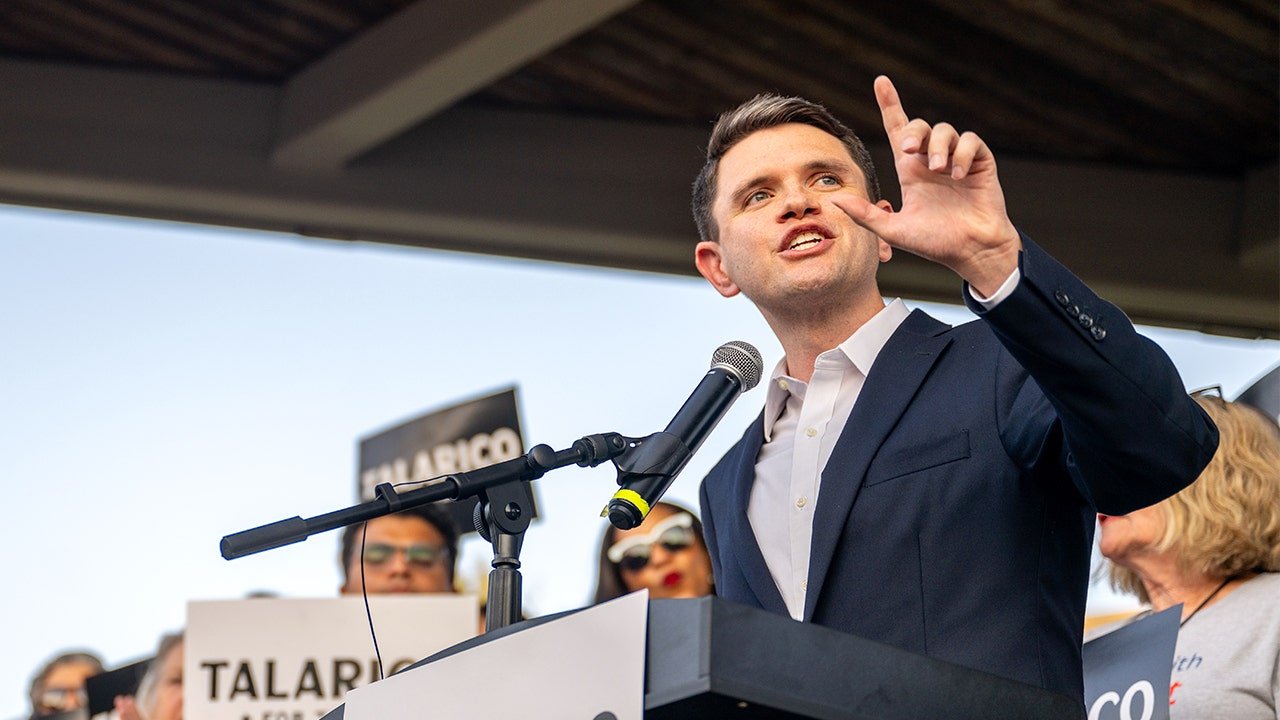
Texas Democratic Senate nominee James Talarico, who has built a reputation for his anti-corporate rhetoric and criticism of tech, reportedly spent mid-April traveling around the San Francisco Bay Area soliciting donations from deep-pocketed tech executives.
Talarico attended at least four California fundraisers organized by major Democratic fundraisers linked to the tech industry in April, according to invitations obtained by Politico and a source interviewed by the outlet.
The Democratic Senate hopeful criticizes the tech industry on his campaign website, accusing it of profiting off «predatory algorithms» that amplify extremism and promising to protect workers against «intrusive AI surveillance.»
The fundraisers took place in Palo Alto, the Mission District of San Francisco, Oakland and Marin County, according to Politico. Among the attendees were venture capitalists, including at least one who advises AI start-ups, wealthy Democratic donors and political staffers.
TALARICO TOUTS TEXAS ROOTS AS OUT-OF-STATE CASH POWERS SENATE CAMPAIGN
State Rep. James Talarico, D-Texas and U.S. Senate candidate, participates in a debate at the Texas AFL-CIO COPE Convention in Georgetown, Texas, on Jan. 24, 2026. (Bob Daemmrich/The Texas Tribune/Bloomberg via Getty Images)
Talarico’s proximity to wealth creates tension with how he has presented himself on the campaign trail.
He has stated that «the biggest divide in this country is not left vs. right. It’s top vs. bottom,» argued that the «people at the top work so hard to keep us angry and divided because our unity is a threat to their wealth and power,» characterized lawmakers that take donations from «megadonors» as «puppet politicians,» accused «billionaires are waging war on the rest of us» and expressed a strong desire to hold corporations accountable.
He has also vowed not to accept corporate PAC funding, though he has taken money from corporate executives, the individuals who typically fund and control corporate PACs.
PROGRESSIVE TALARICO KNIFES BIDEN’S OPEN BORDER, TRIES MODERATING STANCE ON KEY ISSUES IN TEXAS SENATE RACE
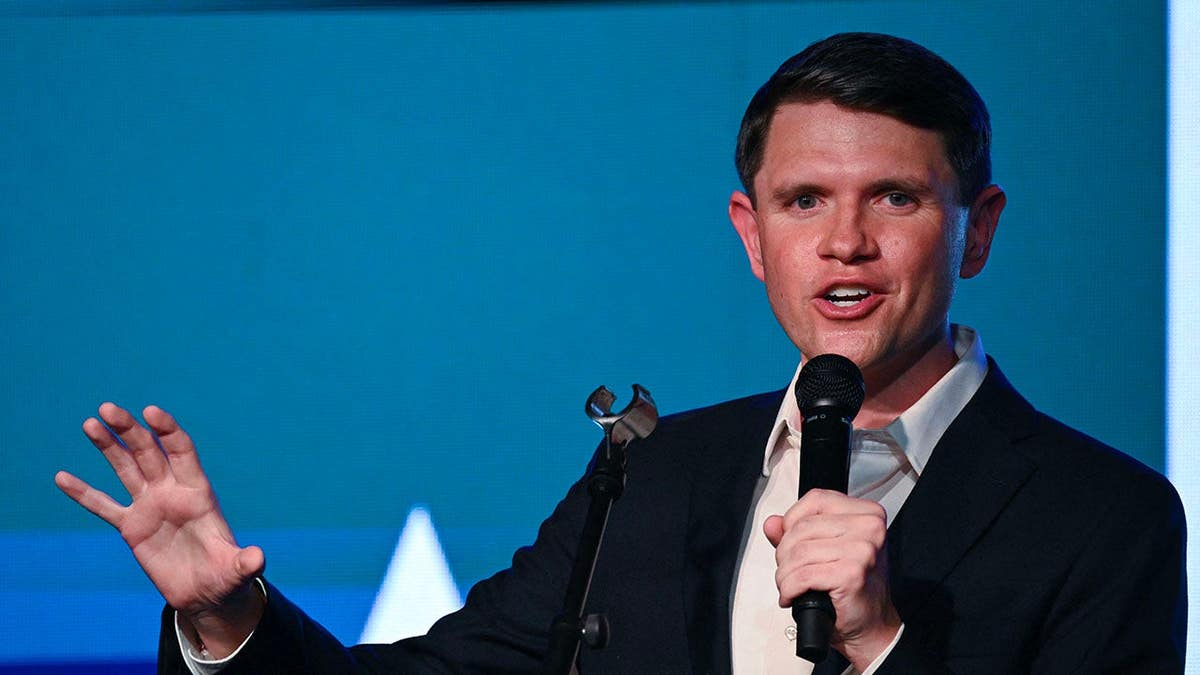
Democrat candidate for Senate James Talarico speaks during a rally in San Antonio, Texas, on May 29, 2026. (Ronaldo Schemidt/AFP via Getty Images)
While Talarico has raised over $40 million, the second most of any Senate candidate this cycle, the vast majority of that has come from small-dollar donors. Additionally, Texas Republican Senate nominee Ken Paxton, the state’s attorney general, has a history of accepting large-dollar donations, though he hasn’t taken a stance against the wealthy in the same way as Talarico.
«The only way to get big money out of our politics is to vote out politicians like Ken Paxton who want corporations and billionaires to decide our elections, not Texans,» Talarico campaign spokesman JT Ennis told Fox News Digital.
«James is the only candidate who’s outlined a comprehensive agenda to ban super PACs, ban corporate PACs, ban congressional stock trading and tax billionaires so we can fix this broken, corrupt political system. If anyone supports taxing billionaires more and limiting big money’s influence on our politics, they’re welcome to help defeat politicians like Ken Paxton, who rake in millions of dollars from special interests then enrich wealthy donors while working Texans struggle.»
Paxton campaign spokesperson Madison Cercy told Politico the fundraisers are «just another chapter in James Talarico’s saga of lying and hypocrisy as he runs a flip-flopping campaign across the state of Texas.»
ABBOTT SPOTLIGHTS NO-SHOW TALARICO, LAUNCHING TEXAS-SIZED CRIME CRACKDOWN
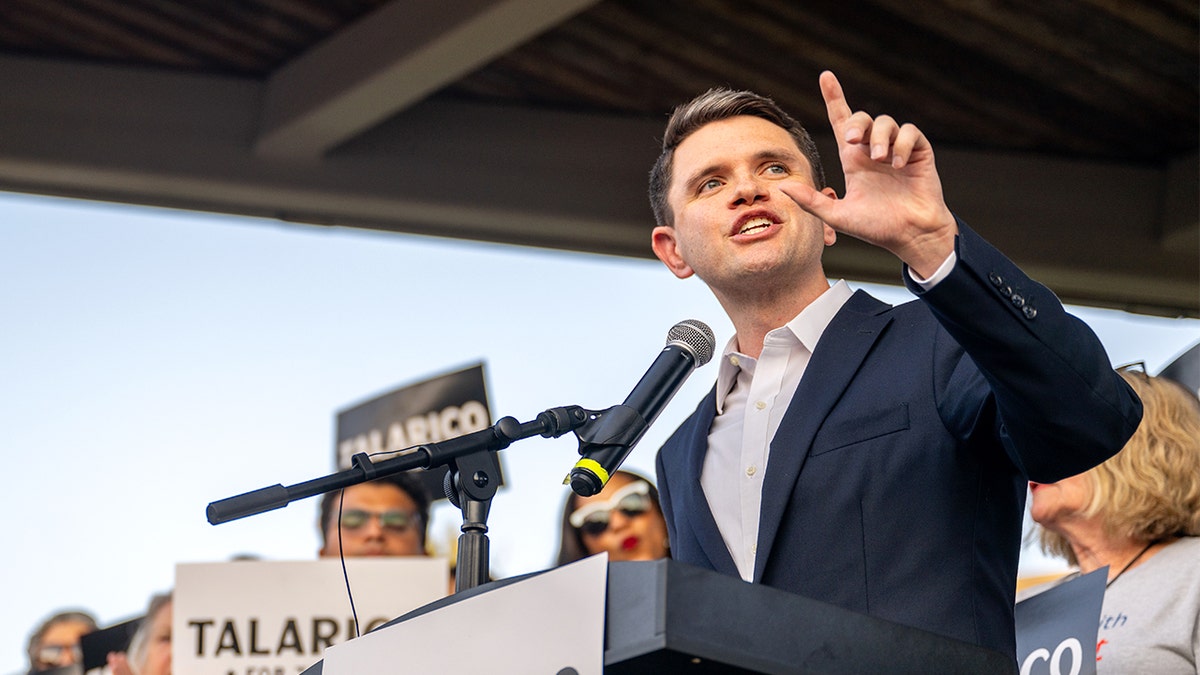
Democratic Texas State Rep. James Talarico speaks during a campaign launch rally in Round Rock, Texas, on Sept. 9, 2025. (Brandon Bell/Getty Images)
Fox News Digital previously reported that Talarico is far more reliant on out-of-state donors than Paxton, a trend common among Democrats challenging Republicans in swing states.
Democrats have sought to flip Texas blue for decades, often spending large sums of money in ill-fated attempts to dethrone Republican gubernatorial and senatorial incumbents. Some in the party feel that 2026 could be different from their past failures in the Lone Star.
CLICK HERE TO DOWNLOAD THE FOX NEWS APP
Talarico’s open Christian faith, for one, is seen as something that could provide him with cross-party appeal. That, combined with his strong fundraising numbers, tendency to generate viral clips and an unpopular Republican in the White House, could propel Talarico to an upset victory.
In any case, the race for Senate in Texas is shaping up to be an expensive one. One Democratic fundraiser projected that the contest could cost north of half a billion dollars across all sides.
republicans elections, fund raising, tech, texas, democrats elections

Trump says vandals used chemicals to damage newly renovated reflecting pool near Lincoln Memorial

La tarde en que Juan Martín Del Potro ganó un partido y perdió el tenis

El horóscopo de hoy: lunes 22 de junio

Cuántos dólares le faltan a Economía para cubrir los vencimientos hasta fin de 2027: la demanda cambiaria preelectoral es clave

Javier Milei y sus medidas, en vivo: el viaje del Presidente a España y las repercusiones de la elección en Colombia

Efectos perjudiciales de la inteligencia artificial (IA)

LA DOBLE VARA ZURDA: Militantes K prefieren el pasado dictatorial y los excesos de Maradona antes que el éxito limpio de Messi

El lapidario posteo de Javier Milei contra Florencia Peña por la fake news sobre la muerte del papá de Messi

Preocupación en el oficialismo por el impacto digital del caso Adorni y la insuficiencia del “efecto Mundial”

Difundieron videos en los que Jésica Cirio aparece junto a miles de dólares

 POLITICA13 horas ago
LA DOBLE VARA ZURDA: Militantes K prefieren el pasado dictatorial y los excesos de Maradona antes que el éxito limpio de Messi
- POLITICA18 horas ago
Preocupación en el oficialismo por el impacto digital del caso Adorni y la insuficiencia del “efecto Mundial”
- POLITICA1 día ago
Difundieron videos en los que Jésica Cirio aparece junto a miles de dólares