INTERNACIONAL
Miles de micros y un mensaje repetido por altoparlantes: así vació la URSS una ciudad en tiempo récord tras Chernobyl

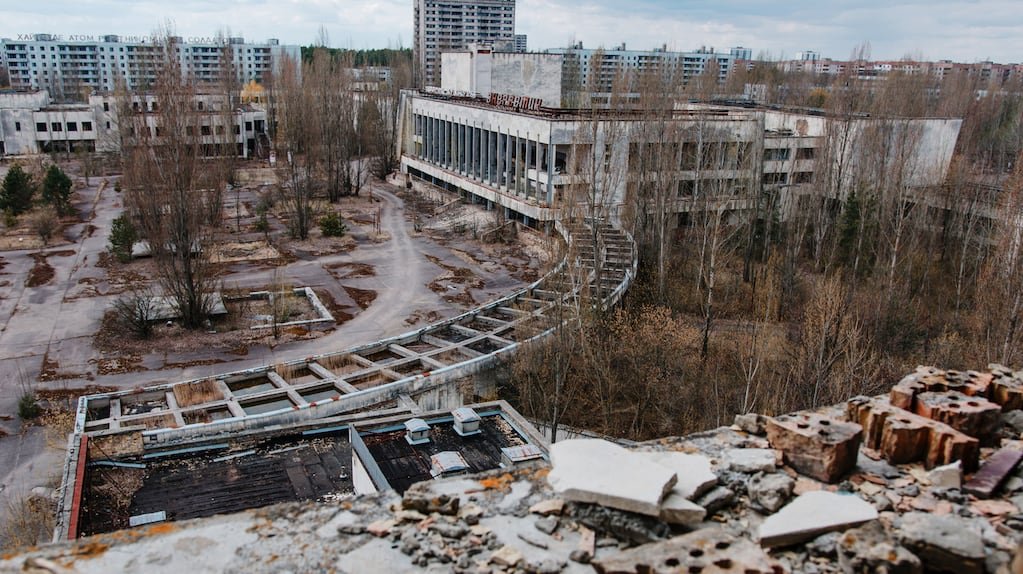
El 26 de abril de 1986, una explosión en el reactor número 4 de la central nuclear de Chernobyl desató el peor accidente nuclear de la historia.
La nube radiactiva avanzó sobre gran parte de la entonces Unión Soviética y afectó especialmente a los territorios que hoy pertenecen a Ucrania, Bielorrusia y Rusia. A pocos kilómetros de la planta estaba Pripyat, una ciudad construida para los trabajadores de la central y sus familias. Ahí vivían casi 50.000 personas.
Durante horas, nadie explicó qué estaba pasando. Los vecinos vieron humo, escucharon la explosión y notaron movimientos extraños alrededor de la planta, pero no recibieron información oficial. Recién 36 horas después llegó la orden: todos debían irse.
Leé también: Ucrania denunció que un ataque ruso dañó el escudo protector que cubre el reactor nuclear de Chernobyl
En menos de 24 horas, la Unión Soviética organizó una evacuación total, silenciosa y masiva que todavía hoy es recordada como una de las más rápidas del siglo XX. Más de mil micros llegaron desde distintas zonas del norte de Ucrania. El Ejército tomó el control del operativo y los altavoces repetían el mismo mensaje: la población debía irse por unos días, pero luego podría regresar. No sabían que jamás podrían volver a sus casas.
Una orden desde Moscú y una ciudad vacía en pocas horas
“Lo primero que tenemos que tener en cuenta es la estructura fuertemente centralizada que tenía el modelo soviético”, explicó el historiador y analista internacional Kevin Bryan en diálogo con TN.
Cuando una orden bajaba desde Moscú, no existía margen para discutirla. La decisión se cumplía. Esa lógica permitió que en pocas horas se movilizaran micros, camiones, autos militares y personal del Ejército para vaciar una ciudad completa. Pripyat, la ciudad abandonada tras el desastre de Chernóbil en 1986. (Foto: Freepik)
En la misma línea, el licenciado en Ciencia Política y especialista en Derecho Constitucional Sabino Mostaccio explicó que la planificación centralizada, el fuerte sentido del deber y una cultura más enfocada en lo colectivo que en lo individual fueron claves para que la evacuación se realizara sin resistencia.
Para Mostaccio, esa misma rigidez que permitió una respuesta eficiente también había sido una de las causas que agravaron el desastre, porque el sistema arrastraba graves fallas de mantenimiento, secretismo y una fuerte burocracia interna.
“En ese momento, la Unión Soviética mostraba señales de desgaste político y económico, pero todavía mantenía una estructura vertical en la que el Partido Comunista tenía control absoluto sobre cada decisión importante. Chernobyl dejó eso en evidencia”, sumó Bryan.
Más de mil micros, altoparlantes y una frase clave para evitar el caos
La evacuación empezó el 27 de abril. Los colectivos llegaron desde otras localidades porque el Estado podía disponer de esos recursos de forma inmediata. El Ejército organizó zonas, recorridos y salidas. Todo estaba calculado.
Los militares iban casa por casa. Los altoparlantes pedían calma. La orden oficial era llevar solo documentos, algo de ropa y lo indispensable. El mensaje era claro: volverían en tres días. Esa frase evitó el pánico.
Leé también: Misterio en Chernobyl: aparecieron perros con pelaje “completamente azul” en la zona de exclusión
“El mensaje de que regresarían a los pocos días les transmitió esperanza y tranquilidad, sin saber que nunca más podrían regresar”, señaló Mostaccio.
El licenciado en Ciencia Política explicó a TN que la rapidez también fue posible por la enorme estructura militar soviética. “La Unión Soviética tenía unas fuerzas armadas sobredimensionadas, con cerca de 12 millones de efectivos en servicio. Esa capacidad, sumada al control estatal sobre los medios de transporte, permitió una evacuación inmediata”, señaló. Pripyat quedó vacía en pocas horas: miles huyeron con la promesa de volver, pero nunca regresaron. (Foto: Freepik)
“Los civiles no desobedecían, sino que rápidamente partían y abandonaban sus cosas”, contó el historiador. El Ejército todavía tenía prestigio dentro de la sociedad soviética y eso ayudó a que nadie se resistiera.
Pero muchos sospechaban de que no sería algo temporal. Sobre todo quienes tenían familiares trabajando dentro de la central sabían que la situación era mucho más grave.
Aun así, dejaron todo. Ropa, juguetes, fotos, mascotas, muebles y hasta familiares internados. Pensaban que regresarían pronto. La ciudad quedó detenida en ese instante.
Un éxito logístico y también una forma de control político
Para Bryan la evacuación fue un éxito organizativo, pero también una expresión clara del control político facilitada por el Partido Comunista.
La rapidez no solo servía para proteger a la población, también ayudaba a sostener la imagen de un Estado fuerte en medio de una crisis enorme: un sistema cada vez menos eficiente y una confianza social en retroceso.
Leé también: Sobrevivió al horror de Chernobyl y vino a la Argentina para curarse: “Este país me salvó”
Durante las primeras horas del desplazamiento hubo silencio, confusión y una fuerte subestimación del accidente. Las autoridades no terminaban de entender la magnitud de lo que había pasado en el reactor 4. Algunos creían que el problema podía controlarse rápido. Otros ya sabían que estaban frente a una catástrofe sin precedentes.
Para Mostaccio, la demora de casi 36 horas en ordenar la evacuación no respondió solo a la confusión inicial. “Muchos funcionarios preferían preservar sus cargos antes que informar la verdadera magnitud del problema”, sostuvo. Interior de la central nuclear de Chernóbil tras la explosión del reactor número 4. (Foto: Freepik)
Además, fue más allá y cuestionó incluso la palabra “accidente”. “Chernobyl tuvo causas perfectamente prevenibles. Si se podía prevenir, entonces no fue un accidente”, afirmó.
El secreto de Estado y la mentira de que iban a volver
Gran parte de la población soviética tardó días en entender qué había pasado. “El secreto de Estado fue total”, afirmó el historiador y analista internacional.
Mostaccio agregó que esa falta de transparencia era parte estructural del sistema soviético. “La información sobre lo que se les dijo a los habitantes, al resto de la Unión Soviética y al mundo estuvo fuertemente controlada por el Estado”, sostuvo.
La promesa de volver en pocos días también formó parte de esa lógica. Evitó escenas de desesperación y permitió una salida ordenada. Pero fue una mentira necesaria para sostener el operativo.
Leé también: Así se vive en las tierras nucleares de Chernobyl, hoy tomadas por el ejército ruso
Pripyat quedó vacía para siempre. Hoy sus escuelas, hospitales, edificios y el famoso parque de diversiones siguen ahí, como una foto detenida en 1986.
Para el historiador, funciona como “un museo al aire libre” y una advertencia permanente. “Es el testimonio vivo de la vulnerabilidad y también de la soberbia de creer que todo puede controlarse”, confesó a TN.
La ciudad que quedó en silencio y nunca volvió a existir
Mientras miles escapaban, otros entraban. Eran los liquidadores: militares, bomberos y trabajadores que participaron en las tareas para contener la radiación. Muchos murieron después por la exposición extrema.
Pero la imagen que quedó fue otra: una ciudad entera que salió en silencio, con una valija pequeña. Los liquidadores trabajaron en Chernobyl para contener la radiación tras la explosión del reactor. (Foto: Freepik)
Después de abandonar Pripyat, miles de familias quedaron dispersas por distintas zonas de la Unión Soviética. Según Mostaccio, no existió una verdadera política de reasentamiento y muchos sobrevivientes quedaron desprotegidos durante años.
“La evacuación fue única por su eficiencia, pero el resultado final fue desolador, porque esa gente nunca más pudo retomar su vida”, resumió.
Leé también: Chernobyl: qué opinaron los sobrevivientes del accidente sobre la serie
“Pripyat se convirtió en una ciudad fantasma. La evacuación fue rápida, precisa y casi perfecta. Pero también fue definitiva porque ese 27 de abril de 1986, en apenas unas horas, desapareció una ciudad entera”, cerró Bryan.
Redacción: Lola Blasco
Sumario, Chernobyl, energia nuclear








INTERNACIONAL
Iran nuclear deal hinges on IAEA access to long-blocked atomic weapon sites, experts say
NEWYou can now listen to Fox News articles!
Having crushed Iran’s nuclear capabilities during two wars in joint attacks with the Israelis, the latest and most significant chapter of whether there will be peace is whether the regime will allow inspectors from the International Atomic Energy Agency (IAEA) access to its nuclear weapons facilities.
Conflicting statements and reports from President Trump and Iran’s Foreign Ministry suggest the U.N.’s IAEA will face the same recalcitrant policy from Tehran it has experienced for two decades in blocking its inspectors from conducting robust verification of the clerical regime’s vast nuclear facilities, including underground compounds. The IAEA sticking point might be a deal-breaker for President Trump.
David Albright, who is widely viewed as one of the world’s leading experts on Iran’s nuclear weapons program, told Fox News Digital the «IAEA comes up short» in its efforts to secure information and verification about Iran’s nuclear weapons program because «Iran has not cooperated for twenty years.»
THE RACE AGAINST TIME TO DESTROY IRAN’S ILLICIT NUCLEAR WEAPONS PROGRAM HEATS UP AMID FRESH STRIKES
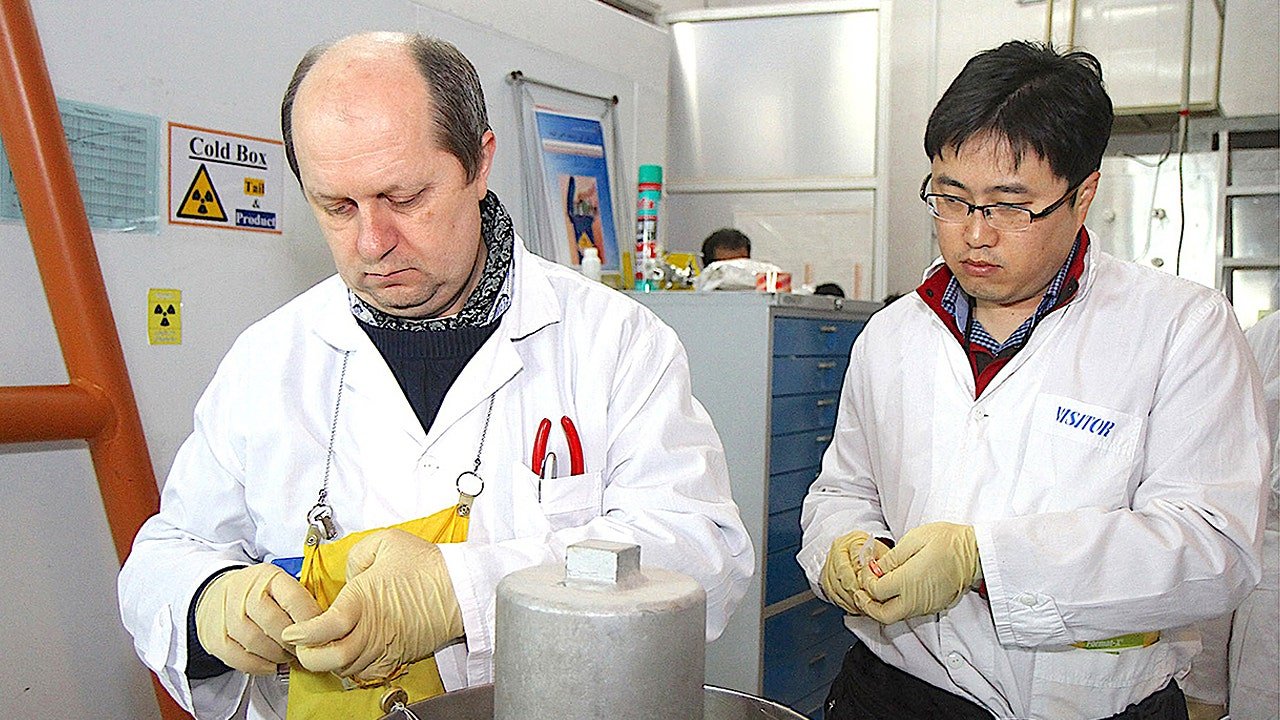
Unidentified International Atomic Energy Agency (IAEA) inspectors at the nuclear research center of Natanz on Jan. 20, 2014. (Kazem Ghane /IRNA/AFP via Getty Images)
Albright, a physicist and president of the Institute for Science and International Security said, «Iran loves to generate plans of action that can be extended» and the process becomes a «pointless exercise.»
For Iran experts like Albright, Iran’s skill in the art of procrastination has allowed it to stretch out talks over the decades while working to advance its work on a nuclear weapons device and a missile system to deliver it.
As a result, Albright said «it colors my view of the MOU [Memorandum of Understanding]» agreed to between the U.S. and Iran that codifies IAEA inspections of Iran’s atomic weapons program.
Albright sees the IAEA as a key test for the success of U.S.-Iran talks. «The way Iran treats the IAEA will tell us if the negotiations are meaningful,» adding that Tehran’s regime has treated the IAEA terribly in the past.
OBAMA-ERA INSPECTION FLAWS IN IRAN COULD PERSIST AS EXPERTS WARN OF NUCLEAR BLIND SPOTS
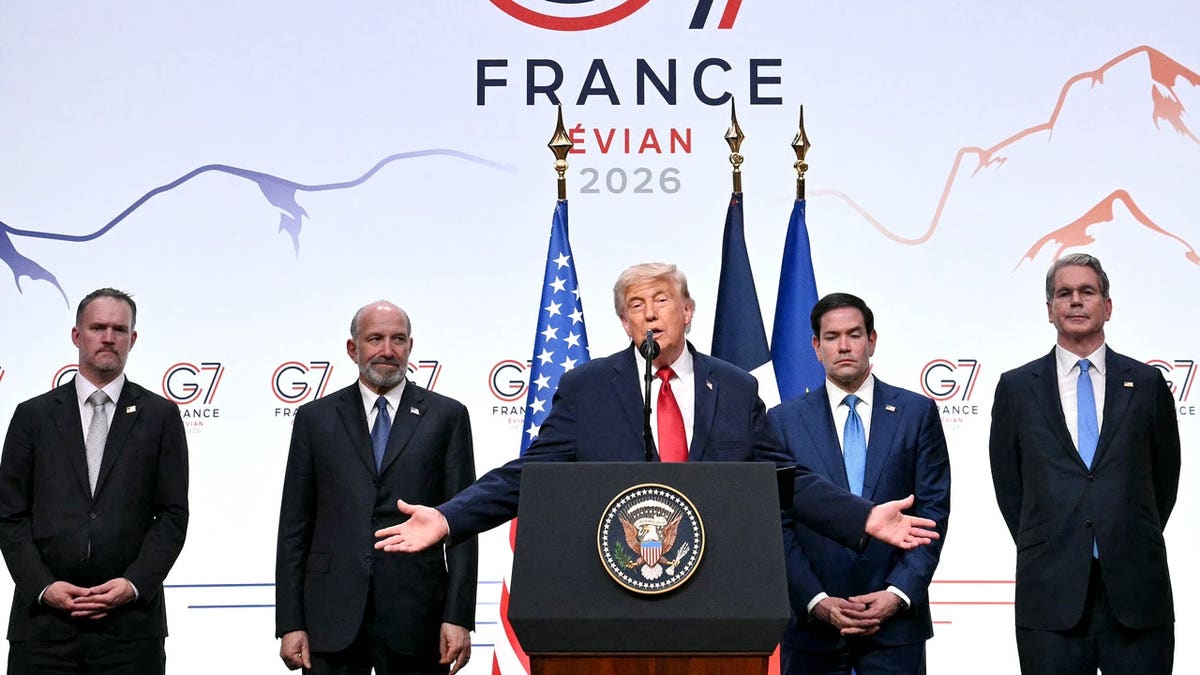
President Donald Trump (C) gestures as he addresses the media alongside United States Trade Representative Jamieson Greer (L), U.S. Commerce secretary Howard Lutnick (2L), U.S. Secretary of State Marco Rubio (2R) and U.S. Secretary of Treasury Scott Bessent (R) during a closing press conference at the G7 summit, in Evian, eastern France. (Mandel NGAN / AFP via Getty Images)
The website of the Islamic Republic of Iran’s Ministry of Foreign Affairs declared in a statement that «Foreign Ministry Spokesman Esmaeil Baghaei, speaking to reporters, denied reports published by certain media outlets claiming that the Islamic Republic of Iran has invited the International Atomic Energy Agency (IAEA) to inspect its nuclear facilities.»
A headline in the Islamic Republic News Agency Wednesday stated, «No plan for access to Iran’s attacked nuclear facilities without final deal, says deputy FM.» The regime-controlled outlet noted that Deputy Foreign Minister for Legal and International Affairs Kazem Gharibabadi wrote on his X account that no meeting was held with Grossi in Switzerland, despite the IAEA head requesting that Iran meet with him. «There is no plan for access to the facilities that were attacked or to the nuclear materials,» Gharibabadi wrote.
On Friday in Japan, IAEA Director Rafael Grossi told reporters, «This agreement expressly indicates that the nuclear part will be supervised, monitored, by the IAEA.» He added that «a Memorandum of Understanding (MOU) was subscribed by the two presidents, by President Donald Trump and President Pezeshkian from Iran, and this agreement expressly indicates that the nuclear part will be supervised, monitored, by the IAEA.»
He noted that «initial conversations» have started about inspections of Iran’s nuclear sites. «We hope to be there soon,» he said. It is unclear if Grossi’s team will examine all Iranian nuclear weapons facilities and suspected nuclear sites.
The IAEA declined to answer a detailed Fox News Digital press query on why previous IAEA oversight efforts failed; what would be different this time; whether inspectors can access meaningful sites or only symbolic locations; and would the IAEA focus on access to the Pickaxe Mountain facility versus sites already damaged or buried.
IRAN EXPANDS WEAPONIZATION CAPABILITIES CRITICAL FOR EMPLOYING NUCLEAR BOMB
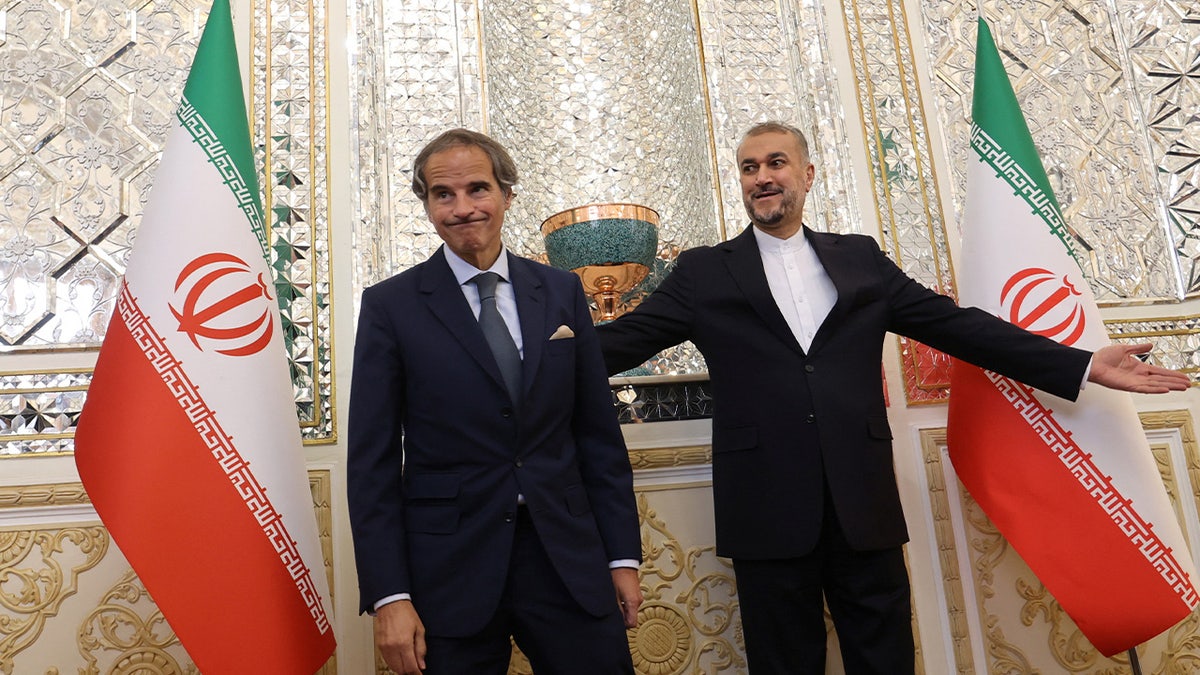
IAEA Director General Rafael Grossi meets with Iran’s then Foreign Minister Hossein Amir-Abdollahian in Tehran, Iran, on May 6, 2024. (Majid Asgaripour/WANA)
Albright said Israel’s government has identified ten or more sites where Iran is suspected of being involved in nuclear weapons. The IAEA spokesman declined to comment on whether their inspectors will demand to visit those sites.
Jason Brodsky, policy director at United Against Nuclear Iran (UANI), told Fox News Digital that «Iran should be made to come clean and allow inspections not only at declared nuclear sites — especially the ones damaged during Operation Midnight Hammer — but also at universities, military bases and other state organizations that have been used to engage in dual-use research which is applicable to the development of a nuclear weapon should there be a leadership decision to do so. Inspections on Iran’s nuclear weaponization program were not part of the original 2015 JCPOA, which was one of its weaknesses.»
The JCPOA, whose formal name is the Joint Comprehensive Plan of Action, was negotiated by former President Obama’s administration in 2015. Albright, a sharp critic of the JCPOA, said the Obama deal accepted that Iran did not cooperate and «swept it under the rug.» Albright warned that «It is really important that the U.S. [Trump administration] not do a JCPOA.»
TRUMP’S NEW IRAN DEAL FACES NUCLEAR BLIND SPOT OVER URANIUM STOCKPILE, EXPERTS WARN
Trump withdrew from the JCPOA in 2018. He said at the time the JCPOA was a «horrible one-sided deal that should never ever have been made.»
Brodsky stressed that «Any new agreement should include more robust inspection powers. Iran’s denial of inspections at the damaged nuclear facilities since June 2025 violates its obligations under the Nuclear Non-Proliferation Treaty.»
When asked about the IAEA’s impotence with respect to intrusive sanctions on Iran’s nuclear facilities, a White House spokeswoman referred Fox News Digital to Vice President JD Vance and Grossi’s comments.
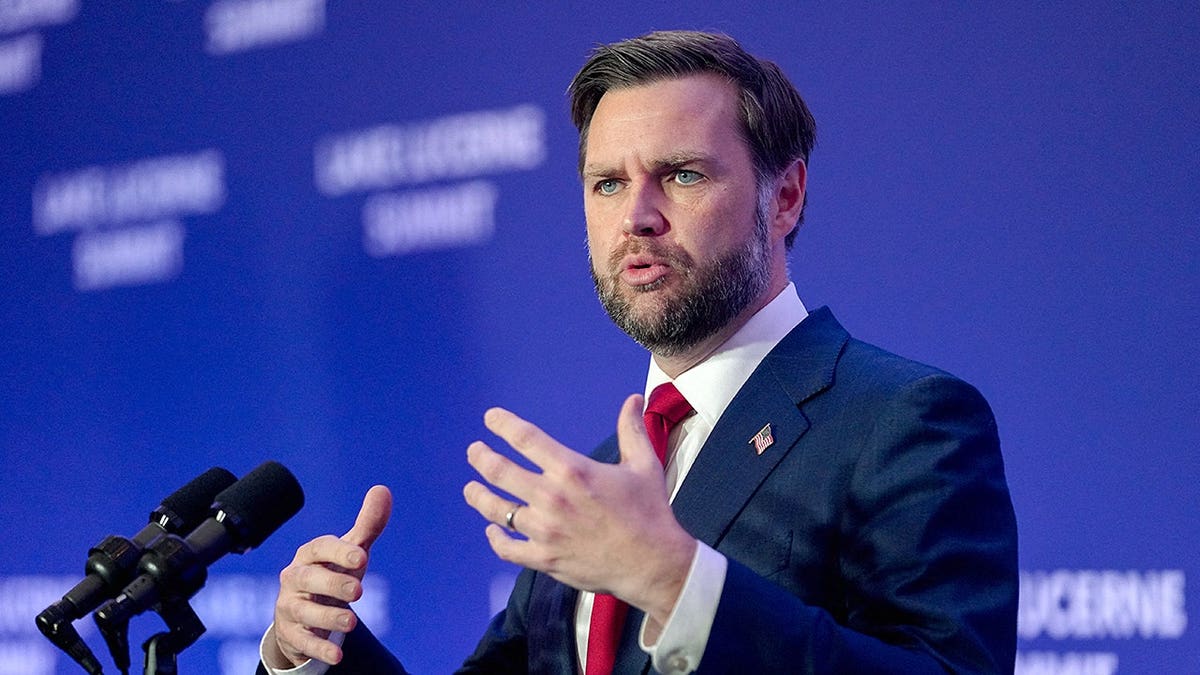
U.S. Vice President JD Vance speaks to members of the media after the U.S. and Iran held high-level talks aimed at advancing a deal to end the Middle East conflict at the Lake Lucerne Summit, near Lake Lucerne, Switzerland, on June 22, 2026. (Photo by Nathan Howard / POOL / AFP via Getty Images)
«The Iranians have agreed to invite IAEA inspectors back into their country. That is a major milestone for the American people, and the first step in permanently denuclearize, easing or permanently ending a nuclear weapons program in Iran,» Vance said on Monday. He added, «And that’s exactly what we wanted to do. That’s exactly what we asked to happen.»
President Trump wrote on Truth Social: «Despite their protestations and false statements to the contrary, coupled with the drumbeat of the Fake News, which is doing everything possible to make the U.S. Victory as small and insignificant as possible, Iran has fully and completely agreed to highest level Nuclear inspections long into the future (Infinity!!!). This will insure ‘Nuclear Honesty.’ If they did not agree to this, there would be no further negotiations! «
CLICK HERE TO DOWNLOAD THE FOX NEWS APP
The Islamic Republic’s spokesman to the U.N. did not respond to a Fox News Digital press query.
The U.S. State Department declined to comment.
war with iran, nuclear proliferation, united nations, iran, sanctions, donald trump
INTERNACIONAL
“Innovar es más fácil de lo que se piensa”: especialistas internacionales exponen claves empresariales en el International FACEM Day

La Universidad César Vallejo (UCV) organizó el International FACEM Day, un encuentro académico que convocó a especialistas internacionales, estudiantes, egresados y ejecutivos para analizar los principales desafíos del entorno empresarial, con énfasis en la geopolítica, la innovación y la inteligencia artificial.
El evento se desarrolló de manera presencial el 22 de junio en Trujillo, el 23 en Lima y el 24 en Piura, como parte de una iniciativa de la Facultad de Ciencias Empresariales orientada a vincular la formación académica con las dinámicas del mundo corporativo.
“La innovación es más fácil de lo que piensan”, señaló Alfons Cornella, fundador de Infonomia y del Institute of Next, durante su participación, al destacar que innovar no depende del tamaño de una empresa ni de grandes recursos, sino de la capacidad de observar el entorno y resolver problemas relevantes.

Durante la jornada, los especialistas coincidieron en que el contexto global está marcado por cambios estructurales que impactan directamente en la toma de decisiones empresariales. En ese sentido, Xavier Gimbert Rafols, decano de la Facultad de Ciencias Empresariales de la UCV, subrayó que la geopolítica se ha convertido en un factor determinante.
“La geopolítica te puede cambiar el rumbo absolutamente”, afirmó, al explicar que este elemento ha pasado a ser tan relevante como el mercado o la competencia dentro de la estrategia empresarial, debido a su carácter disruptivo e impredecible.
En la misma línea, Ángel Pascual-Ramseay, profesor de Geopolítica y Geoeconomía en Esade Business School y exasesor del presidente de España, advirtió que el mundo atraviesa un proceso de transformación hacia un nuevo equilibrio global. “Estamos entrando en un nuevo paradigma geopolítico”, indicó, al referirse a un escenario de multipolaridad y fragmentación que incrementa los riesgos y la complejidad económica.
Según explicó, este contexto puede generar impactos directos en la economía a través del uso de herramientas comerciales y financieras por parte de los Estados, así como afectar la globalización, que podría pasar de ser un motor de crecimiento a una fuente de vulnerabilidad.

En cuanto a la innovación, Cornella enfatizó que las soluciones más efectivas surgen de identificar problemas concretos y ofrecer respuestas más eficientes, más que de ideas complejas en apariencia.
Asimismo, destacó el rol de la curiosidad como elemento central en este proceso. “La curiosidad es lo que te mantiene vivo”, afirmó, al señalar que esta cualidad permite detectar oportunidades y adaptarse a un entorno en constante cambio, incluso en un contexto marcado por el avance de la inteligencia artificial.
Gimbert coincidió en que la innovación y la creatividad constituyen una vía clave de diferenciación en el ámbito empresarial, y remarcó que estas capacidades están al alcance de cualquier organización.

Los especialistas también destacaron la importancia de que estos conceptos sean incorporados desde la etapa formativa. Pascual-Ramseay sostuvo que es esencial que los jóvenes desarrollen pensamiento crítico, criterio propio y comprensión del contexto global, dado que enfrentarán un entorno más complejo e inestable.
En esa línea, señaló que la educación debe enfocarse en brindar herramientas para que los estudiantes construyan su propio análisis, más que en transmitir respuestas únicas.
Por su parte, Gimbert indicó que comprender estos factores desde el inicio permite a los estudiantes fortalecer su formación y tomar mejores decisiones en el futuro profesional, al tratarse de elementos transversales en la gestión empresarial.

El International FACEM Day integró aprendizaje intensivo, networking y experiencias académicas con un enfoque aplicado. La Facultad de Ciencias Empresariales de la UCV destacó que este tipo de iniciativas forman parte de una estrategia orientada a promover la internacionalización, el aprendizaje práctico y la conexión con la realidad empresarial.
Según lo informado, el evento registró una alta participación en los distintos campus y contó con la intervención de especialistas internacionales de primer nivel, lo que permitió enriquecer el debate y fortalecer la formación de los asistentes.
Los organizadores señalaron que este tipo de espacios busca no solo beneficiar a estudiantes y egresados, sino también aportar al desarrollo del entorno empresarial y a la sociedad en general.
INTERNACIONAL
Ex-Trump official John Bolton pleads guilty to 1 of 18 counts in classified docs indictment
NEWYou can now listen to Fox News articles!
Former White House National Security Advisor John Bolton pleaded guilty on Friday to only one count of an 18-count indictment, but he will not be sentenced until the fall.
During a hearing at the federal district court in Greenbelt, Maryland, Bolton pleaded guilty to the twelfth count, alleging he had unauthorized possession of a document related to national defense.
The count typically has a maximum penalty of 10 years behind bars, but both sides agreed that five years will be the most prison time that can be imposed.
U.S. Attorney Kelly O. Hayes addressed reporters outside the courthouse, emphasizing that this case demonstrated that «no one is above the law.» Hayes declined to take questions.
FORMER NATIONAL SECURITY ADVISOR JOHN BOLTON TO PLEAD GUILTY TO RETAINING CLASSIFIED INFORMATION: SOURCES
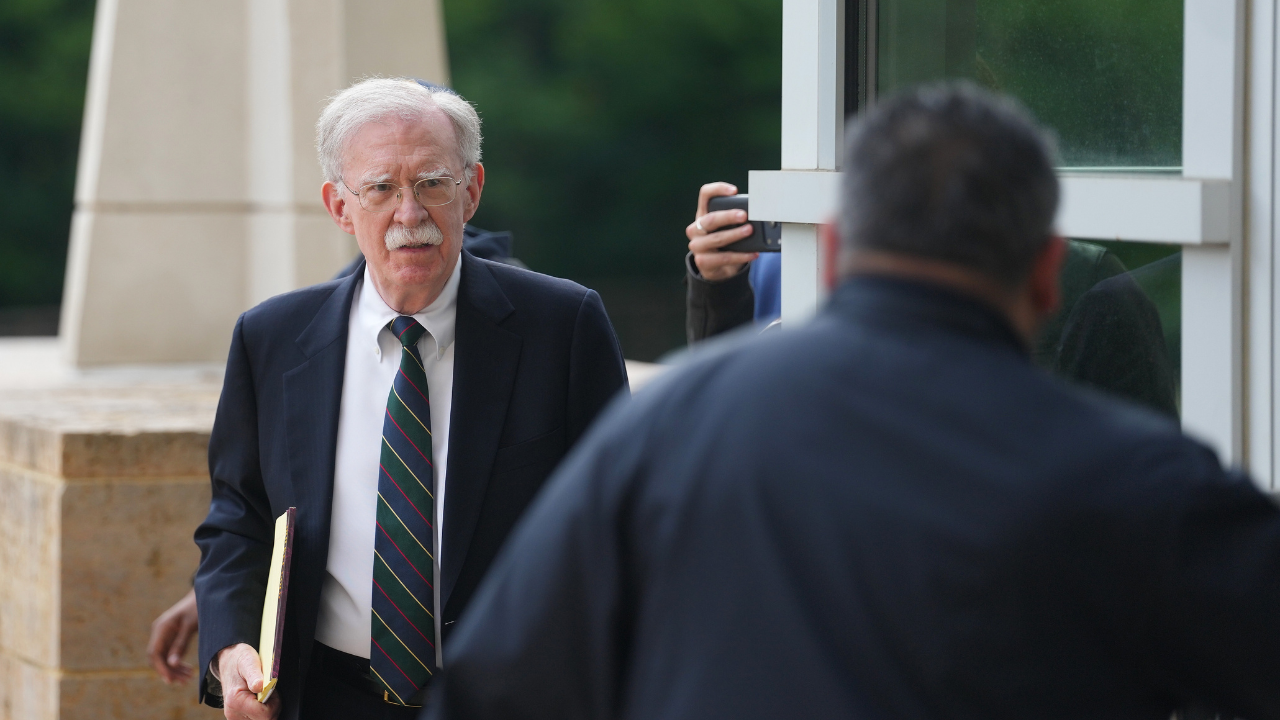
Former U.S. Ambassador to the United Nations and former National Security Advisor John Bolton arrives for a plea deal hearing at U.S. District Court for the District of Maryland on June 26, 2026, in Greenbelt, Maryland. (Al Drago)
«The rules governing classified and national defense information apply equally to everyone, regardless of position, and regardless of how long you have served with the United States government,» Hayes began her brief remarks.
«The national defense information at issue in this case was classified at the highest classification levels,» Hayes added. «It contained human intelligence using sensitive sources and methods, and it discussed a covert action program. Mr. Bolton admitted he shared more than 1,000 pages of information about his day-to-day activities as the national security advisor.»
A prosecutor from the Department of Justice told Judge Theodore Chuang that Bolton also faces a fine of $2.25 million, half of which should be paid within 5 days, a required debrief with a U.S. intelligence committee, three years of supervised release and up to 100 hours of community service.
Bolton, who served as national security advisor from April 2018 to September 2019, agreed that he would not get an annuity or retirement from his federal service.
When the judge asked Bolton if he was pleading guilty after having heard the summary of facts in the case, the former Trump official said: «I am your honor, and I’m sorry for it.»
The sentencing was set for October 28. The government plans to dismiss the remaining counts at that hearing.
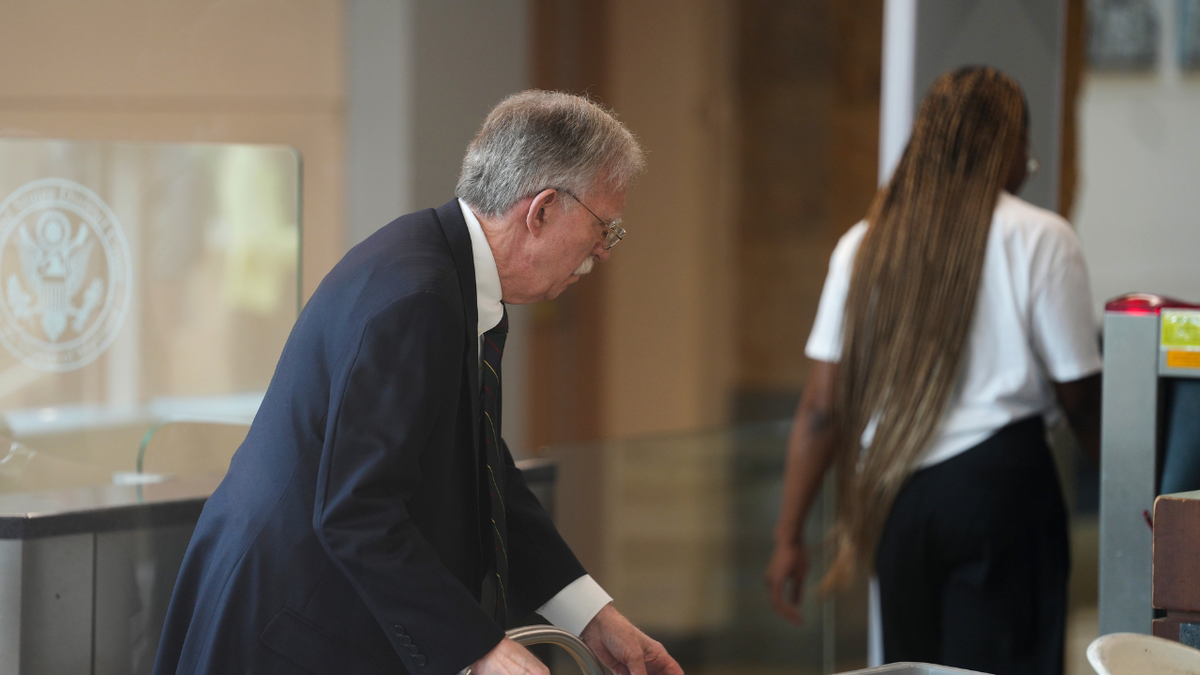
Former U.S. Ambassador to the United Nations and former National Security Advisor John Bolton walks through security as he arrives for a plea deal hearing at U.S. District Court for the District of Maryland on June 26, 2026 in Greenbelt, Maryland. (Al Drago)
By pleading guilty, Bolton waived his right to appeal the sentence and conviction. Chuang said Bolton will be allowed to withdraw his guilty pleas before sentencing. That window will close once the sentencing phase concludes.
Authorities first raided Bolton’s home and office in August of last year. He was indicted in October, originally being charged with both transmission and retention of classified documents.
JOHN BOLTON INDICTED WITH IMPROPER HANDLING OF CLASSIFIED DOCUMENTS
According to the indictment, the documents Bolton illegally kept had intelligence about future attacks by an adversarial group in another country.
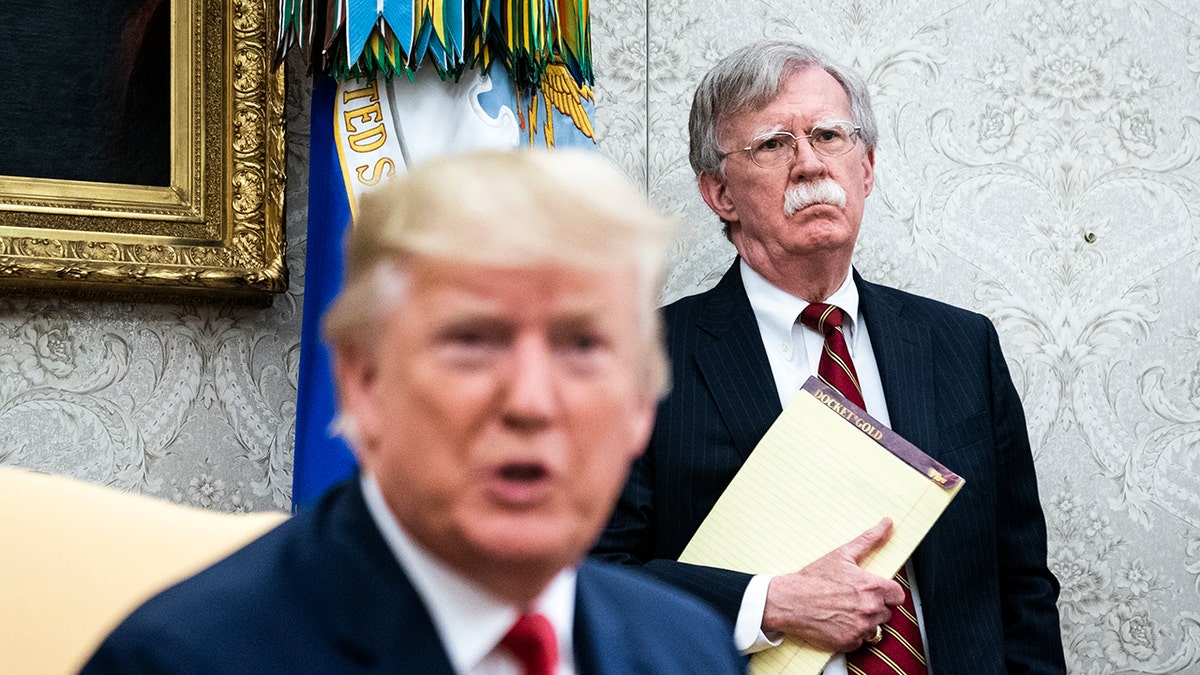
Then-National Security Advisor John R. Bolton listens as then-President Donald J. Trump meets with Prime Minister of the Netherlands Mark Rutte in the Oval Office at the White House July 18, 2019, in Washington. (Jabin Botsford/The Washington Post via Getty Images)
Prosecutors said the documents also contained information about a liaison partner sharing sensitive information with the U.S. intelligence community, as well as intelligence that a foreign adversary was planning a missile launch in the future.
Many of the documents were labeled «TOP SECRET,» according to prosecutors.
«From on or about April 9, 2018, through at least on or about August 22, 2025, BOLTON abused his position as National Security Advisor by sharing more than a thousand pages of information about his day-to-day activities as the National Security Advisor,» the indictment read.
BOLTON MAY BE IN HOT WATER AS FBI INVESTIGATION EXPANDS BEYOND CONTROVERSIAL BOOK
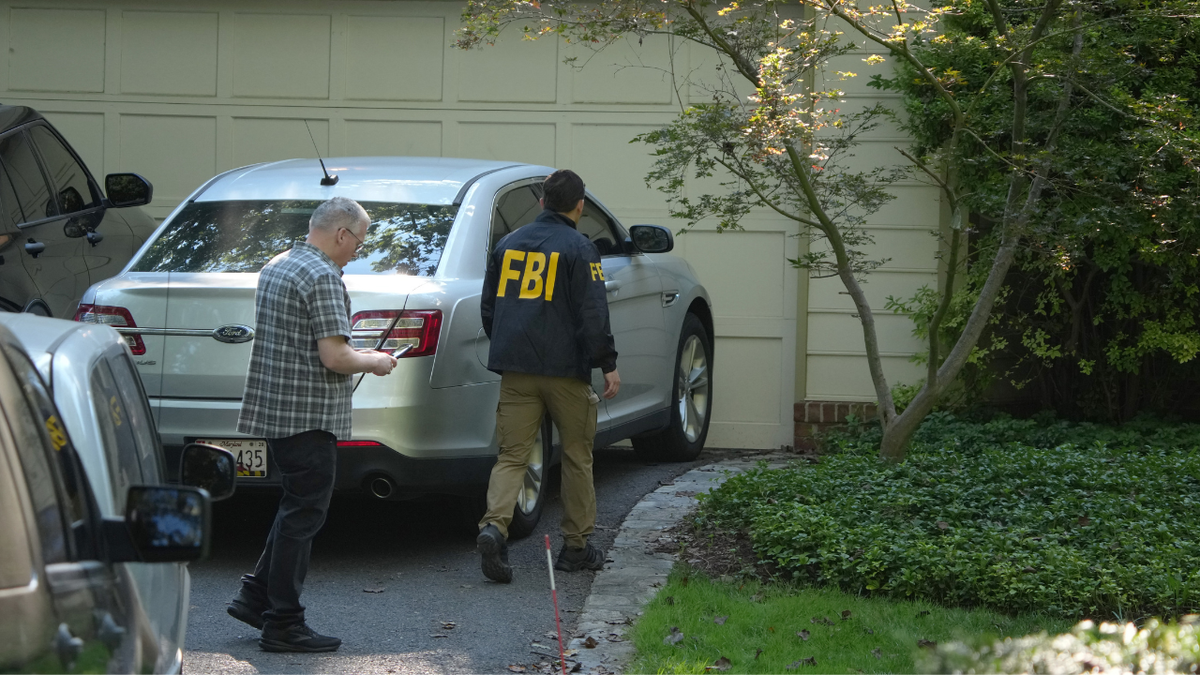
FBI agents raid the Bethesda, Maryland, home of John Bolton on August 22, 2025. (Andrew Harnik)
«BOLTON also unlawfully retained documents, writings, and notes relating to the national defense, including information classified up to the TOP SECRET/SCI level, in his home in Montgomery County, Maryland,» it continued.
Bolton shared this information with two family members through his personal email account, according to prosecutors.
That email account, per court records, was hacked by someone believed to be associated with Iran after Bolton left office.
Since Bolton’s departure, him and Trump have been bitter enemies, with the two men frequently attacking each other over foreign policy disagreements.

Copies of the new book ‘The Room Where It Happened’ by John Bolton are displayed at Book Passage on June 23, 2020 in Corte Madera, California. (Justin Sullivan)
CLICK HERE TO DOWNLOAD THE FOX NEWS APP
At the time, Trump said he fired Bolton, but Bolton claimed he resigned of his own accord.
Bolton published a memoir in 2020 titled «The Room Where It Happened,» which characterized Trump as an erratic and irrational leader.
The Trump administration sued to block the book’s release, claiming it contained national security secrets that were classified. A federal judge allowed the book to hit shelves, and Bolton was never prosecuted for anything that was included in it.
donald trump, politics, federal courts, national security

Iran nuclear deal hinges on IAEA access to long-blocked atomic weapon sites, experts say

Confirmaron los procesamientos de Tapia, Toviggino y la AFA por evasión de impuestos

Una periodista famosa se sumó a las denuncias contra Nacho Levy por violencia: “Tenía 18 años y era su alumna”

La Cámara en lo Penal Económico confirmó el procesamiento de Claudio Tapia y Pablo Toviggino en la causa por retención indebida de aportes

La frustración de Colapinto por las actualizaciones que no funcionaron en Alpine durante el GP de Austria: “No mejoró”

El dólar sigue estando muy barato: el veredicto de la City tras la suba de los últimos días

“El mejor del mundo”: los elogios a Messi y a la selección argentina en el arco político tras el triunfo ante Austria

Diputados: con el apoyo de bloques aliados, LLA logró frenar la sesión en la que la oposición buscaba interpelar a Adorni

El Senado bonaerense no sancionó este año ni una sola ley, pero gasta $428 millones por día

Neuquén, en alerta por Vaca Muerta: escuelas y sistema de salud, superpoblados

 POLITICA3 días ago
Diputados: con el apoyo de bloques aliados, LLA logró frenar la sesión en la que la oposición buscaba interpelar a Adorni
- ECONOMIA2 días ago
Nuevos controles a las devoluciones de 30% por gastos en el exterior: cómo pedir el reembolso del dólar tarjeta ante ARCA
- SOCIEDAD2 días ago
Desesperación y burocracia: Pacientes con cáncer denuncian esperas de más de 20 días en PAMI para recibir su medicación