INTERNACIONAL
El régimen de Irán afianza su relación con Rusia mientras Estados Unidos evalúa su propuesta para reabrir el estrecho de Ormuz

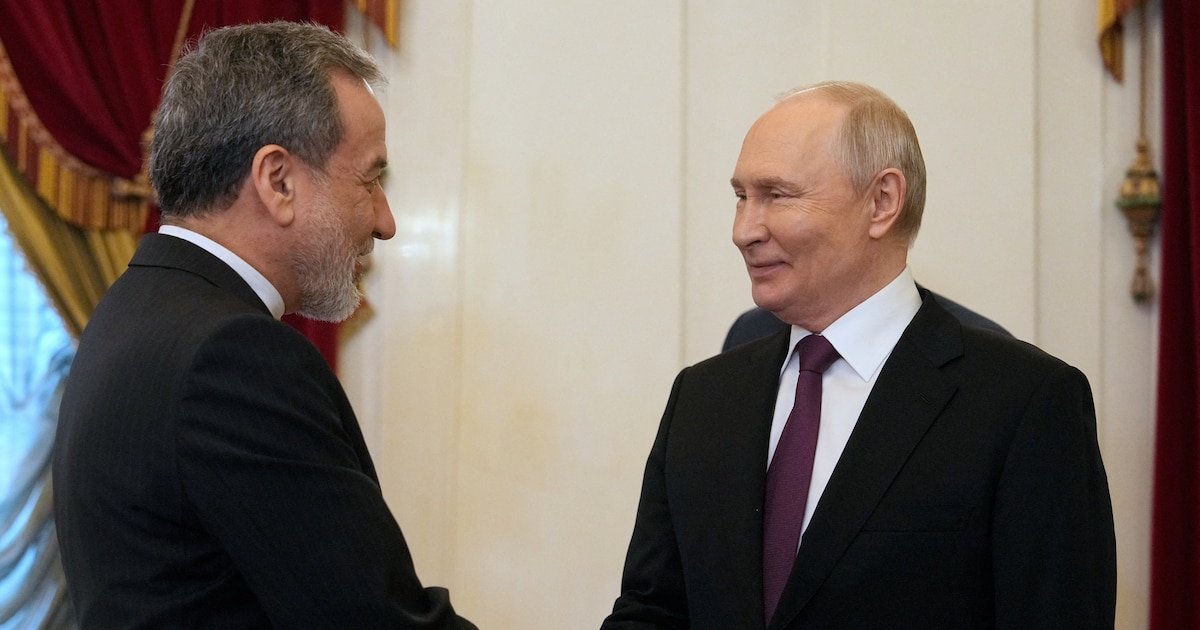
El ministro de Exteriores iraní, Abbas Araghchi, destacó este lunes por la noche el fortalecimiento de la relación con Moscú tras mantener conversaciones al más alto nivel, en medio de la continuidad de la guerra en Medio Oriente y de las negociaciones aún abiertas sobre el estrecho de Ormuz.
“Nos complace interactuar con Rusia al más alto nivel, ya que la región se encuentra en un gran flujo de cambios. Los eventos recientes han evidenciado la profundidad y la solidez de nuestra asociación estratégica», afirmó el jefe de la diplomacia iraní a través de X. “A medida que nuestra relación continúa creciendo, agradecemos la solidaridad y damos la bienvenida al apoyo de Rusia a la diplomacia”, expresó.
En paralelo, la Casa Blanca informó el lunes que evalúa la última propuesta presentada por Irán para destrabar la situación en el estrecho de Ormuz, dos meses después de la ofensiva de Estados Unidos e Israel que provocó un fuerte impacto en la economía global.
Las conversaciones de paz entre Washington y Teherán para poner fin a la guerra en Medio Oriente y reabrir por completo la estratégica vía marítima no alcanzaron hasta el momento un resultado concluyente, pese a la vigencia del alto el fuego.
Según reportó la agencia Fars, el presidente estadounidense Donald Trump se reunió el lunes con sus principales asesores de seguridad para analizar la propuesta iraní, luego de que Teherán transmitiera “mensajes escritos” a Washington a través de Pakistán, donde fijó sus líneas rojas en la negociación, incluidos los temas nucleares y el estrecho de Ormuz.
La portavoz de la Casa Blanca, Karoline Leavitt, confirmó que la propuesta “está siendo discutida”.

Por su parte, el secretario de Estado, Marco Rubio, señaló en una entrevista con Fox News que el documento presentado por Teherán “es mejor de lo que pensábamos que iban a presentar”, aunque puso en duda la voluntad real de avanzar.
“Tenemos que asegurarnos de que cualquier acuerdo que se alcance sea uno que impida de manera definitiva que avancen rápidamente hacia un arma nuclear en cualquier momento”, sostuvo Rubio.
Durante su visita a Rusia, Araghchi responsabilizó a Washington por el fracaso de la ronda previa de negociaciones. “Los enfoques de Estados Unidos hicieron que la ronda anterior de negociaciones, pese a los avances, no alcanzara sus objetivos debido a las exigencias excesivas”, afirmó el ministro iraní.
El funcionario iraní llegó a San Petersburgo después de visitar Omán y Pakistán, este último señalado como uno de los principales mediadores en la guerra de Medio Oriente. Islamabad había sido sede de una primera ronda fallida de conversaciones entre Estados Unidos e Irán, y la visita del canciller iraní había despertado expectativas de nuevas negociaciones durante el fin de semana.
Sin embargo, Trump canceló el viaje previsto de sus enviados Steve Witkoff y Jared Kushner. El mandatario estadounidense aseguró luego en Fox News que, si Irán quiere dialogar, “pueden llamarnos”, y aclaró que la suspensión del viaje no implica un retorno inmediato a las hostilidades.

Desde Teherán, la posición oficial mantiene una exigencia central: garantías de que Estados Unidos e Israel no volverán a atacar si Irán ofrece compromisos de seguridad en el Golfo. En San Petersburgo, Araghchi afirmó además que la guerra mostró “el verdadero poder de Irán” y la estabilidad del país.
No obstante, dentro de Irán el clima social y económico aparece marcado por la incertidumbre. Un pequeño comerciante identificado como Farshad declaró a periodistas de AFP en Teherán: “Todo en el país está en el aire en este momento. No trabajo desde hace mucho tiempo”. “El país está en completo colapso económico”, agregó.
El impacto también alcanza a la población urbana. Shervin, fotógrafo residente en Teherán, describió las dificultades que atraviesa: “Es la primera vez que llego al punto de retrasarme con el alquiler. Todavía no tengo proyectos”.
Mientras tanto, la situación en Ormuz continúa como uno de los principales focos de tensión. Irán mantiene el bloqueo sobre el paso estratégico, lo que interrumpió flujos de petróleo, gas y fertilizantes y disparó los precios internacionales.
En respuesta, Estados Unidos impuso un bloqueo sobre puertos iraníes.

La presión interna sobre Trump también crece, en medio del alza del precio de los combustibles, la cercanía de las elecciones legislativas de noviembre y encuestas que reflejan rechazo al conflicto entre parte del electorado estadounidense.
En el frente regional, la violencia también persiste en Líbano. El Ministerio de Salud libanés informó que un ataque israelí en el sur del país dejó cuatro muertos y 51 heridos, entre ellos tres niños. Poco después, el Ejército israelí confirmó nuevos ataques contra objetivos de Hezbollah, mientras el primer ministro Benjamin Netanyahu sostuvo que los cohetes y drones del grupo siguen representando una amenaza.
El jefe de la organización terrorista Hezbollah, Naim Qassem, rechazó negociaciones directas entre Líbano e Israel, mientras el ministro de Defensa israelí, Israel Katz, advirtió que “Qassem está jugando con fuego”.
(Con información de AFP)
International,Relations,Diplomacy / Foreign Policy,Europe













INTERNACIONAL
El Salvador: Feria Integra llevó más de 3.000 atenciones gratuitas, vacunas por dengue y sarampión a comunidades de Cabañas
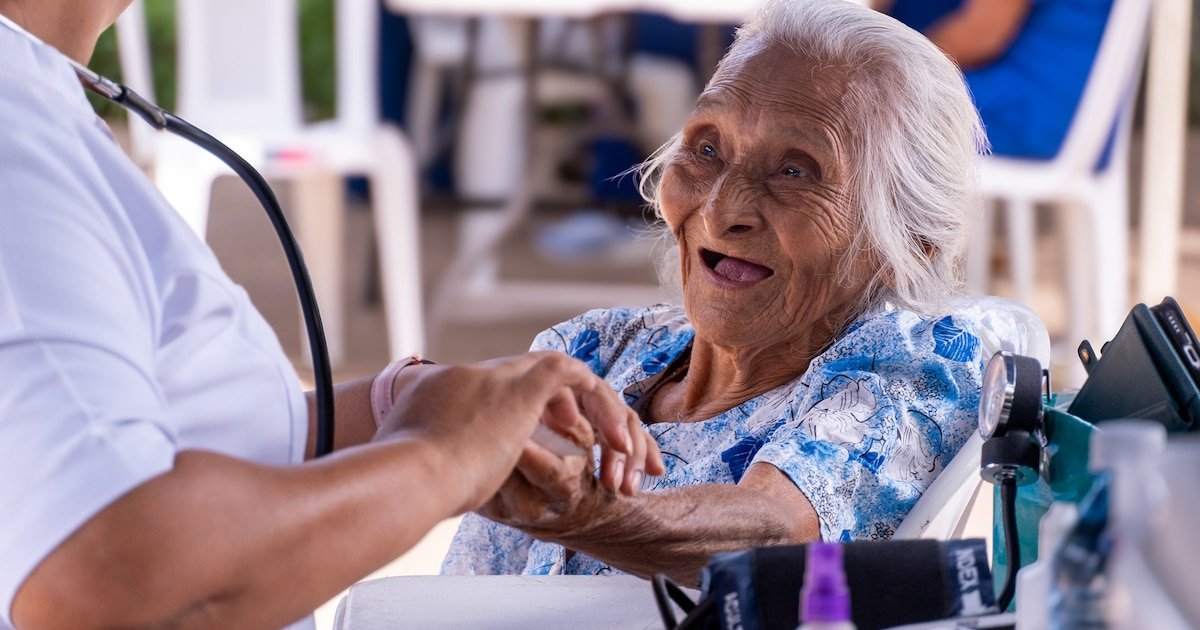
La Dirección de Integración (DI) de El Salvador llevó a cabo una nueva edición del programa Ferias Integra en el distrito de Sensuntepeque, ubicado en el municipio de Cabañas Este, con el objetivo de acercar servicios esenciales a la población de comunidades rurales y distritos vecinos. La jornada, desarrollada en el Centro Escolar Fermín Velasco, inició a las ocho de la mañana y reunió a cientos de habitantes que accedieron a servicios médicos, asistencia psicológica, asesoría legal y actividades culturales y deportivas, todo de forma gratuita.
De acuerdo con lo informado por la Dirección de Integración, más de 3.000 atenciones fueron habilitadas en áreas que abarcan desde medicina general, odontología, oftalmología y dermatología, hasta fisioterapia y masajes clínicos. Además, profesionales de la Procuraduría General de la República ofrecieron apoyo legal a personas que enfrentan trámites judiciales, mientras que equipos de salud proporcionaron consultas y seguimiento a casos previos detectados en visitas anteriores.
El evento incluyó espacios de prevención y educación en salud, con la instalación de puntos de vacunación gratuitos ante la alerta por dengue y sarampión. Un joven participante relató: “Nos han brindado atención médica y salud ambiental. Ya con el caso de dengue, las cuestiones que hay que tomar a prevenir, más que todo con la cuestión del zancudo que estamos ahorita y la epidemia que se está dando con el sarampión, pues hay centro de vacunación también gratuitamente”.

La institución gubernamental recogió testimonios de beneficiarios, como el de un representante comunitario de Cabañas: “Estamos beneficiando alrededor de mil quinientas personas, en las cuales, eh, son parte de esto y son totalmente gratuitas. Estamos ofreciendo servicios médicos, profesionales, áreas de entretenimiento, arte, educación y deporte. Asimismo, tenemos desde los pequeños, jóvenes y adultos mayores beneficiándose de todos estos servicios”.
La jornada contempló además actividades lúdicas y artísticas para niños y adolescentes, junto con competencias deportivas que reunieron a jóvenes de la zona oriental del país. El equipo organizador dispuso transporte para facilitar la llegada de los asistentes desde comunidades alejadas, según informó la Dirección de Integración.
El comunicado institucional detalló que estas acciones forman parte de la estrategia del Gobierno de El Salvador para fortalecer la integración social y el acceso equitativo a servicios de calidad en todo el territorio. Autoridades confirmaron que el programa Ferias Integra continuará su recorrido por otras regiones, ampliando el alcance de sus atenciones y actividades comunitarias.

“Como siempre, hubo asesoría legal de la mano de profesionales de la Procuraduría General de la República (PGR), quienes atendieron a cientos de salvadoreños que buscaban una solución efectiva a distintos procesos. Como siempre, brindaron asistencia psicológica y seguimiento a los casos que anteriormente había atendido en visitas anteriores”, destaca el comunicado.
Una madre con su bebé en brazos señaló: “Nosotros pasamos en odontología y rápido nos pasaron. Hay bastantes doctores. Sí ayudan bastante a todas las personas que vienen a participar aquí”.
El domingo anterior, La institución abrió en San Miguel una nueva Escuela Integradora que ofrecerá cursos vocacionales gratuitos todos los fines de semana para personas desde los siete años.
corresponsal:Desde San Salvador, El Salvador
INTERNACIONAL
Frustrated blue-collar union bosses rip socialist politicians, warn of labor exodus from Dem party
NEWYou can now listen to Fox News articles!
Two leaders of a prominent New York City union slammed the Democratic Party and Democratic Socialists of America (DSA) for being out of touch with blue-collar members of the working class — the very people they ran their campaigns on supporting.
«I think they’re communists, and I don’t think they have the benefit of the working class — the real working class, the taxpayers’ — support,» Robert «Bobby» Bartels, Jr., the business manager of Steamfitters Local 638 in New York City, told Fox News Digital.
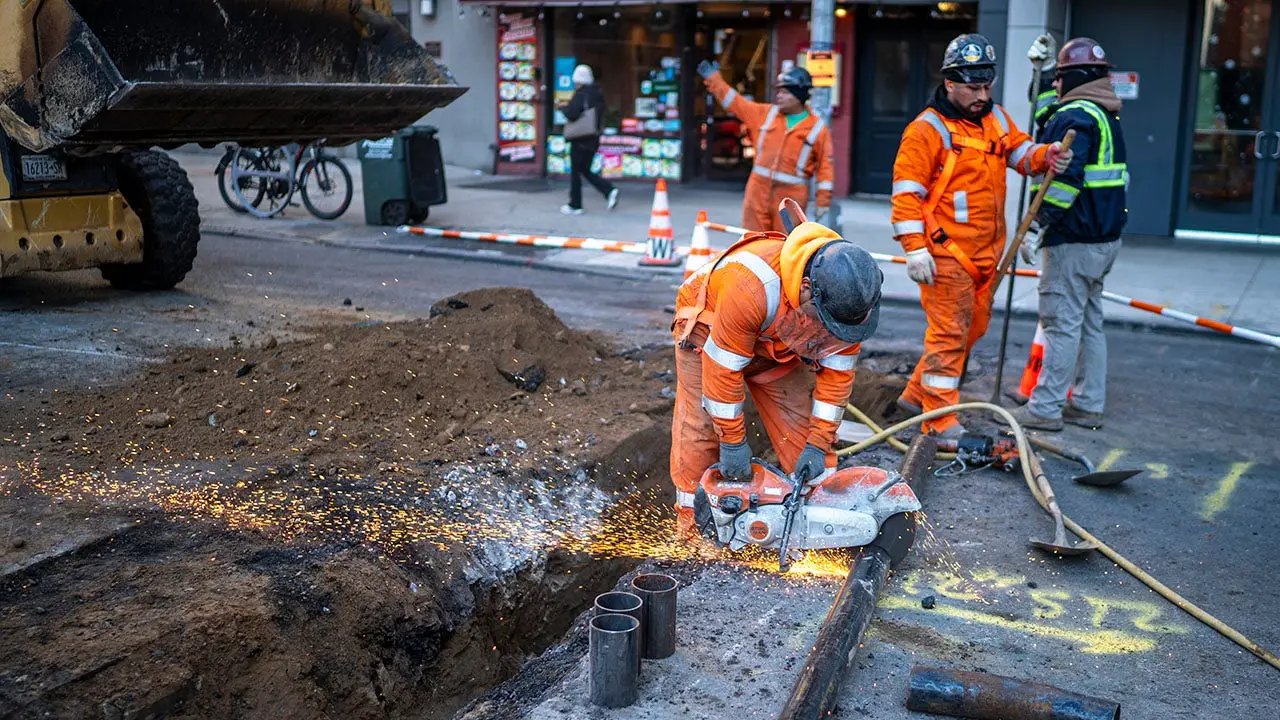
The union, which has existed for 150 years and has mostly supported Democrat candidates in the past, represents blue-collar steamfitters, pipefitters, HVAC technicians, welders and industrial and mechanical service technicians. It previously broke ranks with Democrats and endorsed President Donald Trump in 2024.
Robert «Bobby» Bartels speaks during the first day of the 2024 Republican National Convention at the Fiserv Forum in Milwaukee, Wis., on July 15, 2024. (Patrick T. Fallon/AFP)
Bartels ripped the far-left DSA candidates who won primary elections in New York last week against incumbent and establishment Democrats.
Winners include Darializa Avila Chevalier in New York’s 13th Congressional District and Claire Valdez in New York’s 7th Congressional District. Both are members of the Democratic Socialists of America and have radical views that were highlighted by rivals during the campaign.
RISING SOCIALIST STARS ON TRACK TO CONGRESS: WHO ARE DARIALIZA AVILA CHEVALIER, BRAD LANDER AND CLAIRE VALDEZ?
«They do have the people’s support that want everything for free and want everything handed to them without working for it, and I think the Democratic Party is going way far to the left,» Bartels acknowledged. «And as a matter of fact, the more building trades people you speak to, the more they’re going away from the Democratic Party.»
Bartels described Democrats in power as «narcissists,» and expressed frustration that when progressive policies fail, the party doubles down and goes further to the left instead of correcting course. Specifically, he addressed concerns of open border policies that he says drives down wages for union members.
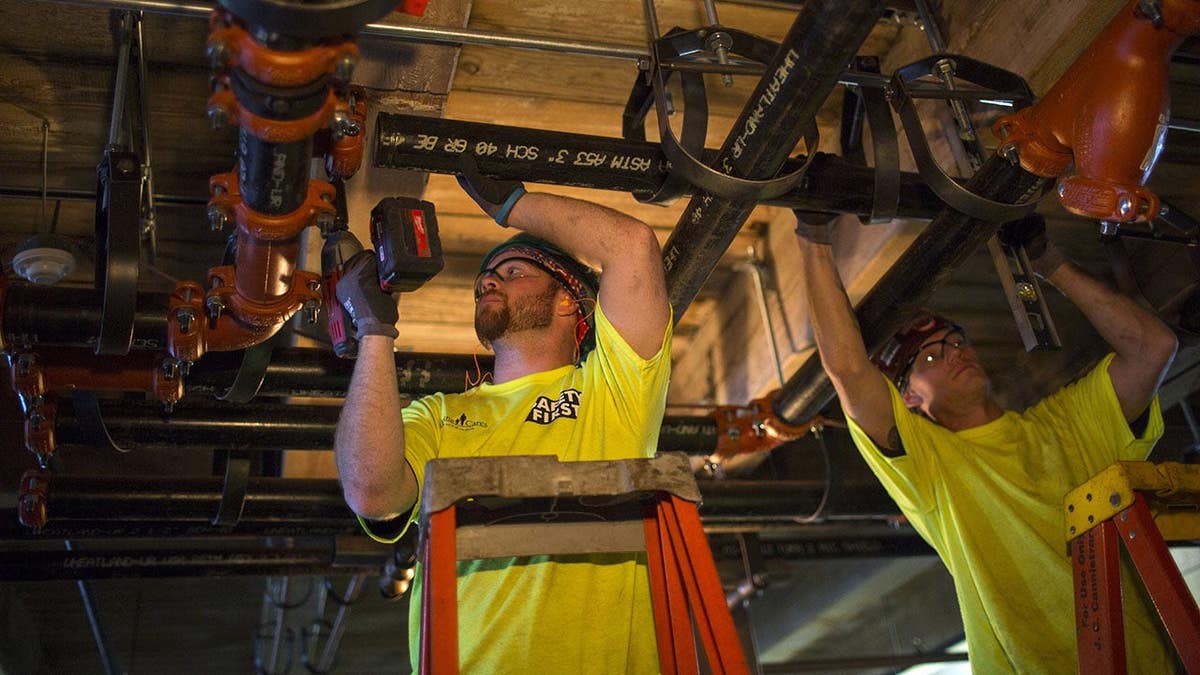
Plumbers attach metal pipes to a cooling-heating system at the new Fraunhofer Building Technology Showcase under construction in the Innovation District of Boston, Mass., on Oct. 2, 2012. (Robert Nickelsberg/Getty Images)
«That we don’t like,» said Bartels. «You know why? Because they’re bringing the illegal immigrants in here to steal the Americans’ jobs and lower the rates.»
«They’re working to tear down the people that are working and building everything.»
ADAMS REBUKES MAMDANI FOR ‘ROMANTICIZING’ SOCIALISM IN NYC MAYORAL CAMPAIGN
He said it offends him when leftists like Avila Chevalier say they support the working class and they don’t feel represented by such politicians.
«Because I’m the working class, and they’re not here to support me,» explained Bartels. «They want to support the people who want to take from the working class.»
Brian Kearney is the president of Steamfitters Local 638.
DEMOCRATIC SOCIALIST MAYORAL NOMINEE CREATES GROWING HEADACHE FOR VULNERABLE NEW YORK DEMOCRATS
He says much of the DSA’s work isn’t aligned with labor, particularly people in the building trades.
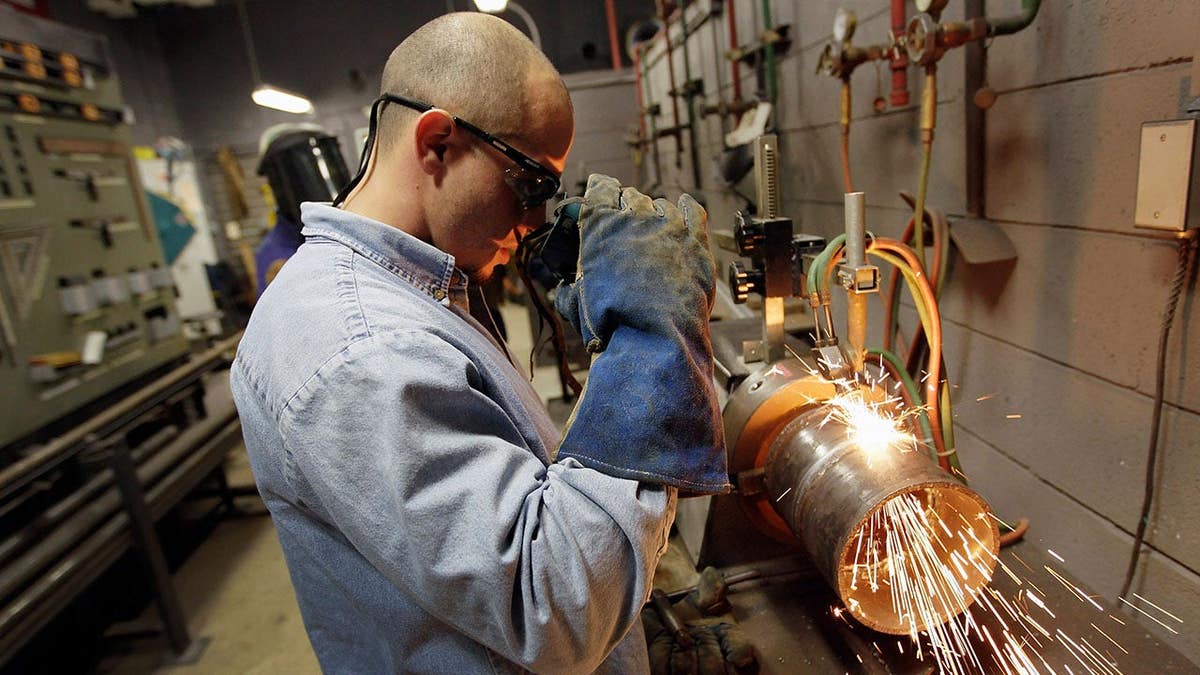
Michael Paz uses a torch to cut a pipe while continuing his pipefitter education at the Air Conditioning, Refrigeration and Pipefitting Education Center in Opa Locka, Fla., on Jan. 5, 2012. (Joe Raedle/Getty Images)
«I mean, we traditionally have been working class labor Democrats,» said Kearney.
«I think that DSA is going to have to try to find inroads through the labor movement in New York City because the labor movement in New York City — and I don’t want to speak for everybody, but you know, personally — it feels like we align on things when we can, but a lot more of their policy has gone towards progressive politics that could end up getting in the way sometimes.»
He said Mayor Zohran Mamdani has tackled his own progressive pet projects since taking office, but still hasn’t shown the building union that he will support them, as promised. Thursday night, the New York City Rent Guidelines Board (RGB) voted in favor of one of Mamdani’s core promises — freezing rent.
CLICK HERE TO DOWNLOAD THE FOX NEWS APP
«He’s mentioned union labor, union labor, union labor quite a few times throughout his campaign,» said Kearney. «Affordable housing was a big political issue in New York City. He said it was going to be built, and it was going to be built by union labor, but nothing’s been done yet, you know what I mean?
«He’s taken care of a lot of I think the agenda that he campaigned on that pertains to like more of the socialist policies, the super socialist stuff… but, he’s mentioned building with union labor, and I’d like to see him fulfill that promise and utilize union labor throughout the city.»
Mamdani, Valdez and Avila Chevalier did not return Fox News Digital’s requests for comment.
immigrant rights, zohran mamdani, labor unions, democratic party, socialism
INTERNACIONAL
Sergio Ramírez, de vicepresidente a “traidor” y exiliado: “Daniel Ortega durará poco pero yo no sé si volveré a Nicaragua”
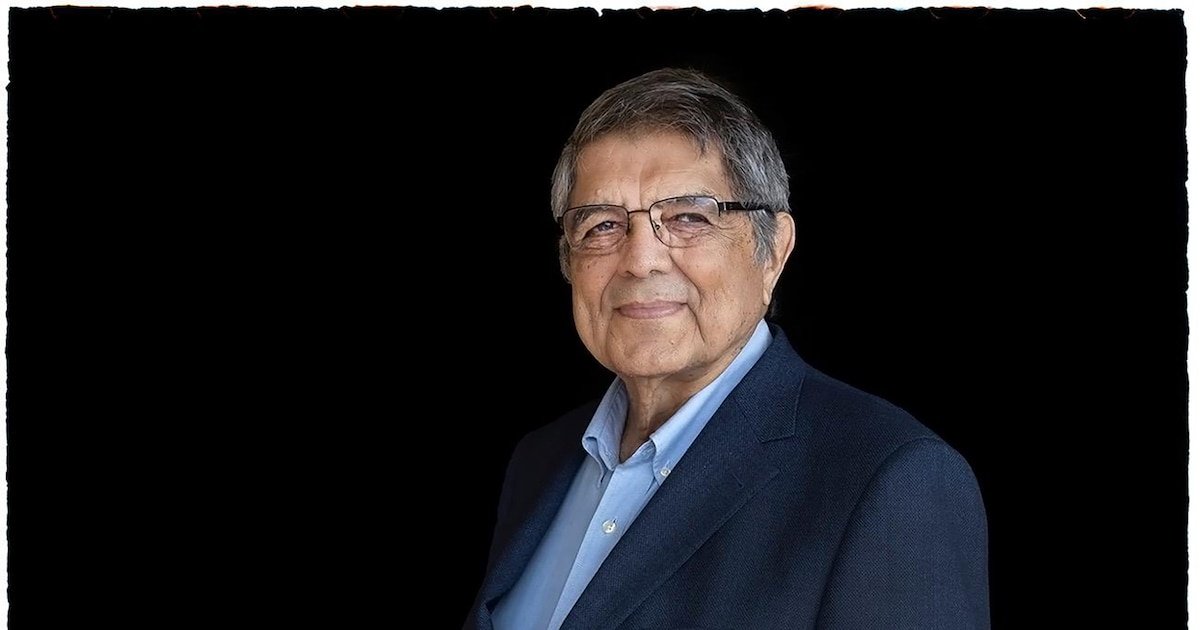
Sin embargo, le queda bien el escritor Sergio Ramírez a esta sala elegante que es el Círculo de Bellas Artes de Madrid. Sin embargo, aunque está lejos de su tierra, aunque es un exiliado nicaragüense, aunque su casa fue confiscada, aunque ni sus hijos ni sus nietos pueden vivir en su país, aunque carga con todo eso, Ramírez camina altísimo, tranquilo, digno, entre las sillas caoba. Aunque, hay que decirlo, un aire espeso le pesa en los hombros y eso se ve. ¿Cómo podría ser de otra manera?
Ramírez llega de la mano de Tulita, la mujer con la que se casó hace más de 60 años. En esa vida juntos pasaron cosas como que el escritor se uniera al movimiento sandinista, que llegó al gobierno, tras una revolución, en 1979. Entre 1985 y 1990, él fue el vicepresidente de Daniel Ortega en Nicaragua. Después perdieron las elecciones, después -años después- Ramírez se alejó del sandinismo: lo contó todo en su libro Adiós muchachos. Para cuando Ortega retomó el poder, en 2007, ya era un opositor, considerado un enemigo. En 2017 ganó el Premio Cervantes, el Nobel de las letras en español. En 2021 lo acusaron de incitación al odio y lavado de dinero: estaba por salir del país para una gira literaria, así que salió y, en España, el corazón -el de carne- se resintió. Lo internaron. Y ahí andaba cuando, en 2023, lo declararon “traidor a la patria”. Se quedó en España pero, algunas tardes, el consagrado, el Premio Alfaguara, el Premio Cervantes, espía su pueblo en los videos caseros que la gente sube a Tik Tok o a YouTube cuando hay una fiesta.
Todo eso cargan los hombros de Sergio Ramírez cuando llega la confitería del Circulo de Bellas Artes de Madrid. Donde, un poco, la excusa es que hace un mes fue elegido para entrar a la Real Academia Española, en el sillón que antes ocupaba Mario Vargas Llosa.

Por eso, hablaremos del idioma, pero también de cómo se vive en otra variante del idioma en que uno hizo su obra y, un poco de qué pasa y qué pasará en Nicaragua. “Es una dictadura familiar muy tradicional”, dice. Pero también que, con las políticas de Donald Trump, ese gobierno correrá la suerte del de Maduro. Y pronto.
-Ahora que va a estar en la Real Academia, ¿piensa que va a influir más en la lengua que como escritor?
-Influir en la lengua desde la academia me parece que es bastante pretencioso, ¿no?
-Bueno, “limpia, fija y da esplendor” es el lema histórico…
-Yo creo que es una oportunidad de divertirse con las palabras. Que la Academia no es más que un laboratorio de, de palabras. No es un tribunal sino que un observatorio en el que se ve cómo se comportan las palabras, cuáles palabras nuevas surgen, cuáles pasan de moda. Una de las cosas que más me ha llamado la atención es cómo hay palabras que son dadas de baja del diccionario porque ya nadie las usa. Y otras dadas de alta.
-¿Se acuerda de algunas?
-No, pero sí que muchas de las que son dadas de alta vienen del inglés. El idioma es un cuerpo vivo, cambia. Algunas células se mueren, otras nacen… mira todo lo que recibió el español del Río de la Plata del italiano… Entonces, que el español reciba influecia del inglés, sobre todo cuando el español penetra dentro del territorio de Estados Unidos, no es ninguna novedad. No son sólo términos, las estructuras también se modifican.

-¿Por ejemplo?
-Transformar sustantivos en verbos en el inglés es muy común, en el español es más difícil.
-Como “googlear”.
-¡Como “microfonar”, que es una palabra espantosa! ¿Cuál es la gran dificultad? Que cuando una cultura no genera términos nuevos, no le queda más que adaptarlos o copiarlos. Y toda la tecnología se genera en inglés. Así como los términos médicos se generaban en francés en el siglo XIX. Entonces, todo buen médico tenía que saber cómo manejar los términos en francés.
-Y ya estamos hablando de por qué los países que hablan español no generan tecnología. Es imposible no volver a la política.
-No, no generan tecnología. Pero no le pasa solo al español. Alemania no genera tecnología. La tecnología la generan los estadounidenses, los chinos, los indios y, en alguna medida, los japoneses.
-Pero la lengua franca de la tecnología es el inglés.
-Igualmente, el español sigue siendo un idioma muy elástico, muy receptivo, muy adaptable y mantiene su integridad en la diversidad que tiene. Un idioma que se habla en un territorio tan vasto, necesariamente tiene que ser diverso.
-¿Vivir fuera de su país lo hace más consciente de las diferencias del idioma?
-Mucho, mucho. Cuando vienes a vivir aquí -no a pasar unos días, a vivir- tienes que hacer todo un proceso de readaptación de tu oído, de tu lengua y perder el miedo a dejarte ir en otra corriente. A mí no hay nadie que me haga decir “vosotros”. En mi estructura mental el “vosotros” no existe. Eso no, pero sin darse cuenta uno se va haciendo cargo de los términos de la lengua corriente, de la calle.
-¿Cuando pasa el tiempo va haciendo suyos esos términos?
-Sí. Una dificultad del exilio es que el idioma se transforma todos los días. Y cuando te vas a dar cuenta, el idioma que tú hablabas cuando saliste de tu país ya ha mutado totalmente. Entonces me contaban de alguien que vive en otro país y cuando vuelve habla un español de los años ochenta. El que se hablababa cuando se fue, cincuenta años antes.

-La lengua de su país para esa persona quedó cristalizada…
– Y es que lo que suele pasar con el exilio es que uno sueña con volver a un lugar y muchas veces ese lugar ya no existe. Ahora que se han dado estas expulsiones masivas de Estados Unidos, de repente montan a la gente en un avión y aparece en su país, pero no ya es su país. Esta gente vivió ilegal en los Estados Unidos veinte, treinta años y de repente te ponen en un aeropuerto y no tienes para dónde coger. No tienes familiares, no tienes amigos. La ciudad a la que has llegado es otra, las calles son otras.
-¿Le da miedo eso?
-Sí, claro. Por mucho que te esfuerces, siempre vas a volver a un lugar extraño. Yo me asomo a Nicaragua buscando los videítos estos que producen en las redes sociales ahora, domésticos, de TikTok, de YouTube. Y de repente, hace poco estaba viendo unas fiestas patronales de mi pueblo, Masatepe, que es un pueblo pequeño de la sierra. Son unas fiestas patronales, folclóricas, con santo y trono. Y ahí vas viendo cómo queda registrado el pueblo, las casas, las calles. A mí me sigue siendo igual. Y la gente sigue siendo la misma. Pero Managua no, aunque Managua no es una ciudad que alguna vez fue mía.
-¿Dónde están sus nietos?
-Mis nietos están repartidos. Hay dos en Estados Unidos, dos en Inglaterra y la mayor de tdos en España.
-No quedó nadie en Nicaragua.
-No pueden vivir allá, les prohibieron la entrada. Se fueron de vacaciones y cuando volvieron no los dejaron entrar. Un drama terrible para mi nieto, porque tenía a su novia en Nicaragua y ya no la pudo ver más.

-¿Qué va a pasar en Nicaragua?
-Yo creo que en el esquema que Trump está imponiendo en América Latina -y que los electorados están imponiendo- un régimen como el de Daniel Ortega no tiene cabida. Simplemente, no podrá existir.
-¿Cómo define ese régimen?
-Una dictadura familiar muy tradicional, donde a la cabeza está un matrimonio y, alrededor, los hijos. Cada hijo maneja un sector de poder y cada vez barren con escoba para afuera, eliminando a quienes logran destacar
-¿Y cómo está viviendo la gente?
-En Nicaragua no hay hambruna, no hay apagones como en Cuba. La gente vive de las remesas que llegan de quienes se fueron al exterior, unos seis mil millones de dólares. Pero eso ya se estancó: la política migratoria de Trump ha estancado las remesas.
-¿Usted piensa que el gobierno de Daniel Ortega va a durar poco?
-Sí, creo que van a transformar el régimen en algo como Venezuela, o lo que quieren hacer con Cuba: quitar a la cúpula y entenderse con las estructuras. Y creo que esa política va a sobrevivir a Trump, porque hay un movimiento universal de la derecha contra la migración. Es fuerte en Europa también. En Alemania, si hubiera elecciones mañana, las gana la ultraderecha.
-¿Usted e imaginan volver a Nicaragua?
El escritor levanta la cabeza mira como a lo lejos, sonríe.
-Pregúntale a Tulita -dice, mirando a su mujer. Pero Tulita niega con la cabeza: “Yo lo sigo”, dice.
-¿Se lo imagina?
-Bueno, me gustaría regresar. Pero a vivir otra vez, a empezar una vida ya no estoy tan seguro. No sé si volveré a Nicaragua. Reconstruir todo a esta altura de la vida… Pero bueno, habría que ver qué pasa cuando llegue el momento, ¿no?
Sergio Ramirez,escritor,ensayista,retrato,hombre,gafas

¿Tu perro duerme pegado a la puerta de tu habitación? Qué puede estar queriendo decirte

Empleadas domésticas: cuánto vale la hora de trabajo en julio de 2026

El mensaje de Patricia Bullrich tras la renuncia de Adorni: “La confianza y la ética son dos elementos fundamentales”

Los románticos posteos de la pareja de Marcos Senesi luego de su debut con la Selección en el Mundial: “Eres increíble”

El Salvador: Feria Integra llevó más de 3.000 atenciones gratuitas, vacunas por dengue y sarampión a comunidades de Cabañas

Frustrated blue-collar union bosses rip socialist politicians, warn of labor exodus from Dem party

Desesperación y burocracia: Pacientes con cáncer denuncian esperas de más de 20 días en PAMI para recibir su medicación

Líderes mundiales ofrecieron ayuda humanitaria y equipos de rescate a Venezuela tras los devastadores terremotos

La bomba de Nico Occhiato tras el escándalo de Florencia Peña con Messi: “Lo más groso que pudimos haber logrado”

El punto de quiebre que sentó la suerte de Manuel Adorni y los preparativos que hace el Gobierno ante su inminente salida

 CHIMENTOS16 horas ago
La bomba de Nico Occhiato tras el escándalo de Florencia Peña con Messi: “Lo más groso que pudimos haber logrado”
- POLITICA20 horas ago
El punto de quiebre que sentó la suerte de Manuel Adorni y los preparativos que hace el Gobierno ante su inminente salida
- POLITICA3 días ago
El oficialismo hizo caer la sesión del Senado para evitar la interpelación a Manuel Adorni