INTERNACIONAL
Trump squeezes Iran with maximum pressure — why it hasn’t forced a breakthrough

NEWYou can now listen to Fox News articles!
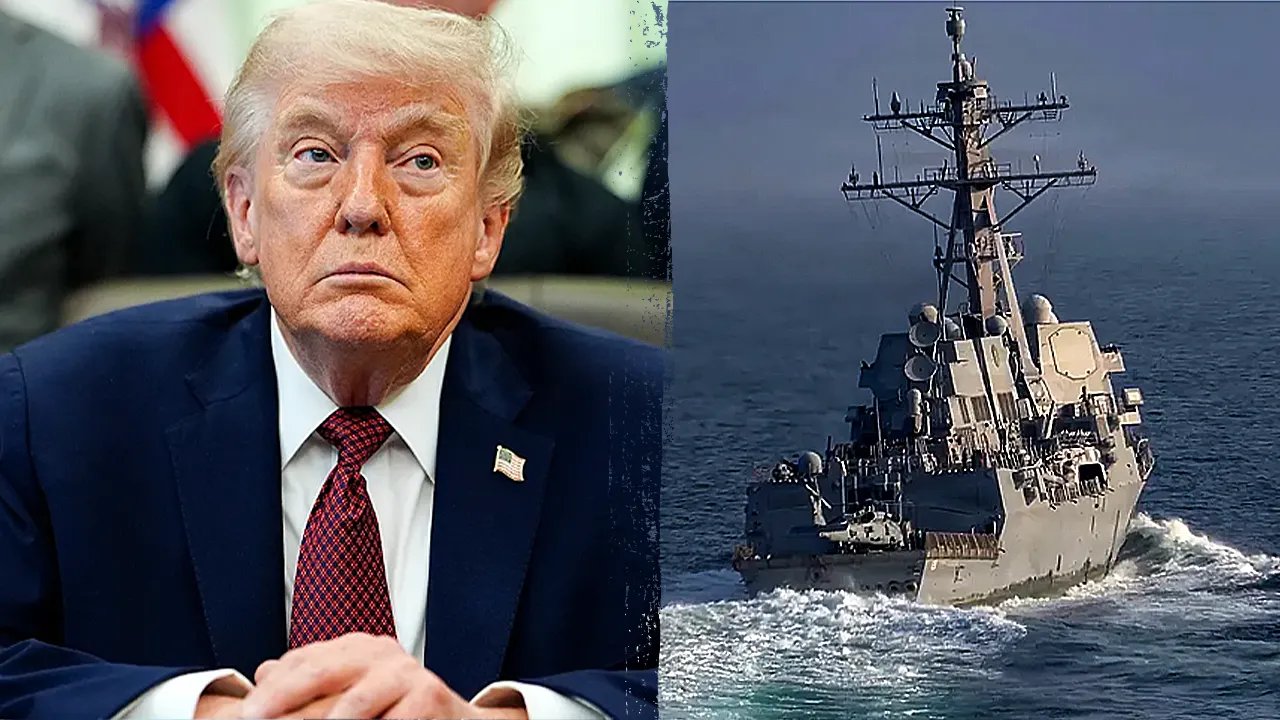
After two months of conflict, neither a deadly bombing campaign nor a blockade on Iranian exports has forced Tehran to make the concessions the Trump administration is seeking.
The campaign has intensified in recent weeks, targeting Iran’s oil exports and financial networks while a naval blockade has disrupted shipments through the Strait of Hormuz, a critical artery for global energy flows. U.S. officials argue the combination of military pressure and economic isolation is intended to weaken Iran’s capabilities and force it back to the negotiating table on more favorable terms.
While the U.S. has killed Iran’s Supreme Leader Ali Khamenei and dozens of top military and political figures, the regime itself remains intact. His son, Mojtaba Khamenei, was selected to succeed him, and leadership remains firmly hardline.
Aaron David Miller, a former State Department Middle East negotiator and fellow at the Carnegie Endowment, said the administration may have misjudged the type of negotiating partner it would face.
HORMUZ CHOKE POINT PERSISTS AS IRAN HALTS OIL TRAFFIC DESPITE TRUMP CEASEFIRE
«Trump was looking for an Iranian Delcy Rodriguez,» he told Fox News Digital. «More likely, he’s going to end up with an Iranian Kim Jong Un.»
The campaign has intensified in recent weeks, targeting Iran’s oil exports and financial networks while a naval blockade has disrupted shipments through the Strait of Hormuz, a critical artery for global energy flows. (CENTCOM)
He expressed doubt that any decisive victory was possible while the current Iranian regime remained in power.
«And we do not have the capacity to remove the regime.»
The standoff increasingly has become a test of whether U.S. pressure can be converted into political concessions — or whether it is instead being diluted through workarounds, institutional resilience and competing constraints.
So far, analysts say, Iran has proven more capable of absorbing and rerouting pressure than Washington has been able to translate it into durable gains.
On Monday, Iran floated a proposal to reopen the Strait of Hormuz in exchange for relief from the blockade, while deferring negotiations on more contentious issues.
But analysts caution that such proposals do not address the core dispute and may not even mean the same thing to both sides.
«What the Iranians mean by opening the straits, and what Trump means, may be two different sorts of things,» Miller said.
At the center of the standoff is Iran’s nuclear program, where the gap between the two sides remains wide. The Trump administration has pushed for Iran to eliminate its uranium enrichment capability entirely, while Iran insists that enrichment is a sovereign right and non-negotiable — leaving little room for compromise.

CENTCOM shared footage of strikes against airplanes amid Iran war (U.S. Central Command on X)
That divide continues to block a broader agreement, even as both sides explore more limited steps to reduce immediate tensions.
US ‘LOCKED AND LOADED’ TO DESTROY IRAN’S ‘CROWN JEWEL’ ‘IF WE WANT,’ TRUMP WARNS
«It’s almost unimaginable that this administration and the Iranian leadership are willing to make the kinds of concessions that would allow this administration to walk away with a win,» Miller said.
«Iranians are willing to give concessions, but Trump is looking for capitulation,» said Trita Parsi, executive vice president of the Quincy Institute for Responsible Statecraft think tank. «And you can’t get a country to capitulate unless you have defeated them.»
Instead of folding under pressure, Iran largely has responded by adapting.
Despite the blockade, Iran has continued to move at least some oil through workaround methods, including sanctioned vessels, smaller ports and alternative routing strategies, even as overall exports have come under strain.
Those efforts have expanded in recent weeks. Reports indicate Iran is exploring overland shipments, including potential rail exports to China, while vessels have increasingly rerouted through Iranian territorial waters or controlled shipping corridors to bypass restrictions.
«The United States successfully closes off one avenue for them, and slowly but surely they are finding workarounds,» Parsi said.
The financial impact of the campaign has been significant, even if uneven. Estimates vary, but some analysts put Iran’s potential losses from the blockade at roughly $400 million per day, largely driven by disrupted oil exports and reduced access to hard currency.
At the same time, Iran has not been fully cut off. The country has continued to generate billions in oil revenue in recent months, underscoring both the scale of the pressure and its limits.
While a sustained drop in oil revenue would strain the government’s official budget and force cuts to public spending, the country’s most powerful institution, the Islamic Revolutionary Guard Corps, operates through its own economic networks, including smuggling routes and cross-border trade.
That allows key parts of the regime to continue functioning even under heavy sanctions, meaning economic pain often falls unevenly — hitting civilians before it weakens the state’s coercive apparatus.
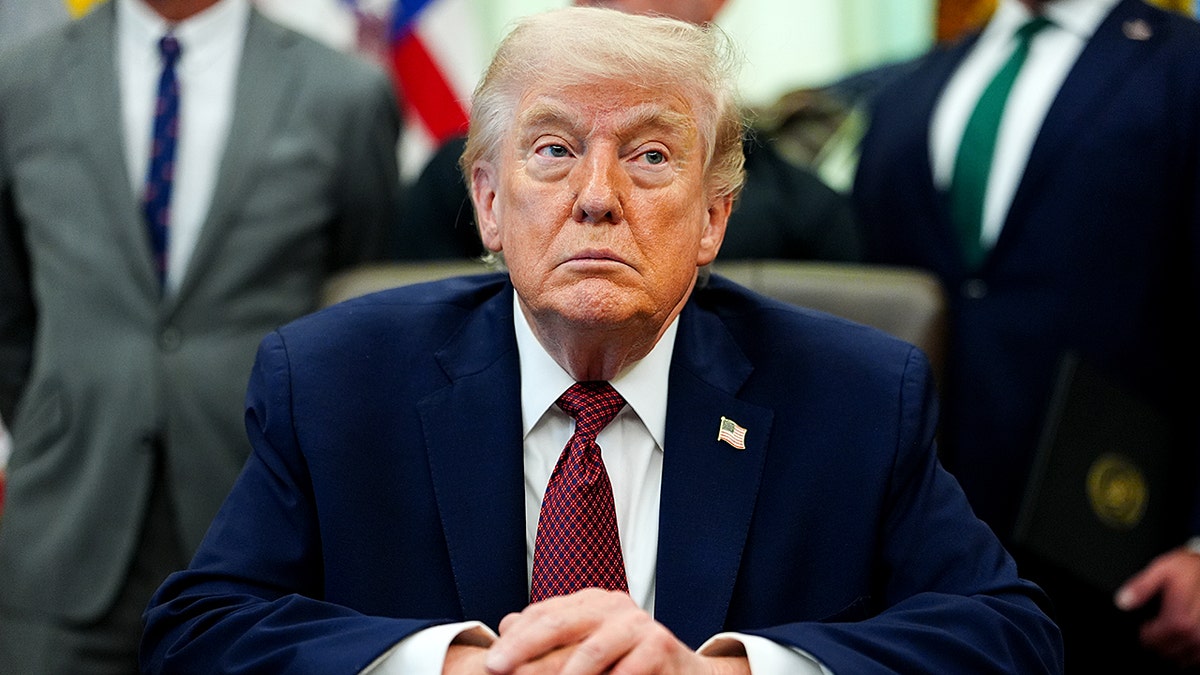
«Trump was looking for an Iranian Delcy Rodriguez. More likely, he’s going to end up with an Iranian Kim Jong Un.» (Julia Demaree Nikhinson/The Associated Press )
Even attempts to directly destabilize Iran’s leadership have not fundamentally altered that dynamic. U.S. and Israeli operations earlier in the conflict killed Khamenei along with dozens of senior military and political figures.
Yet the regime has remained intact, with power consolidating among remaining political and security elites aligned with hardline positions.
How long Iran can sustain that posture remains uncertain. Miller said a prolonged blockade could eventually force a breaking point — but only if Washington is willing to maintain it.
«If the administration is prepared for six months to keep up this blockade, I think they could probably break the Iranian economy,» Miller said.
But he cautioned that such timelines are difficult to predict and that even U.S. intelligence lacks a clear picture of when economic pressure might translate into political concessions.
That uncertainty raises a broader question about the sustainability of the strategy. While Iran’s leadership may be willing to absorb significant economic pain, the U.S. faces its own constraints, including potential strain on military resources and growing risks to global energy markets.
CLICK HERE TO DOWNLOAD THE FOX NEWS APP
«There are no midterms. There are no primaries. There are no sell-by dates for Iran,» Miller said. «And Trump has a sell-by date.»
The White House did not respond to a request for comment.
For now, both sides appear to be waiting for the other to lose the political will to sustain the standoff, with global energy markets caught in the middle.
ali khamenei, nuclear proliferation, war with iran, iran, sanctions











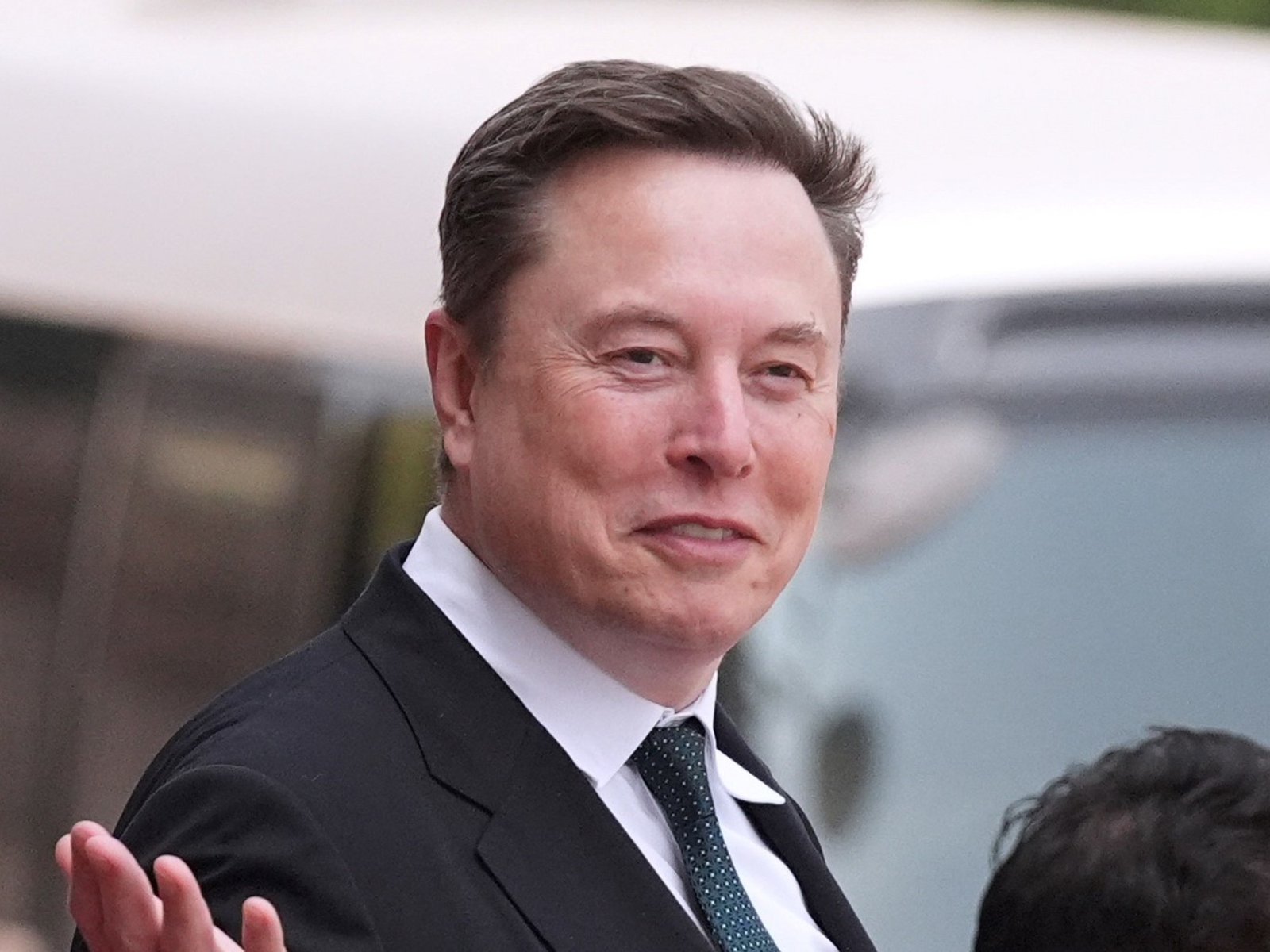
La ascendencia económica y política estadounidense sobre la Unión Europea tiene un límite: la capacidad del bloque de imponer sus normas tanto a sus empresas como a las extranjeras, aunque sean propiedad del hombre más rico del mundo y amigo del presidente estadounidense. Esta semana le tocó a X, la plataforma del magnate Elon Musk. Cedió porque de lo contrario se enfrentaba a una multa multimillonaria.
La Comisión Europea presentó el acuerdo sin hacer sangre, pero X acepta ahora lo que no aceptó durante años, desde que fue comprada por Elon Musk cuando se llamaba Twitter. Bruselas anunció que la empresa aceptó aplicar “un plan de medidas correctivas”, como se le había exigido, porque varios aspectos de su funcionamiento violaban el Acta de Servicios Digitales aprobada en 2024 y que tanto molesta a la Administración Trump, que entiende que es una ley para censurar sus plataformas.
Bruselas cuenta que Musk aceptó todo lo exigido. Habrá más transparencia sobre el funcionamiento de la publicidad en la plataforma y se dará acceso a investigadores a datos públicos, como hacía la plataforma antes de ser comprada por Musk. Eso facilitará que investigadores sobre desinformación y manipulación de procesos democráticos puedan estudiar cómo se usa X en esos procesos.
Los servicios de la Comisión Europea dijeron también que aceptaban “las medidas correctivas” aplicadas a la marca azul de verificación que usa X. “Es un paso en la buena dirección”, dijo Thomas Regnier, portavoz comunitario para los asuntos de Soberanía Tecnológica. La corrección no le sirve a X para recuperar los 120 millones de euros que pagó en diciembre por no haber hecho esos cambios antes y sin ser forzada a ello.
Las investigaciones de la Comisión Europea sobre X siguen su curso, pero estas correcciones aplicadas por la plataforma sí cierran todas las relativas a transparencia. Y son, sobre todo, la prueba de que el mercado europeo es tan grande que ninguna plataforma puede darse el lujo de desafiar indefinidamente a la Comisión Europea.
La Comisión Europea, brazo ejecutivo de la UE, aseguró en un comunicado que “las medidas aprobadas representan un paso importante para permitir que los investigadores, la sociedad civil y el público en general dispongan de una mayor transparencia sobre los sistemas de X, en particular para supervisar los riesgos sistémicos de X y evaluar el impacto más amplio de la plataforma en sus usuarios y en la sociedad europea en su conjunto”.
Bruselas recuerda que Musk acepta los cambios, en parte, porque la presión de la Comisión Europea ha sido constante, con varios expedientes abiertos y una multa importante el pasado diciembre. La empresa fue aguantando hasta que vio que la Comisión Europea no iba a cejar y ahora acepta esos cambios.
La Comisión Europa anunció que la plataforma volverá a permitir que investigadores se conecten mediante una API, del inglés ‘Application Programming Interface’.
Las API son un conjunto de reglas que permite que un programa se comunique con otro. Cuando hablamos de plataformas como X, la API es una especie de puerta que X ofrece para que aplicaciones externas puedan interactuar con ella. Una API puede desde publicar contenido automáticamente hasta consultar estadísticas o buscar publicaciones que tengan determinadas palabras. Es una herramienta esencial para quienes quieren investigar los contenidos de la plataforma.
Además, X también acepta la imposición de la Comisión Europea de permitir que investigadores tengan un acceso efectivo “a los datos públicos, mejorando y acelerando el proceso de evaluación de las solicitudes, ofreciendo acceso gratuito a los datos y actualizando sus condiciones de uso para dejar de prohibir contractualmente que los investigadores autorizados recopilen datos públicos”.
X aceptó incluso que una empresa independiente audite cómo aplica esos cambios. Si la empresa dicta que no los aplica adecuadamente emitirá un informe con recomendaciones que la plataforma deberá aplicar íntegramente. La empresa de Elon Musk tiene ahora seis meses para aplicar todos los cambios pactados con la Comisión. La Comisión recuerda que estará encima de la plataforma supervisando los avances.
El expediente que se cierra con estos cambios se remonta a julio de 2024, hace ya dos años. Entonces, el Ejecutivo europeo abrió una investigación formal que llevó a esa multa de 120 millones. El engañoso diseño del tick azul y otras infracciones al Acta de Servicios Digitales, como la opacidad en los anuncios y el incumplimiento a la hora de permitir acceso a investigadores, habían desatado la actuación de la Comisión Europea. Dos años después, Musk cede.
INTERNACIONAL
Después de cinco años preso en Cuba, el disidente Luis Manuel Otero Alcántara llegó a EE.UU. con un amparo migratorio
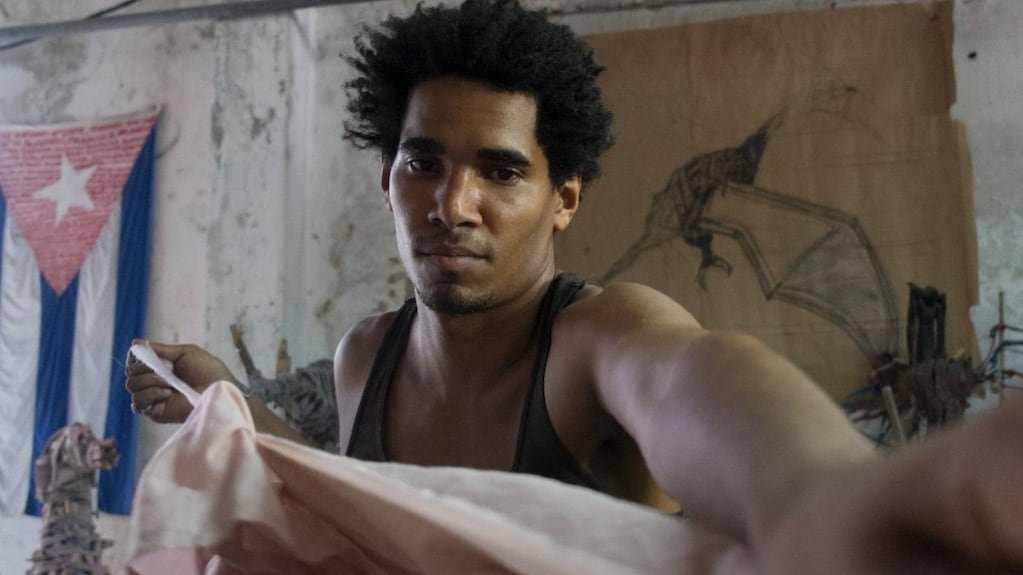
Después de cinco años de prisión y más de una semana de incertidumbre sobre su paradero, el artista y activista cubano Luis Manuel Otero Alcántara llegó este sábado a Estados Unidos con un amparo migratorio que le entregó el gobierno de Donald Trump.
La noticia fue confirmada por su entorno a través de un comunicado publicado en sus redes sociales, donde se informó que recuperó la libertad bajo una condición: salir definitivamente de la isla.
El activista de 38 años obtuvo el viernes un amparo migratorio que le permitió viajar a Estados Unidos, un trámite que, según sus allegados, terminó convirtiéndose en la única alternativa para recuperar la libertad. Su vuelo tuvo como destino el estado de Florida, donde reside una de las comunidades de exiliados cubanos más numerosas del mundo.
De acuerdo con el comunicado, uno de sus primeros deseos al llegar a Miami es visitar la Ermita de la Caridad del Cobre, un santuario emblemático para la comunidad cubana en el exilio, donde el hombre dejará una ofrenda en señal de agradecimiento. Ermita de la Caridad del Cobre en Miami. (Foto: EFE)
La salida del artista ocurre pocos días después de una situación que despertó preocupación entre organismos internacionales y organizaciones de derechos humanos. El pasado 9 de julio, fecha en la que concluía oficialmente su condena, distintos activistas denunciaron que Otero Alcántara había sido retirado del penal de máxima seguridad de Guanajay, pero no recuperó la libertad.
En cambio, fue trasladado a una dependencia de la Seguridad del Estado, donde permaneció alrededor de 10 días sin que se conociera públicamente su ubicación.
Durante ese período solo pudo comunicarse brevemente con la activista Anamely Ramos mediante un teléfono desconocido. En esa conversación, realizada bajo supervisión de agentes de seguridad, alcanzó a decir que se encontraba “bien”, aunque evitó revelar el lugar donde estaba retenido.
Leé también: Irán y EE.UU. volvieron a intercambiar ataques en Medio Oriente y Jamenei amenazó con darle una “lección inolvidable” a Trump
La figura de Luis Manuel Otero Alcántara se convirtió en uno de los principales símbolos de la oposición al gobierno cubano después de encabezar en 2020 las protestas del Movimiento San Isidro, un colectivo integrado por artistas e intelectuales que reclamaba mayores libertades de expresión y cuestionaba las restricciones impuestas por las autoridades.
Un año más tarde fue detenido cuando intentaba sumarse a las históricas manifestaciones del 11 de julio de 2021, las mayores protestas registradas en Cuba en décadas. Posteriormente fue condenado a cinco años de prisión por los delitos de ultraje a los símbolos patrios, desacato y desórdenes públicos, cargos vinculados a una performance artística realizada antes de aquellas movilizaciones.

Foto de archivo fechada el 3 de diciembre de 2020 que muestra a Luis Manuel Otero Alcántara. (Foto: EFE)
Su encarcelamiento generó fuertes críticas de organizaciones internacionales. Amnistía Internacional lo declaró “preso de conciencia” y sostuvo reiteradamente que nunca debió haber sido encarcelado por ejercer pacíficamente su libertad de expresión y de creación artística. La organización también reclamó que su liberación no estuviera condicionada al exilio ni acompañada por nuevas medidas de vigilancia.
La postura del gobierno cubano es completamente diferente. Las autoridades sostienen que Otero Alcántara actuó en coordinación con Estados Unidos para promover acciones destinadas a desestabilizar al país y rechazan que sea considerado un preso político.
Su llegada a territorio estadounidense marca el cierre de uno de los casos más emblemáticos de la disidencia cubana de los últimos años, aunque también reabre el debate sobre la situación de los opositores en la isla y las denuncias de organizaciones de derechos humanos, que sostienen que muchos activistas recuperan la libertad únicamente bajo la condición de abandonar el país.

El secretario de Estado, Marco Rubio. (Foto: Reuters)
Marco Rubio reclamó la liberación de más de 700 presos políticos en Cuba
El secretario de Estado de Estados Unidos, Marco Rubio, confirmó la llegada de Luis Manuel Otero Alcántara a Miami y aprovechó el anuncio para exigir al gobierno cubano la liberación inmediata de más de 700 personas detenidas por motivos políticos.
“Pedimos la liberación inmediata de los más de 700 presos políticos injustamente detenidos por el régimen”, sostuvo el funcionario.
Rubio también pidió una reacción más firme de otros países frente a la situación en la isla. “La comunidad internacional debe dejar de hacer la vista gorda ante las violaciones de derechos humanos del régimen cubano y unirse a nosotros para exigir el fin de su represión”, afirmó el jefe de la diplomacia estadounidense.
cuba, Estados Unidos, preso
INTERNACIONAL
Mamdani doubles down on democratic socialism while insisting Wall Street, business leaders can work with him
NEWYou can now listen to Fox News articles!
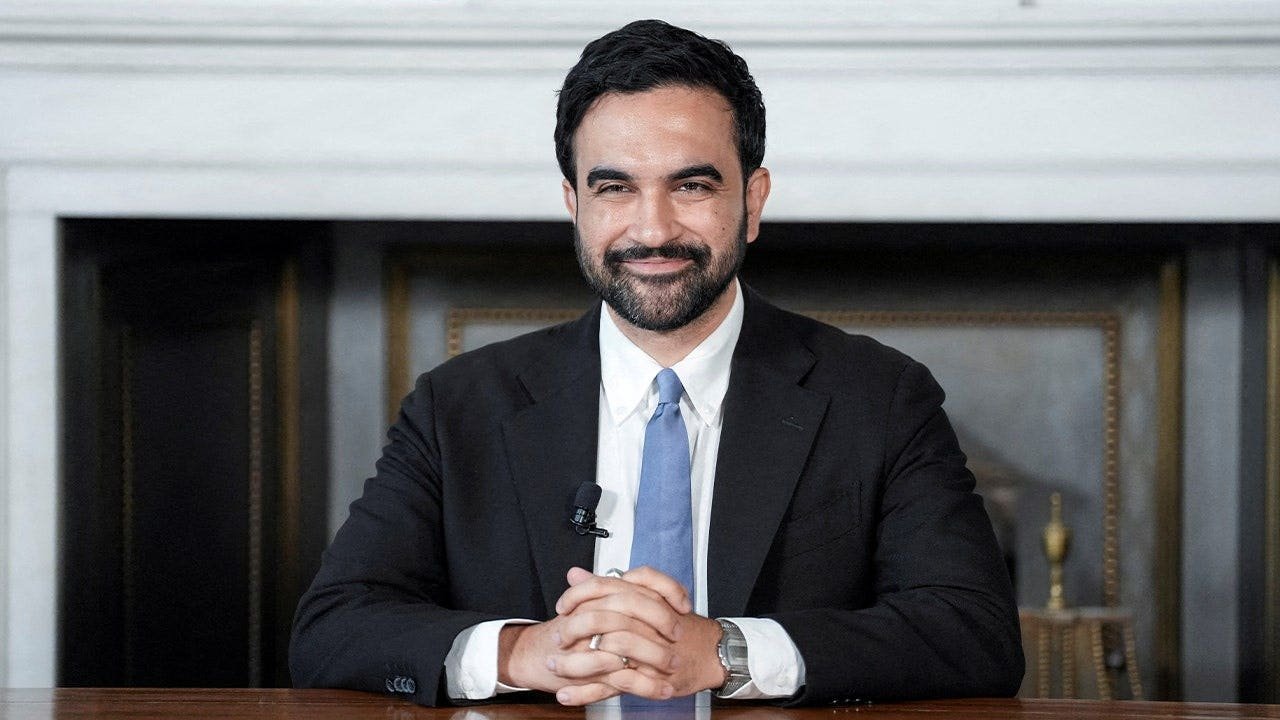
New York City Democratic Mayor Zohran Mamdani is embracing his identity as a Democratic Socialist, arguing the movement represents a return to the Democratic Party’s New Deal roots even as he insists Wall Street and corporate leaders have nothing to fear from his administration.
In a wide-ranging interview with The New York Times, Mamdani rejected the notion that his political label is a liability, instead characterizing Democratic Socialism as the modern embodiment of Franklin D. Roosevelt’s vision for the Democratic Party.
«So much of what makes me proud to be a Democrat is looking at what our party used to stand for. You think about the Four Freedoms, you think FDR, you think the New Deal,» Mamdani said. «Those are at the core of what our party’s identity is, and yet it feels like to experience it, you have to read about it. You can’t see it around you anymore. And that isn’t something that I’m willing to accept, and I know that many feel similarly.»
New York City Mayor Zohran Mamdani delivers a speech to mark the 250th anniversary of the United States of America at City Hall in New York, NY, U.S., July 3, 2026. (Anna Connors/Pool via REUTERS)
DE BLASIO DEFENDS SOCIALIST ‘INSURGENCY’ INSIDE DEMOCRATIC PARTY, SAYS TRUMP HAS BECOME ‘STATUS QUO’
The remarks come as Mamdani has emerged as one of the Democratic Party’s most prominent progressive voices following a string of successful endorsements of fellow Democratic Socialist candidates, who won their primary House races.
Even as he doubled down on Democratic Socialism, Mamdani insisted his administration welcomed private investment and collaboration with Wall Street, finance and real estate leaders, despite continuing to push for higher taxes on the city’s wealthiest residents.
«I think it’s important,» Mamdani said of the city’s relationship with private business leaders. «And what I have in common with leaders of those sectors — even amid disagreements, because I believe that we can raise taxes a little bit more on the wealthiest New Yorkers — what brings us together is both a belief in the city and a commitment to its continued vitality.»
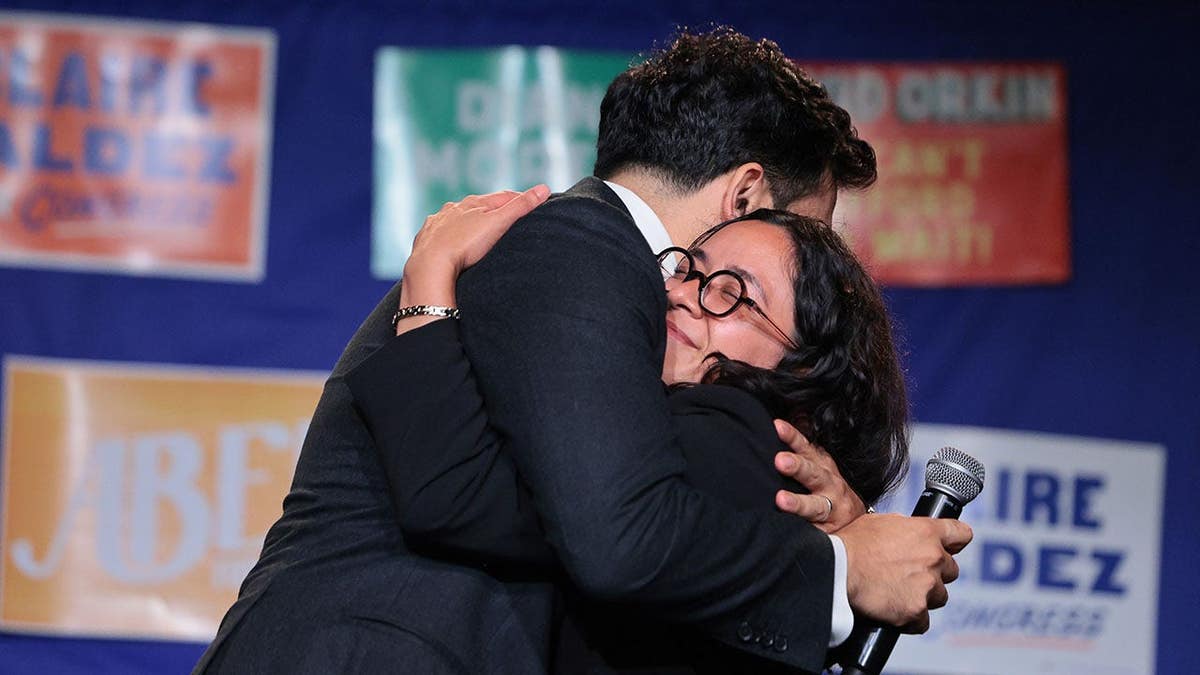
NEW YORK, NEW YORK – JUNE 23: New York City Mayor Zohran Mamdani and NYC Congressional candidate Claire Valdez embrace during a primary-night watch party at 99 Scott Studio on June 23, 2026 in the East Williamsburg neighborhood of the Brooklyn borough in New York City. ((Photo by Michael M. Santiago/Getty Images))
FAR-LEFT SURGE: MAMDANI-BACKED CANDIDATES OUST DEM ESTABLISHMENT INCUMBENTS
Mamdani pointed to the recent announcement of American Express’ new headquarters at Two World Trade Center as evidence that major corporations continue investing in New York.
«These business leaders, they’re not just making decisions on the basis of dollars and cents; they’re also making decisions on the basis of investing in the city and in what the city represents,» he said.
The mayor also rejected the idea that Democratic Socialism is incompatible with economic growth after the interviewer remarked that he sounded in line with a «capitalist mayor.»
NYC MAYOR MAMDANI CALLS THREAT OF RICH PEOPLE LEAVING NYC OVER TAXES ‘IMAGINED’
«I will always celebrate continued investment in this city,» Mamdani said. «And I’ll also look to ensure that more and more New Yorkers can be a part of those benefits.»
But even as Mamdani boasts his support for corporate investments, an analysis by the Citizens Budget Commission found New York’s share of the nation’s millionaires fell from 12.7% in 2010 to 8.7% in 2022, the steepest decline of any state, costing an estimated $10.7 billion in personal income tax revenue in 2022 alone.
The report points to New York’s high taxes and declining competitiveness relative to states like Florida and Texas as factors behind its shrinking share of the nation’s millionaires.
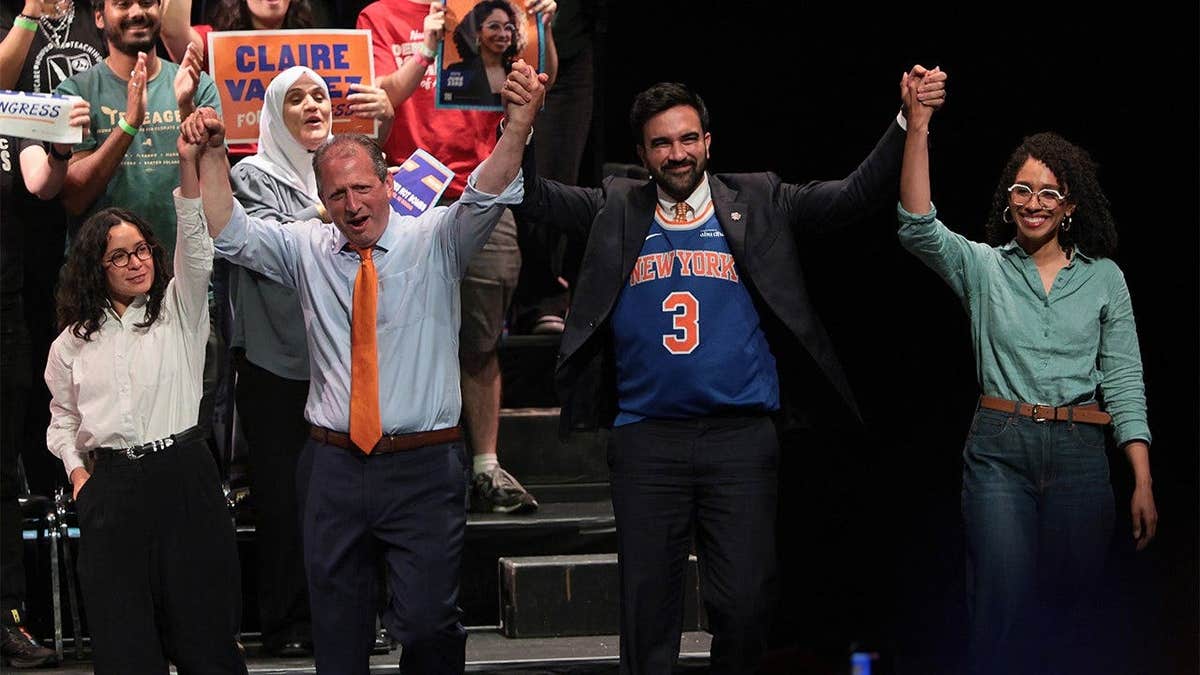
Congressional candidate Claire Valdez, Congressional candidate Brad Lander, Mayor Zohran Mamdani, and Congressional candidate Darializa Avila Chevalier raise their hands during a Get Out the Vote (GOTV) rally at King’s Theater on June 18, 2026, in New York City. (Michael M. Santiago/Getty Images)
Mamdani has made raising taxes on wealthy New Yorkers a centerpiece of his economic agenda, arguing the city’s highest earners and most profitable corporations should shoulder more of the cost of funding public services.
CLICK HERE TO DOWNLOAD THE FOX NEWS APP
His interview comes as national Democrats debate the party’s future direction ahead of the 2028 presidential election. Mamdani argued that the victories of democratic socialist candidates signal that voters are embracing his vision for the party.
«For too long, it has felt like our party, the Democratic Party, the only answer we have is to say that we are not the Republican Party,» Mamdani said. «But we also have to have a vision of what comes after this administration.»
new york, zohran mamdani, democratic party, new york city, economic policy

Elon Musk tuvo que ceder ante la Unión Europea para evitar una multa millonaria

La figura de Francia que rompió un histórico récord de Pelé en los Mundiales después de 56 años

El Gobierno unificó el sistema para realizar compras en el exterior: qué cambia en el régimen puerta a puerta

Se posterga la Supercopa Argentina

Operaron de urgencia a Susana Giménez y no podrá estar en la final del Mundial: «Está adolorida»

Viaje al corazón de una fiesta inolvidable

El machete del arquero inglés en una botella que sorprendió a Messi tras el triunfo: el dardo de un ayudante de Scaloni a Inglaterra

El fuerte cruce público entre Victoria Villarruel y Patricia Bullrich tras los chats filtrados antes de la sesión del Senado

Adrián Ravier, vocero de Milei: “No coincidimos en el Gobierno con esto de que la gente no llega a fin de mes”

🇦🇷La Victoria Legendaria – El llanto interminable de Lautaro Martínez tras el pase a la final del Mundial: “Soñé que iba a hacer este gol”

 DEPORTE3 días ago
El machete del arquero inglés en una botella que sorprendió a Messi tras el triunfo: el dardo de un ayudante de Scaloni a Inglaterra
- POLITICA2 días ago
El fuerte cruce público entre Victoria Villarruel y Patricia Bullrich tras los chats filtrados antes de la sesión del Senado
- POLITICA2 días ago
Adrián Ravier, vocero de Milei: “No coincidimos en el Gobierno con esto de que la gente no llega a fin de mes”