INTERNACIONAL
US-backed pipeline proposal targets global reliance on Strait of Hormuz amid Iran threats

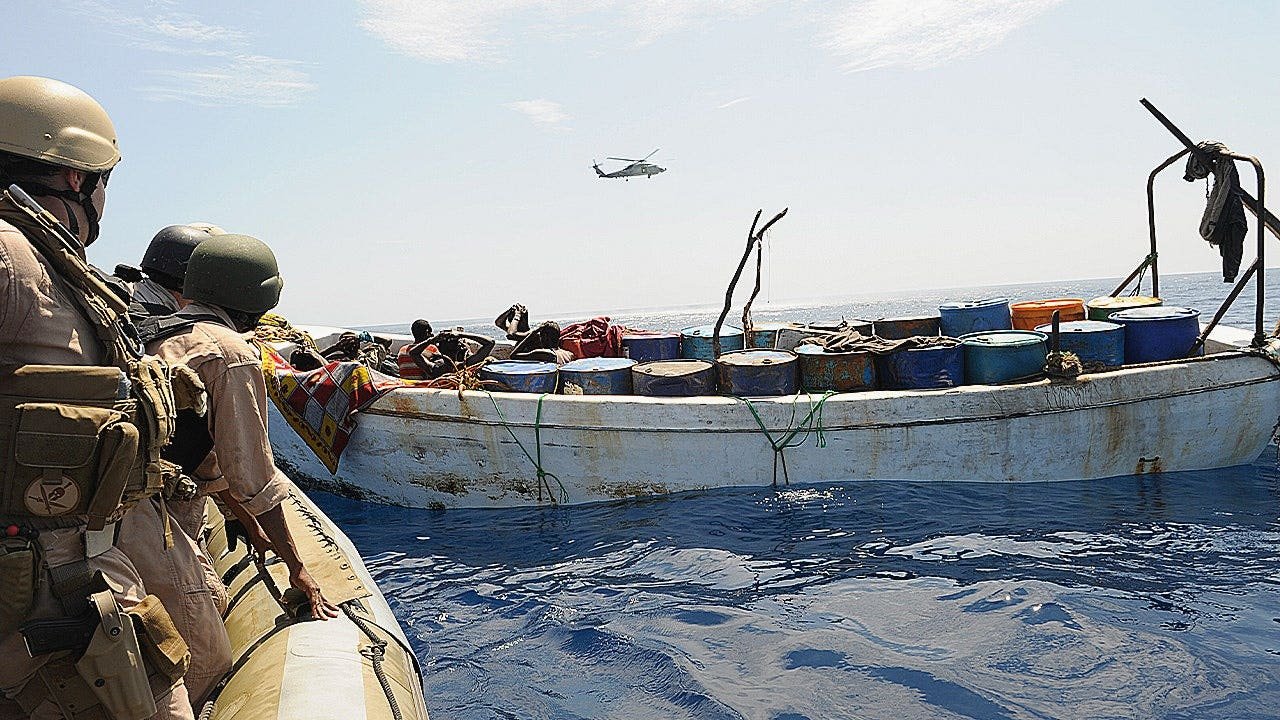
US launches Project Freedom in Strait of Hormuz amid escalating Iran tensions
Dana Perino and Bill Hemmer announce the US initiative ‘Project Freedom’ to ensure freedom of navigation through the Strait of Hormuz. President Trump issues a stern warning to Iran against any interference with shipping lanes. Bryan Llenas reports from Tel Aviv on recent drone attacks attributed to Iran by the UAE, and South Korea’s investigation into a vessel attack in the volatile region.
NEWYou can now listen to Fox News articles!
A new U.S.-backed proposal to build a network of overland energy pipelines bypassing the Strait of Hormuz is gaining attention as tensions in the region expose a critical vulnerability in the global energy system.
A policy memo reviewed by Fox News Digital outlines the concept, known as «ARAM Express,» a proposed consortium between the United States and Gulf partners to develop a multidirectional overland network for oil, gas and petrochemicals, originating with Richard Goldberg of the Foundation for Defense of Democracies.
The plan envisions pipelines extending westward to the Red Sea and Mediterranean, as well as southern routes toward the Arabian Sea, creating multiple export pathways that would reduce reliance on the strait, through which roughly one-third of the world’s seaborne oil currently flows.
TRUMP OPENS HORMUZ UNDER FIRE WITH ‘PROJECT FREEDOM’ AS IRAN WARNS OF ATTACKS
USS George H.W. Bush transits the Arabian Sea as U.S. forces enforce a naval blockade against Iran and support Project Freedom in the Strait of Hormuz, according to U.S. Central Command. (Fox News)
The proposal would rely on broad international participation, with European and Asian buyers investing in infrastructure and securing long-term supply agreements.
«European buyers are desperate for long-term supply resilience, and Asian customers are equally exposed,» Goldberg said. «Even China cannot tolerate the risk of a sustained disruption.»
The push comes as Iran’s threats to commercial shipping and ongoing U.S. efforts to secure the waterway under President Donald Trump’s «Project Freedom» highlight the risks posed by a single chokepoint to global energy flows.
Roughly one-third of the world’s seaborne oil passes through the narrow waterway, making it a critical artery for global markets. With Iran threatening shipping and U.S. forces now guiding vessels through the strait under President Donald Trump’s «Project Freedom,» the White House is framing the crisis in global terms.
«The President will not allow Iran to hold the global economy hostage and undermine the free flow of energy,» said White House spokeswoman Taylor Rogers, describing the launch of «Project Freedom» as a humanitarian effort to restore navigation through the strait.
That framing aligns with a growing view among U.S. officials and analysts that the risk is not only immediate but also structural.
U.S. Ambassador to the United Nations Mike Waltz signaled that Washington’s partners are already looking beyond the strait itself.
«I know our Gulf partners and allies are seriously thinking through that,» Waltz told Fox News Digital when asked about long-term alternatives during a conference call with reporters Monday.
«I know they’re looking at additional alternatives to frankly diversify their pathways and diversify their economies,» he added.
MIKE WALTZ PUSHES UN RESOLUTION TO STOP IRAN MINING KEY GLOBAL SHIPPING ROUTE
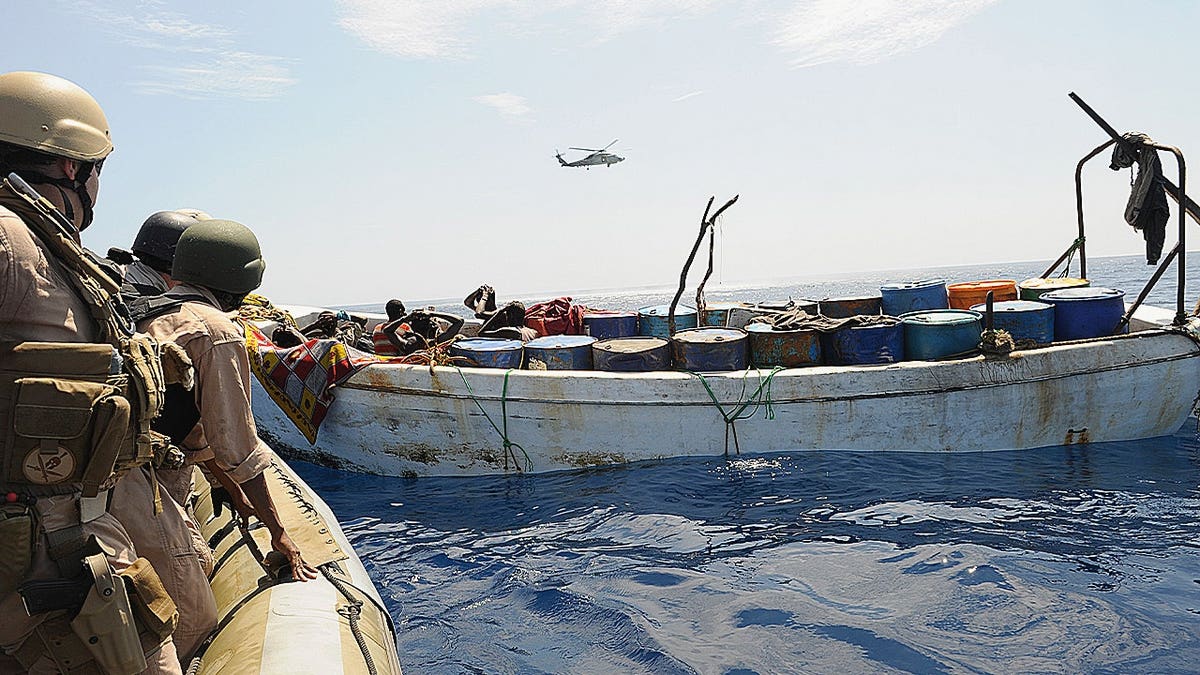
The surge in regional piracy risk is exacerbated by the volatility of the Strait of Hormuz as Iranian-backed threats persist in the Persian Gulf and global energy flows are shifting. (Mass Communications Specialist 1st Class Cassandra Thompson/U.S. Navy via Getty Images)
A vulnerability years in the making
The idea that Hormuz represents a structural weakness is not new. But until now, it has largely been tolerated, with global markets relying on stability in the Gulf to keep energy flowing.
That assumption is now under strain.
Even with U.S. naval power deployed to secure the waterway, the current crisis has highlighted how quickly disruption, or even the threat of it, can ripple through global supply chains.
«This isn’t just a long-term idea anymore,» said Rich Goldberg of the Foundation for Defense of Democracies think tank. «There is a real threat to the Strait of Hormuz that isn’t going away so long as the regime in Tehran remains.»
AS IRAN WEAKENS, QUESTIONS GROW OVER MOHAMMED BIN SALMAN’S REGIONAL AMBITIONS
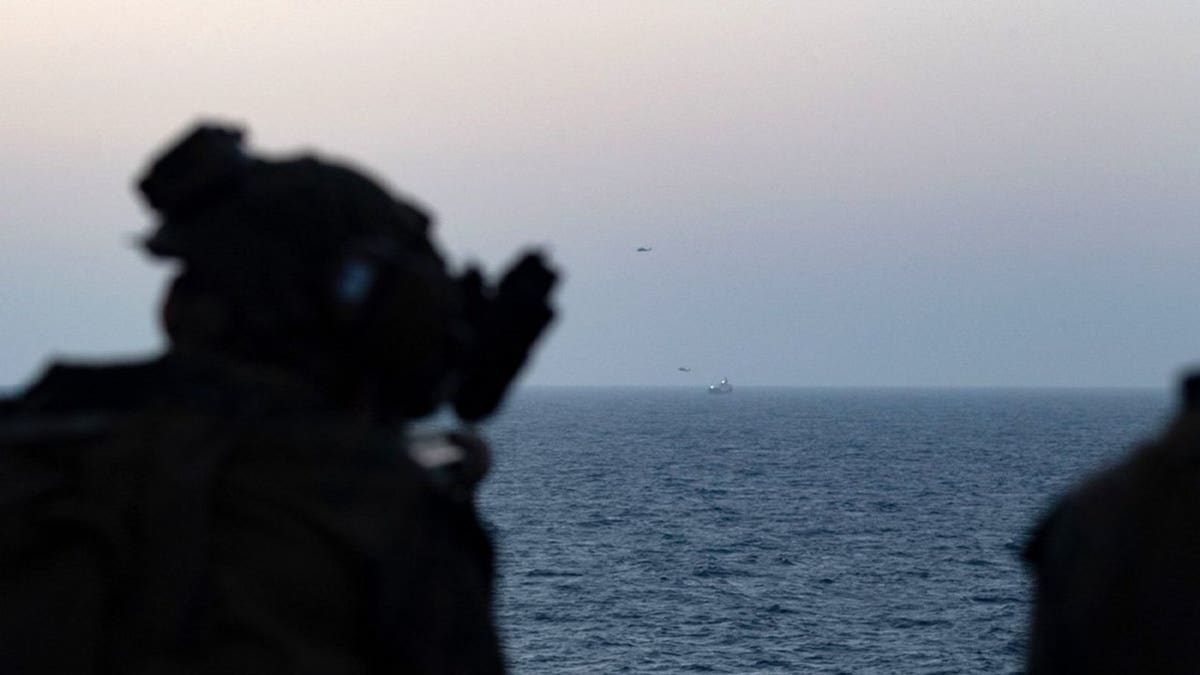
The proposal would rely on broad international participation, with European and Asian buyers investing in infrastructure and securing long-term supply agreements. (U.S. Central Command)
Saudi Arabia: Building around the risk
Saudi Arabia stands out as the country among Gulf states that has invested most heavily in reducing reliance on Hormuz.
Its East-West pipeline allows crude oil to travel from eastern fields on the Gulf to the Red Sea port of Yanbu, bypassing the strait entirely. From there, shipments can move toward Europe, Africa and Asia without entering the chokepoint.
«Saudi Arabia has treated the Strait of Hormuz risk with planning, not panic,» said Salman Al-Ansari, a Saudi geopolitical analyst.
«The East-West pipeline is strategic insurance,» he told Fox News Digital, «A Hormuz closure would be disruptive, but not paralyzing. Saudi Arabia has spent years reducing that vulnerability, and today it is uniquely positioned to absorb shocks and keep global flows moving.»
Al-Ansari argued that the kingdom’s strategy goes beyond energy exports, positioning the country as a broader logistics hub.
«Ports, pipelines, land bridges, storage and Red Sea access are all part of one Saudi contingency architecture,» he said.
HORMUZ CHOKE POINT PERSISTS AS IRAN HALTS OIL TRAFFIC DESPITE TRUMP CEASEFIRE
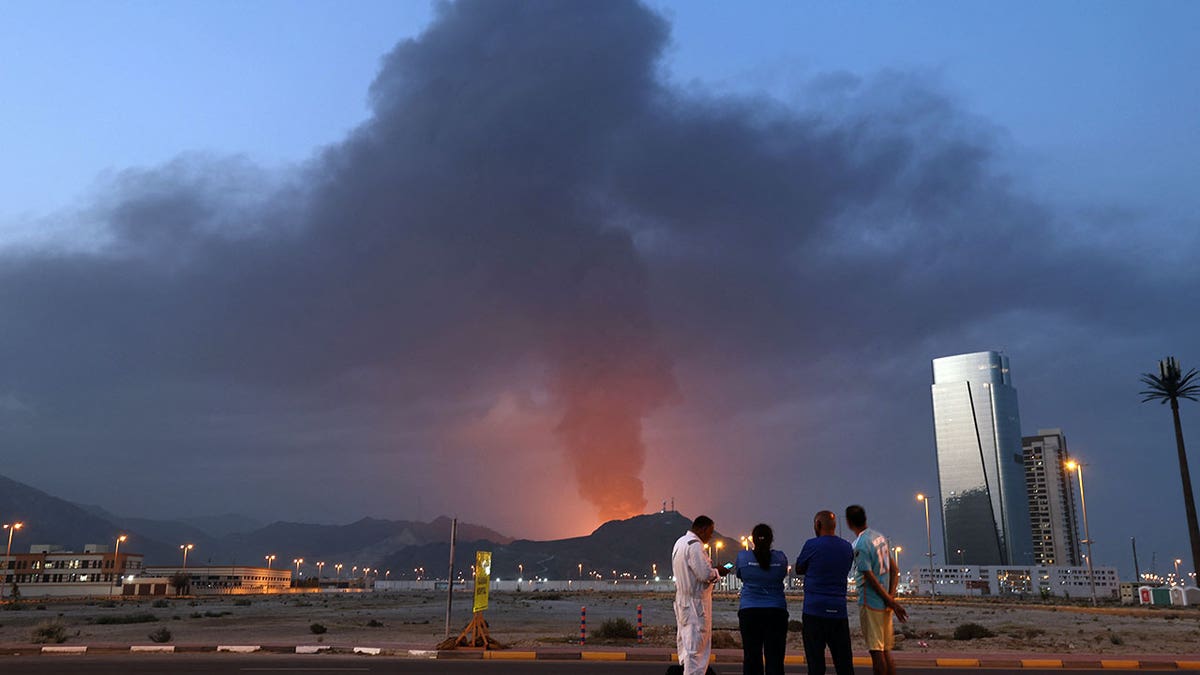
The plan envisions pipelines extending westward to the Red Sea and Mediterranean, as well as southern routes toward the Arabian Sea, creating multiple export pathways that would reduce reliance on the strait, through which roughly one-third of the world’s seaborne oil currently flows. (Fadel Senna / AFP via Getty Images)
UAE and the fragmentation of the Gulf model
Saudi Arabia is not the only player adapting.
The United Arab Emirates also has developed alternative export capacity through its pipeline to Fujairah, outside the Strait of Hormuz.
At the same time, some analysts argue that recent regional dynamics point to a deeper shift, one that goes beyond infrastructure and into the political structure of the Gulf itself.
Yonatan Adiri, an Israeli entrepreneur and former adviser to former Israeli President Shimon Peres, said the traditional model of a unified Gulf energy system centered on Hormuz is beginning to break down.
«The whole arrangement … it’s starting to expire,» Adiri said, referring to the long-standing reliance on the strait as a central artery for Gulf exports.
He pointed to emerging economic and geopolitical realignments, including new corridors and shifting alliances, that are fragmenting the region’s traditional energy architecture.
«The UAE stepping away from OPEC is not just about production policy,» Adiri said, referring to the country’s decision to leave the Organization of the Petroleum Exporting Countries effective May 1, 2026. «It reflects a broader shift toward an independent strategy — building its own routes, partnerships and leverage rather than relying on a collective system.»
These changes are driven in part by broader global competition, according to Adiri, particularly efforts by the United States and its partners to counter China’s Belt and Road Initiative.
«The entire system is being rethought,» he said, describing a shift toward diversified routes that reduce reliance on single choke points.
WHY GULF STATES AREN’T JOINING THE WAR AGAINST IRAN — DESPITE ATTACKS ON THEIR SOIL
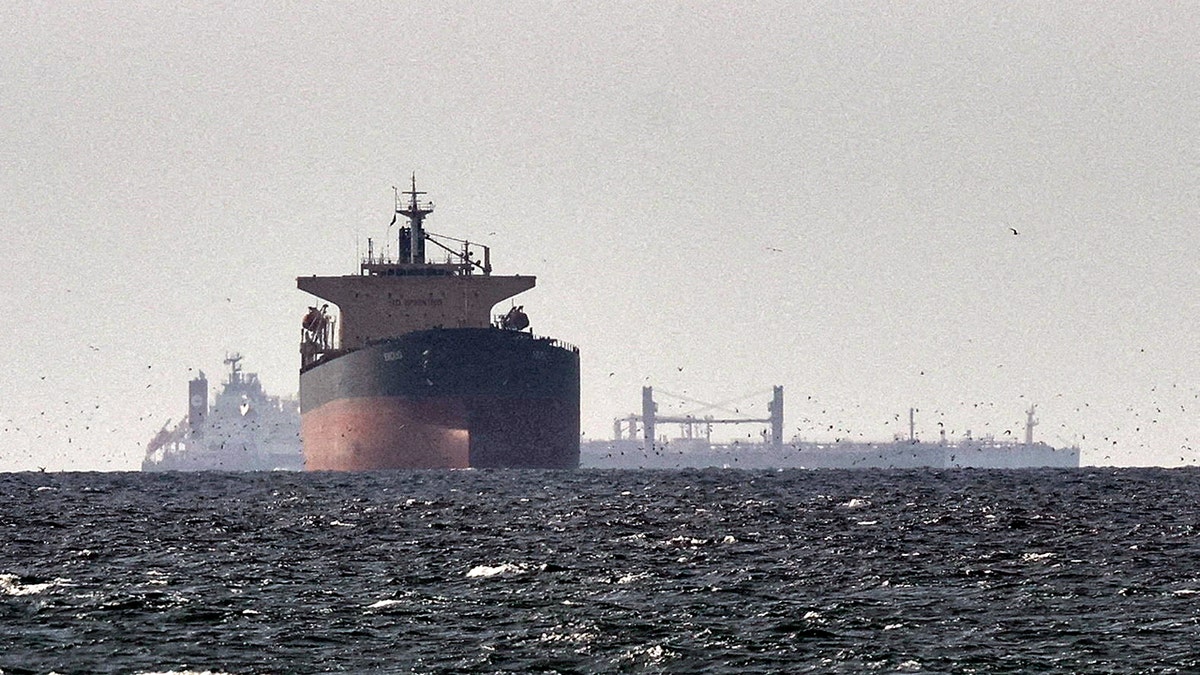
Cargo ships are anchored in the Gulf near the Strait of Hormuz as seen from northern Ras al-Khaimah, United Arab Emirates, March 11, 2026. (Reuters/Stringer/File Photo/File Photo)
Uneven exposure across the Gulf
Despite these developments, not all Gulf states are equally prepared.
«If you’re Kuwait, you’re in a world of hurt,» Goldberg said, pointing to countries that lack meaningful alternatives to maritime exports.
Qatar, one of the world’s largest exporters of liquefied natural gas, remains heavily dependent on the strait, with limited options to reroute supply if shipping is disrupted.
This uneven exposure could reshape regional dynamics, giving countries with alternative routes greater resilience and leverage in future crises.
Political limits and long-term questions
While the technical case for alternative routes is growing stronger, political constraints remain.
One of the most sensitive issues is whether future corridors could involve Israel, even indirectly.
«As for routes involving Israel, even indirectly, the politics are extremely difficult under current circumstances,» Al-Ansari said. «I genuinely do not see it happening now.»
At the same time, he suggested that such cooperation could become more realistic in the future under different political conditions.
A system in transition
For now, the U.S. and its allies remain focused on stabilizing the immediate situation in the Strait of Hormuz, ensuring that ships can pass safely and global markets continue to function.
But as tensions persist, the current crisis is forcing a broader reassessment.
CLICK HERE TO DOWNLOAD THE FOX NEWS APP
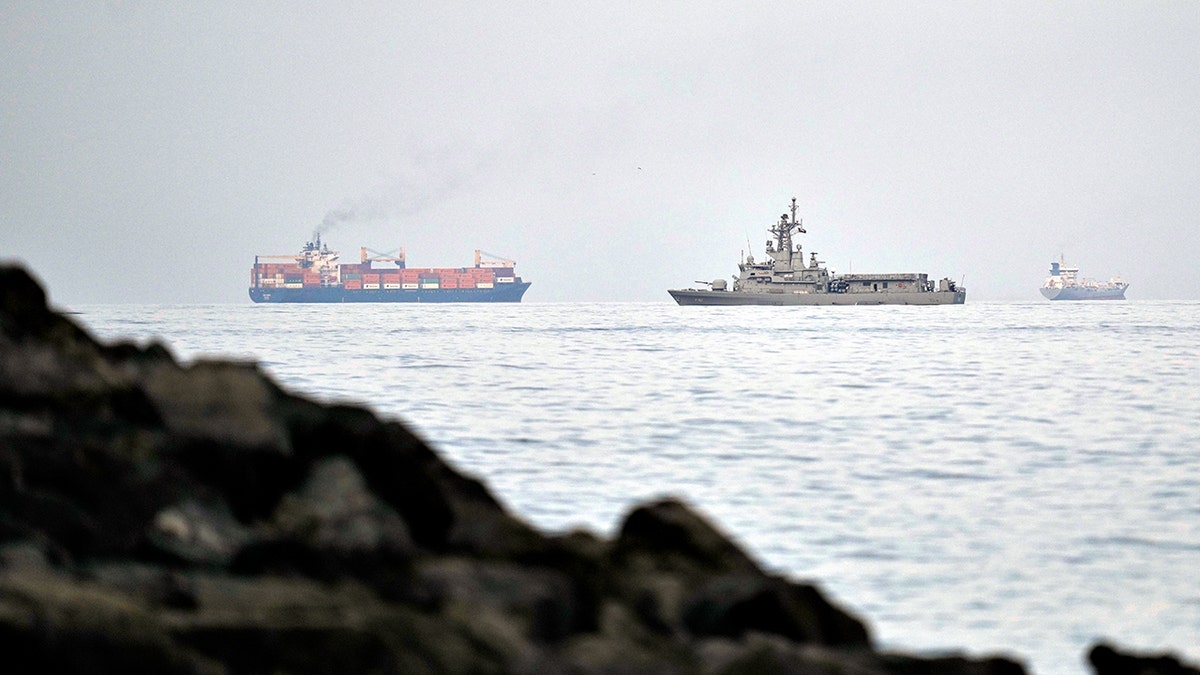
While the technical case for alternative routes is growing stronger, political constraints remain. (Altaf Qadri/The Associated Press )
The question is no longer just how to secure the strait, but whether the global energy system can afford to depend on it to the extent it has for decades.
If the current trajectory continues, Hormuz may remain critical, but no longer dominant, experts argue, as countries invest in new routes, new partnerships and a more diversified energy map.
Fox News Digital reached out to Saudi Arabia and the UAE for comment but did not receive a response in time for publication.
war with iran, middle east, saudi arabia, trade, iran, geopolitics, energy








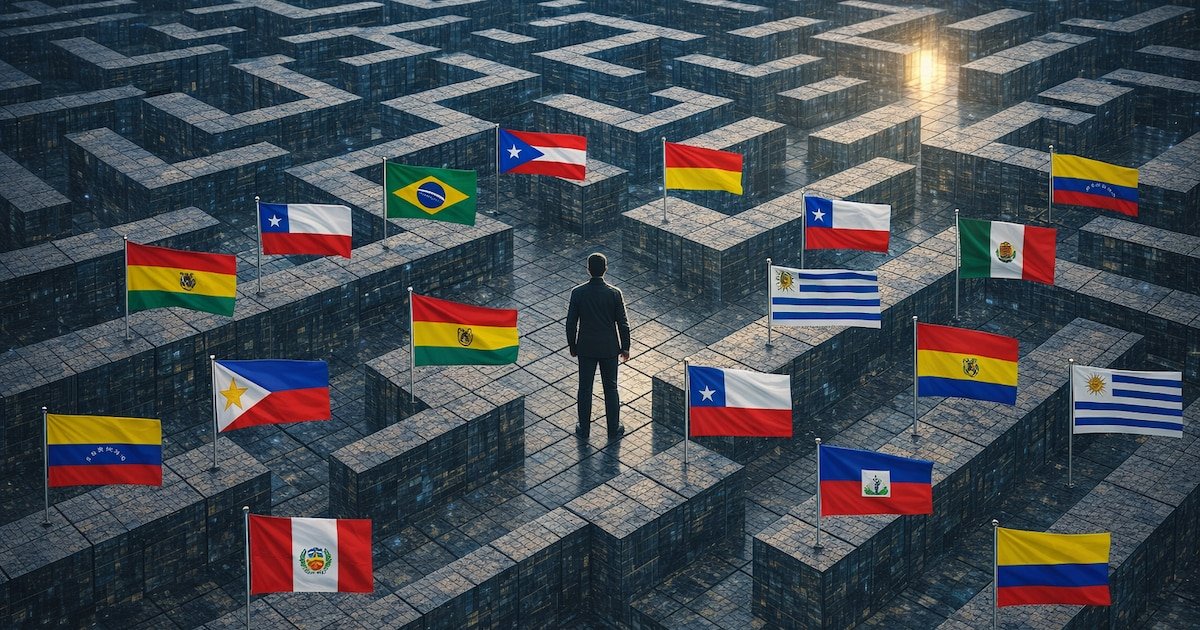
Hoy cualquier dispositivo electrónico establece una cadena de control intolerable. El monitoreo comprende prácticamente todos los aspectos de la vida, la ubicación, los traslados, los gustos, las compras, preferencias políticas, deportivas, etc. los algoritmos son implacables al respecto. Es imposible no sentir que la libertad está bajo vigilancia. Es imposible no sentirse vulnerable e inseguro, es imposible no sentirse observado. Pero es imposible desconocer que para muchas personas esta es la dinámica de interacción con el sistema que les resulta comprensible y por lo tanto esencial para su vida.
La libertad como fenómeno personal consciente suele asociarse con la acción, pero para los seres humanos la libertad constituye el fundamento radical de la política que subyace en toda expresión de ideas y conocimiento. En el proceso de comprensión de la realidad, los intentos conscientes por establecer la moralidad sobre nuevos principios deben estar basados en la convicción de que la libertad no puede ser lograda sin un progreso real en el ámbito de la responsabilidad y los deberes. La moralidad sirve de fundamento para todas las formas de política, no sólo la política institucional o el derecho, sino también la historia, la academia y cualquier ámbito donde el sentido común político intente emprender acciones y comprender motivaciones humanas en estructuras y funcionamientos sistémicos.
Es precisamente esta visión de la moralidad como una dimensión política profunda de la conciencia humana en sus interacciones que hace necesario explorar este tema con mayor profundidad y a desarrollar el concepto de «proceso» de la libertad que surge como expresión de la acción y el pensamiento. Este es el fundamento a partir del cual se desarrollan los contenidos de la libertad. Vale la pena examinar brevemente la estructura de la ética, ya que el análisis revela que las operaciones sociopolíticas fundamentales —como la negación, la afirmación, etc.— funcionan de manera análoga a los actos de libertad física. Es necesario reconocer la necesidad de ir más allá del análisis moral y comprender las operaciones lógicas básicas que ocurren en la psicología de los sujetos políticos y sociales al ejercer la libertad. En consecuencia, el término “proceso” puede servir desde el punto de vista político para expresar el ejercicio de la libertad como marco sistémico en el que se incluyen acciones e interacciones de los diferentes actores del sistema. Estas influencias han transformado la comprensión de la libertad, incluyendo la dinámica de los asuntos políticos y los factores sociales subyacentes que pueden influir en ellos, indudablemente la falta de libertad ética en la esfera política oscurece claramente el desarrollo económico, social e histórico.
Las nociones humanas vinculadas a la teoría de los “juegos” desempeñan un papel clave en la comprensión de cómo las personas perciben el proceso dentro de la realidad, incluso si nuestra autoconciencia nos impulsa a evitar referencias directas y explícitas a la idea de comunidad. La libertad, realizada dentro de un entorno de ideas preexistentes y múltiples patrones de comportamiento, no puede ignorarse; por lo tanto, la transición a la acción debe considerarse un proceso estructural o un modo de acción específico. En realidad, la libertad es lo que originalmente se concibió: un enfoque para analizar fórmulas políticas y la experiencia social de comprender el propio lugar en el espacio. Esta comprensión explica por qué el reconocimiento de la libertad requiere la clarificación de los fundamentos conceptuales de la cognición y sus operaciones fundamentales dentro de un sistema.
Las condiciones sociales, políticas y económicas pueden tanto obstaculizar como facilitar la libertad. Todos estos factores pueden limitar la realización de los derechos; estas limitaciones están estrechamente interrelacionadas e impactan los derechos de diferentes maneras. Eliminar estas limitaciones es necesario para construir una sociedad más justa y perfectible, así como para moldear la autoconciencia personal, lo que facilita el desarrollo de individuos más libres e integrados. Desafortunadamente, a menudo observamos una realidad diferente: patrones persistentes de discriminación basados en la raza, el género, el lugar de residencia (zonas rurales), el estatus social, la clase, desigualdades varias, la discapacidad, etc. Una dictadura intensifica enormemente estas restricciones, privando a la sociedad, a las comunidades y a los individuos de las herramientas necesarias para remediar las situaciones derivadas de tales patrones, ya sea la persecución política o el ostracismo social. Todas estas restricciones a la libertad generan disfunciones estructurales dentro del sistema. Al mismo tiempo, distorsionan fundamentalmente la percepción que el individuo tiene de sí mismo y de las capacidades a desarrollar por la mente humana en un entorno libre.
Por otra parte, la interrelación entre subjetividad y objetividad lleva a uno de los principales temas en la política que es la tendencia a describir la libertad únicamente en términos de las llamadas propiedades objetivas, según el cual las reglas se aplican independientemente de las condiciones subjetivas que llevan a la aplicación de principios por parte de cada persona. La cuestión de la libertad que aquí se presenta tiene una relación directa con la ética de la conciencia, la prueba de ello se afirma en cómo los procesos de ejercicio de libertad se fundamentan en la subjetividad. Si bien las reglas y las estructuras de poder regulan el funcionamiento de la ética, la esencia del proceso en sí reside en la acción y en la capacidad de acción. Por ejemplo, María Corina Machado no es libre de regresar a Venezuela. Su conciencia y su dimensión ética pueden tener claro lo que debe hacer, pero rivales y aliados impiden/limitan esta acción.
El humanismo afirma la libertad para que la acción (y su relación con la conciencia) desempeñe un papel fundamental en la experiencia y la comprensión por parte de cada actor político, el rol del humanismo para determinar las condiciones subjetivas que llevan a la acción es esencial. El método político de forma integral busca comprender la estructura de la ética de la conciencia en todas sus formas, ya sea individual, social, comunitaria o histórica. Ningún actor político puede prescindir en sus reflexiones y sus acciones de la conciencia y el inconsciente, especialmente en el contexto de la emotividad negativa de la política del siglo XXI. Sin embargo, al reconocer la existencia del inconsciente, el interés principal radica en cómo la conciencia participa en la acción y moldea el conocimiento de la libertad. Este sentido de libertad nos recuerda constantemente que es imposible ofrecer una descripción de la libertad sin que la subjetividad siempre esté presente en el proceso.
Por supuesto, el objeto del conocimiento —tal como suele presentarse en la política y la sociedad actuales— no está exento de la influencia de la cultura social. Y, sin embargo, estos parámetros de sesgo son parte integral del proceso mismo. Desde cualquier perspectiva, vemos que el sentido común o la actitud natural reduce la definición política a las interacciones de los elementos como si observáramos la secuencia de una fórmula ya probada. Esto presupone que la justicia y la equidad existen en sí mismas, sin cuestionamientos, dentro del marco de las definiciones aceptadas por los actores políticos. Sin embargo, si consideramos cómo se forma la experiencia —a través de la síntesis de datos, algoritmos y percepciones que crean recuerdos, mediante parámetros lingüísticos, así como a través de la ubicación espacial, temporal, la visión ideológica o el alcance de sentidos, nos damos cuenta de que esta experiencia no es en absoluto neutral. La postura natural tiende a la objetividad, pero este mismo proceso de percepción por el cual se filtra la libertad oculta algo más profundo. La dificultad reside en describir este proceso sin sucumbir a las distorsiones que inevitablemente surgen durante dicho filtrado. Aquí es donde surge la idea de «reducción»: una forma de interrumpir el curso habitual de la experiencia natural para avanzar hacia una posición política trascendental. La estructura conceptual de la libertad tiene varios niveles y no todos ellos son aplicables para cada persona que puede ser no esté interesada en determinados ejercicios de derechos, los tenga o no los tenga, los quiera tener disponibles o no.
El enfoque inicial para enfocar la libertad y centrarla en la acción, tiene que ser realista o descriptivo. Este proceso implica dejar de lado las hipótesis y las teorías especulativas para centrarse únicamente en describir la acción libre y volver a «las cosas mismas», es decir, a cómo se percibe y se vive la propia experiencia y los factores políticos/sociales/económicos que influyen en la misma. Esto implica, por ejemplo, analizar la conciencia de la libertad y comprender cómo se forman el significado y la dirección de la acción, así como la importancia que estas acciones tienen para las interacciones que se emprendan. Una explicación causal —por ejemplo, afirmar simplemente que una determinada acción libre está determinada por una causa específica— es absolutamente insuficiente, ya que este tipo de explicación es característica de un modelo que ignora la dimensión ética y moral de las ideas políticas. El peso específico de la acción moral libre no está sujeto a medida. Por eso una organización como la OEA con un presupuesto mínimo pudo deslegitimar un país petrolero con presupuestos millonarios. Ello ocurrió simplemente a partir de posicionamientos éticos basados en los hechos, lo que neutralizó hasta cierta medida su capacidad de comprar o presionar voluntades.
Esto quiere decir que siempre hay elementos que neutralizan la acción puramente libre, no todo el mundo puede seguir todo el tiempo un propósito ético, si bien una parte significativa de la experiencia puede describirse de esa manera, dicha descripción no logra captar la naturaleza misma de la acción, pues son muchos los elementos que aborda la dimensión ética que determina la actitud hacia los propios intereses, zonas de confort y adversidades de la vida. No es necesario esforzarse por comprender cómo el sentido común percibe esta experiencia en términos de su significado o importancia ética. Por lo tanto, al centrarnos en cómo las cosas tienen sentido para nosotros, con el fin de comprender este proceso de construcción de significado debemos dejar de lado diversas teorías de la percepción política e intentar identificar las características internas de la acción misma. En este sentido, no basta con ofrecer una descripción exhaustiva de las experiencias —tanto intelectuales como sensoriales— que caracterizan a la libertad, esta visión opera de manera diferente desarrollando primero una teoría de la libertad externa y luego, casi como complemento, una teoría de la libertad de la mente y la acción humana interna, pero en el individuo político la libertad se mueve muchas veces en la dirección opuesta, por ello es muy probable que siempre implementemos nuestra primera decisión más allá de las discusiones, argumentaciones y procesos que se lleven adelante, superar estas barreras siempre está plagado de dificultades independientemente de dónde comencemos.
Así, al analizar esta ética pública de la libertad, observamos permanentes cambios de rumbo, tantos como cambia la política de derecha a izquierda y viceversa. Porque parte de los hechos internos de la conciencia humana, también luego se construye libertad sistémica sobre fundamentos ideológicos. En consecuencia, esto implica un conjunto diferente de problemas y puntos de partida distintos. Cuando se tiene suerte este enfoque ideológico va acompañado de la búsqueda de conocimiento fiable, así como del reconocimiento de que la decisión y el “gran proyecto” ideológico pueden atravesar diversas etapas, desde el escepticismo radical hasta las convicciones simples, y todo esto puede ocurrir dentro de la misma conciencia sucesivamente. Por supuesto, es imposible desarrollar un conocimiento que sea simultáneamente libre de prejuicios y por lo tanto más fiable; en cierto sentido, las actividades sociales, económicas y políticas habituales de implementación de la “ética pública” sirven de base para la sostenibilidad de la libertad, al igual que gran parte del trabajo práctico, ya que la mayoría de estas dimensiones de la ideología son en gran medida programáticas y repetitivas, y abordan cuestiones que distorsionan, socavan o disminuyen la libertad. Muchas veces resulta asimismo evidente que la comprensión conceptual de la libertad en relación con las instituciones se centra más en cómo pueden las instituciones limitarla que en cómo puede expandirla. Y también ocurre que el concepto de libertad está más estrechamente vinculado al funcionamiento de una política de identidad particular que a cómo la conciencia aplica un método —un “proceso”— para discernir las esencias eternas inherentes a la libertad humana y como una vez discernidas estas esencias, la conciencia comienza a definir la libertad a través de ellas. El “sentido común” al que se apela en general en la política puede comprenderse con claridad, de modo que su fuerza se vuelve innegable, y sólo entonces éste sentido común conforma todos los demás elementos del conocimiento sobre la libertad.
Sería ideal tener una referencia humanista/humanitaria permanente para el ejercicio de la libertad. Así, la acción humanitaria describe la realidad y funciona como una práctica política rigurosa, incluso si la idea de fusionar libertad con acción humanitaria parece radical. Sin embargo, intentar lo contrario sería desprenderse de principios fundamentales. Los intentos, tanto de la derecha como de la izquierda, de separar la acción humanitaria de la libertad han sido persistentes. No obstante, debe sostenerse que dicha definición no es simplemente una cuestión de política estricta, sino una condición necesaria para comprender qué significa la libertad y qué puede o debe hacerse con ella. Las formas ideológicas de entender la libertad son muy particulares, en algunos casos se entiende la libertad del asistencialismo total o la libertad del consumidor. Es una tarea formidable ganar una batalla política que dote a la libertad de un significado que trascienda las opciones y decisiones y la dimensión humanitaria es capaz de preservar la visión de alcanzar un objetivo incluso cuando la política se desmorona a su alrededor, y no se puede negar la nobleza del mero intento de emprender tal proyecto. Es importante considerar que la libertad debe consistir en esta labor humanista/humanitaria para ser una especie de estándar o procedimiento para comprender la positividad de su esencia, esto es como un método para fortalecer la política en su acción social y de asegurar la eficiencia de su funcionamiento en el contexto de la sociedad en la que uno se encuentra.
Uno de los problemas es la sensación de desesperanza ante lo “incontrolable” que suelen tener los políticos. Imagino que ustedes —como personas que viven en la América Latina contemporánea y pertenecen a su folclore o tradición política— perciben la palabra “incontrolable” como algo caótico e incierto. Quizás la palabra «incontrolable» debería ir en cursiva, ya que esta categoría puede ser bastante fluida y parece ser muchas veces el elemento crucial de la libertad. También es importante considerar que, si bien esta afirmación puede no ser cierta para todas las formas de comportamiento, es posible imaginar un modelo «incontrolable» que sea incuestionable, y también modelos muy cuestionables. Las expresiones incontrolables de libertad se forman en una conciencia capaz no sólo de evitar conscientemente las trampas de los modelos de toma de decisiones impuestos por el sistema político, la sociedad o la economía, sino también de superar las limitaciones naturales generadas por las sensaciones, los sentimientos y los pensamientos que surgen bajo la influencia de estos sistemas. Consideremos algunos de estos puntos problemáticos y cómo se relacionan con la tesis de que los hechos que contradicen a la ética en la predeterminación de resultado son en sí mismos irreductibles; en otras palabras, el razonamiento del sentido común sobre el amor, el odio, la esperanza, la culpa y el deseo a menudo se basa en la noción de que las decisiones de cualquier persona pueden reducirse a algunos de estos elementos. En contraste, el enfoque humanitario considera estos favores muchas veces una intrusión inaceptable en el ámbito de la conciencia.
Algo similar ocurre en el análisis de las estructuras, puesto que el enfoque humanitario presupone la existencia de sistemas éticos contradictorios que se transforman en realidades irreductibles. Es lo que señalábamos en una ocasión anterior respecto a las segundas vueltas electorales entre proyectos incompatibles entre sí en Latinoamérica. Dado que los principios semánticos de cada sistema son fundamentales, la acción se convierte en la encarnación de aspiraciones políticas, sociales, religiosas, culturales o económicas: una especie de proyecto para cumplir con el deber, tal como lo entiende el individuo, su ideología y sus circunstancias circundantes. Estos enfoques políticos, sociales y de otra índole sobre la libertad buscan primero formar el “yo ideológico” y luego, sobre esta base, construir la naturaleza del proyecto en sí; el proyecto ético humanista/humanitario, por el contrario, primero construye la naturaleza de la libertad y sólo después integra al “yo ideológico” al proyecto. Así, cuando el “yo ideológico” se vuelve primordial, planteando la cuestión de la relación entre las reglas (algunas veces incluso la constitución) y un objetivo incontrolado del ejercicio “ ideológicamente correcto” de la libertad. Es importante fundamentar la idea de actividad no controlada, una categoría que puede resultar más precisa de lo que aparenta inicialmente, ya que implica el estudio del juego político-económico y su historia, así como la búsqueda de una perspectiva óptima como una “delimitación” conceptual que aborde el problema mismo que la libertad pretende resolver.
La crisis permanente de la existencia latinoamericana demuestra que es más fácil definir aquello a lo que se opone que aquello que defiende. Los procesos latinoamericanos se enfrentan a fenómenos como el historicismo, el relativismo, el irracionalismo y la narratividad, los desafíos que buscan distanciarse de la libertad o, más precisamente, de las estructuras y mecanismos de desarrollo basados en la libertad. Quizás esta sea la reacción de América Latina al auge de la “política natural” moderna, que ha desviado a la región, distorsionado su comprensión de la libertad y conducido al empobrecimiento debido a una mala interpretación de las reglas de este “juego”. En cierto sentido, la realidad sugiere que estos problemas son fundamentalmente de naturaleza cultural. Un proyecto con una orientación más ética podría permitir que los objetivos políticos salven a la región de la degradación y revitalicen el proceso de desarrollo. El desarrollo no puede avanzar sin libertad: la libertad que permite la formación de la inteligencia colectiva en lugar de su destrucción en aras del beneficio individual negativo que resta al proceso económico/social integral; una libertad capaz de construir la inteligencia colectiva de un sistema para la protección de los derechos humanos. Ninguno de estos modelos forma parte del comportamiento natural de los países de la región si bien la racionalidad de la libertad abarca todo el ámbito de la experiencia humana y la racionalidad humana permite comprender la libertad en cualquier contexto político, social y económico conocido.
El objetivo es explorar no sólo las capas pre-reflexivas, sino también los conceptos que crean las condiciones naturales para la libertad; por ejemplo, el significado, la verdad, el amor y el miedo (elementos considerados esenciales para todos los seres conscientes y cognoscentes). En cada caso, nos encontramos con un movimiento circular del pensamiento: el razonamiento inevitablemente regresa a sí mismo en un intento por comprender nuestras acciones y pensamientos libres, y por lo tanto, la transición al reino de la vida interior no nos lleva tanto al logro de un estado vivo de libertad… En busca de la esencia de la libertad, tomemos, por ejemplo, a las personas de un determinado sistema y apliquemos el proceso de reducción al “mundo de la vida inmediata”. Es necesario reflexionar sobre esto. Al interactuar con la sociedad, atribuimos diversas condiciones a la misma (el mundo en que vivimos, nuestro “aquí y ahora”), y luego las añadimos o descartamos mentalmente. Observamos cuáles de estas condiciones pueden descartarse sin perder la esencia misma de la libertad, y cuáles no; cuáles son esenciales para nuestra libertad, y cuáles no. Estas condiciones varían de una sociedad a otra y de una persona a otra. Precisamente por eso, algunas personas viven pacíficamente bajo una dictadura, mientras que otras no pueden tolerarla ni por un instante.
Un régimen totalitario cuestiona la libertad misma; sobre todo, busca suspenderla. Esto no se debe a que dude de su existencia ni a que sea escéptico respecto a las sillas o el sentido común; no niega su existencia. Simplemente afirma que la libertad externa es irrelevante y debe descartarse —en un sentido estrictamente económico, es decir, aislando el problema—, ya que, como recordamos, un régimen totalitario se basa en el control; por lo tanto, todo lo “incontrolable” debe quedar fuera del alcance del control interno y de todo lo que este conlleva. Al hacerlo, una parte significativa de los derechos humanos y de la experiencia humana queda inevitablemente suprimida. Las dictaduras fuerzan el sistema hacia la ineficiencia, pues sus dinámicas de control funcionan mejor cuando las dinámicas económicas o sociales son de baja intensidad y calidad. Es imposible que una dictadura pueda ejercer un control total sobre un sistema económico o social en que cada actor de esos sistemas tenga capacidad máxima de acción social o producción económica. Por ejemplo, en un sistema de control, se excluyen las relaciones causales, puesto que la lógica del control no percibe causalidad en la libertad ni busca modificarla; es simplemente una secuencia de eventos, donde una cosa sigue a la otra; todas las narrativas y consideraciones externas también se descartan. Lo único que queda son los datos brutos y puros de la existencia humana: esa cualidad común inherente a todos nosotros, que el sistema totalitario busca controlar. Esto puede imaginarse como un proceso de selección en busca de algún elemento simple y definible, el poder intenta filtrar el contenido de la experiencia humana para preservar lo que podría llamarse su “esencia controlable”: el comportamiento inmutable y determinista que define toda experiencia. Combinando estos elementos de control, llegamos al concepto de “reducción humana”, que surge del rechazo de la dinámica de los derechos humanos (es precisamente en esta dinámica donde residen las definiciones de la esencia de la libertad). El deseo humano de alcanzar la libertad está inextricablemente ligado a la descripción de cada derecho humano registrado en la historia, desde el Cilindro de Ciro hasta nuestros días.
INTERNACIONAL
WATCH: Dana White drops 2028 hints while raving about his favorite Trump cabinet secretary
NEWYou can now listen to Fox News articles!
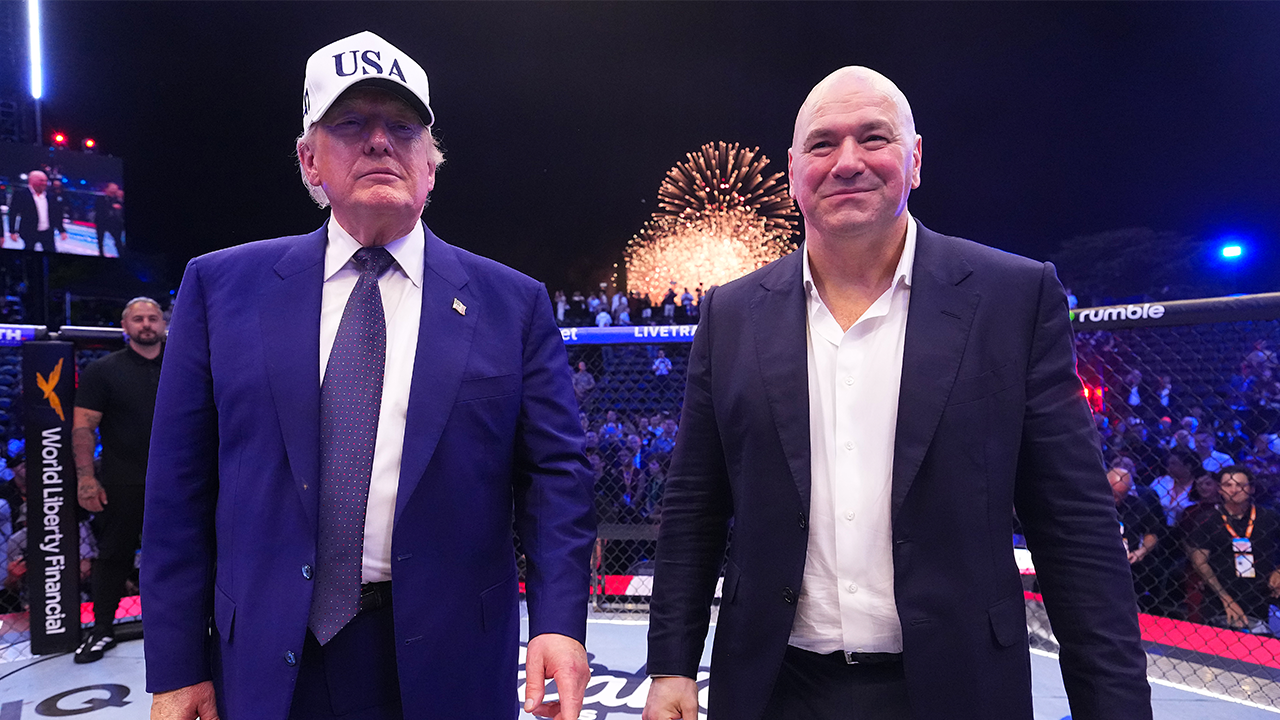
Political heavyweight Dana White, whose endorsement of President Donald Trump was instrumental in his 2024 victory, is now hinting that he may jump back into presidential politics in 2028 because he has «become really close» with Secretary of State Marco Rubio.
This comes as White’s UFC announced a rare «sports diplomacy» partnership with the State Department this week. White and Rubio signed a memorandum of understanding establishing the partnership last month, according to a UFC statement. The league said that as part of the agreement, UFC athletes and coaches will serve as «sports ambassadors» for young athletes around the world through the State Department’s Sports Envoy Program.
White was explicitly asked by OutKick’s Tomi Lahren, whether there are any leaders he is looking at for 2028, to which he responded, «It’s funny, As I was, leading up to the White House fight, doing all this media, you know, a lot of the left media was saying to me, ‘So, you’re out of politics after this, right?’ And I can’t remember who it was that I said it to but … I said, ‘I’ve become really close to Rubio.’ We’ve become really close.»
«People are asking me if I’m going to get out of politics when the president leaves and I just said, ‘I’ve become very close to Rubio.’ He and I have become friends,» he emphasized.
RUBIO ANNOUNCES FRAMEWORK DEAL BETWEEN ISRAEL AND LEBANON AS EXPERTS WARN IRAN WILL FIGHT TO SABOTAGE IT
UFC President and CEO Dana White and US Secretary of State Marco Rubio shake hands as they participate in a Memorandum of Understanding signing ceremony at the State Department in Washington, DC, on June 11, 2026. (Brendan SMIALOWSKI / AFP via Getty Images)
White said that Rubio «is a great guy, I like him,» adding, «He’s smart, I like the way he handles himself.»
He also said, «I’ve met his sons, and I like his kids and, you know, so, never say never.»
Pressed on whether Rubio is his official pick to succeed Trump as president, White clarified, «I’m not saying I’m picking.» He noted that he also likes Vice President JD Vance, who, alongside Rubio, is a rumored 2028 presidential frontrunner.
«JD is a great guy too,» said White, adding, «It’s a tricky situation, and I don’t know enough about politics to even comment on that, but, yeah, I don’t know, but it’s not a bad thing to have two strong candidates.»
Rubio and Vance are the two Republicans most discussed as possible successors to Trump. While Rubio ran for president in 2016, he has expressed support for Vance, calling him a «close friend» and saying the vice president «would be a great nominee if he decides he wants to do that.»
VIRAL MARCO RUBIO CLIP ON HIS VISION FOR AMERICA SPARKS MORE 2028 SPECULATION
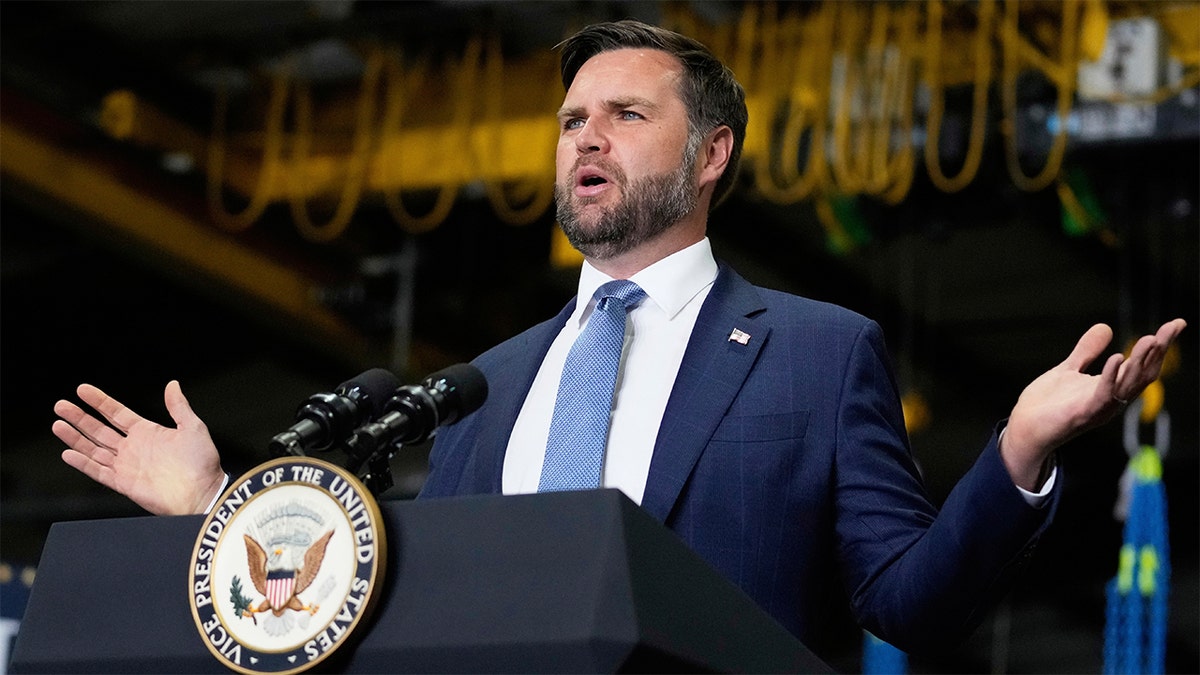
Vice President JD Vance speaks during a visit to ALTA Refrigeration Inc., Aug. 21, 2025, in Peachtree City, Georgia. (Brynn Anderson/The Associated Press)
Though White stopped short of issuing a full-throated endorsement of Rubio, his partnership with the State Department through UFC underscores the high regard he appears to have for the secretary.
This is the first time the UFC has entered into such a partnership with the State Department. The NFL, which entered into a similar agreement in January, is the only other major sports organization to have signed such a formal agreement with the department.
SIGN UP TO GET THE POLITICS NEWSLETTER
UFC Chief Operating Officer Lawrence Epstein said the league is «thrilled» about the partnership. He said it would allow the State Department and UFC to «work together to build bridges through community engagement.»
«We’re excited to join this program, led by Secretary Rubio, as UFC is a truly global organization with athletes representing 75 countries. We can’t wait to get started later this year,» said Epstein.
VANCE TAKES LEAD SELLING TRUMP’S IRAN GAMBLE AS RUBIO, HEGSETH AND RATCLIFFE CEDE SPOTLIGHT ON FRAGILE DEAL
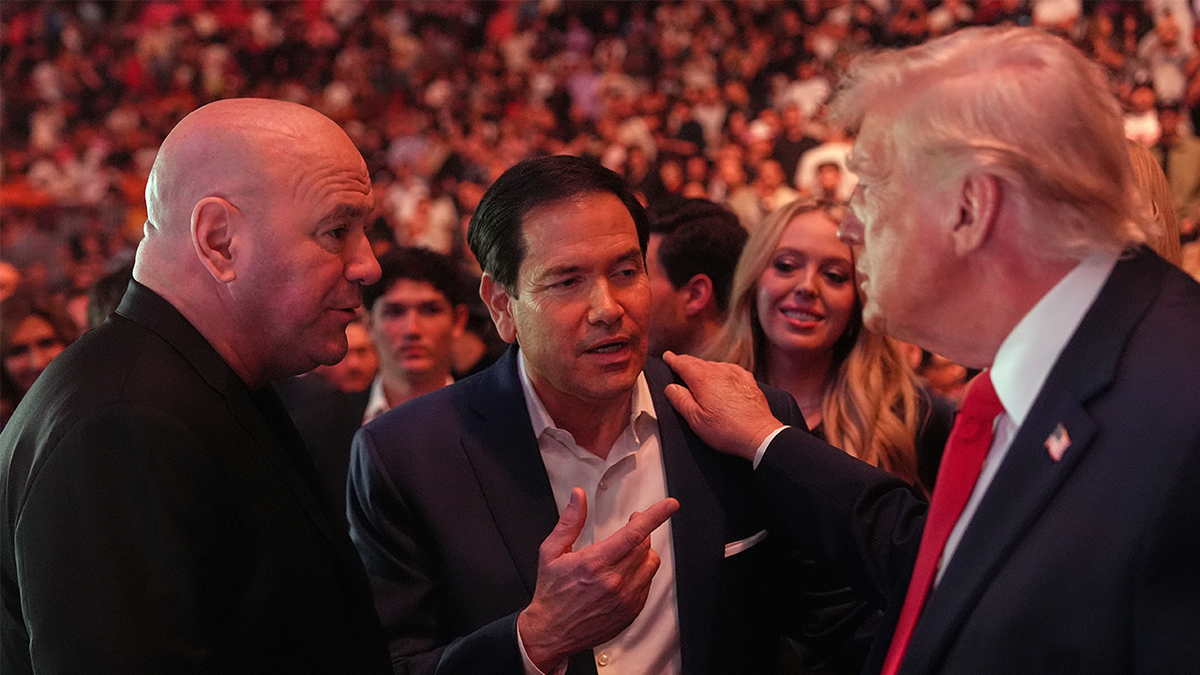
President Donald Trump speaks with Secretary of State Marco Rubio and UFC CEO and President Dana White during UFC 327 at Kaseya Center on April 11, 2026, in Miami, Florida. (Julia Demaree Nikhinson – Pool / Getty Images)
CLICK HERE TO DOWNLOAD THE FOX NEWS APP
In turn, Rubio spoke very highly of the UFC, saying it «has become a global phenomenon by embracing values that resonate far beyond the Octagon: excellence, discipline, opportunity, and meritocracy.»
The secretary said the State Department is «proud» to launch the sports diplomacy partnership with UFC and to «continue growing the sport of MMA.»
ufc, marco rubio, politics, donald trump, jd vance, state department, elections
INTERNACIONAL
No solo la sequía mata a los árboles: descubren en Europa el efecto letal de las primaveras favorables

La mortalidad prematura de los árboles en Europa no responde solo a las sequías extremas: un estudio sobre bosques de Francia encontró que primaveras inusualmente cálidas o húmedas, incluso cuando parecen favorables para el crecimiento, también elevan el riesgo de muerte en los años siguientes.
El trabajo analizó datos del inventario forestal francés entre 2015 y 2023 y se apoyó en una base de 500.000 árboles de 52 especies.
Según el equipo de investigadores, esa cobertura permite detectar patrones que van más allá de episodios aislados y trasladar las conclusiones a otras regiones europeas.
La investigación fue codirigida por el Laboratorio de Ciencias del Clima y el Medio Ambiente y el Instituto Federal Suizo de Investigación sobre Bosques, Nieve y Paisaje. Sus resultados, publicados en Nature Communications, apuntan a una combinación de anomalías climáticas estacionales como detonante de la pérdida de árboles.

Pascal Schneider, doctorando del Instituto Federal Suizo de Investigación sobre Bosques, Nieve y Paisaje y autor principal del estudio, explicó que esto “aumenta su demanda de agua y las vuelve más vulnerables en cuanto las condiciones se vuelven secas”. El investigador agregó que, si después llega un verano seco, las reservas del suelo ya están agotadas y el estrés hídrico aparece antes.
El estudio encontró que las condiciones de crecimiento que suelen considerarse ideales también pueden tener un costo posterior. Los árboles altos como el abeto plateado murieron en mayor número después de primaveras cálidas y húmedas.

Según Schneider, en esos períodos, los árboles crecen con más vigor del habitual y consumen más agua desde comienzos de año. Ese mayor gasto anticipado reduce el margen de respuesta cuando la estación siguiente trae escasez hídrica.
El equipo también planteó que las primaveras húmedas pueden favorecer la expansión de patógenos como los hongos. Ese factor añade presión sobre ejemplares que ya llegan debilitados a los meses secos.
El problema no es un solo evento extremo sino la suma de anomalías climáticas. “Nuestros resultados muestran que no es solo una ‘sequía de verano’ la que causa problemas a los árboles. Según la especie, una escasez de agua que aumenta lentamente puede tener más impacto que una sequía breve e intensa, o al revés”, describió Schneider.
Esa conclusión modifica la lectura más extendida sobre el deterioro forestal. El estudio sostiene que la muerte de los árboles no depende únicamente de un episodio extremo individual, sino de la combinación entre desvíos estacionales respecto del clima habitual.
En ese encadenamiento también aparecen los inviernos inusualmente suaves. Con temperaturas invernales más altas, las plagas sobreviven mejor, y las primaveras cálidas adelantan la brotación, lo que deja a las hojas jóvenes más expuestas a heladas tardías.
Los investigadores llegaron a esas conclusiones con una combinación de modelos informáticos y aprendizaje automático. El enfoque comparó distintos subconjuntos de datos del inventario para medir cómo las desviaciones estacionales del clima influyen en la mortalidad de los árboles.

Schneider sostuvo que la práctica forestal deberá dar más peso a árboles resistentes a la sequía procedentes de regiones del sur. Esa selección, indicó, puede aplicarse tanto a poblaciones de especies ya utilizadas como a la elección de otras nuevas.
El trabajo también plantea intervenir antes sobre los árboles grandes que consumen mucha agua. La idea es retirarlos algo más temprano para que los ejemplares restantes dispongan de una porción suficiente del recurso en verano.
El aclareo de masas forestales aparece como otra medida central, sobre todo después de períodos que, en apariencia, fueron buenos para el crecimiento. Según el estudio, esa gestión puede ayudar a que el agua disponible alcance para el rodal remanente.

El análisis se concentró en Francia porque su inventario forestal reúne una variedad de condiciones geográficas y climáticas que van del ambiente mediterráneo al alpino.
Para los investigadores, esa diversidad permite aplicar los resultados al resto de Europa, donde desde hace unos 20 años se multiplican las señales de muerte prematura de árboles, con un deterioro que en algunas regiones ya supera al observado en la década de 1980 por la contaminación del aire.
bosque,árboles muertos,Europa,daño forestal,laderas

Un famoso nutricionista reveló el sorprendente cambio físico que logró Messi para el Mundial: la reacción de Anto Roccuzzo

Brigandine: Abyss confirma demo y detalla sus ediciones en Nintendo Switch 2 – Nintenderos

Docentes bonaerenses cerraron nuevo aumento de sueldo: cómo se pagará

Causa ARA San Juan: la querella adelantó que apelará el veredicto que absolvió a tres de los imputados

Tiene una fábrica de colchones, brilla en el golf y fue estafado por los Hells Angels: quién es Murat Yakin, el técnico de Suiza

La libertad y las verdades ideológicas latinoamericanas

La producción textil aceleró su caída y la capacidad instalada siguió entre las más bajas de la industria

Ojo con las multas de tránsito: las más caras llegan a $3.8 millones

Portugal vs España: formaciones, hora y dónde ver por tv