INTERNACIONAL
South Carolina Republicans defy Trump, tank redistricting, for now

Virginia Supreme Court strikes down Democrats’ redistricting map
Former Virginia Attorney General Jason Miyares explains why the Virginia Supreme Court’s decision to strike down the Democratic redistricting map was a «win for the rule of law.» Miyares notes the proposed map would have drastically shifted power for Democrats, citing the court’s emphasis on adhering to the state’s constitutional amendment process.
NEWYou can now listen to Fox News articles!
A handful of Republican state senators in South Carolina on Tuesday derailed an effort in the GOP-dominated legislature to redraw their state’s congressional district map which aims to erase the only Democrat-dominated U.S. House seat ahead of the midterm elections.
Five Republican state senators broke with their party and teamed up with Democrats to defeat a proposal that would have allowed the chamber to vote on redistricting after the South Carolina legislative session comes to a close later this week.
The move came hours after President Donald Trump warned on social media that he’d be «watching closely» as lawmakers met to move forward with changing their state’s map.
The setback means it will be much harder for South Carolina to join Tennessee, Alabama and Louisiana, which are altering their maps to eliminate Democrat-controlled congressional districts in time for the midterms, when the GOP will be defending its razor-thin House majority. The southern states are the latest battleground in the nationwide redistricting showdown. At stake is which party will control the House during the final two years of Trump’s second term in the White House.
DEMOCRACY ’26: STAY UP TO DATE WITH THE FOX NEWS ELECTION HUB
The South Carolina Statehouse, in Columbia, S.C. (Getty Images)
The efforts by Republicans in the southern states come in the wake of a decision by the conservative majority on the Supreme Court to slash a key protection in the landmark 1965 Voting Rights Act. The justices ruled that race should not dictate the redrawing of legislative district maps.
South Carolina Republicans were trying to advance a new map that could put longtime Rep. Jim Clyburn, the only Democrat in the state’s seven-person House delegation, out of a job.
Clyburn this past week remained optimistic he can still win re-election.
«I don’t know why people think I could not get re-elected if they redistrict South Carolina,» Clyburn said in a CNN interview. «I have a district that’s about 45 percent African-American. I have no idea what the number will be after the legislature finishes, but whatever that number is, I will be running on my record and America’s promise.»
ALABAMA REPUBLICANS PLOW FORWARD ON REDISTRICTING
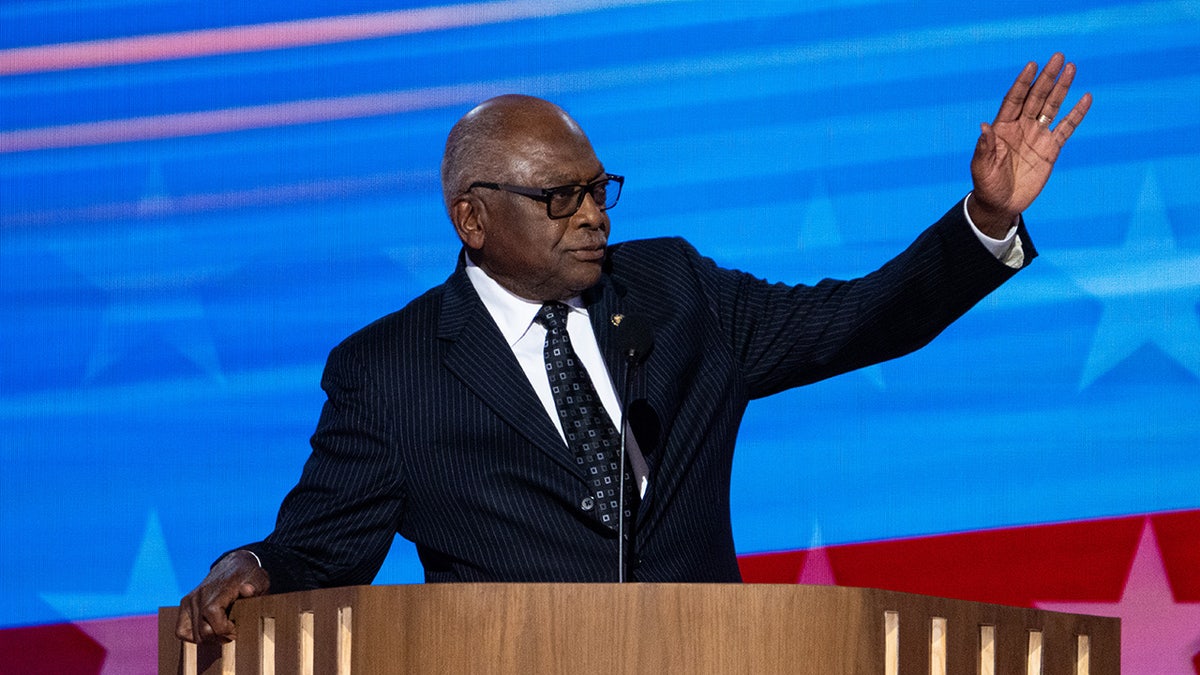
Rep. Jim Clyburn, D-S.C., speaks during the 2024 Democratic National Convention at the United Center in Chicago on Aug. 19, 2024. (Bill Clark/CQ-Roll Call, Inc/Getty Images)
Trump, in a social media post Monday night, urged «South Carolina Republicans: BE BOLD AND COURAGEOUS.»
«Move the U.S. House Primaries to August, leave the rest on the same schedule. Everything will be fine. GET IT DONE!» he emphasized.
Trump’s message came a week after five Indiana Republican state senators who in December helped sink congressional redistricting in the solidly red Midwestern state were ousted by Trump-backed challengers in GOP primaries.
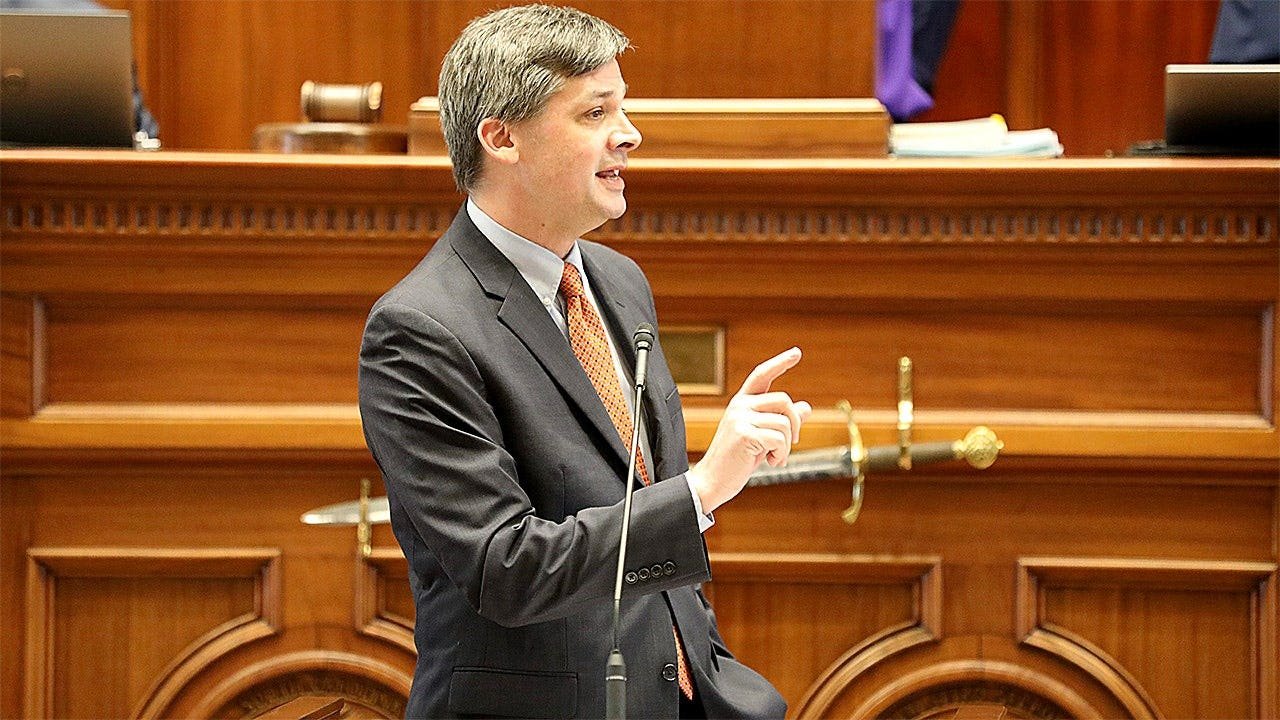
Shane Massey, the South Carolina Senate’s Republican majority leader, argued in a floor speech that following Trump’s lead on edistricting would be against the interests of the Palmetto State.
«South Carolina has always punched above their weight,» Massey said. «Doing this will diminish that influence.»
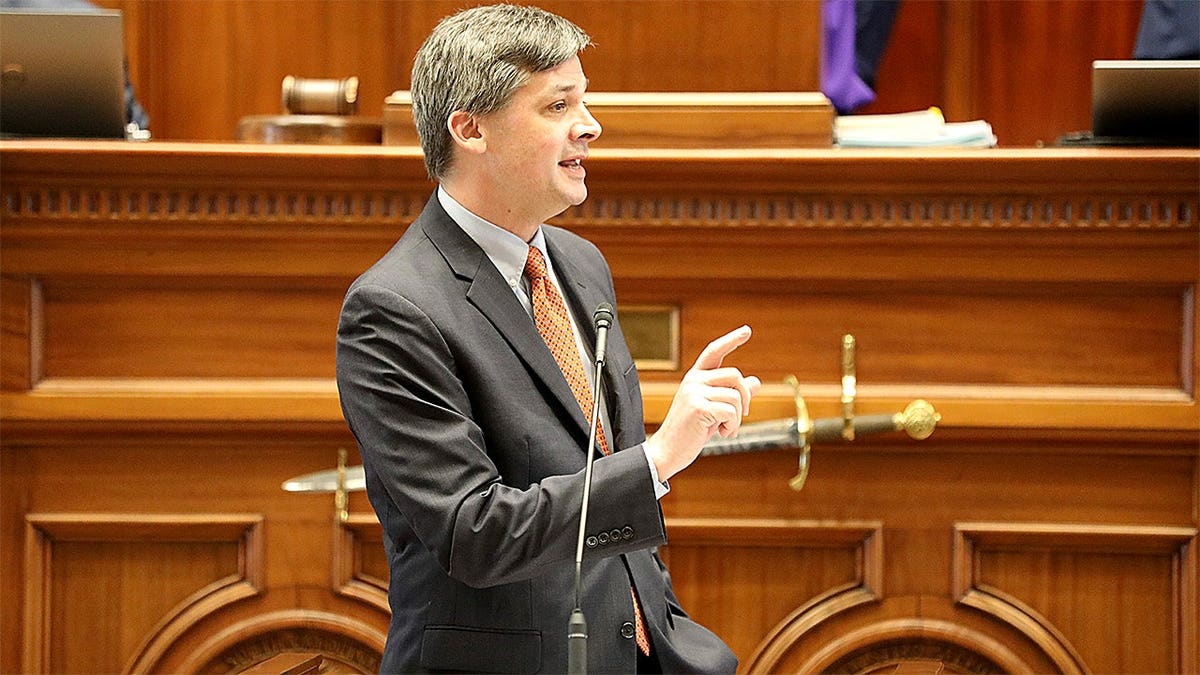
Republican South Carolina Senate Majority Leader Shane Massey speaks during a debate on redistricting on Tuesday, May 12, 2026, in Columbia, S.C. (Jeffrey Collins/AP Photo)
But he also acknowledged that he will likely face political payback from Trump and the president’s allies.
«There are likely consequences for me, personally, taking the position that I am right now,» Massey said. «I’m comfortable with that. I may not like it, but I’m comfortable with it…My conscience is clear on this one.»
Other South Carolina Republicans had raised concerns that carving up the district represented by Clyburn could backfire on their party in the midterms.
The top four Republicans running for governor this year, Lt. Gov. Pam Evette, Attorney Gen. Alan Wilson, and Reps. Nancy Mace and Ralph Norman all criticized the lack of legislative action, with Evette describing it as «a betrayal of the people of South Carolina» and in «direct defiance» of Trump.
The current governor, Republican Henry McMaster, a top Trump ally, could still call the legislature back into special session to try and push through redistricting, but his office has so far said that scenario is unlikely.
WHAT’S ON THE LINE AS THESE STATES HOLD PRIMARIES TODAY
The GOP-dominated Tennessee legislature on Thursday quickly adopted a new map that would eliminate the only Democrat-controlled congressional district in the state, and would likely give Republicans control of all nine districts.
GOP Gov. Bill Lee quickly signed the new maps into law.
Democratic Rep. Steve Cohen, who represents the majority Black district that’s being carved up, vowed legal action.
«Trump knows he HAS TO rig the game to keep his majority in November. And the TN GOP was willing to go along with it. It’s shameful,» Cohen wrote on social media. «Next stop is the courts.»
Trump praised Tennessee Republicans in his social media post and urged GOP lawmakers in South Carolina to act «just like the Republicans of the Great State of Tennessee were last week.»
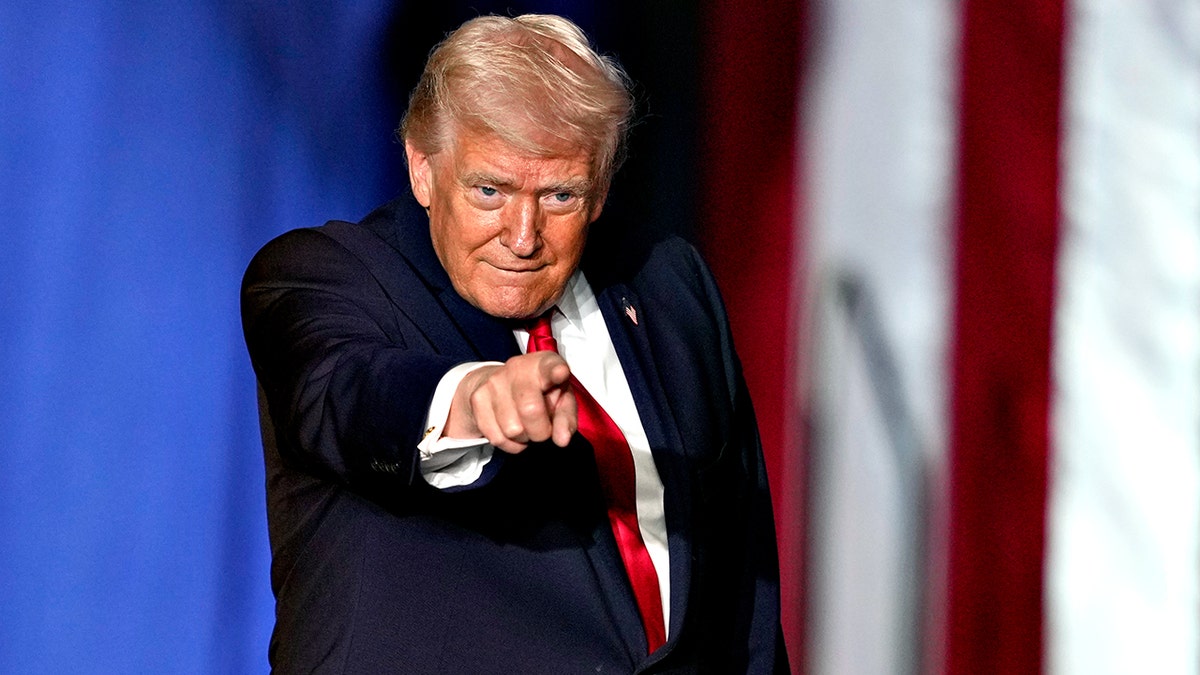
President Donald Trump has urged Republican-controlled states to redraw their congressional district maps in time for this year’s midterm elections. (Charlie Neibergall/AP)
It’s back to the future in Alabama, after the Supreme Court, in a 6-3 ideological ruling, cleared the way for the state to put in place a map Republicans drew up in 2023 that had been blocked by lower courts. The map would eliminate one of the state’s two blue-leaning congressional seats.
GOP Gov. Kay Ivey on Tuesday called for a special primary election in August in the four U.S. House districts altered by the new map.
Last week, the Supreme Court said that its decision declaring Louisiana’s map unconstitutional should go into effect immediately.
That cleared the way for the GOP-controlled state legislature to begin the process of reshaping the map, and hearings got underway on Friday.
Republican Gov. Jeff Landry, a top Trump ally, took swift action in the immediate aftermath of the high court’s ruling, when he delayed the May 16 U.S. House primary elections in Louisiana.
Louisiana Republicans are aiming to erase one or both of the two Black-majority House seats, which are represented by Democrats.
BLOCKBUSTER SUPREME COURT VOTING RIGHTS RULING IGNITES REDISTRICTING WAR ACROSS SOUTHERN STATES
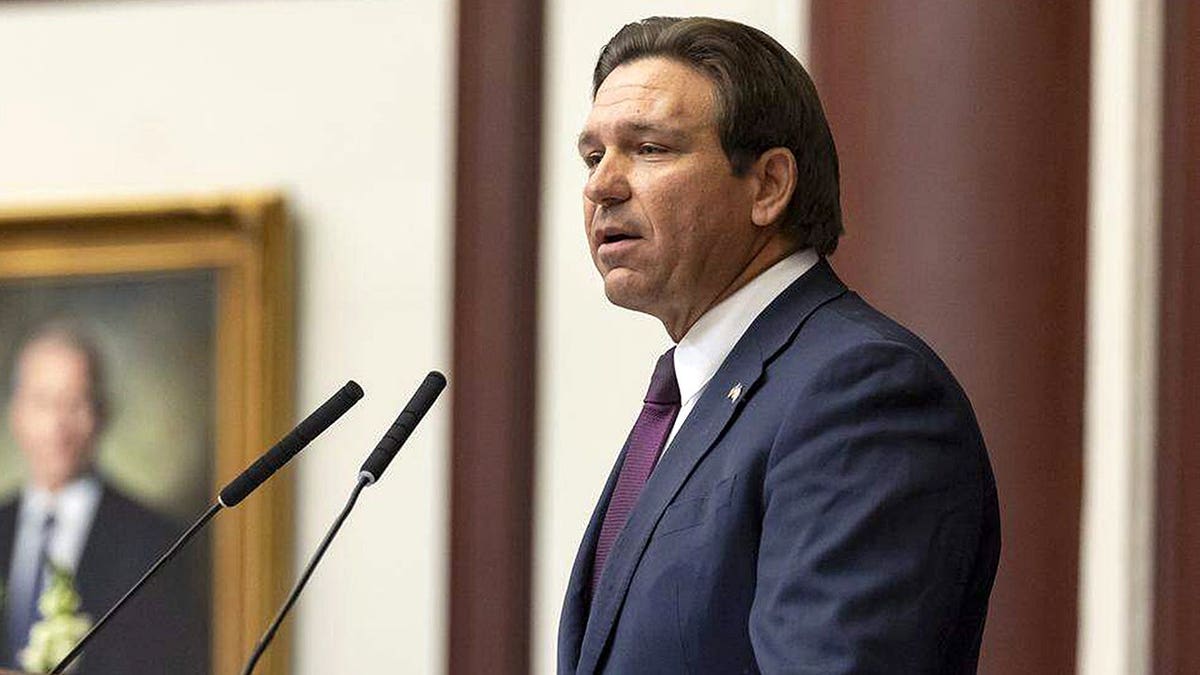
Republican Gov. Ron DeSantis of Florida signed into law a new congressional district map that may create up to four more right-leaning U.S. House seats (Matias J. Ocner/Miami Herald/Tribune News Service)
In Florida, Republican Gov. Ron DeSantis last week signed a bill by the GOP-dominated state legislature that overhauls the red-leaning state’s congressional districts, adding four more right-leaning seats by eliminating districts currently controlled by Democrats.
Republicans currently control Florida’s U.S. House delegation by a 20-8 margin.
Democrats are fighting back.
On Monday, Democrats filed an emergency appeal with the U.S. Supreme Court seeking to halt a Virginia state Supreme Court ruling invalidating a ballot measure that would have given their party an additional four left-leaning U.S. House seats.
Last week’s ruling in Virginia means the map used in the 2024 elections will stay in place for the 2026 ballot box showdowns. Democrats currently control the state’s U.S. House delegation by a 6-5 margin. The now overturned map could have resulted in a 10-1 advantage for Democrats in the blue-leaning but competitive state.
How we got here
The battle over the maps ignited last spring when Trump, aiming to prevent what happened during his first term in the White House when Democrats reclaimed the House majority in the 2018 midterms, first floated the idea of rare, but not unheard of, mid-decade congressional redistricting.
The mission was simple: redraw congressional district maps in red states to pad the GOP’s fragile House majority to keep control of the chamber in the midterms, when the party in power traditionally faces political headwinds and loses seats.
When asked by reporters last summer about his plan to add Republican-leaning House seats across the country, the president said, «Texas will be the biggest one. And that’ll be five.»
Republican Gov. Greg Abbott of Texas called a special session of the GOP-dominated state legislature to pass the new map.
But Democratic state lawmakers, who broke quorum for two weeks as they fled Texas in a bid to delay the passage of the redistricting bill, energized Democrats across the country. Among those leading the fight against Trump’s redistricting was Democratic Gov. Gavin Newsom of California.
California voters in November overwhelmingly passed Proposition 50, a ballot initiative that temporarily sidetracked the left-leaning state’s nonpartisan redistricting commission and returned the power to draw the congressional maps to the Democratic-dominated legislature.
That led to five more Democratic-leaning congressional districts in California, which aimed to counter the move by Texas to redraw their maps.

California Gov. Gavin Newsom speaks during an election night press conference at a California Democratic Party office in Sacramento on Nov. 4, 2025. (Godofredo A. Vásquez/AP Photo)
But the fight quickly spread beyond Texas and California.
Republican-controlled Missouri and Ohio and swing state North Carolina, where the GOP dominates the legislature, drew new maps as part of the president’s push.
CLICK HERE TO DOWNLOAD THE FOX NEWS APP
But in blows to Republicans, a Utah district judge late last year rejected a congressional district map drawn by the state’s GOP-dominated legislature and instead approved an alternate that will create a Democratic-leaning district ahead of the midterms.
And as mentioned, Republicans in Indiana’s Senate in December defied Trump, shooting down a redistricting bill that had passed the state House.
midterm elections, republicans, south carolina, democrats, house of representatives, donald trump












INTERNACIONAL
El operativo de Israel para reclutar a un expresidente de Irán como espía: de las reuniones secretas al plan para infiltrarse en el régimen islámico
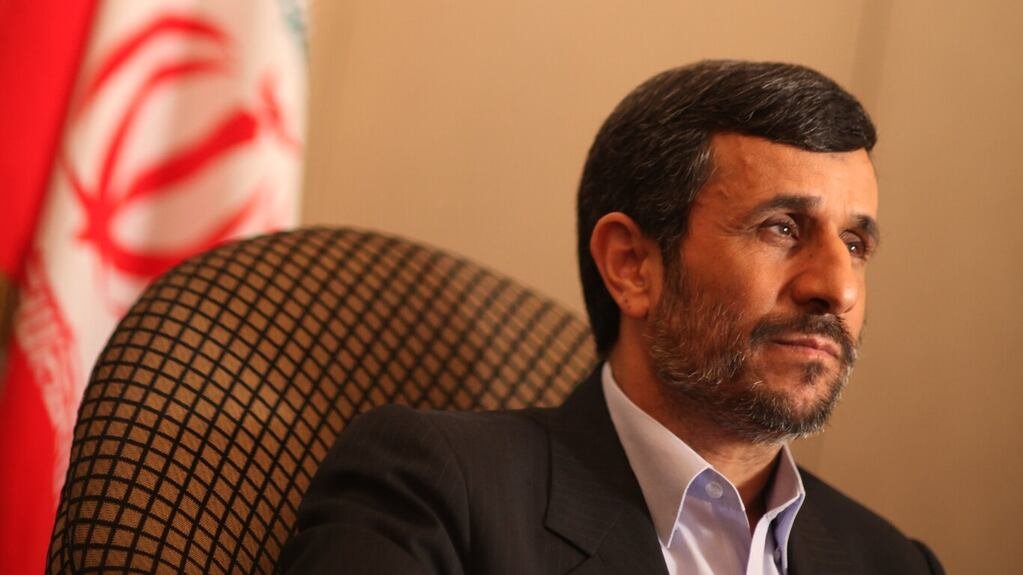
El funcionario le dijo al rector, el profesor Gergely Deli, que la Universidad Ludovika de Administración Pública debía organizar una conferencia sobre el cambio climático e invitar a un asistente inesperado: Mahmud Ahmadineyad, el expresidente de Irán.
Aún más impactante fue el motivo. El funcionario le dijo a Deli que la conferencia no era más que una excusa para que Ahmadinejad mantuviera conversaciones secretas en Budapest con agentes de inteligencia de Israel, el enemigo declarado de Ahmadinejad.
Deli sabía que la invitación podría manchar tanto su reputación como la de la universidad. Sin embargo, según dijo en una entrevista, creyó que tal vez estaba contribuyendo a salvar vidas.
“Hay dos enemigos, y si estos enemigos quieren hablar, lo mejor es hacer lo que puedas para que lo hagan”, dijo.
La visita de Ahmadinejad a la universidad en 2024 y una segunda al año siguiente formaron parte de un esfuerzo israelí de varios años para prepararlo como agente de inteligencia que, llegado el momento, pudiera ser instalado como nuevo líder de Irán, según funcionarios tanto estadounidenses como iraníes familiarizados con la operación, que hablaron bajo condición de anonimato para describir información confidencial de inteligencia.
Reclutarlo era una prioridad tan importante para Israel que el entonces jefe de los servicios de inteligencia del país, David Barnea, llegó incluso a viajar a la capital húngara en 2024 para reunirse personalmente con Ahmadinejad, según exfuncionarios estadounidenses. Estos dijeron también que poco después el Mosad, el servicio de inteligencia exterior de Israel, informó a la CIA que había estado en contacto con Ahmadinejad. El expresidente conservador iraní Mahmud Ahmadineyad en una entrevista a Efe. Fuente. EFE/ Marina Villén
La decisión de Israel de trazar un plan de cambio de régimen en torno a Ahmadinejad supone un giro extraordinario en la historia de las relaciones con el expresidente iraní, quien es conocido por acelerar el programa nuclear iraní, pedir constantemente la destrucción de Israel y negar el Holocausto.
En los últimos años, según funcionarios estadounidenses, Israel pagó en secreto a Ahmadinejad para cubrir sus gastos de alojamiento y viajes, y agentes israelíes se reunieron con él en el extranjero en varias ocasiones, entre ellas durante sus viajes a Budapest.
Todo esto culminó a finales de febrero de este año –durante los primeros días de la guerra de Estados Unidos e Israel contra Irán– con una audaz operación para sacar del país al exlíder, que había estado viviendo bajo una vigilancia estricta en Teherán. El objetivo: poner en marcha el plan para derrocar al régimen actual e instalar a Ahmadinejad.
El plan fracasó.
El 28 de febrero, un ataque aéreo israelí alcanzó el complejo donde residía Ahmadineyad: sus guardaespaldas y su vehículo blindado fueron los objetivos. Tras el ataque, según cuatro altos cargos iraníes, llegó un Peugeot negro, recogió a Ahmadineyad y se lo llevó a toda velocidad lejos de aquel caos.
Funcionarios estadounidenses e iraníes al tanto de la operación dijeron que el coche lo conducían agentes del Mosad, que llevaron a Ahmadinejad a un refugio secreto en Irán.
Pero el antiguo líder iraní estaba molesto por la frenética operación de rescate y parecía desilusionado con el plan israelí para devolverlo al poder, según personas que saben lo que ocurrió.
Al final, salió del refugio en circunstancias que aún no están claras. No se volvió a ver a Ahmadinejad en público hasta el lunes pasado, cuando hizo una breve aparición en el cortejo fúnebre del líder supremo que murió en los ataques, el ayatolá Alí Jameneí. Los iraníes participan en una oración colectiva por el fallecido líder supremo iraní, el ayatolá Ali Jameneí, durante una ceremonia de despedida previa a su funeral en la gran Mezquita de Mosallah en Teherán (Foto: EFE)
Su situación actual sigue siendo incierta. Pero cuatro altos cargos iraníes dijeron que Ahmadinejad se encontraba bajo la custodia del servicio de inteligencia del Cuerpo de la Guardia Revolucionaria Islámica y en arresto domiciliario, ahora que Irán se enteró de gran parte de sus conversaciones con Israel.
Los funcionarios israelíes no hicieron comentarios públicos sobre el plan para instalar a Ahmadinejad como líder de Irán. Otro elemento consistía en armar y entrenar a las fuerzas de la oposición kurda iraní con base en el norte de Irak para que cruzaran al oeste de Irán, se hicieran con territorio allí y, finalmente, avanzaran hacia la capital, Teherán, un plan que nunca llegó a materializarse.
El plan de cambio de régimen implicaba una “secuencia de operaciones especiales, muy, muy singulares, que se suponía que iban a llevarse a cabo”, explicó Tamir Hayman, exjefe de inteligencia de las Fuerzas de Defensa de Israel, en el programa de entrevistas de la PBS Firing Line en mayo, después de que The New York Times revelara por primera vez detalles sobre el papel de Ahmadinejad en el plan. “Y Ahmadinejad formaba parte de esa secuencia”.
Funcionarios del Mosad no respondieron a las peticiones de comentarios.
Ali Akbar Javanfekr, vocero de Ahmadinejad, se negó a hacer comentarios.
Un cambio tras dejar la presidencia
Como presidente de Irán entre 2005 y 2013, Ahmadinejad fue el político de línea dura más destacado del país. Habló de eliminar a Israel y, bajo su mandato, Irán reinició un programa de enriquecimiento de uranio, lo que suscitó sospechas de que estuviera llevando a cabo un programa secreto de armas nucleares. Ahmadinejad ordenó una represión violenta contra un levantamiento nacional que cuestionaba su reelección en 2009 y, bajo su mandato, el poder judicial llevó a cabo ejecuciones masivas de disidentes y encarceló a opositores y rivales.
Pero en los años posteriores a su salida de la presidencia, Ahmadinejad moderó sus opiniones y suavizó la retórica anti-Israel que había marcado su mandato. A menudo se mostraba ansioso por presumir de su recién estrenada faceta moderada, y concedía entrevistas y pronunciaba discursos en los que opinaba sobre la cultura de la música pop de Irán, criticaba a las fuerzas de seguridad del país por sus duras medidas represivas y acusaba a la clase dirigente de corrupción financiera.
Abandonó su característico rompevientos caqui holgado y empezó a usar trajes a la medida. Se arregló su desaliñada barba y, al parecer, se sometió a un tratamiento con bótox y empezó a aprender inglés.
En su oficina en Teherán, celebraba cada mañana reuniones públicas de una hora para escuchar a ciudadanos que acudían a exponerle sus quejas, algunos de ellos en busca de ayuda para lidiar con la burocracia gubernamental. En ocasiones, escribía cartas de recomendación a los ministerios a nombre de solicitantes para que les concedieran préstamos. Viajaba regularmente por todo el país, reuniéndose con sus seguidores tanto en ciudades como en provincias rurales.
La relación de Ahmadinejad con el gobierno iraní era complicada. Los altos dirigentes lo marginaban y restringían sus movimientos, pero le permitían ocupar un puesto junto a otros altos cargos en un consejo de alto nivel que asesora al líder supremo. Asistió a la reunión del consejo en febrero, unos días antes de que empezara la guerra.
Muchos en Irán vieron motivos políticos cínicos en la transformación de Ahmadinejad, que consideraban un intento de pulir sus credenciales populistas y distanciarse de los gobernantes. Él conservaba una base de apoyo entre la clase trabajadora iraní, y sus asesores estaban convencidos de que su objetivo era volver algún día al poder.
“Ahmadinejad no haría esto por dinero. Tiene dinero; cuenta con una amplia red económica. Lo haría por el poder. Quiere estar al mando”, dijo Abdolreza Davari, quien fue un colaborador cercano y asesor principal de Ahmadinejad, en una entrevista telefónica. Los dos se distanciaron hace varios años.
Ahmadinejad les habló a unos cuantos de sus colaboradores y confidentes más cercanos sobre sus ambiciones de convertirse en el futuro líder de Irán con la ayuda de potencias extranjeras, según un colaborador de ese círculo, que habló bajo condición de anonimato para describir conversaciones privadas.
Ahmadinejad se desilusionó con el sistema de la República Islámica de Irán después de que se le impidiera competir por la presidencia tres veces, dijo el colaborador, y llegó a la conclusión de que no podría llegar al poder mientras se mantuviera el sistema actual.
Le preocupaba que, en caso de guerra y cambio de régimen, los estadounidenses y los israelíes eligieran a alguna figura de la oposición fuera de Irán que no conociera el país, lo que desestabilizaría a Irán, dijo el colaborador. Se describía a sí mismo ante quienes lo rodeaban como alguien capaz de desempeñar el papel de reformista, al estilo del expresidente ruso Boris Yeltsin, y dijo que, si llegaba al poder, Irán reconocería a Israel y normalizaría las relaciones como parte de los Acuerdos de Abraham del presidente Donald Trump, según dijo el colaborador.
Los servicios de inteligencia israelíes seguían de cerca la brecha que se estaba abriendo entre Ahmadineyad y el régimen iraní durante ese periodo, según dos funcionarios de Defensa israelíes al tanto de las evaluaciones de inteligencia de esa época. Lo que más les interesaba, dijeron los funcionarios, era el creciente resentimiento de Ahmadineyad hacia Jameneí y otras figuras de alto rango que le habían impedido volver a postularse a las elecciones presidenciales.
Las acciones de Ahmadinejad empezaron a despertar sospechas dentro del servicio de inteligencia del Cuerpo de la Guardia Revolucionaria de Irán, que se encarga de proteger a la República Islámica de Irán contra la injerencia extranjera. Según dos miembros de la Guardia y un funcionario de inteligencia que conoce el caso, esas sospechas se intensificaron después de que Ahmadinejad empezara a enviar cartas públicas en 2017 a Trump y, más tarde, al príncipe heredero de Arabia Saudita, Mohammed bin Salman. Trump no paró de elogiar a ambos.
Después del ataque israelí de este año, que en un principio liberó a Ahmadinejad de la vigilancia de la Guardia, los servicios de inteligencia iraníes empezaron a investigar y a reconstruir su conexión con Israel, según los cuatro funcionarios.
Reuniones en el extranjero
No está claro cuándo intentaron por primera vez los agentes israelíes reclutar a Ahmadinejad. Funcionarios iraníes dijeron que hubo al menos algún contacto durante un viaje que Ahmadinejad realizó en 2023 a Guatemala para asistir a una conferencia sobre el medio ambiente. La invitación procedía del gobierno de Guatemala, un país que mantiene vínculos diplomáticos más estrechos con Israel que la mayoría de las naciones de Latinoamérica.
Ahmadinejad estuvo a punto de no poder viajar, ya que las fuerzas de seguridad lo detuvieron en el aeropuerto de Teherán y se negaron a darle el pase de abordar y a dejarlo salir del país.
Organizó una protesta de varias horas en el aeropuerto, que se convirtió en todo un espectáculo público: se tomó fotos con viajeros iraníes y con el personal del aeropuerto y de la aerolínea, y publicó actualizaciones en sus redes sociales.
Al final, las autoridades iraníes dejaron que Ahmadinejad subiera al avión y asistiera a la conferencia.
“Algunas personas me dijeron que no viajara a Guatemala; les dije que mi hermano, el ministro de Ambiente, me había invitado”, dijo Ahmadinejad en uno de los videos del viaje. “Este es un país muy importante en América Latina”.
Al año siguiente, realizó su primer viaje a Hungría para asistir a la conferencia de la Universidad Ludovika, donde se reunió en Budapest con Barnea, quien dirigió el Mosad durante cinco años, hasta el mes pasado.
Hungría, que en aquel momento estaba gobernada por el primer ministro de derecha Viktor Orbán, tenía quizás vínculos más estrechos con Israel que cualquier otra nación europea, y tanto Orbán como el primer ministro israelí, Benjamín Netanyahu, se visitaban mutuamente. Netanyahu pronunció un discurso en abril de 2025 en la Universidad Ludovika, que le otorgó un premio al servicio público.
Dos meses después, Ahmadinejad volvió a Budapest, solo unos días antes de que Israel iniciara una guerra contra Irán; una visita que le sirvió de tapadera para reunirse con agentes de los servicios de inteligencia israelíes.
Sus guardaespaldas iraníes de la unidad Ansar de la Guardia Revolucionaria, que acompañaban a Ahmadinejad en todos sus viajes al extranjero, informaron que, al menos en dos ocasiones, se las había arreglado para despistar a su equipo de seguridad y desaparecer durante largas reuniones en el viaje de junio de 2025. En un informe sobre el viaje, los guardaespaldas dijeron que habían preguntado a Ahmadinejad por sus desapariciones y que él les había dicho que se había reunido con profesores universitarios, según los dos miembros de la Guardia Revolucionaria iraní y un funcionario de inteligencia.
En la conferencia en la universidad, el expresidente iraní dio una charla en inglés, y sorprendió a los asistentes al prescindir del versículo coránico característico que solía recitar al principio de cada discurso.
Vestido con un traje azul oscuro a la medida, habló sobre la “humanidad compartida” y un “orden mundial cambiante”, y ofreció sus opiniones sobre cómo podría surgir un nuevo mundo, según los videos del viaje publicados en su página de redes sociales.
Le regaló a Deli, el rector de la universidad, un ejemplar de El libro de los reyes, del antiguo poeta iraní Firdusi. Deli le entregó a Ahmadinejad un emblema de la universidad.
En una entrevista el mes pasado, Deli dijo que, al invitar a Ahmadinejad, había hecho de «Strohmann“, que en alemán significa “testaferro” o “marioneta”.
Hasta la semana pasada, no se había visto a Ahmadinejad en público desde finales de febrero, cuando lo sacaron a toda prisa de su casa en Teherán a bordo de ese Peugeot negro.
El lunes pasado hizo una breve y sorprendente aparición en el cortejo fúnebre de Jameneí. Los videos del cortejo mostraban a Ahmadinejad, con una chaqueta gruesa bajo un calor de 32 grados Celsius y una mascarilla quirúrgica bajada hasta la barbilla. Los otros dos expresidentes iraníes vivos, Hassan Rouhani y Mohammad Khatami, no fueron invitados y no aparecieron en ninguna de las ceremonias fúnebres.
Ahmadinejad estuvo de pie con la cabeza gacha, sin decir nada, flanqueado por todos lados por lo que parecían ser guardias de seguridad.
Mark Mazzetti es un reportero de investigación radicado en Washington D. C., especializado en seguridad nacional, inteligencia y asuntos internacionales. Escribió un libro sobre la CIA.
Julian E. Barnes cubre las agencias de inteligencia estadounidenses y asuntos de seguridad internacional para el Times. Ha escrito sobre temas de seguridad por más de dos décadas.
Farnaz Fassihi es la jefa del buró del Times para las Naciones Unidas y dirige la cobertura sobre la organización. También cubre Irán y ha escrito sobre el conflicto en Medio Oriente durante 15 años.
Ronen Bergman es reportero de The New York Times Magazine y vive en Tel Aviv.
The New York Times, data-cc, data-cc-nyt

NEWYou can now listen to Fox News articles!
U.S. Immigration and Customs Enforcement (ICE) agents are being instructed to end «most» vehicle stops nationwide in a major policy shift, effective immediately.
According to multiple federal sources, ICE agents will cease making traffic stops, which have played a significant role in the agency’s operations until now. A federal source told Fox News that ICE will continue conducting vehicle stops only for those considered to be the most egregious targets with serious or violent criminal histories.
This comes after two people were killed in ICE officer-involved shootings in Maine and Texas in the last week.
A senior ICE source remarked to Fox News that the change is «horrible but needs to happen.»
MAINE ICE SHOOTING VICTIM WAS NOT TARGET OF ARREST WARRANT, SEN. KING’S OFFICE SAYS AFTER EARLIER DHS ACCOUNT
Federal law enforcement officers with Immigration and Customs Enforcement (ICE) and Enforcement and Removal Operations (ERO) conduct a traffic stop and detain people, Monday, Nov. 17, 2025, in Washington. (Alex Brandon/AP Photo)
Another senior ICE source said this policy change will be temporary. According to the source, the new policy will remain in place until new training on vehicle stops is approved by Department of Homeland Security Secretary Markwayne Mullin and given to agents operating in the field.
Until now, ICE agents have commonly carried out vehicle stops as part of the agency’s regular immigration enforcement operations. The stops, however, have grown increasingly controversial with incidents such as last week’s shootings.
This Monday, an ICE agent shot and killed a man in Biddeford, Maine, leading to hundreds of protesters marching by the shooting site. According to Sen. Angus King, I-Maine, Mullin told him in a phone call that the man killed in the shooting was not the intended target of the arrest warrant federal agents were executing.
In a statement to Fox News Digital, an ICE spokesperson said that agents were conducting «targeted surveillance on the last known address of an illegal alien with a final order of removal.»
FAMILY SHATTERED AFTER 3-TIME DEPORTED ILLEGAL IMMIGRANT ALLEGEDLY BLEW THROUGH STOP SIGN, ROILING HOUSE RACE

Protesters lay flowers at a makeshift memorial following a fatal shooting by ICE agents in Biddeford, Maine, on July 13, 2026 (Kailey Schuyler/Fox News)
An individual believed to be the illegal alien ICE was tracking departed the residence in a vehicle. When ICE agents attempted to conduct a vehicle stop, the vehicle attempted to flee the scene and «fearing for public safety, an officer discharged his weapon,» the agency said.
According to the spokesperson, «the driver of the vehicle was struck, and emergency services were immediately contacted. He passed away from his injuries.»
The week before, Lorenzo Salgado Araujo, a Mexican citizen who authorities said was in the country illegally, was shot and killed in Houston after he tried to ram an ICE officer with his vehicle during a traffic stop, the agency said.
Araujo was struck and taken to a hospital, where he later died.
His family has disputed ICE’s account of the shooting and called on the agency to release any available video evidence.
DRIVER IN DEADLY OHIO CRASH SPOKE NO ENGLISH AS TRUMP ADMIN VOWS COMMERCIAL TRUCK LICENSE CRACKDOWN
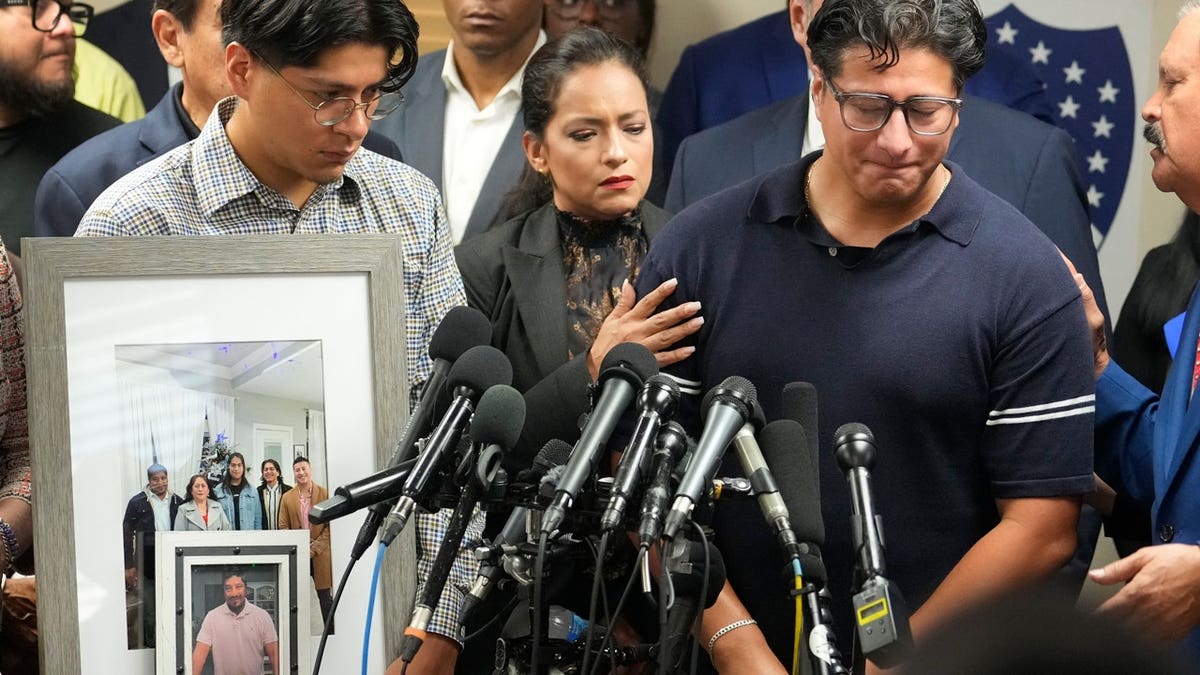
Lorenzo Salgado Jr., left, and Ronaldo Salgado, right, sons of Lorenzo Salgado Araujo, are shown during a news conference about the ICE shooting death of their father in Houston on July 8, 2026. (Melissa Phillip/Houston Chronicle via Getty Images)
However, when asked whether the officers involved were wearing body cameras, DHS told Fox News they «had not been issued body-worn cameras due to back-to-back Democrat shutdowns.»
CLICK HERE TO DOWNLOAD THE FOX NEWS APP
Both shootings are being investigated by federal and local authorities.
Fox News Digital’s Paul Steinhauser, Kailey Schuyler, Jessica Sonkin, Sarah Rumpf-Whitten and Kelly Phares contributed to this piece.
immigration, enforcement, homeland security, police and law enforcement, illegal immigrants
Israeli civilians train for next terror attack
Watch Israeli civilian defenders rehearse responding to a simulated terrorist infiltration designed to prepare border communities for another Oct. 7-style terrorist attack. (Video: Amelie Botbol for Fox News Digital.)
NEWYou can now listen to Fox News articles!
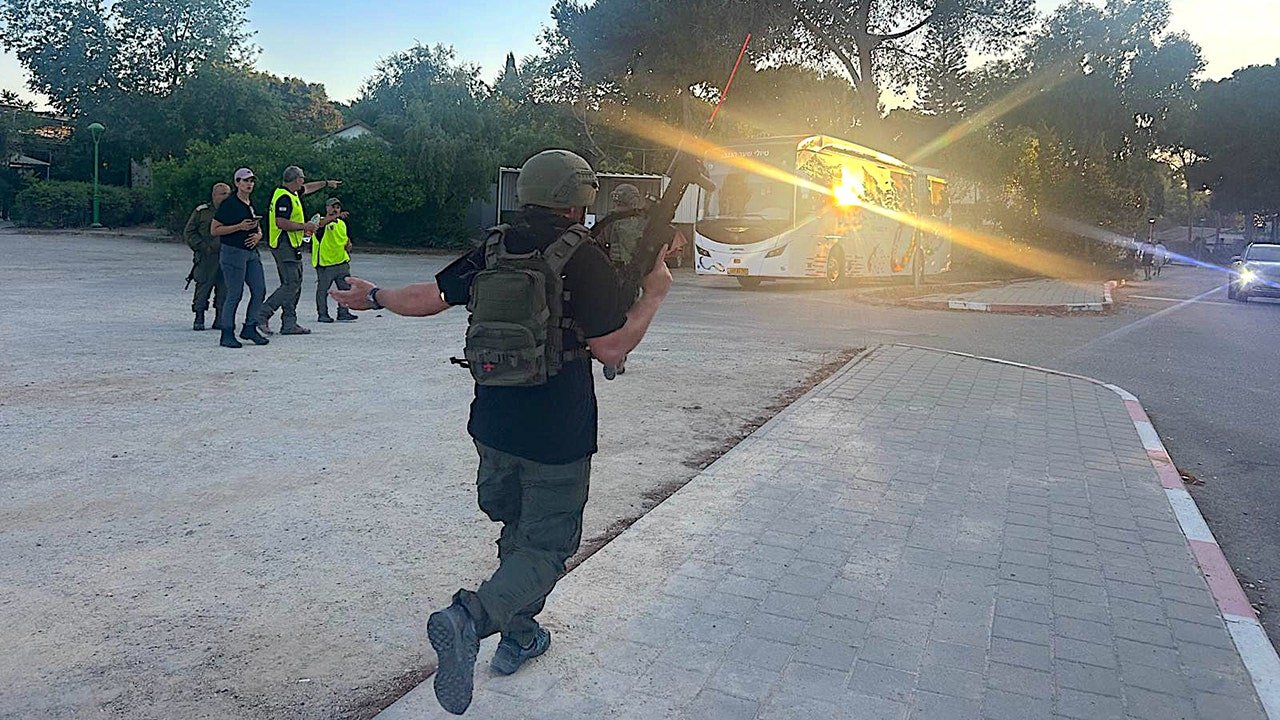
ISRAEL-GAZA BORDER: «Fire, fire, fire!» shouts a member of Kibbutz Bror Hayil’s local security squad, pointing his weapon at a fellow participant acting as a terrorist. The kibbutz is located adjacent to the Gaza border, from where thousands of Hamas-led Palestinians invaded Israel and massacred some 1,200 people on Oct. 7, 2023.
The exercise, attended by Fox News Digital, was the eighth training session conducted by Magen48 in partnership with the Israel Defense Forces — a full-scale drill involving the local civilian defense squad designed to prepare southern Israeli communities for scenarios similar to Oct. 7.
One of the scenarios simulated terrorists infiltrating the kibbutz kindergarten. With IDF forces en route, the civil defense squad had to respond while accounting for the presence of children, limited visibility and the need to neutralize the attackers while ensuring a safe evacuation. During the exercise, a simulated grenade detonated, injuring one member of the civil defense squad in the leg, while the others succeeded in neutralizing the terrorists.
HAMAS SAYS IT WILL DISSOLVE GAZA GOVERNMENT, BUT ISRAEL WARNS GROUP STILL SEEKS HEZBOLLAH-STYLE CONTROL
A member of Kibbutz Bror Hayil’s civil defense squad runs to respond to the simulated terror infiltration in Kibbutz Bror Hayil, July 8, 2026. (Amelie Botbol for Fox News Digital)
In earlier sessions, participants learned to operate weapons from behind cover while sitting, lying down, standing and moving. They are also trained to work in pairs and larger groups while developing communication skills. The exercises grew increasingly complex, with teams conducting drills inside buildings and responding to continuous emergency alerts.
Because the exercise took place inside a civilian community, no live ammunition was used. All weapons and equipment were secured to prevent accidental discharge. Residents were notified in advance of the drill.
Among the 47 participants were IDF soldiers and medical personnel from the Gaza Division’s Northern Brigade.
Magen48 instructor T., who could not reveal his full name for security reasons, said the Bror Hayil program initially presented significant challenges.
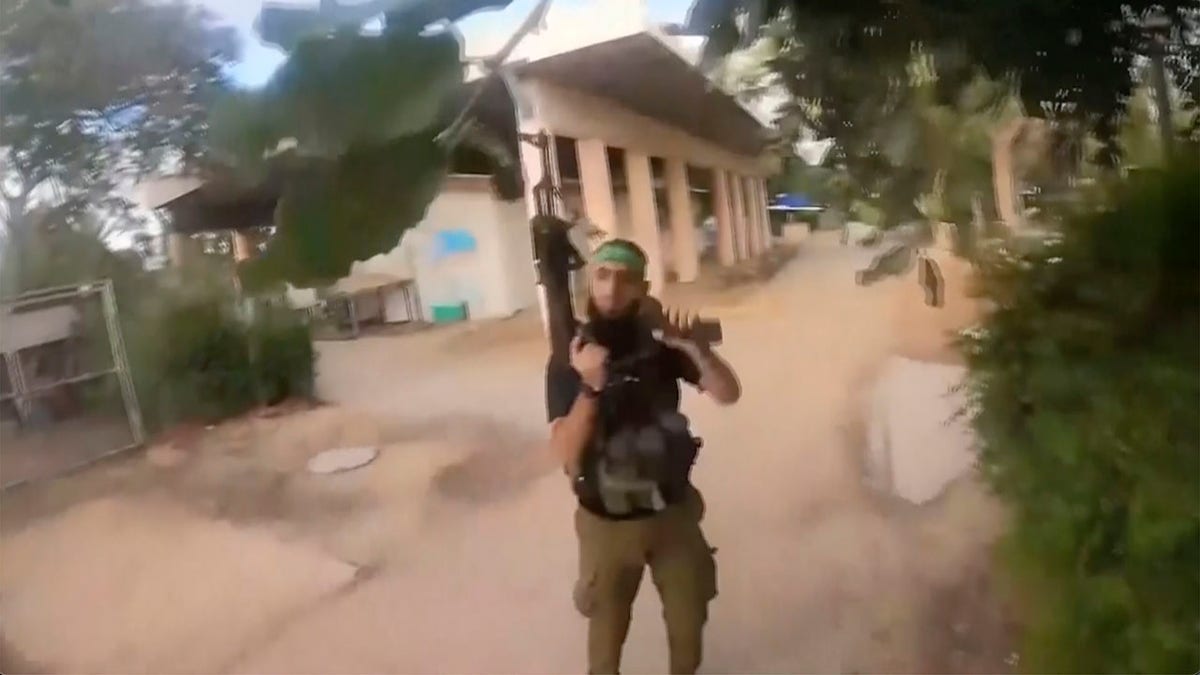
This image made from undated bodycam video footage taken by a downed Hamas terrorist and released by the Israel Defense Forces, shows a Hamas terrorist walking around a residential neighborhood at an undisclosed location in southern Israel. (Israel Defense Forces via AP)
«The civil defense squad was made up of soldiers who had served in special forces alongside others who had never held combat roles in the military. Some were issued weapons they had never used during their service. Training begins with weapons familiarization, covering the basics of firearm operation and how to manipulate the weapon’s safety mechanisms,» he said.
One lesson drawn from Oct. 7 was that many members of civilian security squads responded alone. «Whoever ran alone was not able to fend off terrorists,» T. said, explaining that the training emphasizes locating another squad member before engaging whenever possible.
«The idea behind this project is to establish a unified operational language, so that if an incident occurs, nearby communities can join the response and coordinate effectively,» he said.
ISRAEL FORTIFIES BORDER WITH JORDAN AS IRAN SEEKS NEW TERROR PATH
«The idea is that they are able to manage the event until forces arrive, then hand over control in an orderly manner while continuing to work together. They know the kibbutz, they work well as teams and they have undergone high-quality training that sharpened their skills.»
Magen48, established in July 2024 and named for the 48 first responders killed on Oct. 7, has trained 1,500 civilians to respond to life-threatening emergencies, equipping them with the knowledge, skills and resources to contend with scenarios such as terrorist attacks, medical emergencies and fires.
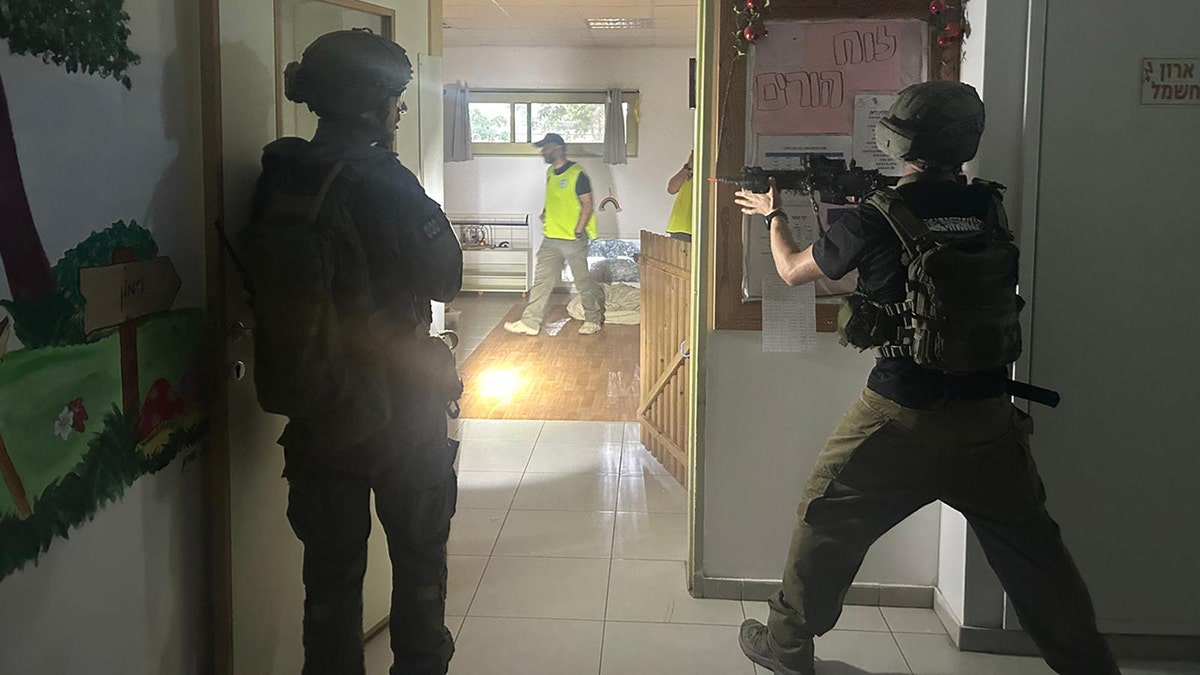
Participants to Magen48’s drill in Kibbutz Bror Hayil respond to a simulated terrorist infiltration inside the kibbutz’s kindergarten, July 8, 2026. (Amelie Botbol for Fox News Digital)
Counterterrorism expert Ehud Dribben, who has 30 years of experience in the field, co-founded the organization with Ari Briggs and Mike Aron. As the three began planning to create a training facility, the IDF approached them to develop a program providing each of the 67 Gaza Envelope communities with 12 full training days annually. To date, Magen48 has conducted more than 550 training sessions.
The training exercise began with the community command center issuing an alert about eight terrorists infiltrating the kibbutz, prompting members of the civil defense squad to mobilize to their assigned defensive positions.
Briggs and Dribben designed the exercise around five key locations where the defense squad would ultimately need to concentrate its forces. Response times are measured, and every step — from alerting residents to engaging the terrorists and evacuating casualties — is closely monitored.
«The reports that emerged after Oct. 7 showed that civilian first responders were incredibly brave. They were prepared to do anything to protect their families, friends and communities, but they were not trained adequately and lacked the equipment they needed,» Briggs said.
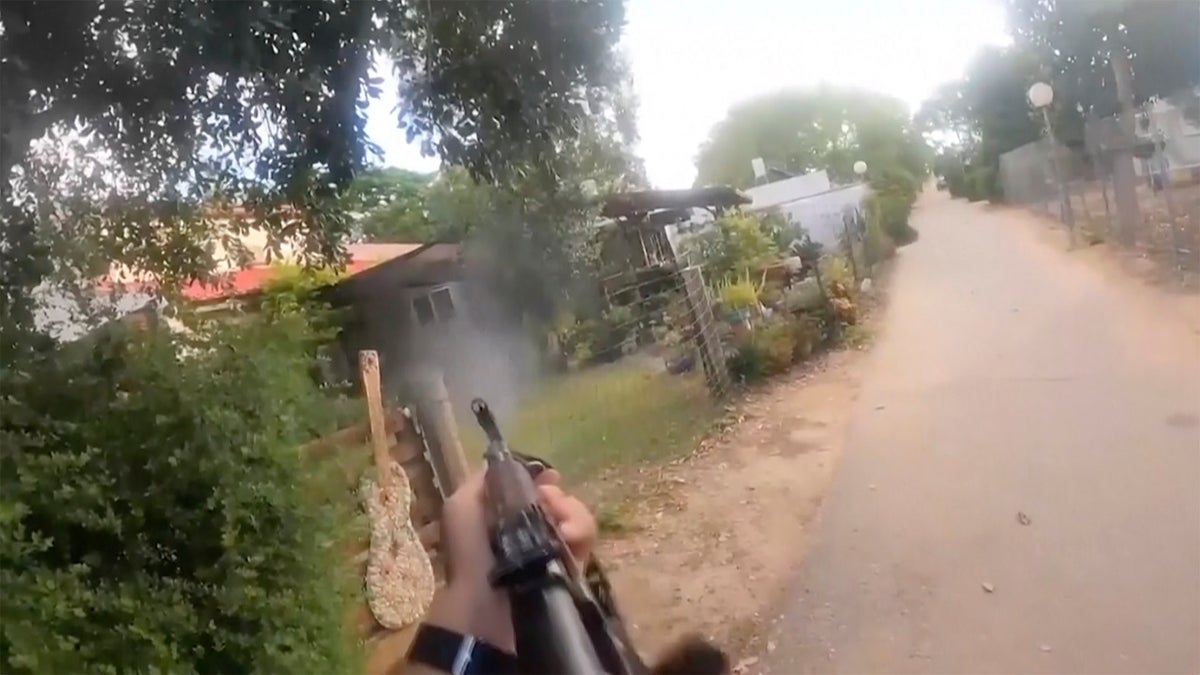
Hamas terrorists killed civilians, including women, children and the elderly, when they attacked Israel on Oct. 7, 2023. (Israel Defense Forces via AP)
«Strong, well-trained civilian response teams don’t just improve security — they help bring communities back together, strengthen resilience and ensure these towns grow and have an amazing future,» he added.
Retired British Col. Richard Kemp, who observed the training exercises, said the primary objective is to prevent another Oct. 7.
«I was in the British army for 30 years, so I understand the importance of defense and security for a country like Israel,» he told Fox News Digital. «If you know that your enemy has a capability of any sort to endanger you, you have to be ready to deal with that capability through the kind of work that Magen48 is doing.»
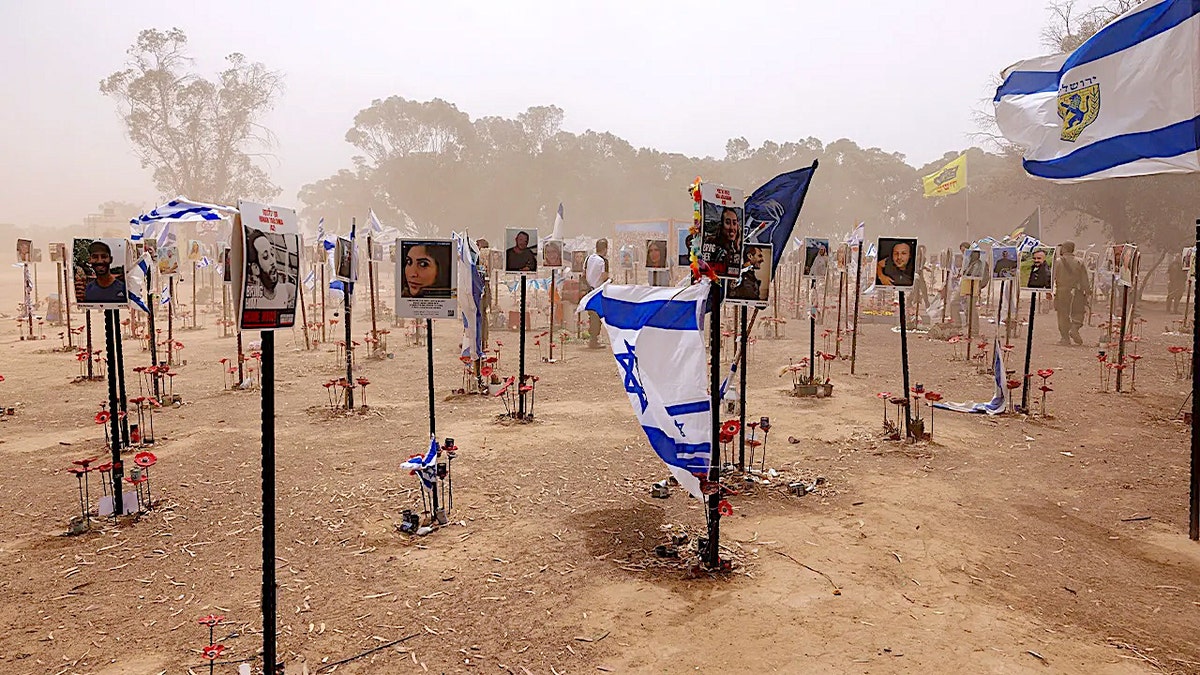
Memorials at the site of the Oct. 7 Hamas terror attack on the Supernova music festival near Kibbutz Re’im, Israel, on May 27, 2024. (Kobi Wolf/Bloomberg via Getty Images )
CLICK HERE TO DOWNLOAD THE FOX NEWS APP
Kemp called the drill one of the most complex exercises he had witnessed.
«It’s really important that these drills take place to give the local community confidence that its security is a top priority and that forces are doing everything they can to prepare for another terrorist attack like the one we saw on Oct. 7,» he said.
anti semitism, israel, hamas, terrorism

Anya Taylor-Joy reveló por quién hinchará entre Argentina e Inglaterra: “Hay mucho estrés en la familia”

Cuándo es la feria judicial de invierno 2026 en la Argentina

Panorama Financiero | Milei quiere blindar al Banco Central, pero aun necesita más dólares

Flamengo dio un importante paso en su eterna lucha por la «Copa de las Bolitas»: ¿de qué se trata ese trofeo?

La Justicia le habilitó al Gobierno dejar de pagar el plan social “Volver al Trabajo” y reemplazarlo por vouchers

El operativo de Israel para reclutar a un expresidente de Irán como espía: de las reuniones secretas al plan para infiltrarse en el régimen islámico

Pablo Cervi, senador de LLA, defendió la eliminación de las PASO: “Hay que sacarle ese costo a la población”

“Hablame bien”: el tenso cruce de Lionel Messi con el árbitro en la victoria de Argentina ante Suiza en el Mundial

El álbum de las vacaciones soñadas de Darío Barassi con su familia: “Ibiza, nos vas enamorando”

El petróleo sube más de 3% tras la reanudación de los ataques de EEUU contra Irán y la amenaza de cierre del estrecho de Ormuz

 DEPORTE3 días ago
“Hablame bien”: el tenso cruce de Lionel Messi con el árbitro en la victoria de Argentina ante Suiza en el Mundial
- CHIMENTOS2 días ago
El álbum de las vacaciones soñadas de Darío Barassi con su familia: “Ibiza, nos vas enamorando”
- ECONOMIA2 días ago
El petróleo sube más de 3% tras la reanudación de los ataques de EEUU contra Irán y la amenaza de cierre del estrecho de Ormuz