INTERNACIONAL
Balotaje en Perú: Keiko Fujimori buscará por cuarta vez la presidencia ante el izquierdista Roberto Sánchez

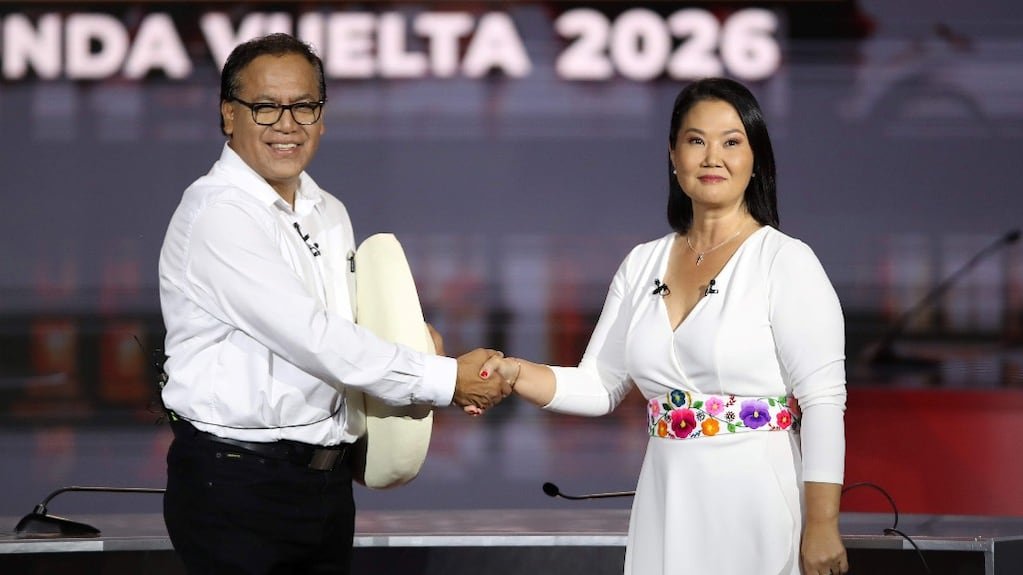
Derecha o izquierda. Como ocurrió en Colombia hace una semana, Perú elegirá este domingo entre dos candidatos de ideología opuesta en un reñido balotaje que definirá quien será el noveno presidente de la última década.
Por un lado estará la candidata de Fuerza Popular, la derechista Keiko Fujimori, hija del exdictador Alberto Fujimori y que intentará llegar a la Casa de Pizarro por cuarta vez en su extensa carrera política.
Su rival será el izquierdista Roberto Sánchez, de Juntos por el Perú y heredero del expresidente Pedro Castillo, destituido en 2022 y de quien fue su ministro de Comercio y Turismo en su efímero gobierno de un año y cinco meses.
“El último sondeo nos da un empate técnico. Pero hay un bolsón muy grande de indecisos. En las elecciones de 2021 los votos blancos y nulos sumaron 6,5%. Ahora, ascienden a 25%. Todavía hay un margen muy grande de votantes que deben decidir”, dijo a TN la analista peruana Urpi Torrado, gerente general de la consultora Datum Internacional.
Quien gane las elecciones asumirá el 28 de julio.
Qué está en juego en el balotaje del Perú
Más de 27 millones de peruanos están habilitados para elegir quién será el noveno presidente desde 2016, en un país que atraviesa una gravísima crisis política y de credibilidad en sus instituciones.
En ese escenario, Perú tuvo ocho presidentes en la última década, lo que da una gestión promedio de un año y dos meses. Los mandatarios son electos por partidos débiles, pactan alianzas de poder sin sustento ideológico y caen a los pocos meses jaqueados por denuncias e intrigas políticas. El Parlamento se ha convertido en un organismo desprestigiado encargado de destituir a los jefes de Estado de turno.
La primera vuelta de las elecciones fue un claro cuadro de situación de esta realidad que vive el país: hubo 35 candidatos a la presidencia. La más votada, Keiko Fujimori, obtuvo poco más del 17% de los votos, seguida de Roberto Sánchez, que apenas alcanzó el 12% y superó por un puñado de miles de sufragios al exalcalde de Lima, el ultraderechista Rafael López Aliaga.
Imagen de archivo: el candidato presidencial Roberto Sánchez, del partido Juntos por el Perú, llega para reunirse con simpatizantes en la comunidad de Huaycán, Lima, Perú, el sábado 9 de mayo de 2026. (Foto: Martín Mejía/AP)
“El antivoto es muy fuerte. Ambos candidatos están en magnitudes similares de rechazo. Más allá de la elección, vemos un ciudadano muy desconectado, decepciado y desconfiado”, dijo Torrado.
La resistencia de la población a los políticos es muy fuerte y eso se traduce en el elevado número de indecisos que podría alimentar el voto en blanco o nulo.
Leé también: Balotaje en Colombia: quién es Abelardo de la Espriella, el “outsider” que admira a Trump y promete mano dura
“Tuvimos un presidente por año. Mientras cae el gobierno, se elige un nuevo mandatario y llegan nuevos ministros, se genera un vacío y finalmente esta ausencia del estado, en especial en las zonas mas vulnerables, resiente a la poblacion”, afirmó la analista.
Esa creciente sensación de desamparo no se refleja tanto en términos económicos, pero sí en cuestiones de seguridad.
La economía, más allá de las enormes desigualdades sociales, está hoy en un segundo plano. El PBI creció 3,4% en 2025 y se espera que este año lo haga entre 2,7 y 3,2%. La inflación cerró el año pasado en apenas 1,5% interanual.
Pero en las calles solo se habla de la inseguridad. La ola de asesinatos es inédita en el país, con 10,7 homicidios por cada 100.000 habitantes (frente a 3,7 de la Argentina). Keiko Fujimori, líder del partido Fuerza Popular, en un acto de campaña el mes pasado en Lima. (Sara Wayra para The New York Times)
Además, hay un gran incremento de las extorsiones a transportistas y pequeños negocios, que viene de la mano del surgimiento de la figura del sicario.
Las protestas contra la inseguridad se han sucedido en los últimos meses, mientras crecen los cuestionamientos a la dirigencia política.
Leé también: El Estado Islámico busca reorganizar sus fuerzas en Siria: emboscadas, guerra de guerrillas y asesinatos
En ese contexto, los peruanos deberán decidir entre una especie de continuidad del modelo económico neoliberal encarnado por Keiko Fujimori, o dar un giro a la izquierda y volver a atravesar una gestión truncada con la destitución de Pedro Castillo, hoy condenado a 11 años de cárcel, en 2022.
De hecho, el candidato Roberto Sánchez no solo reivindica el gobierno de Castillo, sino que promete indultarlo y disolver el Parlamento en caso de que le impida desarrollar su agenda de gobierno.
Perú, Keiko Fujimori, Sumario











INTERNACIONAL
Confirmaron la identidad: una mujer que figuraba como desaparecida por la dictadura en Chile está viva y reside en Argentina
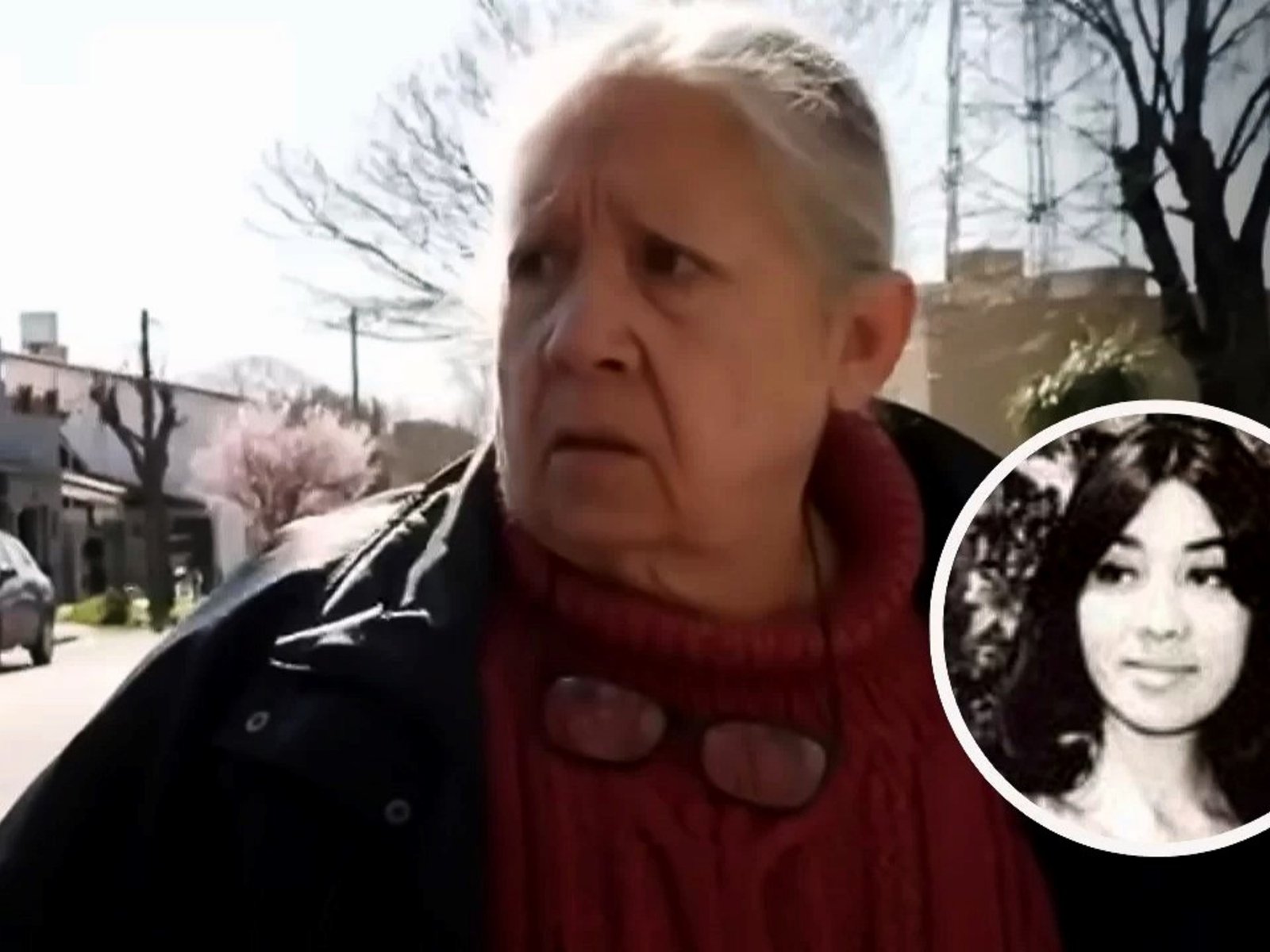
Después de casi diez meses de investigación, un estudio de ADN confirmó la identidad de Bernarda Vera, una mujer que figuraba como desaparecida en el listado oficial de víctimas de la dictadura militar de Augusto Pinochet en Chile. Se trata de la mujer que una investigación periodística de TV descubrió el año pasado en Miramar.
A través de un comunicado, el Poder Judicial chileno indicó que, tras varios meses, las pruebas confirmaron que «el perfil genético de la mujer encontrada corresponde a Bernarda Vera Contardo».
Ante la novedad, el ministro en visita para causas de Derechos Humanos, Álvaro Mesa Latorre, se reunió con los familiares de la presunta desaparecida y les compartió «los resultados del informe pericial correspondiente al perfil genético y las muestras de sus familiares disponibles en el Banco Genético de Familiares de Detenidos y Ejecutados Políticos del Servicio Médico Legal».
“En la diligencia se informó que los antecedentes científicos acreditaron una probabilidad de identificación de la señora Bernarda Rosalba Vera Contardo superior al 99,9999%”, indicó la institución en la nota.
El funcionario remarcó que la causa está «bajo estricto secreto de investigación» y estableció que “el informe pericial genético de ADN es de carácter reservado y se entrega con el único y exclusivo fin para conocimiento del grupo familiar directo y su ámbito interno”, según declaraciones que recogió La Tercera.
El caso salió a la luz en septiembre del año pasado, cuando la cadena local Chilevisión dio a conocer un informe en el que mostraba que habría encontrado a Vera viviendo en la localidad balnearia boanerense.
La polémica estalló porque la protagonista del reportaje era una profesora que, con 27 años y una hija de 5, fue detenida por militares el 10 de octubre de 1973 y que, aparentemente, había sido ejecutada en el puente de Villarrica, en la región de La Araucania.
La joven era militante del Movimiento de Izquierda Revolucionaria (MIR) y su nombre figura entre las 1.162 personas incluidas en el Informe de la Comisión Verdad y Reconciliación (Rettig), el registro elaborado en 1991 sobre las víctimas de violaciones a los derechos humanos durante la dictadura pinochetista
Luego de que trascendiera el informe televisivo, el gobierno de Gabriel Boric reconoció que había recibido avisos sobre posibles «incongruencias” en algunos testimonios que fueron reportadas por el Plan Nacional de Búsqueda (PNB) y dispuso la apertura de una nueva investigación.
Ante el escándalo generado, fue el por entonces ministro de Seguridad, Luis Cordero, quien señaló que la tarea de «corroborar científicamente la identidad de la mujer que vive en Argentina y que sería Bernarda Vera» le correspondía a la Justicia. La causa quedó radicada en el Primer Juzgado del Crimen de Temuco, también en la región de la Araucanía.
El funcionario estaba al frente del Ministerio de Justicia y Derechos Humanos cuando se puso en marcha el PNB y fue la persona señalada por la oposición a la administración de Boric como el responsable de la eventual «inexactitud respecto al caso».
Conocida como «Anita» en sus tiempos de militancia en el MIR, Bernarda Vera figura en el Informe Rettig. Testimonios que quedaron fuera de la causa y algunos detalles del boletín que cada mes publicaba el PNB dieron indicios de que la mujer podría haber escapado de ese destino.
El reporte que se difundió en septiembre del año pasado mencionó que «en algunos casos, muy excepcionales, este proceso ha revelado incongruencias con las conclusiones de las Comisiones de Verdad. Un primer caso refiere a una persona, condenada a muerte por un Consejo de Guerra en 1973, que fue calificada por la Comisión Rettig, con los antecedentes disponibles en la época como víctima de desaparición forzada”.
“Posteriormente, el PNB recogió testimonios de personas que dijeron haberla visto fuera de Chile después de la fecha en la que la CNVR estableció su desaparición. A raíz de ello, se abrió una investigación administrativa respecto de su trayectoria», dealló el documento oficial.
Esos datos fueron parte de la investigación periodística de Chilevisión, que condujo a una de sus cronistas a la ciudad de la costa bonaerense, donde dio con el paradero de quien ahora se confirma en un «99,9999%» que es Bernarda Vera Contardo, quien detrás de la puerta de su casa en ese momento se negó a hablar con la periodista.
INTERNACIONAL
Para bajarle el tono a la crisis, Lula reaccionó con ironía y buscó evitar la pelea directa con Milei: “¿Quién es ese tipo?”
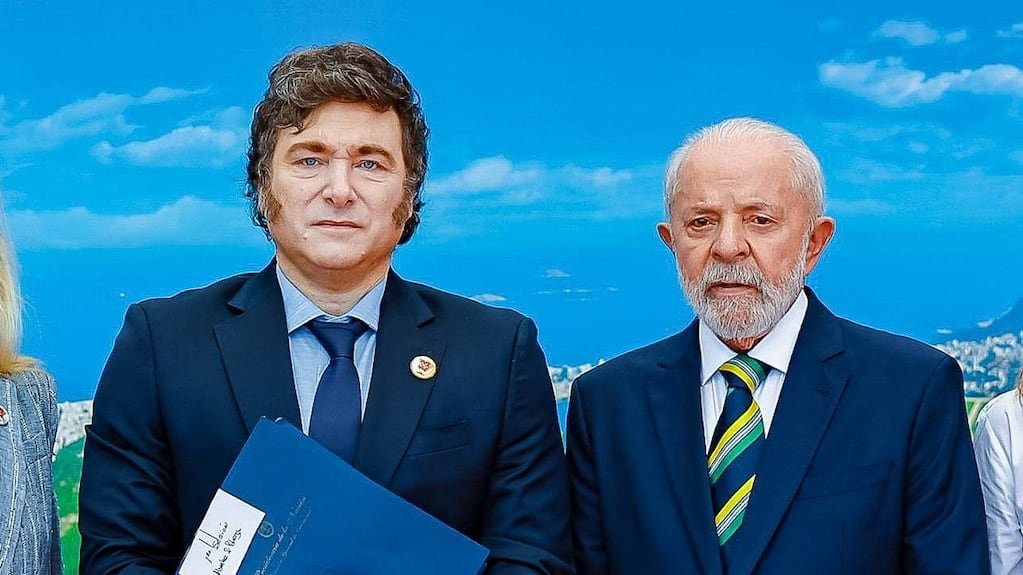
A dos meses y medio de las elecciones presidenciales en las que buscará su reelección, Lula decidió no subirse al ring armado por Javier Milei y dejar que la crisis desatada por las descalificaciones del presidente argentino avance por los carriles diplomáticos.
“¿Quién es ese tipo?“, reaccionó este lunes con ironía cuando periodistas brasileños le preguntaron sobre las declaraciones de Milei.
Más allá de la respuesta formal de la Cancillería y de la peyorativa calificación de “payaso” que le endilgó a Milei el ministro de Economía brasileño, Dario Durigan, el mandatario izquierdista dejó en claro que no piensa responder personalmente a los insultos.
“Sus asesores dicen que él es un peso pesado y que no debería subirse al ring contra un peso pluma como el presidente argentino”, escribió el influyente diario Folha de San Pablo.
En síntesis, Lula prefiere concentrarse en la campaña y en todo caso pelear con Donald Trump y no con su “representante” en América Latina. Lula debe lidiar con los aranceles del 25% que le aplicó el presidente republicano a productos brasileños.
La reación de Lula cuando le preguntaron por Javier Milei (Video: X/@g1)
¿Puede escalar la crisis entre Argentina y Brasil?
No es la primera vez que Milei vocifera este tipo de descalificaciones contra el presidente brasileño.
La diferencia es que ahora lo hizo en el lanzamiento oficial de la candidatura presidencial del senador Flávio Bolsonaro, hijo del expresidente Jair Bolsonaro y principal rival de Lula en las elecciones del 4 de octubre próximo. Y todo esto en tierra brasileña.

Javier Milei y Flavio Bolsonaro en un acto en San Pablo (Foto: REUTERS/Jean Carniel)
Antes de tomar una decisión, Lula se reunió con su canciller, Mauro Vieira, y optó por convocar a consultas al embajador brasileño en Buenos Aires, Julio Bitelli. El diplomático llegó este lunes por la mañana a la capital brasileña, informó el diario Correio Brasiliense, y se encontró con el ministro de Exteriores y con Lula.
Luego, el presidente subió la apuesta y llamó al representante argentino en Brasilia, Daniel Raimondi, para exigirle explicaciones. La reunión se celebró esta tarde en Brasilia y no dejó ningún acercamiento. Para el canciller Vieira, Milei lanzó «una provocación sin precedentes en la historia de más de 200 años de relaciones bilaterales”.
Leé también: El sandinismo adopta el modelo de partido único: ¿por qué Trump apuntó contra Cuba y Venezuela y minimizó a Nicaragua?
La orden que bajó del Palacio del Planalto fue bajar el tono. Sin embargo, algo trastocó la estrategia oficial.
La irrupción del ministro de Economía en la crisis, llamando “payaso” a Milei, echó más nafta al fuego y causó malestar en Brasilia. “Las declaraciones no se ajustaron a la línea previamente acordada entre el Ministerio de Asuntos Exteriores y el Palacio Presidencial», dijeron fuentes de la Cancillería brasileña citadas por el portal G1.
En el Palacio Itamaraty sostienen que Lula no quiere ahondar en medidas más drásticas como el retiro de su embajador. Piensa que el vínculo bilateral se debe sostener más allá de este evidente destrato por el bien de ambos pueblos y de sus históricas relaciones.
“Es posible que, en alguna entrevista o declaración, haga referencia a Milei. Pero no le dará una respuesta oficial”, dijo Folha.
¿Lula cayó en la trampa de Milei?
El analista brasileño Marco Teixeira, de la Fundación Getúlio Vargas, dijo a TN que más allá del silencio de Lula, su gobierno pisó el palito que le puso Milei en la campaña.
“Ya lo había llamado corrupto, pero eso fue durante su campaña electoral. Ahora, como jefe de Estado, hay ciertos protocolos que ha traspasado, especialmente cuando decidió asistir a la convención del Partido Liberal (PL) y participar en la campaña de Flávio Bolsonaro. Se quitó el traje presidencial. Y Brasil cayó en la trampa”, dijo.
Al respecto, afirmó: «La respuesta del Ministro de Hacienda terminó, en cierto modo, agravando la crisis y no debió haberse dado de esa manera».
Desde el gobierno, creen que “Milei lleva tiempo intentando ´provocar a Lula´“ y que la respuesta no debe salirse del ámbito diplomático formal. Quieren responder con altura.
“No sabemos hasta dónde llegará esto, pero creo que la diplomacia lo gestionará, ya que tanto Brasil como Argentina tienen intereses mutuos que pesan mucho más que cualquier tipo de vanidad”, dijo Teixeira.
Pero el analista considera que aún pueden esperarse más dardos desde Buenos Aires contra Lula.
“Milei cruzó la línea. Era algo previsible. Ahora que la campaña electoral en Brasil está a punto de intensificarse, es probable que esto vuelva a ocurrir”, señaló.
Leé también: A un mes del doble terremoto, Venezuela busca salir adelante: cuál fue el impacto social, económico y político de la tragedia
En un artículo de opinión publicado en Folha, el analista y periodista brasileño Hélio Schwartsman opinó que a Milei «no le conviene generar fricciones con uno de sus principales socios comerciales. Brasil absorbe entre el 15% y el 20% del total de las exportaciones del país vecino, mientras que Argentina recibe el 5% de las exportaciones brasileñas».
Según el analista, “es improbable que Lula vaya más allá de medidas simbólicas” contra el gobierno argentino. “Y eso es precisamente con lo que cuenta Milei”.
Sin embargo, no absolvió de culpa al presidente brasileño.
“Lula (…) no está exento de culpa cuando se trata de inmiscuirse en las elecciones de otros países. Después de todo, rompió con la tradición de que los presidentes brasileños no interfieran en las elecciones de naciones amigas y comenzó a apoyar explícitamente a candidatos con los que tenía afinidad ideológica”, indicó.
En forma implícita, el artículo recordó así su visita a Cristina Kirchner en su departamento de Constitución, donde cumple arresto domiciliario en julio de 2025.
Lula Da Silva, Brasil, Javier Milei
NEWYou can now listen to Fox News articles!
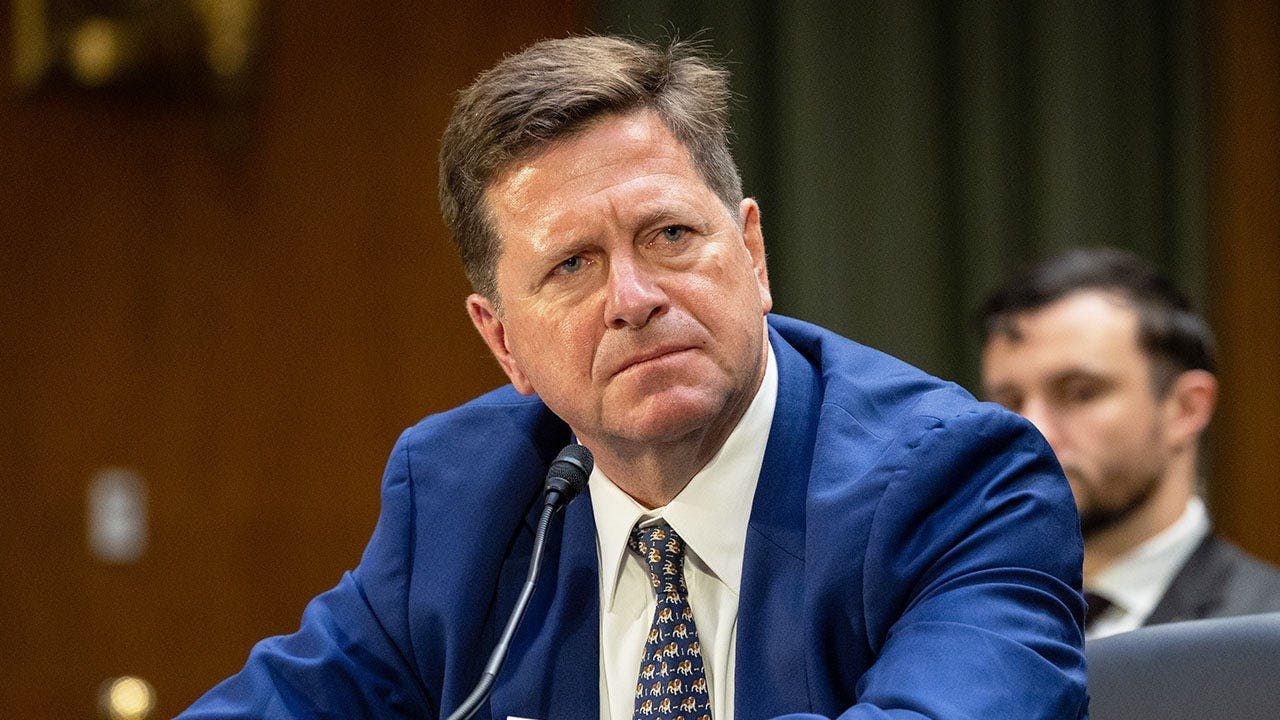
President Donald Trump’s pick to run the nation’s intelligence agencies is one step closer to clinching the job, and puts the Senate ever-closer to jump-starting a key counter-terrorism tool in the process.
The Senate advanced Jay Clayton through a key hurdle Monday night to be the next Director of National Intelligence (DNI). It comes after former DNI Tulsi Gabbard’s sudden exit from the position to care for her cancer-stricken husband.
The largely partisan vote to move Clayton, who formerly chaired the Securities and Exchange Commission (SEC) during Trump’s first term, comes after he narrowly squeaked out the Senate Intelligence Committee on a 9 to 8 vote.
TRUMP’S DNI PICK CLEARS KEY HURDLE, REVIVING PATH FOR NATION’S TOP ANTI-TERROR SURVEILLANCE PROGRAM
United States attorney for the Southern District of New York Jay Clayton, nominee to be director of national intelligence, testifies during his confirmation hearing with the Senate Intelligence Committee at the Dirksen Senate Office Building in Washington, D.C., on July 15, 2026. (Anadolu via Getty Images)
Senate Majority Leader John Thune, R-S.D., challenged Democrats to support Clayton during the broader, final vote, but expected them to resist as they have with several other Trump nominees through his second term.
«One might think that we’d be seeing some bipartisanship from Democrats on this nominee,» Thune said. «But Democrats are playing the same partisan games with this qualified nominee as they have for so many of President Trump’s picks.»
«It’s a funny thing because Democrats have made no secret of their disdain for the current acting Director of … National intelligence,» he continued. «In fact, Democrats were so worked up over the president’s temporary choice for this position, they allowed our nation’s most important counterterrorism tool to go dark for the first time ever.»
TRUMP CONCESSION BREATHES NEW LIFE INTO STALLED FISA SPY POWERS DEAL
The Senate will now vote on confirmation Tuesday, putting an end cap on an arduous process to replace Gabbard. When she announced her exit from the position, Trump hastily installed Federal Housing Finance Agency (FHFA) Director Bill Pulte to lead the nation’s 18 intelligence agencies in the interim.
That came as the Senate was nearing a vote on a bipartisan deal to keep the nation’s top counter-terrorism tool, Section 702 of the Foreign Intelligence Surveillance Act (FISA), running ahead of its expiration.
But Democrats, who railed against Pulte and accused him of being an unqualified loyalist who would weaponize the intelligence community against the president’s enemies and try to dismantle it, walked away from the deal after Trump torpedoed Clayton’s previously scheduled confirmation hearing.
SPY LAW USED TO STOP TAYLOR SWIFT ATTACK TO LAPSE AS CONGRESS SKIPS TOWN, WORLD CUP NEARS
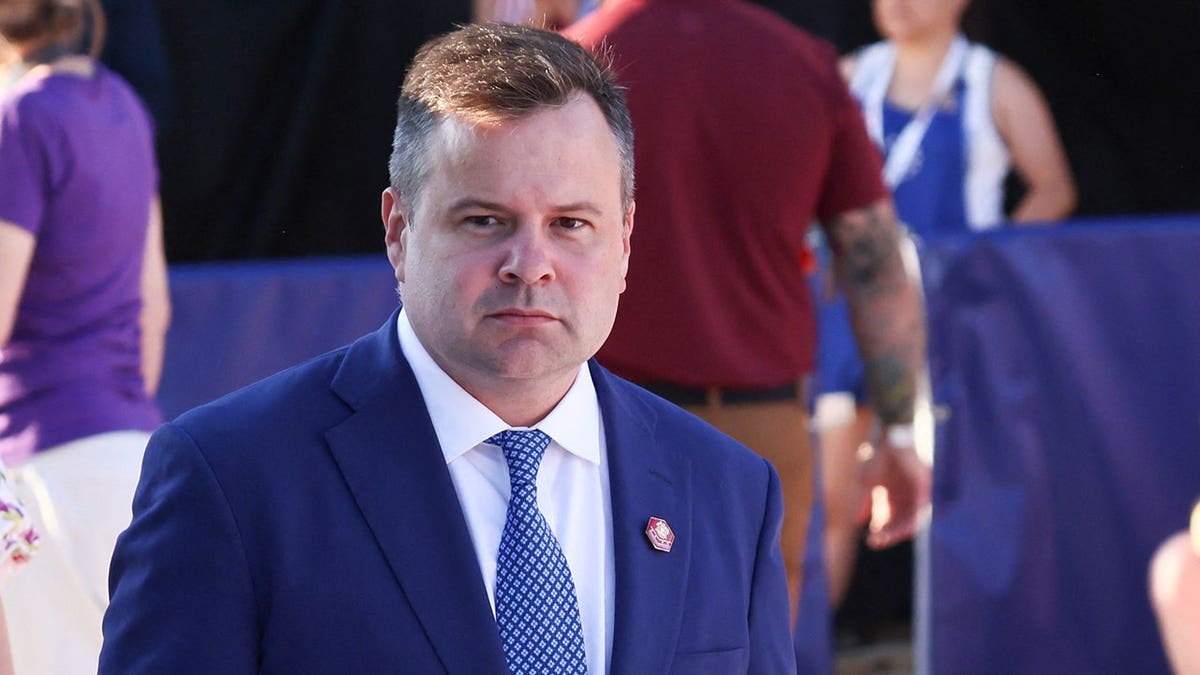
Acting Director of National Intelligence Bill Pulte attends a kick-off celebration for the «Great American State Fair» on the National Mall in Washington, DC, June 24, 2026. (Jemal COUNTESS / AFP via Getty Images)
Less than 24 hours before Clayton’s penultimate test, Pulte announced on X that he had completed his fourth round of layoffs as DNI.
«Since becoming Acting Director of National Intelligence, our team has been smartly, and carefully, reducing the size of ODNI, re-focusing ODNI on national security, the law, and the statute,» Pulte said. «As of this evening, we just finished a 4th round of thoughtful, measured layoffs. Thank you!»
The Section 702 program has since been steadily going dark, with new authorizations caught in a legal void until lawmakers reauthorize the program that has been used to thwart deadly terror attacks, including halting a mass-casualty terror plot at a Taylor Swift show in Vienna, Austria.
CLICK HERE TO DOWNLOAD THE FOX NEWS APP
Last week, only Republicans on the panel voted Clayton out of committee after he failed to satisfy Senate Democrats’ questioning on who won the 2020 election, his knowledge of Gabbard’s raid on the Fulton County, Georgia election offices, and subpoenas against New York Times reporters that his were submitted by him in his role as the top prosecutor in New York’s Southern District.
Those subpoenas were voluntarily withdrawn by the Department of Justice last week, two days after Clayton was confirmed by the panel.
politics, national security, senate elections, tulsi gabbard, donald trump

La filosa indirecta de Sabrina Rojas a Luciano Castro: “Voy a crear el curso de cómo superar los cuernos”

Confirmaron la identidad: una mujer que figuraba como desaparecida por la dictadura en Chile está viva y reside en Argentina

Tal vez haya llegado el momento de insultar menos y gobernar más: esa es la única forma de derrotar al populismo

“Por más momentos así”: el sentido posteo y las fotos de la esposa de Dibu Martínez en sus vacaciones

Cayó una banda narco que vendía droga por delivery entre Neuquén y Río Negro: seis detenidos y cocaína valuada en millones

El consumo de carne de cerdo se disparó en los últimos años y ya compite con el asado vacuno

Vocero de Milei dijo que un dólar a $1.800 es «posible» y la City alerta por fin de la paz cambiaria

Polémica por el proyecto que busca desregular los planes de ahorro de autos 0 km: qué podría cambiar

Panorama internacional: Brasil, una batalla electoral no solo de los brasileños

Convivencia pacífica o tensión administrada: el PRO define cómo pararse frente al gobierno de Milei rumbo a 2027

 POLITICA2 días ago
Cuentapropismo emocional en lo profundo del conurbano
- POLITICA14 horas ago
Crisis entre Milei y Lula: la trama política, personal y geopolítica detrás del mayor choque diplomático entre Argentina y Brasil
- SOCIEDAD1 día ago
San Isidro: la ballena que quedó varada en un banco de arena murió pese al operativo de rescate