INTERNACIONAL
El día que Reagan desafió a la URSS frente al Muro de Berlín y la frase que anticipó el derrumbe del comunismo

Fue un bombazo. Y además, sorpresivo. Y además, marcó el principio del fin del comunismo en gran parte de Europa primero y en la URSS después. La historia oficial le adjudicó al bombazo el sesgo de la improvisación, de la espontaneidad: por algo Ronald Reagan, entonces presidente de Estados Unidos, gustaba hablar de su gestión de gobierno como la del “triunfo de la imaginación”. Pero años después se supo, y hoy también se sabe aunque se repite poco, que fue un hecho planeado al milímetro, una decisión que Reagan discutió a cara de perro con sus más cercanos consejeros. Fue un acto de audacia que pudo salir mal, pero que salió bien.
El 12 de junio de 1987, hace ya 39 años, Reagan llegó Berlín para celebrar el 750° aniversario de la ciudad en lo que era casi una visita protocolar destinada a apoyar, una vez más, a aquella histórica capital partida en dos por el Muro de Berlín, una construcción soviética levantada en 1961 que dividió a la ciudad, dividió a Alemania, dividió a Europa y dividió al mundo entero: aquel Muro de la vergüenza fue un símbolo de la Guerra Fría, que ni fue guerra, ni fue fría.
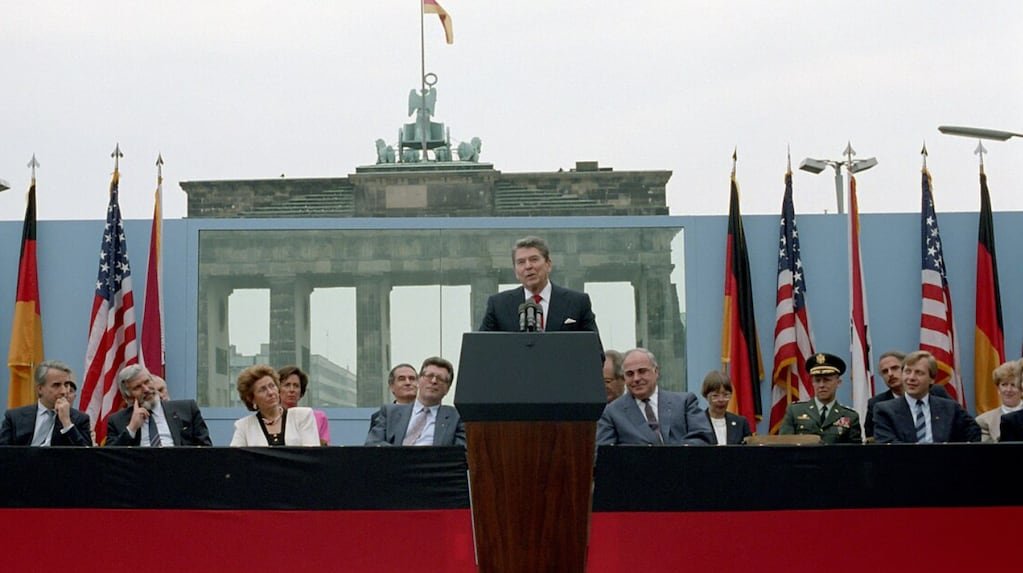
Reagan habló a los berlineses mientras daba su espalda a la legendaria Puerta de Brandeburgo, que hace más de un par de siglos fue el centro comercial y social de Berlín y a la que el Muro había dejado en el sector Este de la ciudad. A espaldas de Reagan no estaba sólo la Puerta de Brandeburgo; casi pegado al presidente se alzaba otro muro, de cristal blindado, para protegerlo de algún eventual francotirador comunista. Esos panes se horneaban en esos meses. El expresidente Ronald Reagan en un acto conmemoratorio por el 750 aniversario de la fundación de Berlín. (Foto: AFP)
En lo que se suponía iba a ser un discurso evocador de los esfuerzos aliados en la Segunda Guerra Mundial, del apoyo económico de Estados Unidos para la reconstrucción de Alemania y de los resultados fantásticos conocidos como “el milagro alemán”, Reagan esquivó el protocolo y la emprendió contra el Muro de Berlín y terminó por pedir al entonces secretario general de la Unión Soviética, Mikhail Gorbachov, que terminara con aquel oprobio. No usó ningún eufemismo. Dijo: “Señor Gorbachov, ¡tire abajo este Muro!”. Ese fue el bombazo que tuvo poco eco en principio, salvo la ovación con la que los berlineses festejaron la frase.
Al día siguiente, en los diarios estadounidenses, el mensaje presidencial fue a parar a las páginas tres de las ediciones, sin escarbar demasiado en su contenido. The Times, en Londres, sí publicó el 13 de junio una foto de Reagan junto al canciller Helmut Kohl con un epígrafe que decía: “Reagan pide a Gorbachov que derribe el Muro de Berlín”. El Muro cayó dos años y medio después, en noviembre de 1989. Y en diciembre de 1991, dejó de existir la URSS, nació la Federación Rusa, se arrió la histórica bandera roja de la hoz y el martillo y llegó a su fin un mundo que hoy quiere restaurar, a cualquier precio, Vladimir Putin. Si el bombazo de Reagan pasó a la celebridad, fue gracias a la televisión, que lo hizo llegar a todo el mundo; hoy se diría que se “viralizó”, esa palabra denigrante que asocia el conocimiento con la enfermedad, pero en esos años no se hablaba con semejantes metáforas.
Berlín fue la preocupación del mundo ni bien terminó la Segunda Guerra. Capital del Reich de Adolf Hitler, tomada por los soviéticos que izaron su bandera en la cumbre de la Cancillería, donde en sus jardines todavía humeaba el cadáver del Führer, la ciudad quedó dividida en dos sectores, sin fronteras, pero bien definidos: uno en mano de los rusos y el otro en manos de americanos, británicos, franceses y canadienses.
Alemania había quedado también dividida en dos, Este y Oeste, por lo que el país estaba dividido en cuatro: en dos Alemanias y en dos Berlín. Para llevar provisiones, alimentos, carbón para el invierno, combustible y medicamentos, los aliados debían atravesar territorio soviético. En 1948, el dictador soviético José Stalin dio el primer paso para apoderarse de Berlín, bloqueó los accesos a la ciudad e impidió el paso de las fuerzas aliadas, que organizaron de inmediato un gigantesco puente aéreo que puso fin a las ambiciones soviéticas.

Ronald Reagan junto a la primera dama, Nancy Reagan, durante el acto del aniversario de fundación de Berlín. (Foto: AFP)
En junio de 1961, el presidente John Kennedy y el primer ministro soviético Nikita Khruschev se encontraron en Viena y se amenazaron con una guerra nuclear. Khruschev quería “independencia” para Berlín, lo que implicaba el total dominio soviético sobre la ciudad y el retiro de las fuerzas aliadas. Kennedy dijo no. Khruschev le dijo: “Entonces habrá guerra”. Y Kennedy: “Será un largo invierno…” Dos meses después, la URSS levantó el Muro y dividió a Berlín. La historia de ese Muro es apasionante, pero es otra historia. Primero, fue una alambrada de púas, bolsas de arena y torretas de vigilancia a lo largo de cuarenta y tres kilómetros. Khruschev pensó que si Occidente reaccionaba, siempre podía retirar las alambradas. Pero Occidente no dijo nada, y el Muro se hizo de piedra poco después.
Además de dividir a Berlín, a Alemania, a Europa y al mundo, el Muro también dividió familias, amores, amigos, proyectos y la vida entera de los alemanes. De la noche a la mañana, nunca mejor dicho porque las alambradas se instalaron en la madrugada del domingo 13 de agosto de 1961, un abismo separó a una nación; tanto, que los berlineses del Este que habían ido a bailar a las confiterías del Oeste aquel sábado a la noche, quedaron de ese lado en la madrugada del domingo y ya no pudieron, o no quisieron, regresar al clima opresivo del Este. Desde entonces, huir al otro lado del Muro, siempre hacia el Oeste, fue una meta, una meca también, para los berlineses que no adherían al duro régimen de la URSS. Un baño de sangre tiñó durante varios años aquellos intentos desesperados de vivir en libertad.
En 1963, en su última gira al exterior antes de ser asesinado en Dallas, Kennedy dio un discurso también célebre ante medio millón de personas desde la alcaidía del oeste de la ciudad. Sugirió a quienes pensaban que el comunismo garantizaba la libertad y el progreso: “Como ciudadano libre del mundo, yo digo Ich bin ein Berliner”. Es decir: “Yo soy berlinés”. Reagan llegó a Berlín dispuesto a dar el golpe de efecto, con el recuerdo de la visita de Kennedy, 24 años antes, aún muy presente. Se había propuesto superarlo.
Aquellos no eran buenos tiempos para Reagan. Transcurría el último año de su segundo mandato, las elecciones presidenciales serían en noviembre de 1988 y Reagan no podía ser reelecto una tercera vez. Conformaba junto al papa Juan Pablo II y a la primera ministra británica Margaret Thatcher un triángulo dispuesto a acabar con el comunismo, llamaba a la URSS “el imperio del mal” y en siete años de gobierno, en previsión de un conflicto, había aumentado el presupuesto de las fuerzas armadas mientras recortaba las partidas destinadas a la educación, la salud y las ayudas económicas. El expresidente Ronald Reagan hablando con el líder comunista Mijail Gorbachov en Genova. (Foto: AFP)
Su gestión también estaba sacudida por un par de escándalos. En 1984 se había revelado que Reagan había apoyado a la llamada “contra nicaragüense”, que enfrentaba al sandinismo que había derrocado en 1979 al dictador Anastasio Somoza. Reagan había financiado a la “contra” a espaldas del Congreso, que había negado esa ayuda económica, a través del desvío de fondos, cuarenta y siete millones de dólares de la época, obtenidos por la venta de armas a Irán, el eterno enemigo de Estados Unidos.
La aparición en la escena política soviética de Mikhail Gorbachov y su política de apertura, transparencia y reestructuración, “glasnost y perestroika”, hizo que Reagan dejara en parte de lado su recelo hacia el comunismo soviético para iniciar un acercamiento con Gorbachov, que estaba empeñado en modernizar aquel imperio regido todavía por el alma de los zares y las normas de Stalin.

La madrugada del domingo 13 de agosto de 1961 Berlin, Alemania y el mundo quedaron divididos en 2 por el muro. (Foto: AFP)
Ese era el escenario europeo cuando Ronald Reagan y su mujer, Nancy, visitaron el Reichstag, el parlamento alemán, para luego a las dos de la tarde, de espaldas a la puerta de Brandeburgo y protegido por los cristales blindados, el presidente estadounidense habló a los alemanes y, en especial, a Gorbachov. Después de recordar a Kennedy, era difícil obviarlo en esas circunstancias, evocó también su “Yo soy berlinés”. Dijo Reagan: “Delante de la Puerta de Brandeburgo, todo hombre es un alemán separado de sus compatriotas. Todo hombre es un berlinés, obligado a contemplar una cicatriz.” Antes había descrito al Muro como “un vasto sistema de barreras que divide a todo el continente europeo. (…) Sigue habiendo guardias armados y puestos de control y una restricción al derecho a viajar; sigue siendo un instrumento para imponer sobre los hombres y mujeres comunes la voluntad de un estado totalitario”.
Enseguida hizo una breve reseña histórica de la posguerra y del “milagro alemán”. Poco a poco su voz, era un actor consumado aunque no de los buenos, ganó en dramatismo; elevó un poco el tono, algo que era inusual. Habló de la “nueva política de reforma y apertura” de la URSS y osciló entre la duda y la esperanza. Dijo: “¿Son estos los comienzos de cambios profundos en el Estado soviético? ¿O son gestos simbólicos que pretenden dar falsas esperanzas a Occidente y fortalecer el sistema soviético sin cambiarlo? Nosotros damos la bienvenida al cambio y la apertura; pues creemos que la libertad y la seguridad van unidas, que el avance de la libertad del ser humano sólo puede fortalecer la causa de la paz mundial”.
Entonces sí, llegó el bombazo que pareció espontáneo y fruto de la pasión del orador, pero que estaba calculado al milímetro por un político astuto y decidido: “Hay una señal que los soviéticos pueden hacer y que sería inequívoca, que promovería de manera espectacular la causa de la libertad y la paz. Secretario general Gorbachov, si busca usted la paz, si busca usted la prosperidad de la Unión Soviética y Europa Oriental, si busca usted la liberalización: Venga aquí, hasta esta puerta. Señor Gorbachov, ¡abra esta puerta! Señor Gorbachov, ¡tire abajo este Muro!”.

John F. Kennedy y su gabinete reunidos en 1961 para discutir la situación de Berlín tras la construcción del muro. (Foto: AFP)
El discurso continuó durante varios minutos. Pero lo que Reagan quería decir, estaba dicho. En Occidente, el desafío de Reagan recibió un tratamiento frío, casi distante; no hubo conciencia inmediata, incluso entre quienes escucharon a Reagan de cerca, de que se había vivido un momento trascendente de la Guerra Fría. Quien sí lo notó fue el canciller alemán Helmut Kohl: dijo luego que jamás olvidaría haber estado cerca de Reagan en ese momento: “Fue un golpe de suerte para el mundo y en especial para Europa”. Los dirigentes comunistas de Alemania del Este tacharon el mensaje de absurdo; la agencia soviética de noticias TASS, acusó a Reagan de “provocador” y de “alentar un discurso de guerra”. En Estados Unidos, “The New York Times lo publicó en la página tres, señalando que el presidente había usado tres frases en alemán. La mejor, según los analistas, era de una vieja canción, Ich hab noch einen Koffer in Berlin: “Todavía tengo una maleta en Berlín”. La única propuesta de Reagan que el diario destacó, se refería a la cooperación entre los aeropuertos internacionales a ambos lados de la ciudad.
Leé también: Un chip de 46 centavos puso al mundo al borde de una guerra nuclear y desató una alarma en el Pentágono
Sin embargo, 29 meses después del discurso de Reagan, el Muro cayó, derribado por la impotencia soviética y el fervor de los alemanes que empezaron a taladrar la enorme muralla con picos y martillos. La noche del 9 de noviembre de 1989, miles de alemanes del Este cruzaron por fin al lado oeste de la ciudad sin que nadie pudiera impedirlo: durante 28 años les habían prohibido viajar al exterior de Berlín oriental. Entre los tantos jóvenes que pasaron al otro lado, había una mujer de treinta y cinco años a quien le auguraban un brillante futuro político: Ángela Merkel.
Con los años, el discurso en apariencia apasionado de Reagan quedó al desnudo: no sólo había estado planificado palabra por palabra, sino que había sido discutido como lo que era: un asunto de Estado. Peter Robinson, uno de los escritores de discursos de Reagan, reveló: “Unas semanas antes del viaje a Alemania del Presidente, el Departamento de Estado y el Consejo de Seguridad Nacional se habían opuesto a ese pasaje en el que Reagan pedía a Gorbachov: ‘¡Abra esta puerta!; ¡Señor Gorbachov, tire abajo este muro!’. Sostenían que esas palabras sonarían excesivamente provocadoras.
Le pregunté al Presidente cuál era el mensaje que quería transmitir y le dije que su discurso iba a ser escuchado por radio en toda Alemania Oriental. Entonces Reagan destacó precisamente esa parte del borrador. «Ese muro tiene que caer, -me dijo- Eso es lo que quiero decirles”. Más tarde, el Departamento de Estado y el Consejo de Seguridad Nacional intentaron varias veces bloquear o suprimir ese pasaje del discurso. Pero Reagan lo impidió”. El expresidente John F. Kennedy junto al excanciller de Alemania Occidental, Konrad Adenauer, durante su visita a Berlín en 1963. (Foto: AFP)
Richard Allen, quien años más tarde sería asesor de seguridad de Reagan, reveló que a fines de 1978, nueve años antes de su discurso en Berlín, había acompañado a Reagan, que era entonces gobernador de California, en un viaje inicial a Alemania vía Londres, donde se entrevistó con Margaret Thatcher. En Berlín, Reagan visitó el Muro y se detuvo frente al sitio donde en agosto de 1962 había sido asesinado por los guardias soviéticos Peter Fechter, un chico de 18 años que había intentado escapar al Oeste. “Aquel día nublado de noviembre de 1978 –confió Allen– el gobernador Reagan, de pie frente al Muro, lo miró con fijeza y después, con la mandíbula apretada, se volvió hacia nosotros y dijo: ‘Tenemos que encontrar la manera de derribarlo’”.
En su excelente “President Reagan: The Triumph of Imagination – Presidente Reagan – El Triunfo de la imaginación”, el escritor e historiador Richard Reeves revela las intenciones de Reagan y su férrea decisión de retar a las autoridades soviéticas a que derribaran aquella muralla vergonzosa. “La comitiva presidencial se dirigió a Berlín para participar en la celebración del 750° aniversario de la ciudad. Reagan quería dar un discurso que compitiera con el de “Ich bin ein Berliner” del presidente Kennedy en 1963. Quería hablar sobre derribar el Muro de Berlín, erigido por los alemanes orientales en agosto de 1961 (…)”
Sobre el desafío a Gorbachov, Reeves recuerda: “No todos estaban de acuerdo con el Presidente, empezando por su jefe de gabinete Howard Baker, quien argumentaba que no era propio de un presidente decir eso, que no serían las palabras las que derribarían el Muro. En una de las reuniones finales antes del 12 de junio, el redactor de discursos Peter Robinson, que había pasado tres semanas reelaborando esas dos frases que serían famosas, reconstruyó la conversación entre el Presidente y sus consejeros: ‘Yo soy el presidente, ¿verdad?’ preguntó Reagan. Ante la obvia respuesta, volvió a preguntar: ‘Así que yo decido, ¿verdad?’ ‘Sí señor presidente’ fue la respuesta. ‘Bueno –dijo por fin Reagan– entonces esa frase queda”.
Y quedó.
Sumario, Ronald Reagan, Unión Soviética, comunismo, Guerra Fría










INTERNACIONAL
Inside Tehran: Iranians describe IRGC’s brutal rule, poverty — ask Trump to ‘stay the course’
Iranian regime’s ‘hardline rhetoric’ under fire as US deal nears
President Donald Trump takes a firm stance on Iran’s economic downturn and ongoing nuclear negotiations, emphasizing that U.S. forces are ready if diplomacy fails. John Roberts and Sandra Smith report on the White House cabinet meeting, where Trump discussed Iran’s high inflation and lack of sanctions relief. Dr. Mahsa Tehrani questions the trustworthiness of the Islamic Republic.
NEWYou can now listen to Fox News articles!
A fragile ceasefire that many Iranians say does not feel like a ceasefire has given some people inside Iran the courage to speak out, despite what they describe as enormous personal risk.
The accounts come as President Donald Trump threatened to hit Iran «very hard» if Iran does not accept a U.S.-backed deal, after renewed military escalation threatened to derail already fragile negotiations. The latest round of U.S. strikes followed the downing of a U.S. Apache helicopter near the Strait of Hormuz, which Trump blamed on the Iranian regime. Iran later reportedly retaliated with attacks in the region.
Inside Iran, three young voices described a country where repression is becoming even more visible, the Islamic Revolutionary Guard Corps is expanding its presence on the streets, and ordinary people are struggling to afford basic necessities.
RED CROSS SHARES AUDIO OF IRANIAN CIVILIAN EXPLAINING SITUATION ON THE GROUND IN TEHRAN: ‘NO RESPITE’
A fragile ceasefire that many Iranians say does not feel like a ceasefire has given some people inside Iran the courage to speak out, despite what they describe as enormous personal risk. (Majid Saeedi/Getty Images)
All three spoke to Fox News Digital through written messages because of security concerns and internet restrictions inside Iran. Their names have been changed to protect their identities.
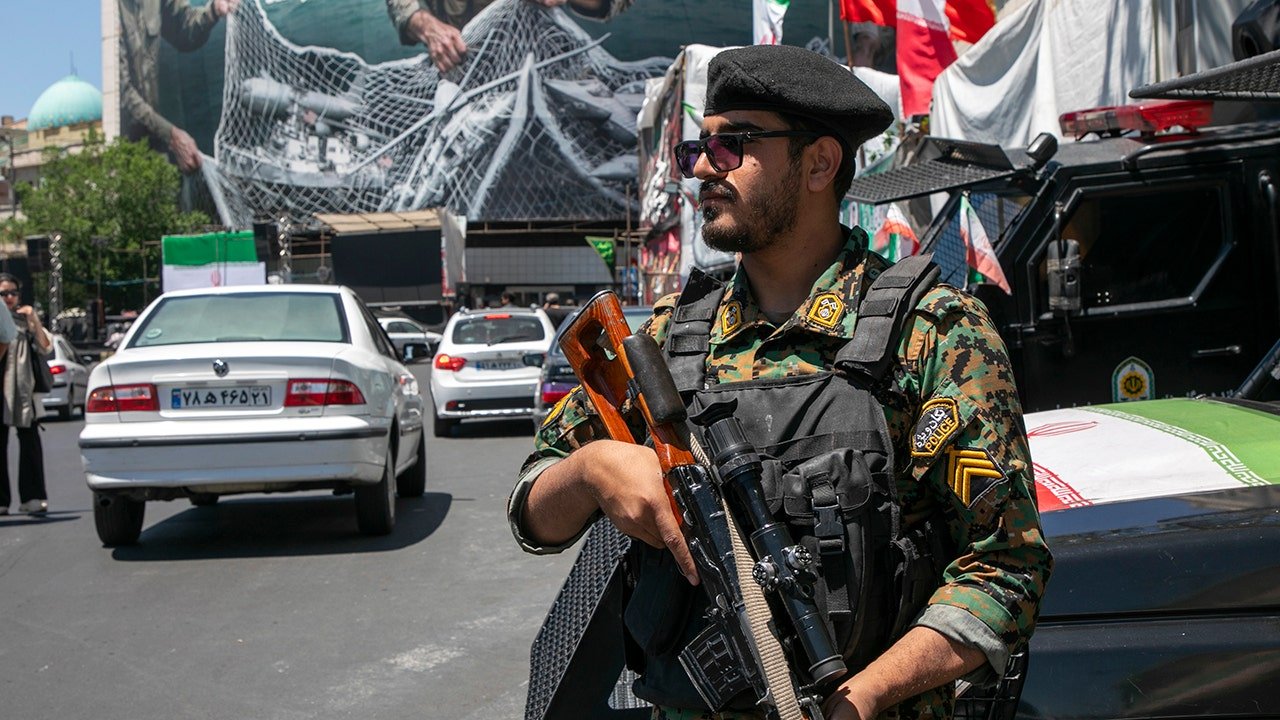
They described a similar reality: checkpoints across major streets, fear of the Basij, the hardline volunteer militia under the Islamic Revolutionary Guard Corps, and the Revolutionary Guards itself, renewed enforcement of hijab rules, mass layoffs, long lines outside bakeries and a growing sense among young Iranians that the future has disappeared.
‘The curtain has been pulled back’
«The influence of the Revolutionary Guards always has been present, and everything has operated within their ideological framework. Now, their interference is more obvious and easier to see,» Hassan said. «Now the curtain has simply been pulled back.»
Milad described a city transformed by security forces.
«The atmosphere in cities and government offices has become much more securitized. Security forces are now visible around almost every major square and intersection, and there are numerous checkpoints throughout the cities,» he said. «Individuals affiliated with the security apparatus or the Basij are increasingly being given positions of authority and influence.»
At the beginning of the war, Milad said, authorities appeared to ease some social restrictions, including enforcement of hijab rules. But he said that pressure has since returned, adding that the regime is not only targeting opponents, but also silencing supporters who cross political red lines.
IRAN REGIME REPORTEDLY ISSUED NATIONWIDE SHOOT-TO-KILL ORDERS AS PROTEST DEATH TOLL SURGES
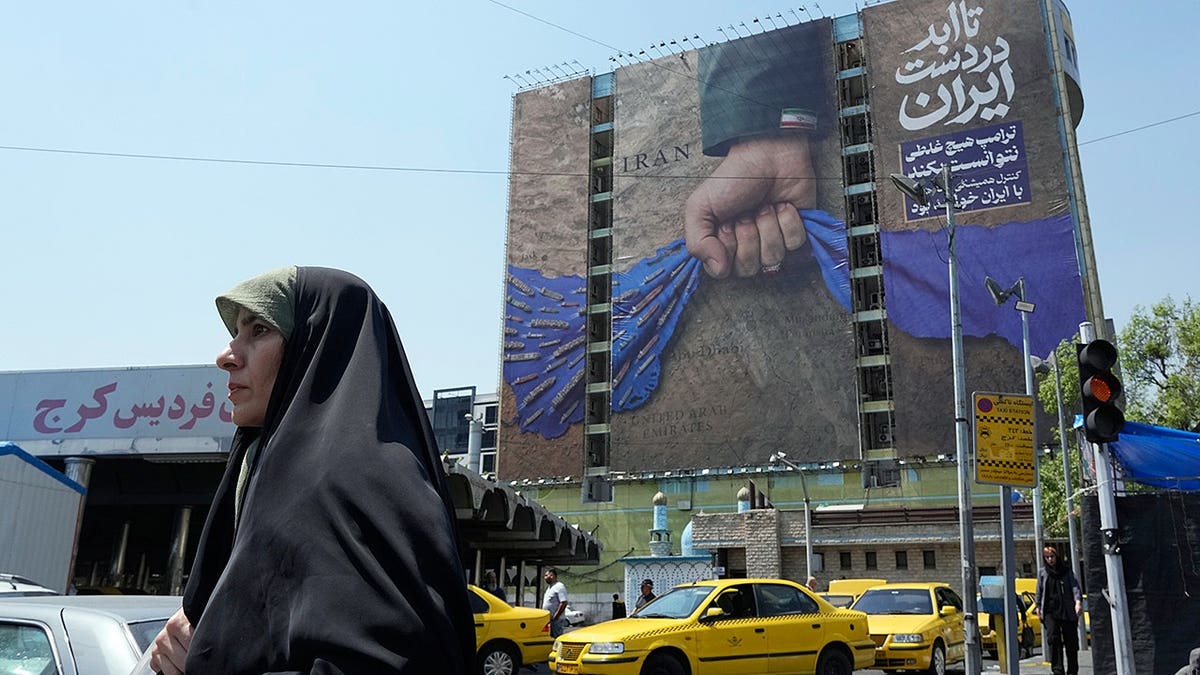
A woman walks past a billboard showing a military hand holding the Strait of Hormuz with Farsi text which reads, «In Iran’s hands forever,» «Trump couldn’t do a damn thing,» «The control of Strait of Hormuz will be Iran’s forever,» in Vanak Square, in northern Tehran, Iran, on April 16, 2026. (Vahid Salemi/AP)
«For example, a group staged a sit-in protest against negotiations with the United States,» Milad said. «Security forces intervened and told them that they were disrupting public security. They were warned that if they did not leave, they would be arrested.»
Ali, a student in Tehran, Iran, said the Islamic Revolutionary Guard Corps control feels more open than ever.
«It can be said that if previously 80% of the country was controlled by the Revolutionary Guard and the rest by the government, now 100% of the country is in the hands of the IRGC,» Ali told Fox News Digital. «When you drive through the streets and reach checkpoints, you don’t even dare look them in the eye because they can do whatever they want.»
«No one dares get into trouble with people who are members of organizations like the Basij, because they can report your name and have you arrested,» he added. «They have become more brutal than ever, and people know that if they take to the streets, the Revolutionary Guards can easily kill them and no one can do anything about it.»
Ali said Basij members who once hid their affiliation now display it openly.
FORMER IRANIAN PRISONERS REVEAL TORTURE HORRORS AS REGIME KILLS PROTESTERS ON SIGHT DURING CRACKDOWN
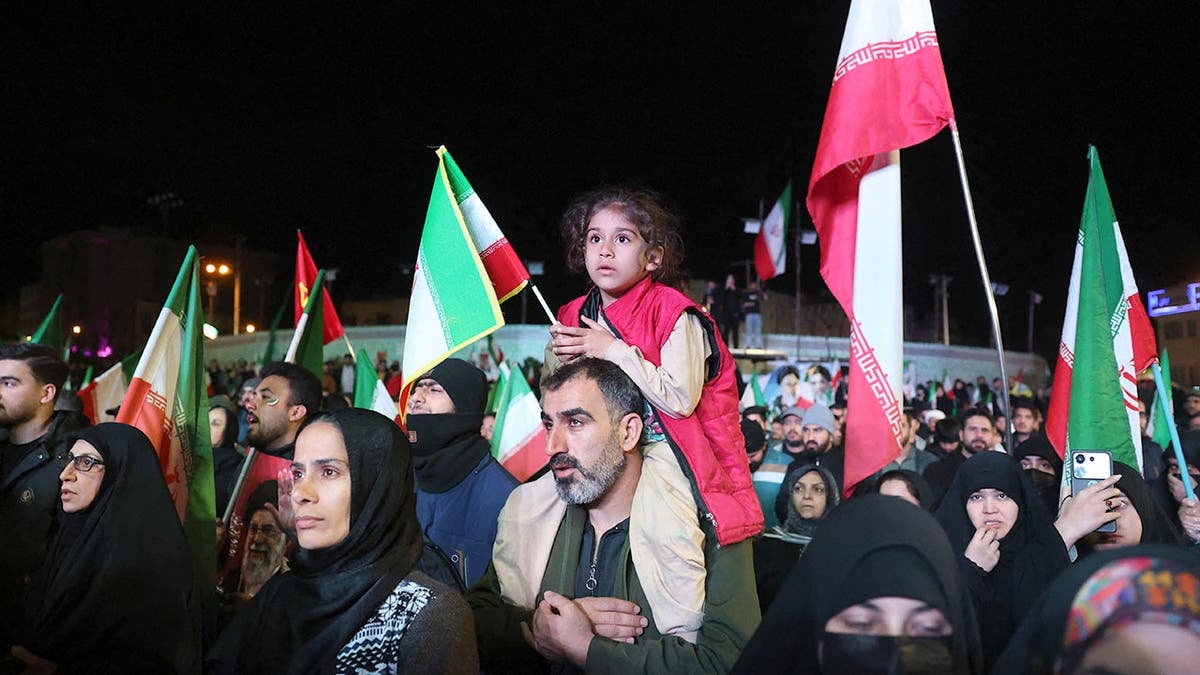
Iranians react after a ceasefire announcement at the Enqelab square, Wednesday, in Tehran. The U.S. and Iran agreed to a two-week ceasefire Tuesday, barely an hour before President Donald Trump’s deadline to obliterate the rival country was set to expire, with Tehran to temporarily reopen the vital Strait of Hormuz. (AFP via Getty Images)
‘We couldn’t even breathe’
The accounts come against the backdrop of Iran’s long history of violent crackdowns on dissent.
Iran International reported that more than 36,500 people were killed during the January crackdown, while Amnesty International described January 2026 as the deadliest period of repression by Iranian authorities in decades and said deaths rose into the thousands.
Milad, who said he witnessed the crackdown, described the impact it had on ordinary Iranians.
«Before the war, we couldn’t even breathe. We couldn’t sleep at night,» he said. «The conditions were very difficult for most people who had seen that massacre. After the war, we were able to sleep more easily at night, and we felt a bit more at ease. Now, even though the war is still ongoing, we continue to worry about the families of the martyrs and those who are in prison, under torture, and facing the executioner.»
The new war and the U.S.-led pressure campaign that began Feb. 28 have raised hopes among some opponents of the regime that the Islamic Republic could be weakened or even collapse. But the Iranians who spoke to Fox News Digital said that, for now, the result on the ground has been a more visible security state.
US ECONOMIC CHOKEHOLD ON IRAN REACHES PEAK LEVERAGE AS COLLAPSE RISKS EMERGE
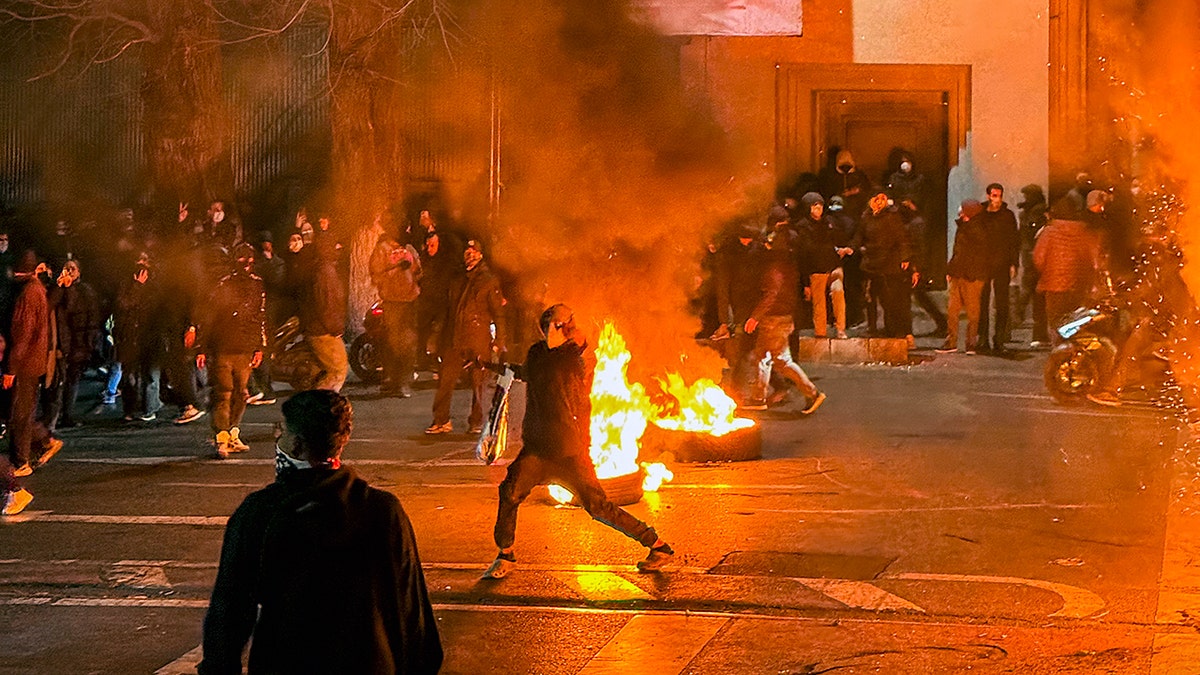
Iranians gather while blocking a street during a protest in Tehran, Iran, on Jan. 9, 2026. (Mahsa/Middle East Images/AFP via Getty Images)
Bread lines and vanishing future
The economic pressure also is being felt across daily life.
Iran already was struggling with inflation, currency collapse, corruption and sanctions before the war.
Since then, growing economic strain has been reported, with businesses crushed by high prices, supply-chain disruptions, internet blackouts and rising unemployment. Iran’s official statistics center reported annual inflation of 53.7% in April, with food inflation above 115%, according to the Associated Press.
Ali said, many young Iranians see almost no path forward.
«The economic situation has become so bad that almost all industries are on the verge of collapse and are simply trying to survive,» he said. «Many companies have laid off workers, including me. Many of my engineering-student friends have also been laid off. Families can no longer financially support their children.»
«I see many more older men and women than before who clearly were not garbage collectors but are now searching through trash,» Ali said.
«Almost all of us young people are convinced that we have no future,» he added. «At best, if there is anything left from what we earn, we can spend it on going to a café. Buying a phone or clothes has become difficult; buying a car is a dream. Prices have become so high that some days we can barely afford our two main meals and nothing else. Snacks, fruit and similar things are no longer part of life.»
Milad described a similar picture, saying layoffs, unpaid salaries and rising utility bills are crushing families.
«The government is trying to collect more money from people through higher taxes. Utility bills for water, electricity and gas have become extremely expensive,» he said.
He said bakeries remain crowded not only because of war fears, but because bread has become one of the only affordable foods left.
«Bread has become the main staple on many family tables,» Milad said. «Medical costs are extremely high, and many people are afraid to visit a doctor because the costs of medication, tests and treatment are so expensive.»
Hassan, however, said the economic pain is bearable only because some Iranians believe it could eventually help bring down the Islamic Republic.
«We believe that with the return of a government that truly represents the people, under the leadership of Crown Prince Reza Pahlavi, economic conditions will improve in the future,» he said.
Reza Pahlavi, the son of Iran’s late shah, has lived in exile for decades and has increasingly presented himself as a unifying figure for Iranians seeking a post-Islamic Republic future. His supporters inside and outside Iran argue that any transition should lead to a referendum and a democratic system.
EXILED IRANIAN PRINCE SAYS REGIME ‘VERY CLOSE TO COLLAPSING’ AMID NATIONWIDE UNREST
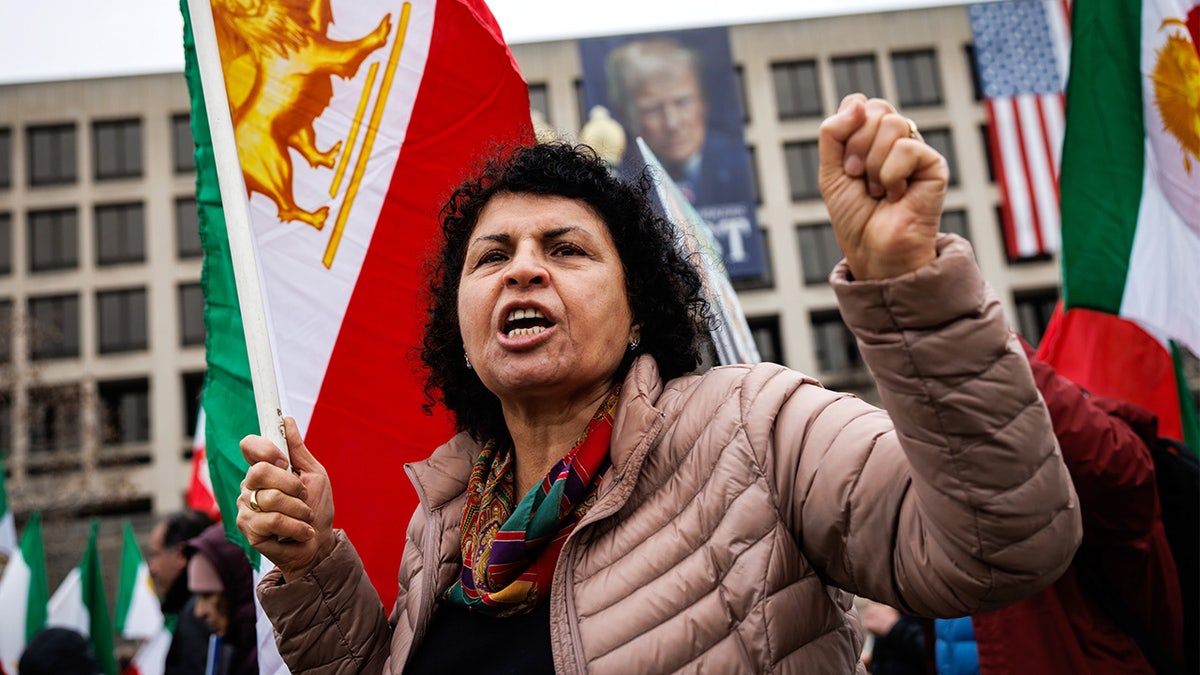
Protesters rally in Washington, D.C., on March 7, 2026, supporting regime change in Iran following U.S. and Israeli strikes that killed Iran’s Supreme Leader Ayatollah Ali Khamenei. (Samuel Corum/Getty Images)
Warning against appeasement
The Iranians who spoke to Fox News Digital warned the Trump administration against negotiating with the regime or easing pressure too soon.
«I would like to tell the Western world that appeasement of the Islamic Republic is futile,» Hassan said. «These are dishonest and deceptive people who, according to their religious beliefs, practice taqiyya in order to deceive others and maneuver their way through difficult situations.»
«These are not people who can be reformed,» he added. «Appeasement of them is harmful to the entire world. It is extremely naive to believe that meaningful negotiations can be conducted with such individuals.»
Ali said he believes the clerical regime would give up uranium if it allowed its leaders to stay in power.
«We only hope that the Islamic Republic falls, whether through war or through an agreement,» Ali said. «The clerics are far too shameless to fight to the death over uranium. They would be willing to hand over the uranium to the United States if it meant staying in power and continuing to plunder Iran. But they are certainly careful to avoid suffering the same fate as Gaddafi.»
His message to Washington was direct.
«The only message I have for the U.S. government is: save the people of Iran from the clerics and free Iran from the Islamic Republic,» Ali said.
CLICK HERE TO DOWNLOAD THE FOX NEWS APP
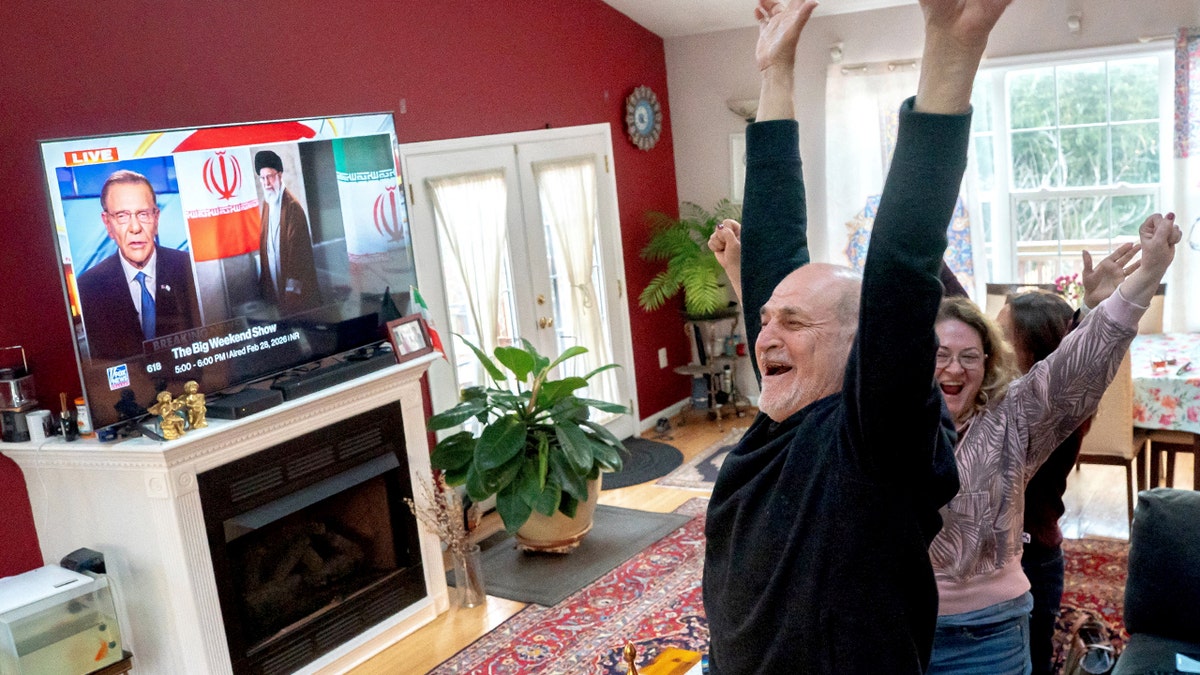
Iranian American community members Sadaf Ebrahimi, Shirin Nariman, and Mehran Ebrahimi watch a TV screen at Nariman’s home in Vienna, Virginia, reacting to news of U.S. President Donald Trump’s announcement that Iran’s Supreme Leader Ayatollah Ali Khamenei was killed in joint U.S. and Israeli strikes on Feb. 28, 2026. (Nathan Howard/Reuters)
Milad said many Iranians are watching Trump closely and fear another moment when the West chooses negotiation over the people in the streets.
«Iranian people have hope that the American administration will be strong and stand on their side,» he said. «We don’t want another Obama situation. Iranian people and their blood are not oil prices.»
«We have one message to the president, and that is to continue,» Milad said. «Here in Iran, we no longer say, ‘Obama, Obama, either with us or with them.’ Now we’re saying: ‘Trump, don’t be Obama. You are with us, not with them. President Trump, stay the course.’»
Fox News Digital reached out to Iran’s mission to the United Nations for comment.
war with iran, world protests, donald trump, iran, sanctions
NEWYou can now listen to Fox News articles!
After months of predicting a nuclear deal with Iran was just around the corner, President Donald Trump appears to be testing whether military pressure can accomplish what diplomacy alone has not.
The strategy was on full display over the past 24 hours. Trump followed through on his threat to strike Iran again overnight, launching a barrage of Tomahawk missiles and fighter jet attacks against Iranian targets while warning that additional bombing would follow unless Iran agreed to a deal. Hours later, however, he announced he had canceled planned strikes for Thursday evening, saying negotiations had been elevated to the highest levels of Iran’s leadership and that the parties had approved the final contours of an agreement.
The rapid sequence of threats, strikes and renewed diplomacy highlights an increasingly familiar pattern in Trump’s approach to Iran: using military pressure to push negotiations forward while keeping a diplomatic off-ramp open. The question is whether the strategy is increasing Washington’s leverage — or reinforcing Iran’s belief that the United States ultimately wants a deal more than continued confrontation.
«He has made so many threats that he has not carried through on and telegraphed on many occasions his strong desire to end this war as soon as possible, that I think Iran does not take these threats seriously,» Michael Eisenstadt, director of the Military and Security Studies Program at the Washington Institute for Near East Policy, told Fox News Digital.
TRUMP KEEPS FORECASTING AN IRAN DEAL — WHY THE WHITE HOUSE STILL THINKS IT CAN HAPPEN
President Donald Trump speaks in the Oval Office of the White House, Wednesday, June 10, 2026, in Washington. (AP Photo/Julia Demaree Nikhinson) (Julia Demaree Nikhinson/The Associated Press )
Trump said Iranian officials contacted him during the strikes and asked for the bombing to stop.
«If they don’t sign the deal, we’ll bomb the sh*t out of them tomorrow night,» he said.
Trump suggested Thursday the campaign could eventually expand to Iran’s energy infrastructure, including Kharg Island, the country’s most important oil export hub.
«At some point in the not too distant future, we will be taking Kharg Island, and other oil infrastructure points, and assume total control of their Oil and Gas Markets, much like we have with Venezuela.»
But later, he sounded less certain. «My preference has always been to take Kharg Island. I don’t know that America has the stomach for it, to be honest,» Trump said on Fox and Friends.
Yet even as he promised additional military action, Trump maintained that negotiations had been on the verge of success.
«We’ll see what happens with the deal. We were really close to a deal,» he said earlier Wednesday.
The comments marked a sharp escalation from a president who only days earlier predicted an agreement could arrive within «two or three days» and has repeatedly suggested a breakthrough remains imminent despite months of unresolved disputes over uranium enrichment, sanctions relief and Iran’s nuclear stockpile.
«They keep tapping us along,» Trump told reporters Wednesday. «They keep playing us for suckers because you know what? They dealt with some very stupid presidents.»
Trump’s latest actions suggest the administration is still offering Tehran an off-ramp through a negotiated nuclear agreement. The question is whether military pressure strengthens Washington’s hand — or whether Iran has concluded it can withstand the costs and outlast the campaign.
Iran «has more resilience,» said James Robbins, dean of academics at the Institute of World Politics, noting that Iran has been forced to work around global isolation for decades. «They’re kind of used to sanctions. They’re used to economic dislocations, much more so than Americans.»
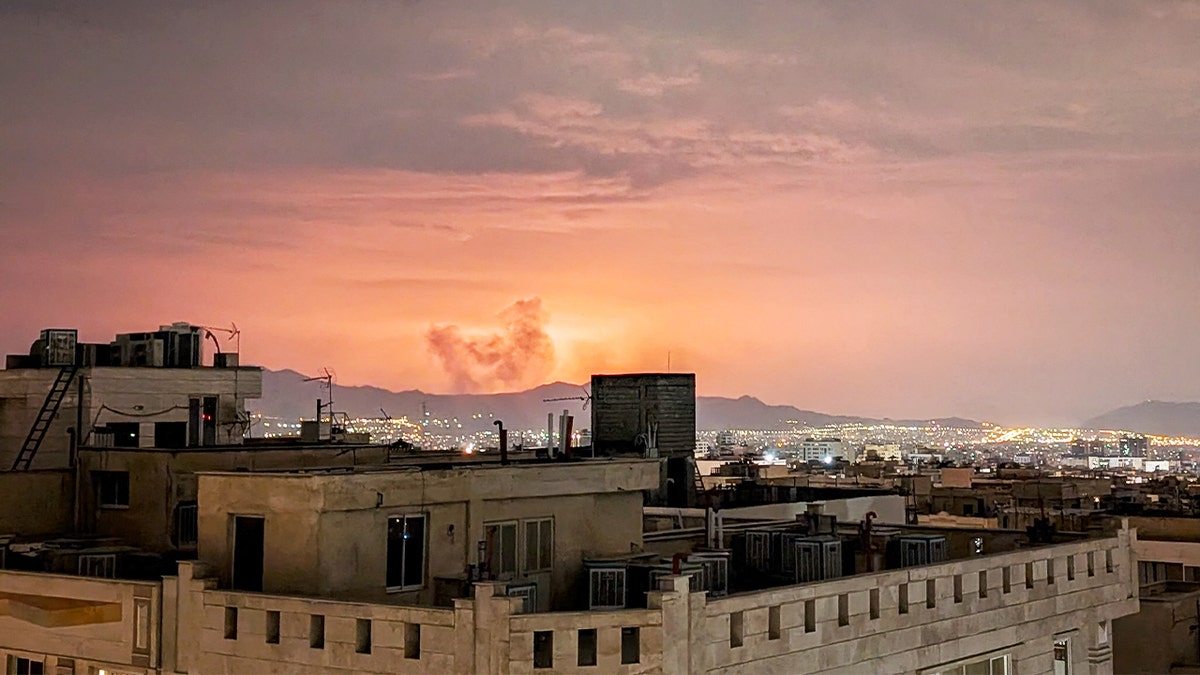
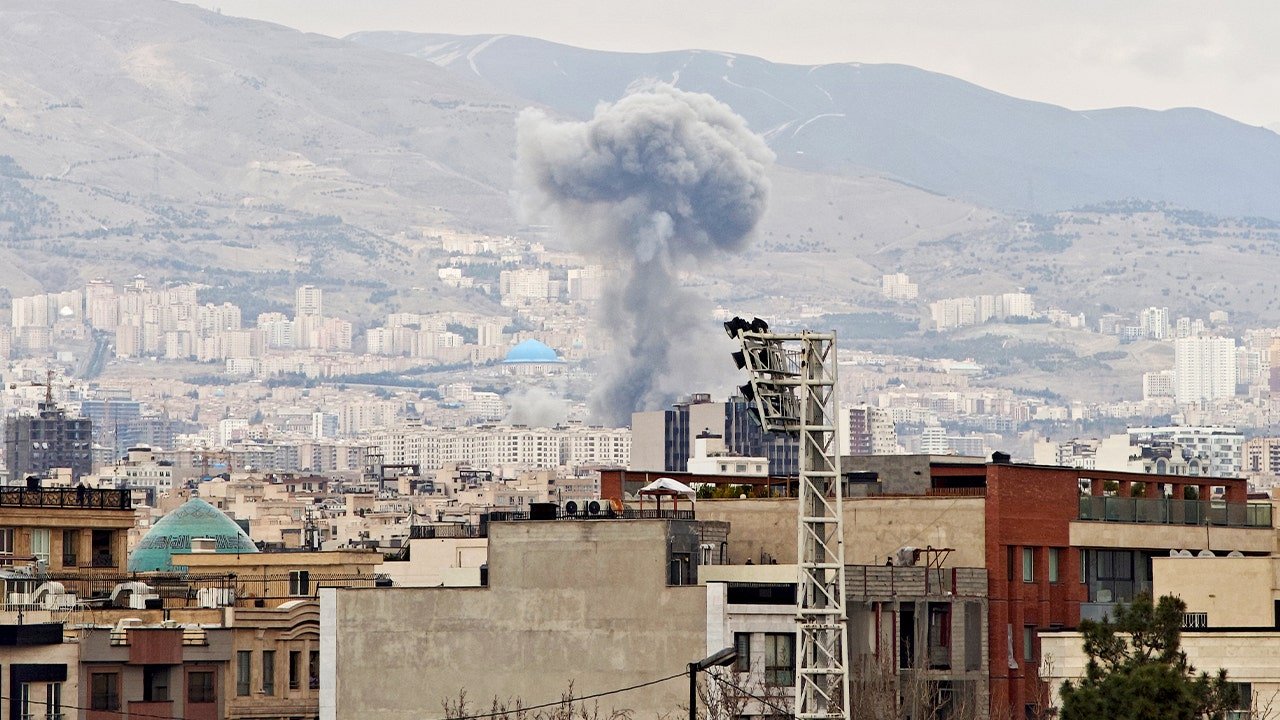
Plumes of smoke rise following reported explosions in Tehran, Iran, on March 2, 2026. (Sohrab/Middle East Images/AFP via Getty Images)
Behnam Taleblu, senior director of the Iran Program at the Foundation for Defense of Democracies, argued that mounting pressure does not necessarily make the regime more willing to compromise.
TRUMP SAYS IRAN IS ‘NEGOTIATING ON FUMES,’ BELIEVES REGIME THOUGHT THEY COULD OUTWAIT HIM
«The more desperate the regime becomes, the more aggressive the regime becomes,» Taleblu told Fox News Digital.
He also questioned whether strikes on bridges, power plants and other infrastructure would fundamentally alter Iran’s decision-making, arguing that the regime is primarily concerned with threats to its own hold on power.
«Until those making the key national security decisions, those enforcing the key national security decisions, and those enforcing the regime’s longest war, which is on its own people, so long as those three are not targeted, we’ll be back where we started,» he said.
Eisenstadt argued that Iran may ultimately believe it can absorb sanctions, withstand military pressure and simply wait for political pressures inside the U.S. to grow.
«I think they believe that time is on their side, given domestic criticism of the war and its economic impacts in the United States,» he said.
Trump’s lates strike threats came days after an Iranian drone brought down a U.S. Apache helicopter operating near the Strait of Hormuz, triggering retaliatory U.S. strikes on Iranian radar and air-defense sites and threatening to unravel an already fragile ceasefire.
The administration’s goal has long been that sustained military and economic pressure would eventually force Iran to make concessions that months of negotiations alone have failed to produce. Trump and his advisors have repeatedly argued that sanctions, military operations and the U.S.-led blockade of the Strait of Hormuz, which has cut off the pathway for roughly 80% of Iran’s oil exports, have left Iran increasingly isolated and economically vulnerable.
Iranian officials publicly rejected the notion that expanding the target set would force Iran to bend.
Iranian President Masoud Pezeshkian called Trump’s threat to strike power plants and transportation infrastructure a «sign of desperation.»
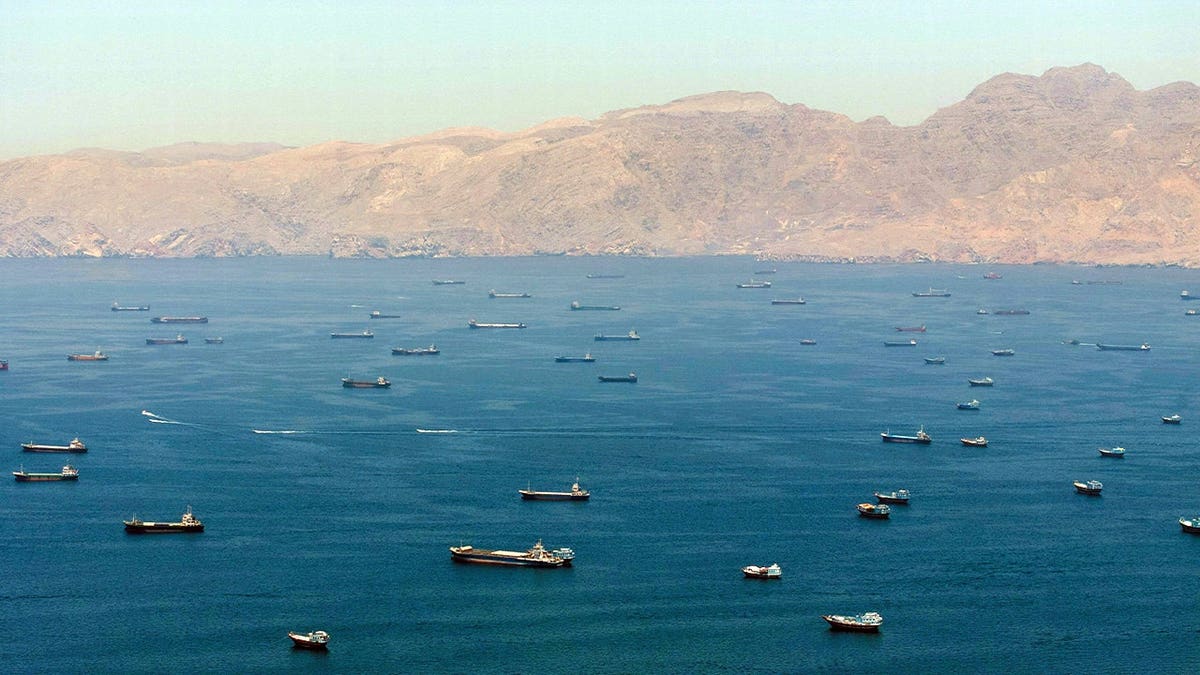
A drone view shows vessels anchored at the Strait of Hormuz, as seen from Musandam, Oman, May 25, 2026. (Stringer TPX IMAGES OF THE DAY via Reuters)
«Critical infrastructures are the lifeblood of the people,» Pezeshkian said in a post on X.
Trump has repeatedly rejected the notion that Iran can wait out his administration.
CLICK HERE TO DOWNLOAD THE FOX NEWS APP
«They thought they were going to out-wait me, you know. ‘We’ll out-wait him. He’s got the midterms.’ I don’t care about the midterms,» Trump said during a Cabinet meeting on May 27.
Despite Trump’s repeated assertions that a deal is near, negotiators remain divided over several core issues, including uranium enrichment, sanctions relief and the future of Iran’s stockpile of highly enriched uranium. Iranian officials have acknowledged progress on some elements of a potential agreement while warning that significant obstacles remain.
Whether the latest round of strikes changes Iran’s calculations may determine whether Trump’s strategy of military pressure succeeds in producing the agreement he insists remains within reach.
war with iran, iran, sanctions, middle east foreign policy, donald trump
INTERNACIONAL
Duro discurso del Papa en las Canarias: “Europa no puede acostumbrarse a que el Mediterráneo y el Atlántico sean cementerios sin lápidas”
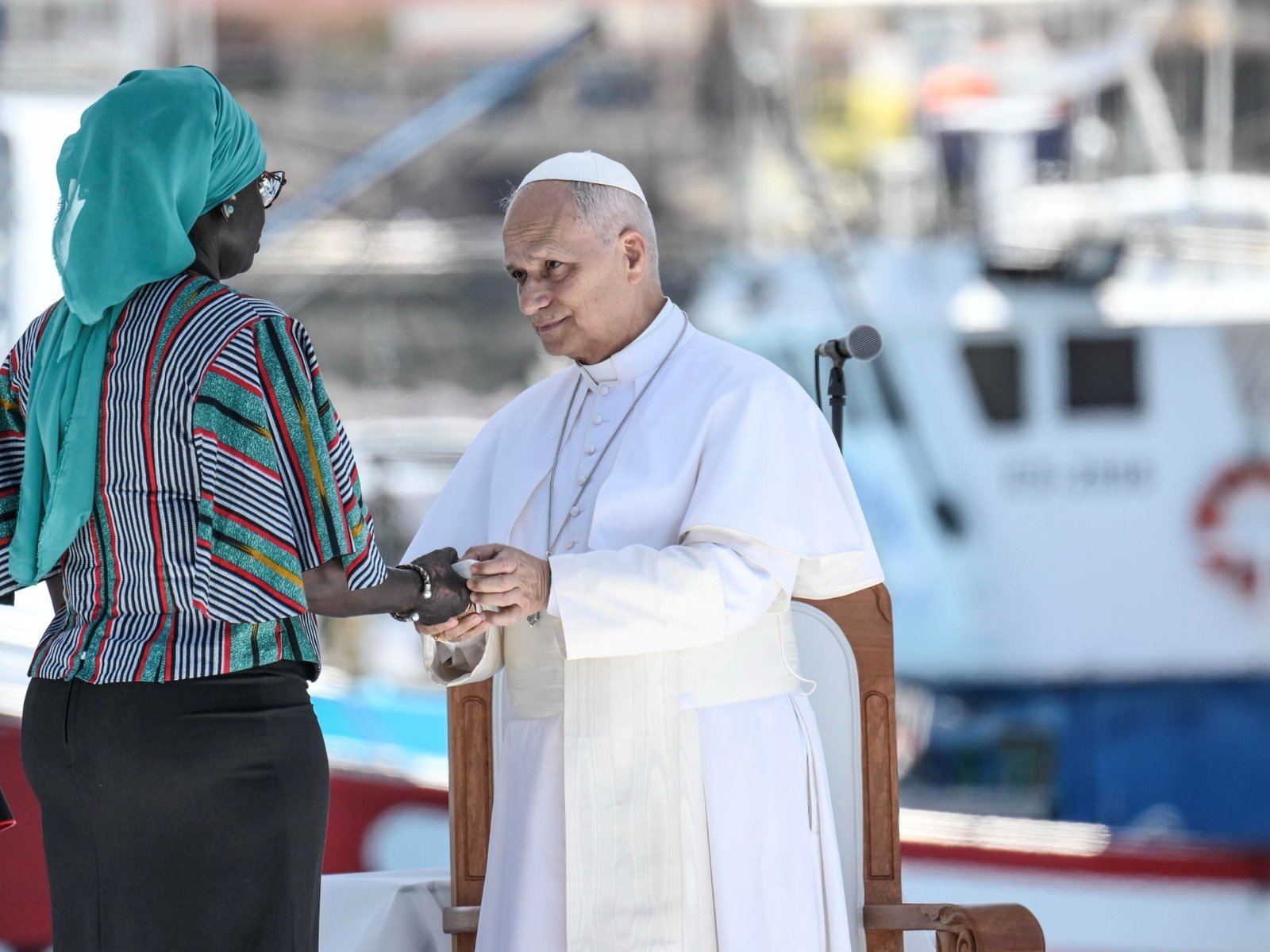


Inside Tehran: Iranians describe IRGC’s brutal rule, poverty — ask Trump to ‘stay the course’

Fue la novia de Leonardo DiCaprio y ahora quiere tener un encuentro íntimo con Lionel Messi: “Estoy tratando de entrar al vestuario”

Los detalles de la declaración jurada de Adorni: su patrimonio ahora es de más de $944 millones

La inflación se desaceleró en mayo y fue del 2,1%: qué espera la City para los próximos meses

Ander Herrera rescindió su contrato con Boca Juniors, tras no ser tomado en cuenta por Arruabarrena

La oposición a Kicillof consiguió quorum para debatir por IOMA, pero no llegó a dos tercios y la sesión se cayó

Victoria Villarruel envió una corona de flores al funeral del Indio Solari y buscó diferenciarse del Gobierno

Reforma laboral: qué cambia para los trabajadores con la revisión de más de 100 convenios colectivos vencidos

La advertencia del economista más escuchado por Milei: «Si Argentina tiene éxito, va a ser cara»

Manuel Adorni y su esposa decidieron acogerse al régimen de “inocencia fiscal” aunque aseguran que no declararán dólares

 ECONOMIA1 día ago
La advertencia del economista más escuchado por Milei: «Si Argentina tiene éxito, va a ser cara»
- POLITICA1 día ago
Manuel Adorni y su esposa decidieron acogerse al régimen de “inocencia fiscal” aunque aseguran que no declararán dólares
- ECONOMIA3 días ago
El salario mínimo vale menos que en 2001 y debería triplicarse para recuperar su poder de compra original