INTERNACIONAL
Trump’s $300B Iran investment fund may be ‘close to impossible’ due to IRGC sanctions law, expert warns

NEWYou can now listen to Fox News articles!
A proposed $300 billion investment fund for Iran included in the U.S.–Iran memorandum of understanding may face major legal obstacles under existing U.S. sanctions law, raising questions about whether the plan is workable even if both sides move toward a final agreement.
The memorandum, digitally signed Wednesday by President Donald Trump and Iranian President Masoud Pezeshkian, is aimed at ending the war and restoring traffic through the Strait of Hormuz. As part of the 14-point plan, the U.S. agreed to lift sanctions on Iran, allow Tehran to increase its oil revenue and regain access to parts of the international banking system, among other measures.
But one of the most ambitious parts of the framework — a proposed $300 billion private investment fund for Iran’s reconstruction and development — may collide with a longstanding U.S. determination that Iran’s construction sector is controlled directly or indirectly by the Islamic Revolutionary Guard Corps.
The issue is not just technical. It goes to whether one of the central economic promises of the Trump-Iran framework can realistically be executed under current U.S. law. If the $300 billion fund depends on investment in sectors Washington has already identified as IRGC-controlled, experts say the administration may be forced to rely on temporary waivers or new licenses — a legal structure that could make long-term investors wary and complicate any final deal.
TOP SENATE REPUBLICAN RIPS INTO TRUMP’S IRAN DEAL, SAYS $300 BILLION MAKES OBAMA DEAL LOOK LIKE ‘A PITTANCE’
A proposed $300 billion investment fund for Iran included in the U.S.–Iran memorandum of understanding may face major legal obstacles under existing U.S. sanctions law. (Mandel NGAN / AFP via Getty Images)
The State Department formally determined in 2020, and again in May 2025, that Iran’s construction sector was controlled directly or indirectly by the Islamic Revolutionary Guard Corps. Under the Iran Freedom and Counter-Proliferation Act, known as IFCA, that finding creates sanctions risks for people or companies doing business in the sector.
Miad Maleki, a senior fellow at the Foundation for Defense of Democracies and a former Treasury Office of Foreign Assets Control executive, told Fox News Digital that the legal and sanctions-related problems surrounding the fund are more complicated than simply asking whether Congress would have to approve it.
«I think Congress is unavoidable for a durable version of that investment,» Maleki said. «If we have a final deal and now as part of this commitment, the U.S. government and allies are going to have to go in and help Iran to set up this fund or get access to such a fund.»
Maleki said the president has meaningful unilateral authority to begin easing restrictions. Trump could revoke relevant executive orders, direct the Treasury Department’s Office of Foreign Assets Control to issue general licenses and waive some congressional sanctions laws.
But he said that does not mean the fund would be durable enough to attract serious investors.
«Technically, the fund could be switched on through some kind of an executive action plan alone, but it would be on paper and it would have to be renewed every 180 days,» Maleki said, referring to waivers for mandatory sanctions tied to Iran’s construction sector.
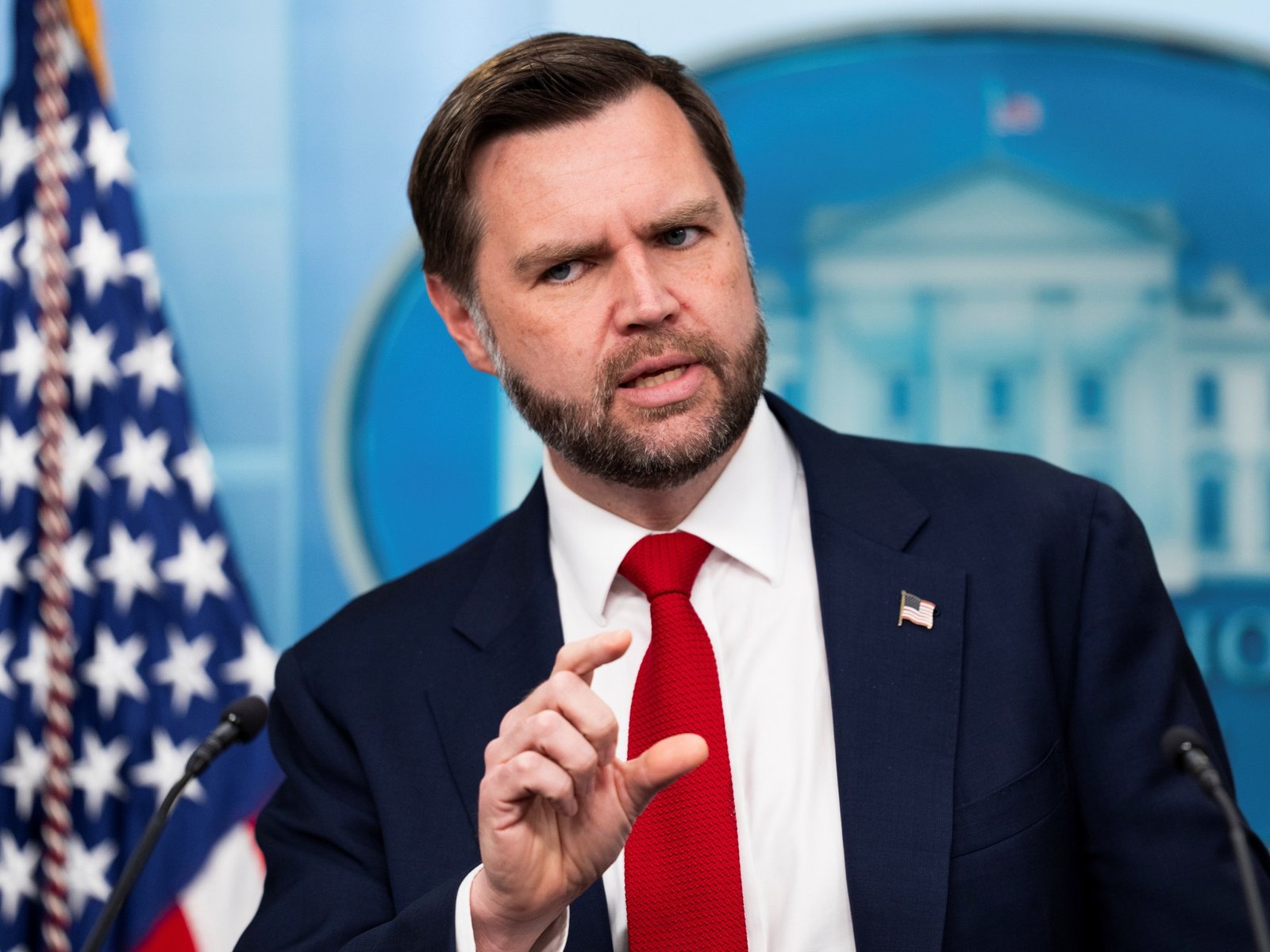
JD VANCE REVEALS DETAILS OF US-IRAN DEAL, ADDRESSES WHETHER TAXPAYER MONEY WILL GO TO TEHRAN

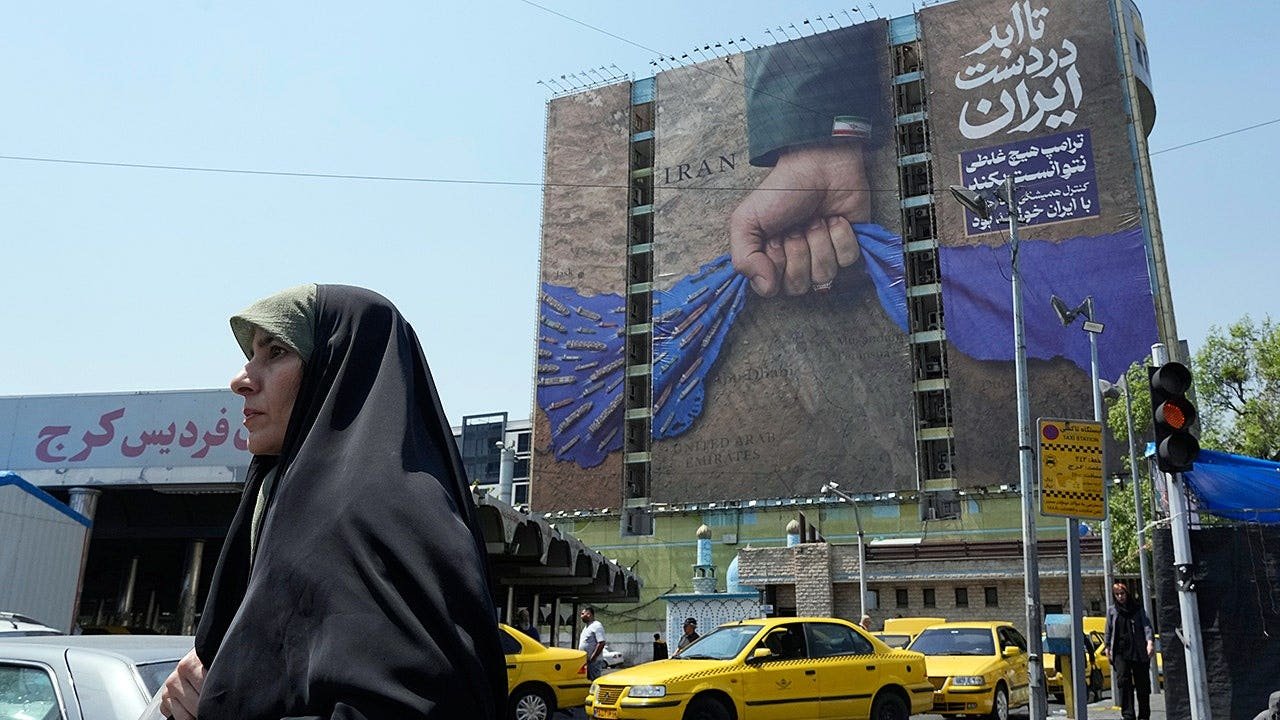
An Iranian police officer stands on patrol near a poster depicting Iranian soldiers holding a net shaped like the Strait of Hormuz with U.S. military aircraft ensnared in Tehran, Iran, on May 9, 2026. (Majid Saeedi/Getty Images)
«If you’re anyone who is in an investment-type business, it’s hard to find someone who would be investing in construction-type projects that take time,» he added. «These projects are not like 180-day projects.»
The concern, Maleki said, is especially acute in Iran, where investors would face sanctions uncertainty, political risk and an unreliable partner.
«It’s hard to find someone who would be investing … based on something that could not just be renewed if Iran, especially in the context of Iran, where you don’t really have a reliable partner, where things can blow up any minute,» he said.
TRUMP’S IRAN DEAL ‘GIVING A LOT MORE TO GET A LOT LESS’ THAN OBAMA’S, SENATOR SAYS
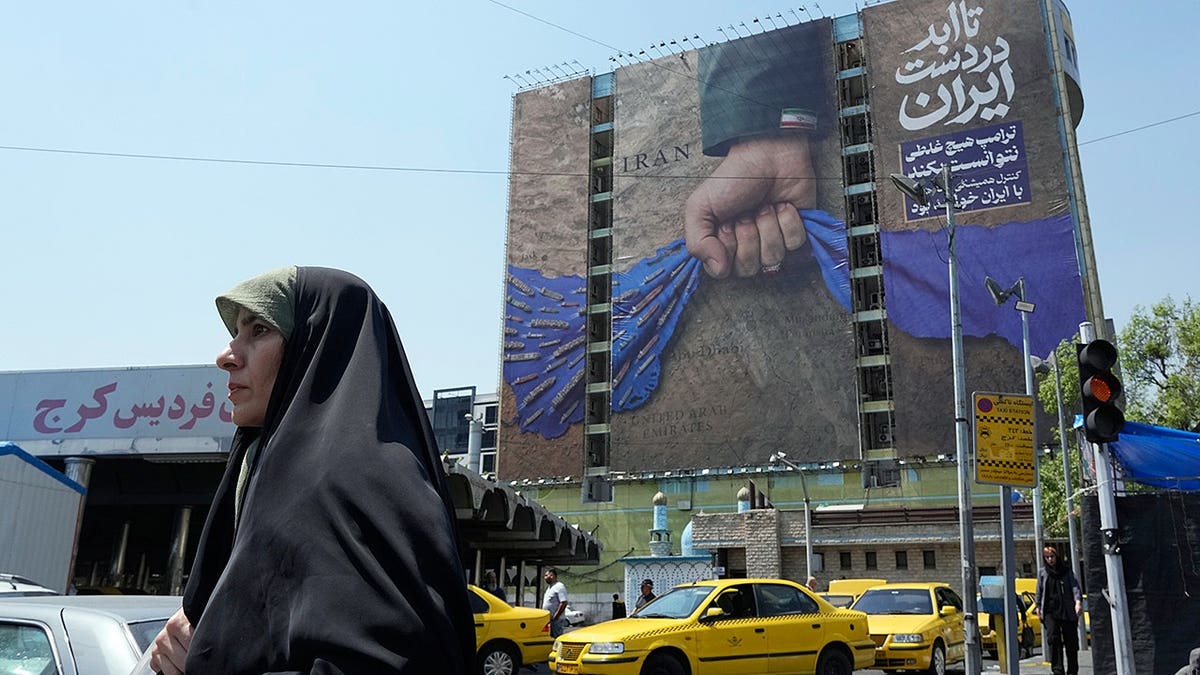
A woman walks past a billboard showing a military hand holding the Strait of Hormuz with Farsi text which reads, «In Iran’s hands forever,» «Trump couldn’t do a damn thing,» «The control of Strait of Hormuz will be Iran’s forever,» in Vanak Square, in northern Tehran, Iran, on April 16, 2026. (Vahid Salemi/AP)
That structure raises a broader question about whether negotiators were truly expecting the memorandum to mature into a final, durable agreement.
«The more I’ve been digging into this memorandum of understanding, sanctions paragraphs of this memorandum, the more I have come to this kind of doubt that the negotiators really were counting on a final deal to be reached,» Maleki said.
«If you do get to a final agreement and you’re looking into actually meeting the commitments that you made, this $300 billion investment fund, it’s not something you can really set up,» he added. «I think it would be almost close to impossible to get something that would materialize.»
READ IT: THE FULL TEXT OF THE US-IRAN MEMORANDUM OF UNDERSTANDING:

Iranians burn American flags during an anti-U.S. demonstration outside the former U.S. embassy headquarters in Tehran, Iran, on May 9, 2018, after President Donald Trump withdrew from the 2015 Iran nuclear deal. (Photographer: Ali Mohammadi/Bloomberg via Getty Images)
Maleki said one possible explanation is that the U.S. side may view its role as limited to providing sanctions relief, while leaving Iran and potential investors to sort out whether the fund can actually be built.
«We’re going to give them the waivers that they need. If they can’t find investors to invest in this, that’s their problem,» he said, describing one possible view of the negotiators’ approach.
The Treasury Department and the Iranian mission to the U.N. did not immediately respond to Fox News Digital’s request for comment.
The issue could become a congressional flashpoint. Because IFCA waivers are limited to 180 days and require justification to Congress, any long-term investment framework for Iran could force the administration to repeatedly defend why sanctions tied to an IRGC-controlled sector should be suspended.
The legal obstacles also come as critics warn the pact gives Iran major economic benefits while leaving some of the most difficult nuclear and security questions for future negotiations. Maleki said the U.S. had already built significant leverage over Iran through sanctions, military pressure and the blockade, but may now be trading that leverage for the reopening of Hormuz.
«We reached a point that we had leverage that no U.S. president has ever had with Iran,» Maleki said. «Yet we gave that away for this, for the opening of the Strait of Hormuz.»
He argued that Iran is likely to use the process to delay rather than rush toward a final agreement.
«Iran is going to go back to its playbook of dragging, buying time with the sanctions relief-type incentives that I’m seeing in this package,» Maleki said. «I do not think that the Iranian regime is going to rush to get to a deal.»
CLICK HERE TO DOWNLOAD THE FOX NEWS APP
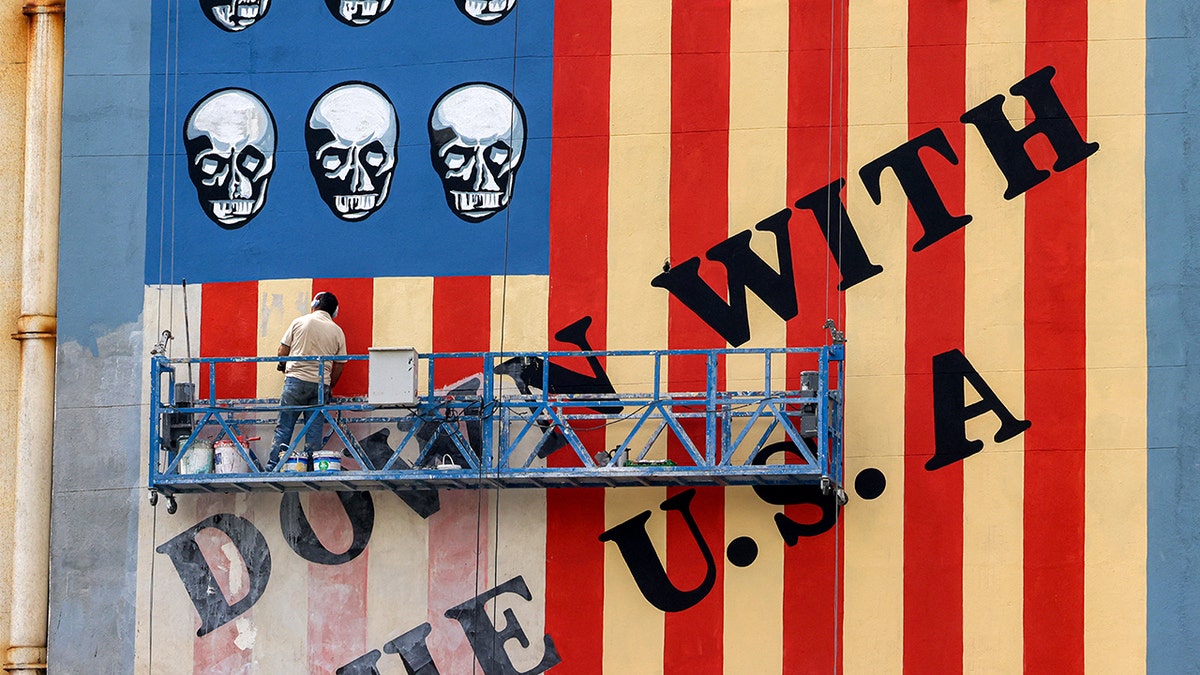
A man applies fresh paint to an anti-U.S. mural on a building wall on Karim Khan Zand Avenue in Tehran on April 8, 2025. The mural features the slogan «Down with the USA» and skulls replacing stars on the U.S. flag. (Atta Kenare/AFP)
John Hannah, a senior fellow at the Jewish Institute for National Security of America and a former national security adviser to Vice President Dick Cheney, warned that any economic windfall from the agreement could help the IRGC rebuild.
«It’s almost certain that the IRGC will use any economic windfall granted by this MOU to reconstitute as much of their conventional military as possible as fast as possible — especially the vast missile and drone arsenal that the IRGC believes proved critical to the strategic successes they achieved during the war,» Hannah told Fox News Digital.
investment, congress, war with iran, iran, sanctions









INTERNACIONAL
Walz approval rating craters to lowest level ever and trails Trump amid massive fraud scandal: ‘Tired of it’
Expect to see ‘real accountability’ in alleged Minnesota fraud investigation, Rep James Comer
Rep. James Comer, Chairman of the House Oversight Committee, reveals that Minnesota state leaders, including Governor Tim Walz and Attorney General Keith Ellison, ignored whistleblower warnings and allowed $300 million in federal nutrition fraud. Comer emphasizes that the decision was driven by political reasons to avoid accusations of racism, leading to unchecked fraud and retaliation against those who spoke up.
NEWYou can now listen to Fox News articles!
Minnesota Gov. Tim Walz’s approval rating in his state has plummeted to a level below President Donald Trump as the state’s top executive continues to face blowback from the massive fraud scandal that erupted under his watch.
Walz, who is leaving office in January after announcing he will not run for re-election, has an approval rating of 39% in the state and a disapproval rating of 53% with 8% not sure, according to a new poll conducted by Mason-Dixon Polling and Strategy Inc. for KARE 11, the Minnesota Star Tribune, and the University of Minnesota’s Hubbard School of Journalism and Mass Communication.
The poll surveyed 800 Minnesota registered voters likely to participate in the November general election via live telephone interviews from June 8-10, 2026 and the numbers represent Walz’s lowest approval rating since taking office six years ago.
On the fraud issue, 45% of voters say they trust Republicans to fix it compared to 38% who chose Democrats and 14% who said neither party.
FINAL WALZ FRAUD REPORT RIPS ‘CULTURE OF TOLERANCE’ AS MINNESOTA TAXPAYERS FACE BILLIONS IN ALLEGED LOSSES
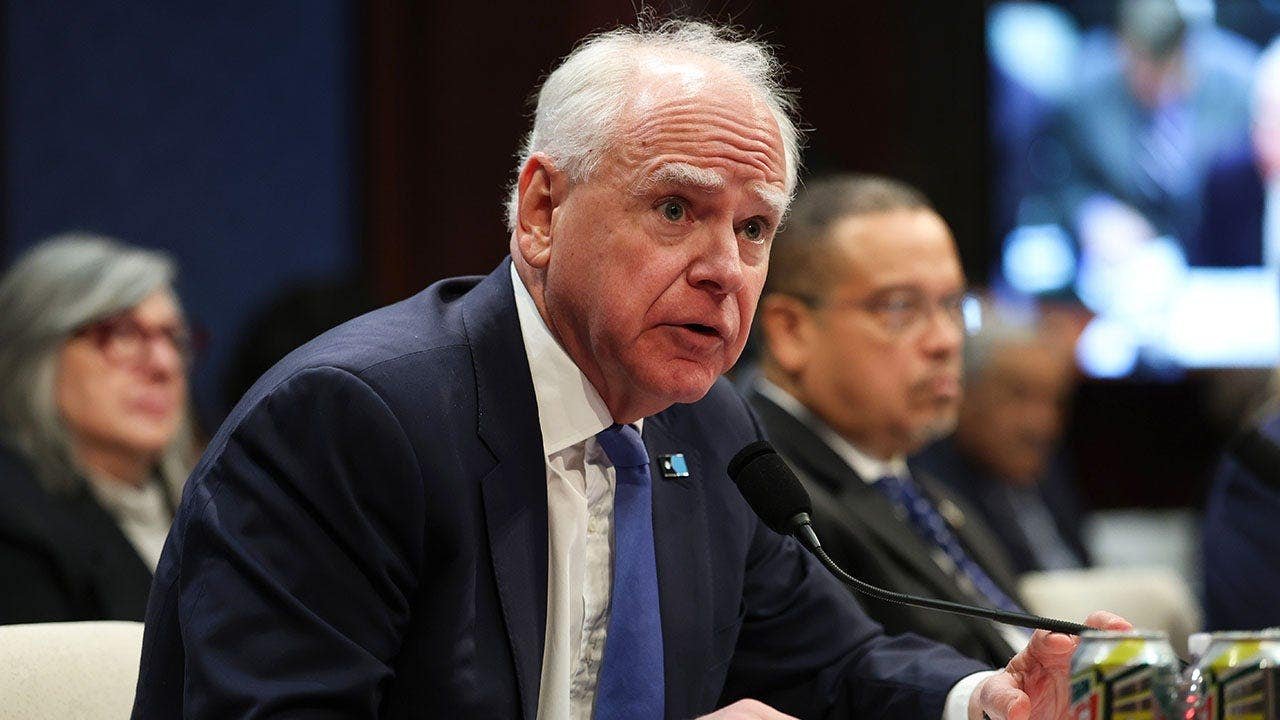
Minnesota Gov. Tim Walz testifies during a House Oversight and Government Reform Committee hearing in the U.S. Capitol in Washington, D.C., on March 4, 2026. The hearing examined alleged misuse of federal funds for Minnesota social services and Medicaid programs. (Anna Moneymaker/Getty Images)
The same polling unit registered Trump’s approval rating in the state at 41% this week, which conservatives on social media took notice of.
«Tim Walz has a lower approval rating than President Trump in deep blue Minnesota right now,» Townhall columnist Dustin Grage posted on X. «That’s how toxic the fraud has become for Democrats.»
Over the past year, the Trump administration has taken a major interest in Minnesota and unleashed its fraud task force into the state, resulting in raids, arrests and further investigations into how the fraud was able to grow so quickly in the state.
Another contentious issue revealed by the poll is Minnesota’s new state flag, supported by Walz, that 50% of voters say they disapprove of.
The state’s new flag has become a cultural and political flashpoint in a state already reeling from one of the largest fraud scandals in U.S. history, heavily involving the Somali immigrant community. The flag was approved by a 13-member commission created by the Democratic-controlled legislature in 2023. Critics of the flag say it is overly simplistic and some have even knocked it as bearing a resemblance to Somalia’s national flag.
MINNESOTA LAWMAKERS UNLOAD ON WALZ’S ‘LEGACY’ AFTER HE TOUTS FRAUD RECORD IN FINAL ADDRESS: ‘RIDICULOUS’
«Two issues that unite a majority of Minnesotans are the rejection of Tim Walz and his failed policies and our hatred for the Minnesota Somali state flag,» Republican House Majority Whip Tom Emmer, who represents Minnesota’s 6th Congressional District, told Fox News Digital. «The flag is an embarrassment and good on the cities who are actively removing it from their city halls and communities.»
«President Trump is more popular than Tim Walz in his home state because Minnesotans are sick and tired of Walz siding with illegal aliens and Somali fraudsters over his hardworking, taxpaying constituents.» he continued. «The legacy of Tim Walz will be the fires that destroyed Minneapolis, the fraud that he allowed to be stolen under his watch, and his failures that have harmed our great state.»
CLICK HERE TO DOWNLOAD THE FOX NEWS APP
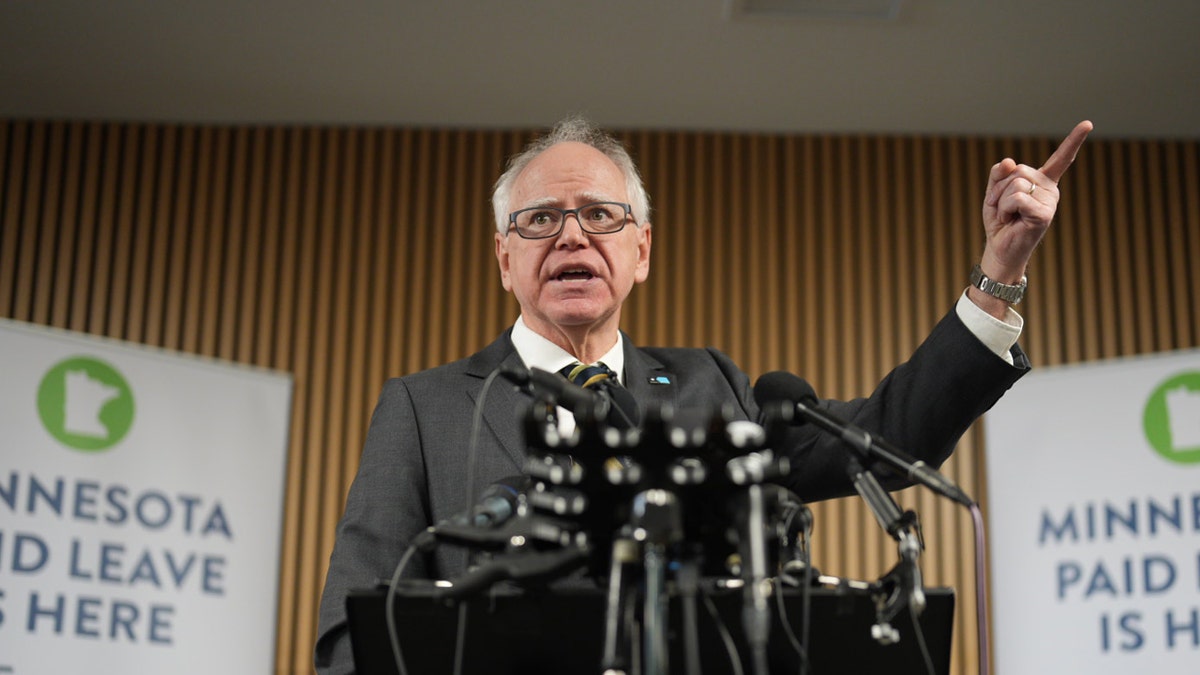
Minnesota Gov. Tim Walz speaks during a press conference about the state’s new paid family leave policy at the Coliseum Building in Minneapolis on Jan. 6, 2026. The event occurred a day after Walz announced his withdrawal from the 2026 gubernatorial race. (Photo by Alex Kormann/The Minnesota Star Tribune via Getty Images)
Fraud appears to have played a significant role in Walz’s cratering approval, which is evidenced by a 10-point drop in his support since last year as the fraud scandal has dominated headlines.
Only 1% of Republicans in the state say they approve of the job Walz is doing, along with 73% of Democrats and 32% of Independents.
«America rejected Tim Walz in 2024,» Republican Minnesota State Sen. Michael Holmstrom told Fox News Digital. «Now Minnesotans are following suit. The good news for Tim is that, now that his record is on full display, he could soon be the most popular guy in the jailhouse.»
Republican State Sen. Mark Koran told Fox News Digital that the polls «really tell you what Gov. Walz has done to himself.»
«He let his fraud crisis blow up and didn’t do anything to fix it while he was busy shoving all this radical stuff into state government,» Koran said. «After years of extreme far-left ideology and policies that don’t help normal people, Minnesotans have had enough. His legacy is going to be the fraud crisis and desecrating the state flag. Minnesota is just tired of it.»
Fox News Digital reached out to Walz’s office for comment.
Fox News Digital’s Peter Pinedo contributed to this report
somali immigrant community, minnesota, minnesota fraud exposed, polls, tim walz
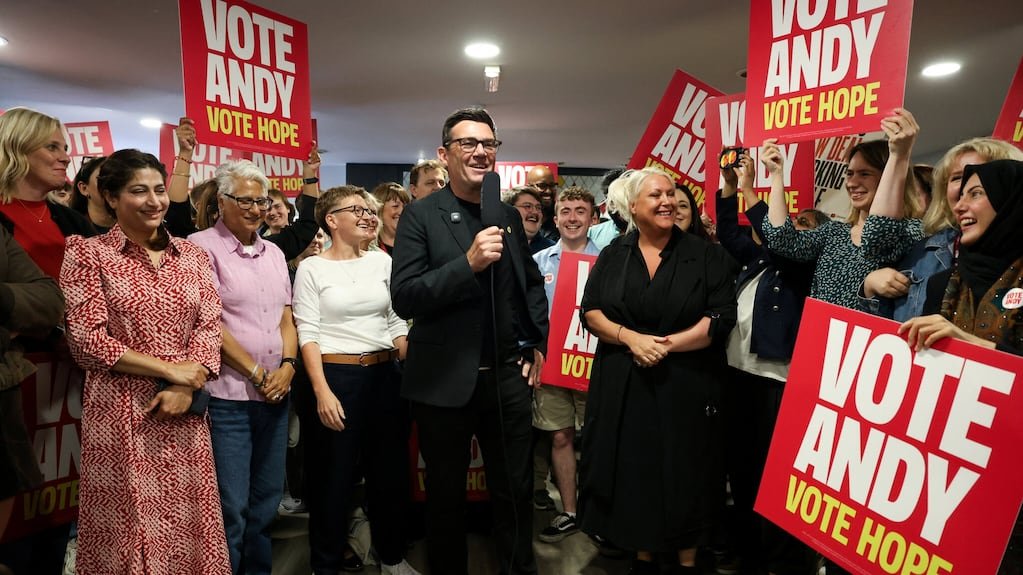
Este jueves, los votantes de Makerfield, un distrito electoral del norte de Inglaterra, acuden a las urnas para unas elecciones extraordinarias cuyo resultado podría cambiar el panorama político británico.
En ciertos aspectos, la contienda es típica, con muchos candidatos centrados en cuestiones hiperlocales, como la recolección de basura, los baches en las rutas y la financiación de los colegios.
Pero, en otros aspectos, es única. Andy Burnham, el candidato del Partido Laborista, se presenta para convertirse en diputado con el fin de poder disputar al primer ministro Keir Starmer el liderazgo del partido. Si eso ocurre, Burnham podría convertirse en el próximo primer ministro del Reino Unido.
Esto es lo que hay que saber.
¿Por qué se celebran estas elecciones en Reino Unido?
Las elecciones extraordinarias, conocidas en el Reino Unido como “by-election” (elección parcial), se convocaron después de que un diputado laborista, Josh Simons, renunciara para dejar paso a Burnham, alcalde del Gran Mánchester.
Si Burnham gana, podrá disputarle el liderazgo a Starmer, cuya popularidad se ha desplomado hasta alcanzar uno de los niveles más bajos de cualquier primer ministro en la historia moderna del Reino Unido. En las encuestas, los ciudadanos expresan su descontento con la economía, los servicios públicos, los impuestos y la inmigración, pero también manifiestan un rechazo visceral hacia el propio primer ministro.
Starmer ha logrado avances a la hora de abordar algunos problemas, pero no los suficientes para hacer cambiar la opinión pública. Burnham, un comunicador más carismático y el político más popular del Partido Laborista, es considerado dentro del partido como su mejor esperanza para recuperar votantes.
En Makerfield, el Partido Laborista se enfrenta a una competencia especial por parte de Reform UK (Reformar Reino Unido), el partido populista de derecha. Las encuestas fiables son escasas, pero los conocedores de la situación creen que el resultado podría estar reñido.
El primer ministro británico Keir Starmer. (Foto: Isabel Infantes/REUTERS)
¿Quién es Andy Burnham y qué defiende?
Burnham, de 56 años, nació en las afueras de Liverpool y creció en Culcheth, no muy lejos de Makerfield. Sus raíces del norte han marcado su trayectoria política, y lleva mucho tiempo quejándose de que Westminster y los medios de comunicación están demasiado centrados en Londres.
El periodo más largo de su carrera lo pasó como miembro del Parlamento por Leigh, en el Gran Mánchester, desde 2001 hasta 2017. Como legislador, Burnham ascendió con velocidad, llegó a ser secretario de Cultura y, más tarde, secretario de Salud bajo el mandato del primer ministro Gordon Brown.
Intentó en dos ocasiones convertirse en líder del Partido Laborista, en 2010 y en 2015, cuando partía como claro favorito, pero perdió frente a Jeremy Corbyn, de tendencia más a la izquierda. Desencantado con Westminster, Burnham abandonó el Parlamento y ganó las elecciones a la alcaldía del Gran Mánchester. En 2021, volvió a ganar con un porcentaje de votos aún mayor.
Leé también: Reino Unido: renunció un miembro del gabinete de Keir Starmer y se agravó la crisis en el gobierno laborista
Los casi diez años de Burnham como alcalde coincidieron con un periodo de crecimiento económico en Mánchester. Se ganó el reconocimiento de los vecinos durante la pandemia del covid, cuando pronunció un discurso en el que criticó con dureza al gobierno conservador por los efectos de los confinamientos en su región. Volvió a nacionalizar los autobuses de la ciudad, e hizo que algunos trayectos fueran gratuitos.
A lo largo de este tiempo, transformó su identidad política en la de un outsider frente al gobierno de Londres. Y se ganó la reputación de ser una persona que habla sin rodeos y que entiende las necesidades de la clase trabajadora. Sus detractores han señalado que tiene poca experiencia en política exterior, lo que, según ellos, podría suponer un punto débil para un futuro primer ministro en un mundo que se enfrenta a guerras prolongadas y tensiones geopolíticas.
¿Qué dirán los resultados sobre la derecha británica?
En mayo, el partido Reform UK, liderado por Nigel Farage, ganó 24 de los 25 escaños del consejo municipal en disputa en la zona de Makerfield, que había estado dominada por el Partido Laborista durante décadas. Las elecciones del jueves brindan a Farage otra oportunidad de demostrar que los votantes apoyan su programa antiinmigración, antieuropeísta y con una agenda contraria al objetivo de cero emisiones netas.
Si gana el candidato de Reform, Rob Kenyon, podría decirse que representaría una de las mayores victorias de Farage desde su campaña para el referéndum del Brexit de 2016, que sacó al Reino Unido de la Unión Europea.
Pero un partido de extrema derecha emergente llamado Restore Britain (Restaurar Reino Unido) también se presenta en Makerfield, y ha recibido el apoyo en internet de Elon Musk. Si eso divide el voto de la derecha entre Restore y Reform, podría beneficiar a Burnham. (Según el sistema electoral británico de mayoría simple, los ganadores solo necesitan un voto más que cualquier otro candidato).
Una derrota supondría un duro golpe para Reform, lo que pondría en duda su capacidad para presentar candidatos de calidad y para dar respuesta a las preguntas sobre su dependencia de unos pocos donantes acaudalados. El mes pasado se reveló que Farage había aceptado un regalo por valor de 5 millones de libras (unos 6,7 millones de dólares) de un multimillonario británico del sector de las criptomonedas radicado en Tailandia.
¿Podría Keir Starmer realmente verse relevado de su cargo?
Sí, aunque no está claro qué tan rápido. Burnham ha dicho que, si gana, se presentaría a cualquier contienda por el liderazgo contra Starmer.
También podrían presentarse otros candidatos, entre ellos Wes Streeting, que dimitió el mes pasado como secretario de Salud de Starmer.
El primer ministro ha dicho varias veces en las últimas semanas que se enfrentaría a cualquier desafío.
Muchos diputados laboristas esperan que, si gana Burnham, Starmer acepte un calendario en el que permanezca en el cargo durante unas semanas o meses para garantizar la estabilidad, al tiempo que se celebra la contienda por el liderazgo. Un nuevo líder laborista –y primer ministro– podría tomar posesión en el congreso anual del partido en septiembre.
Por Michael D. Shear
The New York Times, Inglaterra, Keir Starmer

Una estrella de la NFL rindió homenaje a Lionel Messi con una cabra en el Mundial

El boom de Vaca Muerta pone en jaque a Añelo: la ciudad creció un 142% y la infraestructura no alcanza

Cómo funcionará el plan para refinanciar deudas en mora que aprobó la Legislatura porteña: tasas, plazos y requisitos

Ataque a los Titanes regresa de la mano de MAPPA, aunque no exactamente como teníamos pensado

Milei desayunó con Adorni en Olivos, en un nuevo gesto de apoyo ante los avances de la Justicia y el Congreso

Si pasás muchas horas sentado, prestá atención a esta señal que da el cuerpo y muchos ignoran

Patricia Bullrich: “El Presidente considera que Adorni dio una explicación razonable”

El Gobierno envía señales de que Adorni tiene las horas contadas para evitar que sesione el Senado

La secuencia del golazo de Messi para Argentina ante Argelia en el debut en el Mundial 2026 y los récords que rompió

El Gobierno modificará por decreto el sistema de selección de jueces de la Corte Suprema de Justicia

 POLITICA2 días ago
Patricia Bullrich: “El Presidente considera que Adorni dio una explicación razonable”
- POLITICA2 días ago
El Gobierno envía señales de que Adorni tiene las horas contadas para evitar que sesione el Senado
- DEPORTE3 días ago
La secuencia del golazo de Messi para Argentina ante Argelia en el debut en el Mundial 2026 y los récords que rompió