INTERNACIONAL
Harvard astronomer tapped to lead White House UFO council says US government ‘baffled by what they are seeing’

Astrophysicist Avi Loeb explains government secrecy on UAPs
Astrophysicist Avi Loeb, lead advisor to the new Trump-era UAP Governance Board, discusses why the government previously maintained secrecy regarding unidentified aerial phenomena. Loeb explains that some objects are unidentified and could pose national security risks from adversarial nations. He advocates for transparency, noting his council seeks to collect unclassified data to better understand these UAPs and potentially make groundbreaking discoveries.
NEWYou can now listen to Fox News articles!
Avi Loeb, the Harvard astronomer who was chosen last month by the White House to lead a UFO advisory council, believes he was brought on because federal officials are «baffled» by the many unidentified objects the U.S. military has captured over the past several decades.
Loeb, known for arguing that alien spacecraft may have already reached Earth, said his newly-formed team of more than a dozen scientists is combing through four batches of public UFO sighting disclosures released by the Trump administration in recent months.
His mission began in early June when an official from the Office of the Director of National Intelligence (ODNI) visited his home and asked him to form a group of experts to make sense of UFOs — now referred to by the U.S. government as unidentified anomalous phenomena (UAP). This is an umbrella term that accounts for objects seen zipping underwater and in space.
«The U.S. government had me at hello,» Loeb told Fox News Digital in an interview on Saturday. «The fact that they are reaching out to scientists like myself indicates, in my mind, that they are baffled by what they are seeing, and they think that maybe it’s not human-made.»
NASA CHIEF CONFIRMS AGENCY HAS UNEXPLAINED UFO IMAGERY: ‘WE DON’T KNOW WHAT IT IS’
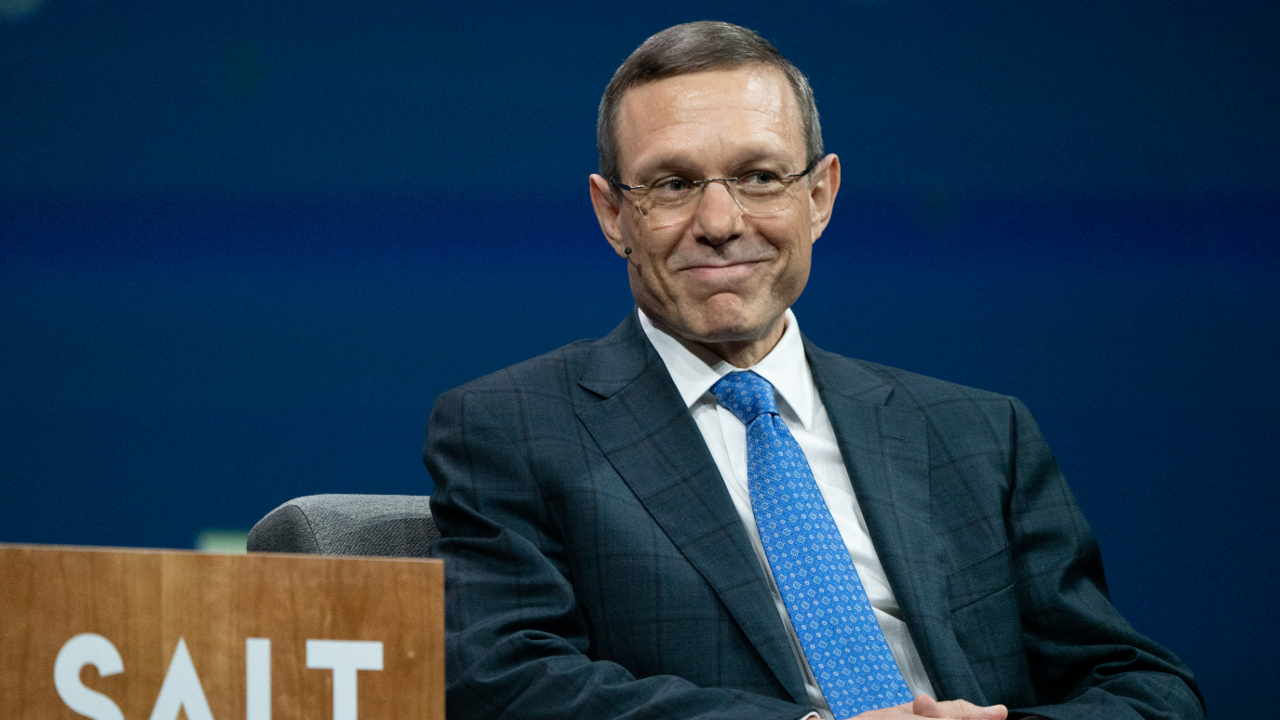
Avi Loeb speaks during the SALT conference in Manhattan, New York City, on September 14, 2022. (David ‘Dee’ Delgado)
Loeb’s council will report its findings to the UAP Governing Board, a recently-established body under the direction of ODNI.
According to the council’s website, Loeb and his colleagues will only be reviewing already-declassified materials on UAPs.
However, Loeb told Fox News Digital that he has asked the Pentagon and other agencies for 50 videos, images and other documents related to known UAP incidents. Those materials haven’t been given to him yet, with the custodian agencies citing national security concerns.
«It’s not so much the targets that are the issue. It’s that the sensors that were used were for national security purposes. The U.S. government doesn’t want to reveal to adversarial nations the kind of sensors being used. So that’s the main obstacle right now,» Loeb said.
A satellite image shows a UFO spaceship at night amid an FBI investigation and alien evidence near Area 51, capturing a flying saucer and galaxy survey of a mysterious object in the sky. (Getty Images Creatives)
NEIL DEGRASSE TYSON DARES GOVERNMENT TO ‘JUST SHOW THE ALIEN,’ AS DISCLOSURE FERVOR CONTINUES TO GROW
Loeb’s goal is to figure out whether UAPs that have been captured by the U.S. military originate from other nations or if they don’t come from humans at all.
«In the second case, if it’s not human-made, then that’s the biggest discovery ever made by science, and the U.S. government has the privilege of ushering in this new realization that we have a neighbor visiting us,» Loeb said.
Loeb sought to temper expectations, saying that many of the phenomena they are studying could turn out to be mundane. Often, he said, the strange-looking objects people see in the sky are merely space junk or broken satellites.
«Unless they maneuver in ways that cannot be explained by gravity, you should assume that they are space junk,» Loeb said.
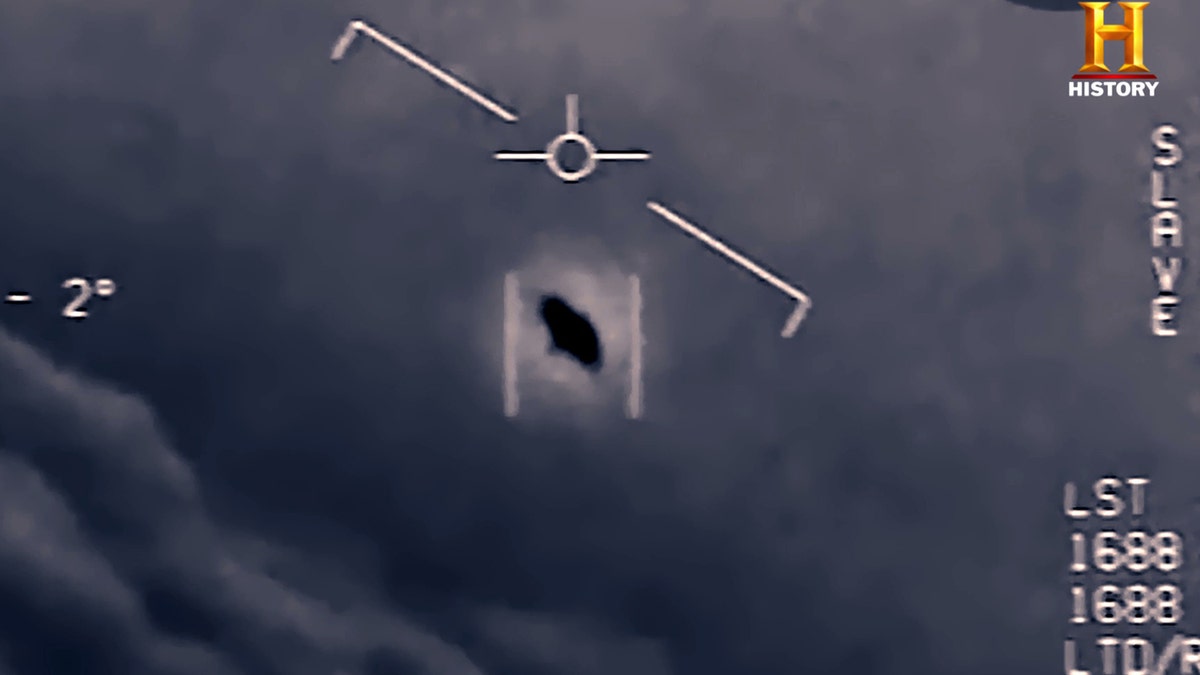
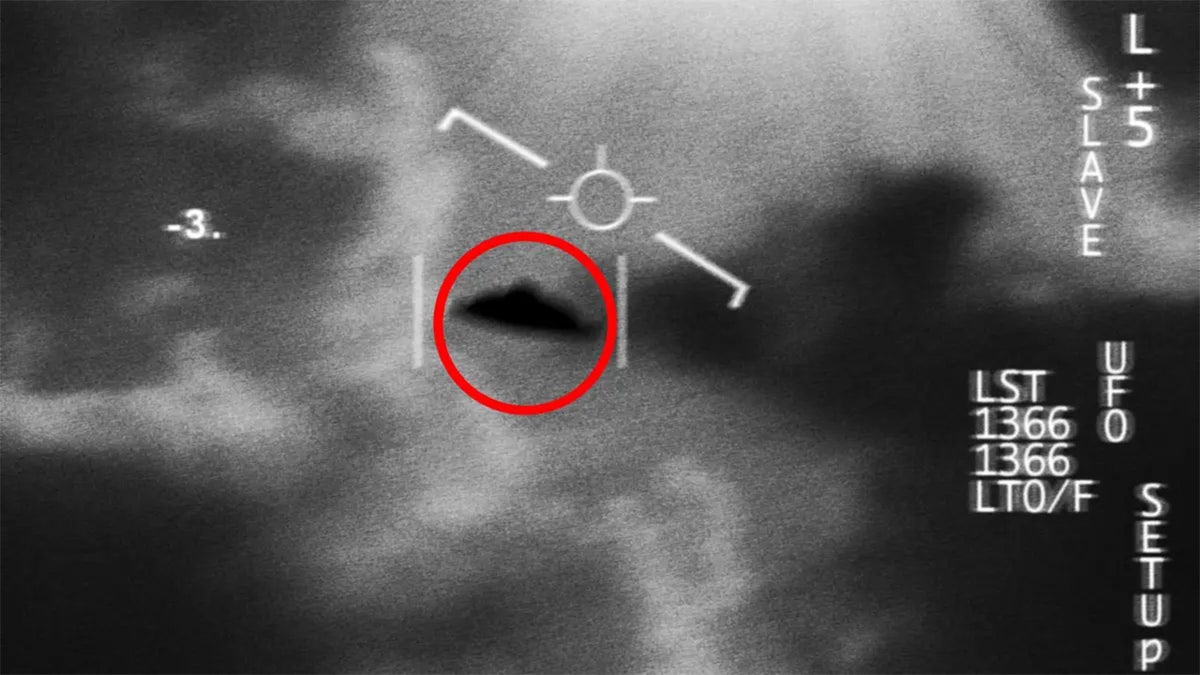
In 2014 and 2015, pilots with the U.S. Navy reported multiple UFO sightings during training maneuvers.
DECLASSIFIED APOLLO MISSION UFO FILES CHALLENGE LONG-RUNNING MOON LANDING CONSPIRACY THEORIES
Nonetheless, he praised the White House for its push for transparency on this issue. In February, President Donald Trump ordered the Pentagon and other agencies to declassify files related to aliens and UAPs because of «tremendous interest.»
One of the most important aims of Loeb’s council is to recommend better sensors so that the government can capture UAPs with more confidence in the future.
«If we are dealing with drones of some unusual qualities that the Chinese are using, it’s good for the U.S. to have better sensors that can help it identify those. Right now, they are reported as orbs. They may not be drones, but I’m saying that at the very least, we will help national security,» Loeb said.
Loeb’s remarks come after the Department of War on Friday released the fourth and latest batch of UAP materials to the public. Loeb commented on one of the most sensational releases from the first batch, which were photos from the Apollo 12 mission on the Moon in 1969.
One of the photos have five «unidentified phenomena,» but Loeb said federal authorities have now officially concluded that those blue flashes are most likely cosmic rays.
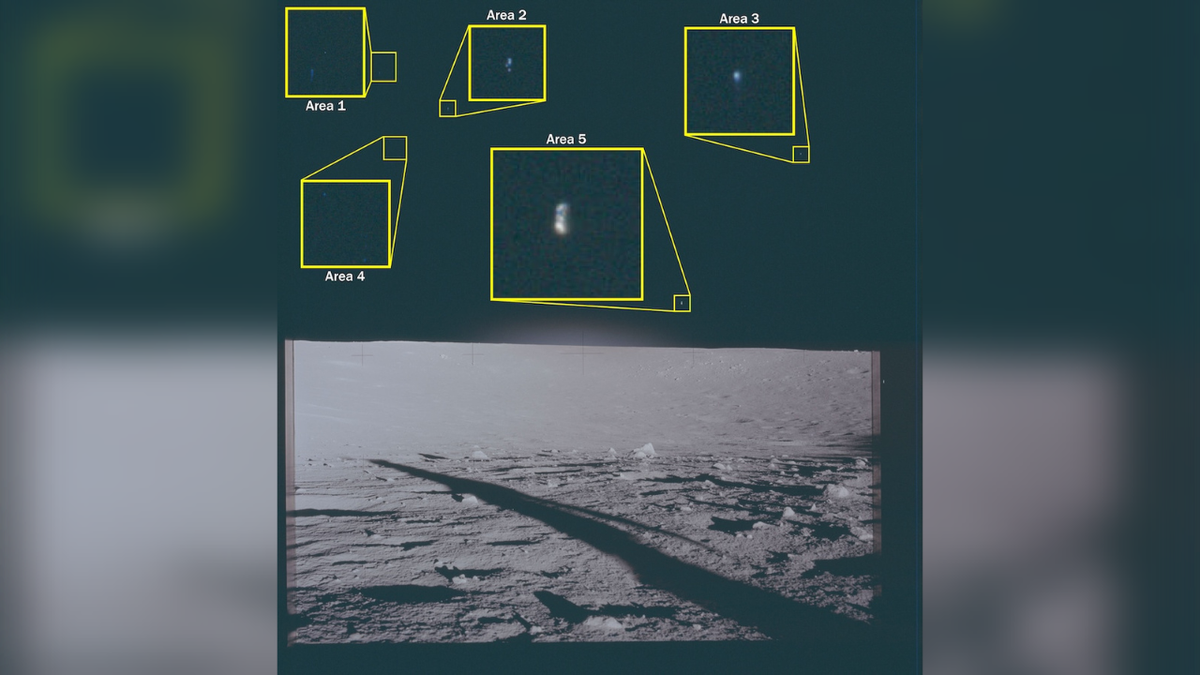
A picture of unidentified phenomena on the moon during the 1969 Apollo 12 mission. (NASA)
CLICK HERE TO DOWNLOAD THE FOX NEWS APP
Until 2020, Loeb headed up Harvard University’s astronomy department, where he studied black holes, the formation of the universe’s first stars and extraterrestrial life.
In 2017, when scientists discovered a remnant of a Pluto-like world in the Solar System, Loeb disputed those findings, arguing that the object was possibly a light sail from an alien civilization.
After this claim earned him widespread respect in the UFO community, Loeb founded the Galileo Project at Harvard to search for artifacts from extraterrestrial civilizations.
politics, air and space, national security, ufos, science











INTERNACIONAL
Donald Trump demanda a periodistas del New York Times por informar sobre supuestas fallas de su nuevo avión Air Force One

INTERNACIONAL
Trump-aligned House holdouts accused of holding ‘life-saving’ veterans bill ‘hostage’ over SAVE America Act
NEWYou can now listen to Fox News articles!
A sweeping veterans package supporters describe as the largest expansion of veterans’ health care and benefits in more than a decade is expected to return to the House floor when lawmakers come back from the July recess, but backers warn the legislation could once again become collateral damage in the Republican standoff over the SAVE America Act.
The Take Care of America’s Veterans Act rolls roughly 60 veterans bills into a package that would dramatically expand veterans’ health care and benefits. At its core, the legislation would cement veterans’ access to community care outside the VA while increasing benefits for combat-wounded veterans, caregivers and Gold Star families, expanding mental health services and enacting dozens of additional reforms.
House Veterans’ Affairs Committee Chairman Mike Bost, R-Ill., told Fox News Digital he intends to bring the Take Care of America’s Veterans Act back for a vote as soon as the House reconvenes next week.
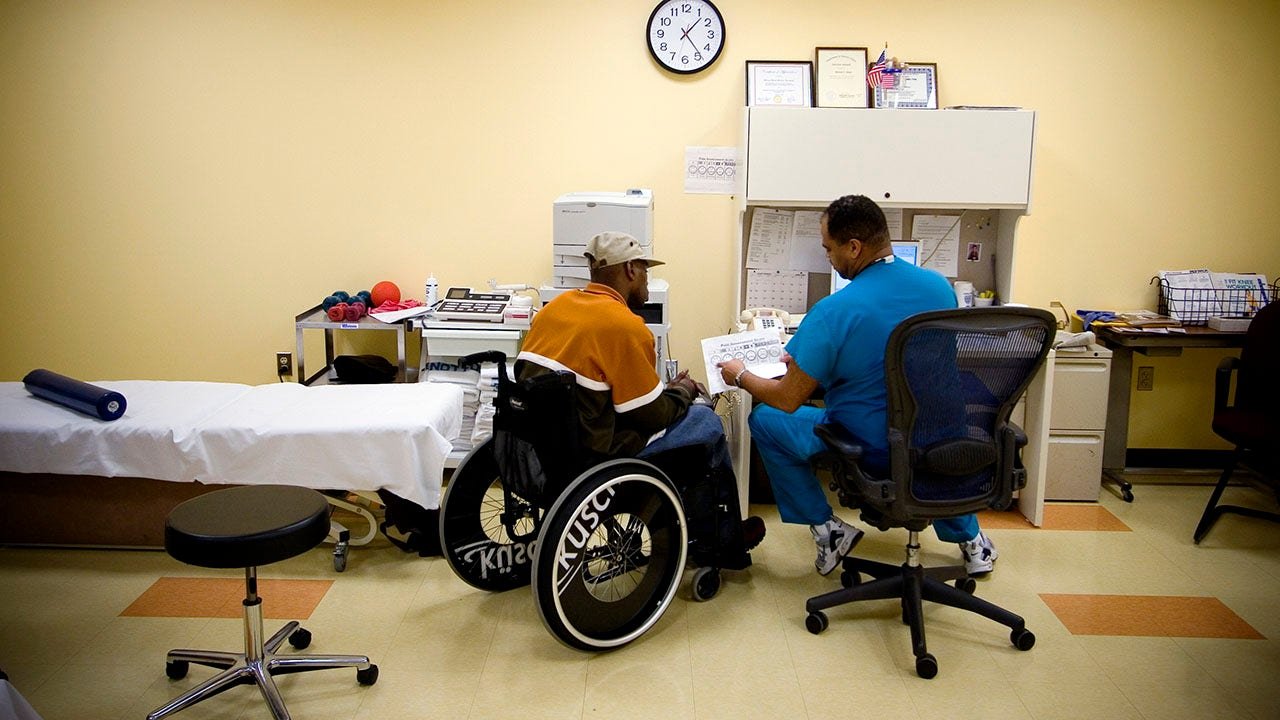
WASHINGTON, D.C. – MARCH 17: Eugene Simpson, 29, from Dale City, Virginia goes through physical therapy at the Veterans Affairs Medical Center in Washington, D.C. with Michael Minor, a kinesiotherapist with the United States Department of Veterans Affairs on March 17, 2006 in Washington, D.C., USA. (Photo by Jeff Hutchens/Getty Images) (Jeff Hutchens/Getty Images)
HOUSE CONSERVATIVES DERAIL GOP AGENDA IN SAVE AMERICA ACT SHOWDOWN
The legislation was held up last month after a group of House Republicans joined Democrats to defeat a procedural vote, stopping the House from taking up the bill.
«I’m feeling good as long as my members stay with us on the rule,» Bost said. «Right now, there’s some politics being played, not about this bill, but just in general.»
The bill became entangled in a broader House Republican fight over the SAVE America Act, legislation championed by President Donald Trump that would require proof of U.S. citizenship to register to vote in federal elections.
On June 30, the House voted on H. Res. 1398, the procedural rule governing floor consideration of several bills, including the National Defense Authorization Act and the Take Care of America’s Veterans Act. The rule failed after 14 Republicans joined Democrats in opposition, preventing the House from taking up the veterans package and bringing floor business to a standstill. Rep. Anna Paulina Luna, R-Fla., claimed to have voted against the rules vote in protest against House leadership’s handling of the SAVE America Act. As a result, Speaker of the House Mike Johnson sent the members home early.
Bost accused the holdouts of effectively putting veterans legislation on hold.
The US Department of Veterans Affairs building is seen in Washington, DC, on July 22, 2019. (Photo by Alastair Pike / AFP) (Photo credit should read ALASTAIR PIKE/AFP via Getty Images) (Photo credit should read ALASTAIR PIKE/AFP via Getty Image)
‘IT’S A MESS’: GOP TURNS ON HOUSE CONSERVATIVES AS VOTER ID BLOCKADE STALLS TRUMP’S AGENDA
«They’re holding all bills hostage,» Bost said. «They’re not voting for any rule. Any bill that has to pass a rule before it comes to the floor—which this bill does because of its size—can’t move.»
Although Bost said he supports the SAVE America Act and has voted for it three times, he argued the Senate’s failure to act should not stop the House from advancing unrelated legislation.
«I agree with that bill,» Bost said. «But the Senate still has to do their work. We don’t stop our work because the Senate isn’t doing it.»
With 23 legislative days left in the Congressional session, Concerned Veterans for America Strategic Director John Byrnes, a supporter of the bill, said time is of the essence.
«There are lots and lots of things that have to get done,» Byrnes told Fox News Digital. «There’s also the National Defense Authorization Act, which is a must pass every year, so these things eat up time. There’s requirements to have debate on these, which eat up session time.»
Byrnes argued that every procedural delay pushes other legislation further down the calendar.
«This bill will save lives in 2027,» Byrnes said. «If we lose veterans because they could have had faster, better access to health care, we’re never going to get those veterans back.»
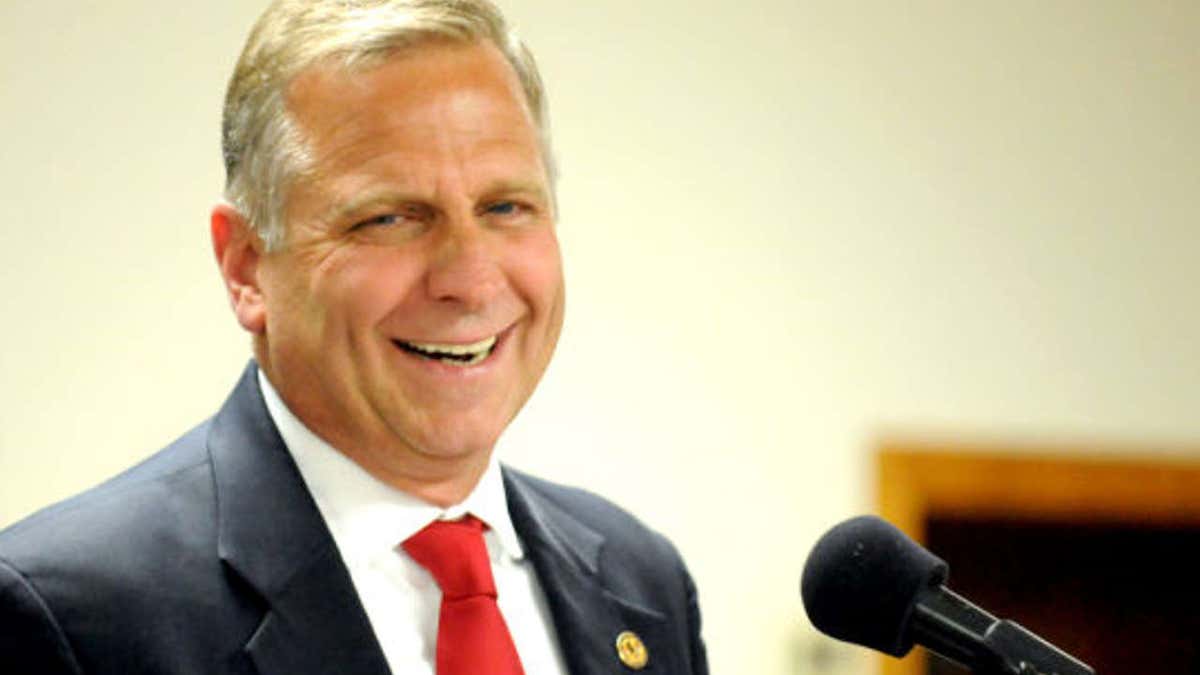
Rep. Mike Bost, R-Ill. ( )
TRUMP’S SAVE AMERICA ACT SHOWS SIGNS OF LIFE IN THE SENATE DESPITE REPUBLICAN REVOLT
But Rep. Chip Roy, R-Texas, who also voted no on the procedural vote, told Fox News Digital that he has concerns about how the bill is financed.
«I appreciate what the chairman’s trying to do in some respects, but there’s a few issues,» Roy said.
Among them, Roy pointed to provisions offsetting new spending through changes affecting other veterans.
«You’re taxing certain veterans to provide some sort of benefits and changes to other veterans,» Roy said. «There are concerns about some of the pay-fors.»
Veterans of Foreign Wars has also taken issue with Section 108 of the bill, warning that it would codify changes to future disability ratings for tinnitus and sleep apnea to help finance other veterans priorities.
But Bost said this is inaccurate.
«No veteran is going to have their benefits reduced,» Bost said. «If you’re receiving a benefit right now, that’s not going to be reduced at all.»
Roy, who previously served two years on the House Veterans’ Affairs Committee, said he supported a lot of what the bill was seeking to accomplish; but said other pieces of legislation are priorities, too.
CLICK HERE TO DOWNLOAD THE FOX NEWS APP
«There is a block of us for whom border security, the SAVE Act and demonstrating our leadership on major issues is critical,» Roy said. «Some of these other bills may or may not get hung up based on a desire of many in the conference to see movement on other things.»
Fox News Digital reached out to Luna’s office and the White House for comment.
veterans, legislation, congress, defense, domestic policies
INTERNACIONAL
La Policía Nacional Civil de El Salvador capturó a dos personas vinculadas al narcomenudeo

El ministro de Seguridad Pública y Justicia de El Salvador, Gustavo Villatoro, anunció la captura de dos personas vinculadas al narcomenudeo y la incautación de marihuana valorada en casi 20 mil dólares. El operativo, realizado el 9 de julio de 2026, fue ejecutado por la Policía Nacional Civil (PNC) en el marco de las acciones del Plan Control Territorial.
Según los datos difundidos por Villatoro a través de sus redes sociales, los detenidos fueron identificados como José Fernando Barillas Chinchilla y Katherine Yohana Ramos. Ambos fueron interceptados mientras se desplazaban en un vehículo que transportaba nueve porciones de marihuana, en presentaciones grandes y medianas, cuyo valor fue estimado en 19,768 dólares.
Tras la detención y la divulgación de sus fotografías, las autoridades recibieron denuncias ciudadanas que alertaban sobre la presencia de más drogas en la vivienda donde los sospechosos se hospedaban. En respuesta, la PNC, con el apoyo de la unidad K9, llevó a cabo un operativo que permitió incautar 28 paquetes adicionales de marihuana, varios teléfonos celulares y 805 dólares en efectivo.
El ministro Villatoro destacó que estos resultados se logran gracias a la colaboración ciudadana y la confianza depositada en las instituciones de seguridad. “No vamos a permitir este veneno en nuestro querido y nuevo gran país. Estamos combatiendo este flagelo de manera frontal y con toda firmeza, sin importar si se trata de grandes o pequeñas cantidades”, subrayó el funcionario.

En los últimos años, El Salvador ha intensificado su combate al narcotráfico y el narcomenudeo como parte de una estrategia integral de seguridad. El Plan Control Territorial, implementado desde 2019, ha priorizado la presencia policial en las zonas más vulnerables y el fortalecimiento de unidades especializadas en la detección y persecución de delitos relacionados con las drogas.
De acuerdo con cifras oficiales, durante 2026 la PNC ha incrementado los operativos focalizados contra el narcomenudeo en distintas regiones del país. Entre enero y julio de este año, las autoridades reportan la incautación de más de 2.5 toneladas de marihuana, además de cocaína y otras sustancias ilícitas. Las acciones han derivado en la captura de más de 1,200 personas vinculadas al tráfico y distribución de drogas en pequeñas y medianas cantidades.
El narcomenudeo representa uno de los principales desafíos para la seguridad interna, ya que constituye el eslabón más visible en la cadena del narcotráfico y tiene un impacto directo en la vida cotidiana de las comunidades. Las autoridades salvadoreñas han señalado que muchas estructuras de narcomenudeo operan de forma fragmentada, ocultándose en áreas urbanas y rurales, lo que exige una labor investigativa permanente y el uso de tecnología especializada, como la participación de equipos K9 para la detección de drogas.
Los recientes decomisos evidencian la continuidad de una política de cero tolerancia frente al tráfico de drogas, así como la articulación entre las fuerzas de seguridad y la ciudadanía. El ministro Villatoro reiteró el compromiso del gobierno de no permitir que el narcotráfico se arraigue en el territorio nacional, al tiempo que hizo un llamado a la población para seguir denunciando cualquier actividad sospechosa.

Organismos internacionales han señalado que la presión ejercida sobre el narcomenudeo en El Salvador ha provocado una disminución en la circulación de drogas en zonas urbanas y la desarticulación de varias bandas dedicadas a la comercialización de este tipo de ilícitos. No obstante, el país continúa enfrentando retos, como el surgimiento de nuevas rutas de tráfico y la adaptación constante de los grupos criminales.
Las autoridades mantienen la vigilancia en puntos estratégicos y refuerzan el mensaje de que no se tolerará el tráfico de drogas por ninguna vía —ni por mar, ni por aire, ni por tierra— en el territorio salvadoreño.
corresponsal:Desde San Salvador, El Salvador

Detuvieron a tres jóvenes por la brutal golpiza al chico de 15 años que pelea por su vida en Villa Carlos Paz

Blindaje económico y reforma política: Milei quiere avanzar con un paquete de leyes para apuntalar su reelección

Donald Trump demanda a periodistas del New York Times por informar sobre supuestas fallas de su nuevo avión Air Force One

Agustina Gandolfo y Caro Calvagni viajaron en avión privado a Kansas para alentar a la Scaloneta ante Suiza

Ya es oficial el plan de Italia para relanzar la selección: Maldini y Leonardo

ANSES da a conocer los requisitos para iniciar el trámite de la jubilación

Inédito: la billetera de una petrolera rinde más que usar Mercado Pago o invertir en plazo fijo

Por qué nadie le cree a la Justicia

El Gobierno asegura que un buque de guerra británico navegó por aguas argentinas sin permiso y evalúa presentar un reclamo diplomático

Locura en Bangladesh por Argentina: así se vivió el agónico triunfo de la Selección ante Egipto en el Mundial

 DEPORTE2 días ago
Contundente respaldo de la FIFA tras las críticas a los árbitros de Argentina-Egipto: “Las acusaciones infundadas no tienen cabida”
- DEPORTE3 días ago
Un apostante gana un millón de dólares en Toshi.bet
- ECONOMIA3 días ago
Plazo fijo Banco Galicia ahora paga más: cuánto se gana invirtiendo $2 millones