INTERNACIONAL
De termómetros trucados a información militar sensible: así es Polymarket, la plataforma de predicciones que volvió a estar en el centro de la polémica en EE.UU.





INTERNACIONAL
Iran-backed terror group’s latest territorial grab threatens second global shipping chokepoint
NEWYou can now listen to Fox News articles!
Iran-backed Houthi forces seized Yemen’s strategic port city of Mocha on Thursday and pushed toward positions overlooking the Bab el-Mandeb Strait, opening a potentially dangerous new front for global trade as shipping through the Strait of Hormuz remains severely constrained.
The advance threatens the southern gateway to the Red Sea just as Saudi Arabia has increasingly relied on that route to bypass Hormuz — putting pressure on critical shipping lanes on both sides of the Arabian Peninsula and raising the risk of further disruptions to oil and commercial traffic through a key global trade choke point.
«Now you have Iran on one side of the Arabian Peninsula controlling Hormuz, and now the Houthis controlling Bab el-Mandeb on the other side of the peninsula,» Hisham Al-Omeisy, senior Yemen advisor at the European Institute of Peace, told Fox News Digital. «Which basically is going to drive prices — oil prices, goods and everything else — up exponentially.»
IRAN-BACKED TERROR PROXY HOUTHIS THREATEN FRESH ATTACKS AFTER YEMEN AIRPORT STRIKE
A vehicle burns after being attacked by Houthis during fighting with Saudi-backed forces at a location given as Al Jawf, Yemen, in this still image taken from a handout video released Sept. 9, 2026. (Al Masirah/Handout via Reuters)
On background, a senior administration official told Fox News Digital: «The United States is focused on protecting our core national security interests — such as ensuring freedom of navigation in the Red Sea — while empowering our regional partners to take the lead in managing and resolving regional security challenges. We are in continuous dialogue with Saudi Arabia and the Republic of Yemen Government regarding regional stability.»
Yemeni government sources said Thursay the Houthis captured Mocha and reached the Hanish Islands, while Saudi-backed Yemeni government forces withdrew south toward Dhubab, which sits directly on the Bab el-Mandeb opposite the strategic island of Perim. Control of Dhubab and Perim would be critical to gaining a stronger hold over the strait, Yemeni government sources told Reuters on Sept. 10.
Bab el-Mandeb is only about 18 miles wide at its narrowest point and connects the Indian Ocean and Gulf of Aden with the Red Sea and, farther north, the Suez Canal. It is a major artery for goods moving between Asia and Europe as well as energy shipments.
Its importance has grown dramatically during the Iran conflict.
WHO CONTROLS THE STRAIT OF HORMUZ RIGHT NOW? HERE’S WHAT THE SHIP TRAFFIC ACTUALLY SHOWS

Members of the Saudi-backed Yemeni government forces react during what they say are clashes with Yemen’s Iran-aligned Houthis in a location given as near Al-Hazm, Yemen, in this screen grab obtained from a handout video released Sept. 9, 2026. (Media Centre Of The Yemeni Armed Forces/Handout via Reuters)
The U.S. Energy Information Administration reported Sept. 9 that crude oil and petroleum liquids moving through Bab el-Mandeb averaged 8.1 million barrels per day in the second quarter of 2026, up from 5.4 million barrels per day in the final quarter of 2025. At the same time, flows through Hormuz plunged from 21.6 million barrels per day to just 4.9 million. The EIA attributed the increase at Bab el-Mandeb in part to Saudi Arabia rerouting crude through its East-West pipeline to the Red Sea port of Yanbu to avoid Hormuz.
Al-Omeisy said the danger extends beyond the Houthis’ geographical gains. He said retreating government forces left behind military materiel that could strengthen Houthi forces on other fronts.
«People are focused on taking Mocha and those outposts on the Red Sea,» Al-Omeisy said. «But the military side is terrible, particularly the equipment, the munitions, the vehicles, the drones that were at those military camps, which they can now, in turn, use against the government forces elsewhere.»
RUBIO ACCU.S.ES IRAN OF FLYING IRGC PERSONNEL INTO YEMEN AS HOUTHI THREAT ESCALATES

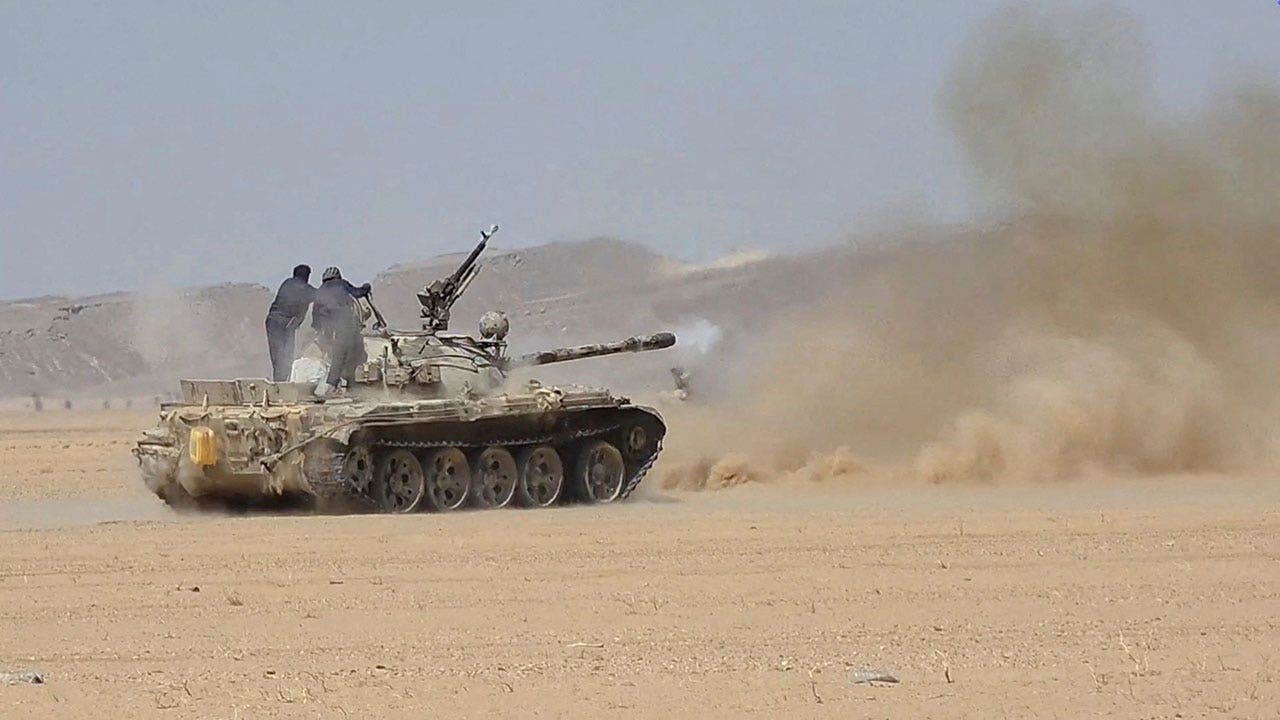
Members of the Saudi-backed Yemeni government forces fire a tank during what they say to be clashes with Yemen’s Iran-aligned Houthis in a location given as near Al-Hazm, Yemen, in this screen grab obtained from a handout video released Sept. 9, 2026. (Media Centre Of The Yemeni Armed Forces/Handout via Reuters)
Reuters separately reported Thursday that Iranian arms and direct guidance from Iran’s Revolutionary Guards helped the Houthi advance, citing Yemeni government, Iranian and regional sources. Two Iranian sources told Reuters that Tehran had instructed the Houthis to intensify attacks on Saudi Arabia and promised additional funding, weapons and senior officers. Iran has publicly denied directing Houthi operations.
The seizure comes amid what conflict-monitoring organization ACLED described Sept. 9 as the most serious escalation between the Houthis and the Saudi-backed camp since hostilities resumed in mid-July.
ACLED recorded at least 276 fatalities between Sept. 3 and 7 as clashes spread across al-Dali, al-Bayda, Marib, Shabwa, al-Jawf, al-Hudayda and Taizz, according to an analysis published Sept. 9.
Sherwan Hindreen Ali, ACLED’s Middle East research manager, said fighting along the Red Sea coast had become particularly intense as both sides sought control over territory with direct strategic importance to Bab el-Mandeb.
«Fighting will remain focused on the fronts of the Red Sea coast in al-Hudaydah and Taizz, where both the Houthis and the Saudi Arabia/IRG have a vested interest in claiming the whole territory to deprive the other side of effective control of the strait of Bab el-Mandab,» Ali said in an analysis.
Saudi Arabia itself has also become more deeply involved.
EXPERT WARNS OF ‘GENERAL ESCALATION’ OF FIGHTING IF HOUTHIS RESUME RED SEA CAMPAIGN

Houthi fighters gesture as they celebrate in front of the Security Directorate building in Hays, Yemen, in this screengrab taken from social media video released on Sept. 10, 2026. (Social Media/via Reuters)
Ali said Saudi forces launched at least 15 strikes against the Houthis between Sept. 3 and 7, mostly around Taizz, marking the highest number of Saudi strikes since Riyadh resumed military engagement against the Houthis in July.
The Houthis responded Sept. 8 with what Ali described as their largest wave of direct attacks on Saudi territory since March 2022, launching dozens of drones and ballistic missiles toward Abha, Jizan, Najran and Khamis Mushait. Ali said the attacks injured 73 people.
The widening fighting is now posing an early test for a new joint defense agreement between Saudi Arabia, Pakistan and Turkey.
Al-Omeisy said the international response allowed the Houthis to exploit divisions among their opponents.
«The Houthis are also good in exploiting divisions and delays, they move rapidly on the ground to force a status quo while the international community debates merits, responsibilities and costs of an intervention.»
The escalation also raises questions about Saudi Arabia’s newly signed defense agreement with Pakistan and Turkey.
IRAN-BACKED HOUTHI THREAT IN RED SEA COULD LEAD TO MAJOR US POLICY SHIFT, ANALYSTS SAY
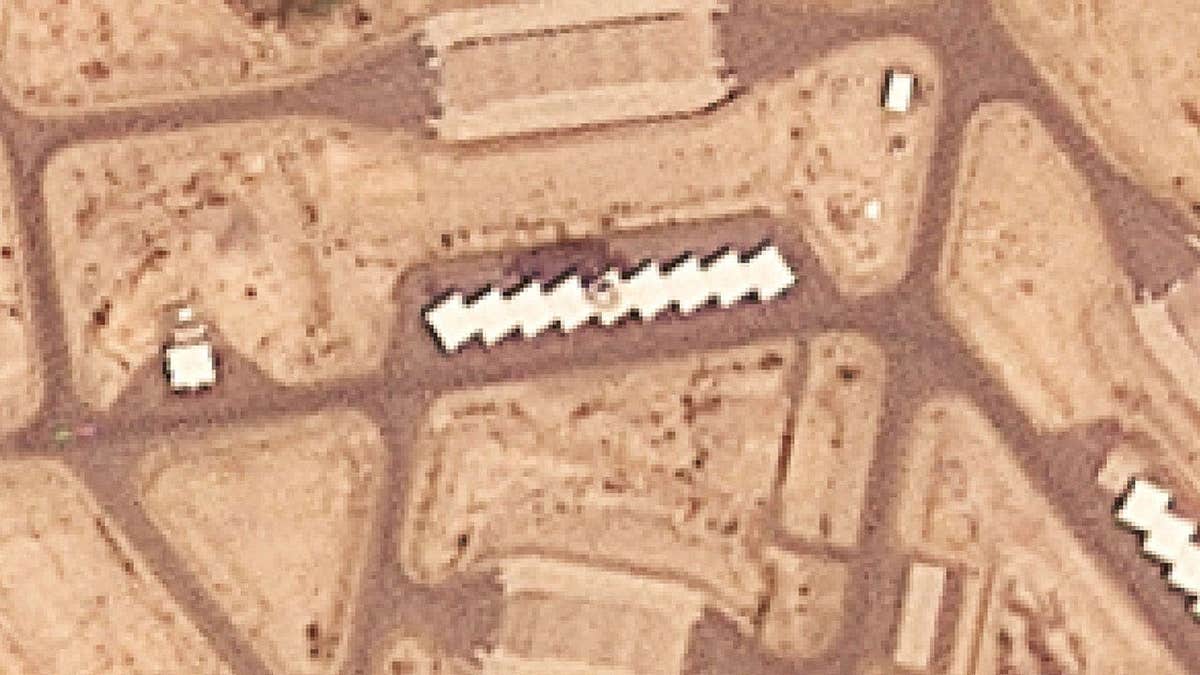
A satellite image appears to show damage to the King Khalid Airbase at Saudi Airbase that Houthis claimed to have attacked on Sept. 8, in this handout picture obtained by Reuters on Sept. 9, 2026. The Saudi government’s media office did not immediately respond to a request for comment. (2026 Planet Labs PBC/Handout via Reuters)
The agreement, signed last month in Mecca, states that an armed attack against one member will be considered an attack against all three, Reuters reported Sept. 10. But after Houthi drones and ballistic missiles struck Saudi cities and energy infrastructure this week, Pakistan said Thursday that no military response under the pact was currently being discussed.
«There is no such thing under discussion right now,» Pakistani Foreign Ministry spokesperson Sajjad Haider Khan said, according to Reuters. «When time comes [we] will act under the agreement.»
The Houthis, meanwhile, have said international navigation through the Red Sea and Bab el-Mandeb remains safe, while maintaining that Saudi vessels are subject to their previously announced blockade, Reuters reported Thursday.
Al-Omeisy warned that reversing the Houthis’ latest territorial gains could become increasingly difficult.
«The Houthis are really good at capturing a position, they entrench really well,» he said. «They send these massive reinforcements, and then it’s going to be extremely difficult to push them out of those areas.»
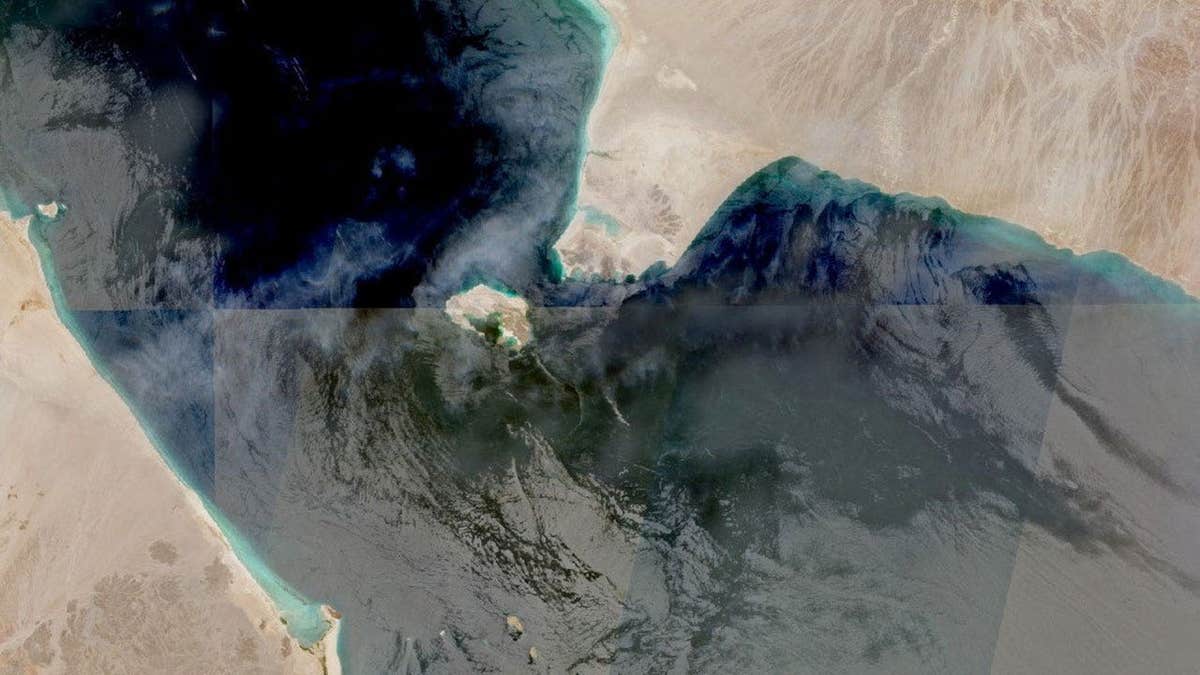
A satellite imagery shows Bab el Mandeb Strait, as Iran threatens using Yemen’s Houthi allies to shut this gateway to the Red Sea, in this handout picture dated July 12, 2026. (Nasa Worldview/Handout via Reuters)
Oil markets were already responding to the widening regional threat Thursday. Brent crude jumped more than 5% to $106.60 a barrel by late Thursday morning, while U.S. crude climbed above $100 for the first time since May, according to Reuters.
Reuters contributed to the story.
middle east, iran, saudi arabia, world, foreign affairs, foreign policy
NEWYou can now listen to Fox News articles!
A wealthy Washington, D.C., suburb’s public school district is advising teachers not to link 9/11 with radical Islam and to be sure to create «safe spaces» for Muslim students as the nation somberly marks the 25th anniversary of the terror attacks that killed nearly 3,000 Americans.
The guardrails in a six-page instructional guide, «25th Anniversary and Commemoration of 9/11» and distributed to teachers, has prompted critics to accuse Fairfax County (Virginia) Public School’s liberal leaders of coddling post-9/11 sensitivities rather than teaching history.
s»It’s sort of a vanilla way to do things,» retired Navy Vice Admiral Lou Crenshaw, who was stationed inside the Pentagon when al Qaeda terrorists crashed a hijacked passenger jet into the building. «Everybody can go through the deal and feel good about it. And at the end of the day, nobody complains.
CBC TELLS JOURNALISTS NOT TO CALL 9/11 ‘TERRORIST ATTACKS’ IN INTERNAL GUIDANCE
«To me, that’s not exactly what we need to do. We need to make sure that the kids have learned a lesson here. And that’s not going to happen if we try to shave the facts to the point where it’s hard to figure out what we’re talking about.»
A digital content analysis reveals that about half of the 1,740-word document is devoted to tips for creating «safe spaces for Muslim and Middle Eastern students,» about 15% spells out specific 9/11 instruction and the rest of the document tip-toes around managing «emotional responses» to the lesson.
In northern Virginia, Fairfax County Public Schools distributes a guide for 9/11 lessons, with a list of «Do’s and «Don’ts» (Fairfax County Public Schools)
The guide by the school district, which sits only a few miles from the Pentagon and several military bases, mentions military families only three times and first responders only once, saying at one point, «Many families of military personnel and first responders experienced loss and hardship.»
Meanwhile, it has 30 references to Islam, «Muslim families,» «Muslim students,» «anti-Muslim racism,» «anti-Middle Eastern» rhetoric, «Islamophobic rhetoric» and «Middle Eastern students» and families. It includes a bulleted list of «critical considerations» to challenge anti-Muslim bias.
The curriculum guidance speaks to a wider tension about how the 9/11 attacks are described by influential figures from teachers, journalists and politicians to social media influencers as a network of powerful Muslim organizations have built educational programs over the past 25 years downplaying discussions about the extremist interpretations of Islam that motivated al Qaeda and the 19 hijackers involved in the 9/11 attacks.
On Thursday, New York Police Department Commissioner Jessica Tisch called for «moral clarity» about what happened on 9/11, saying in a speech, «The men who attacked this city were terrorists. The men and women who ran into the towers to save innocent lives were heroes.
«Twenty-five years cannot be allowed to blur that distinction, and shame on those who do.»
Last month, after a major public backlash, the Canadian Broadcasting Corporation reversed earlier guidance that instructed journalists to avoid calling 9/11 a «terrorist attack.»

Fairfax County Public Schools provides teachers a guide that includes «critical considerations» to avoid discussing the extremist interpretation of Islam that motivated the 9/11 hijackers. (Fairfax County Public Schools)
In a statement provided to Fox News Digital, Fairfax County Public Schools said the school community has a «deeply personal connection to September 11 because of our proximity to the Pentagon and the many military-connected families we serve.
«On the 25th anniversary of the terrorist attacks, we remember the nearly 3,000 people who were killed, including 184 at the Pentagon. We remember the victims, their families, the survivors, and everyone whose lives were forever changed. We honor the first responders whose courage and sacrifice continue to inspire us,» the school district said.
«FCPS remains committed to creating an inclusive environment in our schools where all students feel welcome and respected as we strive to provide a world-class education and workplace.»
LIZ PEEK: WE CANNOT LET THE LEFT REWRITE WHAT HAPPENED ON 9/11
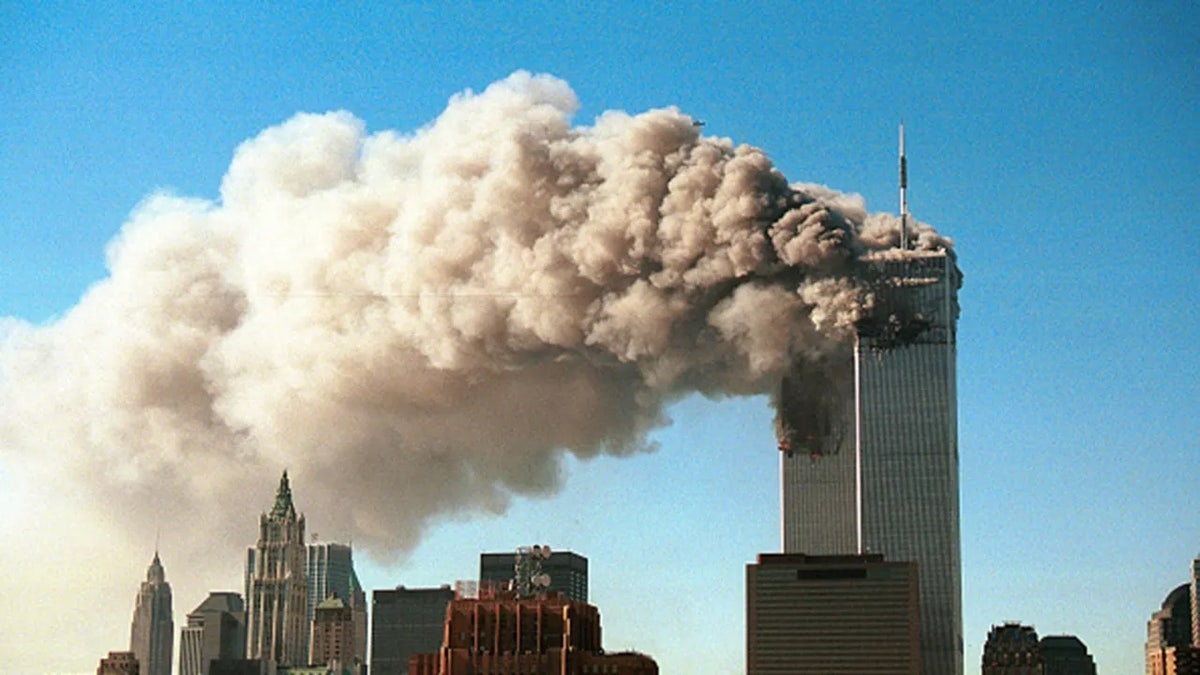
Smoke pours from the twin towers of the World Trade Center after they were hit by two hijacked airliners in a terrorist attack Sept. 11, 2001, in New York City. (Robert Giroux/Getty Images)
Crenshaw saw the effects on military and civilian families impacted by the attack. On the fateful morning, Crenshaw was stationed on the Pentagon’s E Ring. He watched the TV footage of two airplanes crashing into the World Trade Center.
«I thought, ‘This is not a good thing,’» Crenshaw recalled.
He then continued with a scheduled appointment, but as it began, the Pentagon was struck.
«Just about the time they sat down, and we started the interview, there was tremendous noise,» Crenshaw said. «Bang! The entire building shook, and we knew right away that something bad had happened.»
Crenshaw, who served in the Navy from 1974 to 2007, was on the fourth floor of the Pentagon on the same side of the building hit by the plane. His work area did not immediately collapse, although he said it was later destroyed by fire.
He looked outside and saw smoke billowing from the area where the airplane had hit. He also remembered seeing a chief petty officer crying as windows shattered and glass scattered across the floor.
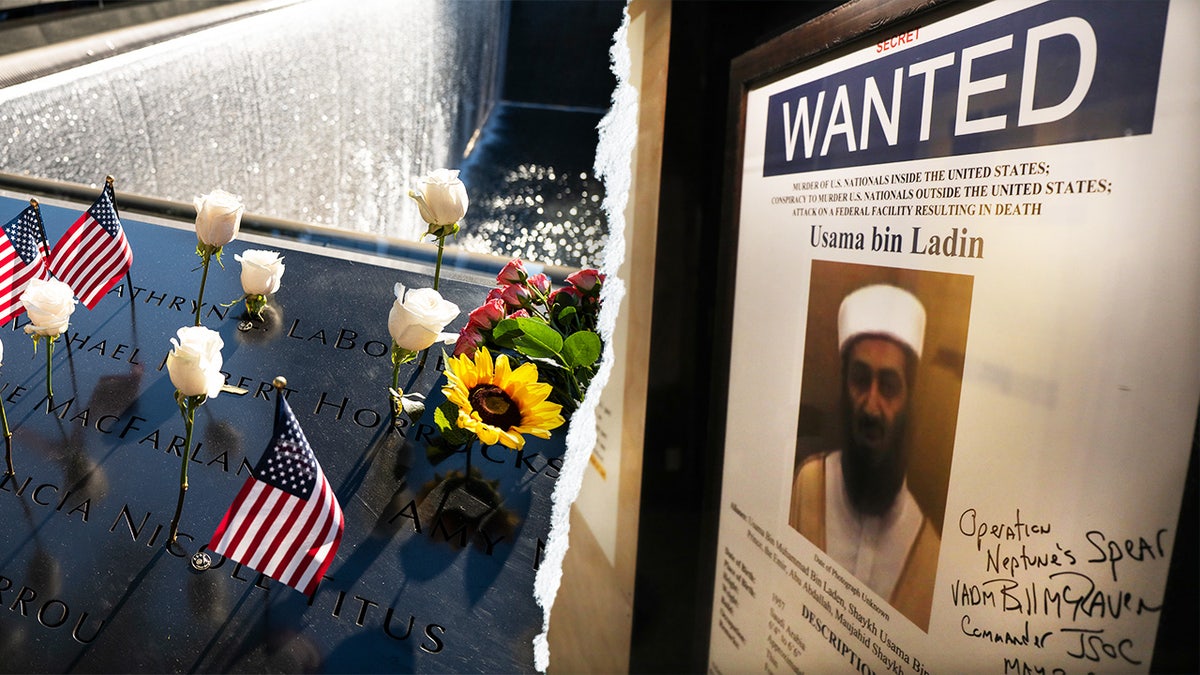
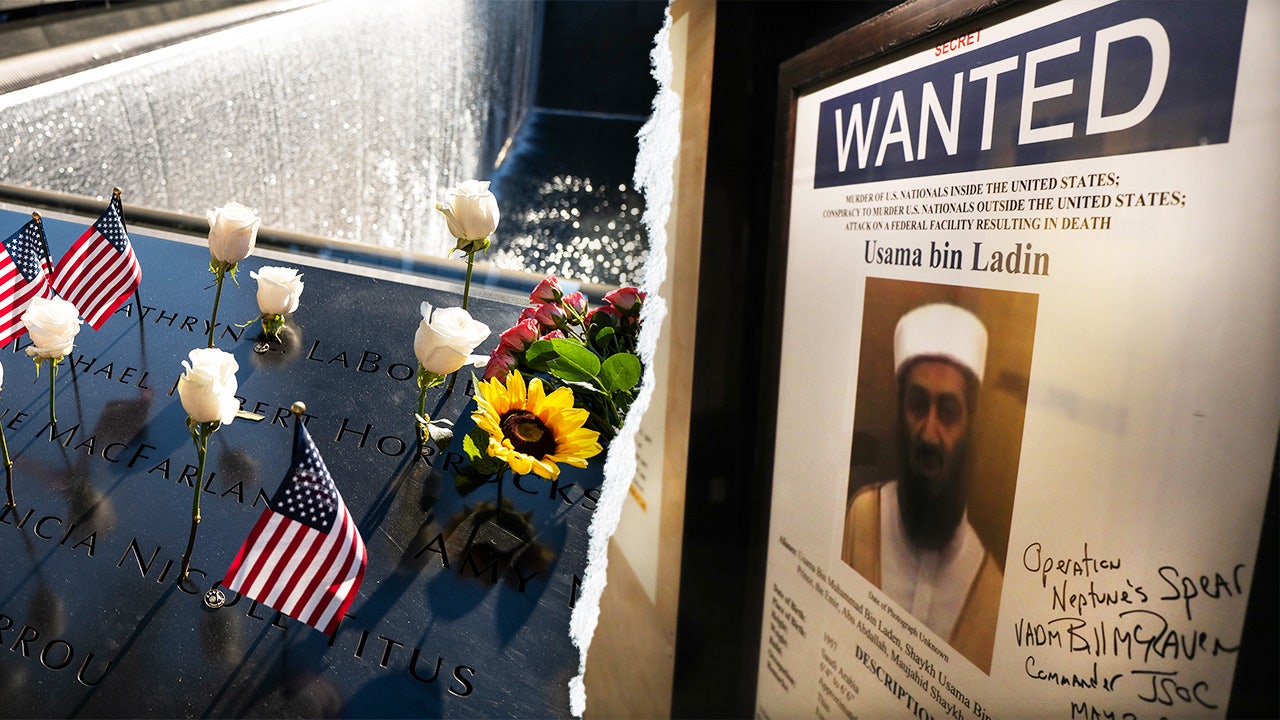
Our Flag Was Still There features flags related to 9/11 as the nation marks 25 years since the 2001 terrorist attacks and celebrates its 250th anniversary. (Spencer Platt/Getty Images; Craig Ruttle/Pool/Getty Images)
The reality of the attack soon became clear to Crenshaw and the rest of the country. Al Qaeda, an extremist terrorist organization led by Usama bin Laden, had carried out a coordinated assault. The group used an extremist interpretation of Islam to justify the attack, portraying it as retaliation for the presence of U.S. forces overseas and American foreign policy. Bin Laden associate Khalid Sheikh Mohammed, who took credit for planning the attack, awaits a trial in Guantánamo Bay, Cuba.
Crenshaw said students should understand that 9/11 was not simply «a coordinated terrorist attack on the United States,» as the FCPS script describes it, but a strategic act of war.
«What we saw in 9/11 was a religious extremist group, al Qaeda, who did not tolerate what the United States was doing around the world and decided to react violently,» Crenshaw said.
Teachers should be prepared to discuss the Islamist extremism behind the attack without collectively blaming all Muslims, he said, noting that he agreed it is important to make sure Muslim students aren’t shamed.
«They are a branch of Islam, but they certainly do not espouse any of the values that we know of Islam worldwide,» said Crenshaw. «And, therefore, they really shouldn’t be considered to be part of that mainstream religion.»

Fairfax County Public Schools provides teachers guidance on teaching about the 9/11 attacks with an emphasis on challenging «anti-Muslim racism.» (Fairfax County Public Schools)
The guide includes a section titled «Responding to Racism, Hate, and Bias against Muslims and Middle Eastern People,» telling teachers that Muslim students experience «the worst anti-Muslim racism» during Sept. 11 lessons.
FCPS instructs teachers the anniversary «may intensify anti-Muslim and anti-Middle Eastern rhetoric.» They are told that speaking out against anti-Muslim bias is part of their «sacred role as teachers.»
The guide also says that if educators hear students or colleagues using «Islamophobic rhetoric,» «it is up to you to disrupt.»
Under a list of «Do» and «Don’t» instructions, FCPS explicitly tells teachers don’t «associate the 9/11 attacks with Islam or Muslims» and don’t «center the extremists or the acts of the extremists.»
The guide says the commemoration should focus on «those whose lives were lost and those who sacrificed to help others – not those who attacked the United States.»
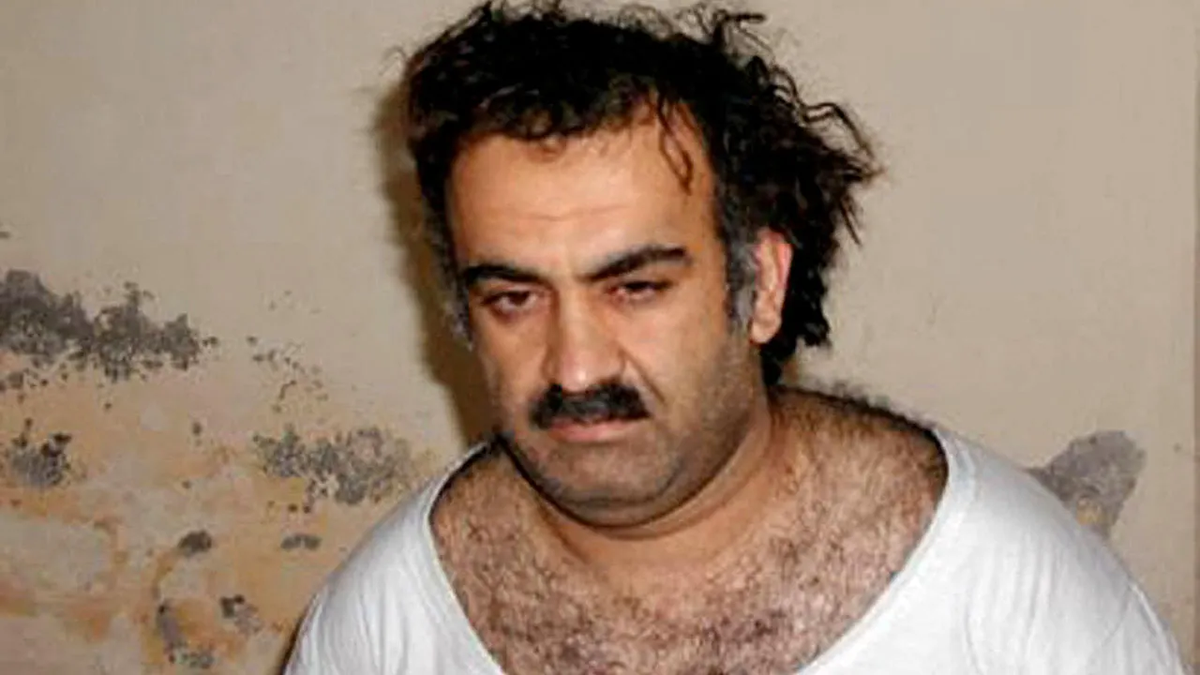
Khalid Sheikh Mohammed, the accused mastermind of the Sept. 11, 2001, terror attacks, has been held at Guantánamo Bay since 2003. (AP)
The guide says teachers should not focus a commemorative lesson on «an examination of Islam.» It argues that doing so could send the «harmful message» that «Islam, or all Muslims, are responsible for these terrorist attacks.»
Crenshaw said not explaining the ideology of the hijackers and how al Qaeda interpreted Islam to justify the attacks means the guide fails to deliver «a sense of urgency or the evilness of what actually happened.»
september 11, islam, controversies education, virginia, terrorism
INTERNACIONAL
Cómo será el acto central por el 25° aniversario de los ataques terroristas del 11-S: Trump será el primer presidente en no asistir
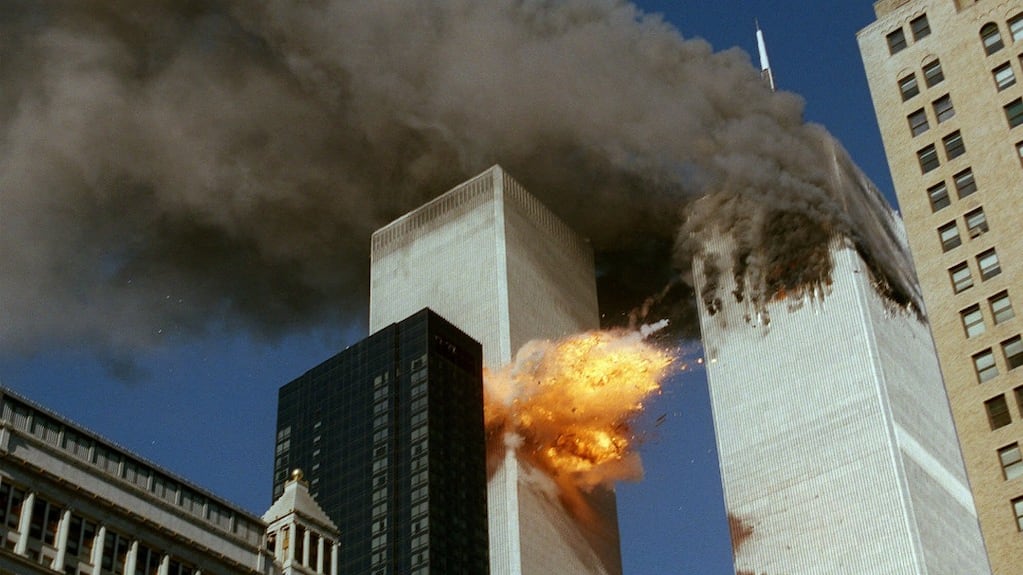
Estados Unidos conmemorará este viernes el 25° aniversario de los atentados terroristas del 11 de septiembre de 2001.
Lo hará en actos separados. El principal se llevará a cabo por la mañana en Nueva York, frente al memorial ubicado en la Zona Cero, donde se hallaban las Torres Gemelas, en Manhattan.
La ceremonia prohíbe desde 2012 cualquier intervención activa de políticos, más allá de su presencia. Por ello, el presidente Donald Trump encabezará un acto en el Pentágono, otro de los puntos atacados por los terroristas, donde prevé dar un discurso.
Será el primer presidente en activo que no asiste a la conmemoración en Nueva York. Enviará en su lugar al vicepresidente JD Vance.
Cómo será el acto central
El acto central se realizará en el Memorial del 11-S, en el Bajo Manhattan.
Allí se reunirán familiares de las víctimas y autoridades para recordar a las casi 3.000 personas que murieron en los atentados ocurridos cuandos dos aviones comerciales, secuestrados por comandos terrroristas, se estrellaron contra las Torres Gemelas del World Trader Center.
En la ceremonia, los familiares de las víctimas leerán los nombres de los fallecidos. Además, se guardarán siete minutos de silencio: seis por los ataques y un último por los fallecidos por enfermedades relacionadas con el 11S.
“Hemos trabajado intencionalmente para mantener la conmemoración libre de política, porque recordar a quienes perdimos el 11 de septiembre nunca debe ser una cuestión partidista”, dijo un portavoz del Memorial y Museo del 11S, que organiza la ceremonia.
Sin embargo, al acto asistirán numerosos políticos estadounidenses, pero no tendrán una participación activa. Se prevé la asistencia de los expresidentes Barack Obama, Bill Clinton, Joe Biden y George W. Bush (quien ejercía el poder en momento de los ataques), así como el alcalde neoyorquino, Zohran Mamdani.
El jefe comunal viene de realizar un anuncio que conmovió al país en una fecha especial para los estadounidenses.
Leé también: A 25 años del 11S: Al Qaeda sigue vigente, pero su influencia quedó reducida por el avance del Estado Islámico
El martes, Mamdani anunció la publicación de miles de documentos que revelan que las autoridades de la ciudad en ese momento ocultaron que el aire era “tóxico” en la Zona Cero de los atentados del 11 de septiembre.
“Son documentos que muestran lo que la ciudad sabía sobre el aire tóxico alrededor de la Zona Cero, cuándo lo supo y cómo actuó para limitar su responsabilidad”, aseguró Mamdani.
El alcalde informó de que se divulgarán más de 170.000 páginas de registros municipales que muestran, entre otras cosas “cómo se encontró amianto prácticamente en todos los lugares examinados”.
Qué hará Trump
Trump empezó esta semana una serie de actos para recordar a las víctimas de los ataques.
El martes, en un acto en Washington, prometió “no olvidar jamás” lo que ocurrió aquel día.
El acto, realizado en el parque público conocido como la Elipse, fue encabezado por la Tunnel to Towers Foundation y exhibió una enorme viga de acero de 6,4 metros y casi 7711 kilogramos, recuperada de la Torre Sur del World Trade Center en Nueva York.
En su discurso, Trump rindió un homenaje especial a dos hombres que murieron en los ataques: Jeffrey Palazzo, bombero de la ciudad de Nueva York, y Welles Crowther, un joven operador de acciones que se hizo conocido como el “hombre del pañuelo rojo” tras rescatar a varias personas durante los ataques.
Este viernes, Trump hablará en un acto conmemorativo en el Pentágono, otro de los blancos de los terroristas.
El presidente quería hablar en la Zona Cero, pero no podía hacerlo debido a las normas de la organización, según informó The New York Times.
Trump intentó desmentir la información en su red social Truth Social, donde aseguró que ha estado en Nueva York “muchas veces” a lo largo de los años y que en la ceremonia “nadie habla” porque es “solemne”, y arremetió contra la autora de la información, insultando su trabajo y su físico.
Vance, por su parte, destacó en una rueda de prensa en la Casa Blanca la unión del país en torno a los atentados, aunque aprovechó para criticar al expresidente Biden y bromeó con que tendrá “muchas conversaciones intelectuales intensas” y “lo pasarán genial”.
11 de septiembre de 2001, Nueva York

La Corte Suprema frenó la contradenuncia de Cristina Kirchner a Federico Sturzenegger por el caso del “dólar futuro”

INDEC reveló cuánta plata necesitó una familia para no ser pobre en agosto

El dictamen de Inocencia Fiscal II quedó listo y el Senado podrá tratarlo junto con la reforma del Banco Central

"Fue una ejecución": el contundente relato del investigador sobre el crimen del Puma Federico Aramburu

Iran-backed terror group’s latest territorial grab threatens second global shipping chokepoint

Pentagon witness blasts Virginia school district’s ‘vanilla’ 9/11 teacher guide

El gobierno de Kicillof retendrá un 2% en los premios de las apuestas online

Femicidio brutal en Merlo: un jubilado de 64 discutió con su esposa y la asesinó a puñaladas

El rotundo cambio de Julián Álvarez en una foto presentación del Atlético de Madrid tras quedarse en el club

Los alimentos aumentan un 0,8% en septiembre y ya anticipan una inflación de 1,8%

 POLITICA2 días ago
Patricia Bullrich cuestionó a la jueza que frenó la ley penal juvenil en la provincia de Buenos Aires: “No le corresponde decidir”
- CHIMENTOS1 día ago
Así se anunció la muerte de Chiche Gelblung: la tradicional placa negra de Crónica y las lágrimas de Mercedes Ninci
- POLITICA15 horas ago
La intendenta de José C. Paz criticó a Kicillof por la inseguridad tras el crimen de un joven de 23 años