
INTERNACIONAL
El papa León XIV amenazó con excomulgar a un grupo de católicos tradicionalistas que desafió su autoridad


El Vaticano amenazó este miércoles con excomulgar a un grupo disidente de católicos tradicionalistas que anunció la promulgación de cuatro obispos, en abierto desafío a la autoridad del papa León XIV.
En un comunicado, la Santa Sede alertó que las consagraciones sin el consentimiento papal constituyen un acto cismático que conlleva la excomunión automática.
El papa León XIV está rezando por iluminación para que los líderes de la Sociedad de San Pío X “reconsideren la decisión extremadamente grave que han tomado”, indicó una nota del responsable vaticano de doctrina, el cardenal Víctor Manuel Fernández.
Qué está pasando en la Sociedad de San Pío X
El comunicado pareció ser un último intento por impedir las consagraciones previstas para el 1 de julio de cuatro nuevos obispos. Si siguen adelante, supondrán el desafío más grave hasta la fecha a la autoridad de León, mientras busca sanar las divisiones con los católicos tradicionalistas que se agravaron durante el pontificado del papa Francisco.
La SSPX, como se conoce al grupo, fue fundada en Écône, Suiza, en 1970, en oposición a las reformas modernizadoras del Concilio Vaticano II de la década de 1960 que, entre otras cosas, permitió que la misa se celebrara en lengua vernácula en lugar de en latín.
El grupo, que celebra la misa en latín anterior al Vaticano II, rompió por primera vez con Roma en 1988, después de que su fundador, el arzobispo Marcel Lefebvre, consagrara a cuatro obispos sin el consentimiento papal. El Vaticano excomulgó de inmediato a Lefebvre y a los otros cuatro obispos. El grupo hoy sigue sin tener estatus legal en la Iglesia católica.
Monseñor Marcel Lefebvre, fundador en 1970 de la Fraternidad Sacerdotal San Pío X, un movimiento de católicos tradicionalistas, celebra una «misa solemne» según el rito de San Pío V en el parque de una propiedad privada en Cugnaux, cerca de Toulouse, con motivo de la visita pastoral. (Foto de AFP)
Aun así, el grupo ha seguido creciendo en las décadas transcurridas con escuelas, seminarios y parroquias en todo el mundo, además de ramas de sacerdotes, monjas y católicos laicos vinculados a la misa tradicional en latín.
Leé también: Apagones masivos en Cuba: Díaz-Canel acusó a Trump de “asfixiar” al país con “un genocida bloqueo energético”
Ese crecimiento supone una amenaza real para Roma, ya que equivale a una iglesia católica paralela. Hoy cuenta con dos obispos, 733 sacerdotes, 264 seminaristas, 145 hermanos religiosos, 88 oblatas y 250 religiosas, que representan a 50 nacionalidades, según estadísticas de la SSPX.
El Vaticano ofrece conversaciones, pero el diálogo fracasa
El actual superior de la SSPX, el reverendo Davide Pagliarani, anunció a principios de este año que se consagrarían nuevos obispos el 1 de julio para atender a los fieles, al sostener que los dos obispos restantes, ya ancianos, ya no pueden ejercer el ministerio ante una realidad tan global.
El Vaticano invitó a Pagliarani a conversaciones, pero los mismos problemas teológicos y prácticos que impidieron un acercamiento durante 50 años aparentemente dejaron a ambas partes en un punto muerto.
En comentarios recientes en el sitio web de la SSPX, Pagliarani reiteró la necesidad de los nuevos obispos. Manifestó satisfacción porque su anuncio hubiera desencadenado un debate sobre lo que la SSPX considera una crisis que afecta a la Iglesia, incluido el pluralismo religioso y la confusión sobre la fe.
“Ahora bien, lo que está en juego hoy no es una opinión, ni una sensibilidad, ni una opción preferencial, ni un matiz particular en la interpretación de un texto, sino la fe y la moral que un católico debe conocer, profesar y practicar para salvar su alma y llegar al paraíso”, afirmó.
Las consagraciones inminentes, que conllevarían excomuniones automáticas, crearon la primera crisis tangible para León, quien buscó apaciguar las relaciones con los tradicionalistas católicos que se deterioraron bajo el papado de Francisco después de que el pontífice argentino reprimiera la expansión de la antigua misa en latín.
Francisco en 2021 volvió a imponer restricciones a la celebración de la antigua misa en latín que el papa Benedicto XVI había flexibilizado en 2007. Francisco explicó que estaba revirtiendo la reforma porque se había convertido en una fuente de división en la Iglesia y había sido explotada por católicos conservadores opuestos al Vaticano II.
Pero la medida irritó a los conservadores y se convirtió en uno de los actos más divisivos de su pontificado de 12 años, de tal modo que León comenzó su pontificado prometiendo sanar las divisiones.
(Con información de AP)
Vaticano, papa León XIV










INTERNACIONAL
Hawaii voters hit the polls as Gov. Josh Green dominates, progressive takes aim at Dem congressman
NEWYou can now listen to Fox News articles!
Hawaii voters will decide Saturday who advances to the November general election, with key contests including the race for governor and the battle to represent the state’s 1st Congressional District.
Gov. Josh Green, who was first elected in 2022, is heavily favored to win the Democratic primary, where he faces three little-known competitors. His challengers include George «Teva» Lucas-Tadeo, a Democratic socialist who has promised on social media to open a government-run grocery store and legalize recreational marijuana.
David «Duke» Bourgoin is mounting his second primary challenge against Green after losing to him in 2022, when he captured only 590 votes against Green’s 158,161. He also lost two bids for Honolulu mayor, in 2022 and 2024.
JOHNSON’S STRATEGY TO BYPASS DEMOCRATS’ SAVE ACT BLOCKADE SURVIVES KEY VOTE, HANDING GOP BIG WIN
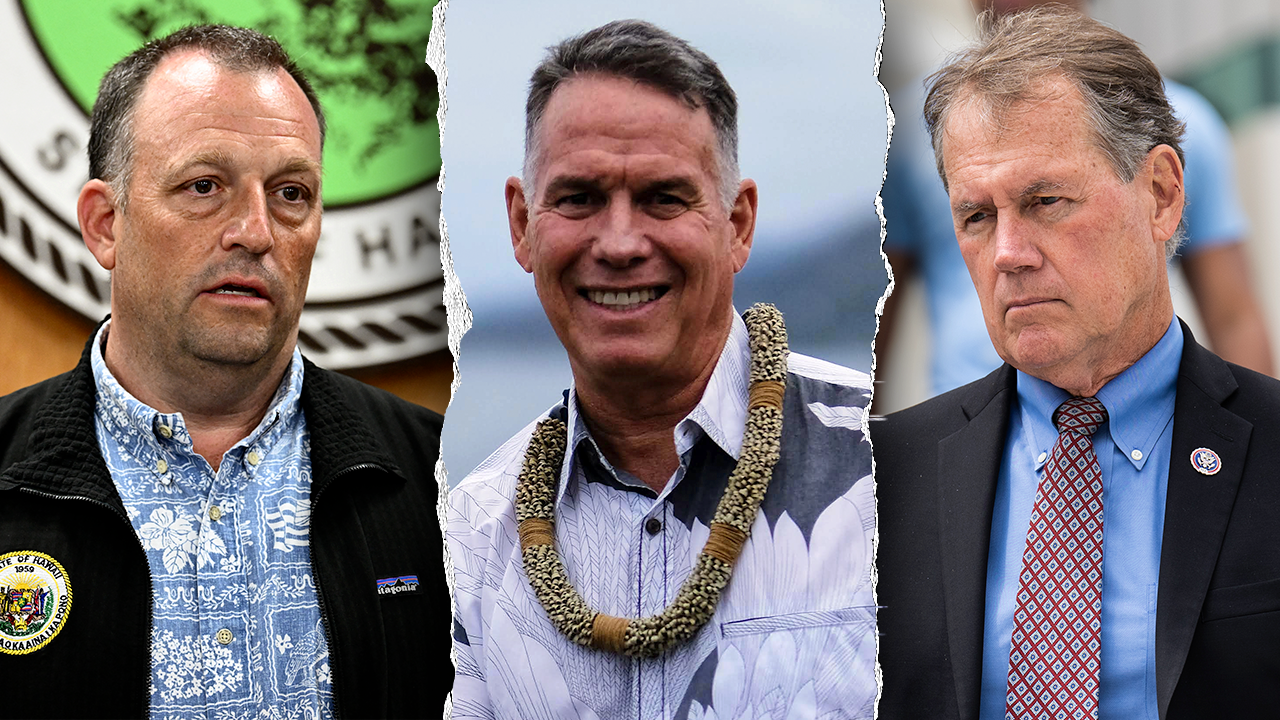
A three-way split image of Democratic Hawaii Gov. Josh Green, GOP candidates Gary Cordeery and Rep. Ed Case (D-Hawaii) ( (Photo by Patrick T. Fallon / AFP via Getty Images) (Bill Clark/CQ-Roll Call, Inc via Getty Images))
Lauren Kapoliahiʻiaka Shim is also seeking the Democratic nomination. She is the CEO and founder of Aloha AI Incorporated, according to her LinkedIn profile.
Neither Lucas-Tadeo nor Shim had campaign websites, and none of Green’s three challengers had raised any money in the race as of June 30, according to Honolulu Civil Beat. Meanwhile, Green has raised approximately $3.5 million, far outpacing Republican Gary Cordery, the race’s second-highest fundraiser, who has raised about $313,000, according to Honolulu Civil Beat.
Cordery, owner of the contracting company Kingdom Builders, and Ken Fujiyama, an entrepreneur and investor, are competing for the Republican nomination and a chance to end nearly two decades of Democratic control of the governor’s mansion. The last Republican to serve as Hawaii governor was Linda Lingle, who held the office from 2002 to 2010.
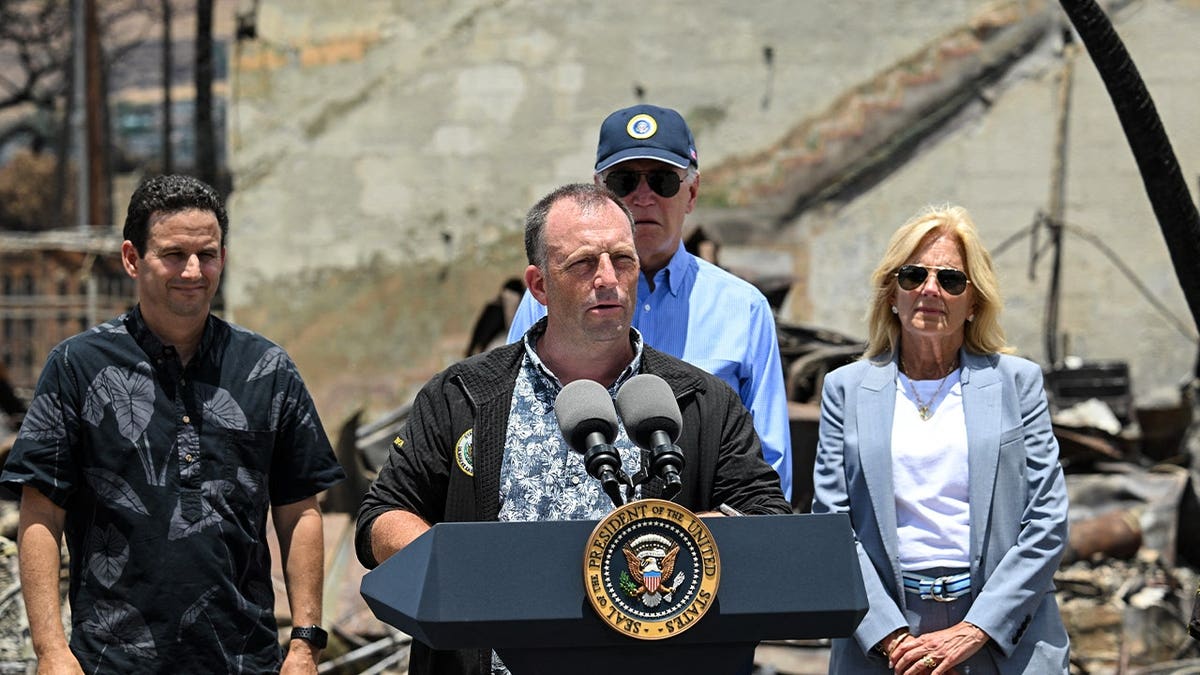
Hawaii Gov. Josh Green, center, delivers remarks as U.S. President Joe Biden listens during a visit to an area devastated by wildfires in Lahaina, Hawaii, on Aug. 21, 2023. (Mandel NGAN / AFP via Getty Images)
Cordery has campaigned on lowering Hawaii’s high cost of living, expanding housing and cracking down on government waste and corruption. He has proposed adding 15,000 homes for working families, using state-owned land for housing and eliminating the state’s general excise tax on food and medicine. Fujiyama has also proposed a plan to tackle the housing affordability crisis by developing 100,000 residential lots and partnering with large landowners to spur growth.
MICHIGAN’S TOP ELECTION OFFICIAL WINS DEMOCRATIC PRIMARY FOR GOVERNOR, ADVANCES TO BATTLEGROUND RACE
Whoever emerges from the Republican primary will face an uphill battle to unseat Green if he secures the Democratic nomination. Green holds a 56% approval rating, while the Cook Political Report rates the race «Likely Democrat» and gives Democrats a 13-point advantage.
Meanwhile, eyes outside of Hawaii will be locked on the Democratic primary in the 1st Congressional District, where state Sen. Jarrett Keohokalole is challenging Rep. Ed Case, D-Hawaii.
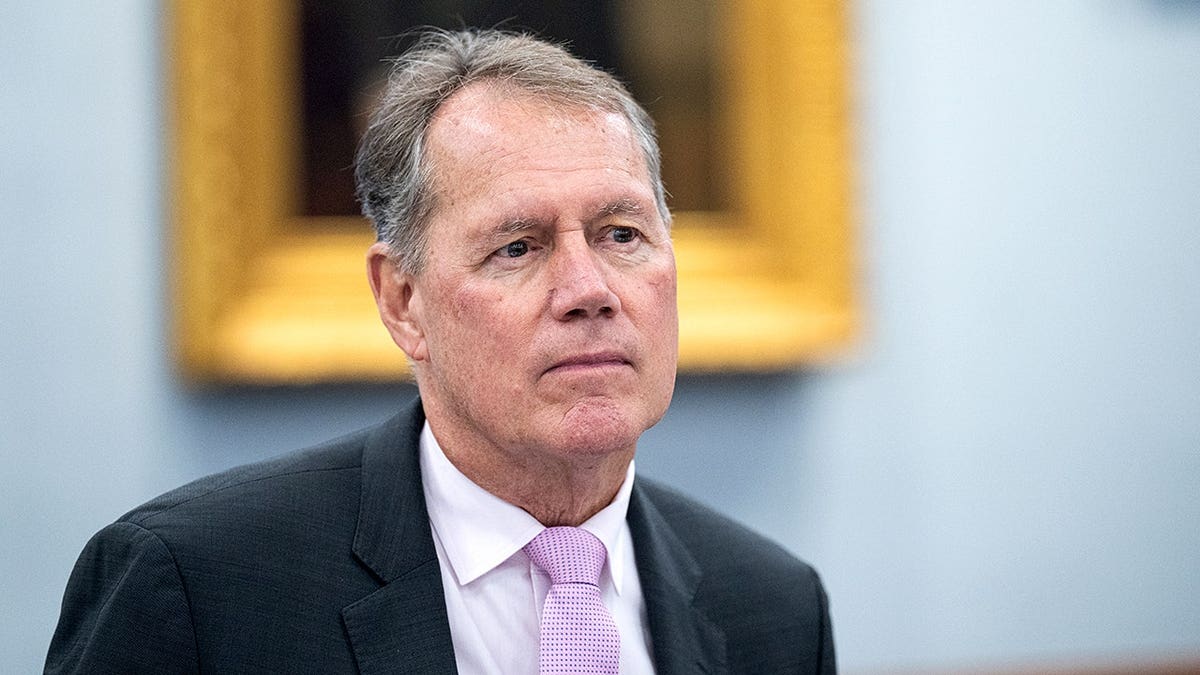
Rep. Ed Case, D-Hawaii, arrives for a House Appropriations Committee markup of several appropriations bills in the Rayburn House Office Building in Washington on July 10, 2024. (Bill Clark/CQ-Roll Call, Inc via Getty Images)
SIGN UP TO GET THE POLITICS NEWSLETTER
Case, who is seeking a seventh term, has represented the district since 2019 and argues that his seniority and position on the Appropriations Committee give Hawaii greater influence in Washington. Meanwhile, Keohokalole, who is endorsed by Sen. Bernie Sanders’ group Our Revolution, is running on a progressive platform that includes Medicare for All and opposition to ICE and President Donald Trump’s tariffs.
Keohokalole is seeking to portray Case as out of touch with Democratic voters, pointing to the congressman’s vote with House Republicans to pass Trump’s SAVE America Act, which would require voters to show proof of citizenship when registering to vote.
Given the district’s strong Democratic lean, whoever wins the party’s primary will likely be favored to win the seat in November.
Polls close at 7pm local time.
hawaii, gubernatorial, state and local primaries, elections, elections state and local, politics
INTERNACIONAL
Dos personas buscadas por un esquema de lavado de dinero de USD 50 millones fueron arrestadas en Colombia, informó el FBI de Miami

El FBI Miami anunció la captura y extradición de dos ciudadanos colombianos acusados de dirigir un esquema internacional de lavado de dinero por 50 millones de dólares, en una operación que involucra a organizaciones criminales de alto perfil y afecta a múltiples estados de Estados Unidos. Los detenidos, Santiago Orrego Gomez y Daniel Mauricio Gomez Garcia, fueron arrestados en Colombia por la Policía Nacional el 6 de agosto de 2026 y entregados a agentes federales en Medellín. El caso es relevante para la lucha global contra el lavado de activos y crimen organizado, abriendo nuevas investigaciones en ambos países, según reportó el FBI.
En un comunicado oficial, el FBI Miami detalló que la entrega de los sospechosos fue posible gracias a la cooperación con la Policía Nacional de Colombia, Homeland Security Investigations y la Fiscalía del Distrito Sur de Florida. Los cargos incluyen conspiración para lavado de activos, fraude y colaboración con el cartel Clan del Golfo. La operación, denominada “Operation Count It Up”, permitió identificar movimientos financieros internacionales, el uso de criptomonedas y el desvío de fondos provenientes de fraudes a personas mayores. Las autoridades subrayan el valor de esta redada por el volumen de dinero involucrado y su impacto en la economía estadounidense.
Según antecedentes verificados por NBC Miami y confirmados por las agencias oficiales, la investigación se centró en la estructura financiera de los detenidos, quienes presuntamente operaban como enlaces del Clan del Golfo, una organización criminal activa en Colombia y vinculada al narcotráfico internacional. El operativo involucró la colaboración de fuerzas de seguridad de ambos países, allanamientos coordinados y la incautación de activos relacionados con la red de lavado de dinero.
Santiago Orrego Gomez y Daniel Mauricio Gomez Garcia son ciudadanos colombianos identificados por el FBI como presuntos operadores financieros de una red internacional de lavado de dinero asociada al Clan del Golfo. Según el comunicado institucional, ambos enfrentan cargos federales por:
- Conspiración para lavado de activos.
- Fraude electrónico y bancario.
- Participación en una organización criminal dedicada al ocultamiento de fondos ilícitos.
La investigación “Operation Count It Up” reveló que los acusados canalizaban fondos provenientes de actividades ilícitas, principalmente narcotráfico y fraudes a personas mayores, hacia Estados Unidos. El flujo de dinero superó los 50 millones de dólares, según el FBI, utilizando mecanismos como transferencias electrónicas, depósitos en cajeros automáticos y conversiones a criptomonedas.

El operativo policial se desarrolló en coordinación entre la Policía Nacional de Colombia y el FBI Miami. De acuerdo con el reporte oficial publicado el 7 de agosto de 2026, agentes federales se trasladaron a Medellín, donde recibieron a los acusados, quienes fueron escoltados bajo estrictas medidas de seguridad hasta Miami para comparecer ante la justicia federal. La extradición se realizó conforme a los tratados de cooperación judicial entre Colombia y Estados Unidos, permitiendo la rápida transferencia de los sospechosos.
El FBI Miami agradeció el apoyo de la Policía Nacional de Colombia y de Homeland Security Investigations, destacando la importancia de la colaboración internacional en la lucha contra el crimen organizado y el lavado de activos. “Este caso es un ejemplo de la determinación de las autoridades para desmantelar organizaciones de lavado de dinero vinculadas al narcotráfico”, afirmó la oficina del FBI en su actualización oficial.
La operación “Count It Up” es una investigación dirigida por el FBI Miami para identificar y desarticular redes internacionales de lavado de dinero. De acuerdo con los informes institucionales, la red operaba mediante:
- Transferencias bancarias entre múltiples cuentas en diferentes estados de EE.UU.
- Depósitos en efectivo en cajeros automáticos.
- Conversión de fondos a criptomonedas para dificultar el rastreo.
- Recepción y ocultamiento de dinero proveniente de fraudes a personas mayores.
La combinación de estos métodos permitía a la organización eludir los controles del sistema bancario estadounidense y ocultar el origen ilícito de los fondos. El FBI señaló que parte del dinero provenía del tráfico de drogas operado por el Clan del Golfo y que la estructura financiera tenía ramificaciones en otros países de América Latina.

En declaraciones institucionales recogidas en su canal oficial, el FBI Miami afirmó: “Este caso es otro ejemplo de la firmeza del FBI para llevar ante la justicia a los responsables de lavado de dinero y desarticular organizaciones criminales”. La agencia subrayó el papel clave de la cooperación internacional y la importancia de los acuerdos bilaterales con Colombia para permitir la extradición rápida de los sospechosos.
La Fiscalía del Distrito Sur de Florida también confirmó la presentación de cargos y la apertura de un proceso judicial contra los acusados. De acuerdo con los documentos oficiales, la investigación continúa en busca de otros posibles implicados y la recuperación de activos vinculados al esquema criminal.
El Clan del Golfo es una organización criminal con base en Colombia, señalada por las autoridades estadounidenses como uno de los principales carteles de narcotráfico del continente. Según el FBI, Santiago Orrego Gomez y Daniel Mauricio Gomez Garcia actuaban como operadores financieros de esta organización, facilitando el movimiento y blanqueo de grandes sumas de dinero derivadas de actividades ilícitas.
El reporte del FBI Miami establece que la red de lavado detectada utilizaba conexiones en varias ciudades de Estados Unidos y América Latina, lo que permitió canalizar fondos ilegales a través de una compleja estructura de cuentas y empresas pantalla. La vinculación con el Clan del Golfo agrava los cargos federales y amplía el alcance de la investigación a otros miembros de la organización.

Los acusados fueron puestos a disposición de la Corte Federal del Distrito Sur de Florida, donde enfrentan cargos de conspiración para lavado de activos, fraude y pertenencia a organización criminal. Las penas para estos delitos en Estados Unidos pueden superar los 20 años de prisión, además del decomiso de bienes y la obligación de reparar el daño económico causado.
La justicia federal estadounidense ha iniciado el proceso judicial, que incluye audiencias preliminares, presentación de pruebas y posibles acuerdos de cooperación para identificar a otros implicados en la red de lavado. Según el FBI, el caso se mantiene abierto y no se descartan nuevas detenciones en el corto plazo.
La detención y extradición de Santiago Orrego Gomez y Daniel Mauricio Gomez Garcia representa un avance en la cooperación bilateral entre Colombia y Estados Unidos para combatir el lavado de dinero y el crimen organizado transnacional. El operativo “Operation Count It Up” refuerza la capacidad de las autoridades para utilizar herramientas tecnológicas, intercambio de información y acciones judiciales coordinadas.
De acuerdo con el FBI Miami, la investigación abierta permitirá fortalecer los controles sobre transferencias financieras y detectar esquemas similares en el futuro. Para la comunidad internacional, este caso evidencia la complejidad de las redes de lavado de activos y la necesidad de sistemas de control financiero más robustos y colaboración entre países.

El FBI Miami y la Fiscalía del Distrito Sur de Florida han anunciado que el caso sigue en desarrollo y se prevén nuevas acciones para:
- Identificar y detener a otros miembros de la organización.
- Recuperar activos y fondos involucrados en el esquema criminal.
- Reforzar la cooperación con agencias internacionales y bancos para mejorar los sistemas de detección de lavado de dinero.
Las autoridades colombianas también analizan la información recabada para desmantelar células restantes del Clan del Golfo y proteger a víctimas de fraudes financieros. El caso servirá de precedente para futuras investigaciones conjuntas y para fortalecer la legislación sobre delitos financieros en la región.
investigación criminal,agentes federales,dólares,evidencia financiera,documentos bancarios,Estados Unidos



Verónica Skotnes tiene 28 años y vive en un velero en el Ártico: “Vivir de forma tan sencilla y con tan poco hace que uno valore mucho sus cosas”

Nico Tagliafico y su esposa contaron por primera vez por qué no tienen hijos y dejaron un fuerte mensaje: «¿Y si no podemos tener? Tienen que pensar eso. Está muy mal»

Fentanilo mortal: las ex funcionarias fueron indagadas y continúan detenidas

Estudiantes de La Plata visita a Deportivo Riestra por la fecha 4 del Torneo Clausura

Facundo Moyano hizo su primer posteo en redes sociales después del escándalo con su novia

Hawaii voters hit the polls as Gov. Josh Green dominates, progressive takes aim at Dem congressman

La oposición cuestionó a Benegas Lynch por su empresa para vender campos a extranjeros y el senador libertario se defendió

Dólar hoy en vivo: a cuánto se negocian todas las cotizaciones minuto a minuto este miércoles 5 de agosto

Brasil retira a su embajador en la Argentina: qué consecuencias tiene la medida diplomática

Las centrales obreras y los movimientos sociales anunciaron dos días de conflicto callejero
-
 POLITICA2 días ago
La oposición cuestionó a Benegas Lynch por su empresa para vender campos a extranjeros y el senador libertario se defendió
-

 DEPORTE4 horas ago
Murió Jorge Messi, en vivo: la resolución de la AFA para los partidos de todas las categorías del fútbol argentino
-

 POLITICA3 días ago
Javier Milei se reunirá con Daniel Noboa en Ecuador y con Abelardo de la Espriella en Colombia