
INTERNACIONAL
Fragile relationship with House GOP has Senate Republicans warning ‘something needs to change’

NEWYou can now listen to Fox News articles!
Senate Republicans are taking stock of their relationship with the House GOP as they gear up for another key test of their unity across chambers.
Dysfunction, miscommunications and wasted time have dotted the last few months of Republicans’ control of Congress, particularly during the longest government shutdown on record.
Republicans in the upper chamber aren’t singling out others in the House who should bear responsibility, but they do agree that something needs to change as they plow forward to fund immigration operations for the next few years.
TRUMP SAYS HE ‘CAN’T STAND’ SOME REPUBLICANS FOR REFUSING ONE KEY MOVE FOR HIS AGENDA
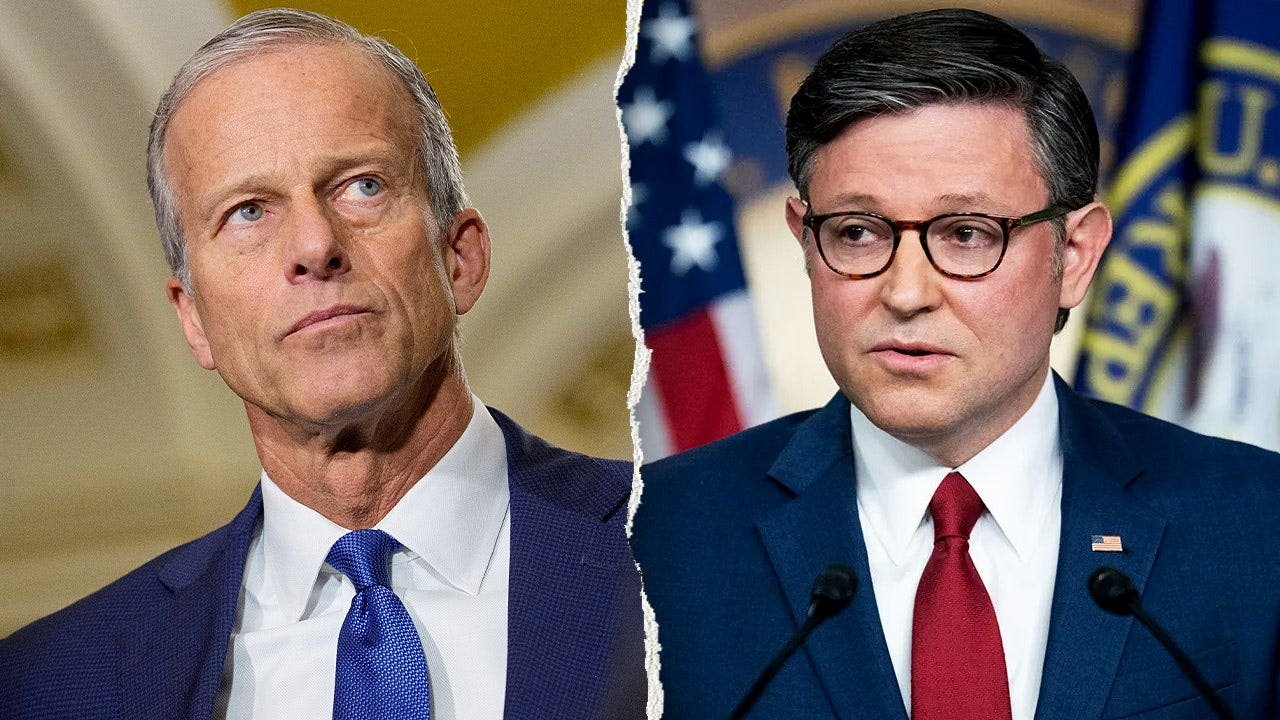
Senate Republicans have grown frustrated with their counterparts in the House over the sluggish pace of legislation. Some argue it’s a communication breakdown among leadership, others put the blame on just how different the two chambers are. (Andrew Harnik/Getty Images; Tom Williams/CQ-Roll Call, Inc. via Getty Images)
«I think we all need to get in a room and figure out what’s our plan,» Sen. Katie Britt, R-Ala., told Fox News Digital. «And how are we going to get things done for the American people? That has to be the goal, and right now something needs to change.»
Republicans are readying to fund Immigration and Customs Enforcement (ICE) and Border Patrol for the next three and a half years through budget reconciliation, which will require near-perfect unanimity in both chambers to work, given that Democrats are getting cut out of the process.
But divisions between the chambers were laid bare during the Department of Homeland Security (DHS) shutdown, when House Republicans, led by House Speaker Mike Johnson, R-La., refused to consider the Senate’s compromise plan to reopen the agency.
That decision prolonged the shutdown for nearly a month, and spurred the necessity to turn to reconciliation. It also fostered frustration between the Senate and House at a time when leadership and President Donald Trump are calling for unity.
JOHNSON SCRAMBLES AS TRUMP, SENATE REPUBLICANS PRESSURE HOUSE TO FUND DHS
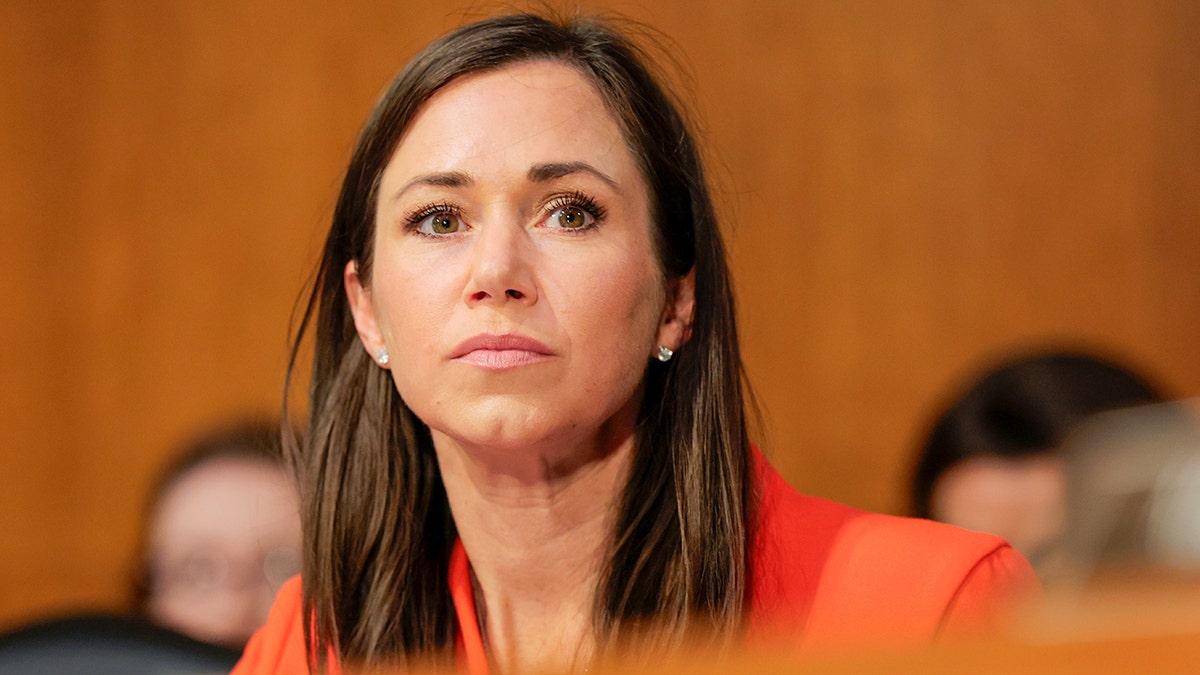
Sen. Katie Britt, R-Ala., attends a Senate hearing in the U.S. Capitol. (Anna Moneymaker/Getty Images)
Both Johnson and Senate Majority Leader John Thune, R-S.D., have thin majorities to work with — Johnson more so than Thune. That reality isn’t something that’s lost on Senate Republicans, particularly on legislation that Democrats won’t support, and is so far preventing the knives from coming out in the upper chamber.
«I mean, I think we understand the challenges that Mike has over there. He’s not king. He’s the speaker of the House,» Sen. Roger Marshall, R-Kan., told Fox News Digital. »And their margin of error is less than ours, proportionately. So I can’t imagine. I think he’s doing the very best he can.»
Some Republicans argue that it’s more of a communication issue between the chambers than unfettered dysfunction in the House.
Sen. Bernie Moreno, R-Ohio, told Fox News Digital he didn’t buy the «whole House’s dysfunction» argument, and instead said it was incumbent on senators to make more of an effort.
«I think we have to take a little bit of ownership ourselves here in the Senate, and that’s certainly not [just] the leadership, but all of us,» Moreno said. «Because when we’re working on bills, we should have total, complete synchronicity with the House.»
‘SHIRTS AND SKINS’: HOW ONE REPUBLICAN BRIDGED THE GAP TO PASS TRUMP’S ‘BIG, BEAUTIFUL BILL’
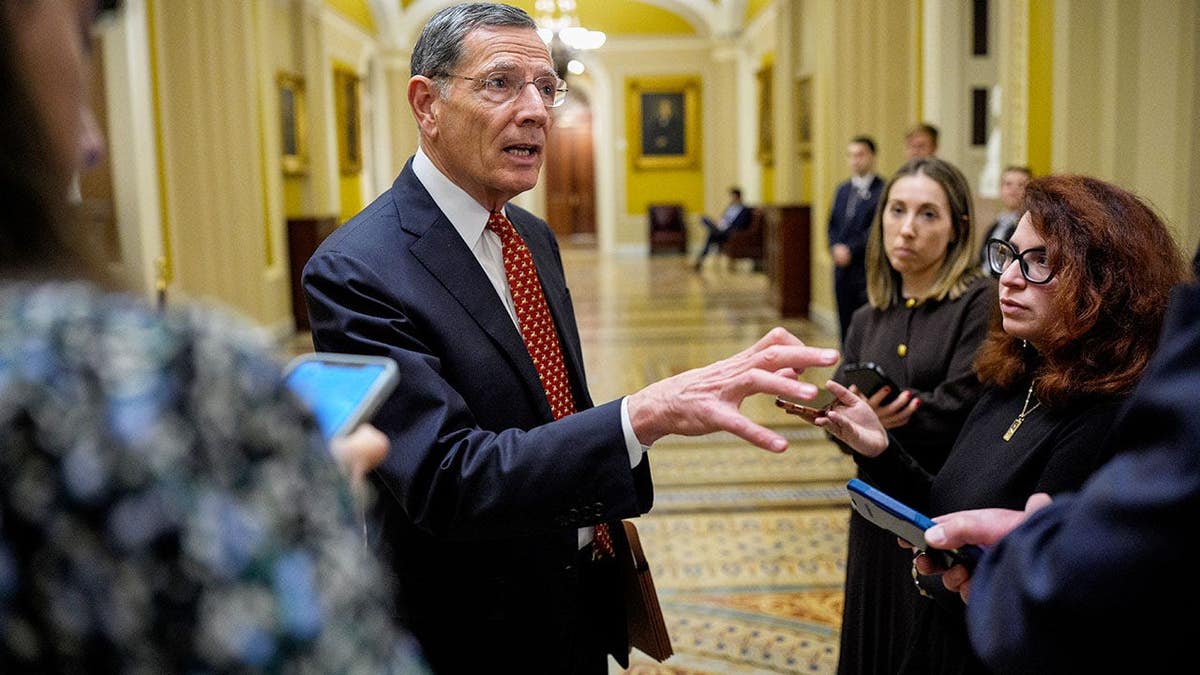
Senate Majority Whip John Barrasso, R-Wyo., speaks to reporters after voting at the U.S. Capitol on March 4, 2026. (Andrew Harnik/Getty Images)
House Republicans, for example, contended that they were blindsided by the Senate deal to reopen the bulk of DHS earlier this year that carved out funding for ICE and Border Patrol.
«We’ve got to be able to make sure we’re communicating better and working through the issues,» Sen. James Lankford, R-Okla., told Fox News Digital. «The House isn’t our enemy. We gotta be able to resolve all the issues on a piece of legislation. We have differences of opinion. OK, let’s work them out.»
The issue of communication is one that, since Republicans took control of both chambers last year, was largely handled by DHS Secretary Markwayne Mullin, the former GOP senator who acted as a de facto liaison between both chambers for major legislative pushes.
When asked if Republicans needed a Mullin 2.0, Lankford said that the main points of communication fell on Thune and Johnson.
And Thune has not been quick to criticize Johnson or House Republicans publicly and noted that the nature of both chambers and how they operate would lead to issues along the way.
CLICK HERE TO DOWNLOAD THE FOX NEWS APP
«We obviously have a 60-vote threshold,» Thune said. »We need Democrats. You know, he doesn’t need Democrats, but he needs every Republican, and that’s a real challenge on a good day. And, you know, sometimes there aren’t a lot of good days around here.»
Conversely, Senate Majority Whip John Barrasso, R-Wyo., argued that despite the issues, if Democrats were in control of the chambers, Americans would have been hit with the largest tax hike in decades had Republicans not mustered a unified front to pass Trump’s «big, beautiful bill.»
«All of that would have been in the opposite if the Democrats had been in the majority and been able to do what they wanted to do to raise taxes,» Barrasso told Fox News Digital.
politics, mike johnson, congress, john thune, republicans, senate elections








INTERNACIONAL
Por la sequía extrema, Rumania dinamita el río Danubio para desviar agua hacia una planta nuclear
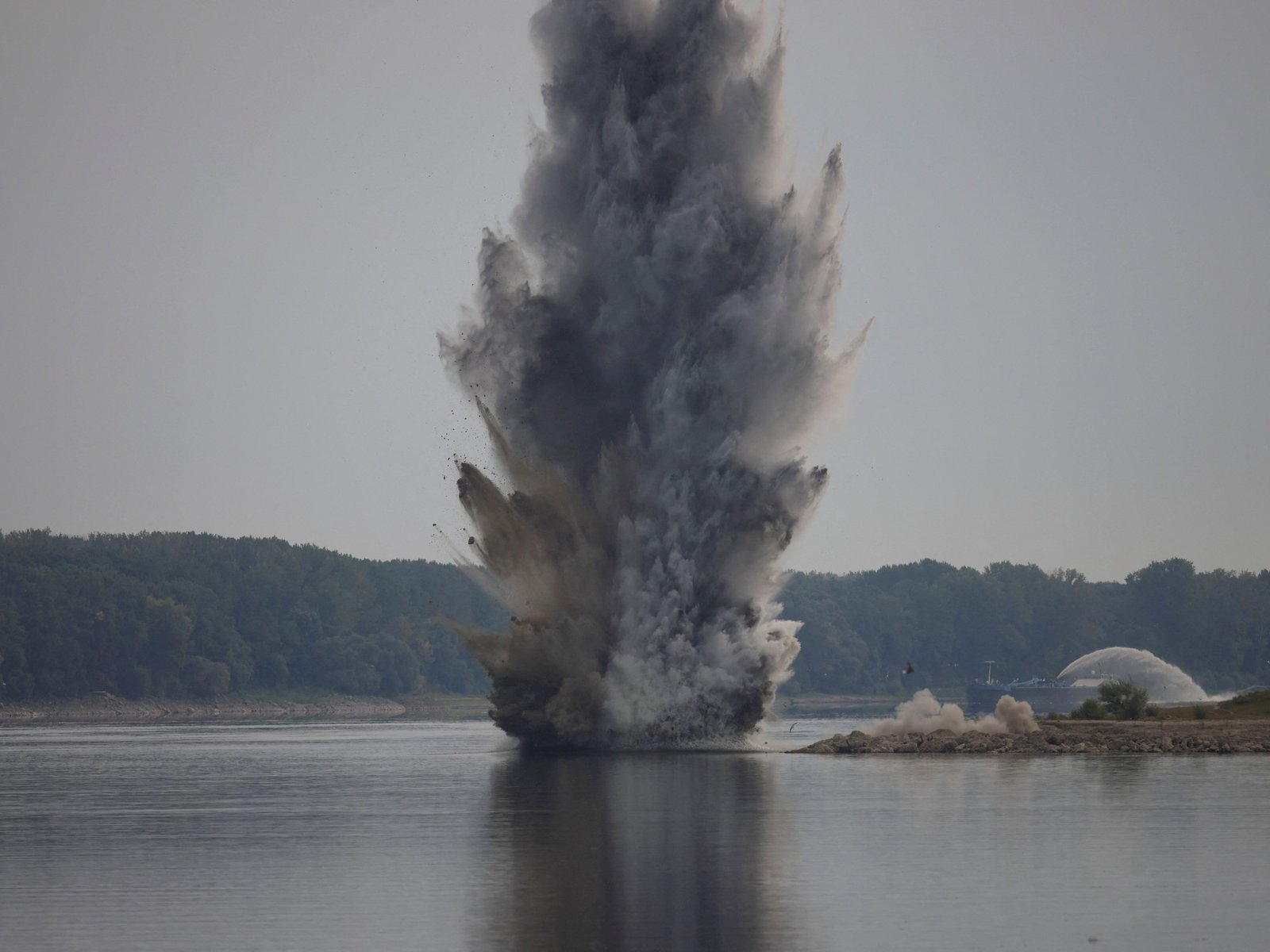
El Ejército de Rumania llevó a cabo este lunes una explosión controlada y submarina de una roca para redirigir un mayor caudal del Danubio hacia la central nuclear de Cernavoda, con el objetivo de evitar tener que desconectar su segundo reactor.
«Cada día adicional de funcionamiento de la central de Cernavoda supone una ganancia», declaró a la prensa el ministro de Defensa rumano, Radu Miruta, al anunciar el éxito de la inusual operación, después de haber fracasado un primer intento el domingo.
Situada en el sureste de Rumanía, la planta de Cernavoda, la única nuclear del país, requiere el agua del Danubio para la refrigeración del ciclo térmico.
El dramático descenso del nivel del río debido a una prolongada sequía y a una mayor evaporación causada por las elevadas temperaturas obligó a las autoridades a desconectar el martes pasado uno de sus dos reactores.
Ante la perspectiva de que la situación no mejore en los próximos días, se temía que fuera necesario desconectar también la segunda unidad, con lo cual la central quedaría completamente inoperativa.
Normalmente, con una potencia instalada de 706 MW en cada uno de los dos reactores, la planta, de fabricación canadiense y en funcionamiento desde hace casi tres décadas, genera un 20 % de la electricidad que consume el país, de 19 millones de habitantes.
Debido a la caída en la producción energética, el Gobierno declaró el viernes el Estado de Alerta Nacional hasta el 31 de agosto y anunció planes para aumentar la electricidad importada, principalmente desde Ucrania.
Ahora se espera que al menos la segunda unidad pueda seguir en funcionamiento después de que la Armada rumana consiguiera desviar temporalmente agua desde un canal adyacente hacia la zona de captación de Cernavoda usando 180 kilogramos de explosivos para dinamitar una roca.
El Ejecutivo había aprobado el viernes una partida presupuestaria extraordinaria, de unos 1,3 millones de euros, para llevar a cabo esas obras hidráulicas.
El caudal del Danubio se ha desplomado hasta situarse, a la entrada en Rumanía, entre los 1.550 y 1.600 metros cúbicos por segundo, casi tres veces menos que la media habitual en esta época (entre 3.900 y 4.700 metros cúbicos/s).
Por otro lado, los responsables de unas 80 empresas nacionales han sido convocados este lunes por el Ministerio de Energía para estudiar cómo pueden contribuir a aliviar la crisis energética.
Tras la reunión, el Gobierno anunció que los fabricantes de autos Dacia y Ford accedieron voluntariamente a parar su producción hasta el próximo día 19.
Según el portal informativo Antena 3, actualmente se estaría evaluando la posibilidad de que otras compañías puedan concentrar sus actividades en las horas de menor demanda o incluso reducir su producción en las próximas semanas.
Además, varias ciudades han comenzado a aplicar medidas de ahorro energético, como apagar parte del alumbrado público.
Los meteorólogos pronostican una nueva ola de calor extremo hasta el próximo viernes, con temperaturas de hasta 41 grados en el noreste del país.
El bajo caudal del Danubio también golpea a Hungría, que prevé desconectar en las próximas horas el último reactor aún operativo de su única planta nuclear, según anticipó este lunes el primer ministro, Péter Magyar.
El mandatario ya había anunciado durante el fin de semana que la central de Paks, que suministra la mitad de la energía que consume el país, estaba en una situación compleja ante la caída del nivel del agua a un mínimo histórico de 1,38 metro por debajo de lo normal, lo que impide la refrigeración de los reactores.
«Seguramente este lunes, y quizá mañana como máximo, podrá mantenerse operativa esta turbina que produce 240 megavatios de energía», frente a los 2.000 habituales de la planta, afirmó.
El jefe del Gobierno añadió que «es difícil predecir la altura del Danubio» y que no ve que sea posible que aumente tanto como para mantener funcionando la central.
Esta sería la primera vez que se desconecta la planta nuclear de Paks, que comenzó a funcionar hace 44 años.
INTERNACIONAL
Unearthed video exposes El-Sayed’s opinion on driver’s licenses for illegal immigrants
NEWYou can now listen to Fox News articles!
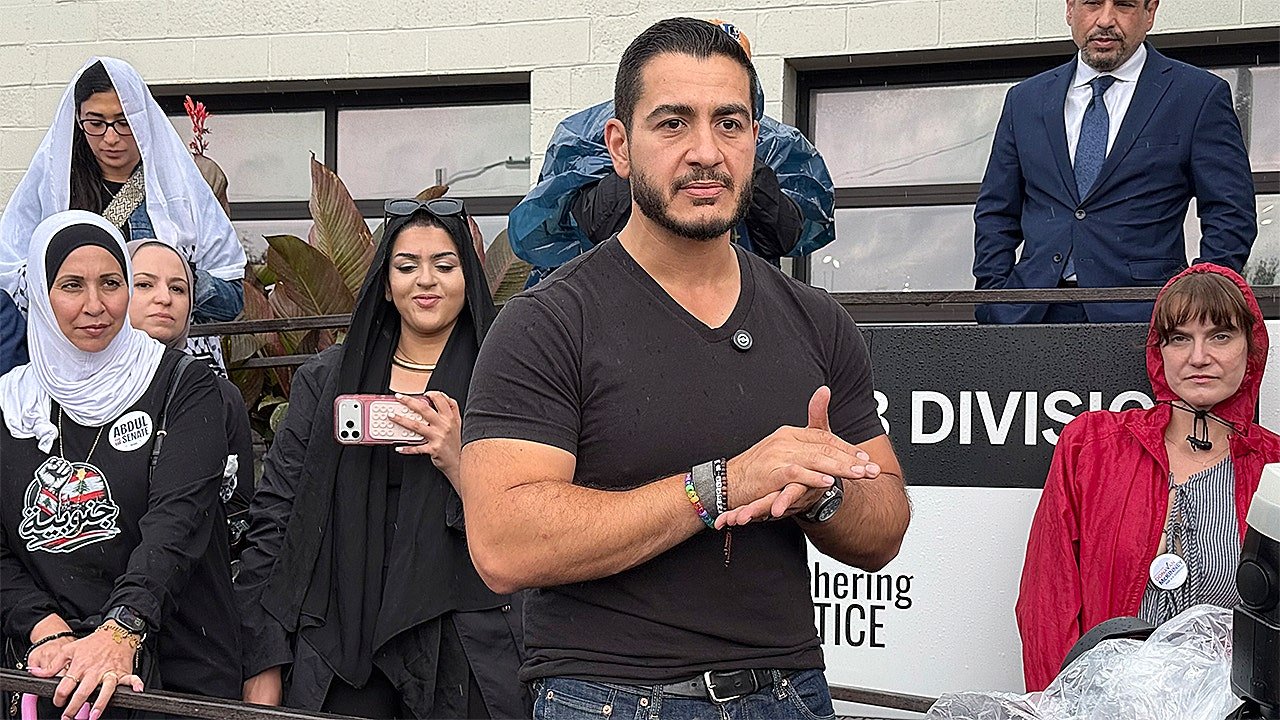
Abdul El-Sayed, a Democratic candidate for U.S. Senate in Michigan, once proposed allowing undocumented immigrants to secure driver’s licenses, making the case that not doing so would be discriminatory.
«We’ve got to make sure that in this state we are not discriminating against documentation status. Right now, if you’re undocumented, you don’t get access to a driver’s license. You’re stuck,» El-Sayed said in a 2018 campaign interview.
At the time, El-Sayed was running for governor.
Eight years later, as he looks to join the U.S. Senate, the resurfaced clip sheds light on El-Sayed’s past thinking about how local governments should interact with illegal aliens and raises questions about whether granting them state identification would in some ways legitimize their presence in the U.S.
SOCIALIST-BACKED MICHIGAN SENATE HOPEFUL CALLS AMERICAN POLITICS A ‘DISEASE’ AFTER PROFESSING LOVE FOR US
Michigan Democratic candidate for Senate Abdul El-Sayed speaks at The People V. The Powerful rally at the Detroit Opera House on July 18, 2026 in Detroit, Michigan. (Sarah Rice/Getty Images)
Hans von Spakovsky, an elections expert for Advancing American Freedom, explained that a license can act as a doorway to a range of government benefits.
«Because America does not have a national ID card like the Europeans and other nations, state driver’s licenses are a stand-in for that ID card. Issuing driver’s licenses to aliens will help them in all the instances where a license is needed, from opening bank accounts to all types of other transactions,» Spakovsky said.
Spakovsky noted that I-9 forms, paperwork for employment eligibility, regularly require little else than a license.
«The key to getting aliens to self-deport would be to ensure that they cannot rent apartments, open bank accounts and take all of the other steps necessary to live and work in the U.S.,» Spakovsky said.
«Providing them driver’s licenses is a huge step in allowing them to easily live and work in the United States,» he added.
NEW MAINE LAW LIMITS POLICE COOPERATION WITH FEDERAL IMMIGRATION OFFICIALS
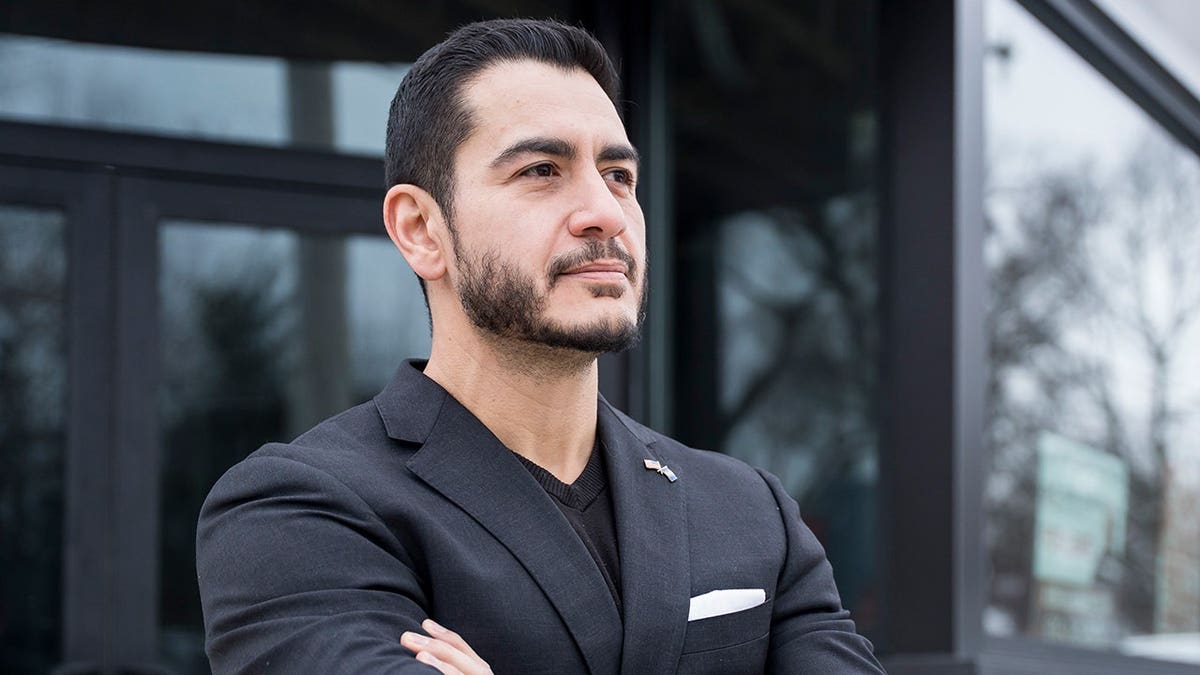
Michigan U.S. Senate candidate Abdul El-Sayed poses for a portrait in Grand Rapids, Michigan, on Saturday, Feb. 21, 2026. (Evan Cobb for The Washington Post via Getty Images)
In the 2018 clip, El-Sayed seemed concerned that illegal aliens would be ineligible for some of those advantages.
«You don’t get access to a lot of the basic things that the state offers everybody else, and I think that’s ridiculous and so we’ve got to stop discriminating that way,» El-Sayed said.
Although El-Sayed has rejected labels like «progressive» or «far-left,» he has advocated for a more government-first approach in many key areas like affordability, infrastructure and public services.
He’s advocated for Medicare for all, opposes corporate tax carve-outs, and he supports tuition-free access to higher education. When asked about promises to increase government provisions by candidates like Zohran Mamdani, El-Sayed said he believes that Democrats will trend in that direction.
«You’re seeing that kind of resonance here in Michigan for sure. And I’m not surprised that you’re seeing that in New York, too. Government ought to be available to set an equal playing field for everybody and to offer those basic things that everybody needs and deserves,» El-Sayed told Fox News Digital in an interview.
SHOCKING PERCENTAGE OF DEMOCRATS IDENTIFY AS ‘DEMOCRATIC SOCIALISTS’ ACCORDING TO NEW POLL: ‘TOXIC POLICIES’
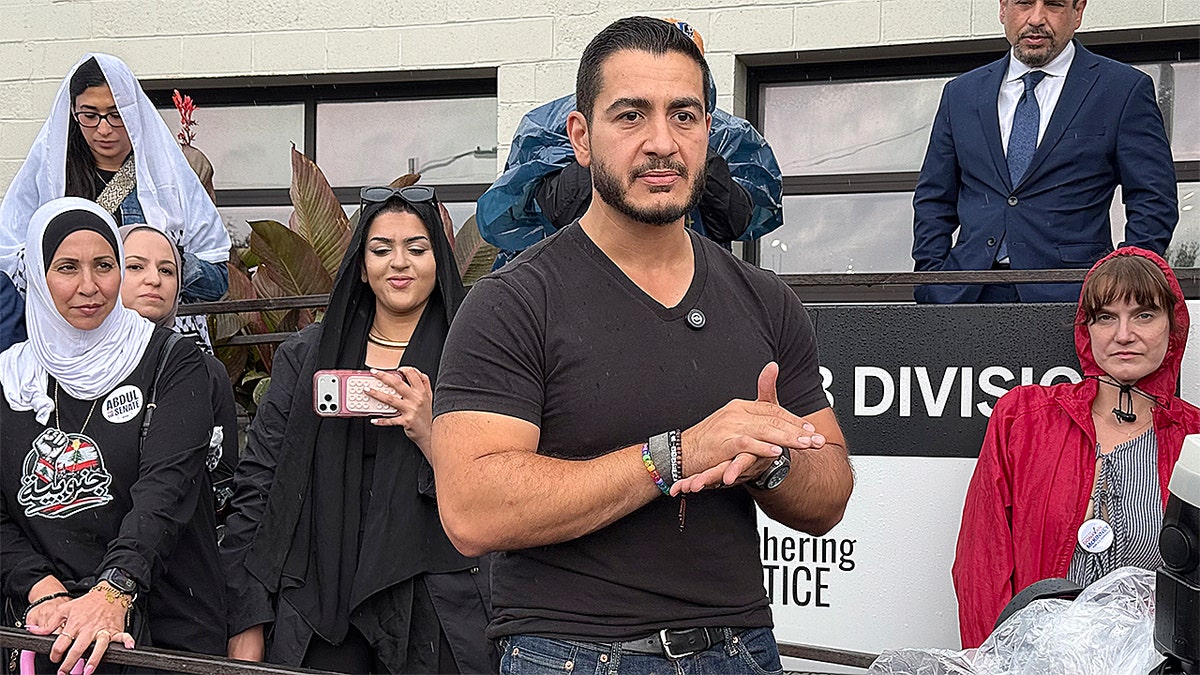
Abdul El-Sayed, a Democratic Senate candidate in Michigan, at a campaign event in Detroit, Michigan on August 2, 2026 ( )
El-Sayed’s campaign did not immediately respond to a request for comment on how far government should go in providing some of those same services to non-residents. His campaign also did not address whether providing licenses for undocumented immigrants would be a tacit approval of their presence in the country.
El-Sayed faces off against Rep. Haley Stevens on Tuesday evening in the state’s primaries. Whoever secures the party’s nomination will advance to the Nov. 3 general election.
illegal immigrants, immigrant rights, politics, michigan
INTERNACIONAL
Fiscalía pide un año de prisión preventiva para hijos del narcotraficante costarricense “Pecho de Rata”
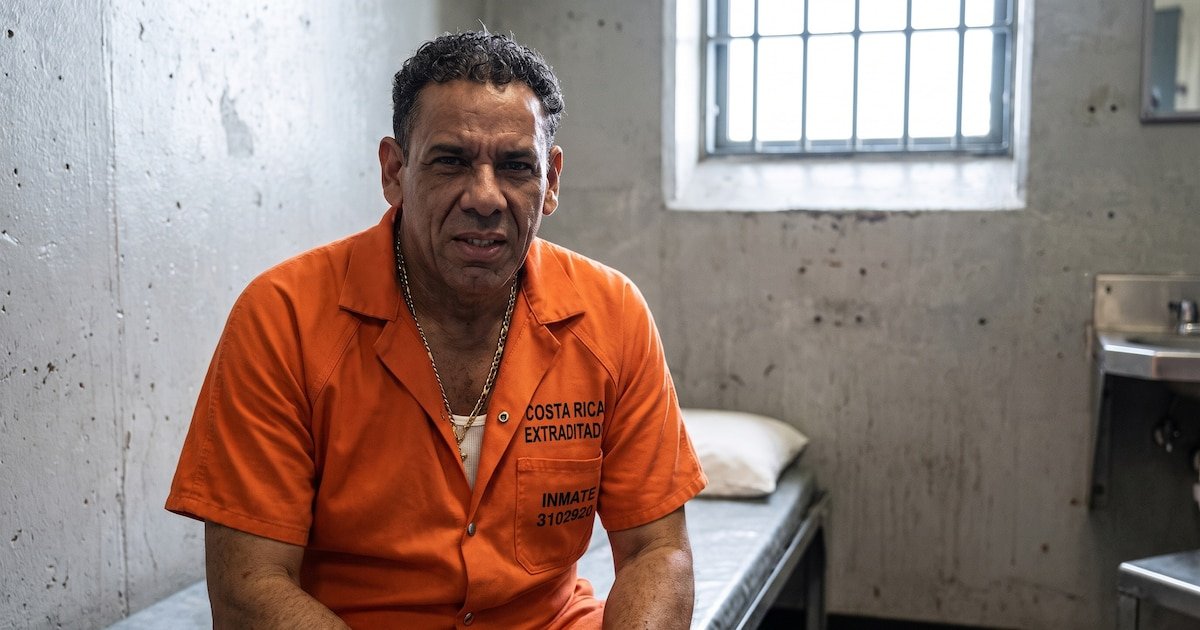
La Fiscalía Adjunta de Legitimación de Capitales y Persecución Patrimonial solicitó un año de prisión preventiva para 37 de los imputados en el caso Riverside, entre ellos cuatro hijos de Edwin López Vega, alias “Pecho de Rata”, señalado como el presunto líder de una organización criminal dedicada al tráfico nacional e internacional de drogas y al lavado de dinero.
La petición fue presentada luego de que el Ministerio Público concluyera la exposición de las pruebas durante la audiencia de medidas cautelares, un proceso que se ha prolongado por más de siete semanas debido a la magnitud del expediente y al elevado número de personas investigadas.
Ahora corresponderá a los abogados defensores presentar sus alegatos antes de que el Juzgado Penal de Limón resuelva si acoge o no la solicitud fiscal.
De acuerdo con la investigación, la organización criminal habría continuado operando incluso después de que López Vega fuera extraditado a Estados Unidos en marzo de este año, tras permanecer detenido desde mediados de 2025.
La Fiscalía sostiene que la estructura quedó bajo el mando de los hijos de “Pecho de Rata”, quienes habrían asumido funciones de coordinación dentro de la presunta organización dedicada al abastecimiento de marihuana y cocaína para diferentes grupos criminales del país, además de exportar cargamentos de droga y blanquear las ganancias obtenidas mediante esas actividades ilícitas.
Entre los imputados también destacan un hombre de apellido Spencer, quien presuntamente era el responsable de la logística marítima utilizada para el transporte de estupefacientes, y dos personas de apellido Botti, señaladas como supuestos encargados del tráfico de drogas.

La solicitud de prisión preventiva alcanza a personas de apellidos Calero, López, Vaz, Cameron, Mc Lean, Wray, Pizarro, Angulo, Martínez, Lara, Mena, Kelly, Scoby, Sojo, León, Marchena, Botti, Pinnock, Ardón, Coto, Romero, Gordon, Collado, Córdoba, Spencer, Marín, Corrales, Slack, Segura, Gutrie y Weir, entre otros.
Mientras tanto, otras 17 personas investigadas permanecerán en libertad bajo medidas cautelares. Entre las restricciones impuestas por la Fiscalía figuran la prohibición de salir del país, la obligación de firmar una vez al mes ante las autoridades judiciales, mantener un domicilio fijo y abstenerse de tener contacto con los demás integrantes de la presunta organización criminal.
El Ministerio Público explicó que esas medidas fueron determinadas luego de valorar los riesgos procesales y el nivel de participación atribuido a cada uno de los sospechosos.
Además, advirtió que cualquier incumplimiento de las condiciones impuestas podría provocar la revocatoria de esas medidas y el eventual dictado de prisión preventiva.
La audiencia se desarrolla en el auditorio del Organismo de Investigación Judicial (OIJ), debido a la cantidad de personas involucradas en el expediente. La utilización de ese espacio ha generado algunos retrasos, ya que el recinto también había sido reservado para otras actividades institucionales, como graduaciones y grabaciones, lo que obligó a realizar coordinaciones logísticas adicionales.
La diligencia es dirigida por la jueza Alejandra Rojas, del Juzgado Penal de Limón.
La operación Riverside, ejecutada el 23 de junio, es considerada por las autoridades como el mayor operativo realizado en la historia del OIJ contra una organización dedicada al narcotráfico y la legitimación de capitales.

Según las investigaciones, la estructura movilizaba cocaína y marihuana desde Colombia mediante embarcaciones que desembarcaban en la zona de Cahuita, en Limón, para posteriormente distribuir la droga dentro del país y enviarla a otros mercados.
Las pesquisas también permitieron identificar un patrimonio de aproximadamente ₡10,000 millones (USD 22 millones) que las autoridades consideran de origen presuntamente ilícito.
El expediente además incluye investigaciones por presuntos vínculos con el exmagistrado Celso Gamboa y menciona la supuesta participación de figuras públicas, entre ellas cantantes, exfutbolistas y modelos, aspecto que continúa bajo investigación.
Asimismo, el OIJ determinó que, pese a encontrarse privado de libertad antes de su extradición, “Pecho de Rata” habría continuado dirigiendo las op2weraciones de la organización desde el centro penal La Reforma mediante teléfonos celulares que, presuntamente, le eran facilitados de forma ilegal por funcionarios penitenciarios.
La investigación también señala que López Vega fungía como uno de los principales proveedores logísticos de droga para Alejandro Arias Monge, alias “Diablo”, uno de los criminales más buscados por las autoridades costarricenses.
pecho de rata,narcotraficante,extradicion,costa rica,estados unidos,prision

El enemigo imaginario que justifica un DNU absurdo

El horóscopo de hoy: martes 4 de agosto

Vozinha desata la locura en su llegada a Chile

Las imágenes de la reconstrucción que muestran cómo Piccirillo le habría plantado drogas y un arma a Hauque

Un especialista explicó en detalle el peligro de la decisión de la Anmat sobre la venta libre de diez medicamentos que requerían receta

Por la sequía extrema, Rumania dinamita el río Danubio para desviar agua hacia una planta nuclear

“Vamos a acelerar con todo”: el objetivo del Gobierno por las reformas y la agenda electoral de cara al 2027

Reelecciones indefinidas: el oficialismo bonaerense niega que busque ampliar la Legislatura como parte de una reforma política para beneficiar a los intendentes

“Casta”, “parásito” y “sea democrático”: fuerte respuesta de Victoria Villarruel a Diego Santilli

¡Chau Luck Ra! La salida de soltera de La Joaqui, muy bien acompañada, a días de su separación
-
 POLITICA2 días ago
“Vamos a acelerar con todo”: el objetivo del Gobierno por las reformas y la agenda electoral de cara al 2027
-
 POLITICA1 día ago
Reelecciones indefinidas: el oficialismo bonaerense niega que busque ampliar la Legislatura como parte de una reforma política para beneficiar a los intendentes
-
 CHIMENTOS2 días ago
¡Chau Luck Ra! La salida de soltera de La Joaqui, muy bien acompañada, a días de su separación