
INTERNACIONAL
El gobierno de Guatemala crea fondo para la protección y recuperación de bosques

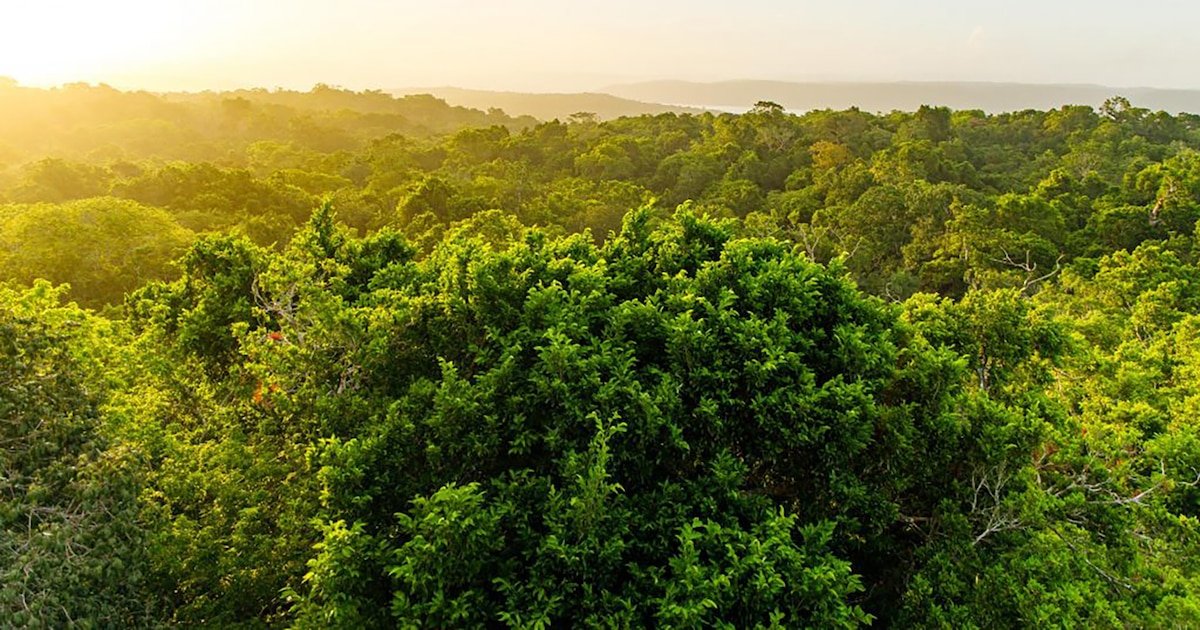
Guatemala lanza el Fondo de Protección y Recuperación de Bosques (Fobosques) con un presupuesto de 40 millones de quetzales para financiar proyectos de reforestación y manejo forestal a partir de mayo de 2026.
El nuevo mecanismo, administrado por el Crédito Hipotecario Nacional junto al Ministerio de Ambiente y Recursos Naturales (MARN), busca acelerar el camino hacia la deforestación neta cero y permitiría una restauración activa de los ecosistemas nacionales, como informó la ministra Patricia Orantes desde los canales oficiales del ministerio.
La ministra Orantes explicó en un video institucional que, a diferencia de la situación en 1975, cuando dos terceras partes del territorio nacional estaban cubiertas por bosque, Guatemala conserva hoy únicamente la tercera parte de sus bosques originales.
Más de la mitad de esta superficie restante se localiza en áreas protegidas; el resto está en manos de comunidades locales. Orantes puntualizó: “Hace cincuenta años, Guatemala tenía dos terceras partes de su territorio cubierto de bosque. De aquel entonces para acá hemos perdido la mitad. Hoy solo tenemos un tercio y de ese tercio, poco más de la mitad está adentro de áreas protegidas”.

La convocatoria para acceder a fondos del programa Fobosques estará disponible del 11 al 29 de mayo de 2026, de acuerdo con el MARN. Las organizaciones, fundaciones y asociaciones con experiencia comprobada en gestión forestal podrán presentar propuestas de proyectos de protección, restauración y manejo, tanto en áreas protegidas como fuera de ellas.
Los proyectos seleccionados tendrán acceso a entre 2 y 8 millones de quetzales para ejecutarse en plazos de uno a tres años. El Viceministerio de Recursos Naturales y Cambio Climático regulará la distribución de fondos, exigiendo que las intervenciones cumplan con los criterios técnicos y eviten superposiciones con otros incentivos, conforme al ordenamiento territorial vigente.
Solo las propuestas centradas en el uso de especies nativas serán elegibles, en línea con la estrategia nacional de reconstrucción de la biodiversidad forestal. Orantes indicó: “El fondo solamente, exclusivamente apoyará el uso de especies nativas, que son la clave para volver a reconstruir nuestra biodiversidad boscosa”.

Guatemala se reconoce como el país americano con mayor densidad de coníferas, superando a México, Estados Unidos, Canadá y Brasil, puntualizó la titular del MARN. Esta diversidad se refleja en más de veinte tipos de bosques distribuidos en territorio guatemalteco: “Tenemos más de veinte tipos de bosque, el de hoja ancha, con los de Petén, Alta Verapaz e Izabal, los del bosque de manglar, los bosques nubosos, los del Quetzal, los bosques secos y espinosos, los bosques de pino. Y es que vean, somos el país de América con mayor densidad de coníferas o pinos, muy por arriba de México, Estados Unidos, Canadá y Brasil”.
Según el Decreto Número 3-2026 del Congreso de la República y el reglamento sancionado por Orantes el 27 de abril, los 40 millones de quetzales del fondo constituyen la partida anual inicial para garantizar la consolidación de resultados. El objetivo explícito es avanzar hacia la tasa de deforestación neta cero, una meta nacional consensuada entre el MARN y sus oficinas técnicas.
Las entidades adjudicatarias deberán demostrar experiencia en gestión forestal y ejecutar sus proyectos en áreas definidas como prioritarias por el viceministerio correspondiente, evitando duplicidades con otros incentivos vigentes.
El enfoque beneficiará principalmente a organizaciones sin fines de lucro con capacidad verificada para intervenir grandes extensiones de bosque natural y garantizar una gestión sostenida por varios años, conforme a los lineamientos del MARN.
La ministra Orantes resumió el sentido de la convocatoria con una frase en náhuatl: “Vamos a recuperar Coactemallan, tierra de bosques”. Guatemala —históricamente nombrada de ese modo, remarcó la funcionaria— aspira a posicionarse como un referente regional en reforestación y restauración ecológica, apoyando una política pública que prioriza la integridad de los ecosistemas nativos y el liderazgo comunitario en la gestión sostenible de los bosques.
Guatemala,Fobosques,reforestación,deforestación,medio ambiente,bosques,Patricia Orantes,MARN,quetzales,ecosistemas










Dos pueblos en «guerra»
El debate sobre las indemnizaciones

En el Var
El estado de los incendios
Vuelve la ola de calor
INTERNACIONAL
Costa Rica vuelve a destacar entre los mejores destinos del mundo para jubilados, según Forbes
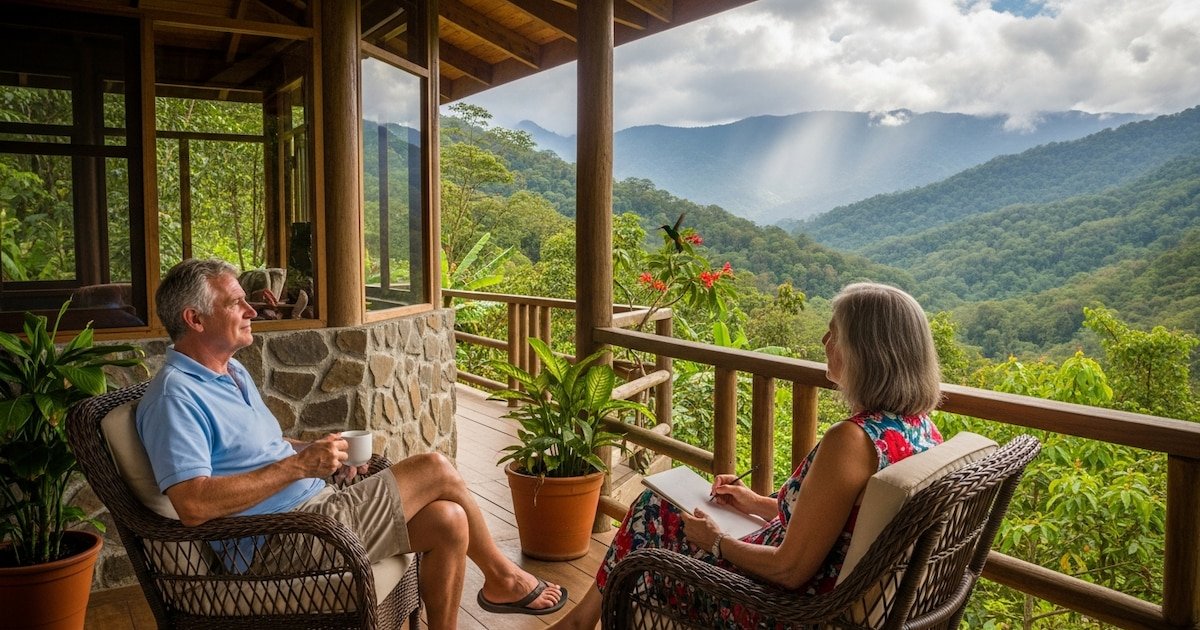
Costa Rica fue incluida nuevamente entre los mejores lugares del mundo para que ciudadanos disfruten su etapa de retiro, según la edición 2026 del ranking de destinos internacionales para jubilados elaborado por la revista Forbes.
La clasificación analizó 96 destinos ubicados en 24 países de cinco continentes, tomando en cuenta factores como costo de vida, impuestos, calidad y precio de los servicios médicos, seguridad, estabilidad política, facilidad para regresar a Estados Unidos, integración social, requisitos migratorios y riesgos asociados al cambio climático.
El país centroamericano destacó por una combinación de características que durante años han atraído a jubilados extranjeros: naturaleza, tranquilidad, acceso a servicios, cercanía con Norteamérica y un estilo de vida menos acelerado que el de muchas ciudades estadounidenses.
Según Forbes, Costa Rica mantiene un atractivo especial para quienes buscan retirarse cerca de espacios naturales. Sus playas en ambos océanos, los bosques tropicales y la diversidad ecológica fueron señalados como algunos de los principales motivos por los cuales el país continúa apareciendo en este tipo de rankings internacionales.
Además, el informe resalta que el costo de vida es considerablemente menor al promedio estadounidense, mientras que la seguridad es valorada como relativamente alta en comparación con otros destinos internacionales y el sistema político es considerado estable.

Sin embargo, el análisis también menciona algunos desafíos. Entre ellos destaca el impacto de la temporada lluviosa, especialmente las inundaciones que afectan distintas zonas del territorio nacional y que representan uno de los principales riesgos para residentes locales y extranjeros.
Uno de los puntos destacados por Forbes fue el sistema de salud costarricense. El ranking señala que en las principales ciudades del país existe atención médica de alta calidad a costos accesibles y menciona la posibilidad de que residentes extranjeros jubilados se incorporen a la Caja Costarricense de Seguro Social (CCSS).
El informe indica que algunos jubilados pueden pagar alrededor de $150 mensuales por la cobertura, aunque en la práctica la contribución depende de los ingresos declarados y de la situación particular de cada residente extranjero.
El idioma español aparece como un elemento recomendable para facilitar la adaptación, aunque Forbes señala que no representa una barrera determinante debido a la presencia de comunidades extranjeras y servicios orientados a residentes internacionales.
En materia migratoria, el país también conserva una ventaja competitiva. La publicación destaca la categoría de residencia para pensionados, conocida como “pensionado”, que permite a extranjeros con ingresos permanentes solicitar autorización para vivir legalmente en Costa Rica.
Este régimen exige demostrar una pensión vitalicia de al menos $1,000 mensuales y otorga una residencia temporal renovable por periodos de dos años, de acuerdo con la normativa migratoria costarricense. Además, el país permite a visitantes estadounidenses permanecer como turistas durante varios meses mientras completan sus trámites de residencia.
Otro aspecto señalado fue el sistema tributario. Forbes resalta que Costa Rica no grava los ingresos generados fuera del territorio nacional, una característica relacionada con su modelo de tributación territorial. Aunque Estados Unidos y Costa Rica no cuentan con un tratado específico para evitar la doble imposición, los ingresos extranjeros de muchos jubilados no son sujetos al impuesto costarricense.
Entre las zonas recomendadas aparecen San José, el Valle Central y comunidades como Atenas, reconocida internacionalmente por su clima templado. También se menciona Santa Cruz, en Guanacaste, como una alternativa atractiva para quienes buscan cercanía con playas y comunidades de extranjeros.
El Valle Central continúa siendo una de las regiones preferidas por jubilados internacionales debido a su cercanía con hospitales, servicios, el aeropuerto internacional y costos generalmente más bajos que algunas zonas costeras de alta demanda.

Costa Rica comparte la lista con otros destinos que compiten por atraer a esta población, entre ellos Panamá, México, Belice, Colombia, Uruguay, Portugal, España, Francia, Italia, Tailandia y Vietnam.
El ranking de este año también incorporó con mayor peso los riesgos climáticos. Algunos destinos europeos fueron retirados debido a factores como incendios forestales y temperaturas extremas, mientras que otros países fueron descartados por altos niveles de vulnerabilidad ante fenómenos naturales.
Costa Rica, que ha aparecido durante años en listas similares, mantiene su presencia gracias a una combinación de factores que siguen siendo valorados por los jubilados extranjeros: estabilidad, naturaleza, servicios médicos, cercanía geográfica con Estados Unidos y opciones migratorias accesibles.
No obstante, el escenario internacional cambia constantemente y cada edición de estos rankings refleja nuevas prioridades, especialmente aquellas relacionadas con seguridad, sostenibilidad y capacidad de los países para enfrentar los efectos del cambio climático.
Costa Rica,adultos mayores,casa de montaña,balcón,estadounidenses,paisaje montañoso

NEWYou can now listen to Fox News articles!
President Ronald Reagan met with Soviet leader Mikhail Gorbachev five times in the late 1980s. The first such meeting was in Geneva, Switzerland in November 1985 when the two leaders began to form a relationship. It was the second meeting in Reykjavik, Iceland, where Reagan and Gorbachev began to find trust.
«The reason I wanted to do it really, truly, was because I think these days we’ve gotten so good at yelling at one another that we are not talking anymore,» said «The Brink of War» director Michael Gunn. «What blew me away about the story when Secretary Schultz told me about it was that these were two guys who had every reason to hate each other, had every reason to be enemies, and they sat down in a room together and tried to make a better world.»
US RAMPS NUCLEAR WEAPONS PRODUCTION TO COLD WAR LEVELS AS CHINA PURSUES ‘UNPRECEDENTED’ BUILDUP
Jeff Daniels stars as President Ronald Reagan in «The Brink of War,» a film centered on the 1986 Reykjavik summit with Soviet leader Mikhail Gorbachev. («The Brink of War» / Angel Studios)
Jeff Daniels stars as Reagan in «The Brink of War,» which follows the Reykjavik summit with Gorbachev, played by Jared Harris. Reagan’s Secretary of State George Schultz, played by J.K. Simmons, was instrumental in giving Gunn behind-the-scenes details for his film.
«We spent hours and hours together. I interviewed him. He gave me the declassified transcripts that informed the script. He’s a hero of mine. The movie is dedicated to him, for him, for his public service,» Gunn said.
NEW FOX NATION DOCUMENTARY CHRONICLES 20-YEAR JOURNEY BEHIND ‘REAGAN’ FILM

«The Brink of War» explores how Reagan and Mikhail Gorbachev built trust during nuclear arms negotiations in Iceland. («The Brink of War» / Angel Studios)
«The Brink of War» not only highlights the Reagan administration’s ambitions for peace but also their disappointments. One scene shows Reagan’s doubt over trusting Gorbachev amid the negotiations as Schultz assures him it was not the end of talks to find common ground between the two global powers.
«This moment where they figured out just the two of them in a room that they could trust one another, I think led to all that. The first arms reduction agreement in human history,» Gunn said.
While no final agreement was reached in Iceland, the summit paved the way for several more meetings between Reagan and Gorbachev. It also led to several peace treaties — like the Intermediate-Range Nuclear Forces Treaty (INF), which required both sides to liquidate a class of nuclear weapons.
PRESIDENT TRUMP’S NEGOTIATING TEAM PRAISED BY NUCLEAR EXPERTS FOR WALKING AWAY FROM PAKISTAN TALKS

Director Michael Gunn says Reagan and Gorbachev’s willingness to keep talking offers a lesson for leaders confronting conflicts today. («The Brink of War» / Angel Studios)
«For the first time on the highest level, we and the Soviets came close to an agreement on real reductions of both strategic and intermediate-range weapons,» President Reagan said after his meeting with Gorbachev in Iceland. «We were in sight of an historic agreement on completely eliminating the threat of offensive ballistic missiles by 1996. I can help remembering being told just a few years ago. Radical arms reduction was an impossible dream, but now it’s on the agenda for both sides.»
Gunn believes the Reagan and Gorbachev’s discussions should be an inspiration for ending today’s conflicts.
«I think the lesson for today is that we have to continue dialog,» Gunn said. «As tough as it gets, I want people to walk out of the theater with hope that if we engage, if we’re strong, if we are seeking peace in a genuine way and we find a genuine partner that we can make a better safer world even today.»
«The Brink of War» debuts in theaters Aug. 14.
media, reagan, foreign affairs, geopolitics, russia

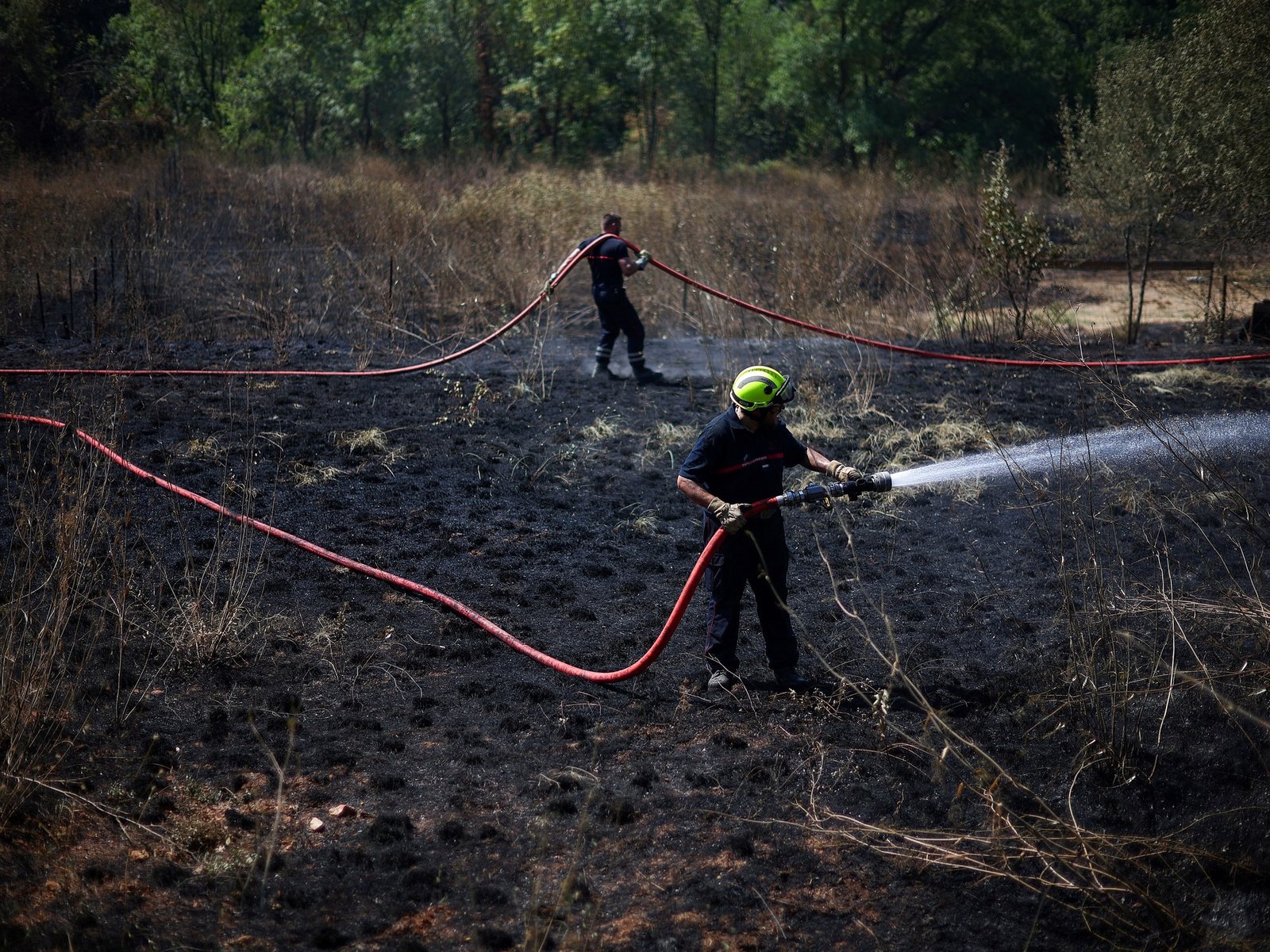
Entre el fuego y el abandono: el calor extremo y los incendios dividen a Francia

Los cuatro signos del horóscopo chino que podrán destrabar proyectos importantes en agosto, según Ludovica Squirru

Cepo más flexible: las empresas aceleraron el giro de dividendos y utilidades al exterior en el primer semestre

Milei abre la puerta a un acuerdo con aliados para definir su compañero de fórmula en las elecciones de 2027

Mauro Icardi y el supuesto rumor que lo vincula a Platense en este mercado de pases

Estrenos agosto en Crunchyroll: Animes que llegan – Nintenderos

“Vamos a acelerar con todo”: el objetivo del Gobierno por las reformas y la agenda electoral de cara al 2027

Reelecciones indefinidas: el oficialismo bonaerense niega que busque ampliar la Legislatura como parte de una reforma política para beneficiar a los intendentes

“Casta”, “parásito” y “sea democrático”: fuerte respuesta de Victoria Villarruel a Diego Santilli

¡Chau Luck Ra! La salida de soltera de La Joaqui, muy bien acompañada, a días de su separación
-
 POLITICA2 días ago
“Vamos a acelerar con todo”: el objetivo del Gobierno por las reformas y la agenda electoral de cara al 2027
-
 POLITICA1 día ago
Reelecciones indefinidas: el oficialismo bonaerense niega que busque ampliar la Legislatura como parte de una reforma política para beneficiar a los intendentes
-
 CHIMENTOS2 días ago
¡Chau Luck Ra! La salida de soltera de La Joaqui, muy bien acompañada, a días de su separación