
INTERNACIONAL
‘Lame duck’: Jeffries rips DeSantis after Florida invitation as redistricting fight heats up


NEWYou can now listen to Fox News articles!
Democratic House Minority Leader Hakeem Jeffries ripped Florida Gov. Ron DeSantis in a Fox News Digital interview on Thursday, calling him a «lame duck» after the governor offered to pay for his trip to Florida amid a redistricting push.
Jeffries warned DeSantis he could put Republican seats at risk as the Sunshine State remains in the spotlight of a nationwide gerrymandering battle, with parties reshuffling congressional districts for partisan advantages.
«Ron DeSantis is putting his own congressional delegation in jeopardy, which probably shouldn’t be surprising because all of them, as I understand it, can’t stand the charismatically challenged lame duck governor of Florida,» Jeffries said.
CALIFORNIA REPUBLICANS SUE TO STOP NEWSOM, DEMOCRATS FROM PUSHING REDISTRICTING PLAN
House Minority Leader Hakeem Jeffries, D-N.Y., speaks before a House vote on funding for the Department of Homeland Security on Capitol Hill in Washington, D.C., on March 5, 2026. (Brendan SMIALOWSKI / AFP via Getty Images)
DeSantis extended the invitation to Jeffries at a press conference in Kissimmee, Florida, on Wednesday following Jeffries’ «F around and find out» warning on redistricting.
«Please. Be my guest. I will pay for you to come down to Florida to campaign,» DeSantis told the crowd. «I’ll put you up in the Florida governor’s mansion. We will take you fishing. We’ll do all this stuff. There’s nothing that could be better for Republicans in Florida than to see Jeffries, Hakeem Jeffries, everywhere around this state.»
Jeffries warned DeSantis earlier this week not to follow Texas’s lead, where Republicans pushed a redistricting map to flip up to five Democratic-held seats.
«Our message to Florida Republicans is F around and find out,» Jeffries said. «If they go down the road of a DeSantis dummymander, the Florida Republicans are gonna find themselves in the same situation as Texas Republicans, who are on the run right now. Under no circumstances are Texas Republicans picking up five seats. They’ll be fortunate if they get two or three. While in California, we are going to get all five.»
BATTLE FOR THE HOUSE RUNS THROUGH VIRGINIA AS COURT OKS HIGH-STAKES REDISTRICTING VOTE
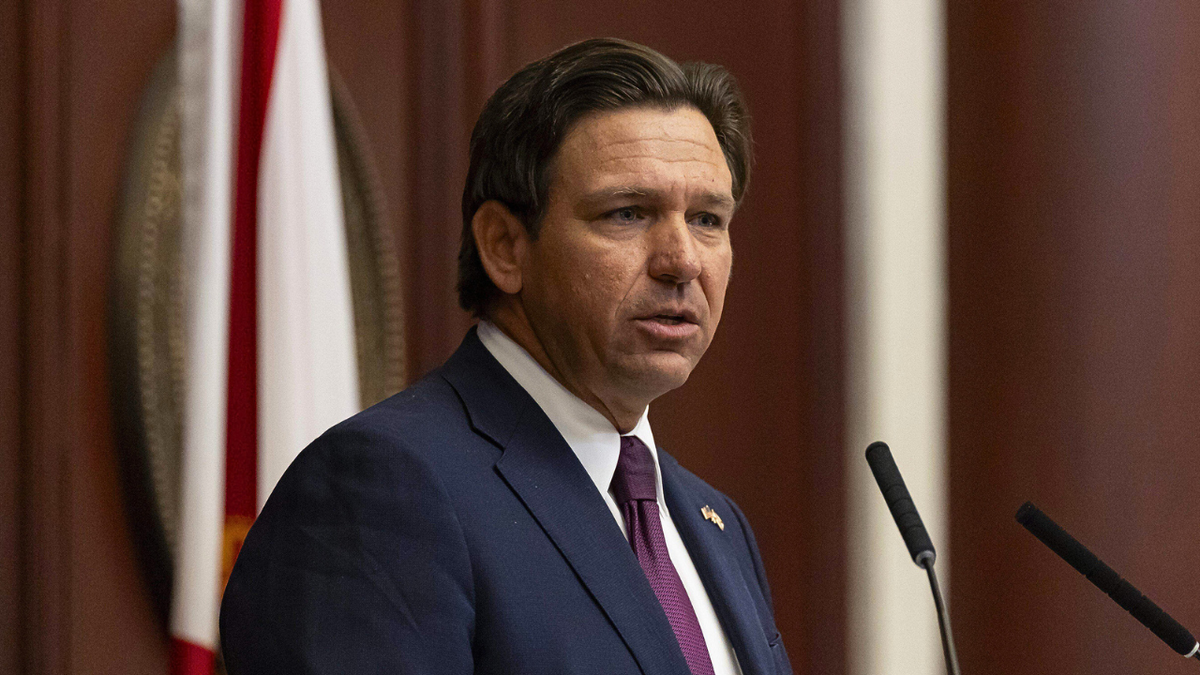
Florida Gov. Ron DeSantis delivers his State of the State address during the first day of the legislative session at the Florida State Capitol in Tallahassee on Jan. 13, 2026. (Matias J. Ocner/Miami Herald/Tribune News Service)
Multiple states have moved forward with similar redistricting efforts following a push initiated by President Donald Trump.
Jeffries added that the redistricting war is not over yet.
«The Republicans are dummymandering their way into the minority before a single voter casts a ballot because they started this war and we’re going to finish it.»
With the 2026 midterms approaching, both parties hope to win the House by leveraging gerrymandering.
President Trump urged Virginia voters this week to reject the «blatant partisan power grab» in Virginia before voters headed to the polls to vote on the congressional redistricting referendum, led by Democratic Gov. Abigail Spanberger.
The referendum was passed on Tuesday night, securing Virginia Democrats a major win and increasing the party’s chances in the midterms.
FIRST ELECTION TEST FOR TRUMP’S TERM SURPRISINGLY CLOSE IN FL, GOP LOOKS TO INCREASE RAZOR-THIN HOUSE MAJORITY
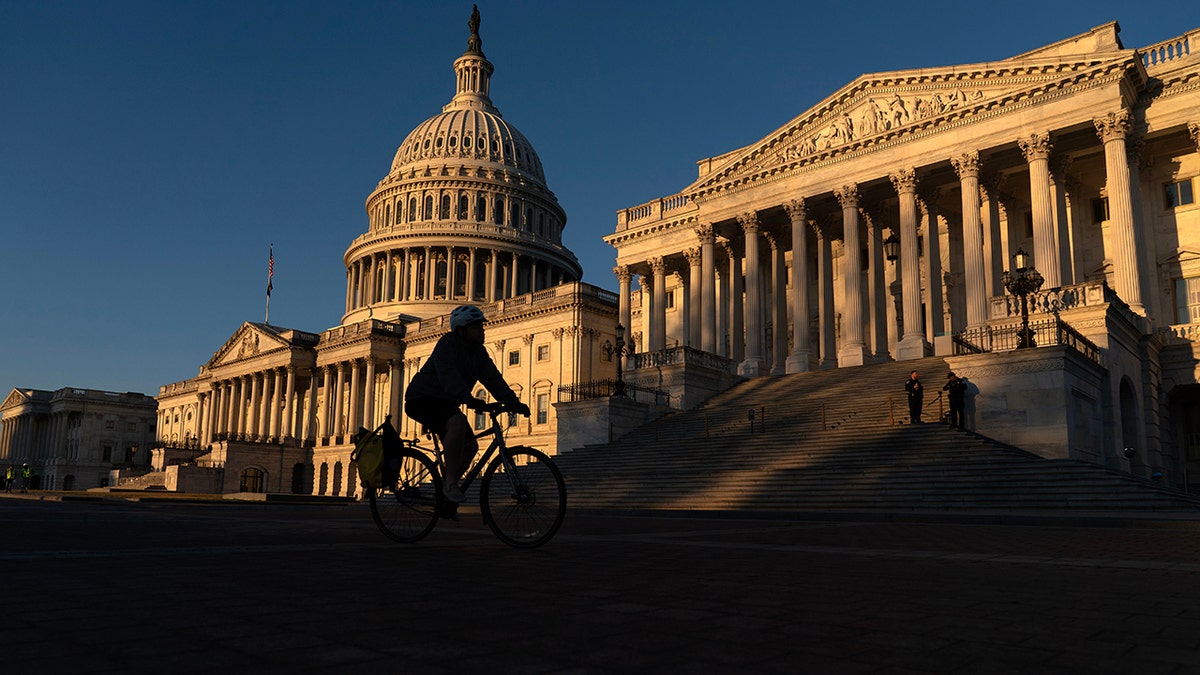
The U.S. Capitol building is seen at sunrise in Washington, D.C., on Mon. March 9, 2026. (Jose Luis Magana/AP)
DeSantis called a special session this week to focus on congressional maps that he says will «accurately reflect the population of our state.» Florida’s state constitution bans favoring parties in redistricting.
Eight Democratic-held districts are up for redrawing. Currently, Republicans hold 20 of Florida’s seats, while Democrats hold eight.
CLICK HERE TO DOWNLOAD THE FOX NEWS APP
A redistricting plan has not been revealed.
Fox News Digital’s Leo Briceno contributed to this report.
ron desantis, fox news, governors, republicans elections, democrats














Mientras resuenan los ecos del pedazo de cohete de SpaceX que esta semana impactó en la Luna tras deambular en su órbita por un año tras una misión en 2025, la preocupación por la basura espacial crece a medida que miles de satélites, cohetes y fragmentos orbitan la Tierra a velocidades que superan los 27.000 kilómetros por hora.
En este escenario, científicos e ingenieros buscan formas innovadoras para detectar, rastrear y anticipar riesgos tanto en órbita como durante el reingreso de estos restos a la atmósfera. En los últimos meses, dos avances tecnológicos rompieron paradigmas: el uso exitoso de radiotelescopios para seguir desechos en la órbita geoestacionaria y la implementación de sensores sísmicos terrestres para localizar objetos que caen casi en tiempo real.
Un equipo internacional, compuesto por ingenieros del Laboratorio Lincoln del Instituto Tecnológico de Massachusetts (MIT), la Universidad de Birmingham y el radiotelescopio de Jodrell Bank en el Reino Unido, presentó resultados inéditos en la observación de basura espacial a gran altitud.

El proyecto, denominado Radar Multiestático de Línea de Base Larga (LBMR), demostró que es posible aprovechar radiotelescopios para captar y analizar los ecos de radar reflejados por fragmentos de escombros en órbitas tan altas como la geoestacionaria, a 36.000 kilómetros de la superficie. “Es la primera vez que se hace algo así”, destacó Simon Garrington, director asociado de Jodrell Bank.
La basura espacial incluye satélites inactivos, etapas de cohetes abandonadas, fragmentos dispersos por colisiones y millones de pequeñas partículas como escamas de pintura. Si bien la mayor parte se concentra en la órbita baja terrestre (LEO), donde los radares convencionales funcionan de manera eficiente, los objetos en órbitas más altas, como la geoestacionaria (GEO), han resultado mucho más difíciles de rastrear.
En la GEO se encuentran satélites meteorológicos y de comunicaciones críticos, y un solo impacto puede dejar inutilizado un aparato esencial para la vida moderna.

(Imagen Ilustrativa Infobae)
La novedad de la estrategia LBMR radica en la combinación de un potente radar emisor en el MIT y radiotelescopios receptores en el Reino Unido. Las ondas de radio emitidas rebotan en los desechos espaciales y regresan a antenas como la del Telescopio Lovell, donde son procesadas en tiempo real.
Este método, desarrollado durante siete años y con apoyo de la OTAN y la Agencia Espacial del Reino Unido, permite medir la distancia y velocidad de los fragmentos con una sola antena. La meta siguiente es captar ecos de un mismo objeto con múltiples radiotelescopios, lo que posibilitaría reconstruir trayectorias en tres dimensiones y optimizar la vigilancia.
“Esta idea surgió hace unos siete años. En aquel entonces parecía una locura, porque no teníamos sincronización. Teníamos recursos en un extremo del océano y otros recursos en el otro extremo. Pero estábamos lo suficientemente locos como para seguir adelante”, contó Marco Martorella, ingeniero electrónico de Birmingham y miembro de LBMR.

El equipo ya demostró la viabilidad del sistema y espera ampliar la cobertura para seguir rastreando en tiempo real fragmentos cada vez más pequeños y peligrosos.
La basura espacial representa un riesgo real para las misiones activas, las estaciones orbitales y hasta para la aviación. Un objeto de apenas unos centímetros puede atravesar paneles, destruir instrumentos y generar nuevos fragmentos, alimentando el temido “síndrome de Kessler”, una reacción en cadena donde cada colisión produce más escombros y satura las órbitas terrestres.
Si bien la mayoría de los fragmentos se desintegran en la atmósfera durante su reentrada, los de mayor tamaño pueden llegar intactos a la superficie, con potencial de causar daños a infraestructuras, el medioambiente o la salud pública. Algunos restos transportan materiales tóxicos, inflamables o radiactivos, y existe además el riesgo de impacto con aeronaves en vuelo.

Para abordar el desafío de la reentrada, científicos encabezados por Benjamin Fernando (Universidad Johns Hopkins) y Constantinos Charalambous (Imperial College de Londres) dieron un paso adelante utilizando sensores sísmicos terrestres.
Su estudio, publicado en la revista Science, muestra cómo las redes sísmicas públicas permiten registrar los estampidos sónicos que generan los fragmentos al entrar en la atmósfera a velocidades supersónicas.
Analizando los datos de 127 sismómetros en el sur de California y Nevada, los investigadores rastrearon la caída de un módulo orbital chino, la Shenzhou-15, identificando la trayectoria real a 30 kilómetros al sur de la prevista por sistemas de radar orbital.
“Podemos rastrear cosas muy bien en el espacio. Pero una vez que llega al punto en que realmente se está desintegrando en la atmósfera, se vuelve muy difícil de rastrear”, explicó Fernando.

El método no solo permite ubicar la zona de caída casi en tiempo real, sino que también ofrece información sobre la velocidad, dirección y fragmentación del objeto. Esto resulta vital para la rápida recuperación de restos, especialmente si contienen sustancias peligrosas, y para reducir el tiempo entre la reentrada y la determinación de la trayectoria.
Los autores del estudio ya emplearon esta técnica para rastrear decenas de reentradas, y su objetivo es lograr estimaciones precisas en minutos o segundos tras el evento. Chris Carr, del Laboratorio Nacional de Los Álamos, destacó en un análisis que “el método permite identificar rápidamente las zonas de caída de desechos”, una capacidad cada vez más relevante ante el aumento de satélites y basura en órbita.
La comunidad científica subraya que, con el ritmo actual de lanzamientos y la proliferación de objetos en el espacio, el seguimiento detallado y constante de la basura espacial será clave para evitar incidentes graves.
Los avances en radiotelescopía y sismología aplicada abren nuevas puertas para una vigilancia más eficaz, combinando observación a gran altitud y monitoreo de reentradas.
En este escenario, la cooperación internacional y la innovación tecnológica se convierten en herramientas imprescindibles para enfrentar los desafíos de la próxima era espacial.
basura espacial,radiotelescopios,sensores sísmicos,monitoreo orbital,rastreo espacial,sistemas de detección
INTERNACIONAL
Rogers opens door to Democratic voters after El-Sayed’s primary victory: ‘There is still hope’

NEWYou can now listen to Fox News articles!
Republican Senate nominee Mike Rogers opened the door to Michigan Democrats on Friday after far-left progressive Abdul El-Sayed’s primary victory, assuring them «there is still hope,» adding they have a «home» with his campaign.
«If you’re among the majority of Democratic voters that woke up on Wednesday feeling, well, hopeless, because the person who won does not represent your values, well, just know, there is still hope,» Rogers said in a video posted on X Friday.
«Michigan deserves a senator who is ready to sit with you, hear from you and represent you.»
El-Sayed narrowly defeated Rep. Haley Stevens, D-Mich., in one of the nation’s most closely watched Democratic primaries, setting up a November showdown with Rogers, who ran uncontested.
2026 MIDTERMS STATE OF PLAY: KEY RACES UNFOLD AS STEVENS, EL-SAYED BATTLE IN MICHIGAN
Republican Senate nominee Mike Rogers is making a direct pitch to Michigan Democrats following Abdul El-Sayed’s primary victory. (Sarah Rice/Getty Images ; Jeff Kowalsky/AFP via Getty Images)
Rogers addressed Democratic voters directly, casting his campaign as a home for those who feel their values are not reflected in El-Sayed’s candidacy as he tries to court the hundreds of thousands of Democrats who voted for Stevens but may not feel comfortable voting for El-Sayed.
«The parents across Michigan who want an education system that sets up their kids for success, you have a home with us,» he said. «To grandparents across Michigan who are heartbroken from watching their kids and grandkids leave the state, you have a home with us.
«To young people who are looking for real solutions to solve our housing affordability crisis, you have a home with us. To working families who don’t want higher taxes and lower paychecks, well, you have a home with us.»
Rogers also accused El-Sayed’s campaign of promoting «anger, divisiveness, calls for violence» and views he said are out of step with Michigan voters.
«And to the vast majority of people across Michigan who do not want to throw their support behind a campaign filled with anger, divisiveness, calls for violence and the views that are out of touch with your values, well, you have a home with us,» he said.
EL-SAYED’S THREAT AGAINST GOP RIVAL BACKFIRES AS CONSERVATIVES BRING RECEIPTS: ‘IS DUBAI IN FLORIDA?’
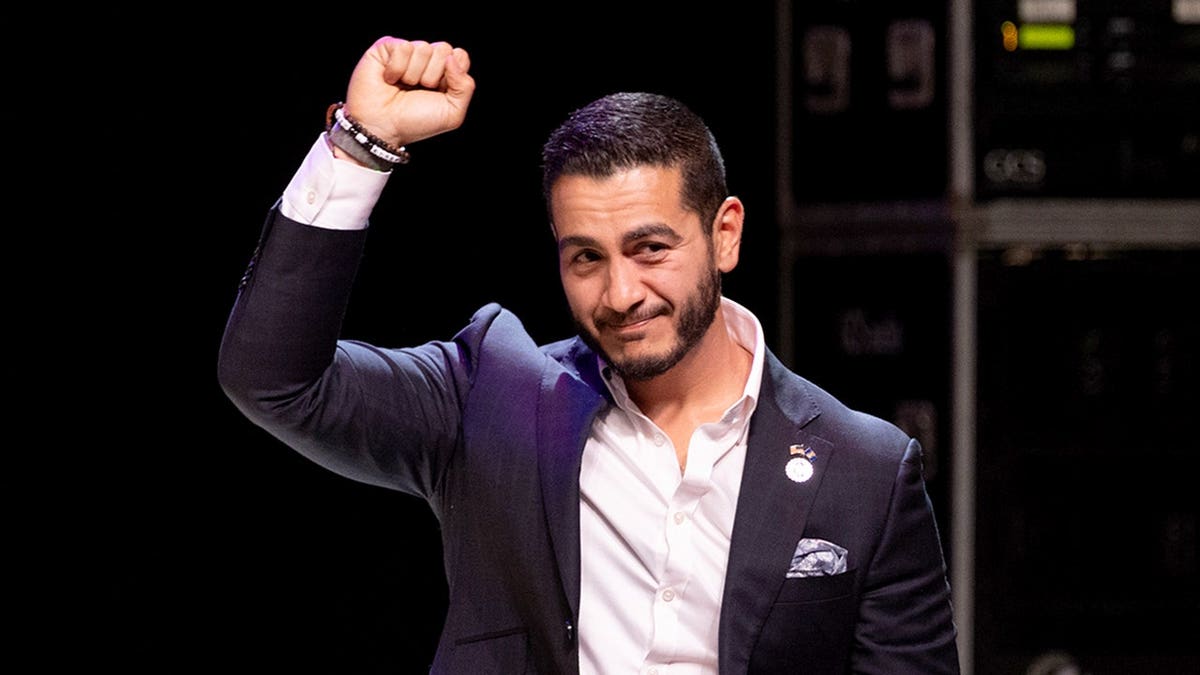
Democratic candidate for U.S. Senate Abdul El-Sayed speaks to supporters at an election night rally at the Majestic Theatre Aug. 4, 2026, in Detroit. (Scott Olson/Getty Images)
If Rogers wins in November, Republicans would flip the seat held by retiring Democratic Sen. Gary Peters and help protect their control of the Senate.
«Over the next 90 days, I’m going to work hard to earn your trust, to earn your support and earn your vote,» Rogers said. «We have a state to save, Michigan. Let’s get to work.»
Rogers’ outreach to Democrats was praised by some conservatives and pundits on social media.
In a post on X, former DSA member Jake Altman wrote, «I voted for Biden. I voted for Harris. I will vote for Mike Rogers. I just donated to the campaign. This is not a time to sit on your hands. Stand up for the man who fights terrorists, not the one who sympathizes with them.»
«Mike Rogers directly asks for Democrats to support him in Michigan. The majority of Michigan Democrats voted against Abdul El-Sayed. This is well done,» OutKick founder Clay Travis posted on X.
In another post on X, Democrats for Mike Rogers wrote, «Mike Rogers is meeting the moment. We’re putting country over party and voting for Mike Rogers in November. It’s never been more important. We must unite and defeat the extremism of Abdul El-Sayed and his allies.»
El-Sayed, an epidemiologist and former Wayne County health director who unsuccessfully ran for governor in 2018, has campaigned on Medicare-for-all and abolishing Immigration and customs enforcement. He has also been a vocal critic of Israel during its war with Hamas and has called Israel’s actions in Gaza «genocide.»
REPORTER’S NOTEBOOK: THE REPUBLICAN-LED VOTE THAT REVEALED DEMOCRATS’ NEW DIVIDE ON ISRAEL

Republican U.S. Senate candidate Mike Rogers waits to go onstage at his election watch party with the Michigan GOP Nov. 5, 2024, in Novi, Michigan. Rogers and Democrat Elissa Slotkin are competing for the seat vacated by the retiring Debbie Stabenow. (Sarah Rice/Getty Images)
He would become the nation’s first Muslim senator if elected.
As some Democrats grapple with the direction of their party following El-Sayed’s nomination, Rogers said the «fight is far greater than just left versus right.»
«The fight is for the very soul of our nation,» he said.
Fox News Digital reached out to El Sayed’s campaign for comment.
politics, michigan, midterm elections, senate, democratic party
INTERNACIONAL
Después de 16 años, el gobierno venezolano liberó a una jueza que estaba presa por «corrupción espiritual»
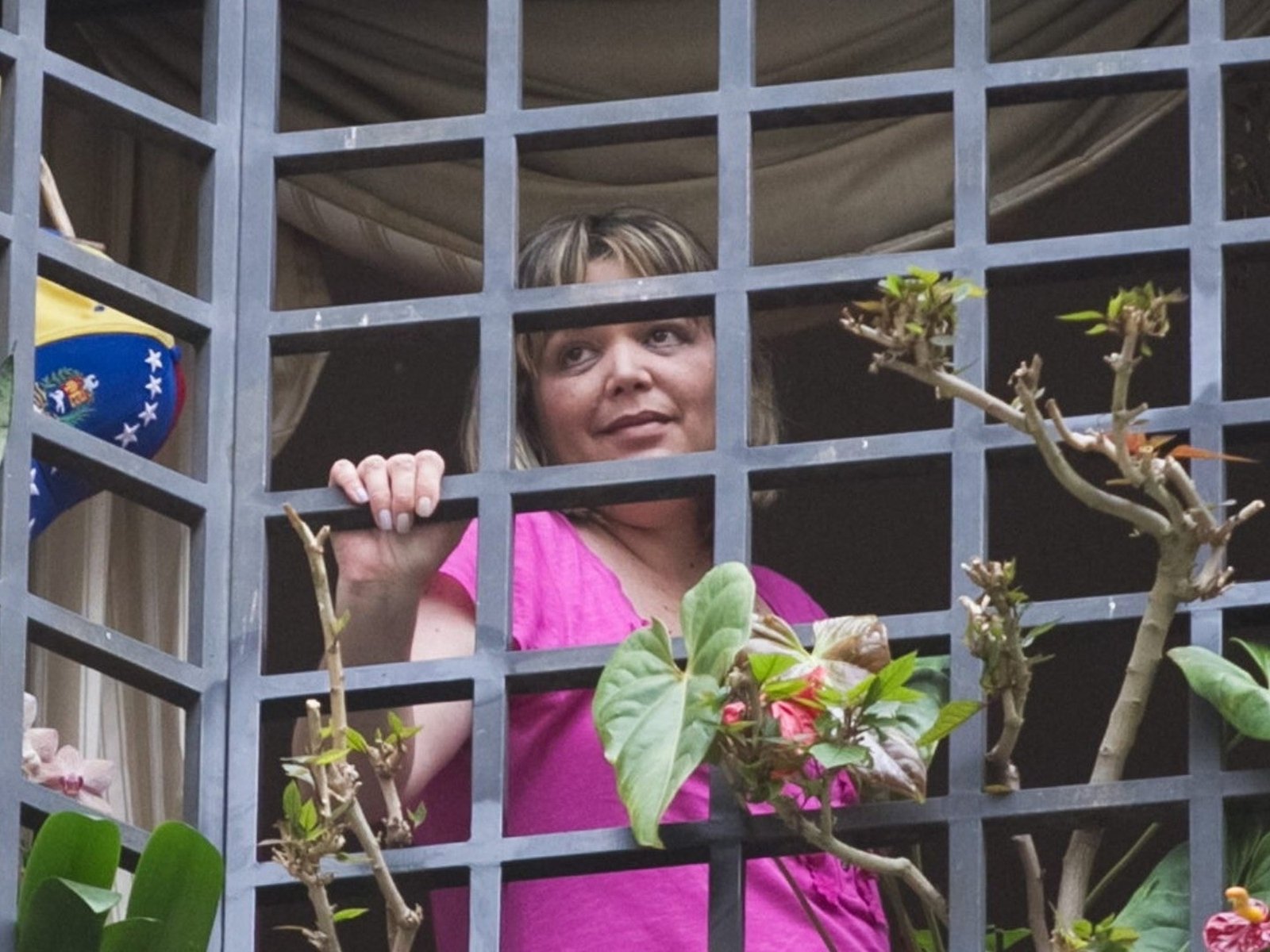
La justicia venezolana cerró de manera definitiva el caso de la jueza María Lourdes Afiuni, considerada una presa política del fallecido presidente Hugo Chávez, y le otorgó la libertad plena, informó este viernes su familia.
En un comunicado, el hermano de la jueza, Nelson Afiuni y la representante legal de la familia, Thelma Fernández, afirmaron que la decisión «pone fin de manera definitiva al proceso seguido en su contra y restituye plenamente su libertad, cerrando formalmente un caso que nunca debió existir».
La jueza fue detenida en diciembre de 2009 tras otorgar libertad bajo fianza a Eligio Cedeño, un banquero acusado de efectuar operaciones cambiarias ilegales. En televisión, Chávez la llamó «bandida» y pidió que se le impusiera la condena máxima de 30 años de cárcel por supuestamente haber facilitado la fuga del empresario, quien salió del país.
Estuvo en prisión hasta 2011, cuando pasó a arresto domiciliario, y en 2013 obtuvo libertad condicional.
En 2019, fue condenada a cinco años por «corrupción espiritual», es decir, la misma fiscalía reconoció que no tuvo ningún beneficio económico.
Hasta hoy, Afiuni tenía una libertad condicional que incluía, según la familia, prohibición de salir de la ciudad, hablar a la prensa o en redes sociales y votar. Tampoco tenía derecho a un pasaporte y estaba inhabilitada políticamente.
En el comunicado, el hermano y la abogada aseguraron que el cierre del caso y su libertad representan «el final de un largo y doloroso capítulo marcado por graves violaciones a los derechos humanos y al debido proceso».
«Durante años, la jueza Afiuni y su familia soportaron las consecuencias de una persecución que trascendió el ámbito personal y se convirtió en un símbolo inequívoco del deterioro de la independencia judicial en Venezuela», expresaron ambos, quienes agradecieron a todos los que «acompañaron esta causa con firmeza y constancia».
Sin embargo, señalaron que el cierre definitivo del expediente «no borra el sufrimiento vivido ni repara, por sí solo, los daños ocasionados».
Afirmaron que el caso «permanece como una advertencia para toda la región sobre las consecuencias de utilizar el sistema de justicia como instrumento de represalia contra quienes ejercen sus funciones con independencia e imparcialidad».
COMUNICADO CASO DE LA JUEZA @mariafiuni pic.twitter.com/IwX6ZFgPT8
— Nelson Afiuni (@nelsonafiuni) August 7, 2026
«Ningún juez debe volver a enfrentar prisión, persecución, humillación o amenazas por cumplir con su deber, aplicar la ley o dar cumplimiento a decisiones y estándares del derecho internacional de los derechos humanos. Una justicia independiente solo puede existir cuando sus jueces pueden decidir libres de intimidación, presiones o represalias», aseveraron.
La abogada familiar y el hermano de la jueza expresaron su confianza en que la decisión «marque también el inicio de una reflexión indispensable sobre la necesidad de reconstruir la independencia judicial en Venezuela y de garantizar que hechos como los ocurridos en este caso jamás vuelvan a repetirse».
Durante el fin de semana, Afiuni había recibido atención médica de urgencia, tras presentar un cuadro de mareos, vómitos e hipertensión. Allí se detectó que la exjueza tiene tres lesiones tumorales en distintas partes del cuerpo, según señala el comunicado.
«En este momento, cuando su estado de salud requiere atención especializada y decisiones médicas oportunas, resulta indispensable que las autoridades adopten una solución definitiva que ponga fin a un caso que debió haber sido cerrado hace muchos años», informó la familia este jueves.
«El respeto al derecho a la salud de la jueza Afiuni requiere eliminar las restricciones que le impiden acceder plenamente a la atención médica que necesita y reunirse con su única hija en este momento de especial vulnerabilidad», agrega el documento publicado.
Los familiares consideran que la enfermedad de la jueza es consecuencia «de un prolongado proceso de persecución, de su injusta privación de libertad, de las condiciones de reclusión que soportó y de la falta de atención médica oportuna».
Meses atrás, la familia había pedido que Afiuni fuera favorecida por la ley de amnistía impulsada por la presidenta encargada Delcy Rodríguez. Este año, cientos de presos políticos han sido excarcelados y a miles de personas se les han levantado las restricciones a su libertad, luego de la captura de Nicolás Maduro por parte de Estados Unidos.

Geopolítica, Estado y empresas

Messi vs. Monterrey: del morbo de la pelea con Nico Sánchez a ¿la fórmula de Almeyda para frenarlo?

Cuánto se gana con un plazo fijo en el Banco Galicia al invertir $2 millones con la nueva tasa

La revolución científica que permite rastrear la basura espacial en tiempo real

Pase de facturas por los recortes a la ley: Bullrich culpó a Adorni y Benegas Lynch, a los “tibios del medio”

El bailarín Herman Cornejo vuelve a la Argentina: “Mi historia es un milagro”

Dólar hoy en vivo: a cuánto se negocian todas las cotizaciones minuto a minuto este miércoles 5 de agosto

La oposición cuestionó a Benegas Lynch por su empresa para vender campos a extranjeros y el senador libertario se defendió

Brasil retira a su embajador en la Argentina: qué consecuencias tiene la medida diplomática

Las centrales obreras y los movimientos sociales anunciaron dos días de conflicto callejero
-
 ECONOMIA3 días ago
Dólar hoy en vivo: a cuánto se negocian todas las cotizaciones minuto a minuto este miércoles 5 de agosto
-
 POLITICA1 día ago
La oposición cuestionó a Benegas Lynch por su empresa para vender campos a extranjeros y el senador libertario se defendió
-
 POLITICA3 días ago
Brasil retira a su embajador en la Argentina: qué consecuencias tiene la medida diplomática